
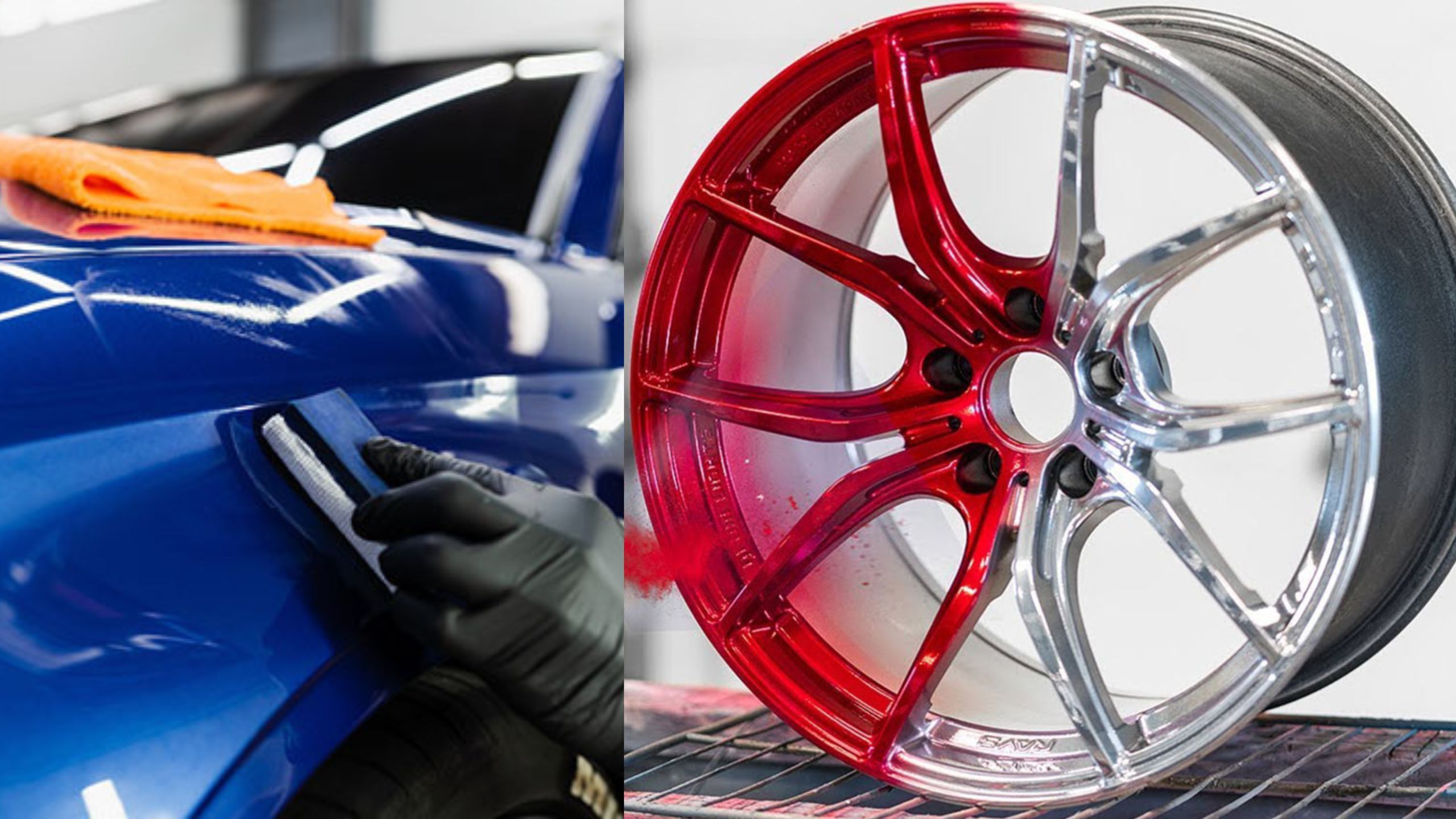
Automotive paint finishes face some of the most demanding conditions imaginable, from intense UV radiation and temperature extremes to road salt, stone chips, bird droppings, and constant exposure to the elements.
The difference between a paint job that maintains its showroom appearance for decades and one that begins peeling within months often comes down to the specific coating technology, application process, and environmental factors involved. Understanding these differences is crucial for car owners, restoration enthusiasts, and automotive professionals who want to achieve lasting results.
Modern automotive paint systems have evolved dramatically from the simple single-stage enamels of the past to sophisticated multi-layer systems incorporating advanced polymer chemistry, nanotechnology, and specialized additives.
The unique challenges of automotive applications, including flexible substrates, extreme temperature cycling, chemical exposure, and mechanical stress require specialized formulations and application methods.
This comprehensive guide examines ten automotive paint finishes, highlighting five that demonstrate exceptional longevity and durability, and five that commonly experience peeling and failure issues in automotive applications.
5 paint finishes that stay vibrant for years
These exceptionally formulated paint systems feature advanced urethane chemistry with UV-stabilized pigments and multi-layer protective clear coats that maintain color depth and surface integrity through years of environmental exposure.
Their sophisticated application process includes meticulous surface preparation, controlled spray booth conditions, and precise curing cycles that create molecular bonds resistant to thermal expansion, chemical contamination, and mechanical abrasion.
From intense desert sun that bleaches inferior finishes to acid rain and industrial pollutants that etch unprotected surfaces, these remarkable paint systems continue displaying showroom-quality gloss and color saturation without developing oxidation, chalking, or surface defects.
Owners report that these legendary finishes improve with proper maintenance often displaying better depth and clarity after five years than many vehicles show when new, proving their worth through preserved appearance and maintained resale value throughout extended ownership.
1. OEM Factory Electrostatic Paint Systems
Original Equipment Manufacturer (OEM) factory electrostatic paint systems represent the gold standard in automotive finishing, designed to maintain their appearance and protective properties for 15-20 years or more under normal driving conditions.
These sophisticated multi-stage processes combine advanced surface preparation, specialized primers, color coats, and clear coats applied in controlled environments using electrostatic deposition technology.
The electrostatic process ensures uniform film thickness and exceptional adhesion by creating an electrical charge differential between the paint particles and the grounded vehicle body, resulting in a coating that wraps around complex contours and penetrates into recessed areas that conventional spray methods cannot reach effectively.
The superior longevity of OEM paint systems begins with extensive surface preparation, including multi-stage cleaning, etching, and phosphate conversion coatings that create an ideal foundation for paint adhesion.
The primer systems used in factory applications often incorporate advanced corrosion inhibitors, adhesion promoters, and flexibility modifiers specifically engineered for the thermal expansion characteristics of automotive substrates.
E-coat (electrodeposition) primers provide exceptional corrosion protection by forming a continuous, pinhole-free barrier that completely the metal substrate, eliminating the weak points that often lead to paint failure in aftermarket applications.
The base coat and clear coat systems used in OEM applications utilize premium resins, UV stabilizers, and antioxidants that far exceed the quality typically found in aftermarket products. Advanced polyurethane and acrylic polyol chemistry provides the optimal balance between hardness, flexibility, and chemical resistance needed for long-term automotive service.
he clear coat formulations incorporate sophisticated light stabilizers, including both UV absorbers and hindered amine light stabilizers (HALS), that work synergistically to prevent photodegradation of the underlying color layers while maintaining their own clarity and gloss.
The controlled factory environment allows for precise temperature and humidity control during application and curing, ensuring optimal film formation and crosslinking. High-temperature curing processes, often exceeding 300°F, create dense, highly crosslinked polymer networks with superior chemical and mechanical properties compared to air-dry or low-temperature cure systems.
Quality control measures, including film thickness monitoring, adhesion testing, and appearance evaluation, ensure consistent results that meet stringent automotive durability standards designed for extended service life under demanding conditions.
2. Two-Component Polyurethane Clear Coat Systems
Two-component polyurethane clear coat systems represent the premium choice for automotive refinishing, offering exceptional durability and appearance retention that can rival factory finishes when properly applied.
These advanced coating systems consist of an acrylic polyol base component and a polyisocyanate hardener that react to form a highly crosslinked urethane polymer network.
The chemical curing mechanism creates irreversible bonds that result in a thermoset coating with outstanding resistance to solvents, chemicals, UV radiation, and mechanical wear.
The superior performance of two-component polyurethane clear coats stems from their unique molecular architecture, which combines the flexibility of polyether or polyester segments with the hardness and chemical resistance of urethane linkages.
This balanced structure allows the coating to flex with the substrate during temperature cycling while maintaining a hard, scratch-resistant surface that preserves gloss and appearance over extended periods.
Advanced formulations incorporate specialized flow control agents and leveling additives that eliminate spray texture and create mirror-like finishes that enhance both appearance and durability by reducing surface area exposed to environmental attack.
The UV resistance of premium polyurethane clear coats is achieved through sophisticated light stabilizer packages that include both primary and secondary antioxidants, UV absorbers, and hindered amine light stabilizers (HALS).
These additives work through complementary mechanisms to prevent the photodegradation reactions that cause yellowing, chalking, and loss of film integrity in inferior coating systems.
The high molecular weight and dense crosslink density of cured polyurethane films create an effective barrier against oxygen and moisture transmission, protecting both the clear coat itself and the underlying color layers from environmental degradation.
Modern two-component polyurethane clear coats often incorporate nanotechnology additives such as silica nanoparticles or aluminum oxide that enhance scratch resistance and self-cleaning properties without compromising clarity or application characteristics.
These nano-additives create microscopic surface textures that reduce the apparent visibility of fine scratches while providing hydrophobic properties that help shed water and contaminants.
The combination of advanced polymer chemistry, sophisticated additive packages, and nanotechnology results in clear coat systems that can maintain their appearance and protective properties for 10-15 years in demanding automotive applications, making them the preferred choice for high-end restoration work and custom finishes where longevity is paramount.
3. Ceramic-Enhanced Automotive Paint Systems
Ceramic-enhanced automotive paint systems represent cutting-edge coating technology that incorporates ceramic nanoparticles into traditional automotive paint formulations to create finishes with unprecedented durability, scratch resistance, and environmental protection.
These advanced systems can maintain their appearance and protective properties for 15-20 years or more, even under extreme conditions that would rapidly degrade conventional automotive paints.
The ceramic additives, typically consisting of silicon dioxide, titanium dioxide, or aluminum oxide nanoparticles, fundamentally alter the physical and chemical properties of the paint film while maintaining the application characteristics and appearance of traditional automotive finishes.
The exceptional longevity of ceramic-enhanced paints derives from the inherent stability and hardness of ceramic materials, which are among the most chemically inert and mechanically durable substances available.
When properly dispersed throughout the paint matrix at nanoscale dimensions, these ceramic particles create a composite material that combines the flexibility and adhesion properties of automotive polymers with the extreme durability of engineered ceramics.
The resulting coating demonstrates superior resistance to UV radiation, thermal cycling, chemical exposure, stone chips, and scratching compared to conventional automotive paint formulations.
The thermal management properties of ceramic-enhanced paints provide significant benefits for automotive applications, where surface temperatures can exceed 150°F in direct sunlight.
The ceramic additives improve heat reflection and dissipation, reducing substrate temperatures and thermal stress that can cause paint failure through expansion and contraction cycling.
This thermal stability is particularly beneficial for dark-colored vehicles, where heat absorption can create extreme temperature differentials that stress conventional paint systems beyond their design limits.
The scratch and mar resistance of ceramic-enhanced automotive paints represents a major advancement in coating technology, with hardness values approaching those of glass while maintaining the flexibility required for automotive applications.
The ceramic nanoparticles create a reinforced surface layer that resists deformation from minor impacts and abrasion, helping to preserve the mirror-like finish that is critical for automotive appearance.
Advanced formulations incorporate multiple types of ceramic particles, each engineered for specific performance attributes such as UV reflection, thermal conductivity, or mechanical reinforcement, creating synergistic effects that maximize coating performance and longevity in demanding automotive environments.
4. Premium Acrylic Urethane Base Coat/Clear Coat Systems
Premium acrylic urethane base coat/clear coat systems represent the professional standard for high-quality automotive refinishing, offering exceptional color retention, adhesion, and durability when properly applied over correctly prepared surfaces.
These sophisticated two-stage systems separate the colorant function from the protective function, allowing each layer to be optimized for its specific purpose.
The base coat provides rich, vibrant color with excellent hiding power and metallic orientation, while the clear coat delivers UV protection, chemical resistance, and the high-gloss finish expected in automotive applications.
The base coat component utilizes advanced acrylic resin chemistry combined with carefully selected pigments and effect materials to achieve superior color development and stability.
Premium formulations incorporate lightfast organic pigments and inorganic colorants that resist fading even under intense UV exposure, while metallic and pearl effect materials are engineered for optimal orientation and depth.
The resin system provides excellent adhesion to properly prepared primers while maintaining sufficient open time for proper metallic settling and color matching. Advanced rheology control agents ensure optimal spray characteristics and film leveling without compromising the delicate orientation of effect pigments.
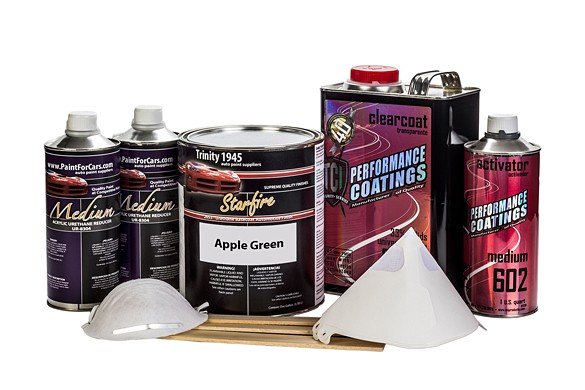
The clear coat component represents the primary protective barrier against environmental attack, utilizing high-performance acrylic urethane chemistry that provides the optimal balance between hardness, flexibility, and chemical resistance.
Premium clear coats incorporate sophisticated UV stabilizer packages that include both primary and secondary antioxidants working synergistically to prevent photodegradation of both the clear coat itself and the underlying base coat.
Premium systems often incorporate specialized additives such as anti-static agents, flow control modifiers, and anti-mar additives that enhance both application properties and long-term durability, resulting in finishes that can maintain their showroom appearance for 10-15 years with proper care and maintenance.
Also Read: 5 Sports Cars Fun to Drive After 250K Miles vs. 5 That Fall Apart
5. Powder Coat Automotive Finishes (Wheels and Components)
Powder coat finishes represent the ultimate in durability for automotive wheels and components, offering exceptional resistance to chipping, scratching, corrosion, and chemical attack that far exceeds conventional liquid paint systems.
These thermoset coatings, applied as dry powder and cured at high temperatures, create extremely durable finishes that can maintain their appearance and protective properties for decades under normal automotive service conditions.
The powder coating process eliminates many of the variables that can compromise liquid paint application, resulting in consistent, high-quality finishes with superior performance characteristics.
The exceptional durability of powder coat finishes stems from their unique application and curing process, which creates dense, highly crosslinked polymer networks without the solvents and carriers required in liquid systems.
The electrostatic application method ensures uniform coverage of complex geometries, including internal surfaces and recessed areas that are difficult to coat with conventional spray methods.
The absence of solvents eliminates the porosity and weak zones often found in liquid coatings, creating barrier properties that effectively prevent corrosion and environmental attack of the substrate.
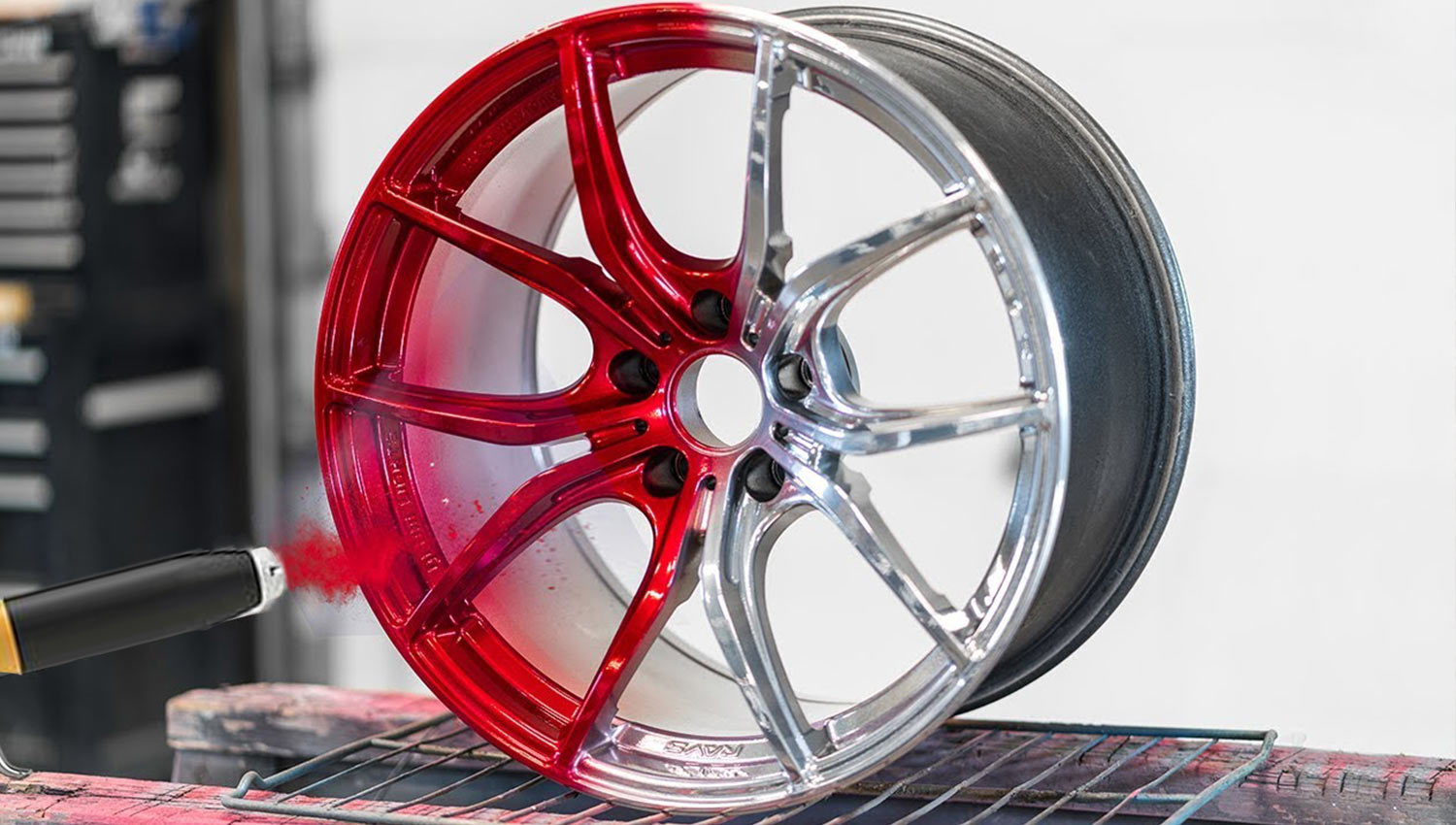
The high-temperature curing process, typically performed at 350-400°F for 15-20 minutes, creates polymer crosslink densities that cannot be achieved with ambient or low-temperature cure systems.
This extensive crosslinking results in coatings with exceptional chemical resistance, including resistance to brake fluid, gasoline, cleaning chemicals, and road salt that can rapidly attack conventional automotive paints.
The thermal stability of powder coat finishes also allows them to withstand the extreme temperatures generated by modern brake systems without degradation or discoloration.
Powder coat formulations for automotive applications utilize premium polyester, acrylic, or polyester-TGIC (triglycidyl isocyanurate) resin systems that provide the optimal balance of appearance, durability, and performance.
Advanced formulations incorporate specialized additives such as UV stabilizers, flow control agents, and degassing additives that enhance both appearance and longevity.
The wide range of available colors, textures, and special effects, including metallics, textures, and high-gloss finishes, makes powder coating suitable for both functional and decorative automotive applications.
The combination of superior durability, environmental resistance, and aesthetic versatility makes powder coating the preferred choice for wheels, suspension components, engine parts, and other automotive applications where maximum longevity is required.
5 Prone To Peeling
These unfortunately formulated paint systems suffer from fundamental chemistry flaws, including inadequate UV protection, thin application layers, and poor adhesion promoters that allow environmental damage to penetrate and destroy the finish integrity.
Their compromised application process features rushed preparation cycles, contaminated spray environments, and insufficient curing time that create weak molecular structures prone to delamination and catastrophic failure.
Owners frequently report massive paint failure requiring complete refinishing, often experiencing widespread peeling, chalking, and color shift before 50,000 miles, with repair costs approaching vehicle value and creating embarrassing appearance issues that make reliable transportation look neglected and deteriorated.
1. Single-Stage Enamel Paints (Budget/DIY Applications)
Single-stage enamel paints, particularly those in budget or DIY formulations, represent one of the most failure-prone options for automotive applications, with peeling and degradation often occurring within 2-4 years of application.
These simplified coating systems attempt to provide both color and protection in a single layer, but this dual functionality compromises both performance aspects compared to modern multi-stage systems.
The fundamental limitations of single-stage technology become particularly problematic in automotive applications, where coatings must withstand extreme temperature cycling, UV exposure, chemical attack, and mechanical stress while maintaining an acceptable appearance.
The primary weakness of single-stage enamel systems lies in their inability to optimize both colorant and protective functions simultaneously. The incorporation of pigments and effect materials into the same film that must provide UV protection, chemical resistance, and gloss retention creates inherent compromises in performance.
Budget formulations exacerbate these issues by utilizing inferior resins, minimal UV stabilizers, and low-quality pigments that fade rapidly under automotive service conditions. The alkyd or acrylic-alkyd resin systems commonly used in economical single-stage paints become increasingly brittle with age and UV exposure, leading to cracking and delamination.
The lack of flexibility is further compromised by UV degradation, which causes crosslinking reactions that increase brittleness over time. When combined with poor adhesion to modern primer systems and inadequate corrosion protection, single-stage enamels create ideal conditions for widespread coating failure that often requires complete refinishing within a few years of application.
2. Lacquer-Based Automotive Paints (Older Systems)
Lacquer-based automotive paints, while historically significant and still occasionally used in restoration applications, demonstrate inherent characteristics that make them highly prone to peeling and degradation in modern automotive service.
These nitrocellulose-based coatings rely on solvent evaporation rather than chemical curing, creating films that remain thermoplastic and soluble throughout their service life.
This fundamental difference from modern thermoset systems results in numerous performance limitations that manifest as peeling, cracking, and failure under the demanding conditions of automotive use.
The thermoplastic nature of lacquer films creates ongoing stability issues, as the coating remains susceptible to softening and reflow when exposed to heat, solvents, or mechanical stress.
Summer temperatures in automotive applications can easily exceed the softening point of lacquer films, causing surface texture changes, loss of gloss, and adhesion failure.
The solvent sensitivity of lacquer makes it vulnerable to attack from gasoline vapors, cleaning chemicals, and even water-based car wash detergents, leading to swelling, softening, and eventual delamination from the substrate.
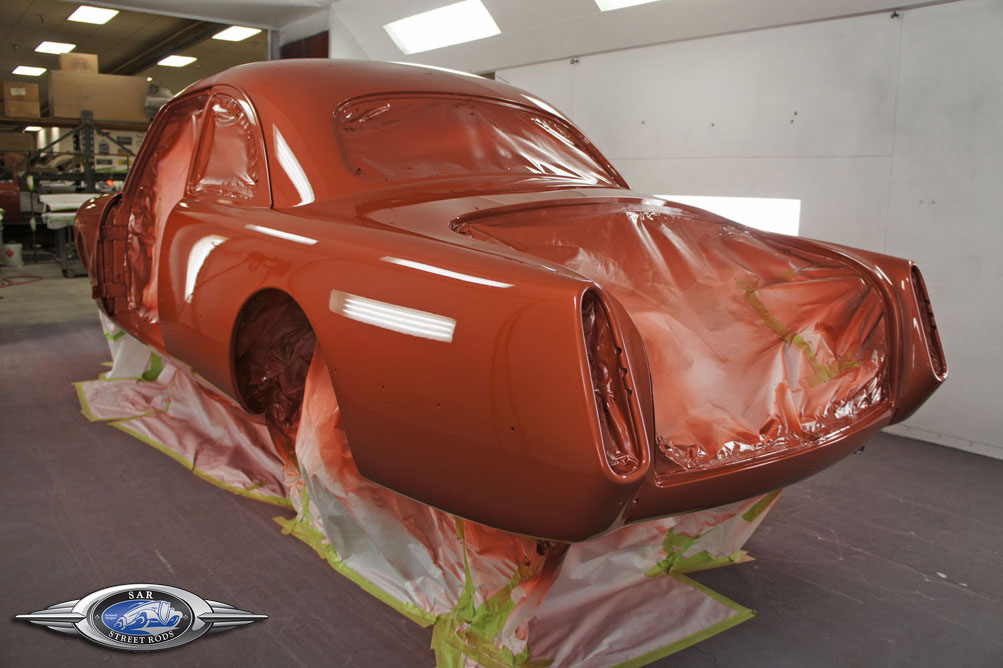
The brittle nature of aged lacquer films represents another critical weakness in automotive applications. Unlike flexible urethane systems that can accommodate substrate movement, lacquer becomes increasingly hard and brittle with age and solvent loss, developing a network of fine cracks that allow moisture and contaminants to reach the substrate.
This microcracking is particularly problematic over flexible substrates or areas subject to vibration, where the rigid lacquer film cannot flex with the underlying material. The progressive loss of plasticizers and solvents accelerates this embrittlement process, often leading to catastrophic failure within 3-5 years.
The poor adhesion characteristics of lacquer systems, particularly when applied over modern primer systems or previous coatings, contribute significantly to peeling problems.
Additionally, the environmental regulations that have largely eliminated lacquer use mean that compatible primers and repair materials are increasingly difficult to obtain, making proper system compatibility nearly impossible to achieve in modern applications.
3. Aerosol Spray Can Automotive Touch-Up Paints
Aerosol spray can automotive touch-up paints represent a convenient but problematic solution for automotive refinishing, with a high propensity for peeling and adhesion failure due to formulation limitations, application constraints, and incompatibility with professional automotive paint systems.
These consumer-grade products face significant technical challenges in delivering the performance characteristics required for long-term automotive service while maintaining the convenience and shelf stability demanded by retail applications.
The compromise between convenience and performance often results in coatings that begin failing within months of application. The fundamental issue with aerosol touch-up paints lies in their simplified formulation requirements, which must remain stable in pressurized containers for extended periods while providing acceptable application characteristics through a fixed orifice system.
This necessitates the use of fast-evaporating solvents and simplified resin systems that compromise both film formation and long-term durability.
The limited solvent systems available for aerosol applications often result in poor wetting of automotive substrates, particularly when applied over aged clear coats or contaminated surfaces, leading to mechanical rather than chemical adhesion.
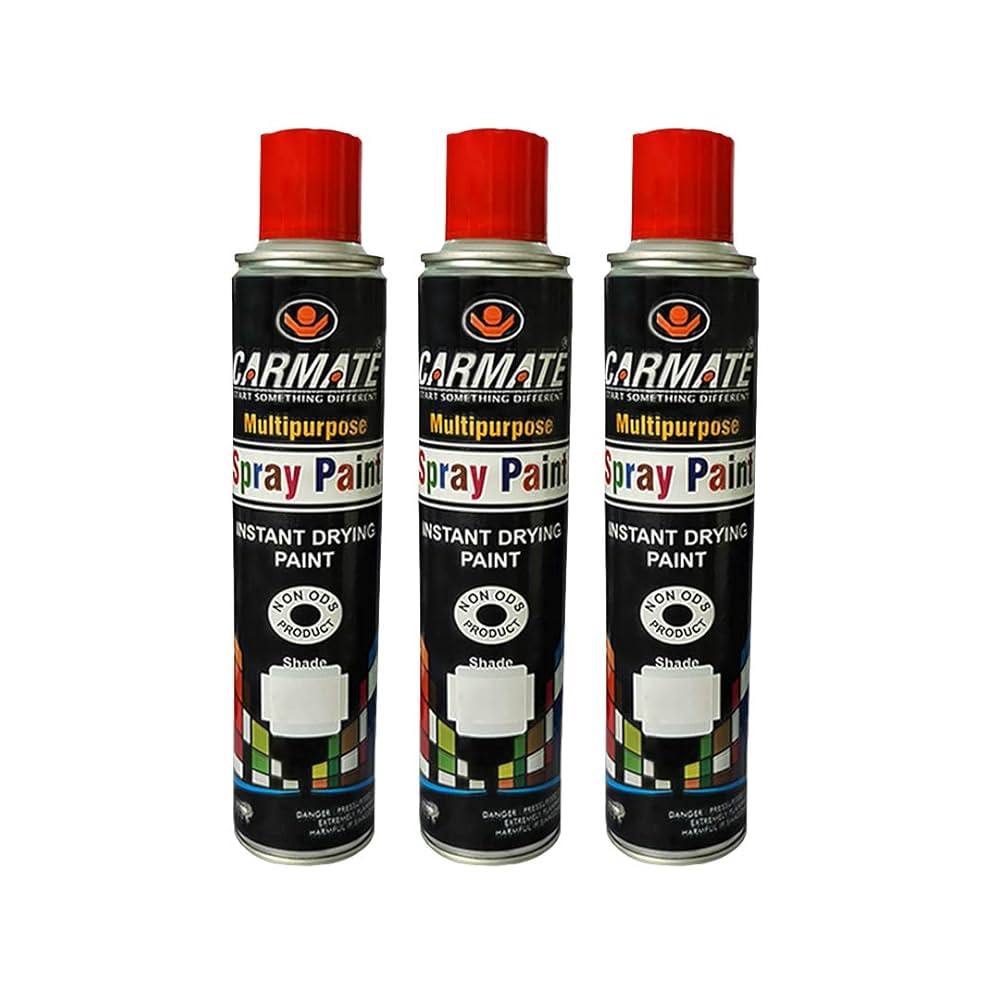
The application characteristics of aerosol systems create additional problems in automotive refinishing applications. The fixed spray pattern and pressure make it difficult to achieve proper film thickness control, often resulting in either inadequate coverage or excessive film build that leads to solvent trapping and adhesion problems.
The fast evaporation rate required for aerosol stability prevents proper flow and leveling, creating textured surfaces that trap contaminants and provide stress concentration points for coating failure.
The inability to adjust reduction ratios or application parameters limits the painter’s ability to optimize the coating for specific environmental conditions or substrate characteristics.
Temperature sensitivity represents a critical limitation of aerosol touch-up systems, as the propellant and solvent systems are optimized for room temperature application and may not function properly in the temperature ranges commonly encountered in automotive refinishing.
The incompatibility between aerosol formulations and professional automotive paint systems often results in reaction problems, including lifting, wrinkling, and delamination when aerosol products are applied over or under professional coatings.
4. Water-Based Automotive Paints (Improperly Applied)
Water-based automotive paints, while representing an environmentally responsible alternative to solvent-based systems, demonstrate a significant propensity for peeling and adhesion failure when improperly applied or used in unsuitable conditions.
The unique characteristics of waterborne technology require specialized application techniques, equipment modifications, and environmental controls that differ substantially from conventional solvent-based systems. When these requirements are not met, the superior environmental profile of water-based paints is offset by poor performance and premature failure.
The fundamental challenge with water-based automotive paints lies in their complex formulation requirements, which must provide adequate film formation and performance while using water as the primary carrier.
This necessitates sophisticated surfactant packages, coalescent aids, and rheology modifiers that can create compatibility problems with substrates, primers, or environmental conditions.
The high surface tension of water makes wetting of automotive substrates more difficult than with organic solvents, requiring specialized surface preparation and primers designed specifically for waterborne systems.
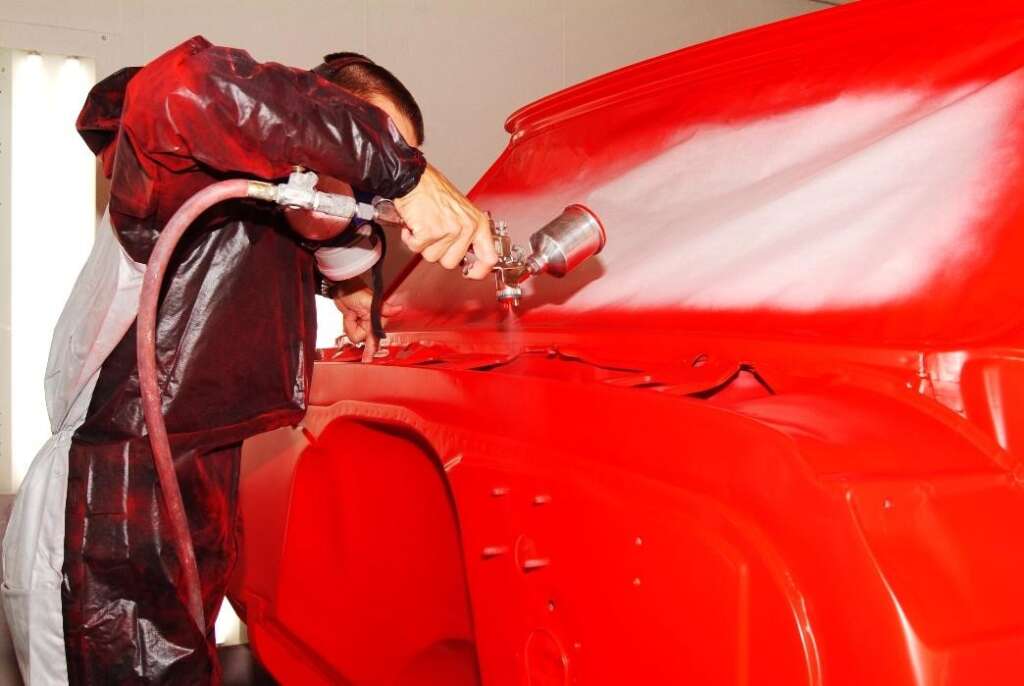
Humidity control represents a critical factor in successful water-based paint application, as both excessive and insufficient moisture can cause application problems and coating failure.
High humidity conditions slow water evaporation and can cause extended flash times, leading to sagging, runs, and contamination of the uncured film.
Extremely low humidity can cause rapid water evaporation that prevents proper film formation and creates a weak, chalky surface with poor adhesion.
The extended open time required for proper film formation also makes waterborne systems more susceptible to dust and contamination pickup, while the complex drying mechanism involving water evaporation, coalescent migration, and polymer film formation creates numerous opportunities for process disruption and coating failure when application parameters are not precisely controlled.
5. Vinyl-Based Automotive Wraps Over Poor Surface Prep
Vinyl-based automotive wraps, while not technically paint, represent an increasingly popular alternative to traditional automotive refinishing that demonstrates severe adhesion problems and peeling when applied over inadequately prepared surfaces.
The success of vinyl wrap installations depends entirely on achieving intimate contact between the adhesive and the substrate, which requires meticulous surface preparation to remove all traces of contamination, oxidation, and previous coatings that might interfere with adhesion.
Poor surface preparation represents the single most common cause of wrap failure, often manifesting as edge lifting, bubble formation, and progressive delamination.
The adhesive systems used in automotive vinyl wraps are formulated for bonding to clean, smooth surfaces and cannot overcome the adhesion barriers created by surface contamination.
Even microscopic amounts of wax, silicone, oil, or other contaminants can prevent proper adhesive contact, creating weak zones that initiate peeling under thermal cycling or mechanical stress.
The removal of these contaminants requires specialized solvents and techniques that differ from conventional paint preparation, as many automotive cleaning products leave residues that are invisible but interfere with vinyl adhesion.
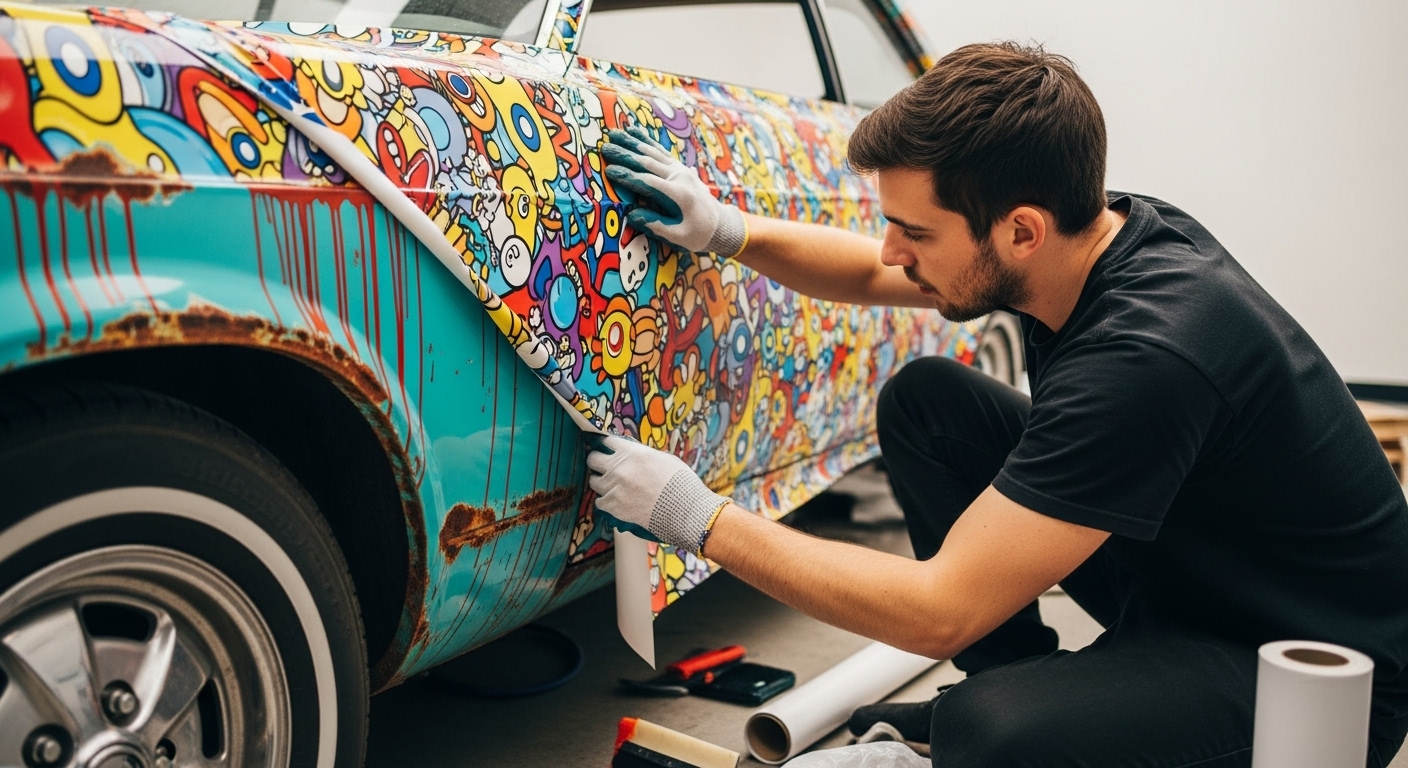
The thermal cycling experienced in automotive applications creates particular challenges for vinyl wrap adhesion, as the differential expansion rates between the vinyl material and the substrate generate stresses that can overcome marginal adhesion.
Dark-colored wraps are particularly susceptible to thermal problems, as they can reach surface temperatures exceeding 160°F in direct sunlight, causing dimensional changes and adhesive softening that lead to lifting and repositioning.
The three-dimensional forming required to cover complex automotive contours also creates stress concentrations that can initiate failure at edges and corners where proper surface preparation is most critical.
Poor preparation techniques, including inadequate cleaning, improper primer application, or contamination during installation, create ideal conditions for premature failure that often requires complete wrap removal and substrate refinishing.
Also Read: 5 Minivans That Survive Families Vs. 5 That Break Under Kid Chaos
