
The allure of a sports car often centers on that intoxicating blend of performance, style, and driving pleasure. But what happens when the odometer rolls past 250,000 miles? This is where the true character of automotive engineering reveals itself, separating the legends from the lemons.
Some sports cars seem to thrive on high mileage, developing a refined character that only comes with age and experience, much like a well-aged wine.
These mechanical marvels continue delivering thrills while maintaining reasonable reliability, proving that good engineering can withstand the test of time and countless enthusiastic drives.
On the flip side, certain sports cars that dazzle in showrooms become maintenance nightmares as the miles accumulate. What starts as passionate ownership can quickly turn into a toxic relationship filled with unexpected breakdowns, astronomical repair bills, and the constant anxiety of wondering what will fail next.
These vehicles often prioritize cutting-edge technology and exotic materials over long-term durability, creating beautiful but fragile machines that demand constant attention and deep pockets.
Understanding which sports cars age gracefully versus those that crumble helps enthusiasts make informed decisions about their automotive investments.
Whether you’re considering a high-mileage purchase or wondering about your current car’s future, this guide explores ten sports cars that exemplify both ends of the reliability spectrum.
5 Sports Cars Fun To Drive After 250k Miles
These exceptionally engineered performance machines feature bulletproof drivetrains with hand-assembled engines that actually improve their characteristics through proper break-in cycles and meticulous maintenance intervals.
Their sophisticated suspension geometries utilize premium components like Bilstein dampers and Eibach springs that maintain precise handling dynamics even after countless track sessions and spirited canyon runs.
From extreme temperature cycling during aggressive driving to the constant stress of high-RPM operation, these remarkable sports cars continue delivering razor-sharp throttle response and confidence-inspiring cornering balance without developing the typical high-mileage maladies.
The precision manufacturing includes hardened internals, forged components, and redundant lubrication systems that protect critical wear surfaces.
Owners report that these legendary machines become more refined and responsive with age, often delivering their best performance between 100,000-300,000 miles as tolerances settle and owners develop intimate knowledge of their vehicle’s personality, proving their worth through consistent lap times and undiminished driving pleasure throughout extended ownership.
1. Porsche 911 (964/993 Generation)
The Porsche 911, particularly the air-cooled 964 (1989-1994) and 993 (1994-1998) generations, represents the pinnacle of sports car longevity. These machines were engineered with Germanic precision and built to withstand decades of spirited driving.
The air-cooled flat-six engines are legendary for their durability, often running strong well beyond 300,000 miles with proper maintenance. What makes these 911s exceptional at high mileage is their mechanical simplicity compared to modern sports cars.
The absence of complex turbocharging systems, advanced electronics, and water cooling eliminates many potential failure points. The engines feature robust construction with forged internals, excellent oil circulation, and time-tested metallurgy.
Owners frequently report these cars running smoothly with nothing more than regular oil changes, valve adjustments, and periodic clutch replacements.
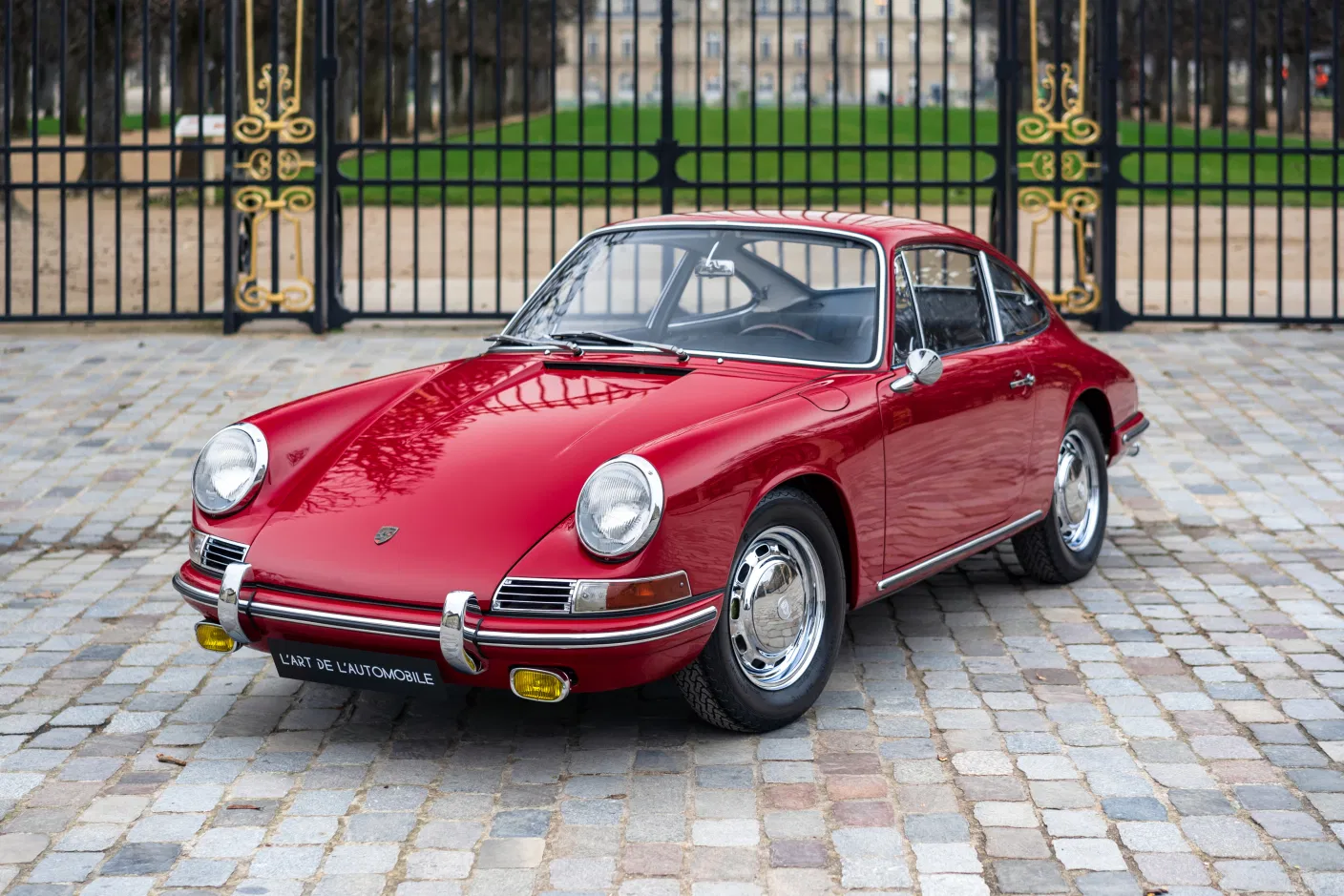
The build quality extends beyond the engine bay. These 911s feature galvanized bodies that resist corrosion, solid suspension components that wear gradually rather than failing catastrophically, and manual transmissions known for their precision and longevity.
The interiors, while not luxurious by modern standards, age gracefully with quality materials that develop character rather than simply wearing out.
Maintenance costs remain reasonable because parts availability is excellent, and the mechanical systems are well-understood by independent specialists. Many owners become their own mechanics, finding these cars rewarding to work on.
The driving experience improves with age as the engine loosens up and the chassis settles into its optimal state. High-mileage examples often provide the purest 911 experience, with engines that breathe freely and suspensions that have found their perfect balance between compliance and control.
2. Honda S2000
The Honda S2000 stands as a testament to Japanese engineering excellence, proving that high-revving naturally aspirated engines can be both thrilling and bulletproof.
Built from 1999 to 2009, the S2000’s F20C and F22C engines are among the most durable high-performance powerplants ever created. These 2.0 and 2.2-liter four-cylinders regularly see 250,000+ miles while maintaining their ability to rev to 9,000 RPM with enthusiasm.
Honda’s VTEC technology reaches its zenith in the S2000, creating an engine that delivers both reliability and excitement. The aluminum block construction provides excellent heat dissipation, while the forged rotating assembly handles the stresses of constant high-RPM operation.
The key to longevity lies in regular oil changes and allowing the engine to warm properly before aggressive driving practices which reward owners with decades of reliable service.
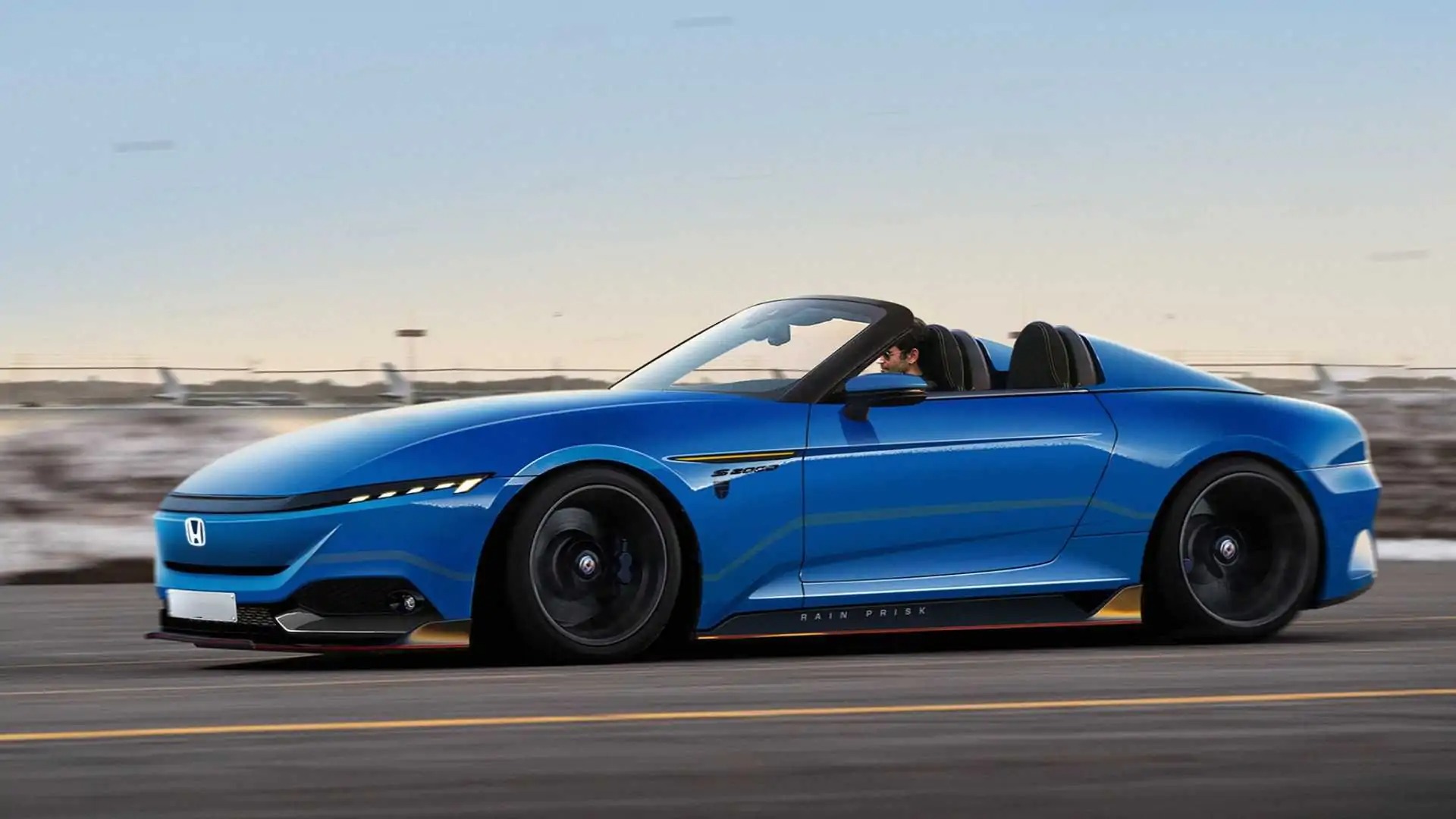
The S2000’s chassis proves equally durable. The rigid convertible structure maintains its integrity over time, while the double-wishbone suspension components wear predictably and replacement parts remain affordable.
The six-speed manual transmission is virtually bulletproof, with many high-mileage examples showing little wear in the synchronizers or gear engagement. Even the soft top, often a weak point in convertibles, proves remarkably durable when properly maintained.
What sets the S2000 apart is its lack of complexity. There are no turbos to rebuild, no complex all-wheel-drive systems to service, and no exotic materials requiring specialized care.
The naturally aspirated engine eliminates boost-related failures, while the rear-wheel-drive layout keeps the drivetrain simple and serviceable. Electrical systems remain functional thanks to Honda’s conservative engineering approach and quality components. High-mileage S2000s often drive like new cars, with engines that love to rev and handling that remains sharp and predictable.
3. BMW M3 (E36 Generation)
The E36 M3, produced from 1992 to 1999, represents BMW’s sweet spot between performance and reliability. The S50 and S52 naturally aspirated inline-six engines are renowned for their durability, regularly surpassing 250,000 miles with proper maintenance.
These engines feature robust construction with individual throttle bodies, solid valve trains, and excellent oiling systems that protect internal components during aggressive driving.
Unlike later M3 generations plagued by rod bearing issues and complex electronics, the E36 keeps things relatively simple. The naturally aspirated configuration eliminates turbo-related failures, while the mechanical systems are straightforward enough for dedicated enthusiasts to maintain themselves.
The engines respond well to regular oil changes with quality synthetic oil, valve adjustments, and cooling system maintenance relatively minor requirements for such performance.
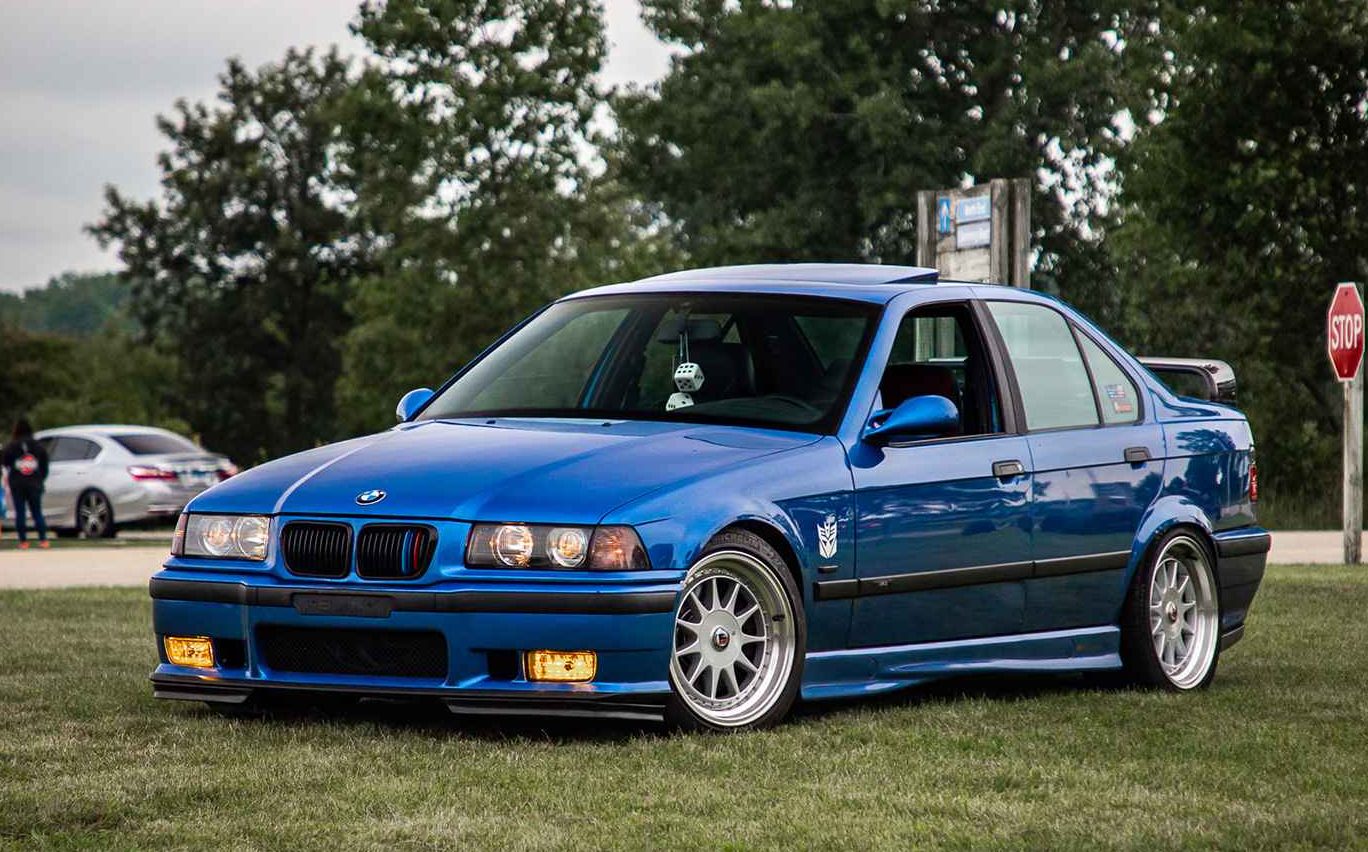
The chassis proves equally robust. The E36 platform was designed for longevity, featuring galvanized steel construction that resists corrosion and suspension components that wear gradually rather than failing suddenly.
The manual transmissions, particularly the Getrag 420G five-speed, are virtually indestructible when operated properly. Limited-slip differentials may require eventual rebuilding, but this is considered routine maintenance rather than a critical failure.
What makes high-mileage E36 M3s special is their character development. The engines become smoother and more responsive as they break in, while the chassis develops a settled feel that newer cars lack. Interior materials age gracefully, developing a patina that speaks to the car’s sporting heritage.
Electrical systems, while more complex than earlier BMWs, remain manageable with quality components that don’t fail en masse. The driving experience improves with mileage as all systems work together harmoniously, creating a sports car that feels more refined and capable with age.
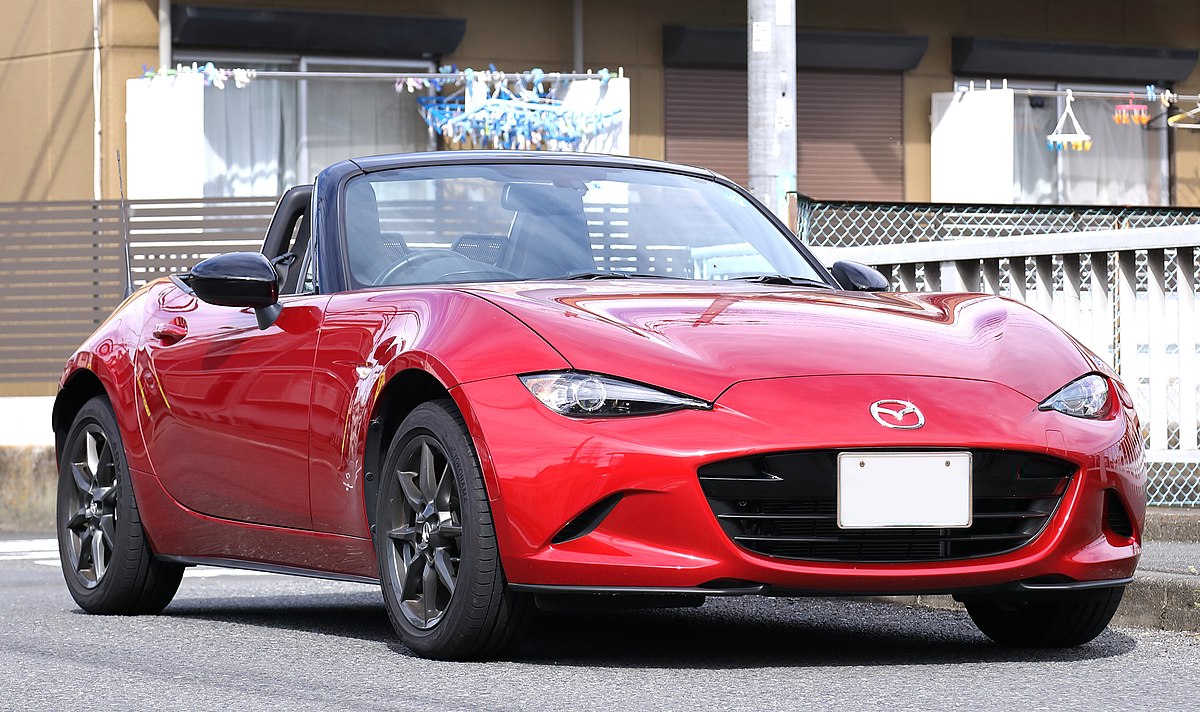
4. Mazda Miata (NA/NB Generation)
The original Mazda Miata (NA: 1989-1997, NB: 1998-2005) embodies the philosophy that sports cars should be simple, reliable, and endlessly enjoyable. The 1.6 and 1.8-liter naturally aspirated four-cylinder engines are paragons of durability, regularly achieving 300,000+ miles with basic maintenance.
These engines feature robust bottom ends, simple fuel injection systems, and excellent cooling that prevents the overheating issues common in high-strung sports cars.
Mazda’s engineering philosophy prioritized reliability over peak power numbers, resulting in engines that love to be driven hard but don’t self-destruct under stress.
The naturally aspirated configuration eliminates turbo complexity, while the relatively low compression ratios ensure longevity even with regular unleaded fuel. Oil changes every 3,000-5,000 miles and attention to the cooling system are typically all that’s required to keep these engines running indefinitely.
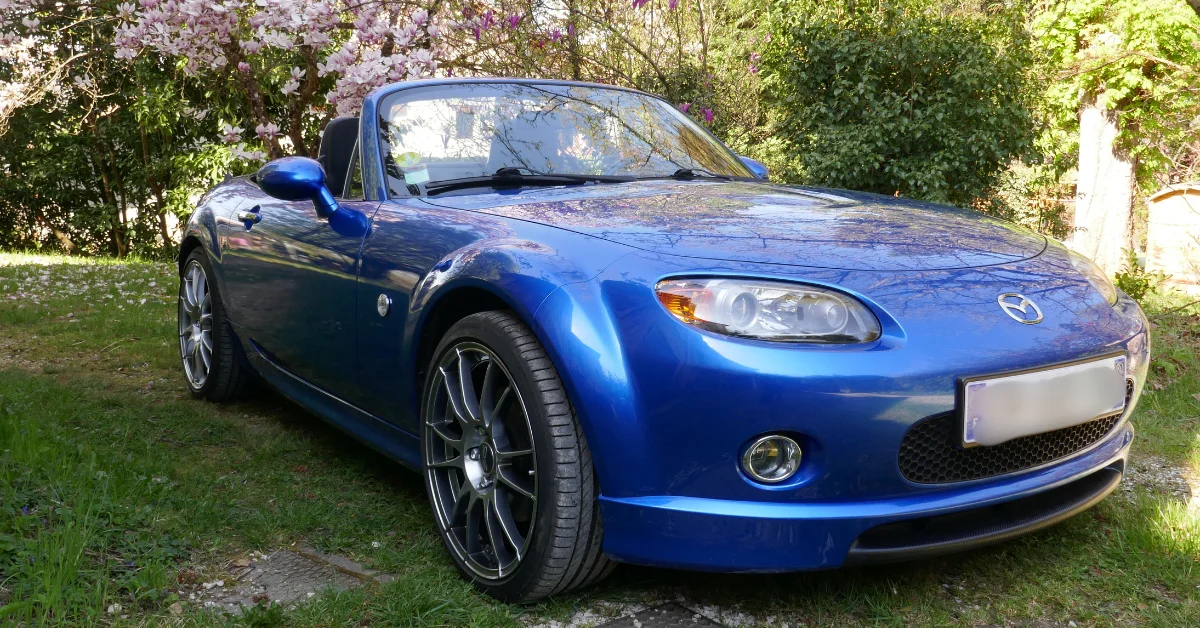
The Miata’s chassis is equally bulletproof. The simple rear-wheel-drive layout eliminates complex all-wheel-drive systems, while the double-wishbone front and multilink rear suspensions use straightforward components that wear predictably.
Manual transmissions are virtually unbreakable, and even high-mileage examples typically shift with precision. The lightweight construction means less stress on all components, contributing to exceptional longevity.
What makes high-mileage Miatas magical is their retained character. The steering remains communicative, the chassis balance stays neutral, and the engines continue revving freely to redline.
Soft tops may require replacement, but this is considered routine maintenance rather than a critical failure. The simple electrical systems rarely cause issues, while interior materials, though basic, prove surprisingly durable.
These cars improve with age as engines loosen up and suspensions settle into their optimal state, providing driving experiences that modern sports cars struggle to match despite their technological advantages.
Also Read: 5 Hybrids With Under-Hood Durability Vs 5 With Electrical Fire Risks
5. Toyota MR2 Spyder (3rd Generation)
The third-generation Toyota MR2 Spyder (1999-2007) represents Toyota’s approach to affordable sports car excellence. The 1.8-liter 1ZZ-FE naturally aspirated four-cylinder engine, shared with the Corolla and Celica, is one of the most reliable powerplants ever created.
These engines routinely see 300,000+ miles with nothing more than regular oil changes, spark plugs, and occasional timing chain tensioner replacement.
Toyota’s conservative engineering approach prioritized longevity over headline-grabbing power figures. The 1ZZ-FE features a robust aluminum block, forged crankshaft, and simple port fuel injection that eliminates the complexity of direct injection systems.
The naturally aspirated configuration removes turbo-related failure points, while the relatively low 10.4:1 compression ratio ensures compatibility with regular fuel and reduces internal stresses.
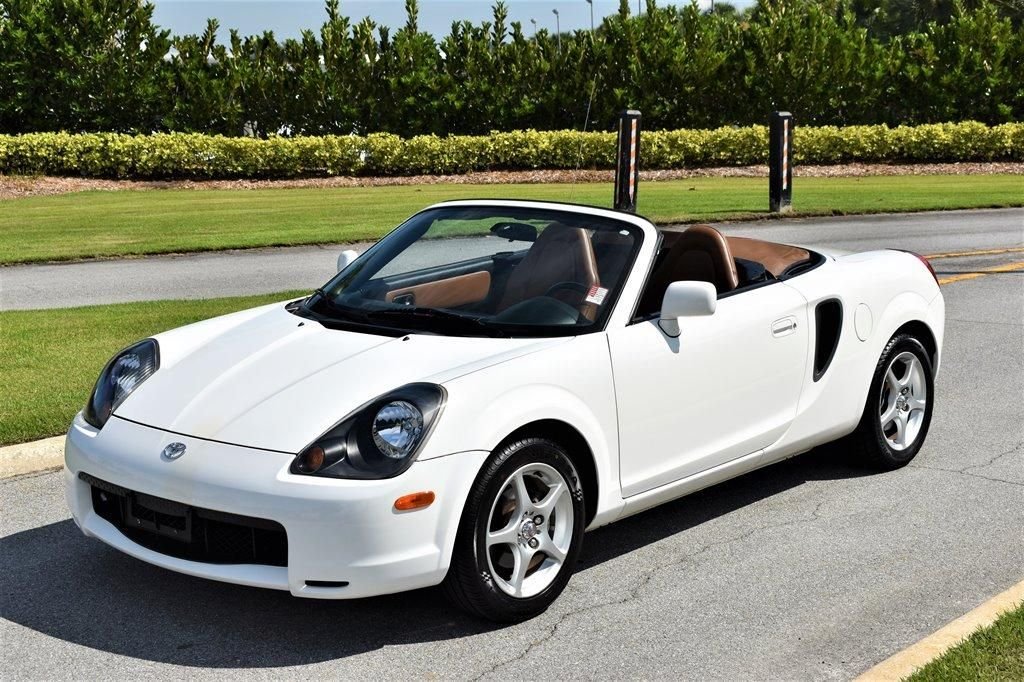
The MR2 Spyder’s mid-engine layout might seem complex, but Toyota executed it with typical reliability in mind. The chassis features excellent rigidity despite the convertible configuration, while the suspension components prove durable and predictable in their wear patterns.
The five and six-speed manual transmissions are virtually bulletproof, inherited from Toyota’s commercial vehicle programs, where reliability is paramount.
What sets high-mileage MR2 Spyders apart is their retained precision. The steering remains sharp and communicative, the chassis balance stays neutral despite the mid-engine configuration, and the engine continues delivering smooth power throughout its rev range.
Electrical systems prove exceptionally reliable thanks to Toyota’s conservative component choices and excellent build quality. Interior materials, while not luxurious, age gracefully without the falling-apart syndrome common in other sports cars.
The soft top mechanism remains functional thanks to robust Japanese engineering, and replacement tops are readily available and reasonably priced. These cars demonstrate that exotic layouts don’t require exotic maintenance requirements when executed by competent engineers.
5 That Fall Apart
These unfortunately designed performance machines suffer from fundamental engineering compromises that prioritize short-term excitement over long-term reliability, leading to catastrophic component failures and astronomical repair costs.
Their overstressed powertrains feature exotic materials and tight tolerances that cannot withstand normal wear cycles, while complex electronic systems develop intermittent faults that plague owners with unpredictable behavior and expensive diagnostic procedures.
From routine highway driving that reveals inadequate cooling systems to simple maintenance procedures that require complete engine removal, these problematic sports cars transform from dream machines into financial burdens.
The manufacturing shortcuts include plastic components in critical areas, insufficient lubrication capacity, and overcomplicated subsystems that fail in cascade patterns.
Owners frequently report that these temperamental machines become undriveable garage queens often requiring complete engine rebuilds, transmission replacements, or electrical system overhauls before reaching 150,000 miles, destroying both driving enjoyment and resale value while creating endless frustration for enthusiasts who simply wanted reliable performance transportation.
1. BMW M5 (E60 Generation with V10)
The E60 M5 (2005-2010) with its 5.0-liter V10 engine represents one of the most spectacular failures in high-mileage sports car ownership. While breathtaking when new, these cars become mechanical nightmares as the miles accumulate.
The S85 V10 engine, derived from BMW’s Formula 1 program, demands frequent and expensive maintenance that makes ownership financially devastating beyond 100,000 miles, let alone 250,000.
The fundamental problem lies in the engine’s exotic construction and operating characteristics. The S85 features individual throttle bodies for each cylinder, a complex variable valve timing system, and internal components designed for peak performance rather than longevity.
Rod bearings, a chronic weakness, typically fail between 80,000 and 120,000 miles, requiring complete engine disassembly and $8,000-15,000 in repairs. Even with preventive replacement, the underlying metallurgical issues remain, making future failures inevitable.
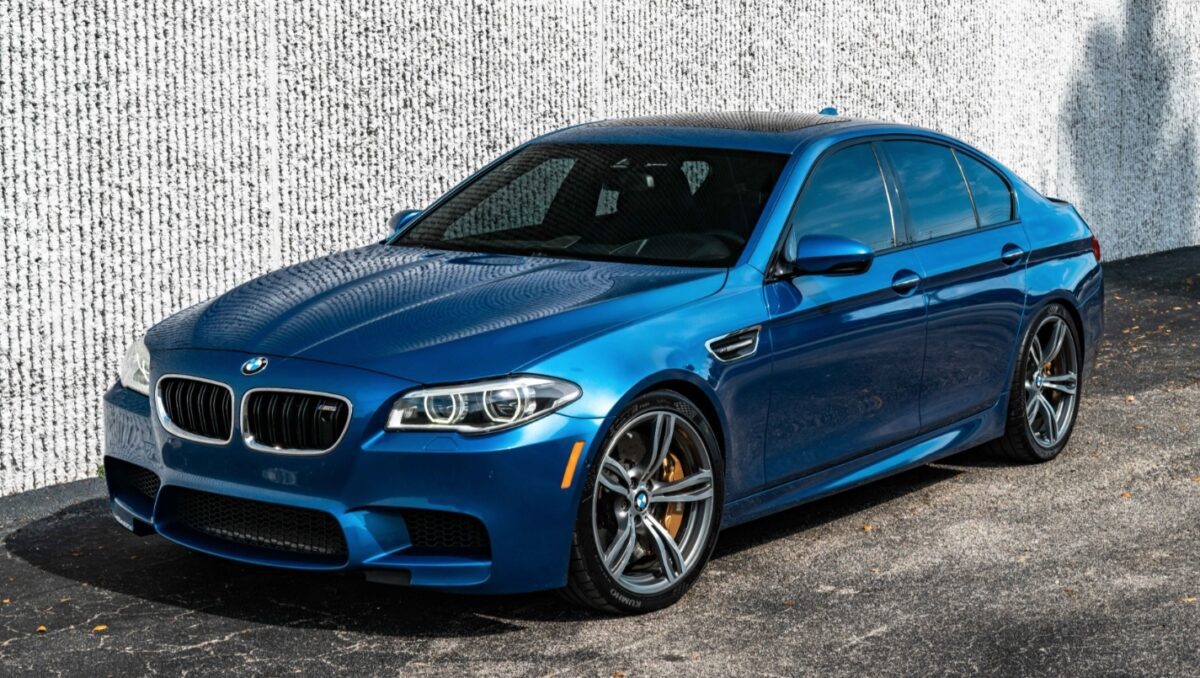
The complexity extends throughout the vehicle. The SMG III transmission, while technologically impressive, suffers from hydraulic pump failures, clutch problems, and electronic glitches that can cost $5,000-10,000 to repair.
The electronic systems are nightmarishly complex, with dozens of control modules that can fail individually, each costing thousands to diagnose and replace. The active suspension system, while providing exceptional handling when functional, becomes a reliability disaster with age.
High-mileage E60 M5s typically exhibit cascading failures where multiple systems deteriorate simultaneously. Cooling system components fail regularly, leading to overheating that accelerates engine wear.
Electrical gremlins multiply with age, causing intermittent problems that are expensive to diagnose. Interior electronics fail frequently, leaving owners with non-functional navigation, climate control, and infotainment systems.
The combination of exotic engine requirements, transmission fragility, and electronic complexity creates maintenance costs that often exceed the car’s value, turning what was once a dream machine into an automotive nightmare that drains bank accounts faster than it accelerates.
2. Audi R8 (First Generation)
The first-generation Audi R8 (2007-2015), while stunning and capable when new, becomes a maintenance catastrophe at high mileage. The 4.2-liter V8 and 5.2-liter V10 engines, while related to Lamborghini powerplants, suffer from numerous reliability issues that make ownership financially ruinous beyond 150,000 miles.
These exotic engines require specialized knowledge and expensive parts that turn routine maintenance into major financial commitments. The V8 engine suffers from carbon buildup on intake valves due to direct injection, requiring expensive walnut blasting services every 20,000-30,000 miles.
The timing chains stretch prematurely, leading to catastrophic engine damage if not replaced preemptively at enormous cost. The V10 version adds complexity with dry sump lubrication systems that fail expensively and require specialized diagnostic equipment that most shops don’t possess.
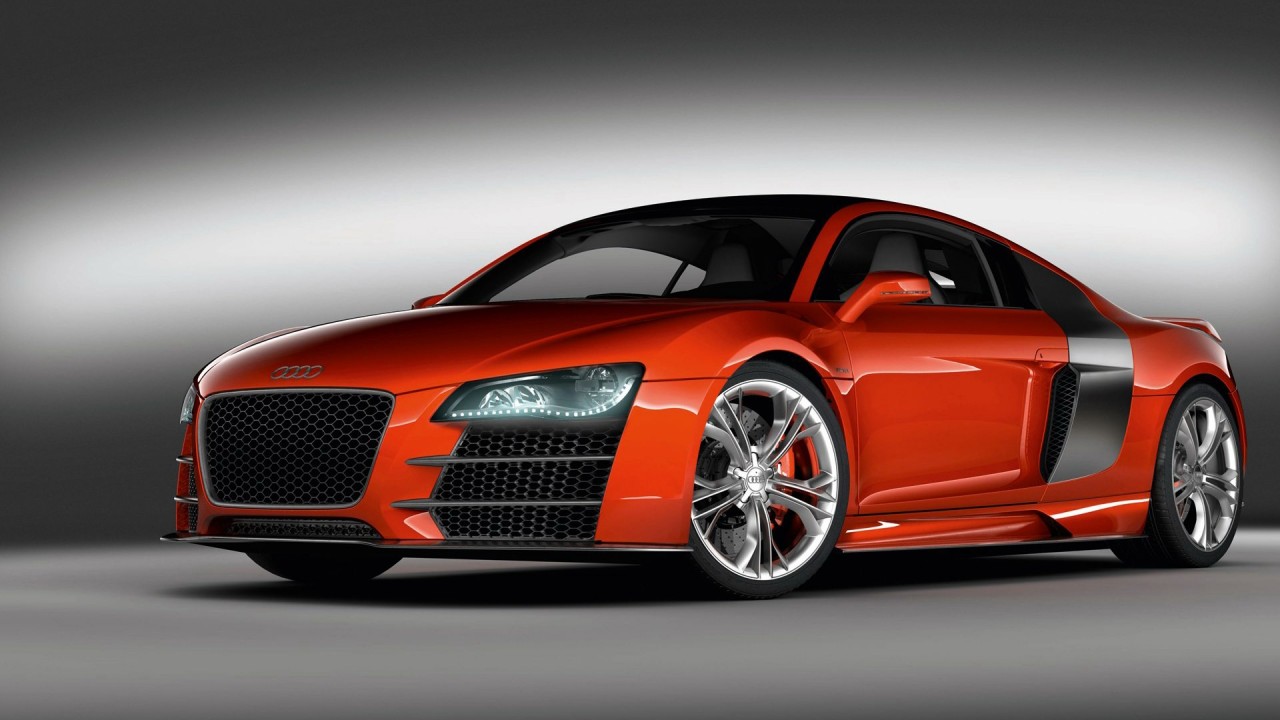
The R8’s advanced technology becomes its Achilles’ heel at high mileage. The R-tronic automated manual transmission suffers from clutch wear, hydraulic pump failures, and electronic glitches that can cost $10,000-15,000 to repair.
The quattro all-wheel-drive system, while providing exceptional traction, features complex differentials and transfer cases that require expensive maintenance and frequently fail catastrophically.
Electronic systems deteriorate rapidly with age, creating cascading failures throughout the vehicle. The magnetic ride suspension system fails expensively, while the complex infotainment and climate control systems suffer from module failures that cost thousands to repair.
Carbon fiber components, while lightweight and exotic, are expensive to repair or replace when damaged. High-mileage R8s typically suffer from electrical gremlins that are difficult to diagnose and expensive to fix, while the exotic nature of components means that parts availability becomes problematic and costs remain astronomical.
What begins as an supercar ownership dream quickly transforms into a financial nightmare where repair costs often exceed the vehicle’s depreciated value.
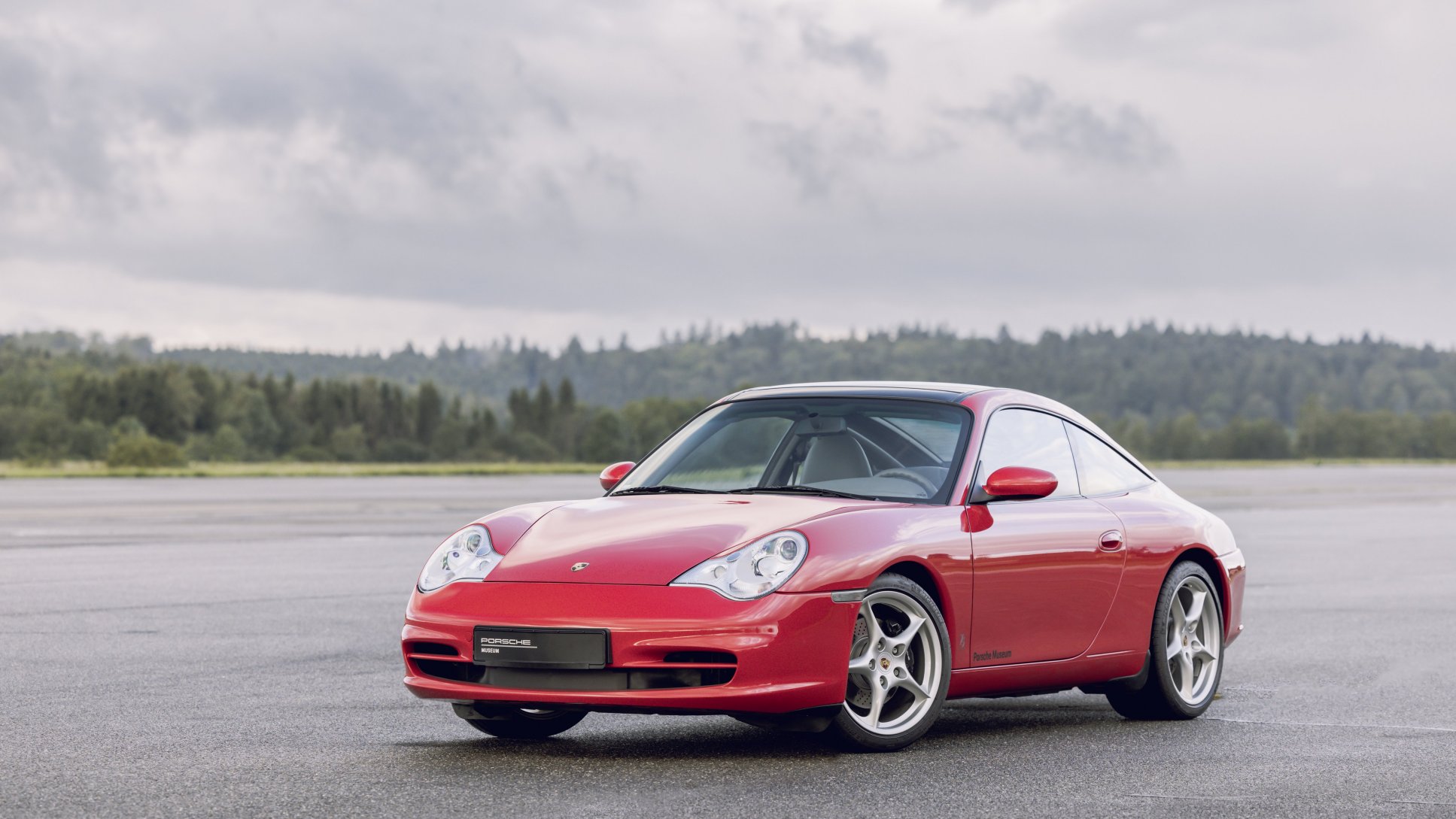
3. Porsche 996/997 Turbo
While Porsche 911s generally enjoy excellent longevity, the water-cooled Turbo variants (996 Turbo 2001-2005, 997 Turbo 2007-2012) present significant challenges at high mileage.
The complex turbocharged flat-six engines, while powerful, introduce numerous failure points that make these cars expensive to maintain beyond 150,000 miles. The combination of forced induction, complex cooling systems, and advanced electronics creates a perfect storm of potential problems.
The fundamental issue lies in the turbocharged engine’s complexity. The variable geometry turbochargers, while technologically advanced, suffer from actuator failures, carbon buildup, and boost control problems that can cost $5,000-8,000 per turbocharger to repair.
The intercooling systems develop leaks, while the complex oil cooling and distribution systems require frequent and expensive maintenance. Intermediate shaft bearing failures, while less common than in naturally aspirated variants, still occur and require complete engine removal for repair.
The all-wheel-drive system adds another layer of complexity and potential failure. The transfer case, differentials, and associated electronics require specialized maintenance and frequently fail expensively.
Clutches in manual transmission models suffer from the additional torque and complex engagement systems, typically requiring replacement every 60,000-80,000 miles at costs exceeding $4,000-6,000.
High-mileage 996/997 Turbos suffer from cascading electrical failures as numerous control modules deteriorate with age. The PASM active suspension system fails expensively, while the PCM system and associated electronics become unreliable.
Cooling system components fail regularly due to the additional heat generated by the turbocharged engine, leading to overheating that accelerates wear throughout the powerplant.
The complexity of diagnosing problems requires specialized Porsche diagnostic equipment, while parts costs remain astronomical due to the exotic nature of components. These cars transform from precision instruments into financial nightmares where seemingly minor problems cascade into major repair bills.
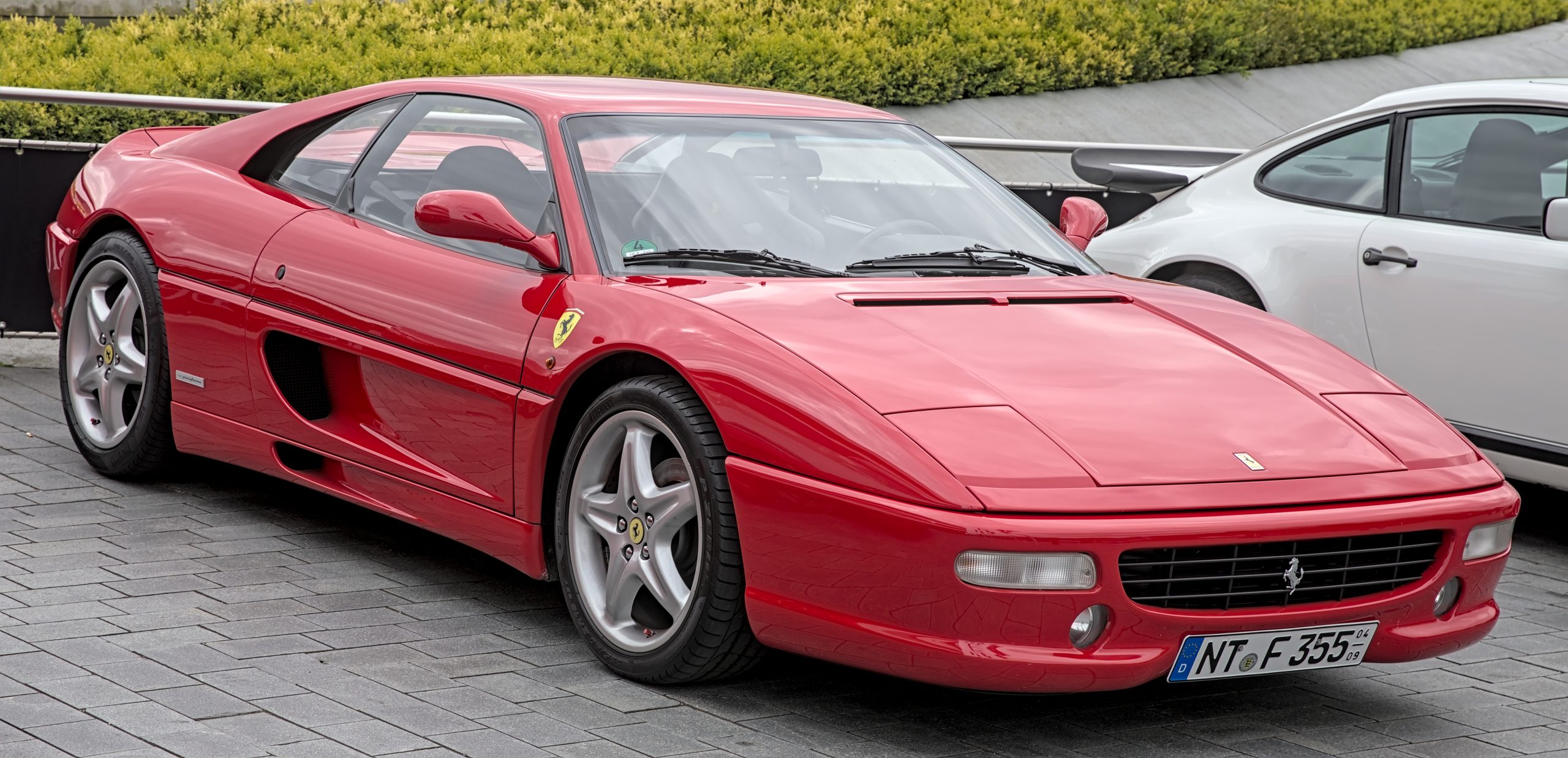
4. Ferrari F355
The Ferrari F355 (1994-1999) represents the dark side of exotic sports car ownership at high mileage. While breathtakingly beautiful and sonorous when new, these cars become maintenance nightmares that can financially devastate unprepared owners.
The 3.5-liter V8 engine, while producing an intoxicating soundtrack, suffers from fundamental design flaws that make reliable high-mileage operation virtually impossible without continuous expensive intervention.
The F355’s engine problems are legendary among Ferrari enthusiasts. The Nikasil cylinder linings deteriorate with age and mileage, requiring complete engine rebuilds that can cost $25,000-40,000.
The timing belt service, required every five years regardless of mileage, involves removing the entire engine and costs $6,000-8,000 each time. The valve guides wear prematurely, leading to oil consumption and eventual engine damage if not addressed promptly at enormous expense.
The F355’s electrical systems are notoriously unreliable, suffering from poor Italian build quality and component choices that don’t age well. The engine management system suffers from capacitor failures in the ECU, requiring expensive rebuilds or replacement.
The climate control, power windows, and various electrical accessories fail regularly, while parts availability becomes problematic, and costs remain astronomical.
The transmission presents additional challenges, with the manual gearbox requiring expensive maintenance and the F1 automated manual system suffering from accumulator failures, pump problems, and electronic glitches that can cost $8,000-12,000 to repair. The clutch replacement requires engine removal and costs $4,000-6,000 even for manual transmission models.
High-mileage F355s typically suffer from multiple simultaneous failures that create repair bills exceeding the car’s value. Rubber seals deteriorate throughout the vehicle, leading to oil leaks, cooling system failures, and hydraulic problems.
The exotic materials and construction methods require specialized knowledge and tools, while parts must often be sourced from Italy at enormous cost and with lengthy delays. What begins as exotic car ownership quickly becomes a financial disaster where the car spends more time in the shop than on the road.
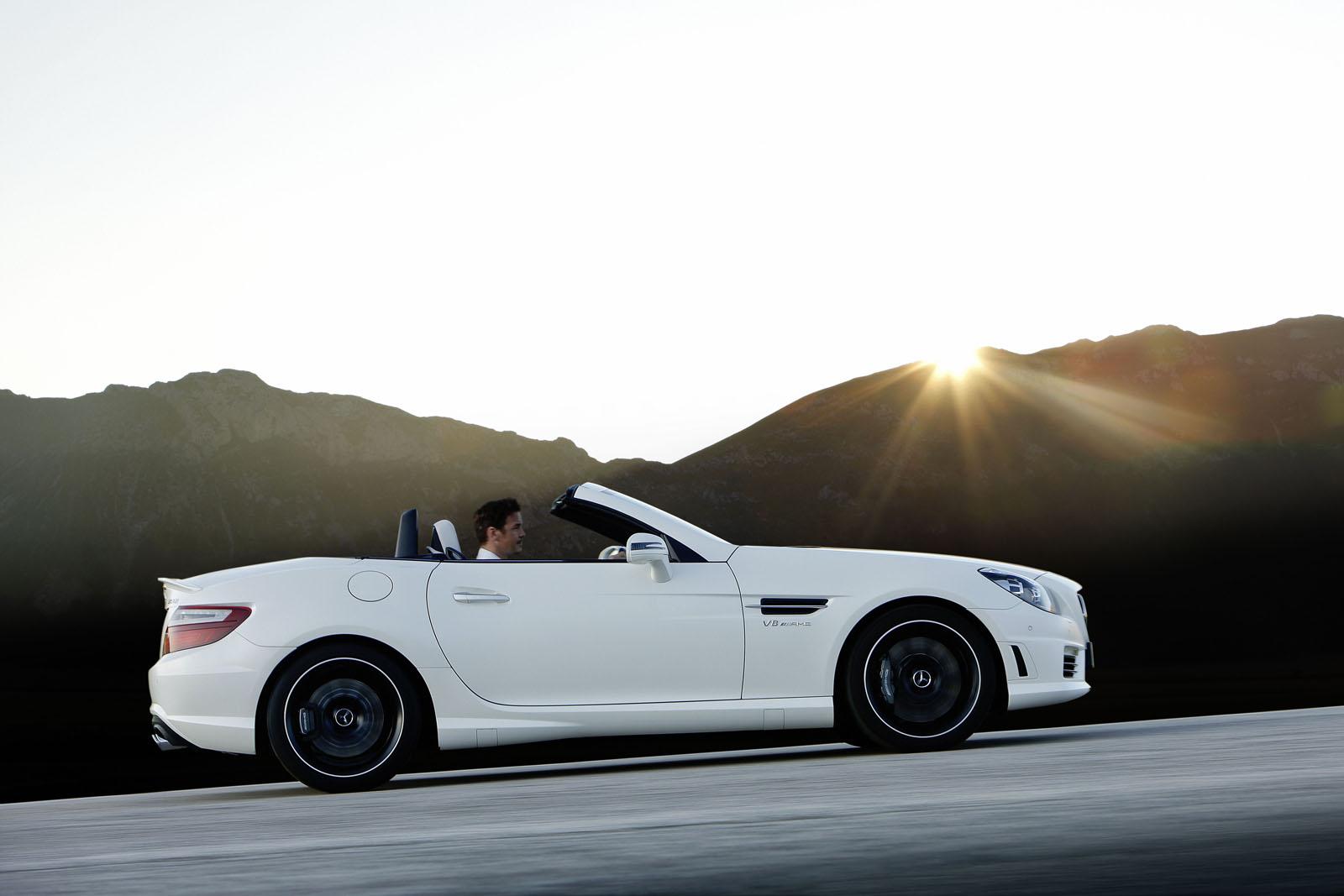
5. Mercedes-Benz SLK55 AMG (R171)
The Mercedes-Benz SLK55 AMG (2005-2011) with its naturally aspirated 5.5-liter V8 might seem like a reliable choice given the lack of turbocharging, but these cars become maintenance catastrophes at high mileage.
The M113 engine, while powerful, suffers from numerous reliability issues compounded by complex electronics and Mercedes’ declining build quality during this period.
The primary engine problems center around the cylinder head bolts, which stretch and fail over time, leading to head gasket failures and potential engine damage.
The repair requires complete cylinder head removal and costs $8,000-12,000 to perform correctly. The engine also suffers from camshaft adjuster failures, timing chain problems, and oil leak issues that require expensive repairs and specialized knowledge.
The SLK’s retractable hardtop, while impressive when functional, becomes a reliability nightmare with age. The complex hydraulic and electrical systems suffer from pump failures, sensor problems, and mechanical wear that can cost $3,000-6,000 to repair.
When the roof fails, it often does so catastrophically, potentially damaging the roof mechanism and requiring major surgery to repair. The SBC (Sensotronic Brake Control) system presents another major reliability concern.
This brake-by-wire system suffers from accumulator failures and pump problems that can cost $2,500-4,000 to repair while leaving the car unsafe to drive. The Airmatic suspension system, standard on many models, fails expensively and requires specialized diagnostic equipment to repair properly.
High-mileage SLK55 AMGs suffer from electrical gremlins throughout the vehicle as numerous control modules fail with age. The COMAND infotainment system becomes unreliable, while various electronic accessories suffer from intermittent problems that are expensive to diagnose and repair.
The interior electronics, including seat controls, climate systems, and lighting, fail regularly. Parts availability becomes problematic for older models, while labor costs remain high due to the complexity of repairs. These cars transform from sophisticated grand tourers into financial nightmares where repair costs quickly exceed the vehicle’s depreciated value.
Also Read: 5 Trucks With Steel Frames Resisting Rust Vs 5 With Corrosion Issues
