
When U.S. buyers think of reliable Japanese brands, Toyota and Honda often dominate the conversation, but Mazda deserves a seat at the same table.
Known for its engaging driving dynamics and sleek design, Mazda also has a long history of building engines that can handle serious mileage without breaking a sweat.
From sporty roadsters to practical family sedans, the brand has produced some of the most dependable powerplants in the business.
That said, Mazda is not immune to engineering missteps. Over the decades, some of its engines have been prone to specific mechanical weaknesses, including a dreaded one: head gasket leaks.
This failure is no small issue it can lead to coolant mixing with engine oil, overheating, warped cylinder heads, and a repair bill that can run into the thousands.
For used car shoppers, especially in the U.S. market where long-term ownership is common, knowing which Mazda engines are “bulletproof” and which ones have this vulnerability can make all the difference between years of stress-free driving and a mechanical money pit.
Mazda Models with Bulletproof Engines
Below is a breakdown of five Mazda models with engines that have earned a rock-solid reputation the ones you can confidently buy used without worrying about catastrophic engine issues followed by five that have a documented history of head gasket trouble and need a careful inspection before purchase.
1. Mazda3 (2014–2018)
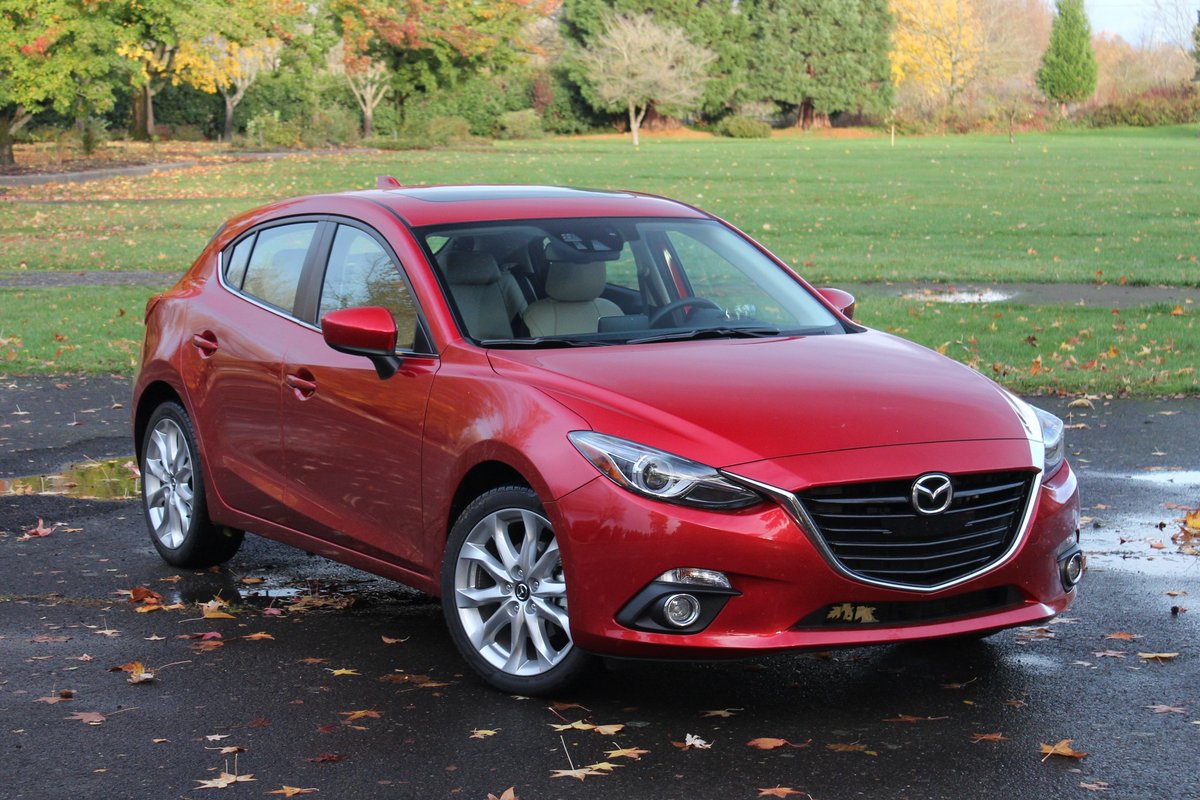
The third-generation Mazda3, especially in its naturally aspirated 2.0- and 2.5-liter SkyActiv-G versions, has become a used market sweetheart. These engines are designed with higher compression ratios for efficiency, yet they hold up remarkably well to long-term wear.
Owners frequently report surpassing 200,000 miles with nothing more than regular oil changes, fresh coolant, and the occasional spark plug replacement.
The lack of turbocharging in these trims keeps heat stress low, which is key to longevity. For commuters, college students, or families wanting a safe bet, this Mazda3 is as dependable as they come.
The 2025 Mazda3 delivers driving enjoyment in spades, whether you opt for the sleek four-door sedan or the versatile five-door hatchback. Its precise, responsive steering and firm suspension give it the feel of a true sports sedan, a rare trait in this segment. Even with its athletic handling, the ride remains comfortable enough to handle most road conditions without fuss.
The standard 191-horsepower 2.5-liter four-cylinder engine delivers ample power for everyday driving, but the available turbocharged engine takes performance up a notch, producing up to 250 horsepower and 320 pound-feet of torque.
Fuel efficiency is not the 2025 Mazda3’s strongest suit compared to other compact cars. The base-engine sedan earns an estimated 27 mpg in the city and 37 mpg on the highway, while the hatchback version sees slightly lower ratings at 27/35 mpg city/highway.
Choosing the turbocharged engine and all-wheel drive brings fuel economy down further. An all-wheel-drive sedan with the base engine is rated at 26/35 mpg city/highway, while the turbocharged AWD hatchback comes in at 23/31 mpg.
Inside, the Mazda3 offers a level of refinement above most rivals in the compact segment, with high-quality materials and supportive front seats. Rear-seat space, however, is tighter than in many competitors, and hatchback models suffer from limited rear visibility.
Cargo capacity varies depending on body style. Hatchbacks provide 20.1 cubic feet of space behind the rear seats—right in line with the segment average. Sedans have a smaller 13.2-cubic-foot trunk, which is modest for a compact car. Folding the hatchback’s rear seats opens up a generous 47.1 cubic feet of total cargo space.
In terms of overall value, the 2025 Mazda3 scores below average for the compact class. This assessment factors in the estimated total cost of ownership along with the MSRP of both its base and top trim levels.
Safety is a standout area for the 2025 Mazda3. It earned strong overall ratings from both the National Highway Traffic Safety Administration and the Insurance Institute for Highway Safety. Standard driver-assistance tech includes blind-spot monitoring and forward automatic emergency braking with pedestrian detection.
2. Mazda6 (2014–2021)
Sharing its engine family with the Mazda3, the mid-size Mazda6 benefits from the same SkyActiv engineering. The 2.5-liter naturally aspirated variant, in particular, is praised for being nearly free of major internal flaws.
While some owners wish for more raw horsepower, most appreciate that this car can handle over a decade of daily driving without a single engine teardown. It’s also a model that avoids the timing belt maintenance costs that plague some rivals, thanks to its durable timing chain setup.
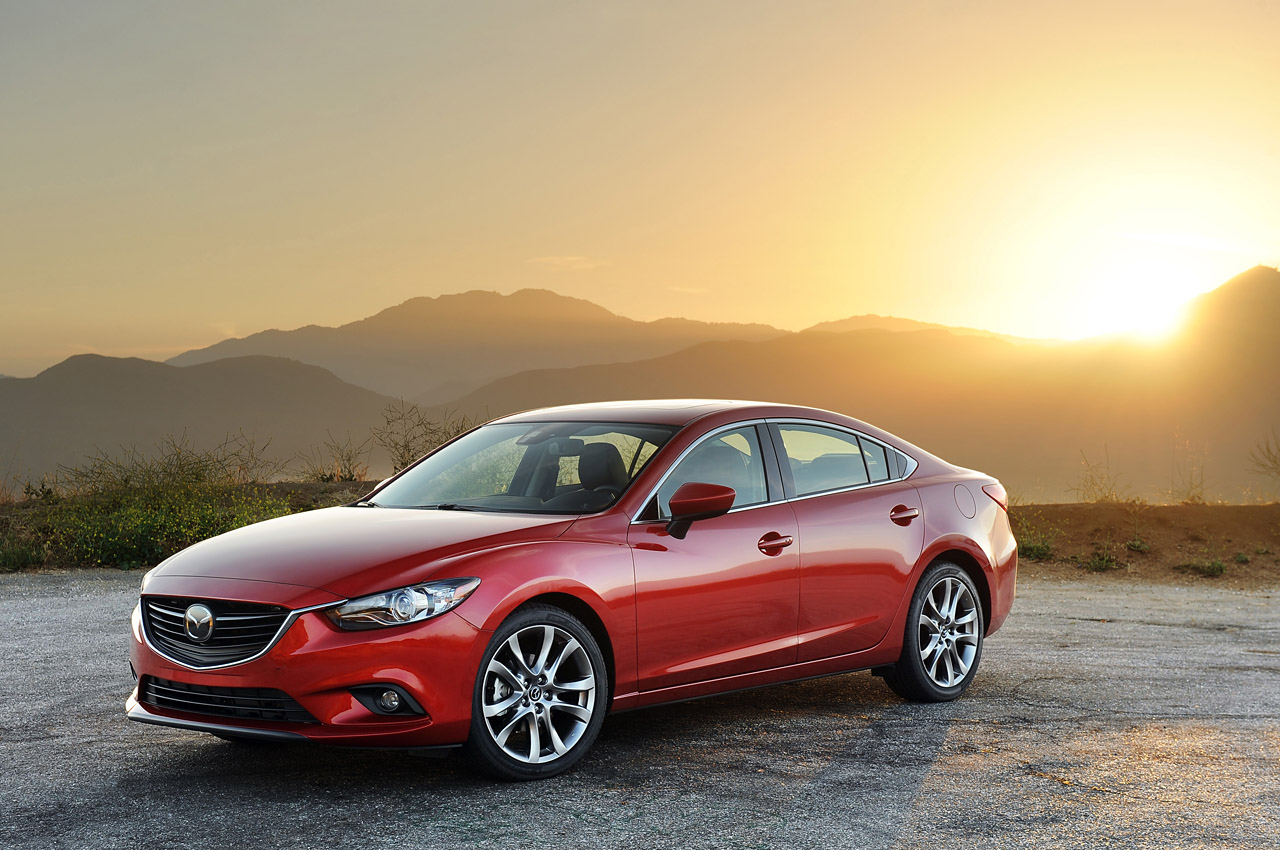
Midsize sedan shoppers have plenty of strong options these days, with many models blending fuel efficiency, roomy interiors, and upscale features. The 2015 Mazda 6 checks all those boxes while adding some pleasant surprises, namely, sleek styling and a genuinely sporty driving character. While these traits aren’t essential in a family sedan, they give the Mazda 6 an edge over more conventional rivals.
As much as we admire the 2015 Mazda 6’s eye-catching design, the real appeal lies beneath the surface. Fuel economy is a standout: with the available i-Eloop system on the Grand Touring trim, it achieves an EPA-estimated 32 mpg in combined driving, best among non-hybrid midsize sedans with a gasoline engine.
Even without i-Eloop, it still returns an impressive 30 mpg combined, an excellent figure for this segment. Performance is equally notable, as the 6 is quicker than most base four-cylinder midsize sedans we’ve tested. Its acceleration feels more than capable in aggressive city traffic, and precise steering paired with a firmly tuned suspension makes it a joy to push through winding roads or highway on-ramps.
That sportier suspension, however, does come with a trade-off: bumps and potholes are more noticeable, particularly with the available 19-inch wheels. Drivers accustomed to a softer ride may find the 6 a bit stiff in these scenarios.
And while its base four-cylinder is one of the best in the class, there’s no option to upgrade to a more powerful turbocharged four-cylinder or a V6. Inside, the touchscreen interface lags behind competitors, with a lower-resolution display and less intuitive controls.
Even so, our criticisms of the 2015 Mazda 6 are minor. The 2015 Honda Accord and Nissan Altima are also excellent choices, offering high fuel economy numbers and the option of V6 power, with perhaps a bit more comfort for daily driving. The 2015 Ford Fusion and Kia Optima are also worth considering for their bold styling, upscale amenities, and strong turbocharged engines.
The front-wheel-drive 2015 Mazda 6 uses a 2.5-liter four-cylinder engine producing 184 horsepower and 185 pound-feet of torque. Sport and Touring trims can be paired with either a six-speed manual or a six-speed automatic transmission (the latter featuring steering-wheel-mounted shift paddles), while the Grand Touring is offered exclusively with the automatic.
3. Mazda MX-5 Miata (2006–2015, NC Generation)
The NC-generation Miata is a favorite among sports car purists, and not just for its fun factor. Its 2.0-liter MZR engine is known for being almost unkillable under normal driving conditions.
This powerplant doesn’t suffer from chronic oil consumption or timing chain failures, and with proper maintenance, it thrives well past 150,000 miles even with spirited driving. Considering many sports cars have high maintenance costs, the NC Miata stands out for delivering reliable thrills on a budget.
Inspired by the nimble British roadsters of the 1960s, the Miata serves up a spirited engine, go-kart-like handling, a quick-folding roof, and timeless proportions. The difference is that, unlike those vintage Brits, the Miata won’t leave you stranded roadside, muttering expletives as you fumble with an uncooperative engine bay.
Since debuting nearly two decades ago, the Miata has earned a loyal following of enthusiasts and consistently high praise from critics for its engaging drive and rock-solid reliability.
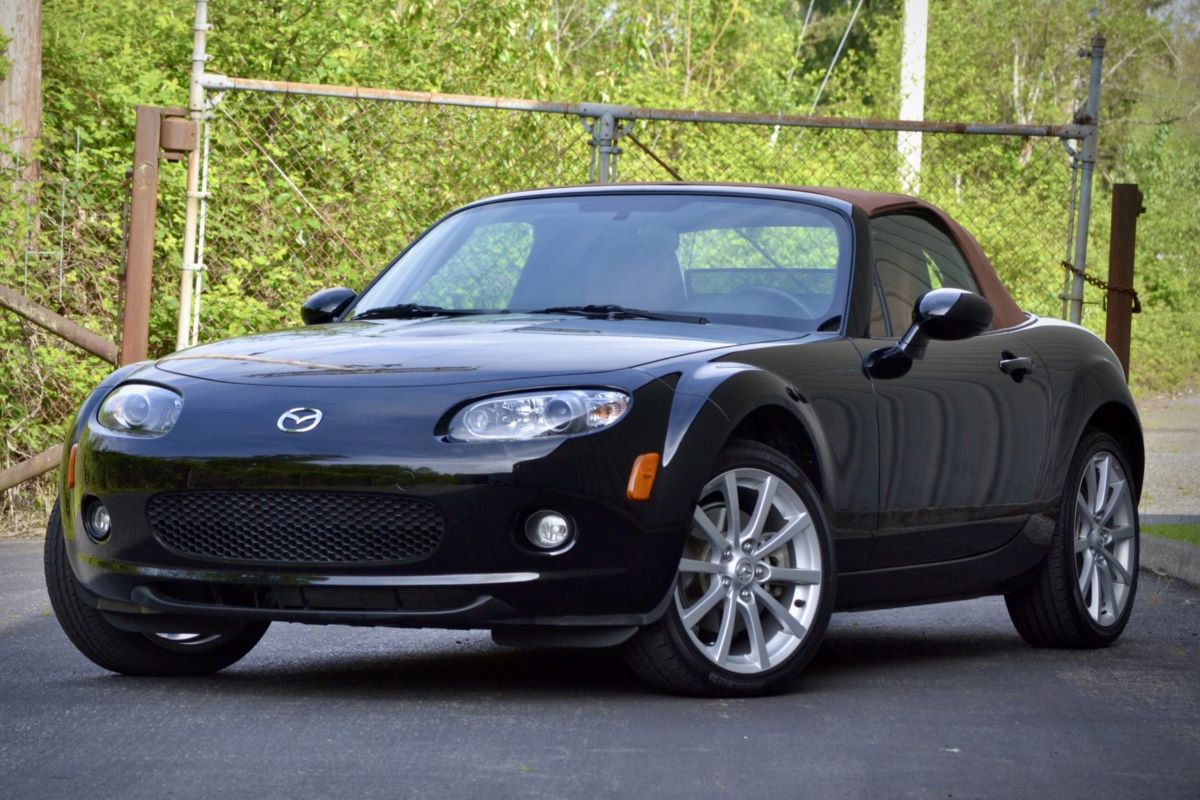
Two years ago, Mazda redesigned it for more comfort and better performance without sacrificing the car’s essential charm. The following year brought the power-retractable hardtop (PRHT), which offers coupe-like insulation when closed and full open-air thrills when lowered. Mazda even kept the weight gain minimal, just 70 pounds more than the soft top.
Whichever roof configuration you prefer, the featherweight, ultra-agile 2008 Mazda Miata remains a top pick for an affordable roadster. Sure, it faces stiff competition from GM’s Pontiac Solstice and Saturn Sky.
Those rivals bring flashier styling, more outright speed thanks to optional turbocharged engines, and a combined sales edge of nearly two to one. Still, we’d argue the Miata is the better driver’s car. Balanced, refined, and eager, it’s exactly what you want when you’re ready to unplug from the tech-heavy grind.
Every 2008 Miata uses a 2.0-liter four-cylinder producing 166 horsepower (158 with the automatic) and 140 pound-feet of torque. Rear-wheel drive is standard. SV and Sport trims feature a five-speed manual, while Touring and Grand Touring models get a six-speed manual. A six-speed automatic with paddle shifters is optional on all but the SV and Sport PRHT trims.
4. Mazda CX-5 (2013–2016)
When Mazda launched the CX-5 with its SkyActiv engines, it set a new standard in the compact SUV segment.
The early 2.0- and 2.5-liter naturally aspirated models are impressively durable, benefiting from simple engineering and fewer parts that can fail compared to turbocharged setups.
This makes them particularly appealing for U.S. buyers in regions where long commutes and harsh weather demand an engine that won’t quit. What these photos don’t immediately reveal is just how much bigger the new CX-5 has grown. Overall length is up by 4.5 inches, stretching it to about 185.6 inches.
Mazda also says it’s roughly half an inch wider, and the wheelbase has grown by the same 4.5 inches, now measuring 109.2 inches between the axles. This stretch should translate to noticeably more passenger room and increased cargo capacity, though Mazda hasn’t yet provided exact measurements.
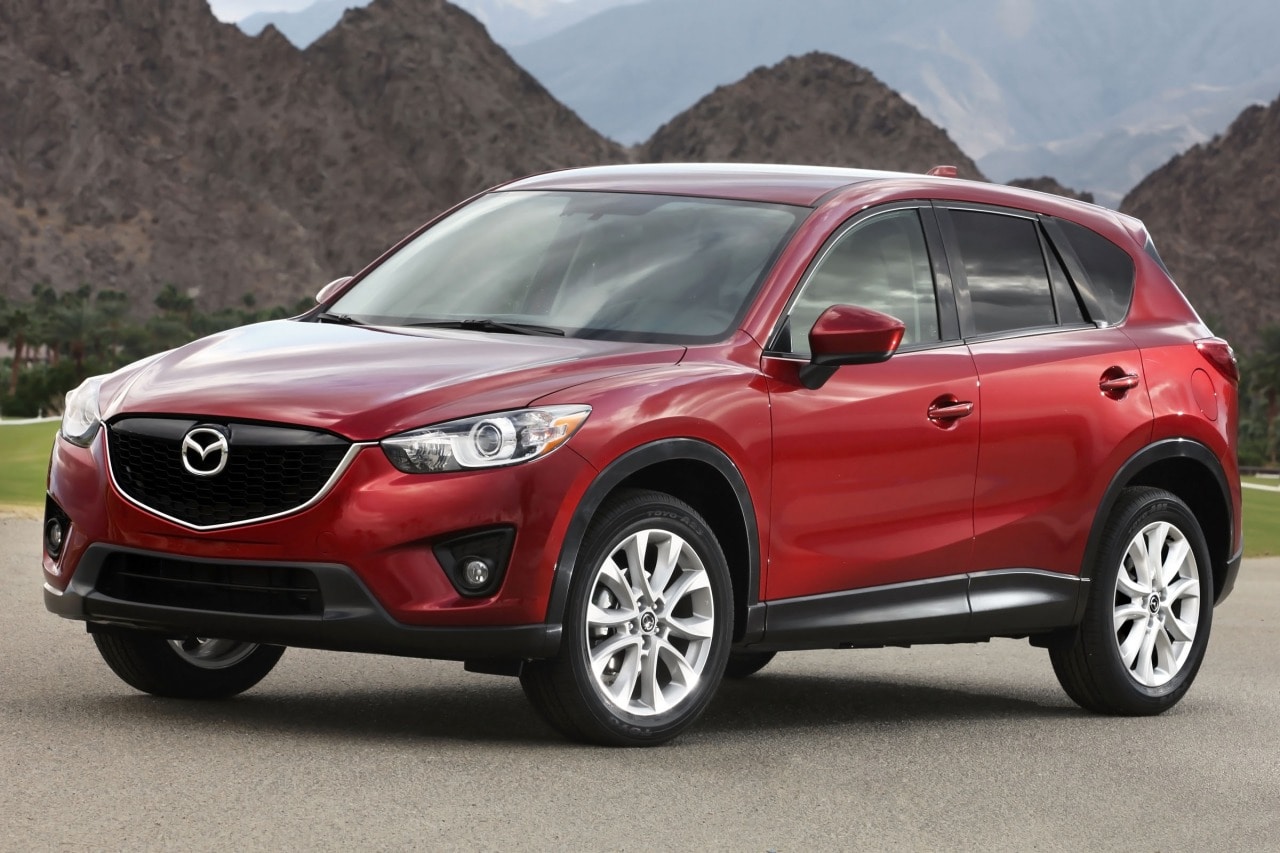
Considering that the outgoing CX-5’s smaller-than-average cargo area was one of its few drawbacks, this is a welcome change. A wider rear opening and a lower lift-over height should also make loading and unloading groceries, luggage, or even the family dog much easier.
When the 2026 Mazda CX-5 arrives in showrooms, it will stick with a familiar, though not our favorite, base powertrain. The fate of the outgoing model’s optional 256-hp turbocharged four-cylinder remains uncertain. For now, the standard engine will be the 187-hp naturally aspirated 2.5-liter four-cylinder, carried over with minor software tweaks intended to sharpen responsiveness.
All-wheel drive will remain standard, paired once again with a six-speed automatic transmission. Official fuel-economy numbers are still pending, but given that the most efficient 2025 CX-5 with this engine earns an EPA-estimated 28 mpg combined, that figure likely sets the benchmark for the new model.
5. Mazda Protegé (1999–2003)
Long before Mazda3s ruled the compact segment, the Protegé quietly earned a reputation for mechanical honesty.
The 1.6- and 2.0-liter engines in these models are old-school in the best way simple, naturally aspirated, and forgiving of less-than-perfect maintenance.
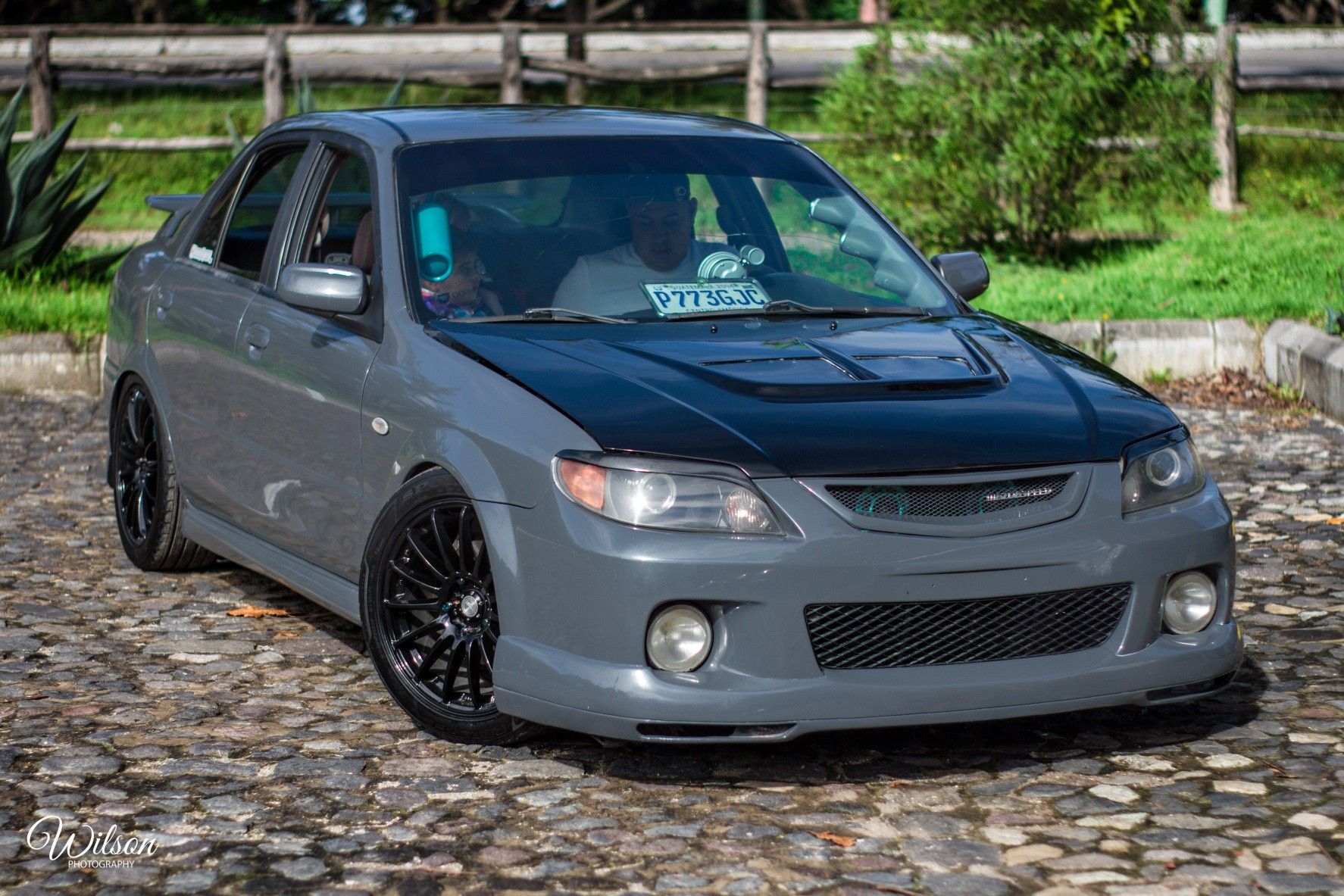
Even today, many Protegés are still running strong, proving that Mazda’s engineering philosophy has long emphasized durability.
The enthusiast-focused MP3 model takes a break this year as Mazda works to squeeze more power from its engine. Meanwhile, the base 1.6-liter engine has been dropped entirely, making the 130-horsepower 2.0-liter unit standard across all trims.
Every model gains extra features for 2002: the DX now rides on larger tires with full wheel covers; the LX adds air conditioning, body-colored mirrors, and remote keyless entry; and the ES debuts new carbon-fiber-style accents and silver trim on the dash and doors.
Across the board, all trims now come with a sporty three-spoke steering wheel and a larger 14.5-gallon fuel tank. Foglights and an auto-dimming rearview mirror are also available as options on any 2002 Protege.
Mazda Models Known for Head Gasket Leak Issues
Head gasket problems aren’t exclusive to Mazda, but certain Mazda engines and model years have shown patterns worth your attention. This article zeroes in on the Mazda models most often linked to head gasket leaks in owner reports, shop data, and service bulletins, and explains why they’re vulnerable in the first place.
We’ll break down the warning signs (sweet-smelling exhaust, milky oil, unexplained coolant loss, overheating), the common root causes (cooling system neglect, hard heat cycles, tuning/mods on turbo cars), and the real-world repair paths and costs you can expect in the U.S.
1. Mazda 626 (1993–2002, 2.5L V6)
The 626 is a classic example of “buy the four-cylinder, skip the V6.” While the base 2.0-liter engine is relatively trouble-free, the 2.5-liter V6 version in this era is prone to head gasket leaks, often after repeated overheating or cooling system neglect.
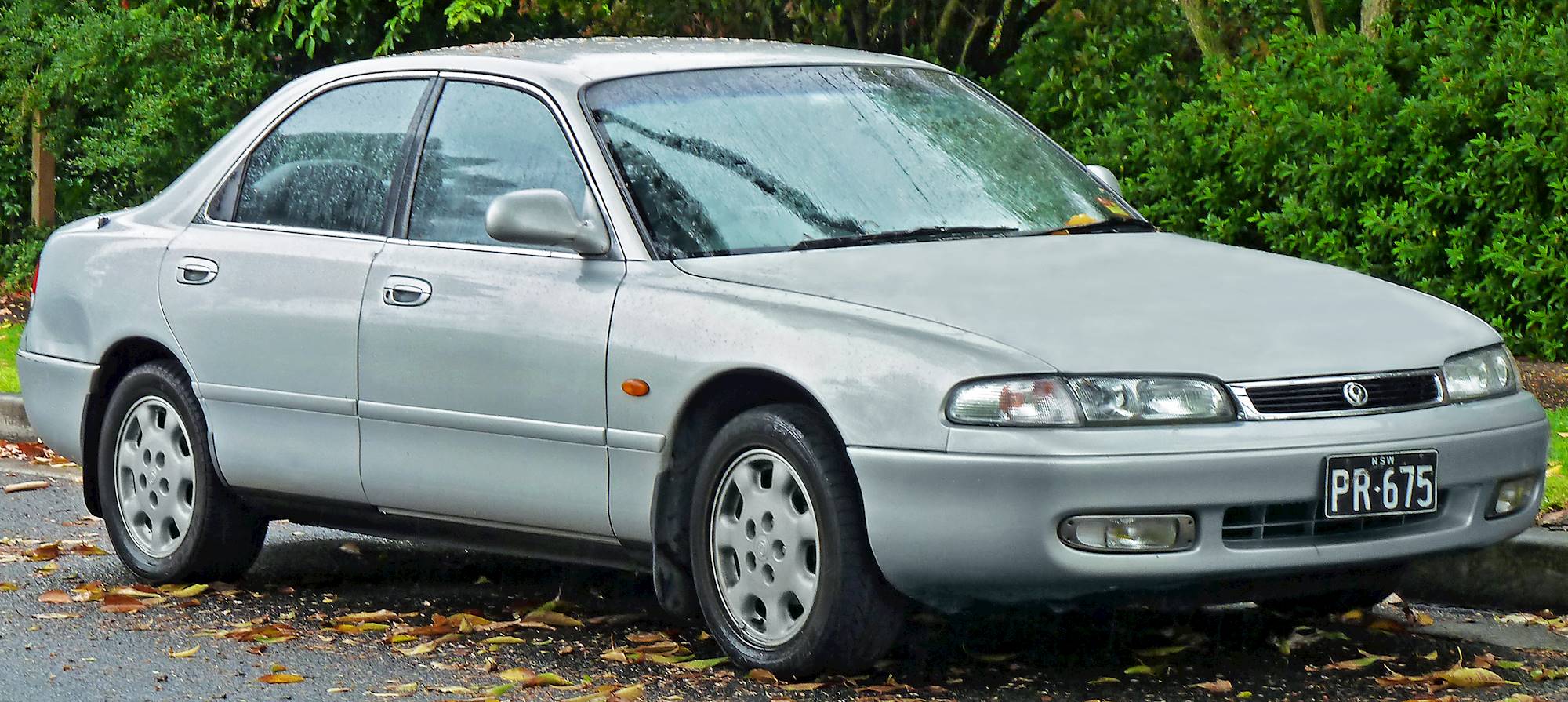
Because head gasket failure can happen gradually, many owners didn’t catch it until white smoke or coolant loss became severe by which time repair costs were substantial.
The Mazda 626 is a midsize sedan that first arrived in the late 1970s, originally positioned as a small, budget-friendly family car. Over the years, it evolved through multiple generations, each one bringing upgrades in design, technology, and performance.
Early on, the 626 built a reputation for solid construction and sharp handling, earning a loyal following among drivers who valued dependable daily transportation. Think of it as the reliable workhorse of Mazda’s lineup, never the flashiest option, but consistently well-built and ready to deliver.
2. Mazda CX-7 (2007–2012, 2.3L Turbo)
This sporty crossover came with a turbocharged 2.3-liter engine that promised performance but delivered a reputation for heat-related engine problems.
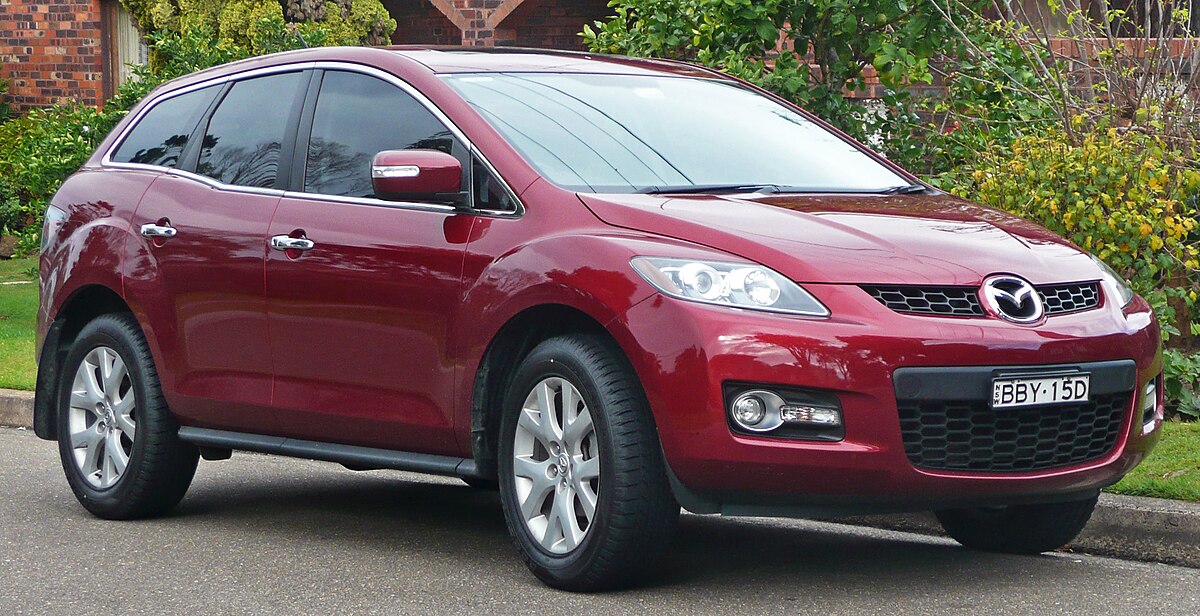
The combination of turbo boost and limited cooling efficiency sometimes led to head gasket failure. Oil starvation from neglected oil changes only made things worse, leading to seized turbos and, in some cases, complete engine replacements.
The 2012 Mazda CX-7 is a compact crossover SUV that blends sporty character with everyday practicality. With its sleek styling, agile handling, and seating for five, it offers a distinctive choice for drivers who want utility without sacrificing driving enjoyment.
Two available engines give buyers flexibility, whether they’re prioritizing fuel efficiency or extra performance, and its mix of refinement, versatility, and responsiveness makes it well-suited for everything from weekday commutes to weekend getaways.
Mazda leans into the CX-7’s athletic DNA, reflected in its sharp steering, stylish exterior, and well-crafted interior. It carries forward the brand’s reputation for building vehicles that are genuinely fun to drive, while adding the comfort and practicality that keep it competitive in the crowded crossover market.
3. Mazda MPV (2000–2006, 3.0L V6)
The Ford-sourced 3.0-liter V6 in the Mazda MPV was far from bulletproof. Cooling system issues such as radiator leaks or failing water pumps could push the engine into overheating territory.
Prolonged heat exposure frequently resulted in blown head gaskets. For a family minivan, the MPV’s potential for expensive engine repairs was a dealbreaker for many owners.
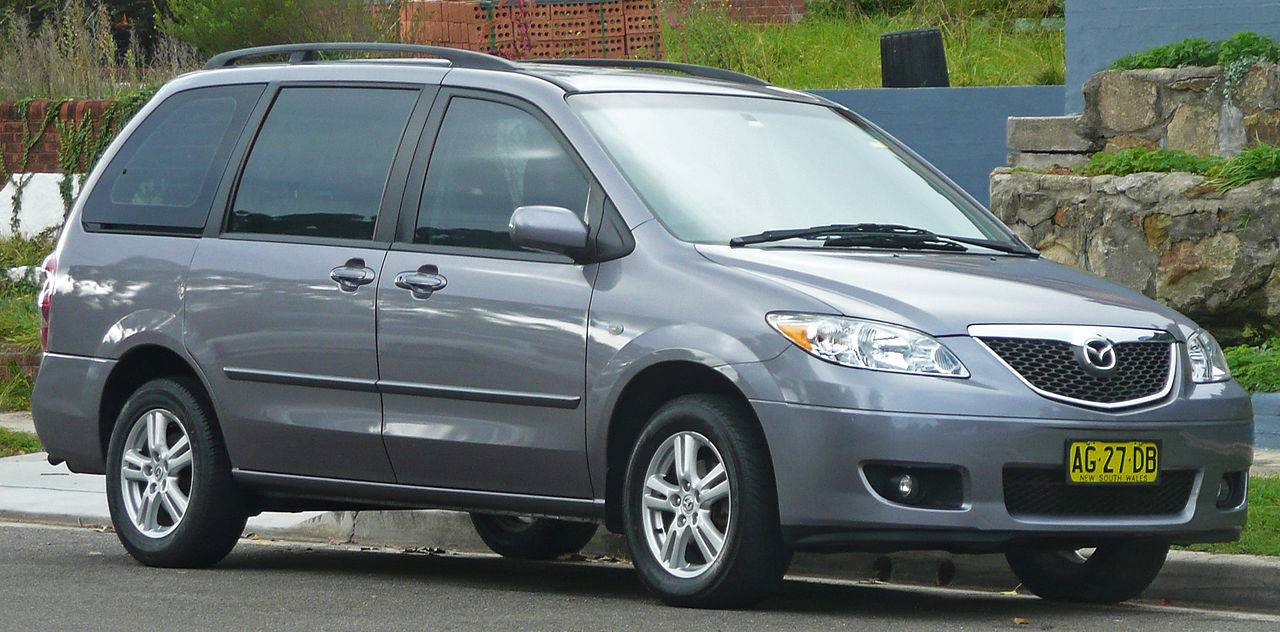
The MPV is an all-new design built in Hiroshima on a completely fresh platform. It uses a front-engine, front-wheel-drive layout with strut suspension up front, a torsion-beam axle in the rear, and coil springs at all four corners. While a four-wheel-drive version is planned for the Japanese market, Mazda doesn’t expect enough demand in the U.S. to justify bringing it stateside.
For now, there’s just one powertrain option: a variant of Ford’s 2.5-liter Duratec V6, producing 170 horsepower (160 hp in California and other LEV states) paired with a Ford-sourced four-speed automatic transmission. Mazda’s Leach explains that the decision was partly a currency hedge as much as a product choice.
Pricing starts at $20,475 for the entry-level DX and tops out at $26,030 for the fully loaded ES, which includes leather seating. In its typically understated way, Mazda has been carving out a reputation for stylish design. The Miata, for instance, went from “girl-next-door” cute to almond-eyed allure in its 1999 update.
4. Mazda RX-8 (2004–2011)
The RX-8’s rotary engine is already infamous for its apex seal wear and oil consumption, but overheating issues add another headache: head gasket failures.
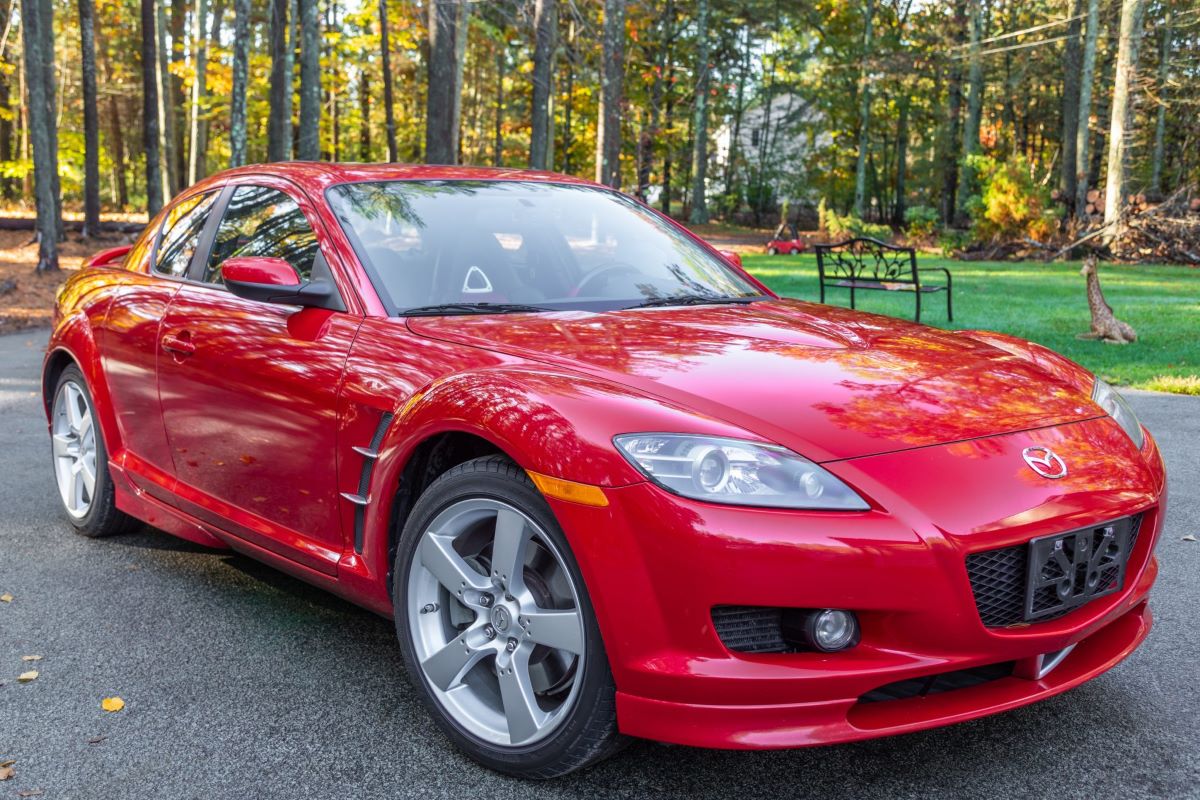
While not as common as seal-related problems, they compound the cost and complexity of keeping this unique sports car running. Rotary engines are less tolerant of neglect, making this model a risky choice for buyers without deep pockets and mechanical know-how.
The RX-8 stands out as a unique sports car, blending a two-plus-two layout with distinctive half-doors that make accessing the rear seats easier. Under the hood lies a rotary engine, lightweight enough to give the RX-8 near-perfect balance and razor-sharp responsiveness through corners. While the rotary could benefit from more outright power, its dynamic handling is undeniable. The trade-off, however, is that it’s thirsty for both fuel and oil.
5. Mazda Tribute (2001–2006, 3.0L V6)
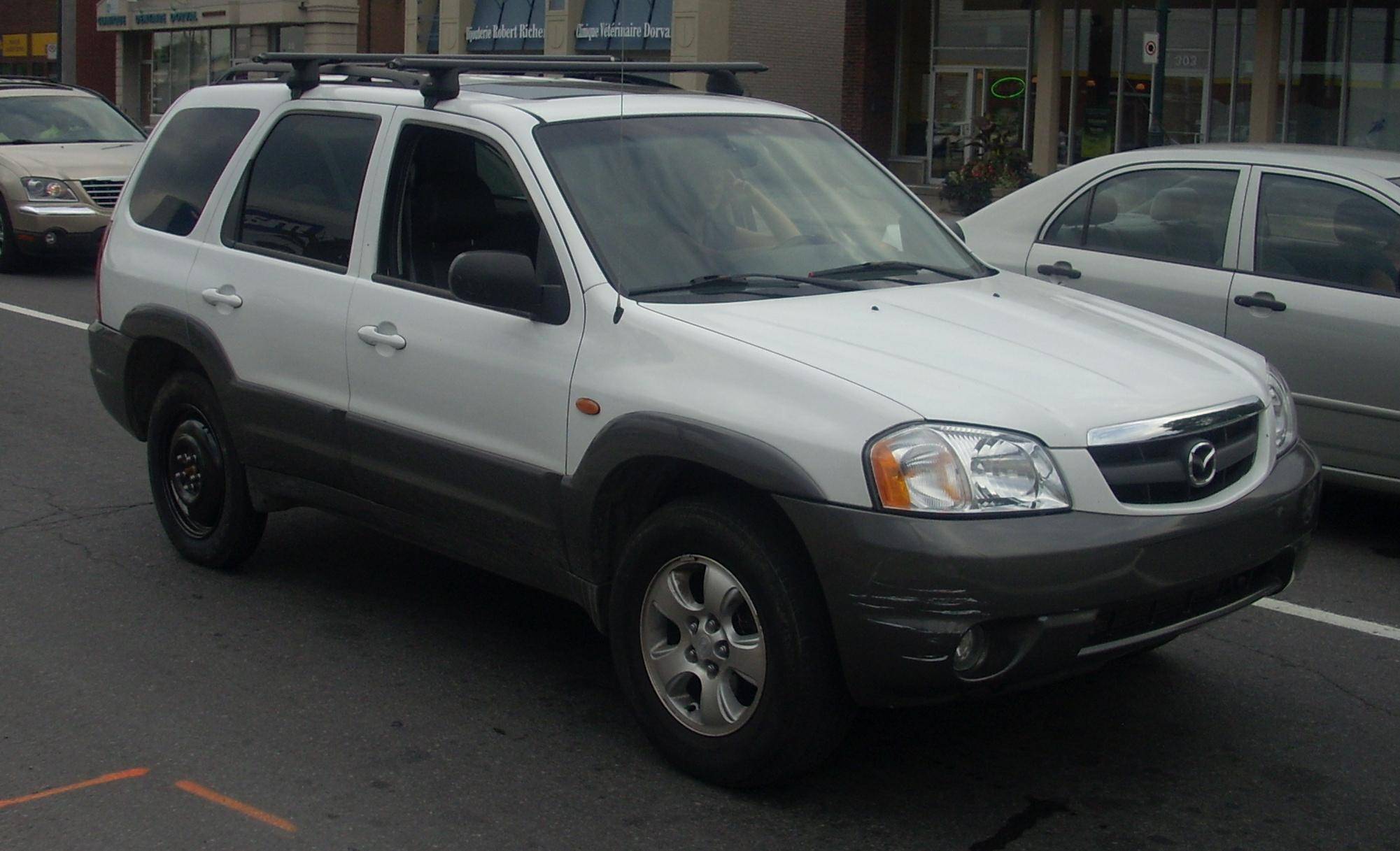
Essentially Mazda’s take on the Ford Escape, the Tribute shared its 3.0-liter V6 with Ford. Unfortunately, this engine developed a history of cooling system degradation over time, leading to overheating and eventual head gasket leaks.
While many Tributes served reliably for years, high-mileage examples often needed costly engine work.
Mazda has produced some truly outstanding engines that will give you hundreds of thousands of miles of dependable service with minimal drama especially the naturally aspirated SkyActiv and MZR units.
Although the Mazda Tribute shares its platform, drivetrain, and basic architecture with the higher-volume Ford Escape, it brings enough of its own personality to confidently step out from the Ford’s shadow.
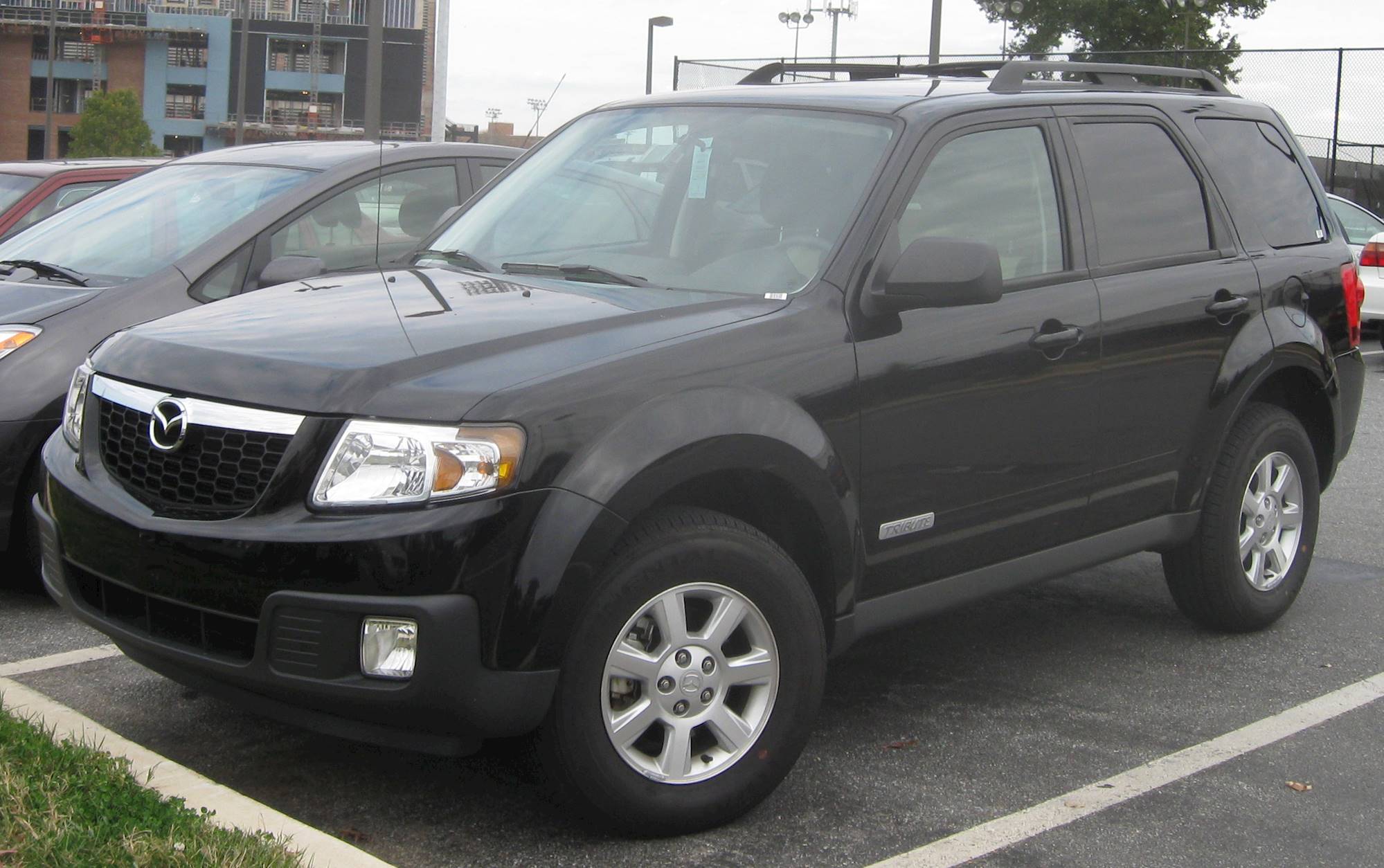
Buyers can choose from three trim levels, each offered with front-wheel drive or four-wheel drive. The base DX comes with a modest 130-horsepower four-cylinder engine paired to a five-speed manual transmission, though the available 200-horsepower V6 is well worth the upgrade.
Both engines meet LEV standards. The V6 comes exclusively with a four-speed automatic and can tow up to 3,500 pounds when properly equipped. For 2002, the DX gains alloy wheels, dark-tinted glass, and remote keyless entry as standard equipment.
The mid-range LX and top-tier ES trims are V6-only. LX models build on DX content with upgraded cloth upholstery, cruise control, an in-dash cassette player, cargo net, alarm system, foglights, a height-adjustable driver’s seat with lumbar support, a cargo cover, and a reclining split-folding rear seat.
For 2002, LX buyers can also opt for a power driver’s seat. ES models add leather upholstery, a standard power driver’s seat, and an overhead storage console. Mazda expects the LX V6 to be the volume seller. Antilock brakes with electronic brakeforce distribution are available on all Tribute models.
On the flip side, certain models with specific engines, often those sourced from Ford or with high-heat turbo setups, are far more vulnerable to head gasket failure.
If you’re shopping for a used Mazda, it pays to know the difference. Always request service records, have the cooling system inspected, and consider a pre-purchase inspection from a mechanic who knows Mazda’s quirks.
The right choice can mean owning a stylish, fun-to-drive car that’s also as dependable as any Toyota or Honda on the road.
