
The Ram 1500 has long been a cornerstone of the American pickup market, celebrated for its bold styling, robust towing capability, and versatile performance. Across the years, certain models have become standout successes, offering reliability, innovation, and strong resale value.
From older work-ready variants to today’s tech-rich, comfort-focused trucks, the Ram 1500 has evolved to meet changing driver expectations. However, not all model years have aged equally well. Some have gained a reputation for persistent mechanical, electrical, or design flaws that compromise ownership satisfaction.
In this guide, we’ll explore the highlights of reliable Ram 1500 years that delivered exceptional value, as well as the models that struggled with costly issues or frequent recalls.
Whether you’re shopping for a dependable used truck or trying to avoid a problematic year, this breakdown will help you navigate the best and worst of Ram 1500 history with clarity and confidence.
1. 2008 Dodge Ram 1500
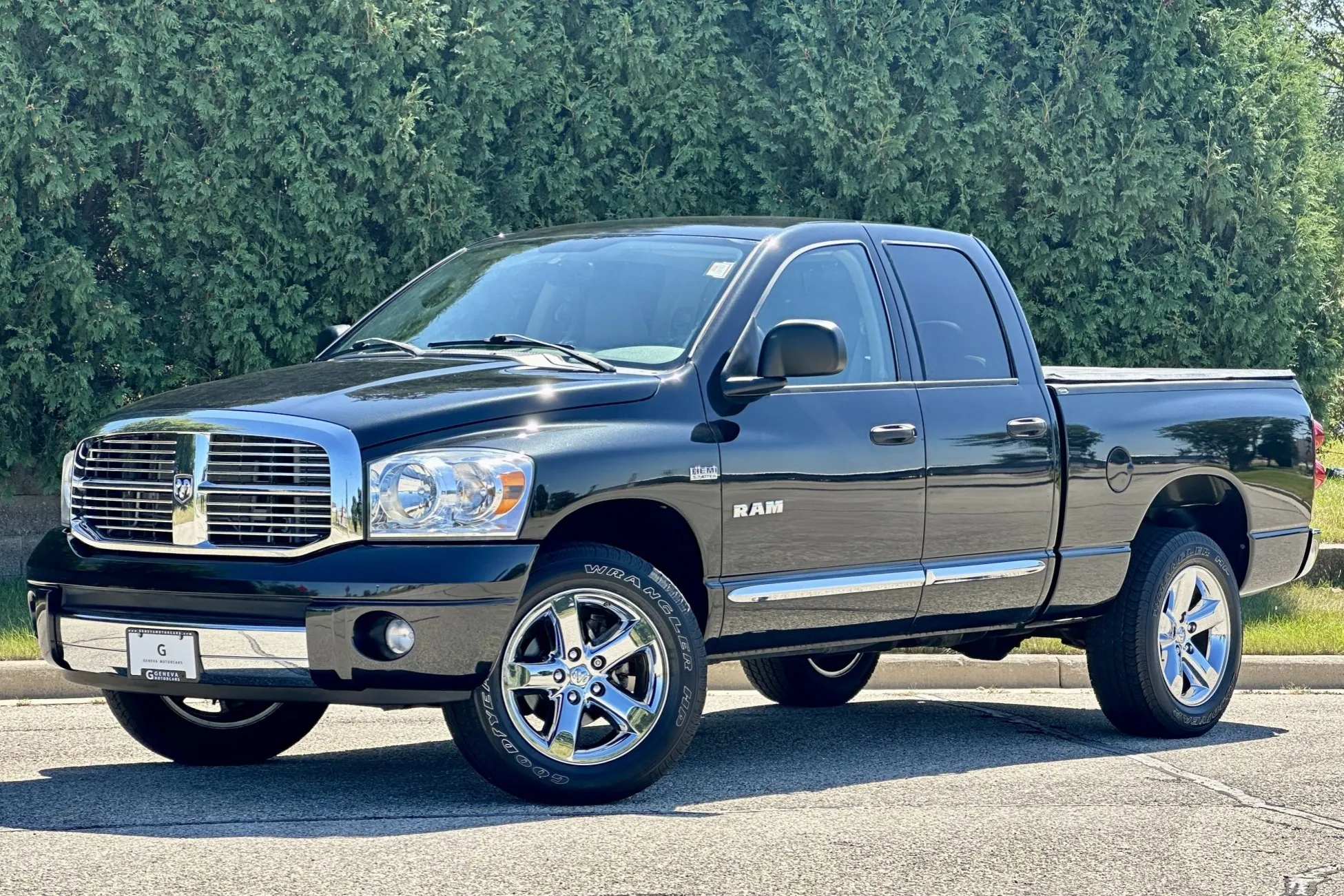
The 2008 Dodge Ram 1500 introduced a new SXT trim and a significantly revised 4.7-liter V8 engine producing 310 hp and 330 lb-ft of torque, a major improvement over the previous 235 hp and 300 lb-ft.
Two other engines were available: a base 3.7-liter V6 with 215 hp and 235 lb-ft, and a range-topping 5.7-liter Hemi V8 generating 345 hp and 375 lb-ft. The model also added Trailer Sway Control to its optional stability suite, along with steering linkage updates for 4WD versions.
Despite being an older design, the Ram retained its reputation for rugged styling, strong capability, and versatility as both a daily driver and a workhorse. The Mega Cab model, with its massive interior space, stood out for rear passenger comfort unmatched in most pickups.
The 2008 Dodge Ram offered both rear- and four-wheel-drive configurations, with transmission options ranging from a six-speed manual for the V6 and 4.7-liter V8 to a five-speed automatic for the Hemi.
Towing capacity reached up to 9,100 pounds. Fuel economy was similar across all engines, averaging around 13 mpg city and 18 mpg highway. Safety features included four-wheel disc brakes, optional or standard ABS depending on trim, stability control, full-length side curtain airbags, and top crash-test scores for frontal impacts.
On the road, the Ram was surprisingly nimble for its size, with the revised 4.7-liter delivering robust performance without making the Hemi essential. Ride quality could be bouncy when unloaded, but became smooth and composed with cargo or passengers aboard.
Earning an 83/100 JD Power reliability score and a 4.5/5 consumer rating from KBB, the 2008 Ram was recognized for durability. With used prices starting under $5,000 and average yearly maintenance of $533, it remained one of the most affordable full-size trucks on the market.
Interior design was straightforward and functional, with white-faced gauges, large controls, and ample storage, though material quality lagged behind newer rivals. Seating varied from cramped in Quad Cabs to exceptionally spacious in Mega Cabs, the latter offering reclining rear seats and class-leading legroom.
While newer competitors like the Toyota Tundra and GM twins offered more refinement, the 2008 Dodge Ram 1500 appealed to buyers seeking a bold, capable, and value-packed all-American truck.
2. 2013 Ram 1500
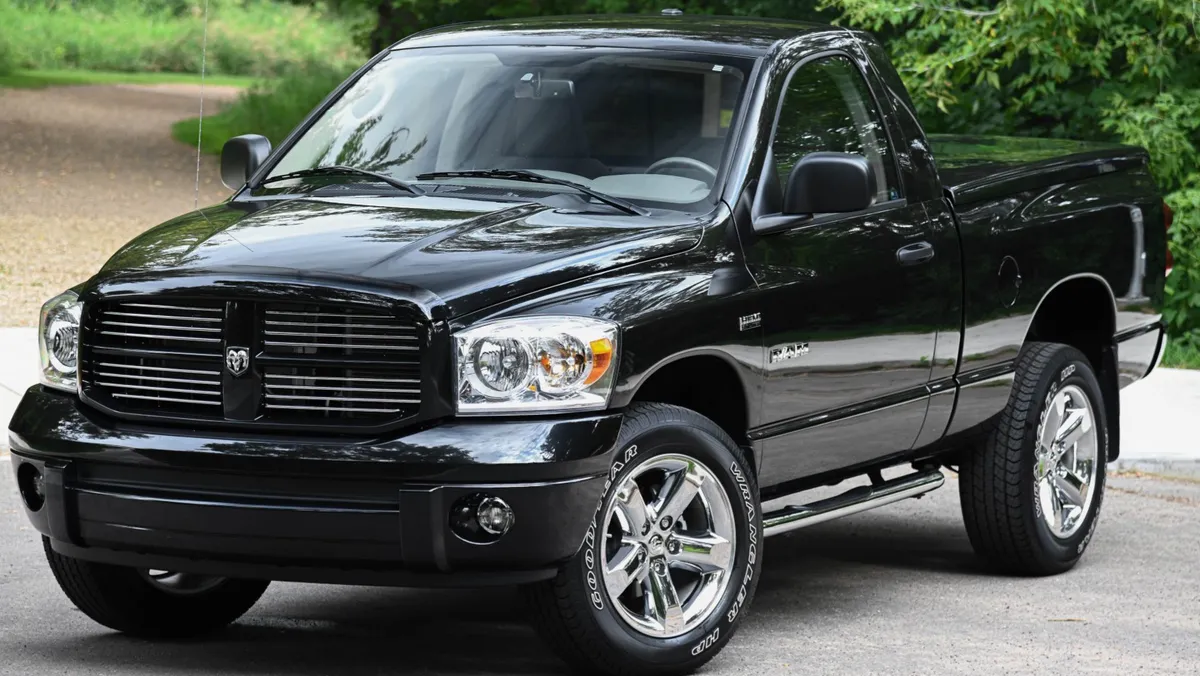
The 2013 Ram 1500 marked a significant step forward in performance, technology, and refinement. The most notable change was the introduction of a new 3.6-liter Pentastar V6 producing 305 hp and 269 lb-ft of torque, paired with a smooth eight-speed automatic transmission.
This replaced the outdated V6, delivering 42% more power and improved fuel economy of up to 20 mpg combined in 2WD configurations. The lineup also included a 4.7-liter V8 (310 hp, 330 lb-ft) and a 5.7-liter Hemi V8 (395 hp, 407 lb-ft), the latter offering a towing capacity of up to 10,450 pounds.
Additional upgrades included a redesigned, stronger yet lighter frame, an optional air suspension with adjustable ride height, stop-start technology, and a revamped UConnect infotainment system.
Subtle exterior changes, such as a larger grille and LED lighting, were paired with numerous convenience enhancements, including power running boards, a lockable RamBox storage system, and an available 6-foot-4 cargo bed for Crew Cab models.
Available in both 2WD and 4WD, the 2013 Ram 1500 delivered versatile performance for daily driving and work duties alike. The eight-speed automatic, operated via a rotary “e-shift” knob, provided seamless gear changes and enhanced towing efficiency.
The air suspension not only improved comfort but also offered practical benefits like lowering for easier entry and raising for greater ground clearance. On the road, the Ram stood out for its quiet cabin, composed ride, and precise steering, feeling less like a traditional truck than many competitors.
Safety features included four-wheel antilock disc brakes, stability control, hill-start assist, trailer-sway control, and available full-length side curtain airbags. In testing, a 2WD Quad Cab V6 model stopped from 60 mph in 128 feet, competitive for its class.
While towing capacity slightly trailed rivals like the Ford F-150 and Chevy Silverado, the Ram’s overall balance of capability and refinement made it a standout choice.
Inside, the 2013 Ram 1500 offered one of the most upscale cabins in the full-size pickup segment. Even base models featured a handsome design, quality materials, and intuitive controls, while top trims like the Laramie added leather upholstery and wood-grain accents.
Both Quad and Crew Cab versions provided clever storage options, with the Crew Cab offering generous legroom and amenities like watertight underfloor compartments and the optional RamBox bed storage.
Technology was another highlight, with available 5-inch or 8.4-inch touchscreens, Bluetooth, voice recognition, smartphone integration, and even a WiFi hotspot. Rated at 83/100 for reliability by J.D. Power and 4.6/5 by KBB users, the 2013 Ram combined durability with modern conveniences.
Used pricing ranges from $13,738 to $26,590, with average annual maintenance costs of $698, making it a well-rounded, advanced, and comfortable full-size pickup.
3. 2010 Ram 1500
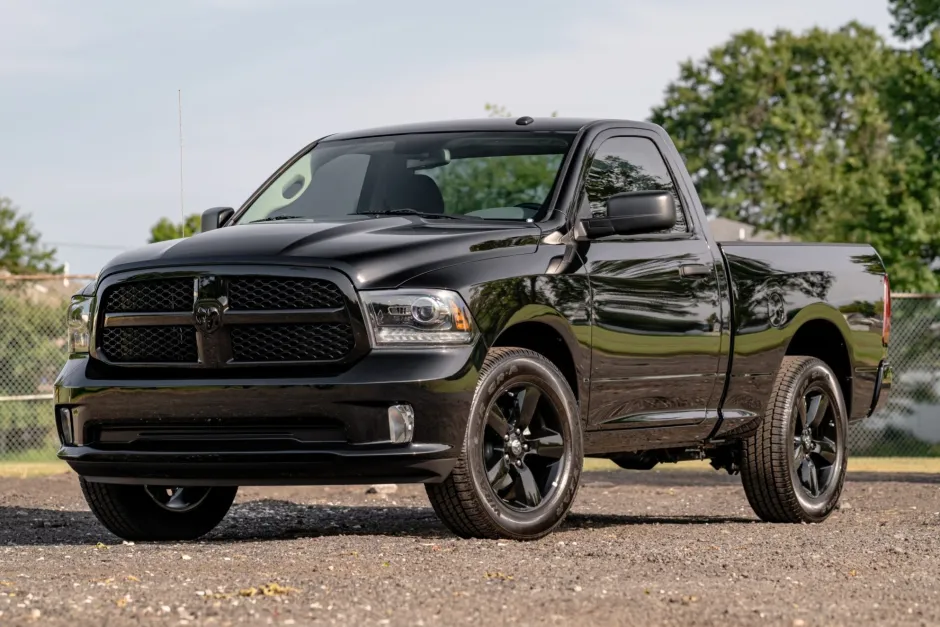
The 2010 model year marked a milestone for the Ram pickup as it officially became its own marque, separate from Dodge, which shifted focus toward passenger and performance cars.
Mechanically and stylistically unchanged from 2009, the 2010 Ram 1500 still benefited from its recent redesign, offering a smooth-riding coil-spring rear suspension, a refined interior, and strong V8 powertrains.
It earned an impressive 84/100 J.D. Power reliability score and was praised for its balance of comfort, capability, and style, outperforming rivals like the Chevrolet Silverado, Ford F-150, and Toyota Tundra in comparison tests.
Notable updates for 2010 included a higher tow rating for the 5.7-liter V8, an integrated trailer brake controller, trailer-tow mirrors, and a revised tire-pressure monitoring system that also checked the spare tire. With average yearly maintenance costs of $670 and 10-year estimates at $17,677, the Ram delivered solid value alongside its performance.
The 2010 Ram 1500 offered three engines: a base 3.7-liter V6 (215 hp, 235 lb-ft) paired with a four-speed automatic, a mid-level 4.7-liter V8 (310 hp, 330 lb-ft) with a five-speed automatic, and the range-topping 5.7-liter Hemi V8 (390 hp, 407 lb-ft), also with a five-speed automatic.
The Hemi was the clear standout, matching the V6’s fuel economy while delivering far superior performance, including a 0–60 mph time of 7.6 seconds in 4WD Crew Cab form. Properly equipped, the Ram could tow up to 10,250 pounds.
Ride comfort was a highlight, with the coil-spring rear suspension eliminating much of the harshness typical of body-on-frame pickups. Safety equipment included ABS, stability control, trailer-sway control, hill-start assist, and full-length side curtain airbags.
The Ram earned top marks in government crash tests for frontal and side-impact protection but only a “Marginal” IIHS rating for side impacts due to potential torso injuries.
Inside, the 2010 Ram 1500 set a high standard for pickup interiors. Even base trims featured attractive designs, intuitive controls, and well-textured materials, while the Laramie trim added wood-grain accents and leather upholstery for a premium feel.
Seating comfort was strong across the board, with the Crew Cab offering generous rear legroom and a pleasant seatback angle. Storage solutions were a strength, including a large center console, under-floor compartments in Crew Cab models, and shallow bins beneath flip-up rear seats.
The optional RamBox storage system added lockable bed-mounted compartments, though its long-term durability was a minor concern. The 2010 Ram 1500 combined upscale comfort, innovative storage, and work-ready capability, making it one of the most well-rounded trucks in its class.
4. 2012 Ram 1500
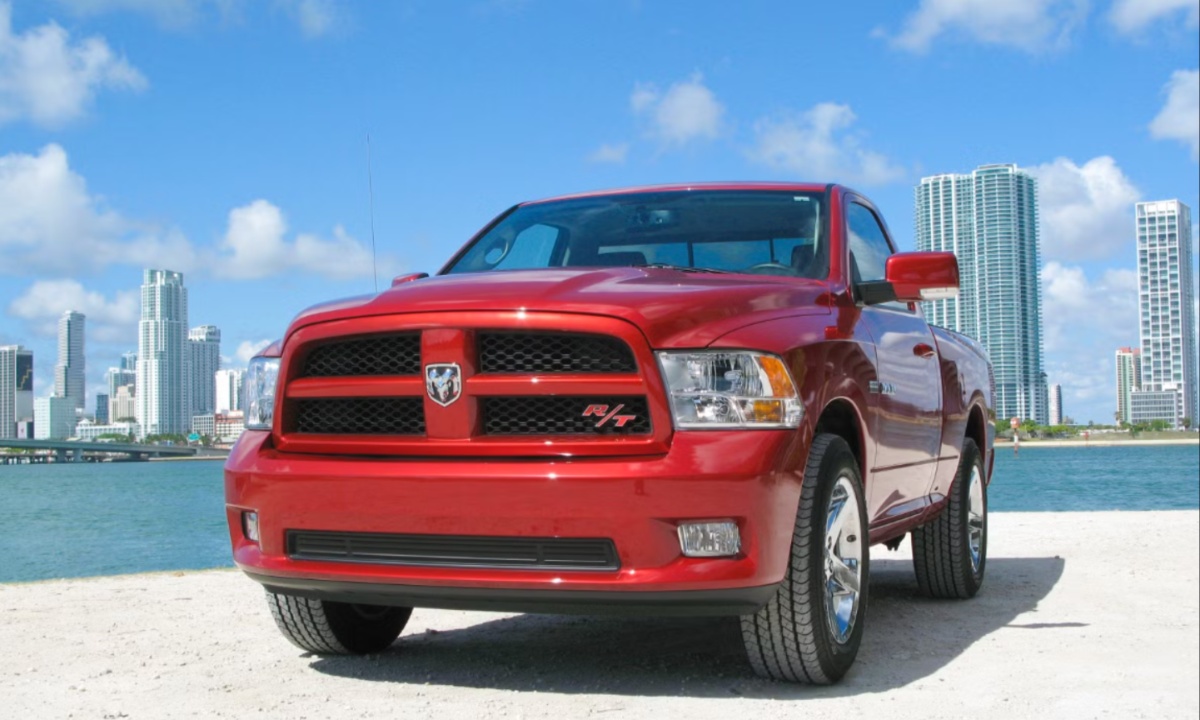
The 2012 Ram 1500 built on its reputation as one of the most refined full-size pickups by adding a new six-speed automatic transmission to V8 models, improving fuel economy to a combined 16 mpg.
Notable updates included an enhanced RamBox cargo management and bed extension system, a premium surround sound system, and heated rear seats. Three engines were available: a base 3.7-liter V6 (215 hp, 235 lb-ft), a mid-range 4.7-liter V8 (310 hp, 330 lb-ft), and a 5.7-liter Hemi V8 (390 hp, 407 lb-ft).
With a J.D. Power reliability score of 86/100 and strong consumer ratings, the 2012 Ram offered an appealing mix of performance, comfort, and versatility, with pricing on the used market ranging from $8,000 to $10,857.
Its innovative coil-spring rear suspension continued to set it apart, offering a smoother ride without sacrificing hauling or towing capability.
While the base V6 was underpowered and offered no fuel economy advantage, the 4.7-liter V8 provided adequate performance, and the 5.7-liter Hemi delivered the best mix of power and efficiency, matching the smaller engines’ mpg while accelerating a Crew Cab Sport from 0–60 mph in 7.1 seconds.
Towing capacity topped out at 10,450 pounds, slightly less than some rivals but still competitive. The new six-speed automatic optimized both fuel economy and towing, while optional axle ratios allowed for tailoring performance to specific needs.
The Ram’s ride remained one of the smoothest in its class thanks to the coil-spring suspension. Safety equipment included ABS, stability control, trailer-sway control, hill-start assist, and full-length side curtain airbags.
However, crash-test results were mixed, with government testing awarding three stars overall, while IIHS scores ranged from “Good” in frontal-offset to “Marginal” in side-impact and roof strength. Braking performance varied by trim, from a solid 130 feet in the Laramie to an impressive 122 feet in the Sport.
Inside, the 2012 Ram 1500 excelled in comfort and design. Even base trims offered quality materials and intuitive controls, while the Laramie featured upscale touches like wood-grain trim and leather upholstery.
Seating comfort was strong across all configurations, with the Crew Cab providing generous legroom and a relaxed seatback angle. Storage was a standout, with a large center console, under-floor compartments, and bins beneath the rear seats.
The optional RamBox system added secure, lockable bed-mounted storage, though its durability was somewhat questionable.
While the available touchscreen interface lagged behind the Ford F-150’s in user-friendliness, the overall package positioned the 2012 Ram 1500 as a leader in blending work-ready capability with passenger comfort and premium features.
5. 2024 Ram 1500
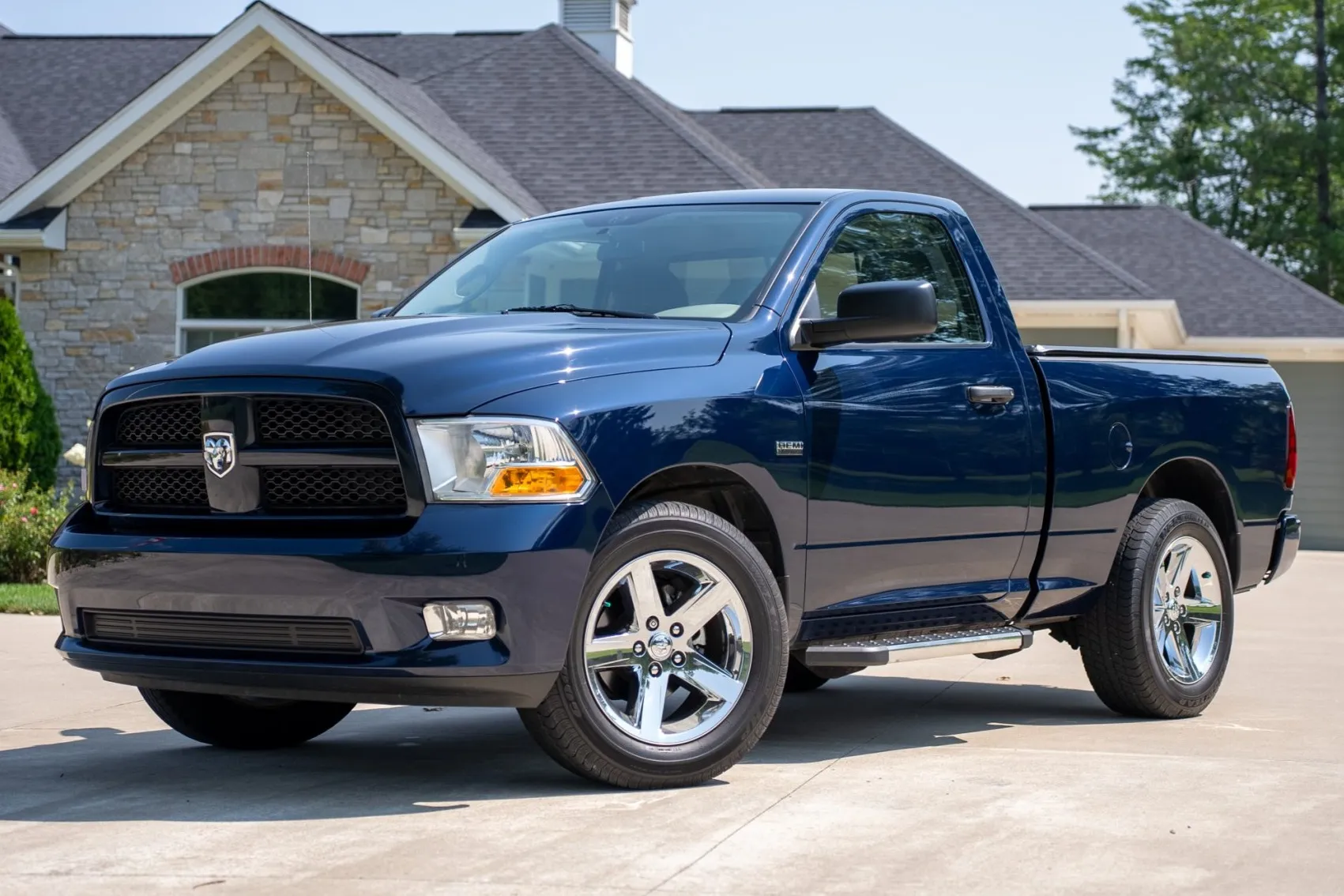
The 2024 Ram 1500 stands out in the competitive full-size pickup segment, earning an impressive J.D. Power reliability score of 88/100, the highest ever for this model and one of the top ratings among American trucks this year.
Starting at just over $40,000, it offers an upscale, SUV-like interior, excellent space, and a unique coil-spring rear suspension introduced in 2009 that delivers a smoother ride than the traditional leaf-spring setups found in rivals.
While the fuel-efficient diesel option has been discontinued, the powerful 5.7-liter Hemi V8 remains available, providing a best-in-class towing capacity of up to 12,750 pounds. With the 2025 redesign set to replace the V8 with turbocharged inline-six engines, this year marks the final opportunity for buyers to get the tried-and-true Hemi.
Rated 8.5/10 for performance, the 2024 Ram 1500 impresses with its smooth, strong V8 paired with an eight-speed automatic transmission. The truck delivers steady steering, confident braking, and composed handling, making it easy to drive in various conditions.
The exclusive coil-spring suspension enhances both ride comfort and off-road stability, setting it apart from competitors. Inside, road and wind noise are minimal, and the suspension expertly absorbs rough surfaces.
Seats are well-shaped and supportive even in the base Tradesman trim, with higher trims adding a reclining rear bench for extra passenger comfort. An effective climate control system with rear vents, even on three-across front seating, adds to the truck’s long-distance comfort.
The Ram 1500’s interior blends rugged practicality with refined materials, especially in higher trims that rival premium SUVs. The Crew Cab configuration offers best-in-class rear legroom, generous headroom, and wide-opening doors with sturdy grab handles for easy entry.
Visibility benefits from large windows and a hood design that improves the forward view, though the rearview mirror is slightly small. Competitionally, the Ram 1500 ranks just behind the Ford F-150, outshining the Chevrolet Silverado in ride quality and the Toyota Tundra in trim variety.
With average annual maintenance costs of $691 and a 10-year estimate of $17,677, the 2024 Ram 1500 combines reliability, comfort, and capability, making it one of the smartest full-size truck buys of the year.
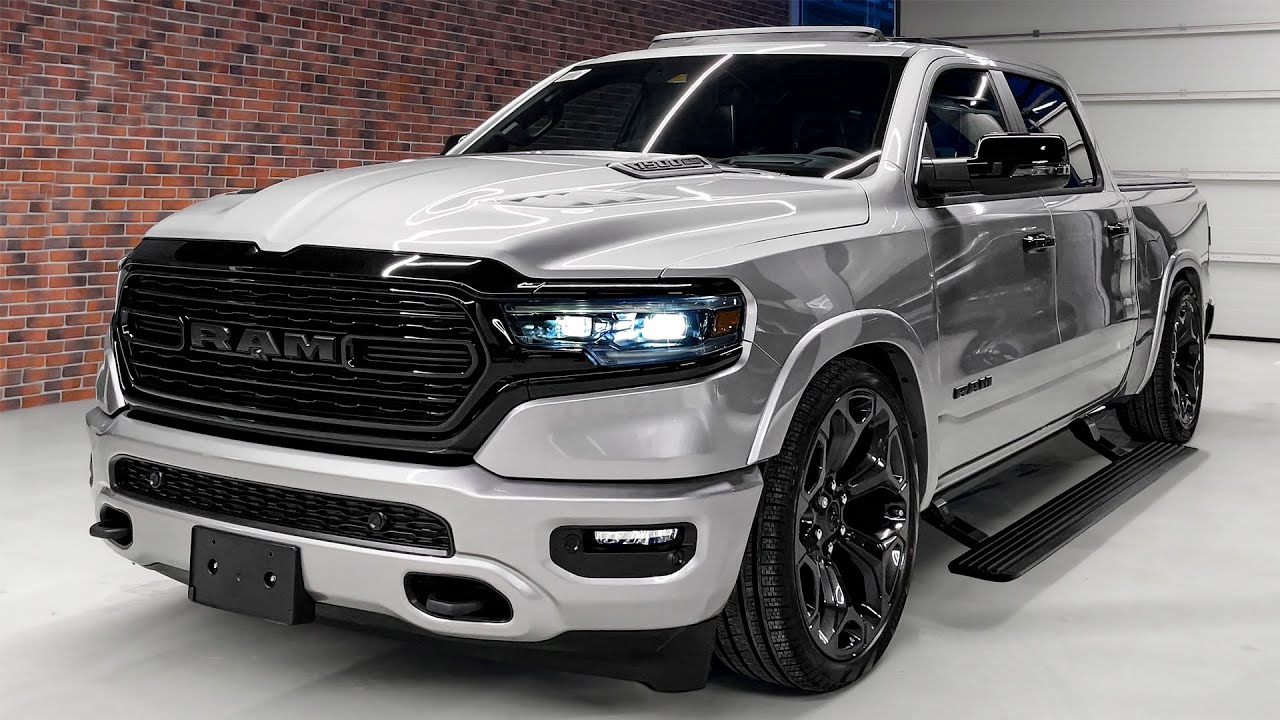
5 Ram 1500 Years That Fell Apart Fast
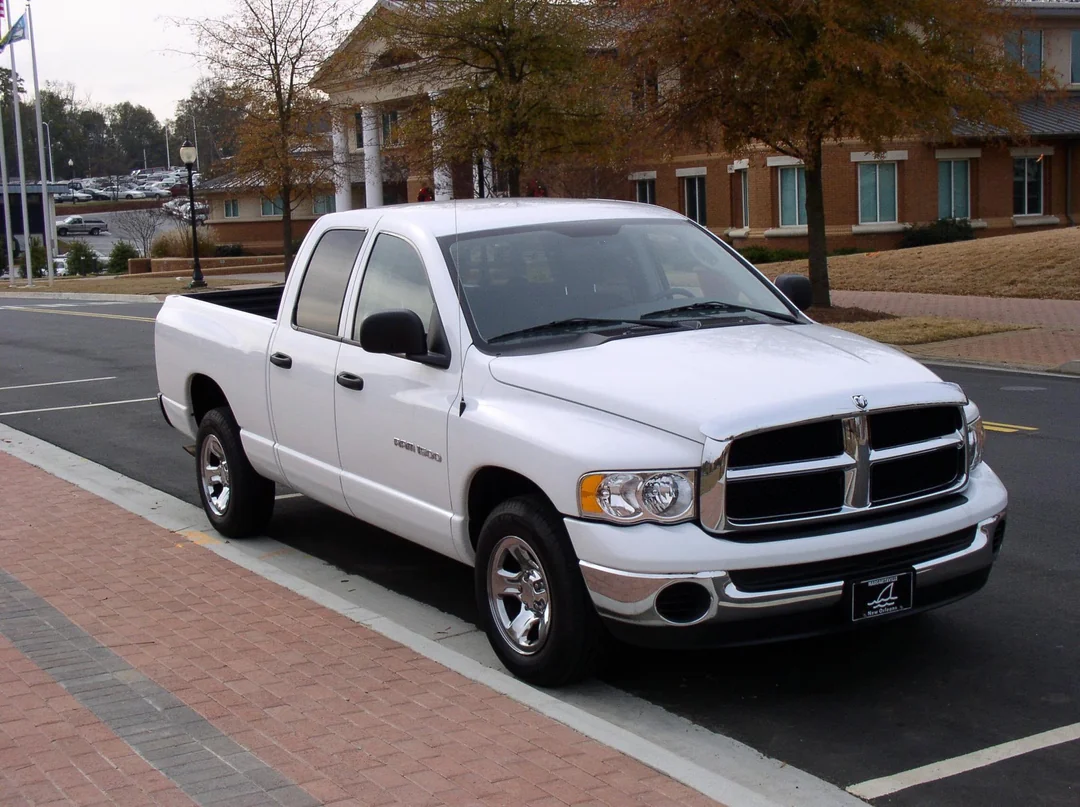
1. 2003 Dodge RAM 1500 – Persistent Engine and Dashboard Issues
The 2003 Dodge RAM 1500 faced numerous minor engine-related complaints, from knocking sounds to stalling, often triggering the check engine light. While most issues were not severe, their variety made ownership frustrating, leading some drivers to cover the light with tape.
The truck’s most notable flaw, however, was its easily cracking dashboard. At low mileage, cracks could spread rapidly, escalating from a cosmetic annoyance to a structural issue with dashboard sections falling apart.
For those using the truck primarily for work, aesthetics might not matter much, but the speed of deterioration often turned this into a serious concern, raising questions about build quality and long-term durability for a truck meant to handle heavy-duty use.
2. 2010–2013 Dodge RAM 1500 – Engine and Performance Concerns
The 2010–2013 Dodge RAM 1500 models, equipped with the 5.7-liter V8, were plagued by various engine problems. Issues included the engine shutting off while driving, worn lifters damaging camshafts, failure to start despite turning over, and numerous minor faults.
Drivetrain, suspension, transmission, and electrical systems also generated complaints. A recurring frustration among owners was the poor power-to-MPG ratio. While the 5.7-liter V8 was expected to provide strong towing capability, it often underperformed compared to competing trucks of the same era.
This left many feeling the RAM’s fuel efficiency and towing strength were mismatched, making it less appealing for those who relied heavily on its hauling abilities for work or recreational purposes.
3. 2014 Dodge RAM 1500 – EcoDiesel Debut and Transmission Troubles
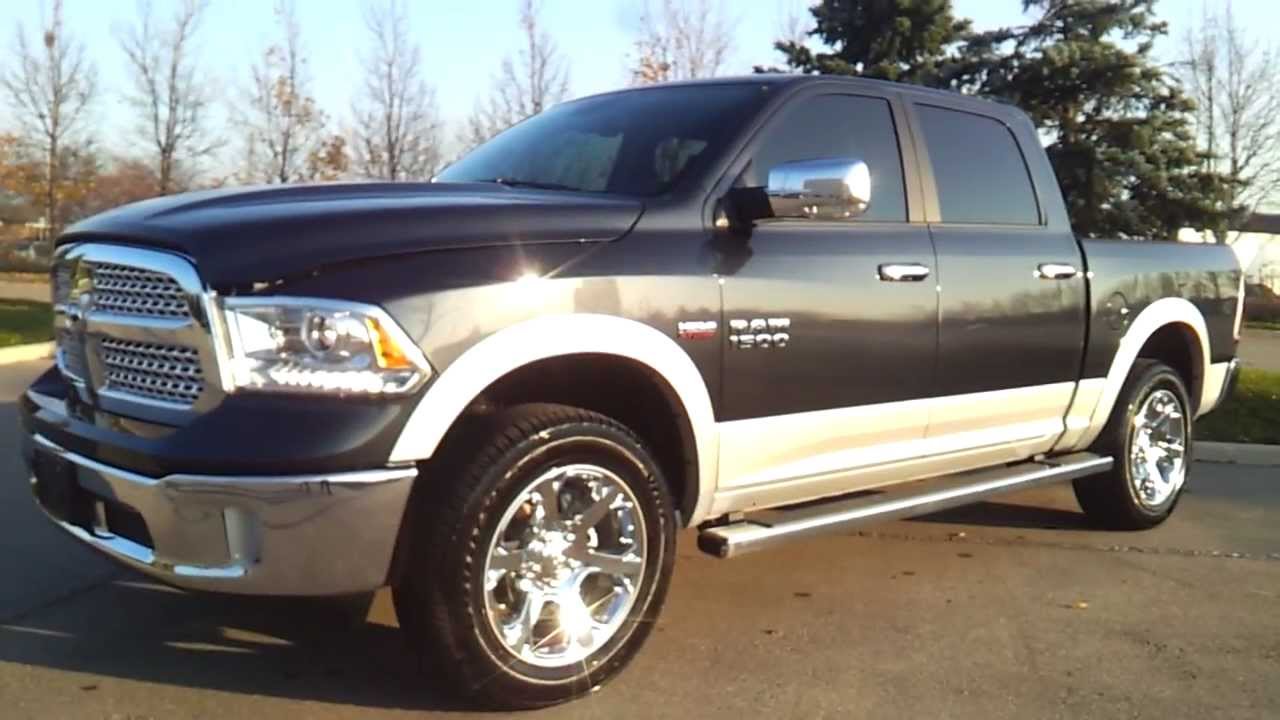
The 2014 RAM 1500 introduced the EcoDiesel engine, but as with many first-generation releases, it came with numerous problems. That year’s model saw 14 recalls, many tied to engine-related concerns. The most significant issue was with the transmission’s integration with the EcoDiesel engine.
Owners reported a wide range of problems, from improper downshifting and cold-start noises to gear disengagement while driving. Additional complaints included acceleration delays, abnormal revving, and jolts when releasing the brake or accelerating.
While some issues appeared minor, many could be early indicators of major transmission failure. The 2014 RAM demonstrated how the challenges of introducing a new powertrain can overshadow its intended benefits, especially when reliability is compromised so soon after launch.
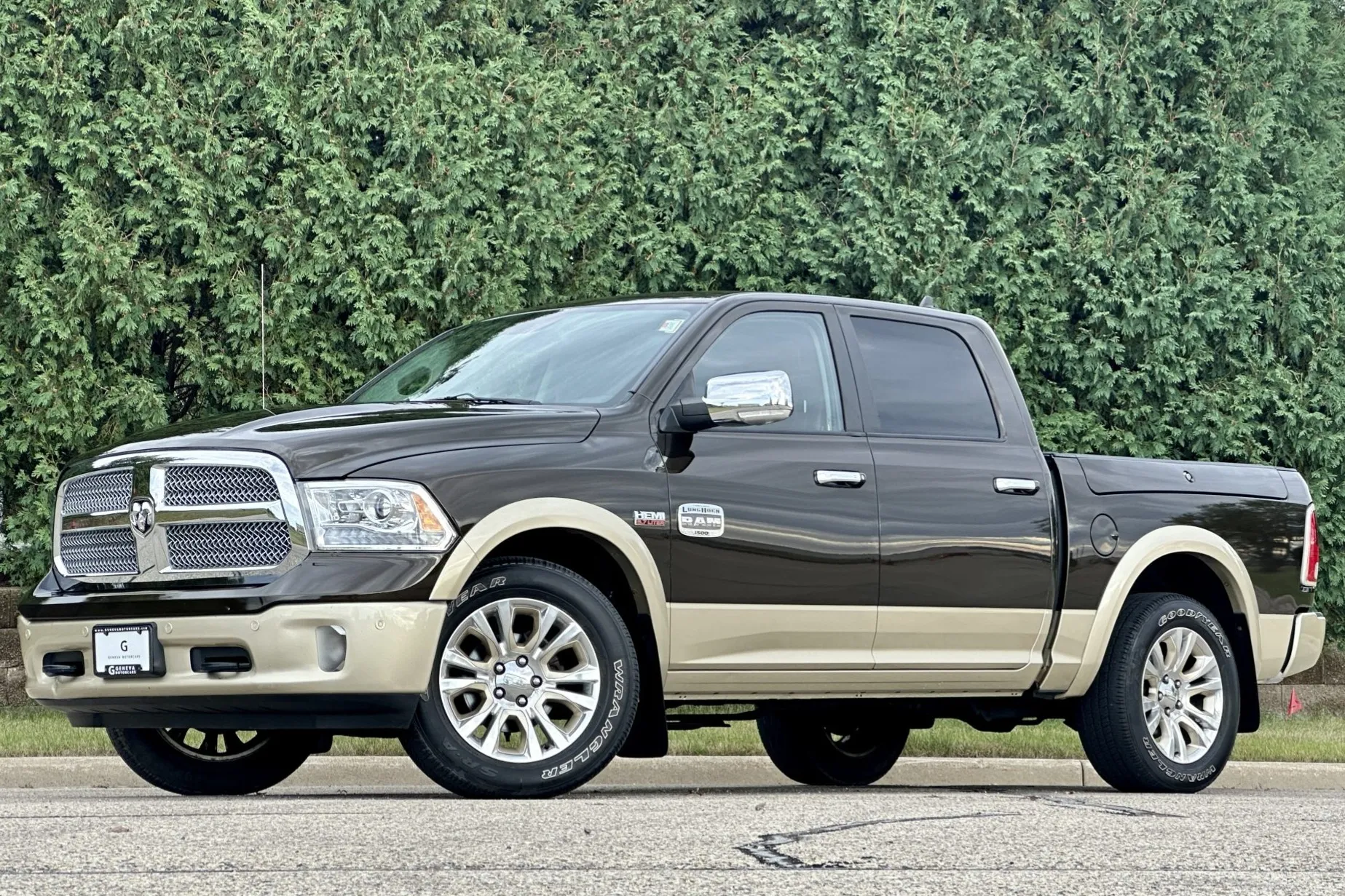
4. 2015 Dodge RAM 1500 – Electrical and Infotainment Malfunctions
In 2015, the RAM 1500 continued to struggle with the EcoDiesel engine, contributing to 14 recalls involving electrical, transmission, fuel, and engine issues. Beyond mechanical concerns, electronic system failures became a significant frustration.
Owners reported problems with the GPS/UConnect navigation system, malfunctioning radios, erratic dashboard warning lights, and screen display glitches. These issues were particularly troublesome because they were often difficult to diagnose and repair permanently.
Technicians frequently resorted to temporary fixes, only for the problems to reappear. This combination of mechanical and technological failures further eroded consumer confidence, especially for buyers expecting the RAM’s modern features to enhance, not hinder, the driving experience.
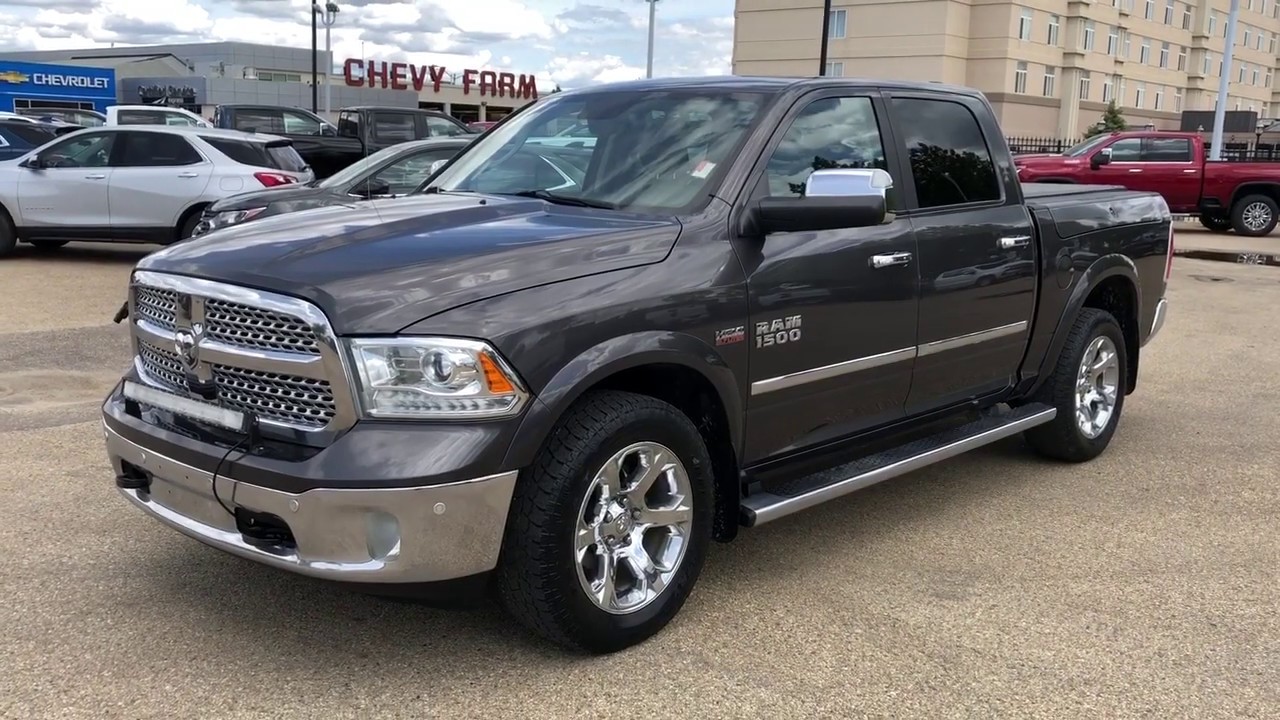
5. 2016 Dodge RAM 1500 – Lingering EcoDiesel Bugs and Safety Recalls
By 2016, RAM was still addressing issues with the EcoDiesel platform, though engine complaints were fewer than in prior years. The model faced 11 recalls, with new concerns including faulty rear tailgate latches in trucks with power locks, shifter linkage malfunctions, and cruise control problems.
Safety-related defects emerged as well, such as faulty airbag systems. While the improvements in engine reliability were a step forward, the ongoing stream of recalls kept the model under scrutiny.
For many owners, these recurring problems spanning performance, safety, and convenience features made it clear that the RAM 1500 was still undergoing a prolonged troubleshooting phase years after the EcoDiesel’s debut, affecting its reputation in the competitive truck market.
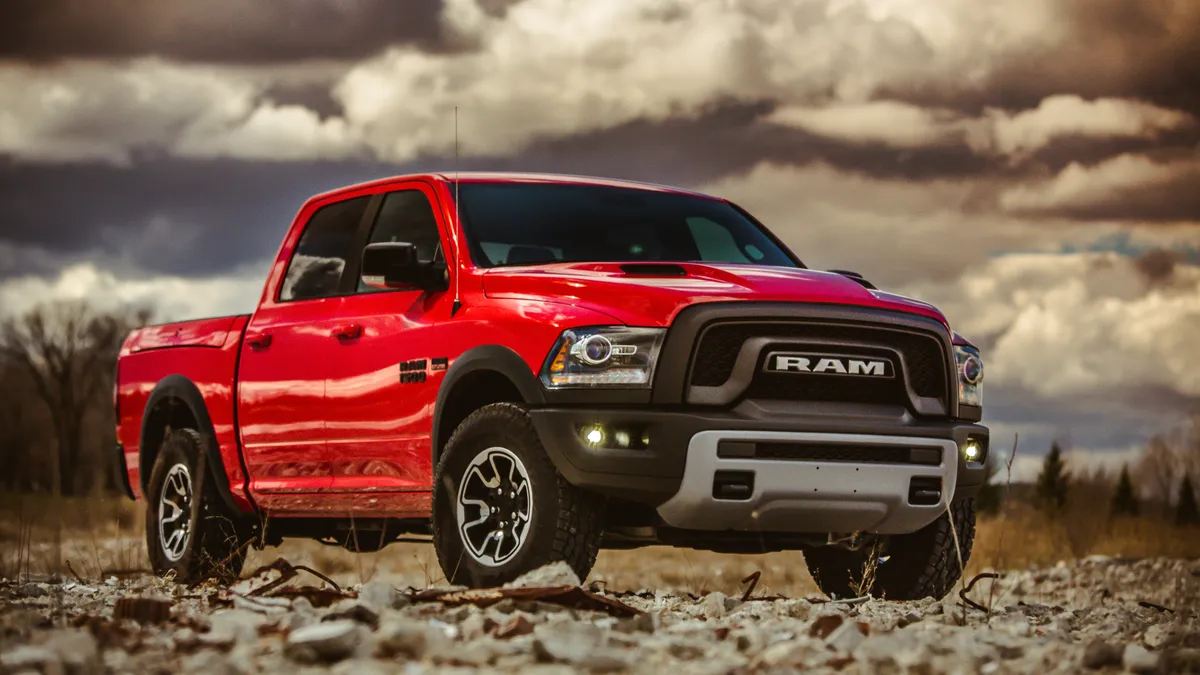
The Ram 1500’s history is a mix of engineering triumphs and frustrating missteps. Standout years offered excellent reliability, strong performance, and well-thought-out features, while others were plagued by recurring engine troubles, drivetrain glitches, or electronics that simply wouldn’t cooperate.
Understanding which model years shine and which fall short can save buyers thousands in repairs and help them find a truck that fits both their needs and their budget. As newer Rams push boundaries with advanced tech, improved towing, and luxury-like interiors, lessons from the past remain invaluable.
By learning from the experiences of owners and the data behind each year, buyers can make informed decisions, choosing a Ram 1500 that delivers the power, comfort, and dependability that have made the name a lasting icon in the pickup world.
Also Read: 10 Cars That Rarely Sit Unsold In The Lot Due To High Demand in 2025
