
For decades, the sports sedan has been one of the most compelling choices for American drivers who want the thrill of performance without giving up everyday usability.
They’re the kind of cars that let you drop the kids at school, tackle your morning commute, and still take the long way home just to enjoy a winding back road.
And thanks to the used market, plenty of these once-premium machines are now available for surprisingly little money.
But there’s a catch: just because you can buy one cheaply doesn’t mean it’ll be cheap to own. Some sports sedans offer incredible long-term durability, racking up 200,000 miles or more without breaking a sweat.
Bargain Sports Sedans That Endure
Others may lure you in with low prices, only to drain your bank account with repair bills that rival the cost of the car itself. That’s why knowing which models are proven survivors and which are ticking time bombs is critical before you sign the paperwork.
Here’s a closer look at five bargain sports sedans that consistently go the distance, and five that too often turn “affordable fun” into a maintenance nightmare.
1. Lexus IS 350
The Lexus IS 350 is proof that performance and reliability can go hand in hand. Under the hood lies Toyota’s 3.5-liter 2GR-FSE V6 a naturally aspirated gem with a reputation for being nearly indestructible.
These engines are known to cross the 250,000-mile mark with little more than regular oil changes and fluid flushes. While the IS doesn’t offer the razor-sharp dynamics of a BMW M3, it delivers an ideal mix of spirited driving and serene cruising.
Parts availability is excellent in the US, and independent shops can handle most repairs without Lexus-dealer price tags. For buyers wanting a premium badge without premium headaches, the IS 350 is a standout choice.
In honor of the IS’s 25th anniversary, Lexus is rolling out two exclusive versions of its flagship IS500 F Sport Performance. The first, dubbed the Special Appearance model, will be produced in just 180 units.
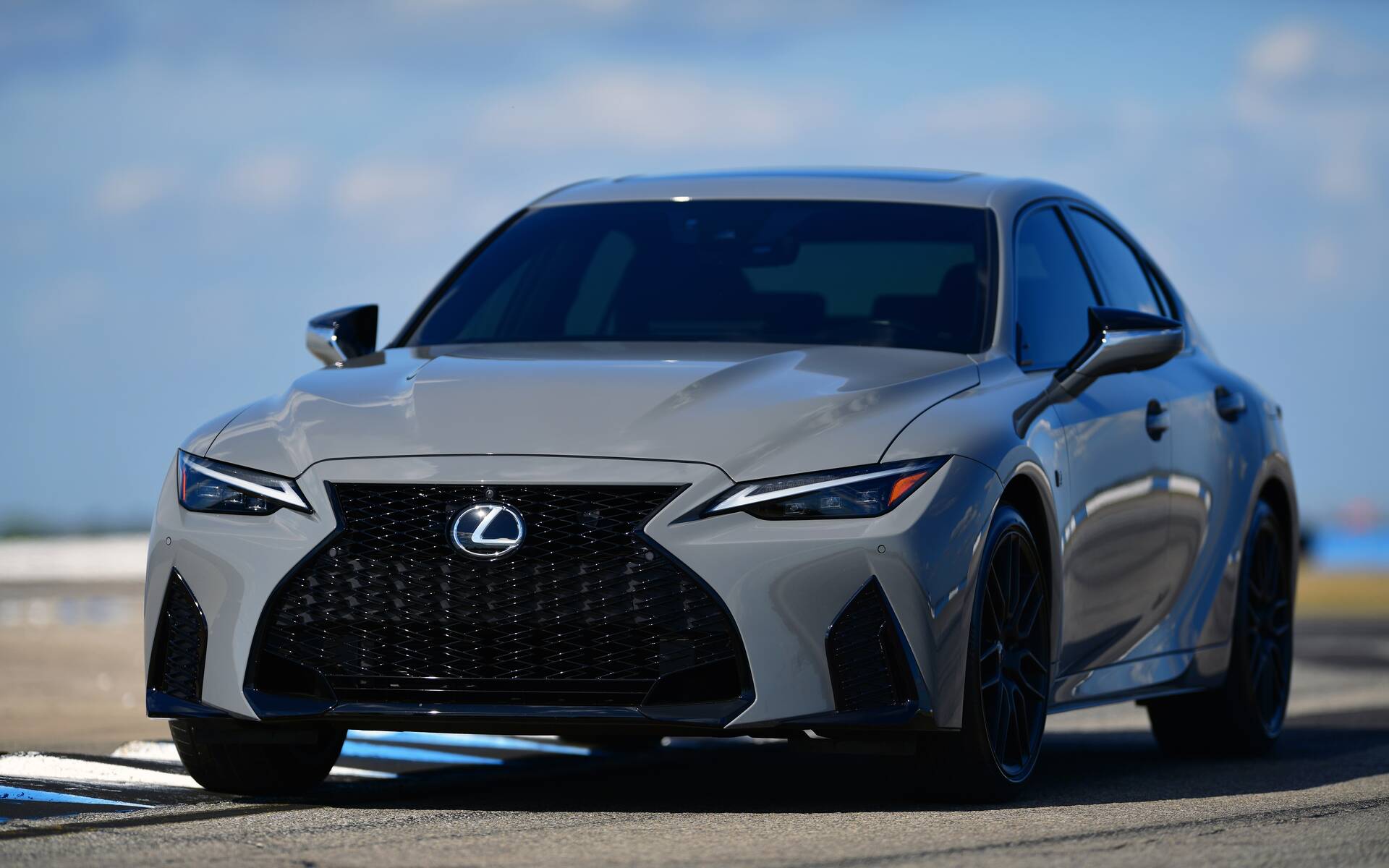
Each will wear a striking Flare Yellow paint job paired with sleek 19-inch BBS wheels. The second, called the Ultimate Edition, swaps in matte-black 19-inch BBS wheels, unique badging, an exterior finish named Wind, and a bold red-and-black two-tone interior. Production of this trim will be limited to 500 units.
Across the rest of the lineup, the IS300 F Sport and IS350 F Sport now come with upgraded standard features. These include power-folding side mirrors with auto-dimming functionality for nighttime driving, a power-adjustable steering column, driver memory settings, and dark chrome trim surrounding the exterior windows.
While the IS500, with its roaring V-8, holds a special place in our hearts, the IS350 strikes the best balance for most buyers. It delivers a more engaging driving experience than the entry-level IS300 while still offering the option of all-wheel drive, just like the base model.
If you’re eyeing the IS350, we’d recommend stepping up from the F Sport Design to the full-fledged F Sport and tacking on the F Sport Handling Package. That upgrade adds Adaptive Variable Suspension and a Torsen limited-slip rear differential, both well worth it for driving enthusiasts.
Three engines are on offer for the 2025 IS lineup. The IS300 features a 241-hp turbocharged 2.0-liter four-cylinder, while the IS350 gets a 311-hp V-6. Sitting at the top, the IS500 boasts a 472-hp V-8.
All-wheel drive is available on the IS300 and IS350, but the IS500 sticks with rear-wheel drive only. We’d pass on the IS300’s four-cylinder, as it doesn’t fully match the car’s sporty chassis or refined luxury feel. The V-6, on the other hand, allows the IS to truly showcase its capabilities.
2. Acura TL (3rd and 4th Generation)
The Acura TL’s blend of Honda reliability and sporty driving feel made it a go-to choice in the mid-2000s, and it still holds strong today.
The 3rd and 4th gen models, especially with the 3.5-liter or 3.7-liter V6, are remarkably dependable and far less costly to maintain than their German competition.
The available 6-speed manual in the TL Type-S is a favorite among enthusiasts for its engagement and durability. With plentiful used examples in the $8,000–$12,000 range, it’s an attainable way to own a genuinely fun sedan that can handle daily duty for years.
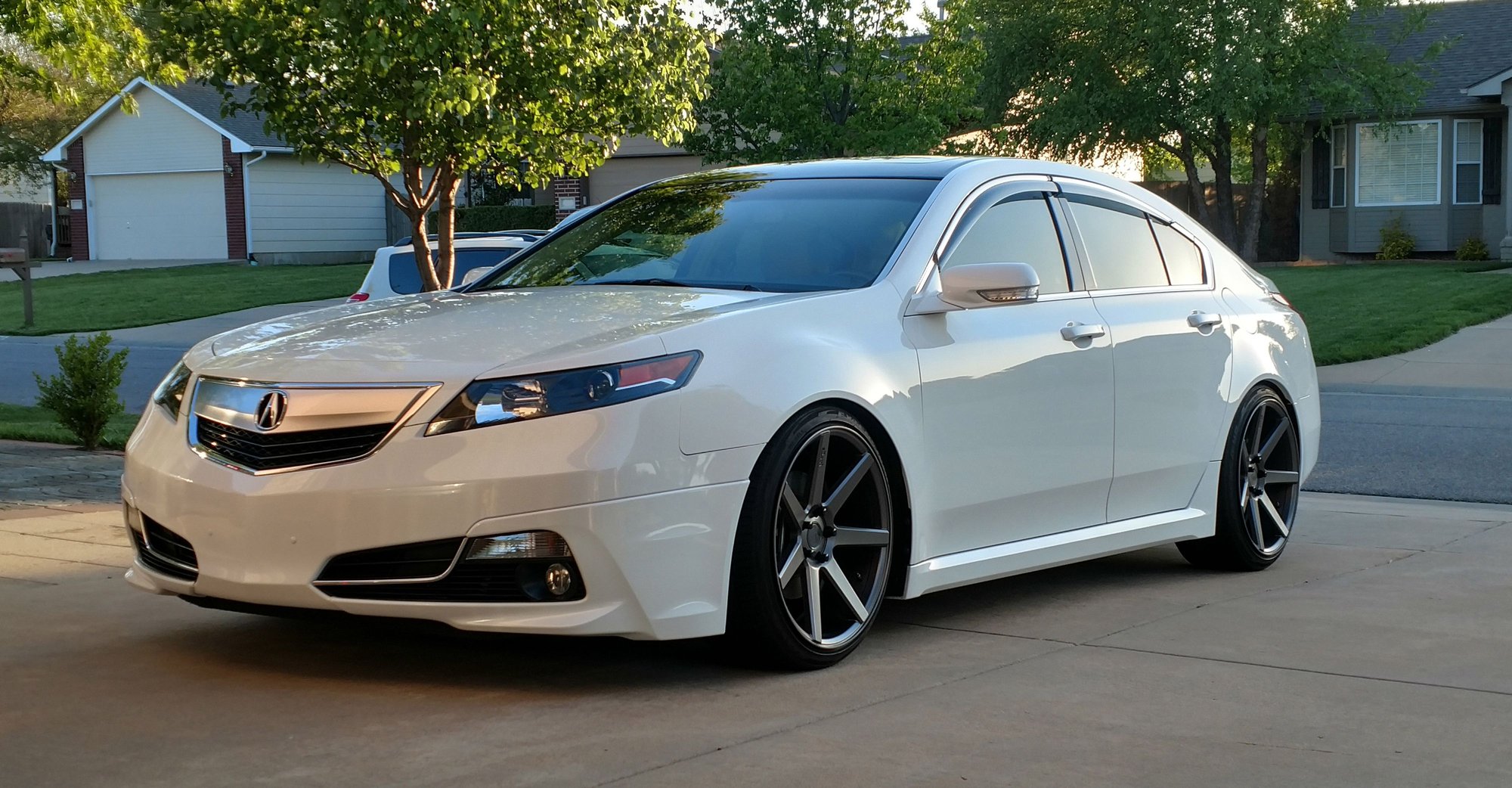
The reference to Gladiator was curious, given that the film had been a box office hit eight years before the TL’s debut, well outside the cultural spotlight by then. The rear of the car mirrored the same angular panel styling found on the front, further emphasizing that “shield” motif.
Inside, the 2008 TL bore a strong resemblance to the 8th-generation European Accord. One surprising offering for a luxury sport sedan of this era was the availability of a manual transmission.
While its European counterpart stuck exclusively with four-cylinder engines, the TL came equipped with a choice of two V6 powerplants. Both could be paired with either a six-speed manual or a five-speed automatic. The range-topping 3.7-liter V6 brought with it Acura’s SH-AWD all-wheel-drive system, a setup that used active differentials for enhanced traction and handling.
3. Infiniti G37
Often overshadowed by BMW and Audi in the luxury-sport segment, the Infiniti G37 quietly became a cult favorite thanks to its bulletproof VQ37VHR V6.
Known for its strong mid-range punch and reliability, this engine can log high mileage with minimal fuss if oil changes are kept up.
The G37’s rear-wheel-drive platform and available manual transmission make it a true driver’s car, and its cabin is loaded with features that still feel modern. Plus, depreciation has been steep meaning you can often snag a clean example for under $15K that will easily outlast many pricier rivals.
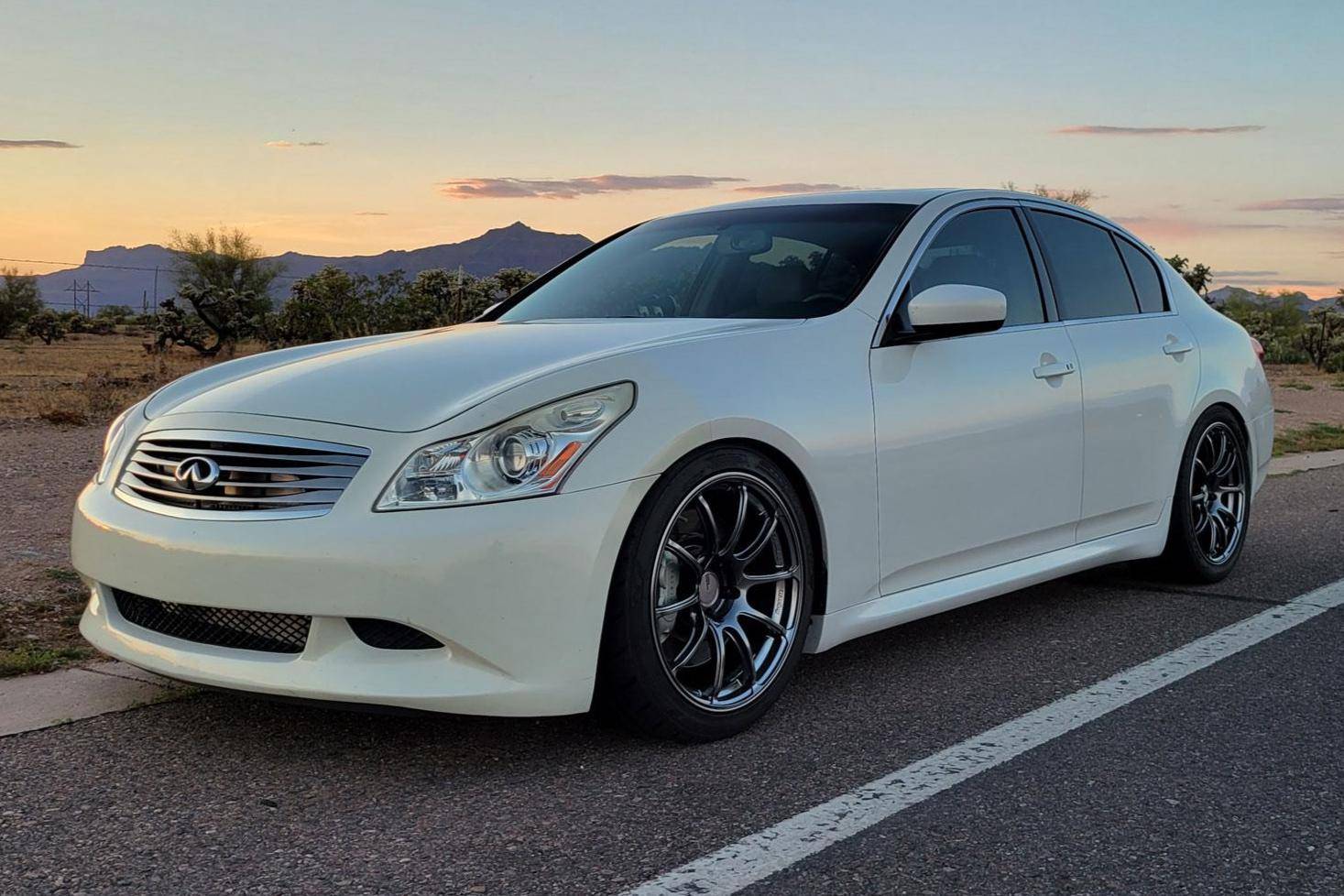
Unification can be a beautiful thing. For Infiniti’s G37, it doesn’t just describe the merging of coupe, sedan, and convertible models—it also reflects the lineup’s seamless balance of performance and luxury.
In the previous model year, the coupe was the first to adopt the G37 name, thanks to its larger, more potent 3.7-liter V6 engine. The sedan, meanwhile, held onto the G35 badge, as it still carried the 3.5-liter V6 from earlier years. For 2009, the sedan joins the coupe in upgrading to the 3.7-liter engine, and a brand-new convertible enters the mix, uniting the entire family under the G37 nameplate.
Built on Nissan’s second-generation FM platform, the 2009 G37 benefits from ideal weight distribution, which, combined with the muscle of its V6 powerplant, ensures performance is in its DNA. But the G37 is far from a one-dimensional speed machine, it offers a well-appointed cabin, an array of modern tech features, and a suspension tuned to handle everyday driving with comfort.
This year also brings a new seven-speed automatic transmission, replacing the previous five-speed, delivering both a slight boost in fuel efficiency and quicker acceleration.
4. BMW E90 328i (N52 Engine)
BMW may not always top reliability charts, but the E90 328i with the naturally aspirated N52 straight-six is a notable exception.
This engine avoids the turbocharger-related issues that plague many BMWs, and its smooth power delivery and strong build quality make it one of the brand’s most trusted mills.
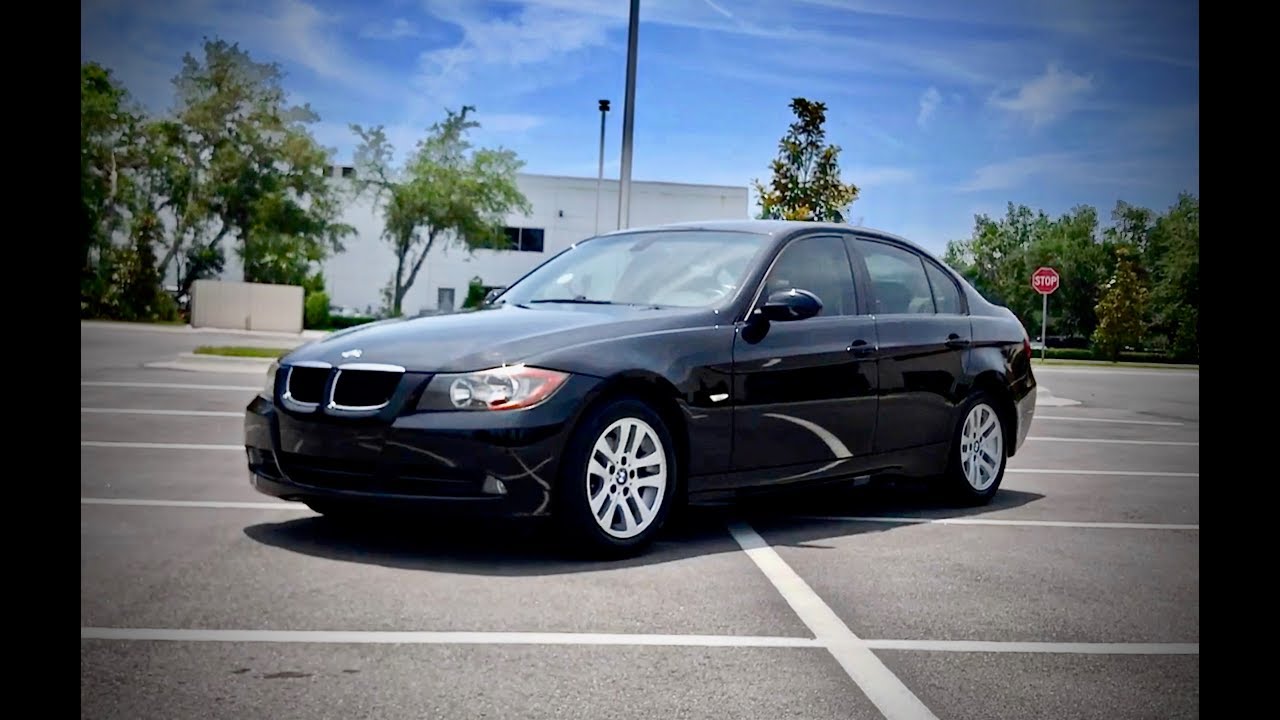
Chassis balance and steering feel are excellent, so you still get the signature BMW driving experience without the repair horror stories. DIY-friendly owners can keep costs very reasonable, and there’s a healthy supply of used parts thanks to the model’s popularity.
When the E90-generation BMW 3 Series first arrived, many enthusiasts saw it as the start of the brand’s slide from its “Ultimate Driving Machine” dominance.
Compared to the beloved E46 it replaced, the E90 was larger, heavier, more electronically dependent, and mechanically more complex. Fans were understandably wary. Sales figures told a different story, customers embraced it in droves, but die-hard BMW loyalists still longed for the simpler, more analog 3 Series of the past. That’s the common narrative today, at least.
5. Toyota Camry TRD
Yes, the Camry makes the list but only in TRD form. While not a purebred sports sedan, the TRD trim adds a sport-tuned suspension, sharper steering, upgraded brakes, and a throaty exhaust to Toyota’s famously dependable mid-sizer.
The 3.5-liter V6 under the hood has been in service for years and is known to be one of the most reliable powerplants on the market. This makes the Camry TRD a unique proposition: a sporty daily driver that can run 250,000 miles without the drama often associated with performance models.
For 2020, the biggest news for the Camry lineup is the debut of the performance-focused version tuned by Toyota Racing Development (TRD). This sportier variant rides on retuned dampers paired with stiffer springs, lowering its stance by 0.6 inch.
Beefier anti-roll bars, extra chassis bracing, and wider lightweight wheels wrapped in summer tires prepare the Camry TRD for serious cornering duty. Up front, brake rotors grow by 0.9 inch in diameter and are paired with dual-piston calipers for improved stopping power, while a TRD-specific exhaust system ensures the car sounds as aggressive as it looks.
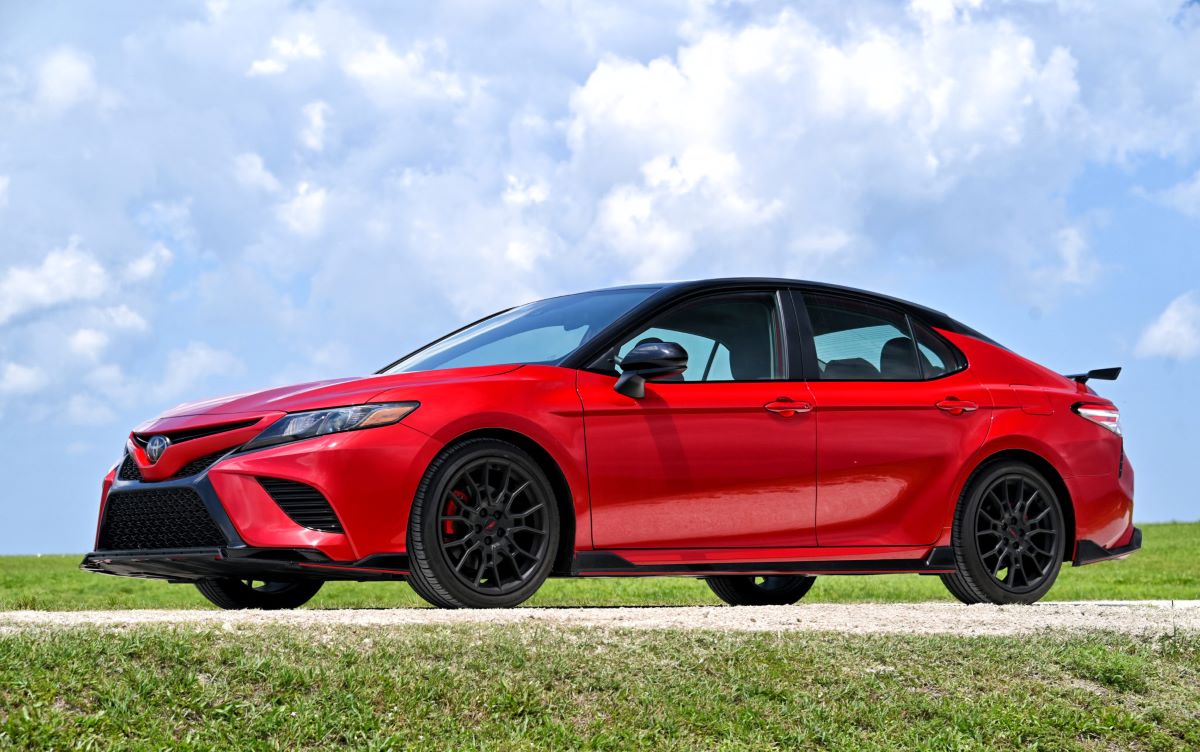
The exterior gets a distinctive aerodynamic body kit, and the cabin is accented with bold red details to complete the performance aesthetic. Across the lineup, Android Auto, previously unavailable, is now standard on all Camry models.
While the fuel-sipping four-cylinder makes sense on paper, it doesn’t exactly set the pulse racing. For those craving excitement, the Camry TRD is the smart play. It’s the most affordable way to get the 301-hp V-6, and it comes loaded with all the performance upgrades mentioned earlier.
It sacrifices a few luxuries, like leather seating, built-in navigation, and certain driver-assistance features, but it still undercuts the V-6-powered XSE by nearly $4,000. All-wheel drive is available on LE, SE, XLE, and XSE trims for an additional $1,400.
The standard four-cylinder engine is paired with a smooth-shifting eight-speed automatic, but acceleration is underwhelming. A less powerful version of this engine, combined with a battery and two electric motors, powers the Camry hybrid.
While efficient, it’s no more engaging to drive than the base setup. The real standout is the 301-hp V-6 offered in the XLE and XSE trims, delivering refined power and satisfying acceleration.
Bargain Sports Sedans That Break on the Cheap
Here’s the ugly truth: plenty of “sport sedans” promise thrills, but most either nuke your budget up front or torch it later with repairs. This list isn’t about those. It’s about the sweet-spot cars, genuinely fun, quick enough to keep you grinning, and cheap to buy and cheap to fix when something inevitably gives up. Think strong aftermarket support, junkyard abundance, and service jobs that don’t require a PhD or a second mortgage.
1. Jaguar XE
On paper, the Jaguar XE is an enticing buy: sleek looks, engaging handling, and British luxury charm. In reality, its track record for reliability is shaky at best.
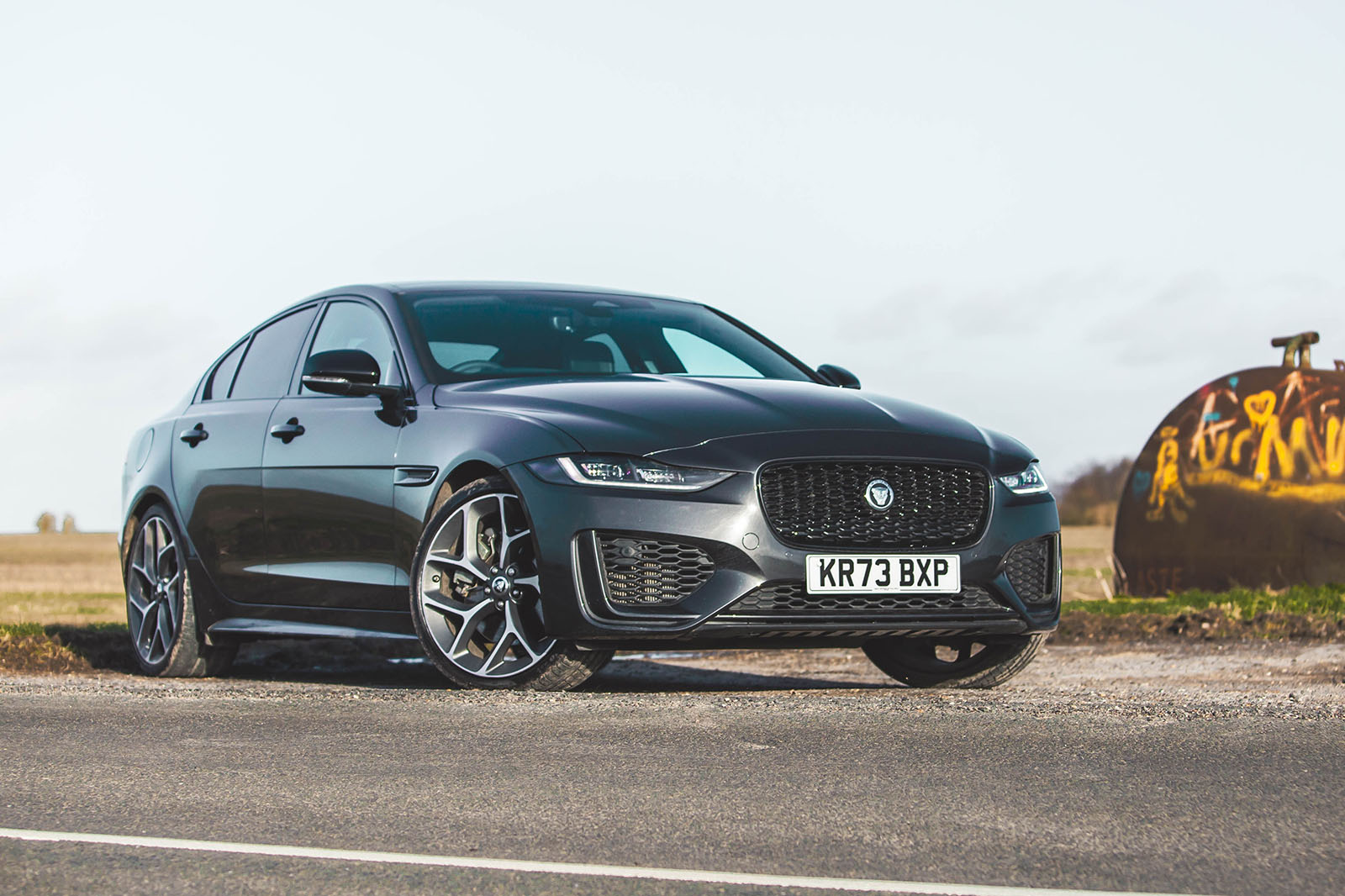
Common issues include electrical system failures, faulty infotainment screens, and transmission quirks. Even if you find a low-mileage example at a bargain price, labor rates and parts availability can quickly make ownership frustrating and expensive.
The XE might deliver thrills when it’s working but keeping it working can be the real challenge.
The Jaguar XE arrived in 2017 with plenty of promise. Its sharp styling and athletic handling made it a strong contender for the top spot in the small luxury sedan segment. But this is one of the most cutthroat corners of the market, and since its debut, two standout newcomers have shaken things up, the sweet-handling Alfa Romeo Giulia and the well-rounded Genesis G70, alongside a thoroughly improved BMW 3 Series.
The XE still turns heads and delivers a rewarding drive, but the potent 380-hp V-6 once available is gone for 2020, and that loss is felt. The current lineup is limited to two turbocharged four-cylinder options: the P250 with 247 horsepower and the P300 with 296 horsepower. Neither stands out in the class for outright performance or fuel efficiency. On top of that, a tight rear seat and modest trunk space hurt its practicality.
For 2020, Jaguar gave the XE a significant refresh, adding higher-quality interior materials and more standard features. Even so, it continues to battle for a place in the middle of the luxury-sedan pack.
2. Maserati Ghibli
Few cars turn heads like a Maserati, and the Ghibli is no exception. The problem is that while used prices have fallen dramatically, the cost to keep one in good shape hasn’t.
Engine electronics, suspension components, and interior fittings are all prone to premature wear, and parts often need to be imported at steep prices.
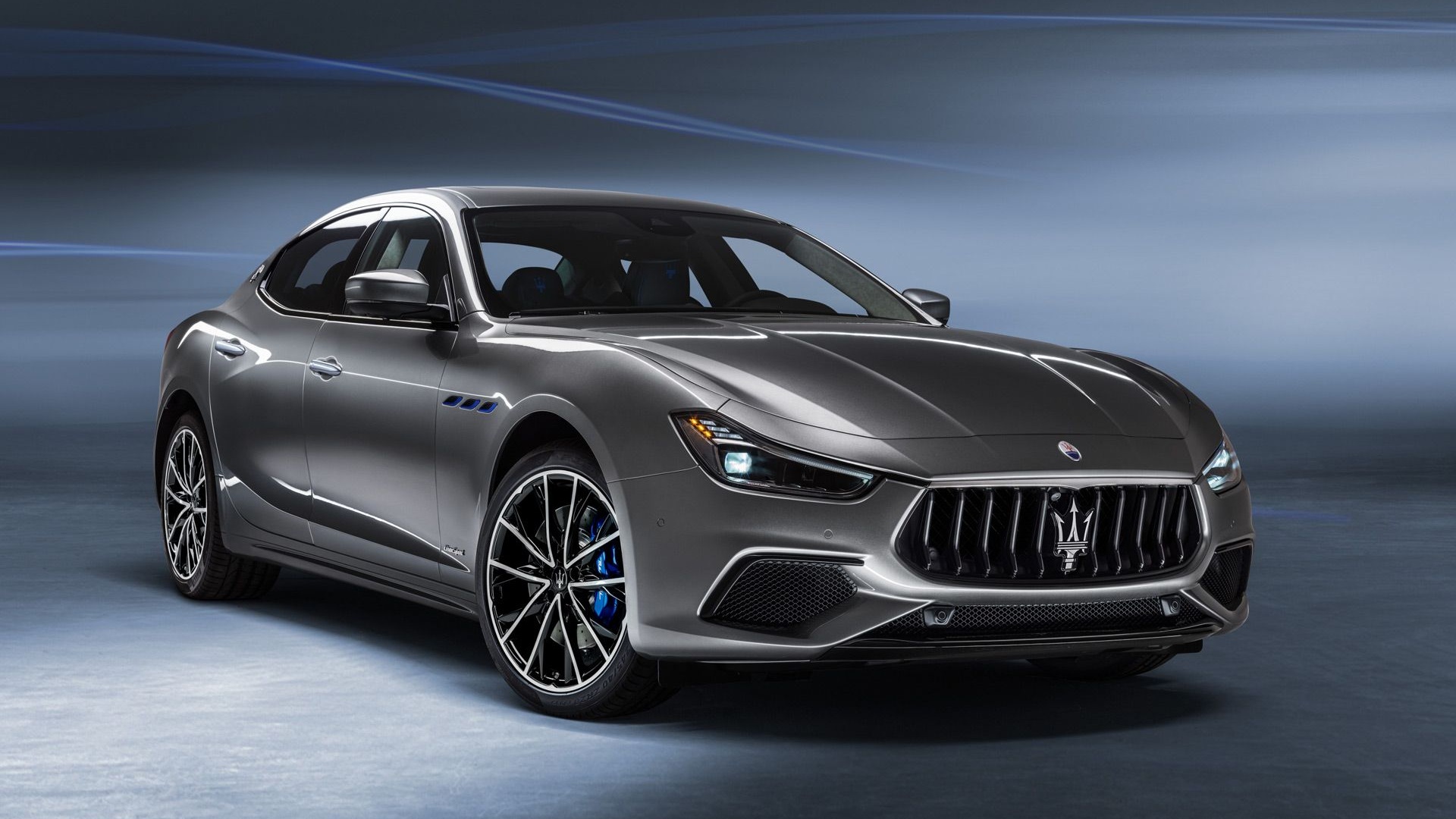
Even routine maintenance such as brakes and fluids can cost thousands annually. Unless you have deep pockets for upkeep, that “deal” on a Ghibli can become a long-term financial drain.
The Maserati Ghibli serves as the brand’s entry-level sedan, sitting beneath the larger, more expensive Quattroporte. Its Ferrari-derived engines, sharp Italian styling, and unmistakable exhaust note immediately set it apart from the German competition.
Beyond its sensory appeal, the Ghibli backs up its style with a comfortable ride, supportive seats, and handling that’s genuinely enjoyable on winding roads—making it a capable grand tourer for long-distance drives.
Still, there are compromises. The current Ghibli is part of the same generation introduced back in 2014. Maserati has refreshed the design over the years and updated the engines and tech, adding larger infotainment screens and improved software, but the underlying platform remains unchanged.
3. Alfa Romeo Giulia (Early Models)
The Alfa Romeo Giulia is one of the most rewarding sedans to drive, with sharp steering and Italian style that rivals anything in its class. However, early production models suffered from a slew of reliability issues ranging from electrical malfunctions to drivetrain problems.
Turbocharger failures and software glitches aren’t uncommon, and while later models improved, buying an early Giulia without warranty coverage is a gamble.
The Alfa Romeo Giulia’s 2.0-liter turbocharged four-cylinder delivers 280 horsepower, a distinctive soundtrack, and plenty of punch when pushed. It leaps from stoplights with enthusiasm, all while belting out its own Italian performance soundtrack.
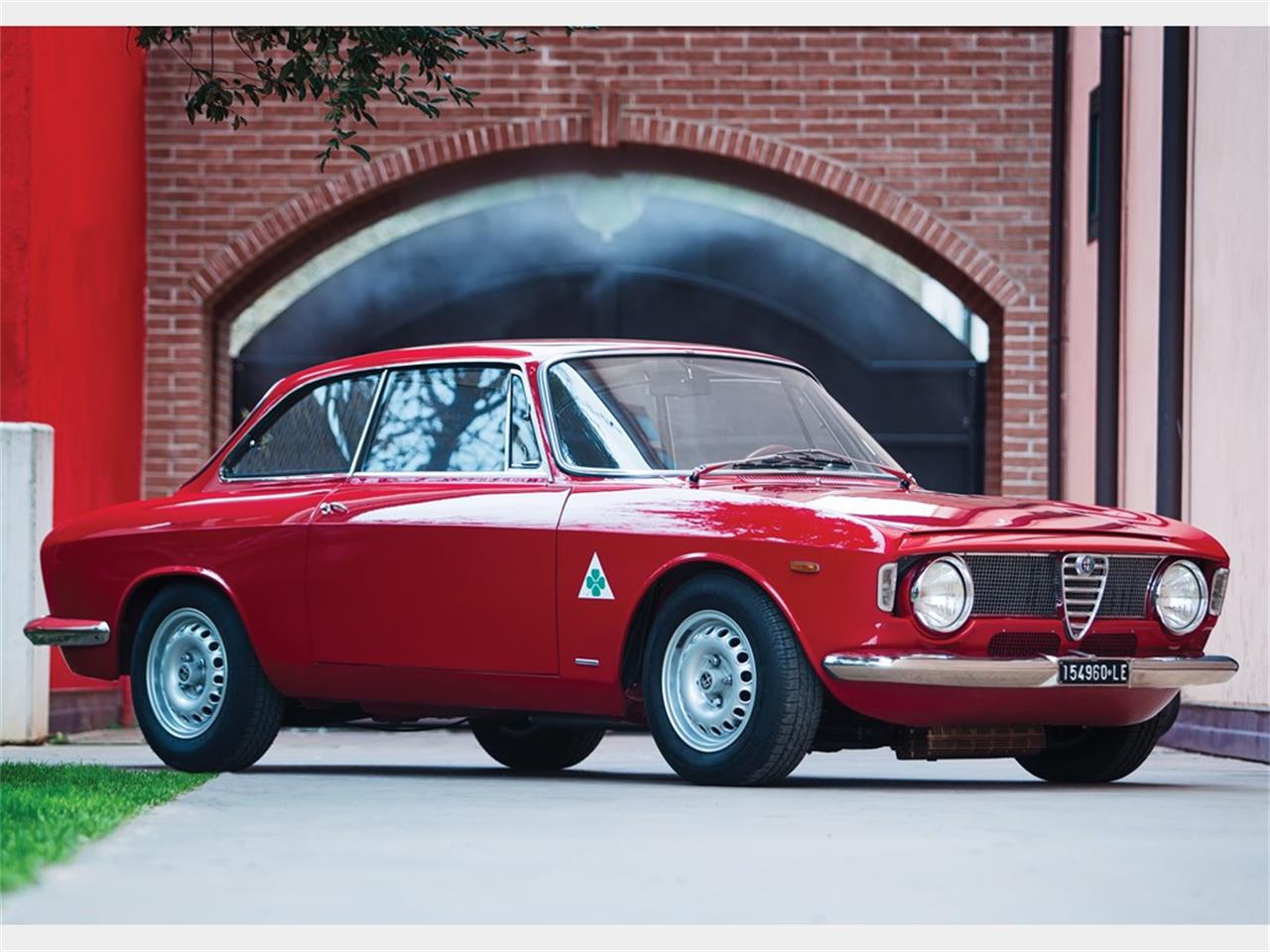
In testing, a rear-wheel-drive Giulia hit 60 mph in 5.7 seconds, while the all-wheel-drive version shaved that to 5.5 seconds, solid numbers that place it midpack in its class. For comparison, the Audi A4 managed the sprint in 5.2 seconds and the BMW 330i in 5.4 seconds, despite both offering less horsepower than the Alfa.
Every Giulia includes a drive-mode selector with three settings, Dynamic, Natural, and Advanced Efficiency, forming the clever DNA acronym. Each mode fine-tunes the transmission, engine response, and steering feel to suit the driver’s intent.
On the road, the Giulia feels agile and alive, with quick, communicative steering that relays exactly what the front tires are doing through the leather-wrapped wheel. Body roll is minimal, and the chassis stays flat and composed through aggressive cornering. It’s a sedan that’s easy to drive hard yet equally content to cruise in a relaxed, refined manner.
4. BMW 335i (N54 Engine)
The twin-turbo N54 inline-six in the BMW 335i is legendary among tuners for its power potential, but it comes with a laundry list of common failures high-pressure fuel pumps, turbo wastegates, injectors, and cooling system parts among them.
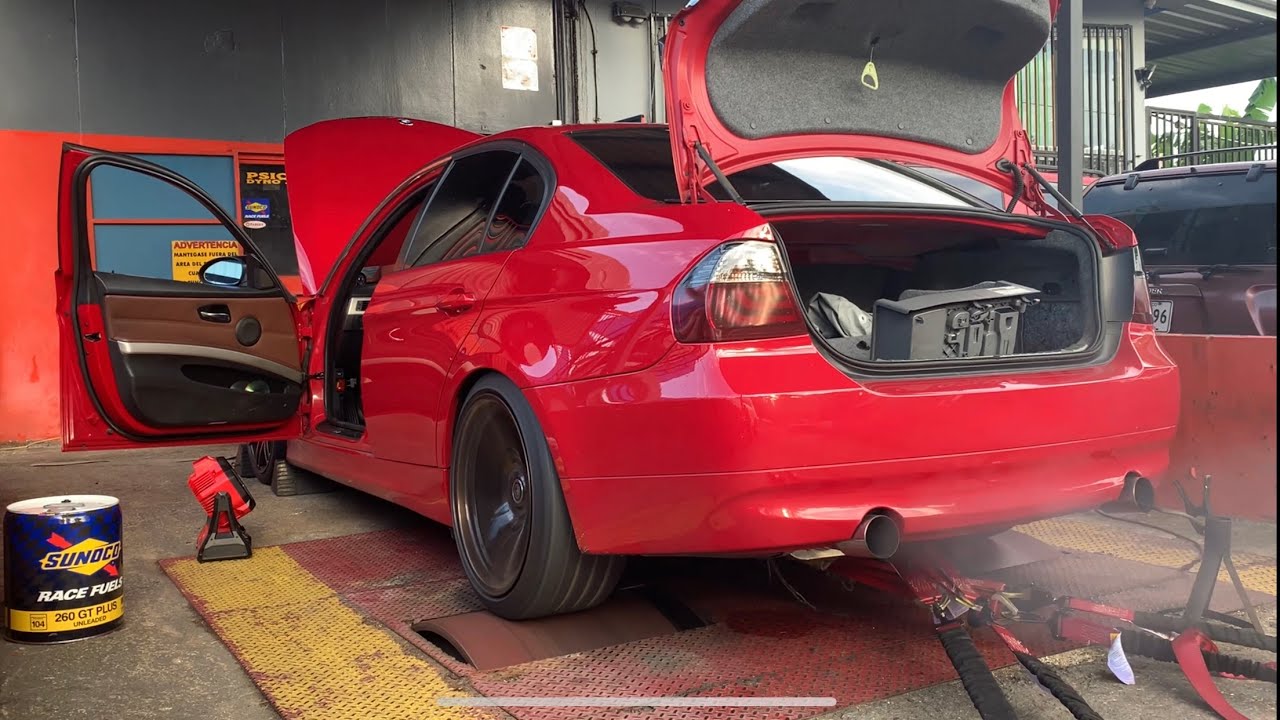
While the car delivers a thrilling drive, the costs add up fast, and neglect from previous owners can turn a good deal into a financial nightmare. This is a car best suited to buyers who either have a dedicated mechanic or are comfortable wrenching themselves.
The 335i Luxury stands alone in the latest BMW 3 Series lineup as the only model still powered by a six-cylinder, at least for now. Under the hood is the familiar ‘35i’ twin-turbocharged 3.0-liter straight-six petrol engine, carried over with minimal changes from the previous generation. It produces a claimed 302 horsepower and 295 lb-ft of torque.
As the top “comfort” trim in the range, the Luxury spec packs generous standard equipment and a more comfort-oriented chassis setup. Our test car comes equipped with the optional eight-speed automatic transmission.
The ‘35i’ engine has long been praised for its velvet-smooth delivery of serious power, with maximum torque available from just 1,200 rpm. Official performance figures are impressive: 0–62 mph in a claimed 5.5 seconds, with top speed electronically limited to 155 mph.
The engine is the star of the show. The 335i delivers something no other new 3 Series can—a silky, unmistakable six-cylinder soundtrack. Twin turbochargers provide strong, seamless thrust almost anywhere in the rev range, whether you’re leaning on its generous low-end torque or winding it out toward redline.
5. Audi S4 (B8 Generation)
The B8 S4 offers a potent supercharged V6 and Quattro all-wheel drive, making it a fantastic all-season performance sedan when it’s working.
Unfortunately, timing chain tensioner failures, water pump leaks, and suspension wear are all common, and repairs can run into the thousands.
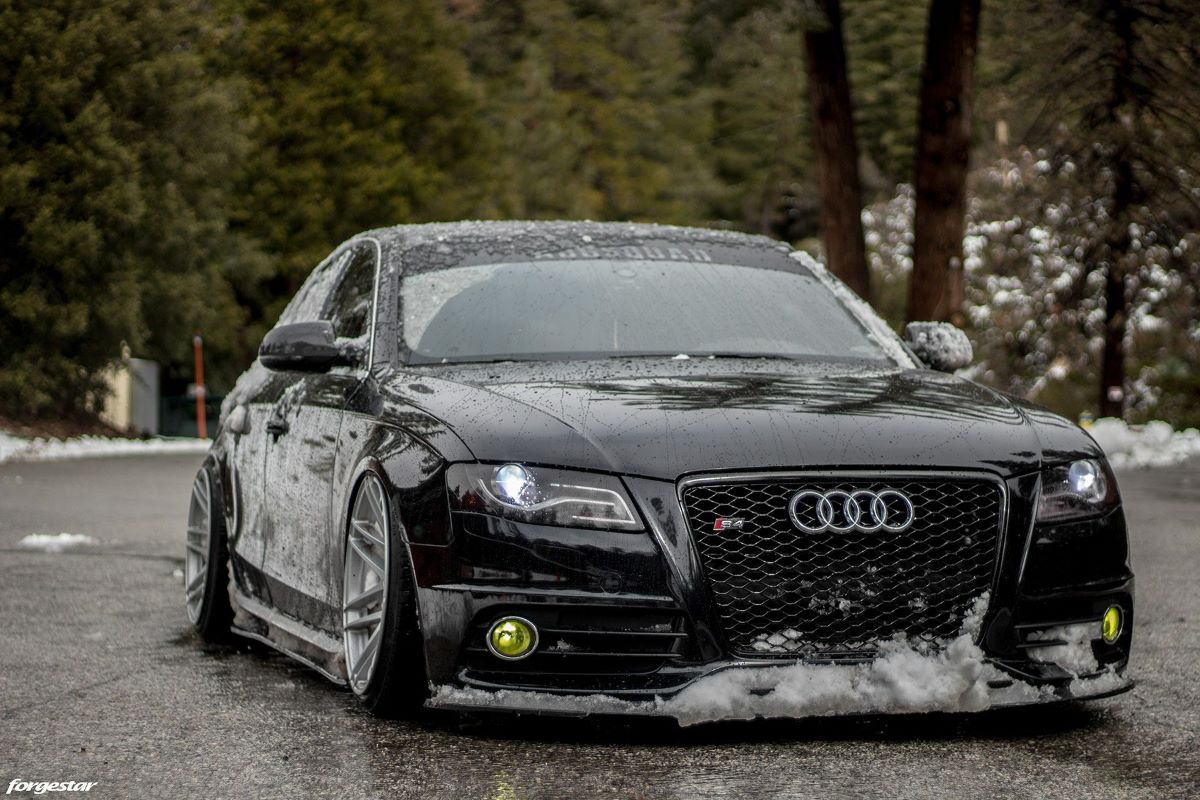
With many examples now over a decade old, deferred maintenance is a serious risk, and even minor repairs often require significant labor due to tight engine bay packaging.
Every Audi S4 comes equipped with a 349-hp turbocharged 3.0-liter V-6 paired to an eight-speed automatic transmission and standard Quattro all-wheel drive. In our testing, it outpaced most of its rivals, yet its engine note and throttle response, two qualities that help define a great sports sedan, were less stirring than we’d hoped.
That said, the V-6 delivers strong, effortless thrust whenever you call for it, transitioning smoothly from relaxed cruising to spirited acceleration. The automatic gearbox deserves special mention; its shifts are so quick and well-timed that we rarely felt the urge to take over, though not never.
On paper, the S4 sits near the top of its class for performance, but in practice, it lacks some of the raw emotion and razor-sharp handling of the segment’s best. The chassis, however, is a standout.
It keeps body motions tightly in check while maintaining a supple ride, striking an impressive balance between sport sedan agility and luxury sedan comfort. Steering is precise and confidence-inspiring, cornering stability is excellent, and grip is abundant, making high-speed on-ramp runs both easy and entertaining.
Around town, the S4 is just as composed, though its brakes are a mixed bag. While they’re powerful and responsive, they can be overly touchy at low speeds, and the pedal’s inconsistent feel can dull the fun on twistier roads where precise braking is essential.
The used sports sedan market is filled with opportunities and traps. A bargain price tag can mask a car’s true cost of ownership, especially when it comes to models with known reliability pitfalls.
On the flip side, certain sedans prove that you can have an exciting, well-equipped ride without living in fear of the next repair bill. The key is doing your homework: checking maintenance history, researching common issues, and avoiding the temptation to buy purely on looks or performance numbers. With the right pick, you can enjoy the best of both worlds performance and peace of mind.
