The Ford Explorer has been a mainstay in the SUV market for decades, combining rugged capability with family-friendly versatility. However, not every model year has lived up to its reputation for reliability.
While some years are plagued by mechanical and electrical problems, others have proven to be durable, dependable, and cost-effective over time. Choosing the right year can save owners both time and money while providing a more enjoyable driving experience.
This article highlights five Ford Explorer model years that have consistently impressed drivers and experts alike, offering strong performance, practical features, and long-term reliability.
From the classic 1993 Explorer, praised for its simplicity and toughness, to the modern 2019 Sport trim, which balances power with comfort and technology, these SUVs demonstrate why certain model years stand out. Knowing which Explorers are dependable helps buyers make smarter choices in the used SUV market.
5 Ford Explorer Years You Can Trust
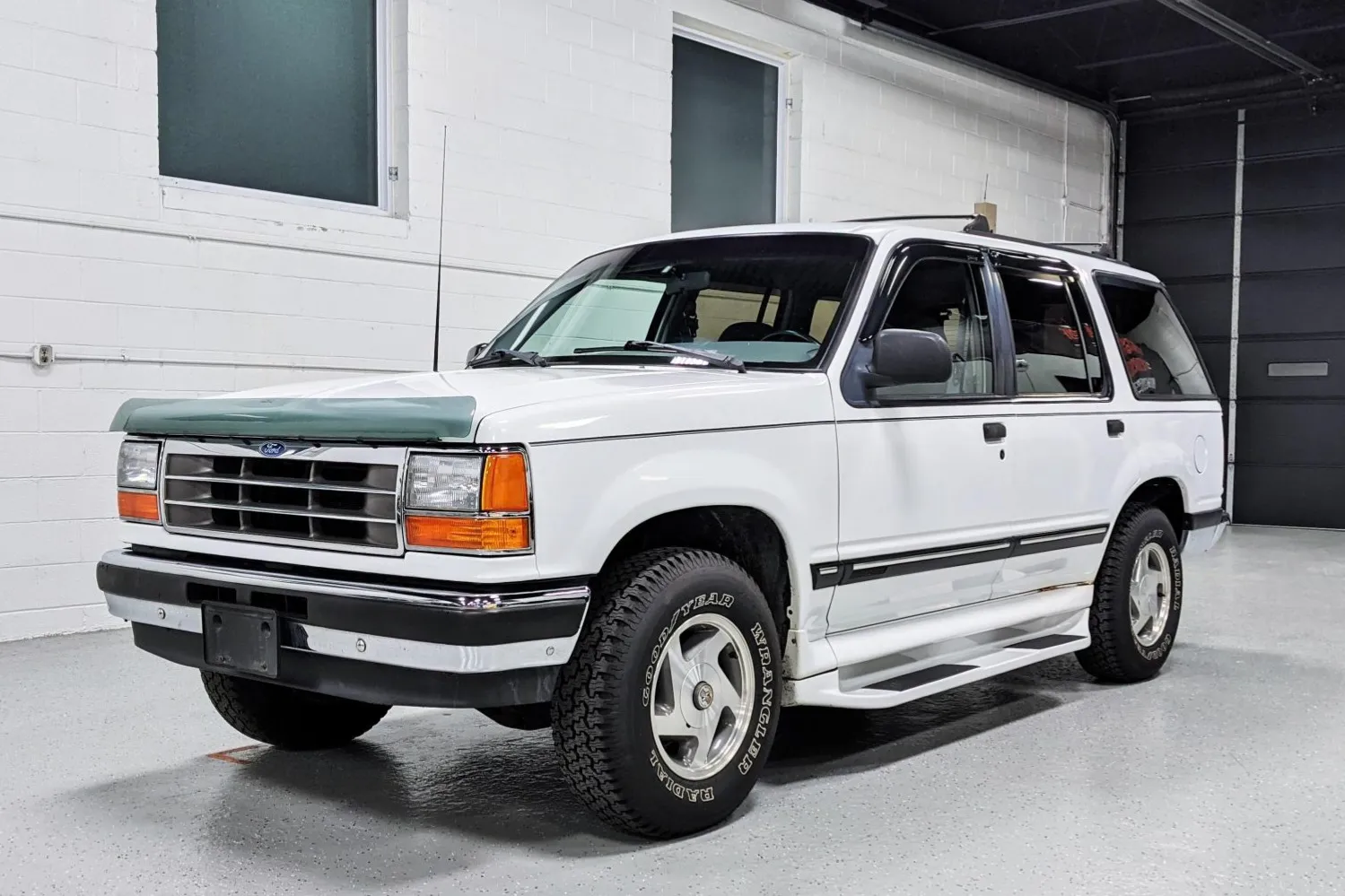
1. 1993 Ford Explorer
The 1993 Ford Explorer received subtle updates that refreshed its appeal. Inside, a new steering wheel and instrument panel modernized the cabin, while exterior changes were limited to updated wheels.
A notable mechanical upgrade was the addition of four-wheel antilock brakes, effective in both two- and four-wheel-drive modes. The model was offered in two main trims: the Sport Utility 2D, with a starting MSRP of $20,613, and the Sport Utility 4D, originally priced from $21,401.
Today, the Kelley Blue Book Fair Purchase Price averages around $1,560 for the 2D and $1,482 for the 4D, depending on mileage, condition, and location, reflecting its status as a budget-friendly used SUV option.
Owners of the 1993 Explorer and its 1991–1994 generation rate the vehicle highly, giving it an average score of 4 out of 5, with 87% recommending it. Reviews emphasize the Explorer’s durability and low maintenance needs, with many examples exceeding 150,000 miles with only minor repairs.
Drivers praised its reliability, towing capacity, roomy interior, and solid performance in ice and snow when equipped with proper tires. Fuel economy ranged from 14–15 MPG in the city to 18–20 MPG on the highway, depending on the trim.
While some noted a firm ride and cosmetic wear such as fading paint or broken console parts, these issues were minor compared to the vehicle’s overall robustness and long-term dependability.
The 1993 Explorer offered moderate safety for its time, earning 3 out of 5 stars for front-side driver crash tests and 4 out of 5 stars for front-side passenger tests from the NHTSA. Standard safety features included child door locks, though child seat anchors were not available.
Owners frequently highlighted the vehicle’s toughness, spacious interior, and practical design, making it suitable for both work and family use. Its reliability rating of 4.2 out of 5 underscores the Explorer’s reputation as a durable and dependable SUV.
Even decades later, the 1993 Ford Explorer is valued for its combination of performance, practicality, and longevity, making it a respected choice in the used SUV market.
2. 2010 Ford Explorer
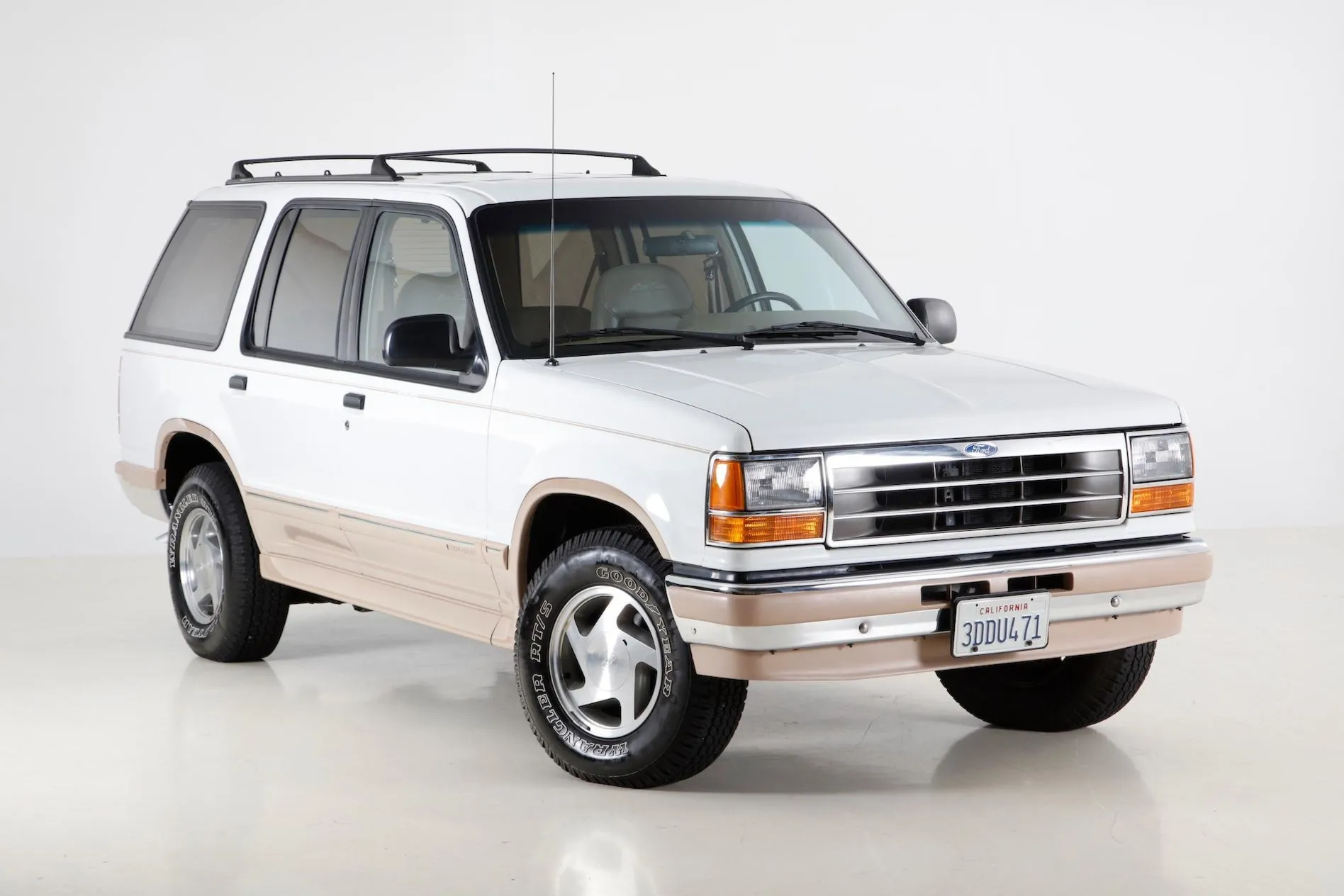
The 2010 Ford Explorer continues Ford’s tradition of a rugged, truck-based SUV, offering both a 4.0-liter V6 engine producing 210 hp and an optional 4.6-liter V8 engine with 292 hp, available exclusively in Eddie Bauer and Limited trims.
Both engines pair with automatic transmissions and offer rear-wheel drive as standard, with optional four-wheel-drive or full-time all-wheel-drive systems for enhanced off-road capability.
The Explorer’s body-on-frame construction sets it apart from crossover competitors, providing superior towing capacity up to 7,300 pounds for a properly equipped V8 2WD model and the ability to handle rough trails and challenging conditions.
While acceleration is adequate, with a V8 4WD model reaching 0–60 mph in approximately nine seconds, fuel economy remains modest at 14–16 mpg in the city and 20 mpg on the highway, depending on drivetrain and engine choice.
The Explorer prioritizes safety, with standard antilock disc brakes, stability control with trailer sway and rollover sensing, front-seat side airbags, and first- and second-row curtain airbags.
Government crash tests awarded it five stars in all frontal- and side-impact tests, while the IIHS rated its frontal-offset performance as “Good” and side-impact performance as “Acceptable.”
On the road, the Explorer benefits from an independent rear suspension, which delivers a smooth ride and improved handling compared with other truck-based SUVs.
Steering is responsive for a vehicle of this size, and power delivery from both engines is considered adequate, though most buyers prefer the V8 for its added torque and refinement. Optional features like Ford’s Sync system and hard-drive navigation enhance convenience and connectivity.
Inside, the Explorer offers a functional but unremarkable cabin. Materials quality remains average, with basic climate and audio controls and a dated head unit display. However, optional two-tone interior schemes, the Sync phone/MP3 system, and the hard-drive-based navigation system add a touch of modernity.
Passenger and cargo space is generous: seven-passenger models provide up to 83.7 cubic feet of cargo space, while five-passenger configurations offer 85.8 cubic feet. The third-row seats can accommodate two adults but reduce cargo space and result in a slightly uneven load floor.
Optional second row “quad seating” on Limited trims replaces the bench with reclining captain’s chairs, lowering passenger capacity to six but adding comfort.
The 2010 Explorer balances off-road capability and towing strength with family-friendly interior space, though crossover alternatives may better serve buyers prioritizing fuel efficiency and modern interior design.
3. 2011 Ford Explorer
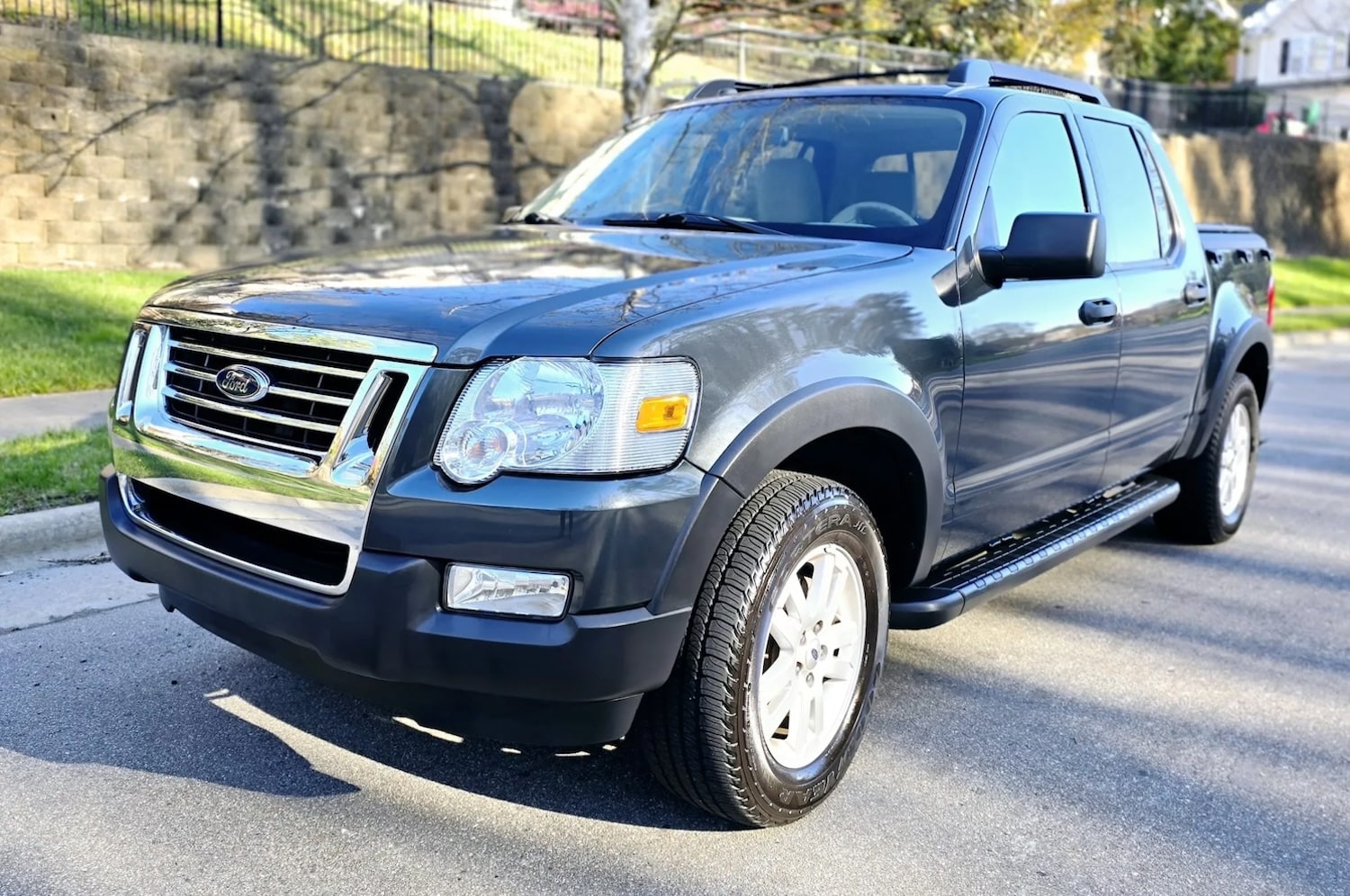
The 2011 Ford Explorer represents a complete redesign, moving from its traditional truck-based platform to a unibody construction similar to the Ford Flex. This shift improves driving dynamics, ride comfort, and safety while slightly reducing towing capacity.
The vehicle is now nearly 4 inches longer and 5 inches wider, with a standard 3.5-liter V6 engine producing 290 horsepower and 255 lb-ft of torque, paired with a six-speed automatic transmission. Front-wheel drive is standard, and four-wheel drive with Ford’s four-mode Terrain Management System is optional.
The Explorer balances carlike handling with SUV versatility, achieving an average zero-to-60 mph time of 8.3 seconds and fuel economy of 17 mpg city/25 mpg highway, making it competitive in its class.
Safety and technology have also been upgraded significantly. Standard features include stability and traction control, trailer sway control, front side and curtain airbags, and Ford’s MyKey system for parental controls.
Optional advanced safety features include blind-spot monitoring, cross-traffic alert, collision warning, and inflatable second-row seatbelts a first in the industry. Curve Control enhances stability around corners, and braking performance is in line with competitors. These improvements, combined with the new unibody platform, make the Explorer feel more secure and confident on the road than its predecessors.
Inside, the 2011 Explorer boasts a spacious and refined cabin with soft-touch materials, precise switchgear, and an upscale appearance rivaling some luxury vehicles. Optional MyFord Touch adds touchscreen functionality, though some controls can be challenging to use while driving.
Cargo space reaches 80 cubic feet, and the third-row seating is adequate for children, though slightly tighter than rivals like the Dodge Durango or Chevy Traverse.
The 2011 Ford Explorer successfully blends style, comfort, technology, and performance, appealing to crossover buyers who want SUV versatility without sacrificing modern driving dynamics or interior refinement.
4. 2012 Ford Explorer
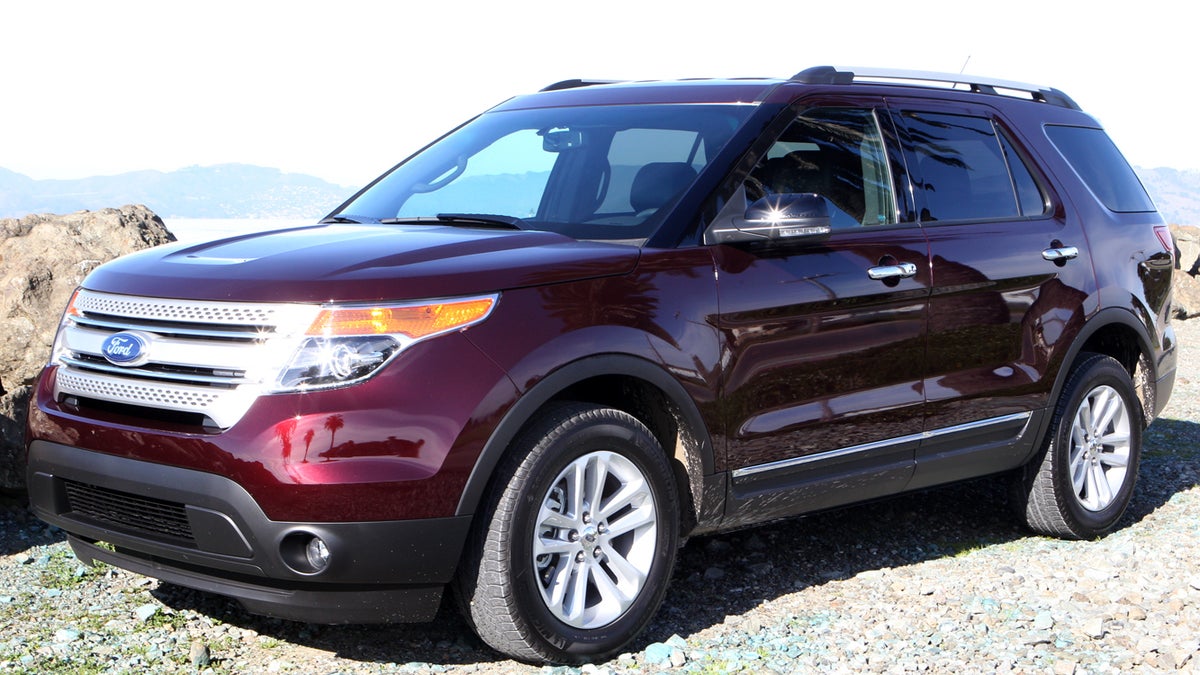
The 2012 Ford Explorer builds on the full redesign introduced in 2011, offering improved driving dynamics, fuel efficiency, and a stylish, high-quality cabin. A key addition this year is the optional 2.0-liter turbocharged EcoBoost four-cylinder engine, which delivers six-cylinder performance with four-cylinder fuel economy.
Standard power comes from the 3.5-liter V6 producing 290 horsepower and 255 lb-ft of torque, paired with a six-speed automatic transmission. Front-wheel drive is standard, while four-wheel drive with Ford’s Terrain Management System is optional.
The Explorer balances carlike handling with SUV versatility, achieving 0–60 mph in 8.3 seconds with the V6 and towing up to 5,000 pounds. The EcoBoost engine, while slightly slower at 9.1 seconds, offers stronger fuel efficiency of 20/28/23 mpg compared with the V6’s 18/25/20 mpg.
Safety and technology remain standout features. Standard equipment includes stability and traction control, trailer sway control, front side and curtain airbags, MyKey, and Ford’s Curve Control for cornering stability.
Optional upgrades include blind-spot monitoring with cross-traffic alert, collision warning with brake support, and inflatable second-row seatbelts a first in the industry. In government crash tests, the Explorer received four out of five stars overall and top marks for side-impact protection.
These safety features, combined with the unibody chassis, make the Explorer confident and secure on the road, while electronic aids like hill descent control and hill start assist enhance everyday usability.
The interior continues to impress with a refined, upscale cabin for up to seven passengers. Materials are soft to the touch, and the switchgear is precise, though the optional MyFord Touch interface can be slow and challenging to operate while driving.
Cargo space maxes out at 80 cubic feet, with the third row best suited for children, and the driving position is comfortable and commanding.
While not as roomy as competitors like the Dodge Durango, Ford Flex, or GM’s large crossovers, the 2012 Explorer combines comfort, technology, and versatility, appealing to buyers seeking a modern, family-friendly large SUV that blends everyday drivability with SUV capability.
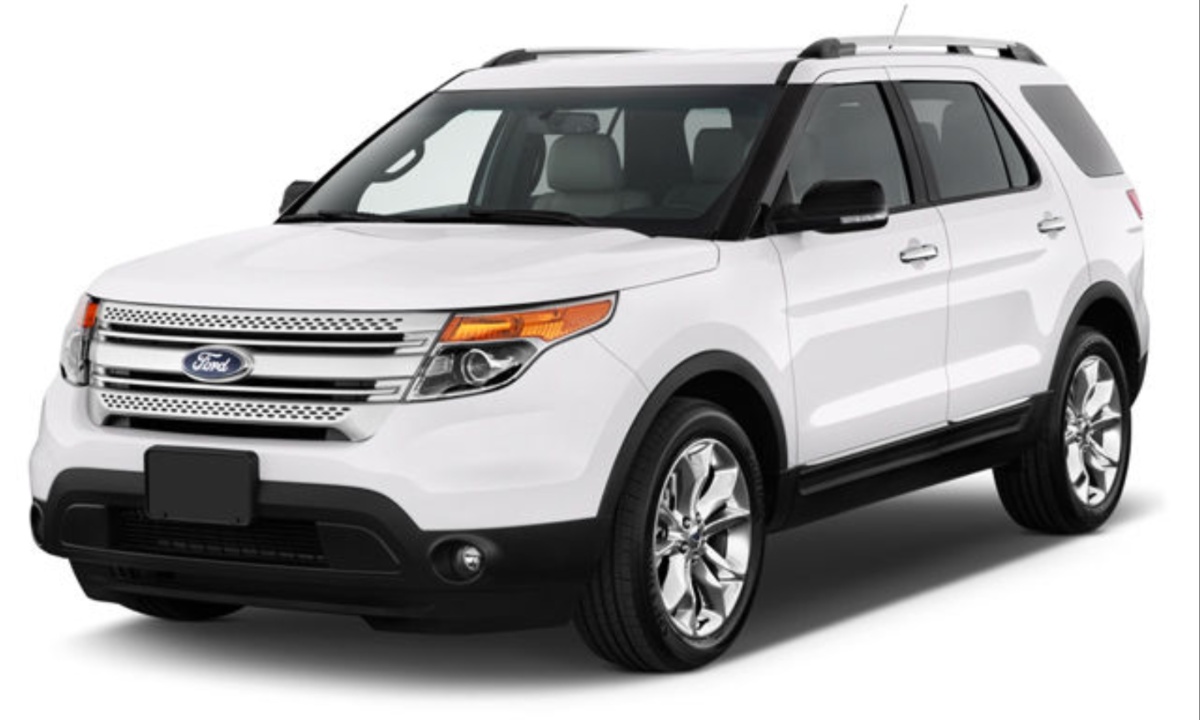
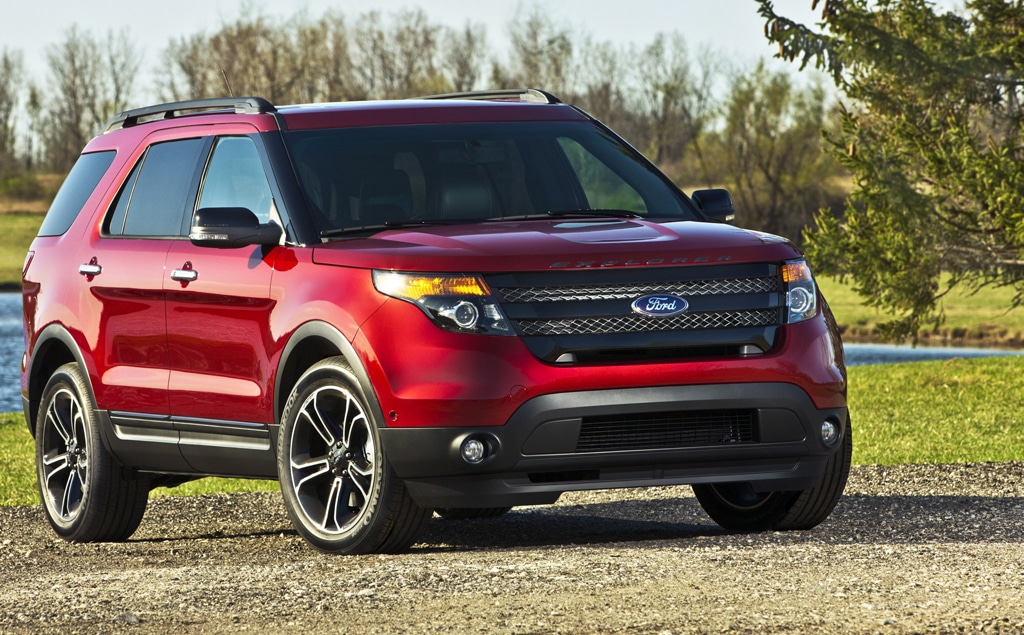
5. 2019 Ford Explorer: Sporty Versatility Meets Comfort
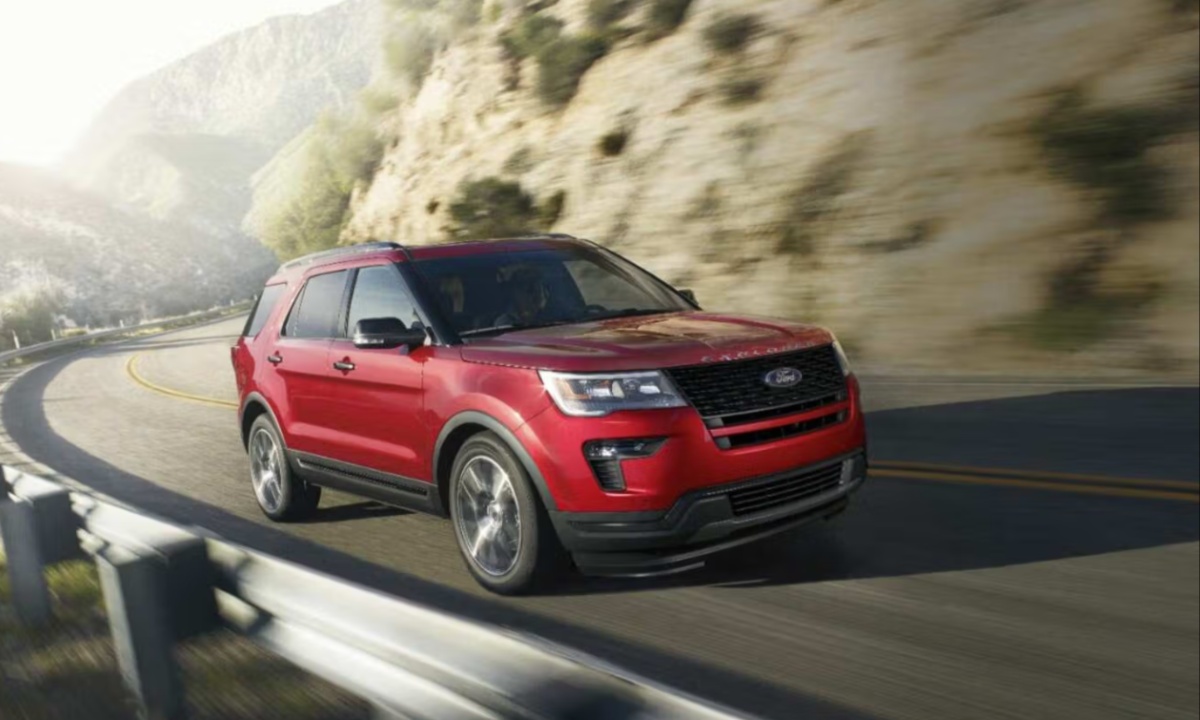
The 2019 Ford Explorer builds on the platform introduced in 2011, with a facelift in 2016, offering a versatile three-row SUV that balances refinement with practicality. While the standard Explorer can feel ponderous and suffers from tight third-row legroom, its technology features remain user-friendly and comprehensive.
The Sport trim stands out with sharper handling, a refined twin-turbo V6 engine, and an overall more engaging driving experience. Compared to lower trims, the Sport transforms the Explorer into a capable and responsive SUV without compromising ride comfort.
The Explorer Sport earns its name with a turbocharged 3.5-liter V6 producing 350 lb-ft of torque, paired with a six-speed automatic transmission and all-wheel drive. Acceleration is impressive, with 0–60 mph achieved in just 6.3 seconds, while braking performance remains strong, especially with optional summer performance tires.
Handling is enhanced by a stiffer suspension, quicker steering, and reduced body roll, delivering a sportier feel without sacrificing ride quality.
The Explorer’s Terrain Management System allows drivers to toggle between Normal, Mud/Ruts, Sand, and Grass/Gravel/Snow modes, improving traction on a variety of surfaces, though it is primarily intended for on-road conditions. Adaptive cruise control and responsive throttle mapping further enhance drivability and highway comfort.
Despite the sport-oriented suspension, the Explorer Sport maintains a comfortable ride. Front and second-row seats are supportive, with optional sliding captain’s chairs improving third-row access and space, though the third row remains tight for adults.
Interior quality is solid, featuring soft-touch materials, well-fitted trim, and a user-friendly Sync 3 infotainment system. Visibility can be hampered by thick pillars, but optional parking sensors help.
Cargo space is practical, with a deep well and a variety of storage compartments, though total volume is not exceptional. The 2019 Explorer Sport combines engaging performance, a refined interior, and practical utility, making it the most compelling choice among trim levels for drivers seeking both comfort and driving excitement.
Also Read: 5 Door Speakers That Still Rock Vs. 5 That Get Blown
5 Ford Explorer Years With Bad Reliability
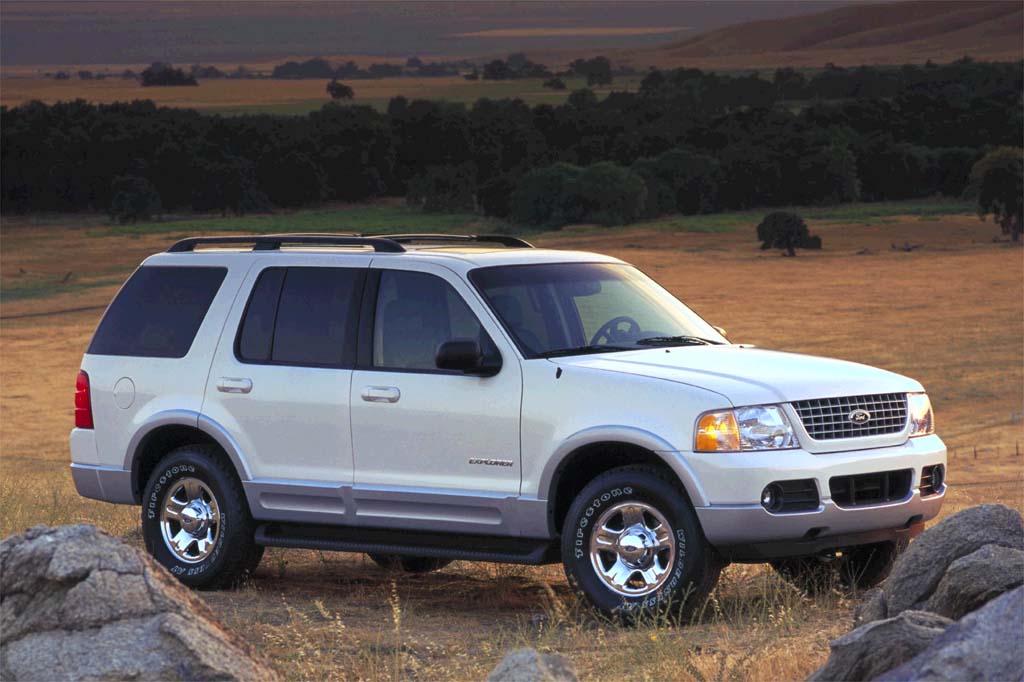
1. 2002 Ford Explorer: Early Reliability Concerns
The 2002 Ford Explorer introduced a redesigned independent rear suspension and larger body dimensions, aiming to improve handling and interior space. However, it gained a reputation for serious reliability problems, particularly with its transmission.
Many owners reported failures at relatively low mileage, often costing thousands in repairs. Suspension issues also affected ride quality and vehicle safety, undermining the benefits of the new design. Consumer Reports flagged this model year for high maintenance costs and low reliability.
While the 2002 Explorer offered increased interior room, optional third-row seating, and updated safety features, these improvements were often overshadowed by costly mechanical failures that left many drivers frustrated with the vehicle’s long-term dependability.
2. 2004 Ford Explorer: Continuing Mechanical Challenges
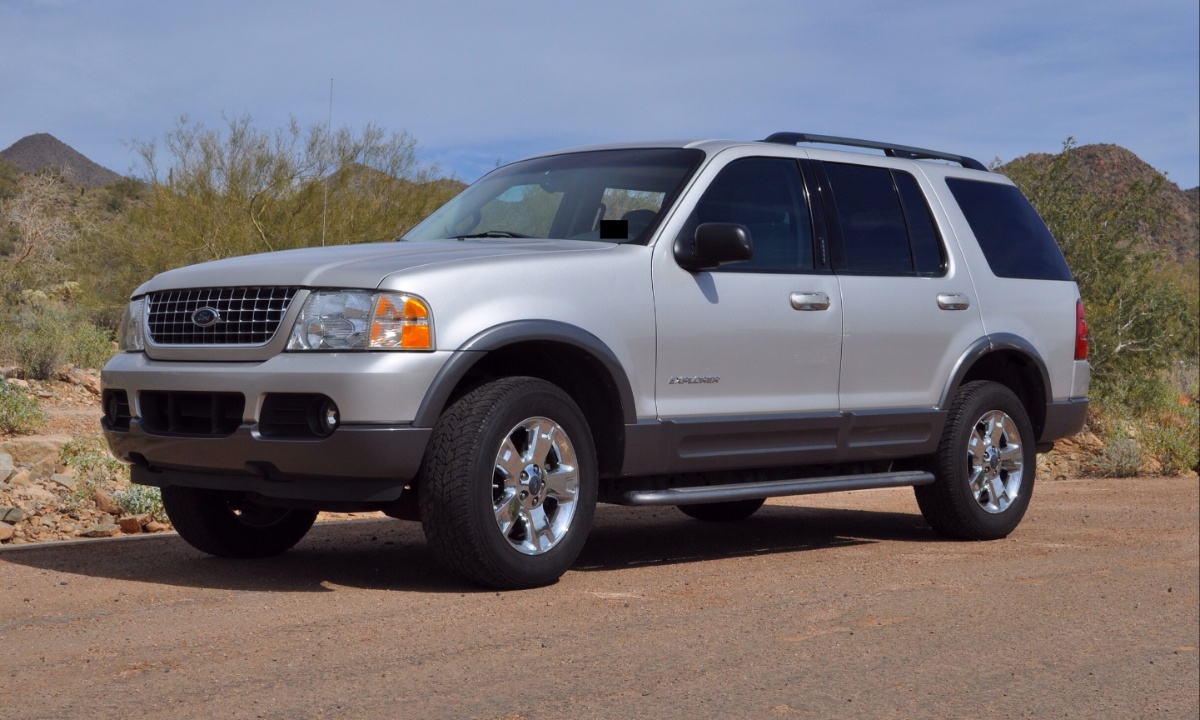
The 2004 Ford Explorer struggled to overcome issues seen in previous years, especially with its transmission and engine systems. Many owners reported significant failures around the 100,000-mile mark, resulting in expensive repairs.
Electrical system malfunctions, such as faulty lights and sensor failures, added to the frustrations, making this model particularly challenging to maintain. These persistent problems contributed to a reputation for unreliability, with frequent visits to service centers becoming common among owners.
While the 2004 Explorer retained the spacious interior and SUV versatility buyers expected, its repeated mechanical and electrical failures made it one of the more problematic model years in the Explorer’s history.
3. 2006 Ford Explorer: Platform Upgrade with Reliability Issues
The 2006 Explorer introduced a new platform and offered updated engine options, aiming to modernize the SUV. However, reliability remained a significant concern. This model experienced frequent radiator and coolant system failures, which could lead to overheating and potential engine damage.
Persistent fuel system problems further affected performance and reliability. In addition, fuel efficiency was below average, making the vehicle costly to operate over time. These issues contributed to low ratings from J.D. Power and other automotive reviewers.
Despite improvements in styling and powertrain options, the 2006 Explorer’s mechanical and operational shortcomings overshadowed its upgrades, leaving many owners dissatisfied with its overall durability and long-term value.

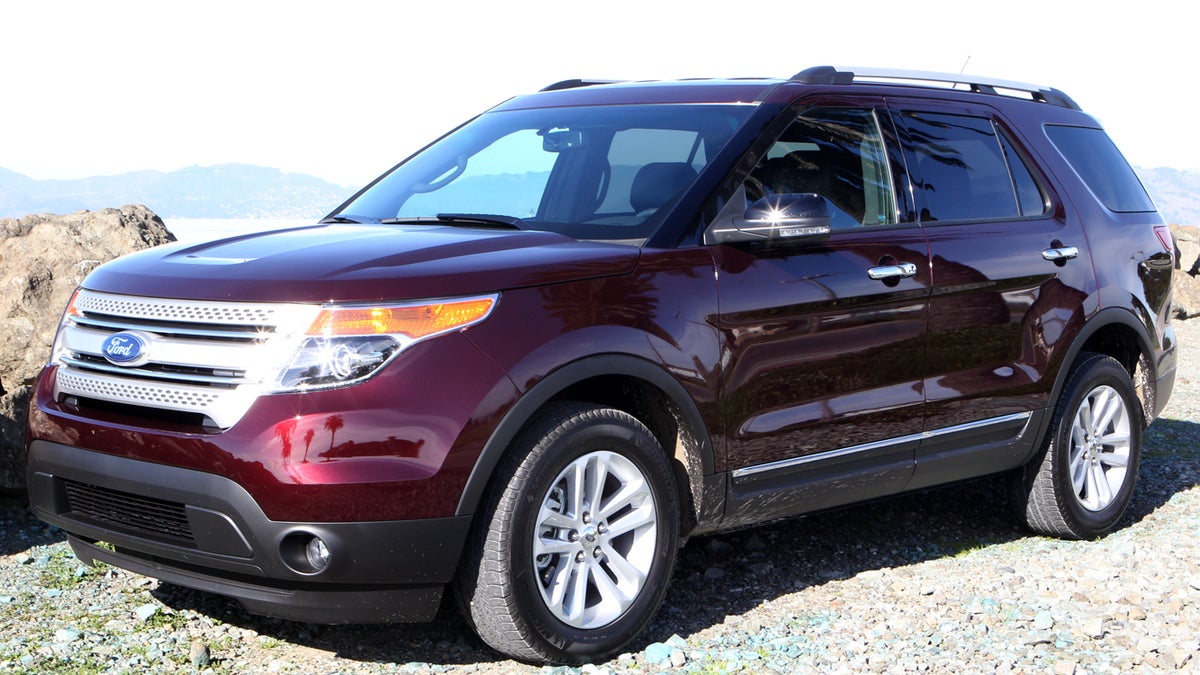
4. 2011 Ford Explorer: Redesigned But Problematic
The 2011 Ford Explorer underwent a major redesign to modernize its styling, handling, and technology. However, it faced several critical issues that impacted reliability and safety. Reports of sudden power steering failure raised serious concerns, prompting recalls for affected vehicles.
In addition, the MyFord Touch infotainment system was prone to malfunctions, frustrating users with frequent glitches and slow response times. Consumer Reports and J.D. Power indicated that these problems made the 2011 Explorer a risky choice despite its updated design and improved cabin features.
While aesthetically and technologically advanced, the combination of mechanical and electronic issues diminished owner confidence in this model year.
5. 2013 Ford Explorer: Transmission and Cabin Concerns
The 2013 Explorer continued to face significant reliability challenges, particularly with its transmission. Owners frequently reported harsh shifting, delayed engagement, and occasional transmission failure, creating a costly and inconvenient ownership experience.
Additionally, some drivers noted exhaust fumes entering the cabin, a serious safety concern addressed in technical service bulletins. Electrical system problems and inconsistent build quality further contributed to low owner satisfaction ratings.
While the 2013 model retained spacious interiors, modern styling, and improved technology features, these advantages were overshadowed by persistent mechanical and safety concerns. Consequently, this model year has been widely regarded as problematic, particularly for buyers prioritizing long-term reliability and peace of mind.
Selecting a reliable Ford Explorer can make a significant difference in ownership experience, maintenance costs, and overall satisfaction. The five model years highlighted here 1993, 2010, 2011, 2012, and 2019 have earned praise for their performance, safety, and durability.
Owners consistently report minimal mechanical issues, solid construction, and well-designed features that enhance both daily driving and long trips. In contrast, other Explorer years are more prone to transmission, electrical, or engine problems, underscoring the importance of choosing the right model.
Whether seeking a classic SUV known for toughness or a modern Explorer offering comfort and technology, these dependable years provide peace of mind and practical value. These models showcase the Ford Explorer’s enduring appeal as a capable, versatile, and trustworthy vehicle for families, adventure seekers, and everyday drivers alike.
Also Read: 10 Cars With Tricky Seatbelt Buckles for Elderly Passengers