
Electric vehicles have moved from being a rare sight to becoming a common choice for drivers who want cleaner and more efficient cars. With technology improving and charging stations becoming easier to find, many buyers now consider EVs as serious alternatives to petrol-powered cars.
However, one area that can make or break a buying decision is how well a vehicle keeps its resale value. A car might look appealing on the day you buy it, but if it loses a large part of its worth quickly, it can be a painful financial decision later on.
In the EV market, some cars are better at keeping their price than others. This is influenced by factors like brand reputation, battery performance, driving range, build quality, maintenance costs, and demand in the used car market.
Models that balance affordability with strong reliability and good range tend to attract buyers even after a few years of use. They can be sold for a decent amount compared to the original purchase price. Most EVs may seem affordable at first, but lose their appeal too quickly, leading to large depreciation.
Poor range, slow charging speed, limited features, or low brand trust can significantly reduce their resale value faster than expected. Even factors like rapid updates from newer models can make older versions less attractive to used buyers.
Now let’s look at five affordable EVs that have shown strong value retention and five others that have been known to lose value quickly. Each section will explain why the car belongs in that category, highlighting key aspects such as performance, range, practicality, cost of ownership, and buyer demand.
This way, anyone thinking of buying an EV can make a better choice, whether they plan to keep it long term or resell it after a few years.
5 Affordable EVs That Hold Value
1. Tesla Model 3
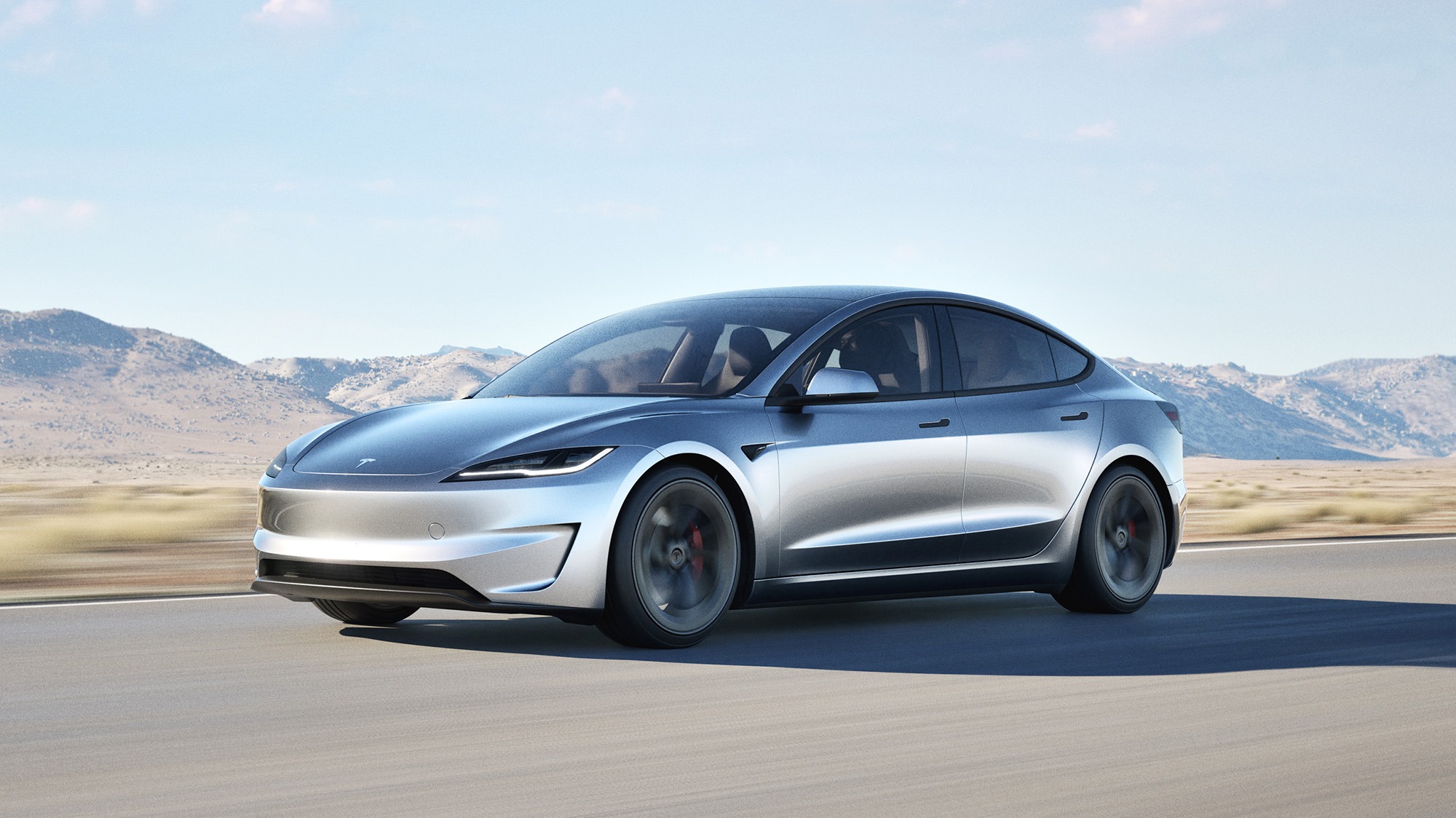
The Tesla Model 3 has become one of the most recognized electric cars for good reason. While Tesla offers more expensive options, the Model 3 sits in a price range that appeals to a wide group of buyers.
Its resale strength comes from its strong brand image, regular software updates, and competitive driving range. Many used car buyers see it as a premium electric vehicle without the premium price of the larger Model S or Model X.
One major reason the Model 3 keeps its value is its battery performance. Even after years of use, many owners report minimal range loss. A Model 3 with a range of over 250 miles is still more than enough for most drivers. Tesla’s Supercharger network is another major factor since buyers know they will have access to reliable fast charging almost anywhere in the country.
Build quality has sometimes been debated, but newer production runs have shown improvement. The cabin is minimalistic yet modern, with a large central screen that controls nearly all functions. Regular software updates keep the car feeling fresh, adding new features and improvements long after purchase.
Demand for used Model 3s remains high because it balances affordability with high-tech appeal. It is also one of the few EVs that hold up well in cold climates, where some other electric cars lose range dramatically.
For buyers who want a modern, future-proof EV without paying the price of a luxury model, the Tesla Model 3 remains a smart choice that protects your investment.

2. Chevrolet Bolt EV
The Chevrolet Bolt EV is proof that you do not have to spend a fortune to get a capable electric car with solid resale value. Known for its practical size, decent range, and reliability, the Bolt has attracted budget-conscious EV buyers since its launch. Its affordability, both at purchase and in running costs, keeps demand steady in the used market.
With a driving range of over 250 miles, the Bolt works well for both city commuting and weekend trips. Charging is straightforward, and while it does not match Tesla’s fast charging speeds, it still offers reasonable charging times for most drivers. The battery has proven durable over the years, giving buyers confidence that it will not need replacement soon.
Chevrolet’s decision to keep the Bolt’s price competitive has also helped its used value. Many first-time EV buyers look for something dependable without paying for premium branding, and the Bolt fits this need perfectly. Inside, the car offers enough comfort and technology for everyday use, with an infotainment system that is easy to operate.
Another factor supporting its value is its compact yet spacious design. It works well for urban areas where parking space is tight, yet it can handle small family trips comfortably. For buyers who want a dependable EV with a fair resale price, the Bolt EV is one of the best options in the affordable category.
Also Read: 5 EVs That Rarely Get Recalls and 5 That Constantly Do
3. Hyundai Kona Electric
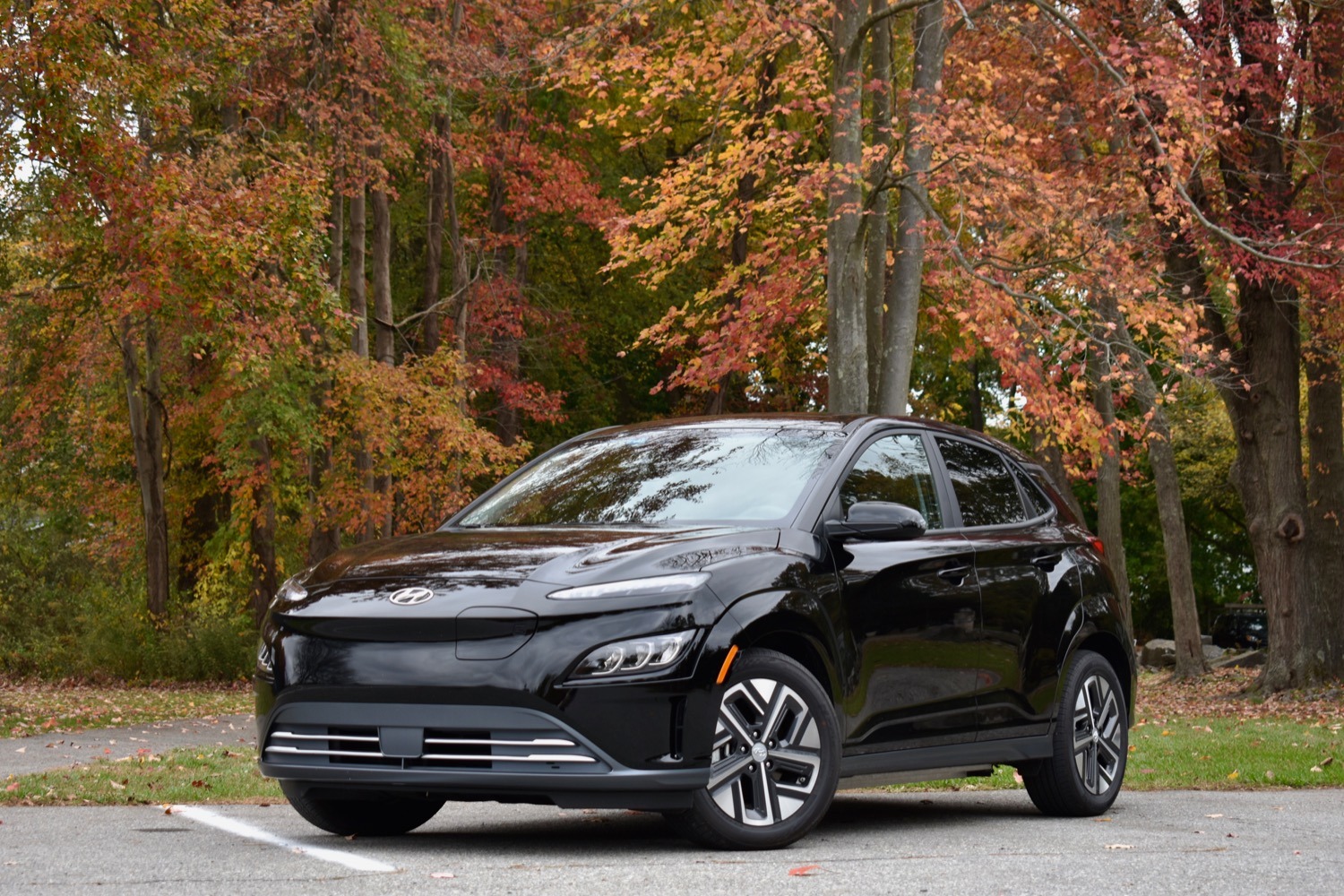
The Hyundai Kona Electric combines a stylish design with long range and solid build quality. It offers more than 250 miles of driving on a full charge, making it competitive even with higher-priced models. Its strong resale value comes from a mix of practicality, comfort, and a good warranty that transfers to the next owner.
Buyers appreciate the Kona Electric’s smooth ride and well-designed interior. It has a layout that feels familiar to drivers switching from petrol cars, which makes it appealing to a broad audience. The infotainment system is user-friendly, and the cabin feels high-quality for its price point.
Hyundai’s reputation for reliability adds to the Kona’s staying power in the used market. The battery warranty, which covers eight years or 100,000 miles, gives second-hand buyers peace of mind. Since EV battery replacement is one of the biggest concerns for used car shoppers, this assurance keeps demand high.
Another factor that helps the Kona Electric keep its value is the growing charging infrastructure. While it may not charge as fast as Tesla models, it still supports decent fast charging speeds, making it practical for long-distance travel. The combination of range, quality, and dependability makes it one of the affordable EVs that is worth buying if you want to protect your investment.
4. Kia Niro EV
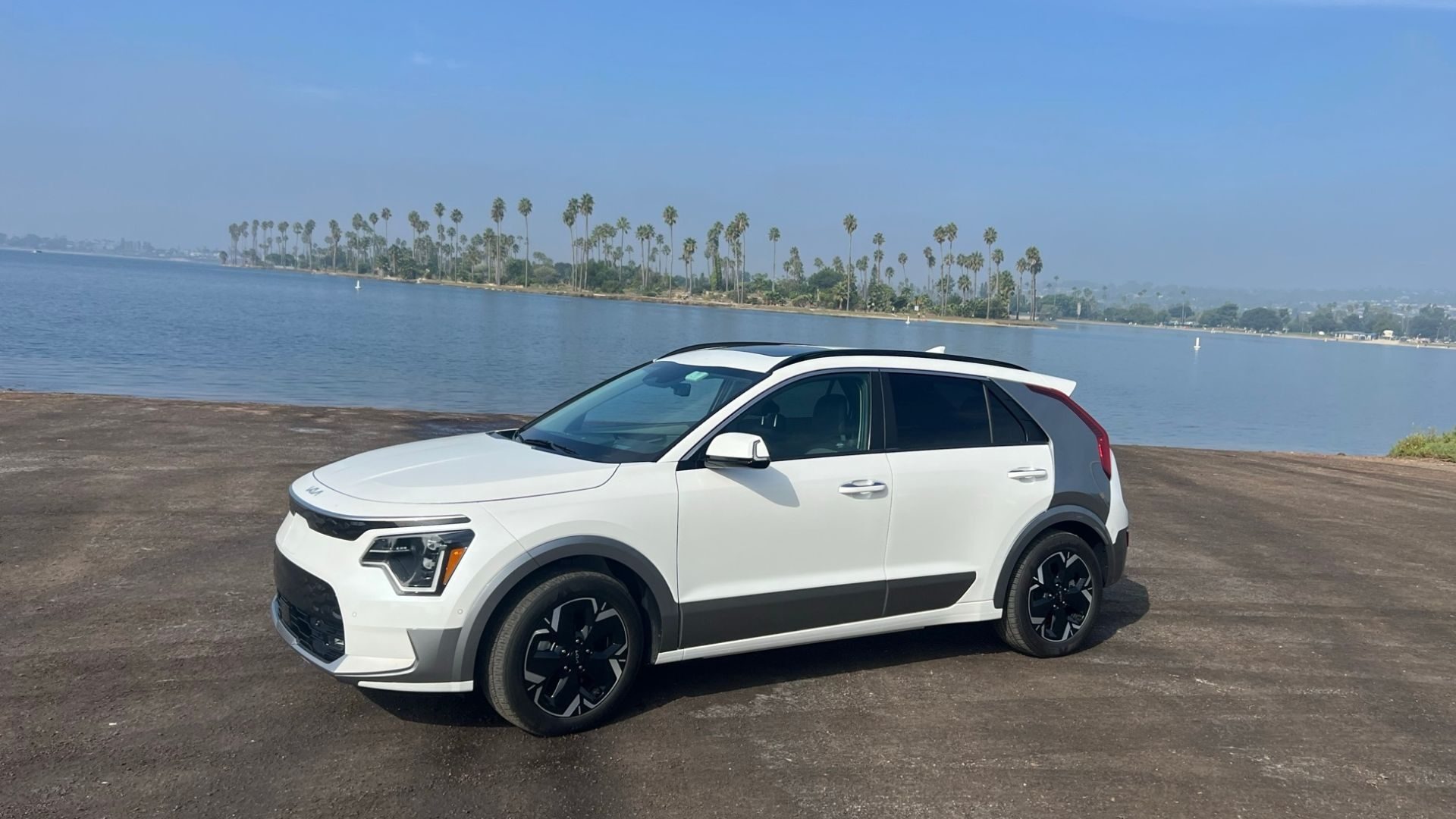
The Kia Niro EV offers an excellent mix of space, range, and comfort, making it a popular choice for families and daily commuters alike. Its resale value has stayed strong thanks to its practicality and reliability. The Niro EV delivers around 239 miles of range, which is more than enough for most daily needs and short trips.
Inside, it has a roomy cabin and a well-laid-out dashboard. The driving position feels natural, and visibility is good, which helps in city traffic. Kia has also built a strong reputation for durability, and like Hyundai, it offers a long battery warranty that reassures second-hand buyers.
The Niro EV charges at competitive speeds and is compatible with many public charging stations, which increases its appeal. It is not the cheapest EV in its class, but its combination of features, build quality, and efficiency ensures that it does not lose value as quickly as less reliable models.
The exterior design is modest yet modern, appealing to buyers who want a smart look without standing out too much. For those who want a versatile electric car with steady resale performance, the Kia Niro EV remains a dependable option.
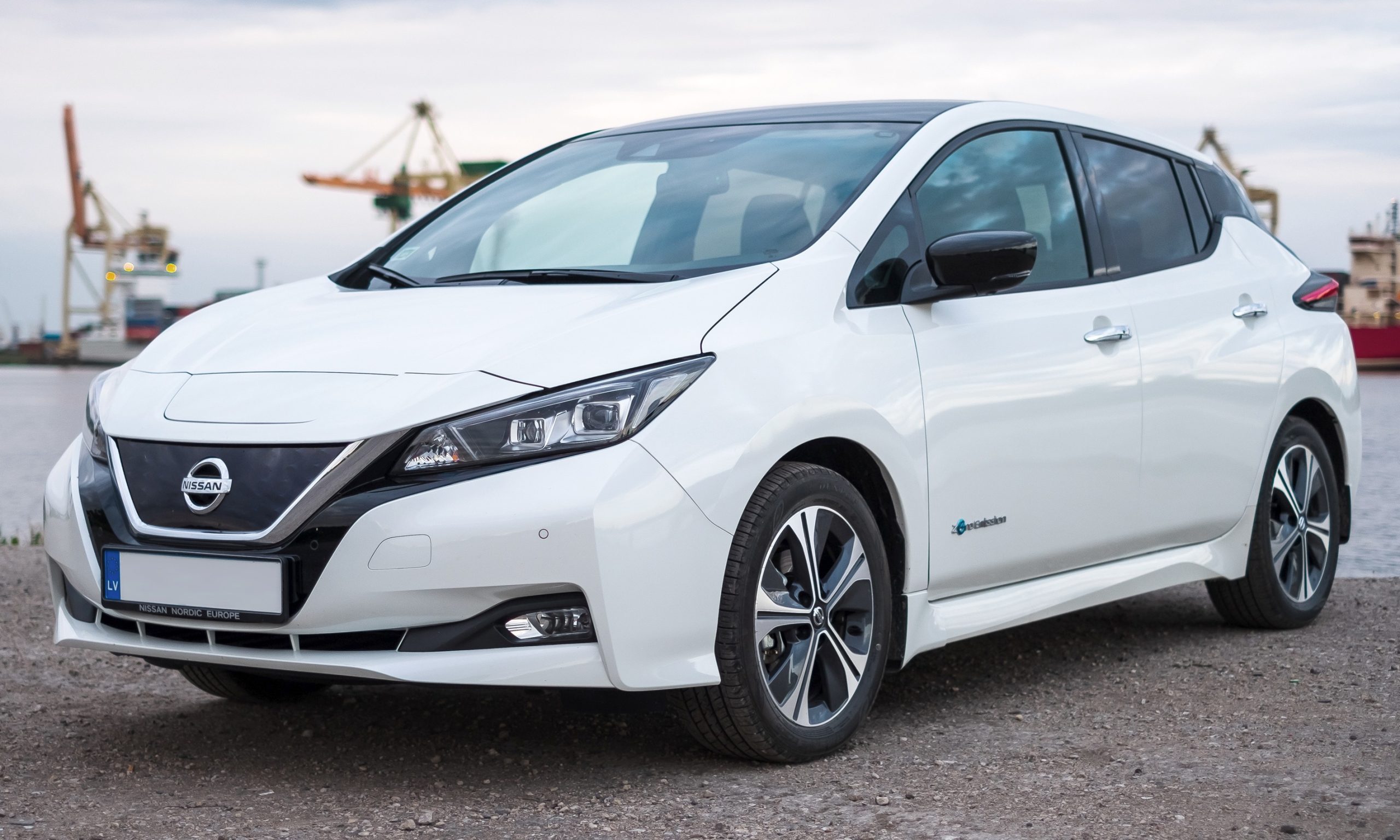
5. Nissan Leaf (Second Generation)
The second-generation Nissan Leaf built upon the lessons of the first, delivering a more competitive electric hatchback with stronger performance and improved range. Buyers welcomed the upgrade from the original’s limited mileage to as much as 226 miles in the extended-range version, making it more practical for daily driving and even occasional road trips.
Affordability is one of its biggest selling points, as both new and used prices are accessible to many households. This affordability, combined with Nissan’s long history in EV production, gives used buyers more confidence in its reliability. The battery in the second-gen Leaf has proven far more durable, with less noticeable degradation as time goes on compared to its predecessor.
Inside, the design is clean and functional, offering straightforward controls and a user-friendly infotainment system. While it may not have the luxury feel of high-end EVs, it provides enough comfort and practicality for daily use. The cabin space is generous for a compact car, and the hatchback layout remains convenient for carrying luggage or groceries.
Nissan’s large service network and availability of parts have also boosted the Leaf’s resale performance. Buyers in the used market appreciate that maintenance costs are reasonable and that trained technicians are widely available.
Although it still cannot match premium electric cars for range or high-speed charging, the second-generation Leaf strikes a balance between price, dependability, and everyday usefulness.
Its strong reputation and consistent demand in the used market mean it continues to hold value better than many other affordable EVs. For those seeking an entry-level electric car without sacrificing practicality, it remains one of the smarter choices available.
5 Affordable EVs That Lose Value Fast
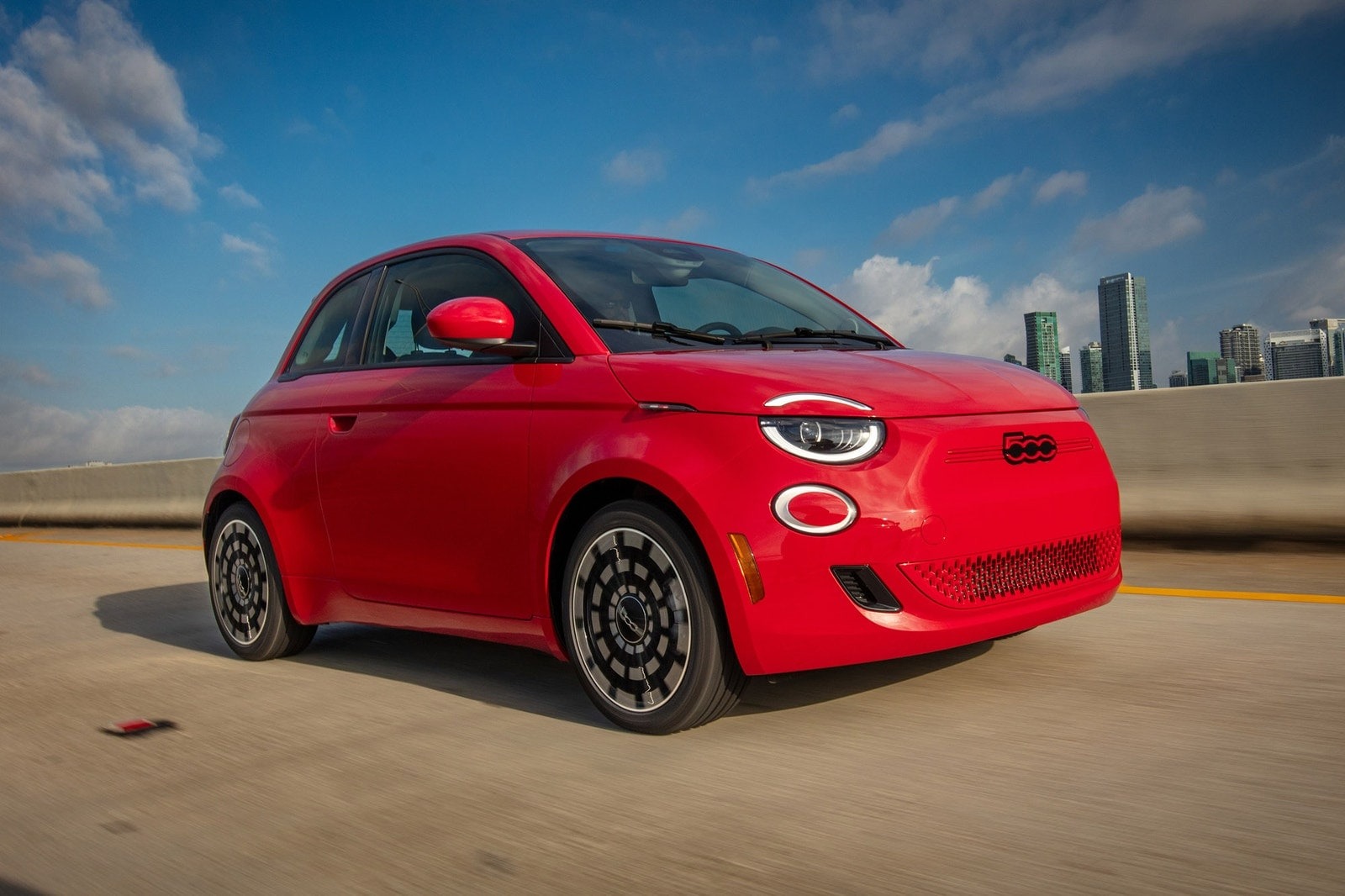
1. Fiat 500e
The Fiat 500e was originally aimed at city drivers looking for a stylish and compact EV, but its resale value has struggled as time goes on. One major reason is its limited driving range. Even in the best conditions, the 500e manages about 84 miles per charge, which is far below what many modern electric car buyers expect. This makes it less appealing to people who need flexibility for longer trips without frequent charging stops.
While the design is charming and the interior feels fun, practicality is not its strongest point. The small boot space and tight rear seating limit its appeal for families or those who need to carry more than a few shopping bags. Buyers in the second-hand market often see it as a “secondary car” rather than a primary daily driver, which reduces demand and pushes prices down.
Charging speed is another drawback. With slower charging compared to other affordable EVs, it can be inconvenient for people who rely on public chargers. Newer EVs in similar price ranges now offer more than double the range and faster charging, which makes the older 500e look outdated.
Another factor hurting its value is the limited availability of parts and service expertise. Since it was sold in smaller numbers, some buyers worry about repair costs and finding technicians with experience on this model. For these reasons, while the Fiat 500e can be a good choice for someone who only needs a short-range city runabout, it is not the best option for holding value over the years.
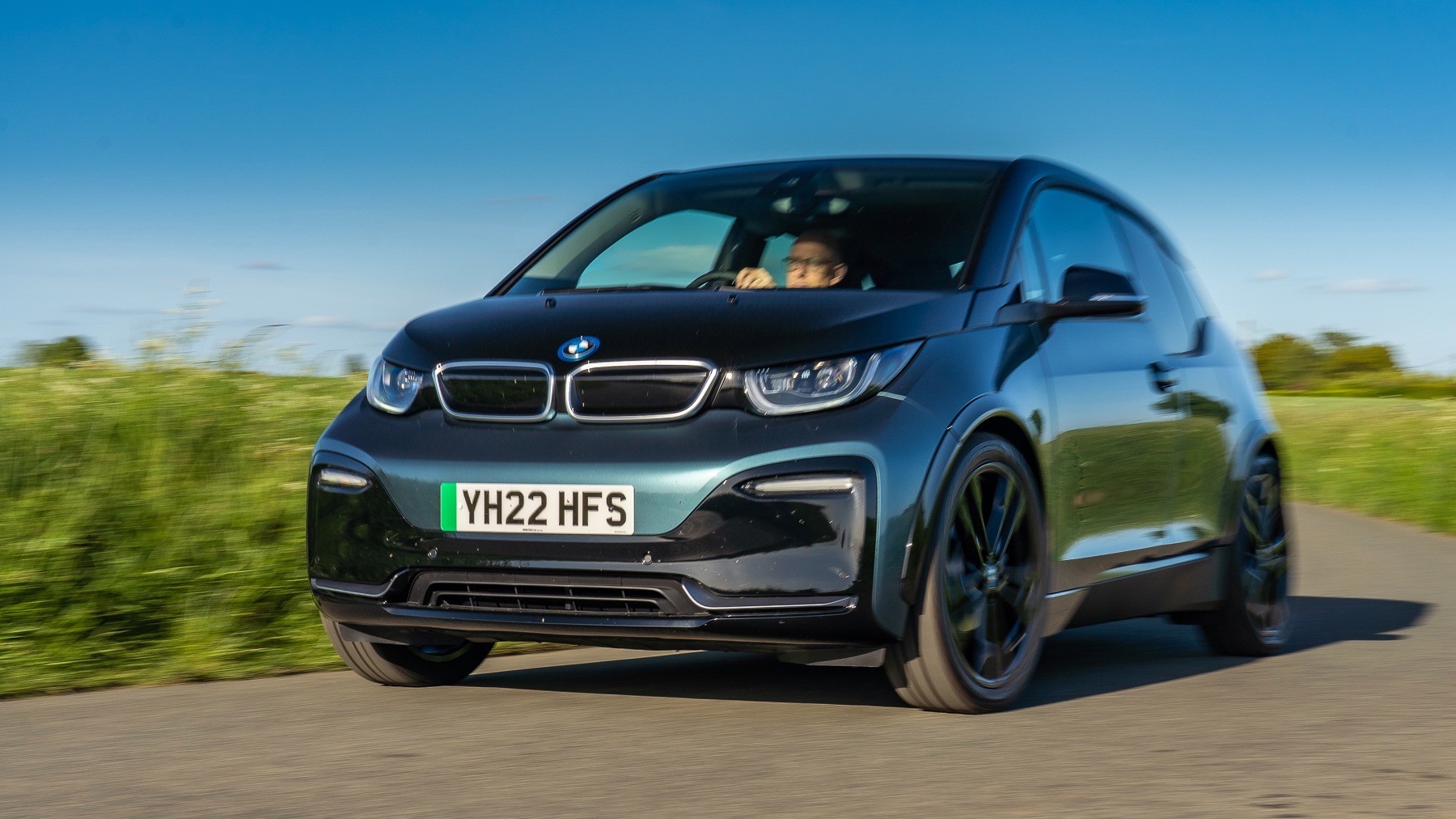
2. BMW i3
When the BMW i3 first arrived, it attracted attention with its futuristic design and premium feel. However, despite its luxury badge, it has not held its value as well as many expected. The main issue is range, which started at around 80–100 miles for early models and even in later versions with improved batteries, still fell behind competitors.
The i3’s unique design, while stylish to some, is polarising. Many buyers prefer a more conventional look, and the tall, narrow shape with unusual rear doors can be a deal breaker. Inside, the use of sustainable materials and an airy cabin appeal to certain drivers but may not feel as luxurious as other cars carrying the BMW badge.
Its depreciation is also tied to the rapid progress of EV technology. Buyers who compare the i3’s specs to newer models often see better value elsewhere for the same price. While the i3 handles well and has a distinctive driving character, its small battery and higher maintenance costs compared to some rivals make it less attractive in the used market.
Charging performance is reasonable but not class-leading, and the limited boot space reduces its practicality for family use. Even though it is a premium model, the BMW i3 has been outperformed in value retention by more mainstream EVs that offer more range, more space, and lower running costs.
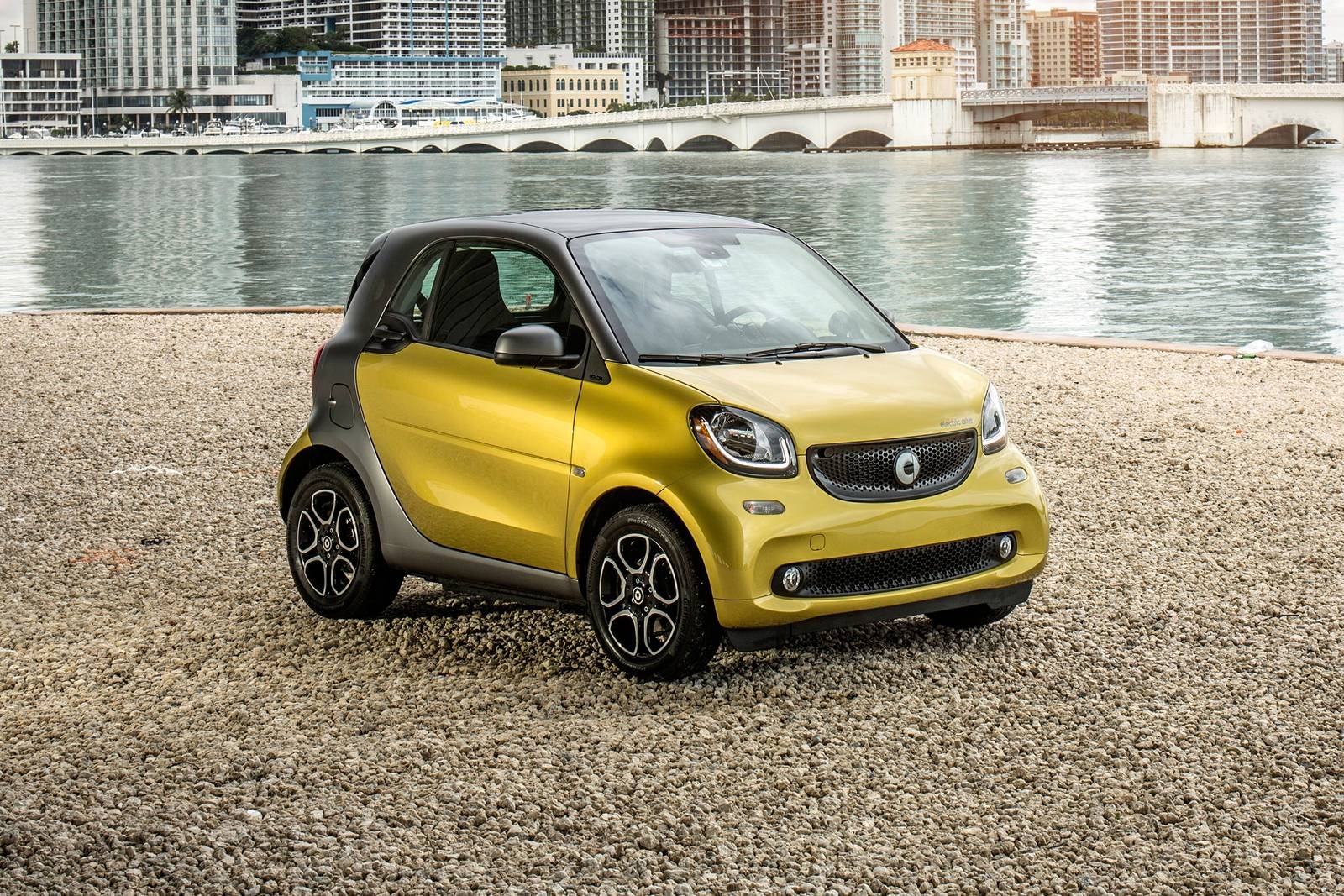
3. Smart EQ ForTwo
The Smart EQ ForTwo is one of the smallest electric cars available, designed mainly for dense urban areas where space is limited. Its size and ease of parking are its best features, but when it comes to resale value, it falls short. The driving range is very short, with around 58 miles on a full charge, which severely limits its use beyond city limits.
This short range, combined with modest performance, makes it less appealing for buyers looking for a flexible daily driver. While it works well for short errands, it cannot match the versatility of slightly larger EVs that cost about the same. As a result, used car buyers are fewer, which drives prices down quickly.
The interior is functional but basic, with limited storage and seating for only two people. For many buyers, this makes it a second car rather than a main vehicle. In the used market, secondary cars already tend to lose value faster, and the Smart EQ’s low range only accelerates that depreciation.
Charging is relatively fast because the battery is so small, but this does not offset the inconvenience of frequent charging stops. Competing small EVs now offer more range, better comfort, and more advanced features, leaving the Smart EQ ForTwo struggling to hold its worth.
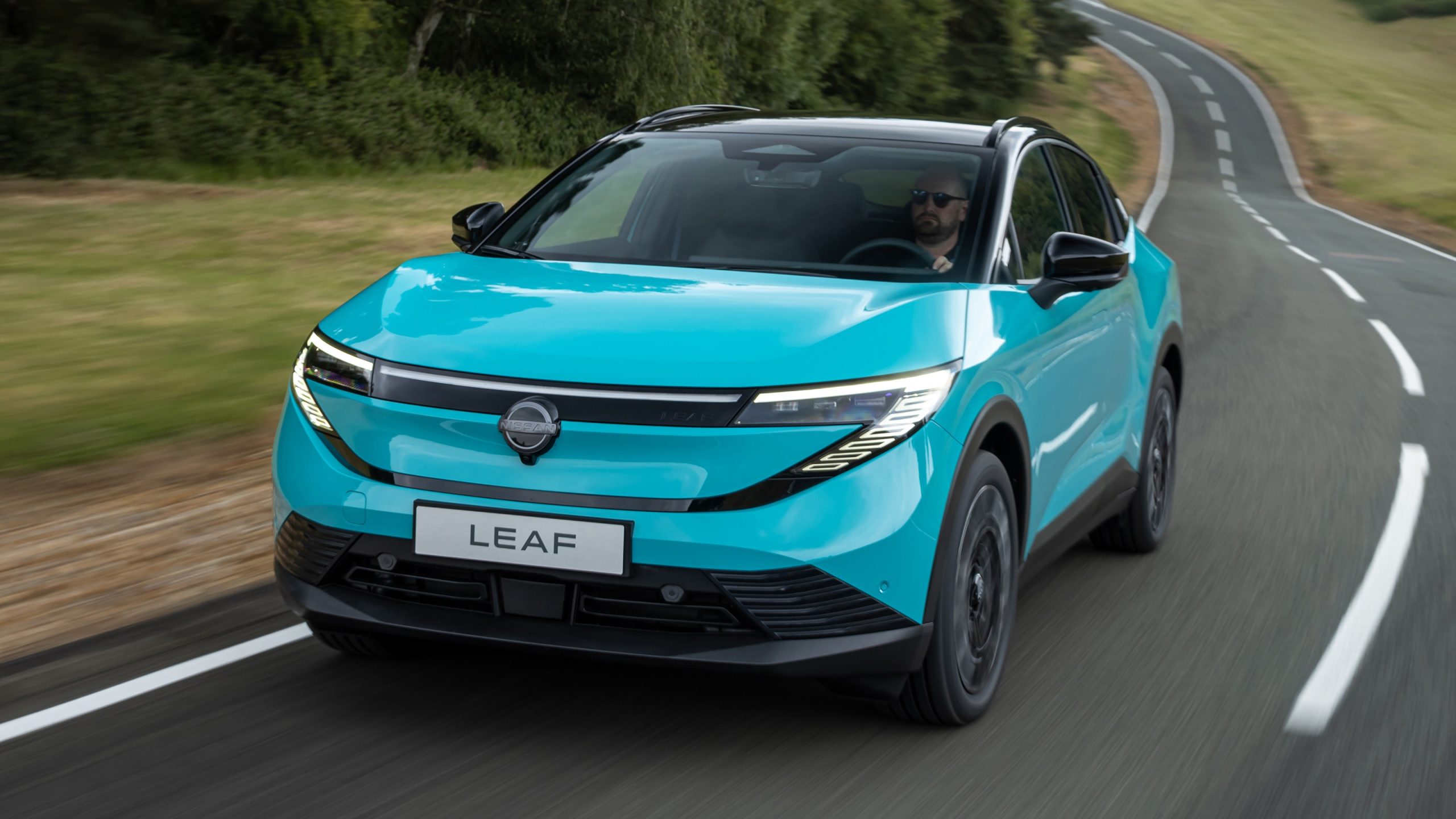
4. Nissan Leaf (First Generation)
The first-generation Nissan Leaf holds a special place in electric vehicle history because it was among the first models to be widely available to everyday drivers. When it launched, it offered an affordable entry point into EV ownership, and for many people, it was their very first electric car.
At the time, its range of about 73 to 84 miles on a full charge seemed reasonable for daily commutes. However, compared to the capabilities of today’s EVs, this range feels extremely limiting. One of the biggest issues with the early Leaf is battery degradation.
The model lacked an advanced thermal management system, meaning the battery was more vulnerable to wear, especially in hot climates. Owners in warmer regions often experienced faster loss of range, which made the vehicle less practical and less desirable in the used market. This has created a reputation issue that continues to affect resale prices.
Inside, the first-generation Leaf offered comfort and straightforward controls, but technology in the EV space moved forward quickly. Features that once felt modern, such as its early infotainment system, now appear outdated. Safety technology and driver assistance systems, which have become standard even in affordable cars, are limited in these older Leafs.
Design-wise, the Leaf’s styling was unique, but some buyers preferred a more conventional look. While its hatchback shape made it practical for carrying groceries or small items, it was never a top choice for families needing more interior space.
Today, the first-generation Leaf appeals mainly to buyers looking for a low-cost city commuter. For short daily trips, it can still serve well if the battery remains in good condition. However, from a resale perspective, it cannot compete with newer models that offer better range, stronger batteries, and updated features, leaving it among the EVs that lose value the fastest.
Also Read: 5 EVs That Charge Overnight and 5 That Take Forever
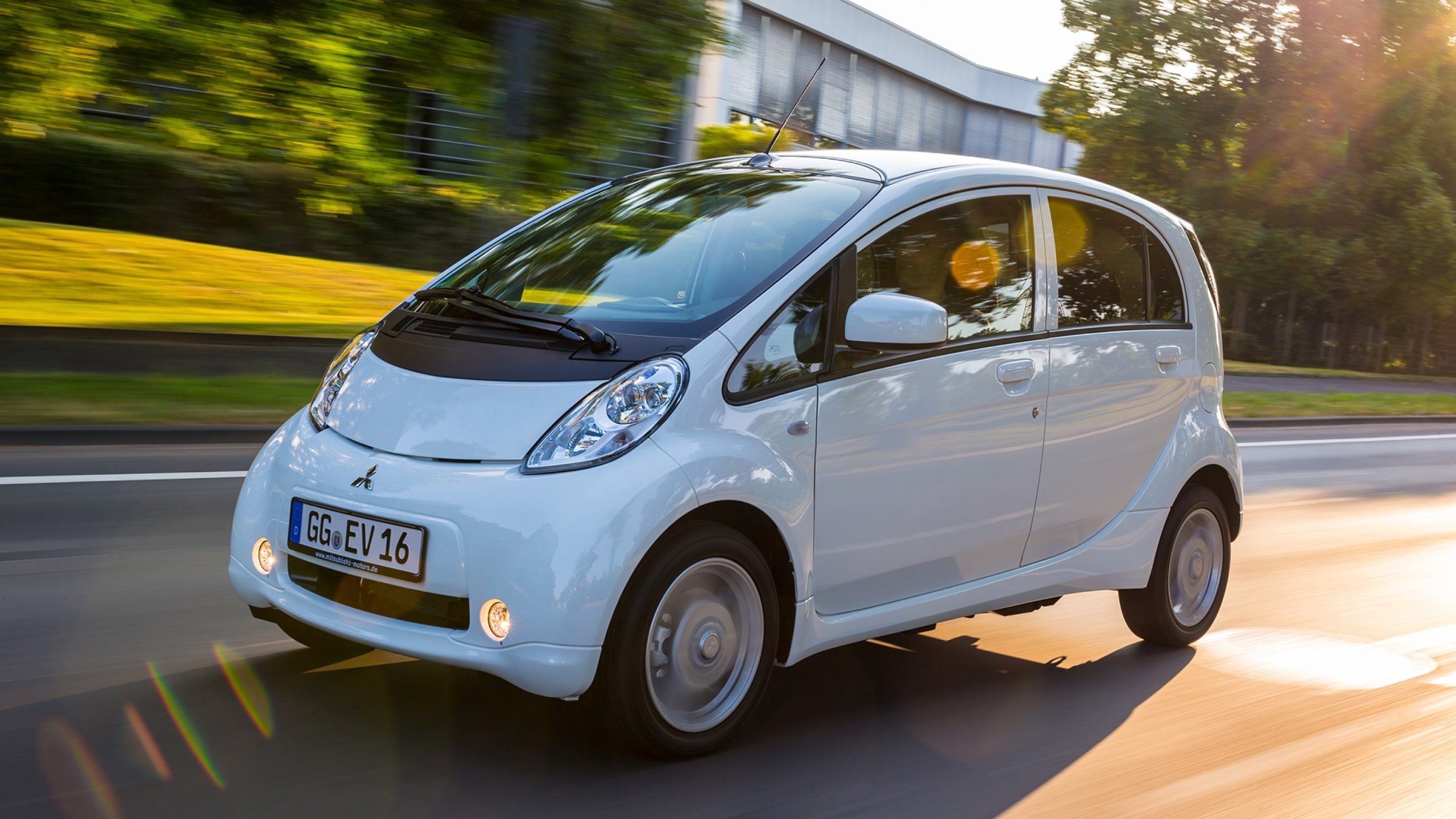
5. Mitsubishi i-MiEV
The Mitsubishi i-MiEV was one of the earliest electric cars to reach the US market, but it quickly became clear that its appeal was limited. Its compact size and unusual, narrow body shape made it stand out, but not always in a way that encouraged strong sales.
With a driving range of about 62 miles, it falls far below what modern electric vehicle buyers consider acceptable for daily convenience. The small electric motor provides modest performance that feels slow compared to other EVs in its category, making it more suited for very short trips rather than open-road driving.
Inside, the i-MiEV offers a no-frills cabin that feels basic compared to even the most affordable EVs today. Materials are simple, seating space is tight, and technology features are minimal.
It was designed primarily as an urban runabout, but its small size, limited storage, and low safety technology have reduced its appeal after some time. Buyers today often expect more comfort, advanced driver assistance systems, and larger batteries, which this model simply does not provide.
Charging speeds are another drawback. Even with a small battery, recharging is not particularly fast by current standards, which can be frustrating for daily use. The ride quality is firm and less refined than other small EVs, and the narrow wheelbase can feel less stable at higher speeds.
Adding to the challenges is the lack of strong brand support for this model in the US. Since it was sold in relatively low numbers, parts availability can be a concern, and finding technicians familiar with it is not always easy.
As a result of these factors, demand in the used market is extremely low, which pushes down prices. While it may still suit someone who needs a very basic, compact car for short-distance travel, it remains one of the poorest performers for holding resale value.
Choosing the right electric vehicle is not only about the features it offers when new but also about how well it will retain its value over the years. For many buyers, resale performance is an important factor that can protect their long-term investment.
As shown in this guide, some affordable EVs like the Tesla Model 3, Chevrolet Bolt EV, Hyundai Kona Electric, Kia Niro EV, and second-generation Nissan Leaf have managed to stay in demand thanks to a balanced mix of range, reliability, brand trust, and practicality.
These models continue to appeal to both first-time and experienced EV buyers in the used market, which helps maintain their worth. On the contrary, some models have struggled to keep their value, such as the Fiat 500e, BMW i3, Smart EQ ForTwo, first-generation Nissan Leaf, and Mitsubishi i-MiEV.
Short range, slower charging, dated features, and limited practicality have caused them to depreciate faster. While they may still have a place for certain types of drivers, they are less attractive to a wide audience, which affects resale prices.
For anyone considering an electric vehicle, looking beyond the showroom appeal is essential. Battery performance, charging network access, range, build quality, and long-term reliability all play a role in determining how a car will be valued later. A model that meets your needs today but also remains desirable in a few years is a wiser choice.
The EV market will keep changing as technology improves and charging infrastructure expands. However, the principles of value retention remain the same: buyers are willing to pay more for cars that are dependable, practical, and supported by strong service networks. Choosing wisely now can mean enjoying your EV while knowing it will still hold value when it is time to sell or trade it in.
