
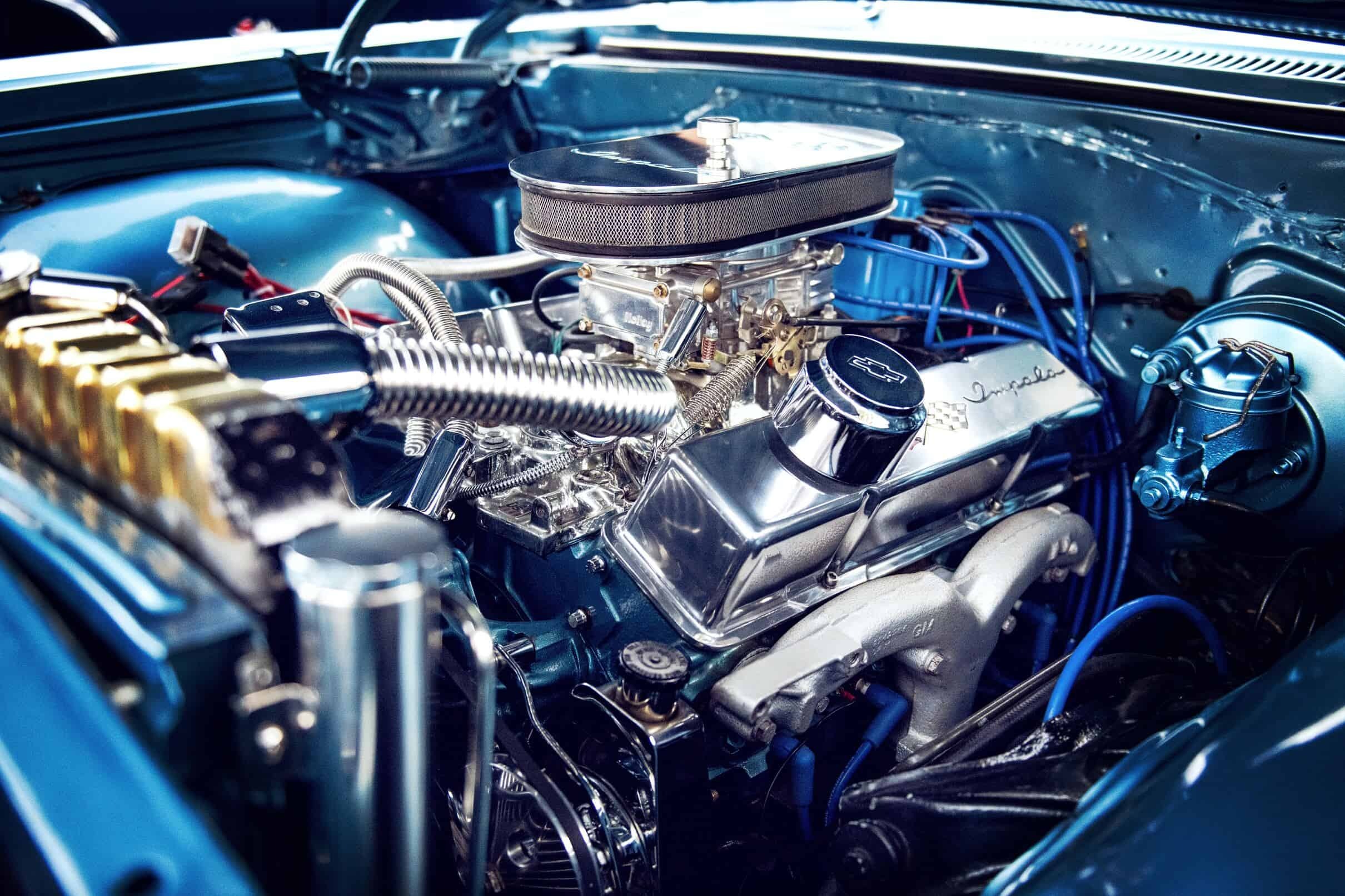
When people discuss cars, the conversation often centers on the quality of the engine. The engine is the power source that determines how well a car will run and how much the owner will spend to keep it in good condition.
Many drivers understand that choosing a reliable engine can save them money, time, and stress in the long run. An engine that runs smoothly for years with only regular servicing can give peace of mind to anyone who values consistent performance.
Some engines are built to last. They have been designed and tested to handle years of daily driving without giving constant mechanical trouble.
With basic oil changes, proper cooling system care, and timely servicing, these engines can cover high mileage without demanding expensive work. They are often used in affordable cars that are easy to buy and maintain, making them attractive to budget-conscious drivers.
Some engines can be very frustrating to own. Even when they come in attractive vehicles, their design flaws or weaker parts mean that they can develop fault after fault.
Owners may find themselves frequently at the mechanic’s shop, replacing parts or fixing major issues. The cost of these repairs can quickly add up, sometimes becoming more than the car’s value.
Affordable Engines That Never Need Major Work
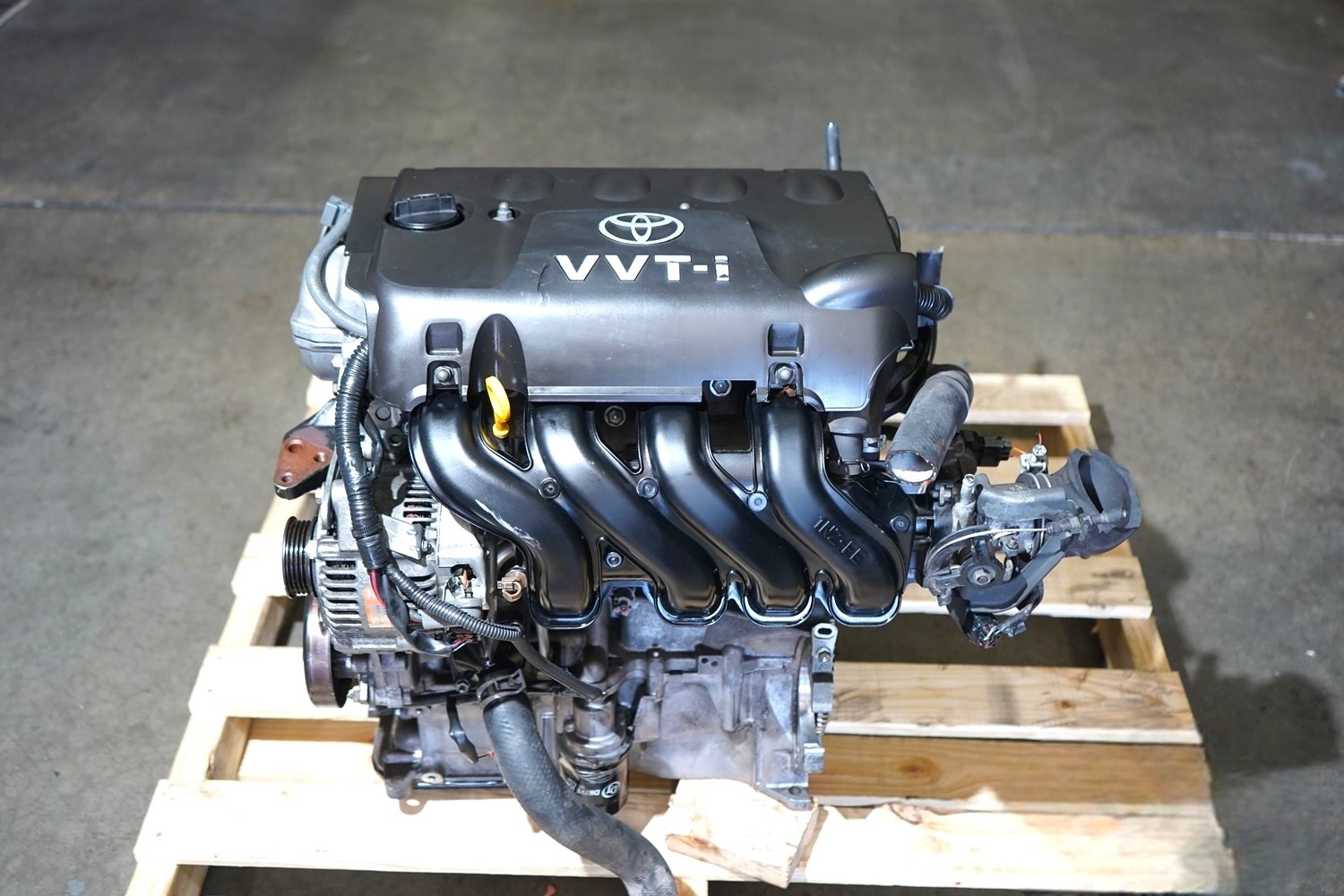
1. Toyota 1NZ-FE
The Toyota 1NZ-FE is a 1.5-litre, four-cylinder petrol engine that has gained a strong reputation for dependability. Found in models like the Toyota Vios, Yaris, and Corolla, it has become popular among drivers who want a balance between fuel economy and mechanical strength. This engine uses a simple yet efficient design that makes it less likely to develop major faults when maintained properly.
One reason for its reliability is that it does not use complicated technology that can fail easily. The variable valve timing system (VVT-i) improves performance and fuel use without adding unnecessary difficulty. Its timing chain, instead of a belt, also means fewer replacement costs because chains often last the lifetime of the engine when serviced correctly.
Owners have reported that even after high mileage, the 1NZ-FE continues to run smoothly as long as oil changes and cooling system maintenance are carried out. The engine does not consume excessive oil under normal use, and it can handle different fuel qualities found in many regions. This tolerance makes it appealing for areas where premium fuel is not always available.
When problems do occur, they are usually minor, such as worn ignition coils or sensors. These are inexpensive to replace and do not require the engine to be taken apart. Because of its widespread use, parts are readily available and affordable. Mechanics also find it easy to work on because of its straightforward design.
The Toyota 1NZ-FE is proof that a well-built small engine can be both cost-effective and long-lasting. Drivers who choose a car with this engine can expect years of service without having to budget for constant major repairs. It is an engine that rewards basic care with steady performance and low running costs.
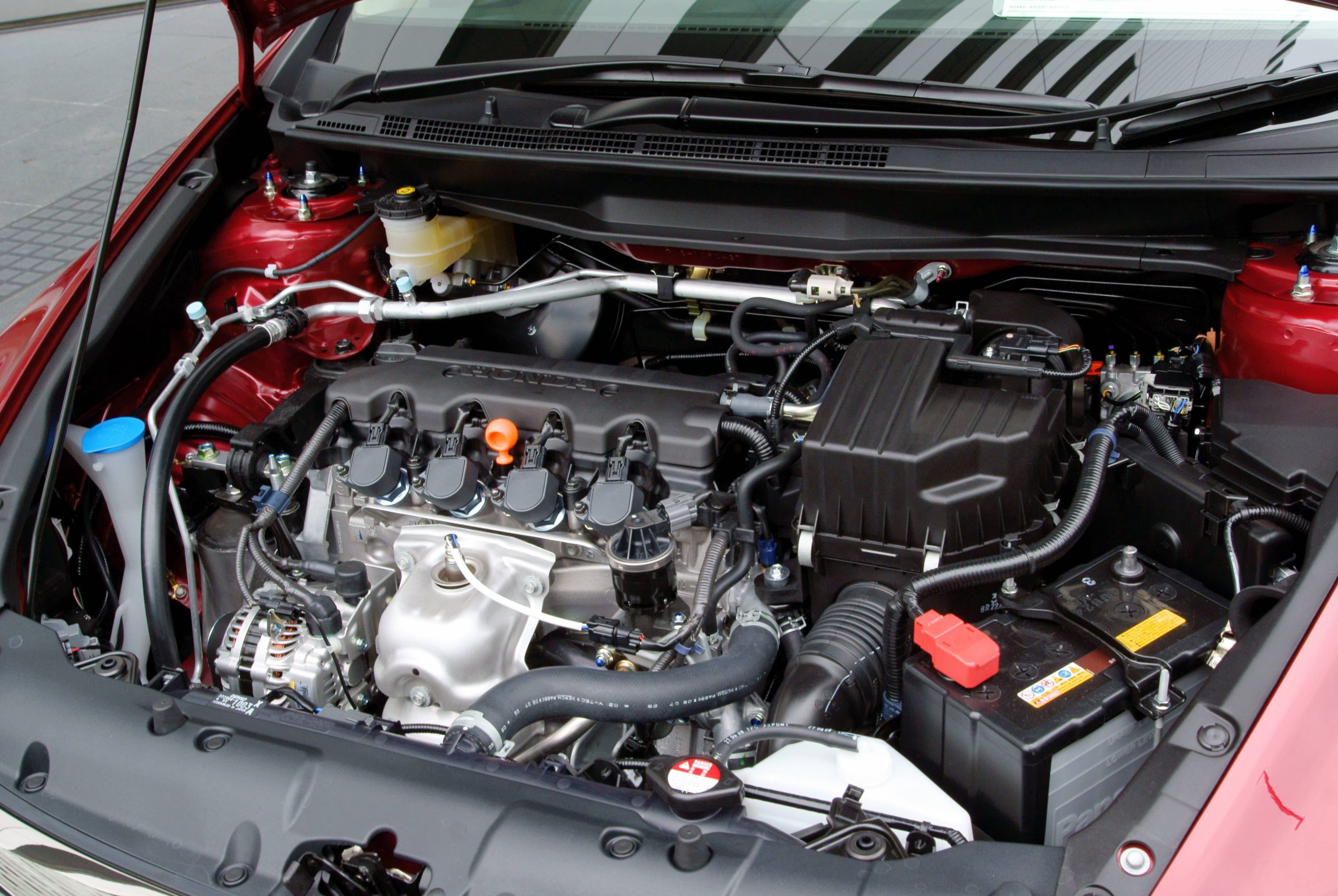
2. Honda R18A
Honda’s R18A is a 1.8-litre, four-cylinder engine used in models like the Civic. It is known for being fuel-efficient and easy to maintain, which is why many owners keep their cars for a long time. This engine operates with Honda’s i-VTEC system, which adjusts valve timing to balance power and economy.
One of the strong points of the R18A is its low failure rate. Even when driven daily in city traffic or on highways, it maintains performance without common major breakdowns. Its chain-driven camshaft eliminates the need for timing belt replacements, reducing maintenance costs.
Routine servicing is straightforward, and replacement parts are widely available. Owners often find that the engine does not lose power as it ages, provided that oil changes are done on schedule. Even after reaching high mileage, it does not develop serious issues like head gasket failure or crankshaft problems unless it has been neglected.
The R18A also runs smoothly on regular fuel, which makes it affordable to operate. The cooling system is simple and effective, reducing the risk of overheating. When problems occur, they are usually minor sensor faults or small leaks that can be fixed without large expenses.
Many mechanics praise this engine for its durable internal components. The pistons, crankshaft, and cylinder head are all engineered to handle extended use. It is not an engine built for racing, but for daily use; it is hard to fault.
For drivers who value fuel savings and long service life, the Honda R18A is a wise choice. It is one of those engines that simply keeps going with basic maintenance, making it an excellent option for budget-conscious car owners.
Also Read: 5 Engines That Survive the Salt Belt and 5 That Rust Inside

3. Toyota 2ZR-FE
The Toyota 2ZR-FE is a 1.8-litre engine found in models like the Corolla, Matrix, and Auris. It combines reliability with reasonable performance, making it suitable for both city driving and long trips.
This engine uses Toyota’s VVT-i technology for better efficiency. It also comes with a timing chain, which reduces long-term servicing costs. Owners often report that it can easily handle more than 200,000 miles without major work when properly maintained.
The 2ZR-FE is known for its smooth operation and ability to handle different driving conditions. Its cooling system is efficient, and the engine block is built to resist wear. The design is simple enough for most mechanics to service without specialised tools.
Common minor issues include oil leaks from valve cover gaskets or small sensor malfunctions. These are inexpensive to fix. Major internal faults are rare unless the engine has been badly neglected.
Fuel consumption is reasonable, and the engine does not demand premium fuel. It also handles extended idling without overheating, which makes it suitable for traffic-heavy cities. Because Toyota has used this engine in many models, spare parts are easy to find and affordable.
Drivers who own cars with the 2ZR-FE often keep them for years because the engine provides dependable service. It is an example of how a balanced design can deliver long life without constant repairs.
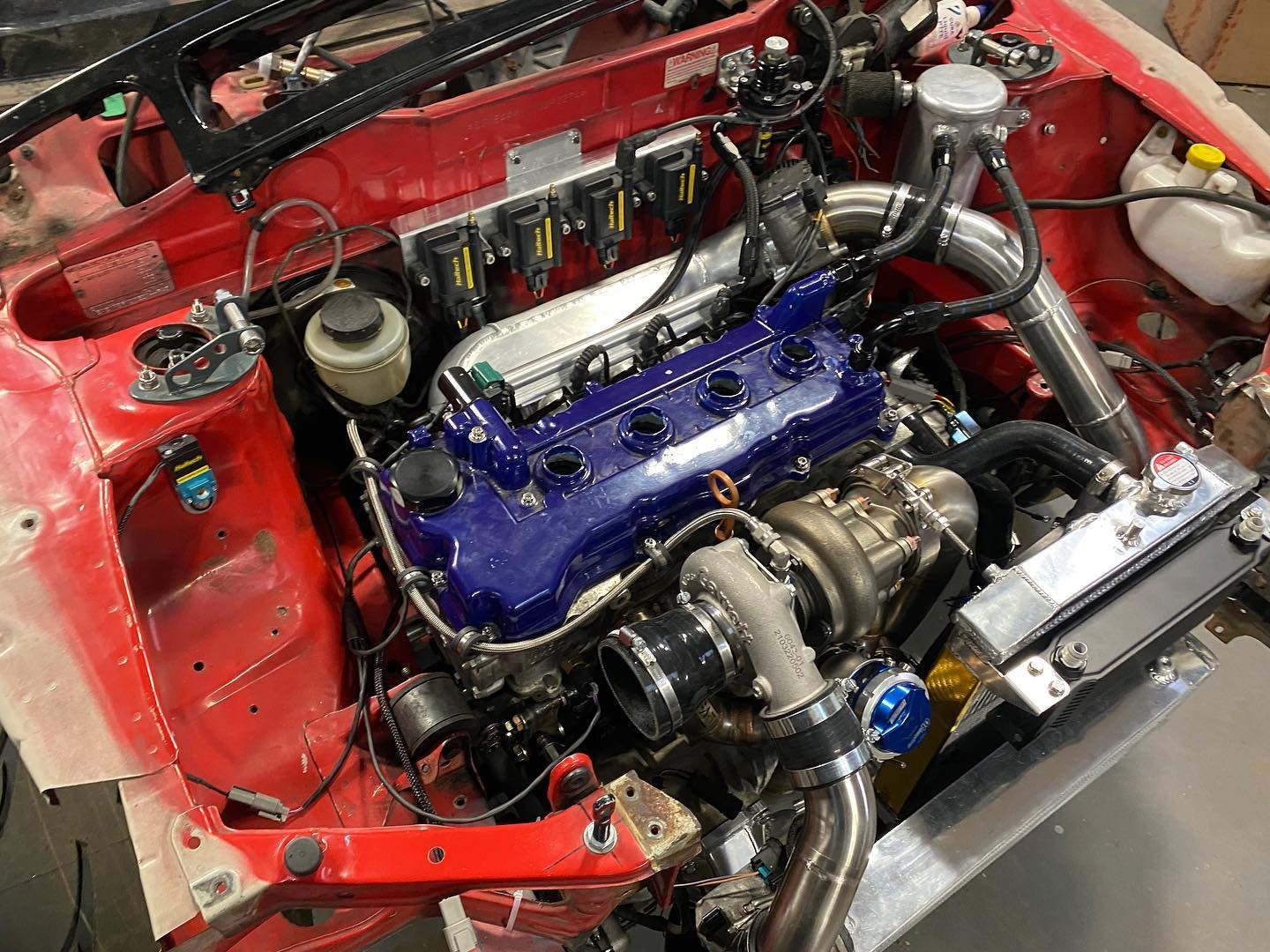
4. Nissan QG15DE
The Nissan QG15DE is a 1.5-litre, four-cylinder petrol engine that has been fitted in models such as the Nissan Sunny, Almera, and Wingroad. Over the years, it has earned a solid reputation for being straightforward in design, economical to run, and less prone to frequent major faults. Many drivers value it for its combination of low operating cost and dependable day-to-day performance.
One of the main reasons it stays reliable is its simple engineering. The QG15DE makes use of a timing chain instead of a belt, which means there is no need for costly periodic belt replacements. The engine is also free from unnecessarily complicated electronic systems that can fail and require expensive repairs. Because of this, there are fewer components that could lead to sudden breakdowns.
When given regular oil changes and proper attention to the cooling system, this engine is known to achieve high mileage without losing smooth operation. Its fuel economy remains steady even after years of use, making it attractive for those who want to save on running costs. Spare parts are easy to source due to the engine’s presence in many markets, and most mechanics are familiar with its layout, which keeps labour charges reasonable.
Problems that do occur are often minor. These can include faulty sensors, slight oil seepage from gaskets, or small coolant leaks. Such issues are inexpensive to repair and rarely lead to deep internal damage. The QG15DE also performs well on a range of fuel grades, adding to its reliability in areas where high-octane petrol is not readily available.
Owners who keep up with basic servicing find that this engine offers consistent power delivery even with daily stop-and-go city driving. Its longevity and low maintenance needs make it an appealing option for anyone seeking a durable yet budget-friendly engine.

5. Mazda SkyActiv-G 2.0
Mazda’s SkyActiv-G 2.0-litre petrol engine was created with a focus on blending strong fuel efficiency with long-lasting reliability. It is found in popular models like the Mazda3, Mazda6, and Mazda CX-5.
Mazda developed this engine with a high compression ratio to improve combustion and get more power from every drop of fuel. While high compression can often cause extra stress on engine parts, Mazda’s engineering ensures that the SkyActiv-G 2.0 handles it without sacrificing durability.
One of the design strengths of this engine is the reduced number of moving parts in certain sections. This means fewer wear points and a lower chance of mechanical failures. Instead of a timing belt, it uses a timing chain that typically lasts for the lifetime of the engine, which removes the need for costly belt replacements. The cooling system is well-built, keeping temperatures stable even under demanding driving conditions, which helps to prevent serious problems such as head gasket failure.
Owners often report that with regular servicing and quality oil changes, the SkyActiv-G 2.0 can cover very high mileage without any major repairs. It performs efficiently on regular petrol and maintains consistent power delivery over the years. The most common issues tend to be minor ones, like gasket seepage or faulty sensors, which are affordable and quick to replace.
Another advantage is its smooth and quiet operation. Whether on highways or in city traffic, the engine delivers a refined driving experience with minimal vibration. Mechanics appreciate that it is relatively easy to access and service, and replacement parts are readily available due to its wide use across global markets.
For drivers looking for a modern yet dependable engine that can serve for many years without draining their budget on repairs, the Mazda SkyActiv-G 2.0 stands out as a smart and reliable choice.
Affordable Engines That Often Require Major Repairs
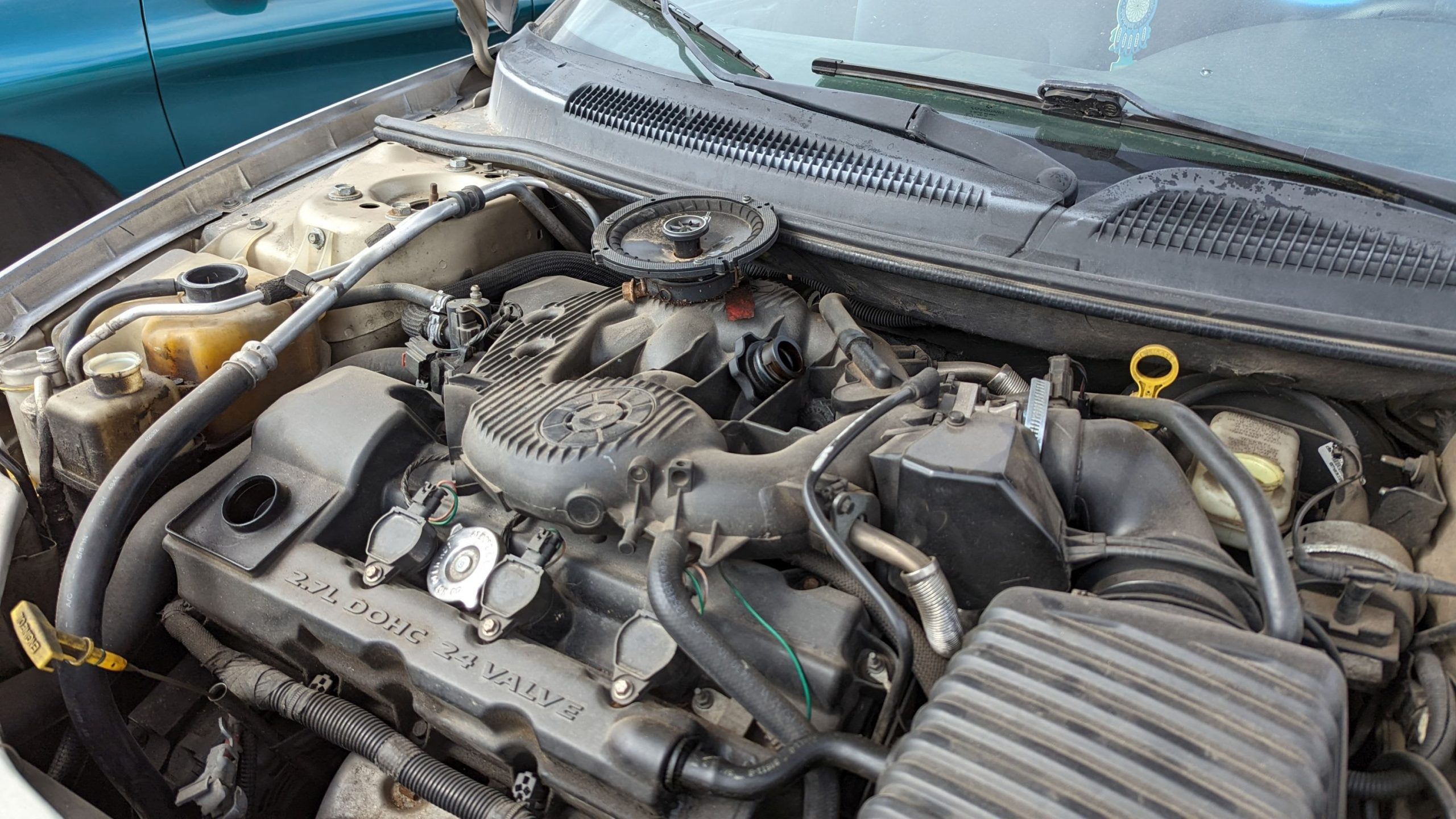
1. Chrysler 2.7L V6
The Chrysler 2.7-litre V6 engine was used in several models, including the Dodge Intrepid, Chrysler Sebring, and Dodge Stratus. While it promised decent performance on paper, many owners soon discovered that it could be one of the most troublesome engines to maintain over the years.
One of the most frequent issues with this engine is its oil sludge problem. If oil changes are not carried out more frequently than the manufacturer recommends, sludge builds up inside the engine and blocks vital oil passages. This can cause severe internal damage, including failure of the timing chain and even complete engine seizure. Many owners have faced full engine replacements because of this.
The design of the cooling system has also been a source of frustration. Internal coolant leaks can occur from a failed water pump, and in this engine, the water pump is located inside the timing chain housing. This means coolant can leak directly into the engine oil, contaminating it and causing catastrophic wear. Repairing this issue is expensive because it requires major disassembly.
Another concern is the high cost of even minor repairs. Accessing many components involves labour, which drives up maintenance bills. Mechanics often warn prospective buyers to avoid this engine unless they are prepared for frequent servicing and to use only high-quality oil and coolant.
While some owners have managed to keep their 2.7L V6 running for long periods by performing oil changes far more frequently than recommended, the fact remains that its design leaves little room for neglect. Even careful owners have reported sudden failures. For buyers looking for affordable, low-maintenance engines, this one rarely meets expectations.
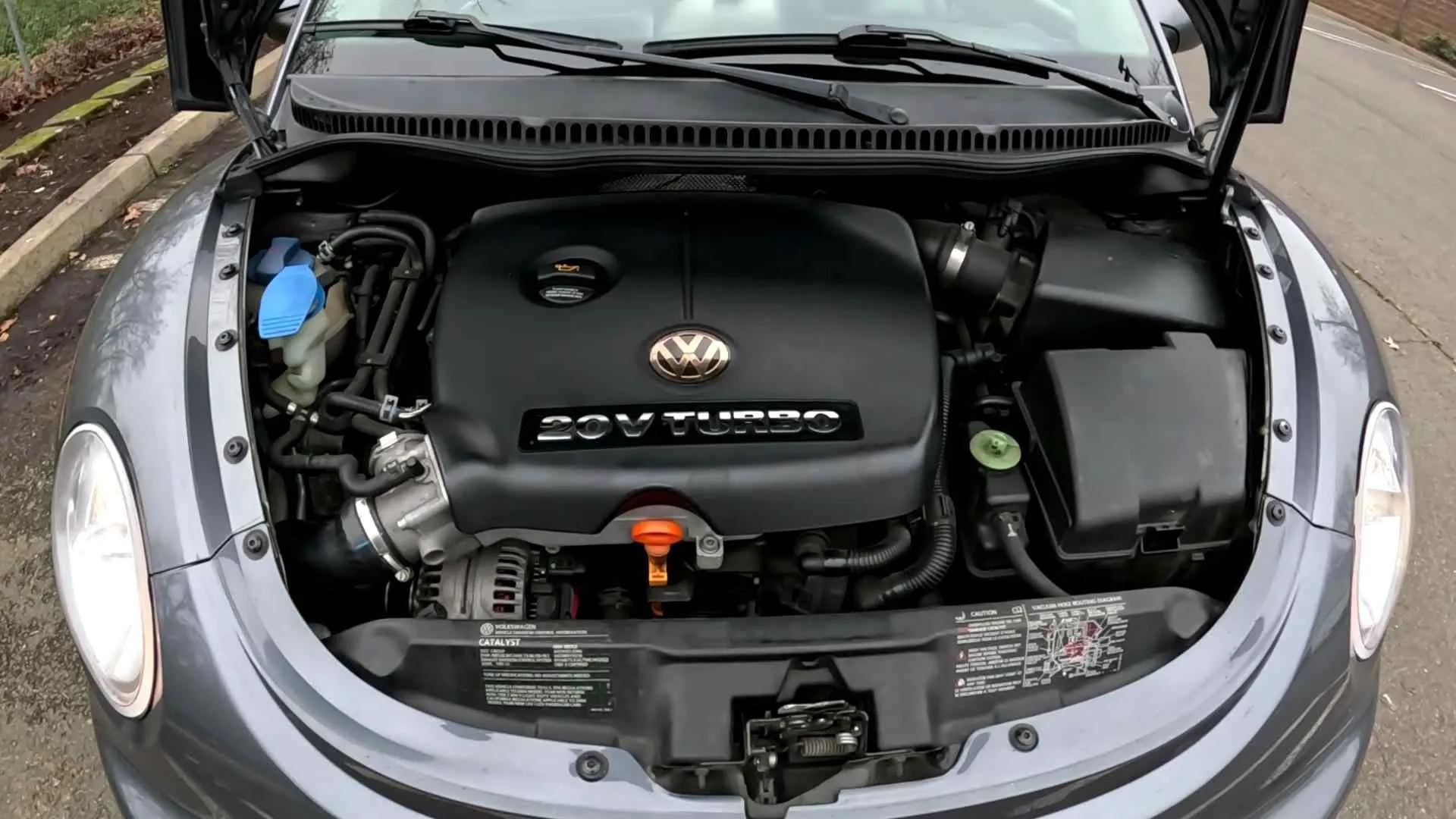
2. Volkswagen 1.8T (Early Models)
Volkswagen’s early 1.8-litre turbocharged four-cylinder engine, used in models like the Passat, Jetta, and Audi A4, has a mixed reputation. When maintained perfectly, it can deliver strong performance. However, in practice, many owners have found that it demands more care and money than most engines in its size class.
One of its major issues is sludge build-up, especially in the first production years. The combination of small oil capacity, turbocharger heat, and long service intervals recommended by the manufacturer made the engine prone to thick sludge formation. This restricts oil flow and can lead to rapid wear on critical internal parts.
Turbocharger failure is another common problem. Because the turbo runs very hot, oil supply issues or poor-quality oil can cause its bearings to fail. Replacing the turbocharger is not cheap, and in many cases, the failure leads to further engine damage.
Timing belt maintenance is also critical with this engine. If the belt or tensioner fails, the pistons and valves can collide, causing major internal destruction. Volkswagen’s maintenance schedule calls for replacement at strict intervals, but some owners have ignored this, resulting in total engine loss.
Early 1.8T engines are also known for coil pack failures and oil leaks from the valve cover and cam seals. While these repairs are not as expensive as a turbo replacement, they can become frustrating because they occur more often than expected.
Owners who have kept these engines in good condition usually stick to shorter oil change intervals and use only synthetic oil. Even then, the combination of high heat and sensitive components means it is not an engine that forgives neglect. For budget-minded drivers, the cost of keeping an early 1.8T healthy can outweigh the car’s value.
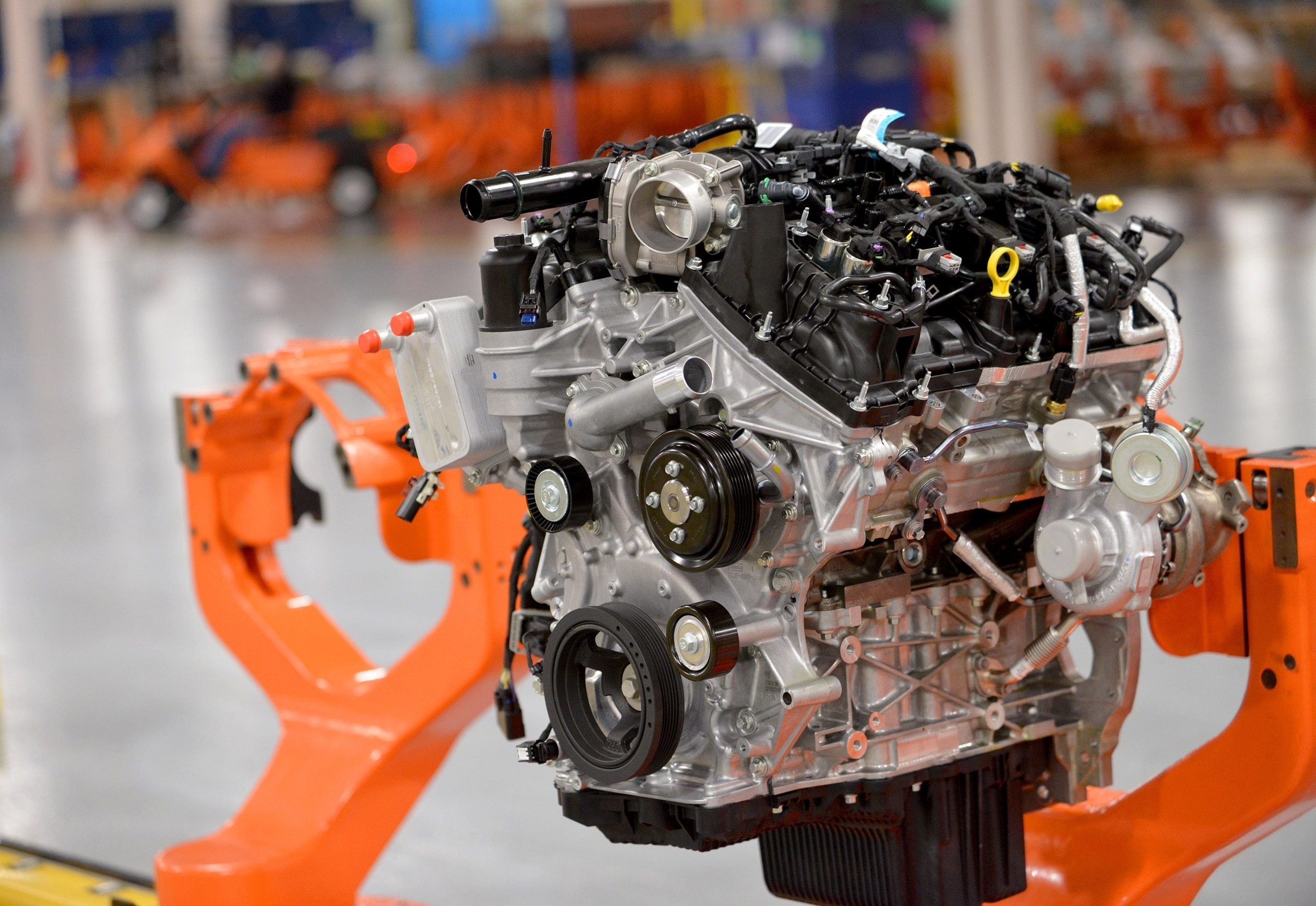
3. Ford 1.6L EcoBoost (Early Versions)
The 1.6-litre EcoBoost from Ford was intended to combine good fuel economy with turbocharged performance. It was fitted in models like the Ford Escape, Fiesta ST, and Fusion. Unfortunately, early versions of this engine have been linked to a number of costly problems.
One of the most serious issues involves overheating due to coolant leaks. In some cases, the leaks were so severe that the engine block cracked, requiring full replacement. Ford eventually issued recalls for certain models, but many owners had already faced expensive repair bills.
Turbocharger-related problems have also been common. The turbo on this engine operates at high pressures, and if the oil supply is restricted or contaminated, the turbo bearings can fail. This results in loss of power and requires a costly replacement.
The cooling system design has been criticised for its vulnerability. Small leaks can quickly lead to overheating, and because the 1.6 EcoBoost runs hot under normal conditions, it has little tolerance for cooling failures.
Another concern is carbon build-up on intake valves due to the direct injection fuel system. After a while, this can cause rough running, misfires, and loss of performance. Cleaning the valves is labour-intensive and adds to ownership costs.
While later versions of the 1.6 EcoBoost addressed some of these issues, the early models have earned a reputation for high maintenance demands. For buyers looking for a trouble-free small engine, it often proves to be a disappointing choice.

4. Subaru EJ25 (Certain Years)
The Subaru EJ25 2.5-litre engine, used in models like the Outback, Forester, and Impreza, has a strong fan base for its performance and all-wheel-drive capability. However, certain production years of this engine have been plagued by expensive problems, most commonly head gasket failure.
The head gasket issue typically starts as an external coolant or oil leak, but can progress to internal leaks that cause overheating and engine damage. In many cases, the failure occurs well before 100,000 miles, leading to high repair costs.
The boxer engine layout of the EJ25 makes repairs more labour-intensive. Accessing the head gaskets requires removing the engine from the car, which drives up labour charges. Even after replacement, some owners have reported repeat failures if the repair was not done with upgraded gaskets and proper torque settings.
Other issues include oil leaks from the cam seals and crankshaft seals, as well as timing belt failures if maintenance is delayed. Because the engine sits low and wide in the engine bay, some leaks are hard to spot until they have caused further damage.
While Subaru improved the gasket design in later versions, many older models still on the road carry the risk of costly repairs. For drivers willing to keep up with maintenance and address small leaks immediately, the EJ25 can last a long time, but for those seeking minimal repair bills, it is not the most forgiving option.
Also Read: 5 Engines That Handle High RPMs and 5 That Break When Revved
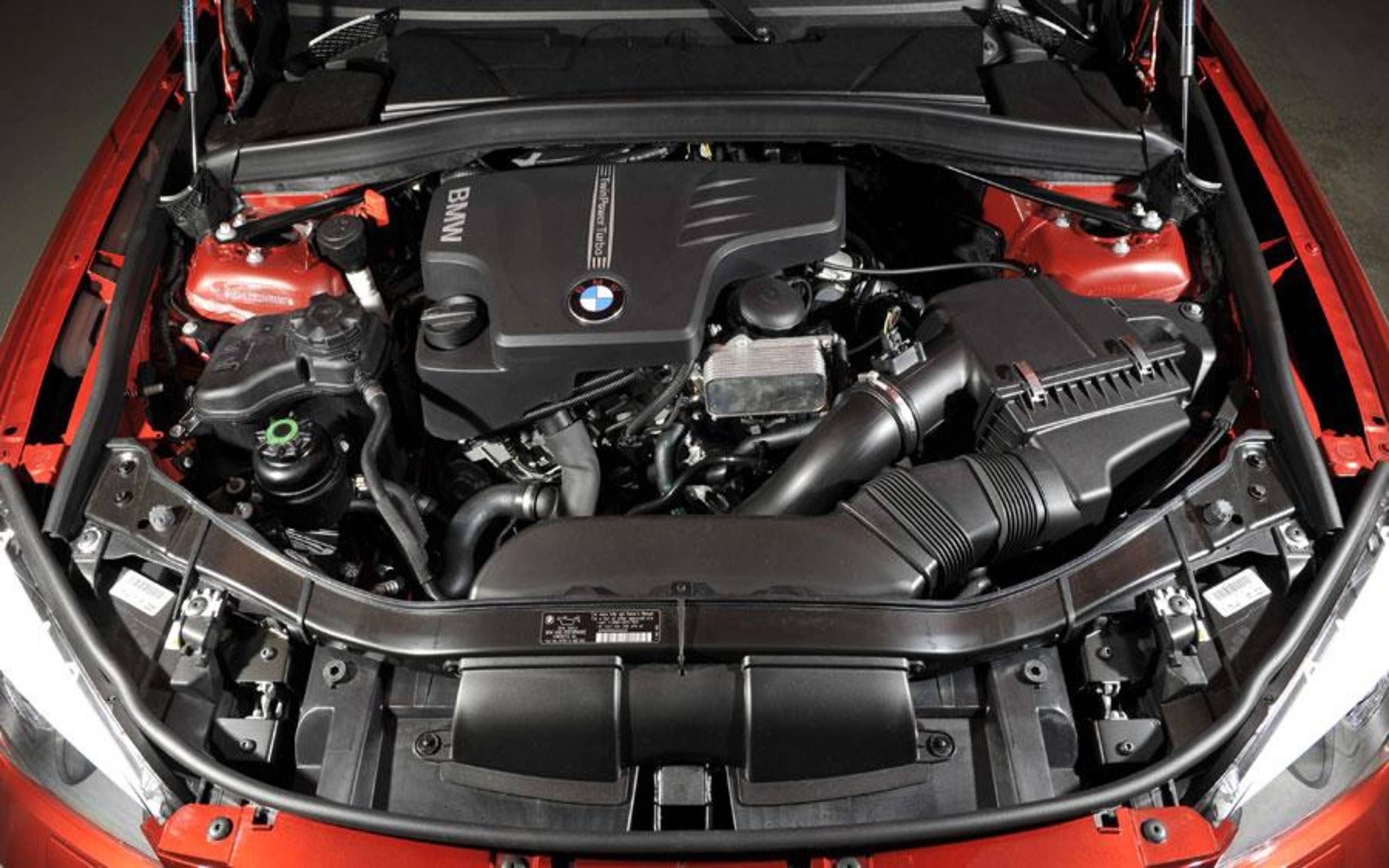
5. BMW N20
The BMW N20 is a 2.0-litre turbocharged four-cylinder engine used in models like the 3 Series, X3, and Z4. It offers strong performance and good fuel economy for its class, but it has gained a reputation for certain expensive failures.
One of the most serious issues is timing chain wear. In some cases, the chain and its plastic guides wear out prematurely, causing a rattling noise and risk of catastrophic failure. If the chain breaks or jumps teeth, the valves and pistons can collide, destroying the engine.
The high-pressure fuel pump and turbocharger are also common failure points. Replacing either is expensive, and a failed turbo can lead to additional problems like oil contamination.
Oil leaks from the valve cover, oil filter housing, and oil pan gaskets are widespread. While these may seem minor, the repair costs are high due to the amount of labour required to reach the seals.
Another concern is the engine’s sensitivity to oil change intervals. BMW’s extended intervals can lead to sludge build-up and accelerated wear on internal parts. Many independent mechanics recommend changing the oil more often, but owners who follow the factory schedule sometimes face costly repairs earlier than expected.
While the N20 can deliver an enjoyable driving performance, keeping it reliable often requires above-average maintenance spending. For budget-conscious buyers, the long-term costs can be hard to justify.
An engine that is built for durability and requires only routine servicing can keep a car running for many years without draining the owner’s budget. The five reliable options discussed earlier prove that even affordable engines can deliver impressive longevity when designed with simplicity, strong components, and efficient cooling systems.
They reward consistent maintenance with steady performance, good fuel economy, and fewer visits to the workshop. On the other side, the five engines known for frequent major work highlight the importance of careful research before buying a car.
While some of these engines offer good performance or appealing technology, their tendency to suffer from costly issues can quickly outweigh those benefits. Problems like internal coolant leaks, sludge build-up, timing chain failures, or head gasket breakdowns often require expensive repairs that could have been avoided with a different choice from the start.
Car buyers and owners can protect themselves from unnecessary stress by paying close attention to the track record of an engine before making a purchase. Speaking to experienced mechanics, checking maintenance histories, and learning about known weaknesses can help in making a decision that matches both driving needs and budget limits.
It is also worth noting that even the most dependable engines still require regular care. Oil changes, cooling system checks, and the use of quality fluids are basic steps that can extend engine life, prevent small problems from becoming bigger ones, and maintain resale value.
The smartest choice is a balance between proven reliability, affordable upkeep, and performance that meets the driver’s lifestyle. With the right engine, vehicle ownership becomes less about constant repairs and more about enjoying the drive.
