
Electric vehicles have changed how people think about cars, especially for those who care about energy use and long-term savings. Many buyers no longer see a car as just a short-term purchase but rather as an investment that should give dependable service for a long period.
A regular car powered by petrol or diesel usually lasts well if properly serviced, but electric cars often raise questions about durability because they depend on batteries and advanced technology. People want to know which models can keep working strongly after ten years and which ones may give trouble long before then.
Car buyers are careful now because they do not want to spend thousands of dollars on a car that will break down after only a few years. This is why comparing strong electric cars with those that lose performance too early is very important.
The conversation around durability is no longer limited to battery size or driving range, but also encompasses how the entire car performs when subjected to rigorous testing over many years. For some brands, the engineering and planning have paid off, while for others, early design weaknesses have created problems for users.
By looking at real experiences from long-time drivers and checking how these cars perform after years of use, one can separate the dependable options from those that disappoint quickly. This helps future buyers avoid mistakes and also rewards manufacturers who put effort into building cars that stand the test of time.
Here, we will look at five electric cars that can still perform strongly after ten years of use and five models that often fail to last even half of that time. Each car has been reviewed carefully to give a clear picture of what buyers can expect when they choose one.
5 Electric Cars That Still Work Well After 10 Years
1. Tesla Model S
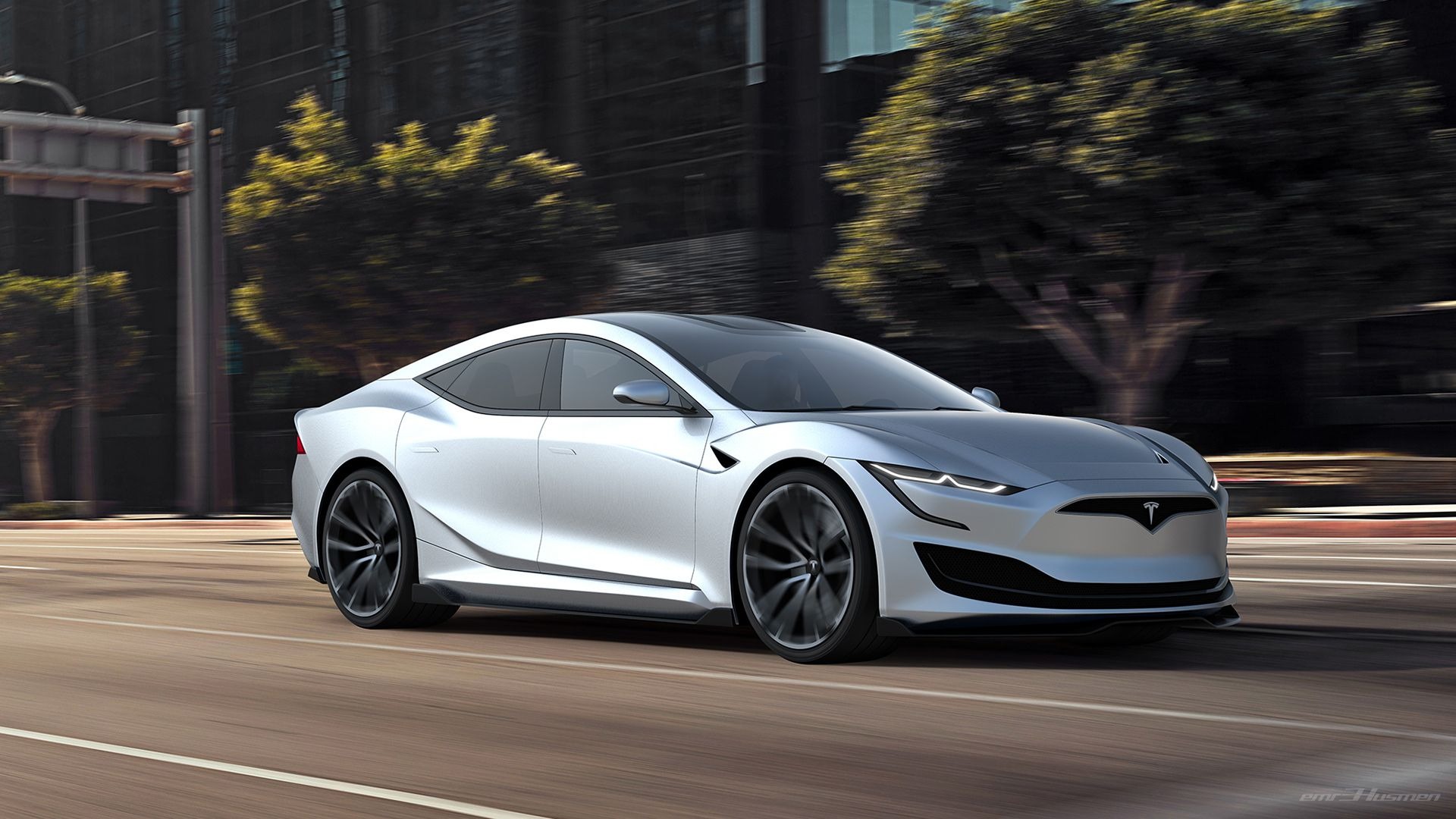
When Tesla first introduced the Model S, many people were not sure if an electric car could truly last long without facing heavy problems. Yet, years later, the Model S has proven to be one of the most durable electric cars in history.
Its battery pack was built with long-distance driving in mind, and it is not unusual to see owners who still maintain up to 80 percent battery strength after more than a decade. That kind of performance is rare in electric cars of its generation.
The Model S is also helped by Tesla’s software updates, which allow older cars to continue receiving modern features without requiring a new model. This kind of support keeps the car fresh and reduces the risk of becoming outdated too quickly.
Owners have also reported that the electric motors in the Model S rarely fail, giving them peace of mind for daily use even after several years. The interior may sometimes show signs of wear, especially in early models, but the driving quality remains strong.
One of the main reasons why the Model S lasts is that Tesla invested heavily in battery management technology. By controlling how the battery charges and discharges, Tesla made sure it would not lose strength too quickly.
Many owners who drive long distances daily still see reliable performance after a decade. This makes it one of the safest bets for anyone who wants an electric car to last.
Buyers should still be aware that repair costs for things like door handles or screen replacements can be expensive. Yet, the fact that the main electric system and battery continue to serve well after ten years makes the Model S one of the best examples of durability in modern electric driving.
2. Nissan Leaf
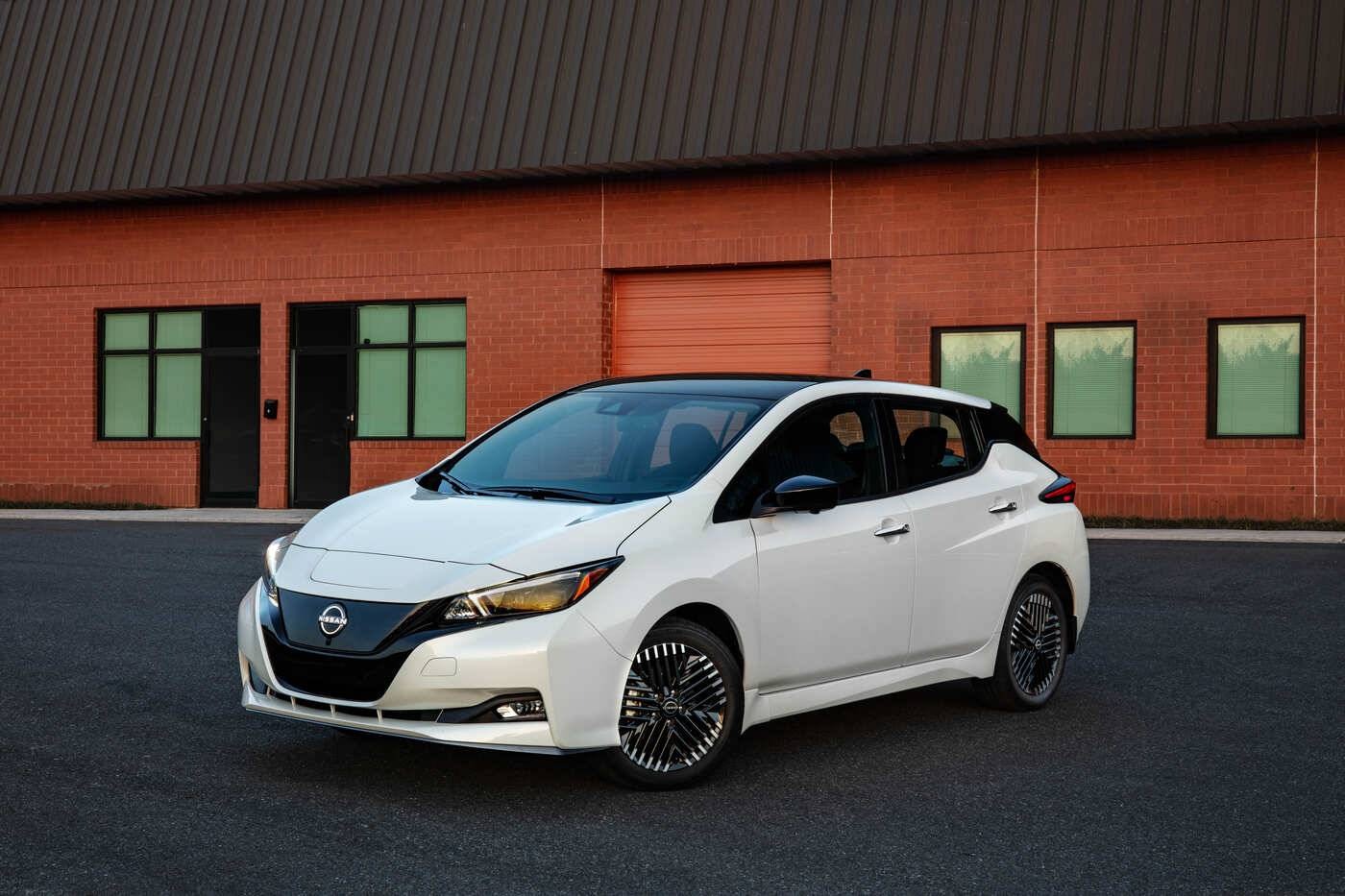
The Nissan Leaf is another electric car that has proven to hold its value in terms of durability. Even though it started as one of the most affordable electric cars on the market, it has aged surprisingly well.
Early owners who took proper care of their batteries are still driving their Leafs after more than a decade. Many of them only experience moderate drops in driving range, which is expected with any electric car.
One reason the Leaf stands strong is its simple design. Unlike more complicated cars, the Leaf does not rely heavily on complicated systems that could break easily.
Its electric motor is dependable and has a history of lasting for many miles without giving problems. While the first models had a limited range compared to newer options, they still run well for drivers who mostly use them for daily city driving.
The battery technology in the Leaf has seen some improvements after some time, but even the first-generation models show good durability when driven carefully.
Owners who avoid constant fast charging usually keep their batteries in better condition for longer. Reports from long-time users show that while the Leaf may not deliver luxury features, it provides steady performance and dependability.
Maintenance is also cheaper compared to bigger electric cars. Replacement parts for the Leaf are widely available, and servicing is not as costly.
This is one reason why many people continue to recommend the Leaf as a practical electric car for those who want long service life without heavy repair bills. After ten years, many Leafs are still active on the road, proving that this car can serve for a long period if treated properly.
Also Read: 5 EVs With Bulletproof Tech and 5 With Glitchy Systems
3. Chevrolet Bolt EV
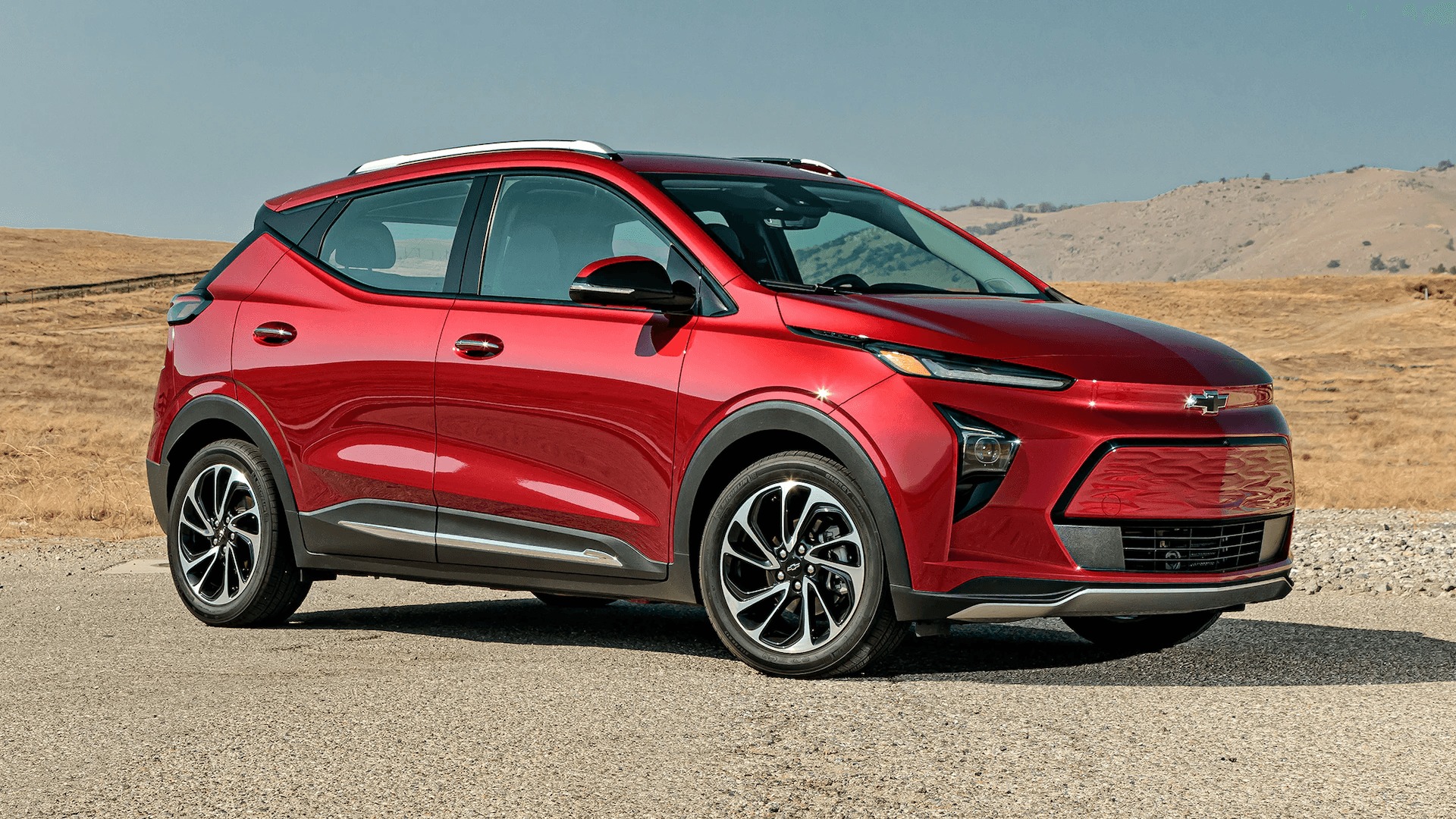
General Motors built the Chevrolet Bolt EV with the goal of giving drivers a reliable, affordable, and long-lasting electric car. Since its release, the Bolt has impressed drivers with how well it performs even after several years of heavy use. Owners who purchased the car early are still driving it today without major battery failures.
The Bolt is known for its solid driving range, which has remained fairly stable even after many years. While small losses in range do happen with time, it does not affect the Bolt’s ability to serve as a daily car.
Drivers often report that after nearly a decade of use, their Bolt can still cover long distances without issues. This makes it a good option for those who want both affordability and durability.
Battery safety was once a concern when GM recalled some models for potential fire risks. However, after the company replaced the affected batteries, most drivers experienced no further problems.
The updated battery packs have shown great endurance and give confidence to users who plan to keep their car for a decade or more. Beyond the battery, the Bolt has a strong electric motor that rarely fails. It also requires very little maintenance compared to petrol-powered cars.
This low-cost upkeep helps many families enjoy the car for a longer period. For those who value dependability over luxury, the Chevrolet Bolt EV is one of the electric cars that has truly proven it can survive well beyond ten years with proper use.
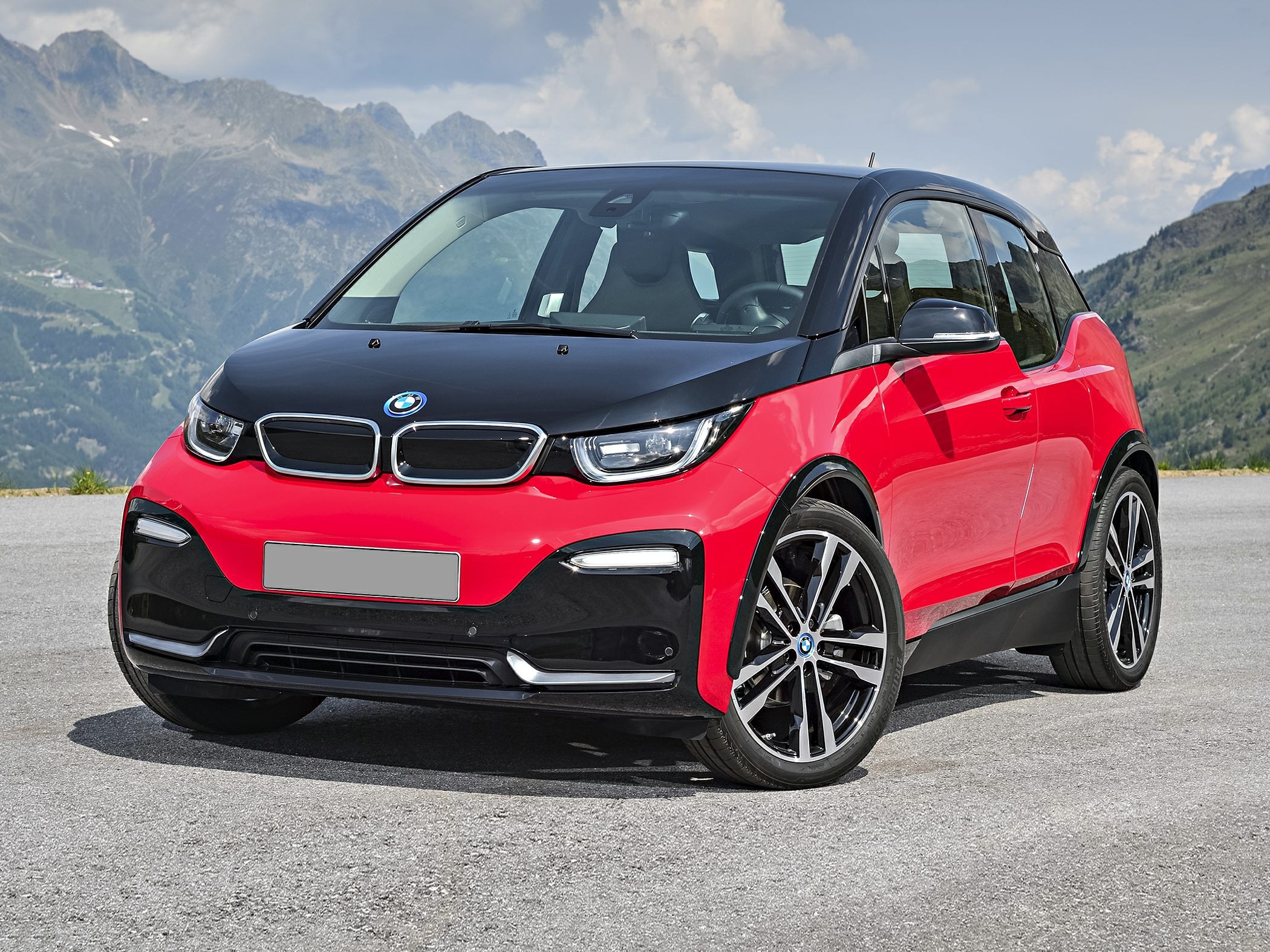
4. BMW i3
BMW’s i3 may not be one of the most common electric cars on the road, but it has earned a reputation for lasting longer than many of its rivals. When it was first introduced, the i3 stood out with its unusual shape and advanced materials, making it very different from what buyers were used to seeing in electric vehicles.
Its design and construction emphasized lightweight, efficient energy use and strong battery management. Even though production has now ended, the i3 continues to show dependable performance, with many units still running strongly after a decade or more.
One of the features that set the i3 apart was the optional range extender version. This model came with a small petrol engine that worked to charge the battery when it was running low. This system did not power the wheels directly but provided backup energy to keep the car going.
By reducing deep battery discharge cycles, the range extender helped many owners preserve battery life. Reports from long-term users confirm that the i3’s battery capacity holds up well, maintaining good performance even after years of use.
Another major strength of the i3 is its unique body construction. The car was built using carbon-fiber reinforced plastic, a material that is both strong and lightweight.
Unlike traditional steel bodies that can rust or wear out after some time, this material resists corrosion and keeps the car’s structure in good condition for much longer. For many owners, this has meant that even as the car ages, it still looks and feels solid.
Its compact size and nimble handling also make it a favorite for city driving, where quick movement and easy parking matter. The i3’s interior also reflects BMW’s focus on quality. The cabin makes use of durable materials that stay attractive and comfortable even after years of daily use.
Owners often say that the inside of the car ages gracefully compared to other electric vehicles. When these factors are combined with the efficient battery system, the result is a car that can confidently last beyond ten years. The BMW i3 may have an unusual design, but its durability and strength prove it was engineered with long-term use in mind.
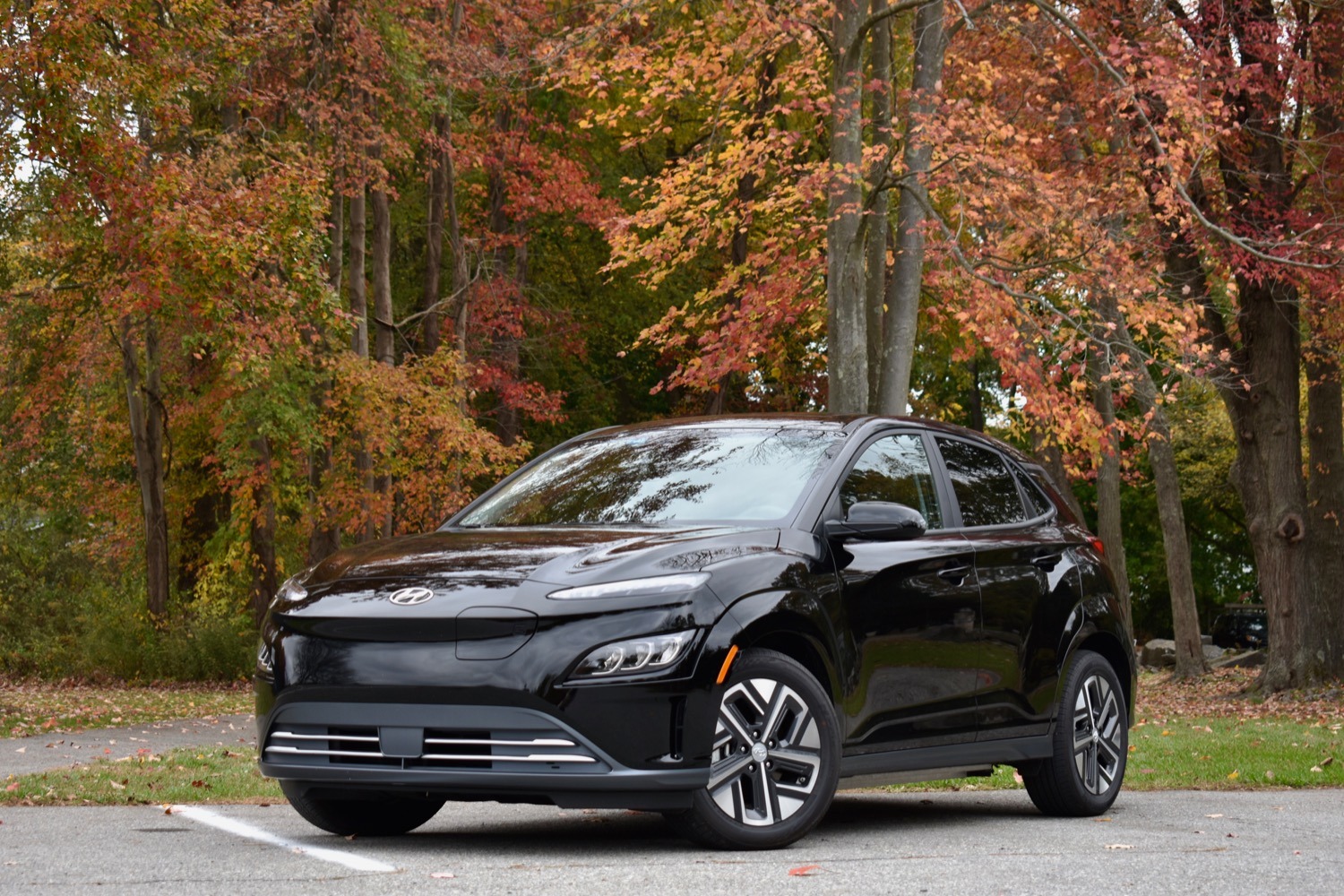
5. Hyundai Kona Electric
Hyundai has gained respect for building electric cars that are both reliable and practical, and the Kona Electric is a good example.
Many early owners still use their cars daily after several years, with battery health staying strong. This car was designed with long-term use in mind, and Hyundai’s warranty coverage gave many buyers peace of mind that extended well into a decade.
The Kona Electric is praised for its battery management system, which prevents the kind of deep wear that destroys other electric car batteries too quickly.
Drivers often report that after many years of use, their Kona still keeps a high percentage of its original range. This makes it dependable for long commutes and regular city driving.
Maintenance costs are also friendly compared to bigger electric cars. Hyundai provides reliable servicing, and replacement parts are not as expensive. Owners say that the Kona requires little attention beyond basic care, which helps it stay on the road for many years without stress.
Its interior is also built to last, with comfortable seating and a design that remains appealing even after years of use. The driving experience is smooth, and the electric motor continues to perform strongly after long-term use. For buyers who want both affordability and lasting performance, the Hyundai Kona Electric is one of the strongest options available.
5 Electric Cars That Do Not Last Up to 5 Years
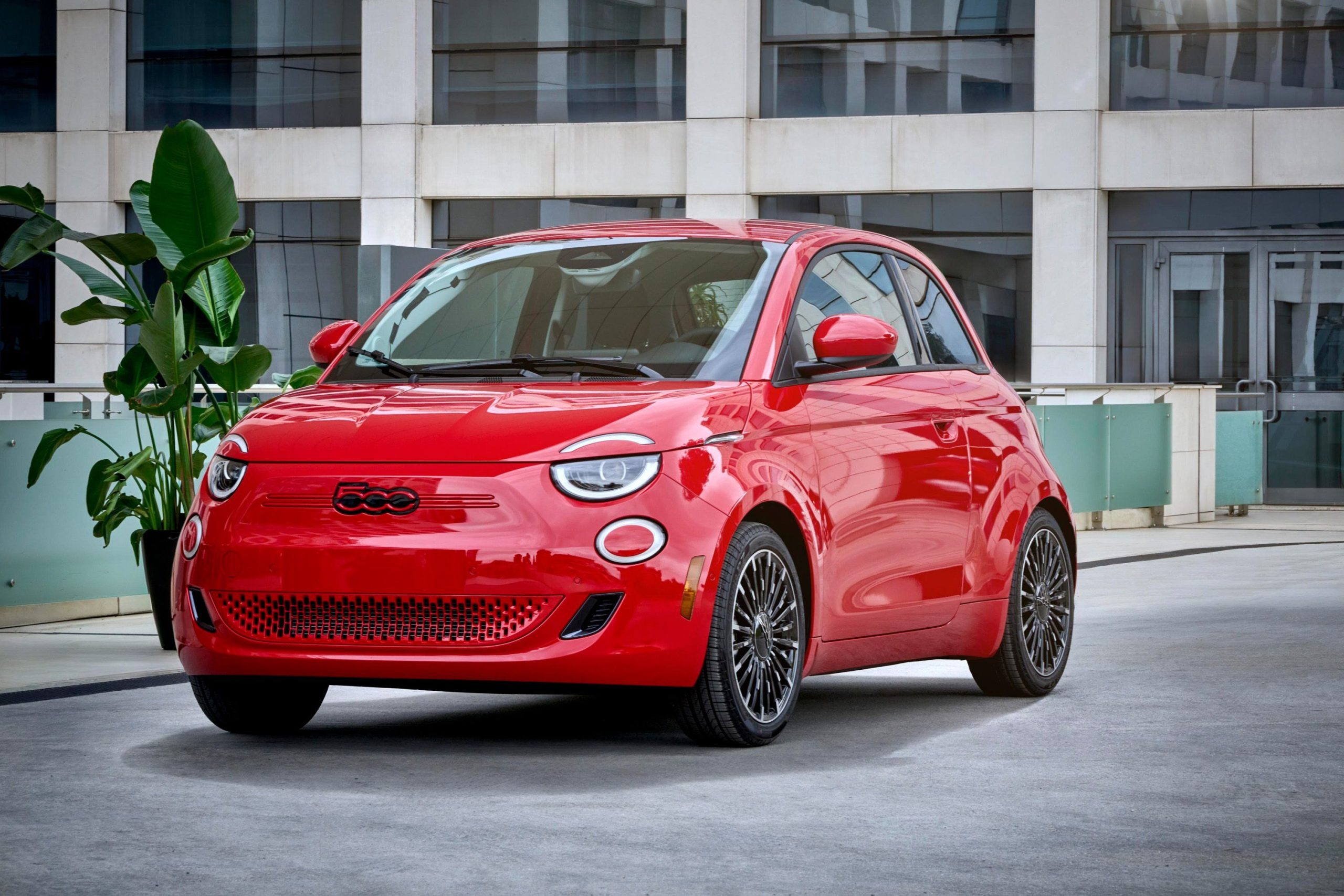
1. Fiat 500e
When Fiat launched the 500e, the company promoted it as a stylish and fun city car that brought electric driving into a small, fashionable package. The design was appealing, and many people were drawn to its compact size, which made parking and maneuvering in tight streets very easy.
At first glance, the 500e appeared to be a good choice for urban drivers who wanted something modern and different. Yet, when people began keeping it for more than a few years, the weaknesses of the car became very clear.
The biggest problem comes from the small battery pack that powers the 500e. From the beginning, the battery was not designed with long service life in mind. Owners soon discovered that within only a few years, their car lost a large part of its range, making it difficult to use for daily driving.
Some drivers even complained that before reaching the five-year mark, the car’s range had dropped so much that it could no longer meet basic commuting needs. This heavy decline meant that what once looked like a modern option quickly turned into a frustrating experience.
Beyond the battery issue, the 500e also faced troubles with its charging systems and general build quality. While it had a playful design and a fashionable look, the internal parts did not perform as strongly as buyers expected.
Repairs could be expensive, and Fiat did not provide strong long-term support for the model. Updates and improvements were limited, which left many owners feeling unsupported after their purchase.
Today, the Fiat 500e is mostly useful for very short trips within cities, but it cannot serve well as a dependable long-term electric car. It stands as an example of how some early electric cars were introduced without enough focus on durability, leaving many buyers disappointed.
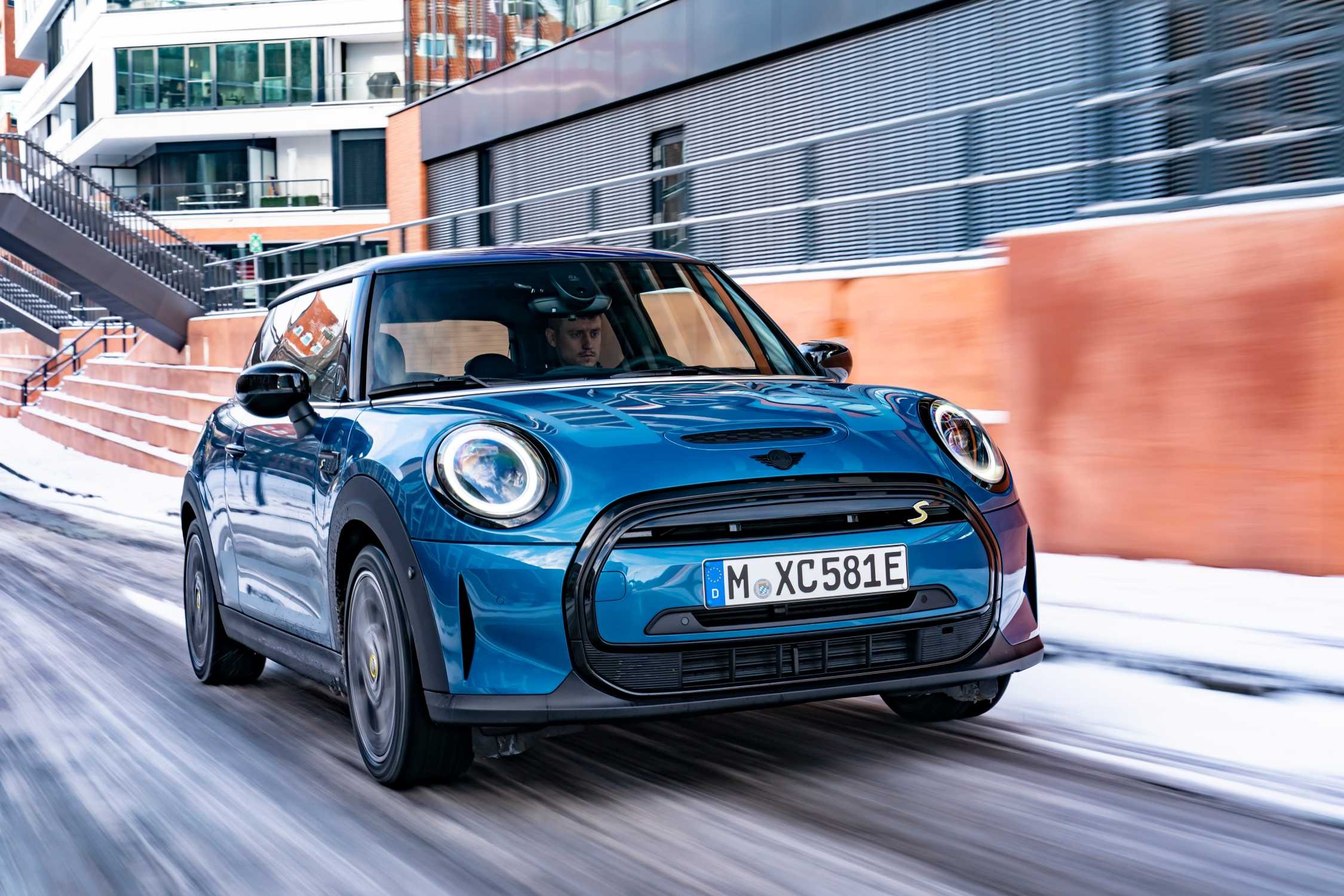
2. Mini Electric (Mini Cooper SE)
When BMW introduced the Mini Electric, also called the Mini Cooper SE, it attracted attention because of its stylish look and fun driving character. The car carries the same playful spirit that made the traditional Mini popular, but in electric form.
For city drivers who wanted a small, fashionable vehicle, it seemed like the perfect option. However, when people started keeping it for more than a few years, weaknesses began to show, especially in how long the battery could remain dependable.
Owners often point out that the small battery pack is the main reason the Mini Electric does not hold up well. Unlike larger electric cars with more powerful systems, the Mini’s pack is limited in size and struggles to maintain strength.
Many drivers reported losing as much as 20 percent of range even before the car reached its fifth year. This decline makes the car less useful for daily driving, particularly in areas where charging stations are not everywhere. Drivers who once enjoyed its fun nature quickly became frustrated with its short driving distance.
The build quality of the Mini Electric is fairly solid, and its interior feels modern with nice materials and technology. Yet, durability is not only about looks or comfort.
The fact that the driving range reduces too early makes the car less valuable for those who hoped to keep it for a decade. Some owners also mention that the charging speed is slower compared to newer electric vehicles, adding more frustration to the experience.
The Mini Electric may still suit drivers who only need a short-range city car and value style over long-term service life. But for buyers who expect ten years of steady performance, this model disappoints. It shows that design and driving fun cannot replace true durability in an electric vehicle.
3. Mitsubishi i-MiEV
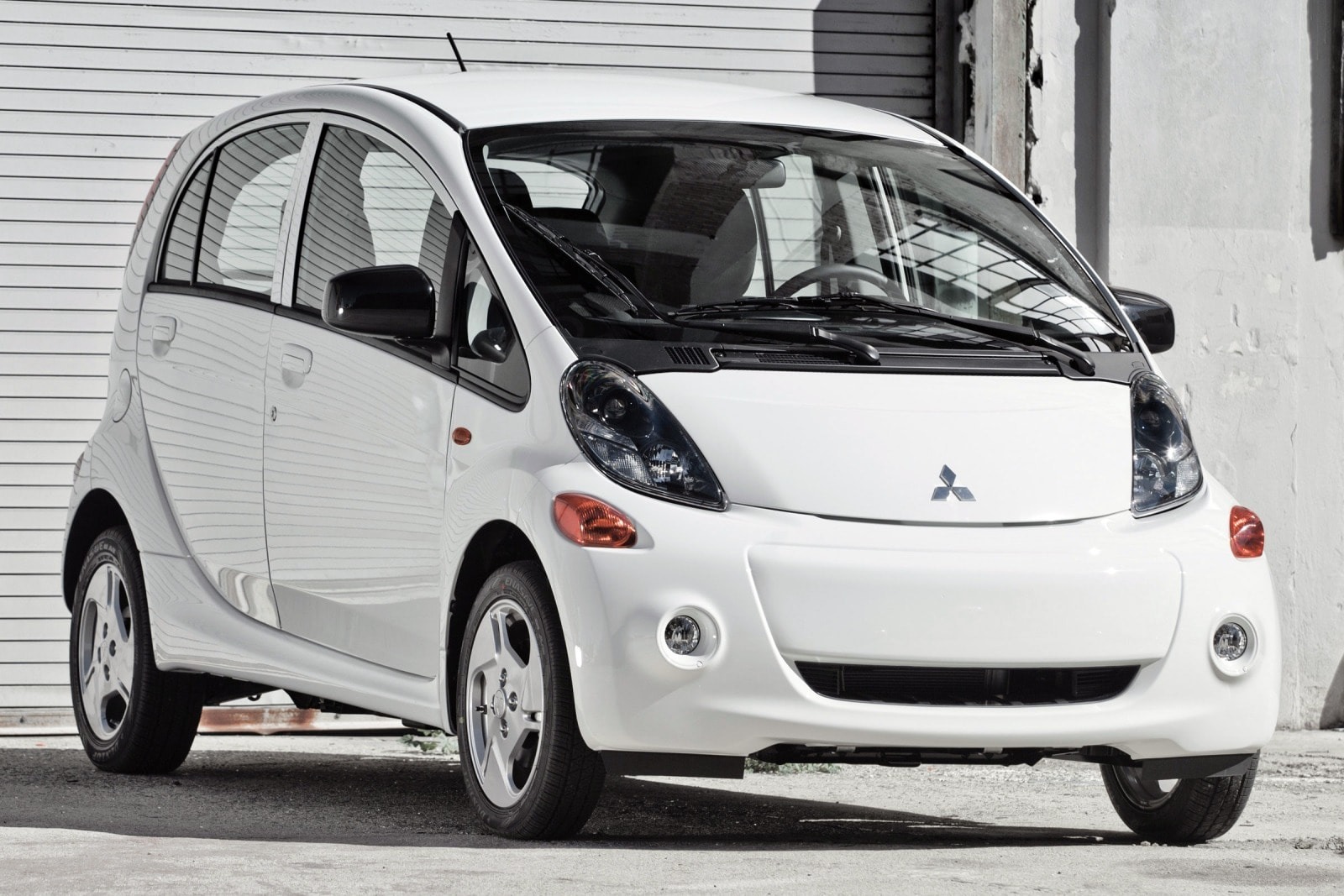
When the Mitsubishi i-MiEV entered the market, it carried the reputation of being among the first widely available electric cars. At that time, many buyers were excited by the promise of cleaner energy and lower running costs.
However, the car quickly showed that being early does not always mean being strong enough for long service. Owners who expected it to last close to a decade soon discovered that the i-MiEV loses performance much faster than other electric cars.
The most common complaint has always been the weak battery. From the start, the pack was small and did not have the kind of protection systems that newer electric cars use to keep batteries healthy.
As a result, heavy use and constant recharging damaged its capacity faster than expected. Many drivers reported that within only a few years, their range had fallen to levels that made the car almost impractical.
Some cars dropped to less than half of their original range in under five years, leaving users frustrated and unable to depend on the car for daily driving.
Apart from the battery, other parts of the i-MiEV also failed to meet long-term standards. The interior design felt basic and aged quickly compared to competitors.
The ride quality was also described as rough and less comfortable than what people expect from an electric car. Because Mitsubishi discontinued production of the i-MiEV, spare parts and service support also became difficult to find, which reduced the confidence of owners even further.
While the i-MiEV deserves recognition for showing that electric cars could be mass-produced, it failed to remain useful for long-term driving. Its short service life makes it one of the weakest choices for buyers who want reliability, proving that not every pioneer car can stand the test of time.
4. Smart EQ ForTwo
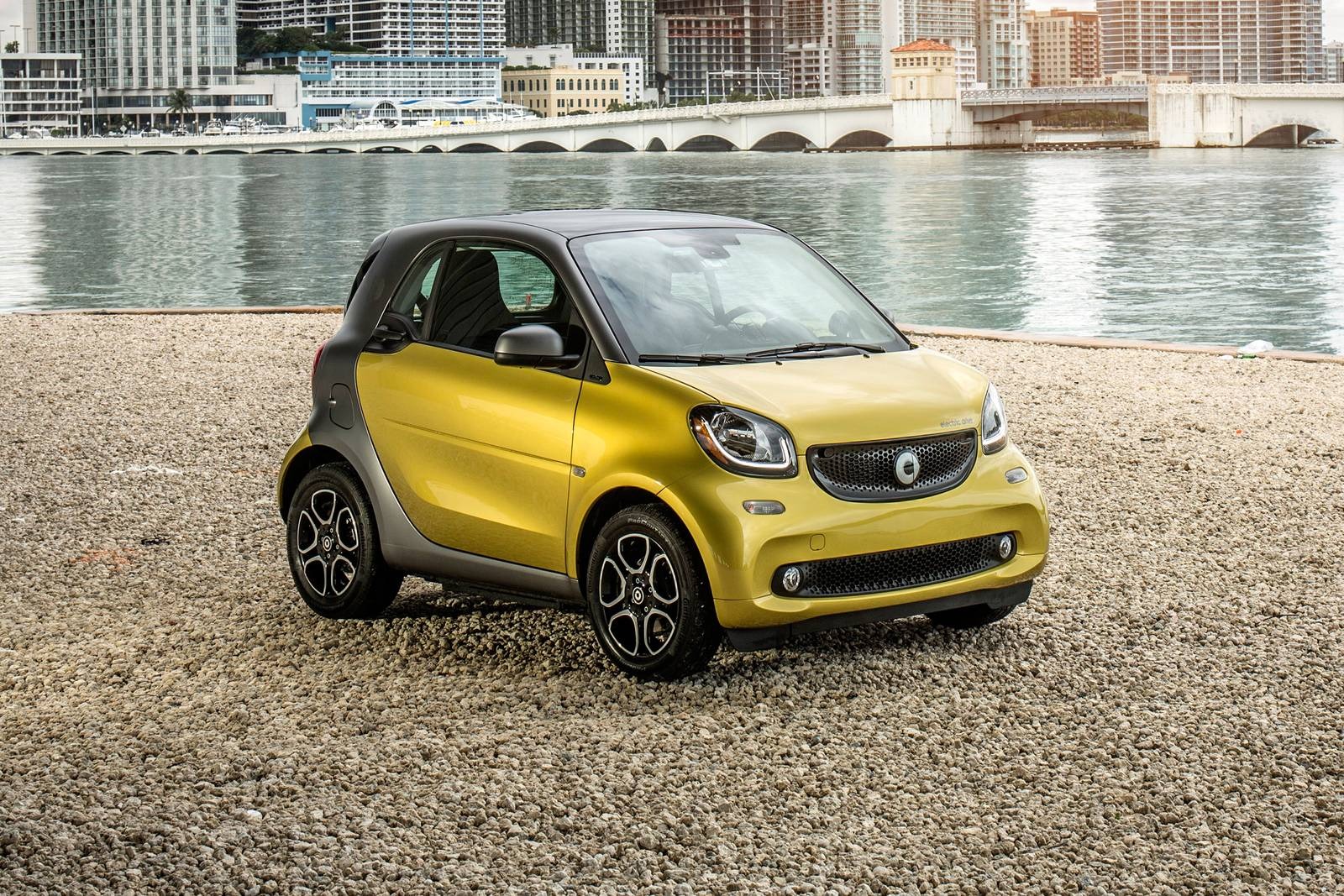
The Smart EQ ForTwo is popular for its tiny size and city-friendly design, but it is not a car built to last. Its very small battery cannot handle long-term use, and many drivers find themselves with very poor range after only a few years. This makes it hard to keep the car as a dependable daily option beyond five years.
The car is fun for short trips, but the lack of long service life makes it a poor investment. Owners report that charging problems and battery wear appear too quickly, leading to expensive repairs that are not worth the cost of the car. The fact that its battery capacity reduces so fast shows that durability was not the main focus during production.
Comfort is also limited since the car is very small. While it suits crowded cities, it does not provide the kind of long-lasting dependability that many buyers want from an electric vehicle. The Smart EQ ForTwo ends up being more of a short-term city car rather than a true long-term investment.
After five years, many units of this car lose so much range that they cannot serve their owners effectively. It stands as proof that size and design convenience do not guarantee long-term strength.
Also Read: 5 EVs That Rarely Get Recalls and 5 That Constantly Do
5. Honda Clarity Electric
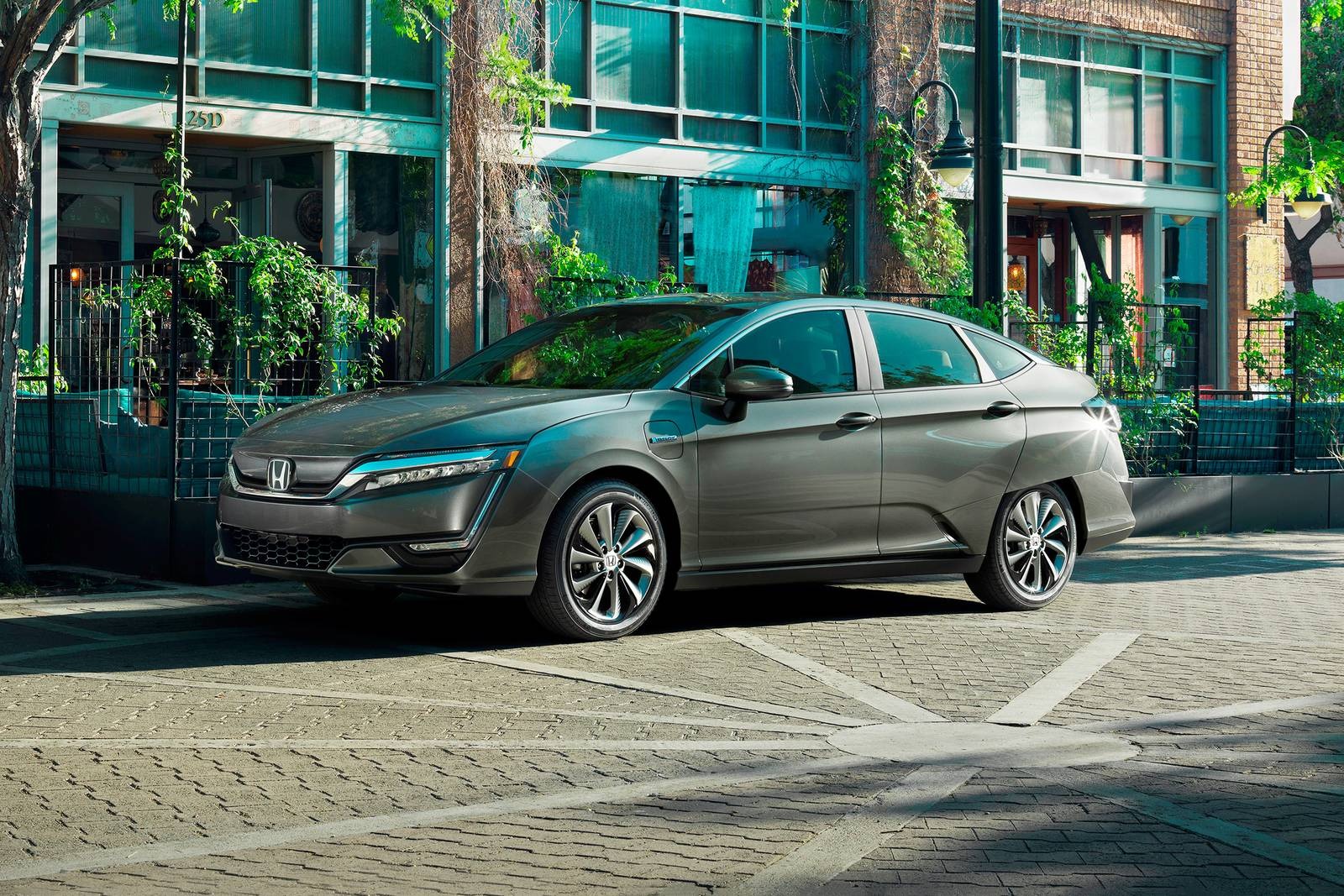
When Honda launched the Clarity Electric, expectations were high because the brand already had a strong history of making reliable vehicles. Buyers believed this model would carry the same reputation into the electric market.
At first, the car impressed people with its roomy cabin, smooth ride, and general comfort. Yet, after a few years of use, many owners started noticing that the battery and range performance did not meet the standard expected from a company like Honda.
The main issue lies in the car’s limited driving range. From the beginning, the Clarity Electric came with a relatively small battery pack that could not match the distance of competing electric cars. As the years passed, this problem only grew worse.
Many drivers reported that the battery began to lose strength quickly, leaving them with shorter trips than they originally enjoyed. Within five years, the car often struggled to provide a practical range, which made it hard to rely on for daily driving.
Another weakness is the limited availability of the car itself. Honda sold the Clarity Electric in only a few markets, which meant fewer updates, reduced service options, and less support for owners.
Without a wide customer base, the company did not invest in improving the battery system or extending its durability. This left many owners feeling as though they had bought a car that was quickly abandoned.
Although the design, interior space, and comfort level of the Clarity Electric are impressive, these strengths cannot balance out its short service life. Drivers who expected ten years of dependable use were disappointed when the car started losing value and performance much earlier.
Honda has since focused on developing other electric and hybrid models, leaving the Clarity Electric as a reminder that even trusted brands can release vehicles that do not last.
