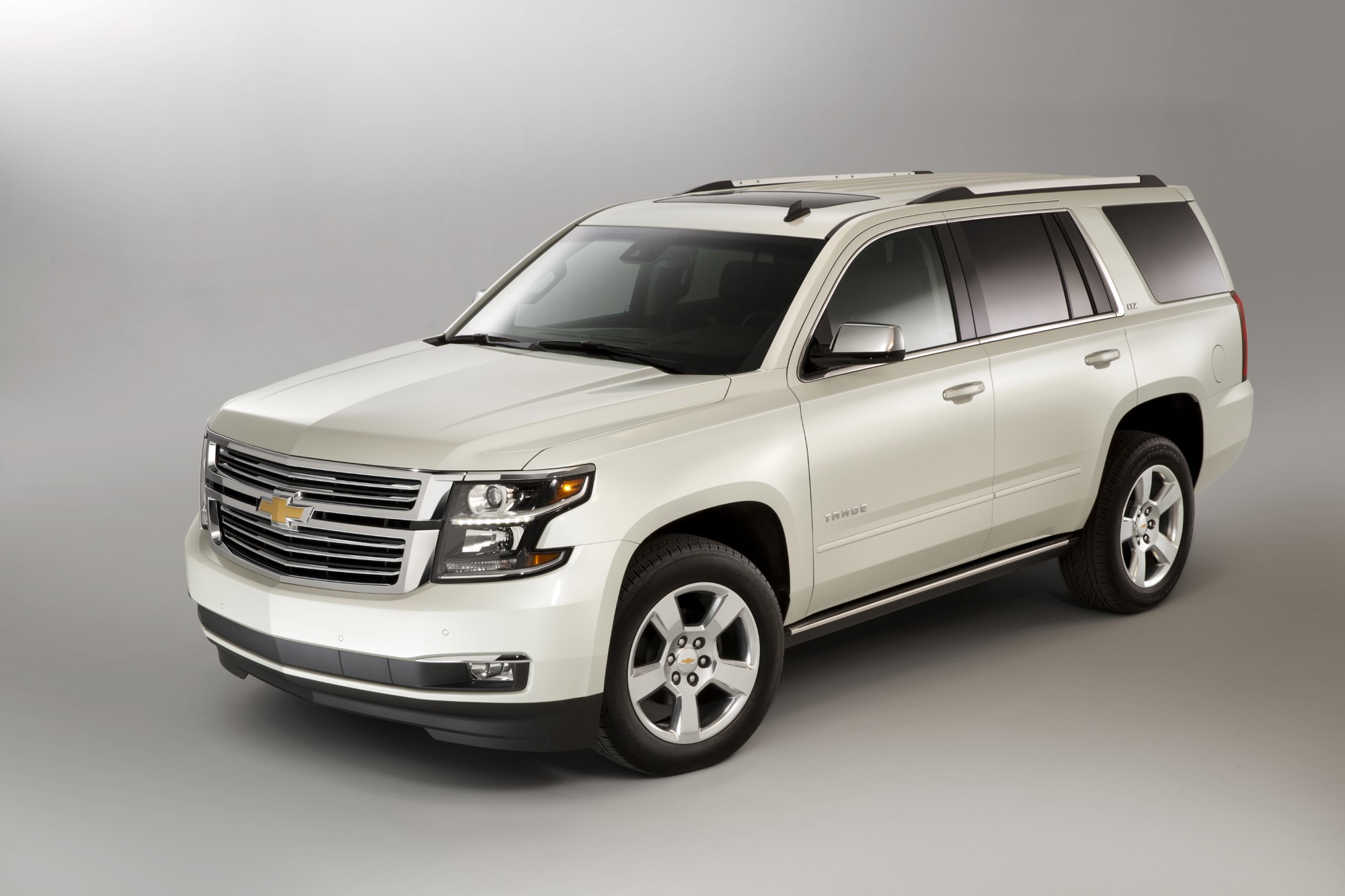
The Chevrolet Tahoe has long been a benchmark in the full-size SUV segment, known for combining rugged capability, spacious interiors, and family-friendly features. Over the years, some model years have earned reputations for exceptional reliability, while others have been plagued by recurring issues.
For buyers in the used SUV market, understanding which Tahoes stand the test of time can make all the difference between a dependable daily driver and an expensive headache.
From early 2000s redesigns to modern, tech-forward variants, certain Tahoes consistently demonstrate longevity, strong performance, and enduring comfort, often surpassing 200,000 miles with minimal issues.
Whether it’s the reinforced frame of the 2000 model or the modern safety and towing capabilities of the 2020 Tahoe, these vehicles show why some years truly “run forever.”
In this guide, we highlight five standout Tahoe years renowned for reliability, durability, and owner satisfaction, helping buyers make informed choices for long-term ownership.
5 Chevy Tahoe Years That Run Forever
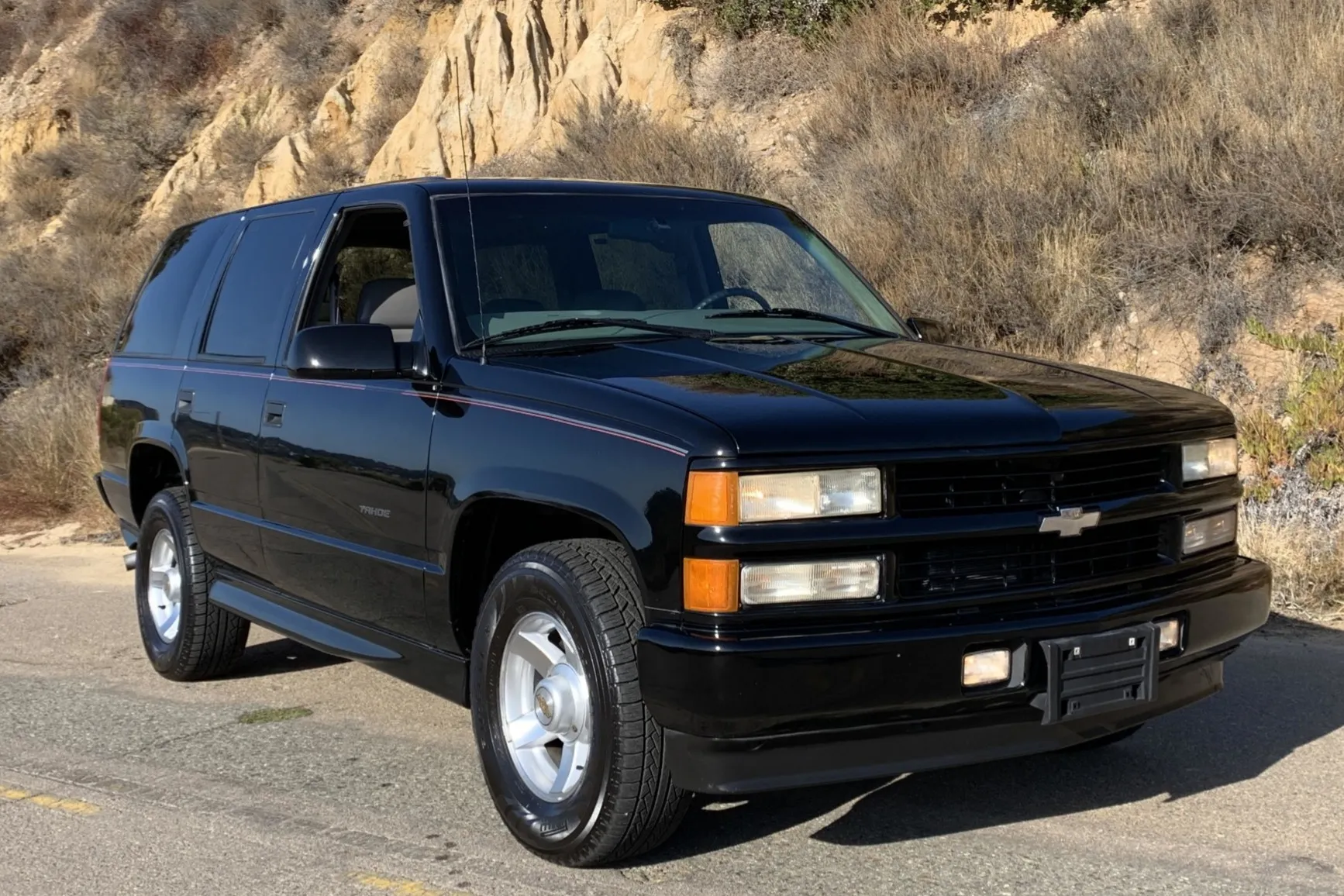
1. 2000 Chevrolet Tahoe: Redesigned for Power, Safety, and Comfort
The 2000 Chevrolet Tahoe, the debut model of its second generation, stands out as a strong option for used SUV buyers. While it has faced over 350 complaints and ten recalls, including issues like unwanted ABS activation and brake line chafing, Consumer Reports still gave it a solid owner satisfaction rating of 4.0 out of 5.0.
Priced between $3,050 and $4,800 on the used market, the Tahoe offers an appealing balance of affordability and functionality. Chevrolet engineers completely redesigned the vehicle to make it more powerful, safer, and enjoyable to drive, highlighting its reputation as a “real” sport utility that excels at both practicality and performance.
The 2000 Tahoe features significant upgrades to its frame, body, and powertrain. Available in two- or four-wheel-drive, it boasts a stronger, more rigid frame and dent-resistant sheetmetal, enhanced corrosion protection, and redesigned door hinges that last four times longer.
The front crush cap reduces repair costs after moderate-speed collisions, reflecting Chevrolet’s focus on durability and safety. Under the hood, the Tahoe offers Vortec V8 engines: a 4.8-liter producing 275 horsepower for the base model and a 5.3-liter generating 285 horsepower for LS and LT trims.
Coupled with a four-speed automatic transmission, these engines balance power with fuel efficiency and meet low-emission vehicle standards. The rear axle, differential, and suspension were strengthened, ensuring both off-road capability and a smooth, stable highway ride.
Inside, the Tahoe delivers versatility and protection for passengers. A 50/50 split third-row seat allows for greater cargo flexibility and expands seating to nine when needed.
Safety features include four-wheel ventilated disc antilock brakes, front-seat side-impact airbags, seat-mounted safety belts in multiple positions, and energy-absorbing foam to reduce injury risks.
Built on the Chevy Silverado pickup foundation, the 2000 Tahoe combines toughness with modern safety and comfort features, making it a compelling choice for buyers seeking a full-size SUV capable of handling both everyday commutes and rugged adventures.
2. 2001 Chevrolet Tahoe: Reliable, Powerful, and Versatile
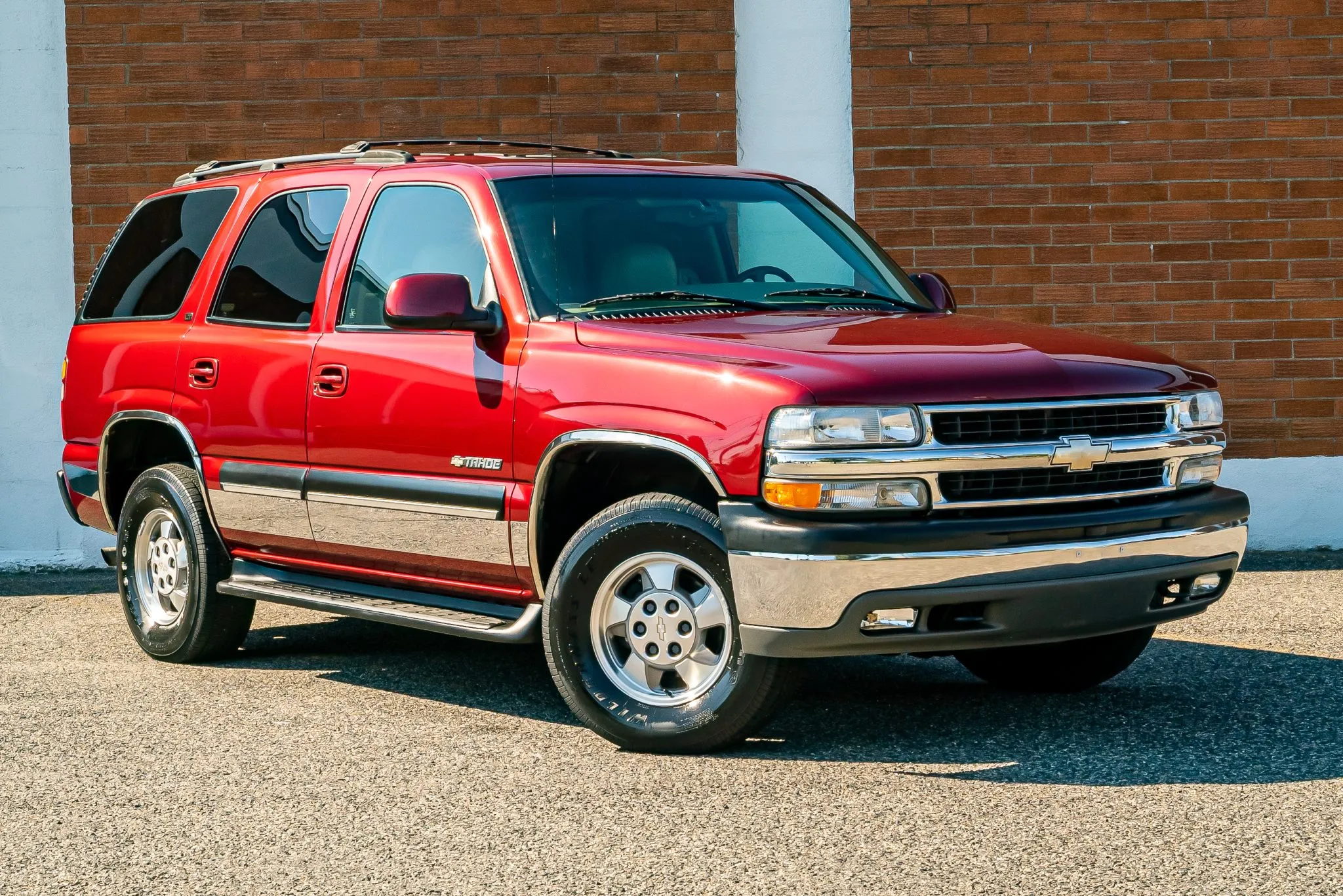
The 2001 Chevrolet Tahoe remains a top choice for used SUV buyers, combining affordability, longevity, and strong reliability. Consumer Reports awarded it a perfect 5.0 out of 5.0 for reliability and a 4.0 out of 5.0 for owner satisfaction.
Many owners report that the 2001 Tahoe easily surpasses 200,000 miles, with some reaching up to 250,000 miles, making it one of the most dependable years for the model. Minor issues, such as A/C system problems, are understandable for a 20-year-old SUV.
The 2001 model saw minimal exterior changes, including two new paint options and the availability of OnStar, while maintaining the strengths introduced with the full redesign in 2000.
Built on the same platform as GM’s full-size trucks, the 2001 Tahoe benefits from exceptional durability and ruggedness. Its reinforced frame, dent-resistant sheetmetal, enhanced corrosion protection, and long-lasting door hinges contribute to its toughness.
A unique front-end crush cap allows for easier repairs after low-speed collisions. Under the hood, the Tahoe features Chevy’s Vortec V8 engines: a 4.8-liter producing 275 horsepower for the base model and a 5.3-liter delivering 285 horsepower for LS and LT trims.
Both engines are paired with an electronically controlled four-speed automatic transmission, balancing strong performance, fuel efficiency, and low-emission compliance. The powertrain, rear axle, differential, and suspension were strengthened, providing a smooth and stable ride on both highways and rugged terrain.
Inside, the 2001 Tahoe combines versatility with advanced safety. A 50/50 split third-row seat allows flexible cargo and passenger configurations for up to nine occupants.
Safety features include four-wheel ventilated disc brakes, side-impact airbags, seat-mounted belts, and energy-absorbing foam for added protection. The optional Z71 off-road package further enhances durability with a specially tuned suspension, skid plates, locking rear differential, and aggressive tires, along with OnStar for added security.
With a spacious interior and robust off-road capabilities, the 2001 Tahoe excels as both a daily driver and a weekend adventure vehicle, making it one of Chevrolet’s most reliable and well-rounded SUVs.
3. 2011 Chevrolet Tahoe: Rugged Capability Meets Comfort
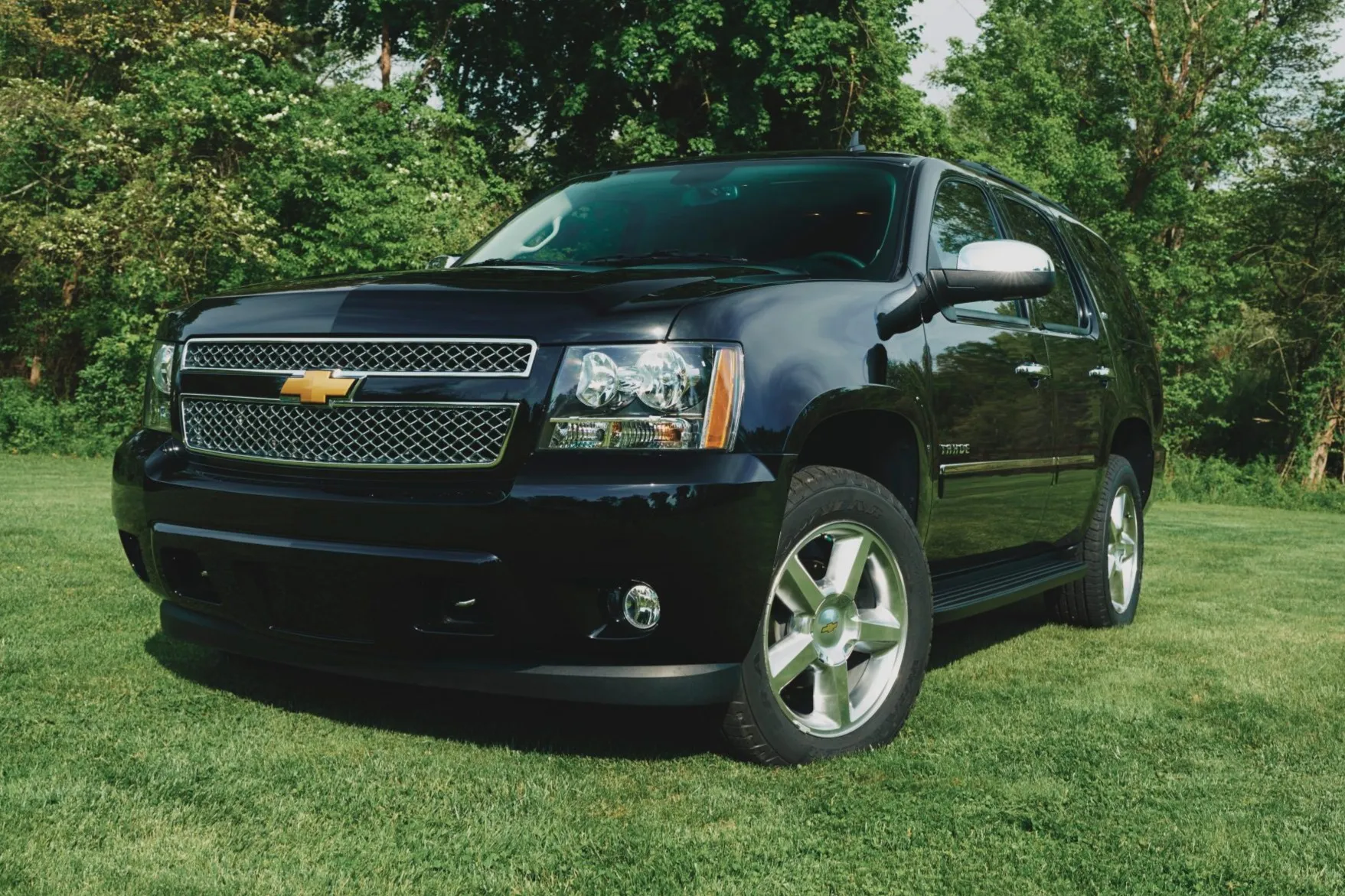
The 2011 Chevrolet Tahoe builds on the solid foundation of its third-generation predecessors, offering reliability, comfort, and strong performance. Both the 2010 and 2011 models received CarComplaints’ “Awesome” seal of approval, reflecting their durability and owner satisfaction.
While a few vehicles experience the minor cracked dashboard issue inherited from earlier years, it is rare and generally not a major concern. A notable update for 2011 is the integrated trailer-brake controller available with the optional Trailering package, enhancing its towing convenience.
With seating for up to nine passengers and a truck-based architecture, the Tahoe balances everyday practicality with heavy-duty capability, making it a go-anywhere SUV suitable for both urban and off-road driving.
Under the hood, every 2011 Tahoe comes with a 5.3-liter V8 engine producing 320 horsepower and 335 lb-ft of torque, paired with a six-speed automatic transmission. Power is delivered to the rear wheels on 2WD models or all four wheels on 4WD variants, with a choice of traditional two-speed or single-speed transfer cases.
Acceleration is strong for a full-size SUV, reaching 60 mph in about 8.5 seconds for 4WD models, while EPA-estimated fuel economy sits at 15 mpg city, 21 mpg highway, and 17 mpg combined.
Towing capacity reaches an impressive 8,500 pounds, making the Tahoe an ideal choice for hauling boats or trailers. Despite its size, the SUV handles reasonably well in town, aided by a tight 39-foot turning circle, though highway steering response can feel less connected.
Inside, the Tahoe’s cabin is spacious, practical, and well-crafted. Controls are straightforward, the front seats are comfortable, and high-quality materials give the interior a refined feel.
The LS model’s front split-bench seat allows seating for up to nine passengers, although the third-row seats are heavy and awkward to remove, limiting ease of use for cargo space expansion. Safety features are comprehensive, including antilock brakes, stability control, side-impact and curtain airbags, and OnStar.
Available rear parking sensors, rearview camera, and LTZ blind-spot warning further enhance occupant protection. The 2011 Tahoe remains a top choice for buyers seeking a large SUV that combines towing and off-road capability with a comfortable, practical interior for families and adventurers alike.

4. 2014 Chevrolet Tahoe: Reliable, Capable, and Family-Friendly
The 2014 Chevrolet Tahoe is a strong choice for buyers seeking a reliable full-size SUV with towing capability and a spacious interior. CarComplaints lists just over 100 complaints and three recalls, while J.D. Power gave the Tahoe a Quality and Reliability score of 83 out of 100, making it one of the most dependable large SUVs of its era.
Its three rows of seats can accommodate up to nine passengers, though crossovers like the Chevrolet Traverse may be more practical for pure passenger use due to easier cargo handling.
Despite being a large, truck-based SUV, the 2014 Tahoe offers a quiet, comfortable ride, modern controls, and solid interior materials, making daily driving surprisingly pleasant for a vehicle of its size. The only notable interior drawback is the third-row seats’ lack of fold-flat functionality, requiring removal for additional cargo space.
Under the hood, the 2014 Tahoe comes standard with a 5.3-liter V8 engine producing 320 horsepower and 335 lb-ft of torque, paired with a six-speed automatic transmission.
Power is delivered to the rear wheels on 2WD models or all four wheels on 4WD variants, with a choice of traditional two-speed or single-speed transfer cases. Acceleration is solid for a full-size SUV, reaching 60 mph in about 8.5 seconds, while EPA-estimated fuel economy is 15 mpg city, 21 mpg highway, and 17 mpg combined.
Properly equipped, the Tahoe can tow up to 8,500 pounds, with the LTZ trim offering an upgraded Autoride suspension featuring adaptive damping and air-assisted load leveling for improved towing stability. Its 39-foot turning circle and composed suspension make it reasonably maneuverable in city driving despite its size.
Inside, the Tahoe provides a functional and straightforward cabin with supportive front seats and optional second-row captain’s chairs. Midlevel LT trims offer leather upholstery for added comfort, and all trims maintain good assembly quality.
Standard safety features include antilock brakes, traction and stability control, side-impact and curtain airbags, and OnStar emergency telematics. Rear parking sensors and a rearview camera are standard across the lineup, while the LTZ adds blind-spot monitoring.
Cargo space is 17 cubic feet with all seats up and 109 cubic feet with the third row removed, offering ample room for passengers and gear. The 2014 Tahoe balances everyday usability with truck-like capability, making it a versatile option for families, adventurers, and anyone needing a large, dependable SUV.
5. 2020 Chevrolet Tahoe: Powerful and Modern, Yet Traditional
The 2020 Chevrolet Tahoe is widely regarded as the most reliable model year of its generation, earning a perfect 5.0 out of 5.0 from Consumer Reports and an 83/100 Quality & Reliability score from J.D. Power.
It’s a full-size SUV that balances large passenger capacity, rugged towing ability, and modern tech, making it a strong contender for families and enthusiasts who need more than a crossover can provide. With seating for up to nine people and a maximum tow rating of 8,600 pounds, the Tahoe remains a versatile utility vehicle.
Its body-on-frame construction supports its truck-like capabilities, while two available V8 engines, a standard 355-horsepower 5.3-liter and an optional 420-horsepower 6.2-liter, provide plenty of power for hauling passengers or trailers.
Four-wheel drive is optional, and interior space is generous, though the third row suffers from high floors due to the solid rear axle.
Performance and comfort are a mixed bag. The 5.3-liter V8 is powerful, but throttle and brake response can feel sluggish, and the Tahoe’s solid rear suspension transmits bumps and road imperfections into the cabin. Its large, heavy body accentuates this truck-like feel, especially over uneven surfaces.
Despite these quirks, the Tahoe’s suspension does well at absorbing bigger bumps, and its first two rows of seats are roomy and supportive. Climate control is effective even in extreme temperatures, and cabin quietness benefits from strong door seals.
The available off-road package expands capabilities, but limited ground clearance and the vehicle’s sheer size constrain off-road adventures.
The 2020 Tahoe’s interior is functional, tech-forward, and family-friendly, though cargo capacity behind the third row is limited to 15.3 cubic feet.
Apple CarPlay, Android Auto, 4G LTE Wi-Fi, and up to 14 charging ports address modern connectivity needs, while driver assistance features like lane departure warnings are present but not always refined.
Fuel economy is similar to earlier Tahoes at 17 mpg combined for the 5.3-liter 4WD model, and the optional 6.2-liter requires premium fuel for similar efficiency. Build quality is generally solid, though some hard plastics remain, and fully loaded models can approach $80,000.
Still, a strong powertrain warranty and five-year roadside assistance provide added peace of mind, making the 2020 Tahoe a dependable, capable, and modern choice for buyers needing full-size SUV performance without sacrificing comfort or technology.
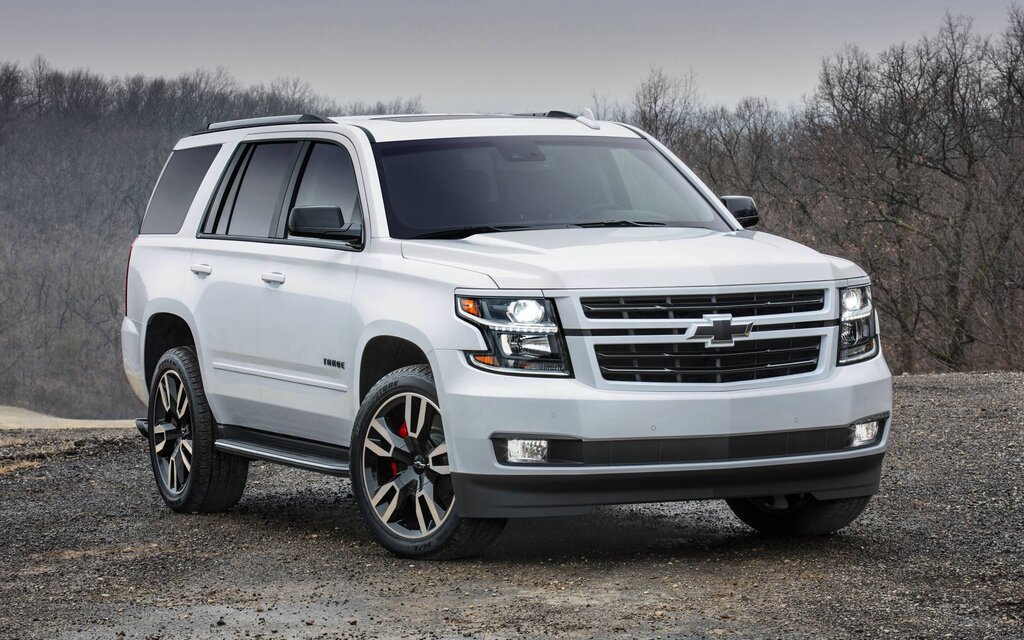
5 Chevy Tahoe Years That Don’t Run Forever
1. 2002 Chevrolet Tahoe: A Weak Start
The 2002 Chevrolet Tahoe was a full-size SUV with potential but proved to be a reliability risk for buyers. Consumer Reports assigned it a low reliability score of just 1.0 out of 5.0, citing recurring issues with the engine, drive system, and transmission.
One of the most common complaints involved oil leaks, which often required costly repairs, sometimes amounting to thousands of dollars. While the vehicle’s low market price, ranging from $3,200 to $5,925, made it attractive for budget-conscious buyers, the ongoing mechanical problems overshadowed the affordability.
Owners also reported frequent maintenance concerns, including potential engine failures and drivetrain wear, which could reduce the SUV’s overall lifespan.
The 2002 Tahoe represents an early warning in the generation, showing that even robust-looking SUVs could carry hidden financial burdens. For anyone seeking a dependable daily driver, this year was generally not recommended.
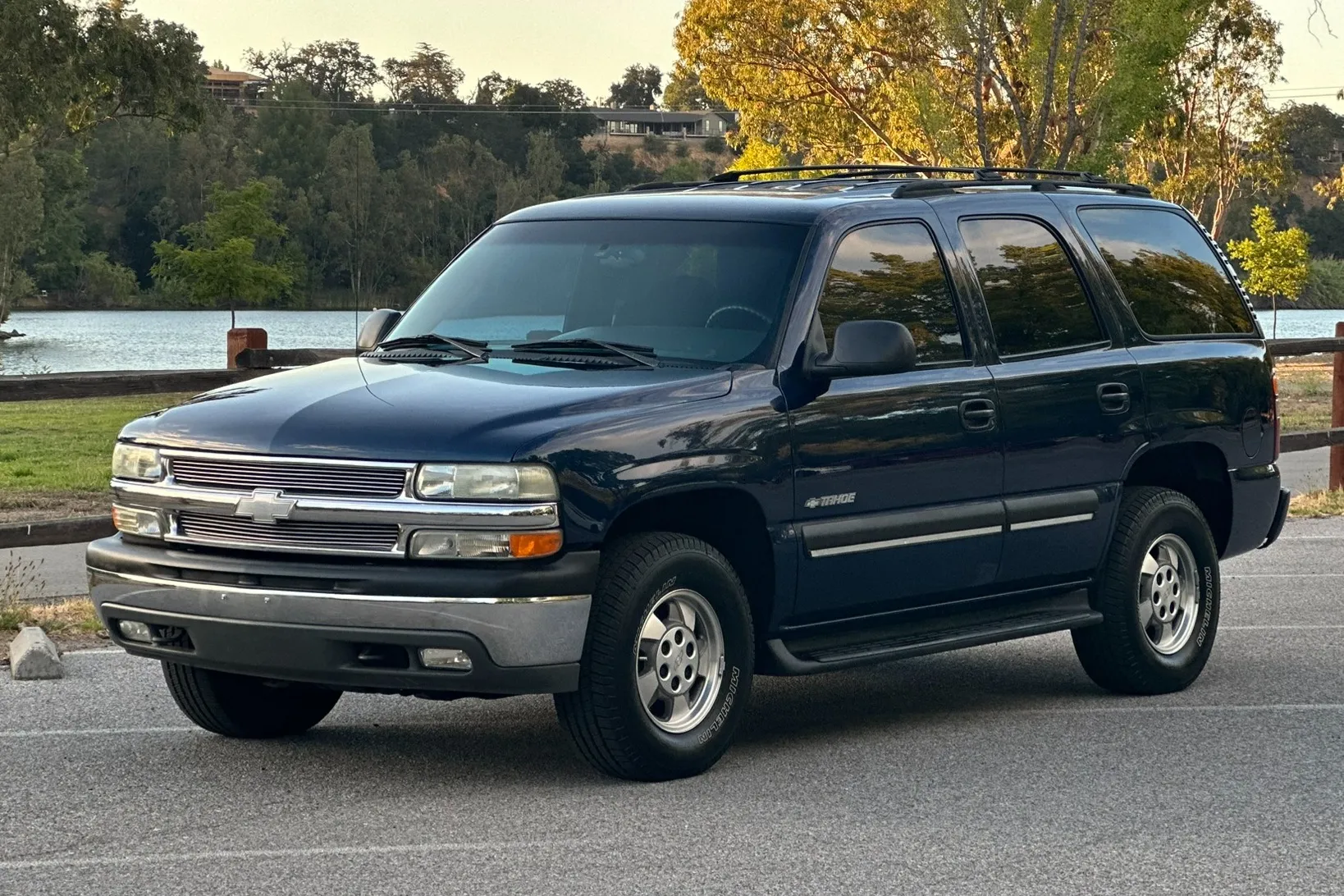
2. 2003 Chevrolet Tahoe: Electrical and Steering Issues
The 2003 Tahoe continued the trend of reliability struggles, primarily with electrical and steering systems. A total of 722 complaints were registered with the National Highway Traffic Safety Administration (NHTSA), making it one of the more problematic years for the model.
Owners frequently experienced dead instrument panels, leaving them unable to drive and causing significant frustration. In addition, the power steering system was prone to failure, particularly when turning, often accompanied by groaning noises.
These issues, while not universal, occurred often enough to pose a serious inconvenience and cost to drivers. While the 2003 Tahoe retained its full-size SUV capabilities, including ample seating and towing capacity, its mechanical shortcomings meant buyers faced potential safety hazards and expensive repairs.
Consequently, this model year ranks poorly in terms of reliability and should be approached cautiously by prospective owners.
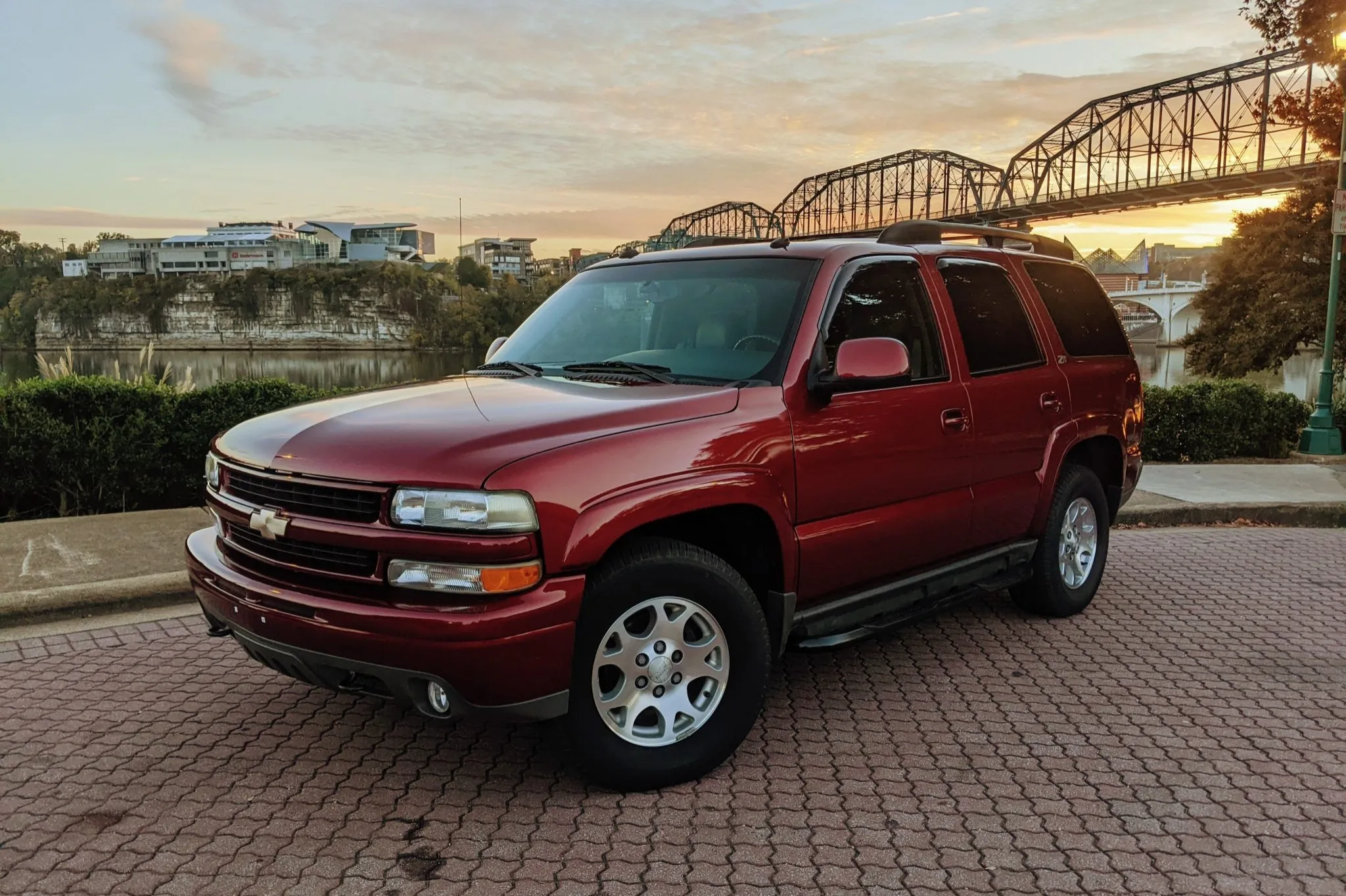
3. 2004 Chevrolet Tahoe: Engine Head and Coolant Problems
The 2004 Tahoe introduced a costly engine concern that significantly impacted its long-term reliability. Many owners reported that the SUV began consuming excessive amounts of coolant after approximately 80,000 miles, traced to cracked cylinder heads.
Replacing these heads is an expensive task, often costing over $3,000 per repair. Compounding the problem, head gasket failures frequently arose around 64,000 miles, adding an additional $2,000 repair cost on average. Speedometer inaccuracies also emerged at similar mileage intervals, further inconveniencing drivers.
While these issues rarely posed immediate safety risks, they resulted in substantial financial strain for owners.
Despite retaining the Tahoe’s spacious interior and towing capacity, this model year demonstrates that even minor design flaws in key engine components can have long-lasting consequences, making careful inspection essential for prospective buyers.
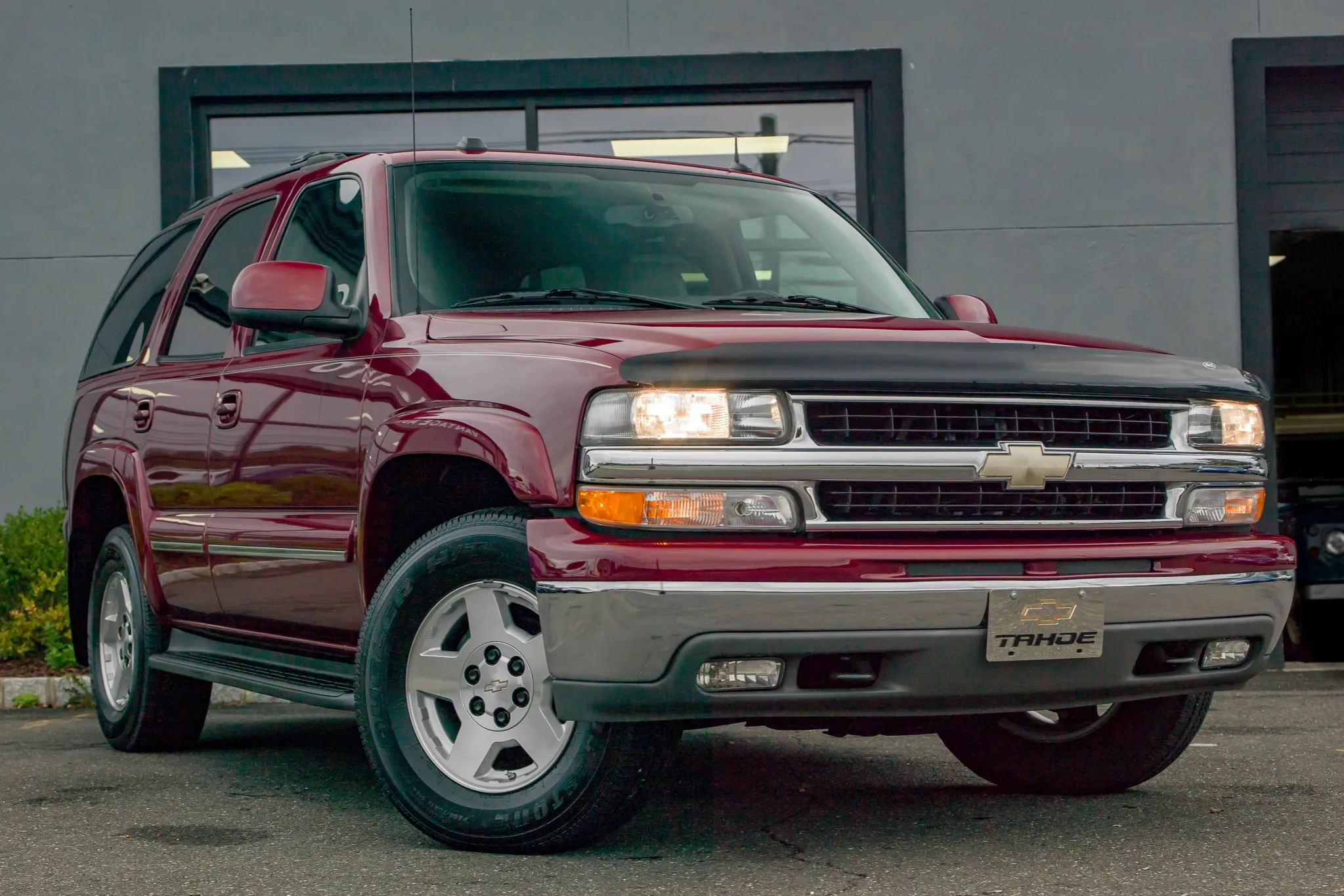
4. 2007 Chevrolet Tahoe: Interior and Engine Failures
The 2007 Tahoe is widely regarded as the least desirable year for interior and mechanical reliability. Dashboard cracking along its length became common, and a variety of accessory failures plagued owners.
However, the most severe concern involved low oil pressure warnings, which often required a complete engine replacement around 100,000 miles. This repair is costly, inconvenient, and underscores systemic engine reliability problems in this model year.
While the 2008 Tahoe shares some of these flaws, the 2007 Tahoe’s combination of interior deterioration and high-cost mechanical issues makes it particularly problematic. Even routine maintenance tasks can become challenging due to design and material shortcomings.
Buyers seeking a dependable SUV are typically advised to avoid this year, as its high risk of expensive repairs outweighs the advantages of its full-size utility, towing capacity, and passenger seating.
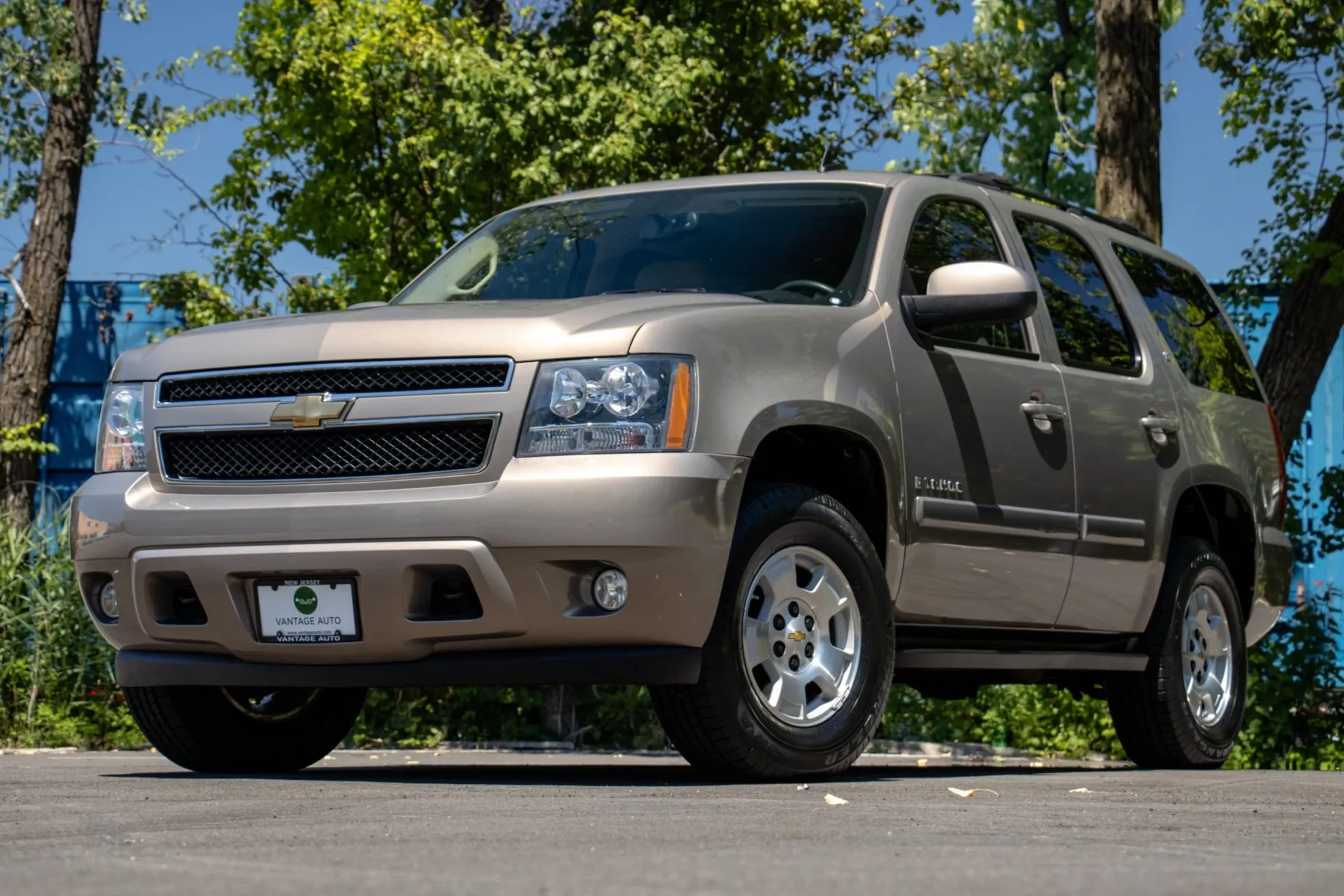
5. 2015 Chevrolet Tahoe: Record Recalls and Safety Concerns
The 2015 Tahoe holds the unfortunate distinction of having the most recalls in Tahoe history, making it a model year to approach with caution.
It faced issues across multiple systems, including seat belt tensioners, stability control, anti-lock brakes, traction control, power steering, airbags, ignition systems, transfer cases, tie rods, and powertrains.
While Chevrolet addresses these concerns when owners bring the vehicle in, there is no guarantee that all prior owners completed necessary repairs. Consumer Reports gave the 2015 model a reliability score of approximately 50 out of 100, reflecting widespread problems.
With 16 recalls issued by NHTSA, buyers must carefully verify that each issue has been resolved. Despite modern amenities, full-size SUV capabilities, and strong performance, the 2015 Tahoe’s record of faults makes it a high-risk purchase for prospective owners seeking reliability and long-term durability.
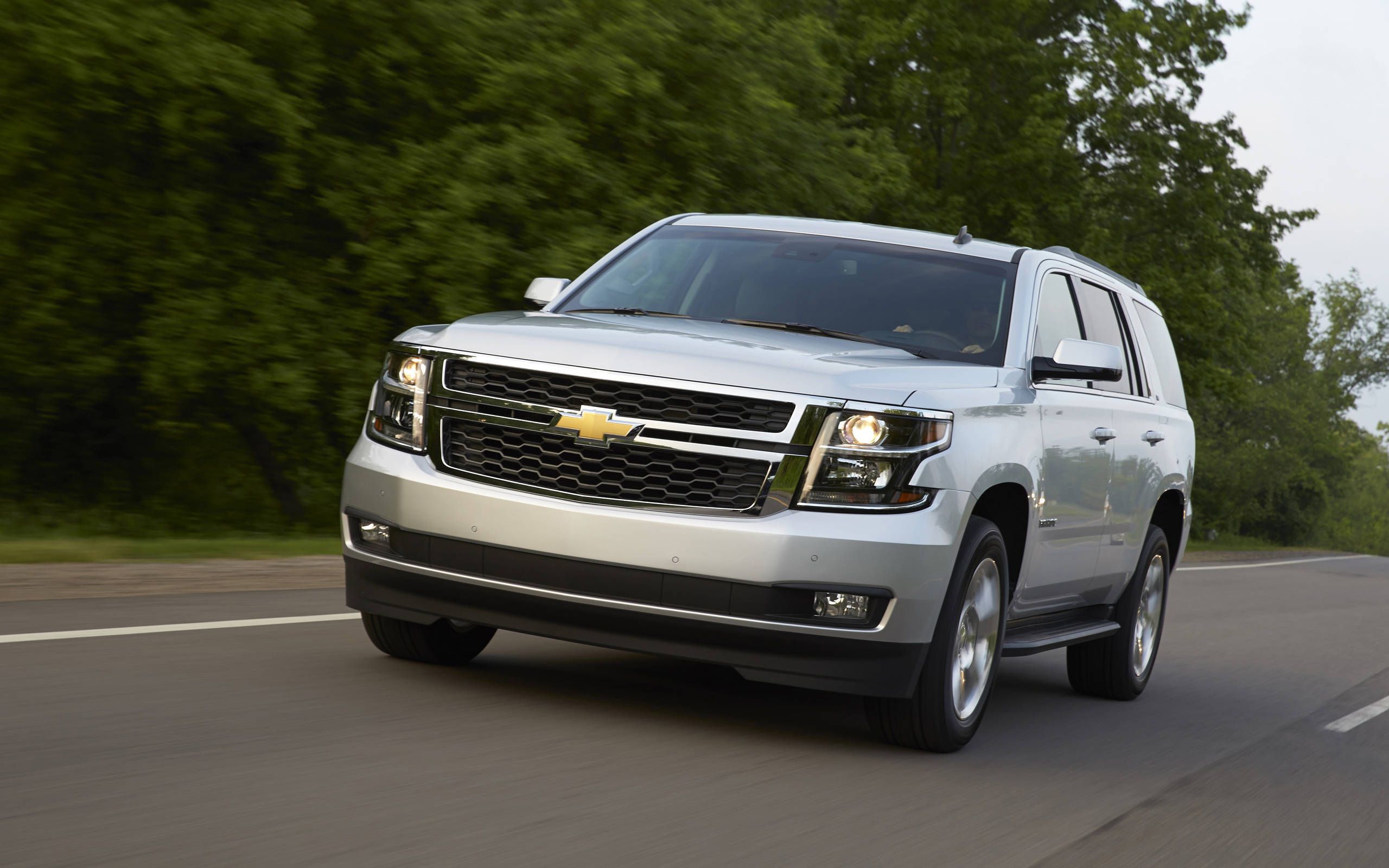
Choosing a reliable Chevrolet Tahoe can mean years of dependable service, whether for family commutes, towing, or off-road adventures.
The five model years highlighted here, ranging from the 2000 second-generation redesign to the 2020 modern powerhouse, illustrate what makes a Tahoe truly enduring: solid engineering, strong powertrains, and thoughtful attention to safety and comfort.
These vehicles have consistently earned high marks from owners and industry reviewers alike, proving that with the right year, a Tahoe can be more than just a full-size SUV; it can be a trusted companion for decades.
Of course, every vehicle requires regular maintenance, but selecting a proven year reduces the likelihood of costly surprises and maximizes the longevity of your investment.
For buyers seeking a balance of performance, practicality, and durability, these Tahoes represent the pinnacle of the model’s history, offering reassurance that some SUVs really do run forever.
Also Read: 10 Cars With Tricky Seatbelt Buckles for Elderly Passengers