
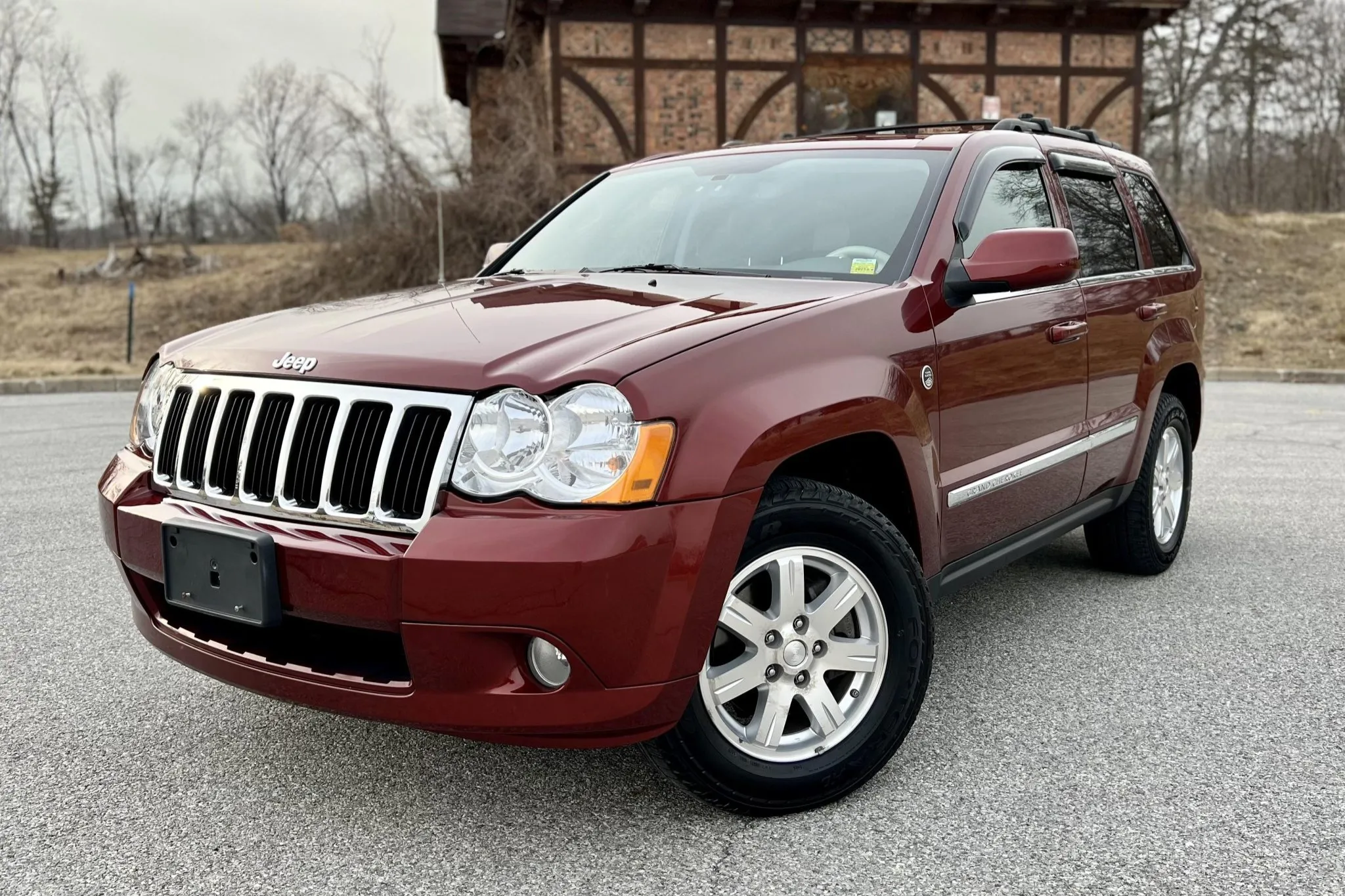
The Jeep Grand Cherokee has long been celebrated as a versatile SUV, blending off-road ruggedness with everyday practicality. Across its decades-long production, certain model years have stood out for reliability, performance, and value, making them excellent choices for both enthusiasts and casual drivers.
From the classic ZJ generation of the 1990s to the modern fourth-generation models, each iteration offers a unique combination of features, engine options, and off-road capabilities. While some Grand Cherokees are known for recurring recalls and mechanical issues, others have earned strong reputations for durability and long-term satisfaction.
In this guide, we highlight five Jeep Grand Cherokee model years worth buying, exploring why each stands out for performance, comfort, and dependability, as well as five years notorious for recalls, providing crucial insight for anyone considering a used Grand Cherokee purchase.
5 Jeep Grand Cherokee Years Worth Buying
1. 1995 Jeep Grand Cherokee
The 1995 Jeep Grand Cherokee brought several updates and new options, enhancing both performance and convenience. All models were equipped with rear disc brakes, and a new Orvis trim package became available for the Limited 4WD. Optional features included an integrated child safety seat, a flip-up liftgate window, and a power sunroof.
Performance improvements were made to the V8 engine, increasing torque, while a 2WD Limited model was introduced to expand buyer options. These updates contributed to making the Grand Cherokee more versatile and appealing to a wider audience of SUV enthusiasts.
When new, the 1995 Jeep Grand Cherokee SE Sport Utility 4D started at an MSRP of $25,075, while the top-tier Orvis Sport Utility 4D began at $31,845. Kelley Blue Book values for these models today range from approximately $1,808 for the SE to $2,161 for the Orvis, reflecting typical used-vehicle conditions, mileage, and regional variations.
Consumer reviews indicate strong satisfaction with this generation (1993–1998), earning an overall rating of 4.4 out of 5 and a 92% recommendation rate.
Owners praise the Grand Cherokee’s durability, towing capability, and overall reliability, with many sharing anecdotes of long-term usage exceeding 200,000 miles with minimal issues.
The 1995 Grand Cherokee is recognized for its reliability and build quality, earning a 4.5 out of 5 rating from users. Favorite features include its 4×4 capability, comfortable interior, dependable 4.0L engine, and stylish appearance. Fuel economy varies by trim, ranging from 12–14 MPG in the city and 17–18 MPG on the highway.
Safety features include child door locks and, in some models, child seat anchors, with NHTSA crash ratings of 4 stars for front-side driver impact and 3 stars for front-side passenger impact. The 1995 Jeep Grand Cherokee remains a highly regarded SUV for its combination of rugged capability, reliability, and user satisfaction.
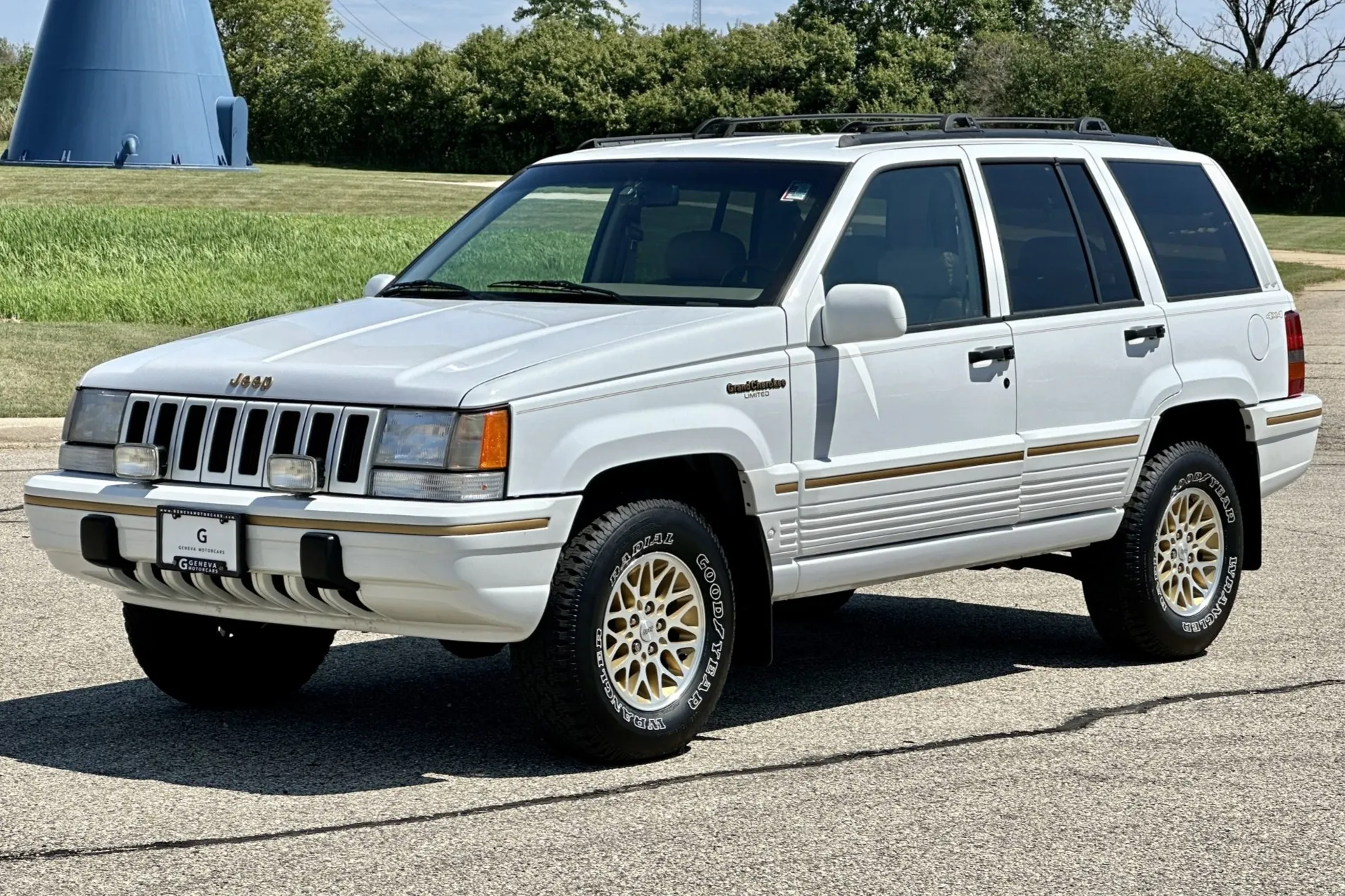
2. 2008 Jeep Grand Cherokee
The 2008 Jeep Grand Cherokee received significant updates, particularly to its 4.7-liter V8 engine, which now produces 305 horsepower thanks to improved cylinder heads, higher compression, and optimized combustion.
Jeep also refreshed the interior, adding softer-touch surfaces, LED-illuminated gauges, a telescoping steering wheel, and a broader range of electronics, including the MyGIG hard-drive navigation system, a backup camera, and a rear entertainment system.
Other enhancements, such as hill descent control, hill start assist, trailer sway control, and expanded diesel V6 availability, reinforce the Grand Cherokee’s off-road capability.
These changes position the 2008 model as a capable SUV for buyers seeking traditional off-road performance, though it faces competition from newer, more comfortable crossover SUVs.
The 2008 Grand Cherokee offers five engines, ranging from a fuel-efficient 3.0-liter diesel V6 to the high-performance 6.1-liter Hemi V8 in the SRT8 model, which delivers 420 horsepower and 0-60 mph acceleration in just 4.7 seconds.
The standard 3.7-liter V6 and revised 4.7-liter V8 provide adequate performance for everyday driving, while the 5.7-liter Hemi balances power with cylinder-deactivation fuel-saving technology. Fuel economy is modest across the lineup, with city/highway ratings from 11/14 mpg in the SRT8 to 17/22 mpg with the diesel V6.
Towing capacities vary by engine, reaching up to 7,400 pounds with the diesel or 5.7-liter V8. Four-wheel-drive options range from a single-speed AWD on Laredos to the advanced Quadra-Drive II system on Overland models, offering hill descent control, skid plates, and precise traction management for off-road challenges.
The Grand Cherokee’s cabin remains compact for a midsize SUV, with limited rear-seat space and modest cargo capacity of 35 cubic feet behind the rear seats. Interior materials and ergonomics have improved, and the available electronics make long trips more enjoyable.
Safety is strong, with side curtain airbags, stability control with trailer sway mitigation, and a perfect five-star NHTSA rating for front- and side-impact tests. On the road, the Grand Cherokee delivers competent handling, with precise steering and capable suspension for both on- and off-road driving.
The SRT8 model offers high-performance handling but a firmer ride. The 2008 Jeep Grand Cherokee blends traditional SUV ruggedness with updated technology, though it sacrifices rear comfort and cargo space compared with more modern midsize crossovers.
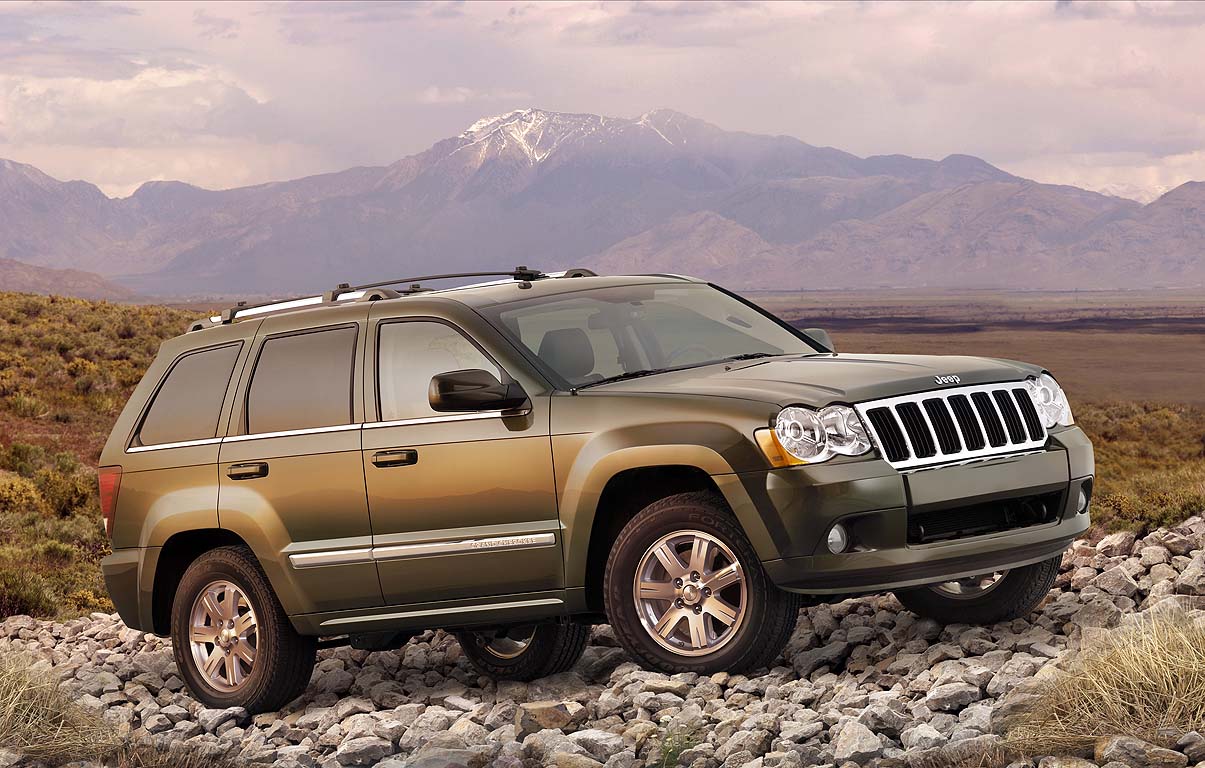
3. 1998 Jeep Grand Cherokee
The 1998 Jeep Grand Cherokee marked the final year of the ZJ generation, a model celebrated for its rugged simplicity and true off-road capability.
With a solid front and rear axle and a choice of reliable engines, including the durable 4.0-liter inline-six and the 5.2- and 5.9-liter V8s, the Grand Cherokee was designed to handle challenging terrain while still providing a comfortable on-road experience.
Transmission was a four-speed automatic, and four-wheel-drive systems included Selec-Trac or Quadra-Trac, offering drivers flexibility for different conditions. Though it lacked modern amenities, the 1998 Grand Cherokee was highly dependable and remains popular among enthusiasts as a project vehicle or trail-ready SUV.
Engine choices gave buyers a range of power and performance. The 4.0-liter I6 was known for its longevity and ease of maintenance, while the 5.9-liter V8 produced 245 horsepower and 345 lb-ft of torque, making it the most powerful option.
The 5.2-liter V8 offered strong performance as well, giving the SUV a near-sporty driving feel on pavement. Despite its off-road prowess, the Grand Cherokee also performed impressively on roads, with a car-like stability and handling that earned it praise for balancing comfort and capability. The ZJ’s solid axles and strong aftermarket support further enhanced its off-road versatility.
The 1998 Grand Cherokee was equipped with luxury and convenience options, particularly on higher trims like the 5.9 Limited, which featured premium leather seats, a 10-speaker Infinity audio system, 60/40 folding rear seats, and leather-trimmed doors, armrests, and console.
Exterior design emphasized rugged, angular lines and a recognizable Jeep profile, though some features, like the rear-mounted spare tire, were less practical. Safety included dual airbags and four-wheel antilock disc brakes.
While competitors like the Ford Explorer offered more rear-seat space, comfort, and value, the 1998 Grand Cherokee excelled in off-road ability, engine performance, and a sturdy, purposeful design, making it a favorite among those seeking both speed and trail readiness.
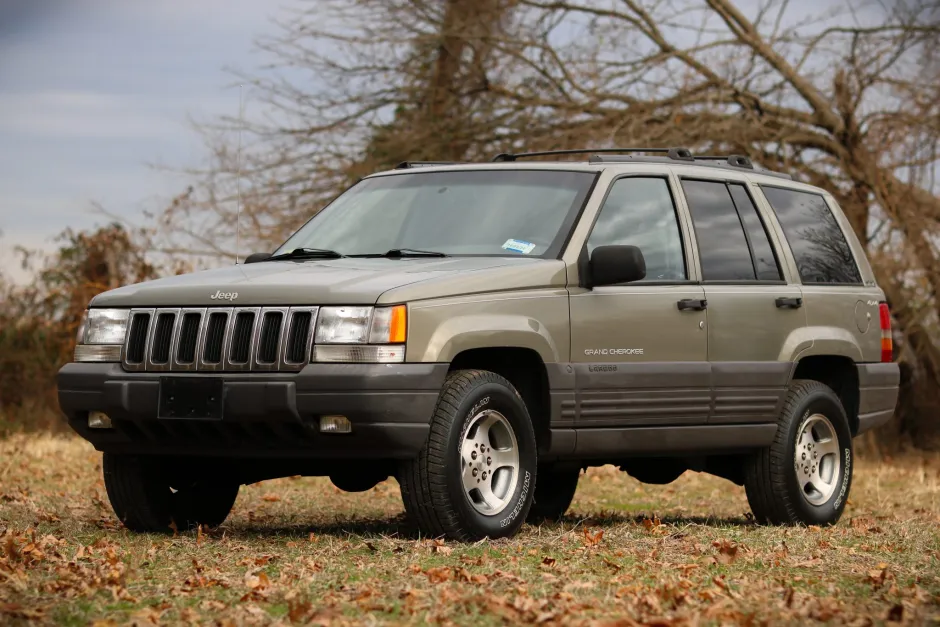
4. 2003 Jeep Grand Cherokee
The 2003 Jeep Grand Cherokee, part of the WJ generation, struck a balance between off-road ruggedness and everyday usability. This model year is particularly noted for the availability of the Quadra-Drive system, which provided advanced traction management for challenging terrains.
Engine options included the reliable 4.0-liter inline-six and the 4.7-liter V8, giving buyers a choice between efficiency and stronger performance. Transmissions included a four-speed automatic or an upgraded five-speed automatic on higher trims.
The 2003 model refined Jeep’s reputation for durability while improving driver comfort and usability.
The 4.7-liter V8 was a highlight, offering smooth power delivery and long-term reliability. Off-road capability remained a strong point thanks to the Quadra-Trac II and optional Quadra-Drive four-wheel-drive systems, which included electronic limited-slip differentials and low-range gearing for challenging conditions.
Suspension and brake upgrades for 2003, including reduced-pressure shocks, a revised brake master cylinder, new calipers, and an updated steering torsion bar, improved ride quality, handling, and pedal feel, enhancing on-road comfort without compromising off-road performance.
Interior refinements in 2003 brought improved materials and usability. A high-back cloth seat became standard on Laredo models, while leather seating and dual-zone climate control were available on higher trims.
A new cubby bin in the instrument panel replaced the ashtray, providing practical storage for sunglasses or mobile devices. The cabin combined durability with modest comfort upgrades, making it more appealing for daily driving while retaining its utilitarian character.
The 2003 Grand Cherokee excelled on trails and rough roads, but its on-road ride was competent rather than luxurious. While it remained one of the better options for those seeking a capable, rugged SUV, buyers primarily interested in suburban commuting or daily errands might find more comfort-oriented SUVs elsewhere.
Nevertheless, the 2003 Grand Cherokee is praised for reliability, strong off-road performance, and thoughtful updates that improved driver experience, striking a good balance between rugged utility and practical daily usability.
5. 2019 Jeep Grand Cherokee
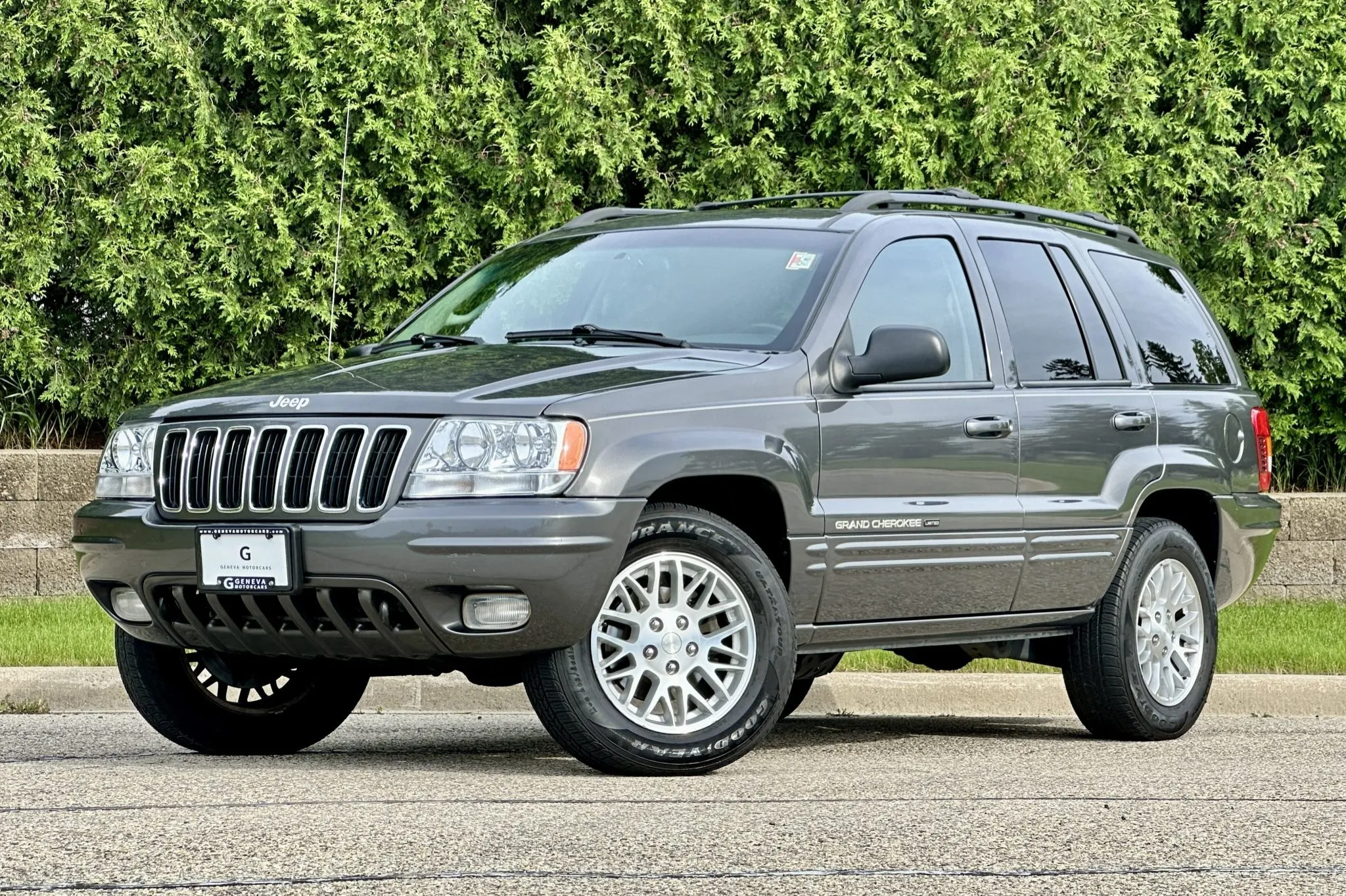
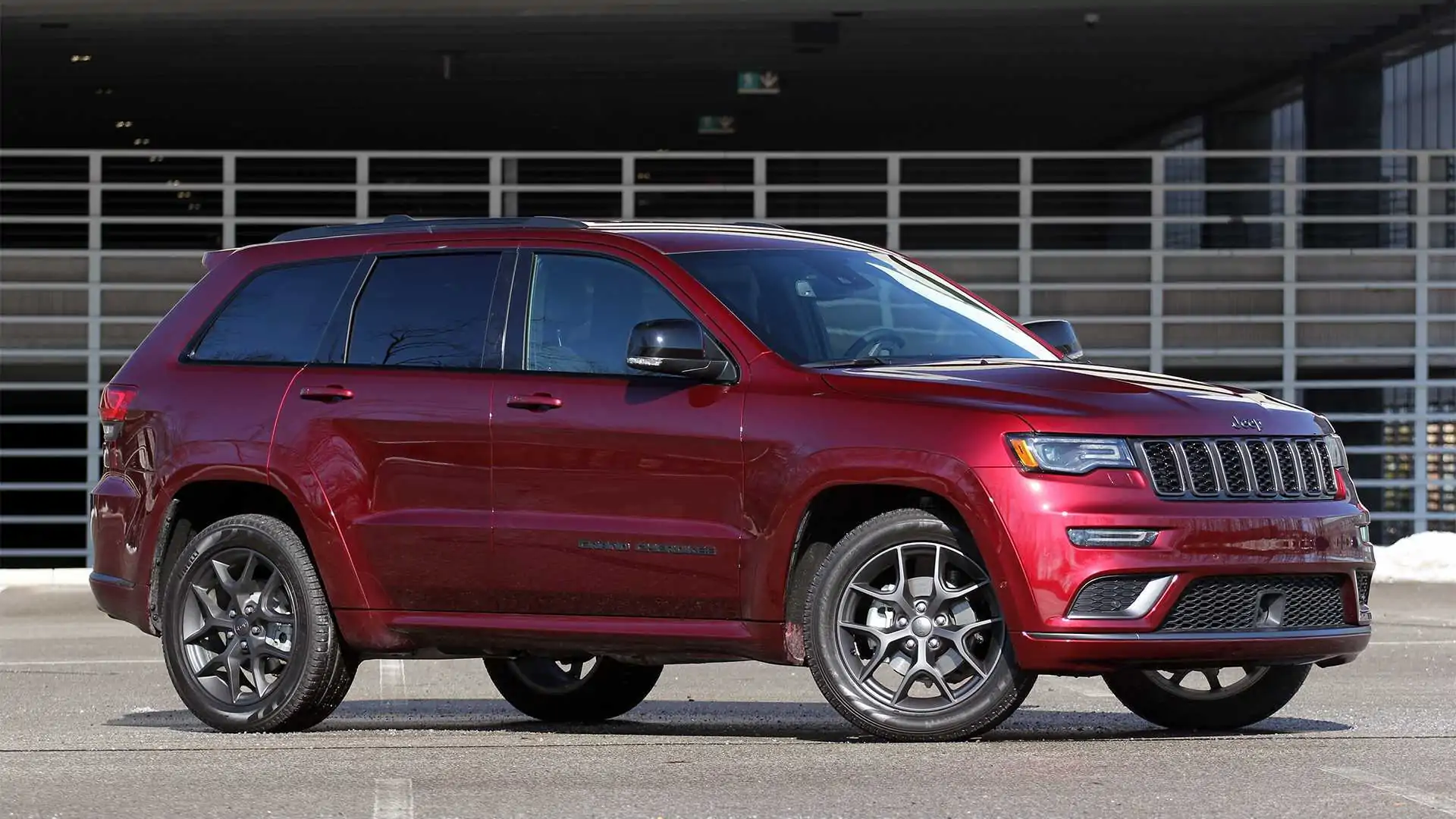
The 2019 Jeep Grand Cherokee represents a modern take on the classic SUV, blending luxury, capability, and versatility. Part of the fourth-generation lineup, it offers a wide range of powertrains, including a 3.0L turbodiesel I6, 3.6L V6, 5.7L V8, 6.4L V8 (SRT), and the supercharged 6.2L V8 Trackhawk.
All engines are paired with an eight-speed automatic transmission, and four-wheel-drive options include Quadra-Trac I, II, and Quadra-Drive II. While the base V6 provides adequate performance, acceleration is leisurely with a 0–60 mph time of about 8.0 seconds.
V8 variants deliver more thrilling performance, though the Grand Cherokee’s significant weight and slightly disconnected steering limit on-road agility. Braking is strong, and off-road capability remains impressive, especially with the Trailhawk trim or off-road suspension packages.
Inside, the Grand Cherokee balances rugged utility with comfort and refinement. The cabin offers generous headroom and legroom for all passengers, with a commanding driving position and adjustable seats and steering wheel. Noise insulation is excellent, with minimal engine intrusion at normal speeds.
Optional air suspension delivers a soft ride but may feel floaty on uneven roads, making the standard suspension a better choice for most drivers. Infotainment is provided via the 8.4-inch Uconnect system, which supports Apple CarPlay and Android Auto, along with an optional 19-speaker Harman Kardon audio system.
Controls are generally intuitive, though thick windshield pillars can obscure some sightlines. Heated and ventilated seats are included but are moderately effective.
The Grand Cherokee is practical and versatile, though cargo space behind the rear seats is 36.3 cubic feet, somewhat limited by the full-size spare stored beneath the floor. Towing capacity ranges from 6,200 pounds with the V6 to 7,200 pounds with optional V8s.
Small-item storage includes a center console, cupholders, and slim door pockets. Advanced safety and convenience features are abundant, including adaptive cruise control, blind-spot monitoring, and rear cross-traffic alert, though some systems are overly sensitive.
The 2019 Grand Cherokee offers a strong combination of ruggedness, modern technology, and interior quality, making it suitable for off-road adventures, daily commuting, or high-performance driving with higher trims.
Also Read: 5 Cars That Rarely Need Warranty Claims and 5 That Max Them Out
5 Jeep Grand Cherokee Years That Had Recalls
1. 2011 Jeep Grand Cherokee: Electrical, Engine, and Brake Woes
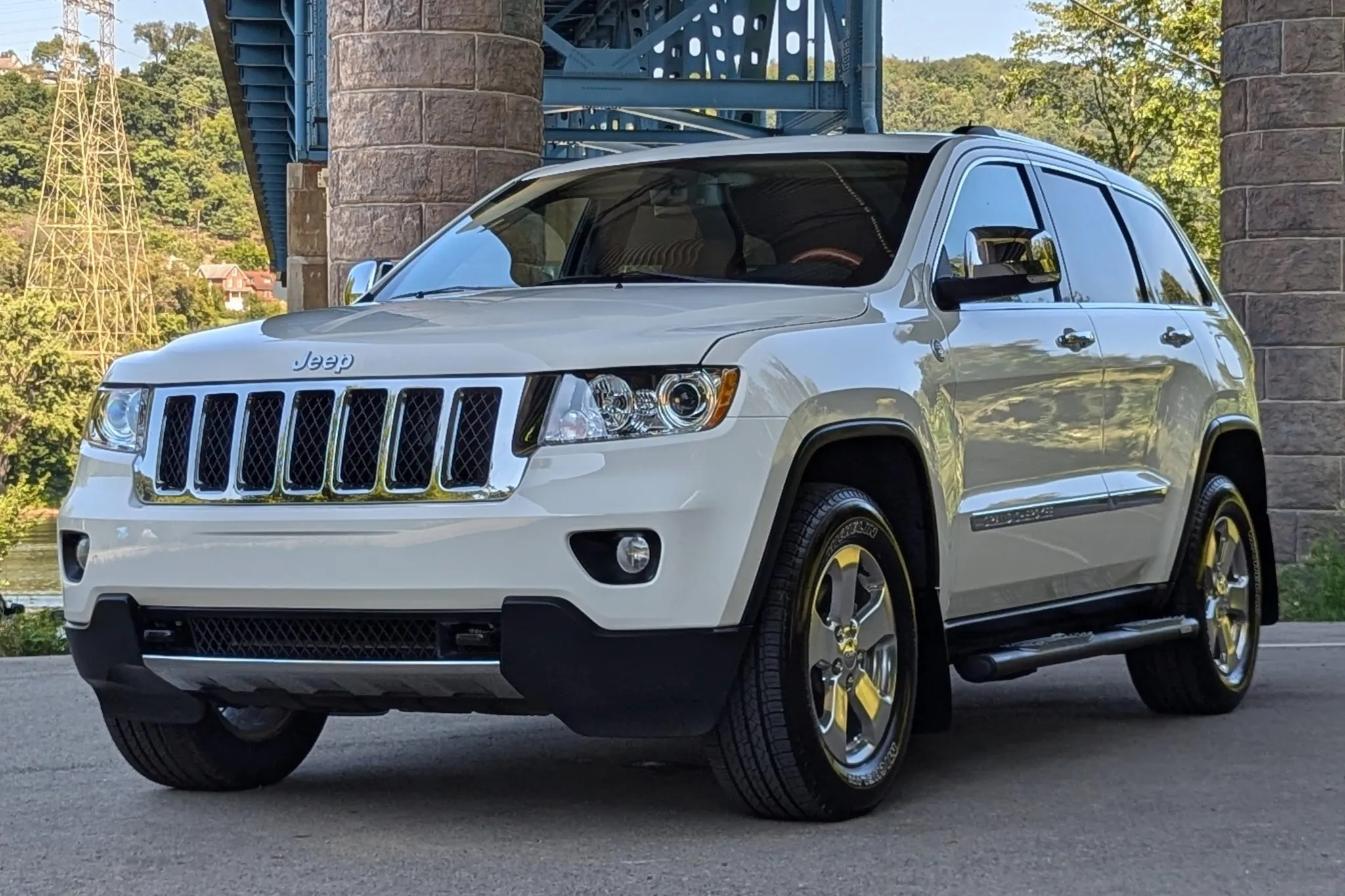
The 2011 Jeep Grand Cherokee emerged as a highly problematic SUV, with 1,622 complaints and six recalls reported to the NHTSA as of 2025. The model’s most severe issues revolve around its electrical system, particularly the alternator.
Owners have reported alternator failures that produced smoke, fire, and complete power loss, even while driving at highway speeds, posing immediate safety risks.
One firsthand account described a glowing, red-hot alternator that continued to smolder after disconnecting the battery, requiring readiness with a fire extinguisher for nearly an hour.
Engine reliability is similarly troubling, with the Pentastar 3.6L V6 suffering from oil leaks, valve failures, timing chain and camshaft issues, and even complete engine replacements.
Engine stalls, misfires, or sudden shutdowns are frequent, often leading to repair bills exceeding $7,000 or total vehicle write-offs. Braking systems compound the hazards, as failures in the brake booster and master cylinder have caused unexpected lunges or total loss of stopping power.
Although some recalls addressed these issues, many problems persisted, with parts sometimes on national backorder. Collectively, these failures make the 2011 Grand Cherokee a safety concern, highlighting the importance of thorough inspection and caution for prospective buyers.
2. 2012 Jeep Grand Cherokee: Persistent Electrical Defects
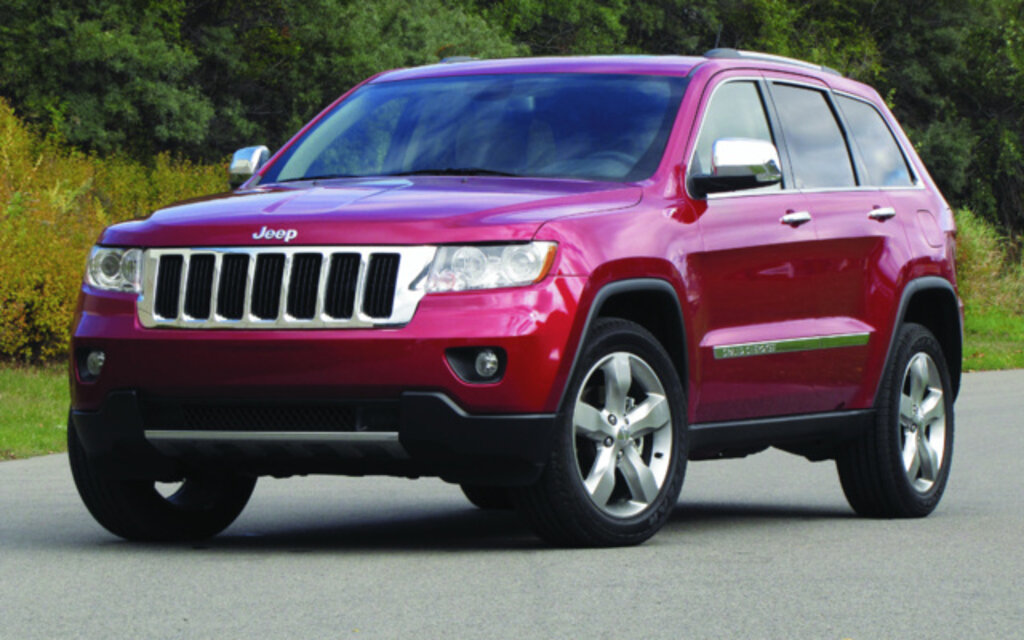
The 2012 Jeep Grand Cherokee is similarly notorious, with 11 recalls and over 1,600 complaints reported to the NHTSA by 2025. The majority of issues are electrical, accounting for more than 800 complaints, which include frequent engine stalling, sudden shutdowns, and loss of power to critical systems such as brakes and steering.
Jeep attempted corrective action through recalls like 15V115000, yet many owners continued to experience recurring malfunctions. Key electrical components, including the alternator and fuel pump relay, are prone to overheating, smoke, and even fire, often damaging surrounding modules like the Power Control Module (PCM) and battery.
Additional problems include malfunctioning headlamps, repeated battery drain, and complete fuse box failures, leaving some vehicles entirely inoperable. Owners often find themselves excluded from official safety campaigns, forcing them to pay for repairs out of pocket.
Despite multiple attempts at fixes, many recalls were partial or ineffective, with replacement parts frequently on backorder. Coupled with fuel system, sensor, and camshaft complications, the 2012 Grand Cherokee demonstrates a troubling pattern of electrical and mechanical defects that compromise both reliability and driver safety, reinforcing its reputation as one of the most recall-prone SUVs of its era.
3. 2013 Jeep Grand Cherokee: TIPM and Engine Failures
The 2013 Jeep Grand Cherokee continued the pattern of reliability concerns, with 10 recalls and 785 complaints reported to the NHTSA as of 2025. Electrical issues, particularly involving the Totally Integrated Power Module (TIPM), are widespread.
Owners frequently report random shutdowns, no-start conditions, burning smells from the fuse box, and intermittent power loss while driving. Diagnostic codes often point to intake air temperature sensor failures, but the underlying TIPM defects remain a root cause.
Mechanical problems are also extensive, including stalling during turns, intermittent loss of brakes and steering, and cruise control malfunctions. Even multiple NHTSA recall campaigns, including 15V115000 (fuel pump relay), 19V813000 (electrical system), and 17V572000 (brake booster), have only temporarily alleviated issues.
Compounding the risk, headlamp and airbag failures result from electrical malfunctions, reducing visibility and jeopardizing occupant safety. These persistent defects make the 2013 Grand Cherokee highly unpredictable on the road, requiring constant vigilance from owners and frequent repairs.
Despite Jeep’s attempts at remediation, the model’s mix of TIPM-related electrical failures, stalling, and component malfunctions underscores a continuing era of problematic design in the Grand Cherokee lineup.
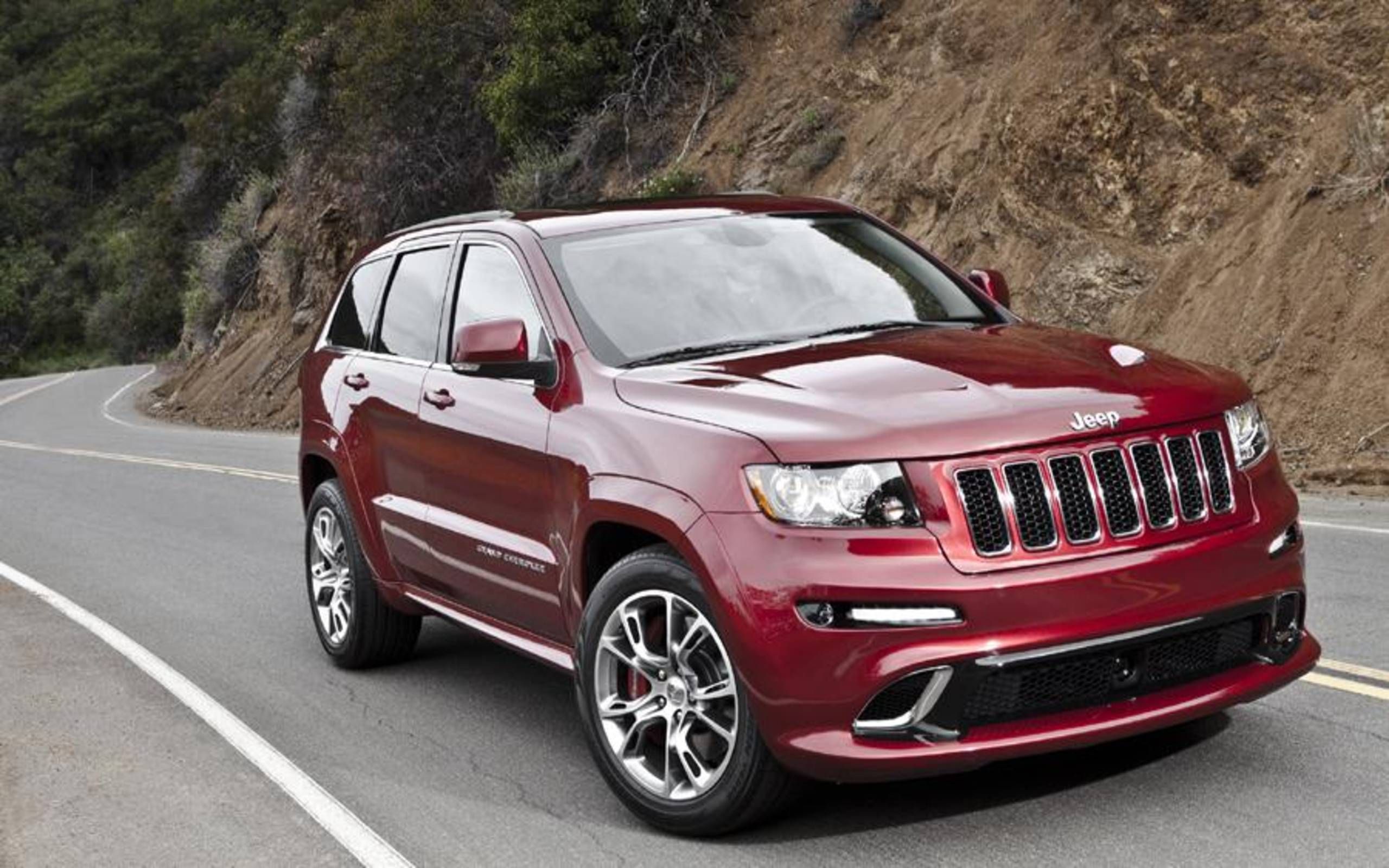
4. 2014 Jeep Grand Cherokee: Transmission and Powertrain Risks
The 2014 Jeep Grand Cherokee presents serious powertrain and transmission defects, reflected in 19 recalls and over 2,300 NHTSA complaints. Drivers report unpredictable shifting into neutral at highway speeds, unresponsive drive or reverse gears, and erratic deceleration, sometimes accompanied by flashing gear indicators.
Engine and cooling system issues exacerbate the problem, including persistent thermostat failures, radiator leaks, EGR cooler faults, and occasional oil-coolant mixing indicative of head gasket or engine block failures. Such defects can disable brakes and power steering unexpectedly, leaving drivers stranded or at risk.
Airbag safety is compromised by the spontaneous deployment of the driver’s active headrest, sometimes striking the occupant without collision. Electrical issues persist, including TIPM failures, liftgate malfunctions, and total loss of power to lighting, radio, or steering systems.
These overlapping problems demonstrate that the 2014 model suffers from a combination of mechanical, electrical, and safety-critical defects, posing significant hazards even after recalls, with many repairs delayed or ineffective.
Prospective owners must weigh the high frequency of serious failures against the vehicle’s off-road capability and interior comfort when considering purchase.
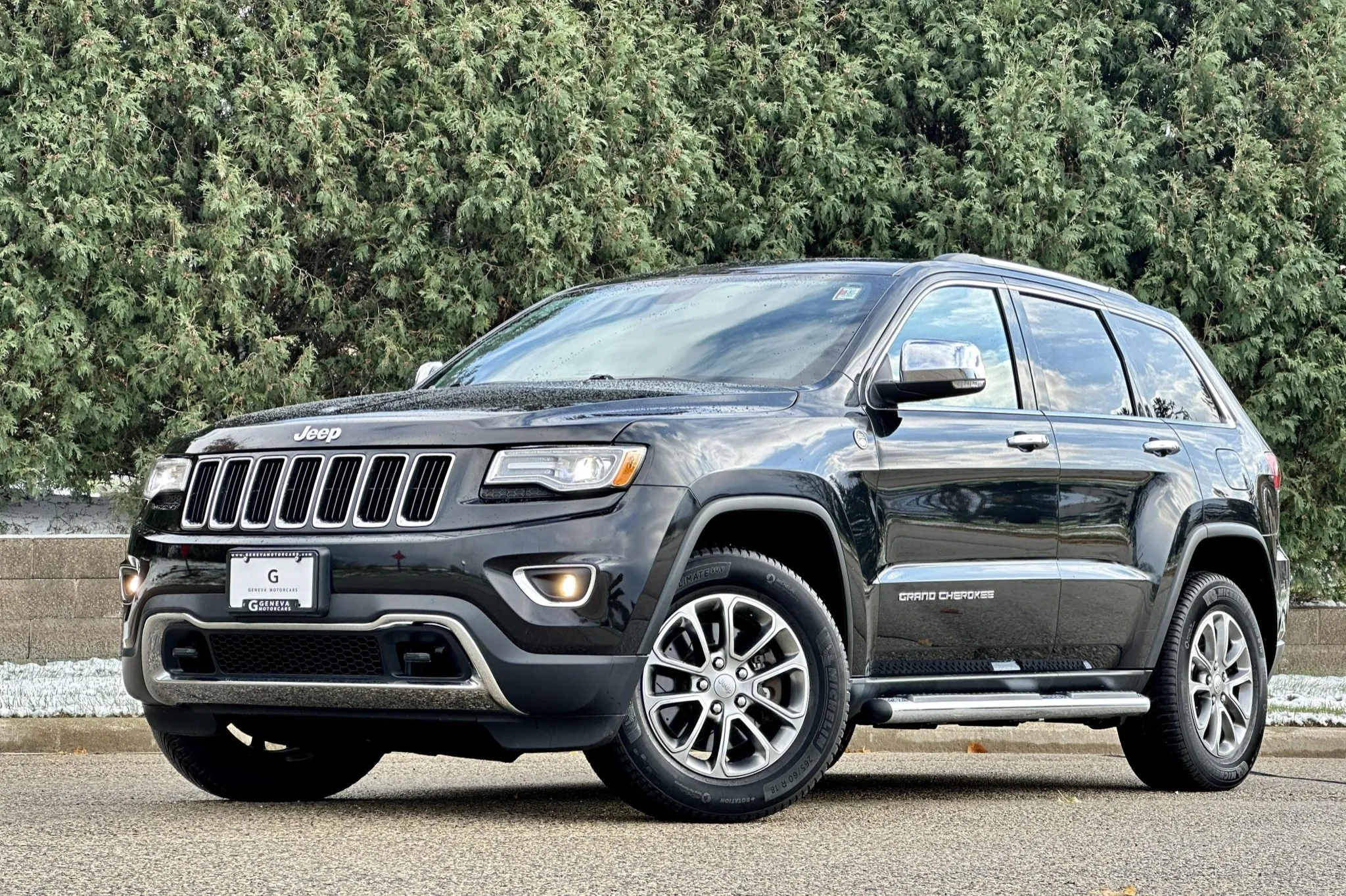
5. 2015 Jeep Grand Cherokee: Continuing Safety and Electrical Concerns
The 2015 Jeep Grand Cherokee continues to exhibit widespread safety and reliability issues, with 10 recalls and 1,270 complaints reported as of 2025.
Powertrain and engine defects are pervasive, affecting both the 3.6L Pentastar and 3.0L EcoDiesel engines, including lifter ticking, coolant intrusion, throttle body malfunctions, EGR cooler failures, and overheating leading to engine seizure.
Drivetrain hesitation and power delays occur unpredictably, with some drivers experiencing spontaneous active headrest deployment, causing concussive injuries due to fragile plastic clips.
Electrical failures remain a recurring theme, from vehicles cranking but not starting to sudden stalls and sensor malfunctions without diagnostic codes. The TIPM again emerges as a primary culprit, linked to multiple unexplained malfunctions, stalling, and loss of safety-critical functions such as brakes and steering.
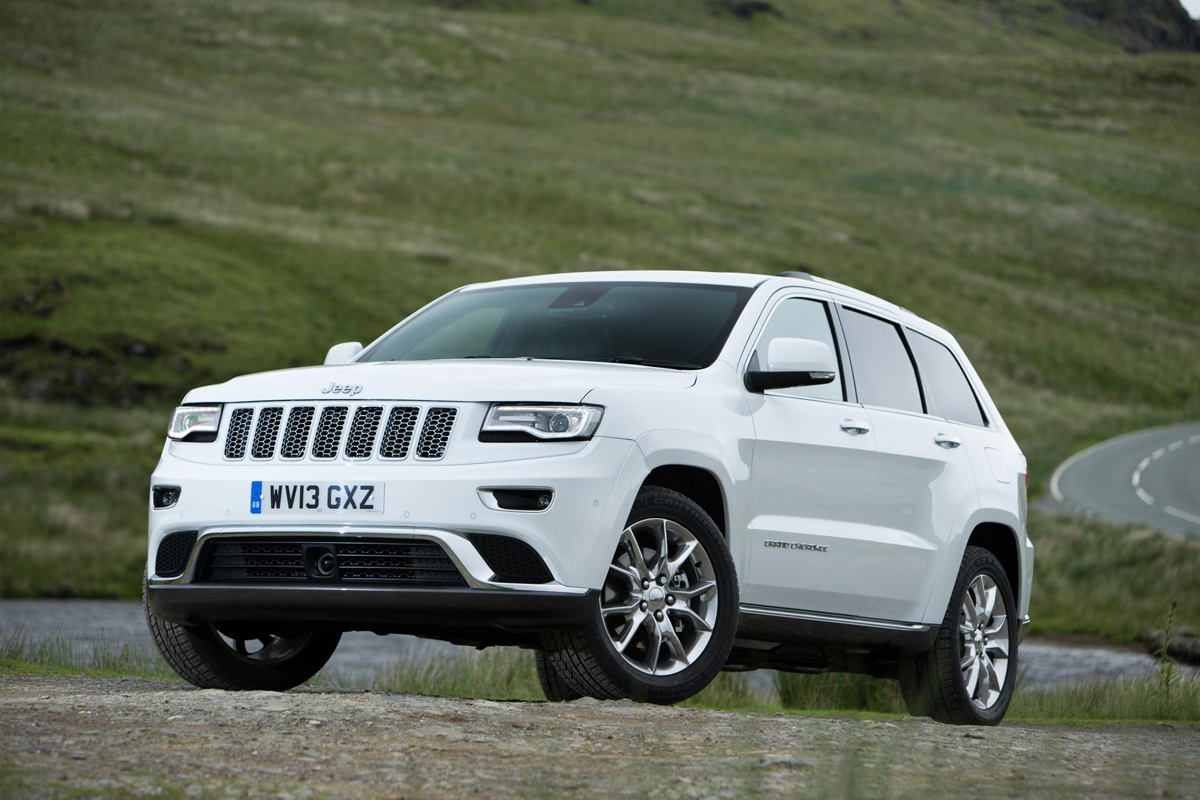
These issues combine to make the 2015 Grand Cherokee a vehicle with recurring, unresolved safety hazards, despite Jeep’s recall efforts. Owners face frequent repairs, unpredictable performance, and potential risks to both themselves and passengers.
The model’s persistent mechanical, electrical, and safety concerns highlight ongoing challenges within the Grand Cherokee lineup during this period, emphasizing the need for caution, inspection, and awareness for prospective buyers or current owners.
Choosing the right Jeep Grand Cherokee requires balancing rugged capability with reliability and safety. The model years highlighted as worth buying demonstrate enduring performance, solid construction, and owner satisfaction, while the recall-prone years underscore the importance of careful inspection and research.
By understanding both the strengths and pitfalls of different model years, buyers can make informed decisions, finding a Grand Cherokee that suits their lifestyle, whether for off-road adventures, towing, or daily driving, while avoiding potential maintenance headaches. With this knowledge, Jeep enthusiasts can enjoy the iconic SUV experience with confidence and peace of mind.
Also Read: 10 Cars That Rarely Sit Unsold In The Lot Due To High Demand in 2025
