
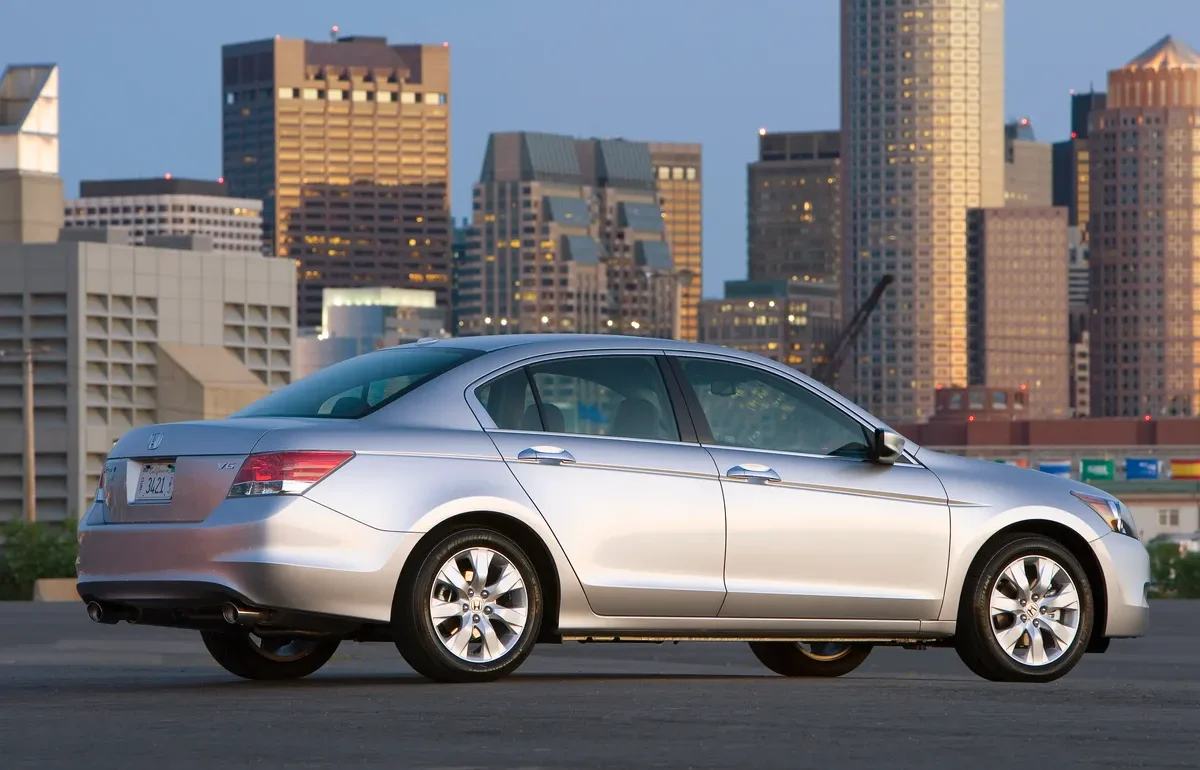
The Honda Accord has long been a benchmark in the midsize sedan segment, celebrated for its reliability, comfort, and strong resale value. Over the decades, it has consistently delivered a balance of practicality and driving enjoyment, making it a favorite among families, commuters, and enthusiasts alike.
However, not every Accord year has lived up to its reputation. Some model years have proven to be shining examples of Honda’s engineering excellence, while others have fallen short due to recurring issues or costly repairs.
For used car shoppers, knowing which years to trust and which to avoid can make all the difference between a smart investment and a financial headache.
In this guide, we’ll highlight five Honda Accord years you’ll never regret owning, thanks to their proven durability, performance, and overall value, and five years that are best left on the lot due to well-documented reliability concerns.
5 Honda Accord Years You’ll Never Regret
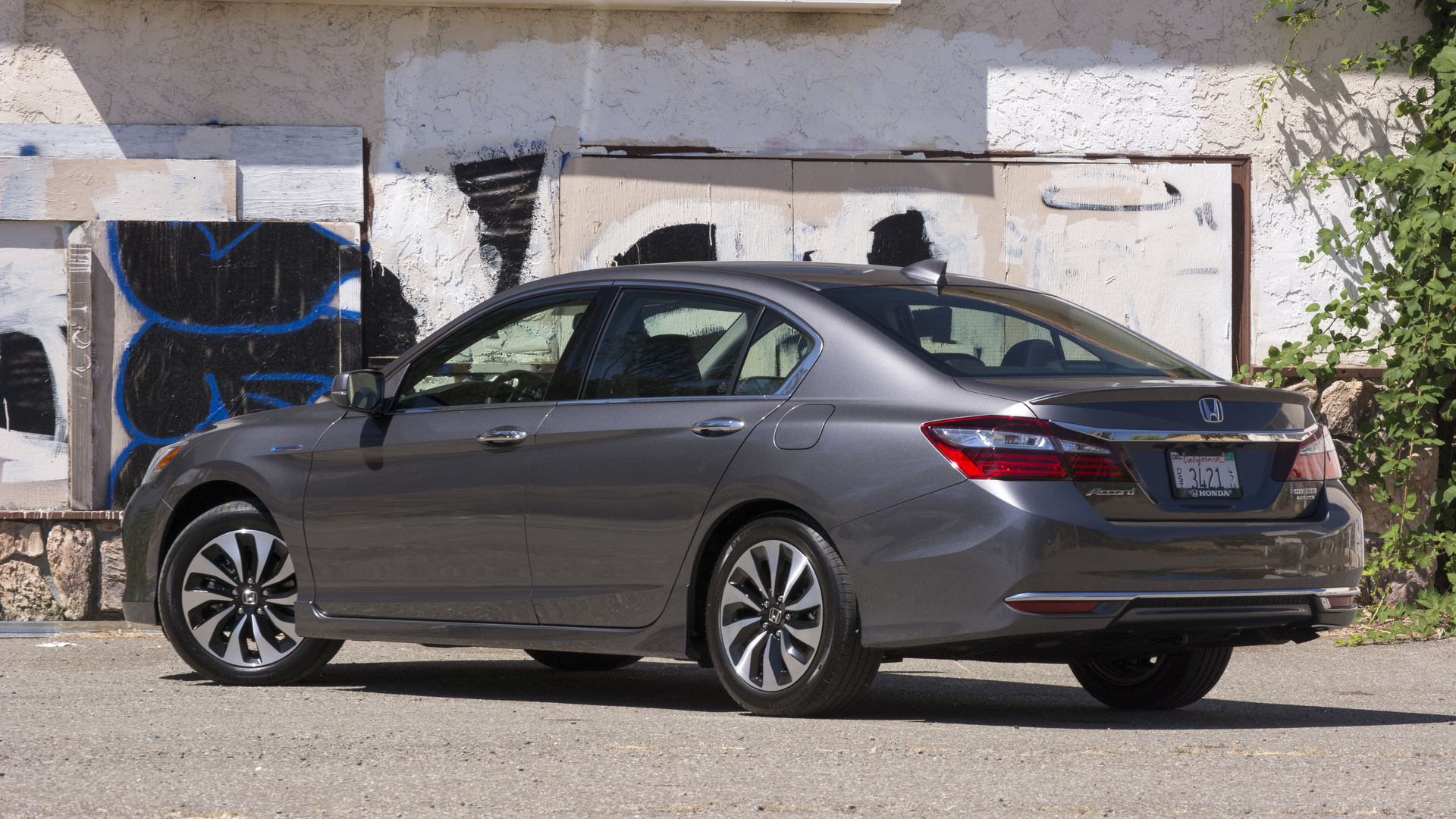
1. 2017 Honda Accord
The 2017 Honda Accord built on the mid-cycle refresh of 2016, featuring a stiffened chassis, sharper exterior styling, and the addition of the Honda Sensing suite of driver-assist features. These updates not only refreshed its look but also significantly boosted safety.
Notably, this model earned an impressive reliability score of 82/100, which remains strong even seven years later. With only two recalls both related to fuel pump concerns the Accord maintained its reputation for durability.
Its average yearly maintenance cost of $316 is lower than most rivals, making it one of the most affordable midsize sedans to maintain. The introduction of the Sport Special Edition, with heated leather seats and red stitching, added a touch of premium appeal to its lineup.
Behind the wheel, the 2017 Accord stood out as one of the most engaging family sedans in its segment. The base four-cylinder engine offered smooth performance and class-average acceleration, while the optional V6 engine delivered near-luxury levels of power, reaching 0-60 mph faster than many premium sedans.
Braking performance was excellent, with short stopping distances and precise modulation, while steering and handling remained responsive and composed even through sharp turns.
Comfort was another strong point, with supportive seating, a smooth suspension that absorbed bumps easily, and impressive noise insulation that rivaled some entry-level luxury models. The only drawback was its somewhat weak climate control system, which struggled in hotter conditions.
Inside, the Accord provided a spacious and practical cabin that prioritized usability and quality. Large doors and an airy cabin made entry and exit easy, while generous legroom and headroom allowed even taller passengers to ride comfortably.
Visibility was excellent thanks to thin roof pillars and large windows, aided further by a standard rearview camera and Honda’s unique LaneWatch system. Storage solutions were thoughtful, with well-sized bins, cupholders, and a reasonably large 15.5-cubic-foot trunk with split-folding rear seats for flexibility.
Interior quality was another highlight, as Honda used durable, upscale materials that contributed to a cabin that felt both refined and built to last.
Where the Accord faltered was in its technology execution. Although it offered a wide range of features, including Apple CarPlay, Android Auto, and the Honda Sensing suite, usability left much to be desired. The touchscreen interface was unintuitive, lacking physical knobs and often frustrating to navigate.
Smartphone integration was inconsistent, and driver aids such as adaptive cruise control and forward collision warning were overly sensitive or slow to respond. Still, the excellent voice control system helped offset some of these shortcomings, allowing for easy input of navigation, calls, and audio commands.
Despite these tech-related flaws, the 2017 Accord remained one of the most well-rounded midsize sedans of its time, combining reliability, comfort, and driving enjoyment in a package that continues to hold strong value today.
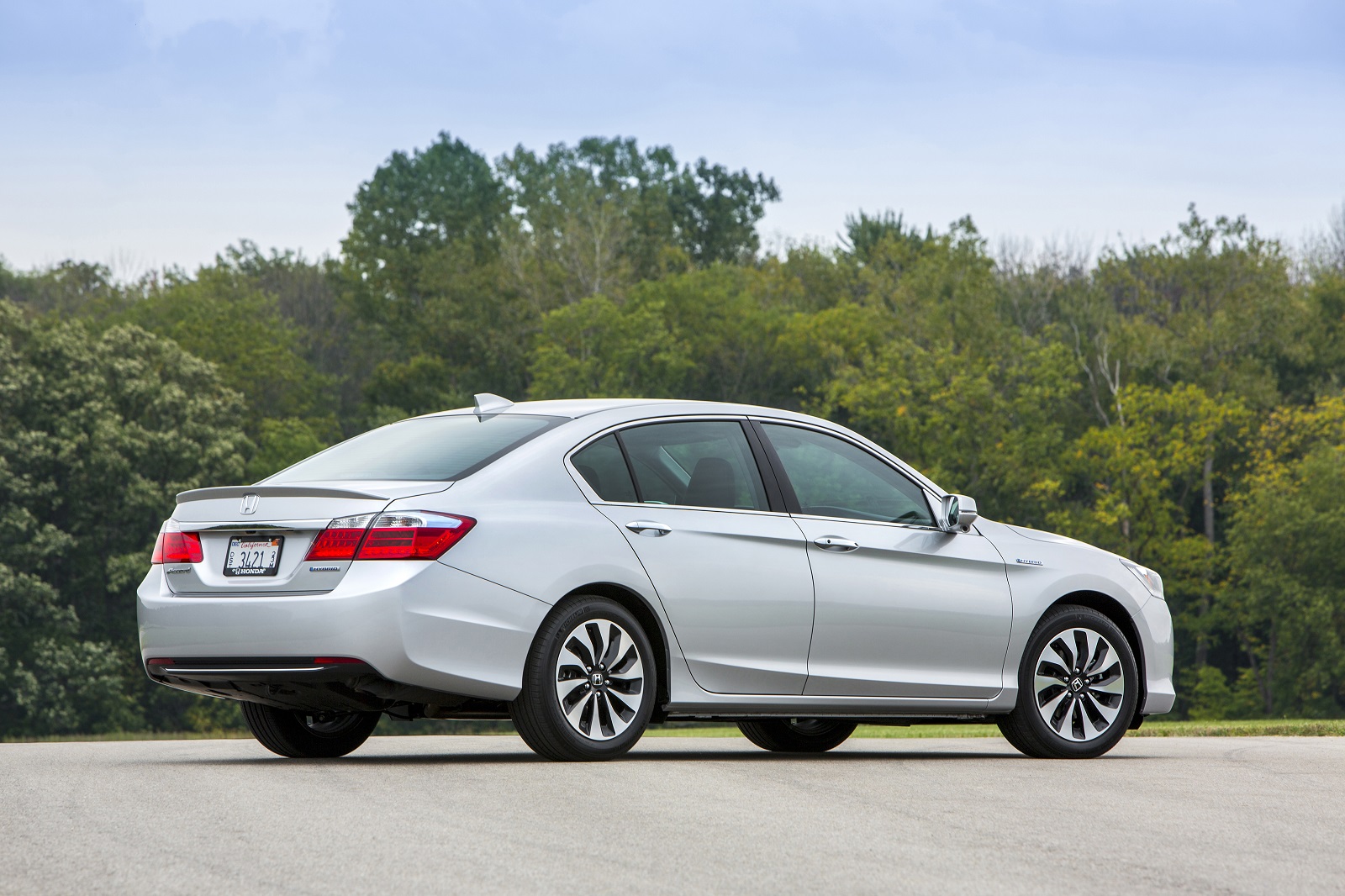
2. 2015 Honda Accord
The 2015 Honda Accord earned a reliability score of 83/100 from J.D. Power, reflecting its strong track record and long-lasting appeal.
Positioned just before the 2016 refresh, this model year stood out with a solid mix of standard features, including dual-zone automatic climate control, USB ports, and a rearview camera, while higher trims offered heated seats and navigation.
Owners frequently praised the car’s durability, with one noting that even after 152,000 miles, their Accord still looked and drove like new. Average annual maintenance costs were estimated at $380, slightly higher than later models, with five recalls primarily linked to fuel pump, driveshaft, and cooling system issues.
Still, its balance of reliability, practicality, and performance made it one of the strongest midsize sedans of its year.
Performance was a major highlight of the 2015 Accord, with the base 2.4-liter four-cylinder delivering 185 horsepower and quick acceleration, reaching 60 mph in just 7.8 seconds.
The available V6 raised output to 278 horsepower, allowing even quicker times of 6.1 seconds while still maintaining respectable fuel economy of 26 mpg combined. Transmission options included a six-speed manual, a CVT for the four-cylinder, and a six-speed automatic for the V6.
Honda’s CVT in particular stood out for its smoothness and responsiveness compared to rivals. On the road, the Accord struck an excellent balance between comfort and agility, with precise steering and a firm yet controlled ride.
While not the sportiest in its class, its composed handling and quick response made it enjoyable for both daily commutes and long trips.
Safety was another strong suit for the 2015 Accord, with standard features such as a rearview camera, stability control, and side curtain airbags. Higher trims added advanced driver aids, including lane departure warning, forward collision warning, and Honda’s unique LaneWatch camera system, which improved visibility during right turns.
In crash testing, the Accord sedan earned five out of five stars overall from the NHTSA, while the IIHS awarded it top “Good” ratings in most categories. Inside, the Accord excelled in comfort and space, with ample legroom and headroom for both front and rear passengers.
Road and tire noise were much quieter than in previous generations, aided by active noise-cancellation technology. However, some drivers found the front seats less comfortable during long drives, particularly compared to competitors like the Camry or Passat.
The cabin of the 2015 Accord was well-built, with high-quality materials and a refined design that rivaled more expensive sedans. Standard models offered simple and functional controls, while upper trims introduced an 8-inch display with a secondary touchscreen interface.
While sleek in design, the touchscreen system drew criticism for being less intuitive and more complex than traditional buttons and knobs. Cargo capacity was average, with 15.8 cubic feet in the sedan and 13.4 cubic feet in the coupe, though the lack of a split-folding rear seat limited versatility.
Despite these minor drawbacks, the Accord remained one of the most well-rounded choices in its segment, combining strong reliability, excellent performance, comfort, and a reputation for long-term value that few rivals could match.
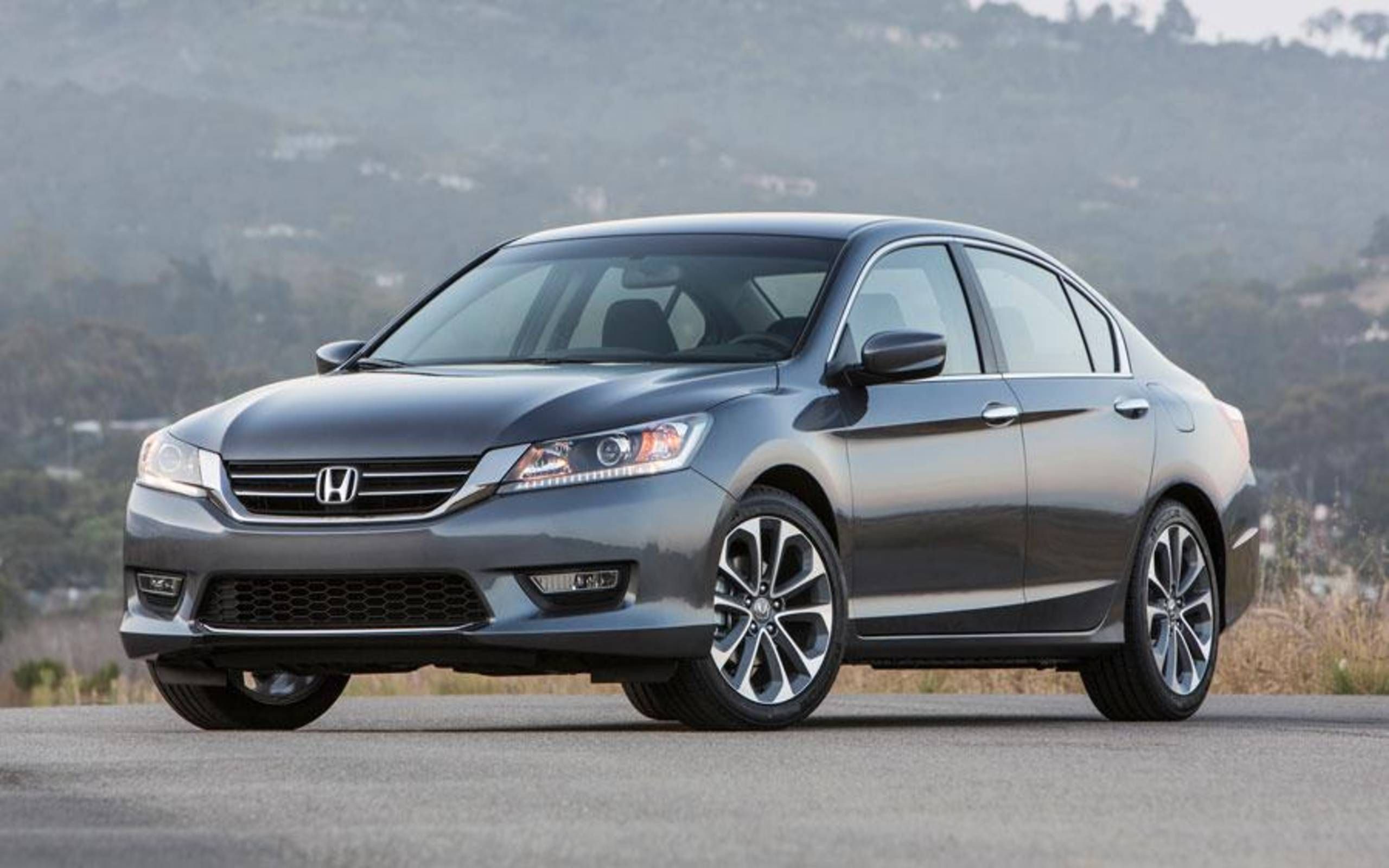
3. 2013 Honda Accord
The 2013 Honda Accord marked a major redesign, debuting as the second model year of the ninth generation and earning a strong reliability score of 83/100 from J.D. Power. By this point, Honda had worked out many of the first-year kinks, producing a model that proved durable, with many still running smoothly past 200,000 miles.
Maintenance costs averaged $447 annually, and recalls were limited to just three, mostly concerning minor issues like a faulty battery sensor and fuel pump seal.
This model year introduced modern connectivity features such as Bluetooth, USB, and Pandora integration, while higher trims added HondaLink for smartphone integration. With its combination of long-term dependability and updated technology, the 2013 Accord became a standout in its segment.
One of the biggest improvements in the 2013 redesign was the addition of direct-injection technology to the 2.4-liter four-cylinder engine, paired with either a six-speed manual or a new continuously variable transmission (CVT).
This setup delivered 185 horsepower (189 in Sport models) and impressive fuel economy up to 30 mpg combined. The available 3.5-liter V6 offered 278 horsepower and paired with a six-speed automatic or manual in coupe models.
This engine delivered class-leading performance, sprinting to 60 mph in as little as 5.6 seconds in testing, while still returning respectable fuel economy of up to 25 mpg combined.
Whether buyers chose the efficient four-cylinder or the powerful V6, the Accord offered smooth, refined performance with precise steering and balanced handling, making it both practical and engaging to drive.
Safety remained a Honda hallmark, with the 2013 Accord offering antilock brakes, stability control, active head restraints, and multiple airbags as standard. Advanced features such as forward-collision warning, lane-departure warning, and Honda’s innovative LaneWatch blind-spot camera were available on higher trims.
Crash test results were excellent: the Accord sedan earned five stars overall from the NHTSA and “Good” ratings in most IIHS categories, including the tough new small-overlap frontal test. On the road, the Accord balanced comfort with agility.
The CVT impressed with its smooth, natural response, while the new electric power steering was light yet precise. Although the suspension leaned slightly firm, it provided excellent control through turns, striking a strong balance between everyday comfort and sporty confidence.
Honda also elevated the Accord’s interior in 2013, creating a cabin that felt more upscale than its predecessor. Materials were higher in quality, the design was clean, and noise levels were significantly reduced thanks to active noise cancellation and improved aerodynamics.
Space remained a strong point despite slightly smaller exterior dimensions; both front and rear passengers enjoyed ample head- and legroom, with visibility enhanced by slimmer roof pillars and a lower beltline.
The trunk offered 15.8 cubic feet in the sedan larger than before and 13.4 cubic feet in the coupe, making it versatile enough for family needs. With its refined cabin, strong practicality, and lasting durability, the 2013 Honda Accord set the standard for midsize sedans, offering a near-perfect blend of comfort, performance, and reliability.
4. 2022 Honda Accord
The 2022 Honda Accord carried forward the strengths of its generation, offering a balanced mix of performance, comfort, and technology. Earning a reliability score of 83/100 from J.D. Power, it showed strong dependability for a relatively new model.
Maintenance costs averaged $400 annually, with three recalls related to the fuel pump and airbag sensor. Available with two turbocharged engines and a hybrid powertrain, the Accord offered efficiency for commuters and responsive performance for those who wanted more excitement.
It also came standard with a comprehensive suite of driver-assist features, supported by a well-engineered safety structure and airbag system, maintaining its reputation as one of the most practical and reliable midsize sedans on the market.
In real-world driving, the 2022 Accord proved responsive and composed, even if its raw numbers were only average. The base 1.5-liter turbo engine reached 60 mph in about 8 seconds, while the CVT delivered smooth transitions and quick throttle response for confident passing.
Handling was sharp, with the Accord maintaining composure through corners and providing predictable braking performance. The steering was accurate and light, though some drivers wished for more road feel.
The hybrid variant offered even greater efficiency while retaining the same poised handling. The Accord managed to combine daily driving comfort with enough agility to keep it engaging behind the wheel.
Inside, the 2022 Accord offered a spacious, refined cabin with supportive front seats, quality materials, and a user-friendly layout. The climate controls were straightforward, and cabin insulation kept wind noise low, though tire noise was more noticeable at highway speeds.
Rear legroom was excellent, but taller passengers in the back had to duck slightly due to limited headroom. Higher trims like the Touring model added luxuries such as ventilated seats and adaptive suspension, though many reviewers preferred the EX and EX-L trims for their comfort and better ride quality with smaller wheels.
Practicality was another highlight, with a wide trunk opening, generous storage compartments, and car seat anchors that were easy to access.
Technology was one of the Accord’s strengths, with a large touchscreen, crisp navigation graphics, and seamless smartphone integration via Apple CarPlay and Android Auto. The infotainment system was easy to use, though steering wheel controls required some adjustment.
Honda’s driver-assist features, including adaptive cruise control and forward collision warning, generally worked well, although some functions, such as lane detection in curves, proved overly sensitive. The Accord’s value was also strong, offering an upscale interior and premium touches at every trim level without forcing buyers to overspend.
While competitors like the Kia K5 and Hyundai Sonata offered longer warranties and more features, the 2022 Accord’s balance of refinement, practicality, and reliability ensured its spot as one of the smartest choices in the midsize sedan class.
5. 2007 Honda Accord
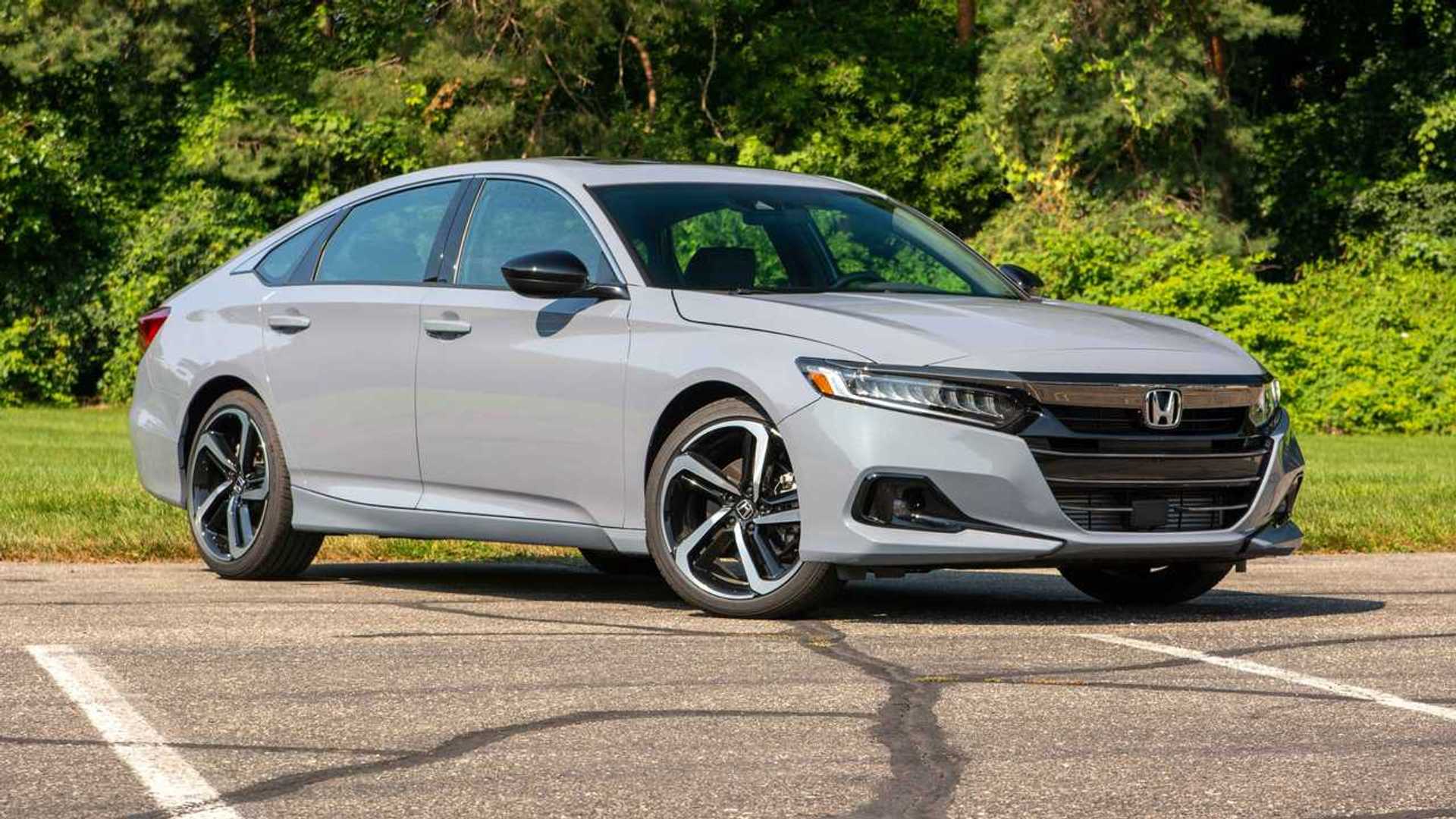
The 2007 Honda Accord might be the oldest of the group, but its reliability stands unmatched. With a stellar 88/100 reliability score from J.D. Power and an impressively low $308 average annual maintenance cost, this Accord embodies Honda’s golden era of dependability.
Unlike newer models with turbocharged engines and complex driver-assist tech, the 2007 Accord kept things simple: naturally aspirated four- and six-cylinder engines, straightforward features, and a clean, functional cabin.
While it carried nine recalls, its long-term durability and low ownership costs helped cement its reputation as one of the most dependable midsize sedans of its time.
Buyers in 2007 could choose between a smooth 2.4-liter inline-four (166 hp) and a robust 3.0-liter V6 (244 hp), both offering typical Honda refinement and reliability. Transmission options included a five-speed manual, five-speed automatic, and even a six-speed manual for the sporty EX-L V6.
The Accord Hybrid added Honda’s IMA assist system to the V6, producing 253 hp and offering fuel economy close to the four-cylinder model. On the road, the Accord provided a balanced mix of comfort and control, with sharp steering and a composed suspension setup.
While rivals like the Nissan Altima and Ford Fusion delivered sportier handling, the Accord excelled at refinement, making it a confident and comfortable daily driver.
Honda equipped every 2007 Accord with ABS, front-seat side airbags, and full-length curtain airbags. V6 trims came with stability control for added security. Crash test scores were strong: five stars in NHTSA frontal tests and top-tier “Good” ratings from the IIHS.
Although its braking distances were longer than some competitors, the Accord remained a safe and family-friendly choice. The Hybrid, though powerful, underdelivered on real-world fuel economy, which made the standard four-cylinder the sweet spot for efficiency.
Step inside, and the Accord demonstrated why it was a family favorite. The interior was filled with high-quality materials, logical controls, and excellent ergonomics. Seats were supportive for long drives, and the spacious rear bench provided generous legroom for passengers.
With its 14-cubic-foot trunk (or 11.2 cu-ft in the Hybrid), cupholders, and well-placed storage bins, it was built with families in mind. Whether in sedan or coupe form, the Accord’s cabin balanced style, practicality, and comfort in a way that made it timeless.
The 2007 Accord may lack the tech and flash of newer models, but its blend of bulletproof reliability, strong safety, comfortable ride, and family-friendly interior made it a legend in its own right.
For buyers seeking an affordable, no-nonsense midsize sedan with proven long-term durability, the 2007 Accord still represents one of Honda’s finest efforts.
Also Read: 5 Cars That Feel New at 10 Years and 5 That Feel 20 at Year 3
5 Honda Accord Years That You Will Regret
1. 2003 Honda Accord
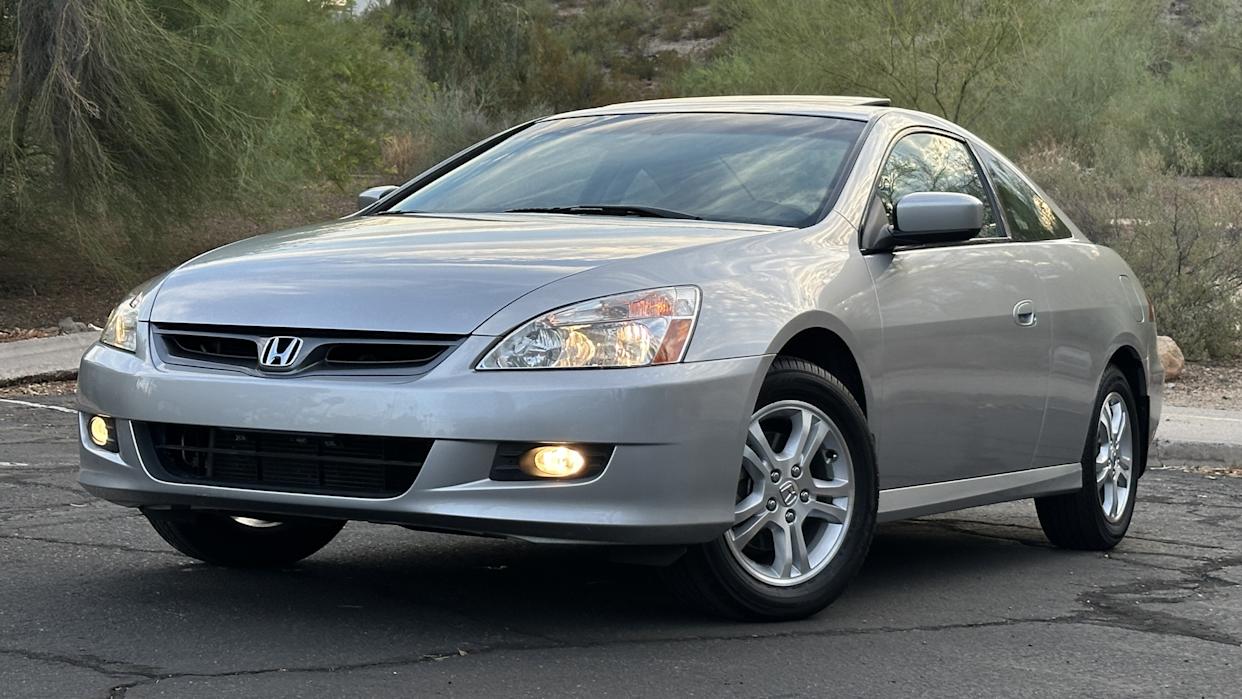
The 2003 Honda Accord is notorious for its widespread transmission failures, which overshadowed the model’s reputation for durability. Many owners reported automatic transmission breakdowns around 90,000 miles, well below the expected lifespan of a Honda.
Repair costs typically ranged from $2,700 to $3,500, making it one of the most expensive issues in Accord history. In addition to transmission woes, owners also faced premature brake wear and electrical glitches, further lowering satisfaction levels.
Consumer Reports and CarComplaints consistently flagged these issues, cementing 2003 as a year to avoid for used buyers. While the car still offered Honda’s signature comfort and performance, its reliability concerns made it an expensive and risky choice in the midsize sedan market.
2. 2008 Honda Accord
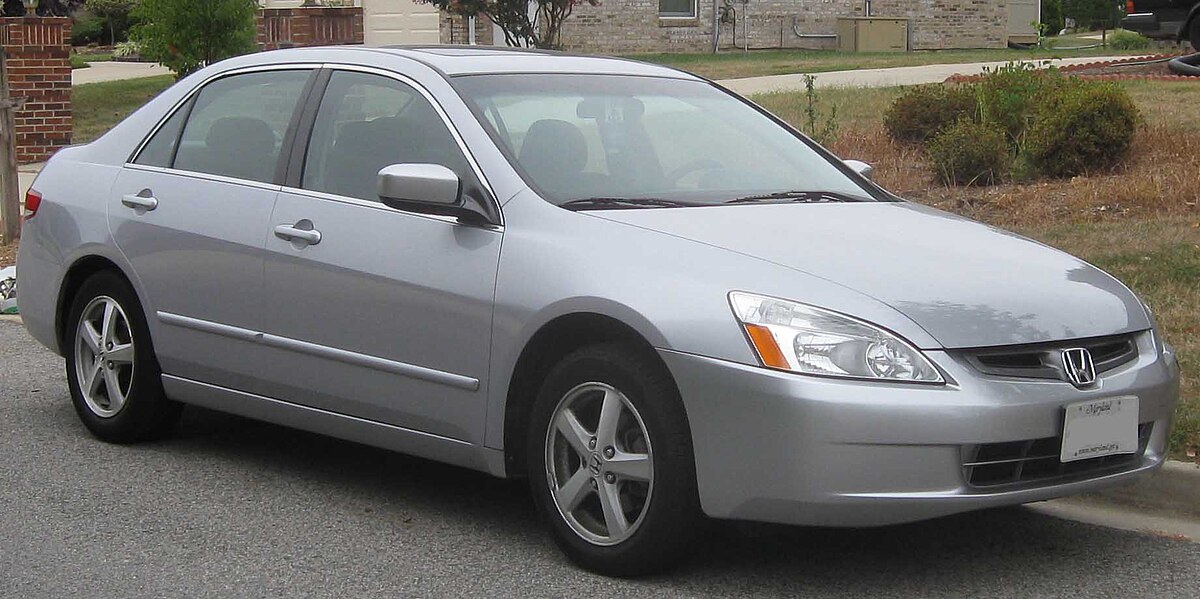
The 2008 Honda Accord debuted with a fresh design but unfortunately carried significant flaws. The most common issue was excessive oil consumption, with many owners forced to check and top off oil frequently. This not only created ongoing maintenance hassles but also raised long-term ownership costs.
Consumer Reports also noted complaints about uncomfortable seats, which caused driver fatigue during extended trips. Despite these concerns, the Accord’s handling and overall performance were praised, offering a sporty yet refined driving experience.
Still, the constant oil top-ups and subpar comfort overshadowed its strengths. As a result, the 2008 Accord, while attractive in styling and drive quality, is often regarded as a model year to skip for reliability-minded buyers.
3. 2010 Honda Accord
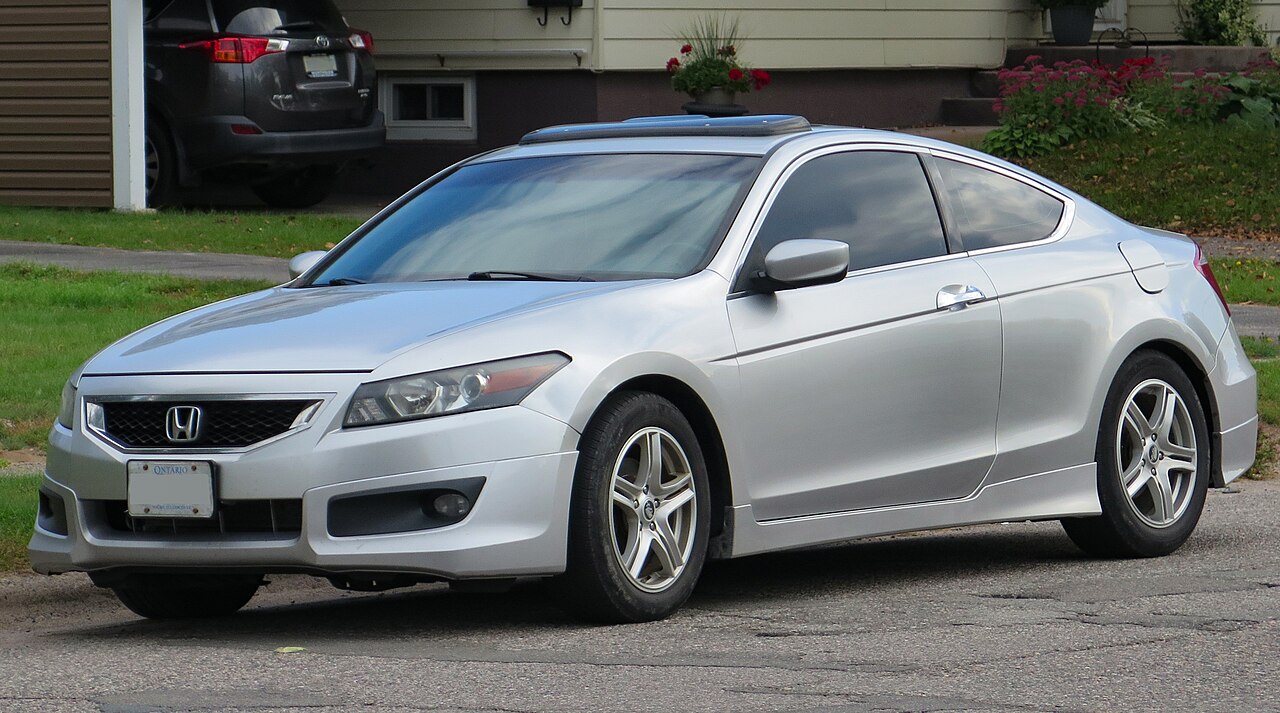
By 2010, Honda still struggled with the recurring oil consumption issue that plagued earlier models. This problem often stemmed from faulty piston rings, causing owners to add oil between regular changes and sometimes face costly repairs.
According to CarComplaints, symptoms could appear as early as 50,000 miles, creating frustration for those expecting Honda’s long-term reliability. Premature brake wear was another common issue, adding further strain on maintenance budgets.
While the Accord remained comfortable and practical overall, these persistent flaws contributed to below-average satisfaction scores. Consumer Reports echoed the concerns, making it clear that 2010 was another Accord year to avoid. For used buyers, this model poses more risks than rewards compared to more reliable alternatives.
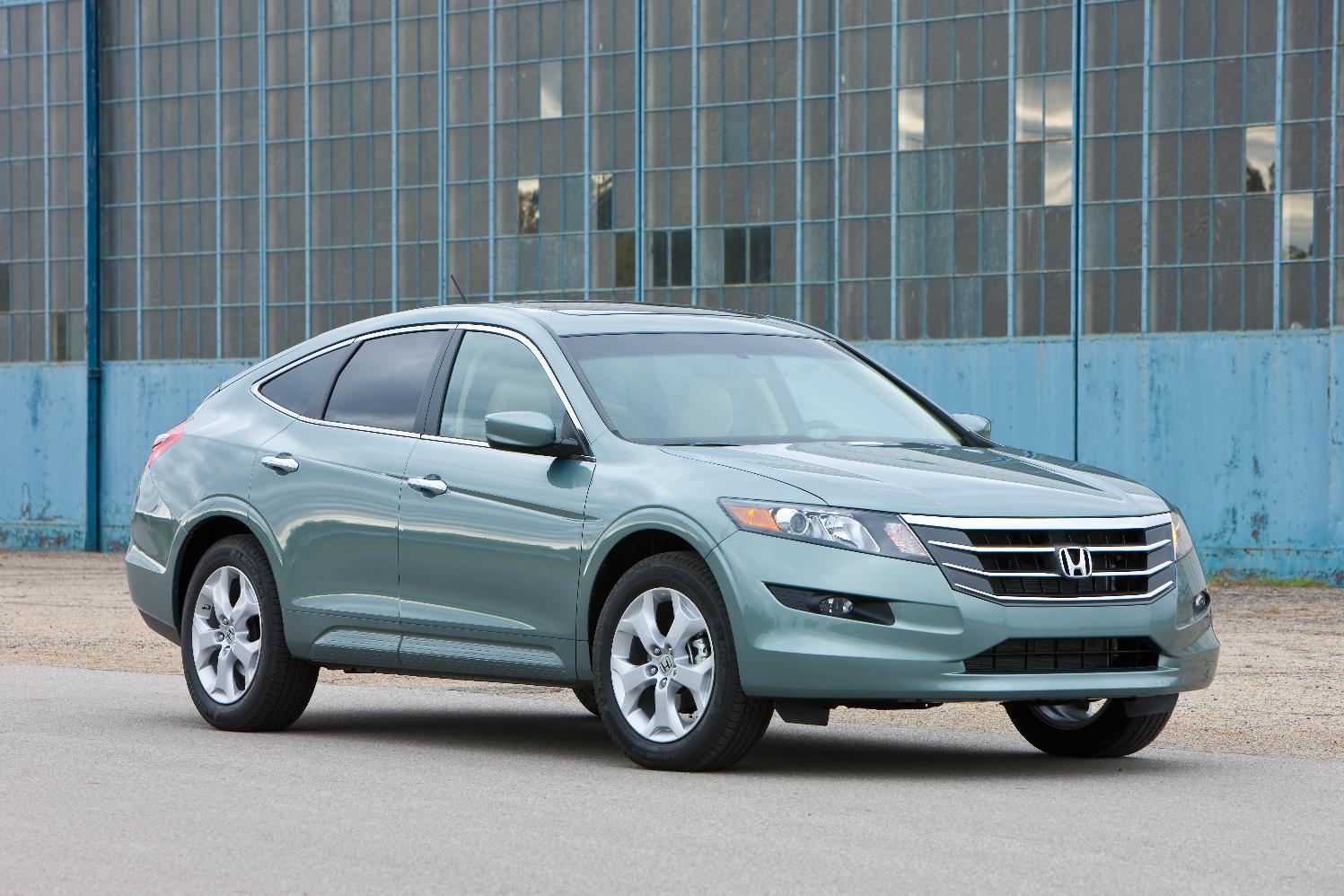
4. 2013 Honda Accord
The 2013 Honda Accord marked a modern redesign with improved fuel efficiency and updated features but introduced new reliability concerns. Many owners experienced issues with the continuously variable transmission (CVT), which was prone to failure and costly to replace.
Problems often surfaced around 60,000 miles, leaving owners with steep repair bills. Electrical glitches, such as malfunctioning infotainment systems and failing power door locks, were also frequently reported. While the car impressed with its efficiency and lively performance, these recurring faults diminished its appeal.
J.D. Power highlighted CVT-related complaints, further underscoring its risks. For shoppers considering a used Accord, the 2013 model presents an attractive design but remains a gamble due to questionable long-term dependability.
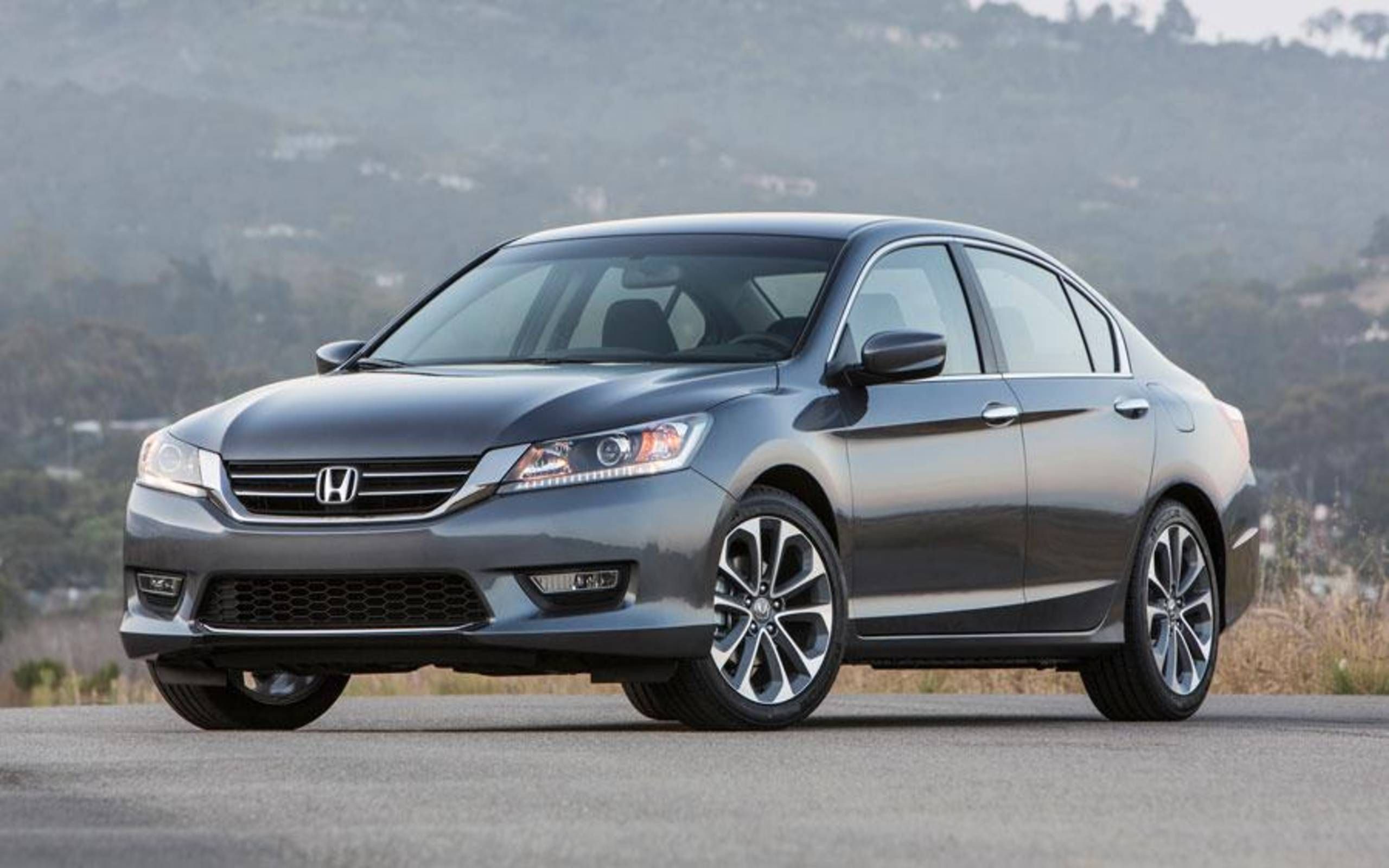
5. 2014 Honda Accord
The 2014 Honda Accord carried forward many of the same issues from the previous year, especially with the CVT transmission. Owners frequently reported shuddering, stalling, and early failure, making it a frustrating ownership experience.
Problems often arose soon after purchase, undermining expectations of Honda’s reliability. In addition to transmission flaws, some drivers encountered starter motor failures, which could leave them stranded without warning.
These compounded issues made the 2014 Accord one of the least dependable choices in the lineup. While it still offered comfort, space, and efficiency, its reliability was inconsistent at best. For used buyers seeking peace of mind, the 2014 Accord remains a model year best avoided despite its modern styling and features.
The Honda Accord’s reputation as one of the most dependable midsize sedans is well-earned, but as history shows, not every model year is created equal. The best Accord years combine reliability, low maintenance costs, and a refined driving experience that continues to hold up even with age.
On the other hand, the years to avoid often share common problems whether it’s transmission failures, excessive oil consumption, or electronic glitches that can turn ownership into a frustrating and expensive ordeal.
For buyers in the used market, choosing wisely means enjoying thousands of miles of stress-free driving and long-term value. Whether you’re seeking a modern tech-filled commuter or a tried-and-true daily driver, sticking with the most reliable Honda Accord years will ensure you get the best of what this legendary sedan has to offer.
Also Read: 10 Cars With the Lowest Insurance Rates for U.S. Drivers
