When people shop for a car, they usually focus on performance, safety ratings, or gas mileage. But one of the most overlooked components that can make or break the ownership experience is the engine mount.
These mounts are designed to hold the engine securely in place, reduce vibrations, and absorb the natural movement of the drivetrain. When they work well, the cabin stays smooth and quiet. When they don’t, drivers feel every rattle, shake, and clunk.
Engine mounts typically use a combination of rubber, hydraulic fluid, or even electronically controlled systems to balance out engine motion.
Over time, cheaper mounts wear out, causing shaking at idle, harsh vibrations under acceleration, and unpleasant noises that make even a well-built car feel cheap.
On the flip side, vehicles with high-quality or over-engineered mounts can go well over 150,000 miles without significant issues.
Below, we’ll break down five cars that are praised for their durable, rattle-free engine mounts, and five that unfortunately have a reputation for vibration problems.
Cars with Engine Mounts That Don’t Rattle
Few things are more irritating for a driver than the constant rattling of an engine. That persistent vibration under the hood not only makes your daily commute annoying but can also signal potential wear and tear over time.
Thankfully, not all cars are created equal when it comes to engine stability. Some models are engineered with precision-engineered engine mounts that keep vibrations at bay, delivering a smoother, quieter ride. In this article, we’re diving into cars with engine mounts that don’t rattle, vehicles that combine reliability, comfort, and peace of mind under the hood.
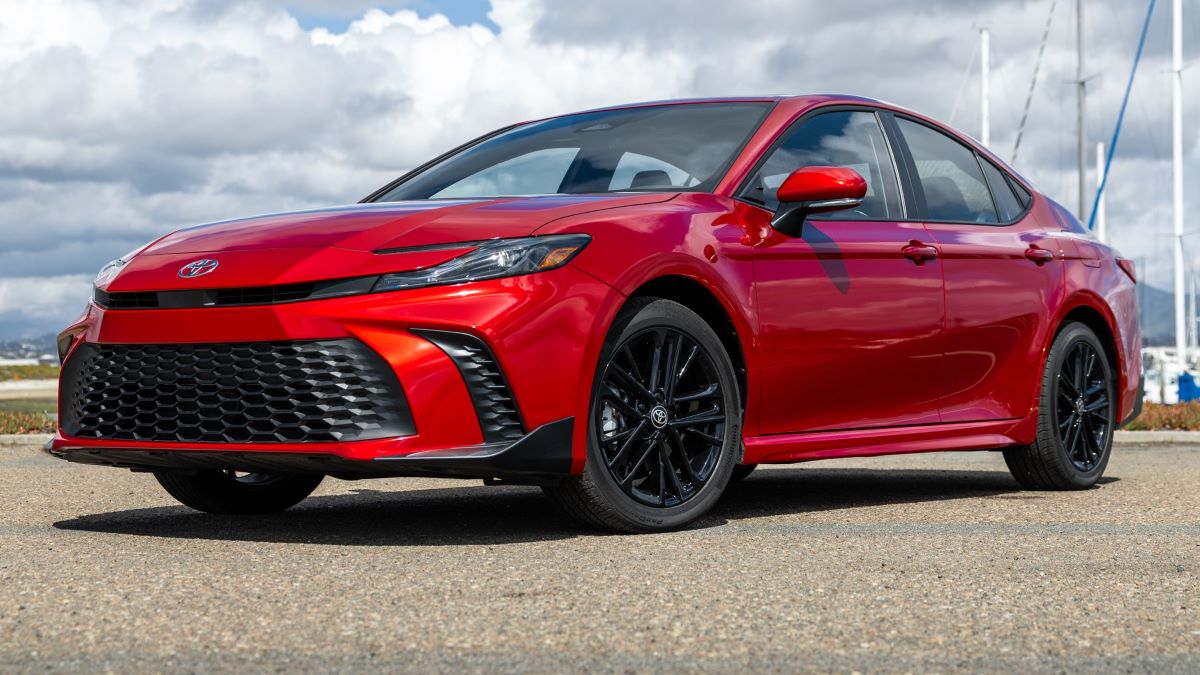
1. Toyota Camry
The Toyota Camry has built its reputation on reliability, and part of that comes from its smooth and stable engine behavior. Toyota uses high-quality hydraulic engine mounts that are designed to absorb idle vibration from its four-cylinder and V6 engines.
Even as the miles add up, most Camry owners report very little cabin shake. This level of refinement has helped make the Camry one of the best-selling sedans in America for decades. For commuters who spend hours in traffic, the lack of vibration fatigue makes a noticeable difference.
With the Camry having just undergone a redesign for 2025, changes for the 2026 model are minimal, most notably the Nightshade Edition. True to its name, the Nightshade adds striking dark accents around the exterior, including the grille, side mirror caps, antenna fin, and more, paired with 19-inch gloss black wheels. The 2026 lineup also introduces a new color option: Dark Cosmos, a subtle hazy blue available on the SE, XLE, and XSE trims.
Inside, the LE, SE, and Nightshade Editions come standard with a seven-inch digital gauge cluster, while the more premium XLE and XSE trims feature a 12.3-inch unit. Both trims also offer a 10-inch head-up display as an option, perfect for showing navigation, speed limits, and safety alerts at a glance.
The Camry’s standard infotainment system includes an eight-inch touchscreen, upgradeable to 12.3 inches, complete with wireless Apple CarPlay and Android Auto. A phone charging pad is included, and a subscription-based Drive Connect service enables a voice assistant for hands-free control.
2. Honda Accord (2013–present)
Honda had some issues with mounts in earlier generations of the Accord, but the brand turned things around starting in the mid-2010s.
Recent Accord models, particularly those with turbocharged four-cylinders, benefit from electronically controlled active mounts that neutralize engine vibrations before they’re felt in the cabin.
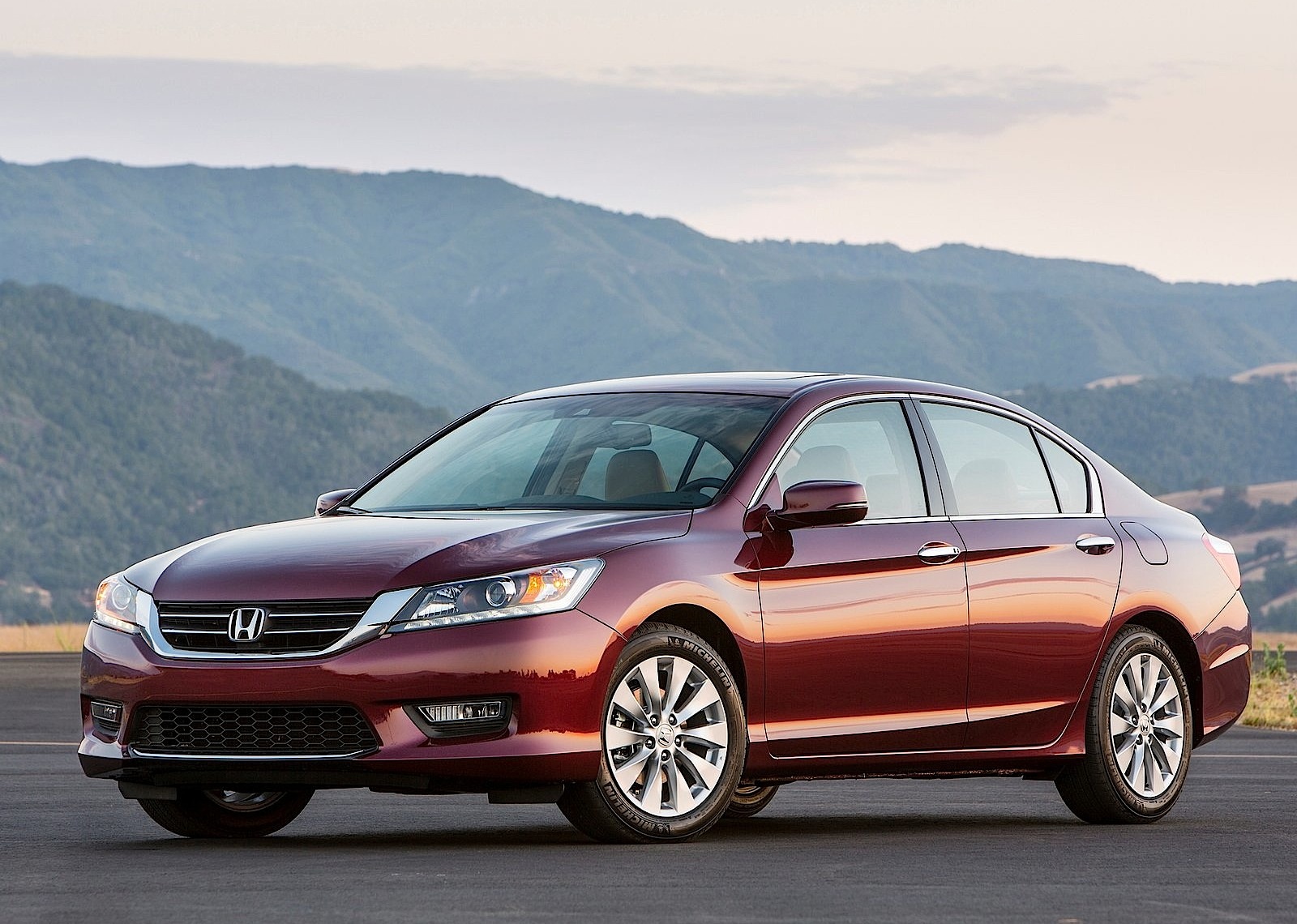
It’s a technology that was once reserved for luxury cars but has trickled down into mainstream models. For buyers, this means fewer repair headaches and a smoother driving experience.
The 2017 Honda Accord sees few changes this year, though a new Sport Special Edition sedan joins the lineup. Building on the regular Sport trim, it adds heated leather seats with red accent stitching, offering a subtle but sporty upgrade.
Even though the Accord received major updates last year, the 2017 model continues to appeal to a wide range of buyers—whether you value interior space, fuel efficiency, overall value, or an engaging driving experience. Despite being a carryover from the 2013 full redesign, the Accord remains a benchmark in the midsize sedan segment, with many rivals still trying to catch up.
It’s arguably Honda at its finest: comfortable, well-equipped, and genuinely fun to drive. From a family sedan to a sporty yet practical coupe, the 2017 Accord delivers across the board, making it hard to ignore for anyone shopping in this segment.
3. Lexus RX
As a luxury SUV, the Lexus RX is engineered for quietness and comfort above all else. Lexus uses advanced hydraulic mounts that reduce not only vibration but also help isolate the cabin from road harshness.
The mounts in the RX are also built with durability in mind owners frequently drive these SUVs well past 200,000 miles without encountering significant vibration issues.

This attention to detail is part of what separates Lexus from mainstream brands: the refinement comes not just from the engine itself, but from the way it’s supported.
The 2025 Lexus RX is a five-passenger midsize luxury SUV available in four distinct models: the RX 350, the hybrid RX 350h, the plug-in hybrid RX 450h+, and the performance-oriented RX 500h hybrid. While each model shares similar standard equipment, there are notable differences in powertrains and trim options.
Both the RX 350 and RX 350h are offered in five trims: base, Premium, Premium+, F Sport Design, and Luxury. The RX 350 also offers an F Sport Handling trim for drivers seeking a firmer ride and sportier handling.
The RX 350 is powered by a turbocharged 2.4-liter four-cylinder engine producing 275 horsepower and 317 lb-ft of torque, paired with an eight-speed automatic transmission and standard all-wheel drive. The RX 350h uses a 2.5-liter four-cylinder hybrid engine delivering 246 hp and 233 lb-ft of torque through a continuously variable transmission (CVT).
The RX 450h+ features an upgraded version of the 350h’s hybrid powertrain, generating 304 hp and equipped with a larger battery that allows for approximately 37 miles of electric-only driving. This plug-in hybrid is offered exclusively in the top Luxury trim.
Finally, the RX 500h combines a turbocharged 2.4-liter four-cylinder engine with a hybrid system, producing 366 hp and 406 lb-ft of torque. It features a six-speed automatic transmission and sport-tuned all-wheel drive, available only in the F Sport Performance trim.
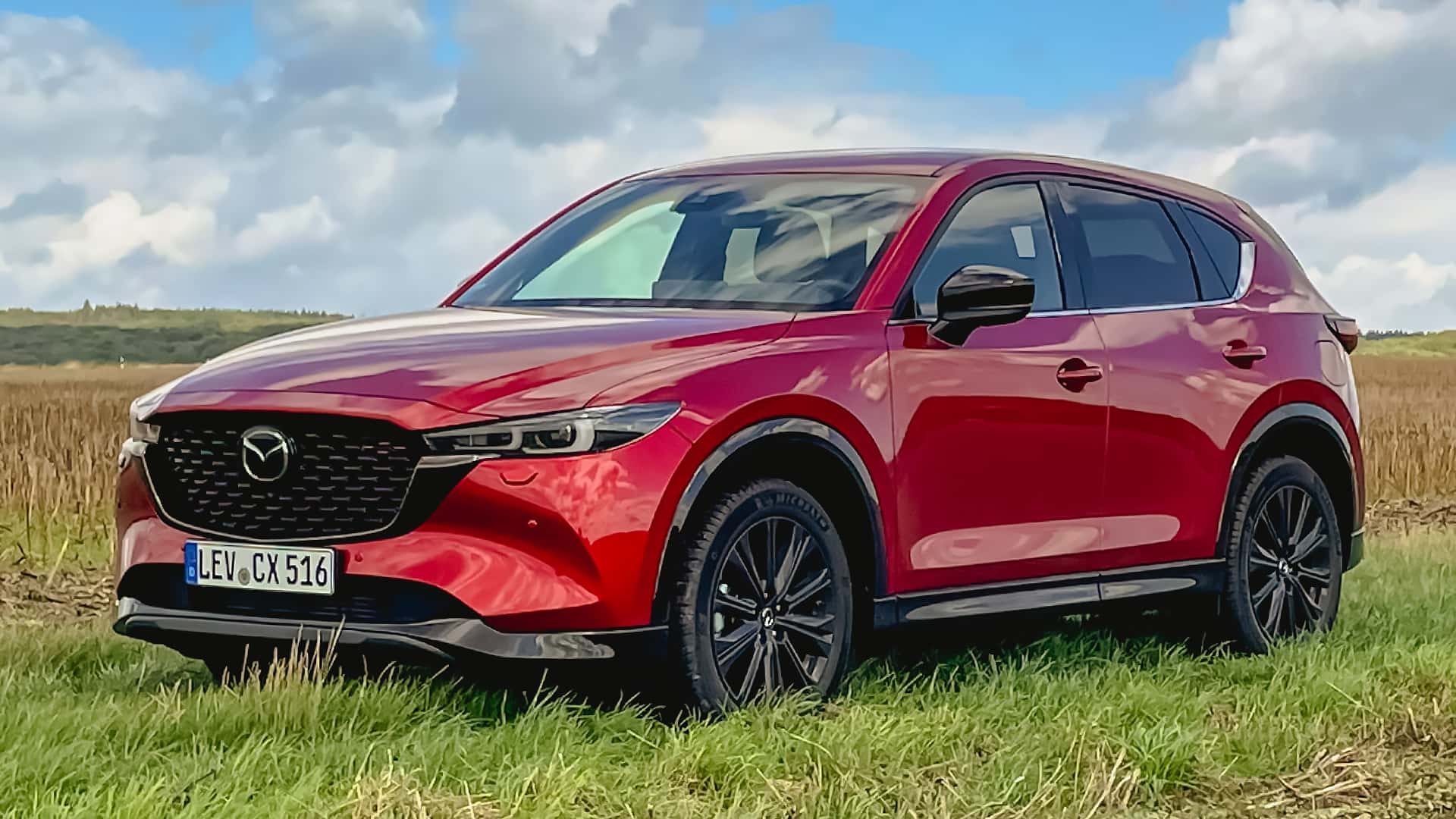
4. Mazda CX-5
Mazda has always emphasized driving engagement, but that doesn’t mean it sacrifices refinement.
The CX-5 is a great example of balance, with mounts that are stiff enough to keep the engine steady during spirited driving, yet soft enough to prevent rattles in everyday conditions.
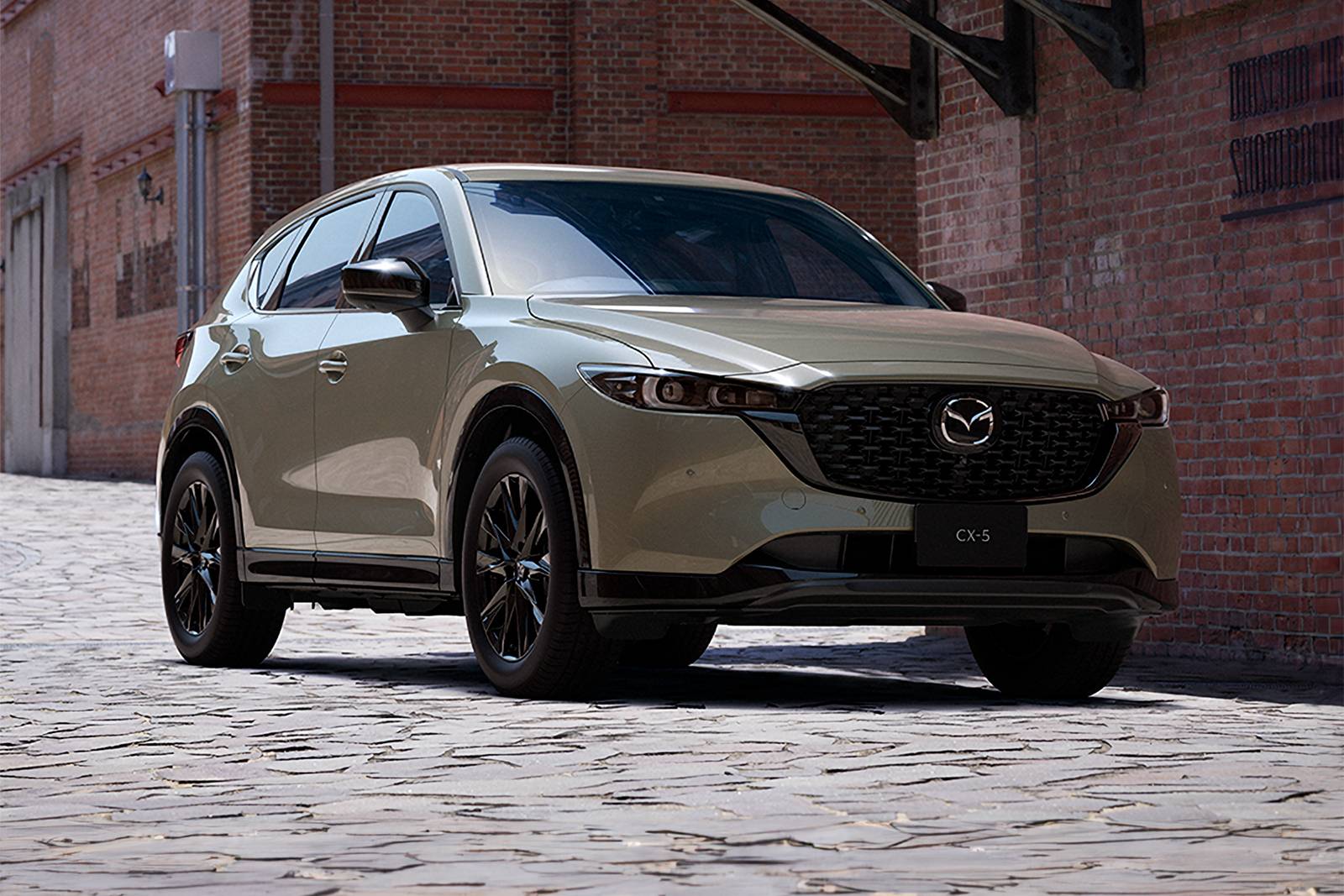
Many crossover competitors suffer from shaky idles or buzzing sensations through the steering wheel, but the CX-5 keeps things smooth. This contributes to why the CX-5 feels more “premium” than its price tag suggests.
he 2025 Lexus RX is a five-passenger midsize luxury SUV available in four distinct models: the RX 350, the hybrid RX 350h, the plug-in hybrid RX 450h+, and the performance-oriented RX 500h hybrid. While each model shares similar standard equipment, there are notable differences in powertrains and trim options.
Both the RX 350 and RX 350h are offered in five trims: base, Premium, Premium+, F Sport Design, and Luxury. The RX 350 also offers an F Sport Handling trim for drivers seeking a firmer ride and sportier handling.
The RX 350 is powered by a turbocharged 2.4-liter four-cylinder engine producing 275 horsepower and 317 lb-ft of torque, paired with an eight-speed automatic transmission and standard all-wheel drive. The RX 350h uses a 2.5-liter four-cylinder hybrid engine delivering 246 hp and 233 lb-ft of torque through a continuously variable transmission (CVT).
5. Hyundai Sonata (2015 and newer)
Hyundai’s big leap forward in quality over the past decade shows clearly in the Sonata. Previous generations struggled with premature mount wear, but starting in 2015, Hyundai upgraded its engine mount designs.
Modern Sonatas now feature hydraulic-filled mounts that reduce idle shake, making them competitive with Toyota and Honda.
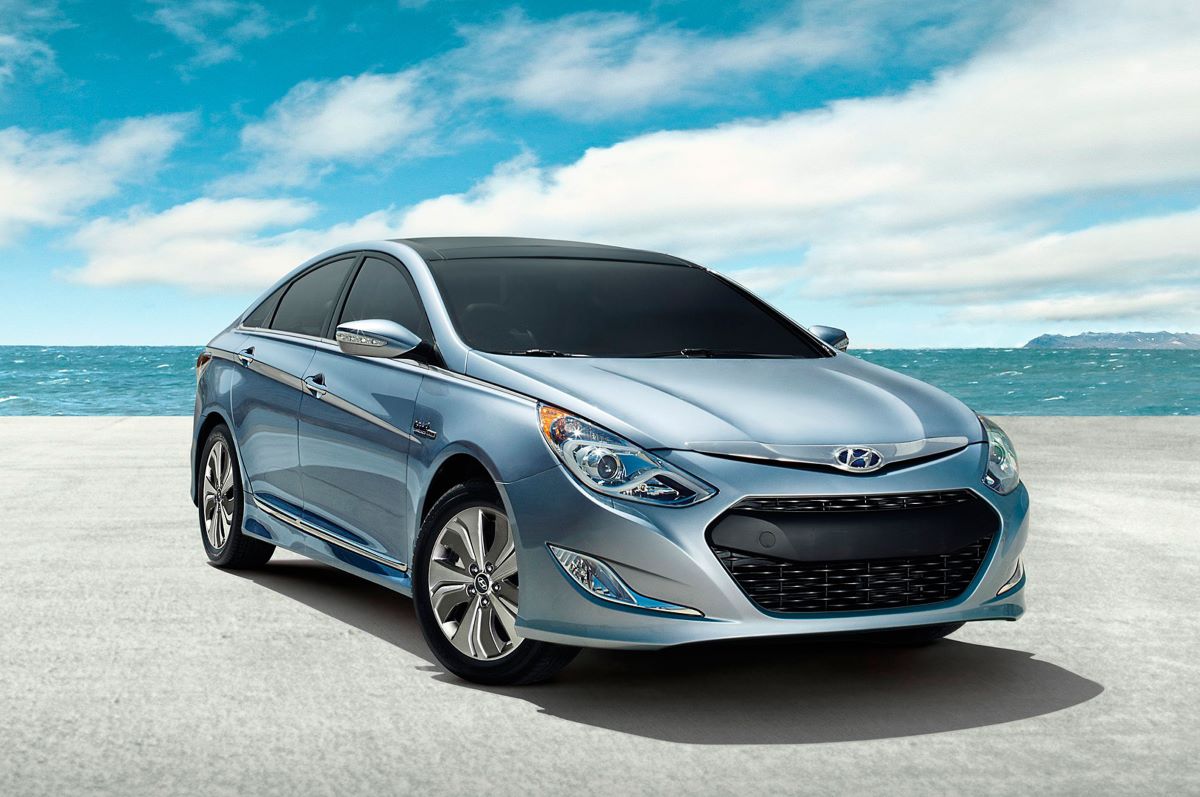
Many owners note how smooth their Sonata feels even at higher mileages, a sign that Hyundai’s improvements weren’t just cosmetic they tackled the small engineering details too.
Cars with Engine Mounts That Shake
Even the smoothest ride can turn frustrating when engine mounts start to shake. That subtle, or sometimes not-so-subtle, vibration under the hood isn’t just annoying; it can be a warning sign of wear and tear that affects both comfort and vehicle longevity
. While many cars are engineered to minimize engine movement, some models are more prone to shaky mounts, leaving drivers with constant rattles and vibrations. In this article, we’re taking a closer look at cars with engine mounts that shake, why it happens, and what it means for your driving experience.
1. Ford Escape (2013–2019)
The Ford Escape has been a strong seller in the US crossover market, but owners often complain about vibrations, especially as the mounts begin to wear prematurely.
The issue is particularly noticeable in models equipped with the 1.6L and 2.0L EcoBoost engines. Drivers report harsh shaking when shifting into gear or sitting at a stoplight, and replacement mounts often fail again within 40,000–60,000 miles.
While the Escape offers good driving dynamics, its mount issues undermine long-term refinement. The 2014 Ford Escape stands out as one of the best small crossovers in a segment full of worthy entries.
Completely redesigned last year, the Ford Escape remains one of our favorite compact crossover SUVs. It has sharp handling, handsome styling and high-end interior touches that help justify its marginally higher price in this class.
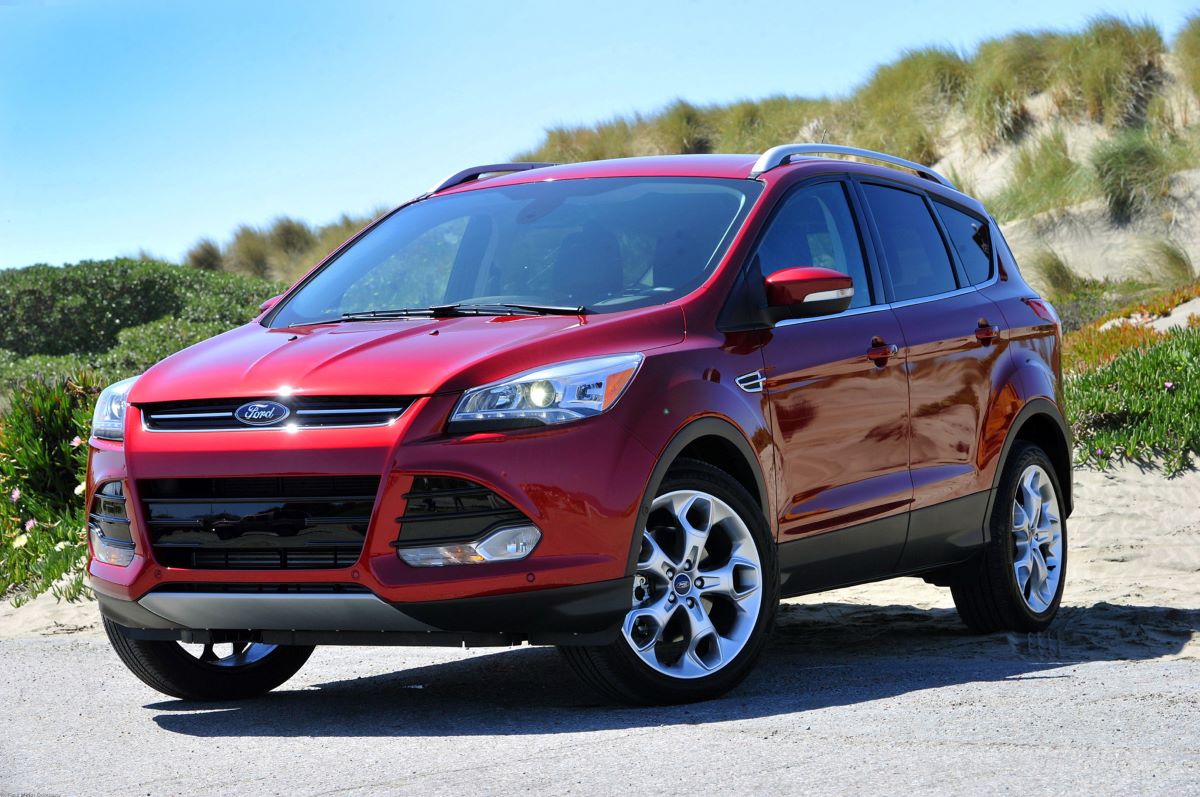
You don’t have to look at the 2014 Ford Escape for very long before you start to think it looks like a pumped-up Ford Focus, and with good reason. The Escape is based on the same platform as the Focus, and it shows in the sleek styling.
We love the Ford Focus for its quality, versatility and superb driving character, and those traits translate well to the Escape package. Sure, the Escape is heavier than a Focus, but it still has a nicely controlled ride and goes around turns with a surprising level of agility.
Ford offers a trio of four-cylinder engines on the 2014 Escape. The base 2.5-liter four-cylinder, which is a pretty typical offering for a small crossover, provides adequate performance.
But what help distinguish the Escape in this class are the available 1.6-liter and 2.0-liter turbocharged engines. The 1.6 provides more power and better fuel economy than the 2.5, while the 2.0 cranks out 240 horsepower and has only slightly lower EPA fuel economy ratings than the smaller 1.6.
2. Nissan Altima (2010–2018)
The Nissan Altima is practically infamous for bad engine mounts. Many owners notice vibrations as early as 50,000 miles, with symptoms ranging from rattling dashboards to steering wheel shake when the car is idling.
The mounts on these Altimas simply don’t hold up, and replacement costs can pile up over time since they wear out repeatedly.
It’s one of the most common complaints mechanics see with this generation of Altima, and it adds to the car’s reputation for feeling unrefined as it ages.
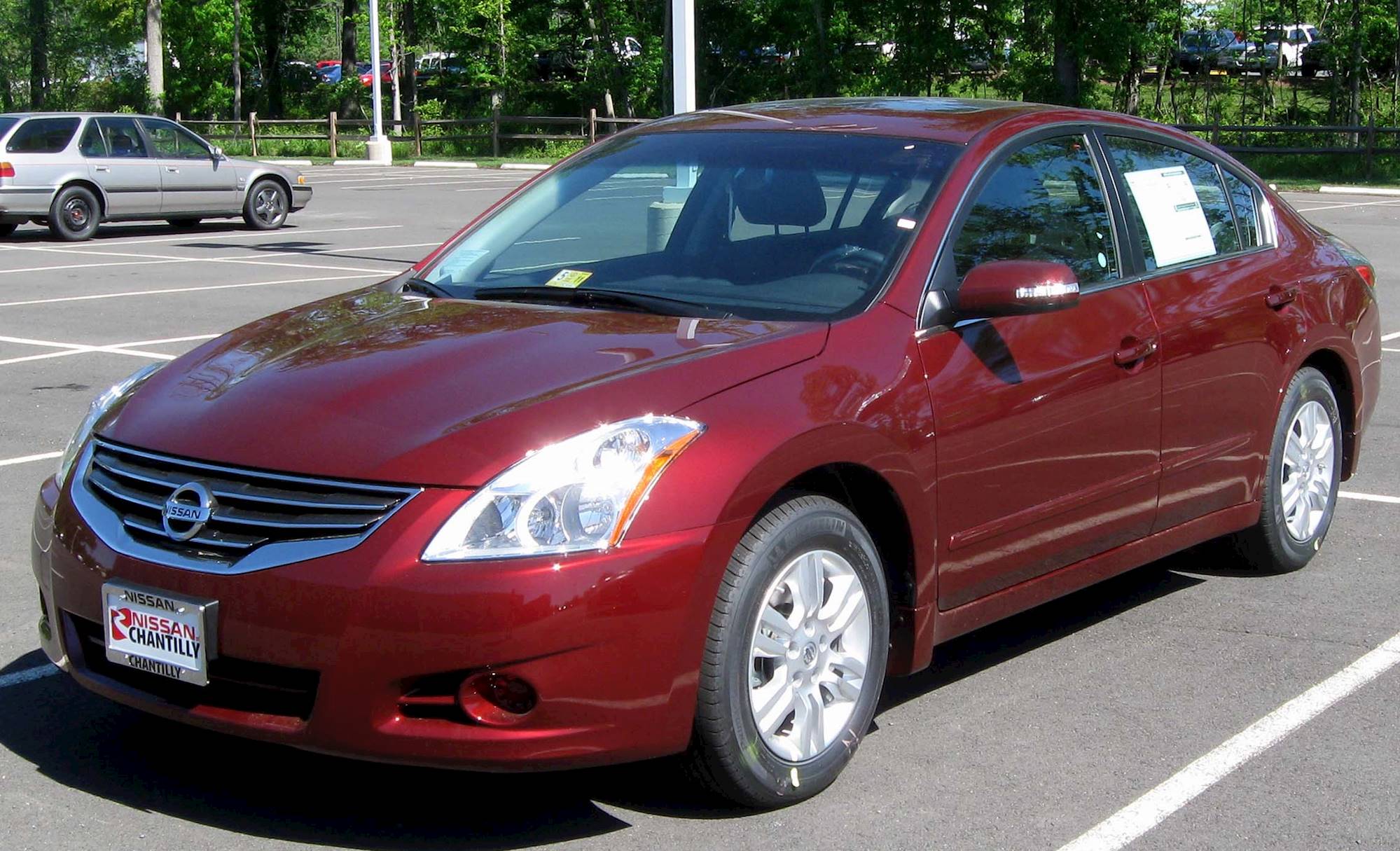
Under the hood, the front-wheel-drive 2012 Nissan Altima offers two engine choices. The 2.5 models use a 2.5-liter four-cylinder producing 175 horsepower and 180 lb-ft of torque. A continuously variable transmission (CVT) is standard on all sedans, while the coupe comes standard with a six-speed manual and offers the CVT as an option.
A 2.5 S sedan reached 60 mph in a respectable 8.5 seconds. Fuel economy is rated at 23 mpg city, 32 mpg highway, and 27 mpg combined with the CVT, or 23/31/26 mpg with the manual.
The sportier 3.5 SR packs a 3.5-liter V6 generating 270 horsepower and 258 lb-ft of torque, paired with the same transmission choices.
In testing, the 3.5 sedan hit 60 mph in 7.0 seconds, while the coupe managed 6.7 seconds with the CVT and 6.5 seconds with the manual. EPA estimates for the V6 are 20/27/23 mpg with the CVT and 18/27/21 mpg with the manual.
3. Jeep Patriot / Jeep Compass
Both the Jeep Patriot and Compass models, built on similar platforms, are known for their rough edges and engine mounts are no exception.
Their mounts degrade quickly, often leading to thumping noises, shaking cabins, and a general sense of looseness under the hood.
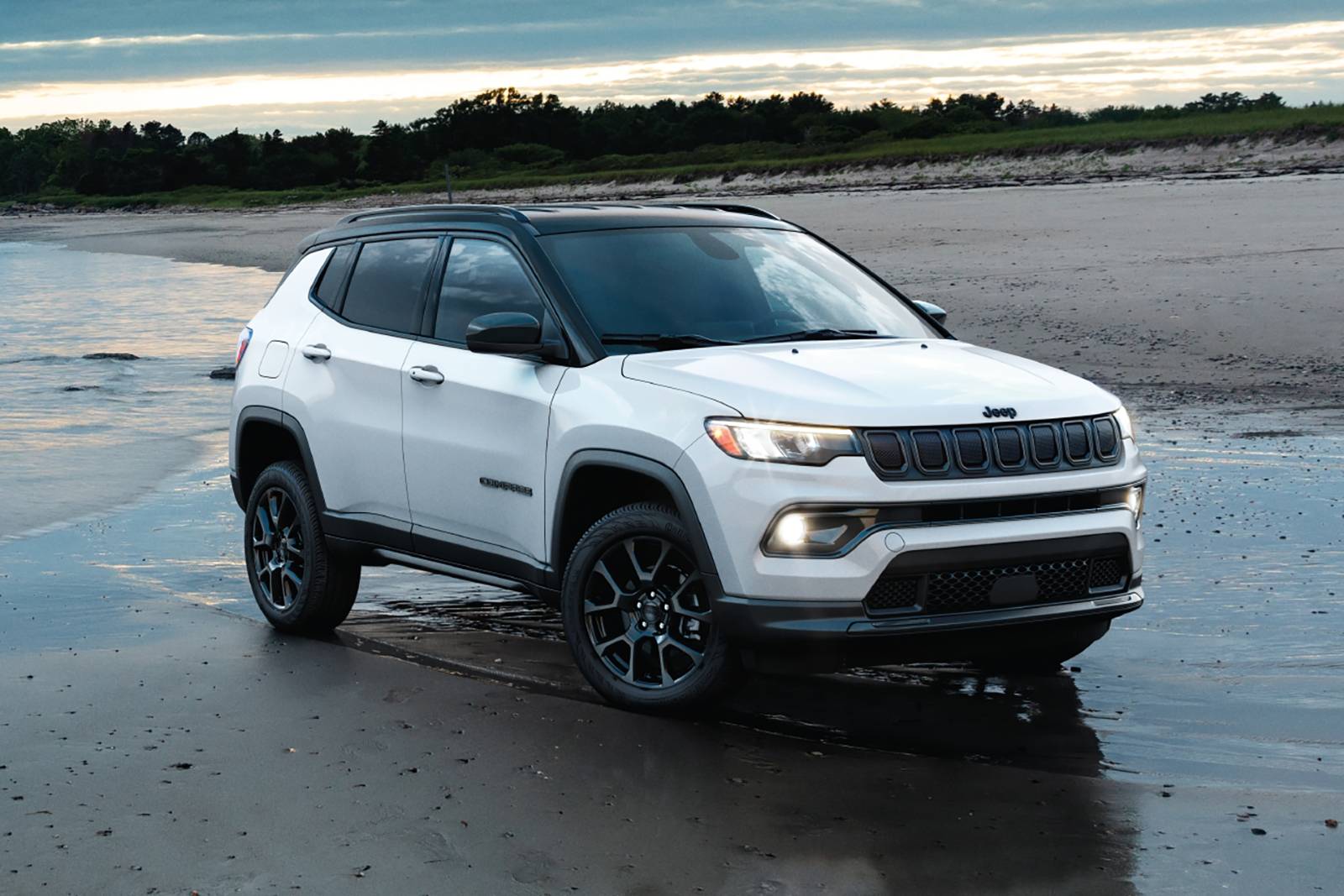
While these Jeeps were marketed as affordable crossovers, the cost savings show up in the details. For drivers who expect refinement, the constant vibration becomes a major drawback and a frequent repair item.
The 2026 Jeep Compass will offer mild-hybrid, plug-in hybrid, and all-electric drivetrains—at least in the European market. The base model pairs an unspecified gasoline engine with 48-volt technology, producing 145 horsepower.
A plug-in hybrid version ups output to 195 hp, while the fully electric lineup spans from 213 hp in the front-wheel-drive variant to 375 hp in the dual-motor, all-wheel-drive flagship.
The range-topper features a newly developed Jeep-exclusive rear motor capable of powering the Compass up a 20-percent grade even if the front wheels have zero traction.
Jeep estimates the AWD electric model can travel up to 404 miles (650 km) on the WLTP cycle, though battery capacity remains undisclosed. The single-motor, front-wheel-drive EV uses a 74.0-kWh battery and is rated for 311 miles (500 km) on a single charge.
To achieve these range figures, engineers gave the Compass a fully flat underbody, aerodynamic wheels, and active grille shutters. Charging speeds are equally competitive—160-kW DC fast charging can bring the battery from 20% to 80% in about 30 minutes.
4. BMW 3 Series (E90, 2006–2011)
The BMW 3 Series E90 generation is beloved for its handling and driving dynamics, but its refinement can fall short as it ages. Engine mount wear is a common problem, and because BMW uses performance-oriented designs, the mounts tend to transfer more vibration once they weaken.
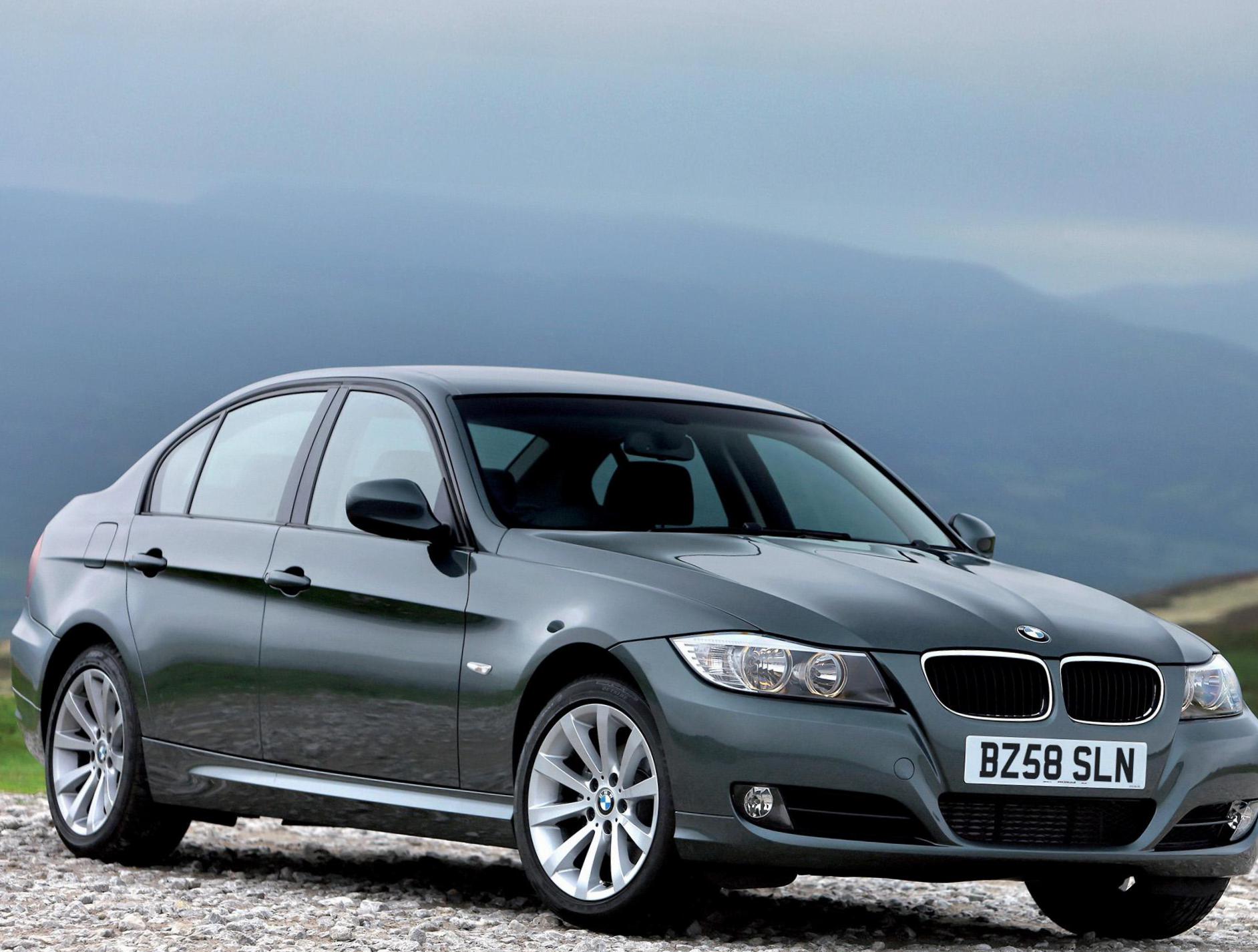
Replacing them isn’t cheap either, with labor and parts often costing well over $1,000. For a luxury sedan that prides itself on smoothness, owners are often disappointed when idle shake starts creeping in around 80,000 miles.
The 2025 BMW 3 Series caters to a wide range of driving styles, thanks to its adjustable drive modes and available option packages. In its base form, it delivers a smooth, comfortable ride that’s perfect for commuting.
Opt for the M Sport package, and you’ll get sharper handling and a more athletic feel, though the firmer suspension may be too stiff for those who prioritize comfort. Braking performance is excellent, with consistent stopping power and smooth pedal modulation. The steering is light yet precise, offering clear feedback for confident control.
Two powertrains are available, both enhanced with 48-volt mild-hybrid technology for improved efficiency and more responsive power delivery. The base 330i features a turbocharged 2.0-liter four-cylinder engine producing 255 horsepower and 295 lb-ft of torque.
For more muscle, the M340i steps up to a 3.0-liter inline-six generating 386 horsepower and 398 lb-ft of torque. Both engines deliver strong acceleration, but the six-cylinder adds an extra layer of excitement for performance-minded drivers.
BMW also offers all-wheel drive variants across the lineup. The 330i xDrive pairs the four-cylinder with enhanced traction, while the M340i xDrive combines the inline-six’s power with all-weather capability—making it as capable in the snow as it is thrilling on dry pavement.
5. Dodge Journey
The Dodge Journey is widely regarded as one of the least reliable crossovers of the past decade, and engine mounts are a big part of the problem. Many owners report noticeable shaking at idle, especially when the air conditioning is on.
The mounts wear out faster than average, and replacement often doesn’t fully solve the vibration issue. This adds to the Journey’s reputation as a vehicle that feels cheap and unrefined, especially compared to more polished rivals.
Engine mounts are one of those hidden parts of a car that most people don’t think about until they start causing problems. When they’re well-designed, like in the Toyota Camry or Lexus RX, you can drive for years without ever feeling a shake.
With so many newer and more capable crossovers on the market, the Dodge Journey’s only real advantage is its low price.
Built on a decade-old platform and saddled with a short list of standard features, the base model feels outdated from the start. Even as you climb the trim ladder, adding more equipment along the way, the Journey never reaches a point where it becomes truly competitive.
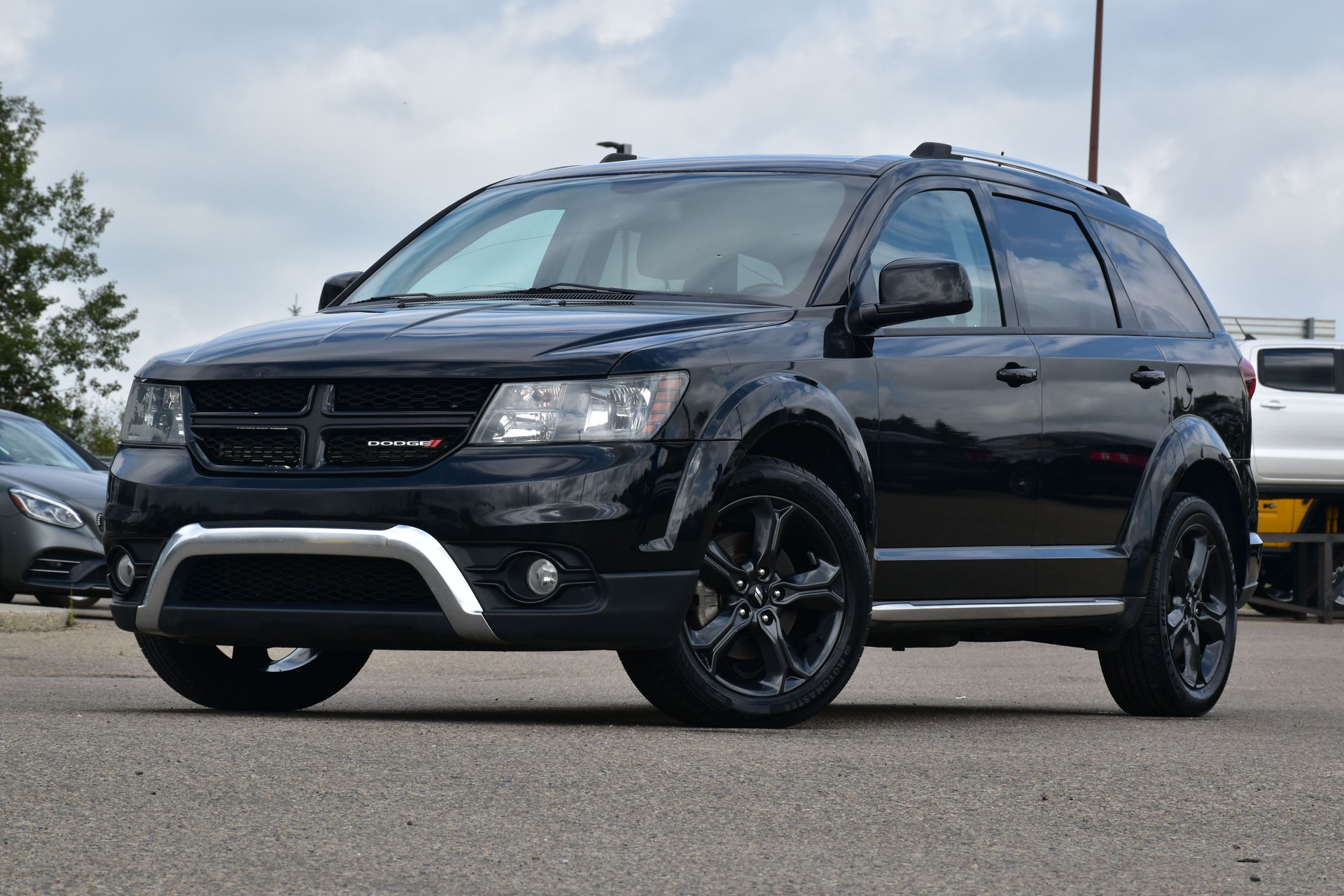
If your only requirements are three rows of seating and the lowest possible cost, the Journey can meet your needs. However, if you value substance, refinement, and performance, rivals like the Ford Edge, Hyundai Santa Fe, and Mazda CX-9 offer far better all-around packages.
For 2018, Dodge has made only minor changes. The lineup is simplified with the elimination of the Crossroad Plus trim, while a third-row seat. previously optional, is now standard on all models.
A new 19-inch wheel design called “Black Noise” debuts on the Crossroad trim, and the popular Blacktop package, which includes gloss-black mirrors, grille, wheels, and roof rails, is now available on SE, SXT, and GT models.
The base Journey comes with a 2.4-liter four-cylinder engine paired with an outdated four-speed automatic transmission, a setup that is underpowered for a two-ton SUV.
Output is rated at 173 horsepower, and while buyers can upgrade to a 3.6-liter V6 with 283 horsepower and a six-speed automatic, even this combination lags behind the competition in acceleration. Front-wheel drive is standard, with all-wheel drive available only on V6 models. On the road, the Journey’s performance is underwhelming.
The V6 model we tested was the slowest in its class, hampered by numb steering, sluggish handling, and an unresponsive transmission. While the soft suspension tuning provides a comfortable ride on the freeway, it comes at the cost of excessive body roll and a lack of precision in corners.
But when they’re cheaply made or prone to early failure, as in the Nissan Altima or Dodge Journey, they can turn every commute into a frustrating experience.
For US buyers, especially those shopping used cars, paying attention to engine mount reliability is a smart move. A car that shakes at idle might not just be annoying it could point to a design flaw that leads to repeated repairs down the line.
On the flip side, picking a model with a strong track record for durable mounts means a smoother, quieter, and far more enjoyable ride for years to come.