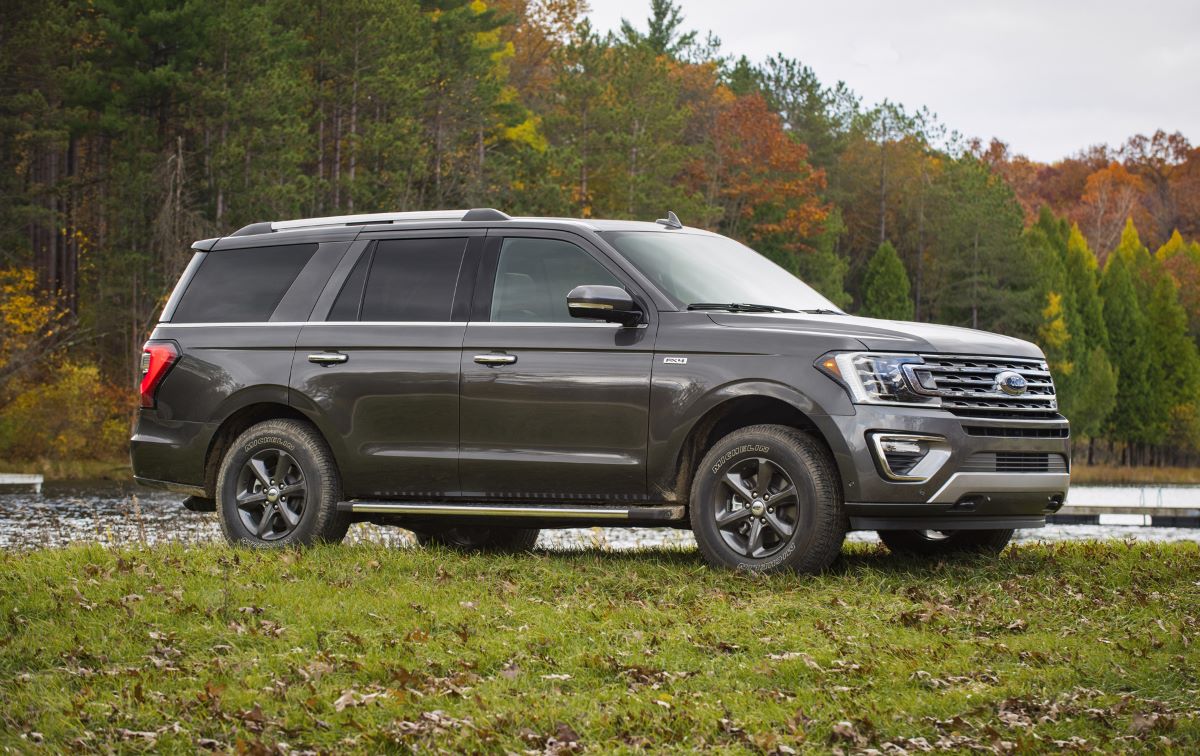
When it comes to owning an SUV in the United States, most buyers think about horsepower, gas mileage, towing capability, or even luxury amenities.
But for millions of Americans living in hail-prone states like Texas, Colorado, Oklahoma, Nebraska, and Kansas, durability against hail damage is just as critical.
Hailstorms can cause thousands of dollars in damage in minutes, turning smooth hoods into cratered landscapes. While car insurance often covers hail-related repairs, premiums rise, and body shop visits can be a headache.
That’s why choosing an SUV that resists hail damage can save money and stress over the long run.
The difference often comes down to materials, panel thickness, roof design, and build quality. Some SUVs are constructed with stronger steel or aluminum blends that absorb impacts better, while others use lighter sheet metal that bends at the smallest impact.
With that in mind, here’s a breakdown of five U.S. SUVs that are known to hold up well against hailstorms and five that seem to dent with the first golf-ball-sized hit.
SUVs That Resist Hail
When it comes to protecting your car, few threats are as unpredictable, or as destructive, as hail. A sudden storm can leave unsightly dents, cracked paint, or worse, turning your prized vehicle into a costly repair project.
While no car is completely impervious to the elements, some SUVs are better equipped to resist hail damage thanks to stronger body panels, reinforced roofs, or clever design choices. In this guide, we’ll take a close look at the SUVs that offer the best defense against nature’s unexpected battering, so you can drive with confidence come rain, sleet, or hail.
1. Jeep Grand Cherokee
The Jeep Grand Cherokee has long been praised for its ruggedness, not just off-road but also in body strength. Its hood and roof panels are made from heavier gauge steel compared to many modern crossovers, which makes it far less prone to hail dents.
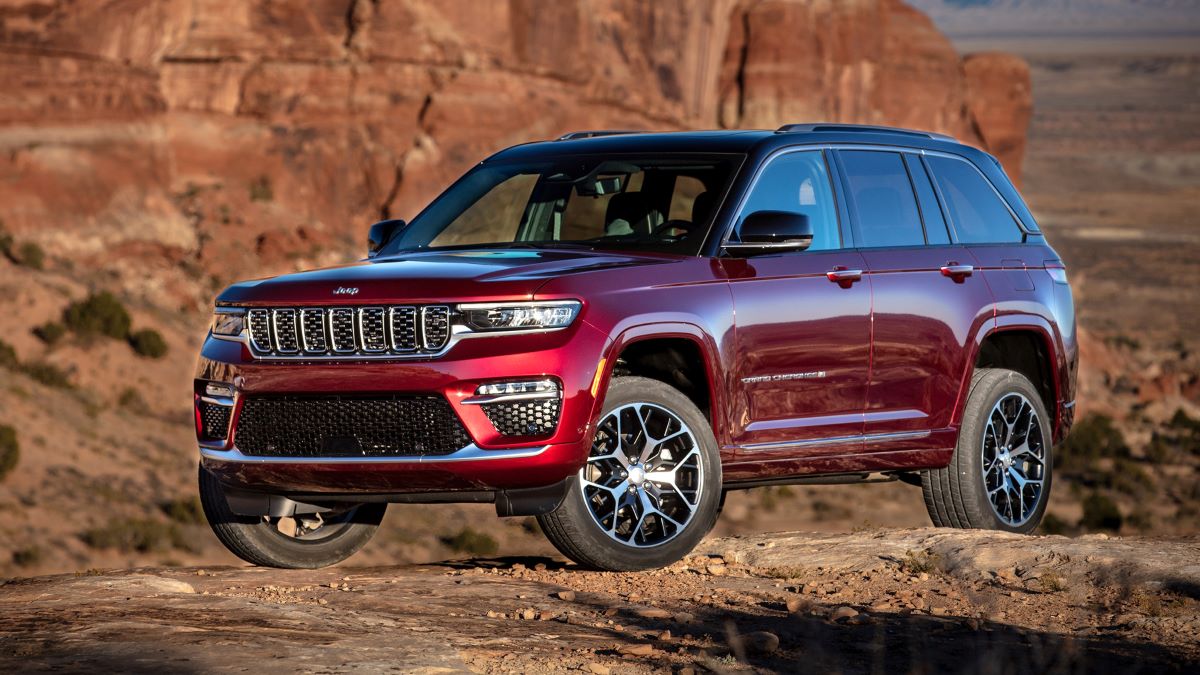
Owners in hail-prone areas often report that while lighter crossovers around them look battered after a storm, their Grand Cherokee shows minimal, if any, damage.
Jeep’s focus on durability helps it stand out, making it one of the best choices for drivers who need resilience against unpredictable weather.
The 2023 Jeep Grand Cherokee is a midsize SUV that comes with two rows of seating. It underwent a significant redesign for the 2022 model year, taking styling cues from its more upscale sibling, the Grand Wagoneer.
Inside, the cabin was overhauled as well, now featuring Jeep’s advanced Uconnect 5 infotainment system, a new digital gauge cluster, and an optional supplemental display for the front passenger.
The V6 and V8 engines from the previous model carry over, but there’s also a plug-in hybrid variant known as the 4xe, introduced to the lineup in 2022. With a full charge, the 4xe can travel roughly 25 miles on pure electric power before the gasoline four-cylinder engine engages.
As an added benefit, the 4xe produces a maximum of 375 horsepower and 470 lb-ft of torque, surpassing the output of the Grand Cherokee’s already powerful V8.
2. Chevrolet Tahoe
Built as a full-size SUV with a truck-like frame, the Chevrolet Tahoe offers some of the sturdiest body panels in the market. Its sheer size and robust construction give it an advantage over smaller SUVs.
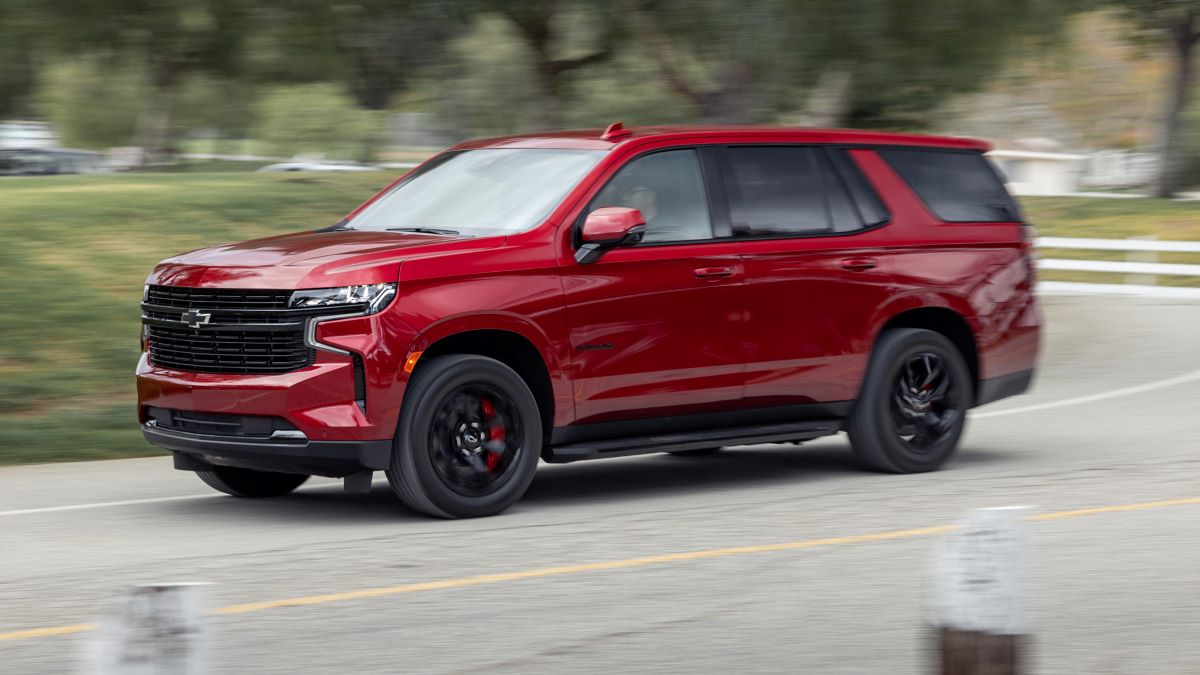
The Tahoe’s roof and hood, in particular, resist hail damage better than most midsize or compact models. Since it’s a favorite in states like Texas and Colorado, where hail damage claims are high, the Tahoe has earned a reputation for being one of the most insurance-friendly options.
The Chevrolet Tahoe is powered by a choice of two V-8 engines, including a potent 420-hp variant paired with a 10-speed automatic transmission. The standard 355-hp 5.3-liter V-8 combined with a six-speed automatic provides ample power and smooth shifts, but the higher-output option delivers a noticeable performance boost.
In our testing, the Tahoe RST accelerated from zero to 60 mph in just 5.7 seconds, an impressive 1.5 seconds faster than the standard setup. It also cut the 50-to-70-mph sprint by 0.8 second, a difference you can genuinely feel.
While this upgrade comes at a premium, it dramatically enhances the Tahoe’s acceleration, giving it speed that complements its substantial size. The rear-wheel-drive 5.3-liter model can tow up to 8,600 pounds when properly equipped, while all-wheel-drive variants carry a maximum tow rating of 8,400 pounds.
3. Ford Expedition
The Ford Expedition continues to attract families who need space, power, and toughness. But it’s not just its towing capability that makes it appealing it’s also the SUV’s resilience against hailstorms.
The Expedition’s design prioritizes durability, with reinforced metal panels that don’t easily bend. Its larger roofline spreads out impact force, which means fewer noticeable dents even after a rough storm.
For households in hail alley, this SUV provides peace of mind that the family car won’t be left looking like a golf ball after every spring thunderstorm.
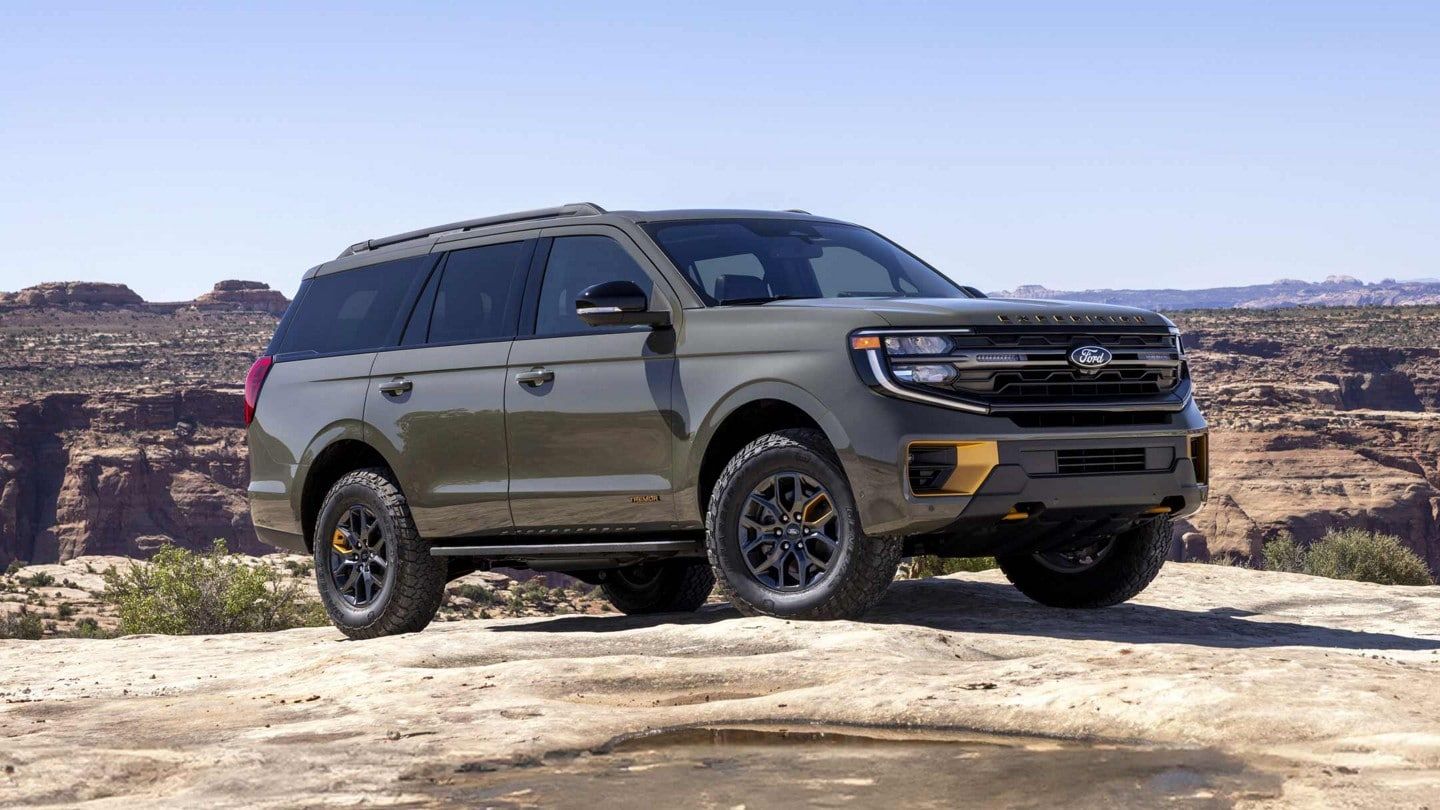
Powering the Ford Expedition is a twin-turbocharged 3.5-liter V-6 paired with a responsive 10-speed automatic transmission, available with either rear- or all-wheel drive. Both the XLT and Limited trims come with a 375-hp version of the V-6, while the range-topping Platinum model boosts output to 400 horsepower.
Although we haven’t tested the base engine ourselves, it’s unlikely to outperform the 400-hp variant we sampled in both the standard and long-wheelbase versions. Every Expedition features an independent rear suspension, offering a smoother ride and improved handling compared with the live-axle designs used by Chevrolet and GMC competitors.
4. Toyota 4Runner (U.S. Market)
While technically manufactured in Japan, the Toyota 4Runner has been a U.S. staple for decades and deserves mention in the durability category.
Known for its body-on-frame construction, the 4Runner is far sturdier than today’s typical unibody crossovers.
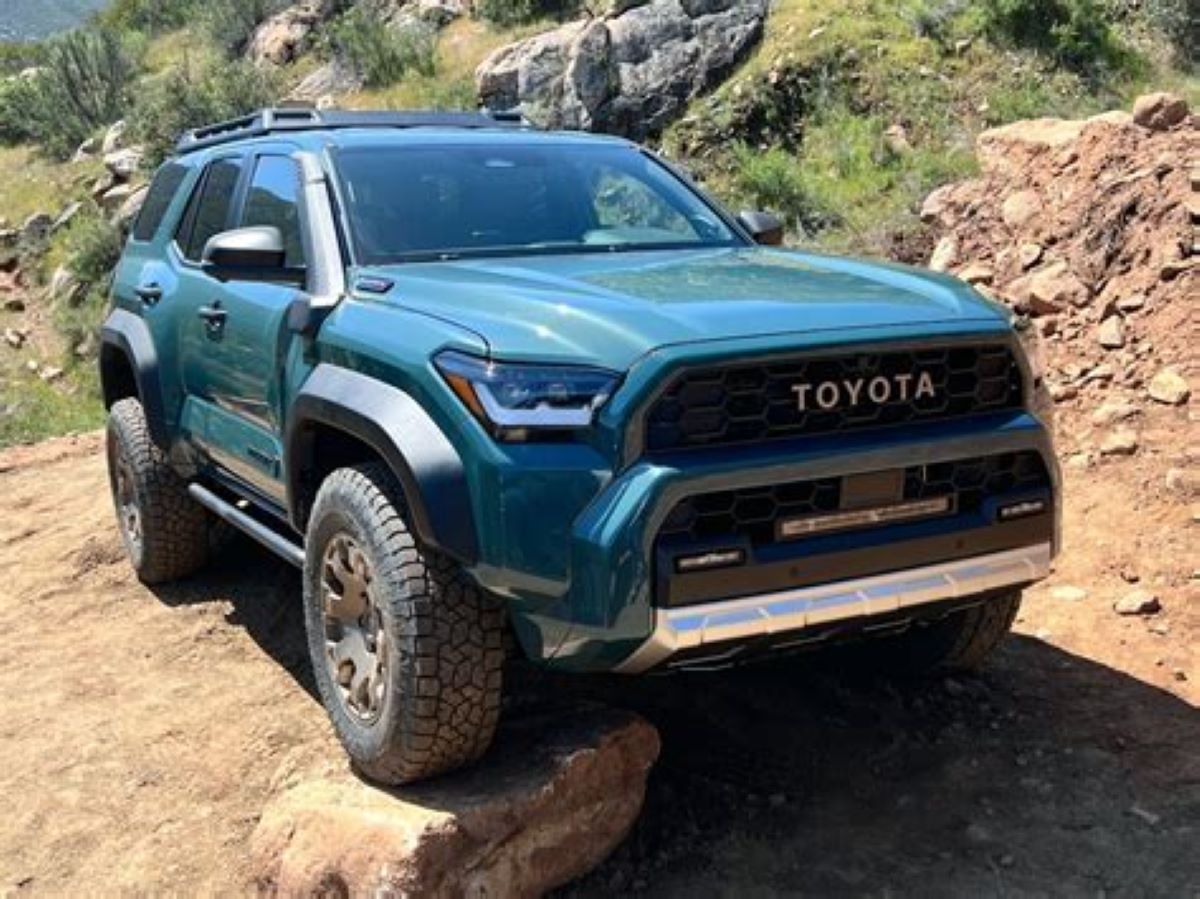
Hailstones that would leave deep impressions on smaller SUVs often bounce off the 4Runner’s thicker metal surfaces. It’s particularly popular in mountain states where hail is frequent, which only reinforces its reputation as a tank-like SUV.
5. GMC Yukon
Sharing much of its DNA with the Chevrolet Tahoe, the GMC Yukon is another large SUV that resists hail better than most.
GMC’s premium approach means slightly more reinforcement and heavier materials, which help in maintaining its appearance even after intense weather.
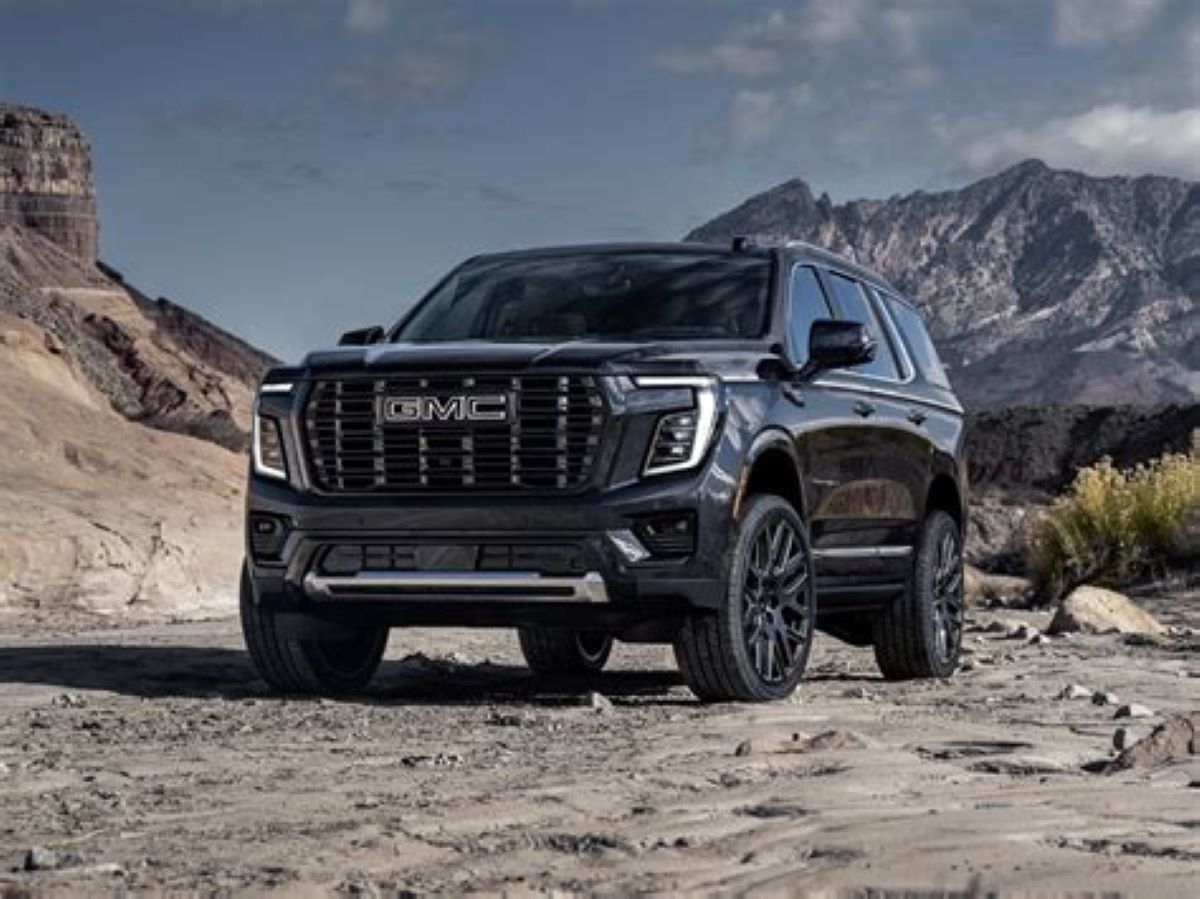
While no SUV is fully hail-proof, Yukon owners often find they suffer fewer costly dents compared to neighbors driving smaller crossovers. It’s a safe bet for anyone who wants size, comfort, and resilience in one package.
The 2023 GMC Yukon is a full-size, three-row SUV capable of seating up to nine passengers. Equipped with a range of powerful engines, the Yukon is engineered to transport both people and cargo with ease and comfort.
Its truck-based platform makes it especially adept at towing and hauling, tasks that can challenge smaller, car-based crossovers. With options that include a turbocharged diesel engine and two available V8s, the Yukon handles these demands effortlessly.
For 2023, the Yukon Denali Ultimate package has evolved into a distinct trim level, featuring exclusive upholstery and interior accents. These upgrades help differentiate it from the Chevrolet Tahoe, though the extensive feature list pushes its price closer to that of the mechanically similar Cadillac Escalade.
SUVs That Dent at First Golf Ball
When it comes to protecting your SUV from everyday hazards, not all vehicles are created equal. One of the most surprisingly frustrating threats is something as small as a golf ball, yet for many SUVs, a stray drive to the windshield or hood can leave a dent or ding at first impact.
In this guide, we’re taking a close look at SUVs that aren’t built to shrug off minor dents, exploring which models are particularly vulnerable and why. From lightweight panels to softer metals, these are the vehicles that make owners wince when a golf ball lands where it shouldn’t.
1. Honda CR-V
The Honda CR-V is one of America’s favorite compact SUVs thanks to its reliability and efficiency, but when it comes to hail resistance, it falls short.
The CR-V’s lighter body construction intended to boost fuel economy means thinner sheet metal. Unfortunately, this makes it more vulnerable to hail damage.
Owners in Colorado and Texas frequently report roof and hood pockmarks after moderate storms, leading to pricey repairs. While it’s a fantastic daily driver, hail resistance is not its strong suit.
Honda faces a tricky balancing act with the new CR-V: it isn’t just about outpacing competitors, it’s about topping an already outstanding predecessor.
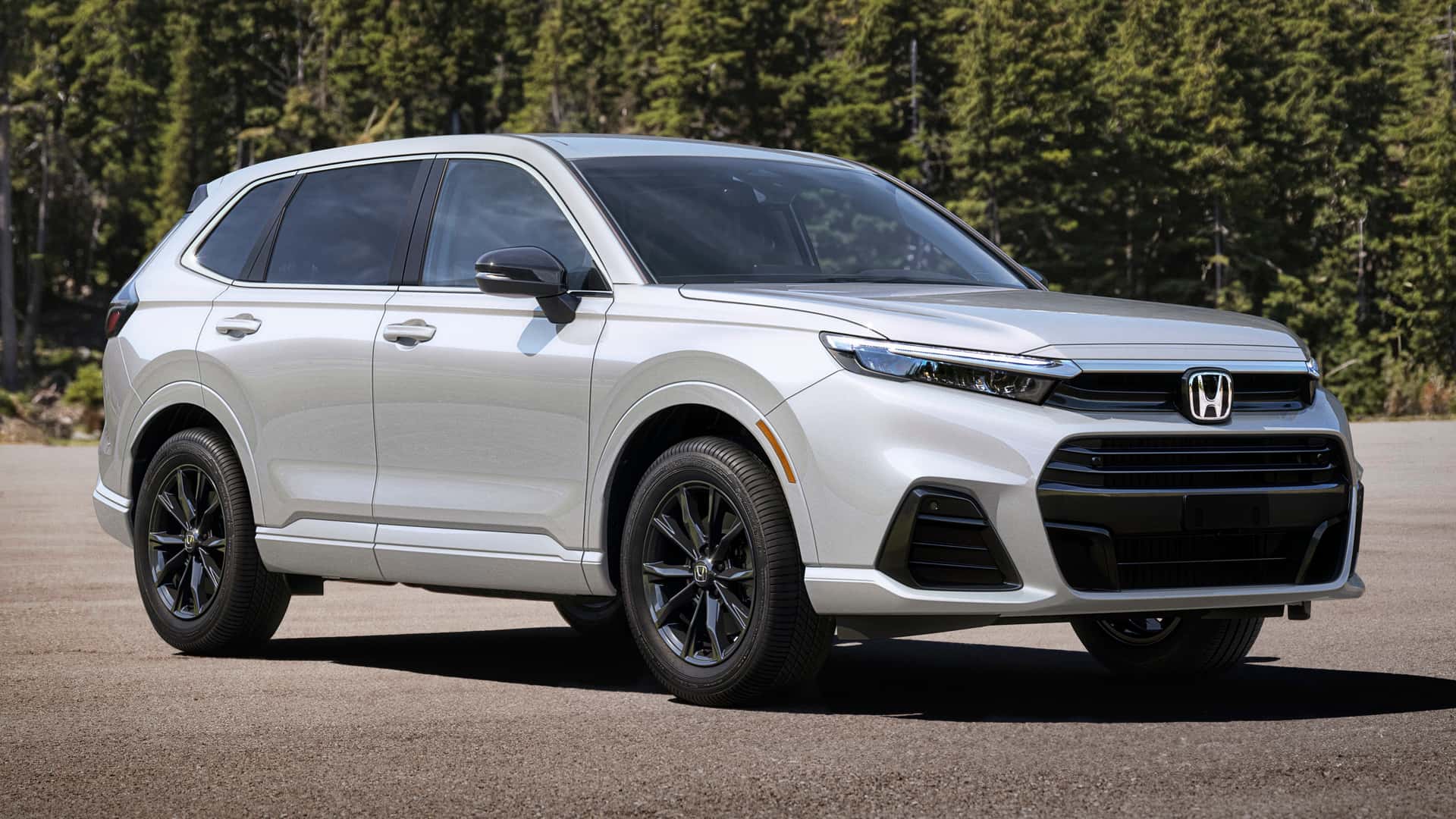
The previous CR-V earned repeated wins in comparison tests, claimed our top-rated compact crossover title, and even took home SUV of the Year honors in 2018.
The 2023 model is certainly appealing, even if it doesn’t push bold new boundaries. Its exterior leans toward safe, conservative styling, but step inside and the Civic-inspired cabin impresses with both style and functionality.
Upgraded tech and driver-assistance features add to its allure, and on the road, the CR-V delivers a pleasing drive. Thanks to its shared Civic platform, steering is precise, brakes are progressive, and the turbocharged engine provides adequate acceleration, all wrapped in a well-controlled ride that keeps drivers connected to the road.
That said, the CR-V still lacks a “wow” factor. Honda appears careful not to disrupt the formula too much, likely to avoid alienating its loyal fan base.
In essence, the 2023 CR-V remains a dependable, solid choice in the compact crossover segment, but it leans on familiarity rather than innovation, and it comes with a higher price tag for largely the same experience.
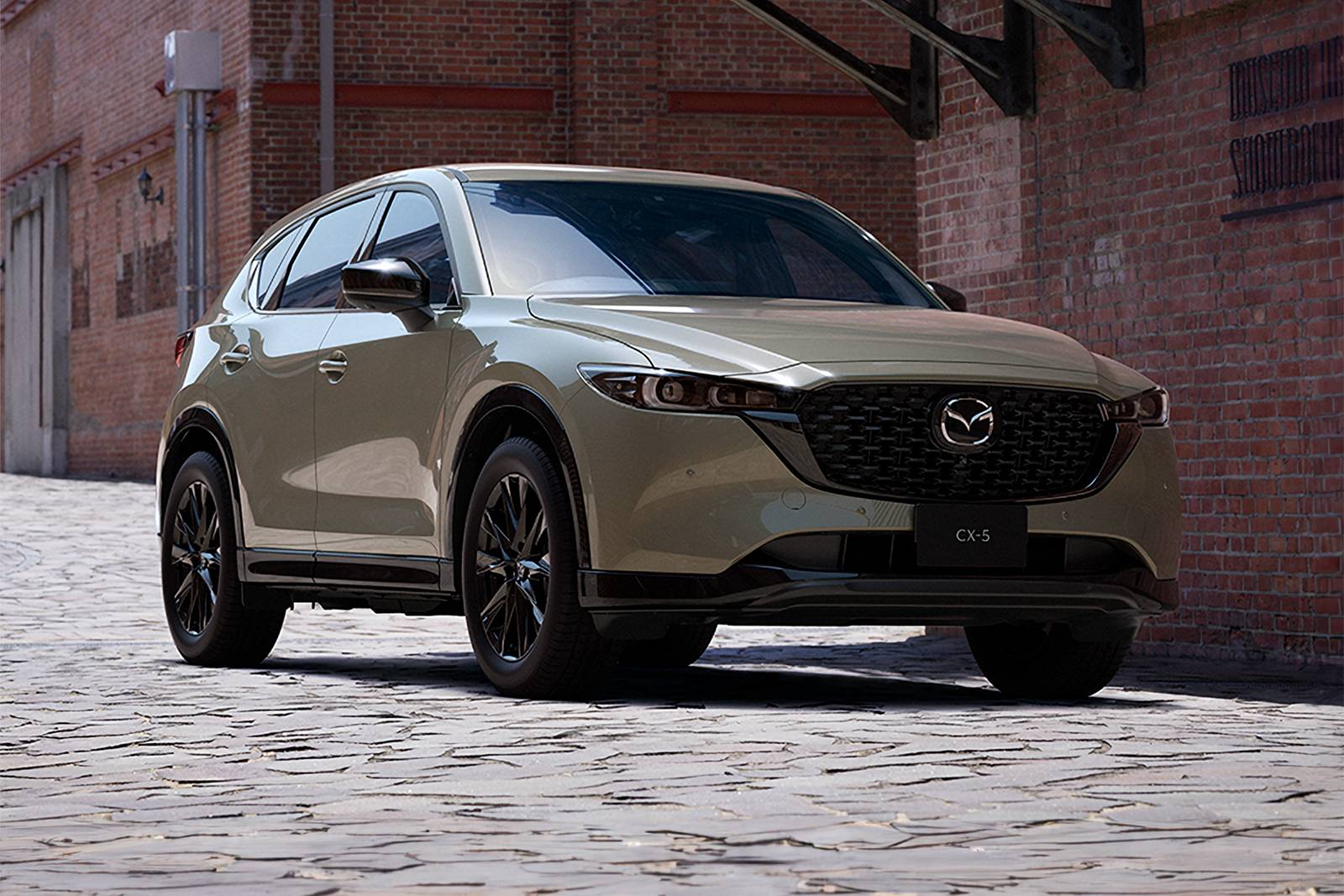
2. Mazda CX-5
Mazda has been making waves with stylish designs and upscale interiors, but the CX-5’s exterior panels are surprisingly delicate. Its thinner metal, combined with sharper styling creases, makes dents more visible.
A single round of hail can transform its smooth, sporty look into a body-shop candidate. While insurance coverage can help, those living in hail-prone regions may want to think twice before choosing the CX-5 as their main family SUV.
Mazda’s second-generation CX-5 has earned praise for its sleek exterior and refined interior, engaging driving dynamics, and practical design, even if its rear seat and cargo area are smaller than some rivals.
Mazda has continued to fine-tune the compact crossover over time, addressing previous complaints by updating the infotainment screen and replacing the front seats, which were once considered uncomfortable.
Fuel efficiency may be a sticking point for some buyers. If economy is a priority, the non-turbo CX-5 is the better choice, though even it falls short compared with other vehicles in the segment.
Another quirk: the CX-5 relies on a central display controlled via a knob on the center console rather than a touchscreen interface. Despite being one of the older models in the compact SUV category, the CX-5 remains a compelling option, provided you can overlook its somewhat heavy steering and average gas mileage.
All 2023 CX-5 models come with a six-speed automatic transmission and standard all-wheel drive. Base S trims are powered by a 2.5-liter naturally aspirated inline-four engine producing 187 horsepower and 186 lb-ft of torque.
Turbocharged versions feature a 2.5-liter inline-four engine generating 227 hp and 310 lb-ft of torque on 87-octane fuel, and 256 hp with 320 lb-ft of torque on 93-octane fuel.
3. Hyundai Tucson
The Hyundai Tucson has grown in popularity with its modern design, tech features, and affordability. But one drawback is its vulnerability to hail damage. Its relatively light construction is great for gas mileage, yet it sacrifices resilience.
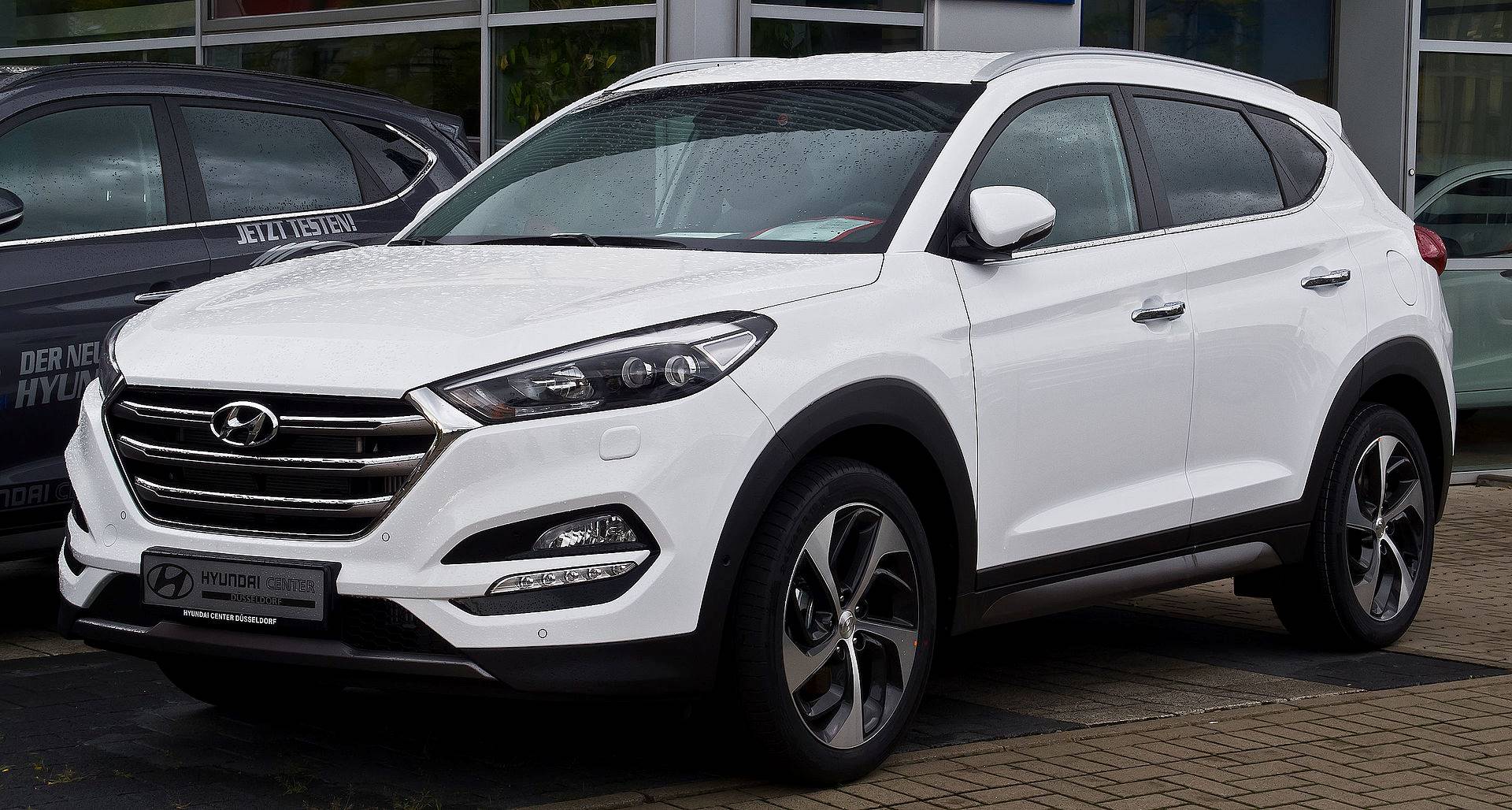
Even moderate storms can leave dings across its hood and roof. While the Tucson delivers excellent value in most categories, hail resistance isn’t one of them something to consider for buyers in storm-heavy states.
The Hyundai Tucson has long been one of our top picks among small crossovers, with its hybrid and plug-in hybrid variants consistently ranking at, or near, the top of their respective categories. Even the standard gas-only model holds a strong position in our list of best compact SUVs.
The answer may be the refreshed 2025 Hyundai Tucson. This latest update builds on the bold design introduced in the 2022 redesign, bringing refined styling and added technology features, enhancements that could position the Tucson as a true leader in the small SUV segment.
4. Kia Sportage
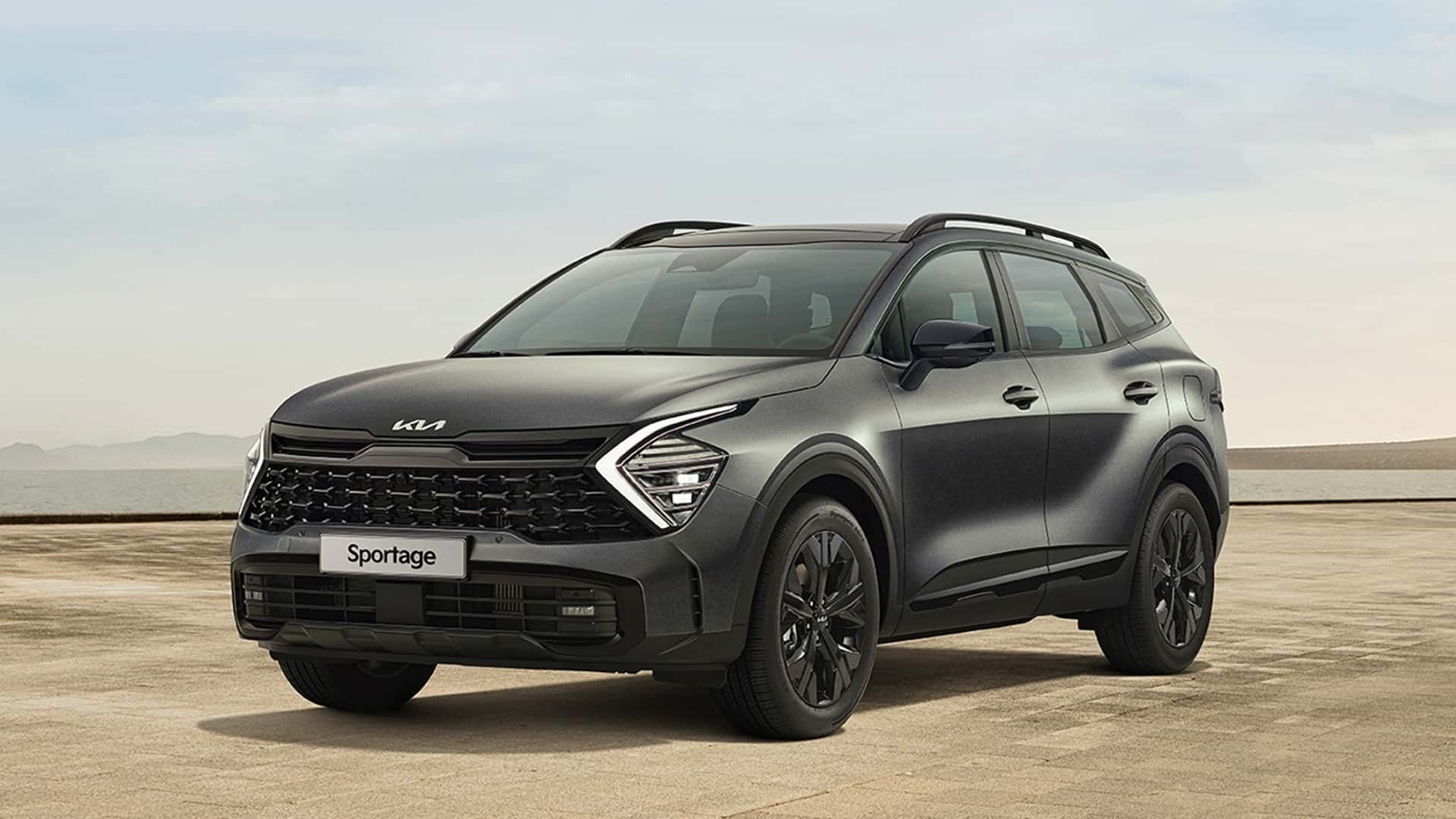
The Kia Sportage shares much of its structural DNA with the Hyundai Tucson, and unfortunately, that includes its tendency to dent during hailstorms. Despite Kia’s improvements in styling and reliability, Sportage panels are still lightweight.
In the event of a hailstorm, bodywork repairs can quickly erase any savings you enjoyed upfront. It’s a solid SUV for those in calmer climates, but in places like Oklahoma or Nebraska, it might not be the best bet.
The 2021 Kia Sportage is a small SUV that fits neatly between the three-row Sorento and the compact Seltos in Kia’s lineup. Sharing a lot with its corporate cousin, the Hyundai Tucson, the Sportage offers a feature-rich package at a competitive price.
Available all-wheel drive and a bold, eye-catching design help it stand out in a crowded segment. Yet despite its strengths, it ranks lower on our list than segment leaders like the Honda CR-V, Mazda CX-5, and Subaru Forester.
The current generation of the Sportage launched in 2017 and received updates for 2020, so the 2021 model remains largely unchanged. The Sportage excels around town thanks to smooth braking, ample low-end torque, and nicely weighted steering.
Our test model had the optional turbocharged 2.0-liter engine, yet it still only reached 0-60 mph in 9 seconds, sluggish for a small SUV with an upgraded engine. Steering lacks feedback, power delivery is inconsistent, and the suspension can feel sloppy on twisty roads.
Front seats are supportive with a wide range of adjustments and strong heating and cooling capabilities. The cabin is quiet over small bumps and isolated from traffic noise, though tire noise becomes noticeable at freeway speeds. While the ride is firm and sporty, high-speed bumps can feel bouncy, giving it a slightly “boat-like” motion at times.
The Sportage’s cabin feels upscale for its class, but the sleek roofline reduces headroom for taller passengers and creates blind spots. Wide door openings make entry and exit easy, and the seating position offers good adjustability, though taller drivers may wish the seat lowered further.
The touchscreen interface is intuitive, with standard smartphone integration and ample charging options. An upgraded stereo is among the class best, and navigation graphics are clear.
Voice commands, however, can be unreliable, especially when using navigation or smartphone projection. Driver-assist features work well, though lane-keeping assistance can struggle with lane markings.
Cargo space is average, with 30.7 cubic feet behind the second row and 60.1 cubic feet with seats folded. A low cargo floor makes loading easy, but wheelwells intrude into space. Small-item storage is limited, and installing bulky rear-facing car seats may require moving front seats forward.
The base front-wheel-drive Sportage achieves 26 mpg combined, while the turbocharged all-wheel-drive version drops to 21 mpg combined. Real-world testing returned 20.6 mpg, underwhelming for a small SUV with modest acceleration.
Starting around $24,000, the Sportage undercuts a base CR-V, but it’s less practical and offers a weaker base engine. Top trims approach $37,000, just undercutting the highest CX-5 trims that deliver stronger performance and similar practicality. Kia’s standout five-year/60,000-mile basic and 10-year/100,000-mile powertrain warranties help bolster value.
The Sportage shines mostly as a commuter vehicle. Its feature set, well-built interior, and comfort make it enjoyable in daily driving, but its limitations in performance and utility prevent it from excelling beyond that niche.
Among the trims, the EX stands out as the recommended choice, delivering strong features like a power-adjustable driver’s seat, leather-wrapped steering wheel, and dual-zone automatic climate control, along with appealing visual upgrades, all at a competitive price.
5. Subaru Forester
The Subaru Forester has a loyal following in the U.S., especially among outdoor enthusiasts. It’s safe, reliable, and versatile, but its roof and hood panels are not built for withstanding heavy hail.
Many Forester owners report noticeable dents after storms, especially in hail-prone regions like Colorado. While Subaru’s all-wheel drive is a lifesaver in snow and rain, its lighter construction makes it less ideal for areas where hail damage is a recurring issue.
Choosing the right SUV often comes down to lifestyle needs, but if you live in a hail-prone part of the United States, resilience against storm damage should be near the top of your priority list.
The 2025 Subaru Forester steps into the compact SUV ring with a refreshed exterior, modest chassis updates, and a few new tech touches, but it remains largely familiar under the skin.
Standard all-wheel drive continues to define its capability, while the 2.5-liter flat-four engine and continuously variable transmission return with the same 180 horsepower and 178 lb-ft of torque as the outgoing model.
Subaru is also adding a hybrid variant, reviewed separately, and the new Forester features an upgraded dual-pinion electric power-steering rack, derived from the sporty WRX, along with a foot-activated hands-free power tailgate for convenience.
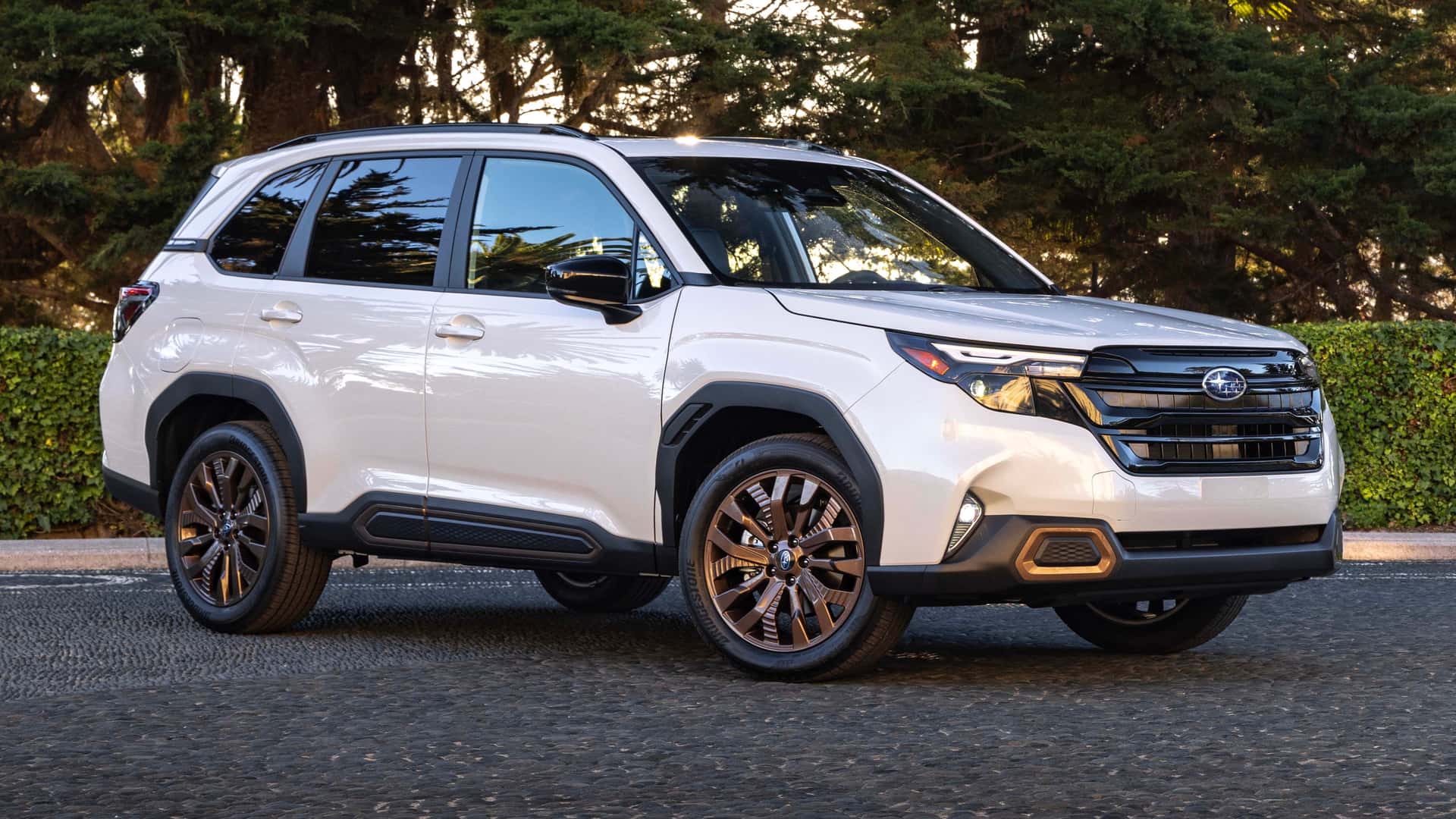
Pricing ranges from $31,415 for the base model to $43,015 for the fully loaded Touring trim. Among the options, the Sport trim hits the sweet spot, offering eye-catching bronze exterior accents, exclusive wheels, heated front seats, and a sizable 11.6-inch infotainment touchscreen, all without pushing the price to the top of the lineup.
Base models still include thoughtful touches like remote keyless entry, LED headlights, and “welcome lighting” that illuminates the door handles at night.
On the road, the Forester prioritizes comfort over excitement. Despite borrowing Subaru’s WRX-style steering technology, feedback is light, and the suspension is tuned for a plush, forgiving ride rather than sporty handling.
Cornering at speed can reveal a slight rear-end wiggle before the SUV settles, hardly alarming for most buyers, but a reminder that the Forester isn’t built to thrill. For those who value a smooth, capable, and well-equipped daily driver with standard all-wheel drive, the 2025 Forester delivers exactly what you’d expect.
Larger, body-on-frame SUVs like the Chevrolet Tahoe, Ford Expedition, and Jeep Grand Cherokee provide a natural advantage thanks to thicker materials and tougher designs.
On the other hand, lighter crossovers such as the Honda CR-V, Mazda CX-5, and Hyundai Tucson tend to prioritize fuel economy and affordability over body toughness, leaving them more vulnerable to hail dents.
No SUV is completely hail-proof, but selecting one with a proven track record of durability can save you thousands in insurance claims and repair costs.
For buyers in states like Texas, Colorado, and Nebraska where hailstorms are an annual certainty investing in a tougher SUV isn’t just a matter of preference; it’s a matter of practicality.