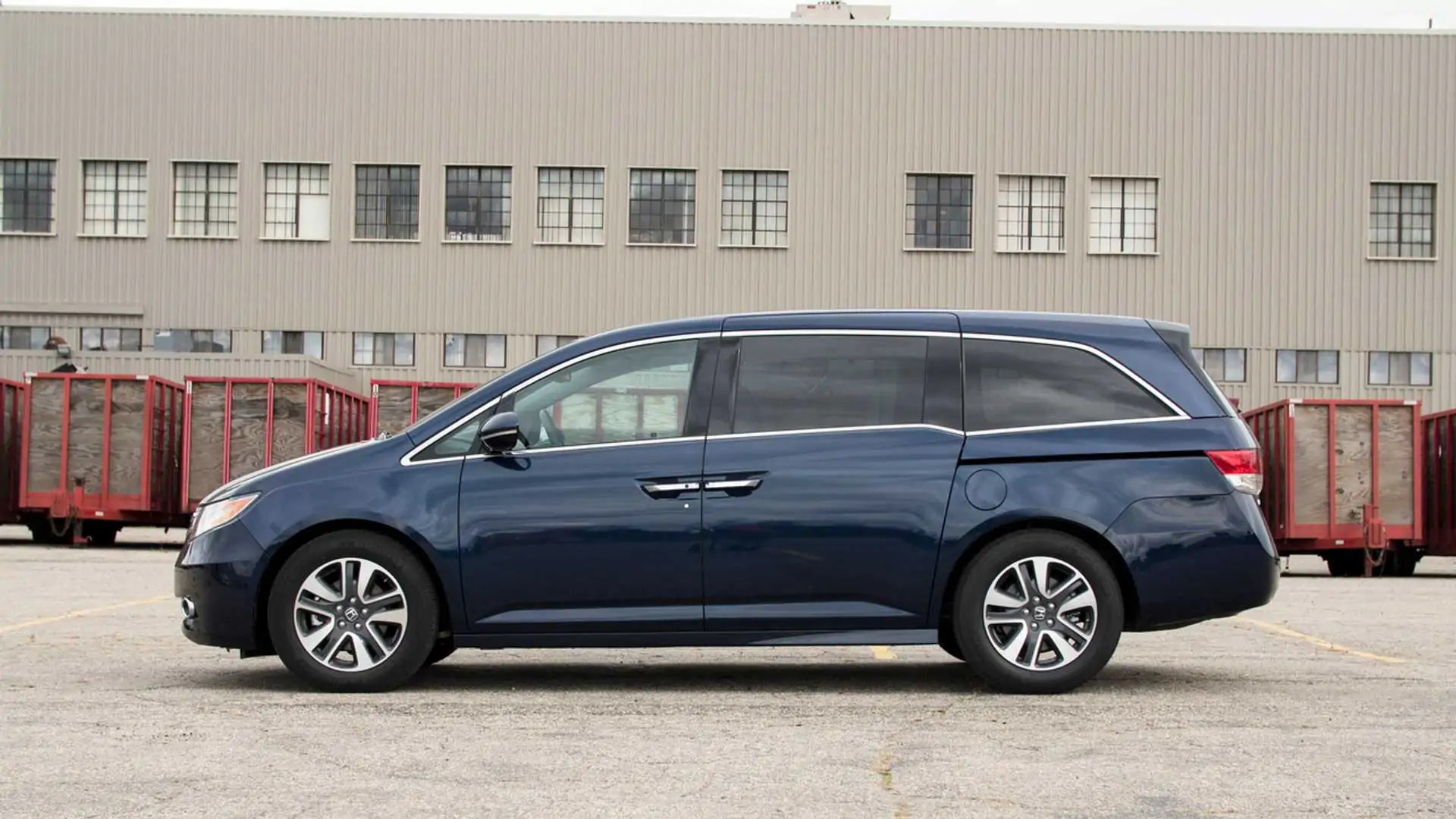
The Honda Odyssey has long been a household name among family vehicles, earning its reputation as one of the most versatile, comfortable, and reliable minivans on the market. For decades, it has delivered spacious cabins, innovative features, and safety-first engineering, making it a top contender for parents and large families alike.
However, not every model year has been a success story. While some versions of the Odyssey have stood the test of time and set benchmarks in their class, others have been plagued by mechanical flaws, costly repairs, and disappointing reliability.
Knowing which years shine and which ones stumble is crucial for anyone considering a used Odyssey. In this guide, we’ll explore five of the best Honda Odyssey years that break expectations in terms of performance, safety, and practicality, as well as five years that break down in reliability, helping you make a smarter buying decision.
5 Honda Odyssey Years That Break
1. 2007 Honda Odyssey
The 2007 Honda Odyssey stands out within the third generation (2005–2010) thanks to major improvements in durability and driving performance. One of the most significant upgrades was the adoption of a stronger five-speed automatic transmission, adapted from the Honda Ridgeline.
This addressed the reliability concerns of earlier models, particularly issues with premature transmission failure. Under the hood, the Odyssey came equipped with a 3.5-liter V6 engine producing 244 horsepower and 240 pound-feet of torque.
Depending on the trim, buyers could opt for Honda’s Variable Cylinder Management (VCM), which deactivated certain cylinders during light driving to boost efficiency.
While fuel economy reached a respectable 19 mpg city and 26 mpg highway with VCM, many owners still preferred the non-VCM trims (LX and EX) for their simpler mechanics and fewer long-term maintenance concerns.
Honda prioritized safety in the 2007 Odyssey, equipping all trims with antilock brakes, stability control, traction control, side airbags, and full-length side curtain airbags with rollover sensors. A tire-pressure monitoring system was also made standard across the lineup.
The Touring model featured Michelin PAX run-flat tires for added security in case of punctures. These features helped the Odyssey achieve top crash-test ratings, including five stars in NHTSA front- and side-impact tests and a “Good” rating from the IIHS in both frontal-offset and side-impact evaluations.
On the road, the Odyssey’s carlike handling set it apart from bulkier minivans. Its responsive steering, high driving position, and nimble suspension made it surprisingly agile for its size, while the V6 engine provided confident acceleration.
A hallmark of the 2007 Odyssey is its spacious, versatile interior designed with family needs in mind. Depending on configuration, the van could seat seven or eight passengers, with EX and EX-L trims offering a stowable middle seat that could transform into a tray table or be stored in the in-floor compartment.
Touring trims instead featured a removable second-row center console. Second-row captain’s chairs could slide together to form a bench, while the third-row 60/40-split seat folded flat for added cargo space.
With the seats folded or removed, the Odyssey provided a maximum cargo capacity of 147 cubic feet, making it one of the most practical haulers in its class. Features such as power sliding doors, a telescoping steering wheel, and excellent cabin insulation added comfort and convenience.
Despite the lingering stigma around minivans, the 2007 Honda Odyssey proved to be one of the most complete family vehicles available. Its blend of reliability, safety, practicality, and refined driving dynamics helped it consistently earn awards such as the Edmunds Editors’ Most Wanted title.
Though higher trims like the Touring could reach nearly $40,000, buyers could enjoy most of the Odyssey’s strengths in the more affordable EX models.
For families seeking a balance of space, comfort, and peace of mind, the 2007 Odyssey remained a top contender. In a market crowded with capable alternatives, Honda’s thoughtful design ensured this model held its place as the benchmark minivan of its era.

2. 2010 Honda Odyssey
The 2010 Honda Odyssey marked the peak of the third generation, offering a refined balance of power, comfort, and dependability. Under the hood, it retained the 3.5-liter V6 engine producing 244 horsepower and 240 pound-feet of torque, paired with a five-speed automatic transmission.
EX-L and Touring trims came with Honda’s Variable Cylinder Management (VCM), which deactivated cylinders to improve efficiency. With VCM, fuel economy reached an estimated 17 mpg city and 25 mpg highway respectable for its class.
Though not the quickest minivan in its segment, the Odyssey delivered smooth acceleration, nimble handling, and strong reliability, making it a trusted choice for families.
Honda equipped the 2010 Odyssey with an impressive list of standard safety features. These included antilock disc brakes with brake assist, stability and traction control, side-impact airbags, and full-length curtain airbags with a rollover sensor.
It earned five-star crash ratings from the NHTSA and a “Good” rating in IIHS frontal-offset and side-impact tests, cementing its reputation as a safe family hauler.
Behind the wheel, the Odyssey provided one of the most carlike driving experiences in the segment, with precise steering, a tight turning radius, and a suspension that balanced comfort with stability. While highway noise was more noticeable than in rivals like the Toyota Sienna, the Odyssey still excelled in overall drivability.
Designed for families, the Odyssey’s cabin offered flexible seating and ample cargo space. Depending on configuration, it could seat seven or eight passengers, with the PlusOne removable second-row seat adding extra versatility.
The third-row Magic Seat folded flat into the floor to expand cargo space, while removing the heavy second-row seats opened up more than 147 cubic feet of capacity competitive among minivans and superior to most crossovers.
Practical features included plentiful cupholders, easy-to-clean surfaces, and a rear entertainment system on higher trims. However, the interior design showed its age by 2010. Hard plastics, dated leather upholstery, and a cluttered button-heavy dashboard detracted from its otherwise family-friendly environment.
Despite its aging interior, the 2010 Odyssey remained one of the most complete minivans available. Its strong blend of power, handling, safety, and versatility outweighed minor drawbacks, keeping it at the top of many buyers’ lists.
Still, it came at a premium base prices were high for the segment, and fully loaded Touring models climbed even higher. Competitors like the Toyota Sienna, Kia Sedona, and large crossovers such as the Ford Flex offered alternatives, but for families prioritizing space, practicality, and proven reliability, the 2010 Honda Odyssey continued to set the benchmark in its final year before a redesign.
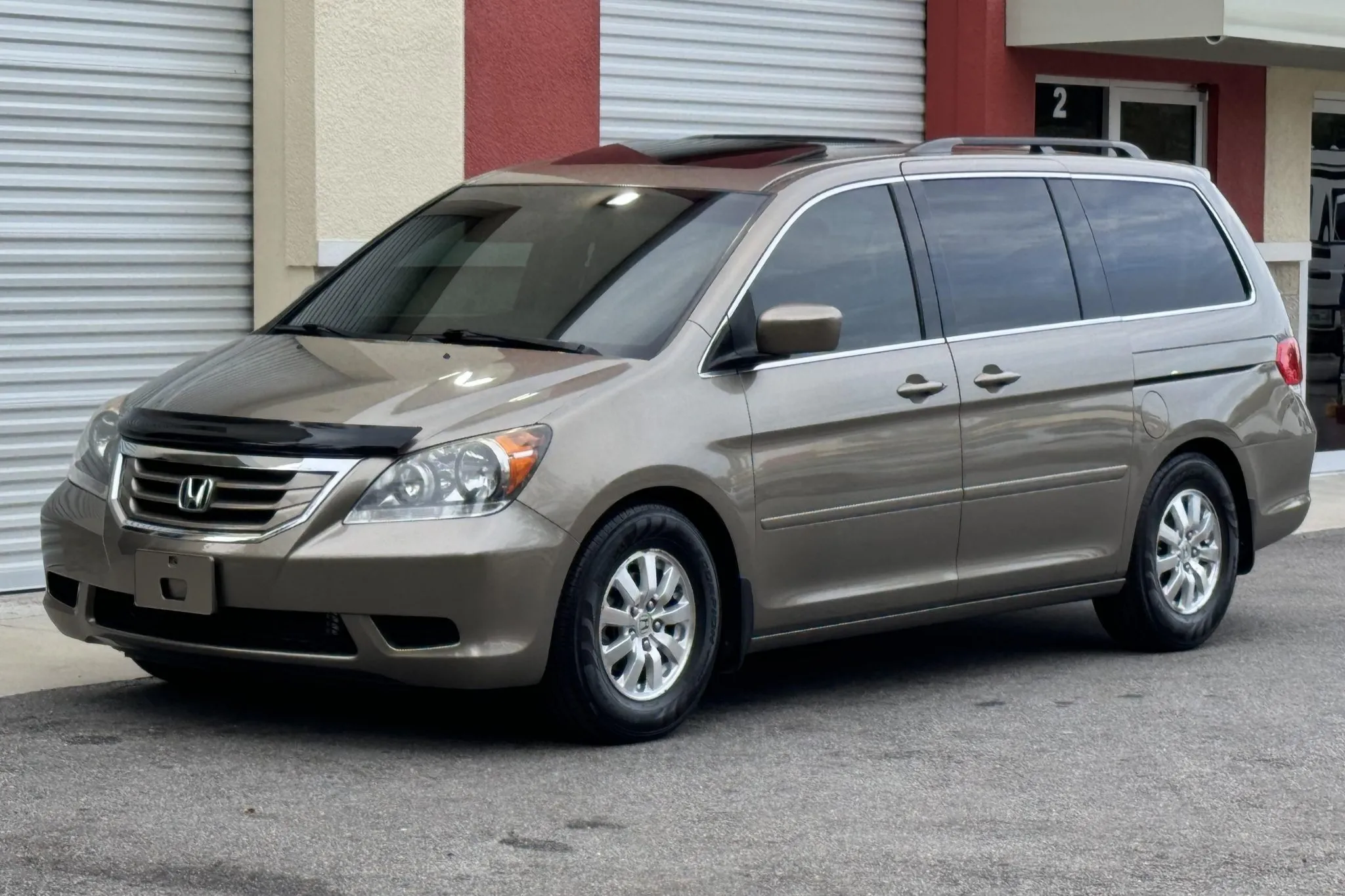
3. 2014 Honda Odyssey
The 2014 Honda Odyssey marked a major milestone in the fourth generation (2011–2017) with its mid-cycle refresh. A key upgrade was the adoption of a six-speed automatic transmission as standard across all trims, replacing the five-speed unit on lower models.
Paired with the 3.5-liter V6 engine producing 248 horsepower and 250 pound-feet of torque, this transmission boosted both performance and fuel economy. EPA estimates reached 19 mpg city and 28 mpg highway, making the Odyssey one of the most fuel-efficient minivans in its class.
On the road, acceleration was smooth and confident, with a 0–60 mph time of 7.9 seconds in the Touring Elite trim. Handling remained sharp for a minivan, while the suspension balanced comfort with stability, ensuring a confident ride for both short commutes and long trips.
For 2014, Honda elevated safety by adding advanced driver-assistance systems. Forward-collision warning and lane-departure warning became available on higher trims, while EX, EX-L, and Touring models included Honda’s LaneWatch blind spot camera system.
Touring Elite models added a traditional blind spot monitoring system. All trims came with standard antilock brakes, stability and traction control, multiple airbags, and a rearview camera. These features helped the Odyssey earn a five-star overall safety rating from the NHTSA and “Good” scores in all major IIHS crash tests.
Additionally, Honda introduced the innovative HondaVAC, the first built-in vacuum cleaner in a minivan, available on the Touring Elite trim, which further solidified the Odyssey’s reputation as the ultimate family vehicle.
Inside, the 2014 Odyssey received a redesigned dashboard and upgraded materials that improved both usability and aesthetics. The center stack was decluttered, reducing over 80 buttons to just over 20 on the Touring Elite, and a new touch-panel audio system with HondaLink integration modernized the cabin.
Seating for up to eight passengers remained a strong point, with a wide second-row bench capable of fitting three child seats side by side. The third-row Magic Seat folded flat into the floor, expanding cargo space to 148 cubic feet with the second row removed.
Clever details like a built-in beverage cooler, removable center console with a trash bag holder, and available wide-screen rear entertainment system emphasized the Odyssey’s focus on family practicality.
The 2014 Odyssey entered a highly competitive segment but maintained its dominance with a blend of efficiency, safety, and innovation. While rivals like the Toyota Sienna offered a stronger V6 and all-wheel drive, and the Dodge Grand Caravan provided lower pricing, Honda’s refinement and thoughtful features kept it ahead of the pack.
The Odyssey also offered a quieter cabin thanks to active noise cancellation technology, adding to its comfort on long drives. Although buyers seeking luxury finishes might prefer the Nissan Quest, the Odyssey’s balance of performance, versatility, and family-friendly technology made it a top choice. The 2014 refresh ensured that the Odyssey continued to set the standard for modern minivans.

4. 2017 Honda Odyssey
As the final model year of the fourth generation (2011–2017), the 2017 Honda Odyssey represented the culmination of Honda’s refinement in design and engineering. It carried forward the proven 3.5-liter V6 engine, delivering 248 horsepower and paired with a smooth six-speed automatic transmission.
While some competitors offered quicker acceleration, the Odyssey’s 0–60 mph time of 8.0 seconds was respectable for its size. The powertrain balanced strength with efficiency, returning an EPA-estimated 19 mpg city and 27 mpg highway, or 22 mpg combined.
Behind the wheel, the Odyssey was one of the most carlike minivans to drive, with light but precise steering, smooth gear changes, and stable handling. Though large, it maneuvered easily in tight spaces, appealing to families seeking confidence and control in a full-sized minivan.
Honda prioritized comfort in the 2017 Odyssey, equipping it with wide, plush seating and excellent noise insulation. The cabin remained quiet on long trips thanks to strong isolation from road and wind noise, a feature enhanced by optional acoustic glass on SE and EX-L trims.
The suspension absorbed larger bumps well, though smaller imperfections were less smoothed over compared to rivals like the Toyota Sienna. Still, overall ride comfort remained strong, making the Odyssey a solid choice for extended family travel.
Tri-zone climate control, available leather seating, and an optional rear-seat entertainment system elevated the passenger experience. While not the sportiest minivan, the Odyssey excelled at providing a serene and enjoyable ride.
Inside, the 2017 Odyssey offered one of the most flexible and spacious cabins in the segment. It could seat up to eight passengers, with sliding and tumbling second-row seats and a third-row Magic Seat that folded flat into the floor. These features provided exceptional versatility for passengers and cargo alike.
With seats removed, total cargo capacity reached nearly 146 cubic feet, rivaling or surpassing many competitors. Family-friendly touches included abundant storage bins, cupholders, and clever add-ons like a built-in vacuum cleaner on top trims.
Entry and exit were made easy by sliding doors and low step-in height, while expansive windows enhanced visibility. The Odyssey’s cabin design earned top marks for space, practicality, and overall family usability.
The 2017 Odyssey maintained Honda’s reputation for safety and innovation. Standard equipment included a rearview camera, stability and traction control, and multiple airbags. Higher trims added advanced driver-assist features such as LaneWatch blind-spot monitoring, forward-collision warning, and lane-departure warning.
The model earned strong crash-test ratings, reinforcing its dependability as a family vehicle. On the tech front, HondaLink integration, available navigation, and premium audio systems kept the Odyssey competitive, though the absence of Apple CarPlay and Android Auto was a drawback.
Despite being one of the pricier minivans in its class, the Odyssey’s blend of comfort, safety, and reliability made it a top pick for families. As the generation’s swan song, the 2017 Odyssey delivered unmatched versatility, earning recognition as one of Edmunds’ Best Used Cars and cementing its reputation as one of the most well-rounded minivans on the market.

5. 2021 Honda Odyssey
The 2021 Honda Odyssey, part of the fifth generation, continues Honda’s tradition of building family-oriented vehicles that balance practicality, safety, and comfort. With a refreshed grille, subtle exterior updates, and a refined cabin, the Odyssey maintains its reputation as one of the most reliable and well-rounded minivans.
Its standout feature for 2021 is the now-standard Honda Sensing suite across all trims. This advanced safety package includes adaptive cruise control, lane-keeping assist, collision mitigation braking, and road departure mitigation, ensuring confidence on every drive. These upgrades solidify the Odyssey’s position as one of the safest and most appealing minivans on the market.
Inside, the Odyssey impresses with its spacious and versatile cabin designed around family needs. The standard 8-inch touchscreen infotainment system supports Apple CarPlay and Android Auto, while available features such as CabinWatch, CabinTalk, and even an integrated vacuum cleaner make life easier for parents.
The Elite trim adds premium touches like perforated leather upholstery and contrast stitching. Practical sliding doors, adjustable second-row seats, and excellent car seat integration highlight its focus on convenience.
The Odyssey’s deep storage well and maximum cargo capacity of 155.8 cubic feet outperform rivals, though removing the bulky second-row seats remains cumbersome.
On the road, the Odyssey offers a refined driving experience powered by its proven 3.5-liter V6 paired with a smooth 10-speed automatic transmission. Acceleration is solid for a minivan, reaching 60 mph in 7.6 seconds, while precise steering and confident handling create a cohesive and enjoyable drive.
The Odyssey also maintains impressive ride quality, with noise reduction efforts making it one of the quietest minivans in the segment. Comfort is another strong suit, with supportive front and second-row seats, though third-row space is best suited for shorter trips. The engine stop-start system can feel unrefined, but it can be disabled if desired.
Technology and fuel economy are areas where the Odyssey shows both strengths and limitations. Its infotainment system is quick and customizable, though navigation graphics feel dated, and voice commands lack refinement.
Some driver-assist features, like adaptive cruise control, can be sluggish, which slightly detracts from its otherwise advanced safety package. Fuel efficiency is average for the class at 22 mpg combined, though real-world performance may fall short of estimates.
Despite these minor drawbacks, the Odyssey remains the benchmark for minivans, offering a near-perfect mix of family-friendly practicality, advanced safety, and refined performance. For families seeking comfort, reliability, and modern features, the 2021 Honda Odyssey continues to set the standard.

Also Read: 5 Cars With Heat That Works Instantly in Winter and 5 That Leave You Freezing
5 Honda Odyssey Years That Break
1. 2002 Honda Odyssey: A Transmission Nightmare
The 2002 Honda Odyssey remains one of the most infamous years in the minivan’s history, largely due to its deeply flawed transmission. Owners frequently reported premature failures, with problems surfacing as early as 100,000 miles.
These failures often involved slipping gears, erratic shifting, or complete breakdowns, which demanded transmission replacements costing upwards of $3,000. The root of the issue lay in Honda’s 4-speed automatic transmission, which was poorly suited to handle the Odyssey’s size and weight.
Beyond the transmission, another common complaint was the failure of motor mounts, leading to vibrations and reduced ride comfort. Although the 3.5-liter V6 engine itself was relatively strong and capable, the surrounding mechanical weaknesses overshadowed its dependability.
For families, this meant investing in an Odyssey came with significant financial risks, as the likelihood of costly breakdowns was unusually high for a Honda product. As a result, the 2002 model year has been widely regarded as a low point in the Odyssey lineup, a vehicle that betrayed Honda’s otherwise well-earned reputation for reliability.

2. 2003 Honda Odyssey: Inheriting Problems
Unfortunately, the 2003 Honda Odyssey failed to move past the issues of its predecessor. Transmission troubles remained the most serious concern, with slipping gears and rough shifting frustrating thousands of owners.
Honda attempted to mitigate the problem by fitting some Odysseys with transmission coolers, but the fix often came too late and was ineffective in preventing failures. Beyond the transmission, another widespread issue arose with the catalytic converter.
Many owners experienced reduced fuel economy, check engine lights, and expensive emissions-related repairs. Because the catalytic converter was integrated into the exhaust manifold, replacements cost thousands of dollars, further souring the ownership experience.
Compounding the frustration, door latch and seal failures became common, leading to poor insulation and water leaks. Despite Honda’s reputation for engineering excellence, this model year reinforced doubts about the Odyssey’s reliability.
While it retained family-friendly space and comfort, the 2003 Odyssey became a financial headache for many households. Buyers who trusted Honda’s nameplate often felt let down by repeated mechanical failures, which cemented the early 2000s Odyssey models as some of the least dependable in the vehicle’s long history.
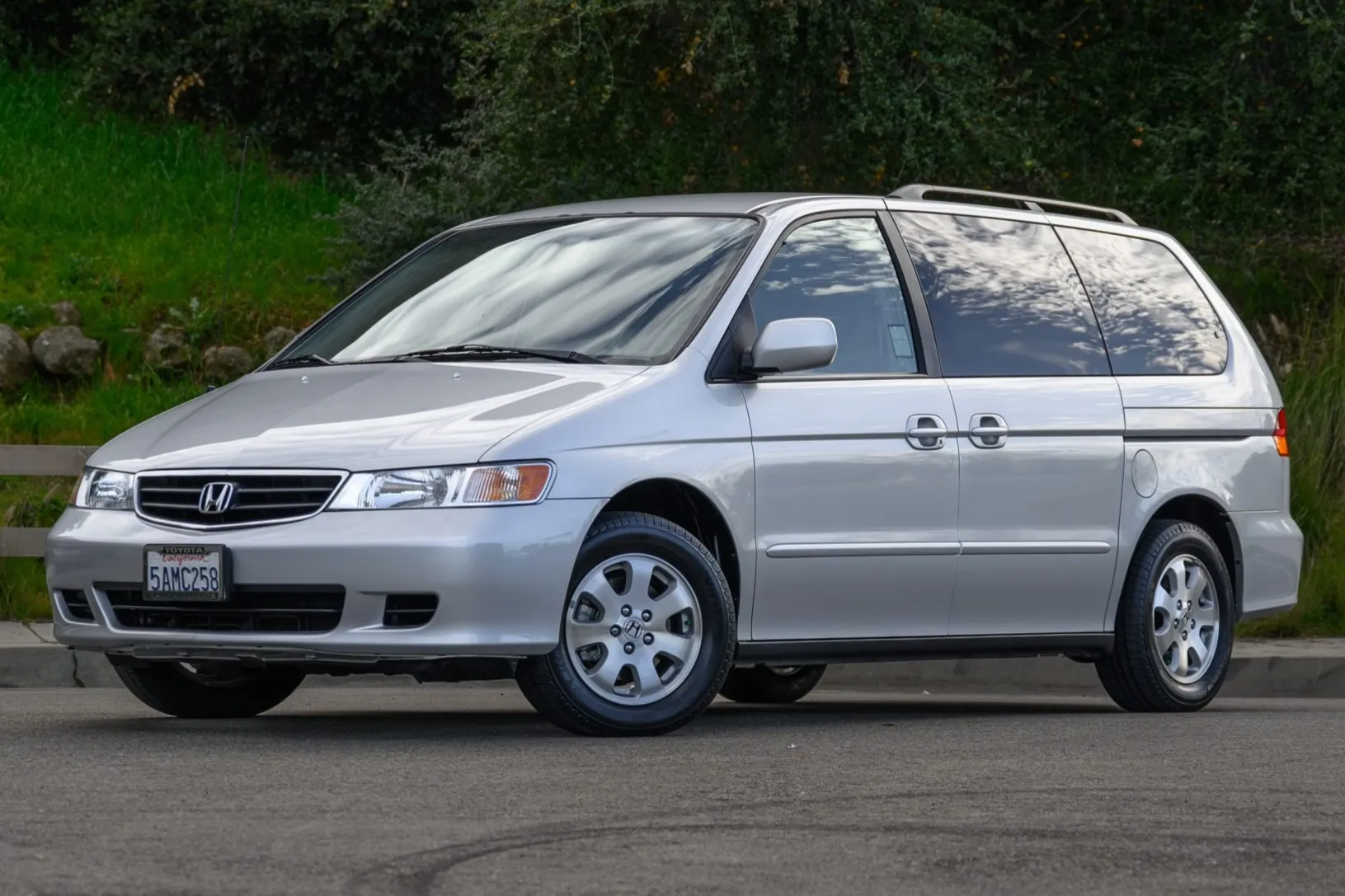
3. 2005 Honda Odyssey: A Redesign with Flaws
Honda introduced the third-generation Odyssey in 2005 with the promise of a fresh start. Featuring a sleek new body design, improved interior comforts, and a new 5-speed automatic transmission, it was marketed as a modern minivan built for families. Unfortunately, the redesign came with its own set of problems.
The transmission, though upgraded, continued to fail in many cases, showing symptoms like sudden downshifts and delayed engagement. To make matters worse, many 2005 Odyssey owners faced excessive oil consumption, with some vehicles burning as much as a quart every 1,000 miles.
This was traced back to poorly designed piston rings that allowed oil to leak into the combustion chamber. Another major reliability issue was the air conditioning system, which suffered from defective compressors and refrigerant leaks. For families in hot climates, the AC failures were not only inconvenient but expensive to repair.
While the 2005 Odyssey offered innovative features and a stylish appearance, its mechanical shortcomings left a lasting impression of disappointment. Instead of marking a turnaround, it added to the list of Odyssey model years plagued by costly and recurring issues.

4. 2006 Honda Odyssey: Reliability Concerns Continue
The 2006 Honda Odyssey carried over many of the same flaws that hurt the 2005 model. Transmission issues once again dominated owner complaints, with reports of jerky gear changes and sudden failures often requiring $4,000 replacements. Electrical system malfunctions further reduced trust in this model year.
Owners frequently experienced dashboard warning lights illuminating incorrectly, while alternators and batteries failed earlier than expected, leading to breakdowns and repeat repairs. Power steering problems also emerged as a major complaint, with defective pumps making the vehicle difficult to maneuver at low speeds.
Honda issued a technical service bulletin to address the issue, but warranty coverage was inconsistent, leaving many drivers to absorb the repair costs themselves. The 2006 Odyssey also retained earlier issues with motor mounts and oil consumption, adding to long-term maintenance expenses.
Despite its roomy interior and strong family appeal, the 2006 Odyssey ultimately disappointed buyers who expected Honda’s hallmark reliability. For many, it became another costly reminder that the mid-2000s Odysseys were far from trouble-free, tarnishing the minivan’s reputation among loyal customers.

5. 2018 Honda Odyssey: A Modern Minivan with New Problems
By 2018, Honda had refined its minivan lineup with a fully redesigned fifth-generation Odyssey, boasting advanced technology, family-friendly features, and updated drivetrains. However, new problems arose that dented its appeal.
The biggest complaints centered on the 9-speed and 10-speed automatic transmissions, which delivered rough shifts, hesitation during acceleration, and even unexpected surges. These issues undermined the smoothness expected from a modern family vehicle and raised safety concerns.
Electrical problems also frustrated owners, particularly with the infotainment system. Screens froze, controls became unresponsive, and connectivity was unreliable, making it difficult for families to rely on built-in technology.
Sliding door malfunctions became another sore point, with many reports of doors refusing to open or close properly, sometimes leaving passengers stuck. These issues tarnished the reputation of what should have been a cutting-edge minivan.
While the 2018 Odyssey outclassed competitors in space, comfort, and design, its reliability concerns kept it from being the perfect family vehicle Honda intended.
For buyers, it highlighted an ongoing pattern: while Honda consistently delivered innovation and practicality, certain model years of the Odyssey were plagued by costly reliability setbacks.

The Honda Odyssey’s story is a mix of high points and setbacks. Some versions have highlighted Honda’s best qualities, delivering reliability, safety, comfort, and the kind of versatility families depend on every day. These models demonstrate why the Odyssey has earned its place as one of the most respected minivans on the market.
At the same time, other versions have struggled with transmission failures, mechanical flaws, and expensive repairs that damaged the confidence many buyers expect from Honda. For anyone considering a used Odyssey, the key takeaway is that performance and dependability can vary depending on the model chosen.
By recognizing which editions stand out for their strength and which ones fall short, buyers can avoid unnecessary headaches and focus on a vehicle that delivers long-term value. When chosen carefully, the Odyssey remains one of the smartest, most practical options for families seeking space and peace of mind.
Also Read: 10 Cars With Tricky Seatbelt Buckles for Elderly Passengers