When people think about buying a car, the first things that come to mind are often style, comfort, performance, and features. But beyond these exciting details, one of the most important financial factors is how much value the car will keep over time.
Every car begins to lose value the moment it leaves the dealership. However, not all cars lose value at the same speed. Some models are trusted by buyers and continue to sell for high prices even years later, while others quickly become worth much less.
Cars that hold their value usually share some common strengths. They are known for reliability, have lower ownership costs, and attract strong demand in the used market. Buyers are confident they will perform well for years, so their prices remain strong.
On the other side, cars that lose value very quickly often face several problems. They may come from brands with weak reputations, require expensive repairs, or fall out of style because of changing customer trends. These issues cause resale demand to drop sharply.
This difference in resale value is important for every car buyer. Choosing a model that holds its worth can save you thousands of dollars in the long run. Even after years of use, such cars can be sold for a fair return.
But if you buy a car that loses value too fast, you might face heavy losses when it comes time to sell. What seems like a great deal at the showroom can quickly turn into a financial disappointment after only a few years.
That’s why it helps to know which cars belong in each category. Some models are champions at keeping their value, while others struggle badly. In this article, we’ll look at five cars that hold over 75% of their value after five years, and five that drop under 30%.
Also read: 5 Cars With Night-Vision Features vs 5 With Poor Low-Light Performance
5 Cars That Hold Over 75% Value After 5 Years
You want longevity, not just in miles, but in money. Buying a car that keeps at least 75% of its original value after five years isn’t luck; it’s strategy. It means lower total cost of ownership, easier trade-ins, and less drama when you decide to upgrade.
In this piece I’m cutting through the marketing fluff to show five vehicles that actually deliver on that promise, cars that buyers consistently clamor for on the used market, hold their value through wear and tear, and make sensible financial sense when you’re thinking long term.
This isn’t about the flashiest models or the newest tech toys. It’s about reliability, desirability, and a marketplace that rewards the right mix of brand, build quality, and reputation.
1) Toyota Tacoma
When people buy a truck, they often think about power, durability, and comfort. But one of the smartest things to consider is resale value. Some trucks lose worth quickly, while others stay strong even after years of ownership. The Toyota Tacoma belongs in the second group.
The Toyota Tacoma has built a reputation as one of the most reliable midsize trucks in the world. From construction workers to outdoor adventurers, people trust it because they know it can handle rough use, tough roads, and many years without major problems.
Reliability is a big reason why the Tacoma keeps such high resale value. Buyers in the used market don’t hesitate to pay more for it because they believe it will keep running well. This trust keeps prices strong compared to other trucks.
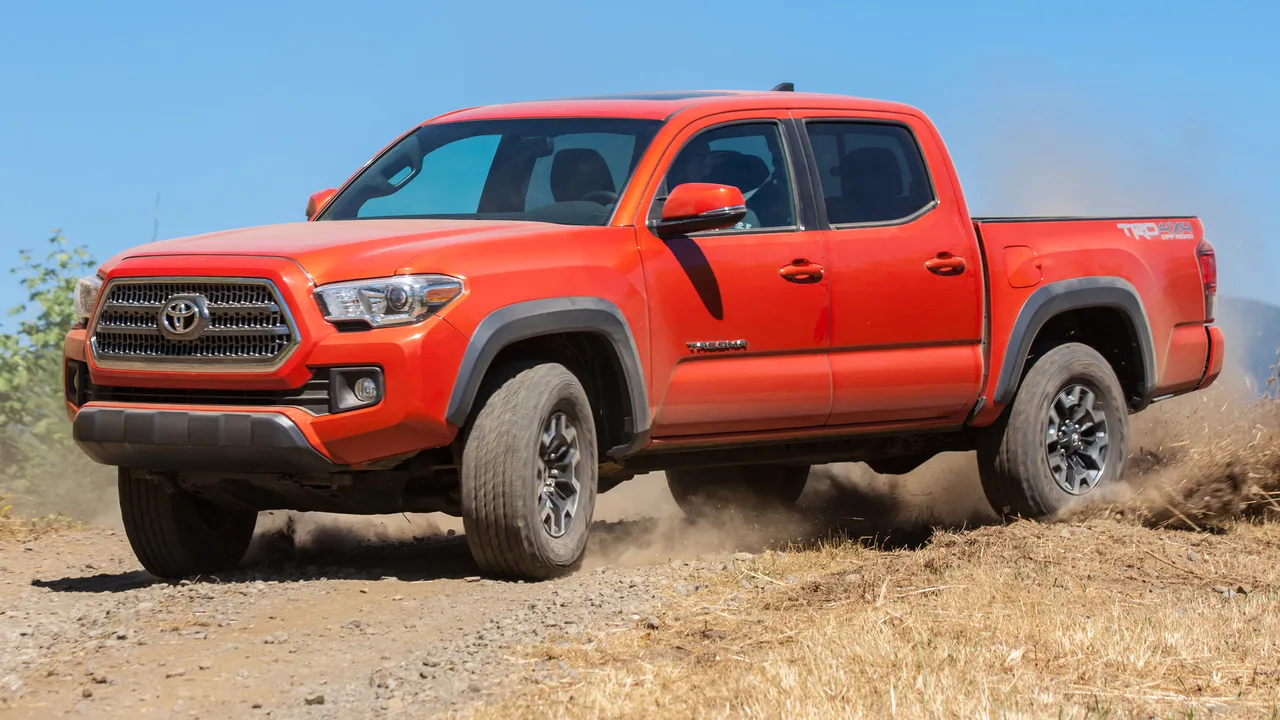
Another factor that supports its value is its off-road ability. The Tacoma is famous for being adventure-ready, with trims like TRD Pro designed for trails, mud, and mountains. Outdoor lovers and off-road fans always search for used Tacomas, making demand stronger than supply.
Loyalty also plays a key role. Many Tacoma owners stick with the brand for life, and others constantly search for well-kept used models. This creates a circle where prices never fall too low, because there are always eager buyers waiting.
Over the years, the Tacoma has proven it can last well past 200,000 miles with proper care. This long life makes it more attractive to buyers who want value for money. Even after five years, many Tacomas sell for more than 75% of their original price.
2) Toyota Land Cruiser
When people think of vehicles that last forever, the Toyota Land Cruiser often comes to mind. For decades, it has been trusted across the world as a tough, reliable SUV. Its ability to hold value after many years is truly remarkable.
The Land Cruiser is known for its durability. Families, travelers, and explorers buy it because they believe it will survive harsh weather, long trips, and difficult roads. This trust is passed from one generation to the next, keeping demand very strong.
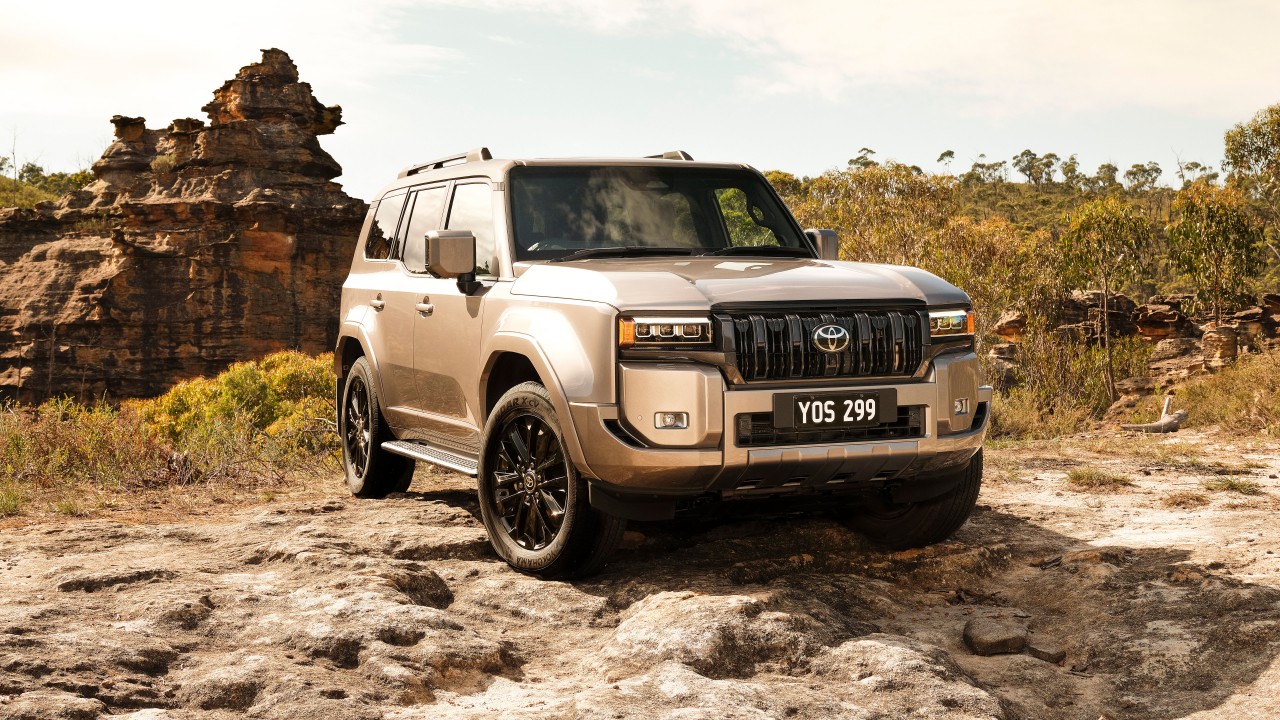
Another reason for its strong resale value is its worldwide reputation. In many countries, the Land Cruiser is seen as the ultimate adventure vehicle. Buyers everywhere are ready to pay a high price for a used one, knowing it will last.
The SUV’s off-road skills also play a big role. Few vehicles can match the Land Cruiser when it comes to handling mountains, deserts, or forests. Outdoor enthusiasts and professionals who work in rough conditions always look for this model, keeping resale prices high.
Long lifespan is another factor. Many Land Cruisers run smoothly past 300,000 miles with proper care. Buyers know this, so even a five-year-old model still feels like a long-term investment rather than a risk. That confidence helps it hold over 75% of value.
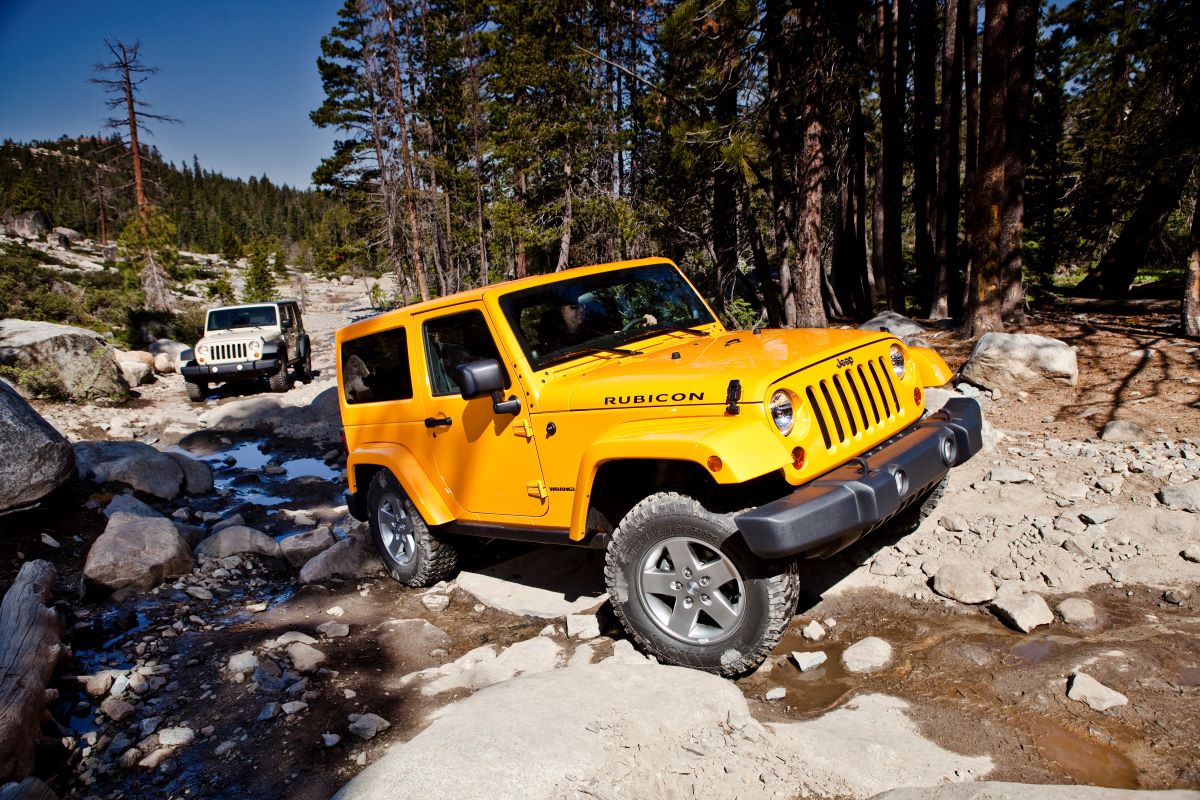
3) Jeep Wrangler
When people think about adventure vehicles, the Jeep Wrangler is one of the first names that comes to mind. With its boxy design, removable roof, and rugged style, it has become a symbol of freedom and exploration. That unique identity helps it hold value year after year.
The Wrangler is not just a vehicle; it is part of a lifestyle. Buyers choose it because it can handle mud, rocks, rivers, and sand in ways that most vehicles cannot. This unmatched off-road ability makes the Wrangler highly desired in the used market.
Another reason for its strong resale value is its loyal fan base. Jeep owners often become lifelong enthusiasts, and new buyers are always looking to join that community. As a result, demand for used Wranglers stays steady, keeping prices high.
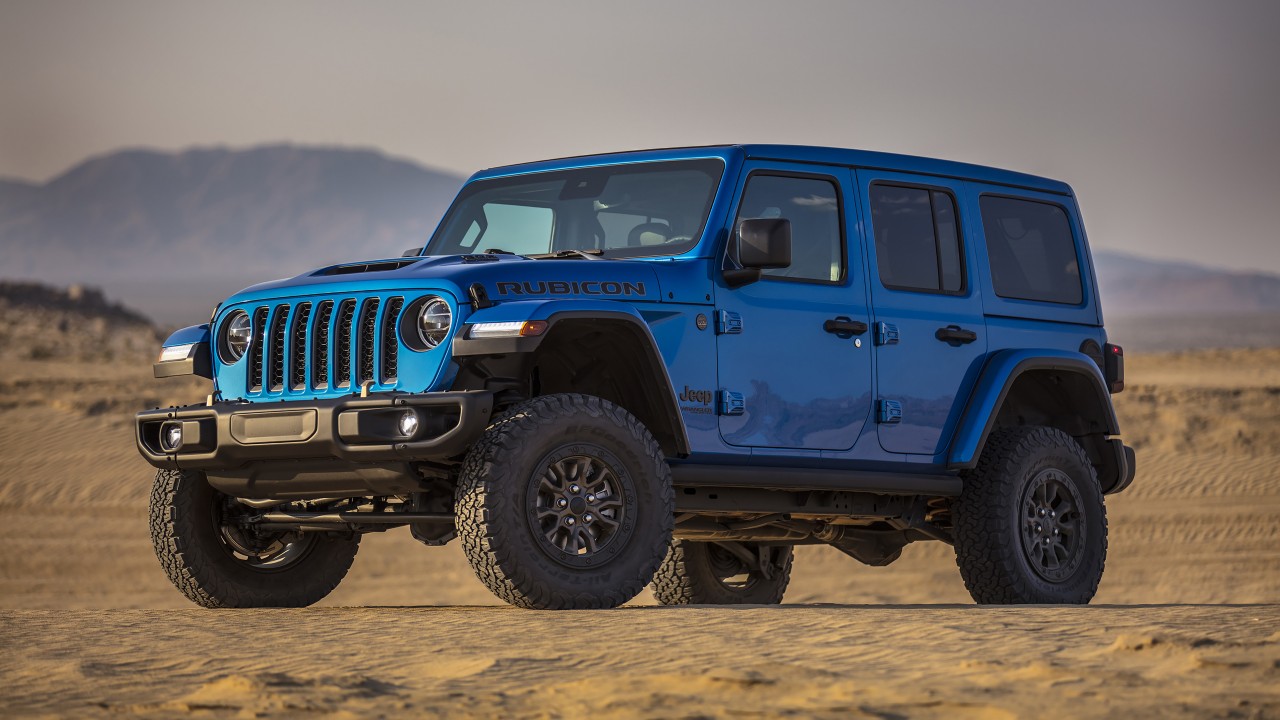
The Wrangler is also simple yet durable in design. It may not have the comfort of luxury SUVs, but it offers reliability and strength that buyers trust. Even older Wranglers are seen as dependable, which gives buyers the confidence to pay more for them.
Customization adds to its appeal. Owners can easily add accessories like lift kits, larger tires, and special bumpers. This personalization makes used Wranglers more exciting for buyers, because each one feels unique while still keeping its core strength and identity.
Because of these reasons, the Jeep Wrangler holds more than 75% of its value even after five years. Few vehicles can match its combination of ruggedness, history, and community support. That is why it remains one of the best resale performers in the market.
4) Porsche 911
When most people think about sports cars, they often imagine vehicles that are thrilling but lose value quickly. Yet, the Porsche 911 stands apart. For decades, this iconic model has managed to keep its worth while still offering world-class performance and style.
One of the biggest reasons for the 911’s strong resale value is its timeless design. While other sports cars constantly change looks, the 911 has kept its classic shape. This consistency gives it an identity that car lovers recognize and respect immediately.
Performance also plays a key role. The 911 is not just a showpiece; it delivers real driving power and precision. Buyers know they are paying for a machine that handles tracks and roads with ease, which keeps demand high even for older models.
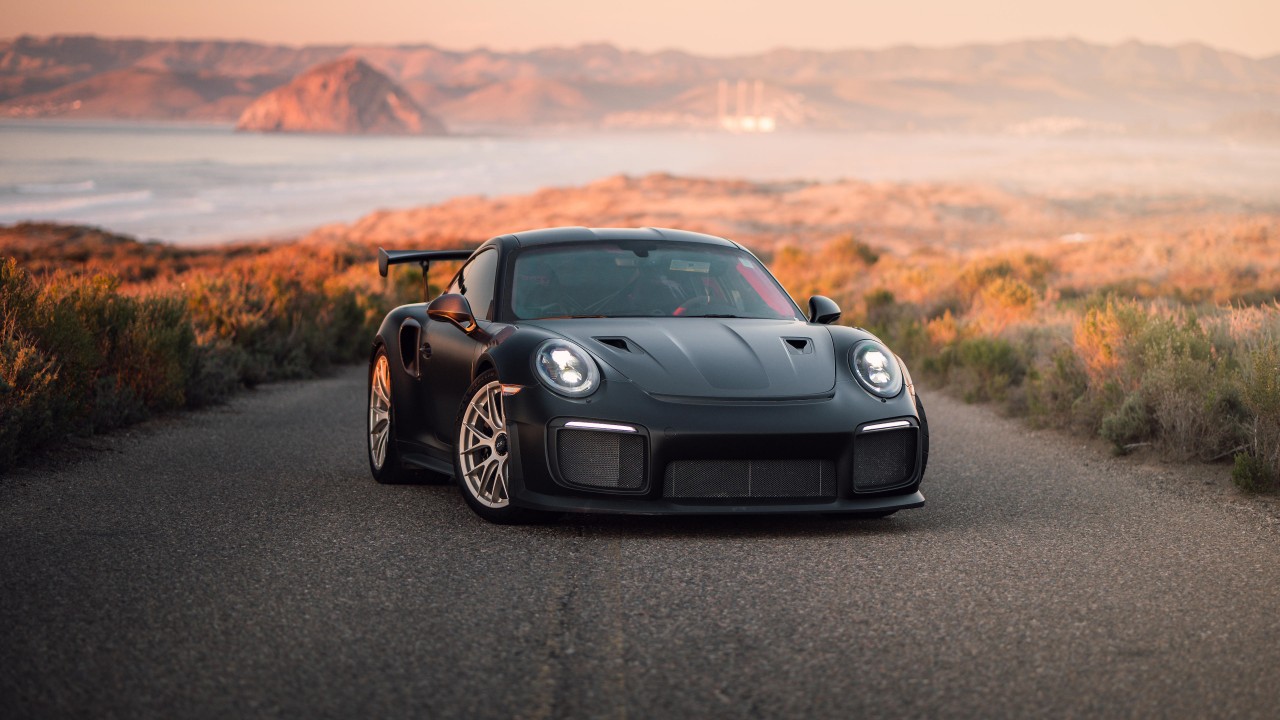
Another factor is the Porsche brand reputation. Porsche is known for engineering excellence and quality. Unlike many luxury cars that become unreliable with age, the 911 proves itself as a long-lasting investment. This confidence makes buyers comfortable paying high prices in the used market.
The community around the 911 also helps it keep value. Car enthusiasts, collectors, and everyday drivers share strong admiration for it. Because demand often outpaces supply, resale prices remain impressive compared to most other sports cars in the same class.
All these qualities explain why the Porsche 911 holds over 75% of its value after five years. It is more than a sports car; it is a symbol of tradition, quality, and lasting appeal. That makes it one of the strongest resale performers worldwide.
5) Toyota 4Runner
In a world where many SUVs are built more for comfort than toughness, the Toyota 4Runner remains one of the few traditional, rugged SUVs. Its ability to keep strong resale value over many years comes from durability, reliability, and unmatched off-road strength.
The 4Runner uses a body-on-frame design, the same style used in trucks. This makes it stronger and longer-lasting compared to most modern SUVs, which use softer car-like designs. Buyers looking for something tough and dependable always see value in the 4Runner.
Reliability is another big reason for its resale strength. Like many Toyotas, the 4Runner is built to last well past 200,000 miles. Buyers know it requires fewer repairs than most competitors, which helps keep demand for used models very high.
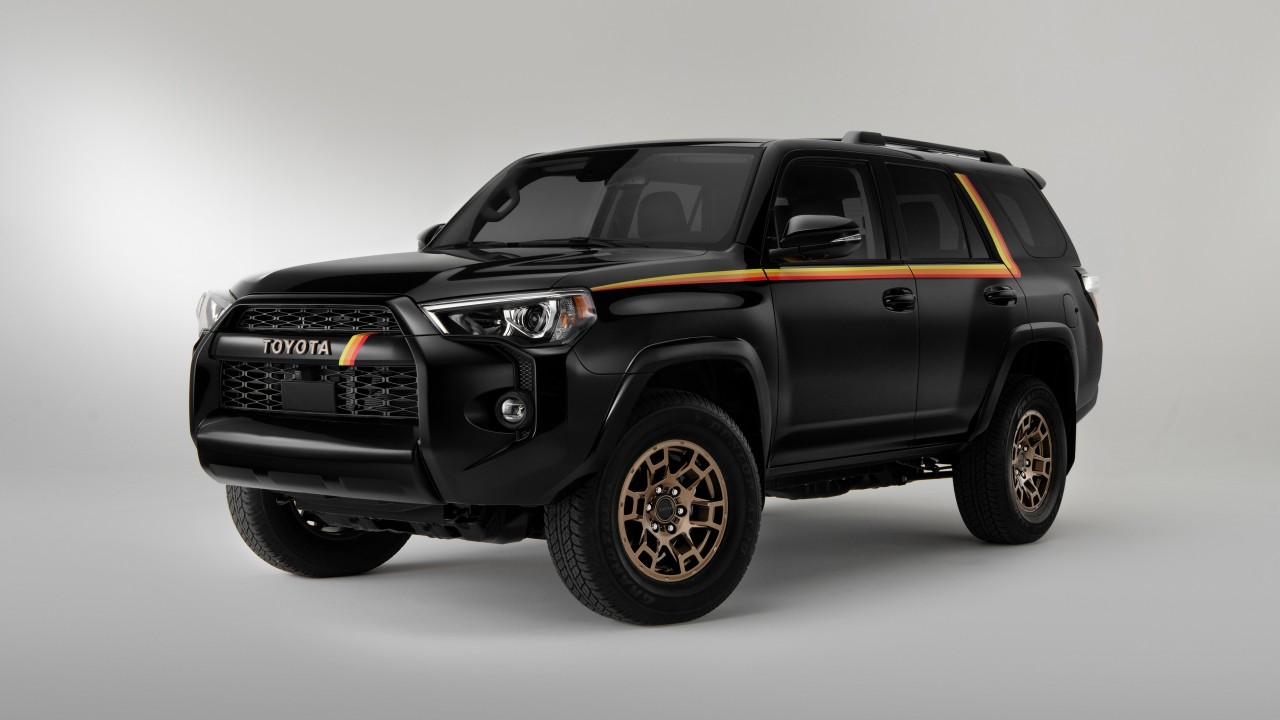
Its off-road ability is also legendary. The 4Runner can handle trails, mountains, and rough terrain with ease. Adventure lovers and outdoor families continue searching for it in the used market, ensuring that resale prices remain strong even as the years go by.
Another factor is loyalty. Many 4Runner owners become lifelong fans, often upgrading to newer models but never leaving the brand. This loyalty creates steady demand for older ones, which helps the SUV retain over 75% of its value even after five years.
Because of its toughness, reputation, and popularity, the Toyota 4Runner continues to stand out in today’s market. It is both a practical family SUV and an adventure-ready vehicle, making it one of the most valuable long-term investments in the car world.
Also read: 5 SUVs That Hold Value on Trade-In vs 5 That Dealers Won’t Touch
5 Cars That Drop Under 30% Value After 5 Years
If you’re buying a car and value retention matters, whether you plan to trade in, sell privately, or just hate watching money evaporate, these are the models you need to know about. In this piece I’ll show five cars that routinely crater in resale value, explain the real reasons they tank, and give you straight, practical moves to dodge the biggest losses, or at least limit the damage if you already own one.
This isn’t a doom-and-gloom list for shock value. It’s a buyer’s warning: know what destroys resale, chronic reliability problems, astronomical ownership costs, sudden shifts in demand, heavy fleet/lease saturation, or brutal trade-in incentives, and use that knowledge when you’re shopping.
1)Fiat 500
The Fiat 500 arrived on the market as a small, stylish city car inspired by the classic Fiat design from decades earlier. Its retro look and compact size gave it instant charm. However, over time, it proved to be a car that loses value very quickly.
One of the main reasons for this steep depreciation is practicality. The Fiat 500 works fine for short city commutes, but its tiny size makes it less useful for families, long drives, or highway travel. Buyers in the used market often prefer something bigger and more versatile.
Another factor is reliability. Many owners have reported issues with the Fiat 500, ranging from engine troubles to electrical failures. These problems often arrive sooner than expected, and repairs are not cheap. For used buyers, this creates fear and lowers confidence in purchasing one.
Parts availability is also a concern. Outside of Europe, Fiat does not have a strong service network. This means owners face delays and higher prices for parts. Used car buyers know this, and it drives down demand even further, weakening resale prices significantly.
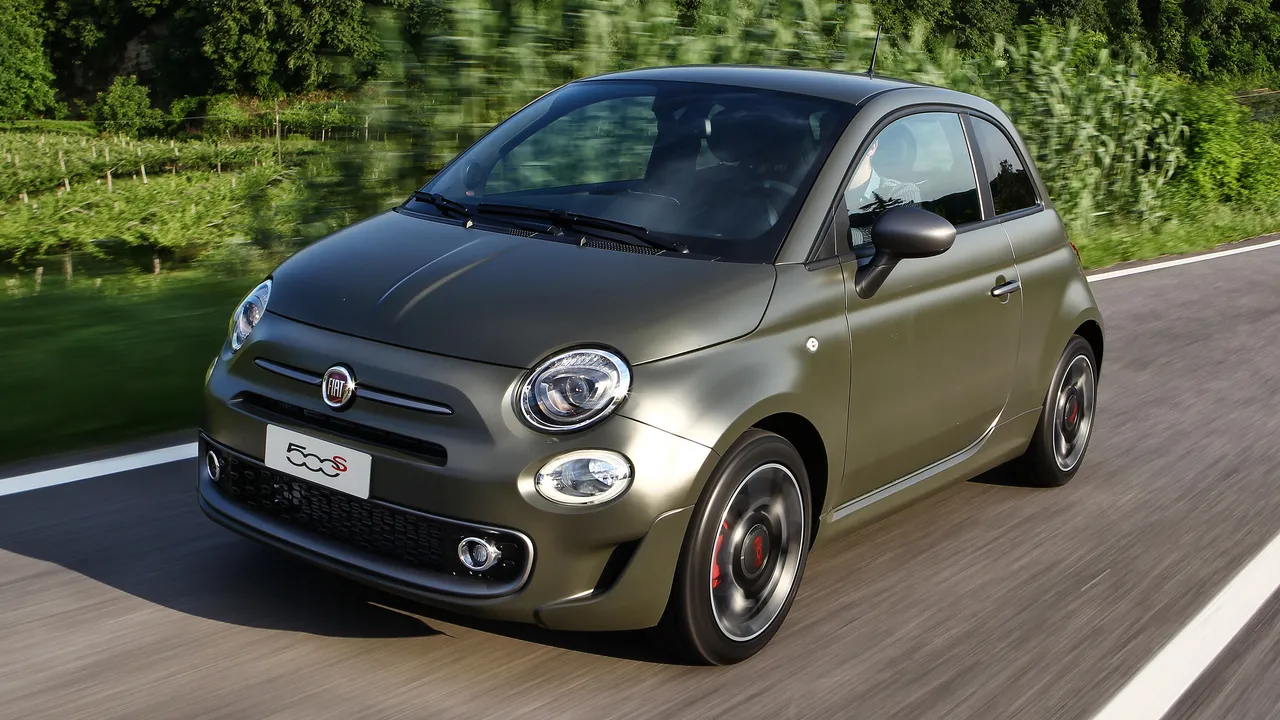
Dealers themselves often avoid stocking the Fiat 500. Since it is difficult to sell on the used lot, many end up at auctions for very low prices. This oversupply, combined with weak demand, creates one of the steepest depreciation curves in the car market.
Brand reputation plays a big role too. Fiat, while historic in Europe, does not inspire the same trust in North America or Asia as Toyota or Honda. Buyers are more cautious, and that lack of trust directly impacts resale strength.
Although the Fiat 500 offers unique style, fuel efficiency, and easy parking, these qualities are not enough to protect its long-term value. After just five years, most Fiat 500s retain less than 30% of their original price, leaving owners disappointed at resale time.
2) BMW 7 Series
The BMW 7 Series is a flagship luxury sedan known for its advanced technology, smooth performance, and elegant comfort. When new, it commands a very high price and delivers prestige to its owners. But in the used market, its value falls surprisingly fast.
One of the biggest reasons for its steep depreciation is the extremely high cost of ownership. Luxury sedans like the 7 Series come with complex features, advanced electronics, and powerful engines. Once warranties expire, repairs and servicing often cost thousands, scaring away many second-hand buyers.
Another challenge is the limited customer base. Not many used car buyers are looking for a huge, complex luxury sedan. Families prefer SUVs, younger drivers seek sportier models, and practical buyers turn to affordable brands. This lack of demand lowers resale prices even further.
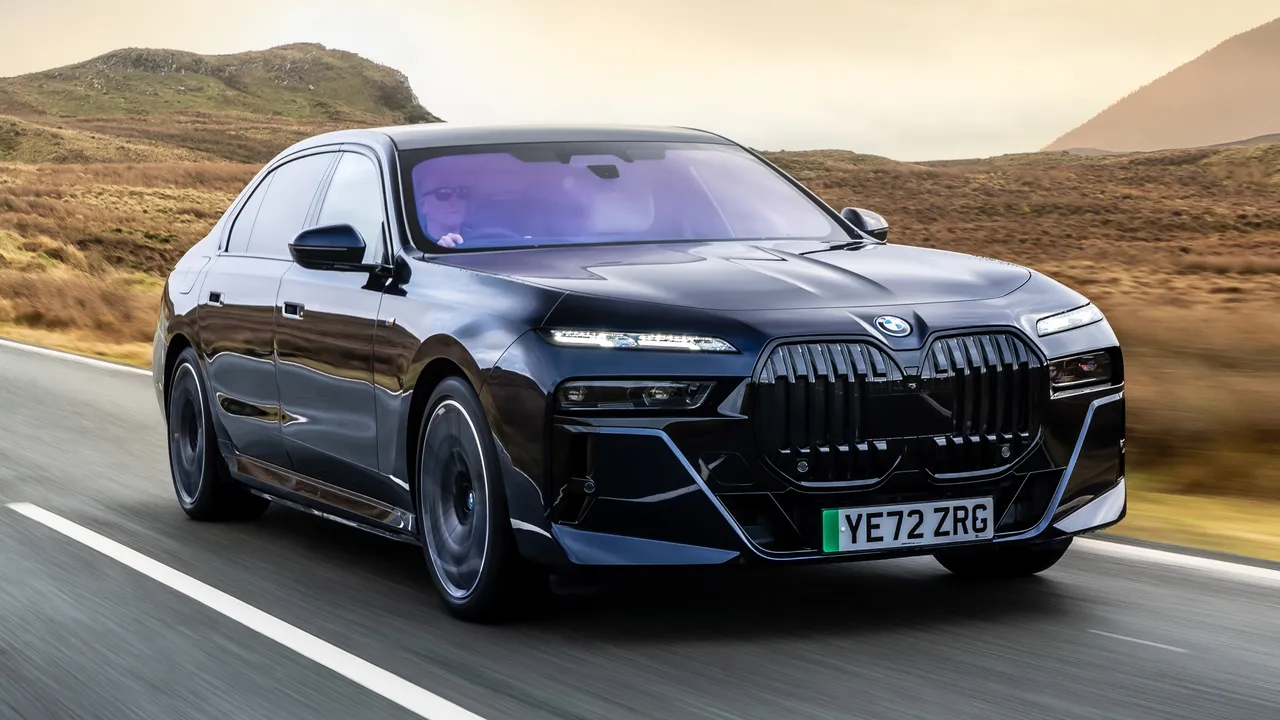
Technology also works against the 7 Series. While BMW fills it with cutting-edge features, those same systems quickly become outdated within a few years. A five-year-old 7 Series may no longer feel modern, making it less appealing compared to newer, more efficient luxury cars.
Fuel efficiency is another drawback. Large engines consume a lot of fuel, which makes them costly to drive daily. In a time when buyers want hybrids or electric options, the 7 Series feels less relevant, and this further hurts its resale value.
Because of these factors, many BMW 7 Series models sell for less than 30% of their original price after five years. Owners who paid a fortune for a new one often face shockingly low resale offers later, proving how fast luxury sedans lose worth.
3) Maserati Ghibli
The Maserati Ghibli is one of the most eye-catching luxury sedans on the road. With its Italian styling, strong engine sound, and performance character, it turns heads wherever it goes. However, beneath its charm, the Ghibli is one of the fastest depreciating luxury cars available today.
The first major reason for this rapid loss in value is reliability. Maserati is known for producing stylish vehicles, but not for long-lasting dependability. The Ghibli has a history of electrical problems, suspension wear, and transmission concerns. Used buyers are aware of these issues and often avoid it, which pushes resale prices down significantly.
High maintenance and repair costs only make matters worse. Even simple service tasks for the Ghibli can cost much more than for German rivals like BMW or Mercedes. Specialized parts are not widely available, and labor is expensive. Buyers looking at used models know that ownership will be costly.
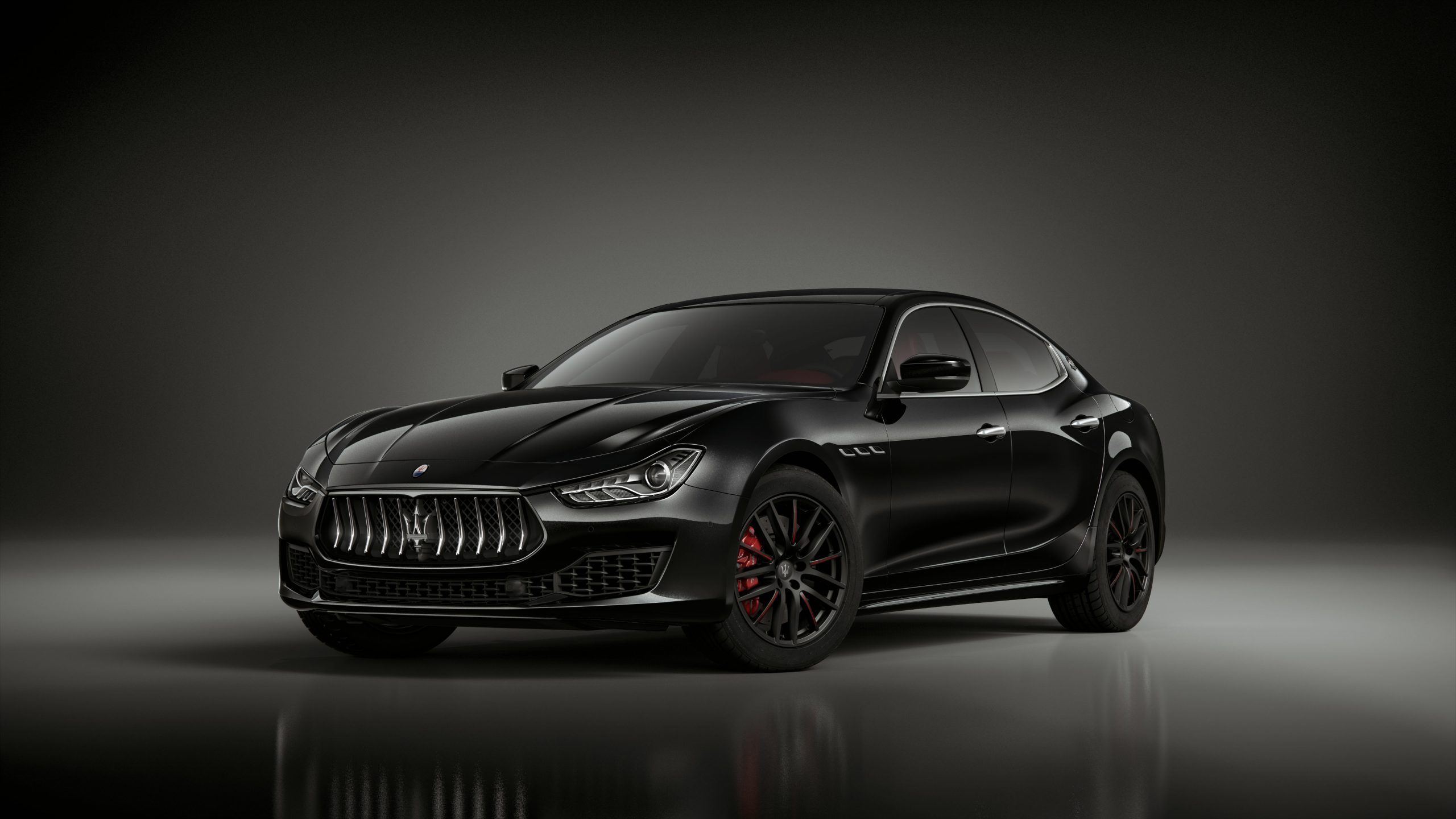
Brand reputation also plays a huge role. While Maserati carries an exotic image, it does not inspire the same confidence as Porsche or Audi in terms of quality. Many buyers see Maserati as a “risky” purchase, which reduces demand in the used market.
Another challenge is competition. At its new price, the Ghibli competes with cars like the Mercedes E-Class, BMW 5 Series, and Audi A6. These rivals not only offer better technology and reliability but also stronger resale value. This comparison makes the Ghibli look weaker over time.
Fuel efficiency is another drawback. The Ghibli’s engines are powerful, but they consume more fuel than most buyers want to handle for daily driving. With buyers increasingly shifting to hybrids and electric cars, gas-hungry luxury sedans quickly lose their appeal.
Dealers also contribute to depreciation. Many hesitate to stock older Maserati models because they sit unsold for long periods. This means many Ghiblis end up at auctions, selling at far lower prices than expected, which pushes resale values even lower.
Despite these issues, the Ghibli still attracts enthusiasts who value style and exclusivity. But those qualities are not enough to hold its worth. After five years, most Maserati Ghiblis retain under 30% of their original value, making them one of the steepest depreciators in the luxury segment.
4) Nissan Leaf (Older Models)
When the Nissan Leaf was launched, it was praised as one of the first affordable, mass-market electric cars. It promised eco-friendly driving and low running costs. But over time, especially with early models, the Leaf became one of the weakest resale performers in the market.
The biggest factor behind its steep depreciation is battery technology. Early Nissan Leafs came with limited driving ranges, often less than 80 miles per charge. As battery technology improved in newer models, these older Leafs started to look outdated and impractical compared to modern electric vehicles.
Battery degradation made the problem worse. Many owners found that after just a few years, their Leaf’s battery could no longer hold full capacity, reducing range even further. Since battery replacement is extremely expensive, used buyers shy away from older Leafs, crushing their resale prices.
Another reason is charging infrastructure. When the Leaf was first released, fast-charging networks were rare. Even today, older Leafs lack compatibility with newer charging systems, making them less convenient for buyers. This technical gap makes newer EVs far more attractive, pushing older models aside.
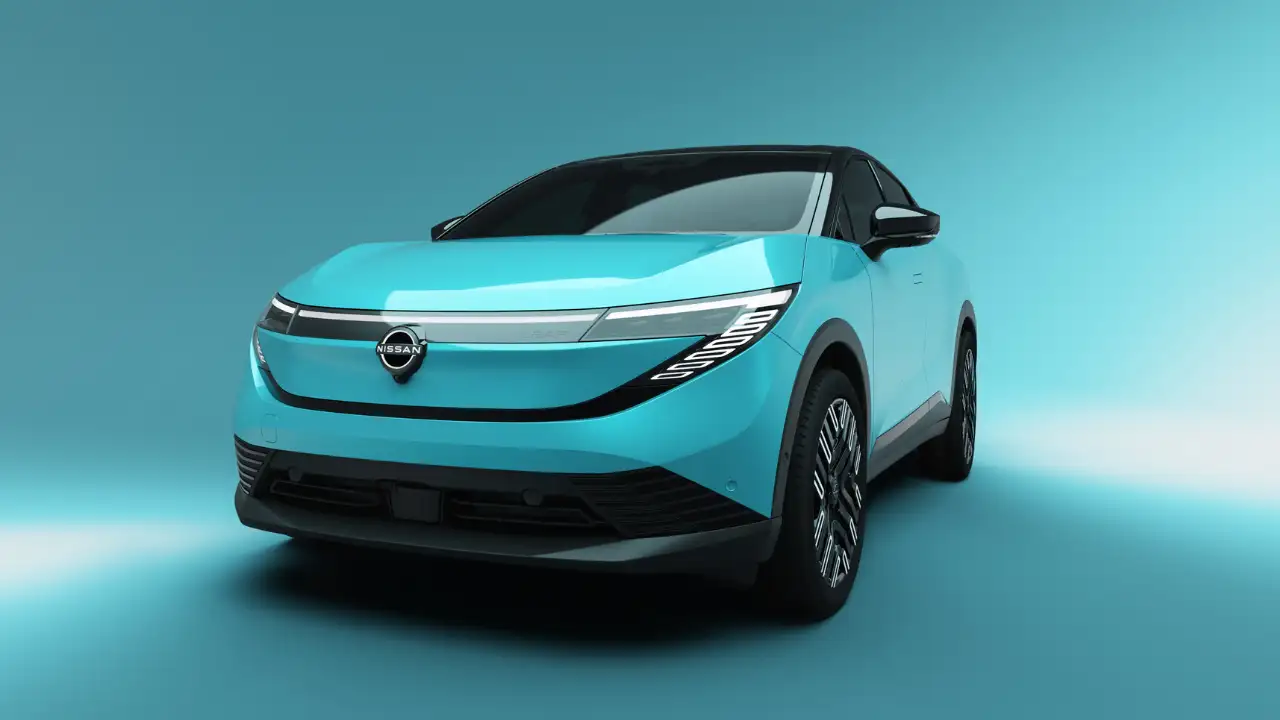
Competition has also grown rapidly. Cars like the Tesla Model 3, Chevrolet Bolt, and Hyundai Kona Electric offer longer ranges, modern technology, and stronger support networks. Against these rivals, an older Leaf feels outdated, which means buyers are rarely willing to pay much for one.
Interior and build quality also affect value. Compared to rivals, the Leaf’s cabin materials felt basic, and technology aged quickly. Used buyers want comfort and modern features in their EVs, and older Leafs often fail to meet those expectations.
Dealers face difficulties too. Older Leafs are harder to sell because many buyers worry about battery health. Even heavily discounted, these cars can sit on lots for months. This lack of demand drives down their market value dramatically.
For these reasons, early Nissan Leaf models often lose more than 70% of their value within five years, dropping below 30% of their original price. While they were groundbreaking at launch, technology and buyer expectations moved faster than the car itself.
5) Jaguar XJ
The Jaguar XJ has long been a symbol of British luxury. With its elegant design, comfortable ride, and powerful engines, it represents prestige and class. But despite its strong image when new, the Jaguar XJ suffers from severe depreciation, losing most of its value within five years.
One of the main reasons is reliability. Jaguar, as a brand, has struggled with dependability for decades. The XJ, though luxurious, often faces issues with electronics, suspension, and expensive engine components. Used buyers know these risks, which makes them hesitant to spend on older models.
Maintenance and repair costs are another big factor. Jaguar parts are expensive, and service requires specialized technicians. This makes ownership costly once the warranty expires. Many buyers prefer German luxury brands like Mercedes or BMW, which have wider service networks and stronger resale demand.
Another issue is shifting trends in the luxury market. Large sedans like the Jaguar XJ are no longer as popular as SUVs. Buyers today often choose luxury crossovers or full-size SUVs, which offer more practicality and modern appeal. This shift reduces demand for the XJ on the used market.
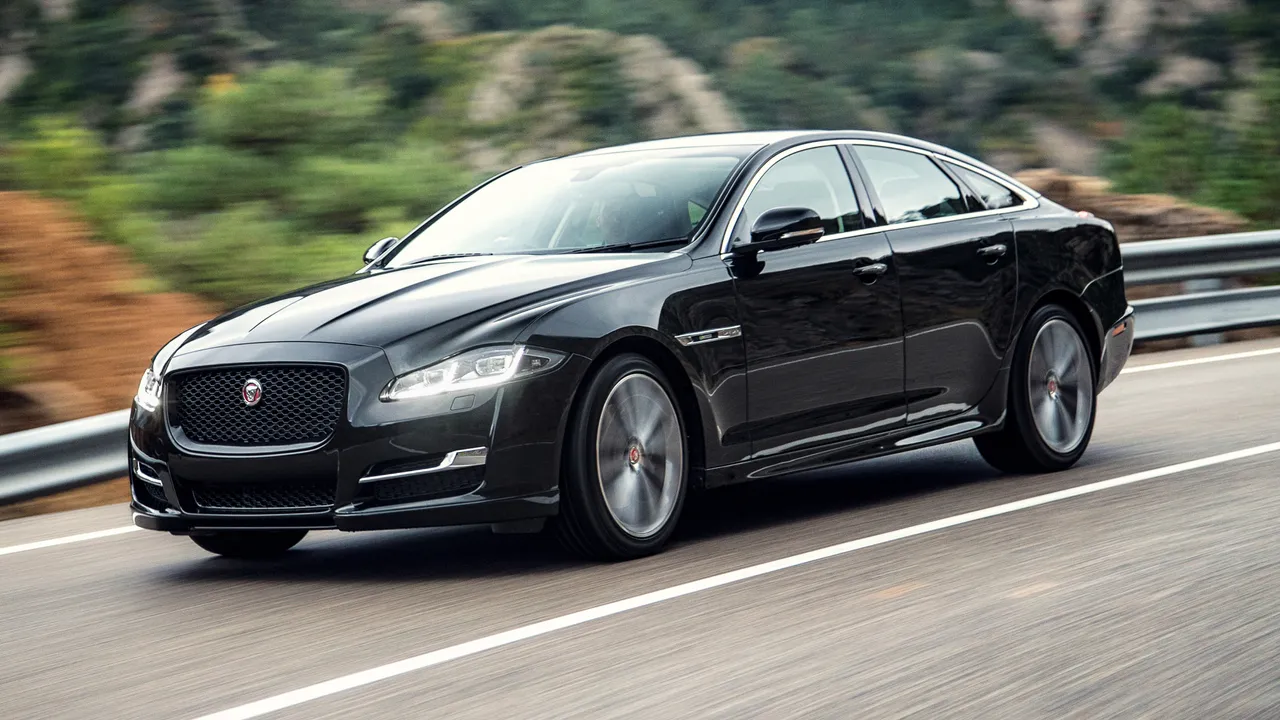
Technology also plays a role. While the XJ offered advanced features at launch, those systems quickly age compared to rivals. Infotainment, driver-assist features, and cabin design feel old within a few years, making buyers less interested in paying premium prices for older models.
Brand image impacts value too. While Jaguar is admired for style and heritage, it lacks the same resale trust as Mercedes-Benz, Audi, or Lexus. Buyers worry about long-term ownership problems, which lowers demand for the XJ significantly.
Dealers often struggle to sell used XJs as well. These cars sit longer on lots, and sellers must slash prices to move them. This accelerates depreciation, as resale values drop sharply just to attract potential buyers.
Even though the Jaguar XJ offers luxury and exclusivity, these qualities cannot protect it from losing value. After five years, many models retain less than 30% of their original price, making it one of the steepest depreciators in the luxury sedan market.
Also read: 5 Hybrids That Retain Value and 5 That Plummet Like Used Luxury Sedans