When people think of trucks, they often picture rugged machines built to last decades, hauling heavy loads, and conquering rough terrains. But while durability is often a strong point, not every truck performs equally when it comes to holding its value.
Some models remain hot property in the used market, commanding prices shockingly close to new, while others lose value at an alarming rate as soon as the first owner signs the papers.
For buyers, this gap in depreciation can mean the difference between making a smart investment and taking a financial hit.
Depreciation is a natural part of vehicle ownership. Every new truck loses some value the moment it leaves the dealership, but the rate of that drop depends on factors like brand reputation, long-term reliability, demand, and uniqueness in the market.
Trucks with proven track records, strong followings, and practical appeal tend to avoid steep depreciation.
On the flip side, trucks that suffer from reliability concerns, weak demand, or poor positioning against competitors often plummet in resale value, even if they look good on paper.
In short, choosing the right truck isn’t just about horsepower, towing numbers, or interior comfort; it’s also about how well your money will hold up in the long run. Some trucks practically guarantee peace of mind with their slow depreciation, while others can cost owners dearly in resale losses.
Also read: 5 Pickups With Long-Lasting Frames vs 5 That Rust Apart
5 Trucks With Zero (or Near-Zero) Depreciation
1)Toyota Tacoma
The Toyota Tacoma is widely regarded as the undisputed champion of value retention in the pickup truck world. While most vehicles lose a significant portion of their value within the first few years of ownership, the Tacoma defies this trend in a way that few others can. Buyers often discover that a clean, well-kept Tacoma sells for nearly the same price as a new one, and in some cases, demand for used models is so strong that prices stay shockingly close to the original sticker.
One of the main reasons behind the Tacoma’s incredible resale performance is Toyota’s reputation for reliability. Owners often praise these trucks for their ability to run well beyond 200,000 miles with only routine maintenance.
Unlike many rivals that become prone to costly transmission failures or electrical issues over time, the Tacoma is engineered with simplicity and longevity in mind.
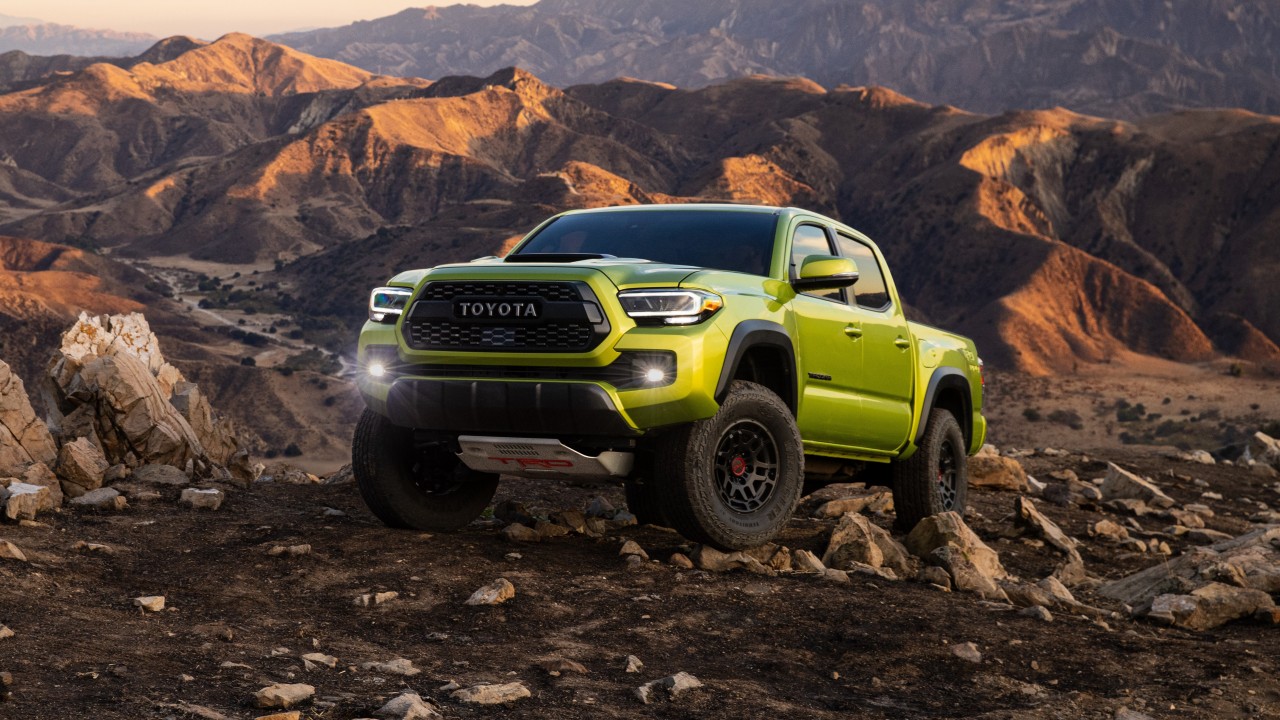
Another factor driving the Tacoma’s high value is its off-road ability. Trims like the TRD Off-Road and TRD Pro have become legendary among outdoor enthusiasts, offering factory-equipped features such as locking differentials, crawl control, and heavy-duty skid plates.
These capabilities make the Tacoma more than just a work vehicle; it doubles as a gateway to adventure. Overlanding fans, weekend explorers, and serious off-road hobbyists are constantly looking for used Tacomas, and that steady demand means sellers rarely have to lower their asking prices.
There’s also the matter of supply. Unlike some American brands that push trucks into massive fleet sales, Toyota has always kept Tacoma production balanced, avoiding the kind of oversaturation that drives down resale values.
The result is a truck that remains somewhat scarce in the used market while demand stays consistently high. This balance is one of the hidden reasons the Tacoma can maintain near-zero depreciation year after year.
For buyers, this all translates into a vehicle that is more than just a tool; it’s an investment. The Tacoma may not be the cheapest truck to buy upfront, but its ability to retain value over the long haul makes it one of the smartest financial choices on the road.
Whether it’s serving as a daily driver, a weekend adventure vehicle, or a reliable work companion, the Tacoma’s reputation ensures that owners can enjoy it with confidence, knowing that when it’s time to sell, they’ll get top dollar.
2)Toyota Tundra
The Toyota Tundra has built a reputation for being one of the most dependable full-size trucks on the market, and that reputation has allowed it to hold its value at levels that many of its rivals simply cannot match.
Even though the Tundra has sometimes lagged behind American competitors in terms of cutting-edge design, luxury features, or engine variety, its reputation for sheer durability and reliability more than makes up for those gaps.
The Tundra’s value retention is largely due to Toyota’s proven engineering philosophy. The truck has consistently used time-tested V8 engines that prioritize longevity over flashy innovation, and that has made them favorites among buyers who want their truck to last 200,000 miles or more without major issues.
Another reason the Tundra holds value so well is its ownership costs. While it may not always deliver the best fuel economy, buyers appreciate the fact that maintenance and repair costs are generally lower than those of its American counterparts.
When it comes time to sell, used buyers take this into account, knowing that a Tundra is less likely to surprise them with expensive problems. This makes it far more desirable than competitors that may have lower entry prices but higher long-term risks.
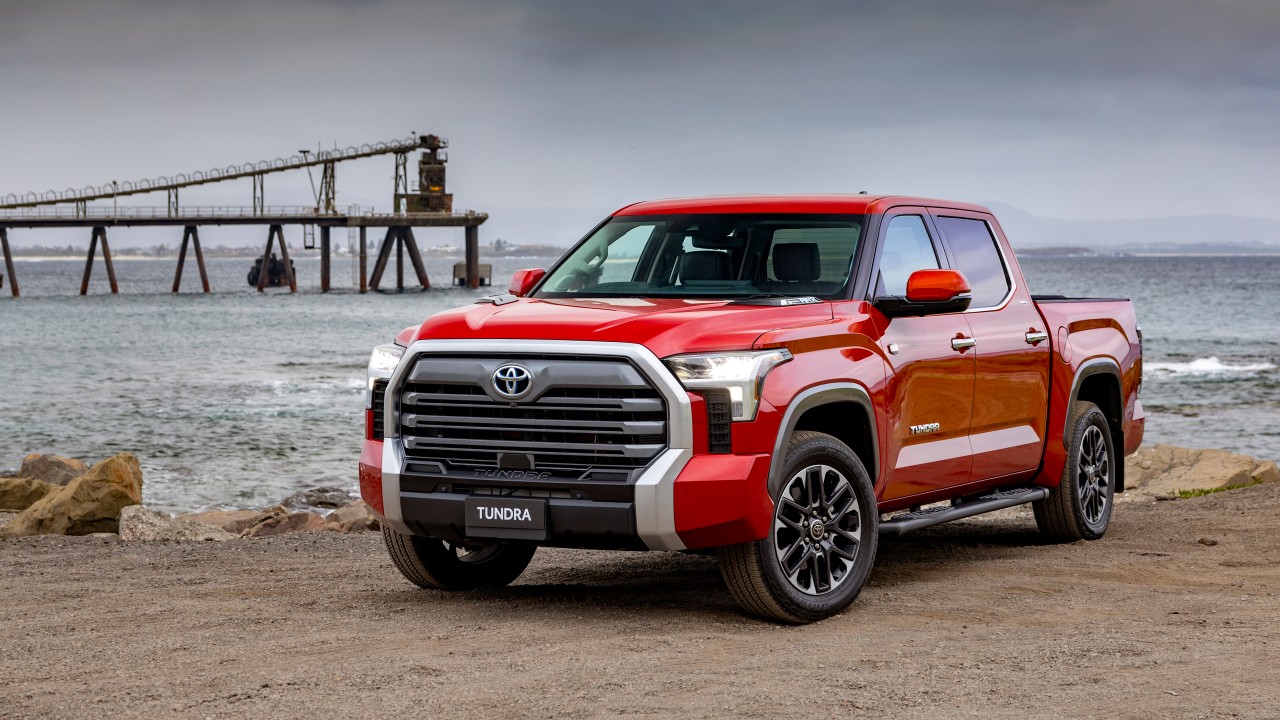
Ultimately, the Tundra proves that value retention isn’t just about having the newest or flashiest features, it’s about building trust. Buyers know what they’re getting with a Tundra: a full-size truck that will endure years of hard work and still have plenty of life left to offer the next owner. That trust is the secret behind its near-zero depreciation, and it’s the reason the Tundra continues to stand out in a competitive market.
3)Ford F-150
The Ford F-150 is the best-selling vehicle in America, but not every version of it holds value equally well. Standard trims often follow the usual depreciation curve seen across the industry, but certain special trims have carved out a reputation for retaining their worth exceptionally well.
What makes the Raptor and other special trims so unique is their collectibility factor. While most trucks are purchased for utility, special F-150 trims combine functionality with lifestyle appeal. The Raptor, for instance, is not just a truck; it’s an experience. It allows buyers to own something exclusive and performance-focused, which naturally creates scarcity in the used market.
Another factor is that Ford carefully limits production of certain high-demand trims, ensuring that supply never meets the intense demand. This strategy has turned trucks like the Raptor into near-investments rather than depreciating assets.
Buyers often line up for new models, and those who don’t want to wait turn to the used market, willing to pay premium prices. This pattern has been observed repeatedly, where two- or three-year-old Raptors still command resale values shockingly close to their original price.
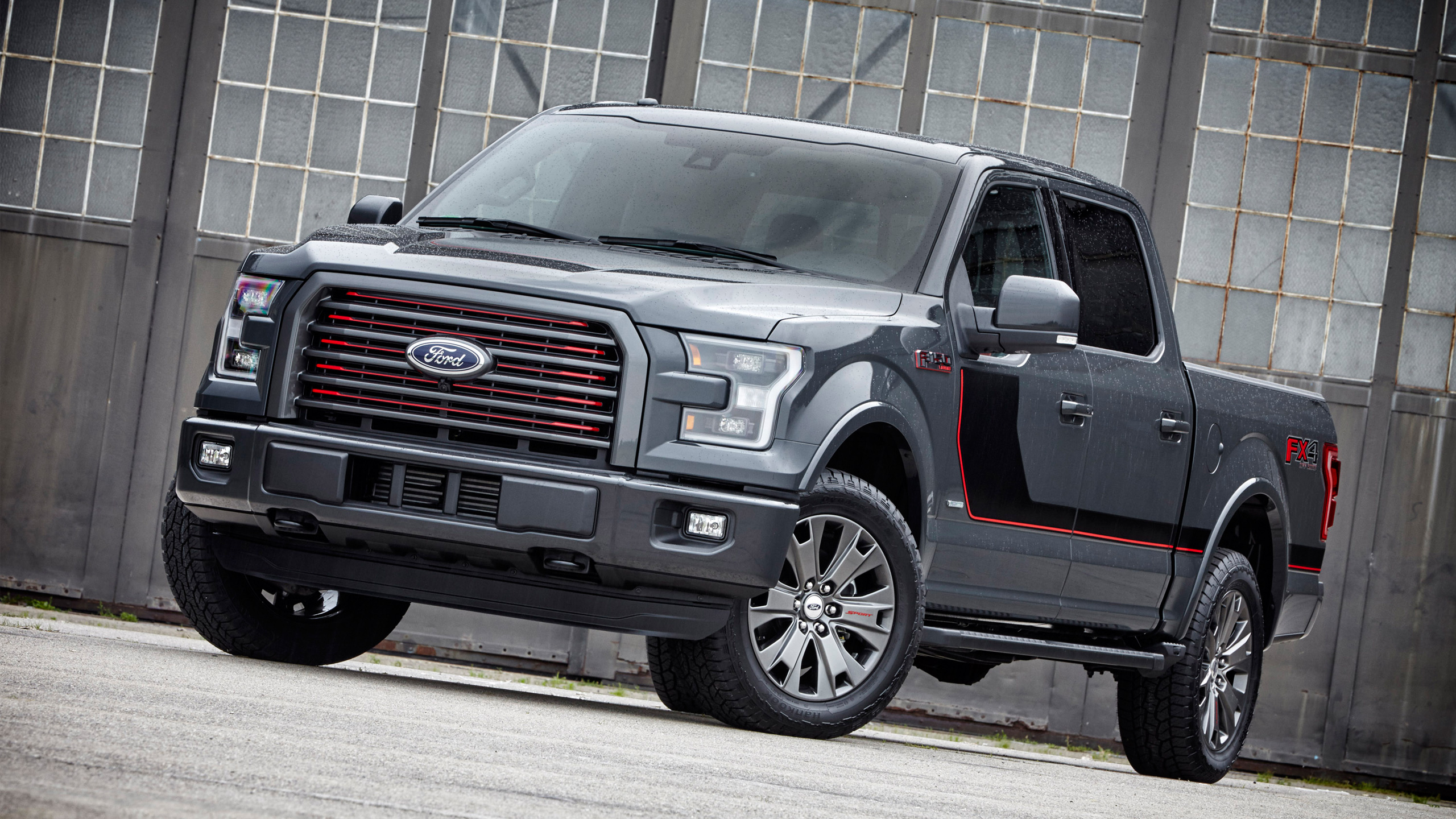
For truck buyers who care about resale value, the lesson is clear: while a standard F-150 may depreciate like any other mainstream vehicle, opting for a special trim like the Raptor changes the story completely.
Thanks to its cult-like following, exclusivity, and unmatched performance image, the Raptor has proven to be one of the rare American trucks that approaches near-zero depreciation. For owners, this means enjoying the thrill of a high-performance pickup without worrying about losing thousands in value when it’s time to sell.
4)Chevrolet Silverado 2500/3500 HD
Heavy-duty trucks are often bought with work in mind, and that practicality is a major reason why certain versions of the Chevrolet Silverado 2500 and 3500 HD have some of the strongest resale values in the truck market.
Specifically, models equipped with the Duramax diesel engine are in such high demand that they can avoid much of the depreciation seen in lighter-duty pickups. Farmers, contractors, and construction crews know that a heavy-duty diesel Silverado is not just a vehicle; it’s a reliable work tool capable of handling years of hard labor. That reputation keeps demand strong, and used models often fetch prices close to new, especially when well-maintained.
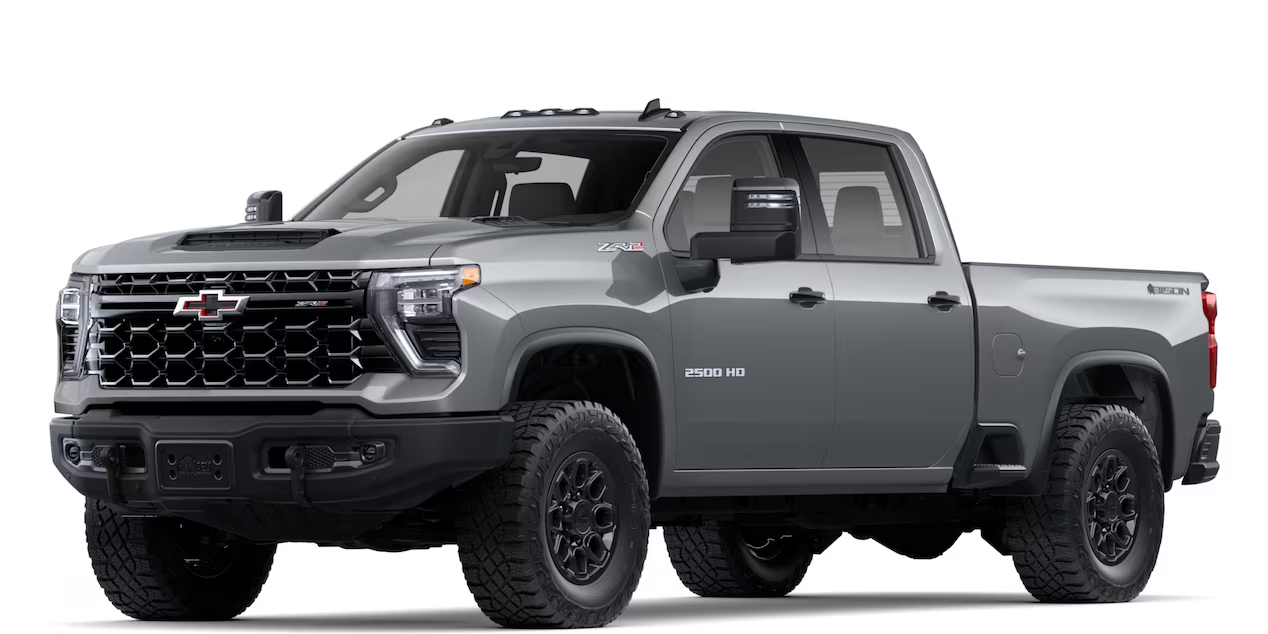
The key advantage of the Duramax diesel engine is its combination of power and longevity. With immense torque for towing and hauling, these trucks are designed to do the jobs that smaller gasoline-powered pickups simply cannot manage.
Buyers in industries that rely on towing heavy equipment are often willing to pay extra for a proven diesel model rather than risk saving a few thousand on a truck that may not hold up under pressure.
For owners, this translates into one of the smartest truck purchases possible. A Silverado 2500 or 3500 HD with a Duramax diesel may cost more upfront, but the long-term payoff comes when resale time arrives.
Thanks to the combination of capability, durability, and steady demand, these heavy-duty diesel models have carved out a position as some of the least-depreciating trucks on the market.
5)Jeep Gladiator
The Jeep Gladiator may be one of the newest entries in the truck world, but it has already proven to be a strong performer when it comes to holding value. Introduced as a pickup version of the iconic Jeep Wrangler, the Gladiator combines rugged off-road ability with the utility of a truck bed, creating a unique offering that appeals to a wide range of buyers. Its distinct character and limited supply have allowed it to maintain resale prices far better than many other midsize trucks.
Another reason the Gladiator avoids steep depreciation is its uniqueness. Unlike other midsize pickups, it offers a removable roof and doors, making it the only convertible truck currently on the market. This novelty factor adds to its appeal and ensures that it stands out in a crowded segment. For many buyers, this distinct personality justifies paying a premium, even for a used model.
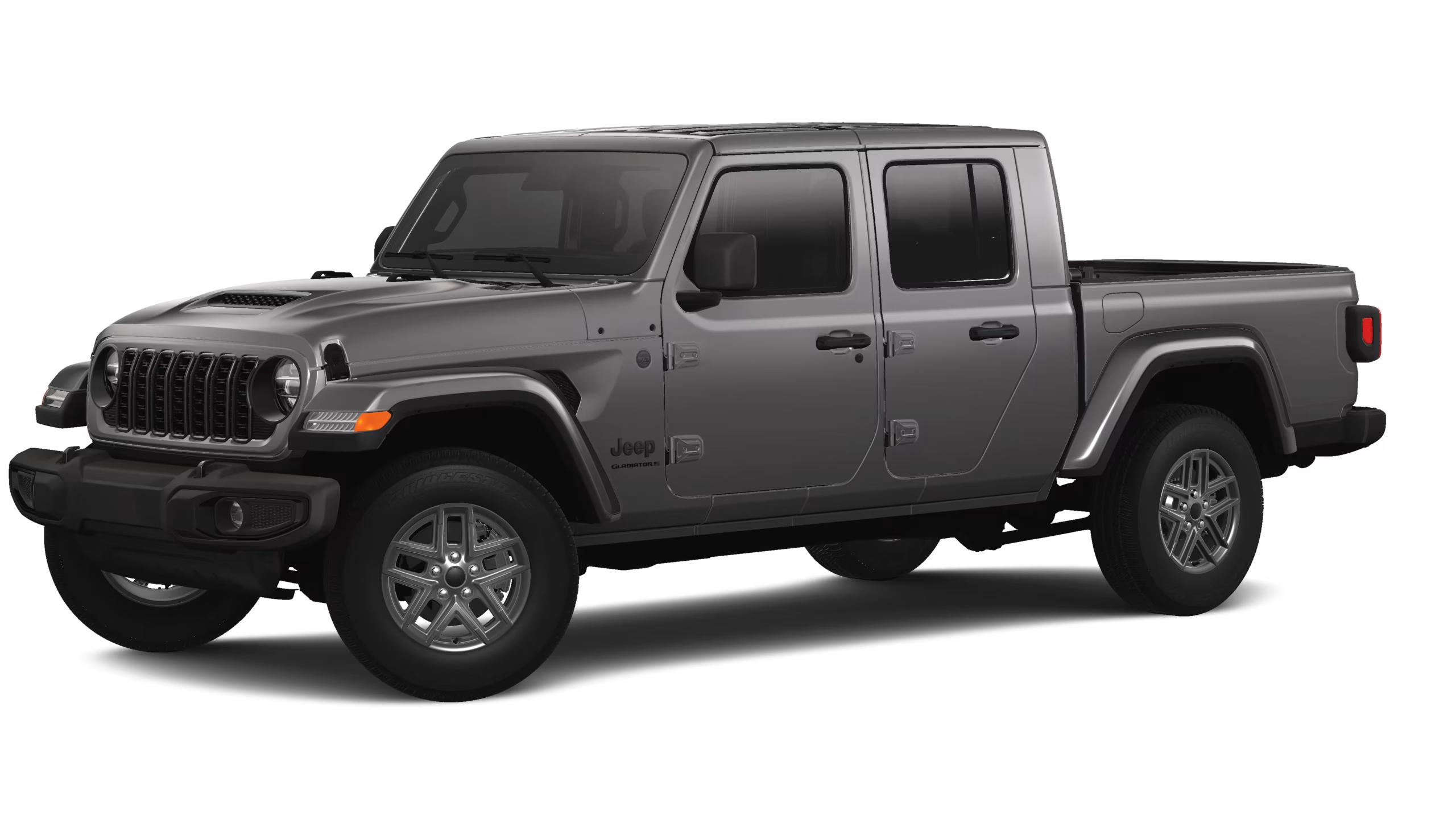
Limited production numbers also contribute to the Gladiator’s strong resale values. Jeep does not produce the Gladiator in the same volumes as mainstream trucks like the Toyota Tacoma or Ford Ranger, which means supply is naturally tighter.
That scarcity keeps used prices high, especially for well-equipped trims or special editions. Enthusiasts who want one immediately often turn to the used market, willing to pay close to new prices rather than wait for availability.
Ultimately, the Jeep Gladiator has carved out a niche that makes it one of the strongest resale performers in the midsize truck market. Its combination of off-road heritage, unique design, limited availability, and passionate following ensures that it avoids the sharp depreciation that plagues many competitors.
Also read: 9 Best Tricks That Keep a Ford Flex From Breaking Down
5 trucks that tank instantly
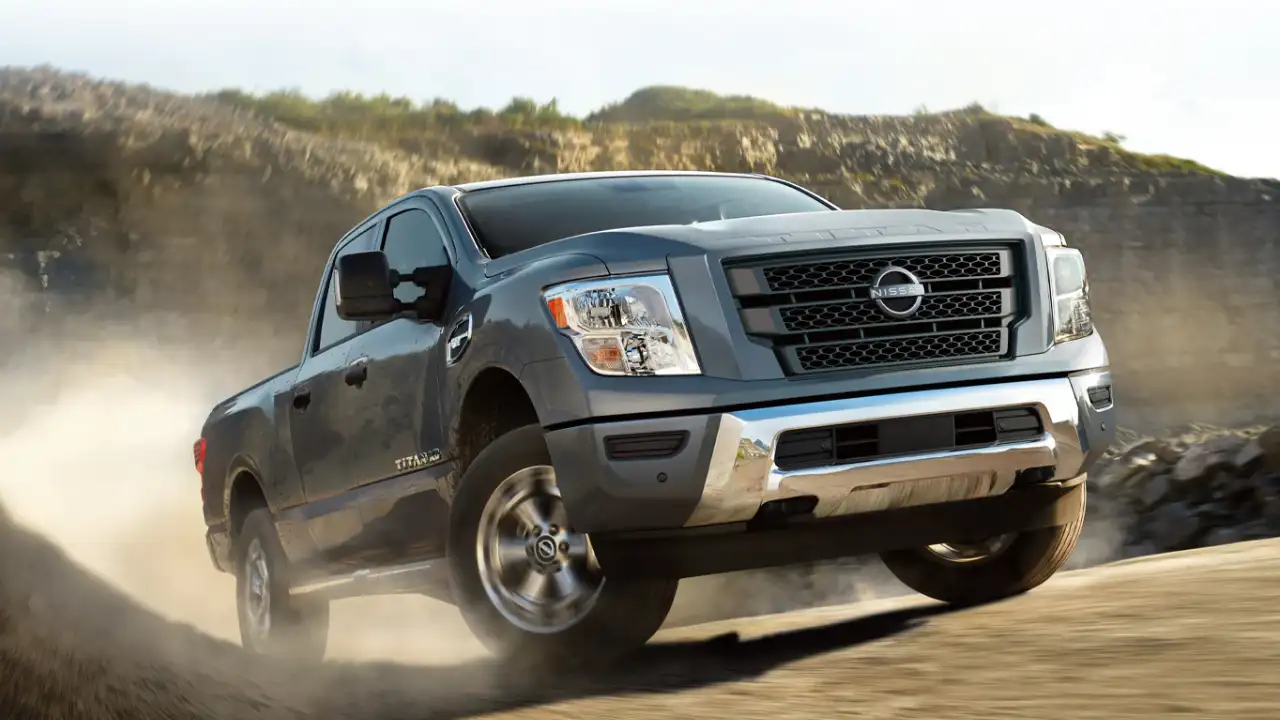
1) Nissan Titan
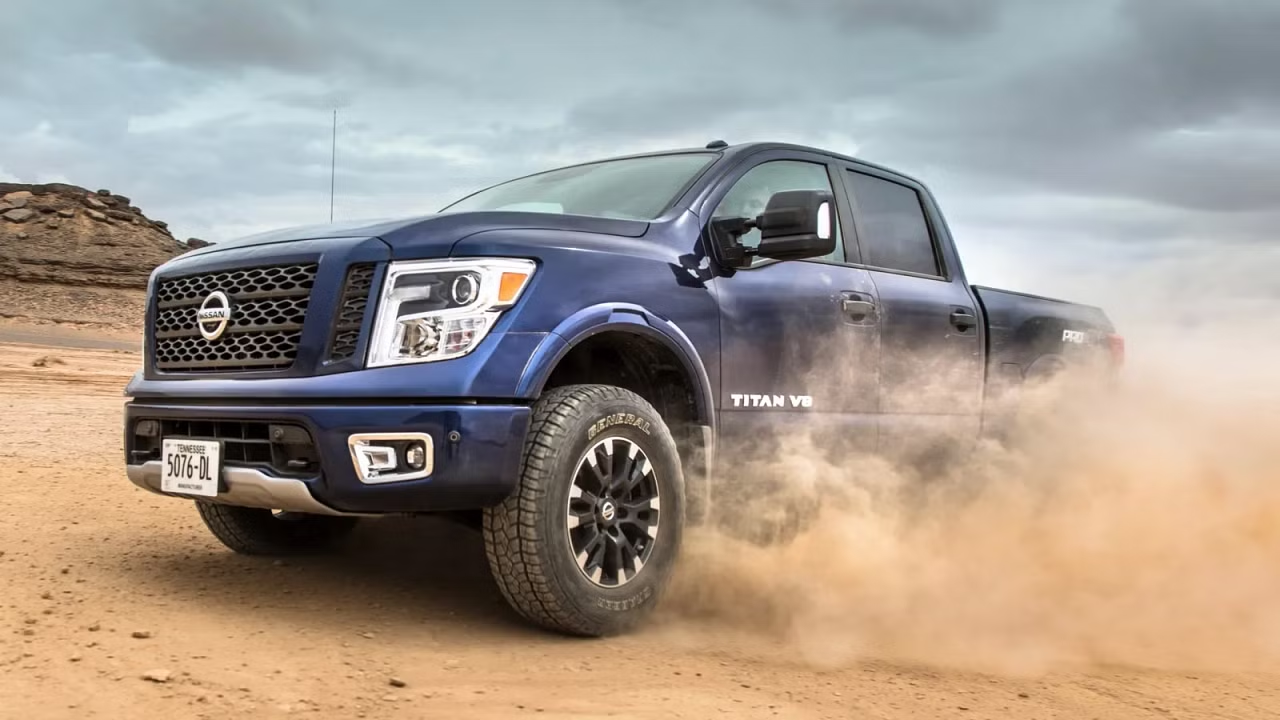
The Nissan Titan has long struggled to find its footing in the competitive world of full-size trucks, and this lack of traction is the main reason it depreciates so quickly.
While Ford, Chevrolet, Ram, and Toyota dominate the segment with decades of customer loyalty and well-established reputations, the Titan has remained something of an outsider. This weaker brand presence in the truck market translates directly into resale values that collapse almost as soon as the truck is driven off the lot.
One of the Titan’s biggest challenges is competition. In the United States, where full-size trucks are the best-selling vehicles year after year, buyers tend to stick with the brands they know and trust. Ford and Chevy loyalists often won’t even consider alternatives, and Toyota’s reputation for reliability gives the Tundra a strong foothold.
Reliability perceptions also play a role. While the Titan is not considered an unreliable truck, it does not enjoy the same bulletproof reputation as the Tundra or the widespread trust of Ford and Chevy models.
The used market is driven heavily by confidence, and without a reputation for long-term durability, buyers hesitate to pay top dollar. Instead, they either demand steep discounts or avoid the Titan altogether, which pushes resale values down.
In the end, the Nissan Titan’s fast depreciation comes down to a lack of demand. It may be a capable truck on paper, but in a market dominated by strong brands with passionate followings, the Titan is easily overlooked. Owners who buy new often face a harsh reality when it comes time to sell, as they discover just how quickly their investment has lost value.
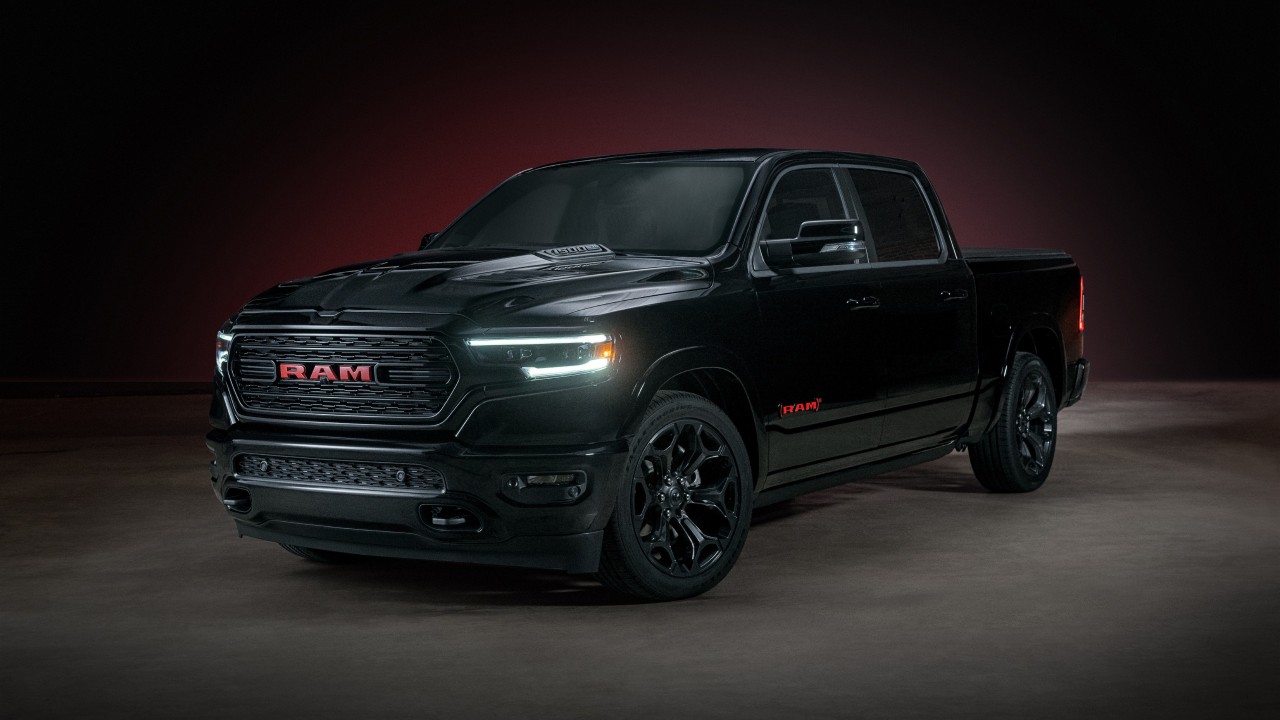
2) Ram 1500
The Ram 1500 has become one of the most popular full-size trucks on the market, praised for its smooth ride, stylish interiors, and wide range of trims. However, not all versions of the Ram 1500 hold their value equally well.
While top-tier trims like the Limited or those equipped with powerful diesel engines can retain a decent portion of their original price, the base models of the Ram 1500 are notorious for steep depreciation.
A major reason for this depreciation is oversupply. Ram has frequently used aggressive incentives, rebates, and discounts to move large numbers of base-trim trucks off dealer lots.
While this makes them appealing to new buyers at the time of purchase, it floods the market with used models a few years later. When supply outweighs demand, resale values naturally take a hit, and sellers find themselves competing with countless similar trucks listed at bargain prices.
Another factor is buyer preference. When shopping for a used truck, many buyers are willing to spend more to get a higher trim level that offers better comfort, more technology, and stronger towing or performance capabilities.
This leaves base models less desirable, even if they are mechanically sound. The interior of a base Ram 1500 often lacks the upscale feel that has made the higher trims so appealing, and buyers looking for long-term ownership would rather invest in a version that feels more complete.
Ultimately, the base Ram 1500 trims are victims of both market saturation and buyer psychology. They serve their purpose well for short-term or budget-conscious owners, but when it comes time to sell, the lack of demand results in steep depreciation.
3) Ford Ranger
The Ford Ranger has a long history in the midsize truck segment, but not all of its generations have performed well when it comes to value retention. In fact, earlier models of the Ranger depreciate particularly quickly, leaving owners frustrated when resale time comes.
One of the main reasons the earlier Rangers lose value so quickly is mixed reliability. While some owners report solid performance, others experience significant issues with transmissions, rust, or electrical components over time.
This inconsistency damaged the Ranger’s reputation, and in a segment where Toyota’s Tacoma dominates with bulletproof dependability, the Ranger fell short.
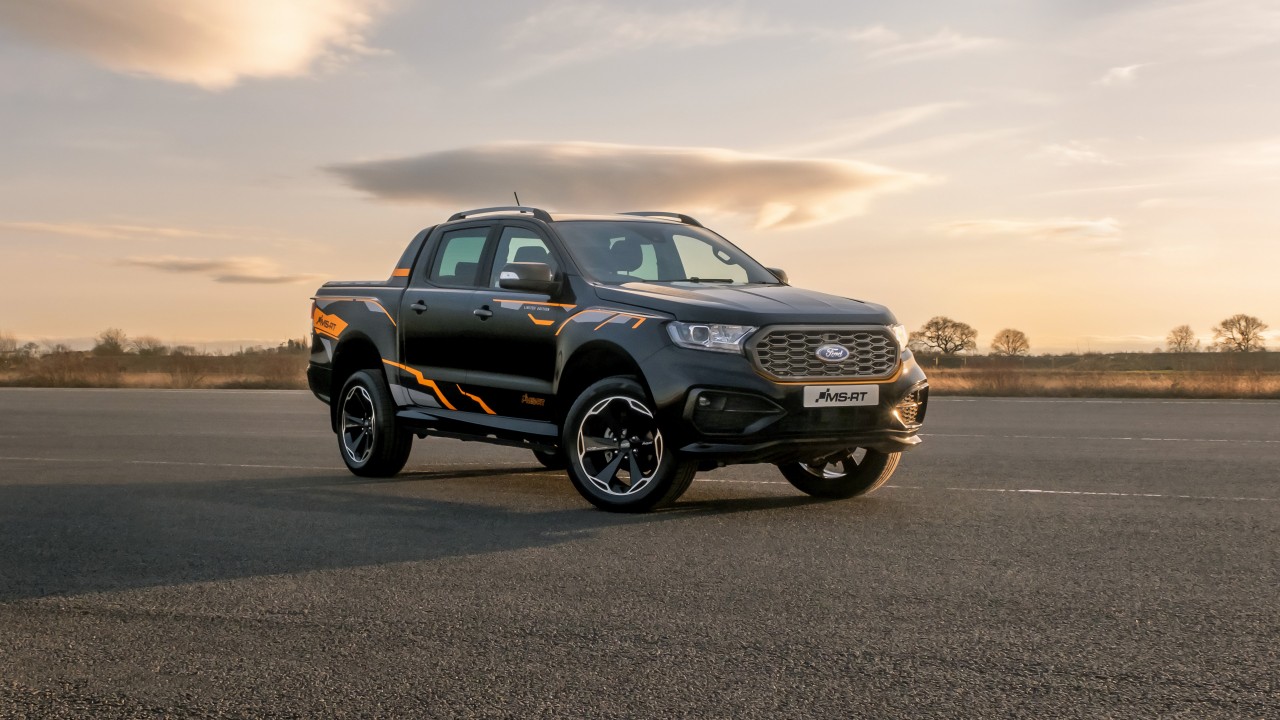
Another issue is the lack of standout qualities. Earlier Rangers were often seen as basic, utilitarian trucks without the refinement or capability to match larger pickups. While they served as affordable entry-level options when new, they did not age into desirable enthusiast vehicles.
Unlike the Tacoma, which built a cult following through its off-road trims and aftermarket support, the Ranger never developed a similar loyal fanbase.
In the end, the Ford Ranger’s earlier models are prime examples of how a truck can depreciate quickly when it lacks both reliability and desirability. While they may still serve as functional, affordable used trucks for some buyers, they don’t command strong prices, and owners often find themselves taking a financial hit when trading in or reselling.
4)Chevrolet Colorado
The Chevrolet Colorado has carved out a respectable position in the midsize truck market, but not every version of this pickup holds value equally well. While the diesel-powered models are known for strong towing capabilities and better long-term demand, the gasoline versions of the Colorado have a reputation for steep depreciation.
Performance limitations are another factor. For buyers who need capability, the diesel makes more sense, while for those who want long-term reliability, the Tacoma or even the Honda Ridgeline becomes more attractive. This leaves the Colorado gas trims stuck in the middle, without a clear advantage, and that hurts their long-term value.
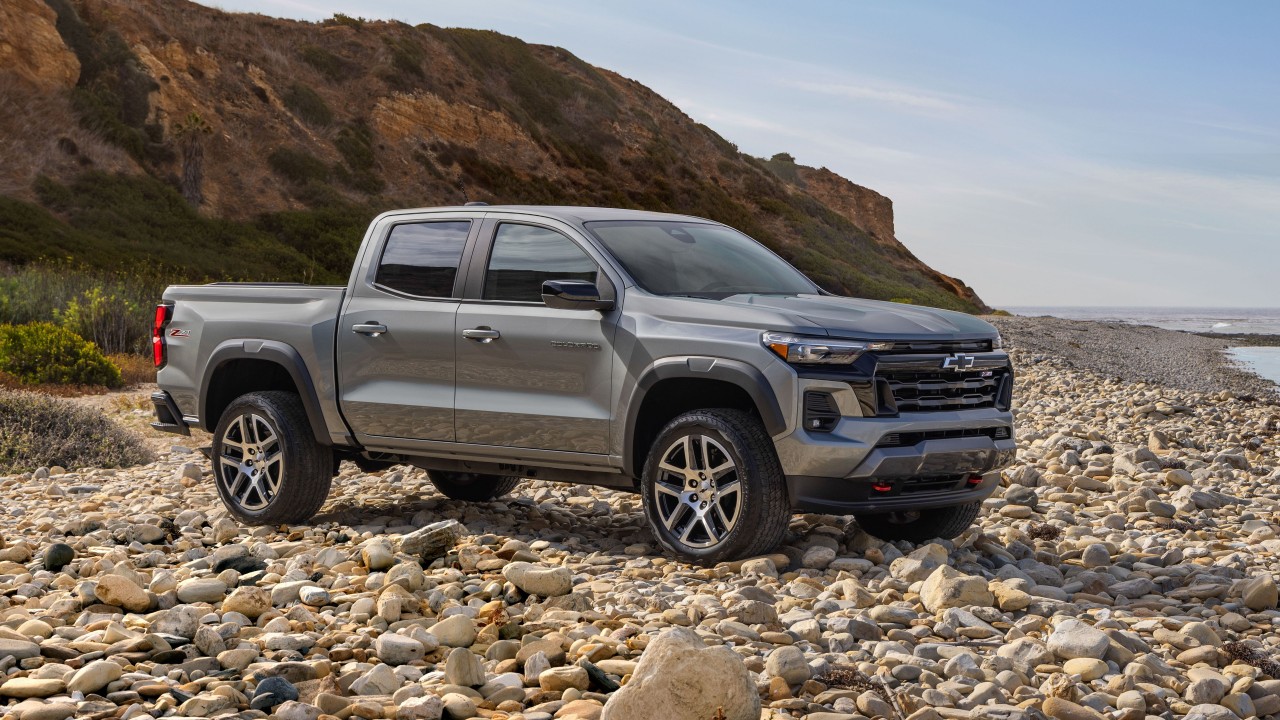
The used truck market is heavily influenced by demand, and unfortunately for the Colorado gas versions, demand is relatively weak. Buyers looking for midsize trucks with longevity will gravitate toward Toyota, while those who want American muscle often lean toward Ford or Ram.
As a result, Colorado gas models often end up sitting longer on used lots, forcing prices down further just to attract attention.
While Colorado as a whole has fans, the depreciation of its gas versions shows how much difference an engine choice can make. Buyers may save money initially when purchasing new, but when the time comes to sell, they quickly discover that resale values don’t measure up to competitors.
5) Honda Ridgeline
The Honda Ridgeline has always been something of an outlier in the truck world. Built on a unibody platform shared with SUVs rather than the traditional body-on-frame design of most pickups, the Ridgeline prioritizes comfort, efficiency, and car-like handling over rugged towing and hauling capabilities.
Another challenge is its niche audience. The Ridgeline does have a loyal group of fans who appreciate its smooth ride, roomy interior, and clever features like the in-bed trunk and dual-action tailgate.
However, this group is relatively small compared to the massive demand for trucks like the Tacoma or F-150. Because resale values depend heavily on widespread demand, the Ridgeline’s limited appeal translates into weaker prices once it’s a few years old.
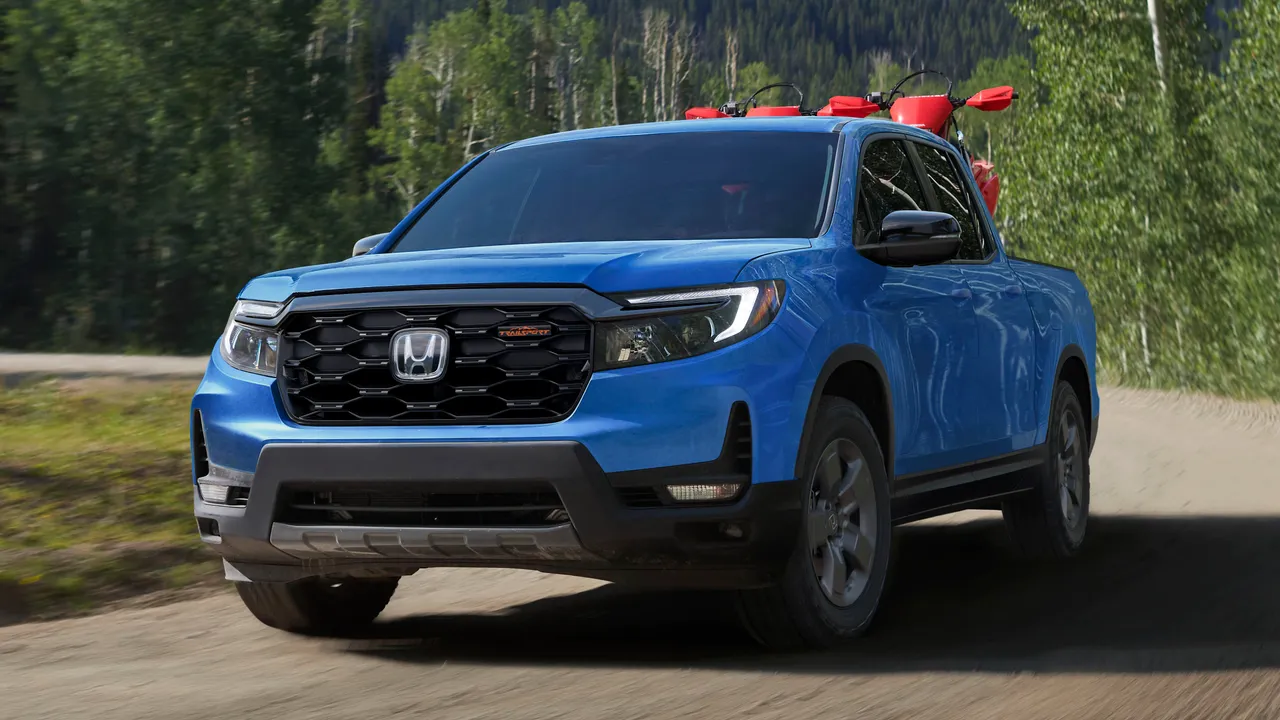
Oversupply also plays a role. Since Honda produces the Ridgeline in smaller volumes, one might assume scarcity would help prices, but the reality is that used Ridgelines can sit unsold for longer periods simply because fewer buyers are looking for them.
Sellers often have to reduce asking prices significantly just to move them, further cementing its reputation as a fast-depreciating truck.
In the end, the Honda Ridgeline is a truck that offers plenty of strengths for the right kind of buyer, but those strengths don’t translate into widespread resale demand.
Owners who buy new often discover that their Ridgeline loses value faster than expected, making it one of the most depreciation-prone trucks available today.
Also read: 5 Gadget-Filled Cars That Depreciate vs 5 Simple Cars That Hold Value