
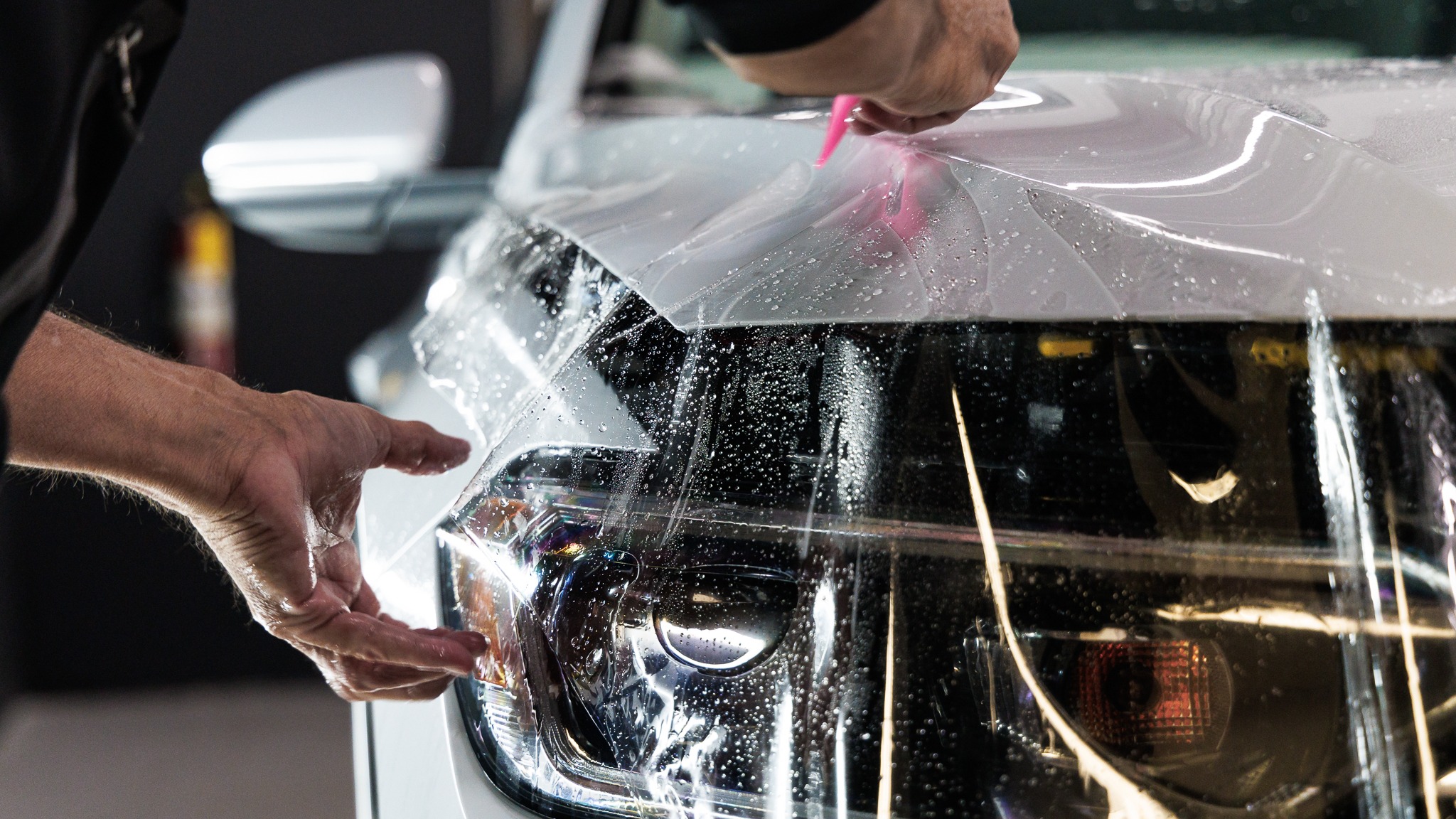
Car paint is one of the first things that catches attention when someone looks at a vehicle, but its importance goes beyond beauty. The type of paint finish a car carries can influence resale value, durability, and the level of pride an owner feels each time they drive it.
While modern vehicles are built with advanced materials and engineering, paint remains one of the areas where manufacturers can either impress customers or disappoint them. For many buyers, a smooth, lasting, and well-applied finish is a sign of attention to detail from the brand.
At the same time, weak or fast-fading paint can make even a high-performing car look older than it really is. When someone purchases a car, they expect that the paint should last for years without peeling or losing its shine. Unfortunately, not every manufacturer achieves this.
Some brands have maintained strong reputations for applying durable finishes that stay attractive after long use, while others face complaints from drivers whose paint begins to crack or peel only a short time after purchase. Many drivers end up spending large amounts of money on repainting, repairs, or protective coatings because the original work was not durable enough.
This page focuses on five cars known for maintaining excellent paint quality that continues to look fresh even after long periods of ownership, and five models that often disappoint buyers by peeling or fading within the first two years.
In each section, we will give a clear picture of what makes the difference, pointing out the care that top brands take to produce lasting finishes and the mistakes or cost-cutting measures that weaken others. With this guide, buyers can know which vehicles maintain their shine and which ones may lead to disappointment.
Cars With Great Paint Quality

1. Lexus ES
Lexus has always been associated with attention to detail, and the ES sedan proves that point clearly through its exterior finish. Drivers who purchase this model often praise how the paint holds its depth of color year after year. One reason is the special multi-stage painting process Lexus applies in its factories.
The brand makes use of high-quality primer, multiple coats of color, and a protective clear coat that is resistant to scratches and fading. This approach creates a glossy surface that not only reflects light beautifully but also keeps the car looking premium even when parked beside newer vehicles.
Another factor is that Lexus invests heavily in paint testing before models are released. The ES goes through exposure to different weather conditions, such as direct sunlight, humidity, and salt spray, before production paint methods are approved.
As a result, the sedan can withstand both harsh summers and cold winters without peeling. Customers living in states where road salt is common during snowy seasons often share that their Lexus ES resists corrosion much better compared to other brands.
Maintenance is also easier on the ES because dirt does not easily cling to its smooth finish. Washing the vehicle requires less effort, and owners report that waxing brings out a showroom-level shine even after many years.
Lexus also offers color options with metallic and pearl effects that last long without losing depth. While some vehicles begin to show dullness quickly, the ES preserves its rich appearance with less attention. Owners who consider long-term resale value are often pleased with how the paint remains strong.
A well-kept Lexus ES can still look new after six or seven years, which makes it more attractive in the used market. This means the money spent at the purchase is well protected by the durability of the paint. For those who want a vehicle that combines reliability, comfort, and an exterior finish that does not fade away quickly, the Lexus ES stands as a top option.
2. Mercedes-Benz S-Class
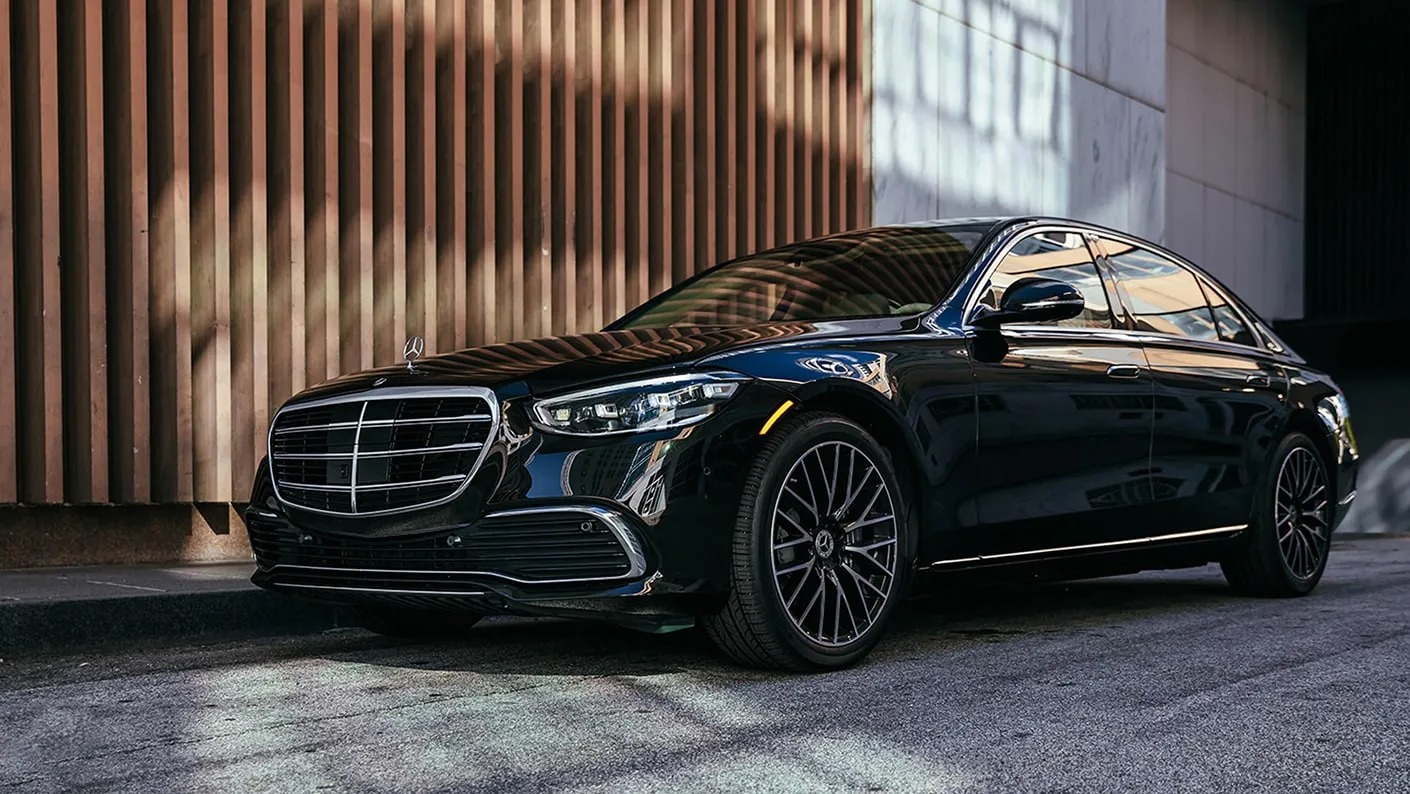
The S-Class is often described as the flagship sedan of Mercedes-Benz, and its paint finish plays a big role in that reputation. From the moment it leaves the factory, the shine and depth of the color reflect luxury.
The brand uses advanced robotic spraying systems and multiple quality checks to ensure every panel receives a uniform coat. This level of precision makes the paint resistant to peeling or fading, giving the car a rich look that lasts for years.
Mercedes-Benz makes use of ceramic clear coats that are harder than the conventional protective layers used by many other brands. This means scratches are less likely, and the paint can endure repeated washing without losing gloss. The technology was introduced to match the high standards of durability expected by luxury car owners, and the S-Class has benefited greatly from it.
Customers in states with heavy sunlight, like Arizona and Nevada, often face problems of fading paint on cheaper cars. However, the S-Class maintains its brightness even under strong UV exposure. The clear coat filters harmful rays, ensuring the car continues to look elegant long after purchase.
Those who travel through snow regions also find that road salt does not affect the finish as quickly as it does on other vehicles. The variety of paint options offered by Mercedes-Benz also adds to the appeal. Buyers can choose from deep blacks, strong silvers, or pearl finishes that remain vibrant for a long time.
Custom design packages allow for two-tone paint that does not lose its sharp division between colors. While repainting can be expensive on luxury cars, the strong factory finish reduces the need for such expenses.
Owners often say that their S-Class looks as fresh as new models even after five or six years, which confirms that the brand has mastered durable painting. This lasting exterior appearance matches the interior luxury, making the S-Class not only a comfortable drive but also a car that continues to draw admiration everywhere it goes.
Also Read: 5 New Electric Vehicles With Strong Battery Life and 5 That Die in Year Three
3. Toyota Camry
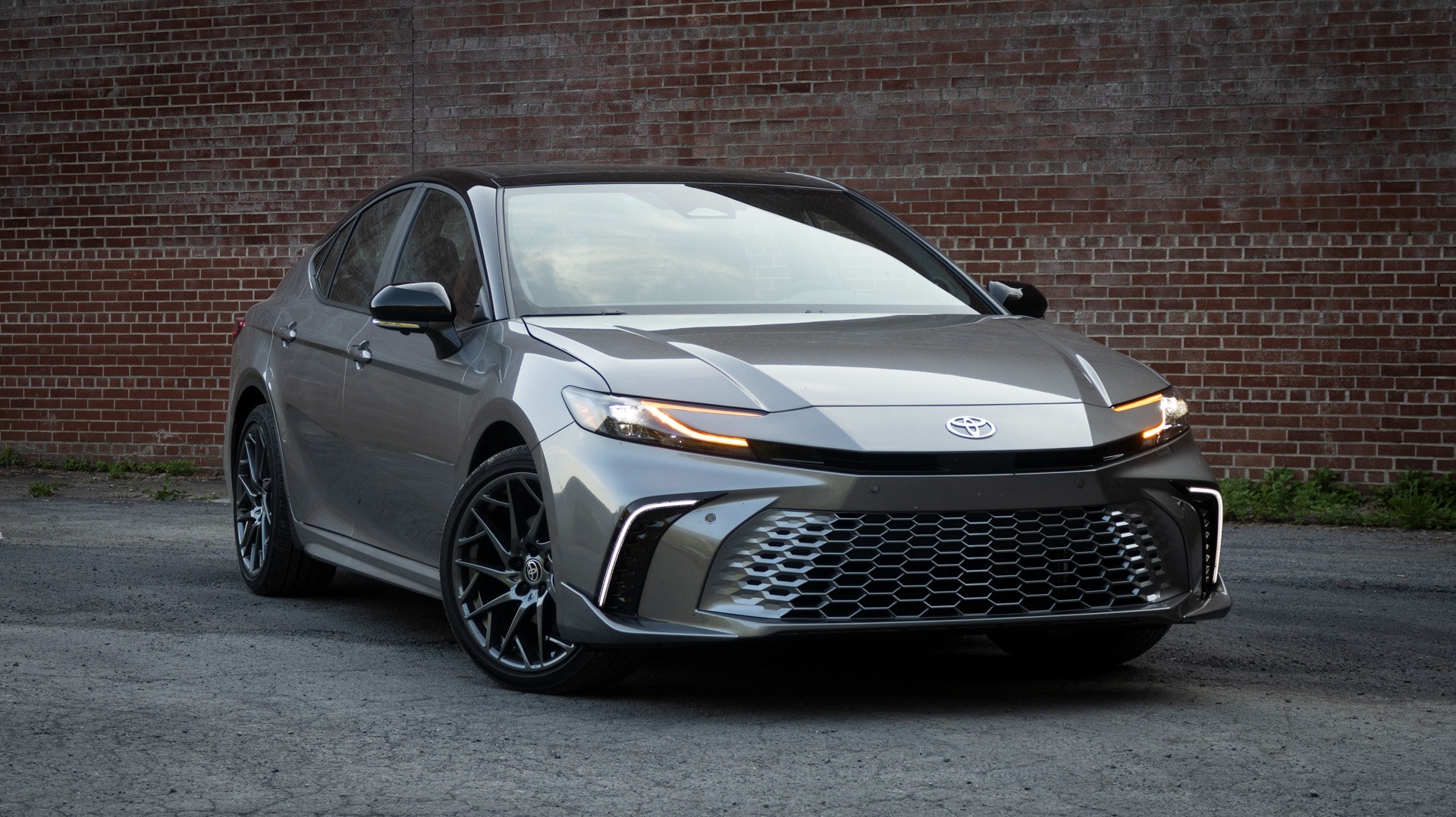
The Toyota Camry is widely recognized as a dependable sedan, and one reason for its long-lasting value is the strength of its paint finish. Toyota applies a detailed painting system that involves corrosion-resistant primers, water-based color coats, and thick clear protection layers. This careful preparation ensures the Camry can stand daily driving without paint issues appearing early.
For many American buyers, the Camry is used for heavy commuting, which means exposure to rain, sun, and road dust. Despite this, owners frequently report that the paint holds up without peeling or fading.
Even after several years, the sedan maintains a clean and attractive appearance. Toyota also makes use of advanced curing methods that harden the paint fully before vehicles leave the factory, which prevents bubbling and weak spots.
Drivers appreciate how easy it is to maintain the Camry’s shine. Simple washing and occasional waxing are enough to keep it looking fresh. Unlike some vehicles that require constant detailing, the Camry is less demanding but still rewards care with excellent results. Many buyers keep the car for long periods, and resale is easier when the paint is still bright.
The Camry also offers a wide range of color options that last long. From deep reds to bright whites and metallic grays, the shades resist fading under strong sun. Even in states with desert climates, customers report satisfaction with the durability of the finish. This strength makes the Camry stand out in the mid-size sedan segment, where some competitors show paint wear much earlier.
Because the Camry is often seen as a family vehicle, owners value that they do not need to worry about paint damage while going through everyday activities. The combination of reliability, fuel economy, and durable finish makes the Camry one of the most trusted names in the American car market.
4. Honda Accord
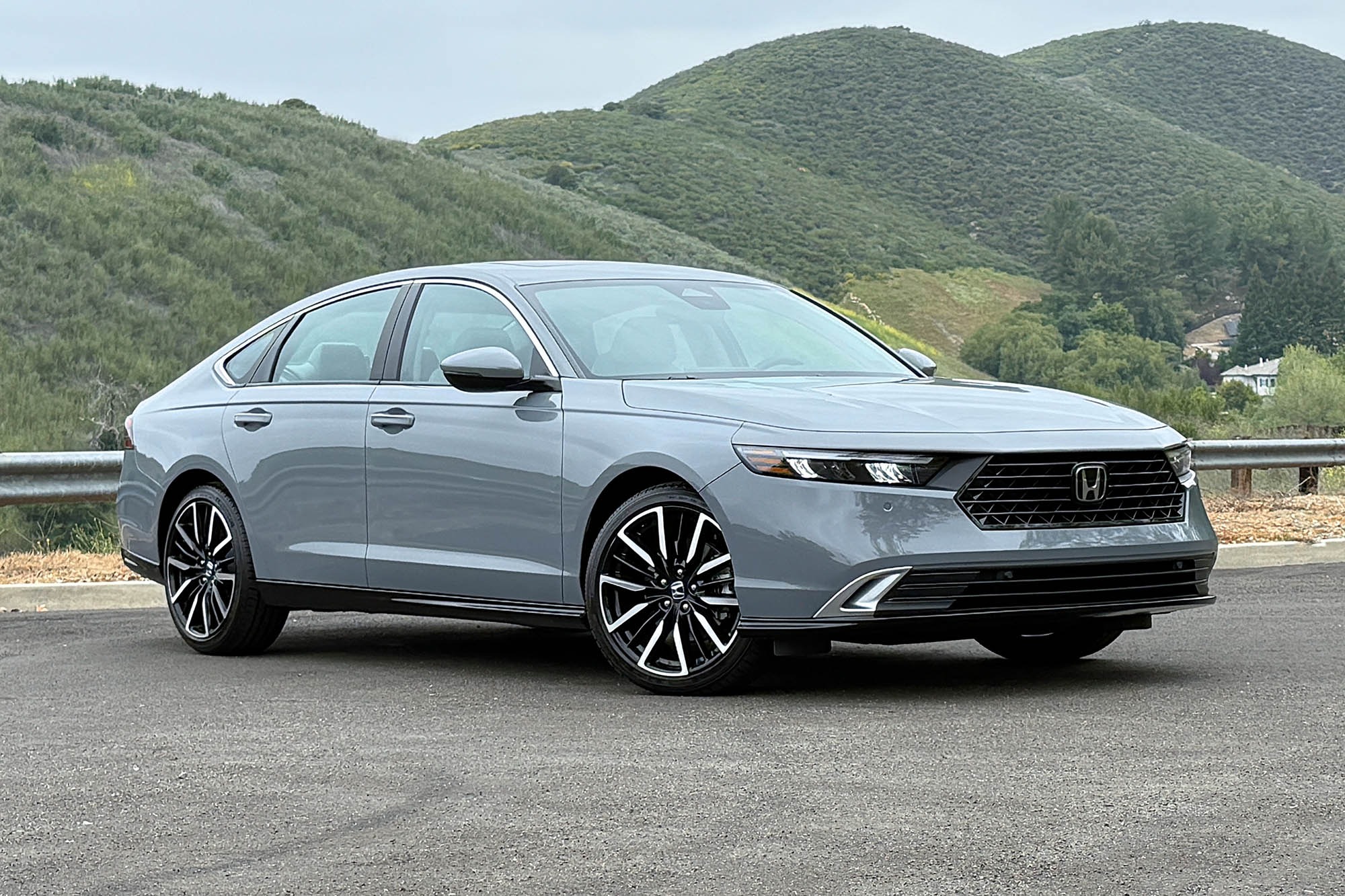
Honda has built a strong reputation in the United States, and the Accord is one of its most loved models. Beyond reliability and fuel efficiency, this sedan also enjoys a durable paint quality that many drivers appreciate. Honda applies a detailed multi-step painting method where each layer is given proper curing time. The result is a smooth finish that resists chips, scratches, and peeling.
Owners often share stories of how their Accord maintains a sharp look even after years of daily driving. Commuters who face long hours on highways and city streets value this because they want their cars to still appear fresh despite heavy use. The factory finish also resists bird droppings and tree sap, which are common reasons some vehicles lose shine early.
Honda pays attention to consistency across production plants, ensuring that whether the Accord is built in Ohio or another facility, the paint standards remain the same. This reduces cases where some cars in a batch peel while others remain strong. It is one reason customers remain loyal to the brand, as they trust they will get a finish that lasts.
When compared to rivals in the mid-size sedan segment, the Accord often stands out for its ability to preserve color. Drivers in areas with extreme sun exposure, such as Florida and Texas, confirm that fading is minimal, while those in snowy regions say road salt does not quickly damage the paint. The thick, clear coat provides a strong protective barrier that ensures longevity.
Another reason buyers like the Accord is the range of attractive color choices. From radiant blues to deep blacks and metallic silvers, the options remain bright after years of exposure. This durability helps resale value, since potential buyers are drawn to cars that still look attractive. For those seeking a sedan that combines style, strength, and consistent performance, the Honda Accord delivers both in engineering and in exterior paint quality.
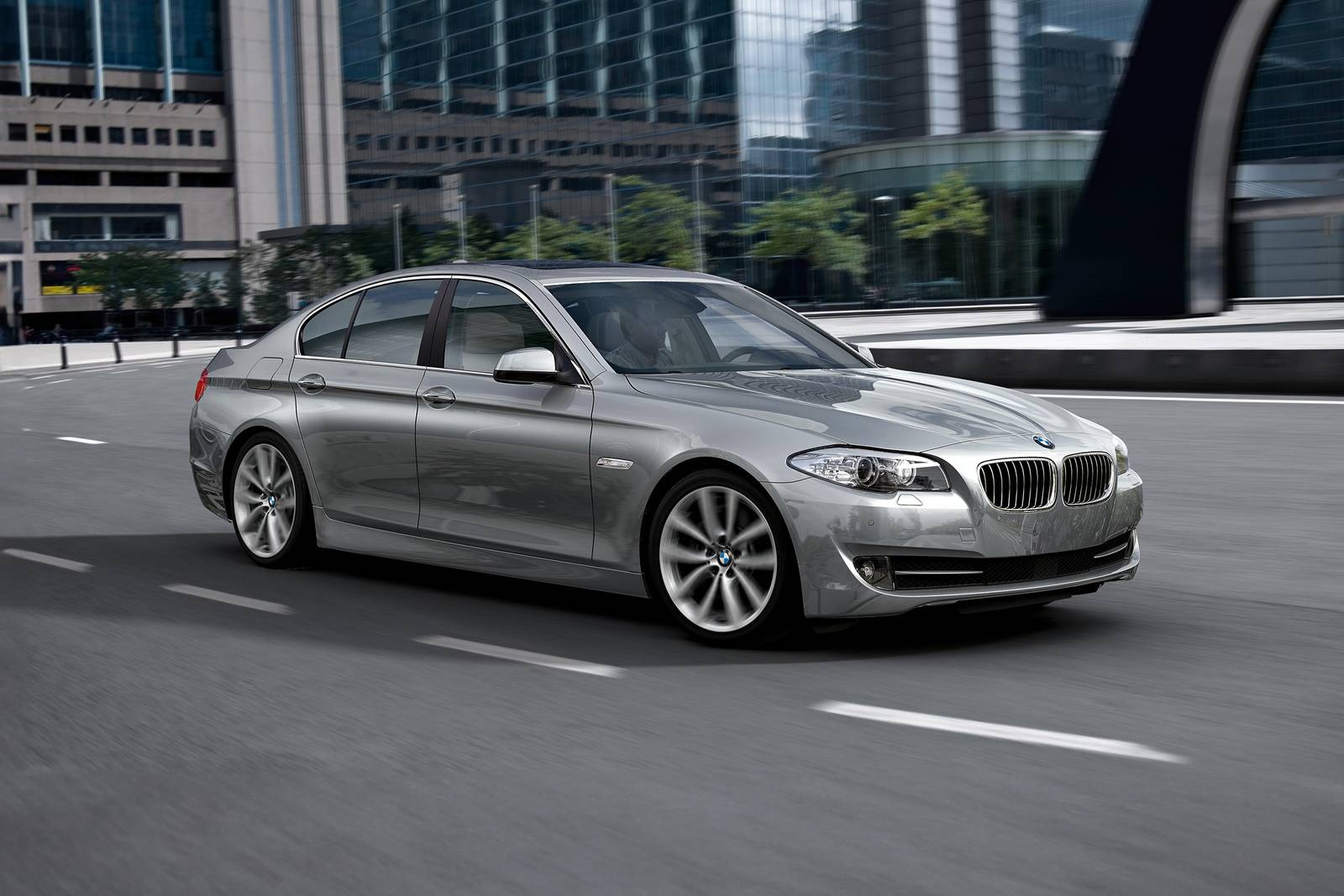
5. BMW 5 Series
The BMW 5 Series is a mid-size luxury sedan that reflects high craftsmanship in both its mechanical design and exterior presentation. A major part of that presentation is the paintwork, which carries the same level of precision expected from the German brand. BMW uses a high-tech painting process where robotic arms apply layers evenly, followed by polishing and quality checks. The result is a mirror-like surface that resists fading and peeling.
Drivers who invest in the 5 Series often look for a car that maintains its elegance for many years, and the paint does not disappoint. BMW makes use of durable primers and ceramic clear coats, ensuring that scratches are less visible and oxidation is slowed down. Owners often share that even after five or six years, their vehicles continue to draw admiration for looking close to new.
The finish also benefits from the brand’s dedication to innovation. BMW has developed water-based paints that are eco-friendly but still maintain deep colors. Metallic and pearl options are available in a wide palette, and they remain rich for long periods. Many customers highlight that the paint seems to reflect light more beautifully compared to other brands, giving the car a premium glow.
Another advantage is that the BMW 5 Series resists weather damage effectively. Harsh sun does not easily fade the paint, while snowy and salty roads do not eat away at the finish. The car maintains its premium look regardless of where it is driven in the United States.
Resale value is also protected because buyers see a well-painted car as more appealing. Since the 5 Series competes in the luxury segment, appearance matters greatly, and BMW ensures its models remain visually impressive. The combination of refined engineering and a strong, long-lasting paint finish makes the BMW 5 Series a trusted name for those who want both performance and lasting beauty.
Cars That Peel by Year Two
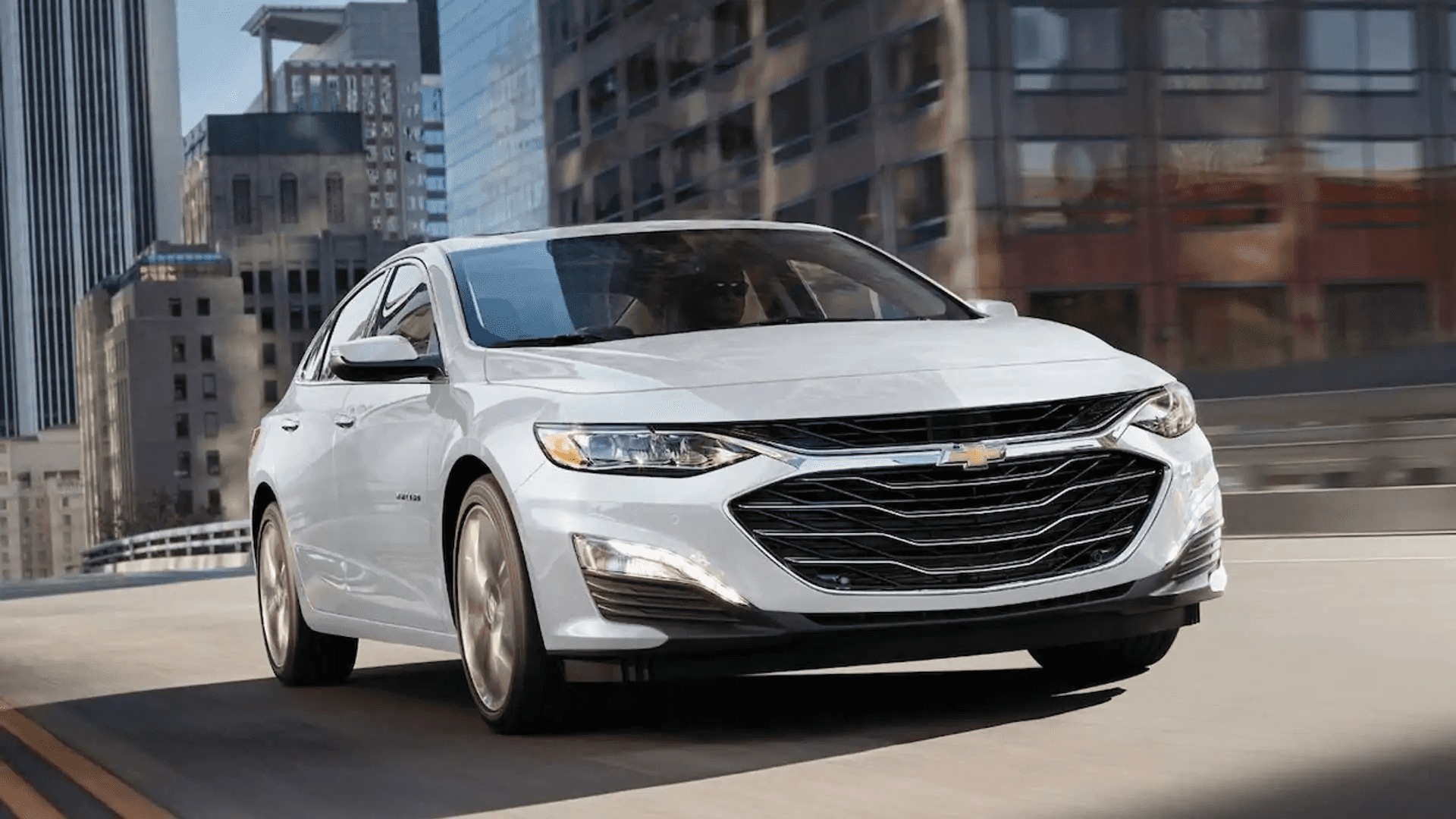
1. Chevrolet Malibu
While the Chevrolet Malibu has been a popular mid-size sedan in the US, many owners have reported frustrations with paint durability. A large number of drivers complain that within two years of purchase, the paint begins to peel, bubble, or fade, especially on the hood and roof. This issue has led to dissatisfaction among buyers who expected the finish to last much longer.
The problems often stem from weak primer bonding and thin clear coats that fail to protect the underlying color. When exposed to strong sun or heavy rain, the paint begins to lift in small spots, which later spread into larger peeling areas. For families that purchase the Malibu as a long-term car, repainting becomes an unexpected expense.
Reports from states with hot climates like Arizona and Nevada are common, as UV rays speed up the peeling process. Owners in colder states also complain about road salt eating into exposed areas once the clear coat has failed. Unlike some competitors, the Malibu’s paint system does not hold up well under these stress factors.
Another issue drivers raise is inconsistency in paint application. Some cars seem fine for longer periods, while others start peeling very early. This lack of reliability makes the Malibu less trusted by buyers who want durable finishes. Repainting can cost thousands of dollars, and warranty coverage for paint problems is often limited.
While Chevrolet has made efforts to improve paint quality in later years, many used Malibus on the market still suffer from peeling. This damages resale value since buyers are hesitant to purchase a car with visible paint issues.
Owners are often forced to either repaint or sell at a lower price. Because of these consistent complaints, the Malibu is often listed among vehicles that do not perform well in paint durability, leaving many customers dissatisfied within the first few years of ownership.
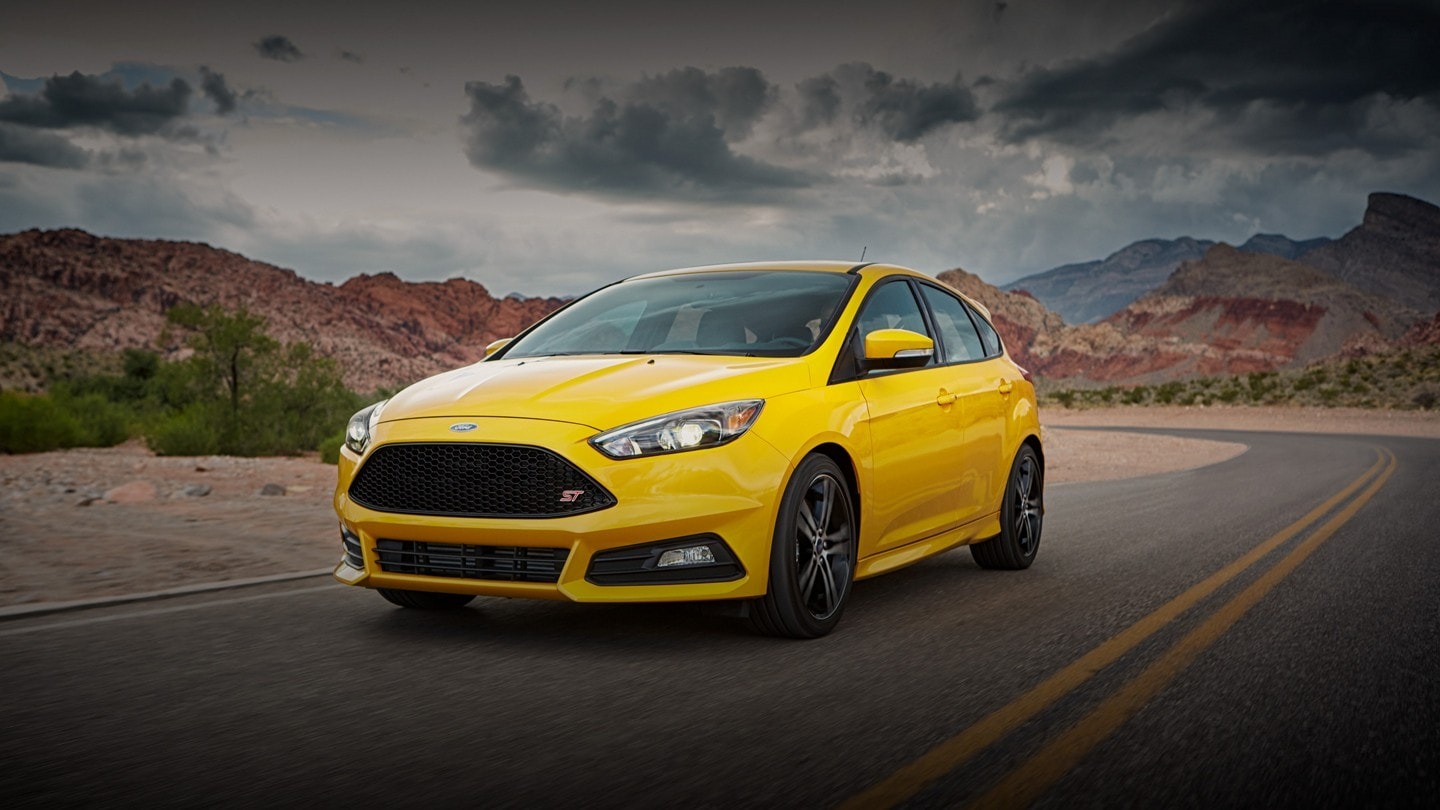
2. Ford Focus
The Ford Focus has been a common choice for American families and commuters, but one area where the model often disappoints is paint quality. Many owners report that peeling and flaking begin within the first two years, especially around the roof, hood, and trunk. These areas are most exposed to the sun and rain, and the paint system used by Ford does not always provide strong resistance.
The cause is often linked to weak bonding between primer and color layers. When the protective clear coat fails, moisture penetrates the surface and begins to lift the paint. Small cracks quickly expand, leaving ugly patches of exposed metal. This not only ruins appearance but also encourages rust if not addressed early.
Complaints are widespread across different climates. Drivers in sunny states deal with fading and peeling, while those in snowy regions face salt corrosion once paint has been damaged. Owners who had high expectations from Ford often express disappointment, as they need to repaint within a short time.
Another problem is that warranty coverage for paint is limited and does not always protect customers. This means many drivers end up paying for repainting themselves. Some who attempt partial repainting later discover that color matching is difficult, making the car look uneven. This leads to reduced resale value, as potential buyers are reluctant to purchase vehicles with visible paint issues.
Despite improvements in newer generations, the reputation of the Focus has been affected by years of consistent complaints. Many drivers who experience early peeling decide not to buy the brand again. While the Focus may deliver on fuel efficiency and practicality, paint quality remains one of the biggest weaknesses of the model.
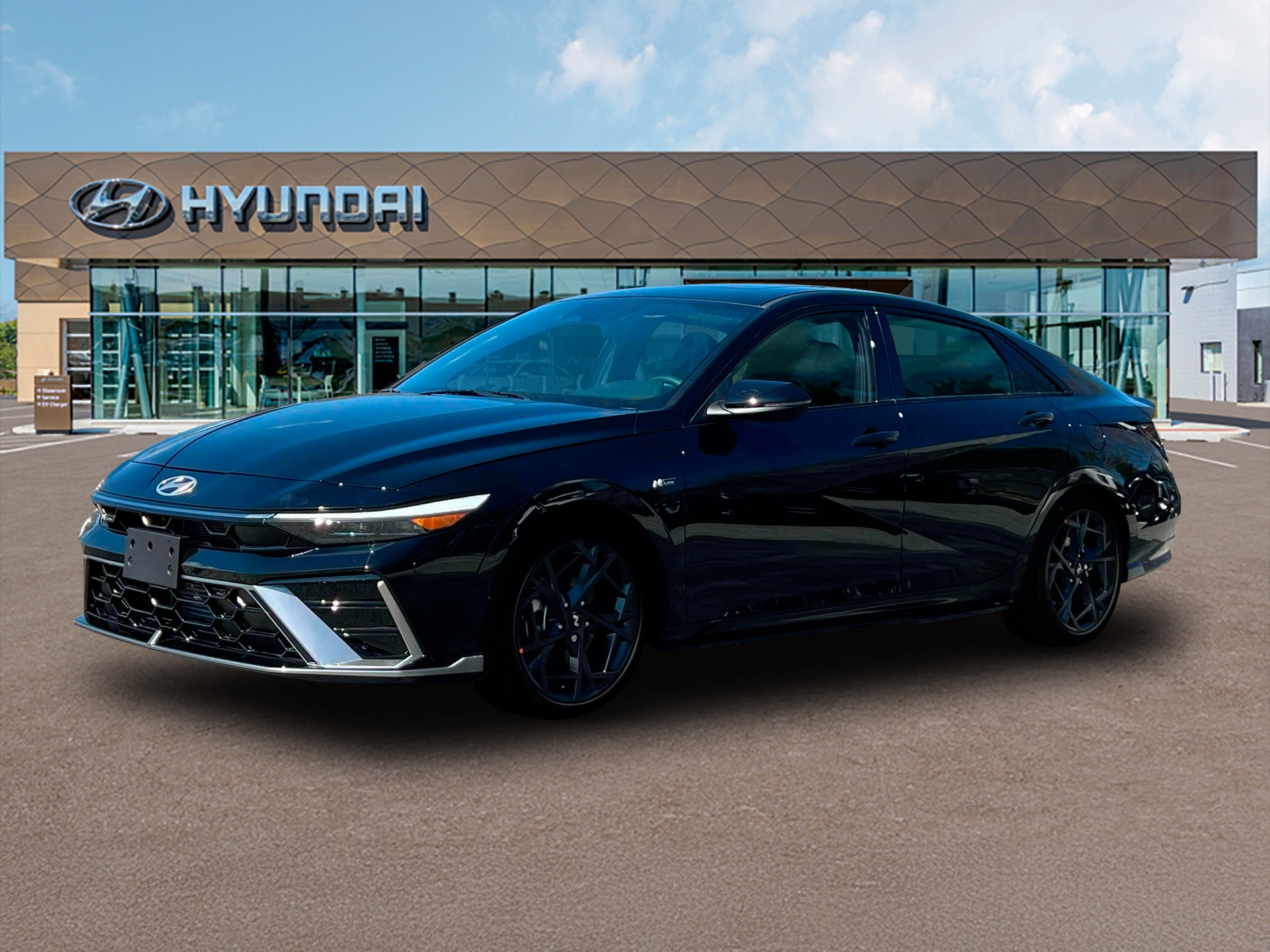
3. Hyundai Elantra
The Hyundai Elantra has achieved popularity for being affordable and fuel-efficient, yet many owners express disappointment about paint durability. Within the first two years, reports of peeling, fading, or bubbling are frequent, especially on dark-colored models that absorb more heat. This problem affects both older and newer Elantras, creating frustration among customers who expected longer-lasting finishes.
The issue often comes from thin protective coatings that do not withstand environmental stress. When exposed to intense sunlight, the clear coat begins to wear off, leaving the paint unprotected. Rain and moisture then lead to peeling, which spreads quickly once it begins. Some drivers also report that chips appear easily from minor road debris, showing that the paint is not as resistant as competitors in the same class.
Owners in desert regions such as Arizona often see fading much earlier, while those in coastal areas complain about corrosion once the clear coat is gone. This creates added maintenance costs, as repainting or touch-ups become necessary far earlier than expected. For budget-conscious buyers, this becomes a financial burden.
Another frustration is that warranty coverage for paint issues is often limited, leaving customers without full support. Even when partial repairs are offered, the new paint sometimes fails to match perfectly with the rest of the car, lowering the appearance quality. This affects resale value, as buyers tend to avoid cars with visible paint damage.
Though Hyundai has improved in many areas, such as technology and design, the Elantra’s paint complaints remain a serious concern. Many drivers who experience early peeling lose confidence in the brand, especially when they compare it to rivals that maintain stronger finishes. This makes the Elantra less appealing for long-term ownership, as its appearance weakens too quickly.
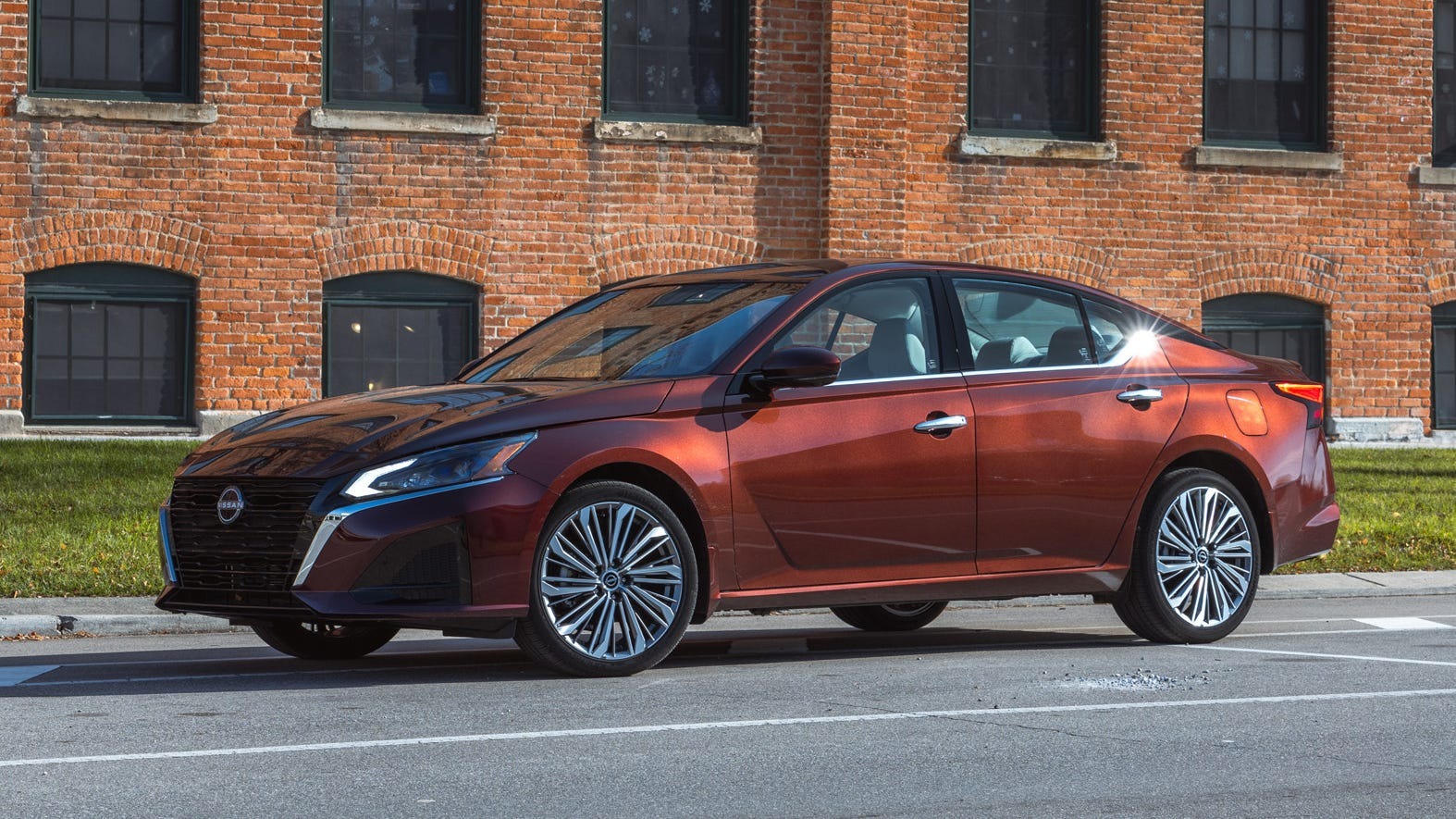
4. Nissan Altima
The Nissan Altima is a popular sedan across the United States, but many owners have experienced paint durability problems. One of the most common complaints is peeling clear coat within the first two years of ownership. Drivers often notice the issue starting on the hood and roof, later spreading to the doors and trunk.
The root of the problem lies in weak protective layers that fail to shield the paint from the sun and moisture. Once the clear coat begins to break down, the color underneath fades quickly. Some owners in hot regions say their Altima lost its shine within only 18 months. Others in colder states share that once road salt reaches the exposed areas, corrosion develops, making the car look much older than it really is.
This situation frustrates many buyers because they expect their investment to last longer. While the Altima performs well in comfort and fuel economy, its paint quality lowers the general satisfaction. Repainting is expensive, and warranty coverage is not always reliable. Some owners spend thousands of dollars on repainting after only a few years, which affects the value proposition of the car.
Another complaint is inconsistency across different models. Some Altimas hold their paint slightly better, while others fail too quickly. This makes buyers hesitant, since they cannot be certain what to expect. Used Altimas often suffer poor resale value because potential buyers notice the visible paint flaws.
Although Nissan has made improvements in recent years, the reputation for weak paint durability still follows the Altima. Many drivers who experienced peeling early say they would not purchase the model again. While the Altima may deliver practicality and comfort, paint quality continues to be one of its most troubling weaknesses.
Also Read: 5 Cars That Stay Tight on the Highway and 5 That Float Like Boats
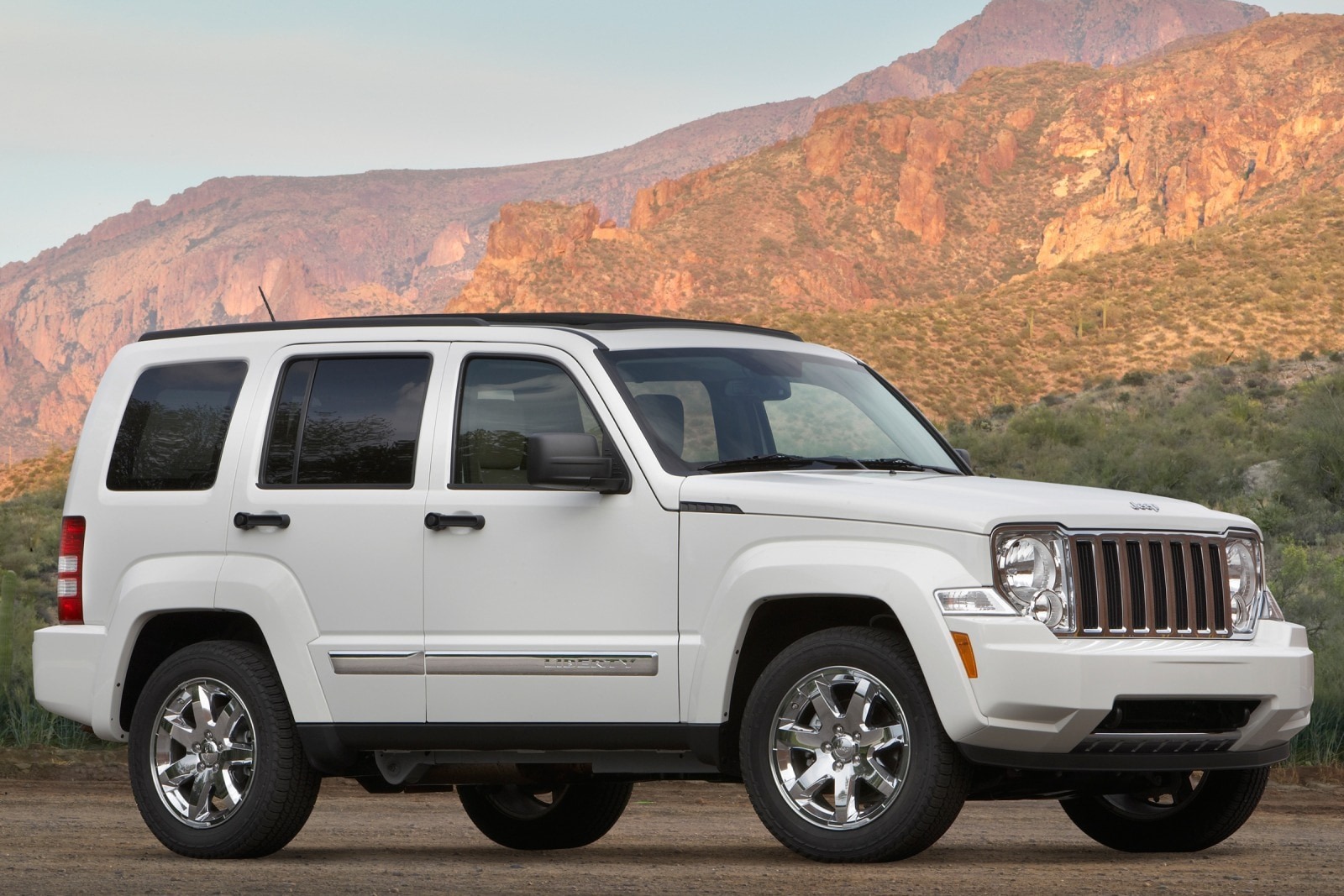
5. Jeep Liberty
The Jeep Liberty, though discontinued, remains a vehicle many Americans still drive today. One of the biggest complaints about this model is its poor paint durability. Owners often report peeling and fading within two years of purchase, especially on dark-colored models. This problem was so common that entire communities of Liberty owners have shared similar frustrations online.
The peeling usually starts with small patches on the roof or hood before spreading across the body. The cause is linked to weak primer bonding and low-quality protective clear coats that cannot withstand long exposure to the sun and rain. Once peeling begins, the problem worsens quickly and leaves the car looking neglected, even when the owner has been careful.
Drivers in desert regions faced faster fading due to UV exposure, while those in snowy areas dealt with corrosion once the paint peeled. For a vehicle often marketed as rugged and adventurous, the weak paint was a disappointment. Owners who purchased the Liberty for long-term use often found themselves spending heavily on repainting.
Another difficulty is that repainting the Liberty is not always smooth because the original factory finish is difficult to match. Many owners end up with an uneven appearance after repairs, which reduces the attractiveness of the vehicle. This also hurts resale value, as buyers are less interested in models with visible peeling.
The Liberty’s weak paint reputation is one reason many customers turned away from the model and chose other SUVs. While the car offered practicality and off-road performance, its poor paint finish created long-term dissatisfaction. Even today, used models often show visible peeling, reminding many buyers of the quality problems that came with this vehicle.
