
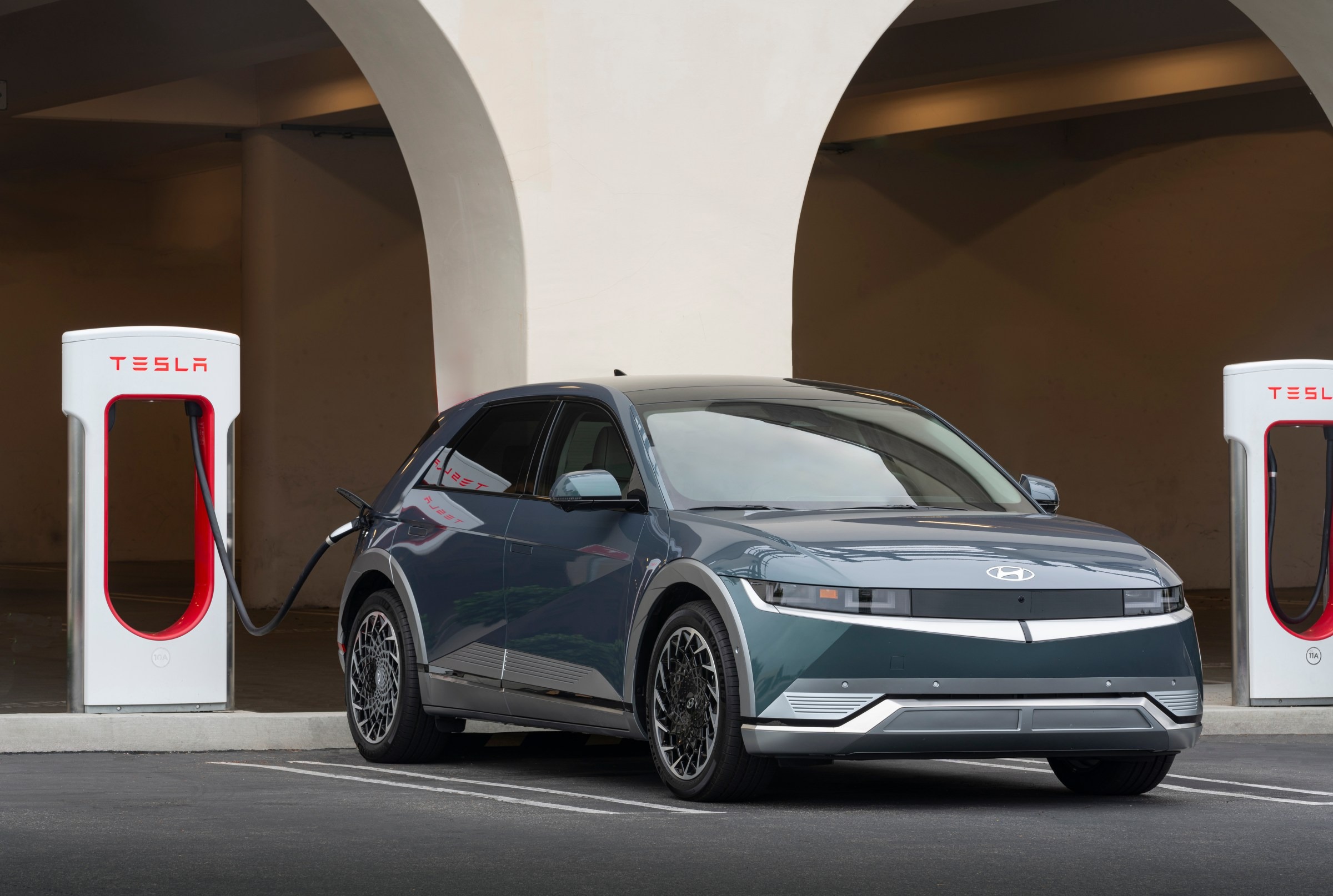
Electric vehicles have been receiving wide attention as many drivers around the United States are choosing them for their efficiency and environmental benefits. The idea of a vehicle that depends on electricity instead of gasoline has been appealing, but people often focus on how well these cars can be charged and how reliable the charging system is.
No matter how attractive the design of an EV may look or how strong the motor is, what many buyers really want is a smooth charging experience that saves them time. For some models, charging has been built to work quickly, safely, and without stress, while others still leave owners frustrated with delays or unexpected errors.
The way an electric car charges is now as important as its battery range. A driver may own a car that has a long mileage, but if the charging system is slow or fails often, the joy of ownership is reduced. That is why comparisons between different brands always bring up the subject of charging efficiency.
Many manufacturers are working on fast-charging technology that can take the battery from low to a usable level in less than thirty minutes, which gives convenience for drivers who are always on the road. At the same time, some vehicles continue to experience repeated software issues, charger incompatibility, or slow charging speeds that create disappointment.
5 EVs With Great Charging Systems
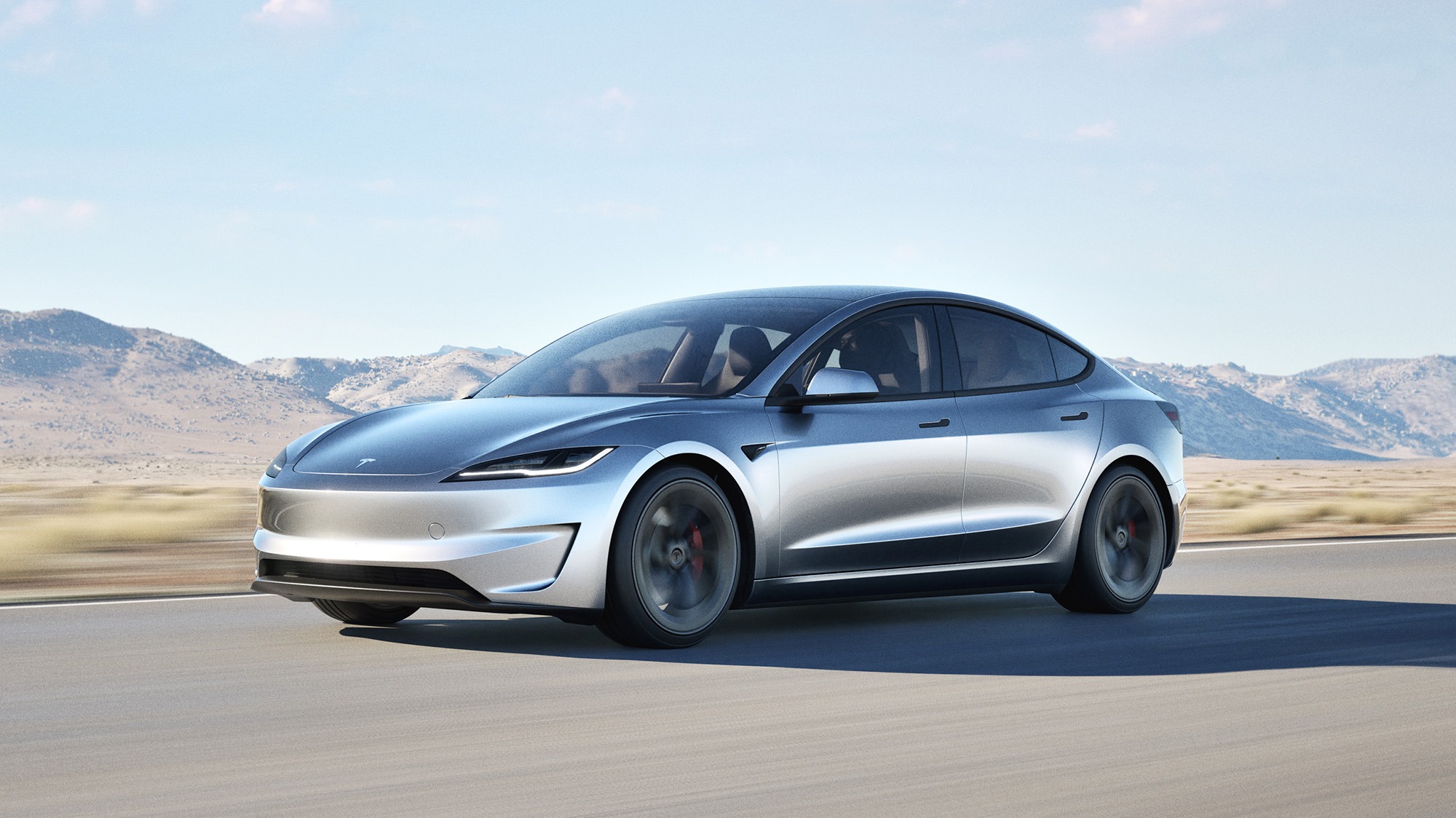
1. Tesla Model 3
Among the electric cars that stand out for good charging performance, the Tesla Model 3 remains one of the most trusted names. Drivers in the US often prefer this model not only because it is affordable compared to other Tesla options but also because the charging experience has been carefully designed.
With Tesla’s Supercharger network spread across the country, owners of the Model 3 can easily stop at charging stations and top up their battery in a short time. Many users report that the car is able to reach around 80 percent in less than half an hour at a fast charger, which is very helpful during long trips.
The strength of Tesla’s system is not only the hardware but also the software. The Model 3 is built to identify available charging stations through its navigation system, which allows drivers to plan journeys more effectively.
Once the car is close to a charger, the battery automatically starts preparing itself to accept power faster, which shortens charging time. This feature is one of the reasons why Tesla has remained ahead in the industry when it comes to convenience.
Another thing that makes the Tesla Model 3 stand out is how reliable the chargers are. Unlike many public charging stations from third-party companies that may sometimes fail, Tesla’s stations are regularly maintained.
Drivers feel secure knowing they will not face constant issues when they need to charge. While the cost of using the Supercharger can vary, most owners believe the reliability makes it worth it. For those who decide to charge at home, Tesla provides wall connectors that can fully charge the car overnight.
This makes daily use stress-free since the driver wakes up to a full battery without needing to wait in public places. With the combination of fast public charging, reliable infrastructure, and smart software, the Tesla Model 3 has created a reputation for being one of the most convenient EVs to charge in the US today.
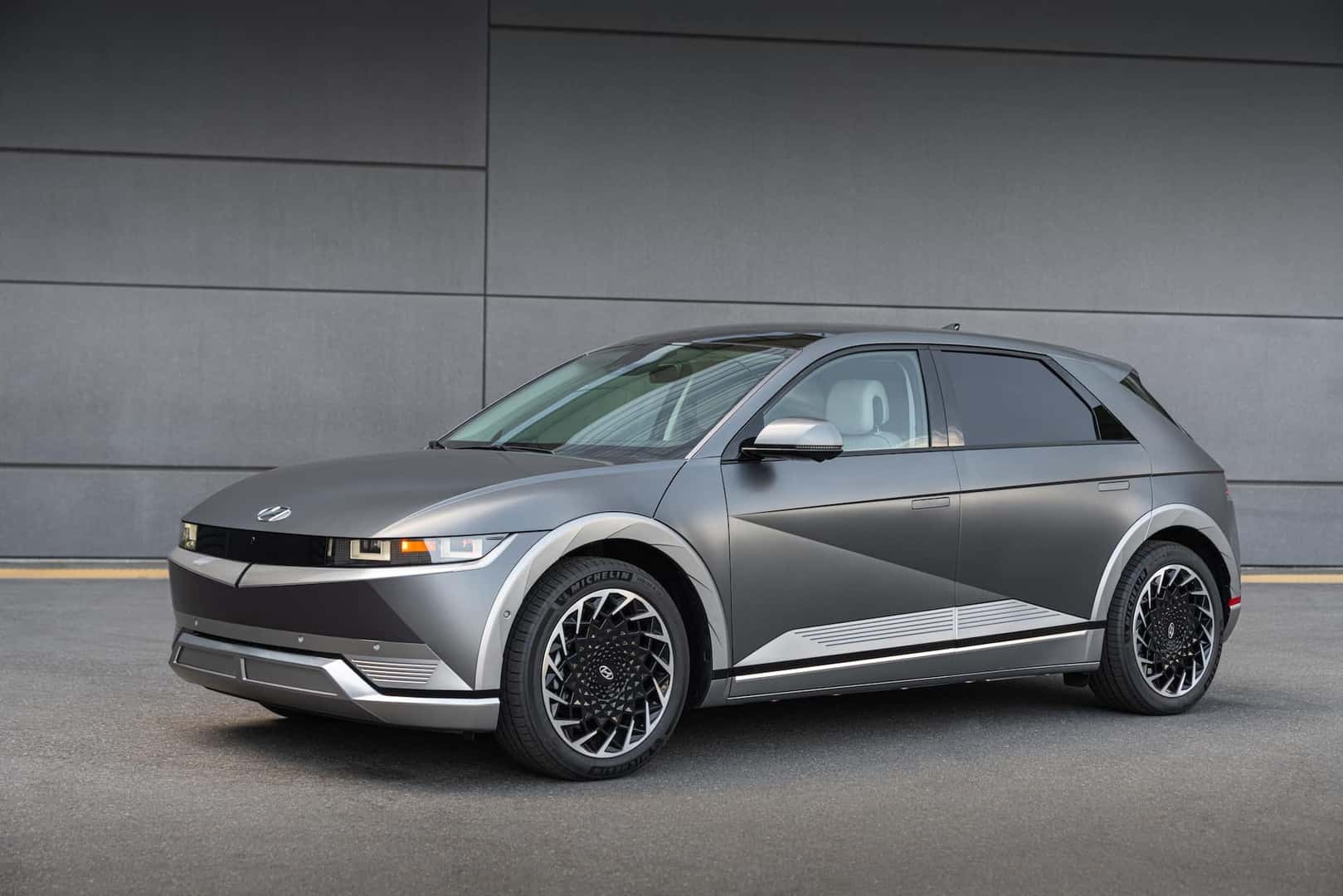
2. Hyundai Ioniq 5
Hyundai entered the EV space with strength when it launched the Ioniq 5, and one of the main areas where this vehicle has impressed many drivers is its charging system. Built with 800-volt architecture, the Ioniq 5 can charge faster than most of its competitors in the same price range.
With access to a DC fast charger, the car can move from 10 percent to 80 percent in around 18 minutes, which is one of the best figures in the industry. For a family car that combines design with practicality, this charging speed has been an advantage for those who need quick top-ups during their journeys.
Hyundai also made sure to design a vehicle-to-load feature that allows the Ioniq 5 to power small appliances and even charge other devices. This feature shows the attention the company gave to energy management in the vehicle. Many American drivers who live in areas with frequent power outages appreciate this because the car can serve as a backup power source for small electronics.
Another strength of the Hyundai Ioniq 5 is the ease of using public chargers. The vehicle is compatible with a wide range of charging networks, which means owners are not limited to only one provider.
This flexibility reduces the stress of searching for a specific charger, especially for those who travel across states. The Ioniq 5 also provides clear updates on charging progress through its infotainment system and mobile app, which gives owners confidence and control over their charging sessions.
When parked at home, the Ioniq 5 can be connected to a Level 2 charger, and the battery will be ready the next morning. Owners find it convenient to leave the car plugged in overnight, as the system manages power in a way that avoids overcharging.
Hyundai also included features that let the driver schedule charging during off-peak hours, which saves cost on electricity bills. By combining very fast charging times, compatibility with multiple networks, and advanced home charging support, the Hyundai Ioniq 5 has become one of the EVs praised for its strong and dependable charging system.
Also Read: 5 EVs That Rarely Get Recalls and 5 That Constantly Do
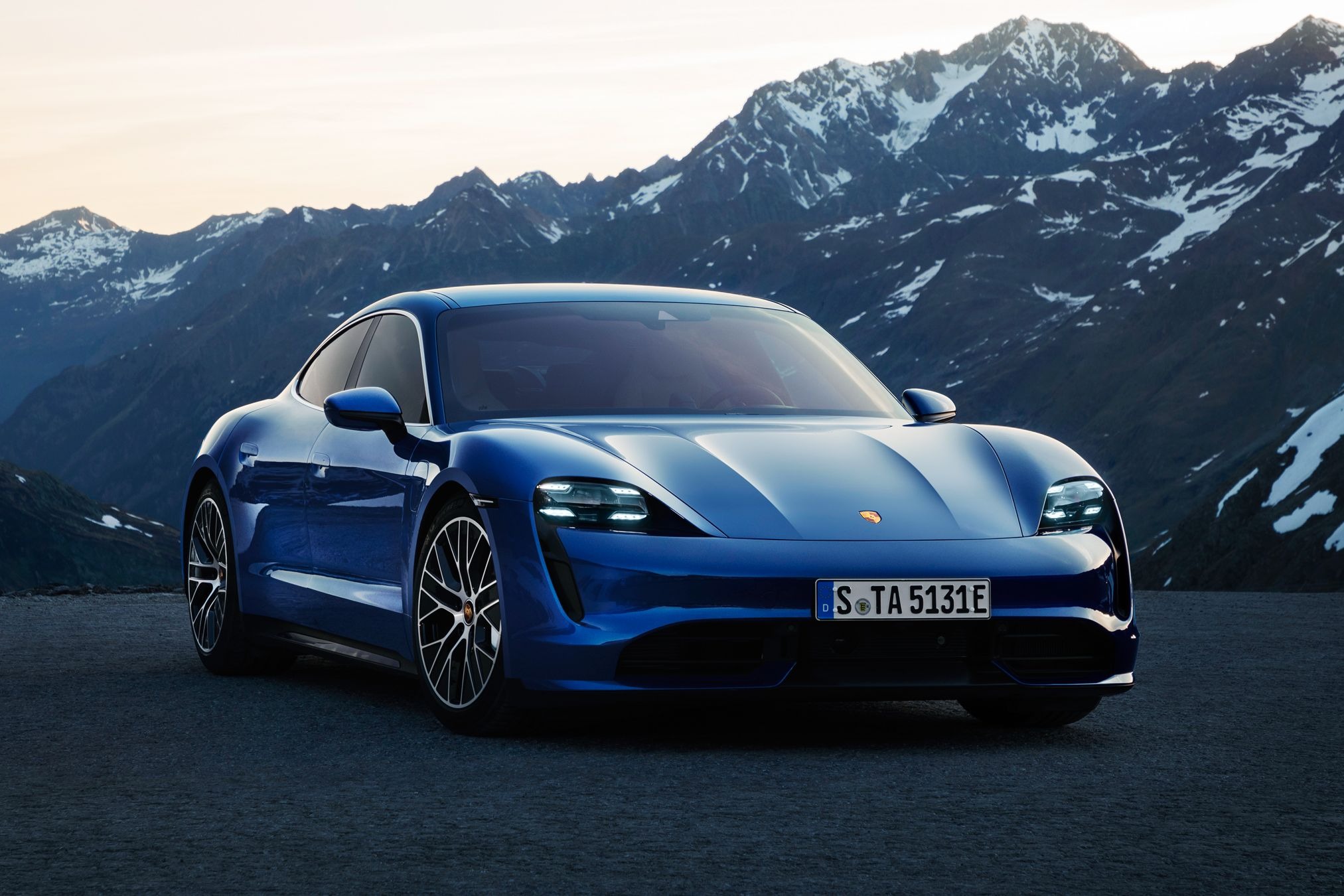
3. Porsche Taycan
For luxury car enthusiasts who also want electric power, the Porsche Taycan has been seen as a strong choice. Beyond its stylish design and high driving performance, the Taycan offers an advanced charging experience that puts it on top of many rivals.
The car was one of the first in the market to make use of 800-volt technology, allowing very high charging speeds. With a fast charger, the Taycan can move from low battery to 80 percent in just over 20 minutes, which is very impressive for a performance vehicle.
The charging infrastructure that supports the Porsche Taycan is also dependable. Owners often use Electrify America stations, and Porsche has partnerships that make it easier for drivers to locate available chargers.
Inside the car, the software provides real-time updates on charging stations along the route, which helps drivers make better plans for long-distance trips. Many owners say they rarely face problems with finding or using compatible chargers.
Another area where the Taycan shines is home charging. With a dedicated Porsche charger, the vehicle can be fully ready overnight. The car also comes with features that allow charging to be scheduled during certain times of the day. This level of control makes ownership more convenient for those who want to manage their energy use effectively.
Apart from charging speed, the Porsche Taycan has been praised for its ability to maintain battery health over time. The system is designed to protect the battery while still giving the driver fast charging when needed.
With its luxury appeal, strong performance on the road, and dependable charging solutions, the Porsche Taycan stands among the vehicles that provide stress-free charging for owners who demand more than just speed.
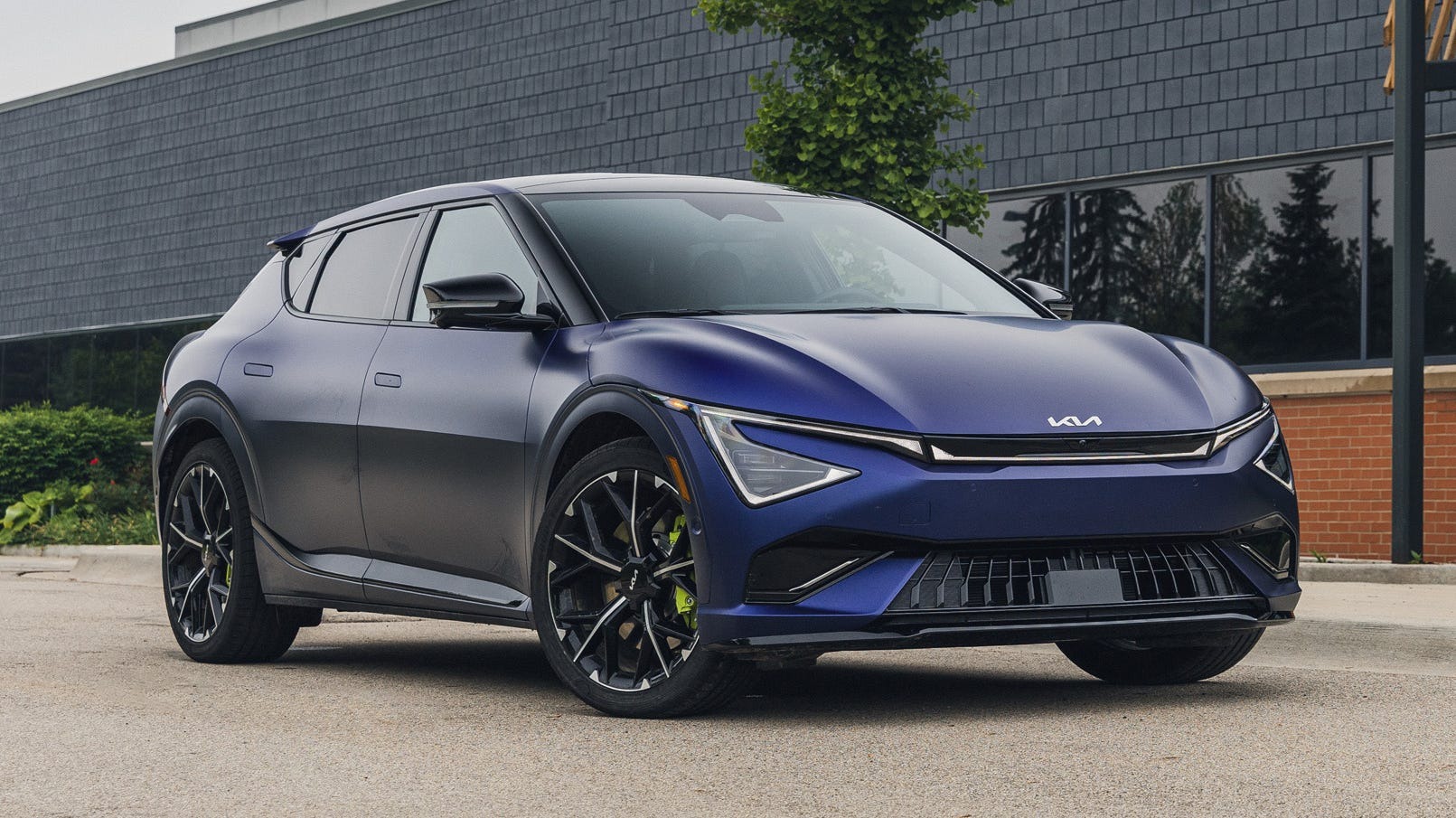
4. Kia EV6
Kia has made strong progress in the electric vehicle space with the EV6, and many drivers see its charging performance as one of its biggest strengths. Like the Hyundai Ioniq 5, the Kia EV6 uses 800-volt technology that allows for very quick charging sessions.
At a DC fast charger, the EV6 can go from 10 percent to 80 percent in about 18 minutes, which is among the fastest in its category. For people who travel long distances, this reduces the waiting time and gives confidence that the car can keep up with their schedule.
The EV6 is designed to work well with different charging providers, and owners often report fewer compatibility issues compared to some other EVs in the market. The onboard software helps locate chargers easily, and the mobile app allows remote monitoring of the charging process. This combination of features makes it easier for drivers to plan when and where to charge their vehicle.
For home use, Kia provides options for Level 2 charging equipment, which can fill the battery overnight. The EV6 also has smart energy management features that allow the driver to choose specific times for charging, especially during hours when electricity is cheaper. This has been seen as a cost-saving advantage for many households.
Another feature that sets the Kia EV6 apart is its vehicle-to-load function. Just like its cousin, the Ioniq 5, the EV6 can power small electronics and equipment directly from its battery. This adds another layer of usefulness beyond driving. When it comes to both daily convenience and long-distance travel, the Kia EV6 has built a reputation for offering a smooth charging experience that is reliable and quick.
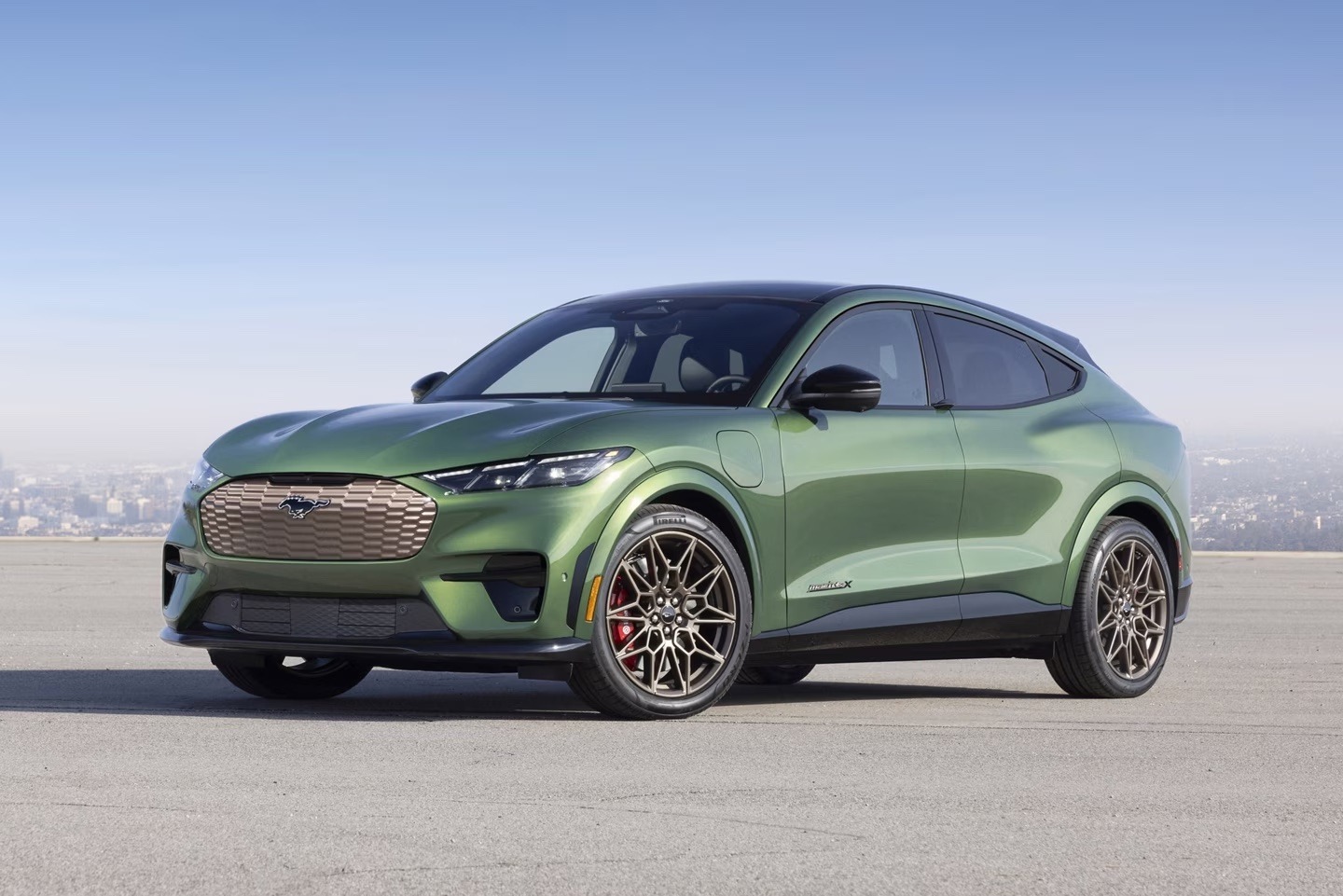
5. Ford Mustang Mach-E
Ford’s entry into the electric SUV market with the Mustang Mach-E has been well received in the US, and a major reason for that is its balanced charging system. The vehicle can charge quickly using DC fast chargers, reaching 80 percent in about 45 minutes, depending on the version of the battery. While this is not the fastest in its category, it still provides enough convenience for most owners who use the car for both city driving and long trips.
The Mustang Mach-E is compatible with the growing Electrify America network, which gives drivers access to many charging points across different states. Ford also provides its mobile app, which helps owners find available chargers, monitor charging sessions, and even pay directly without stress. This ease of use has been important for people who are new to electric vehicles.
For charging at home, Ford offers options that include both standard outlets and Level 2 chargers. With a home installation, the Mach-E can be ready by morning after being plugged in overnight. The vehicle also supports scheduled charging, which means owners can choose to charge during times when electricity is cheaper.
Ford has been working to improve software updates for the Mach-E, and this has made the charging process smoother as time goes on. The updates allow the car to better interact with charging stations and improve reliability.
While the charging speed may not match the very fastest competitors, the Mustang Mach-E is still seen as dependable and user-friendly, making it one of the EVs that provide a balanced charging experience.
5 EVs That Constantly Glitch
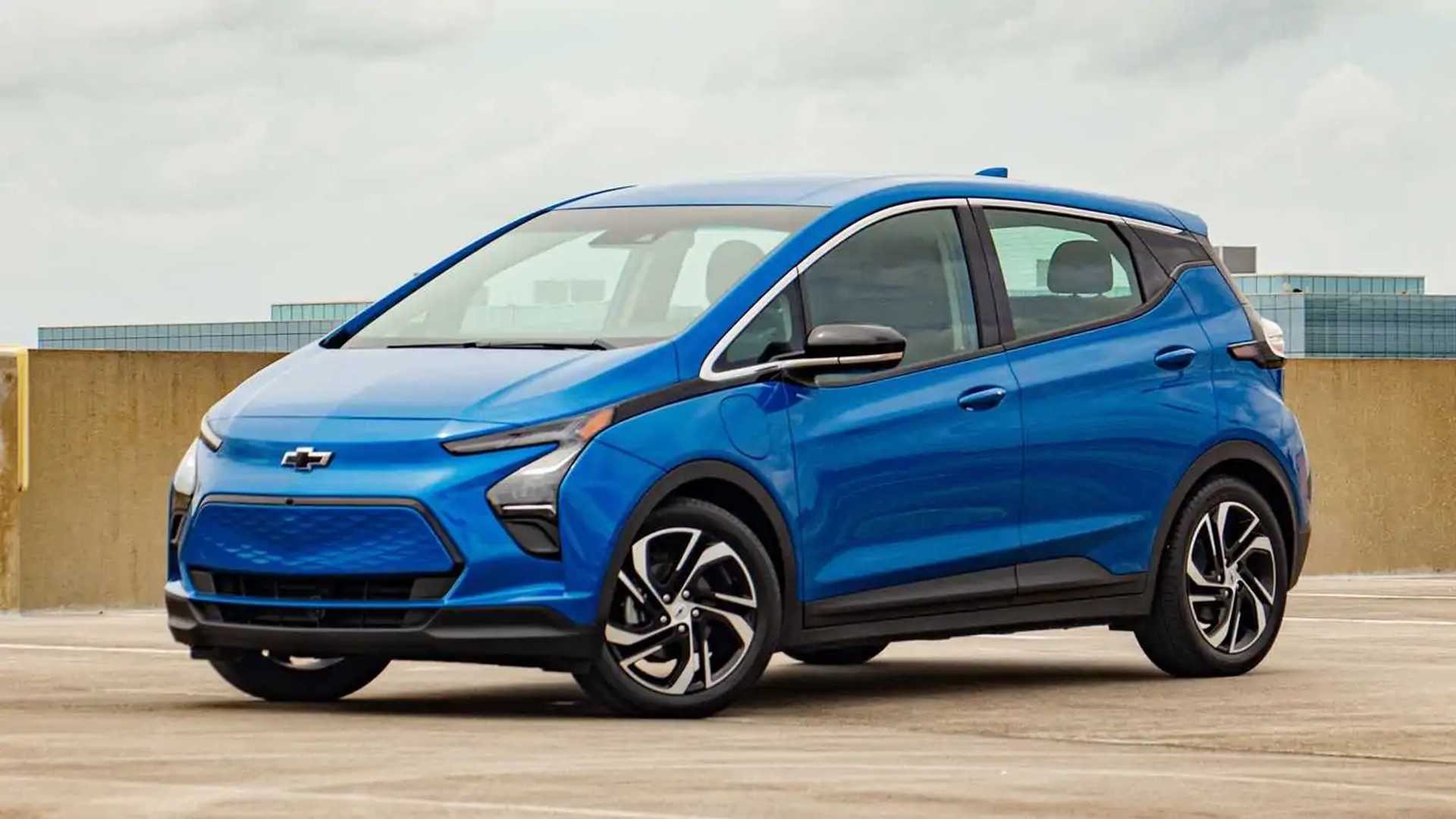
1. Chevrolet Bolt EV
Chevrolet Bolt EV has been one of the affordable electric cars in the US market, but many owners have often complained about the charging experience. While the car provides a decent driving range, the speed and reliability of its charging system sometimes disappoint drivers.
The Bolt EV takes a longer period compared to many other cars in its category when connected to a DC fast charger. In most cases, it can take around an hour to reach 80 percent, which leaves drivers waiting much longer than expected. For those who travel often, this delay becomes stressful.
Another concern comes from compatibility with public charging stations. Owners have shared experiences where the Bolt EV struggles to communicate with certain chargers, leading to repeated error messages. This means the driver may spend extra time trying to restart the session or even look for another charger. These problems make long-distance travel less convenient for Bolt EV users.
At home, the car can be charged with a Level 2 charger, but even then, the system is slower compared to competitors. Many households need overnight charging to bring the battery to full, which may not always fit the schedules of busy families. Although Chevrolet has been providing updates to improve performance, many drivers still feel that the Bolt EV has been left behind when compared to newer models with advanced charging technology.
Another factor that affects trust is the past recall related to battery issues. Even though Chevrolet has worked on replacing affected batteries, the reputation of the car’s charging system continues to face doubt. People want a vehicle that charges smoothly without technical worries, but the Bolt EV does not always provide that peace of mind.
For drivers who only use the car for short trips within the city, the charging weakness may not be a big issue. However, for those who want stress-free road trips, the Bolt EV continues to show gaps that reduce the entire driving experience.
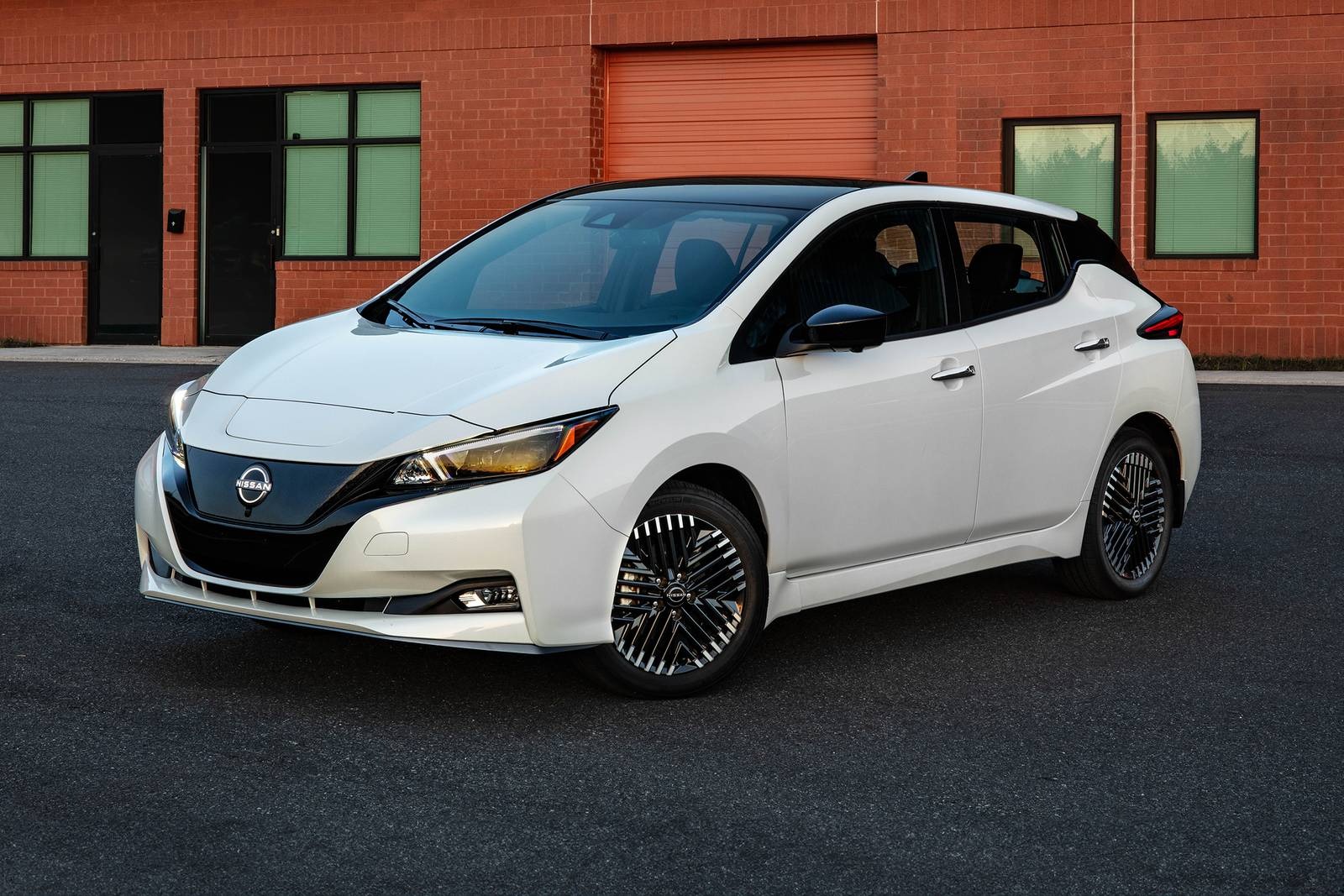
2. Nissan Leaf
Nissan Leaf holds a special place as one of the earliest popular electric cars, but when it comes to charging technology, it shows clear limitations. While other EVs have moved forward with fast-charging abilities, the Leaf still relies on an older CHAdeMO charging standard.
This has made it difficult for many drivers in the US because the CHAdeMO network is shrinking as more charging providers focus on newer connectors. As a result, Leaf owners often find it challenging to locate a compatible charger during long journeys.
The speed of charging is another area where the Leaf disappoints. Even when connected to a DC fast charger, the process can take nearly an hour to reach around 80 percent. For today’s market, where drivers are used to seeing cars charge in under 30 minutes, this puts the Leaf far behind. For drivers who live in areas with limited charging infrastructure, the slow speed adds extra worry about travel times.
At home, the Nissan Leaf works with a Level 2 charger, but it still requires more hours than many of its competitors to be fully charged. Owners who depend on quick turnaround times may find this inconvenient. While the car itself is reliable for city driving and has been affordable for many households, the charging experience often feels outdated and frustrating.
Another issue is the software communication between the car and the charging stations. Some Leaf users report frequent interruptions where the charger suddenly stops, forcing them to restart the process. This not only wastes time but also reduces confidence in the system.
The lack of updates to modern standards has made the Nissan Leaf less appealing to buyers who want long-distance convenience. While it remains a popular choice for those who only need a daily commute vehicle, the Leaf is no longer able to compete strongly with rivals that have advanced charging systems.
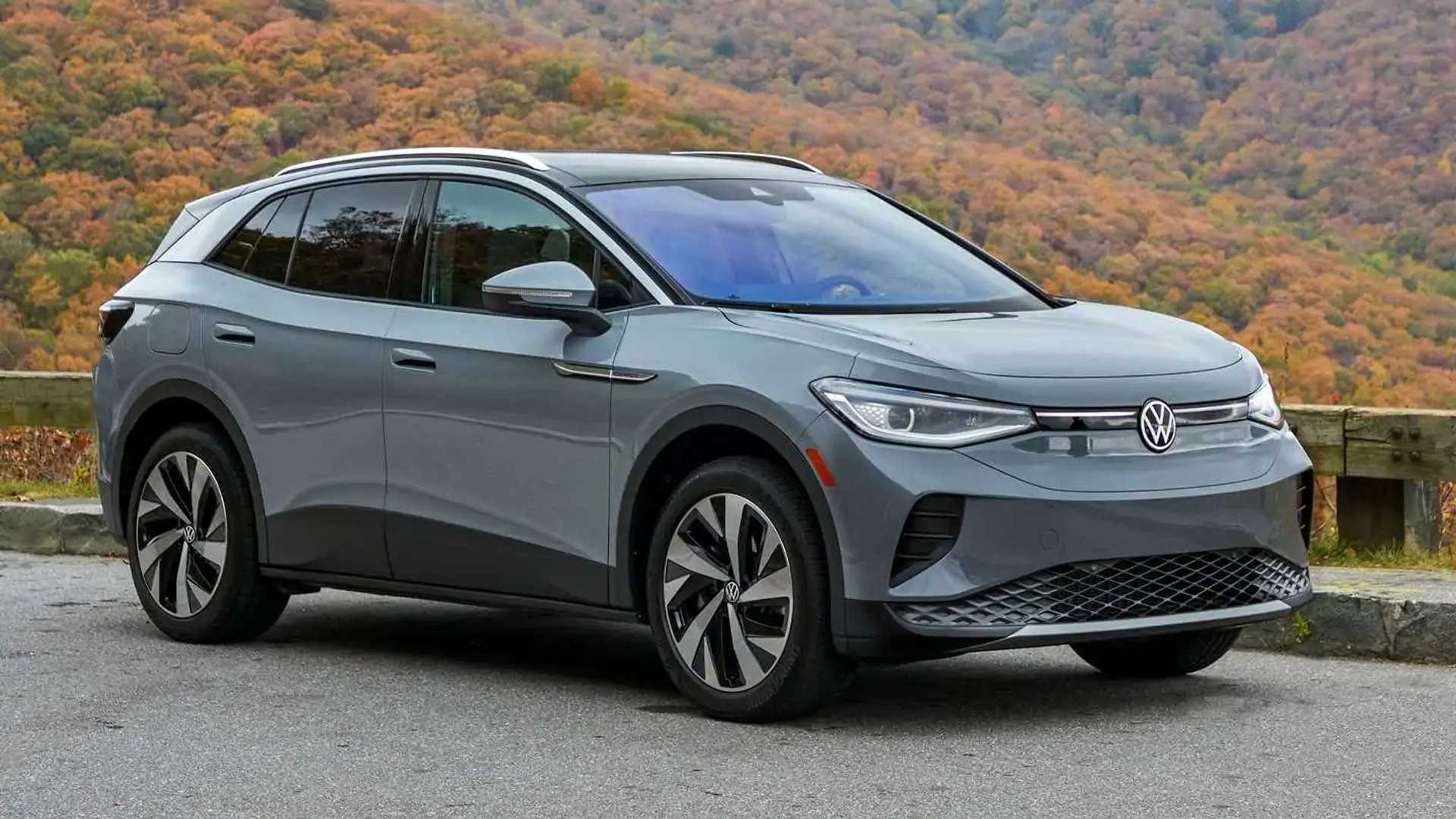
3. Volkswagen ID.4
Volkswagen introduced the ID.4 as its major electric SUV for the US market, but many owners have faced frustrations with the charging process. One of the main complaints is that the car does not always work smoothly with different public charging stations. Reports of failed sessions or chargers that refuse to connect are common, which can leave drivers stranded during road trips. This type of inconsistency reduces confidence in the vehicle’s charging reliability.
Another issue lies in the software system of the ID.4. While Volkswagen has been rolling out updates, many drivers still face glitches when trying to monitor or control their charging through the infotainment system. For example, the system may show wrong charging times or suddenly disconnect without reason. This type of error forces drivers to spend more time checking and restarting their charging sessions.
Charging speed is also not on the same level as other competitors in its class. While the ID.4 can reach 80 percent in about 40 minutes at a DC fast charger, many SUVs from other brands are already offering charging in less than 25 minutes. For people who value time on long drives, this difference becomes very clear.
At home, the Volkswagen ID.4 can charge overnight with a Level 2 charger, but it does not have advanced scheduling or energy management features as refined as some other brands. Owners sometimes feel they lack control over when and how the car charges. These gaps reduce the comfort of owning the ID.4 compared to options from Tesla, Hyundai, or Kia.
While Volkswagen has promised improvements, the ID.4 continues to give drivers too many interruptions during charging. For buyers who want dependable performance without constant monitoring, the ID.4 can become frustrating. This shows that having a good range on paper is not enough when the charging process itself creates repeated challenges.
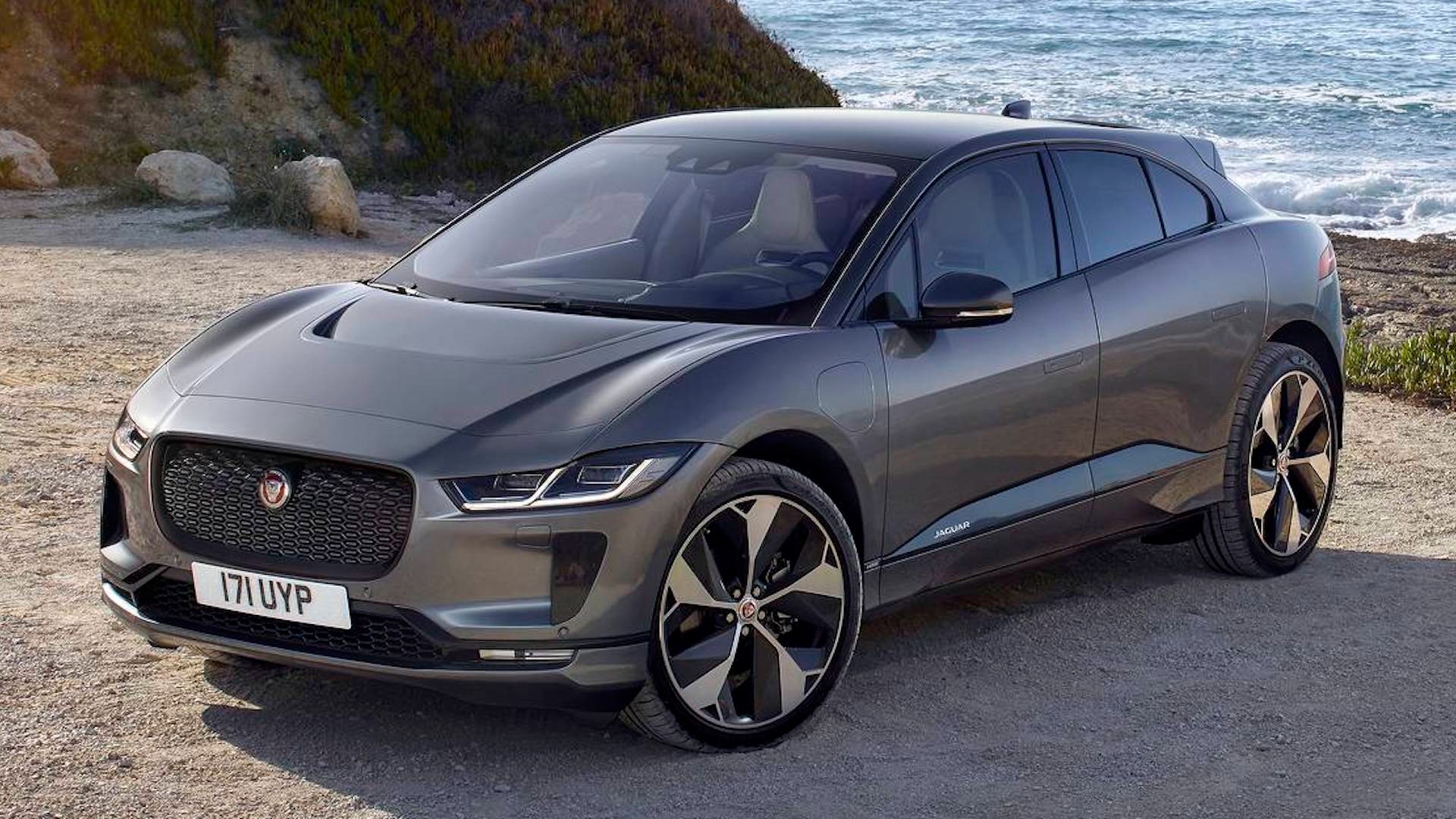
4. Jaguar I-PACE
Jaguar I-PACE entered the market as a luxury electric SUV, but while the driving experience is impressive, the charging system does not fully meet expectations. The I-PACE takes longer than many of its competitors to reach useful battery levels at a DC fast charger. On average, it can take around 40 to 45 minutes to reach 80 percent, which may be too slow for a car that is meant to serve luxury buyers who often expect efficiency.
Another issue is the limited number of partnerships Jaguar has with charging providers in the US. Unlike Tesla or even Ford, which give owners better access to charging networks, Jaguar I-PACE drivers often have to search harder for compatible chargers. This lack of integration makes long-distance travel less convenient.
Software issues have also been mentioned by owners. The infotainment system does not always provide accurate details about charging progress, and sometimes the car struggles to maintain a steady connection with public chargers. For a vehicle that carries a high price tag, this type of glitch can be disappointing.
At home, the Jaguar I-PACE can charge using Level 2 equipment, but it takes many hours to fill the battery. While overnight charging is possible, the lack of advanced energy management features means owners do not always get the flexibility they expect from a premium product.
Many buyers who were drawn to the I-PACE for its stylish look and strong driving performance soon realized that the charging experience did not match the promise of luxury. Without consistent updates to improve reliability, the Jaguar I-PACE remains one of the EVs that look attractive on the outside but cause stress when it comes to charging.
Also Read: 5 EVs That Charge Overnight and 5 That Take Forever
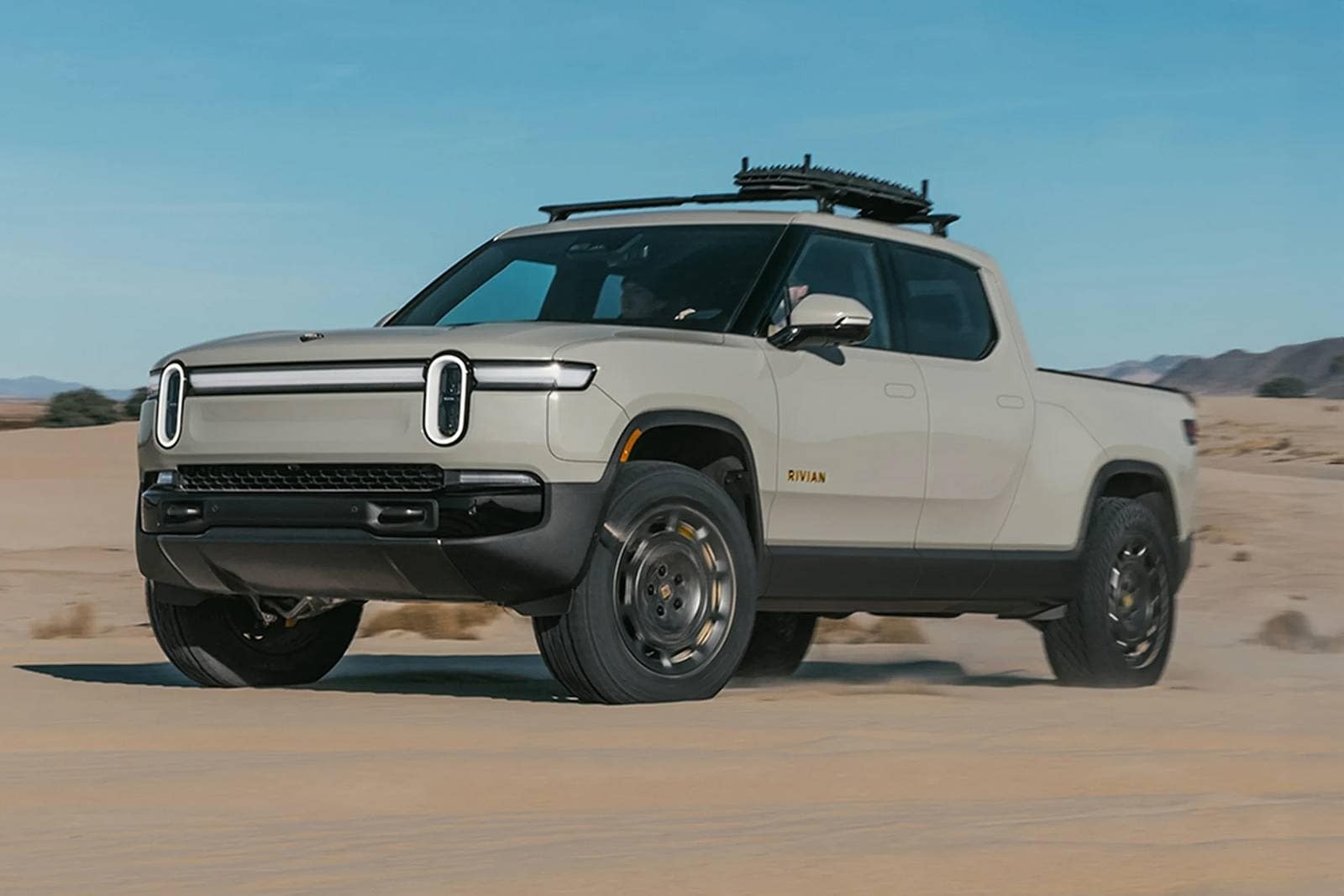
5. Rivian R1T
Rivian R1T has been widely discussed as one of the first electric pickup trucks in the US, but while it shows strength in performance and off-road abilities, its charging system still gives problems for many users.
Rivian has its charging network, but it is not yet widespread enough to support drivers across the country. This means R1T owners often depend on third-party charging stations, and compatibility has not always been smooth.
The charging speed is another area where Rivian has room to improve. Although it can handle fast charging, the process is not as quick as what is available with Tesla or Hyundai’s 800-volt systems. Drivers often spend more than 40 minutes to reach 80 percent at a DC fast charger, which can become tiring during long trips.
Software reliability has also been a concern. Some R1T owners have reported that charging sessions are interrupted or that the system provides incorrect information about how much time is left. This reduces trust in the process and forces drivers to keep checking instead of relaxing while the car charges.
At home, the Rivian R1T does provide good options for Level 2 charging, but the equipment can be expensive, and the overnight charging process still takes a long time due to the large battery size. For households that depend heavily on the vehicle every day, this can create pressure if the car is not fully ready by morning.
Rivian is still a young company, and while it has made big promises about expanding its charging network and improving its software, the current experience leaves some drivers frustrated. The R1T remains a strong pickup in terms of performance, but when judged on charging reliability, it continues to fall behind.
