
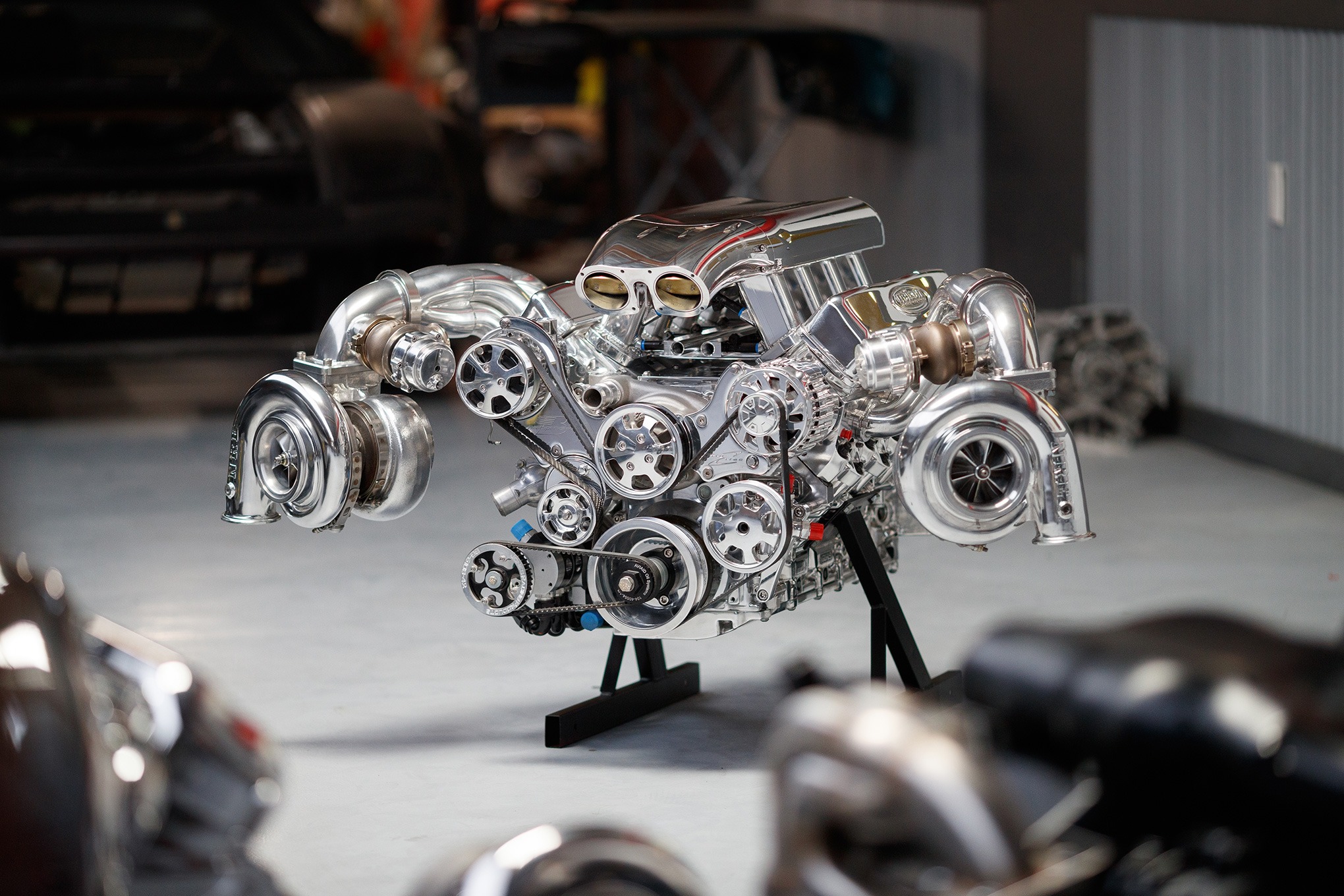
Car lovers always look for ways to squeeze more performance out of their engines without breaking the bank. Tuning has become a popular practice for drivers who want extra power, better throttle response, or simply a more exciting driving experience.
While high-performance engines exist that are built from the factory for speed, they are usually expensive. That is why many enthusiasts pay close attention to affordable engines that can handle modifications and still deliver reliable results.
However, not every affordable engine is suitable for heavy tuning. Some engines have stronger internal parts, better aftermarket support, and more forgiving designs, making them perfect candidates for upgrades.
Others may be affordable to buy but cannot handle serious tuning because of fragile components, weak designs, or limited aftermarket parts. Understanding which engines can be pushed safely and which ones should be left in stock form is very important for anyone considering modifications.
For people working with a budget, knowing the right engines to modify saves money, time, and effort. It also prevents costly repairs that may arise when a weak engine is forced beyond its natural limits.
Now let’s take a careful look at five budget-friendly engines that can handle modifications well, along with five others that should not be pushed too far. The aim is to help car owners make informed choices when it comes to tuning, ensuring that performance upgrades are both effective and reliable.
By comparing the strengths and weaknesses of these engines, readers will see that not every cheap option is truly upgrade-friendly. Some engines surprise people with how much power they can take, while others break down quickly once pressure is added.
5 Affordable Engines That Can Be Tuned
1. Honda B-Series Engines
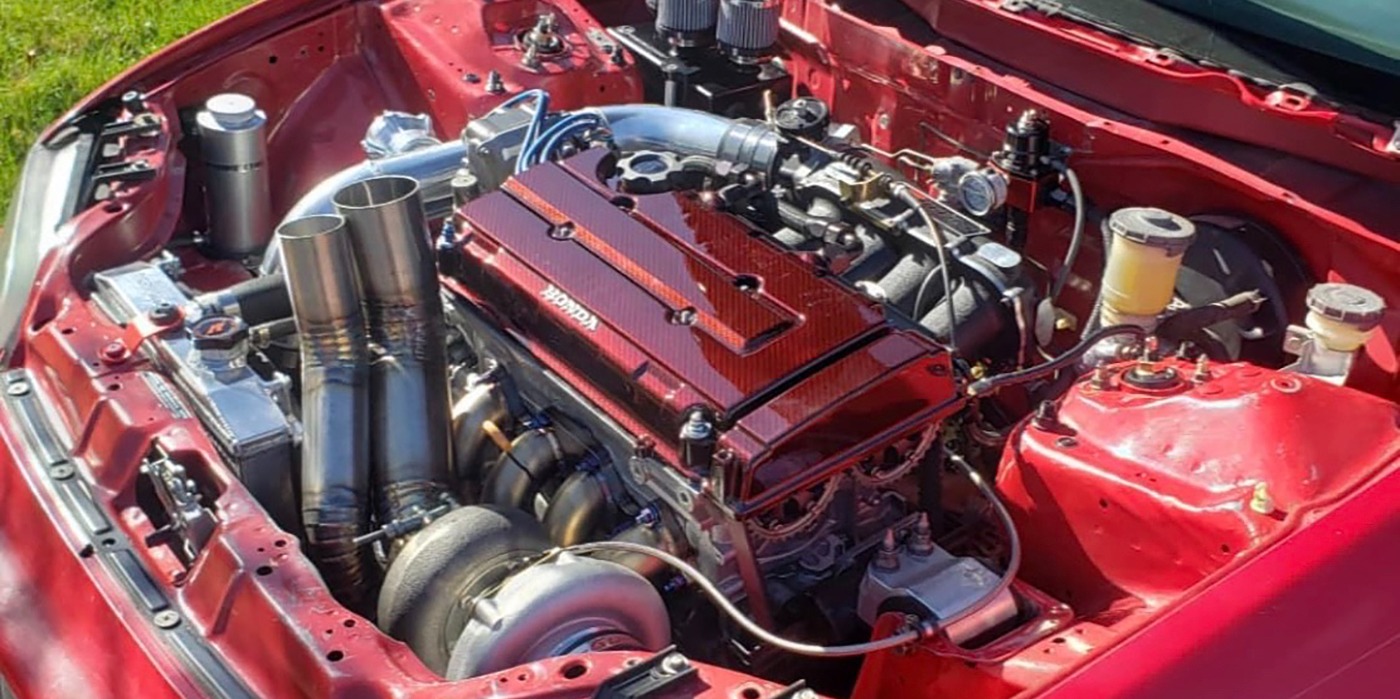
The Honda B-series is one of the most famous engine families among car enthusiasts who love budget performance. These engines earned respect because of their durable design, strong aftermarket support, and ability to handle higher power levels without major changes. Models like the B16 and B18 became favourites for people who enjoy building reliable street and track cars without spending too much.
One major advantage of the B-series is its ability to rev high safely. Many of the engines in this family were designed for smooth high-rpm operation, which makes them naturally attractive to tuners who want sharp throttle response and quick acceleration.
Even with stock internals, a B-series engine can handle a turbocharger or supercharger with moderate boost. Enthusiasts often see power figures of 300 horsepower or more on stock blocks if the tuning is done carefully.
Another strong point is the availability of aftermarket parts. There are countless performance camshafts, intake manifolds, turbo kits, and tuning systems made specifically for the B-series. This means anyone looking to improve performance can find reliable options at different price ranges. The community around Honda engines is also very active, so there is a wealth of knowledge that helps new tuners avoid common mistakes.
Reliability is also a reason people choose the B-series. While pushing any engine too far can lead to problems, the B-series has been tested by thousands of builders worldwide. With proper fuel management and cooling, it remains dependable. This makes it a smart option for beginners who want to experience tuning without immediately dealing with major failures.
Because of its history, affordability, and strong results, the Honda B-series continues to stand out as one of the best affordable engines that can be modified successfully. It shows that tuning is not limited to expensive sports cars but can also be enjoyed with budget-friendly compact engines.
2. Toyota 2JZ-GE
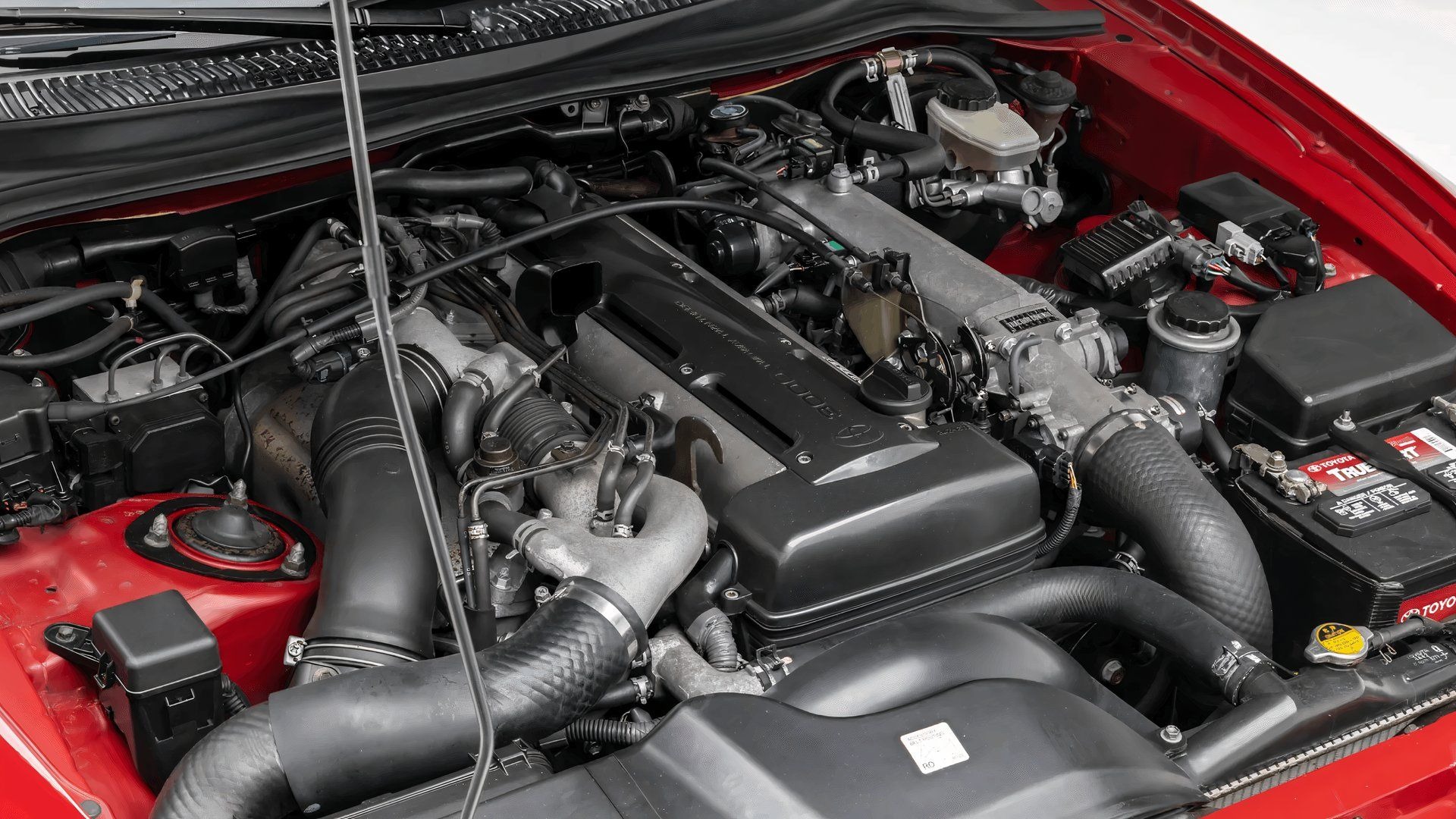
Car enthusiasts know the Toyota 2JZ-GTE as a legendary performance engine, but its naturally aspirated brother, the 2JZ-GE, often gets ignored. This engine can be found in older Lexus and Toyota sedans at much lower prices, making it a cost-effective choice for people who want 2JZ power without paying a premium.
The 2JZ-GE may not have turbochargers from the factory, but it shares the same strong iron block as the famous GTE version. This makes it capable of handling power with the right modifications.
Tuners often add turbo kits to the GE, and with supporting upgrades, it can reach 500 to 600 horsepower reliably. The affordability of the GE compared to the GTE means many budget builders start with this option.
One reason the 2JZ-GE is tuner-friendly is its durability. The bottom end of the engine is very strong, and with proper fuel and tuning management, it holds up to high levels of stress. Even though the pistons and rods are not as strong as the GTE version, they still allow impressive gains before replacements are necessary.
Another reason is aftermarket support. Because of the global popularity of the 2JZ, there is a massive market for turbo kits, fuel systems, engine management, and internal upgrades. People can choose from mild setups for daily driving or aggressive builds for racing. The flexibility makes it easy to tune the GE to different levels depending on budget and goals.
In addition, the GE version is easier to find in many markets. While GTE engines are rare and expensive, the GE still appears in scrapyards and used car lots at reasonable prices. This makes it a strong candidate for affordable builds.
For anyone seeking big power without paying too much, the 2JZ-GE represents one of the most attractive, affordable engines for tuning. Its balance of durability, aftermarket support, and availability makes it a very practical option.
Also Read: 5 Engines That Handle High RPMs and 5 That Break When Revved
3. Nissan SR20DET
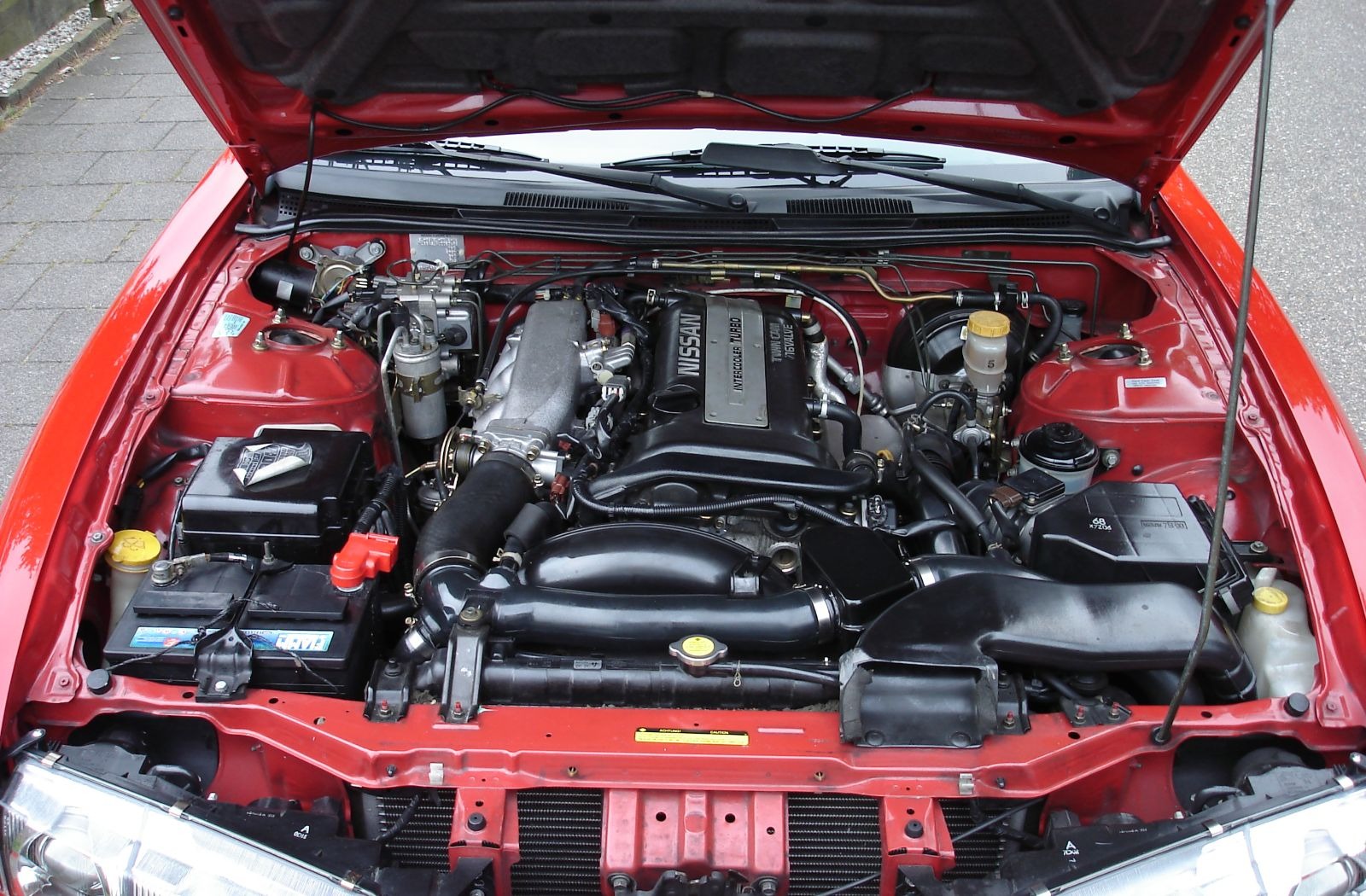
The Nissan SR20DET has long been respected for its strength and tunability. Found in cars like the Nissan Silvia and Pulsar GTI-R, this turbocharged four-cylinder engine became a favourite among enthusiasts who wanted a reliable motor that responds well to upgrades.
One of the reasons the SR20DET is popular is its design. It comes with a factory turbocharger, forged crankshaft, and strong internals that allow it to handle higher boost levels without immediate failure. Even with basic upgrades like a larger turbo, better fuel injectors, and an aftermarket ECU, the SR20DET can produce power figures in the 350 to 400 horsepower range.
The affordability of the engine is another reason it is attractive. While prices for performance engines have increased over the years, the SR20DET can still be sourced from imported Japanese cars at a reasonable cost. This gives budget tuners access to a proven engine that can compete with more expensive setups.
Aftermarket support is also very strong. There are numerous tuning shops, online communities, and parts suppliers that focus on the SR20DET. From intercooler kits to upgraded camshafts and pistons, the options are wide. This makes it easier for tuners to pick a direction, whether they want a reliable street car or a powerful track car.
Reliability under pressure is another benefit. Many owners report that even at 400 horsepower, the SR20DET remains dependable if tuned properly. Its balance of affordability and performance makes it appealing for younger car enthusiasts who want to learn tuning without risking a complete engine failure too early.
Because of its proven track record and wide aftermarket support, the SR20DET has earned its place as one of the best affordable engines for modifications. It shows how a compact four-cylinder can deliver performance similar to bigger engines when tuned correctly.
4. Ford 2.3L EcoBoost
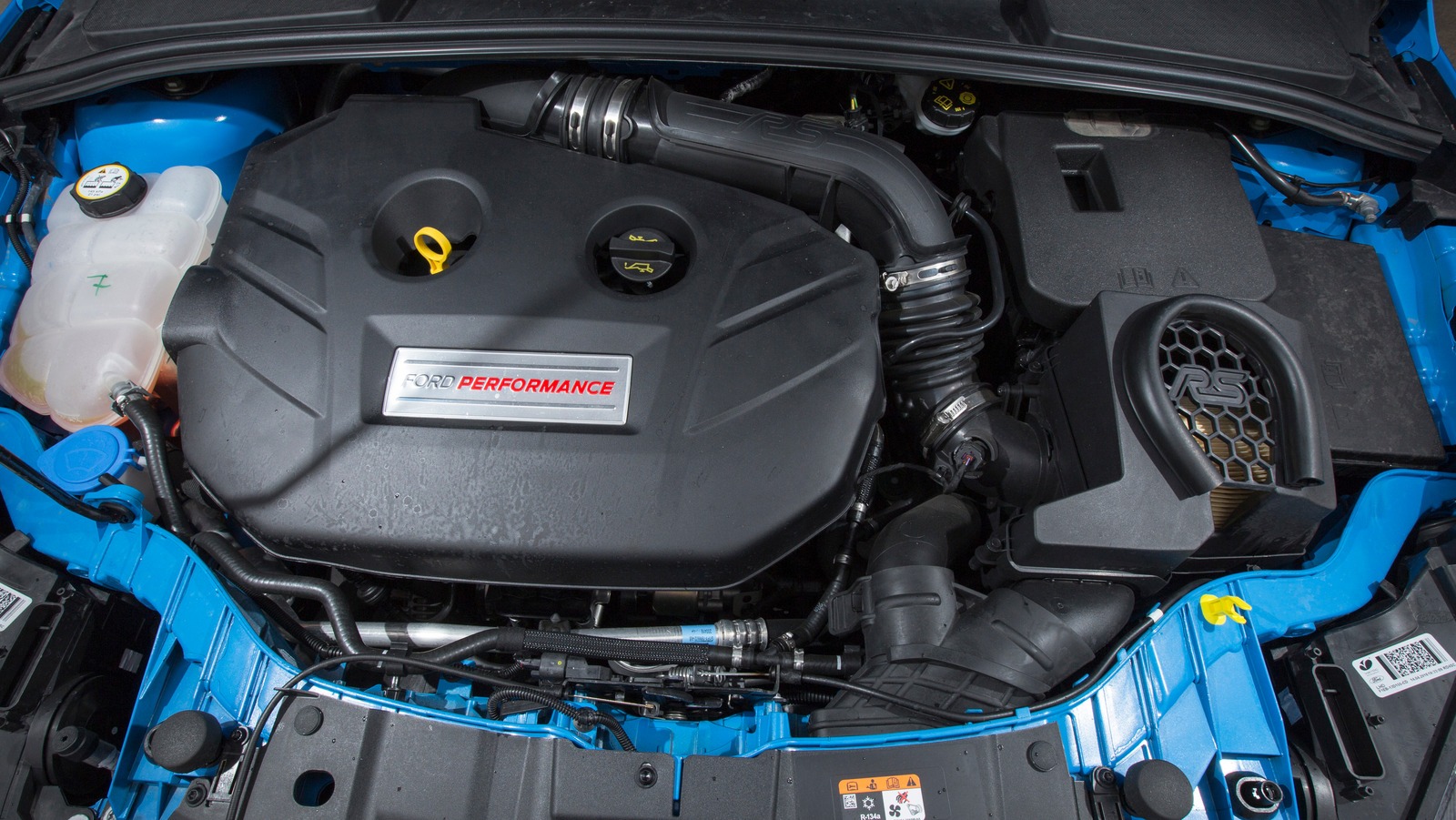
Ford’s 2.3L EcoBoost engine has become a favourite in recent years for budget performance builds. Found in cars like the Ford Mustang EcoBoost and Ford Focus RS, this four-cylinder turbocharged engine combines modern technology with strong aftermarket support, making it an exciting choice for people who want affordable tuning potential.
One of the biggest advantages of the 2.3L EcoBoost is that it already comes turbocharged from the factory. This means it is designed to handle forced induction, and with some adjustments, it can produce much more power. Stock output ranges from around 270 to 350 horsepower depending on the vehicle, but with bolt-on upgrades and proper tuning, it can reach 400 horsepower or more.
Another positive is the advanced design. The engine uses direct injection, variable valve timing, and lightweight materials that help with both performance and efficiency. These features provide a strong foundation for tuning, as they allow more precise control of power delivery.
The aftermarket community has also embraced the EcoBoost family. There are performance intakes, larger turbos, stronger connecting rods, and tuning systems available from several suppliers. Enthusiasts can also find dyno-tested maps that improve power while maintaining reliability.
While some worry about the durability of smaller turbo engines, the 2.3L EcoBoost has shown that it can handle power increases well when tuned responsibly. It is not uncommon to see daily-driven cars with more than 400 horsepower from this engine.
Its combination of affordability, modern features, and strong aftermarket presence makes the Ford 2.3L EcoBoost a strong choice for budget-conscious tuners. It proves that even smaller engines with advanced technology can deliver big performance without the cost of traditional V8s.
5. GM LS Engines
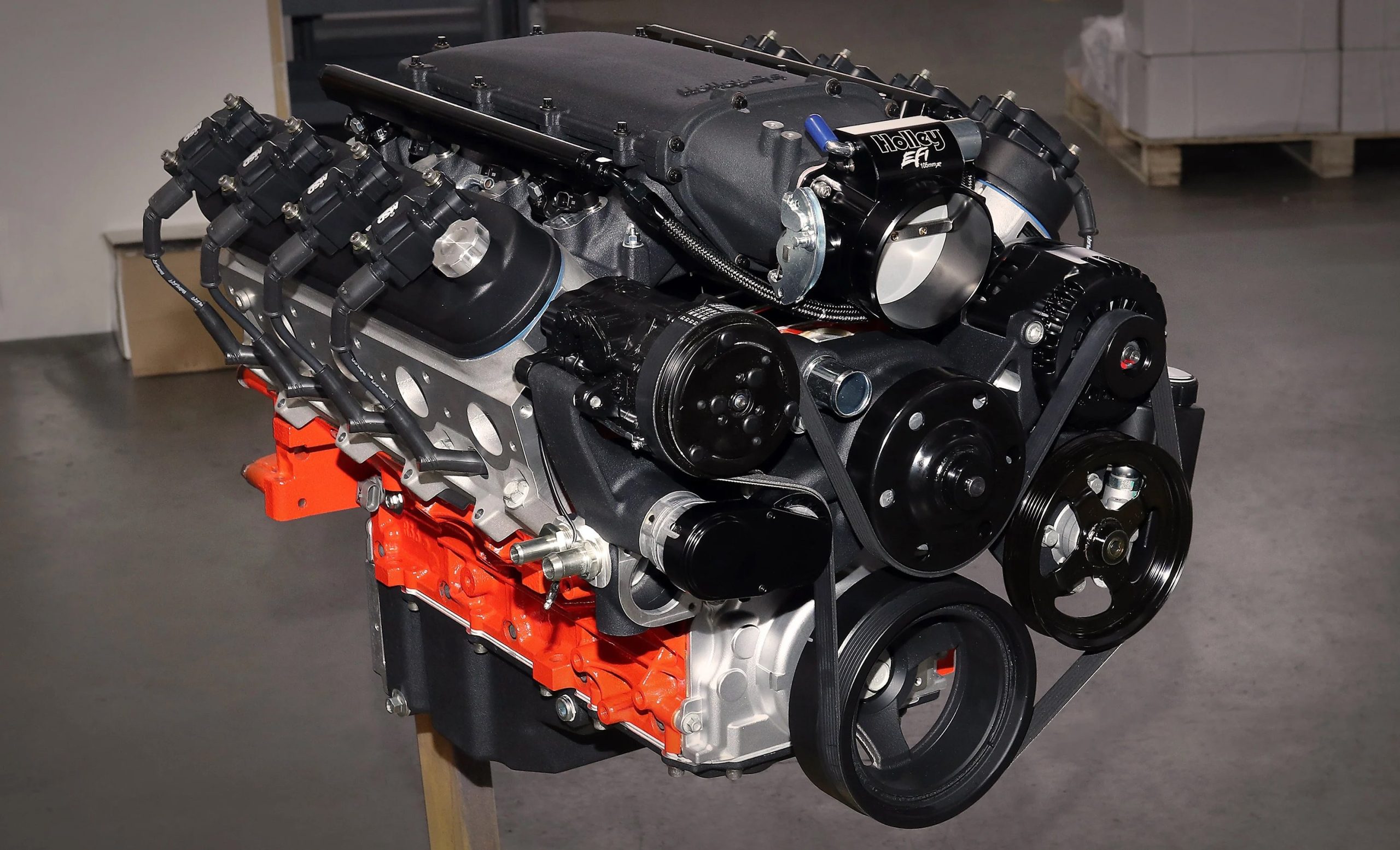
The GM LS family of V8 engines has become a legend among tuners because of its affordability and ability to handle power upgrades. Found in numerous Chevrolet and GMC vehicles, the LS engines are widely available, which keeps prices low and parts easy to find.
One of the biggest strengths of the LS engines is their durability. Even in stock form, many LS engines handle turbochargers, superchargers, or nitrous oxide without requiring major upgrades. This makes them a popular choice for people who want big power numbers on a budget.
Another benefit is the massive aftermarket support. From camshafts to intake manifolds and complete turbo kits, there are countless options for building an LS engine. Many tuners even swap LS engines into cars that never came with them, from Japanese imports to European classics, because they know the engine will perform well.
The affordability of these engines cannot be overstated. Because GM produced millions of LS engines, they can be found in scrapyards, used car lots, and online markets at very reasonable prices. This gives tuners access to V8 power without needing to spend heavily.
LS engines also have a reputation for reliability. Even when producing over 600 horsepower with forced induction, many LS blocks remain dependable if tuned carefully. This trust has kept the LS at the centre of the tuning community for many years.
With availability, strength, and a thriving aftermarket scene, the LS remains one of the most popular affordable engines for modifications. It gives enthusiasts the chance to achieve massive power gains without breaking the bank, which is why it is seen everywhere from drag strips to drift tracks.
5 Affordable Engines That Can’t Take Mods
1. Chrysler 2.7L V6
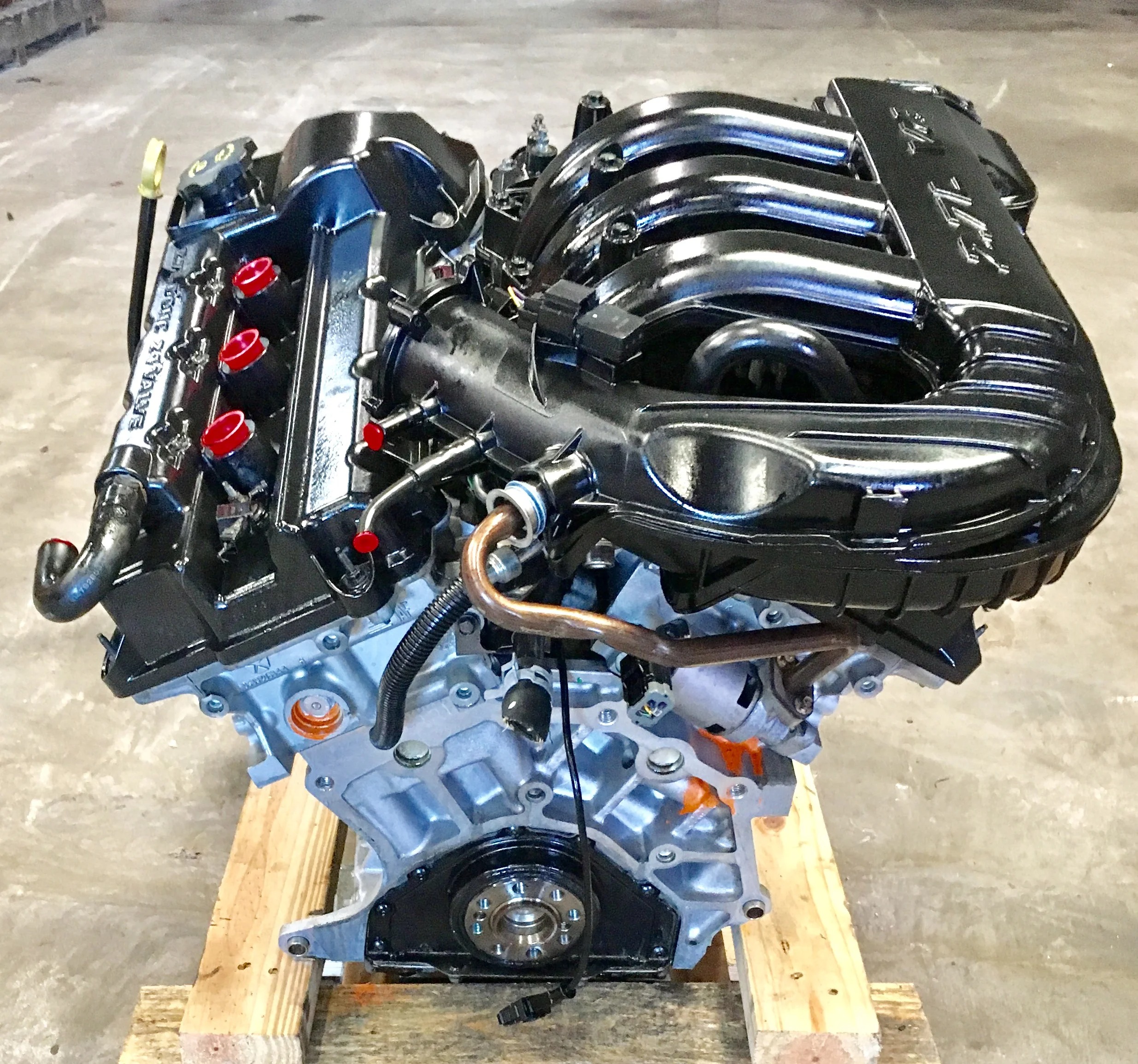
The Chrysler 2.7L V6 engine gained a reputation for problems long before many owners ever thought of tuning. Found in vehicles like the Dodge Intrepid and Chrysler Sebring, it was designed as an affordable option for mid-size cars, but it never developed a strong reputation for reliability.
One of the major weaknesses of the 2.7L V6 is its oiling system. This engine is known for sludge buildup, which can lead to early engine failure if maintenance is not perfect. For a tuner, this is an immediate red flag because performance modifications put even more stress on an engine that already has oil circulation issues.
Another limitation is the design of the internals. The pistons, rods, and crankshaft are not built to handle high levels of stress. Even mild upgrades like forced induction or aggressive camshafts can quickly lead to problems. Enthusiasts who try to push the 2.7L beyond stock performance often face breakdowns faster than expected.
Aftermarket support is another area where this engine struggles. Unlike Honda, Toyota, or GM engines, the 2.7L V6 has very little tuning community behind it. That means parts are hard to find, and advice from experienced tuners is limited. This makes it difficult for beginners to attempt safe upgrades.
Because of its weak internals, oil issues, and lack of aftermarket support, the Chrysler 2.7L V6 should be left stock. It is not worth the time or money to attempt tuning when there are so many better budget-friendly options available. For people looking at affordable performance, this is an engine to avoid when modifications are the goal.
2. Mitsubishi 4G93 SOHC
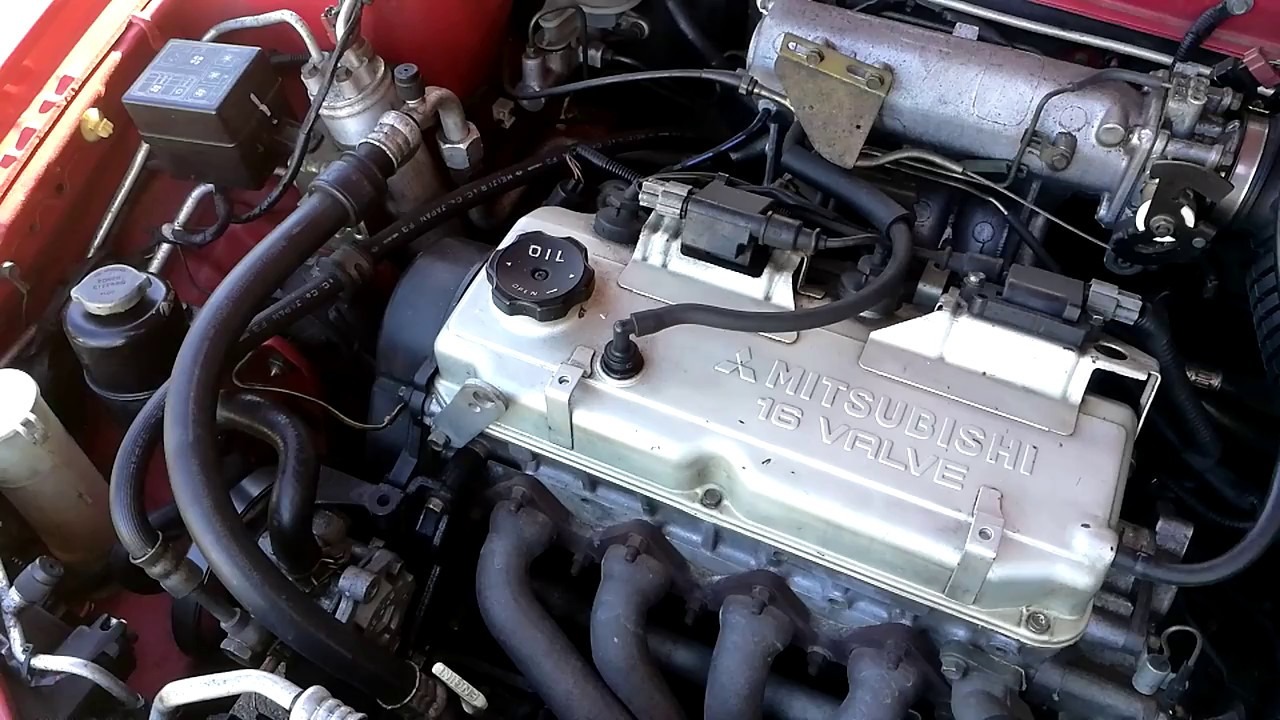
The Mitsubishi 4G93 single overhead cam version was designed mainly for economy and reliability in compact cars, not for performance. While there are DOHC and turbocharged versions of Mitsubishi’s four-cylinder family that respond well to upgrades, the SOHC 4G93 is not one of them.
A major problem with this engine is its weak bottom end. The pistons and connecting rods were built for efficiency, not for stress from higher compression or forced induction. When tuners attempt to add turbochargers or even aggressive camshafts, the internal parts often fail quickly. The block can also suffer from stress cracks if power levels are pushed too far.
Another limitation is the lack of aftermarket support. While some of Mitsubishi’s turbocharged engines, like the 4G63, have massive communities and strong parts availability, the SOHC 4G93 does not enjoy the same support. Few companies design tuning kits for this motor, and even finding reliable bolt-on parts can be difficult. This discourages beginners from even trying.
Heat management is also a concern. The SOHC 4G93 tends to run hot when stressed, which increases the chances of detonation and engine damage. To counter this, expensive cooling upgrades would be required, which goes against the idea of affordable tuning.
For daily driving in stock form, the 4G93 SOHC does its job well. It is economical and dependable when maintained properly. But once performance modifications are introduced, the weak internals and poor aftermarket support show their limits quickly.
This makes it one of those affordable engines that should be left untouched if tuning is the goal. Budget-conscious enthusiasts are better served by picking a more durable Mitsubishi engine like the 4G63, which has a proven record of handling big power.
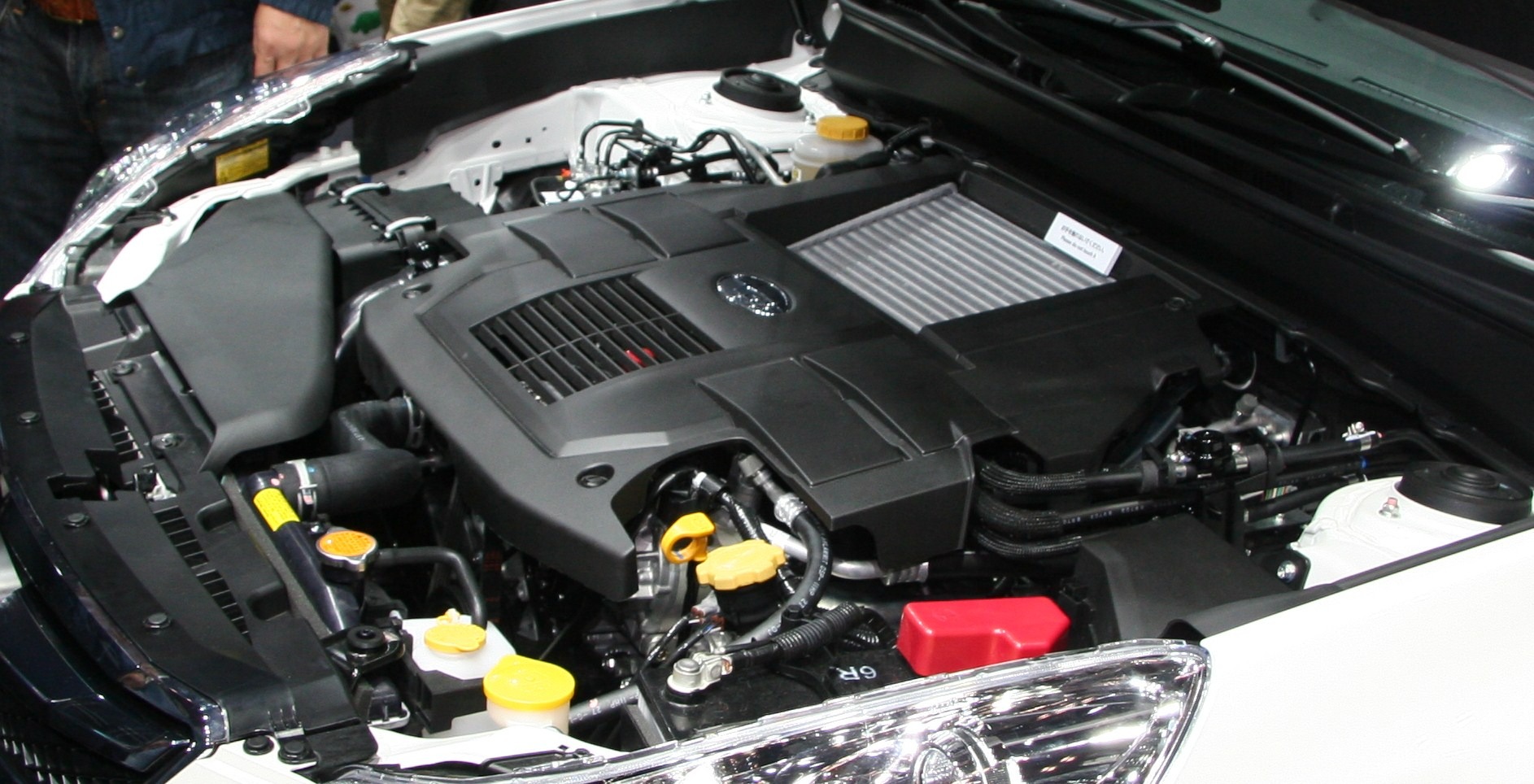
3. Subaru EJ25
Subaru’s EJ25 engine family has been both loved and criticised by car owners. Found in vehicles like the Impreza, Forester, and Legacy, it has powered many popular Subaru models. However, when it comes to affordable tuning, the EJ25 is often seen as a risky choice.
One major weakness is its tendency to suffer head gasket failures. This issue is common even in stock form, and adding more power through turbocharging or aggressive tuning only increases the risk. For budget builders, replacing head gaskets repeatedly becomes very expensive and frustrating.
Another issue is the strength of the internals. The EJ25 was never designed to handle very high boost pressures. While some versions came with turbochargers, they still faced durability problems when pushed hard. Connecting rods and pistons often fail when enthusiasts try to chase higher power levels without spending large amounts on forged replacements.
Heat management is another challenge. The boxer design of Subaru engines makes cooling more difficult, especially under heavy loads. This contributes to detonation and reliability problems when the engine is tuned beyond its safe limits.
Aftermarket support does exist for the EJ25, but most of the reliable upgrades are costly. That means anyone trying to modify this engine on a small budget is likely to face disappointment. Unlike engines such as the Honda B-series or GM LS, the EJ25 requires large investments just to keep it stable under power increases.
For people who want Subaru performance, it is better to save up for stronger options or maintain the EJ25 in stock form. Trying to tune it on a budget often leads to blown head gaskets, damaged internals, and a lot of wasted money. Because of this, the EJ25 is best avoided when looking for affordable engines that can take modifications.
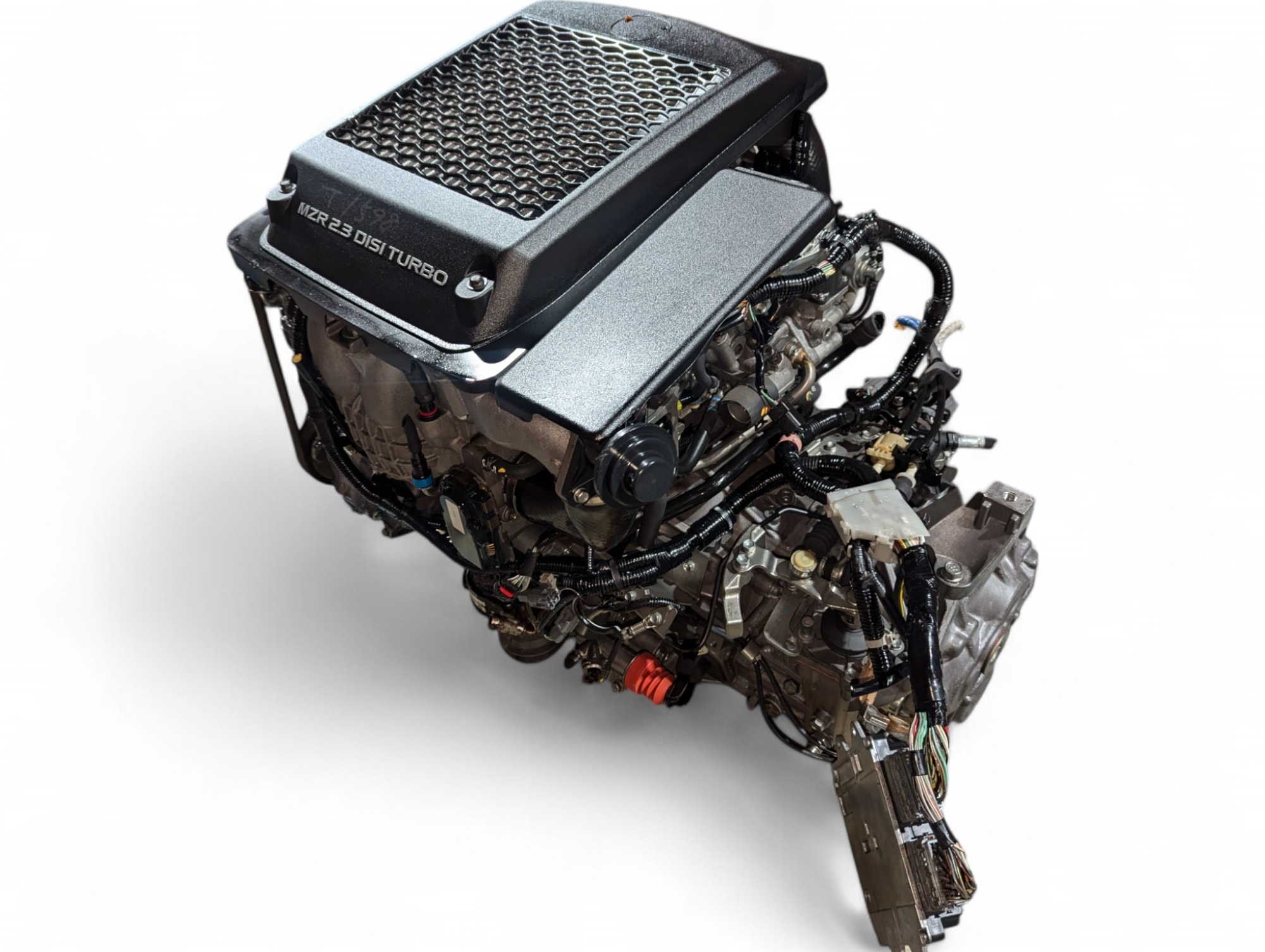
4. Mazda 2.3L MZR
Mazda’s 2.3L MZR engine is another example of an affordable motor that fails to deliver under tuning pressure. While Mazda engines like the rotary and some turbocharged SkyActiv motors have their loyal supporters, the naturally aspirated 2.3L MZR is not the right platform for budget performance builds.
The first weakness is its fragile internals. The pistons and rods cannot handle much stress beyond factory levels, making turbocharging or supercharging risky without major investments. Many owners who have attempted forced induction on this motor report broken rods or cracked pistons very quickly.
Another issue is the engine’s oil consumption problem. Even in stock form, the MZR has been known to burn oil, which becomes worse when power levels are increased. This leads to faster wear and higher maintenance costs, defeating the idea of a cheap and reliable build.
Aftermarket support is also limited compared to popular tuning engines. While there are performance parts available, the selection is not broad, and prices are relatively high. This discourages budget-conscious tuners who want an easy supply of affordable parts.
Heat management is another challenge. When pushed hard, the engine often struggles with overheating, and the cooling system needs expensive upgrades to remain stable. This adds even more cost to what was supposed to be a budget build.
For daily drivers who want a reliable stock engine, the 2.3L MZR can serve well. But as soon as modifications come into play, its weaknesses become clear. For anyone hoping to build a budget-friendly performance car, this engine should be skipped in favour of something with a stronger aftermarket presence and more reliable internals.
Also Read: 5 Affordable Engines That Sound Like V12s and 5 That Sound Like Blenders
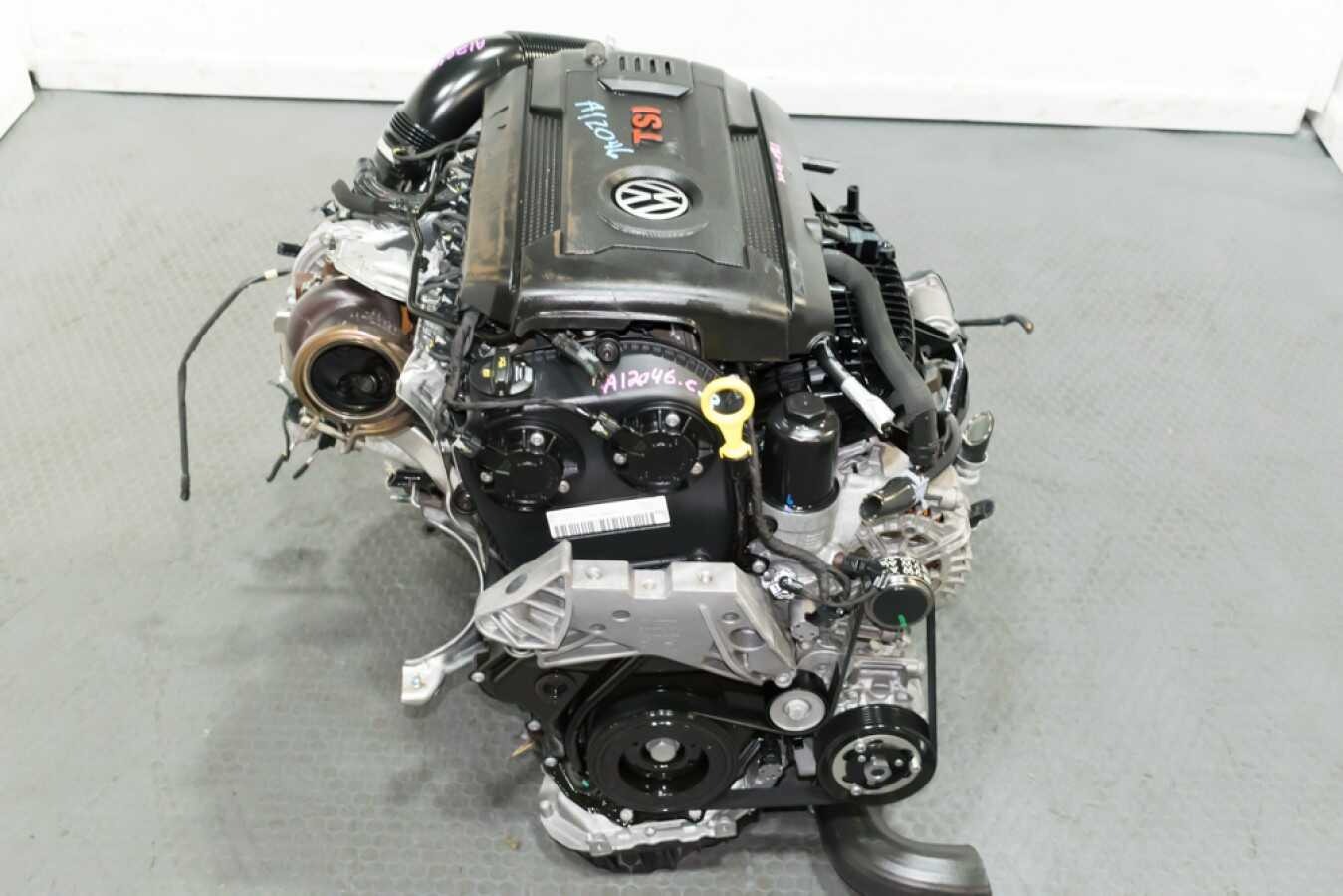
5. Volkswagen 2.0L SOHC
Volkswagen’s 2.0L SOHC engine, often referred to by enthusiasts as the “two-slow,” has long carried a reputation as one of the least rewarding engines to modify. Found in many entry-level VW models like the Jetta and Golf from the 1990s and early 2000s, it was designed for basic commuting, not performance.
The first problem is its low power potential. Even with bolt-on upgrades such as intakes, exhausts, or ECU tuning, the gains are minimal. Most tuners spend a lot of money for very little increase in horsepower, which makes the investment wasteful.
Another issue is the weak internals. The SOHC 2.0L lacks the strength to handle forced induction or high compression builds. Attempts to add turbochargers often fail unless the entire bottom end is rebuilt with forged parts, which costs more than buying a better engine from the start.
Aftermarket support also reflects its poor reputation. Unlike popular VW engines like the 1.8T or VR6, the 2.0L SOHC does not have strong community interest. This means limited parts availability and few guides for safe tuning. For beginners, this makes the process even harder.
Reliability is fine for stock use, but the engine was never designed for performance. It does its job as a simple commuter motor, but quickly runs into problems when modifications are introduced. For those who want an affordable VW platform to tune, the 1.8T is a far better option.
Because of its lack of performance potential, weak internals, and poor aftermarket support, the Volkswagen 2.0L SOHC stands out as one of the least rewarding engines to modify. Budget builders should avoid it if performance is the goal.
When it comes to tuning, not every affordable engine is created equal. Some engines, like the Honda B-series, Toyota 2JZ-GE, Nissan SR20DET, Ford 2.3L EcoBoost, and GM LS family, are well-loved because of their durability, aftermarket support, and ability to handle extra power without constant breakdowns. These engines prove that strong performance can come from budget-friendly platforms.
Others, such as the Chrysler 2.7L V6, Mitsubishi 4G93 SOHC, Subaru EJ25, Mazda 2.3L MZR, Volkswagen 2.0L SOHC, and Hyundai 1.6L Alpha, show the opposite. They might be cheap to buy, but they fail to handle tuning because of weak designs, poor aftermarket support, or reliability issues. For anyone on a budget, investing money into these engines often ends in frustration.
Choosing the right engine makes all the difference between a fun, affordable build and an expensive disappointment. By understanding which affordable engines can take modifications and which cannot, car enthusiasts can spend wisely and enjoy the rewards of performance tuning without constant repair bills.
