
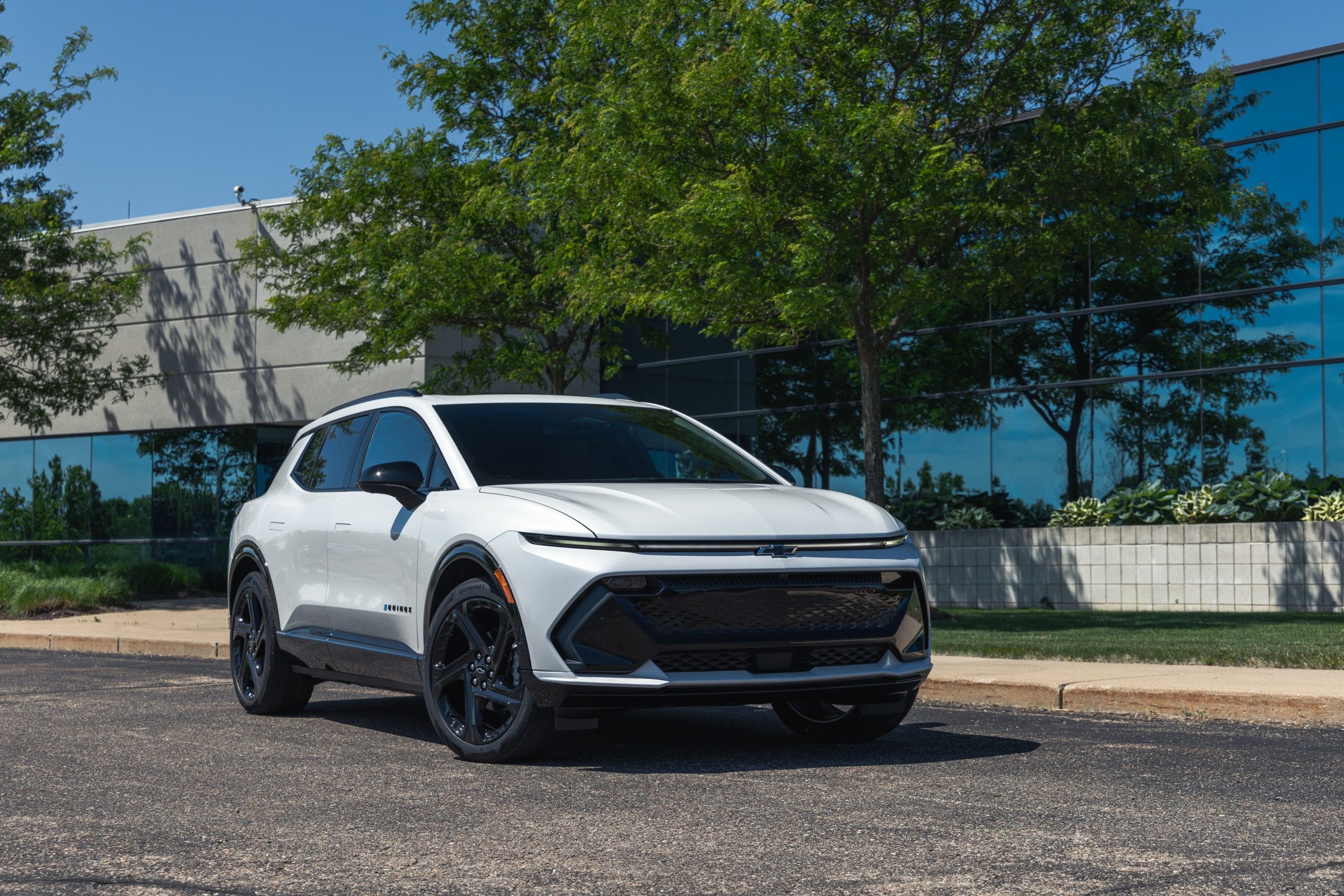
Electric vehicles have moved from being a rare choice for wealthy buyers to becoming a practical option that many people now consider. As the market for EVs grows, automakers are working hard to offer models that fit into different budgets while still delivering a sense of comfort and style.
Some affordable EVs give drivers the experience of riding in a car that feels much more expensive than its price tag. These vehicles combine design, performance, and technology in a way that makes owners feel they are driving something premium.
At the same time, there are other affordable EVs that focus mainly on giving a basic electric driving experience. These may be good for daily commuting, but they do not provide the refined touch that one would associate with luxury.
The differences between affordable luxury-like EVs and affordable basic EVs often come down to the design choices, the quality of the interior, the features offered, and how smooth the ride feels. For many buyers, the decision is not only about the price but also about whether the car gives them comfort and pride of ownership.
Some cars under thirty-five thousand dollars can surprise people with their classy details, advanced technology, and premium comfort. Others in the same price range might feel stripped down and only meet the minimum requirements of being electric.
5 Affordable EVs That Feel Luxury
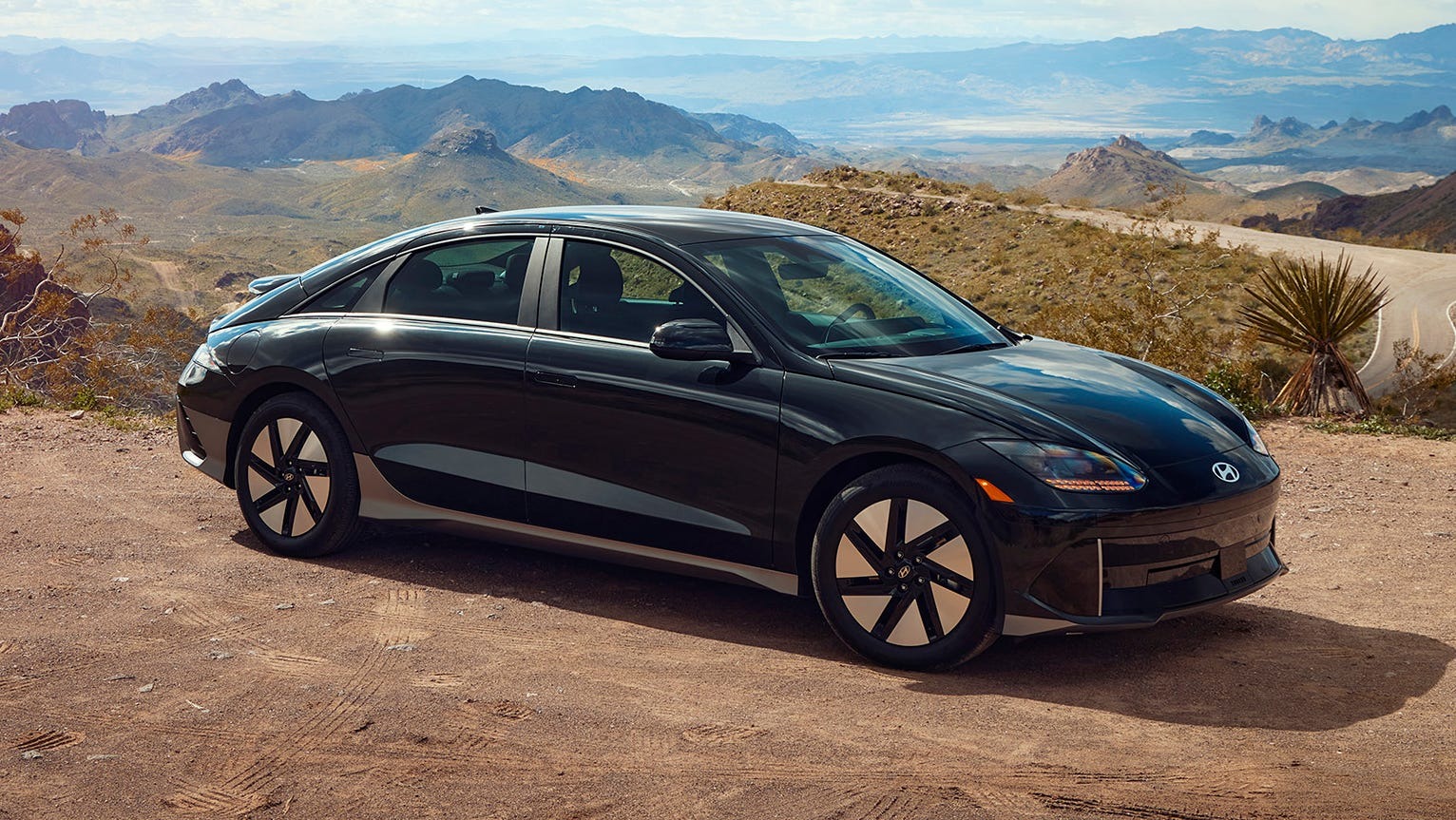
1. Hyundai Ioniq 6
Hyundai has made a strong impression in the electric market, and the Ioniq 6 is a perfect example of how an affordable EV can feel like a premium machine. The car carries a design that resembles high-end electric sedans that cost much more.
With its smooth shape, clean lines, and futuristic presence on the road, it gives the impression of something crafted with great attention to detail. Many drivers are surprised that the Ioniq 6 falls within an affordable price bracket because the car does not look or feel cheap.
Step inside the cabin and you are welcomed with a stylish interior that does not scream budget. Hyundai designed the Ioniq 6 with wide screens, soft-touch materials, and well-laid-out controls that give an impression of balance between technology and comfort.
The seats are designed to provide long-distance comfort, and the driving position feels like what you get in a higher-priced vehicle. The dual-screen setup on the dashboard offers a modern look that matches what you see in some luxury electric brands.
Performance is another reason this EV stands out. With strong acceleration, stable handling, and a quiet cabin, the Ioniq 6 behaves like a car from a more expensive class. It can cover long distances on a single charge, giving drivers confidence on road trips.
The car also includes advanced driver assistance features such as lane keeping assist, adaptive cruise control, and automatic emergency braking, which are not always standard in affordable vehicles. Hyundai also paid attention to efficiency and aerodynamics. The Ioniq 6 has a drag coefficient that matches some of the best luxury EVs, helping it deliver impressive range for its price.
Charging options are flexible, allowing both fast charging and home charging with reasonable times. For buyers who want an electric car that delivers both affordable ownership and a luxurious experience behind the wheel, the Ioniq 6 represents one of the strongest choices.
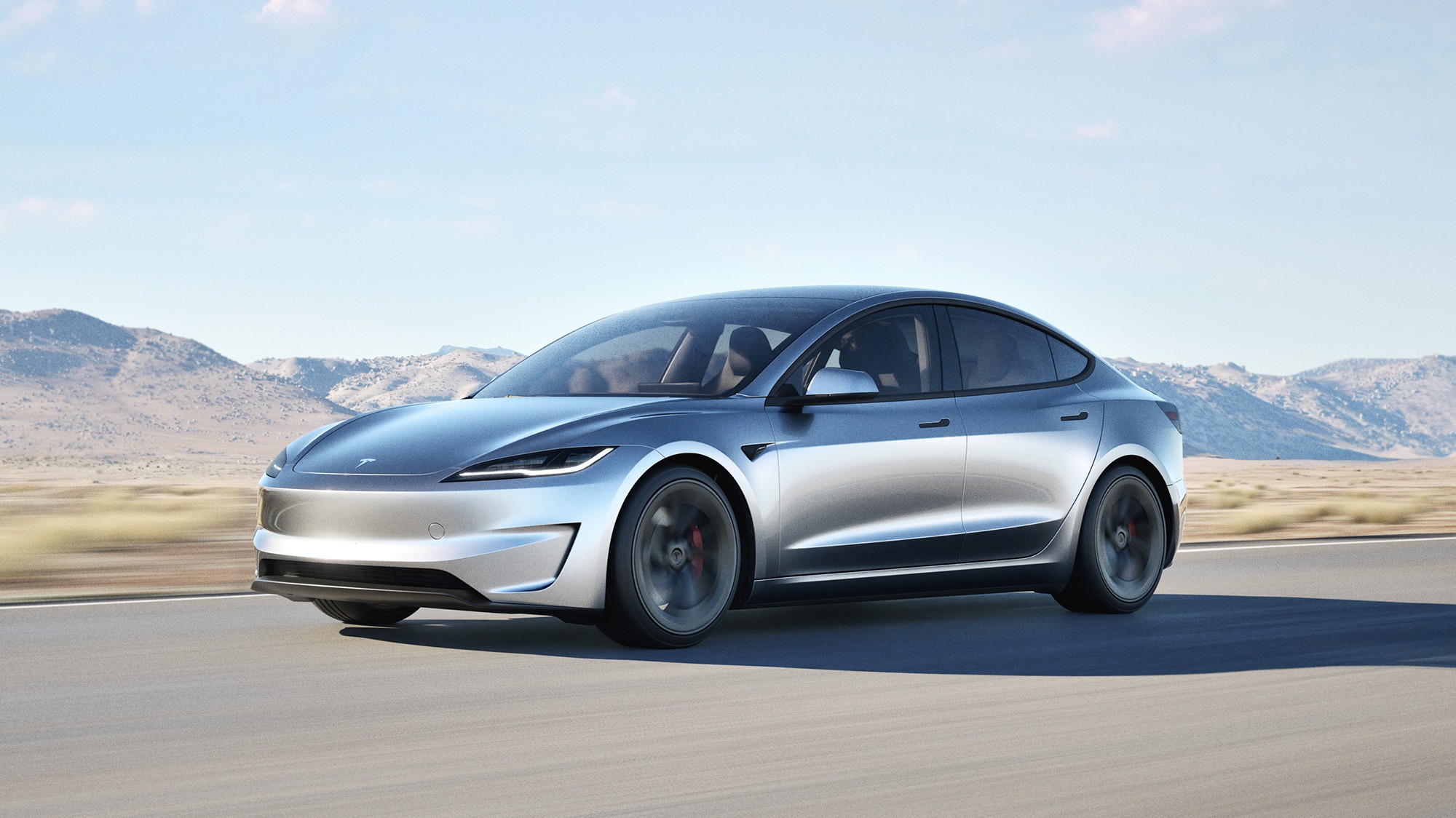
2. Tesla Model 3
Tesla’s Model 3 is often seen as the car that brought electric driving into the mainstream, and it continues to feel premium even though it is one of the brand’s entry-level models. The exterior styling remains clean and modern, carrying the recognizable Tesla look that has become associated with advanced electric technology.
Even after several years in the market, the Model 3 still turns heads and delivers a sense of prestige that few other affordable EVs can match. Inside the Model 3, minimalism defines the experience. The cabin is dominated by a large touchscreen that controls nearly everything, from climate settings to navigation.
While some people may need time to adjust, the result is a futuristic and uncluttered design that feels advanced compared to many traditional cars. The build quality has improved in recent years, and Tesla continues to refine how the car feels inside. The spacious layout and glass roof give the interior an open and airy feel.
Performance is where the Model 3 truly shines. Even the more affordable trims deliver quick acceleration and responsive handling, which makes it feel like a sport sedan rather than just a simple electric commuter.
The long-range versions provide travel distances that make road trips possible without constant charging stops. With access to Tesla’s Supercharger network, owners also benefit from convenient fast charging that enhances the practicality of the car.
Technology is another strong point. The software is updated regularly over the air, meaning the car continues to improve after purchase. The driving assistance system, while still requiring attention, gives a taste of the future of automated driving. For a price that undercuts many premium vehicles, the Tesla Model 3 offers a package that feels close to luxury in both design and performance.
For buyers looking for an affordable EV that feels futuristic and carries strong performance credentials, the Model 3 remains a leading option.
Also Read: 5 EVs With Bulletproof Tech and 5 With Glitchy Systems

3. Polestar 2
Polestar is Volvo’s electric performance brand, and the Polestar 2 shows how affordable pricing can still deliver a sense of high-class driving. Unlike some cars in this price range that look ordinary, the Polestar 2 carries Scandinavian-inspired design with sharp edges, elegant lighting, and a strong road presence. The car has a confident look that matches more expensive electric sedans, making it stand out among affordable options.
Stepping into the Polestar 2 feels more like entering a boutique-style cabin than a budget EV. The interior uses high-quality materials such as vegan upholstery, textured trims, and well-crafted seating that provide comfort during long drives.
The dashboard design is clean but still carries an aura of sophistication. The infotainment system is powered by Google, offering an easy-to-use interface with built-in apps like Google Maps and Assistant, which makes daily use simple and seamless.
Performance is another area where the Polestar 2 does not disappoint. Even in its single-motor version, it delivers smooth acceleration, while the dual-motor option gives it strong performance close to premium sport sedans.
The handling is balanced, and the car feels stable and secure on highways. This mix of performance and refinement makes the Polestar 2 feel like a car from a higher class. Range is also competitive, with versions that cover respectable miles on a single charge.
Fast charging options make it easy for owners to recharge during trips. Safety has always been a strong point for Volvo, and Polestar continues that tradition by including advanced driver assistance systems that create a sense of confidence.
The Polestar 2 is not just another affordable EV. It is a vehicle that allows drivers to experience design, performance, and technology in a way that feels premium while staying within a reasonable budget.
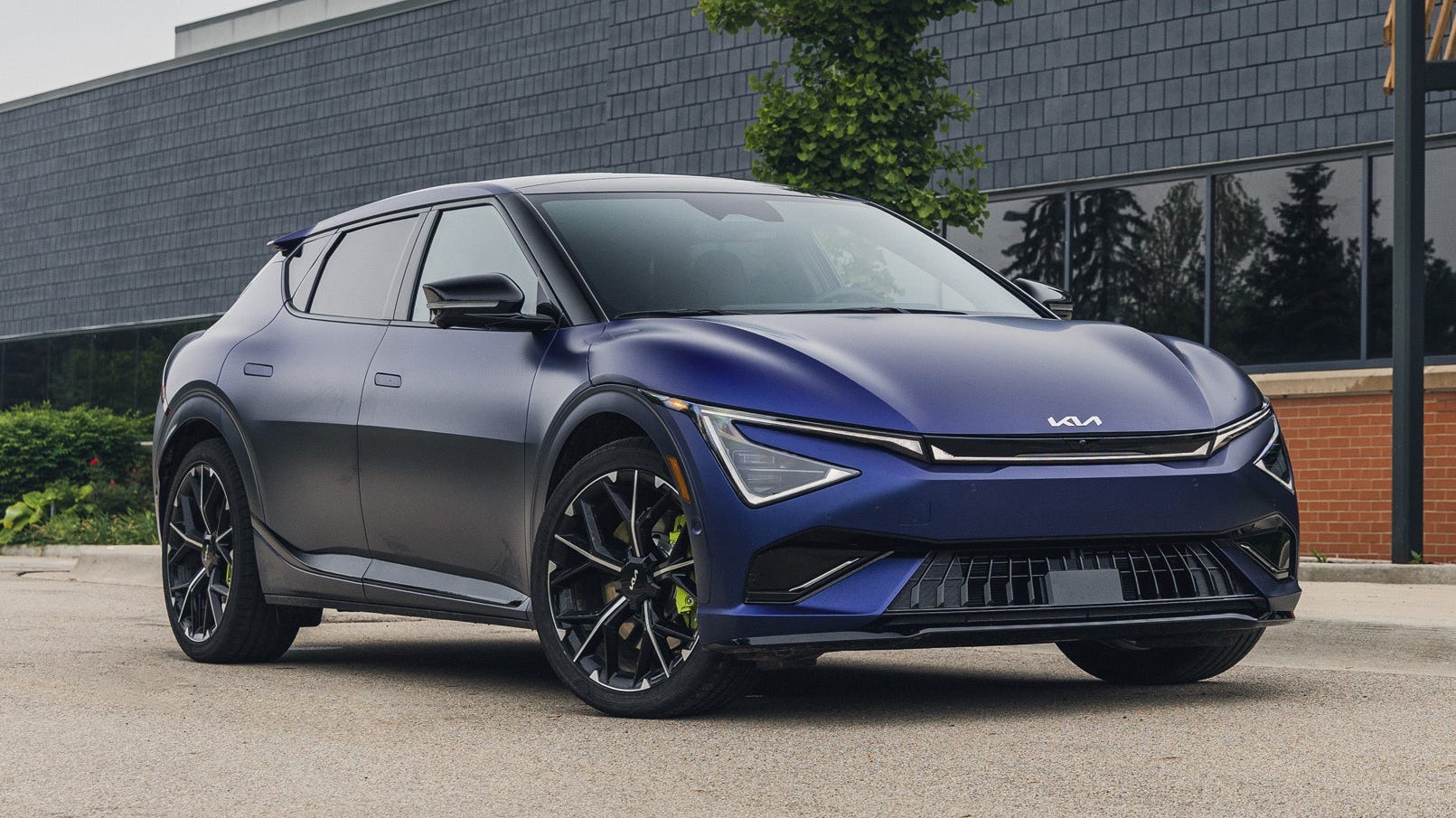
4. Kia EV6
Kia has transformed its image over the years, and the EV6 is proof that the company can deliver affordable electric vehicles that carry premium qualities. The EV6 has a futuristic design with sharp styling, bold lighting patterns, and a stance that gives it a sporty character.
It looks far removed from the traditional budget cars many people associate with Kia, and instead places itself closer to luxury crossovers in appearance. Inside, the EV6 continues to surprise. The cabin has a driver-focused layout with twin curved screens that combine digital instrument display and infotainment functions.
Materials are soft to the touch, and Kia has designed the interior with a sense of style and comfort that feels beyond its price point. Space is generous, and the seating position is supportive, making it easy to enjoy both short and long drives.
Driving the EV6 feels refined. The car offers strong acceleration, especially in the higher trims, but even the standard versions provide smooth power delivery. Handling is sharp for a crossover, and the ride quality is tuned to provide comfort without feeling disconnected from the road.
The cabin remains quiet even at highway speeds, giving passengers the experience of riding in a car that feels well-insulated and refined. The EV6 also shines with its charging capability. It uses an 800-volt system that allows for very fast charging, a feature usually reserved for higher-priced EVs.
This means drivers can recharge quickly during long journeys, which makes the EV6 practical as well as stylish. Kia also provides advanced safety technology such as blind-spot monitoring, forward collision warning, and adaptive cruise control, making the EV6 a smart and safe choice.
All these qualities make the EV6 feel more like a luxury electric crossover than an affordable one. It is an EV that brings premium style and technology to a price range that many buyers can reach.
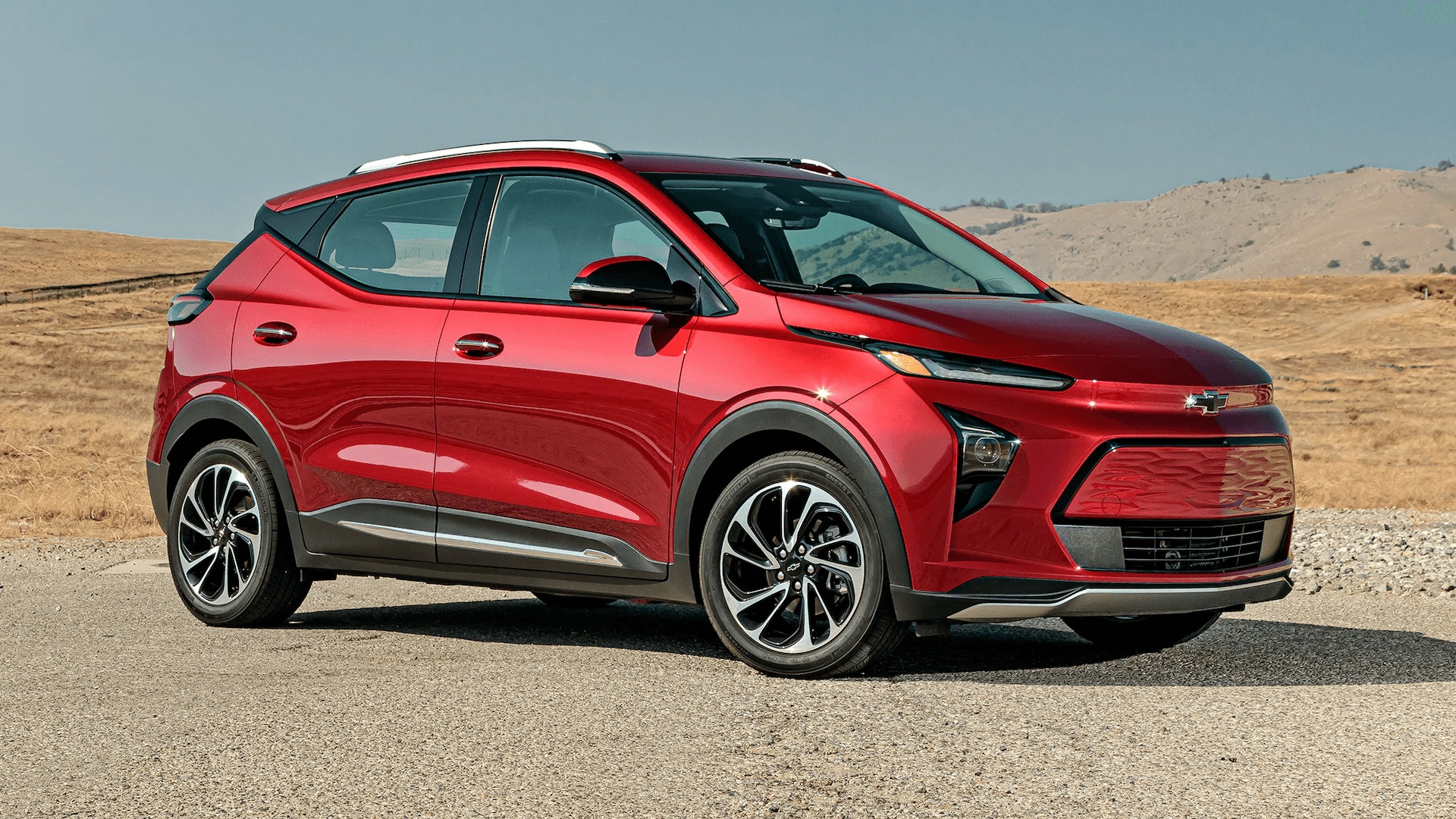
5. Chevrolet Bolt EUV
Chevrolet’s Bolt EUV may not have the futuristic look of some rivals, but it delivers a strong sense of comfort and technology for its price. The Bolt EUV is slightly larger than the standard Bolt EV, giving it more interior room and a sense of space that many drivers appreciate. Its styling may not scream high-end, but the clean lines and modern details still give it a polished appearance that stands above basic options.
The interior is where the Bolt EUV shines. Chevrolet gave it a comfortable cabin with supportive seats and a straightforward layout that feels practical but still well-designed. The presence of soft materials and good ergonomics makes it comfortable for daily driving.
The infotainment system is easy to use, with a responsive touchscreen that integrates Apple CarPlay and Android Auto without additional cost. The entire feeling inside is one of comfort and functionality that can be compared to higher-priced cars.
Performance is solid, with the Bolt EUV providing smooth acceleration and quiet operation. It is not as sporty as some luxury-like EVs, but it has a calm and refined driving character. The ride is comfortable, and the handling is predictable, making it easy for both city and highway driving.
Range is another advantage, with the car capable of covering respectable miles before needing a recharge. Charging options are flexible, and while it may not match the very fast charging of some competitors, it still offers good convenience for most drivers.
What makes the Bolt EUV feel luxury-like at its price is the technology it brings. One of the highlights is the availability of GM’s Super Cruise system, a driver assistance feature that allows hands-free driving on certain highways. This type of feature is normally reserved for premium vehicles, but Chevrolet offers it in a car that is within reach of many buyers.
The Bolt EUV balances affordability with features that make drivers feel they are getting more than just a basic EV. For those who want comfort, technology, and range without paying premium-brand prices, the Bolt EUV is a solid choice.
5 Affordable EVs That Feel Basic
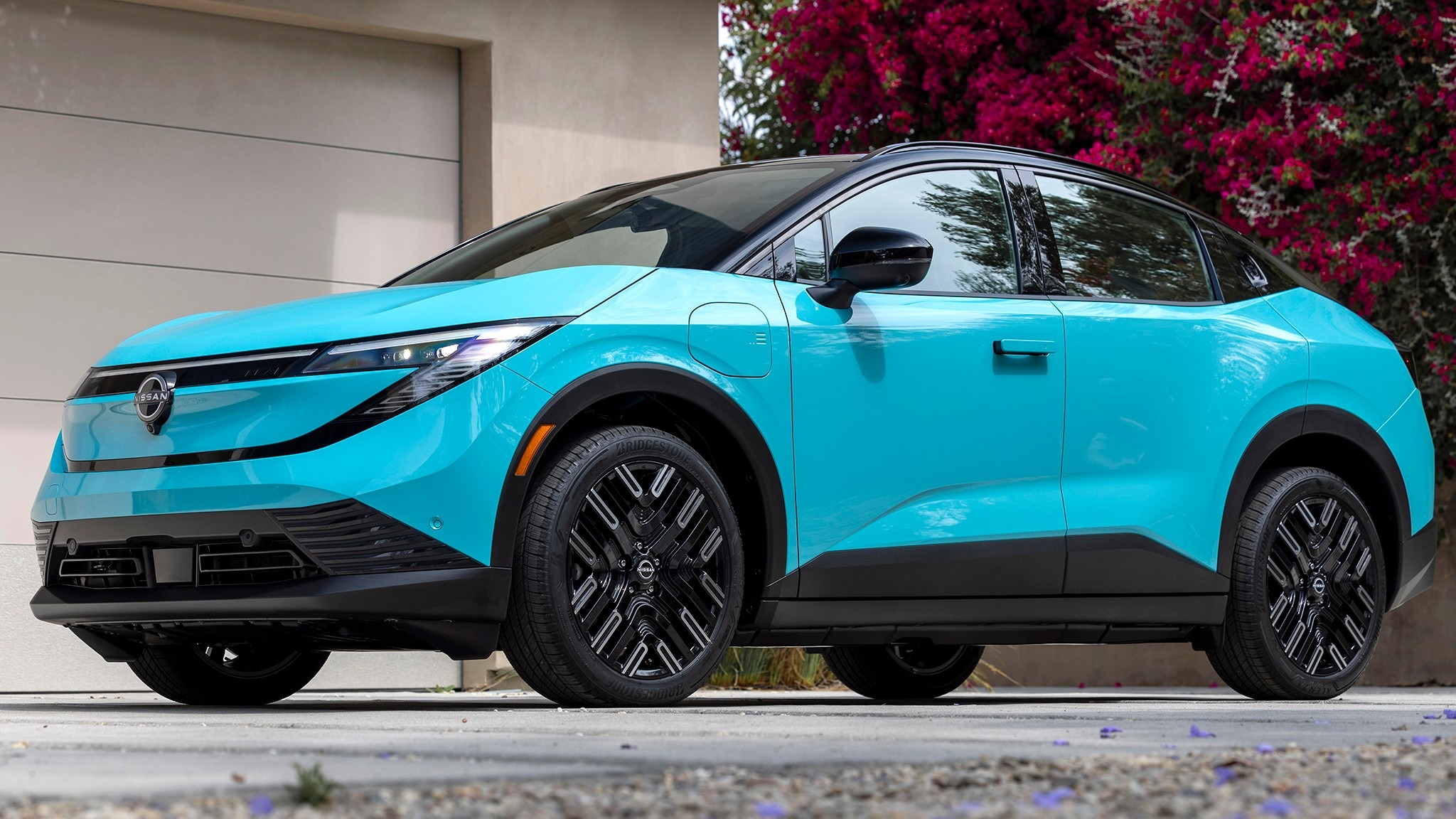
1. Nissan Leaf
The Nissan Leaf has been around for many years and played a huge role in making electric cars available to everyday drivers. While it was once considered advanced, its design and features now feel dated when compared to newer EVs.
The exterior has a simple hatchback look that does not carry the same stylish appeal as many modern electric cars. It feels more functional than classy, which makes it look basic compared to others in its price range.
Inside the Leaf, the cabin is straightforward and practical, but it lacks the premium touch that some affordable EVs now provide. The materials used are mostly hard plastics, and although the seats are comfortable, the design does not give a sense of luxury.
The dashboard has a small infotainment screen that feels old-fashioned compared to the large displays found in newer models. While it does come with Apple CarPlay and Android Auto, the system feels less advanced and slower in response.
When it comes to performance, the Leaf offers decent acceleration for city driving, but it does not deliver the strong power that some newer affordable EVs provide. The handling is easy, but the ride quality feels average, and there is no sense of excitement when driving. The cabin can also become noisy at higher speeds, reducing the sense of refinement that some buyers look for.
The range of the Leaf is one of its biggest drawbacks. While it works well for short commutes, it falls short compared to many newer models in the same price category. Charging speed is also limited, which makes long-distance travel less convenient.
The Nissan Leaf is a reliable option for basic electric driving, but it no longer feels modern or stylish. For buyers who just want a simple EV to handle short daily trips, it is acceptable, but those searching for comfort and a luxury-like touch will find it lacking.
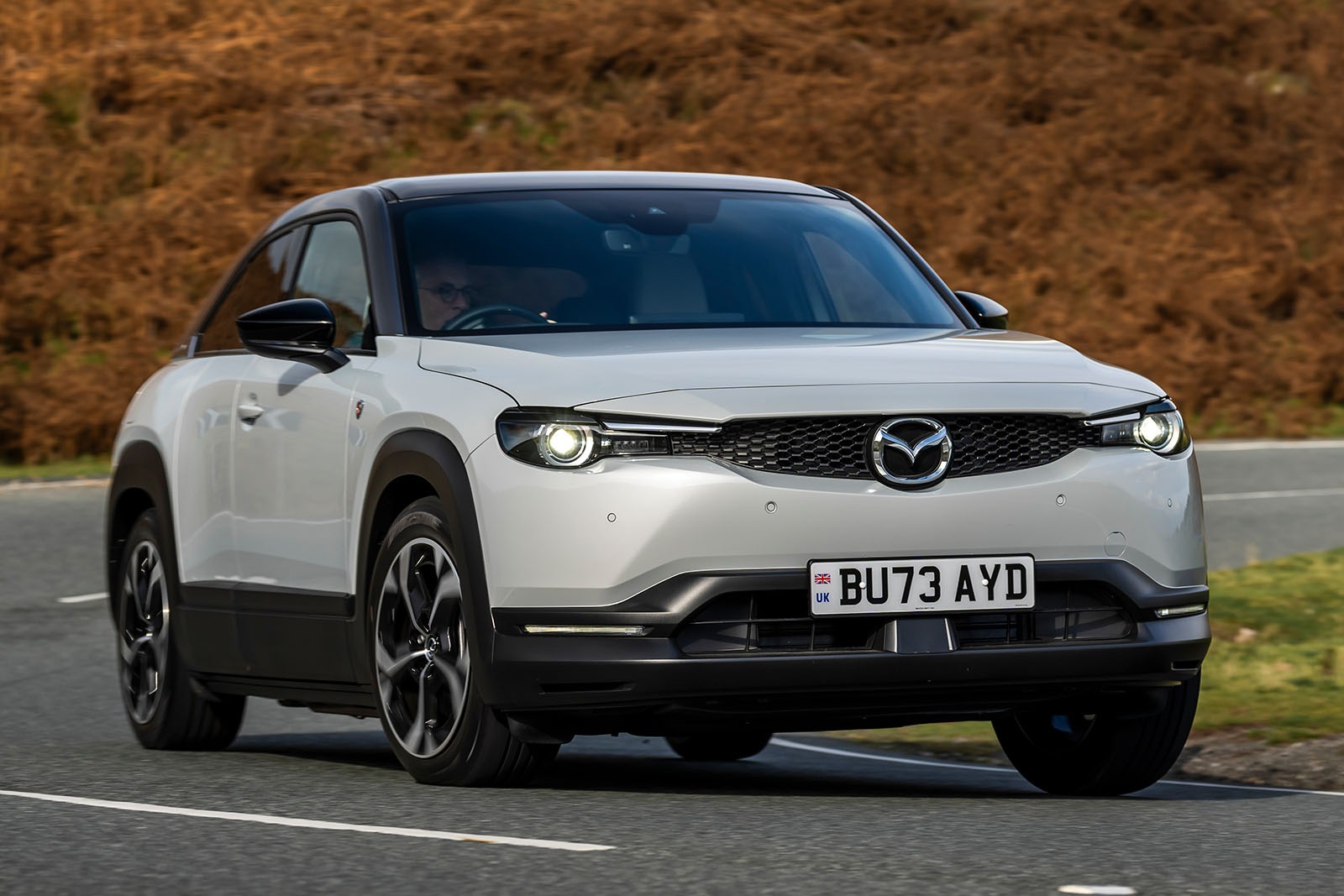
2. Mazda MX-30
Mazda is respected for building stylish cars with enjoyable driving dynamics, but the MX-30 EV feels underwhelming compared to the expectations many buyers have. On the outside, the design is interesting with its coupe-like roof and unique rear-hinged doors, but the car’s limitations become clear once you look closer at what it offers.
The interior has some stylish elements, such as cork accents and modern seating, but the space is limited, especially in the back seats. The unusual rear doors make entry and exit less practical, especially for families.
While Mazda tried to give the MX-30 a premium vibe, the lack of space and practicality makes it feel less impressive. The infotainment system is controlled through a rotary dial instead of a touchscreen, which some drivers may find old-fashioned and less convenient.
Performance is where the MX-30 struggles most. The electric motor delivers modest power, which makes acceleration feel slow compared to many other affordable EVs. This lack of power gives the car a basic driving experience rather than something engaging or refined. The handling is balanced, as expected from Mazda, but the limited performance does not match the brand’s reputation for sporty driving.
The biggest drawback is the driving range. With less than 120 miles per charge, the MX-30 has one of the lowest ranges of any EV on the market. This makes it impractical for long drives and even stressful for daily commuting if charging stations are not easily available. Charging speeds are also not impressive, which adds to the inconvenience.
Mazda aimed to bring style into the EV market with the MX-30, but the car ends up feeling more basic because of its poor range and limited performance. For buyers seeking a practical electric car, there are better choices in the same price bracket.
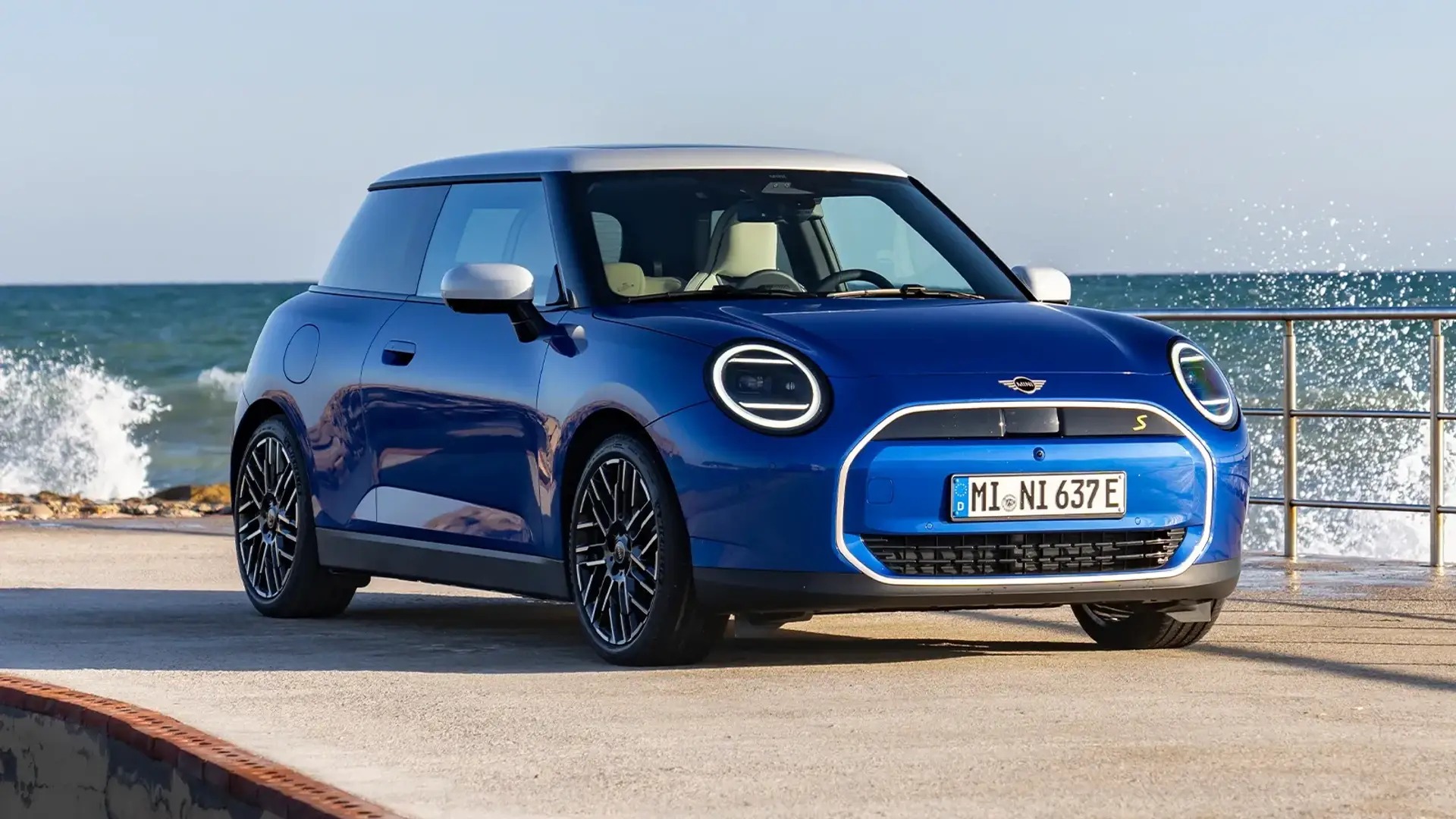
3. Mini Cooper SE
The Mini Cooper SE is a small electric car that carries the same design identity as the gas-powered Mini. While it looks stylish and has a fun personality, it feels basic when compared to other affordable EVs on the market. Its biggest limitation is range, which makes it less practical for drivers who need more than just a short city car.
The exterior design is attractive, keeping the classic Mini look that many people love. However, the small size makes it less versatile for families or drivers who need more space. Inside, the cabin is compact with a playful design, but the rear seats and cargo area are very limited.
The infotainment system has a circular display that looks unique, but the system itself feels average compared to the larger and more advanced setups in rivals. Driving the Mini Cooper SE can be enjoyable because of its go-kart-like handling.
It feels nimble in city streets, and acceleration is quick at lower speeds. However, the small battery means the car can only travel about 110 miles before needing a recharge. This limitation makes it feel basic, especially when other affordable EVs now offer double or even triple that range.
Charging speed is reasonable for the size of the battery, but the limited range means more frequent charging stops, which reduces convenience. The car is best suited for urban use, but outside the city, it quickly shows its weaknesses.
For buyers who want a small electric car that feels stylish and fun for short distances, the Mini Cooper SE can be appealing. However, for those who expect an affordable EV to provide more practicality, comfort, and long-distance ability, the Mini Cooper SE feels basic and limited.
4. Fiat 500e
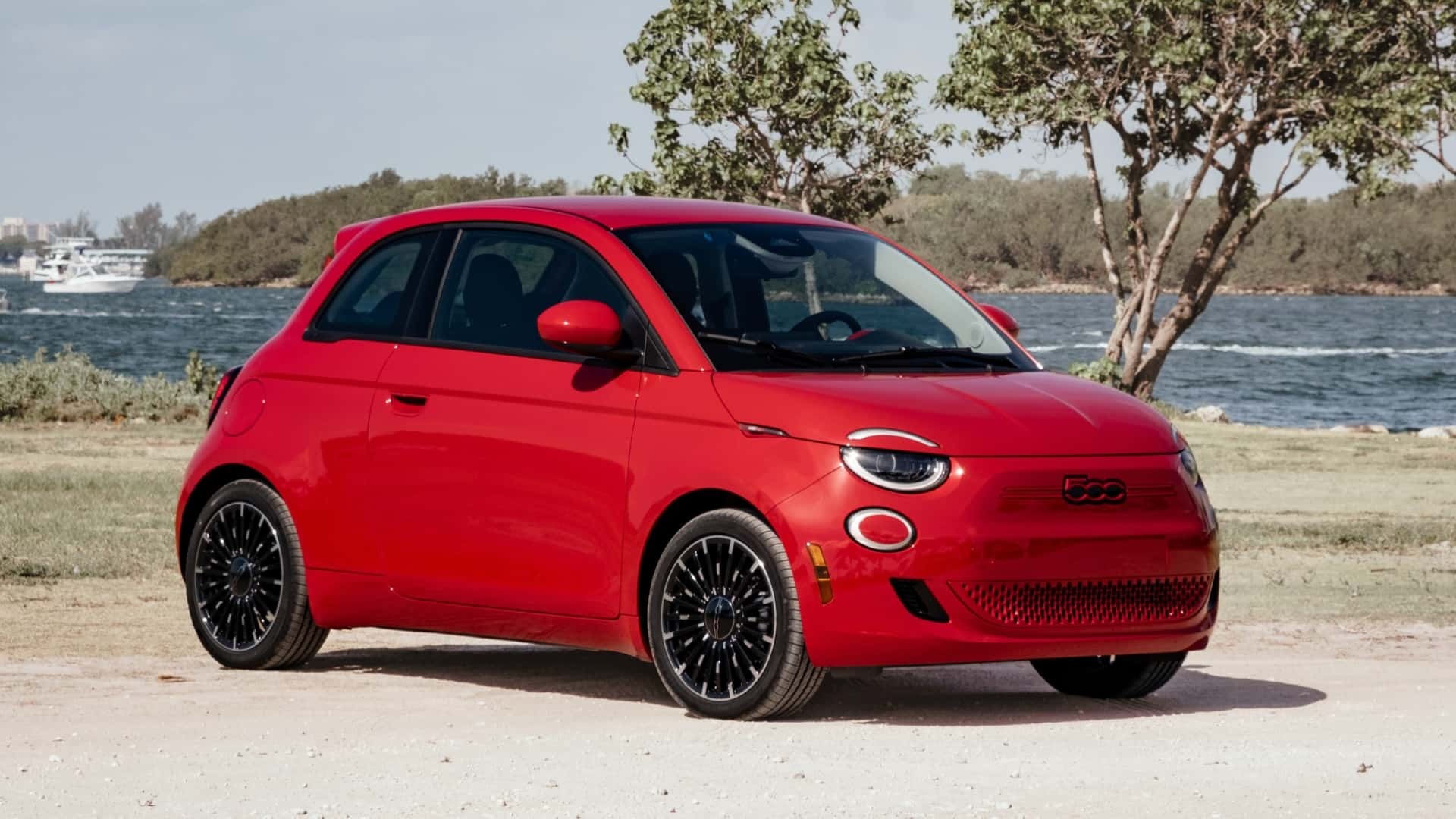
The Fiat 500e is one of the smallest electric cars available, and while it attracts attention with its cute styling, it feels very basic compared to what many affordable EVs now offer. The design sticks to the traditional 500 look, which is fun and playful, but the limited size makes it more of a city-only car. For drivers who want space, comfort, and technology, the 500e feels too simple.
Inside the cabin, the Fiat 500e tries to balance charm with modern features. The dashboard has a digital cluster and a small infotainment screen, but the entire layout feels minimal and not as refined as other cars in the same price category.
Space is very tight, especially for passengers at the back, and the cargo area is only enough for a few grocery bags. The materials used are functional but do not give the impression of something premium or durable.
Performance is another area where the 500e feels limited. The electric motor provides enough power for city use, but it quickly struggles on highways. The car is designed for short trips, and it becomes clear once you push it beyond that environment. Handling is fine for city streets, where its small size makes parking and maneuvering easy, but it does not deliver the stability or comfort required for longer journeys.
The biggest drawback is the driving range. With a battery that provides less than 150 miles per charge, the Fiat 500e restricts drivers to short commutes. Charging is relatively simple because of the small battery, but the need to recharge more often reduces convenience.
The Fiat 500e works as a cheerful second car for city driving, but for buyers who want a main vehicle that feels comfortable, spacious, and premium, it comes across as basic. Its charm lies only in its looks and small size, not in its ability to deliver a complete electric driving experience.
Also Read: 5 EVs That Survive Hard Winters and 5 That Hate the Cold
5. Honda e
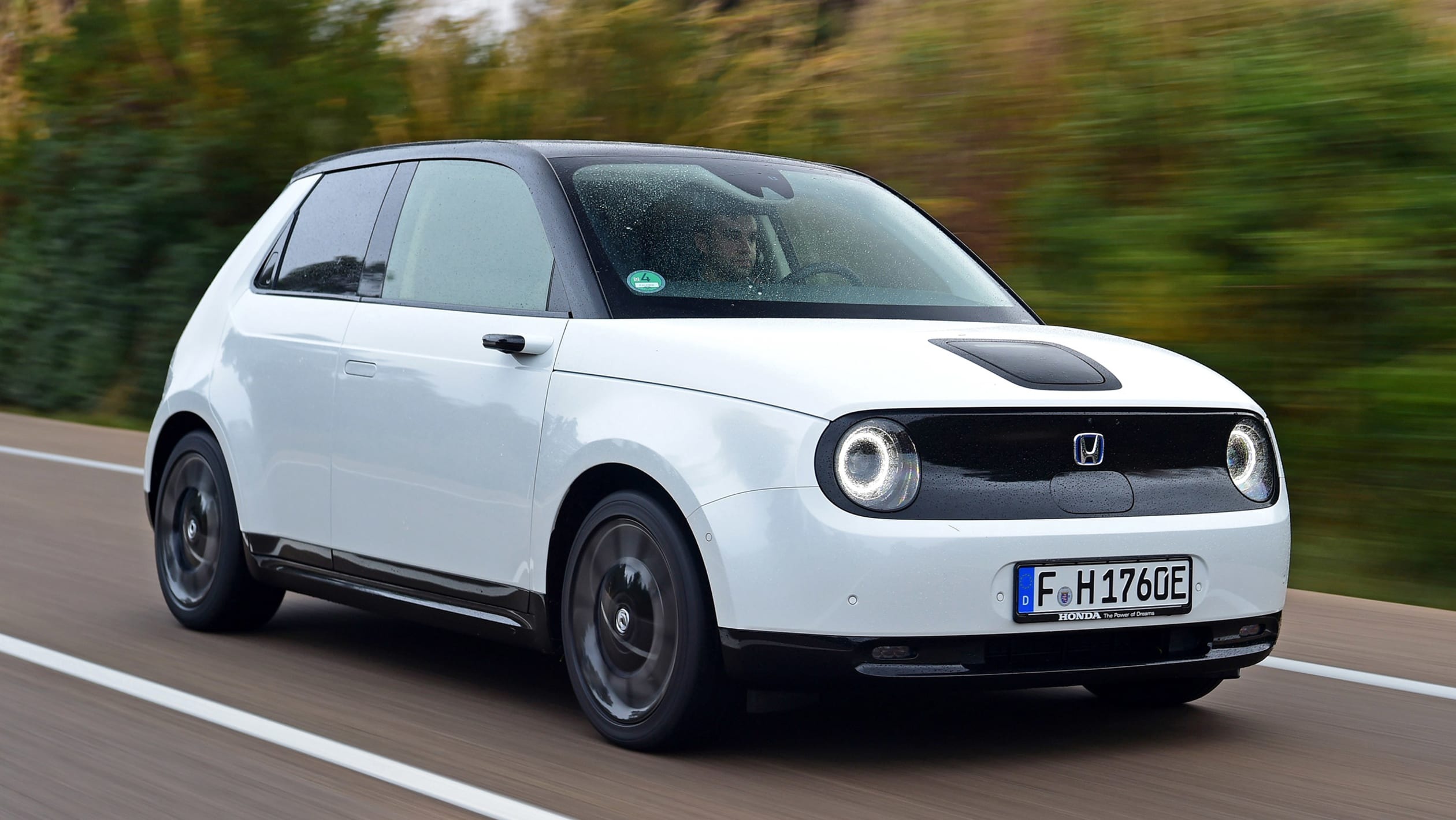
The Honda e is a stylish little EV that has received attention for its cute retro-inspired design. While it looks unique and modern from the outside, the car falls short when judged by the standards of practicality and range. It feels basic because of its limitations, even though it has appealing design touches.
The exterior design is eye-catching, with round headlights and a smooth shape that reminds many people of classic city cars. Inside, the cabin is one of the car’s strongest points. Honda included wide digital screens across the dashboard, creating a futuristic feel.
The seats are comfortable, and the layout is simple but stylish. However, the interior space is limited, with small rear seating and little cargo room. This makes the car less versatile for everyday use beyond city driving.
Performance is decent for short distances. The Honda e delivers quick acceleration in urban areas and handles well thanks to its compact size. It feels fun to drive at low speeds, giving it some charm for city use.
However, the range is its biggest weakness. With less than 140 miles per charge, it falls behind many other affordable EVs that now offer 250 miles or more. This makes the Honda e impractical for those who want an EV that can handle more than just local errands.
Charging speed is fair for its size, but the limited range means more frequent stops, which many buyers find inconvenient. While the technology inside gives the Honda e a modern look, the car itself feels basic once you consider how limited it is in space and distance.
Honda built the e to stand out in design and technology, but when it comes to being a practical, affordable EV, it feels more like a stylish toy than a complete everyday vehicle. For buyers who want a full package with comfort, space, and range, the Honda e does not deliver enough to escape the basic category.
Affordable EVs are no longer rare, and buyers now have a variety of choices depending on what matters most to them. Some models manage to deliver comfort, technology, and design that make them feel like they belong to a more expensive class.
As electric cars continue to grow in popularity, the line between budget and premium will keep shifting. For now, those looking for affordable EVs that carry a luxury-like experience have several good choices, while others may settle for simpler models that only cover the basics.
Either way, the presence of these options shows that electric driving is no longer limited to a few expensive brands but has become accessible to a wider audience.
