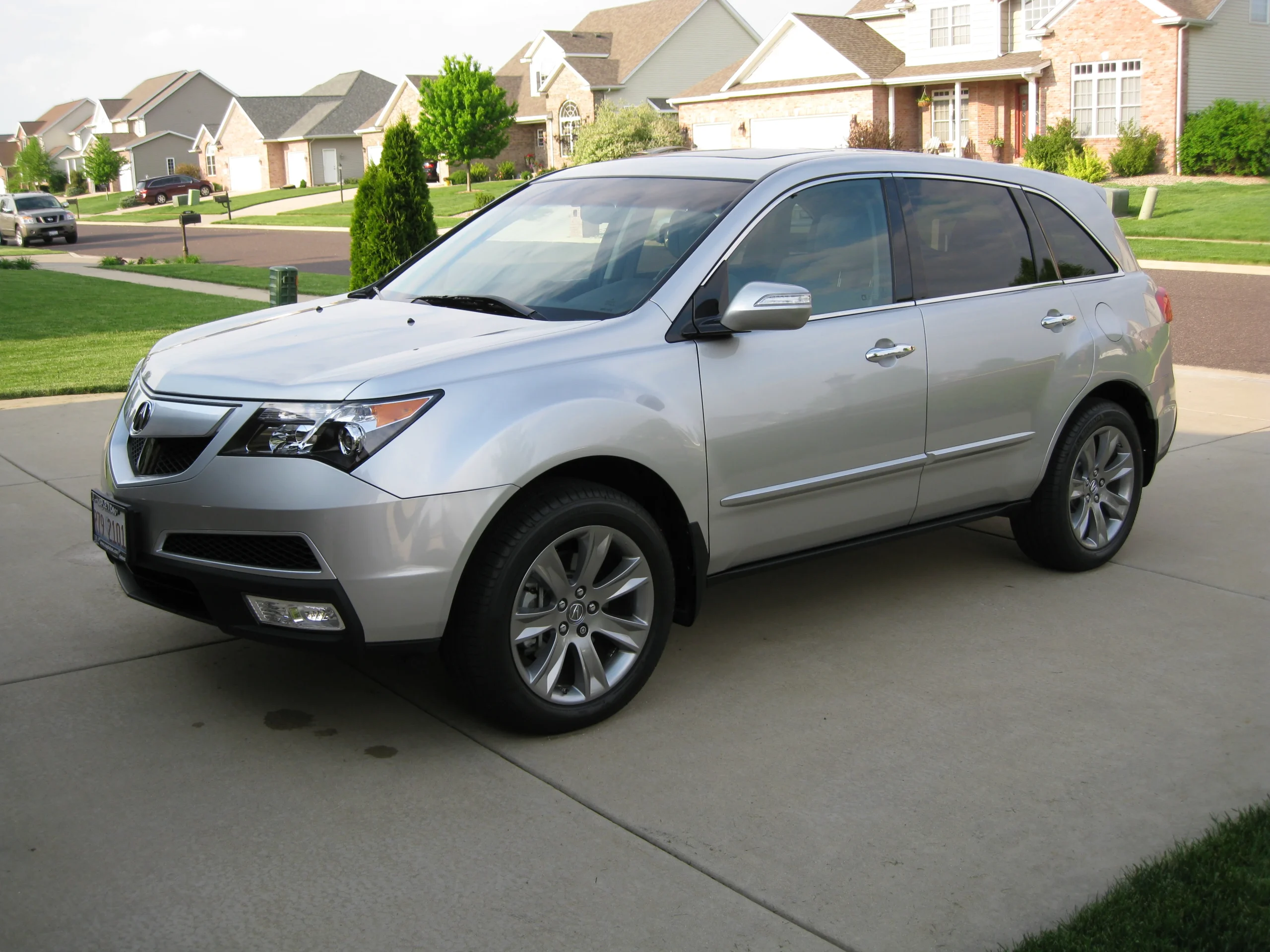
The Acura MDX has long held a reputation as a versatile and dependable luxury midsize SUV, blending performance, comfort, and advanced technology into a package appealing to families and driving enthusiasts alike.
Over its multi-decade production history, certain model years have stood out for their reliability, innovative engineering, and overall value, while others have drawn criticism for costly repairs and persistent mechanical issues.
From the sporty 2007 MDX that introduced the acclaimed SH-AWD system to the modern 2022 MDX Type S delivering turbocharged performance with premium features, some years have solidified the MDX’s position as a leader in its class.
Conversely, other model years including early first-generation models and some recent trims have struggled with engine, transmission, and electronic problems that can lead to expensive repairs.
This article explores the five Acura MDX model years worth buying, highlighting their strengths, and five years to approach with caution due to reliability concerns.
5 Acura MDX Years Worth Buying
1. 2007 Acura MDX
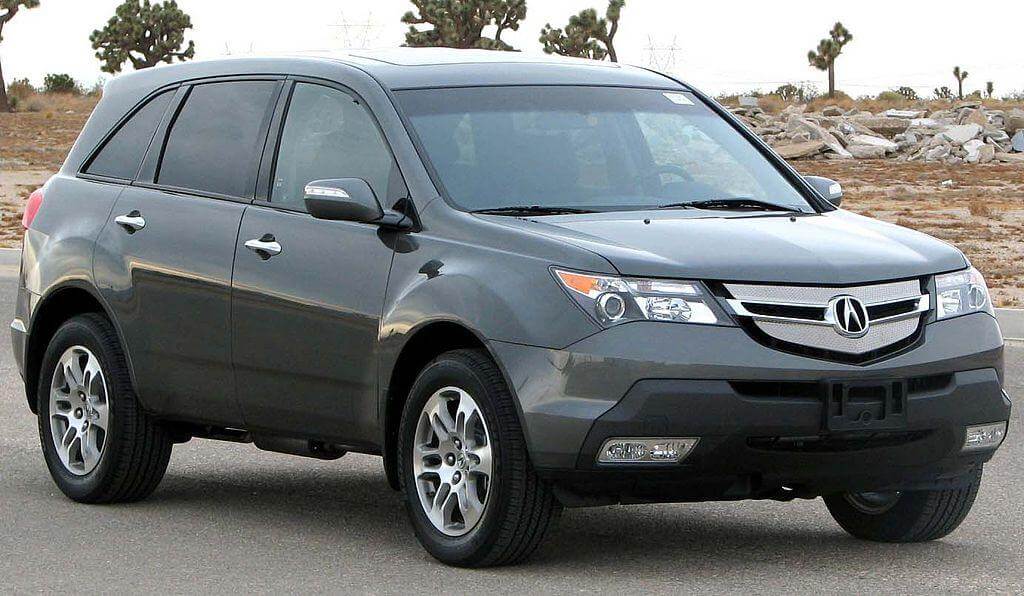
The 2007 Acura MDX marked the debut of the second-generation YD2 platform, representing a significant leap forward from its predecessor.
Despite being the first year of a new generation, often a period when vehicles experience reliability issues, the 2007 MDX proved remarkably well-engineered, with only one minor recall logged by the NHTSA.
This recall involved an optional bike rack with a finger-pinch hazard, which did not affect the SUV’s core reliability. As a result, the 2007 model year is widely regarded as one of the best years for Acura’s luxury midsize SUV, blending dependability with an array of performance and comfort upgrades.
Under the hood, the 2007 MDX introduced Acura’s largest and most powerful V6 engine to date a 3.7-liter powerhouse producing 300 horsepower and 275 pound-feet of torque.
Paired with a five-speed automatic transmission featuring SportShift manual mode, the engine delivered athletic performance while maintaining respectable fuel economy.
Enhancing its driving dynamics, Acura equipped the MDX with a newly developed chassis and the advanced Super Handling All-Wheel Drive (SH-AWD) system, which could distribute torque not only between the front and rear but also side to side.
This engineering innovation gave the MDX exceptional traction, cornering agility, and stability, elevating it into direct competition with luxury performance SUVs like the BMW X5 and Porsche Cayenne.
Safety was a central focus for Acura in the 2007 MDX. Standard safety equipment included front seat-mounted side airbags, full-length curtain airbags, stability control with trailer stability assist, active head restraints, and antilock brakes with brake assist.
A tire-pressure monitoring system further enhanced driver awareness. On the road, the MDX impressed with its nimble handling, particularly when equipped with the Sport package, which featured two-mode dampers that adapted to driving conditions.
This combination of power, control, and safety features gave drivers confidence whether tackling winding roads, towing loads up to 5,000 pounds, or simply commuting through city streets.
Inside, the 2007 MDX offered a premium cabin with seating for seven, blending comfort and versatility with Acura’s hallmark attention to detail. Standard features included tri-zone climate control, Bluetooth connectivity, and an eight-speaker audio system with XM satellite radio and auxiliary input.
Buyers could also opt for high-end amenities such as a navigation system with real-time traffic, a rear-seat entertainment system, and surround sound audio. With folding second- and third-row seats, cargo capacity expanded from 15 cubic feet to a generous 83.5 cubic feet, making the MDX as practical as it was luxurious.
This blend of performance, safety, and comfort positioned the 2007 Acura MDX as one of the strongest contenders in the luxury midsize SUV market, rivaling even its most established European competitors.
2. 2018 Acura MDX Hybrid
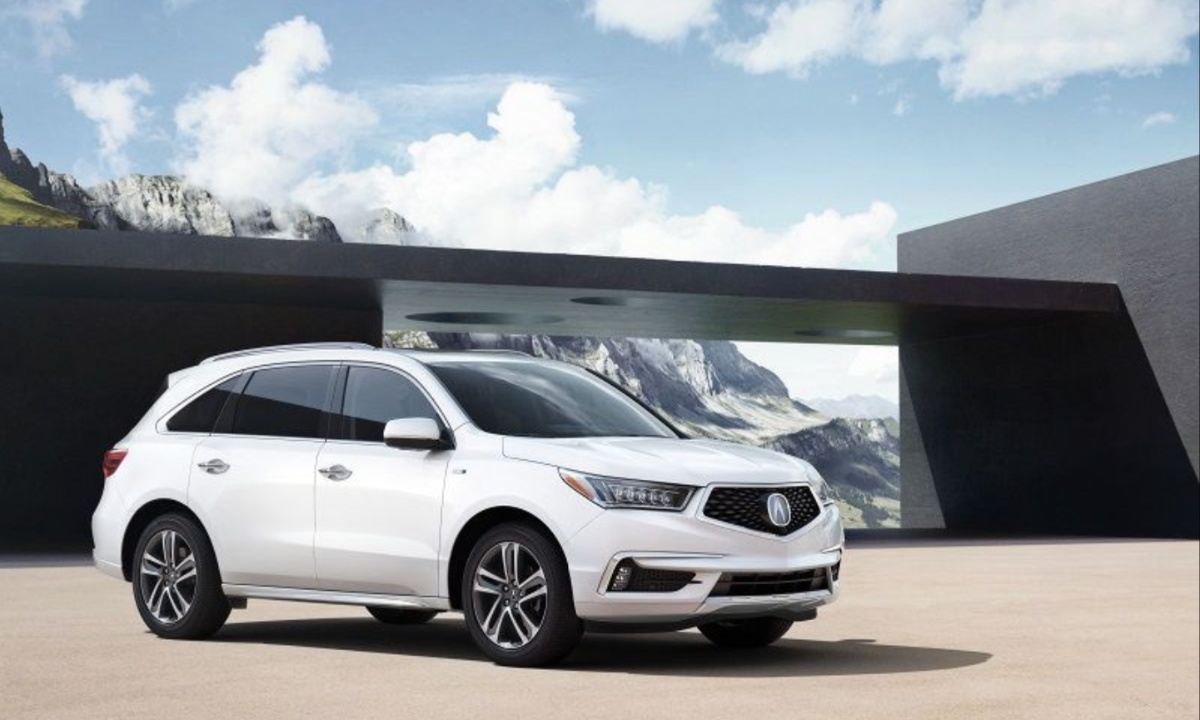
The 2018 Acura MDX Hybrid may not appear at first glance as one of the standout model years, since the standard version was subject to several recalls. However, the Sport Hybrid trim fared much better, with only two recalls, and the standard Hybrid just one.
Combined with very few owner complaints recorded by Car Complaints, this makes the 2018 model a strong choice for buyers seeking a reliable and modern three-row luxury SUV.
Offering excellent value compared to its European rivals, the MDX Hybrid combines safety, versatility, and a competitive price point, making it a pragmatic option in the midsize luxury crossover class.
The 2018 MDX Hybrid pairs a 3.0-liter V6 with a gas-electric hybrid system, designed to improve both performance and fuel efficiency. The Sport Hybrid trim delivers 27 mpg combined, outpacing the standard 3.5-liter V6 MDX’s 22 mpg in AWD form, while also proving quicker in testing.
With 290 horsepower and a nine-speed automatic transmission, the MDX accelerates confidently, reaching 60 mph in 6.9 seconds. Acura’s advanced Super Handling All-Wheel Drive system further enhances agility, reducing understeer and allowing sharper cornering than expected from a large SUV.
While not thrilling, the MDX is consistently capable, with predictable braking, selectable steering modes, and respectable off-road confidence for inclement conditions.
Comfort remains a strength of the 2018 MDX, with supportive heated and ventilated front seats, quiet highway manners, and well-controlled body motions. The second-row seating offers good leg positioning but limited headroom, while the third row is best for children or shorter adults.
Interior materials feel upscale, with solid build quality and available wood trim, though European rivals still hold an edge in elegance. Practicality is another highlight: fold-flat second- and third-row seats create a large, level cargo floor, supported by a hidden storage bin and thoughtfully designed small-item compartments.
With up to 90 cubic feet of cargo capacity, the MDX Hybrid is one of the most versatile luxury SUVs in its class.
Acura updated the 2018 MDX with a faster infotainment system that finally added Android Auto and Apple CarPlay, addressing one of the biggest complaints from earlier years. However, the dual-screen layout remains unintuitive, dividing functions between a dial-controlled upper screen and a lower touchscreen with cluttered menus.
Audio quality is excellent, and the SUV offers ample USB ports for all passengers. Driver assistance features, including adaptive cruise control and lane keeping assist, add safety but can feel unrefined in heavy traffic.
Despite these drawbacks, the 2018 MDX Hybrid balances luxury, efficiency, and everyday usability, making it one of the smartest choices for families seeking a three-row luxury crossover.
3. 2022 Acura MDX Type S
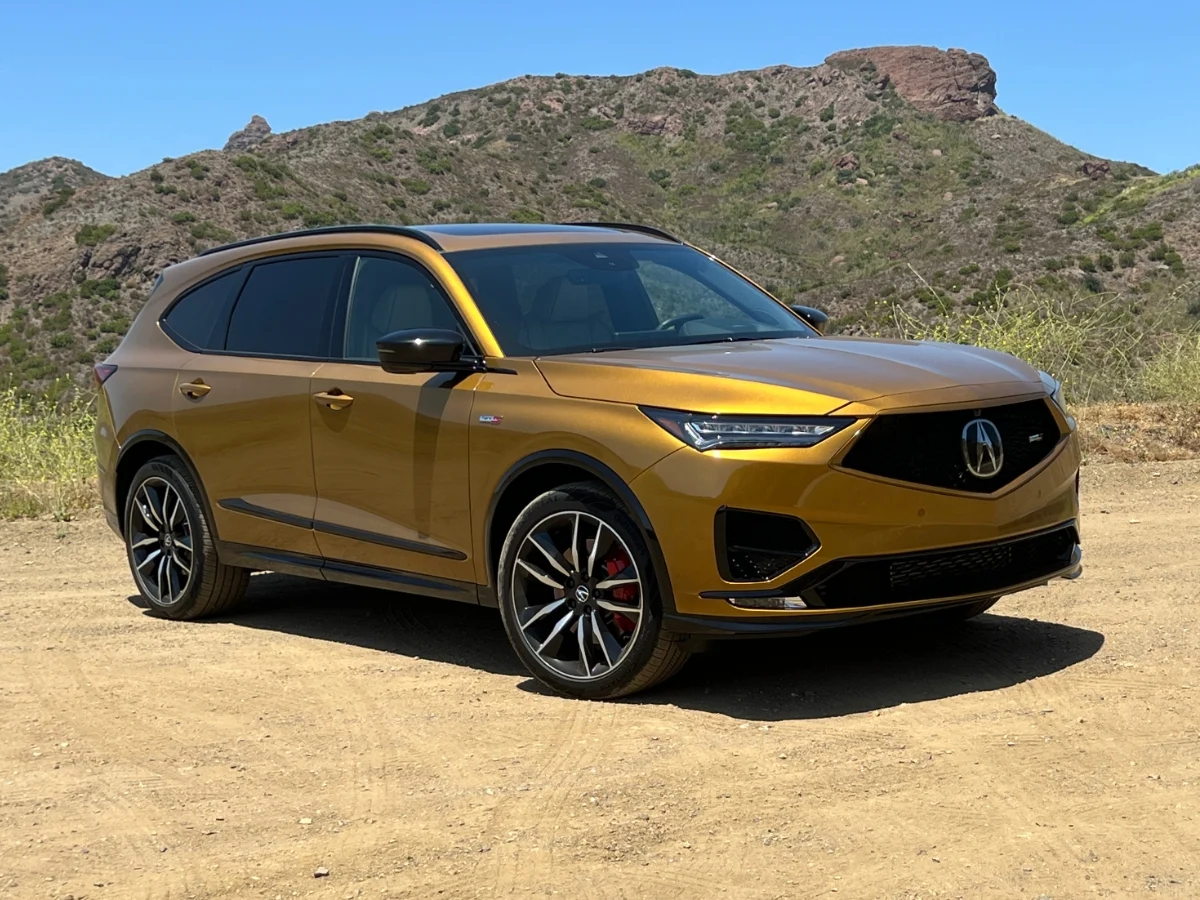
The 2022 Acura MDX Type S marked the debut of the performance-oriented trim in the current MDX generation, quickly establishing itself as one of the most notable years for the nameplate.
With zero recalls on record and only a couple of complaints listed on Car Complaints, the Type S has so far proven to be dependable, though more data may surface as the model ages. The standard 2022 MDX logged a single recall, but the Type S’s clean record gives buyers additional peace of mind.
Considering the MDX is Acura’s most important model, the introduction of the Type S added a bold new dimension to the lineup, blending the SUV’s practicality with newfound performance credibility.
At its heart, the Type S boasts a turbocharged 3.0-liter V6 engine producing 355 horsepower and 354 lb-ft of torque, paired with a fortified 10-speed automatic transmission and Acura’s Super Handling All-Wheel Drive system.
The result is a 0–60 mph sprint of 6.1 seconds, making it the quickest MDX ever, though still not as fast as top-tier German rivals. Thanks to its aggressive wheel and tire setup, multiple drive modes, and sharper steering responses, the SUV delivers a more engaging driving experience. However, not all upgrades are seamless.
The brake-by-wire system feels overly sensitive, making smooth stops harder to achieve in everyday driving. Still, the Type S injects welcome excitement into a model once criticized for bland dynamics.
Beyond performance, the Type S distinguishes itself with a sophisticated air suspension, Acura’s first, which offers a wide spectrum of ride comfort depending on the selected drive mode. In Comfort mode, the SUV is supple and compliant, while Sport Plus tightens body control for spirited driving.
Interior highlights include 16-way power front seats with heating, cooling, and massage functions, as well as a head-up display and surround-view camera system in the Advance package.
The optional ELS 3D Signature sound system, with 25 speakers, delivers an audio experience rivaling luxury systems from Mercedes-Benz and Cadillac. Despite some criticisms of the True Touchpad infotainment interface, the MDX Type S impresses with features expected in a $70,000-plus SUV.
Inside, the Type S largely mirrors the standard MDX’s layout, which may disappoint those expecting more bespoke materials, but build quality remains solid. Bright trim and numerous physical controls enhance usability, offering a refreshing alternative to screen-heavy cabins found elsewhere.
Passenger and cargo space carry over unchanged, retaining the MDX’s strong reputation for practicality and versatility.
Ultimately, the Type S may not dethrone European rivals like the BMW X5 M50i or Mercedes-AMG GLE 63 in outright performance, but it offers a compelling balance of speed, comfort, technology, and everyday usability.
As Acura’s most polished and complete vehicle, the 2022 MDX Type S represents the ideal fusion of family practicality with engaging driving character.
4. 2009 Acura MDX
The 2009 Acura MDX represented the heart of the second generation, which ran from 2007 to 2013. This model introduced key enhancements, most notably Acura’s Super Handling All-Wheel Drive (SH-AWD) system, a technology adapted from the brand’s sport sedans that improved traction and agility.
Under the hood, the 2009 MDX carried a 3.7-liter V6 engine producing 300 horsepower and 275 lb-ft of torque, paired with a 5-speed automatic transmission with manual shift control. Performance testing clocked the MDX at 0–60 mph in 8.1 seconds, while towing capacity reached 5,000 pounds when properly equipped.
Though its fuel economy was modest at 15/20 mpg, the combination of power and versatility helped establish this model as one of the stronger players in the luxury SUV market.
Reliability was a key strength for the 2009 MDX, as owners consistently praised its durability and relatively low number of issues compared to rivals. Safety also played a big role in its appeal. Standard features included antilock disc brakes, stability control, active head restraints, and a full complement of airbags.
In government crash testing, the MDX earned five-star ratings for both frontal and side impacts, while the IIHS awarded it a “Good” rating for offset and side-impact protection. These accolades made it one of the safest midsize luxury SUVs available at the time, giving families additional peace of mind.
Despite being a three-row SUV, the 2009 MDX impressed with handling that felt closer to a sport sedan than a traditional people mover. SH-AWD actively distributed torque to maximize grip, making cornering sharp and confident, especially with the optional Sport Package that included two-mode adaptive dampers.
The 3.7-liter V6 delivered solid acceleration once revs built up, while the 5-speed automatic provided smooth, unobtrusive shifts.
Drivers appreciated the balance between comfort and agility, and while the MDX was not quite as nimble as the BMW X5 or Porsche Cayenne, it struck an ideal middle ground by blending performance with family practicality.
Inside, the 2009 MDX offered a luxurious and tech-forward cabin. Standard equipment included leather seating, tri-zone climate control, xenon headlights, Bluetooth, and satellite radio, while upper trims added voice-activated navigation, rear-seat entertainment, and Acura’s acclaimed Panasonic/ELS surround-sound audio system.
Though the dashboard was crowded with buttons, most drivers found the layout intuitive after some familiarity. The three-row layout provided competitive passenger space, with the third row adequate for children or short trips, and cargo capacity measured an impressive 83.5 cubic feet with the rear seats folded.
Altogether, the 2009 MDX delivered an ideal mix of technology, space, and performance, cementing its reputation as one of the best values in its segment.

5. 2012 Acura MDX
The 2012 Acura MDX continued the strong legacy of the second-generation model (2007–2013), retaining the 3.7-liter V6 engine and the Super Handling All-Wheel Drive (SH-AWD) system.
With 300 horsepower and 270 lb-ft of torque, the MDX offered confident performance for both city streets and highway cruising. A six-speed automatic transmission paired with SH-AWD delivered smooth gear changes and improved traction, while the SUV could tow up to 5,000 pounds when properly equipped.
Fuel economy improved slightly over earlier models, with EPA estimates of 16 mpg city, 21 mpg highway, and 18 mpg combined, reflecting a practical balance of power and efficiency.
Reliability remained a key strength of the 2012 MDX, with this model year frequently cited as one of the best in terms of low repair costs and long-term durability. Standard safety features included antilock brakes, traction and stability control, front and side airbags, full-length curtain airbags, and active head restraints.
Optional features, such as the Collision Mitigation Braking System (CMBS), adaptive cruise control, and blind-spot monitoring, added an extra layer of protection.
The MDX performed well in crash testing, earning four out of five stars in overall frontal crash protection from the government and top “Good” ratings from the IIHS in frontal offset and side-impact tests.
The 2012 MDX impressed with its handling, defying expectations for a three-row SUV. SH-AWD actively redistributed torque during cornering, keeping body roll in check and enhancing driver confidence.
The optional adaptive dampers from the Advance package allowed the suspension to firm up on demanding roads while remaining comfortable in everyday driving.
Acceleration was smooth, with the V6 building momentum midrange and the six-speed automatic providing seamless shifts. The MDX felt agile and responsive, delivering a sporty driving experience that stood out among midsize luxury crossovers.
Inside, the 2012 MDX showcased a luxurious and tech-forward cabin. Standard features included leather upholstery, tri-zone climate control, Bluetooth, and satellite radio, while upper trims added voice-activated navigation, rear-seat entertainment, and the acclaimed Panasonic/ELS surround-sound system.
The dashboard, while button-heavy, was intuitive once familiar. The three-row layout comfortably seated seven passengers, with the third row best suited for children or short trips, and cargo space reached 83.5 cubic feet with the rear rows folded.
Between its spacious interior, high-tech features, and refined driving dynamics, the 2012 MDX offered a compelling mix of luxury, practicality, and performance.
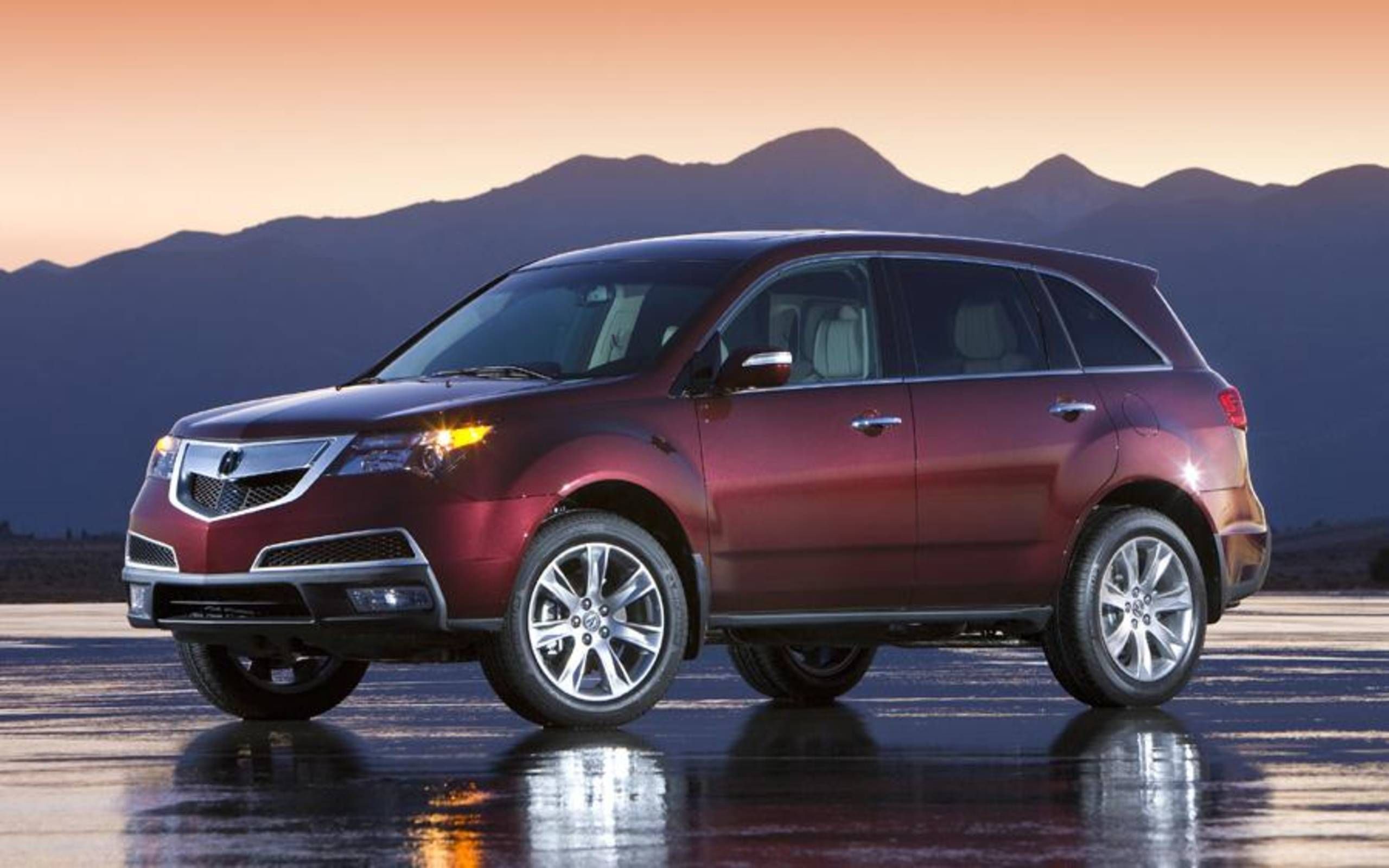
5 Acura MDX Years With Costly Repairs
1. 2003 Acura MDX: Safety Concerns and Recalls
The 2003 Acura MDX is widely regarded as one of the more problematic years for the model, primarily due to significant safety concerns. This year has been flagged with 13 recalls by the National Highway Traffic Safety Administration (NHTSA) and 211 reported complaints, highlighting its reliability issues.
Major problems include binding accelerator pedals, which can lead to unintended acceleration, and exploding airbag inflators that pose severe risks to occupants during collisions. Another critical concern involves ignition faults that could cause the vehicle to roll away unintentionally.
These issues collectively compromise the safety of drivers and passengers, making this model year particularly risky. The majority of consumer complaints align with these recalls, indicating that these are not isolated incidents but recurring problems affecting numerous vehicles.
For potential buyers or those considering resale, the 2003 MDX is highly cautionary due to the severity of these defects. This model year demonstrates a combination of mechanical and safety shortcomings that outweigh its typical SUV benefits, emphasizing the importance of thorough inspection or avoidance.
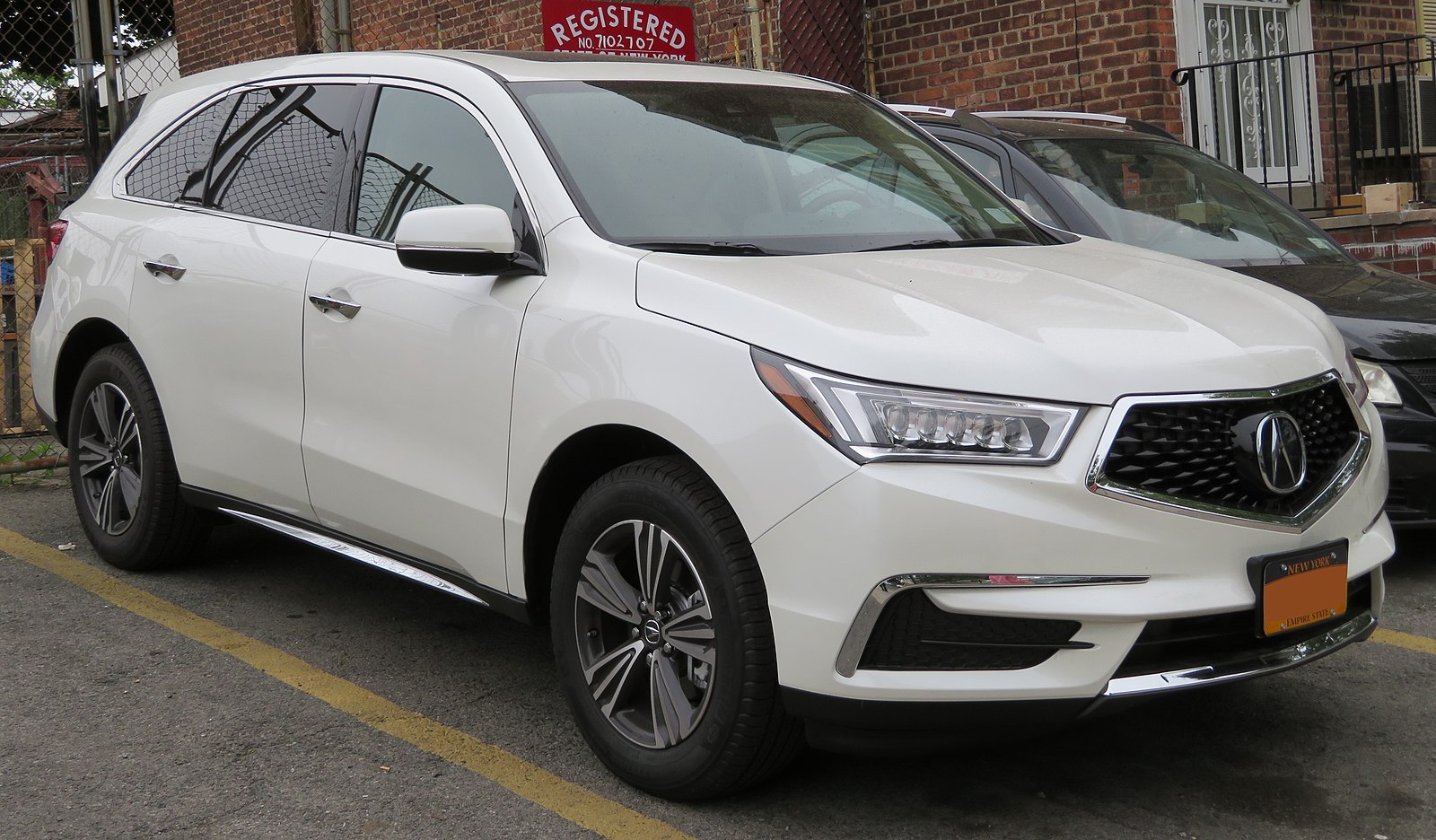
2. 2014 Acura MDX: Engine Complaints and Reliability Issues
The 2014 Acura MDX emerges as another year to avoid, not merely due to its seven recalls reported by the NHTSA but because of an unusually high volume of consumer complaints. With 63 complaints listed on Car Complaints, this model year demonstrates widespread dissatisfaction, particularly concerning engine performance.
Of these, 26 complaints specifically relate to engine problems such as lurching, unusual noises, and inconsistent acceleration. While some sources suggest the 2010 MDX is worse due to higher repair costs, the 2014 model experiences a broader range of issues affecting day-to-day reliability.
Buyers may encounter expensive repairs if engine problems are ignored, and even routine driving can be compromised by lurching or stalling concerns. This widespread dissatisfaction, combined with moderate recall activity, positions the 2014 MDX as a model to approach cautiously.
From both a reliability and financial perspective, the cost of maintenance and unexpected failures may outweigh the benefits of owning this SUV, making it a less desirable option compared to other model years.
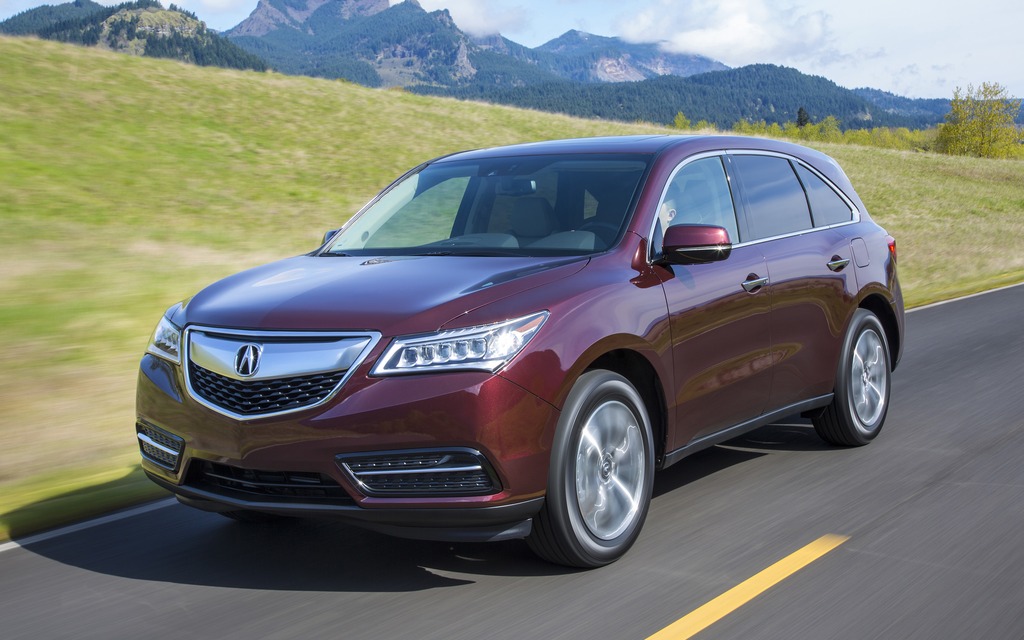
3. 2019 Acura MDX: Engine Vulnerabilities in Gas Models
The 2019 Acura MDX illustrates how even recent models can experience notable reliability concerns, particularly for gas-only versions. While Hybrid trims enjoyed fewer recalls, gas-powered models faced six recalls and ten complaints, signaling ongoing mechanical vulnerabilities.
Engine-related problems dominate these concerns, including fuel pump failures, rod bearing defects, and timing belt malfunctions, each of which could result in four-figure repair costs if neglected.
Consumer complaints further indicate unusual engine noises, unexpected stalling, and inconsistent acceleration, which may or may not be directly linked to the recalls but nonetheless affect vehicle performance.
For buyers, these issues underscore the potential financial and operational risks of owning a gas-powered 2019 MDX. In contrast, hybrid models remain relatively more reliable, demonstrating Acura’s incremental improvements in newer technologies.
The 2019 MDX emphasizes the need for careful inspection, particularly of engine components, to avoid costly repairs and ensure safe operation, making gas-only models a less attractive purchase for reliability-conscious consumers.
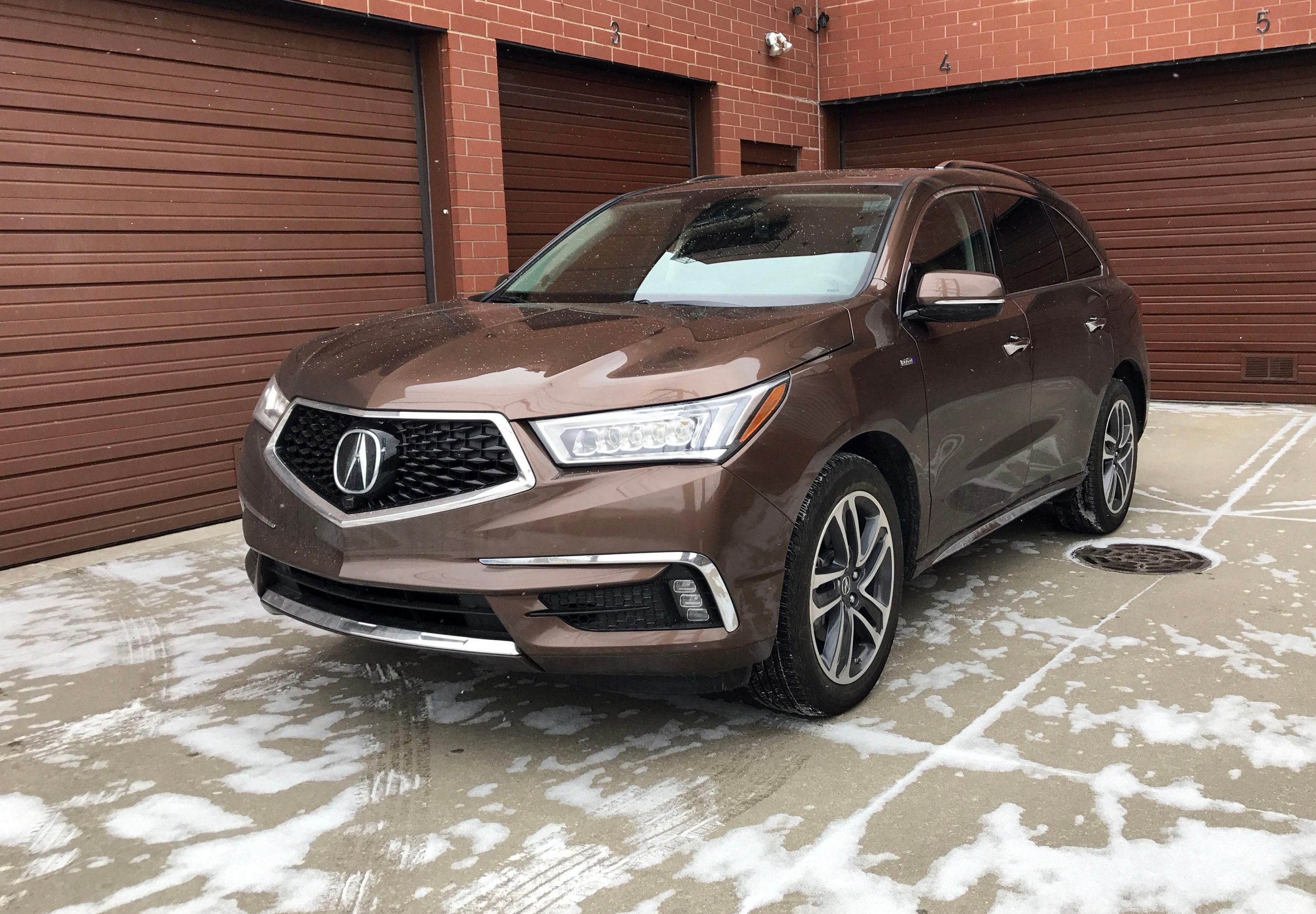
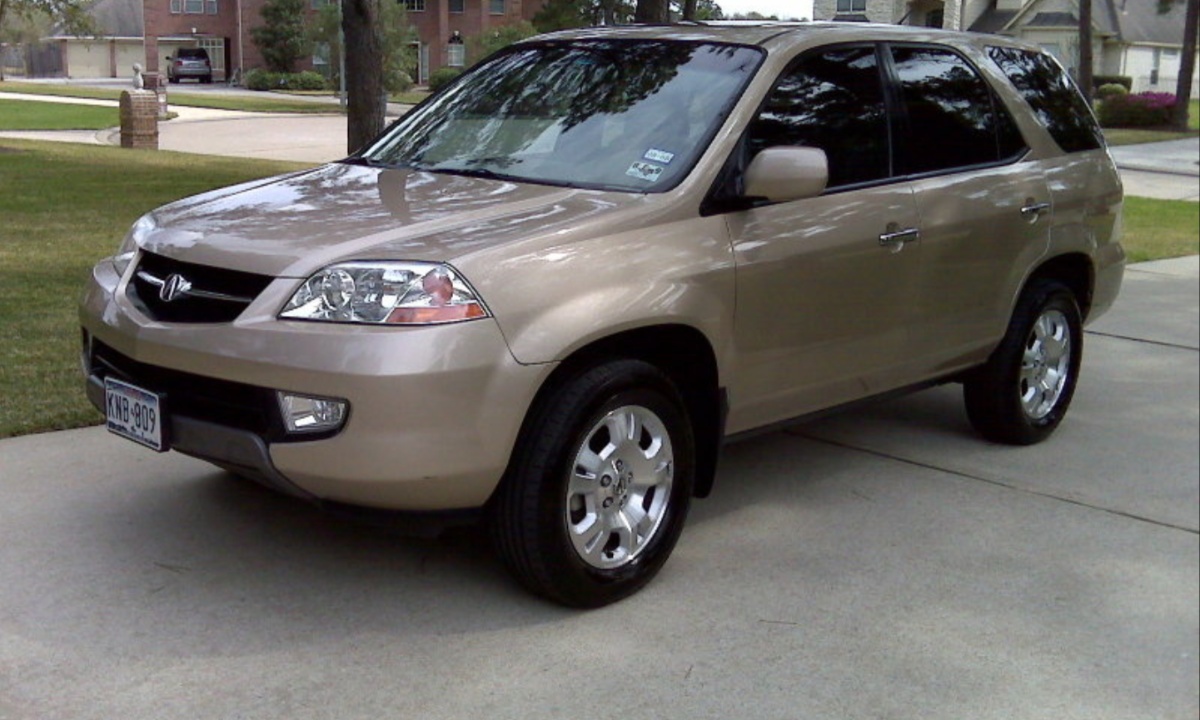
4. 2001 Acura MDX: First-Generation Transmission Problems
The 2001 Acura MDX, the first generation of this SUV, gained attention for its innovative design but suffered from significant reliability shortcomings, particularly with its transmission. Common complaints involved complete transmission failures, often due to overheating, which caused internal components to degrade prematurely.
The torque converter was another problematic area, prone to wear that resulted in shuddering, erratic shifting, and frequent replacements well before 100,000 miles. Additionally, the vehicle’s all-wheel-drive system occasionally malfunctioned under heavy use, further diminishing overall dependability.
Repair costs for transmission and drivetrain components were notably high, compounding consumer frustration. Despite the SUV’s utility and design appeal, these mechanical weaknesses tarnished its reputation for reliability.
The first-generation MDX highlights the challenges Acura faced in entering the SUV market, where innovative engineering sometimes came at the expense of durability.
For potential buyers, the 2001 model represents a cautionary example of early adoption risks, where mechanical innovation did not fully align with long-term reliability, making it a less favorable choice compared to later generations.
5. 2017 Acura MDX: Transmission and Electronics Issues
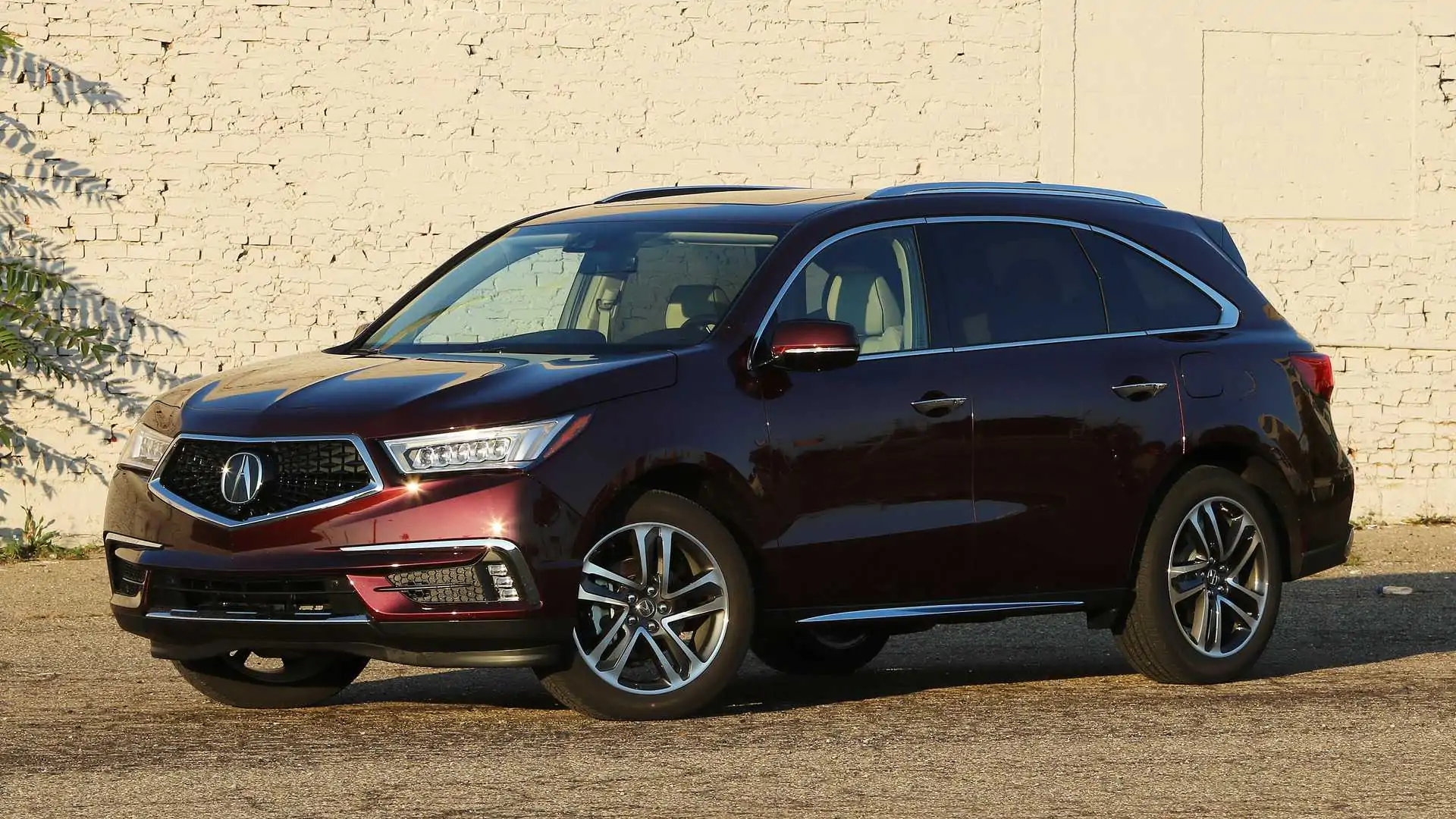
The 2017 Acura MDX, part of the third generation, introduced new reliability concerns that make it noteworthy for potential buyers to avoid. Transmission problems were a recurring issue, with owners reporting rough shifts, delays in gear changes, and erratic behavior often linked to software glitches in the transmission control module.
Beyond the transmission, the advanced driver assistance systems (ADAS) also caused frustration and safety concerns. Drivers experienced false collision warnings, sudden braking, and adaptive cruise control failures, which diminished confidence during routine driving.
Electrical system malfunctions, particularly with the automatic start-stop system, further impacted dependability. These issues reflect a broader pattern of electronic and software-related vulnerabilities in modern vehicles, where advanced features can introduce new risks alongside traditional mechanical problems.
Consequently, the 2017 MDX, despite being newer and technologically advanced, demonstrates trade-offs between modern features and overall reliability.
Buyers seeking a dependable SUV with minimal unexpected maintenance may want to approach this model cautiously, as its combination of transmission, electronic, and driver-assist issues can lead to increased repair costs and reduced driving confidence.
Choosing the right Acura MDX model year can make all the difference in balancing performance, luxury, and long-term reliability.
Years like 2007, 2009, and 2012 demonstrate the brand’s engineering strengths, offering a blend of powerful engines, SH-AWD handling, safety features, and practical interiors that make them excellent choices for buyers seeking a dependable three-row SUV.
More recent entries like the 2018 MDX Hybrid and 2022 Type S continue this legacy, combining efficiency, technology, and engaging driving dynamics without sacrificing comfort or space.
On the other hand, certain years including the early 2000s first-generation models, 2014, 2017, and 2019 have proven prone to costly repairs, transmission or engine issues, and electronic malfunctions, reminding buyers that not all MDXs are created equal.
By understanding the highlights and pitfalls of each model year, potential owners can confidently select an Acura MDX that delivers the perfect mix of reliability, luxury, and driving enjoyment for years to come.
Also Read: 10 Cars With Tricky Seatbelt Buckles for Elderly Passengers