

Power steering systems are an essential aspect of modern vehicles, designed to make steering more manageable and less physically demanding for drivers.
In recent years, advancements in technology have led to various types of power steering, from traditional hydraulic to sophisticated electronic systems.
While some steering systems are praised for their resilience and ability to function flawlessly for hundreds of thousands of kilometers, others are notorious for recurring problems such as fluid leaks that can compromise both safety and driving experience.
Understanding which systems tend to last and which are more prone to issues equips car owners and enthusiasts to make informed choices regarding vehicle maintenance or future purchases.
This article starts by focusing on five power steering systems recognized for their long-lasting reliability through strong engineering, robust materials, and exceptional performance on the road.
The discussion will offer clarity on the unique attributes that contribute to their endurance and why these topics warrant attention.
Later, the focus will shift to five power steering setups commonly associated with fluid leakage detailing the reasons these issues occur, the warning signs, and the practical consequences of these failures.
This balanced approach serves as a practical guide for anyone aiming to maximize vehicle longevity while minimizing unexpected repair costs and safety risks.
Also Read: 5 Sports Cars That Are Collector-Proof and 5 That Aged Horribly
5 Power Steering Systems Lasting
Reliability in power steering systems is not merely a matter of comfort; it directly impacts the safety and overall driving satisfaction for owners.
A power steering setup that endures the challenges of everyday driving without significant wear or unpredictable malfunction offers peace of mind and steady performance.
Recognizing which systems possess these qualities is especially important, given the diverse range of options available on the market today.
Advances in technology, careful materials selection, and regular maintenance principles all play crucial roles in determining how long a power steering assembly will actually last.
This section sheds light on five power steering systems deemed particularly long-lasting based on factors such as engineering integrity, proven field performance, and feedback from industry experts and owners.
Each system included here has demonstrated a capacity to stand up to heavy use, infrequent maintenance, and varying road conditions, resulting in minimal failures even after extended service intervals.
The reason for highlighting these specific systems is to provide a reference for those considering replacements, upgrades, or new vehicle purchases and to help readers understand what sets these top performers apart.
Through detailed examination of their design philosophies and histories on the road, it becomes easier to appreciate their contribution to automotive dependability.
1. Toyota Hydraulic Power Steering System
Toyota’s hydraulic power steering systems, especially in models like the Camry and Corolla, have consistently earned a reputation for exceptional durability.
The core of their strength lies in the meticulous attention to detail and consistent application of high-quality materials during manufacturing.
These systems are engineered to function efficiently for the entire life expectancy of the vehicle, with some lasting upwards of 200,000 kilometers or more when paired with routine maintenance practices.
The reliability of Toyota’s system can be attributed to a straightforward design, robust seals, and hoses that resist premature degradation even under strenuous driving conditions.
Hydraulic pumps in these vehicles are built to withstand heat, pressure, and demanding environments, provided that fluid levels are maintained and quality oil is used.
Owners report minimal failures tied to the steering pump or rack, with issues rarely occurring before high-mileage marks unless there is neglect of basic maintenance such as fluid changes.

Discussing Toyota’s hydraulic steering is relevant because it serves as a benchmark in the automotive world, showing that with calculated engineering decisions and proper owner care, steering systems can indeed last as long as the vehicle itself.
By setting this standard, Toyota’s approach encourages other manufacturers to prioritize longevity, while informing consumers that reliability is possible and attainable.
Highlighting this system allows readers to recognize practical steps and manufacturing philosophies that contribute to many years of smooth, safe steering experiences.
2. ZF Electric Power Steering (EPS) System
ZF Friedrichshafen’s Electric Power Steering (EPS) system stands out for its modern design and durability in various vehicle types, especially luxury and commercial cars.
Unlike hydraulic systems, the EPS relies on an electric motor and sensors rather than fluid and pumps, vastly reducing components that typically wear out or leak. This fundamental difference contributes to its longevity since there is no risk of leaks or fluid degradation over time.
The advantage with ZF’s EPS lies in its precision engineering and advanced electronics that offer superior steering response and energy efficiency while remaining remarkably robust.
The system is designed to handle heavy usage and harsh environmental factors with minimal maintenance. Moreover, fewer moving parts mean diminished mechanical wear, resulting in an extended lifespan often exceeding 200,000 kilometers under normal driving conditions.

This system merits attention because of its technological relevance and growing adoption in newer vehicles, reflecting a shift in the industry toward electric steering technologies that promise longer service intervals and cleaner operation.
By examining ZF’s EPS, readers can appreciate how modern engineering is addressing traditional hydraulic system drawbacks and offering alternatives with less frequent need for repairs.
Also, highlighting EPS technology helps consumers understand what to expect from future vehicle steering solutions as electrification becomes more dominant in automotive design.
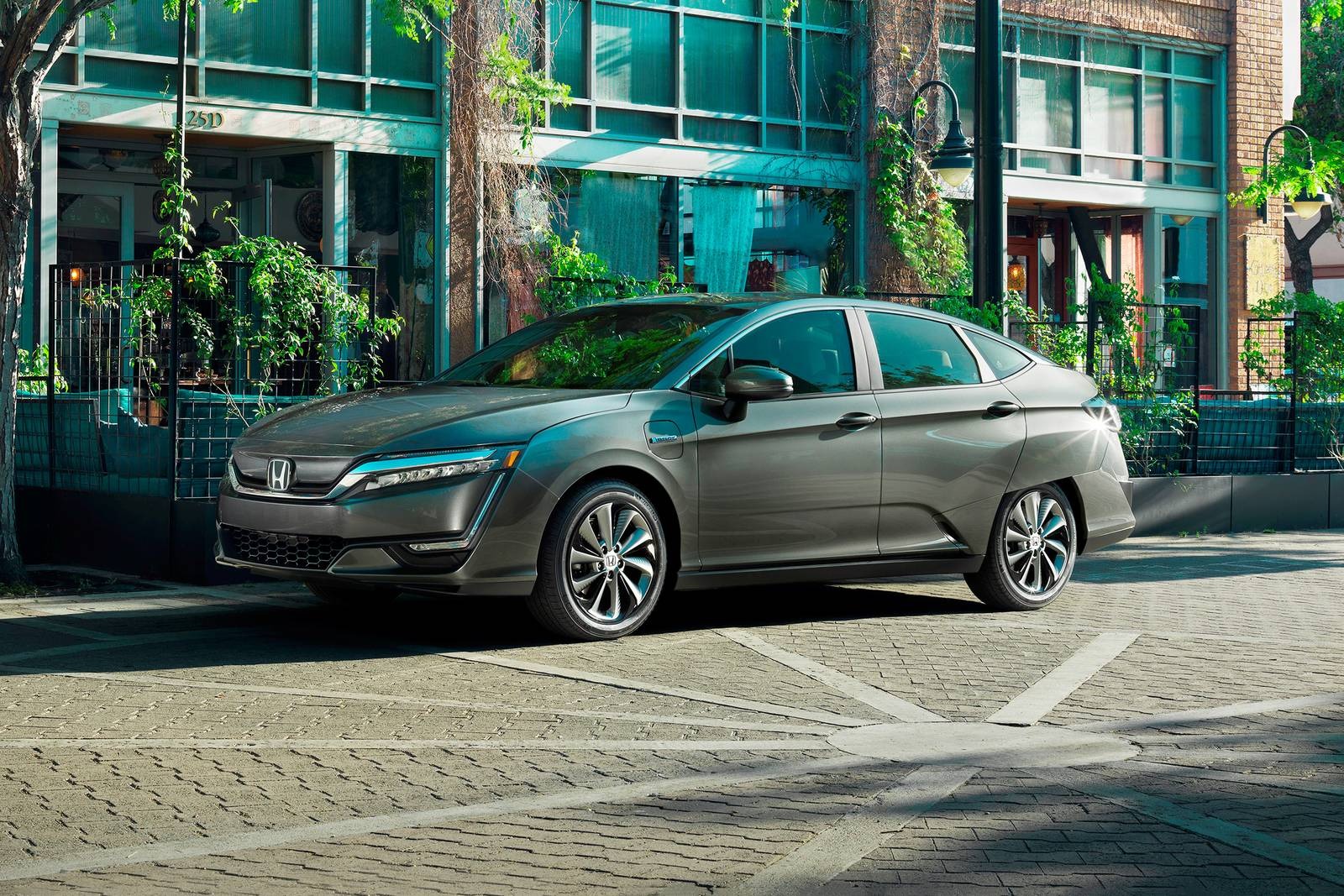
3. Honda Variable Gear Ratio Power Steering (VGPRS)
Honda’s Variable Gear Ratio Power Steering (VGPRS) system is praised for blending reliability with enhanced driving dynamics. This system adjusts the steering ratio based on vehicle speed to optimize control and stability.
Underneath its technology-driven design lies a durable hydraulic component foundation reinforced by Honda’s commitment to quality and long-lasting performance.
The VGPRS system typically endures well beyond 150,000 kilometers, noted for reliable seals and hydraulic components that resist common issues such as leakage and premature wear.
Honda’s engineering ensures that the materials used can withstand repeated pressure cycles, heat changes, and environmental fatigue. Maintenance with recommended power steering fluids and timely inspections further enhances longevity. This system is included because it combines innovation with durability, a rare balance in power steering designs.

Its reputation for sustained performance, even in city conditions involving frequent steering adjustments, highlights how thoughtful design can extend the life of components traditionally vulnerable to failure.
By showcasing Honda’s VGPRS, the discussion portrays how manufacturers can successfully innovate without compromising system endurance.
4. Bosch Hydraulic Power Steering Systems
Bosch hydraulic power steering components are found in multiple European and global vehicle brands, trusted for their precision engineering and stable performance under stress.
Bosch focuses on producing high-quality pumps, racks, and valves that maintain functionality over a long period, with many systems lasting well beyond 150,000 kilometers when properly maintained.
The resilience of Bosch systems is linked to superior manufacturing standards, the use of durable materials, and careful attention to fluid dynamics that reduce stress on seals and gaskets.
These design elements minimize common failure points seen in lesser-quality units. Their systems also often incorporate advanced filtration and cooling, preventing the overheating and contamination that can accelerate wear.

Highlighting Bosch is crucial because it represents a segment of power steering technology focused on quality and durability at the component level rather than just the system integrator.
This underlines the importance of individual parts in affecting overall system longevity and educates readers on how brands like Bosch contribute meaningfully to preventing steering failure through engineering excellence.
5. Aisin Hydraulic Power Steering
Aisin, a major Japanese supplier, has built a name tied closely to long-lasting hydraulic power steering systems featured in Toyota, Lexus, and other vehicles.
Aisin’s reputation stems from its focus on reliability through robust design, high-quality seal materials, and comprehensive testing that mimics real-world vehicle aging.
The system’s durability is often measured in vehicle lifetimes exceeding 200,000 kilometers, with many owners experiencing low maintenance costs and minimal unplanned repairs.
Aisin products tend to have strong resistance against typical wear causes such as heat, vibration, and hydraulic fluid breakdown. Their pumps and racks are engineered to maintain pressure without loss, which directly supports consistent steering performance.
This company’s hydraulic system is worthy of attention because it exemplifies supplier-driven quality that benefits entire vehicle manufacturers and their customers. Its consistent performance over decades has earned it a loyal following among mechanics and car owners alike.
Examining Aisin highlights the role of dedicated component makers in shaping the reliability of power steering systems and emphasizes that select suppliers make significant contributions behind the scenes to vehicle dependability.
5 Power Steering Systems That Leak Fluid
While some power steering systems earn praise for lasting reliability, others have gained attention for issues related to fluid leaks.
Leaks in power steering systems represent a significant problem because they not only reduce the system’s ability to assist the driver but can also cause damage to other components if left unresolved.
Fluid leaks may originate from worn seals, cracked hoses, faulty pumps, or damaged racks, leading to a drop in fluid levels and eventual steering difficulties.
Understanding common power steering systems prone to fluid leaks is valuable for car owners and mechanics alike. It helps in identifying warning signs early, planning maintenance appropriately, and avoiding costly repairs.
This section highlights five systems that have been associated with fluid leakage issues, explaining what causes these problems and why they occur more frequently in certain designs or brands.
Focusing on these systems signals the importance of quality component design, routine inspection, and proactive maintenance.
By pointing out specific examples, it becomes clear how problems with fluid containment arise, enabling readers to make more informed decisions whether it’s about replacing parts, choosing a vehicle, or being vigilant about system health.
The goal is to shed light on these common trouble points to prevent inconvenience and maintain driving safety.
1. General Motors (GM) Hydraulic Power Steering Systems
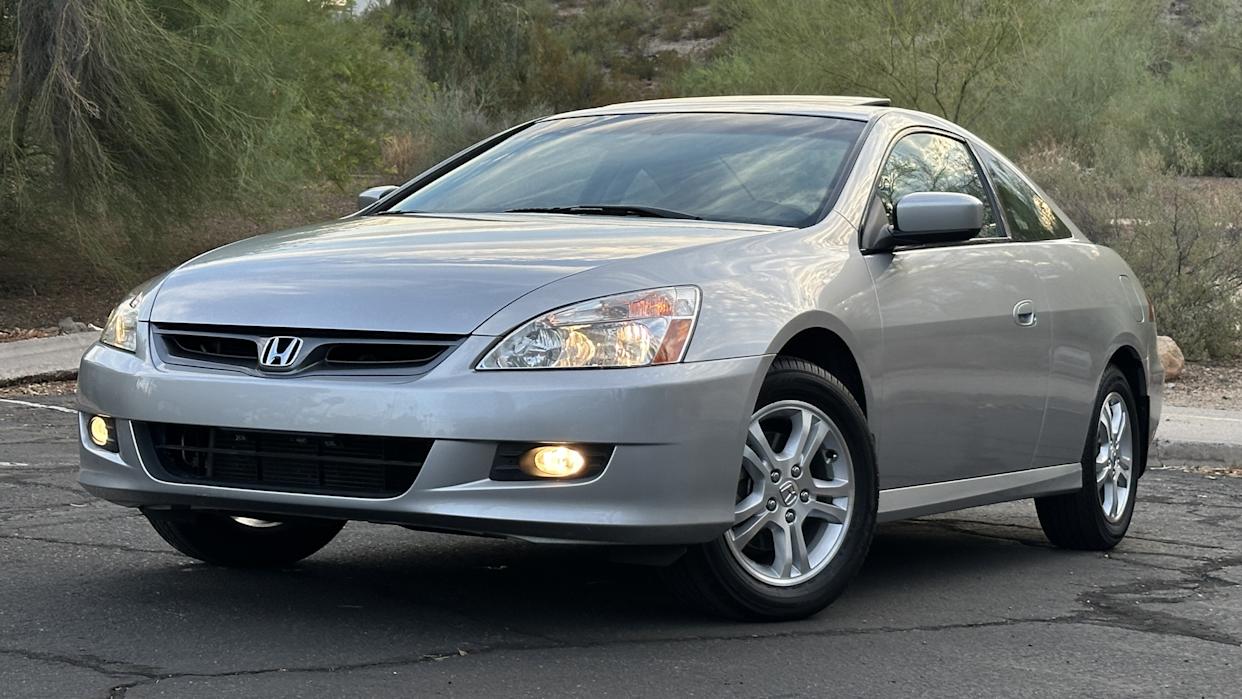
Many GM vehicles, especially older models, have experienced issues with hydraulic power steering fluid leaks. The root causes often involve deteriorating seals and hoses that are vulnerable to age and heat exposure.
GM’s hydraulic systems, while effective when new, sometimes suffer from failures in components like the pump reservoir and steering gear seals, which lead to slow but steady fluid loss over time.
A significant factor in why these systems leak is the use of certain rubber compounds in seals and hoses that degrade quicker under heavy urban driving or extreme temperature changes.
Additionally, some GM models have been known to have routing configurations for fluid lines that increase wear and vibration exposure, hastening hose failures. When leaks occur, the fluid loss causes the steering to feel heavy or noisy, signaling the need for quick attention.
It is important to discuss GM’s systems because these leakage issues are common enough to warrant awareness from owners of both used and older GM vehicles.
Recognizing typical failure points can save drivers from sudden steering difficulty and costly repairs.
Highlighting GM’s hydraulic steering problems also illustrates broader lessons on the necessity of materials innovation and design improvements to prevent fluid leaks, which is a challenge for manufacturers still using traditional hydraulic steering technology.
2. Chrysler Hydraulic Power Steering Systems
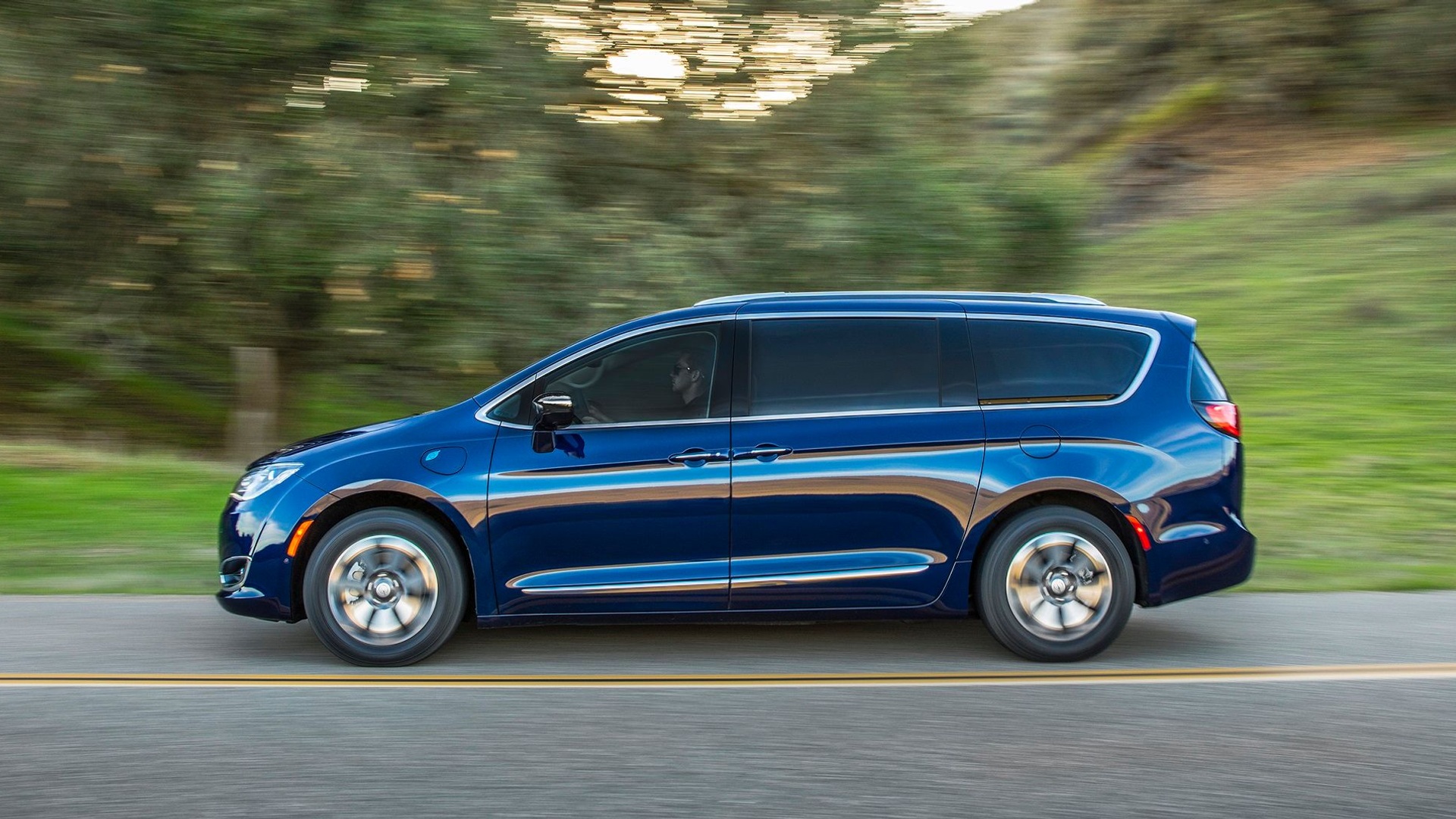
Chrysler vehicles, particularly models produced in the early 2000s, have shown a recurring problem with hydraulic power steering fluid leaks. The leakage often originates from the steering gear box and power steering pump seals, which are prone to wear and failure.
Older Chrysler designs sometimes use seals that harden or crack over time, especially when exposed to extreme heat cycles and contaminated power steering fluid.
Another contributing factor to leaks in Chrysler steering systems is the routing of high-pressure hydraulic lines. These lines occasionally rub against other engine components, leading to abrasion and eventual fluid seepage.
Fluid loss in such systems can cause a noticeable drop in steering responsiveness and can accelerate wear on the pump as it runs dry or under low fluid conditions.
Chrysler’s systems are mentioned because many owners have reported steering fluid leakage as a common maintenance challenge that can be overlooked until it severely impacts steering performance.
Discussing this system draws attention to the importance of regular inspection and fluid replacement to maintain seal integrity.
Chrysler’s example reminds us that design compromises, such as routing and seal material choice, matter greatly for the durability of hydraulic power steering components and are essential considerations for vehicle maintenance planning.
3. Ford Hydraulic Power Steering Systems
Certain Ford models, especially trucks and SUVs from the late 1990s to early 2010s, often face issues with hydraulic power steering fluid leaks.
The leaks generally occur from worn hoses, aging pump seals, and, notably, the steering rack seals that can fail after extended use. Ford’s hydraulic systems use rubber components in high-stress areas that can harden and crack, allowing fluid to escape.
Exposure to dust, road salt, and temperature extremes exacerbates the degradation of seals and hoses in these power steering units.
Additionally, some Ford models have tightly packed engine compartments, which can cause hoses to be bent sharply or exposed to heat, increasing the risk of failure.
As fluid leaks worsen, drivers experience increased steering effort, noises, and eventually, potential pump damage or steering rack failure.

Ford’s hydraulic power steering fluid leaks are a common concern in the maintenance communities and through vehicle owner reports. Addressing these problems is crucial as early detection of leaks can prevent breakdowns and costly component replacements.
Highlighting Ford helps emphasize that while hydraulic steering systems are generally reliable, under certain conditions and with aging vehicles, fluid leaks become an important issue that demands attention for safe, controlled driving.
4. Nissan Hydraulic Power Steering Systems
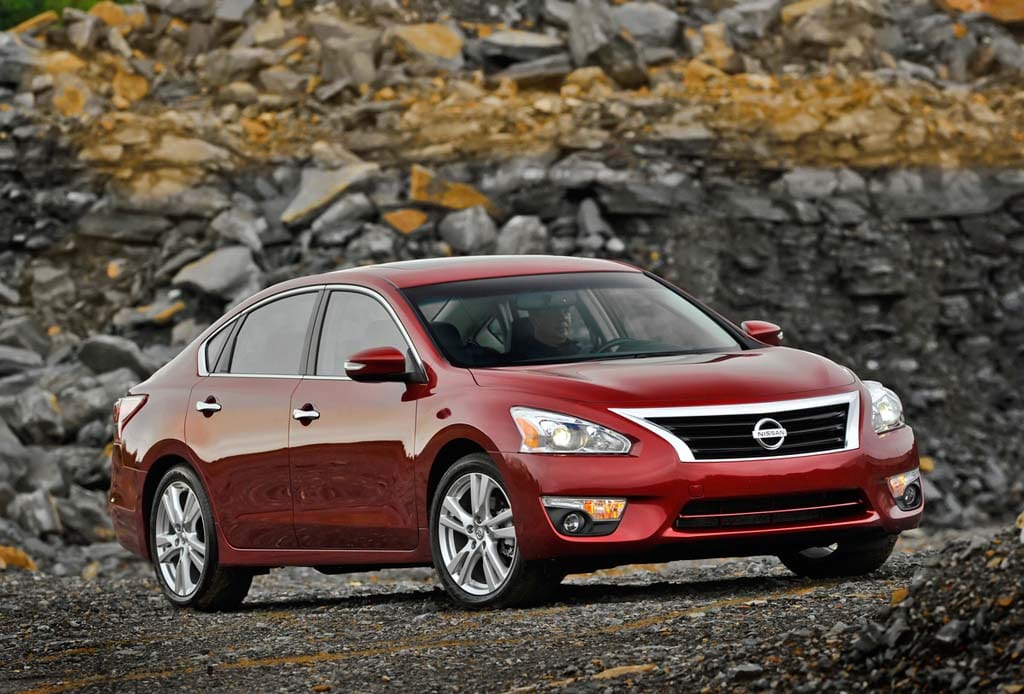
Nissan’s hydraulic power steering systems, particularly in models from the early 2000s, have also been reported to suffer from fluid leaks at various points, including the pump seals and steering rack.
These leaks tend to arise from aging rubber seals that become brittle or lose elasticity over time. The use of lower-grade materials in some Nissan components, combined with exposure to heat and contaminants, often speeds up seal failure.
Fluid loss in these systems progressively affects steering performance, causing heavier steering effort and steering noise.
Some Nissan vehicles may also experience leaks due to poorly fitted or routed hoses that can loosen or chafe with vehicle movement and engine vibration. Routine maintenance and fluid checks are critical; however, many owners encounter leaks only after significant fluid loss impairs steering feel.
Discussing Nissan hydraulic leaks helps shed light on challenges faced by some automakers balancing cost and durability. It highlights the consequences of material choices and design practices on power steering reliability.
Identifying these issues also encourages owners to be diligent about early warning signs and maintenance practices, which can extend system life and prevent abrupt steering failures on the road.
5. BMW Hydraulic Power Steering Systems
BMW vehicles equipped with traditional hydraulic power steering systems, mainly models from the late 1990s through the early 2010s, are known for occasional power steering fluid leaks.
These leaks often develop around the steering rack and power steering pump seals. BMW systems tend to work under high hydraulic pressures, which can accelerate wear on seals if fluid maintenance is neglected.
A factor contributing to fluid leaks is the high complexity and precision engineering of BMW steering racks, which puts significant strain on seals and hoses, particularly after prolonged use.
Oil seals may become brittle or develop micro-cracks from heat cycles, and hoses in some engine bay layouts are susceptible to rubbing or contact with other components, leading to leaks.
BMW’s hydraulic fluid leaks are important to highlight because despite the brand’s performance reputation, owners frequently note steering fluid maintenance as an area requiring vigilance.

Identifying this ensures drivers are aware that even premium vehicles need regular steering system inspections to prevent unexpected fluid loss.
The discussion of BMW adds perspective that high-end engineering does not automatically exclude hydraulic steering system vulnerabilities, especially as vehicles age.
Power steering systems play a crucial role in modern vehicle operation by reducing the effort needed to steer and improving overall driving comfort and safety.
There is a broad spectrum in the quality and durability of these systems, with some powering vehicles reliably for hundreds of thousands of kilometers, while others face persistent issues such as fluid leakage that can compromise performance and safety.
The first half of this discussion focused on five power steering systems known for their longevity and dependability.
Toyota’s hydraulic power steering system serves as an industry example of durability through robust design and quality materials, capable of performing well beyond 200,000 kilometers with proper maintenance.
ZF’s Electric Power Steering (EPS) introduces modern technology that replaces hydraulic fluid with electric motors and sensors, cutting down on mechanical wear and eliminating fluid leak risks, offering extended service life and precise control.
Honda’s Variable Gear Ratio Power Steering system combines innovative speed-sensitive steering adjustments with reliable hydraulic technology to provide both longevity and excellent driving dynamics.
Bosch’s hydraulic components are valued for precision engineering and advanced features like cooling and filtration systems that reduce wear on seals and extend system life.
Aisin, a trusted supplier for various manufacturers, is known for hydraulic steering systems that last through rigorous testing and quality craftsmanship, often matching vehicle life spans while maintaining low maintenance requirements.
In contrast, the second half of the analysis examined five power steering systems frequently associated with fluid leaks. General Motors’ hydraulic systems tend to develop leaks due to aging seals and hose wear exacerbated by some design choices.
Chrysler systems, particularly in older models, often suffer from seal hardening and hose abrasion caused by fluid line routing and heat exposure. Ford vehicles face similar issues, with tight engine compartments contributing to hose damage and fluid loss.
Nissan’s hydraulic steering units exhibit fluid leaks tied to lower-grade seal materials and hose fittings prone to loosen over time.
BMW’s high-pressure hydraulic racks require careful maintenance as worn seals and aged hoses commonly lead to leaks despite the brand’s engineering prestige.
Together, these insights underscore the significance of engineering design, material quality, and proactive maintenance in ensuring power steering systems provide safe, long-lasting service without costly leaks or failures.
Recognizing these distinctions aids vehicle owners in making informed choices and emphasizes the importance of early detection and repairs in maintaining reliable steering performance.
Also Read: 5 Hyundai Sonata Years Worth Keeping vs 5 That Fall Apart
