
Convertible cars promise a blend of freedom and exhilaration, thanks to their retractable roofs that invite the outdoors in. This appeal, however, comes with a unique set of practical challenges most notably, the ongoing struggle to keep rainwater at bay.
Owners and enthusiasts often share stories of cabins staying pleasantly dry despite downpours, as well as frustrating tales of soggy seats and dripping dashboards.
Unlike fixed-roof cars, convertibles rely on a network of intricate seals around their tops, windows, and trunks. These rubber and composite barriers must endure sun, wind, age, and repeated roof movements.
Over time, they can wear out, shrink, or become brittle, compromising their ability to withstand even mild rainfall.
The design, quality, and maintenance of these seals can spell the difference between enjoying a spontaneous summer drive and wrestling with unexpected leaks.
In this article, attention will turn to the difference between some of the best-performing watertight convertible seal systems and seals that, unfortunately, have a reputation for letting rain ruin the ride.
By examining both ends of the spectrum, this guide aims to help current and future convertible owners know what to look for, which models to consider, and when a leak might be more than just a minor annoyance.
Also Read: 5 Affordable Engines That Never Need Major Work and 5 That Constantly Do
5 Convertible Seals That Stay Watertight
Convertibles that manage to keep water outside their cabins owe a great deal to the design and quality of their sealing systems.
There is real value in recognizing brands and models that have proven themselves year after year, even in wet climates or after many cycles of roof opening and closing.
A watertight convertible allows owners to use their cars daily, transcending the idea that these vehicles are reserved solely for fair weather.
The manufacturers whose seals stand up to heavy rains often achieve this by investing in better materials, advanced engineering, and rigorous quality control.
Highlighting five convertibles known for their resistance to leaks not only guides buyers but also provides reassurance to hesitant drivers worried about the hassle of wet upholstery or electrical issues triggered by water ingress.
Details on these models will show how automotive innovation and attention to detail make open-top motoring a less risky, more enjoyable affair. Each selection will include an account of persistent dryness, anecdotes from owners, and insights into their design choices.
Understanding the strengths of these vehicles can help set new benchmarks for what buyers should demand from a modern convertible, and maybe inspire confidence for that next rainy day.
1. Mazda MX-5 Miata (ND Generation)
The Mazda MX-5 Miata (ND), introduced in 2015, continues a long legacy of convertible excellence, and it frequently garners praise for its ability to remain dry in even heavy rain. The ND generation’s soft-top system is the result of decades of iterative improvement.
Mazda uses high-tensile rubber seals along the perimeter of the roof, windows, and A-pillars, supported by a precision-engineered frame that ensures consistent pressure on all sealing points without excessive tension.
This careful balance prevents gaps from forming over time, a common pitfall for convertibles as rubber shrinks or becomes rigid.
The MX-5’s seals are also relatively easy to inspect and maintain, with clear drainage points that channel water away from vulnerable areas, such as the cabin and trunk.
Owners frequently report that even after several years, their cars resist water intrusion, citing minimal wind noise or “whooshing” sounds that often accompany poorly sealed convertibles.
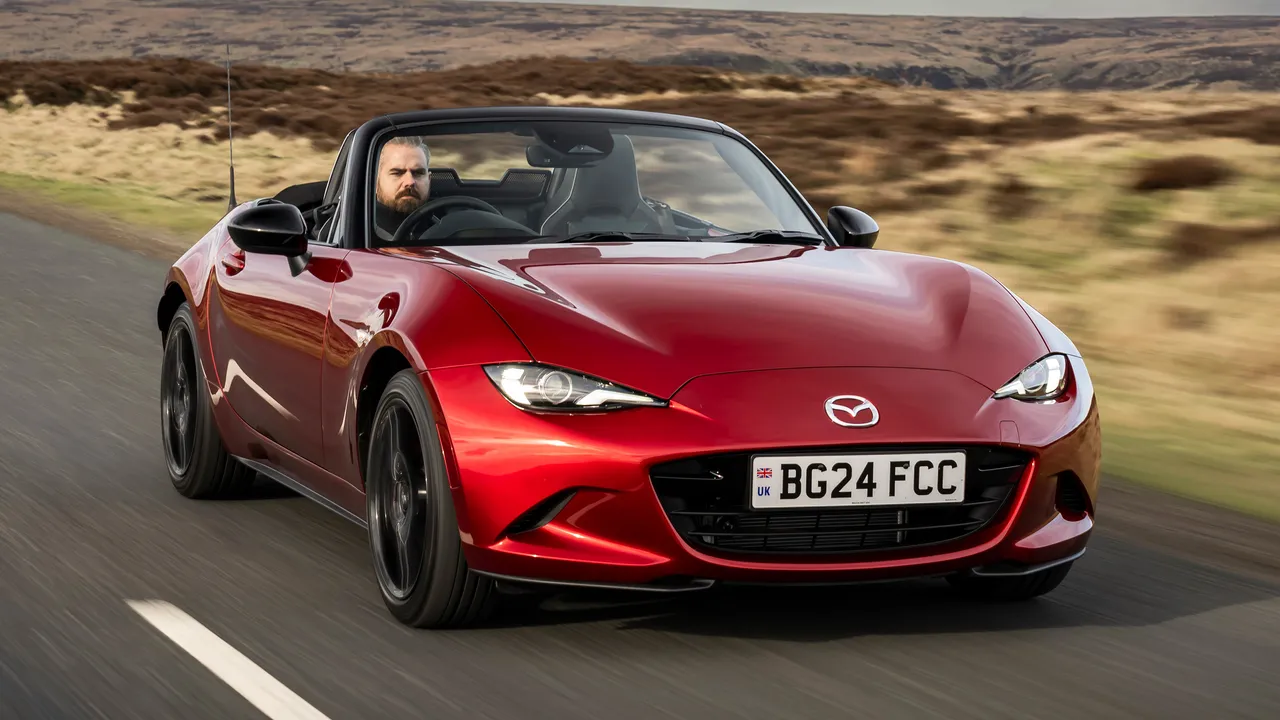
Feedback from drivers who live in rainy regions underscores this point, noting that the MX-5 rarely exhibits the dreaded corner drips found in other models.
A strong community of enthusiasts also shares maintenance tips, and their experience suggests that simple upkeep like treating seals with silicone lubricants, helps the Miata retain its watertight qualities over time.
Mazda’s approach to the MX-5’s roof sealing demonstrates a commitment to everyday practicality that enhances the reputation of convertibles as true all-weather cars rather than fair-weather toys.
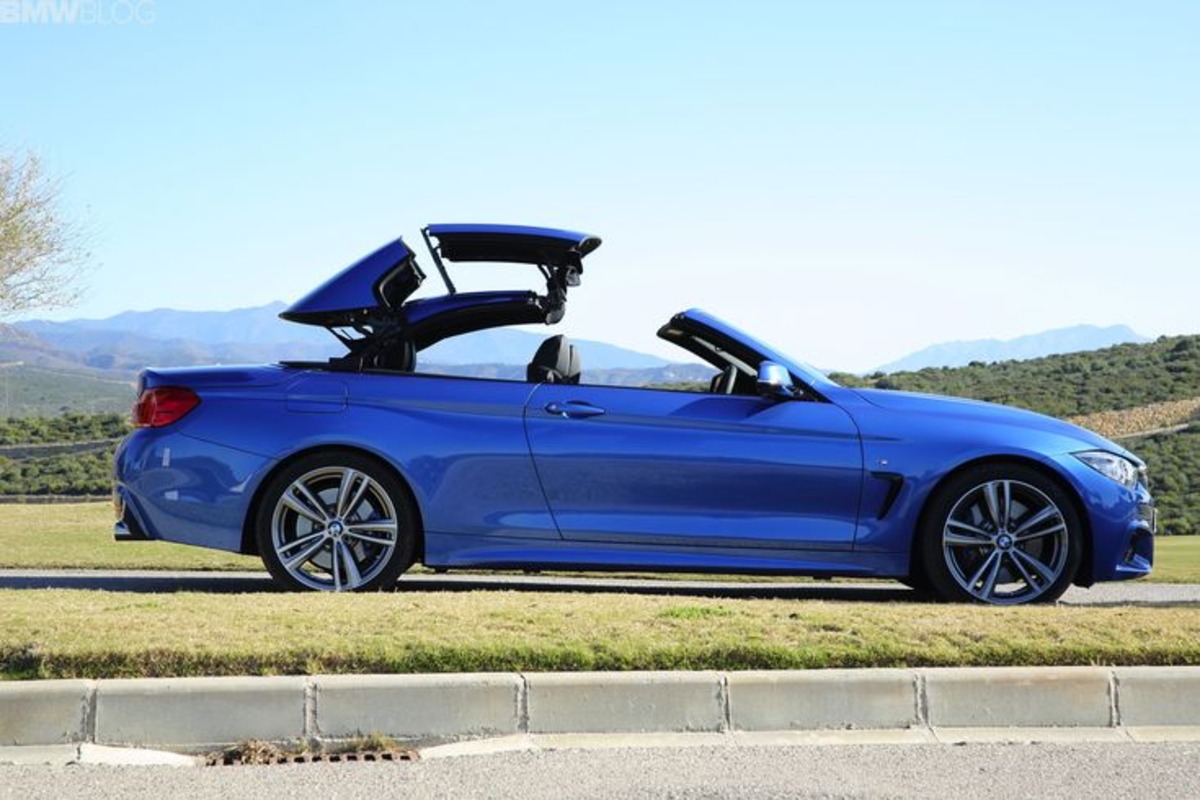
2. BMW 4 Series Convertible (G23)
BMW’s G23 4 Series Convertible, released in 2021, incorporates some of the most advanced sealing technologies among recent luxury convertibles.
This model replaced the previous hardtop with a refined fabric roof that offers both improved acoustics and water resistance.
The car achieves a watertight cabin through a combination of multi-layered seals around the window edges, doors, and roof mechanism.
BMW engineers designed double-lipped rubber gaskets and overlapping flaps at key joining points, preventing water from tracking into the interior during storms.
The way the roof interacts with the side windows is especially notable: precision sensors ensure the glass presses firmly into the gaskets when the roof is up, preventing micro-gaps or uneven pressure, even after repeated top-down sessions.
Extensive wind tunnel and rain simulation testing contributed to these improvements, ensuring that real-world performance matched laboratory standards.
Owners have remarked on the “vault-like” feeling inside the car when it’s closed a comparison usually reserved for solid roof coupes.
Testimonials reveal that leaks remain rare, even several years after ownership, and any service issues involving noise or moisture are typically resolved quickly under warranty.
The combination of German engineering, attentive after-sales support, and a robust sealing system elevates the G23 as a reliable choice for those who want open-air driving without compromises.
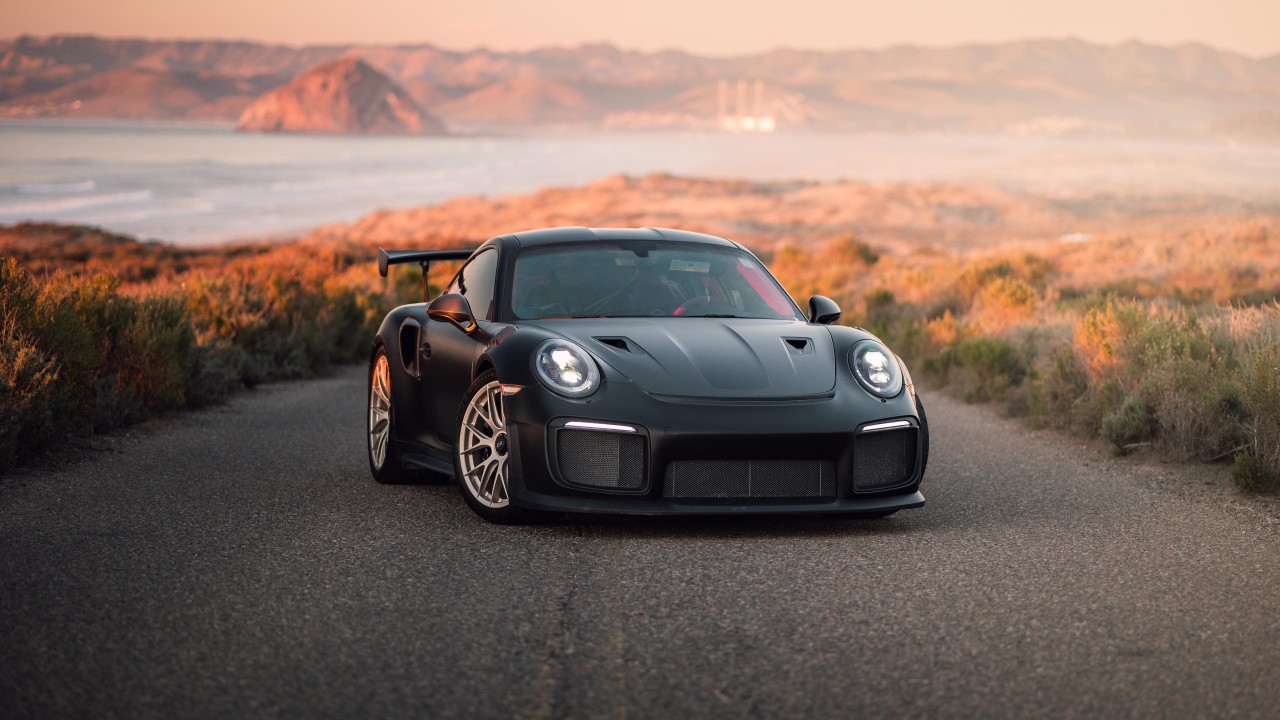
3. Porsche 911 Cabriolet (992 Generation)
The 992-generation Porsche 911 Cabriolet builds on a storied lineage of sports cars that value uncompromising performance as well as real-world usability.
Porsche’s commitment to keeping its interiors pristine extends to their convertible sealing system, which uses bonded and multi-material seals that adapt to temperature changes and flex with the body’s subtle movements.
The roof crafted from durable composite layers contacts the window frames at precisely measured angles, and additional drainage channels ensure rainwater finds its way away from doors, electronics, and the rear parcel shelf.
Owners consistently point to the 911 Cabriolet’s resilience to torrential rains and car washes, praising the near-total absence of wind or water intrusion even as the vehicle ages.
The effectiveness of the sealing is validated by stringent Porsche development protocols, including “monsoon tests” where vehicles are blasted with high-pressure jets from various angles to expose even the smallest potential weaknesses.
The result is a convertible that rarely requires excessive aftercare to maintain dryness. The engineering investment in the 911’s seals reflects Porsche’s philosophy that high performance isn’t limited to just speed and handling; comfort and peace of mind are just as essential.
For buyers who worry about leaks ruining premium interiors, the 911 Cabriolet sets a remarkably high standard.
4. Mercedes-Benz E-Class Cabriolet (A238)
The Mercedes-Benz E-Class Cabriolet (A238) stands out by offering the comfort and serenity expected of a luxury sedan in an open-top format, and it accomplishes this in part due to its robust sealing strategy.
Mercedes employs a system of triple-layer door seals and additional mesh-lined drainage channels within the soft top and around window junctions.
Reinforced by precision-fit window glass, the result is minimal pressure on vulnerable areas and consistent contact with rubber gaskets.
Real-world driver accounts, even in regions prone to intense rain, confirm that the interior stays dry, and the advanced acoustic insulation built into the roof further blocks outside noise and moisture.
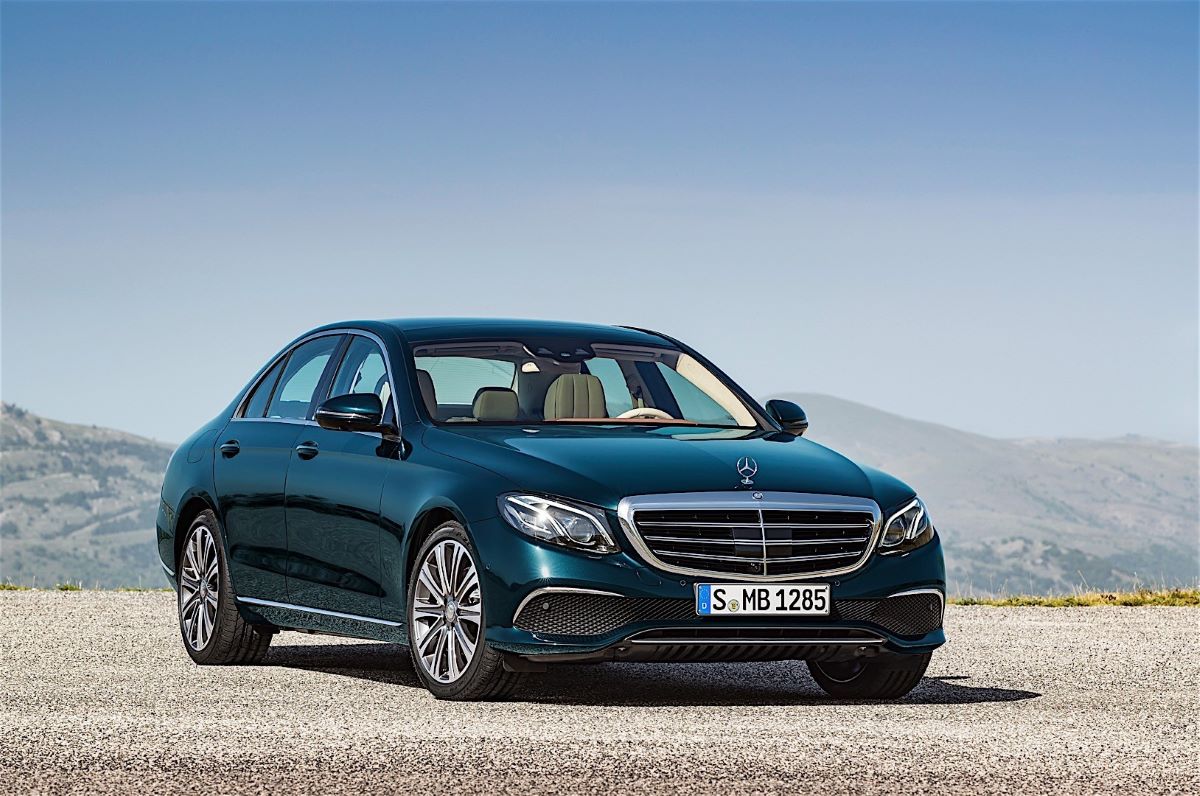
Technicians praise how the roof mechanism aligns each time it is raised, meaning the seals are never “stretched” or forced into position.
Owners appreciate the seamless transition from closed to open, reporting no change in comfort or dryness after hundreds of top-down cycles.
Mercedes-Benz’s dedication to premium ride quality translates into an open-top car where leaks are nearly unheard of, even with the added complexity of features like neck warmers and retractable wind deflectors.
Their attention to detail in sealing design helps E-Class Cabriolet drivers approach every journey, rain or shine, without a second thought about wet weather intrusions.
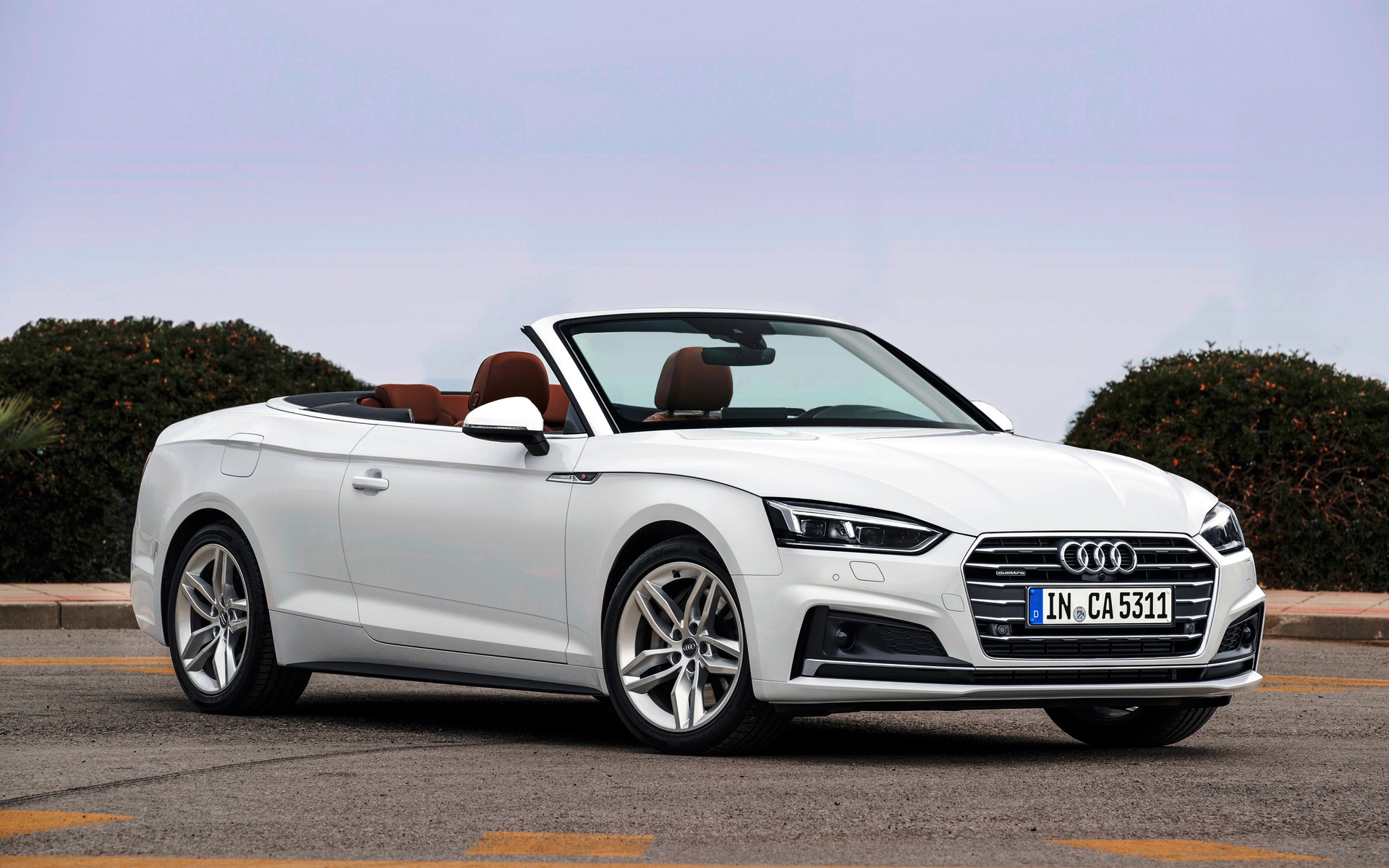
5. Audi A5 Cabriolet
Audi’s A5 Cabriolet combines elegant design with a practical focus on keeping weather on the outside.
The A5’s roof system incorporates innovative use of anodized aluminum channels, weather-resistant fabric, and watertight bondings that result from extensive laboratory and road testing.
Designers paid extra attention to the points where windows meet the roof and door edges, sealing them with reinforced, flexible rubber that retains elasticity and shape through years of sun, rain, and repeated mechanical movement.
The car’s multi-chamber door gaskets absorb and direct rainwater away from sensitive areas, and frequent positive reports from drivers suggest water leaks are virtually absent, provided normal care is taken.
Service records indicate that the most common complaints involve wind noise rather than water, and even those are typically tied to user error, such as improperly closed windows.
Audi’s well-designed soft top, paired with easy-to-maintain seals, means drivers enjoy crisp lines and comfort without worrying about puddles.
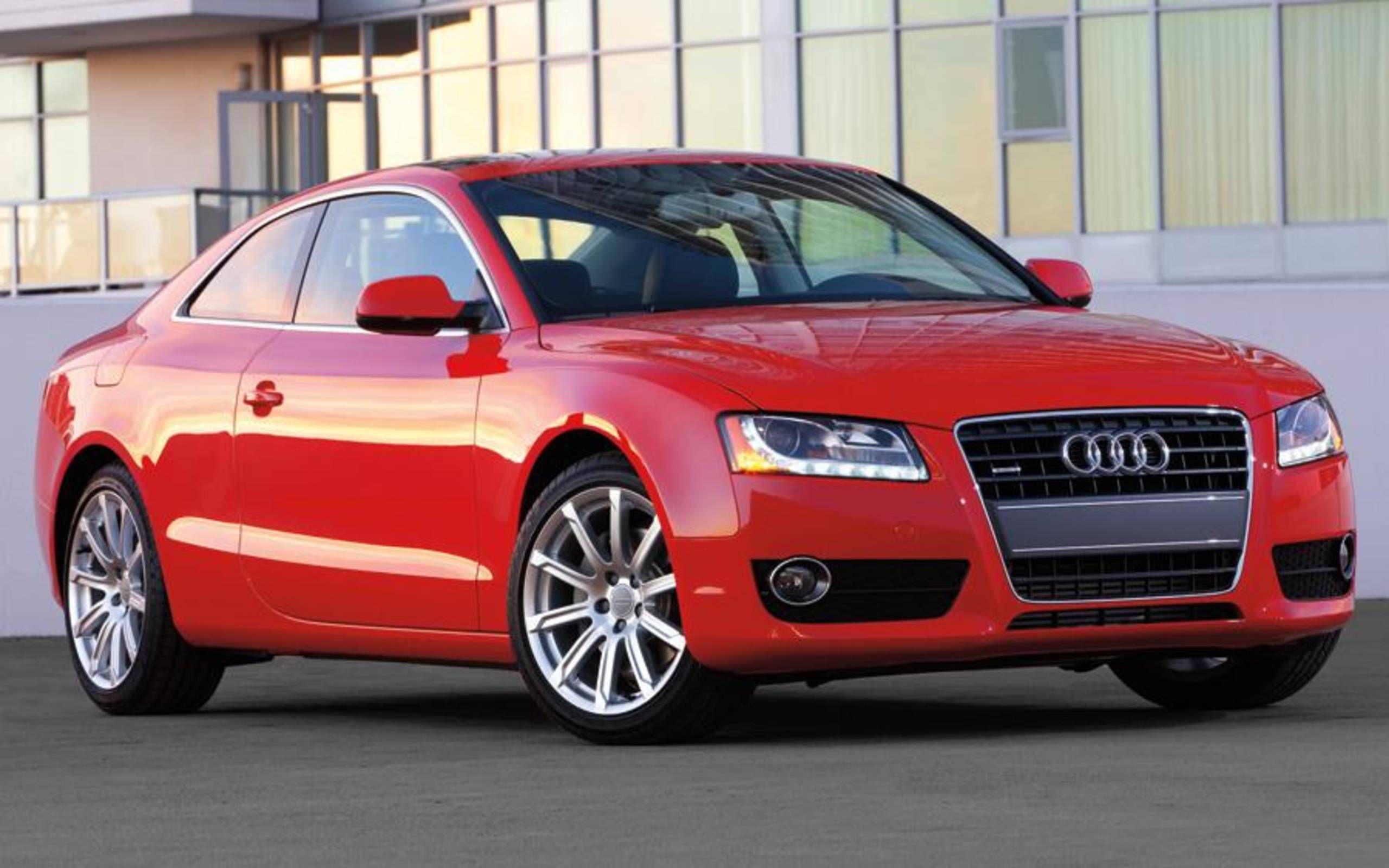
The consistent dryness reported by A5 Cabriolet owners, even as miles accumulate or after multiple seasonal changes, demonstrates how investing in a high-quality sealing system makes a substantial difference in long-term satisfaction.
5 Convertible Seals That Leak In Rain
Despite advances in automotive technology, some convertibles still struggle to keep water out. Leaky convertible seals can cause considerable frustration for owners, leading to wet upholstery, unpleasant odors, and even potential damage to electrical components.
These issues often emerge from wear and tear, poor design, or insufficient materials, and can sometimes affect cars even in their early years.
While some leaks might seem minor, persistent water intrusion can escalate into costly repairs or reduce a vehicle’s resale value.
Understanding which models commonly exhibit such problems helps owners manage expectations, carry out proper maintenance, and consider improvements where possible.
Highlighting five convertibles known for their leakage challenges sheds light on the kinds of design pitfalls and environmental impacts that contribute to these problems.
This knowledge also provides useful insight for buyers, encouraging them to thoroughly inspect seals and ask targeted questions before purchasing.
The following section will explore well-known convertibles whose seals have raised concerns among users and experts alike, featuring detailed explanations for the underlying causes, owner experiences, and what to watch for in terms of symptoms and prevention.
1. Ford Mustang Convertible (Sixth Generation)
The sixth-generation Ford Mustang Convertible has gained popularity for its powerful performance and iconic styling, but the vehicle also carries a reputation for seal-related water intrusion.
Owners have frequently reported leaks around the rear window and along the seams where the soft top meets the body. These issues commonly stem from imperfect fitment and the quality of the seals used in production.
Ford’s sealing components in this generation sometimes suffer from premature shrinkage or hardening, which allows water to seep through during heavier rainfalls or car washes.
Additionally, the design of drainage channels in this model can be insufficient, causing water to accumulate or reroute unpredictably toward the interior.
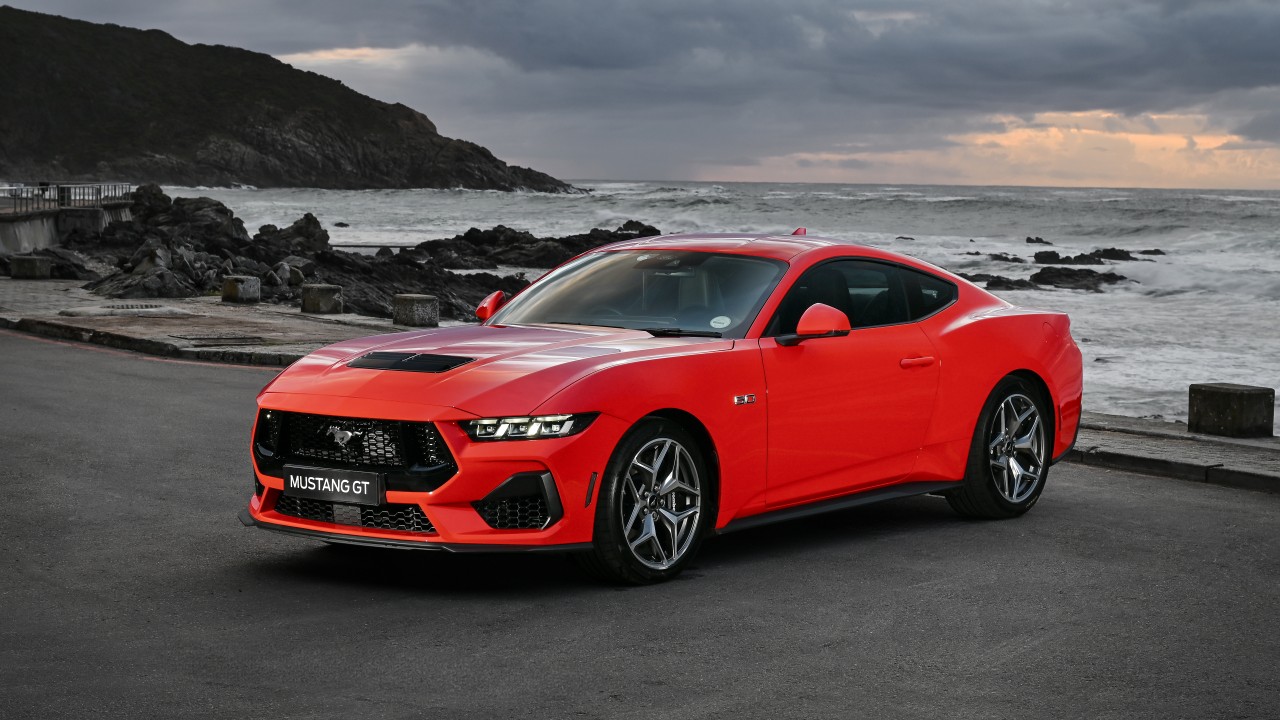
Many Mustang drivers find that leaks worsen after multiple roof cycles or exposure to extreme weather changes.
While some cases can be mitigated by reapplying seal conditioners or aftermarket upgrades, the persistence of these problems makes the Mustang less appealing to buyers in wetter climates.
The combination of owner feedback and repair shop reports highlights the importance of regular inspections and the challenges Ford faced in balancing affordability with durable sealing in this convertible.
2. Mini Cooper Convertible (Third Generation)
The third-generation Mini Cooper Convertible emphasizes style and urban agility, yet several owners have noted troubling experiences with water ingress.
The soft-top seals can lose elasticity over time, especially in hot and humid environments, causing micro-gaps to develop around the roof’s edges and windows.
A significant source of leaks is the rear quarter windows, where rubber molding often fails to maintain tight contact, partly due to the vehicle’s compact structural tolerances.
Moreover, some Minis suffer from clogged or poorly designed drainage tubes, which are supposed to funnel water away from the cabin but instead allow it to pool inside door panels or flooring areas.

These design weaknesses lead to wet carpets and occasional staining inside the vehicle. Although Mini has worked to address these concerns with service campaigns and updated parts, many owners express frustration over recurring wetness and the maintenance required to keep leaks at bay.
This convertible’s challenges exemplify risks inherent to small, tightly packaged roofs that combine aesthetics with complex mechanical movements in limited space.
3. Volkswagen Eos
The Volkswagen Eos, notable for its unique hardtop convertible with an integrated sunroof, has a mixed reputation regarding weather resistance.
Despite its solid construction and appeal as a coupé-cabriolet hybrid, the Eos has faced challenges with seal longevity and water tightness.
The complexity of its folding roof mechanism introduces multiple potential leak points, particularly between the retractable glass sunroof and the rear window seals.
Over time, the Eos’s rubber gaskets can warp or deteriorate, leading to water trickling into the trunk or passenger compartment during heavy rains.
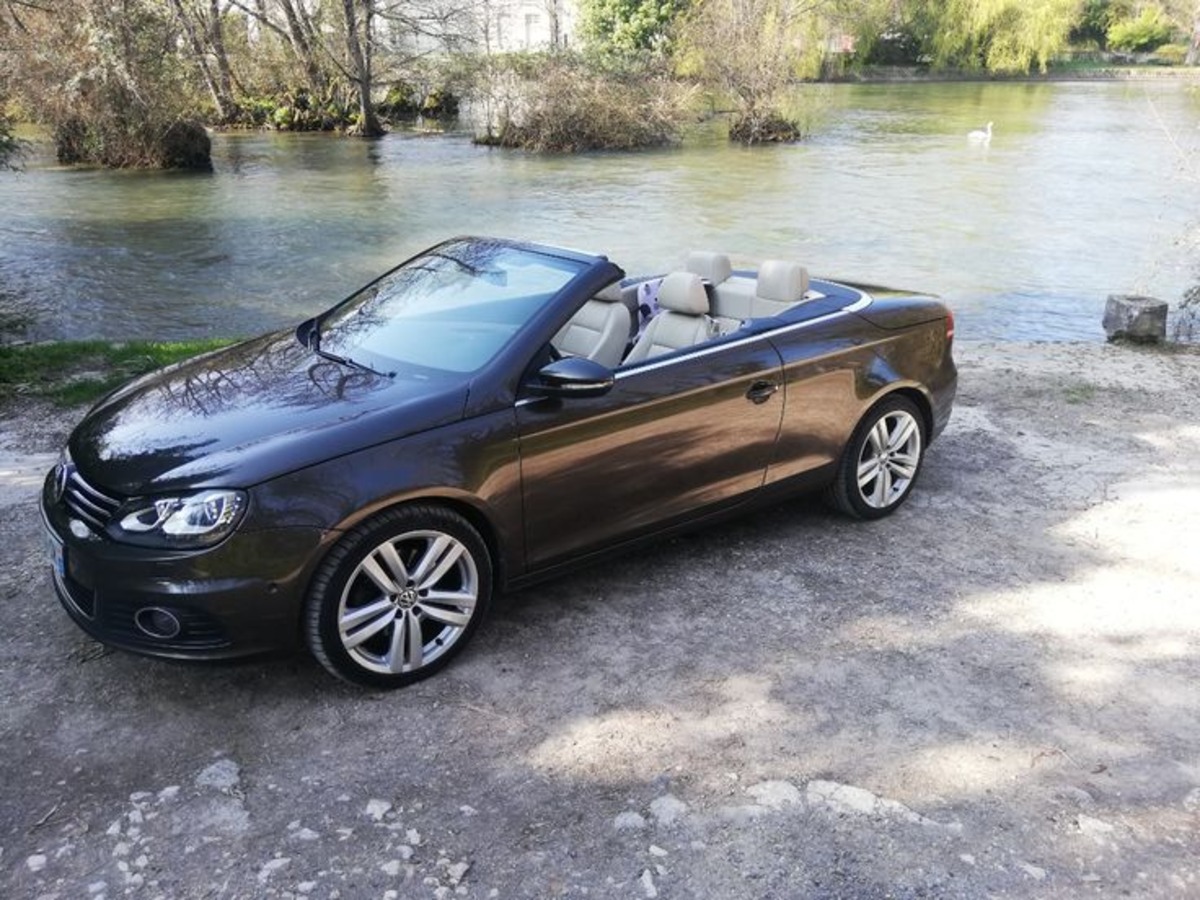
Additionally, some owners report persistent musty odors that stem from trapped moisture, indicating poor drainage or seal failure.
Volkswagen’s intricate roof design, while visually impressive, complicates regular maintenance and increases the chances of improperly seated seals after servicing.
The Eos case underscores how convertible engineering sophistication can sometimes come at the expense of long-term watertight performance if materials or assembly tolerances fall short.
4. Fiat 500C
The Fiat 500C offers a charming, retro-inspired convertible experience, but it has drawn criticism for rainwater intrusion, particularly in regions with frequent rain.
The soft-top seals on the Fiat 500C, while visually integrated with the car’s design, tend to lose effectiveness after exposure to weather elements. Owners often mention leaks along door edges and near the rear of the roof where the fabric meets the bodywork.
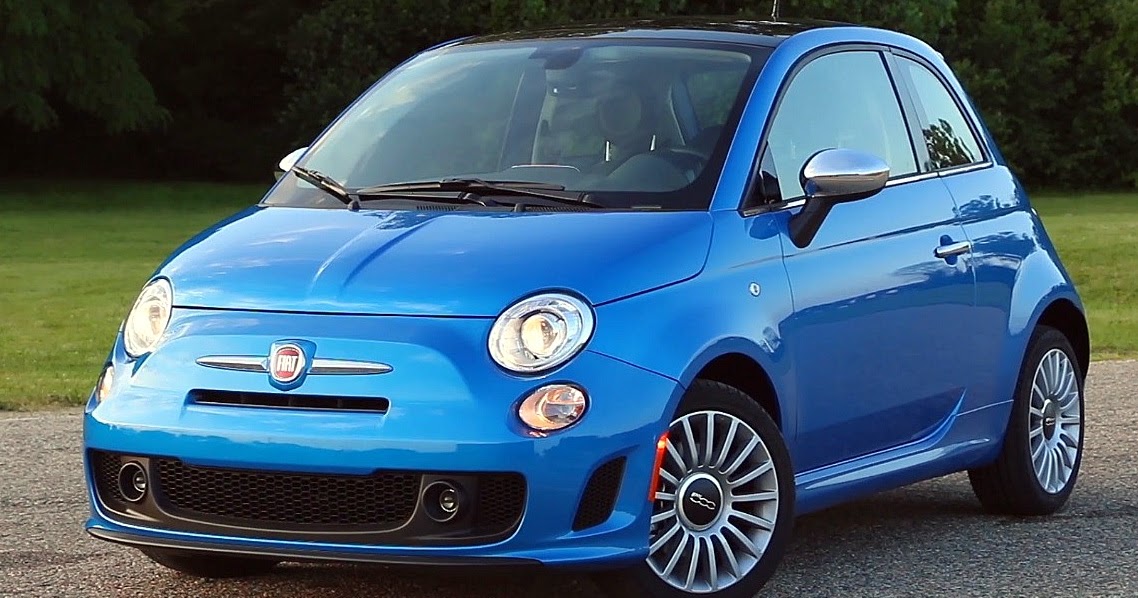
The seals themselves are prone to shrinkage and hardening, common issues for convertibles lacking reinforced rubber compounds or multi-layer construction. Moreover, drainage routes appear inadequate, leading to water pooling and eventual seepage into the footwells.
Repair shops note that the 500C’s small size and tight tolerances leave little room for adjusting or improving seals without replacing entire roof assemblies.
This convertible highlights the trade-off between compact design and durability in sealing systems, as users frequently find themselves addressing wet interiors after moderate rainfall.
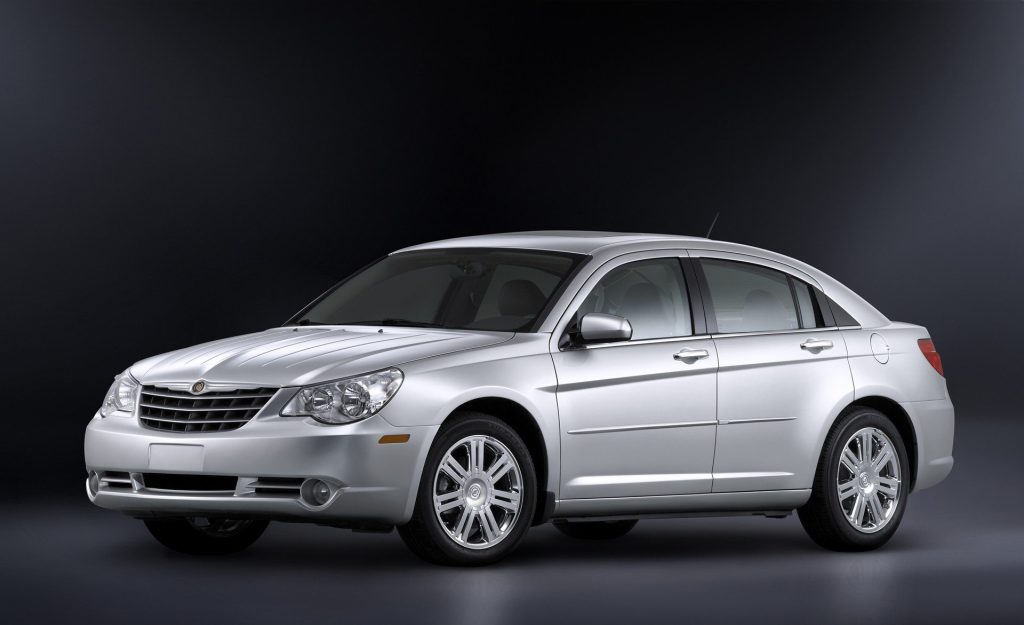
5. Chrysler Sebring Convertible (Fifth Generation)
The fifth-generation Chrysler Sebring Convertible carries a historical reputation as a popular but leak-prone model. Its soft-top seals often struggle to maintain watertight barriers after years of use.
Problems commonly include leaks near the rear window and along side seals, exacerbated by the car’s relatively simple sealing materials and aging design.
The Sebring’s drainage system, while functional when new, often clogs with debris or becomes less effective as the seals deteriorate.
Many owners report water stains and wet upholstery, particularly following heavy rain or vehicle washes. Some drivers attempt temporary fixes such as silicone treatments or replacement seals, but long-term watertight performance remains an issue.
The Sebring’s experience serves as a cautionary tale on the importance of investing in seal materials and drainage design early in a convertible’s engineering process.
It remains an example of how wear and tear on seals can compromise the enjoyment of open-air motoring when solutions are either too costly or insufficiently addressed by manufacturers.
Convertible cars bring a unique appeal by allowing drivers to enjoy open-air motoring, but this freedom introduces the ongoing challenge of maintaining watertight seals to prevent rain intrusion.
The effectiveness of these seals is crucial because leaks can lead to discomfort, damage to interiors, and potential electrical faults.
This summary contrasts two groups of convertibles: those with seals that reliably keep water out, and those whose seals often let rain seep in, providing insight into what makes for a successful watertight system and what pitfalls to avoid.
Among the convertibles known for excellent watertight seals, several models stand out due to their high-quality materials, precise engineering, and thorough testing.
The Mazda MX-5 Miata (ND generation) showcases how decades of refinement and balanced seal tension around the soft top and windows translate into minimal water intrusion, even after prolonged use and exposure to heavy rain.
Its well-designed drainage paths also help keep water away from the cabin, contributing to its reputation for durability and dryness.
BMW’s 4 Series Convertible (G23) employs advanced multi-layered sealing techniques combined with precision sensors that ensure consistent pressure of the glass against seals, effectively preventing water from entering.
The model benefits from rigorous rain simulation and wind tunnel testing, resulting in a cabin described by many owners as “vault-like” in dryness and quietness, even after multiple roof operations.
Porsche’s 911 Cabriolet (992 generation) integrates bonded and adaptable seals with carefully engineered contact points and drainage channels.
Known for withstanding demanding monsoon tests, its sealing system supports the high-performance car’s reputation by protecting its interior from moisture without requiring excessive maintenance. It demonstrates how premium sports cars can combine performance with long-term comfort.
The Mercedes-Benz E-Class Cabriolet (A238) establishes itself as a luxury reference point with triple-layer door seals, mesh-lined drainage, and precisely aligned roof mechanisms that maintain seal integrity for hundreds of cycles.
Its owners praise the dryness and sound insulation, reflecting Mercedes’ commitment to quality where even retractable wind deflectors don’t compromise sealing effectiveness.
Audi’s A5 Cabriolet employs innovative materials such as anodized aluminum channels and flexible rubber gaskets that maintain elasticity and shape over time.
The model’s multi-chamber door gaskets also contribute to effective water management, resulting in very few leak reports. Audi’s approach emphasizes practical durability coupled with elegant design, serving as a benchmark for convertibles combining style and function.
On the other hand, several convertibles are known for common seal failures and water leaks, causing frustration and requiring constant attention.
The Ford Mustang Convertible (sixth generation) often suffers leaks due to shrinking or hardening seals and insufficient drainage, especially around the rear window and soft top seams. This model highlights challenges faced when balancing cost constraints and seal longevity.
The Mini Cooper Convertible (third generation) experiences water intrusion mainly through rear quarter window seals and inadequate drainage tubes.
Its compact design leaves little room for error, and frequent leaks cause wet carpets and interior dampness, especially in humid climates. Despite efforts by manufacturers to improve, recurring problems persist for some owners.
Volkswagen’s Eos illustrates how complex roof mechanisms, while attractive and functional, can create multiple leak points.
Its retractable sunroof and folding elements require precise seals that can degrade over time, resulting in water entering the trunk or passenger area and causing musty odors. The model underlines the risks involved with intricate convertible designs.
The Fiat 500C, known for its styling, struggles with shrinking seals and poor drainage, often leading to water pooling near door edges and rear roof joins. Its small dimensions prevent effective adjustments or upgrades, making leaks a regular issue in rainy regions despite the car’s charm.
Finally, the Chrysler Sebring Convertible (fifth generation) is historically associated with leak-prone seals that deteriorate and clog drainage channels over time.
Owners report water stains and wet interiors that degrade the overall ownership experience, emphasizing the importance of durable material choices and engineered water management in convertibles.
Together, these examples offer a comprehensive understanding of what convertible seals need to succeed and why some fail.
Careful design, quality materials, precise manufacturing, and regular maintenance are key factors that separate a dry top from a leaky one.
Recognizing these differences empowers buyers and owners to select, maintain, and improve their convertibles in ways that protect their investment and enhance enjoyment regardless of the weather.
Also Read: 5 Door Latches That Shut Soft VS 5 With Loud Squeaks
