
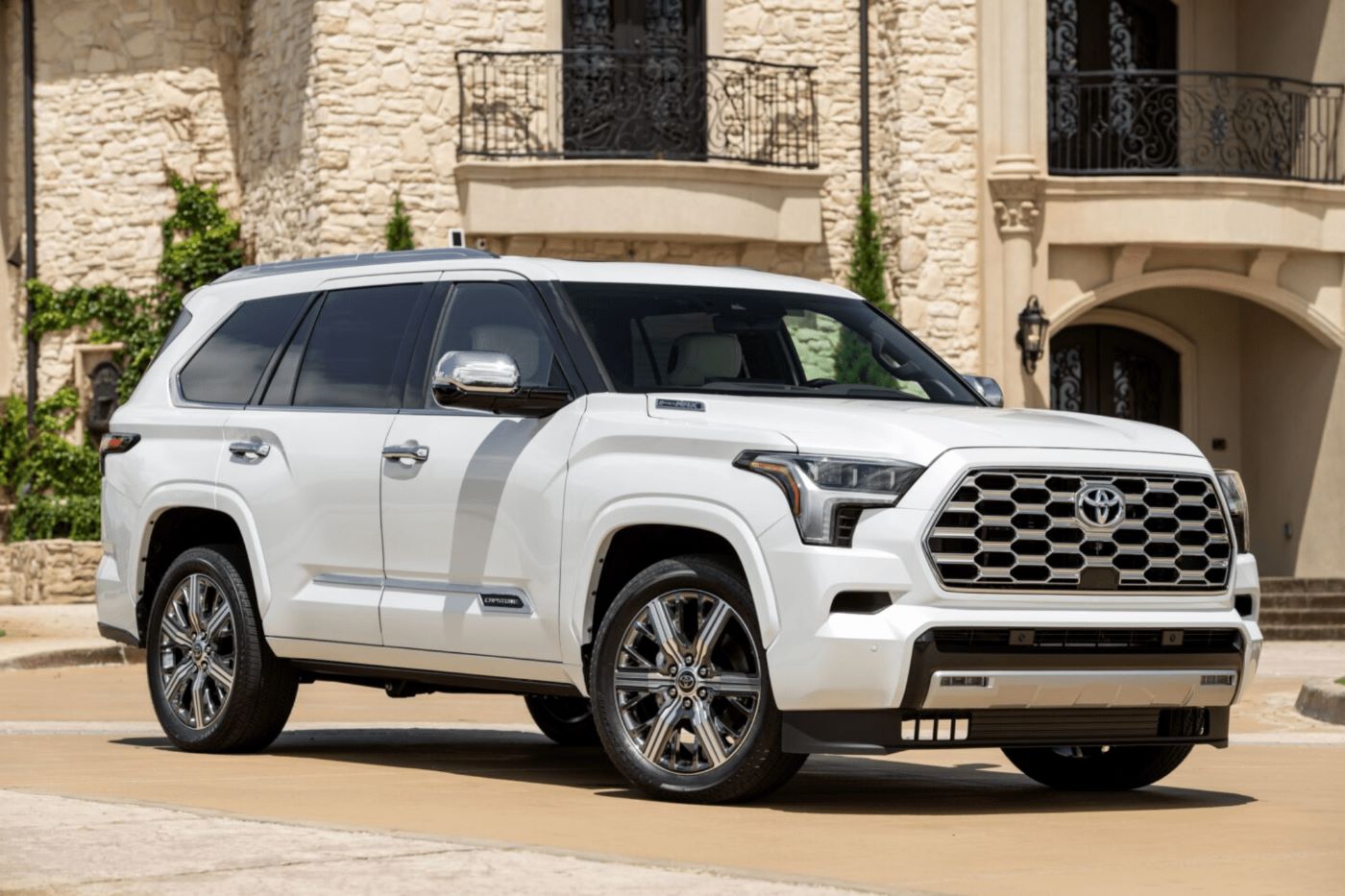
Preparing for a long trip requires more than just packing bags and filling up the tank. When it comes to a large SUV like the Toyota Sequoia, the preparation becomes even more essential.
This is not only because of its heavy-duty design but also because families and groups often depend on it for long trips, making safety and reliability top priorities.
Your Sequoia is built to handle long drives comfortably, but to get the most from your journey, a careful check of important details can make all the difference.
Road trips often present unpredictable situations. Weather conditions, changing terrains, and hours behind the wheel test both the driver and the vehicle.
The Sequoia is well-regarded for its space, power, and advanced features, but those benefits can only go so far without proper preparation.
A vehicle that has not been inspected or equipped correctly could be prone to delays and unnecessary stress, turning what should be a memorable journey into a frustrating one.
By taking steps before hitting the road, you gain confidence that your Sequoia will perform at its best.
This includes mechanical inspection, organizing the interior for comfort, ensuring tires and brakes are in top condition, and carrying the right supplies. Planning is not just about convenience it is about safety for everyone in the car.
This guide offers practical steps to follow before setting out. Each measure will enhance comfort, improve efficiency, and reduce risks.
Think of it as a checklist that balances both vehicle readiness and traveler comfort. By dedicating some time to preparation, you give yourself the best chance for a smooth, enjoyable road trip.
Also Read: 5 Jeep Compass Years Worth Keeping vs 5 To Avoid
Tip 1: Check the Tire Condition and Pressure
Tires are often overlooked during everyday driving, yet they play one of the most important roles in keeping your Toyota Sequoia safe and steady on the road. Before a long trip, take time to inspect them thoroughly. Start by checking the tread depth.
Tires with worn-out tread struggle to grip the road, especially under wet or slippery conditions. A simple way to test is to insert a coin into the tread grooves; if most of the coin is exposed, it might be time for replacements.
Equally important is air pressure. Because the Sequoia is a larger SUV, tire pressure impacts fuel efficiency, comfort, and stability more than in smaller cars.
Driving with tires that are underinflated can cause unnecessary strain on the engine and reduce mileage, while overinflated tires can make the ride harsh and increase the risk of uneven wear. Consult your vehicle’s manual or the label inside the driver’s side door for the recommended PSI levels, then adjust at a nearby service station.
Alignment and rotation are other factors to think about. A vehicle with misaligned tires may drift to one side, requiring frequent corrections while driving. This not only makes road trips tiring but can also compromise safety.
If you notice uneven wear or steering pull, schedule a professional alignment before you set out. Similarly, rotating the tires promotes even wear, extending their life and improving balance.
Lastly, inspect your spare tire. Many drivers forget about it until they truly need it. Confirm it is inflated properly and that the tools needed to change a flat, such as a jack and lug wrench, are present and functional. Nothing is more discouraging than getting stranded with a fixable issue but lacking the means to solve it.
Making sure the tires are road-ready lays a foundation of safety for the entire journey. With properly inflated and well-maintained tires, you can expect better handling, more comfort, and peace of mind no matter how many miles lie ahead.
Tip 2: Inspect the Braking System
The braking system of your Toyota Sequoia is one of the most crucial safety features to check before taking a long trip. A heavy SUV like the Sequoia requires strong, responsive brakes to manage its weight, especially when traveling with a full load of passengers and luggage.
Road trips often include varying driving conditions such as steep inclines, winding passes, or sudden traffic stops, so ensuring your brakes are in excellent shape is non-negotiable.
Start with the brake pads. They naturally wear down over time, and when they become too thin, braking efficiency decreases. If you notice squeaking noises, grinding, or longer stopping distances, this could be a sign that new pads are needed. Have them inspected by a technician if you are unsure.
Brake fluid is another key factor. This hydraulic fluid transfers force from the pedal to the brake system. If levels are low or the fluid looks dark, it might be due for a replacement.
Old or contaminated fluid can reduce performance, particularly during extended downhill driving, when brakes tend to get hot. Heat can cause “brake fade,” making them feel soft and less effective, which is particularly risky on long trips.
Also, check for any vibrations or pulsing sensations when pressing the brake pedal. These are often signs that the rotors may be warped or uneven. Driving long distances on highways accentuates such issues and can hurt both safety and comfort.
Since the Sequoia is often used for towing or carrying heavy groups, make sure the braking system is strong enough for the expected load. A well-maintained brake system not only ensures safety but also reduces fatigue because you won’t feel the need to constantly second-guess the vehicle’s stopping ability.
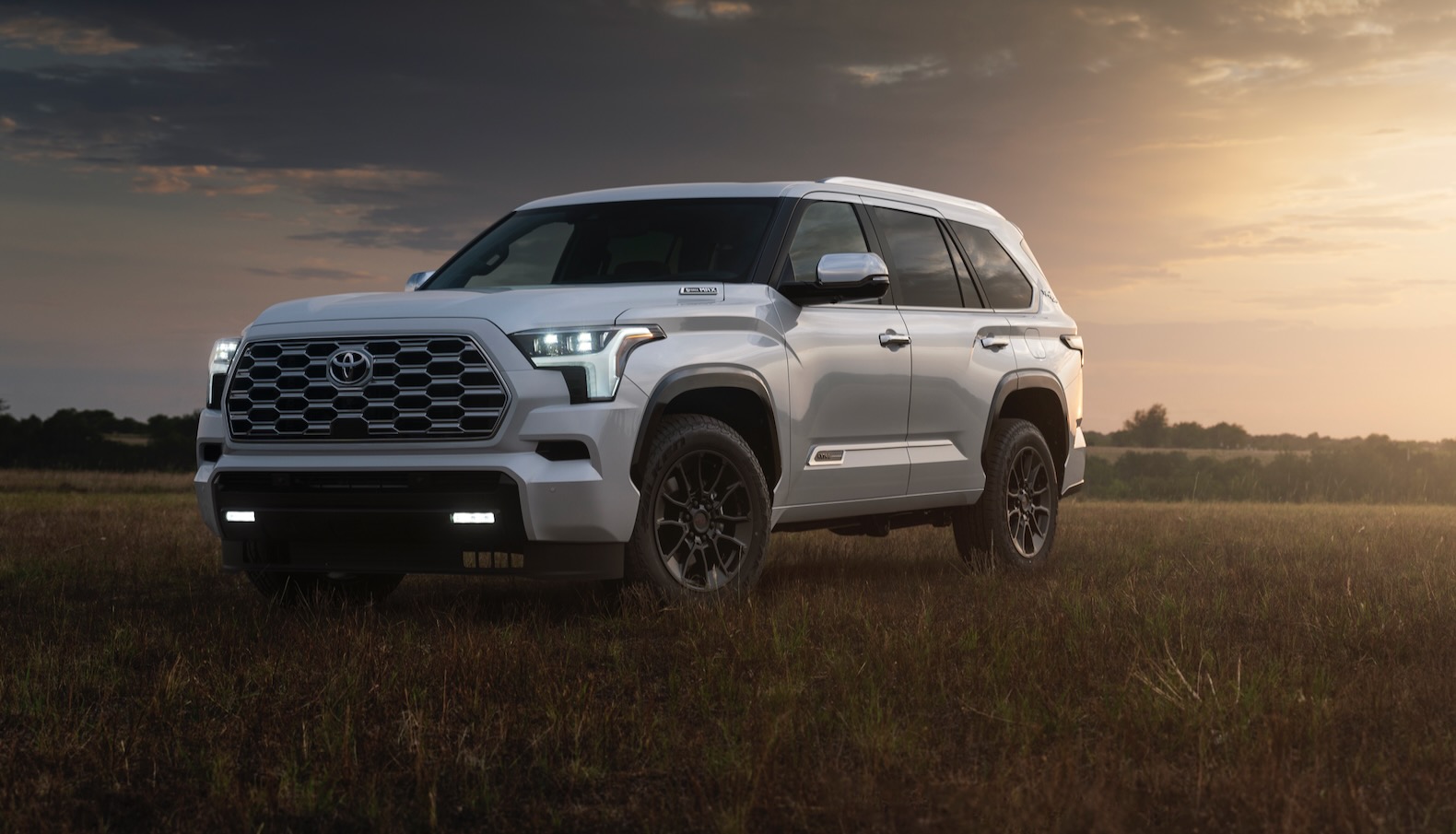
Paying close attention to your braking system ahead of a trip provides peace of mind for both driver and passengers. When you know your vehicle can slow down and stop without hesitation, every mile ahead feels much more secure.
Tip 3: Check Fluids and Filters
For any vehicle, proper fluid levels and clean filters are essential, but with a large, powerful SUV like the Toyota Sequoia, their importance is magnified. A road trip tests your engine and supporting systems for hours at a time, often in hot or varied weather.
Without the right fluids, performance can quickly decline, leading to potential breakdowns along the way.
Begin with the engine oil. It lubricates all moving parts and prevents overheating. Make sure it is at the correct level and within the recommended service interval.
If your upcoming trip involves heavy driving or towing, it may be wise to do an oil change before hitting the road, even if you are not yet at the mileage mark for replacement.
Coolant should be next on your list. The cooling system is vital to prevent the engine from overheating, especially when traveling through mountainous regions or hot climates. Ensure the fluid is filled to the proper line and that there are no leaks.
Transmission fluid is another overlooked but critical element. The Sequoia’s automatic transmission undergoes a lot of stress during extended drives. Low or degraded fluid affects gear shifting and can lead to larger issues. Checking its level and color before leaving provides extra assurance.
Brake fluid and power steering fluid should also be reviewed. Each supports vital control systems, and maintaining them at ideal levels reduces the chance of sudden failures.
As for filters, start with the engine air filter. Dust, dirt, and debris can clog it, reducing airflow and efficiency, which is noticeable in fuel consumption and power.
Cabin filters are equally important for passenger comfort. They keep air clean inside the SUV, which is beneficial during long trips with changing climates.
By checking and replenishing fluids, and replacing worn filters where needed, you prevent small issues from turning into larger, costly roadblocks.
It is a straightforward step that pays off in performance and reliability, allowing your Sequoia to power through hundreds of miles smoothly.
Tip 4: Test the Battery and Electrical System
One of the most frustrating experiences on a road trip is dealing with a dead battery, especially if you are far away from a town or service center.
Modern SUVs like the Toyota Sequoia rely heavily on their electrical systems not just for starting the engine but also for powering navigation, entertainment, climate control, and driver-assist features. Before leaving, make sure your battery and electrical system are up to the task.
Start with a visual inspection of the battery. Check for corrosion on the terminals and ensure that the cables are tightly connected.
A buildup of white or green residue around the terminals can lead to a weak electrical connection. Cleaning them with a brush and applying some protective grease can help prevent this from returning quickly.
Next, test the battery’s voltage. Many auto parts stores will do this free of charge, or you can use a multimeter at home. A healthy reading should show around 12.6 volts when the vehicle is off and 13.7 to 14.7 volts when running. If the voltage is low, it might be time to replace the battery before your trip.
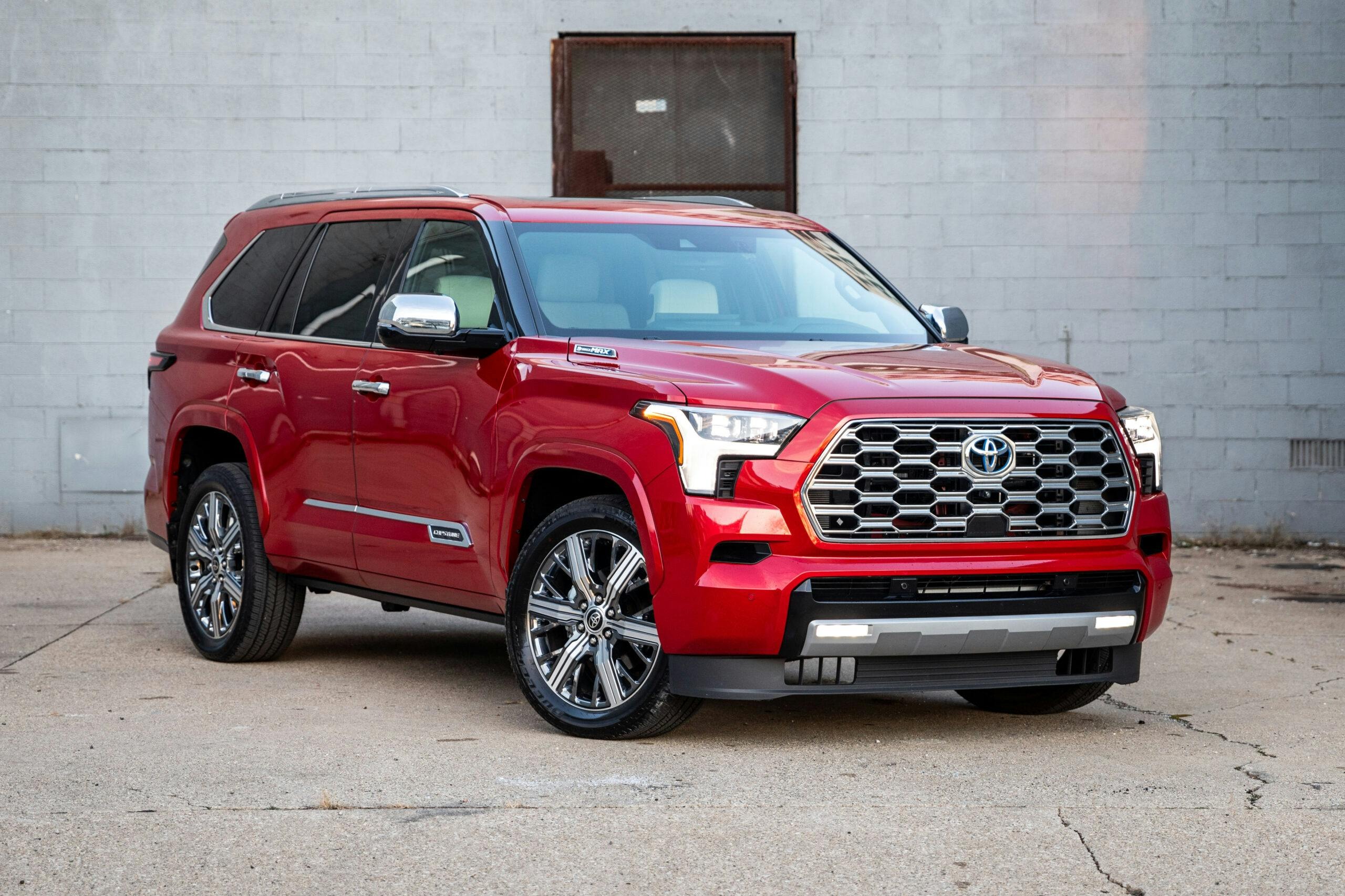
Consider how old your battery is. Most last between three to five years, but extreme weather, frequent short trips, or heavy use of electrical accessories can shorten its life. If your battery is nearing that age range, replacing it proactively may save you the trouble of a breakdown.
Beyond the battery, inspect headlights, taillights, brake lights, and turn signals to make sure they are functioning correctly.
Long drives often pass through dark rural stretches where reliable lighting is essential. Interior electronics like USB ports and accessory outlets also deserve a check since you may rely on them to charge devices for the journey.
Ensuring the battery and electrical system are strong gives you confidence and avoids unnecessary stops. Knowing your Sequoia can handle the demands of multiple hours of driving and accessories provides reassurance and keeps the trip moving along smoothly.
Tip 5: Pack an Emergency Kit
No matter how well-prepared your Toyota Sequoia may be mechanically, unexpected situations can crop up on any road trip.
Flat tires, sudden weather shifts, or minor injuries are all possibilities. Having a well-equipped emergency kit ensures that even if something goes wrong, you have the tools and supplies to respond effectively.
Begin with the basics: a first-aid kit stocked with bandages, antiseptic wipes, adhesive tape, scissors, gauze, and pain relief medication. This will take care of minor injuries or discomforts that can happen along the way.
Next, think about emergency tools for your vehicle. Jumper cables are essential in case of a drained battery, while a flashlight with extra batteries helps during nighttime breakdowns.
A tire repair kit or sealant, combined with a portable air compressor, can temporarily fix a flat and get you to the nearest service station. Don’t forget road flares or reflective triangles to make your vehicle visible if you need to stop on a busy highway.
Carrying bottled water, non-perishable snacks, blankets, and extra clothing is also smart, especially on long trips through areas with limited services.
These items can make waiting for assistance much more manageable. Some travelers even carry multi-tools or small toolkits for simple repairs.
Since the Sequoia has ample storage space, you should have no trouble allocating a small section for your emergency supplies.
Pack them neatly so they do not shift around during the drive. Additionally, keep items like a spare phone charger or a power bank in the kit to ensure communication remains available.
An emergency kit gives peace of mind. Even though you may never need to use most of its contents, knowing they are on hand means you are prepared for unplanned situations.
It turns potential breakdowns and delays into manageable inconveniences, ensuring your trip remains safe and enjoyable.
Tip 6: Organize the Interior for Comfort and Accessibility
One of the great strengths of the Toyota Sequoia is the sheer amount of space it offers. With three rows and generous cargo capacity, it is ideal for long trips with family or friends.
However, if the interior isn’t organized properly, all that space can quickly turn into clutter, which not only reduces comfort but can also affect safety during sudden stops.
Start by planning where items will be stored. Essential items like snacks, water, maps, or mobile chargers should be easily accessible to passengers without requiring someone to dig through luggage.
Consider using seat-back organizers or small bins to keep items separated and tidy. This prevents distractions while driving and keeps everyone happy during the journey.
For families with kids, pack small entertainment bags filled with books, games, or devices along with charging cables.
Having these items within reach will reduce complaints of boredom and keep everyone occupied. Since the Sequoia is designed to provide a smooth ride, adding personalized entertainment only improves the experience.
Comfort is just as important as organization. Bring along small pillows, travel blankets, and sunshades for the rear windows if you expect long hours on the road.
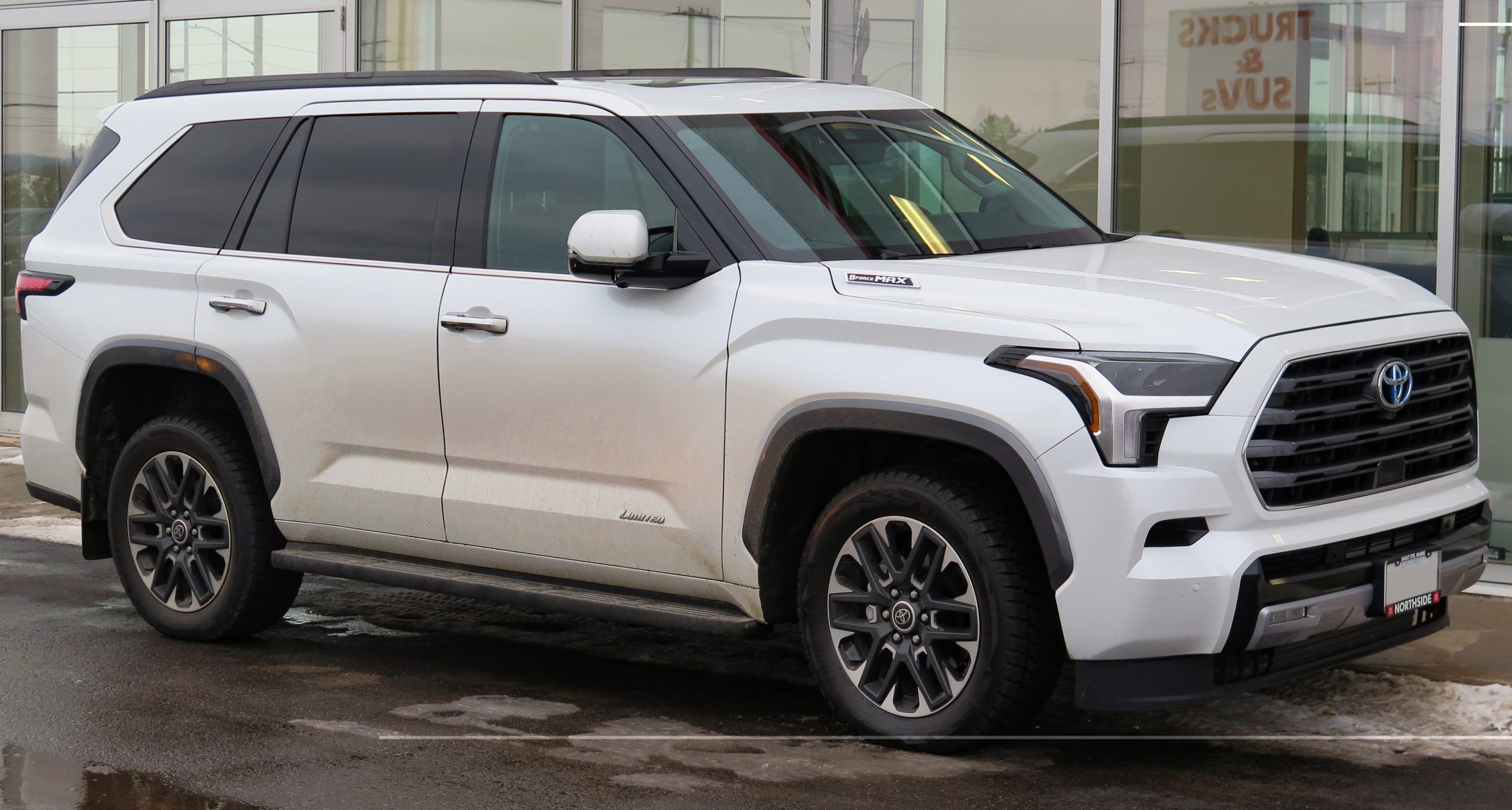
Adjusting seating positions and spreading out luggage wisely ensures that no one feels cramped. Heavier luggage should go in the cargo area and be secured properly to avoid it moving around during turns or sudden stops.
Safety also ties into interior organization. Loose objects can become dangerous if the vehicle brakes suddenly. Store heavier items on the floor and keep lighter, soft items within arm’s reach.
When the interior is arranged logically, both comfort and safety improve dramatically. You make better use of the Sequoia’s space while ensuring that essential items are always close at hand. A well-organized interior sets the stage for a smoother, stress-free trip.
Tip 7: Update Maps, Navigation, and Entertainment Systems
Technology plays a major role during modern road trips, and your Toyota Sequoia comes with advanced features that can make travel far easier. However, these systems need to be checked and updated before departure.
Outdated maps or glitchy infotainment software can cause unnecessary stress, delays, or confusion, especially when traveling through unfamiliar areas.
Start with the navigation system. If your Sequoia has built-in GPS, confirm that the maps are current. Updated maps provide the latest routes, new highways, and accurate information about rest stops or fuel stations.
If you use a smartphone-based navigation app, ensure offline maps are downloaded in case you travel through areas with poor signal coverage.
Next, turn attention to the infotainment system. Run any available software updates to fix bugs and improve compatibility with connected devices.
This ensures smoother operation of Bluetooth, Apple CarPlay, or Android Auto features you may rely on for streaming, calls, or messaging. Technology frustration is the last thing you want on a long journey.
Entertainment options also deserve planning. Long hours on the road can feel tedious, so decide whether you will use streaming services, downloaded movies, or playlists.
Bring along spare charging cables, adapters, and portable chargers to keep devices powered. If traveling with children, pre-load shows or games onto tablets since internet connections may not always be reliable.
Route planning goes hand in hand with technology updates. Choose your preferred route but also identify backup ones in case of heavy traffic, weather disruptions, or closures. Having a primary plan plus alternatives means you are never stuck without options.
Finally, test the sound system and ensure that audio levels are balanced so everyone can enjoy music, podcasts, or audiobooks without complaints.
A reliable navigation and entertainment setup transforms routine driving into a more enjoyable experience for everyone in the vehicle.
By taking care of these preparations, you reduce the chance of missed turns or frustration, and you boost the level of comfort for all passengers. Technology, when used wisely, adds convenience and peace of mind to every mile traveled.
Tip 8: Plan Your Route and Schedule Breaks
Having a dependable vehicle like the Toyota Sequoia is a great advantage, but a successful road trip also depends heavily on planning your route and timing.
Even with the best navigation systems, poor planning can lead to long delays, driver fatigue, or unnecessary stress. A thoughtful approach to your travel schedule ensures safety, comfort, and efficiency.
Start with your main route. Use updated navigation tools or maps to calculate the distance and expected travel time.
Remember that suggested times don’t account for long rest stops, heavy traffic, or road closures. Add some buffer time so you are never rushing, which helps reduce fatigue and keeps the trip more enjoyable.
Breaks are essential, especially with a larger SUV like the Sequoia that may be carrying several passengers. Plan short stops every two to three hours.
These breaks allow the driver to refresh, passengers to stretch, and kids to release extra energy. Extended trips without stops can make everyone uncomfortable and increase the risk of losing focus while driving.
Look ahead at important points on your route. Identify fuel stations, restaurants, and emergency service areas. The Sequoia offers good fuel capacity, but it’s still wise not to push it too close to empty tanks in remote regions. Having planned stops removes the stress of searching while on the move.
Also, check weather conditions for the day of travel and along the route. Adjusting your schedule based on forecasted storms, heatwaves, or icy stretches makes the trip safer. If towing or carrying heavy loads, factor that into your driving time, as it can reduce speed and increase fuel use.
A well-planned route combined with regular breaks supports both the vehicle and passengers. It keeps the driver alert, ensures the Sequoia continues performing reliably, and provides a smoother, more enjoyable journey for everyone.
Also Read: 5 Vehicle Power Outlets That Still Live Vs. 5 That Die After A Year
