For more than four decades, the Nissan Maxima has carried the title of “the four-door sports car,” offering a blend of performance, comfort, and style that made it stand out in the midsize sedan market.
While its reputation has seen highs and lows, certain model years have proven themselves to be reliable, enjoyable, and well worth keeping for the long haul. Whether you’re looking for a budget-friendly daily driver or a refined sedan with near-luxury credentials, the right Maxima can deliver strong value.
Of course, like any long-running nameplate, not every year has been a winner; some generations have been plagued by costly transmission failures, recalls, or design missteps that make them risky investments.
In this guide, we’ll highlight the five Nissan Maxima years that you can confidently keep, as well as the five model years best avoided, helping you make an informed decision when shopping for this iconic sedan.
5 Nissan Maxima Years You Can Keep
1. 2002 Nissan Maxima
By 2002, the Nissan Maxima had firmly established itself as a strong contender in the V6 sedan market. Known since the late ’80s for its balance of performance, features, and reliability, the fifth-generation Maxima (2000–2003) saw its most significant upgrade in this model year.
Reports of engine problems, which had plagued earlier models, were reduced, though minor issues such as transmission slippage were still occasionally reported.
With over 20 years on the road, these cars inevitably show some wear, but the Maxima remains an appealing choice for buyers seeking a blend of performance and value. Prospective owners, however, should still have a mechanic perform a thorough inspection before purchase.
The defining change for the 2002 Maxima was the introduction of a new 3.5-liter V6 engine, delivering 255 horsepower and 246 lb-ft of torque, an impressive increase over the previous 3.0-liter unit.
This engine transformed the Maxima into more than just a family sedan, giving it entry-level luxury sport sedan credentials. Particularly for the SE trim, a six-speed manual transmission became standard, a rarity among sedans in this class. Other models continued with a four-speed automatic, balancing performance with comfort.
With these upgrades, the Maxima positioned itself to compete directly with premium sedans like the Acura TL and Lexus ES 300, offering similar refinement at a more approachable price point.
Exterior updates for 2002 further distinguished the Maxima from earlier versions. The styling was subtly refreshed with new headlights and taillights, a larger grille badge, and a redesigned lower fascia featuring a larger air intake.
High-Intensity Discharge (HID) xenon headlights became standard across all trims, an advanced feature at the time that many luxury brands charged extra for. The taillights adopted a clear-lens design, echoing contemporary styling trends. These changes gave the Maxima a sharper, more upscale presence on the road.
Inside, Nissan introduced a series of refinements that elevated the Maxima’s cabin to luxury territory. New seat designs offered better support, while titanium-colored accents, redesigned gauge clusters, and upgraded audio systems added sophistication.
Features such as climate control, micro-filtration, driver memory seating, and a six-disc CD changer highlighted Nissan’s attention to comfort and convenience. Trim levels catered to diverse buyers: the GXE offered value with comfort features, the GLE emphasized luxury with leather and premium amenities, and the SE targeted enthusiasts with its sport-tuned suspension and manual gearbox.
With its added power, luxury upgrades, and cutting-edge technology, the 2002 Maxima blurred the line between mainstream family car and luxury sport sedan, even overshadowing Nissan’s own Infiniti I35.

2. 2003 Nissan Maxima
For 2003, the Nissan Maxima carried forward the significant upgrades it had received the previous year, making only minor adjustments before an anticipated full redesign in 2004. Transmission issues that were occasionally reported in earlier models had mostly disappeared, though engine troubles still surfaced in some cases.
This made a pre-purchase inspection crucial for anyone considering a used Maxima. Aside from that, complaints were scattered and inconsistent, suggesting that reliability had generally improved.
The lack of widespread issues, combined with strong performance and luxury touches, solidified the Maxima’s position as a standout V6 sedan.
Performance remained the highlight of the 2003 Maxima. Its 3.5-liter V6 engine, producing 255 horsepower and 246 lb-ft of torque, delivered one of the most powerful packages in its class.
The SE trim came standard with a close-ratio six-speed manual transmission, which could also be paired with a helical-type limited-slip front differential, enhancing traction and driving dynamics.
Other trims offered a smooth four-speed automatic, with the option to equip the SE with the same setup. The result was impressive performance figures, including a 0–60 mph sprint in just 6.3 seconds with the manual SE, an acceleration time that rivaled more expensive luxury sedans.
Safety and technology also received attention. All models came standard with ABS brakes, BrakeAssist, Electronic Brakeforce Distribution, dual-stage front airbags, and active head restraints.
Child-seat anchors and ALR/ELR seatbelts added family-friendly functionality, while the GLE trim gained standard front side airbags for additional protection.
Government crash testing awarded the Maxima four out of five stars in both frontal and side-impact tests, while the IIHS rated it “Acceptable” in front-offset crash evaluations. These ratings, paired with Nissan’s safety features, gave buyers peace of mind along with performance.
Inside, the Maxima continued to strike a balance between comfort and sophistication. Its spacious cabin provided excellent legroom and headroom, while a large trunk enhanced practicality. Higher-quality interior materials set it apart from its corporate sibling, the Nissan Altima, which was priced lower but lacked the same refinement.
Trim levels allowed buyers to choose their priorities: the SE for sport-oriented driving, the GLE for luxury touches like side airbags and premium amenities, and the base GXE for an affordable, well-equipped family car.
Priced around $30,000 when new, the Maxima offered a compelling alternative to entry-level luxury sedans from Acura and Lexus. For those who valued strong performance, upscale features, and long-standing reliability, the 2003 Maxima was a strong final act before Nissan’s redesign.
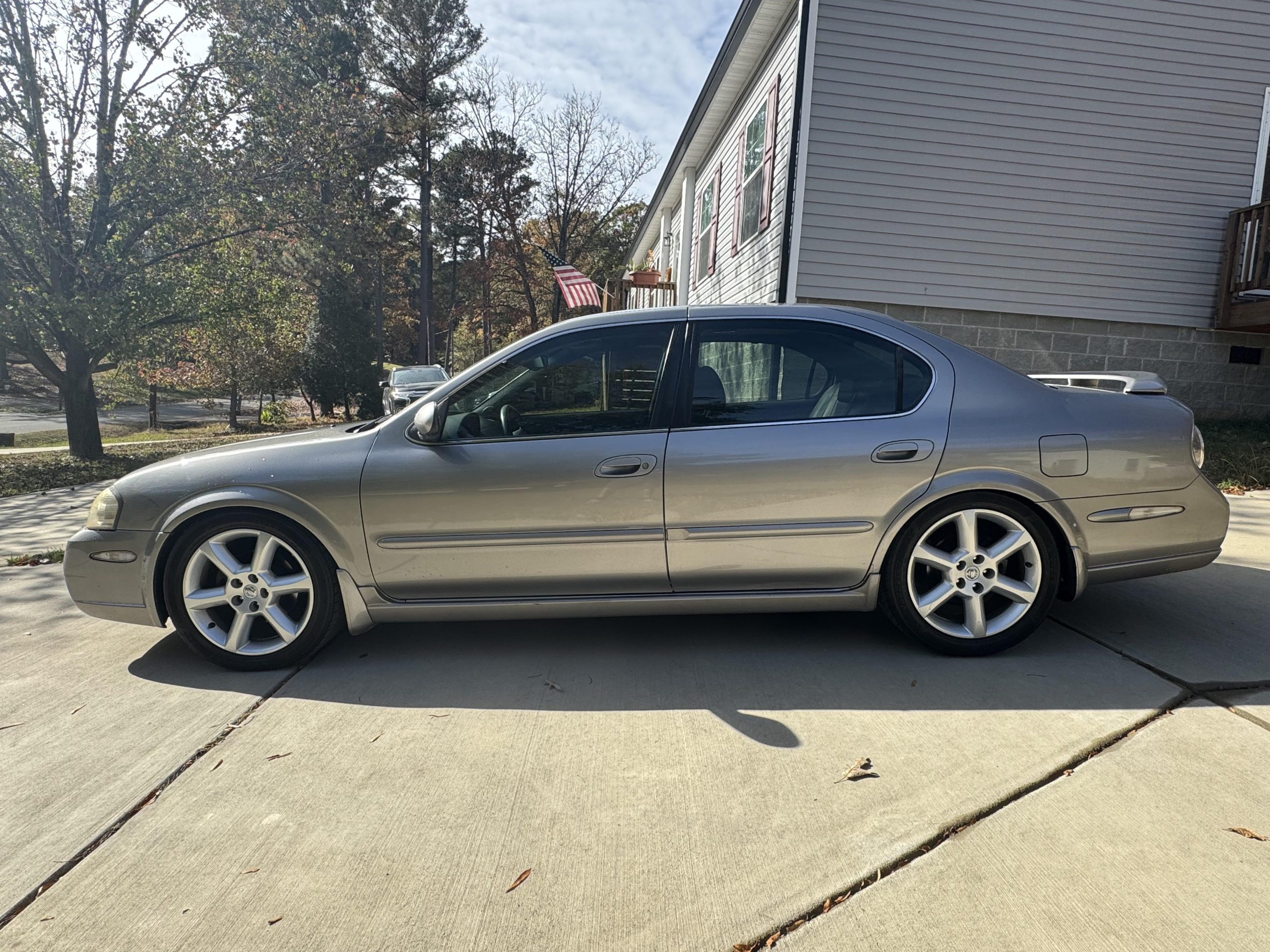
3. 2007 Nissan Maxima
By 2007, Nissan’s sixth-generation Maxima had overcome many of the mechanical troubles that marred earlier models, particularly transmission issues. Reports of serious problems dropped significantly compared to prior years, with the most common complaints now linked to the air conditioning system rather than the drivetrain.
This was welcome news for buyers since repairing a faulty A/C is far less costly than replacing a transmission.
Despite these improvements, the Maxima faced a crowded midsize and entry-luxury sedan market, where rivals like the Acura TSX, Volkswagen Passat, and even Nissan’s own redesigned Altima began to eclipse it in overall refinement.
The biggest change for 2007 was the introduction of a continuously variable transmission (CVT) across all trims. This new unit replaced both the six-speed manual and five-speed automatic, signaling Nissan’s commitment to CVT technology.
The Maxima’s 3.5-liter V6, rated at 255 horsepower and 252 lb-ft of torque under new SAE testing standards, remained as powerful as ever, with performance unaffected by the revised rating. On the road, the CVT proved smoother and more responsive than earlier versions, making excellent use of the V6’s broad power band.
However, the lack of conventional gear shifts removed some of the driving involvement that had once made the Maxima stand out among sport sedans. While the manual mode simulated gear changes, enthusiasts noted that it was no substitute for the real thing.
Nissan also refreshed the Maxima’s styling and interior for 2007. The exterior received a redesigned hood, bumper, and headlights, giving the sedan a more modern appearance.
Inside, the biggest improvement came from a redesigned center stack, which offered better ergonomics compared to the cluttered layout of previous years. The cabin was spacious, with generous room for both front and rear passengers, and the 15.5-cubic-foot trunk added to its practicality.
However, interior materials and build quality still lagged behind the expectations of a $30,000 sedan, with low-grade plastics and minor fit-and-finish flaws undermining its upscale aspirations.
Safety was another area where the Maxima held its ground. Standard equipment included traction control, ABS with brake assist, electronic brakeforce distribution, and a full suite of airbags. Stability control was available as an option.
In government crash tests, the Maxima earned strong marks, including five stars for driver protection in frontal impacts and four stars for passenger and side-impact safety. The IIHS gave it a “Good” rating in frontal-offset tests, though its “Marginal” side-impact score exposed some weaknesses compared to leading competitors.
The 2007 Maxima offered brisk performance, a roomy interior, and solid safety credentials, but in a market filled with increasingly refined rivals, it struggled to maintain its identity as the “four-door sports car” it once proudly claimed to be.
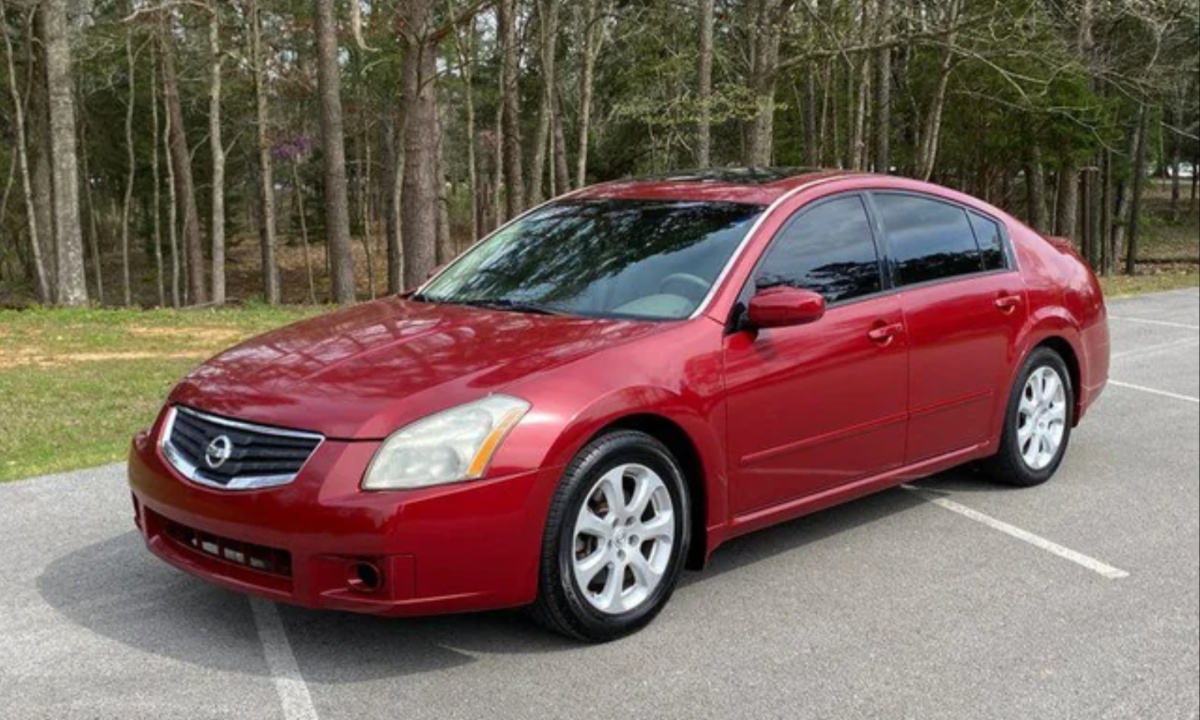
4. 2008 Nissan Maxima
By 2008, the sixth-generation Nissan Maxima had matured into a reliable, practical, and comfortable midsize sedan. With transmission and engine complaints reduced to a mere handful despite more than 47,000 units sold in the U.S., this model year stands out as the most dependable choice of its generation.
The most common issue, a leaky air conditioning hose, was minor compared to the major transmission problems that plagued earlier years. Carcomplaints.com even labeled the 2008 Maxima “Awesome,” making it an attractive option for buyers seeking a capable and affordable used sedan without the worry of frequent repairs.
Mechanically, the 2008 Maxima carried over the same drivetrain as the 2007. Its 3.5-liter VQ-series V6, paired with Nissan’s Xtronic CVT, produced 255 horsepower and 252 lb-ft of torque.
The CVT delivered smooth and responsive performance while simulating gear ratios for added driver control, though the absence of a manual transmission disappointed enthusiasts who once appreciated the Maxima’s sport-sedan roots. The EPA rated fuel economy at 19 mpg city and 25 mpg highway, decent for its class.
While acceleration was brisk and the V6 offered strong midrange power, torque steer under hard acceleration reminded drivers of its front-wheel-drive limitations. The suspension favored comfort over sharp handling, and even the sporty SE trim failed to add meaningful driving excitement.
In terms of safety, the 2008 Maxima offered a comprehensive set of standard features, including antilock brakes with brake assist, traction control, side-impact airbags, and full-length curtain airbags. Stability control remained optional.
Crash test scores were mixed: the NHTSA awarded five stars for driver frontal protection but only four stars for passenger and side impacts. The IIHS gave it a “Good” rating in the frontal offset test, but a “Marginal” rating in side-impact safety reflected a weakness compared to competitors.
These results, while not poor, were another sign that the Maxima was struggling to keep pace in an increasingly competitive midsize sedan segment.
Inside, the Maxima continued to impress with space and comfort. Its interior felt airy thanks to the SkyView glass roof, while wide seats and generous legroom in both rows reinforced its family-friendly appeal.
The dashboard design was sleek and user-friendly, correcting earlier ergonomic flaws, though some cheap plastics and fit-and-finish issues detracted from its premium ambitions. With a 15.5-cubic-foot trunk and 60/40 split-folding rear seats, practicality was another strength.
However, priced at around $30,000 to $35,000 when new, the Maxima faced stiff competition. Rivals like the Honda Accord, Chevrolet Malibu, Toyota Avalon, and even Nissan’s own Altima offered equal or better refinement for less, while luxury sedans such as the Acura TL, TSX, and Infiniti G35 made it hard to justify the Maxima’s price tag.
Ultimately, while the 2008 Maxima was the most dependable and polished of its generation, it no longer stood out as the “four-door sports car” it once proudly claimed to be.
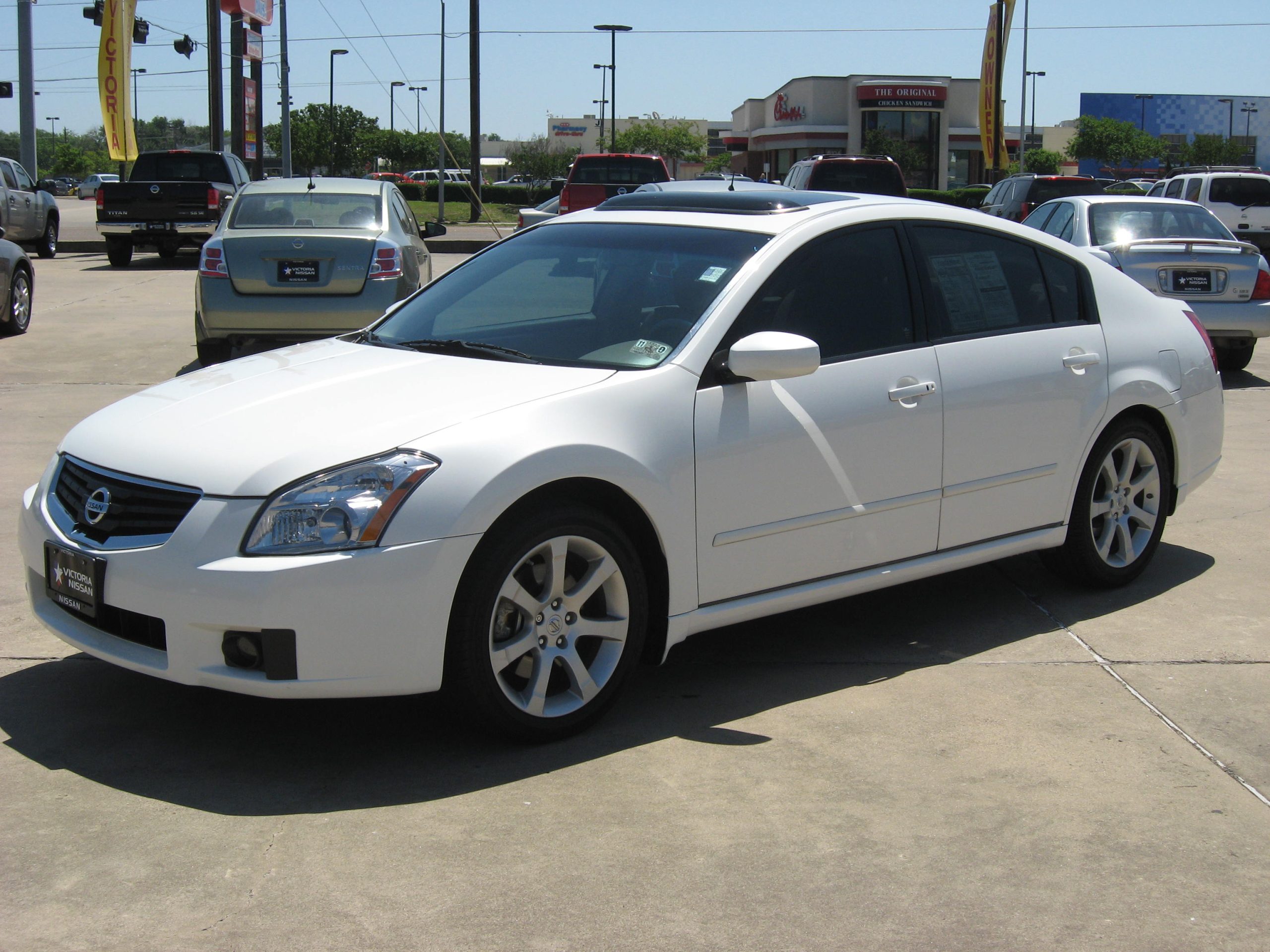
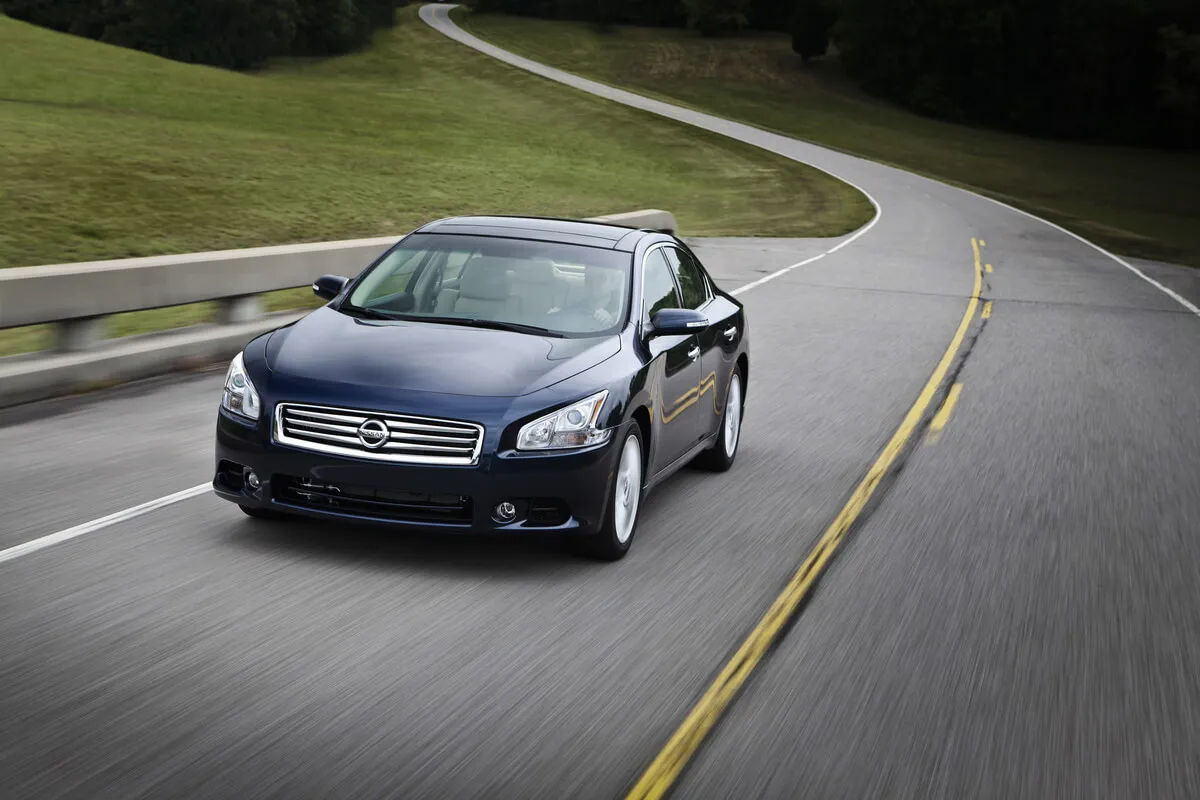
5. 2012 Nissan Maxima
After a rocky start with the seventh-generation debut in 2009, the Nissan Maxima finally hit its stride in 2012. Earlier versions suffered from reliability concerns, but by this year, reports of engine and transmission issues had nearly vanished, with only two complaints recorded by the NHTSA among nearly 66,000 units sold.
This remarkable improvement positioned the 2012 Maxima as the first truly dependable choice of the generation, shedding its troubled reputation. Minor updates, including refreshed styling and interior trim, as well as a new Limited Edition package, kept the Maxima current and added extra appeal.
Performance was one of the Maxima’s strongest selling points. Powered by a 3.5-liter V6 producing 290 horsepower and 261 lb-ft of torque, the sedan delivered rapid acceleration, reaching 60 mph in just 6.2 seconds. This made it faster than most entry-level luxury sedans with base engines.
The V6 was paired exclusively with Nissan’s continuously variable transmission (CVT), which had drawn criticism in other applications but proved to be surprisingly well-suited to the Maxima.
With smooth responses and a manual shift mode simulating six gear ratios, the CVT provided both refinement and a degree of driver engagement. Fuel economy came in at 19 mpg city and 26 mpg highway, competitive for its class.
Safety was another highlight. Standard features included antilock disc brakes, stability and traction control, front-seat side-impact airbags, full-length curtain airbags, and active front head restraints.
In testing, the Maxima performed well, stopping from 60 mph in 122 feet, an average but respectable distance for its segment. The IIHS awarded the sedan top “Good” scores for frontal-offset and side crash protection, though it rated roof strength as “Acceptable.”
These results placed the Maxima on par with competitors in the entry-level luxury sedan category, giving buyers peace of mind alongside performance and comfort.
Inside, the 2012 Maxima exuded a premium feel. High-quality materials, modern design, and an array of luxury options made the cabin comparable to Nissan’s upscale Infiniti brand. Both rows of seats provided comfort and support, though the sport-style rear buckets in higher trims limited the center position’s usability.
Cargo space measured 14.2 cubic feet, with the base S model offering 60/40-split rear seats for added practicality, while SV models included only a pass-through. The 2012 Maxima successfully blended sporty driving dynamics with luxury-level refinement at a lower price point than traditional luxury brands.
While rivals like the Chrysler 300, Hyundai Genesis, and Acura TL offered more space or prestige, the Maxima stood out as a polished, reliable, and subtly upscale sedan for those seeking understated performance.
Also Read: 5 Cars That Maintain Stability After Hitting Potholes vs. 5 That Tend to Pull Sideways
5 Nissan Maxima Years That Won’t Last
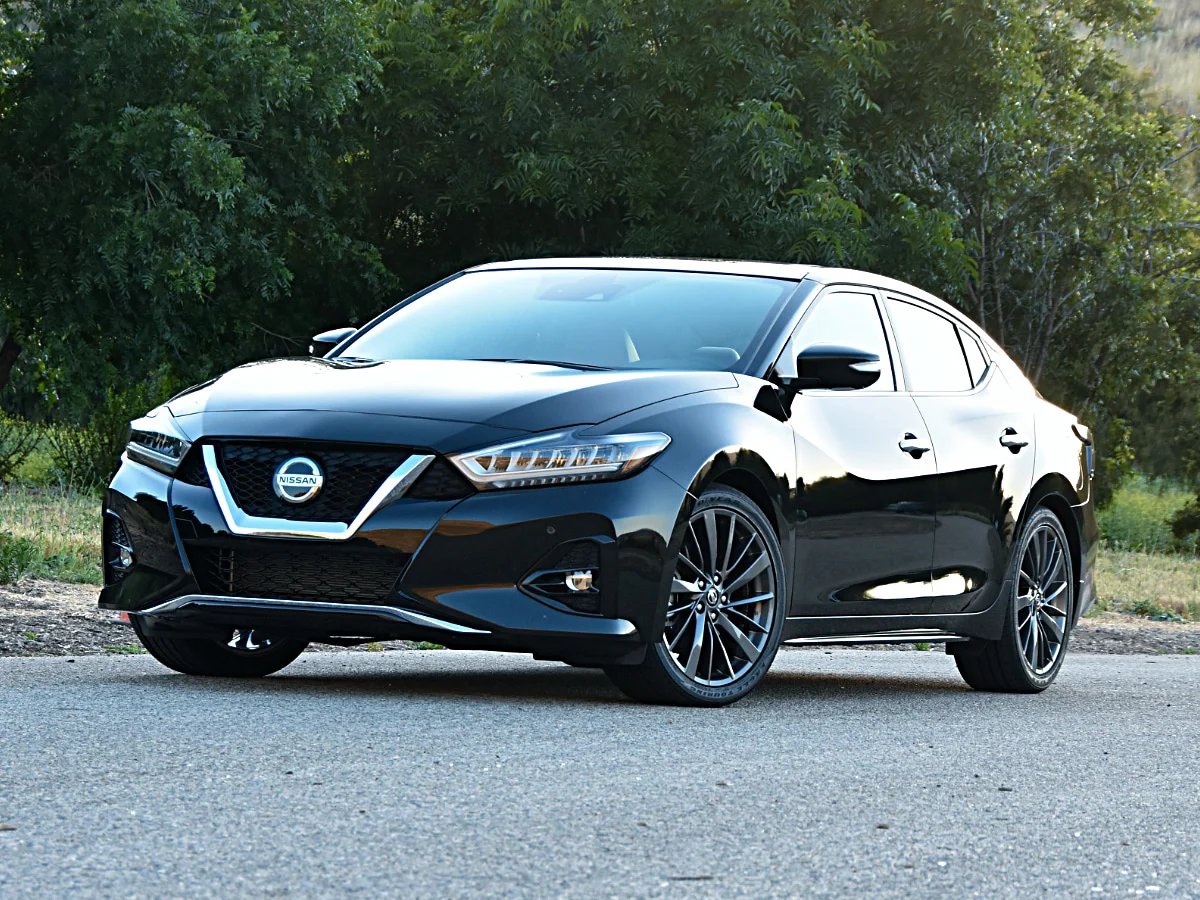
1. 2020 Nissan Maxima: A Disappointing Final Act
The 2020 Nissan Maxima marked the closing stretch of the model’s final generation, but instead of going out strong, it left a mixed impression. While Nissan did include modern touches such as the Rear Door Alert system for added safety, this year’s model carried a moderate likelihood of requiring major repairs before 100,000 miles.
Many drivers noted issues with comfort, interior flimsiness, and overall build quality that fell short of expectations for a flagship sedan. To make matters worse, the 2020 Maxima was the only model of its decade to receive an NHTSA recall for rear glass separation, raising safety concerns.
Though not the absolute worst year for the Maxima, its reputation suffers from the fact that later models with fewer problems are available at similar prices.
Combined with the reality that this release marked the beginning of the Maxima’s eventual decline, the 2020 version remains a less desirable option in the used market compared to its more dependable rivals and even some older models with better reliability.
2. 2016–2017 Nissan Maxima: Recalls and Safety Issues
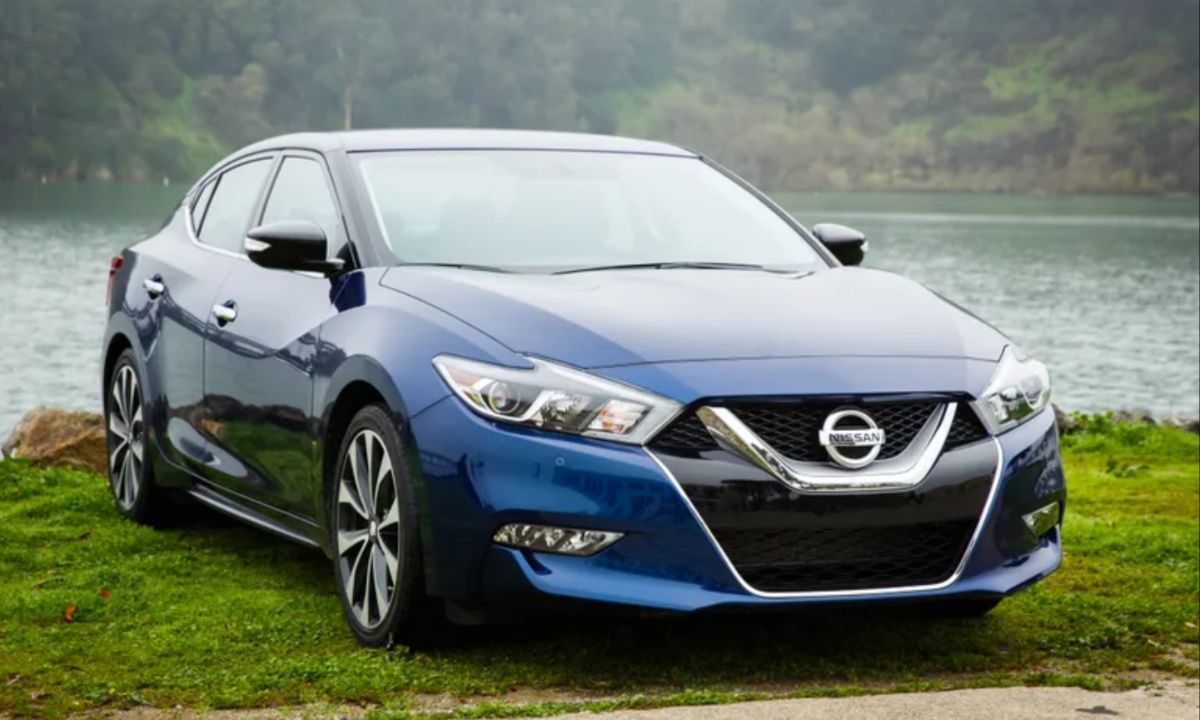
The 2016 and 2017 Nissan Maxima models demonstrate how critical reliability and safety are when evaluating used cars. On the surface, both years offer bold styling and a competitive price compared to rival sport sedans. However, the reality beneath the sheet metal reveals troubling flaws.
The 2016 Maxima received a staggering eight recalls, while the 2017 model had four, an unusually high number for such recent vehicles. Among the most alarming issues were braking system defects, including the possibility of heated brake fluid leaking onto the pump, posing a fire hazard.
Airbag sensor failures were another widespread problem, undermining the very safety features meant to protect drivers and passengers. While recalls can be addressed by diligent maintenance and proper repair records, the frequency and severity of these issues make both years risky purchases without full documentation.
Though they remain relatively affordable compared to newer sedans, the risks tied to fundamental safety systems mean the 2016 and 2017 Maximas are far from ideal choices in today’s used market.
3. 2004 Nissan Maxima: Transmission and Engine Woes
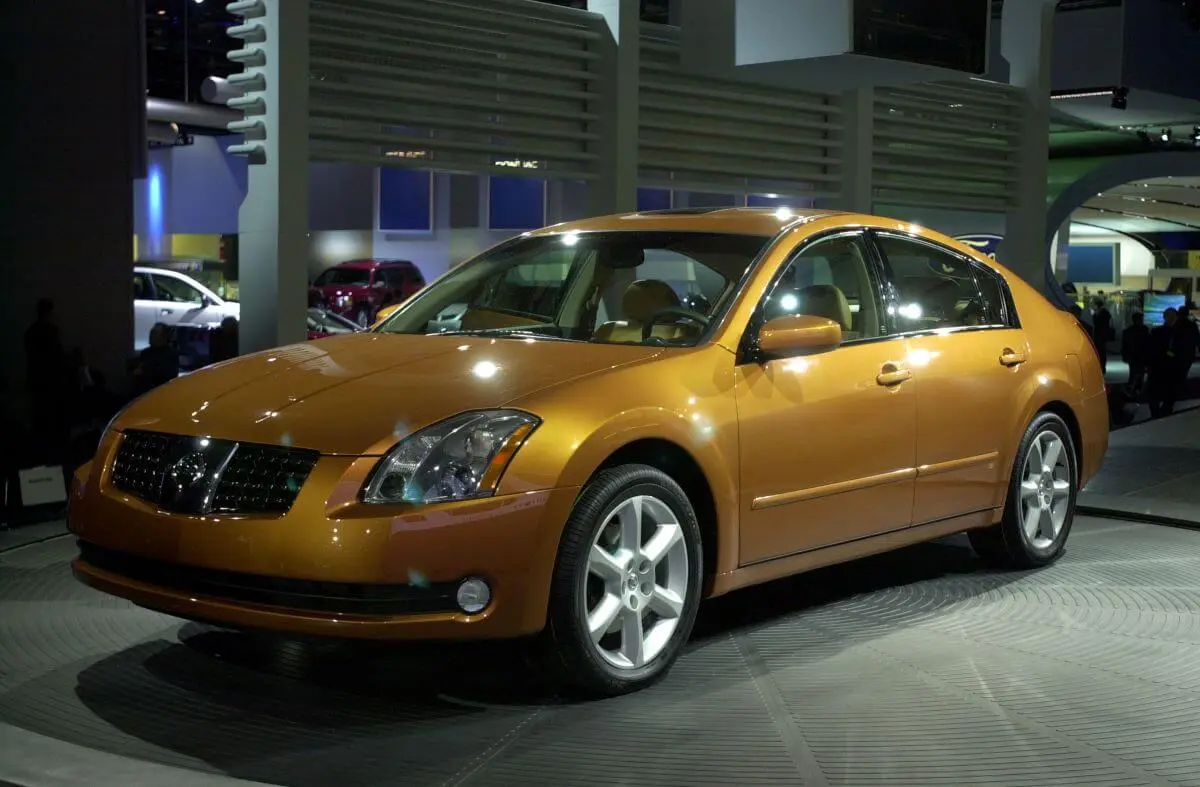
The 2004 Nissan Maxima is often considered one of the worst in the model’s long history. Owners reported catastrophic issues primarily with the transmission, which would either slam violently into gear or fail to shift altogether.
These problems typically arose around 107,000 miles and required complete replacements costing an average of $2,530. Engine reliability was equally troubling, with many reports of stalling, unexplained power loss, and loud rattling noises during startup or idling.
In most cases, repairs required replacement of the timing system, averaging between $1,180 and $2,130, though some lucky owners reduced costs with personal connections to mechanics. Beyond mechanical failures, the 2004 Maxima also suffered from poor paint and clearcoat quality, with rust forming as chunks of paint peeled away.
On average, paint problems appeared at 105,650 miles and cost owners nearly $3,400 to address. Between drivetrain breakdowns and body deterioration, the 2004 Maxima became synonymous with costly ownership, making it one of the least recommended model years in the vehicle’s production timeline.
4. 2005 Nissan Maxima: Carryover Transmission Problems
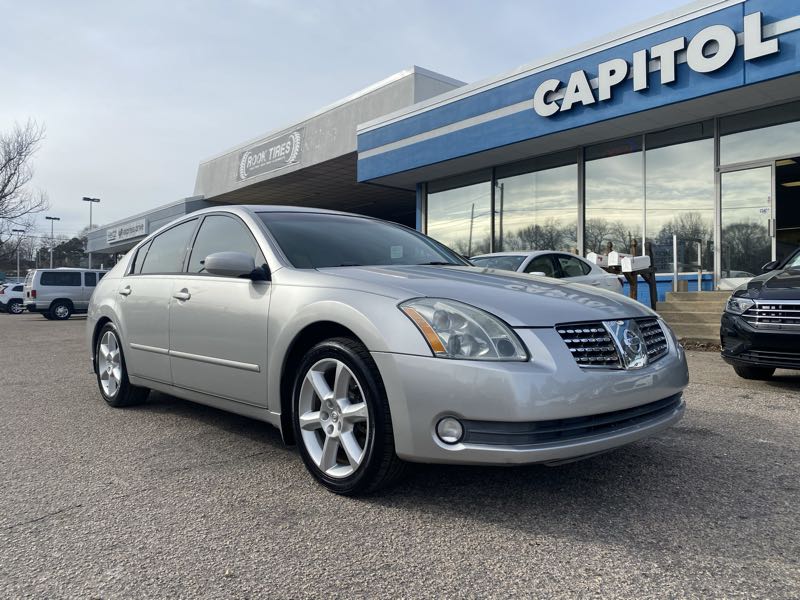
The 2005 Nissan Maxima continued many of the mechanical failures that plagued the 2004 model, particularly with its transmission. Owners frequently reported the vehicle slipping in and out of gear, jerking violently when accelerating, or failing to exceed 20 mph.
Diagnoses almost always confirmed transmission failure, with repair costs averaging $3,000 to $3,755 for rebuilding. Unfortunately, these repairs did not guarantee long-term reliability. Some owners reported rebuilt transmissions failing again within 25,000 miles, leaving complete replacements as the only option.
Transmission failures typically began around 97,550 miles, reinforcing the reputation of early-2000s Maximas as unreliable choices once the odometer passed six figures. While the 2005 model did not face any official recalls for these problems, the consistency and severity of owner complaints highlight its unreliability.
Other issues included brake troubles and reports of uncomfortable seats, but none reached the scale of the drivetrain defects. For prospective buyers, the 2005 Maxima remains a year to avoid, as repair costs often exceed the market value of the car itself.
5. 2006 Nissan Maxima: An Expensive Reputation
The 2006 Nissan Maxima rounded out a troubling three-year stretch dominated by severe transmission problems. Like the 2004 and 2005 models, this year’s version suffered from failures of linear solenoids and valve bodies, which caused the transmission to slip erratically, jerk during gear shifts, or fail entirely.
Nissan dealers often told customers these components could not be replaced individually, meaning a full transmission replacement was the only option. Quotes averaged $4,000 before labor, making repairs prohibitively expensive for many owners.
Some drivers attempted partial repairs, spending around $1,330, but even then, lingering problems persisted. Beyond transmission woes, a smaller number of owners reported engine issues and body paint problems, though neither reached the widespread scale of drivetrain failures.
In many respects, the 2006 Maxima represents the culmination of Nissan’s early-2000s quality control struggles, with transmission design flaws dragging down the model’s long-term appeal. Buyers today are better off steering clear of this year entirely, as the potential repair bills far outweigh its resale value.
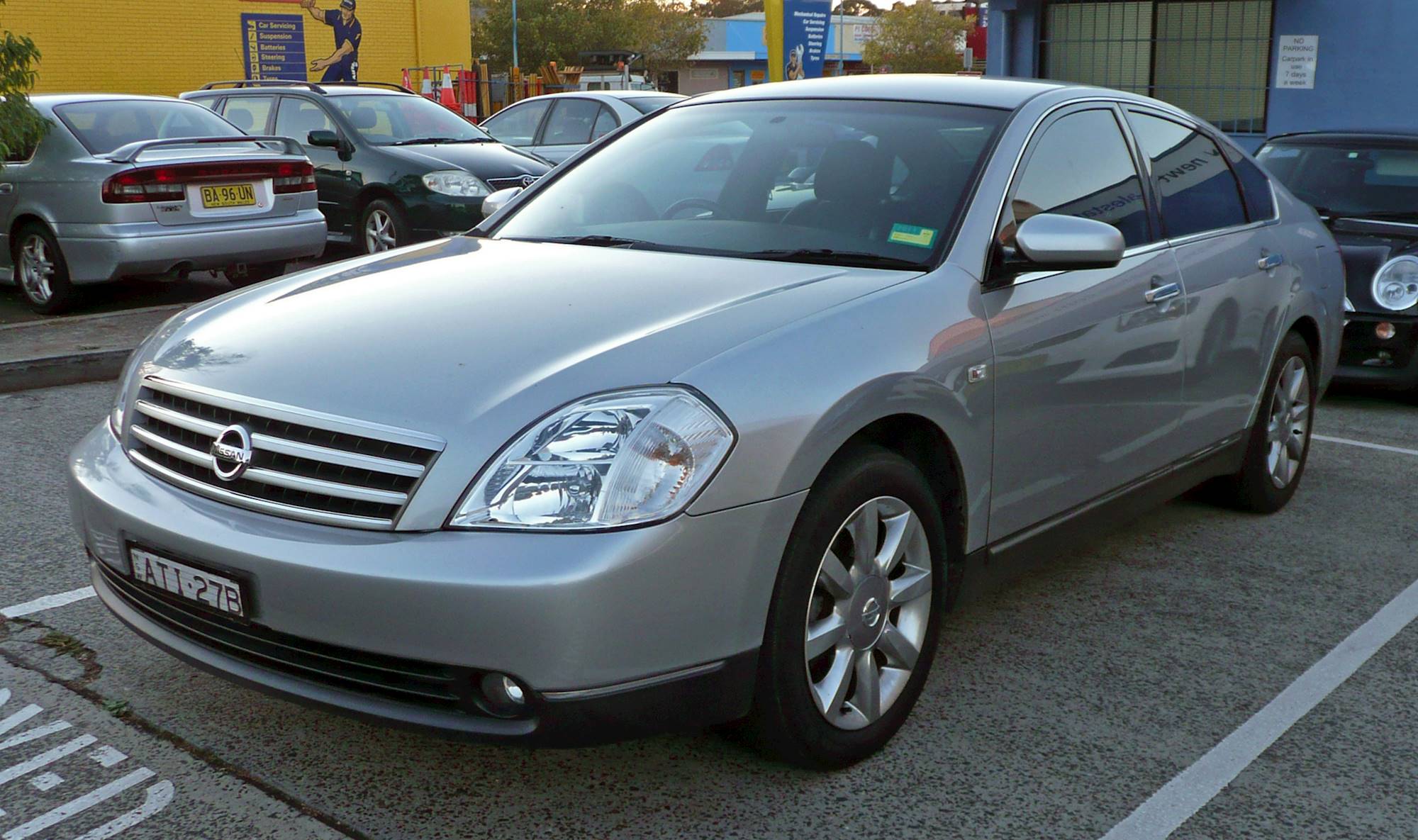
The history of the Nissan Maxima shows how much difference a single model year can make. Some versions deliver strong V6 performance, refined interiors, and long-lasting dependability, while others come with expensive mechanical problems that drain your wallet.
Models from 2002, 2003, 2007, 2008, and 2012 represent the strengths that have kept the Maxima appealing to buyers who want a sedan with personality. On the flip side, years such as 2004 through 2006 and the mid-2010s editions highlight how design flaws and safety issues can hold a car back.
For shoppers considering a used Maxima today, the best approach is to focus on the proven years and steer clear of those with a history of failures. With the right choice, the Maxima can still provide the driving excitement and comfort that have defined it for generations.
Also Read: 10 Cars With Tricky Seatbelt Buckles for Elderly Passengers