
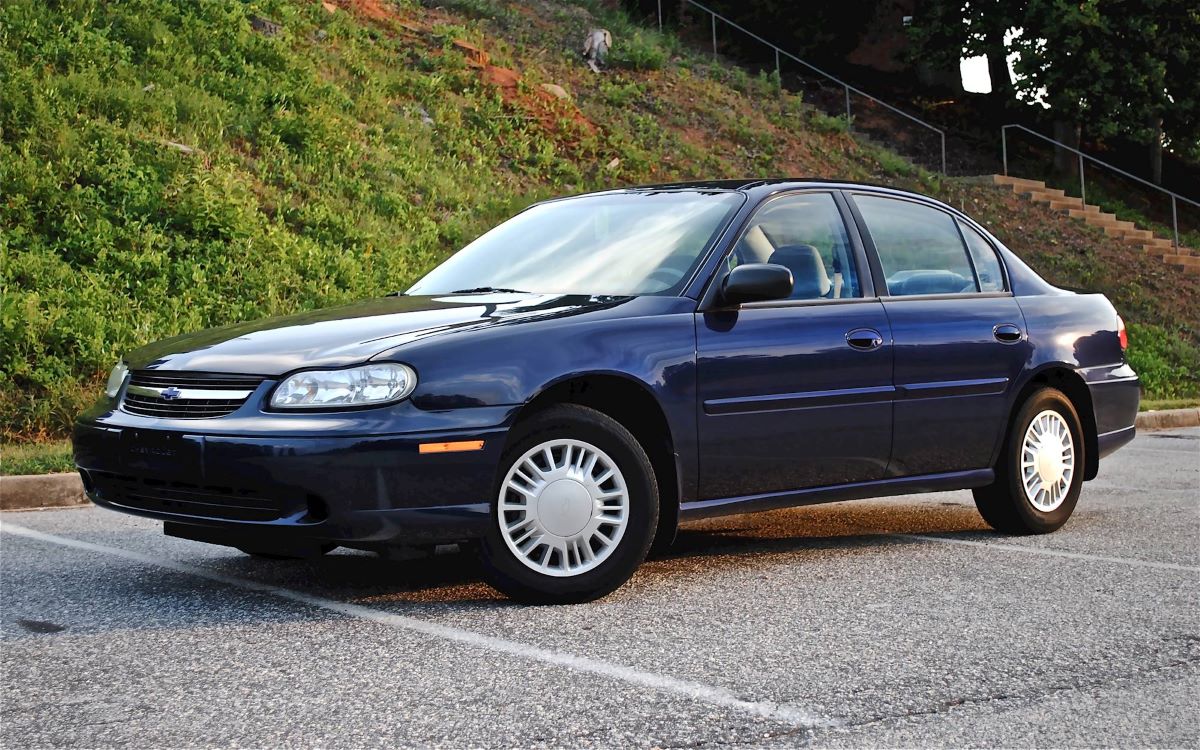
When it comes to American sedans, few nameplates have had the staying power of the Chevrolet Malibu.
Since its introduction in the 1960s, the Malibu has been a staple in Chevrolet’s lineup, serving as a reliable family car, a fleet favorite, and a commuter-friendly sedan.
Over the years, the Malibu has gone through numerous redesigns, adapting to changing consumer preferences and tougher competition from imports.
Yet one element that has always defined its reputation sometimes positively, sometimes less so is the reliability of its engines.
For buyers in the U.S. who value longevity and low maintenance costs, certain Malibu generations stand out for offering engines that can go the distance with proper care.
Below, we take a closer look at five Chevrolet Malibu models known for their rock-solid engines, the reasons they stand out, and what makes them smart picks for buyers seeking dependability.
1. 2004–2007 Chevrolet Malibu (3.5L V6)
The sixth-generation Malibu, particularly those equipped with the 3.5-liter V6 engine, earned a reputation for durability. This period marked Chevrolet’s push to modernize the Malibu, moving away from the boxy designs of the 1990s and into a sleeker midsize profile.
The 3.5L V6 wasn’t the flashiest engine, but it provided a healthy balance of power and longevity. Producing around 200 horsepower, it was more than enough for daily driving, highway cruising, and family hauling.
What really made this engine shine was its straightforward, no-nonsense engineering. It was not overly complex, meaning fewer things could go wrong compared to some rival sedans of the same era that embraced experimental technology.
With routine maintenance, this V6 regularly surpassed 200,000 miles without major mechanical issues. For buyers looking at used Malibus today, the mid-2000s models with this powertrain are often considered dependable bargains.
Since its debut in 1964, the Chevrolet Malibu has undergone a remarkable evolution, from an affordable family car, to a muscle car contender, to a forgettable rental lot staple.
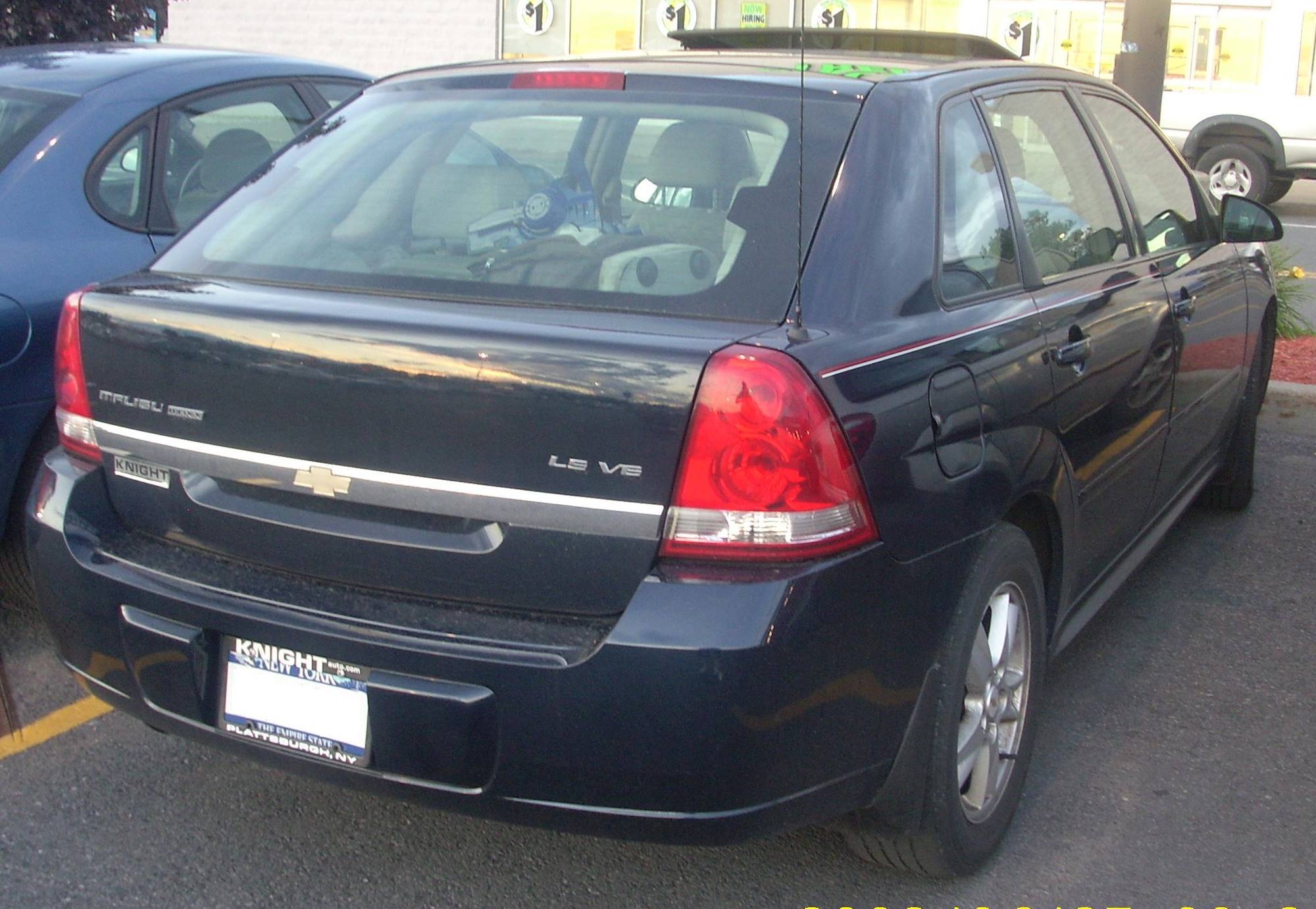
Despite its heritage, Chevrolet discontinued the Malibu nameplate after 1983, only to revive it in 1997 as a midsize sedan aimed at value-conscious buyers. The idea was to deliver a well-equipped, competitively priced alternative that cost thousands less than imported rivals.
Chevrolet’s designers and engineers gathered feedback from consumers across the country in an effort to create a sedan with broad appeal. The result was a roomy, respectable-looking midsize sedan that ticked all the family-car boxes.
Unfortunately, it failed to attract the attention needed to stand out in a crowded segment. In response, Chevrolet introduced a fully redesigned Malibu last year, riding on an all-new platform and powered by a more robust 3.5-liter V6.
Chevy hopes this generation of Malibu will draw interest from import-sedan buyers. Built on GM’s Epsilon platform, the same foundation as the nimble Saab 9-3, it delivers a smooth, comfortable ride on the highway. Handling is predictable, though the electric steering feels oddly calibrated, leaving it less sharp than many competitors.
The brakes are adequate for daily driving but produced longer-than-average stopping distances in simulated panic tests. For buyers with modest expectations, the Malibu’s dynamics should suffice, though those used to sportier midsize sedans may find it lacking.
2. 2013–2015 Chevrolet Malibu (2.5L Ecotec I4)
When Chevrolet redesigned the Malibu for the 2013 model year, it aimed to compete more aggressively with the Toyota Camry, Honda Accord, and Ford Fusion.
One of the biggest upgrades was the introduction of the 2.5L Ecotec four-cylinder engine. Delivering around 197 horsepower, it brought solid fuel economy and smooth performance. More importantly, it turned out to be a reliable workhorse for many owners.
The Ecotec family of engines has been widely used across GM’s portfolio, and by the time it appeared in the Malibu, many of the earlier kinks had been worked out.
Owners report that, with timely oil changes and standard upkeep, the engine runs strong well beyond 150,000 miles, with some reaching the 250,000-mile mark.
For U.S. commuters who wanted a modern sedan with decent fuel efficiency but without sacrificing engine reliability, the 2013–2015 Malibu became a solid choice.
As part of a full redesign, this generation focused heavily on boosting fuel efficiency, refining performance, and enhancing the overall driving experience. With sleeker styling and a more accommodating cabin, the 2013 Malibu was positioned to appeal to a wide spectrum of buyers seeking a dependable yet stylish daily driver.
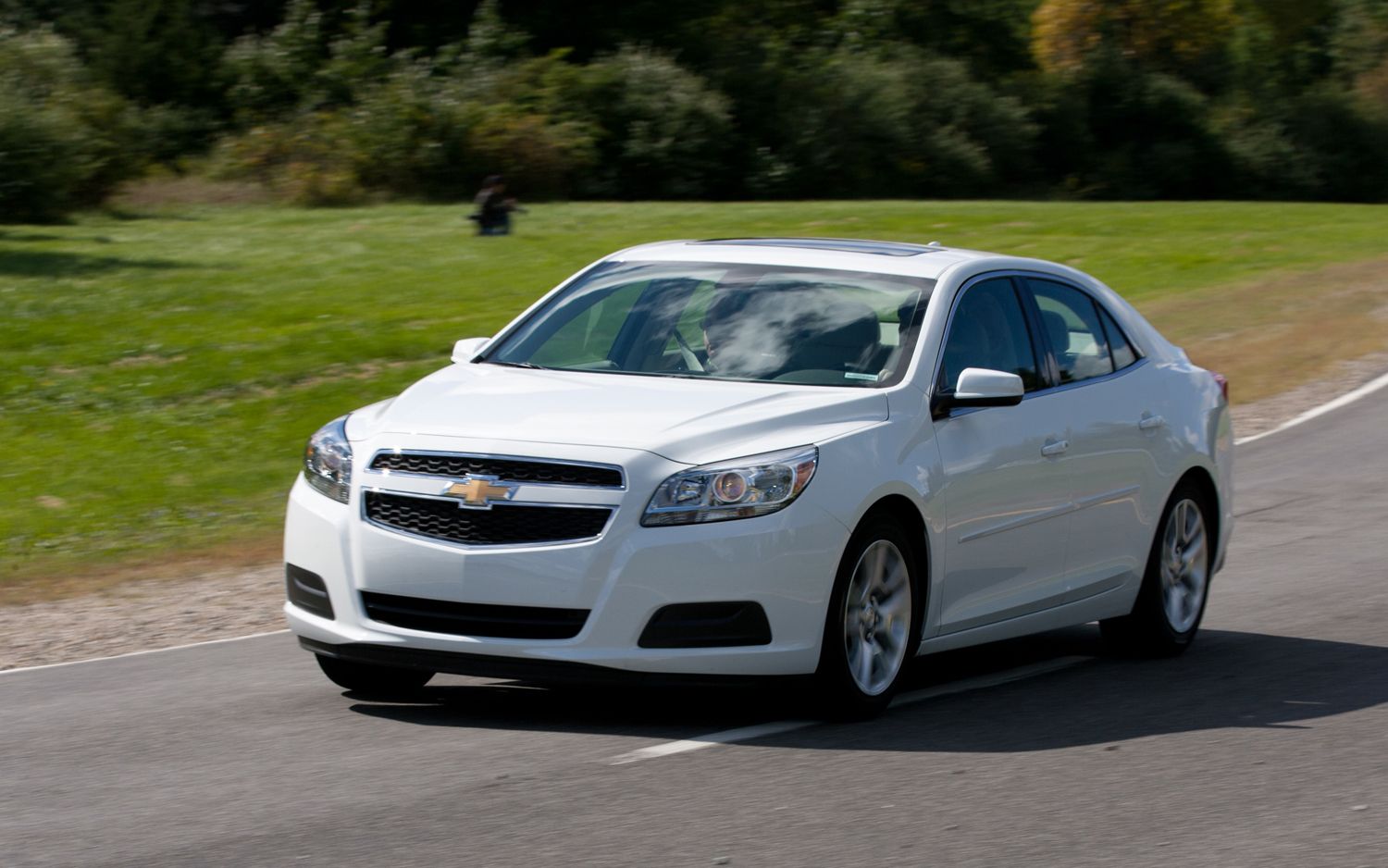
Under the hood, the 2013 Malibu featured a 2.5-liter four-cylinder engine, marketed as an economical choice with an EPA highway rating of up to 34 mpg. Paired with a six-speed automatic transmission, the setup was intended to deliver a smooth, efficient ride. On paper, it looked competitive for its class.
In reality, however, the 2.5L engine quickly became a sore spot for owners. As mileage accumulated, drivers began reporting a host of engine-related problems, many of which undermined both performance and long-term reliability.
These recurring issues not only damaged the Malibu’s reputation but also raised serious concerns about safety. For current owners and prospective buyers, understanding the scope of these problems is essential in order to make informed decisions about maintenance, repairs, and overall ownership.
Also Read: 12 Cars That Went From Unpopular to Everyday Sight
3. 2008–2012 Chevrolet Malibu (3.6L V6)
The seventh-generation Malibu was one of the models that helped restore Chevrolet’s credibility in the midsize sedan market. While the base engines during this period were serviceable, the real gem was the optional 3.6L V6.
Delivering 252 horsepower, it gave the Malibu some much-needed punch while also proving to be one of the more robust engines of its time.
The 3.6L V6 stood out because it was designed to handle higher output across multiple GM vehicles, including larger crossovers and SUVs.
In the Malibu, this meant the engine was often operating below its maximum strain, which contributed to its long-term durability.
Many owners of 2008–2012 Malibus with this engine praise its smooth power delivery, relatively low maintenance needs, and ability to keep running strong for well over a decade. For drivers who wanted both performance and peace of mind, this V6 was a winning option.
Life hasn’t been easy for the Chevy Malibu over the past couple of decades. In the midsize family sedan class, rivals consistently outpaced it in performance, refinement, and features, leaving Chevrolet’s contender as the perennial underdog, the car nobody really wanted, like the last kid picked for a neighborhood basketball game.
But for 2008, the story changed. The new Malibu arrived stronger, sharper, and far more confident, as if it had been training hard, ditching its old baggage, and finally stepping into the spotlight.
Built on the same European-derived platform as the Saturn Aura, the 2008 Chevrolet Malibu grew in size, now riding on a long 112-inch wheelbase, one of the largest in its segment. This solid foundation gave it a stiffer chassis, a more refined ride, and a cabin insulated from excess road noise.
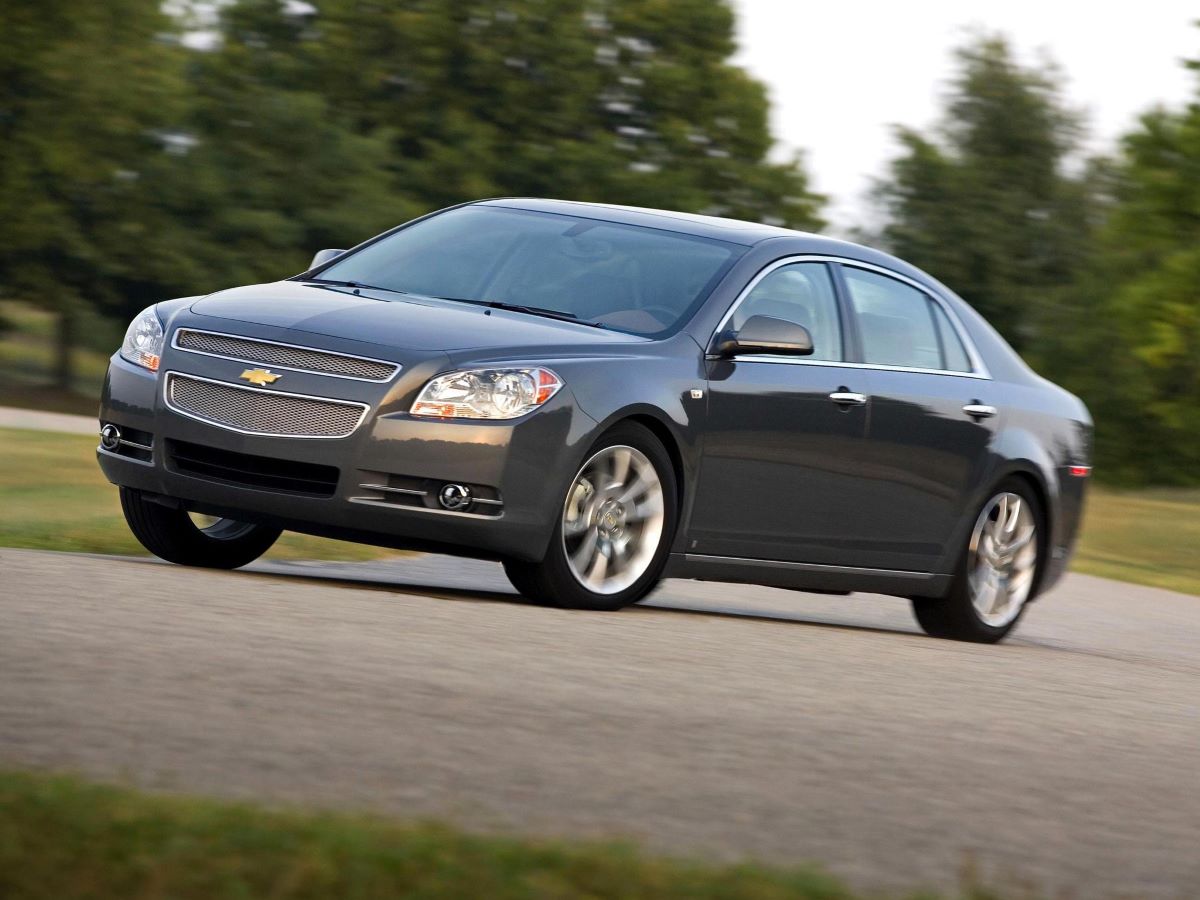
Suspension tuning is less sporty than the Aura’s, but strikes a comfortable balance between composure and comfort. Under the hood, buyers could choose between a 169-horsepower inline-four or a new 252-horsepower V6, giving the Malibu a much-needed boost in versatility and performance.
Visually, the Malibu shed its bland reputation. With clean, upscale lines, tight panel gaps, and just the right amount of chrome, the car looks more like a premium sedan than a rental fleet standby.
The front fascia remains somewhat polarizing, but undeniably distinctive. Inside, the upgrades are even more dramatic. Gone is the sea of hard plastics and indifferent craftsmanship of past Malibus, replaced by a fresh dashboard design, higher-quality materials, and noticeably better assembly.
Some budget pieces remain, giving the interior a “hit or miss” quality, but overall the transformation is striking. One drawback, however, is the absence of a traditional navigation system, OnStar’s “Turn-by-Turn” feature is available, but a full in-dash nav wasn’t offered.
In the bigger picture, the 2008 Malibu earns a well-deserved “Most Improved” nod. It still faces stiff competition from the redesigned Honda Accord, the stylish Ford Fusion, the sporty Nissan Altima, and the perennially popular Toyota Camry.
But this time around, Chevrolet’s midsize sedan isn’t riding the bench. Instead, it’s competing head-on, hustling for rebounds, landing three-pointers, and finally gaining respect in a very tough league.
All trims except the LTZ come equipped with a 2.4-liter four-cylinder engine producing 169 horsepower and 160 lb-ft of torque, paired with a four-speed automatic transmission that drives the front wheels. The LTZ gets a stronger 3.6-liter V6 with 252 hp and 251 lb-ft of torque, matched to a six-speed automatic with manual shift control.
This V6 is also optional on the 2LT. Later in the model year, Chevrolet expanded the lineup by offering the LTZ with the four-cylinder engine paired to the six-speed automatic, giving it a performance advantage over lower trims that were still limited to the four-speed gearbox.
4. 2016–2019 Chevrolet Malibu (1.5L Turbo I4 – LYX Engine)
Turbocharged engines sometimes get a bad reputation for being high-maintenance or short-lived, but the Malibu’s 1.5L turbocharged inline-four, introduced in the 2016 redesign, proved critics wrong.
Known internally as the LYX engine, it was part of Chevrolet’s effort to balance efficiency with everyday usability. Producing around 160 horsepower, it wasn’t a performance monster, but it provided adequate power for the Malibu’s lighter, more aerodynamic frame.
What surprised many was the reliability of this small turbocharged motor. Chevrolet engineered it with durability in mind, and owners who kept up with oil changes and proper servicing found it to be impressively sturdy.
Reports of Malibus from this era reaching 200,000 miles on the original engine are increasingly common. For buyers who value modern technology and fuel economy while still wanting a reliable sedan, the 2016–2019 Malibu with the 1.5L turbo is a standout.
The Chevrolet Malibu continues to be one of the most in-demand family sedans in the United States. Even with a sharp decline in sales during 2021, caused by pandemic-related production shutdowns and a global microchip shortage, the Malibu still averages well over 100,000 sales annually.
The ninth generation made its debut in 2016 and received a facelift in 2019, and while buyers are eagerly awaiting a next-generation model, the current version still manages to look stylish and remain competitive in its segment.
At the heart of the Malibu’s lineup is the 1.5-liter Turbo LFV engine, the only non-hybrid option available. It might seem unusual in a market where American buyers traditionally favor larger powerplants, but the smaller turbocharged engine has its merits.
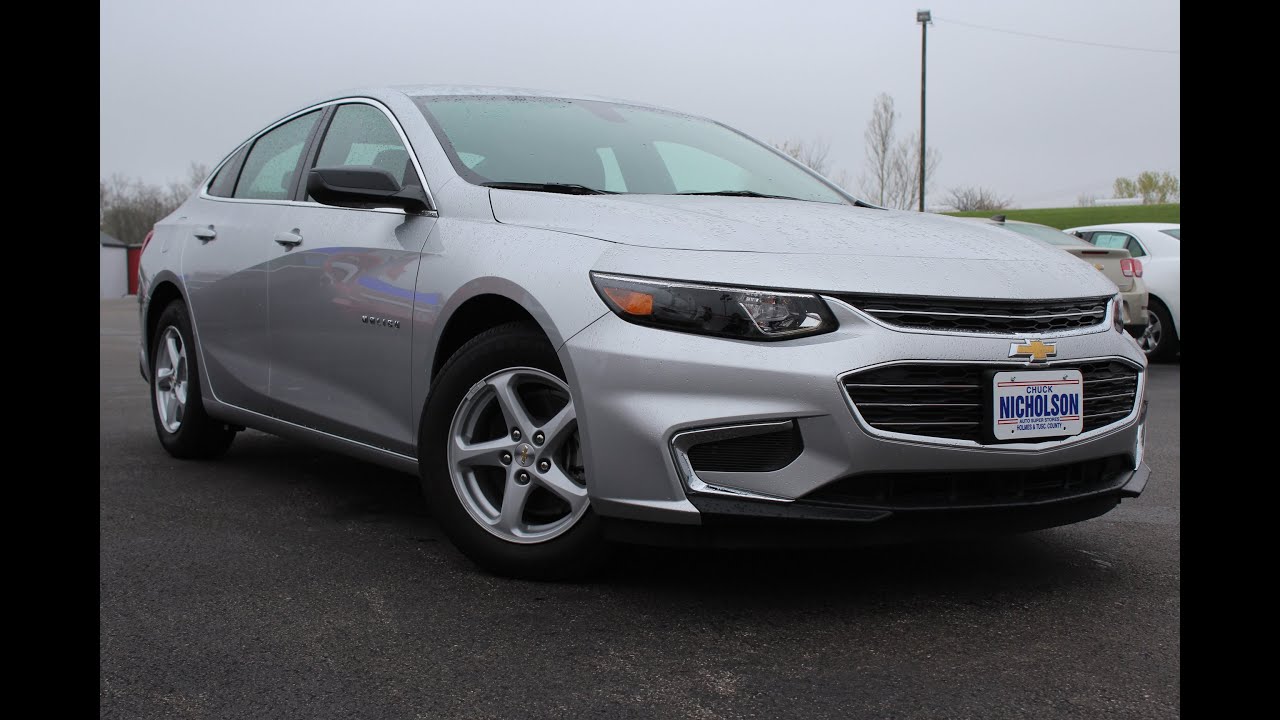
GM introduced the LFV in 2014 as part of its Small Gasoline Engine family, which includes most of the company’s compact three- and four-cylinder engines used across its global lineup. In the Malibu, the engine produces about 160 horsepower and 184 pound-feet of torque, relying on direct injection for efficiency.
It features an all-aluminum design, a timing chain instead of a belt, and a modest 6,500 RPM redline. A reliable Mitsubishi single-scroll turbocharger helps deliver consistent performance, though the engine’s eco-focused technologies, including its start-stop system, have raised concerns about long-term durability.
Since the 2019 facelift, all non-hybrid Malibus equipped with the 1.5-liter have been paired with a CVT transmission, a decision that benefits efficiency but frustrates drivers who prioritize longevity. Official fuel economy is rated at 27 mpg in the city and 35 mpg on the highway, figures that are respectable but not groundbreaking for a small-displacement turbo.
The LFV engine has also appeared in models like the Buick LaCrosse, Envision, and even vehicles from MG in China, so there is a fair amount of data available on its strengths and weaknesses. On one hand, the design is relatively straightforward and avoids overly complex systems, but on the other, it suffers from a handful of common issues.
Owners frequently report problems such as engine knocking, weak throttle pipes, glitches with the start-stop function, carbon buildup on intake valves, and intercooler freezing. These problems, if not addressed early, can quickly escalate into expensive repairs.
When it comes to durability, the Malibu’s 1.5-liter Turbo engine presents a mixed picture. Some owners have praised the engine’s resilience, reporting mileage well beyond 200,000 without major issues.
Others, however, have encountered catastrophic failures and required full engine replacements at as little as 70,000 miles. On average, the lifespan of this powerplant falls between 140,000 and 160,000 miles.
This estimate is influenced by factors such as the aluminum block, which often cannot be repaired once damaged and must be replaced entirely, a costly repair that can easily exceed the value of the car. Combined with the known issues of the LFV engine, these realities make the Malibu’s turbocharged four-cylinder serviceable but far from bulletproof.
In the end, the Malibu’s 1.5L Turbo offers a balance of affordability, reasonable power, and decent efficiency, but it lags behind the best engines in its class when it comes to long-term dependability.
Buyers who stay on top of maintenance may enjoy many years of reliable service, but those expecting a carefree ownership experience may find the compromises difficult to overlook.
Also Read: 5 Trucks with Odometers That Don’t Fail vs 5 Trucks That Stop Tracking Miles
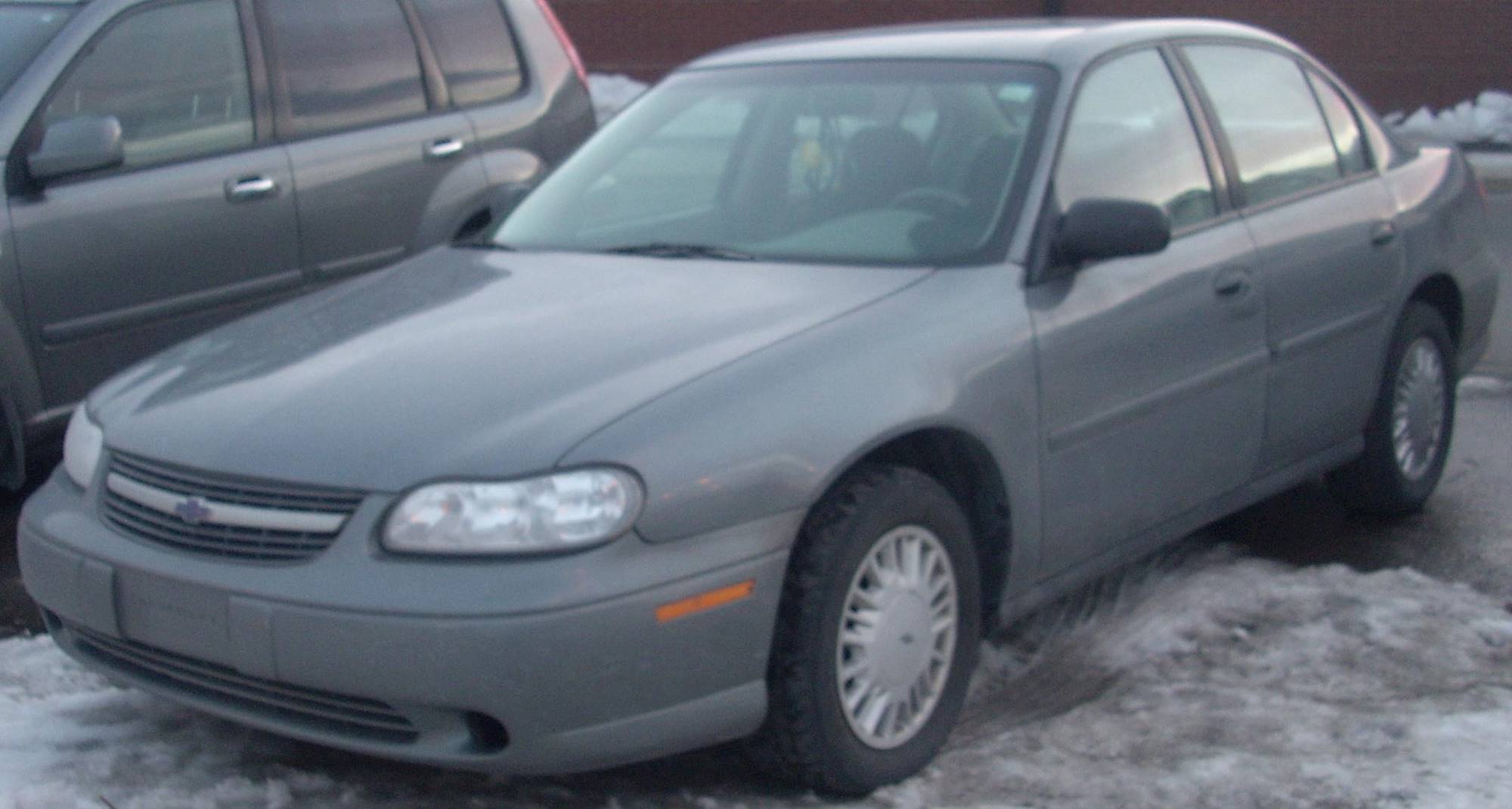
5. 2000–2003 Chevrolet Malibu (3.1L V6)
At the turn of the millennium, Chevrolet was still working to shed the perception that its sedans lagged behind Japanese competitors in refinement and dependability.
The Malibu of this era was relatively basic by modern standards, but its 3.1L V6 engine proved to be a rock-solid choice. Delivering around 170 horsepower, it wasn’t particularly powerful, but it was extremely dependable for daily commuting and long highway trips.
The 3.1L V6 had been in service across multiple GM vehicles for years, which meant it was tried and tested by the time it was used in the Malibu.
This engine became known for its ability to keep running with minimal issues as long as owners performed regular maintenance.
Since its introduction in 1964, the Chevy Malibu has gone from affordable family car to high-horsepower muscle car to little-noticed rental car.
Despite its historic value, the Malibu nameplate was discontinued after the 1983 model year, returning in 1997 as Chevrolet sought to give customers a value-packed midsize sedan that still cost thousands less than the imported competition.
The designers and engineers at Chevrolet listened to consumers from across the country in an attempt to design and build a sedan with broad based appeal. The result was a roomy, tasteful-looking midsize sedan that offered just about everything you might want in a family car.
Unfortunately for Chevrolet, this Malibu never received enough attention to get it noticed by mainstream buyers. The company tried again last year with a fully redesigned Malibu riding on an all-new platform and powered by a larger 3.5-liter V6 engine.
Chevrolet is hoping this Malibu will woo some import sedan buyers, and indeed it’s based on GM’s Epsilon platform shared with the nimble Saab 9-3.
Ride quality is smooth and comfortable on the highway. Handling is predictable in the corners, though an oddly calibrated electric steering setup makes Chevrolet’s family sedan feel less adept than many of its competitors.
The brakes perform adequately in everyday traffic, but we’ve measured longer-than-normal distances in simulated panic stops. In general, those who make few demands on their cars should be satisfied with the Chevy Malibu’s dynamics, while those accustomed to the sharper reflexes of other cars in this class may want to look elsewhere.
Inside, the Chevrolet Malibu is quite roomy, with as much headroom, shoulder room and legroom as anything else in the class. The spacious trunk offers 15.4 cubic feet of capacity, and you can fold down the 60/40-split rear seats and the front passenger seat to open up more room for bulky items.
Passengers are protected by an optional set of front-seat side-impact airbags along with front and rear head curtain airbags, and Chevrolet is offering an interesting remote start feature that allows owners to get a head start on heating or cooling down the cabin.
The interior is bland compared to the competition, but it is at least functional with a straightforward control layout. Build and materials quality is still several steps behind the Accord and Camry, though.
In order to accommodate a variety of drivers, all Malibu models come with a tilt-and-telescoping steering wheel and standard seat-height adjustment for the driver; power-adjustable pedals are available on all models.
The Chevy Malibu is purposefully conservative with regard to exterior styling. Fresh without being funky, Chevrolet refers to the Malibu’s exterior style as “enduring.” While the company still has some work to do before it can dream of stealing Honda and Toyota customers, the roomy and well-equipped Malibu is certainly a step in the right direction.
LS and LT models come with a 2.2-liter, four-cylinder engine rated at 144 horsepower. Standard on LTZ models and optional on LT models is a 200-hp, 3.5-liter V6. The SS comes with a 3.9-liter V6 with 240 hp. All engines are mated to a four-speed automatic transmission, and the SS features a manual-shift mode.
Front-seat side-impact airbags and full-length head-protecting side curtain airbags are standard on the LTZ and SS; and optional on the LS and LT.
Traction control and antilock brakes are standard on all cars with a V6 and optional on those with the four-cylinder. In NHTSA crash testing, the Malibu earned a perfect five stars for front-occupant protection in head-on collisions.
Power is adequate with the base four-cylinder, but most buyers will want to step up to one of the V6s, both of which offer plenty of torque for merging and passing. A softly tuned but composed suspension gives the 2006 Chevy Malibu a smooth ride and predictable handling in the corners.
Unfortunately, the car’s electric steering ruins the fun by providing too much power assist much of the time. The SS fares much better with its traditional hydraulic power steering and sport-tuned suspension. The brakes perform adequately in traffic, but stopping distances are long for this class.
Even today, it’s not uncommon to find early 2000s Malibus still in service, often with well over 200,000 miles on the odometer. While the rest of the car may show its age, the engine remains a highlight.
For U.S. buyers, especially those browsing the used car market, the Chevrolet Malibu remains a dependable midsize sedan option.
While not every generation has been free of flaws, certain models have distinguished themselves by housing engines that stand the test of time.
From the tried-and-true V6s of the early 2000s to the surprisingly durable turbocharged options of recent years, these Malibu engines prove that Chevrolet can deliver longevity and reliability when it matters most.
If you’re shopping for a budget-friendly, reliable sedan that won’t let you down, these five Chevrolet Malibu models with rock-solid engines deserve a place on your list.
