
When people talk about the Porsche 911, they often focus on speed, luxury, and prestige but another factor that matters just as much to owners is reliability.
Unlike some high-performance sports cars that spend more time in the shop than on the road, certain 911 models have proven to be remarkably dependable over the years.
For American buyers, the 911 has long been the dream car that manages to blend everyday usability with racetrack thrills.
And while Porsche has occasionally had a few missteps with particular engines and components, there are specific versions of the 911 that stand out for their rock-solid reliability.
For enthusiasts who are considering adding a Porsche 911 to their garage, or simply want to learn which generations have stood the test of time, here’s a closer look at five Porsche 911 models that proved themselves reliable for years of driving pleasure.
1. Porsche 911 Carrera (993 Generation: 1995–1998)
The 993 generation is often hailed as one of the most reliable Porsche 911s ever built. It was the last of the air-cooled models, and that traditional engineering has made it highly desirable among collectors.
Air-cooled engines are mechanically simpler than their water-cooled successors, which means fewer potential points of failure. The 3.6-liter flat-six engine in the 993 is known for its longevity, often racking up well over 200,000 miles with proper maintenance.
What makes the 993 even more appealing to US owners is that it combined old-school durability with modern features. Porsche updated the suspension with a multilink design that improved handling without compromising comfort.
The 993 also introduced improved build quality inside the cabin, reducing the squeaks and rattles found in earlier models. Because of its blend of simplicity and strength, the 993 generation has earned a reputation as a reliable daily driver, not just a weekend toy.
After Porsche introduced the Carrera S with the Turbo’s bodywork, customers began asking for an all-wheel-drive option. Porsche responded with the Carrera 4S.
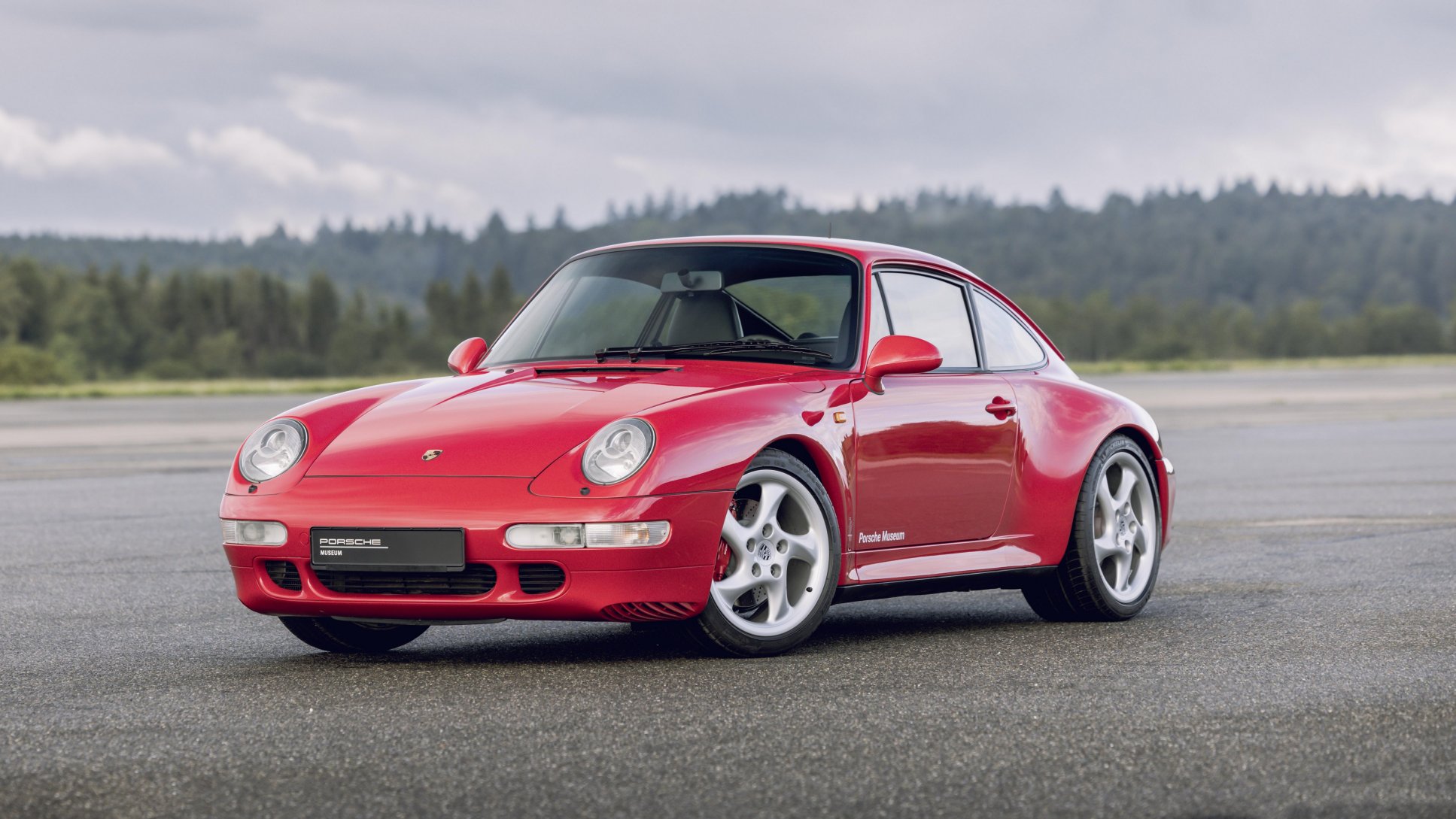
The Porsche 993 generation was known for its tendency toward understeer, something noticeable not only at high speeds but even on looser surfaces and in everyday driving. Thanks to a newly developed all-wheel-drive system, the Carrera 4S managed that issue far more effectively, delivering better control on slick roads, and on a rainy track, it often outperformed its rear-wheel-drive Carrera S sibling.
Visually, the Carrera 4S shared its body with the Porsche Turbo, though it didn’t receive the turbocharged engine. What it did inherit were the wide rear fenders and lower stance compared to the standard Carrera models, features that made it particularly attractive to Porsche enthusiasts.
The windshield wasn’t aggressively raked, and the rear featured the signature sloping design that flowed into the engine lid. An integrated rear spoiler was fitted, which automatically extended once the car exceeded 80 kph (50 mph), though it could also be deployed manually using a button located ahead of the gear stick.
Inside, Porsche equipped the Carrera 4S with sportier seats designed with enhanced shoulder bolstering to hold occupants firmly in place during aggressive cornering. In the back, two small seats were installed, but they were best suited for luggage rather than passengers due to the very limited head- and legroom.
The driver’s view was dominated by the familiar five-dial instrument cluster, with the tachometer placed at the center and carrying the Carrera 4S logo. Climate controls and the stereo system were arranged in a straightforward line with the steering column for easy access.
Power came from the same naturally aspirated 3.6-liter engine used in other 993 models, but here it delivered a higher output of 285 hp. The Carrera 4S was offered exclusively with a 6-speed manual transmission.
2. Porsche 911 Carrera (997.2 Generation: 2009–2012)
The 997 generation had a rough start, as earlier versions (2005–2008) were plagued by issues like the infamous IMS (Intermediate Shaft) bearing failure.
However, the facelifted version the 997.2 solved those problems and emerged as one of the most dependable modern 911s. With the introduction of a new direct fuel injection engine, Porsche eliminated the IMS bearing altogether, making this generation much more reliable.
Owners in the US quickly noticed the improvement. The 3.6- and 3.8-liter flat-six engines could handle daily driving duties with minimal fuss, and Porsche’s attention to detail in build quality made the interior long-lasting as well.
The 997.2 also introduced the excellent PDK dual-clutch transmission, which proved to be both durable and smooth.
With fewer mechanical issues and a reputation for reliability, this generation of the 911 has become a safe bet for enthusiasts who want modern performance without constant repair bills.
In 2004, Porsche introduced a new generation of its iconic 911, internally designated as the 997. This iteration marked a significant advancement for the model line, and following its 2008 facelift, the upgrades became even more pronounced.
Four years into its production run, Porsche rolled out a mid-cycle refresh aimed at meeting stricter European emissions regulations. That meant engines had to be reworked for improved efficiency while still delivering strong performance. As always, Porsche paired the mechanical updates with subtle design tweaks to keep the car fresh.
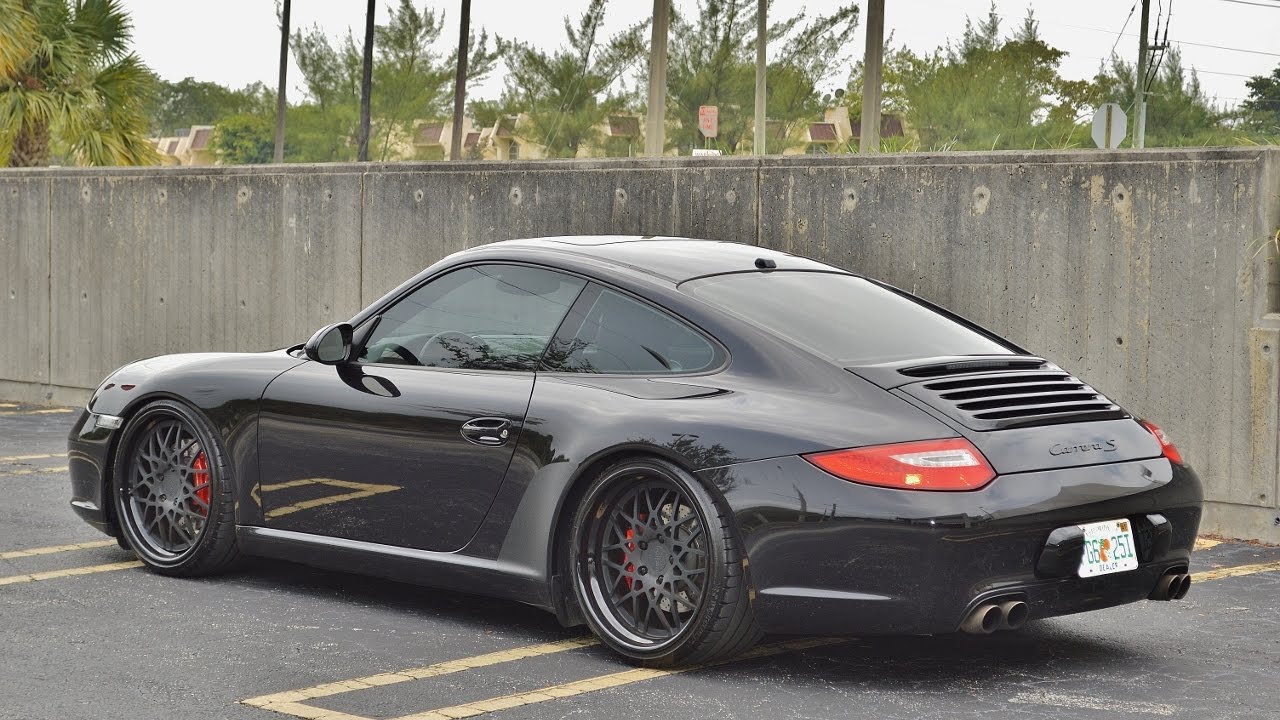
Externally, the most noticeable change was the redesigned front bumper, now featuring larger, more sculpted air intakes. The headlights gained LED daytime running lights, and buyers could opt for bi-xenon units. The side mirrors were reshaped slightly, and the Carrera came standard with a new set of 18-inch light-alloy wheels. At the rear, the taillights adopted a modern LED design, further distinguishing the facelifted version.
Inside, Porsche upgraded the center console with a new infotainment system that included a 6.5-inch touchscreen. Options expanded to include a hard-drive-based navigation system and Bluetooth connectivity.
The seating lineup also grew: in addition to the standard manually adjustable seats, buyers could select 12-way adjustable seats, adaptive sport seats, or, for the first time in 2008, sport-bucket seats. The instrument cluster retained its traditional five-dial layout but now featured a uniform black background for a sportier, more cohesive look.
Under the rear decklid, the 3.6-liter flat-six was reengineered for greater fuel efficiency and improved performance. A 6-speed manual gearbox remained standard, while a 6-speed automatic transmission was available as an option. To complement the powertrain, the braking system was upgraded with larger discs, 318 mm (12.52 in) up front and 299 mm (11.78 in) at the rear, enhancing stopping power and overall control.
3. Porsche 911 Turbo (996 Generation: 2001–2005)
The 996 generation is sometimes criticized for its looks, particularly the “fried egg” headlights, but when it comes to reliability especially in the Turbo variant it’s hard to beat.
Unlike the standard Carrera of the same generation, the 996 Turbo came with the legendary Mezger engine, a derivative of Porsche’s motorsport engineering.
This engine was incredibly robust, capable of handling high power outputs and resisting many of the issues that plagued the standard Carreras.
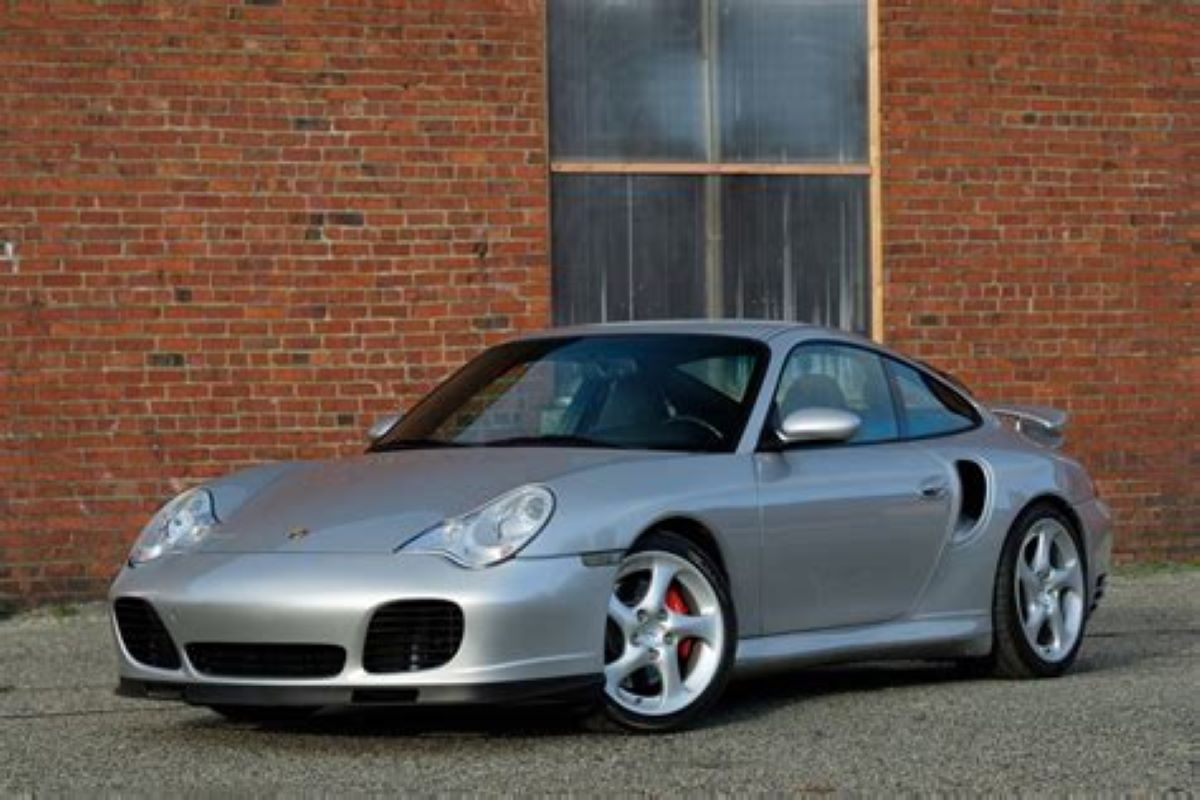
In the US market, the 996 Turbo became known as the “hidden gem” of the lineup. It offered supercar performance with reliability that rivaled or surpassed many luxury sedans.
Enthusiasts often point out that the Mezger engine is virtually bulletproof when maintained properly, and examples with high mileage continue to command respect.
This makes the 996 Turbo one of the best choices for drivers who want a powerful 911 without worrying about catastrophic engine failures.
When Porsche launched the 996-series 911 Turbo in 2000, it represented a major leap forward for the model. Produced through 2006, this generation brought cutting-edge performance, refined engineering, and all-wheel-drive stability into a sleek two-door coupe body.
Under the rear decklid sat a 3.6-liter, six-cylinder boxer engine with turbocharging and an intercooler. Displacing 3600 cm³ (219.7 cu-in), the unit produced 420 PS (414 hp / 309 kW) at 6000 rpm and an impressive 560 Nm (413 lb-ft) of torque available from just 2700 rpm.
Power was sent to all four wheels via a 6-speed manual transmission. This combination propelled the 996 Turbo to a top speed of 305 km/h (190 mph) and from 0–100 km/h (0–62 mph) in just 4.2 seconds.
Despite its power, Porsche refined the car to balance performance with efficiency. On the NEDC cycle, consumption measured 18.9 L/100 km (12 mpg US / 15 mpg UK) in the city, 9.2 L/100 km (26 mpg US / 31 mpg UK) on the open road, and 12.9 L/100 km (18 mpg US / 22 mpg UK) combined. With a 64-liter (16.9 US gal / 14.1 UK gal) fuel tank, range was about 496 km (308 miles). CO₂ emissions were rated at 309 g/km.
Though performance was its focus, the Turbo remained usable. The cabin seated four, though the rear seats were best suited for smaller passengers or luggage. The trunk offered 100 liters (3.5 cu-ft) of storage space.
Porsche equipped the 996 Turbo with serious hardware to match its performance. The braking system used vented discs measuring 330 mm (12.99 in) at both the front and rear. Standard tire sizes were 255/35 R18 at the front and 295/30 R18 at the rear.
The suspension layout included an independent MacPherson strut setup with coil springs and an anti-roll bar up front, while the rear featured a multi-link arrangement, also with coil springs and an anti-roll bar.
4. Porsche 911 Carrera (991 Generation: 2012–2019)
When Porsche introduced the 991 generation, it marked a leap forward in technology, refinement, and design. Despite the added complexity, the 991 managed to remain reliable, especially compared to some of its rivals.
The naturally aspirated flat-six engines in the early years (2012–2016) were well-engineered, providing smooth power delivery and strong durability.
One of the biggest factors behind the 991’s reliability was Porsche’s commitment to eliminating past weak points. The IMS bearing issue was long gone by this point, and the engines and transmissions were designed with longevity in mind.
US owners also praised the 991 for being an easy-to-live-with sports car. It offered modern conveniences like improved infotainment and comfortable seating while retaining Porsche’s reputation for build quality.
Many examples of the 991 are still being daily driven today, proving that this model isn’t just about looks and performance it’s about long-term dependability.
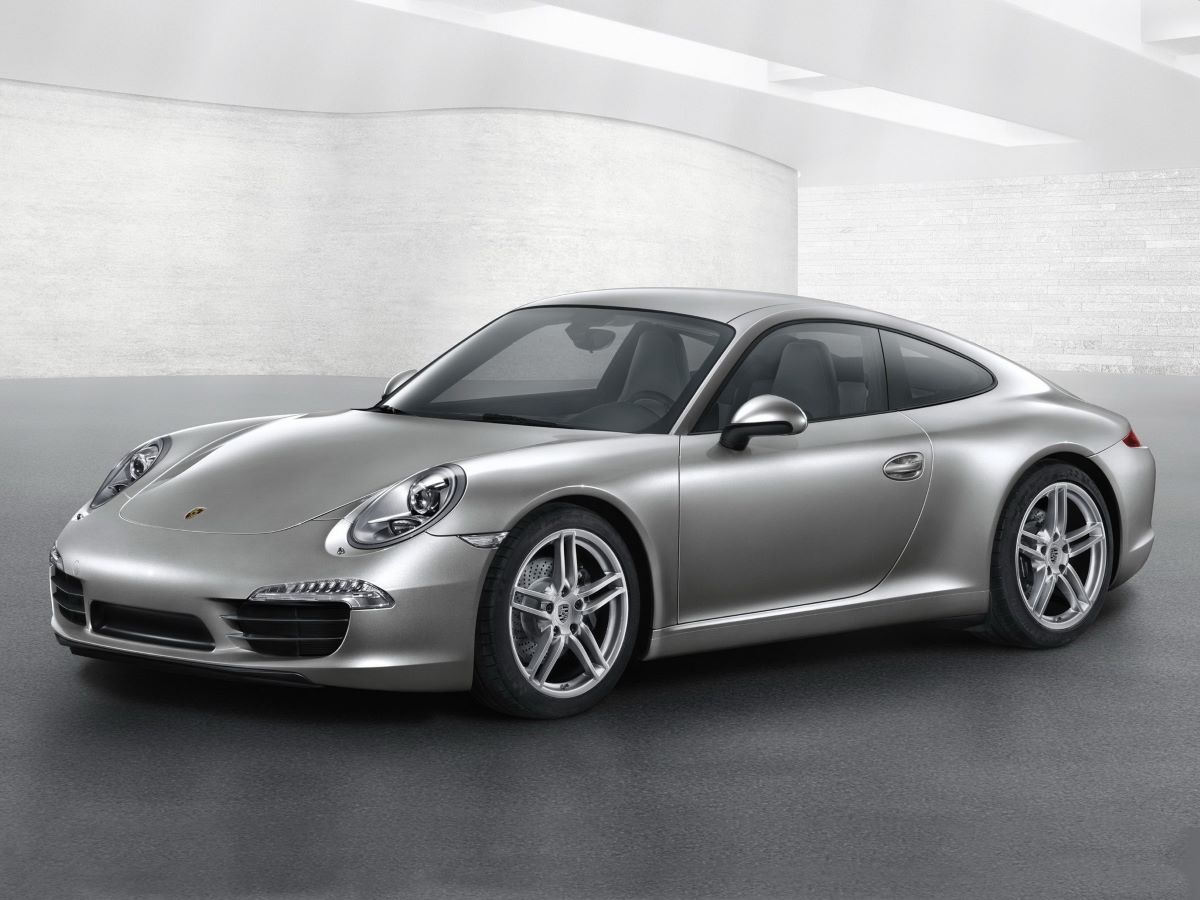
Porsche’s story began with the VW Beetle serving as the foundation for its very first sports car, the 356, like the Beetle, it carried its engine in the rear. The 911 that followed retained this same rear-engined formula, a defining trait that has endured through eight generations of the Porsche 911 Carrera.
While this layout gave the car its unique character, it also made handling unpredictable in the early days, particularly in the more powerful Turbo versions. Over time, however, Porsche refined the design with each new generation, gradually taming the quirks and turning the 911 into a benchmark for balance and control.
The 964 and 993 generations can largely be seen as evolutions of the original concept, but in 1999 the 996 marked a true revolution. Built on an entirely new platform, it introduced the first water-cooled flat-six engine in a Carrera, moving away from the air-cooled tradition, though rare earlier models such as the 959 had already experimented with water-cooled cylinder heads.
Following the 996 came the 997, which carried the lineage forward until 2012, when Porsche debuted the 991 generation. Today, the 992 represents the latest chapter, still staying true to the timeless recipe: a boxer six mounted at the rear.
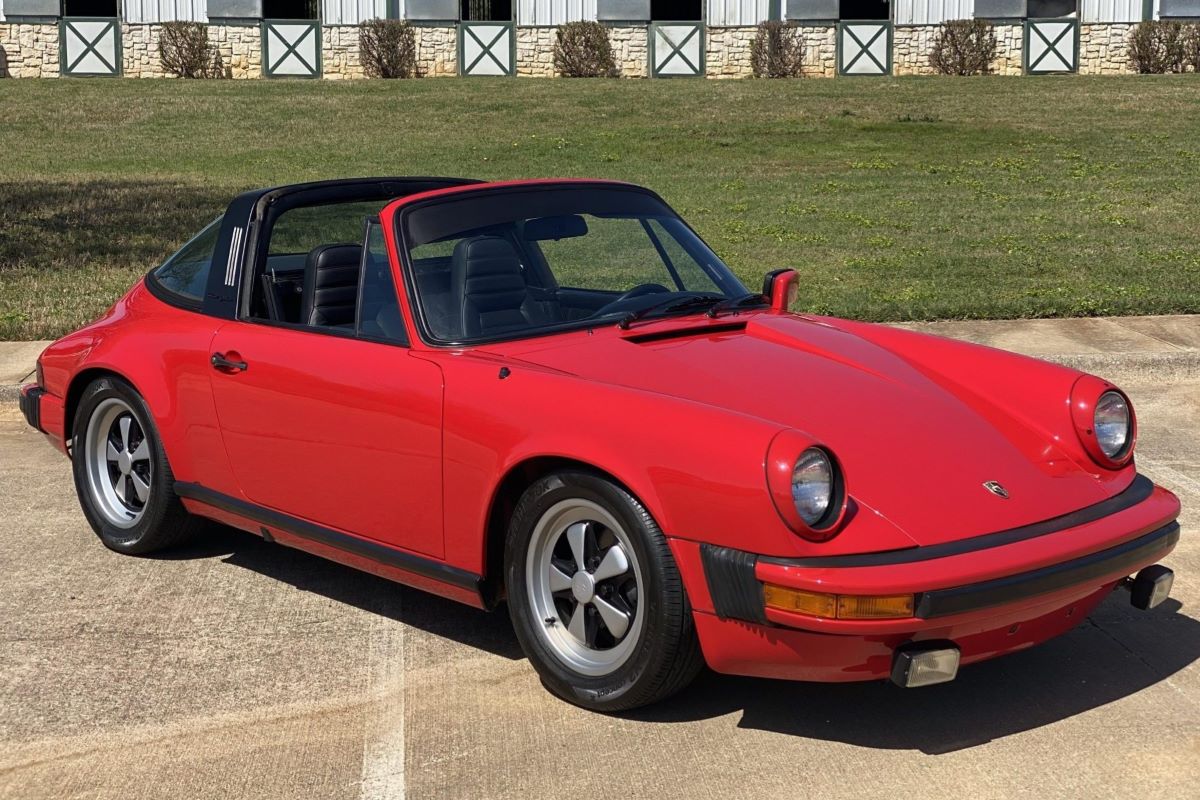
5. Porsche 911 SC (1978–1983)
Going back a few decades, the Porsche 911 SC has built a reputation for being one of the toughest classic 911s you can own. Powered by a 3.0-liter flat-six engine, the SC is renowned for its simplicity and durability.
Unlike some other classic models that required constant tinkering, the SC could handle thousands of miles with minimal drama, provided it received routine maintenance.
In fact, many Porsche experts recommend the 911 SC as an entry point for enthusiasts in the US looking to get into classic 911 ownership.
Its engines are known to be capable of 200,000 to 300,000 miles before needing a rebuild, and the mechanical components are generally easier to service compared to newer models loaded with electronics.
The 911 SC may not be the fastest car by modern standards, but it delivers the reliability and spirit that makes Porsche ownership rewarding.
The Porsche 911 SC, produced from 1978 to 1983, was introduced as the replacement for the 911 S and was one of Porsche’s first models designed with the global market in mind. Positioned as a more affordable alternative to the 911 Turbo, it offered a naturally aspirated version of the 930 Turbo’s engine, delivering between 180 and 200 bhp depending on the year. At launch, the car carried a price tag of $17,950 and was built in Stuttgart, Germany.
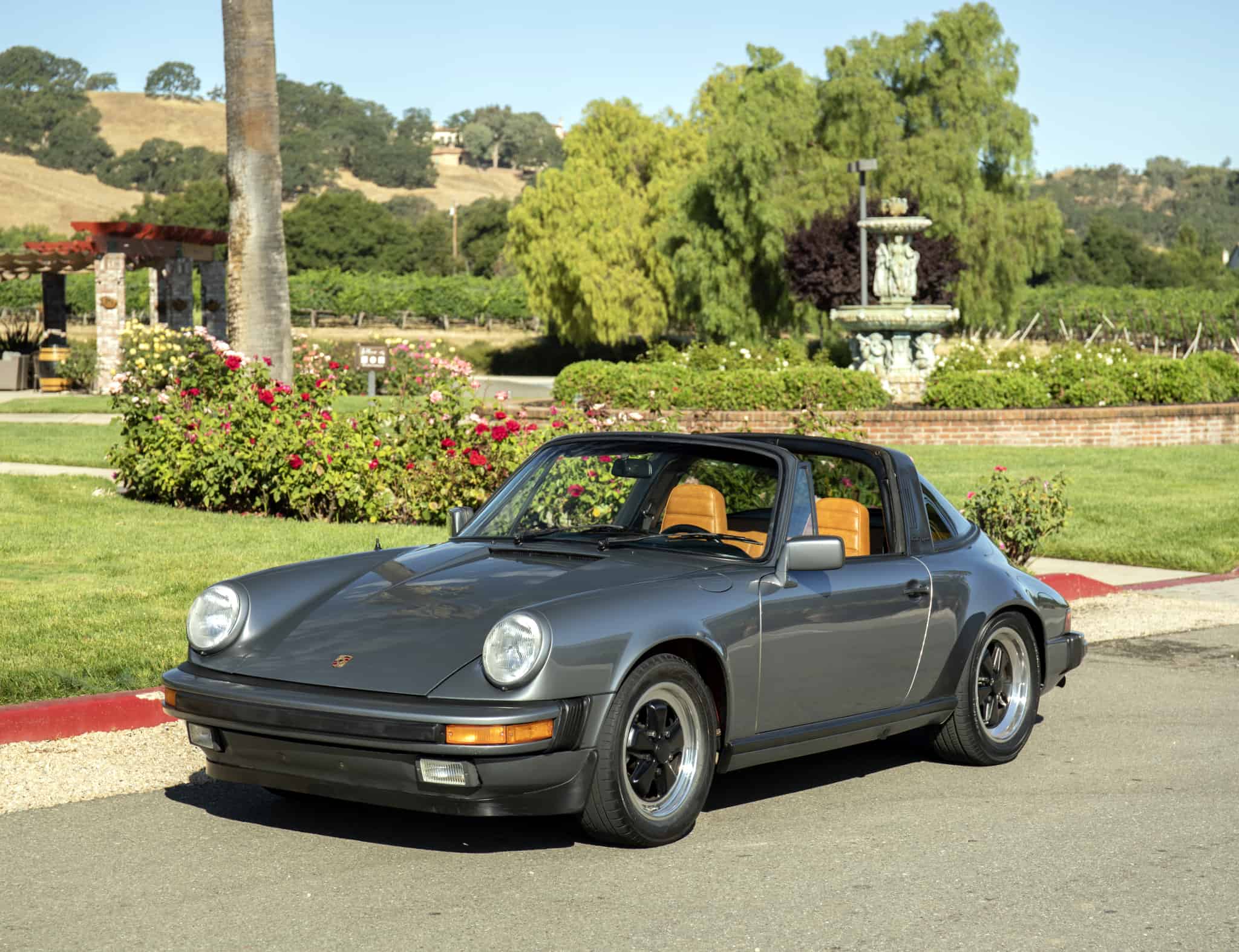
The 911 SC’s 3.0-liter flat-six engine, coded 930/03, displaced 2994 cc (182.7 cu in) with a bore and stroke of 95.0 x 70.4 mm (3.74 x 2.77 in). Featuring a single overhead cam valvetrain, it ran an 8.5:1 compression ratio and produced 180 bhp at 5500 rpm with 265 Nm (195.5 lb-ft) of torque available at 4200 rpm.
That equated to a specific output of 60.12 bhp per liter and a power-to-weight ratio of 150 bhp per tonne. Performance figures were competitive for the era, with a top speed of 127 mph (202.8 km/h), a 0–60 mph sprint of 6.3 seconds, 0–100 mph in 17.6 seconds, and a quarter-mile time of 15.3 seconds.
Weighing in at 1200 kg (2646 lbs), the SC used a steel unibody and measured 4290 mm (168.9 in) long, 1610 mm (63.4 in) wide, and 1341 mm (52.8 in) high, with a wheelbase of 2271 mm (89.4 in).
The front and rear track widths were 1361 mm (53.6 in) and 1367 mm (53.8 in), respectively. Handling was enhanced through rack-and-pinion steering, vented disc brakes with vacuum assist, and a suspension setup that balanced everyday usability with Porsche’s sports car credentials.
Standard wheels measured 16 inches in diameter, with 6-inch-wide fronts and 7-inch-wide rears, wrapped in 205/55VR-16 and 225/50VR-16 tires respectively.
Power was delivered through a 915/44 five-speed manual transmission, which used gear ratios of 3.18:1, 1.83:1, 1.26:1, 1.00:1, and 0.82:1, paired to a 3.88:1 final drive. Optional extras included the now-famous whale tail rear spoiler, a front chin spoiler, Bilstein dampers, 16-inch Pirelli P7 tires, and sport seats, many of which were bundled into dealer-created sport packages.
The 911 SC has also become a regular feature at auctions, with examples often noted for their originality and period options. A notable case was a 1975 Porsche 911SC Carrera 2.7 originally delivered in Italy, finished in Grand Prix White with black “Carrera” side lettering and equipped with a steel sunroof.
Refreshed mechanically in 2012 with new brakes, alternator, wheel bearings, and tires, the car retained its factory color, a rust-free body, and a black leather interior described as being in excellent condition. Both the gearbox and electrical systems were reported to function normally, making it a well-preserved example of one of Porsche’s most accessible and iconic sports cars of the late 1970s and early 1980s.
Why Reliability Matters in a Porsche 911
For American drivers, buying a Porsche 911 isn’t just about getting a flashy sports car. It’s about owning a vehicle that can handle both the weekday commute and weekend canyon runs without leaving you stranded.
Sports cars have a reputation for being finicky and expensive to maintain, but the 911 has long set itself apart by offering durability alongside performance.
Porsche’s engineering philosophy plays a big role in this. The company builds cars with motorsport-level precision, meaning the engines, transmissions, and suspensions are often designed to withstand far more abuse than typical consumer vehicles.
And while maintenance is never cheap on a Porsche, the reliability of certain models ensures that the investment pays off in driving enjoyment and long-term value.
From the bulletproof Mezger engine in the 996 Turbo to the timeless durability of the 911 SC, Porsche has built several versions of the 911 that prove a high-performance sports car doesn’t have to come with reliability headaches.
For US enthusiasts, these models stand out as both thrilling and dependable choices, making them smart picks for anyone considering Porsche ownership.
Whether you’re drawn to the nostalgia of the air-cooled 993, the modern strength of the 997.2, or the robust engineering of the 991, these 911s show that Porsche’s legendary reputation isn’t just about speed and handling it’s also about building cars that last.
