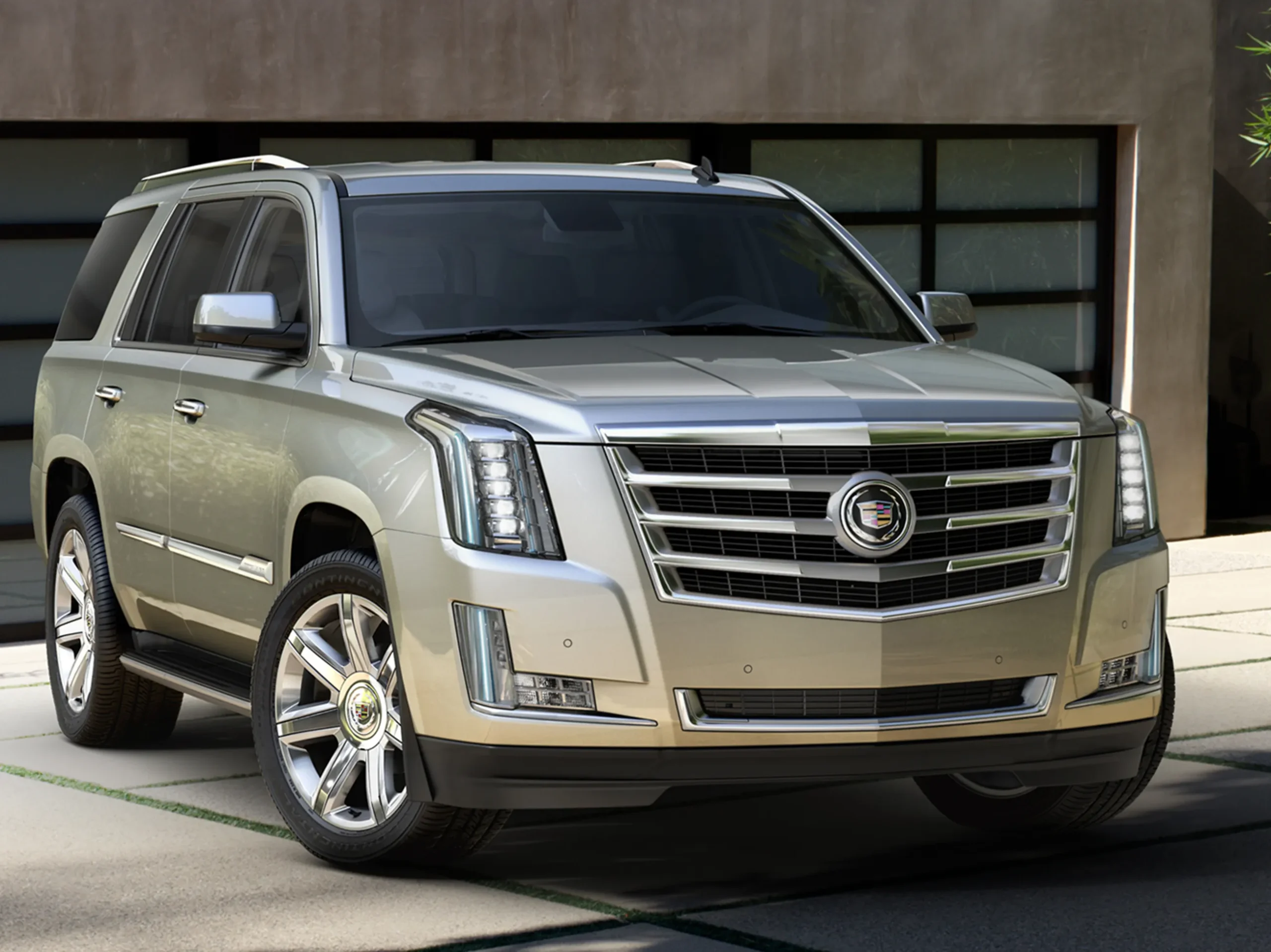
Since its debut in 1999, the Cadillac Escalade has been a bold statement in the luxury SUV market. Known for its powerful V8 engines, commanding road presence, and upscale interiors, the Escalade quickly became a symbol of prestige and performance.
Over the years, Cadillac has refined its design, technology, and capability, producing standout model years that delivered both reliability and luxury. However, not every Escalade year has been a winner; some have suffered from mechanical flaws and costly repairs, making them less appealing to long-term owners.
For buyers seeking the perfect balance of durability, comfort, and value, knowing which years are worth the investment is essential. In this article, we’ll highlight five Cadillac Escalade years that truly stand out, showcasing models that delivered strong performance, modern features, and dependable ownership experiences.
Whether you’re a first-time Escalade buyer or a returning enthusiast, these are the years that offer the best mix of power and prestige.
5 Cadillac Escalade Years Worth The Money
1. 2002 Cadillac Escalade
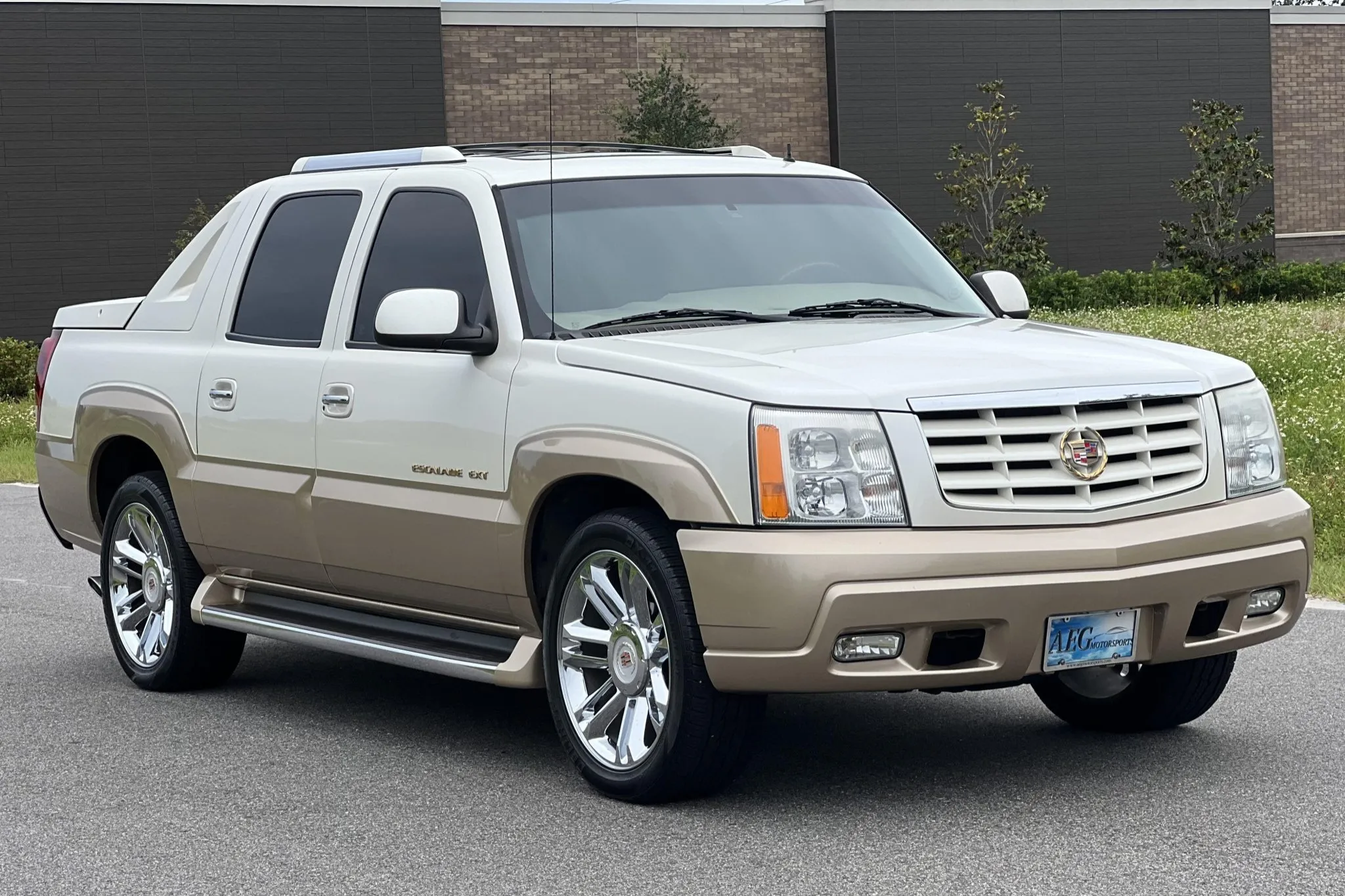
The 2002 Cadillac Escalade marked a turning point in Cadillac’s lineup, firmly establishing it as a true luxury SUV contender. More than a rebadged GMC Yukon Denali, this model introduced a bold redesign that elevated its image.
Equipped with a powerful 6.0-liter V8 engine generating 345 horsepower, the Escalade offered both strength and sophistication.
With improved handling, refined driving dynamics, and a towing capacity rivaling its competitors, it positioned itself as a serious challenger to the Lincoln Navigator, Lexus LX 470, and Mercedes-Benz ML 430. This release finally gave Cadillac dealers the Escalade they had long wanted to showcase.
Under the hood, the 2002 Escalade provided buyers with two engine choices. The all-wheel-drive model featured the exclusive Vortec 6000 V8 producing 345 horsepower and 380 lb-ft of torque, paired with GM’s proven 4L60-E four-speed automatic transmission.
Meanwhile, the two-wheel-drive version came with a 5.3-liter V8 delivering 285 horsepower. Towing strength was impressive, with the AWD model capable of hauling up to 8,500 pounds and the 2WD version handling 6,600 pounds.
Cadillac’s Road Sensing Suspension (RSS) and stability systems ensured a smooth ride and improved control, making the Escalade as enjoyable to drive as it was powerful.
Inside, the Escalade lived up to Cadillac’s luxury reputation with a carefully crafted cabin. Standard features included premium leather upholstery, wood trim, and an upscale design that emphasized refinement.
Technology highlights such as OnStar communications with voice-activated phone capability and a premium 11-speaker Bose audio system with a six-disc CD changer added convenience and entertainment value.
The SUV’s practical side showed with a removable third-row seat and self-leveling rear suspension, offering flexibility for families and cargo. Cadillac also added exclusive StabiliTrak stability control, blending traction management with ABS for safer handling in difficult road conditions.
The 2002 Escalade was more than just a luxury SUV; it was a cultural and market milestone for Cadillac. Its bold styling, advanced features, and powerful V8 engines attracted new buyers who might not have considered the brand before.
The model proved more reliable than many of its rivals, earning a reputation for durability alongside luxury.
By blending upscale design, performance, and capability, the 2002 Escalade cemented Cadillac’s place in the competitive luxury SUV segment. Today, it remains one of the standout years in the Escalade’s history and a favorite among enthusiasts.
2. 2013 Cadillac Escalade
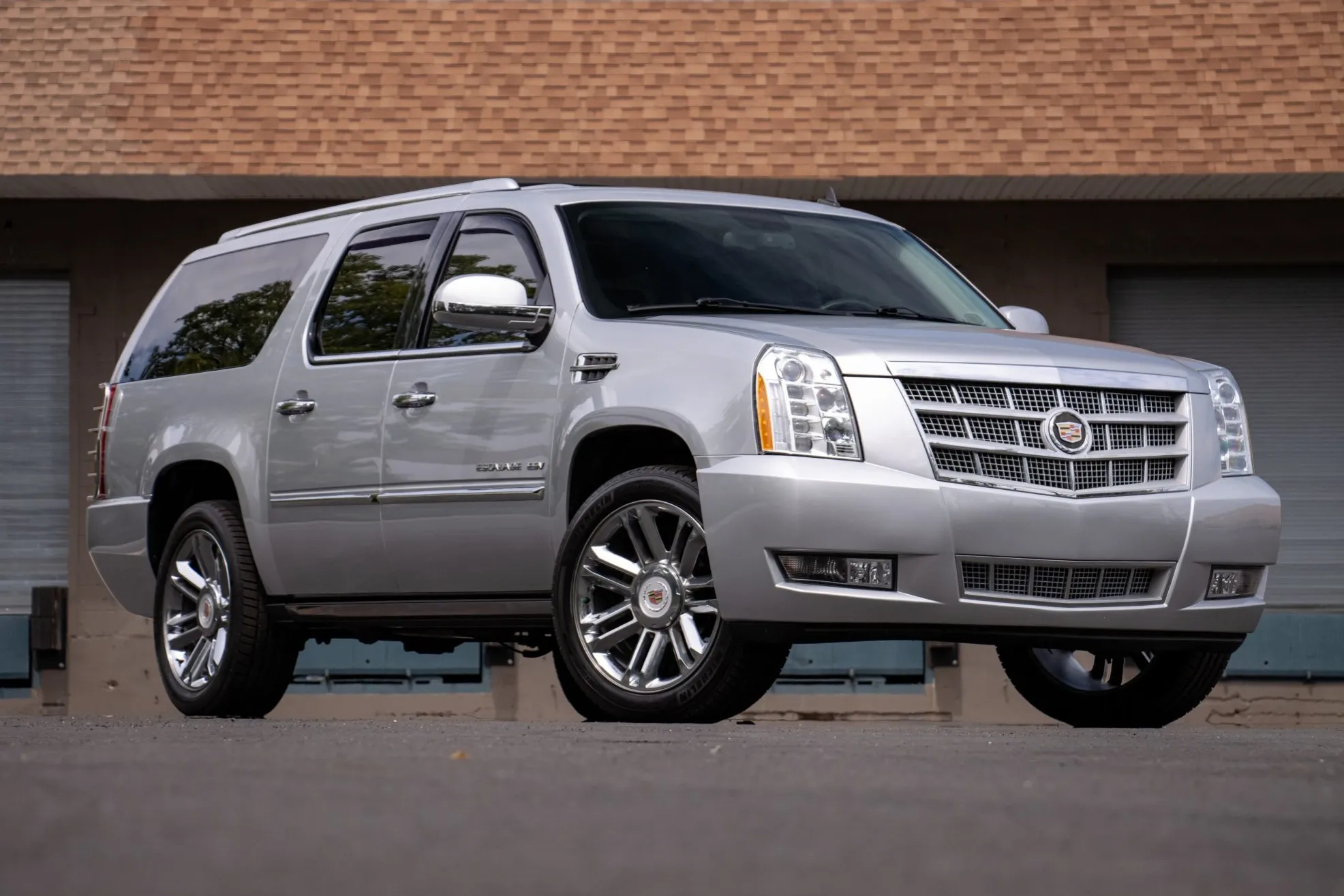
The 2013 Cadillac Escalade continued to embody the brand’s luxury SUV identity, carrying forward its sixth-generation design. At its core was a robust 6.2-liter V8 engine generating 403 horsepower and 417 lb-ft of torque, paired with a six-speed automatic transmission.
Rear-wheel drive was standard, while all-wheel drive was available for added capability. With a 0–60 mph time of 7.5 seconds and a towing capacity of up to 8,300 pounds, the Escalade delivered both performance and utility.
However, fuel efficiency was a drawback, with an EPA rating of just 14 mpg city and 18 mpg highway, making it one of the thirstiest options in its class.
Inside, the Escalade lived up to Cadillac’s reputation for luxury, offering supple leather upholstery, wood and alloy trim, and a spacious cabin. Standard seating accommodated seven passengers with second-row captain’s chairs, while an optional bench increased capacity to eight.
A premium sound system, touchscreen infotainment, rearview camera, and parking sensors enhanced both comfort and convenience.
However, practicality took a hit with the third-row seats, which lacked legroom and had to be removed entirely to maximize cargo space, unlike rivals that offered fold-flat designs. When removed, cargo space expanded to 108.9 cubic feet, making it a versatile if somewhat cumbersome option for families.
Safety was another strong suit, with stability and traction control, ABS, side-impact and curtain airbags, and OnStar telematics as standard. Higher trims added a blind-spot warning system.
The Escalade earned a four-star overall rating in government crash tests, scoring well in frontal and side protection but only three stars for rollover resistance. On the road, the Magnetic Ride Control suspension provided a comfortable ride, even with large 22-inch wheels.
While its truck-based platform limited agility, acceleration was swift, and the SUV’s relatively tight turning radius aided maneuverability. Braking performance, however, was less impressive, with longer-than-average stopping distances for its class.
By 2013, the Escalade retained its hallmark luxury, power, and commanding presence, but its appeal had started to fade against fresher rivals like the Mercedes-Benz GL-Class, Infiniti QX, and Porsche Cayenne.
Critics noted its aging design, thirsty engine, and outdated third-row seating configuration as significant drawbacks. Despite these limitations, the Escalade continued to offer reliability, a well-appointed cabin, and impressive towing capability, keeping it relevant for loyal Cadillac buyers.
While no longer the trend-setting icon it once was, the 2013 Escalade still delivered on the core promises of a luxury SUV: power, comfort, and presence on the road.
3. 2015 Cadillac Escalade
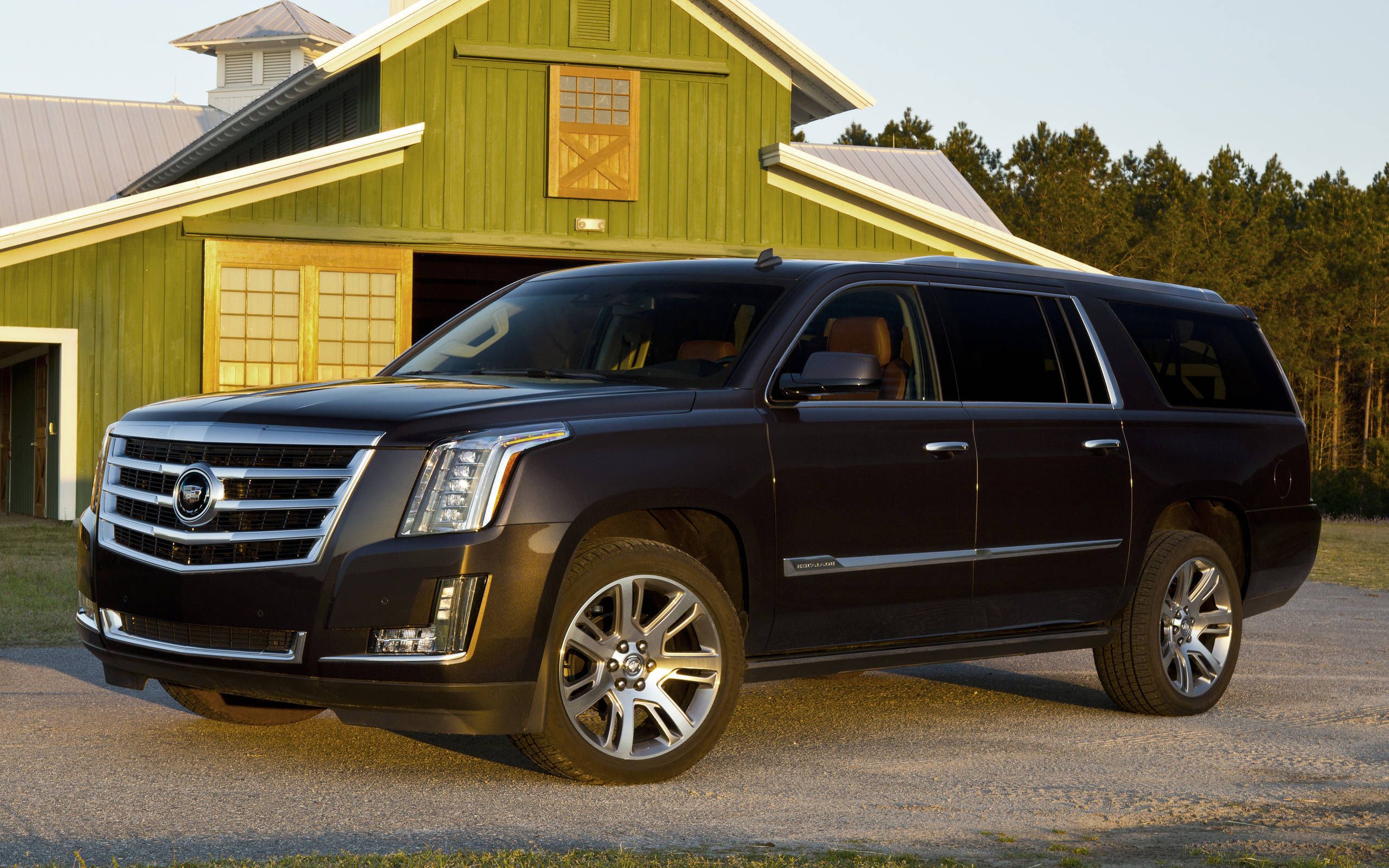
The 2015 Cadillac Escalade carried over the powerful 6.2-liter V8 engine from the previous year, delivering 420 horsepower and 460 lb-ft of torque.
Early models came with a six-speed automatic transmission, while those built after October 2014 benefited from an updated eight-speed automatic, both offering strong acceleration and refined shifts. In testing, the Escalade achieved 0–60 mph in as little as 6.1 seconds, making it one of the quickest full-size SUVs on the market.
Towing capacity remained robust at up to 8,300 pounds. Fuel economy, however, was modest at around 17 mpg combined, which was in line with similarly sized competitors.
One of the standout updates for 2015 was the introduction of Cadillac’s Magnetic Ride Control adaptive suspension, aimed at improving ride comfort and handling. While it delivered a planted and confident feel on the road, the ride could still be harsh over bumps, especially with larger 22-inch wheels.
Despite its truck-based platform, steering was light and responsive, aiding maneuverability for such a large vehicle.
The cabin remained exceptionally quiet, thanks to upgraded sound insulation, giving passengers a refined experience even at highway speeds. However, compared to rivals like the Mercedes-Benz GL-Class, the Escalade still revealed its rougher, truck-like roots.
Inside, the Escalade showcased a redesigned cabin filled with high-end materials, leather seating, and wood accents. Passenger space was generous in the first two rows, while the third row was more suitable for children.
A key improvement was the addition of a power-folding third row, eliminating the need to manually remove bulky seats, though it raised the load floor and reduced practicality for carrying large cargo. Cargo space topped out at 94.2 cubic feet with the rear seats folded.
Technology highlights included Apple CarPlay, Android Auto, and Cadillac’s CUE infotainment system, though the latter was often criticized for slow and unresponsive controls. Convenience was enhanced by features like a hands-free liftgate and modern safety systems.
The 2015 Escalade also added new safety innovations, including a center front airbag, forward-collision alert, blind-spot monitoring, lane-departure warning, and automatic braking in higher trims. Government crash testing awarded it five stars for side protection, reinforcing its safety credentials.
While its bold styling, luxurious cabin, and strong V8 power kept it appealing, rivals such as the Mercedes-Benz GL-Class and Infiniti QX80 offered more refined driving dynamics and better third-row usability.
Even so, the 2015 Cadillac Escalade stood out for its commanding presence, advanced technology, and improved features, securing its place as one of the most desirable years in the model’s lineup.
4. 2018 Cadillac Escalade
The 2018 Cadillac Escalade continued to showcase Cadillac’s signature blend of bold styling and big V8 power. Equipped with a 6.2-liter V8 producing 420 horsepower and 460 lb-ft of torque, the SUV introduced a new 10-speed automatic transmission, replacing the older six- and eight-speed units.
This upgrade delivered smoother shifts, quicker acceleration, and slightly improved fuel efficiency. In performance testing, the Escalade sprinted from 0–60 mph in 6.6 seconds, impressive for its size.
Properly equipped, the towing capacity reached 8,300 pounds, making it one of the most capable luxury SUVs for hauling. Fuel economy remained modest at around 17 mpg combined, but the 10-speed gearbox made the most of the engine’s power.
On the road, the 2018 Escalade offered a commanding presence, but its truck-based roots were still evident. Cadillac refined ride quality with suspension improvements and better noise insulation, creating a quieter cabin at highway speeds.
Magnetic Ride Control adaptive dampers helped control body motion, yet ride comfort was inconsistent, especially with the available 22-inch wheels. Braking and handling were adequate but fell short of more refined competitors like the Lincoln Navigator and Mercedes-Benz GLS.
Despite these drawbacks, the Escalade’s responsive V8, capable four-wheel-drive system with low range, and light steering made it enjoyable for both daily driving and long-distance cruising.
Inside, the 2018 Escalade featured a luxurious cabin with leather upholstery, wood accents, and massaging seats in upper trims. Passenger space was generous in the first two rows, though the third row remained cramped and less practical than rivals due to the high load floor.
Cargo space maxed out at 94.2 cubic feet with seats folded, but the raised floor made loading bulky items more difficult. Technology upgrades included a refined CUE infotainment system with Apple CarPlay, Android Auto, wireless charging, and multiple USB ports.
Rear passengers benefited from dual entertainment screens, while premium audio enhanced the overall experience. Despite its appeal, the CUE system was still criticized for laggy responses and unintuitive controls.
Safety remained a focus, with standard features like stability control, airbags, a rearview camera, and OnStar telematics. Advanced driver aids such as lane-keeping assist, blind-spot monitoring, rear cross-traffic alert, adaptive cruise control, and automatic emergency braking further improved safety across trims.
However, Cadillac did not yet offer Super Cruise, limiting its competitive edge. In the luxury SUV market, the Escalade’s strengths lie in its bold design, powerful V8, towing capacity, and high-tech amenities.
Still, its rougher ride, limited third-row usability, and high load floor meant rivals like the Lincoln Navigator and Mercedes-Benz GLS offered a more refined overall package. Even so, the 2018 Escalade remained a top choice for buyers prioritizing power, presence, and luxury.
5. 2020 Cadillac Escalade
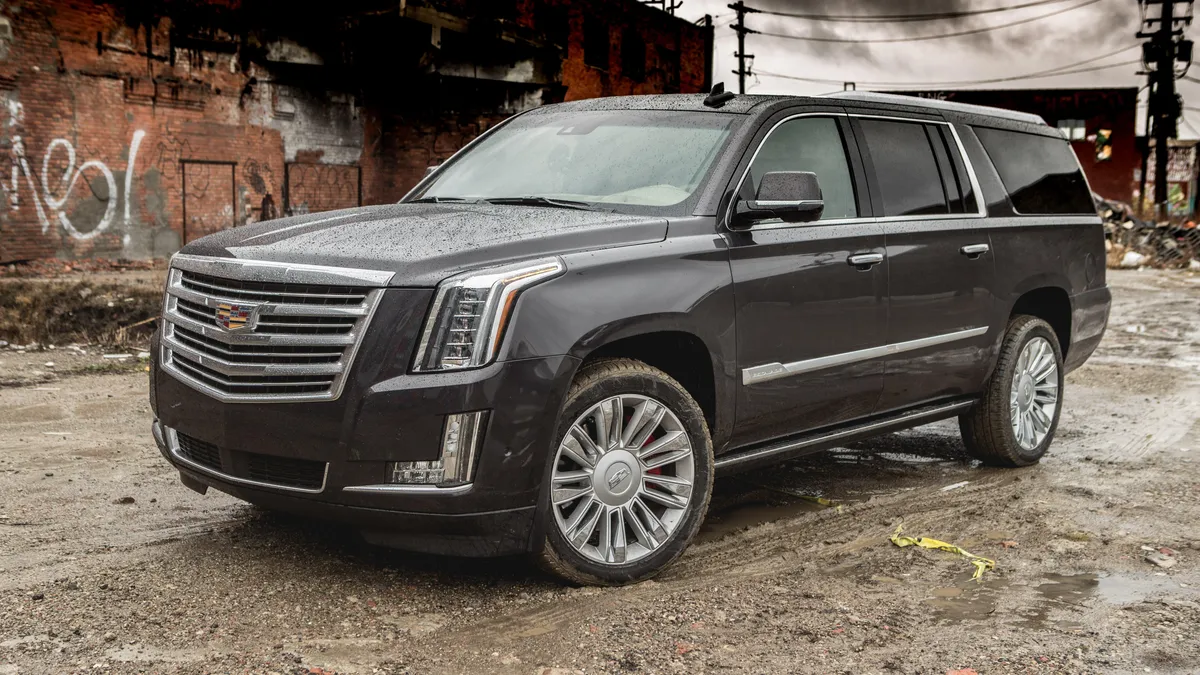
The 2020 Cadillac Escalade represented a strong finish to the fourth-generation model, bringing meaningful updates to performance, technology, and safety while maintaining its reputation as a bold luxury SUV.
It retained the powerful 6.2-liter V8 engine but gained a smoother and more efficient 10-speed automatic transmission, enhancing drivability and fuel economy. An optional 3.0-liter turbo-diesel engine was also added, appealing to buyers looking for better efficiency without compromising capability.
With a maximum towing capacity of 8,300 pounds and a commanding road presence, the 2020 Escalade remained a practical yet prestigious option in its class.
Technology was a highlight of the 2020 model year, as Cadillac introduced a 14.2-inch digital instrument cluster and an expansive 38-inch curved OLED display, paired with the updated CUE infotainment system.
The addition of Super Cruise, Cadillac’s hands-free driving system, gave the Escalade an edge over rivals such as the Lincoln Navigator and Mercedes-Benz GLS.
Safety was also comprehensive, with features like automatic emergency braking, blind-spot monitoring, lane-departure warning, and rear cross-traffic alert coming standard. Together, these upgrades reinforced the Escalade’s position as one of the most technologically advanced SUVs in its segment.
Despite its luxury image, the Escalade’s truck-based roots created some drawbacks. The ride quality was inconsistent, especially over rough roads, where the solid rear axle struggled to keep up with competitors’ more refined suspensions.
Handling was cumbersome, and vague steering limited driver confidence in corners. Cargo capacity was another weak point, with just 15.2 cubic feet behind the third row, less than most rivals, and a high load floor that made loading bulky items difficult.
On the plus side, the cabin offered ample space for front- and second-row passengers, along with generous padding and a mostly quiet ride, though some materials felt less upscale than expected for the price.
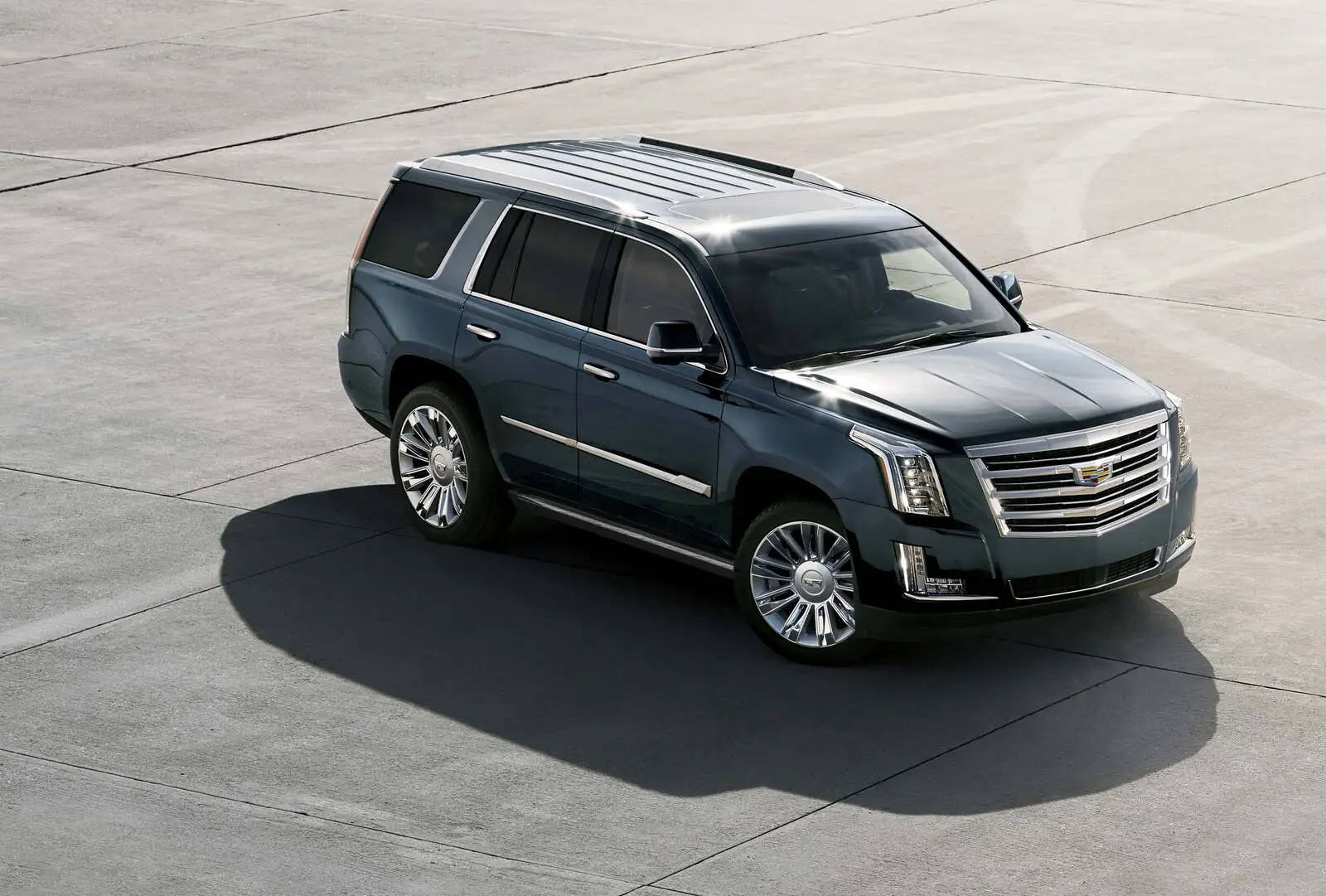
The 2020 Cadillac Escalade struck a balance between old-school muscle and modern sophistication. It delivered strong performance, cutting-edge tech, and a confident road presence that few SUVs could match.
However, its shortcomings in ride comfort, interior refinement, and cargo practicality left it trailing newer and more polished rivals. For buyers prioritizing power, towing, and luxury features, the 2020 Escalade was still a compelling choice, but those seeking greater comfort and versatility might have been better served by competitors.
With an all-new redesign on the horizon, the 2020 Escalade ultimately marked the end of an era while setting the stage for a more refined future.
Also Read: 5 Cars With Cult Resale Value and 5 That Dealerships Can’t Get Rid Of
5 Cadillac Escalade Years That Aren’t Worth The Money
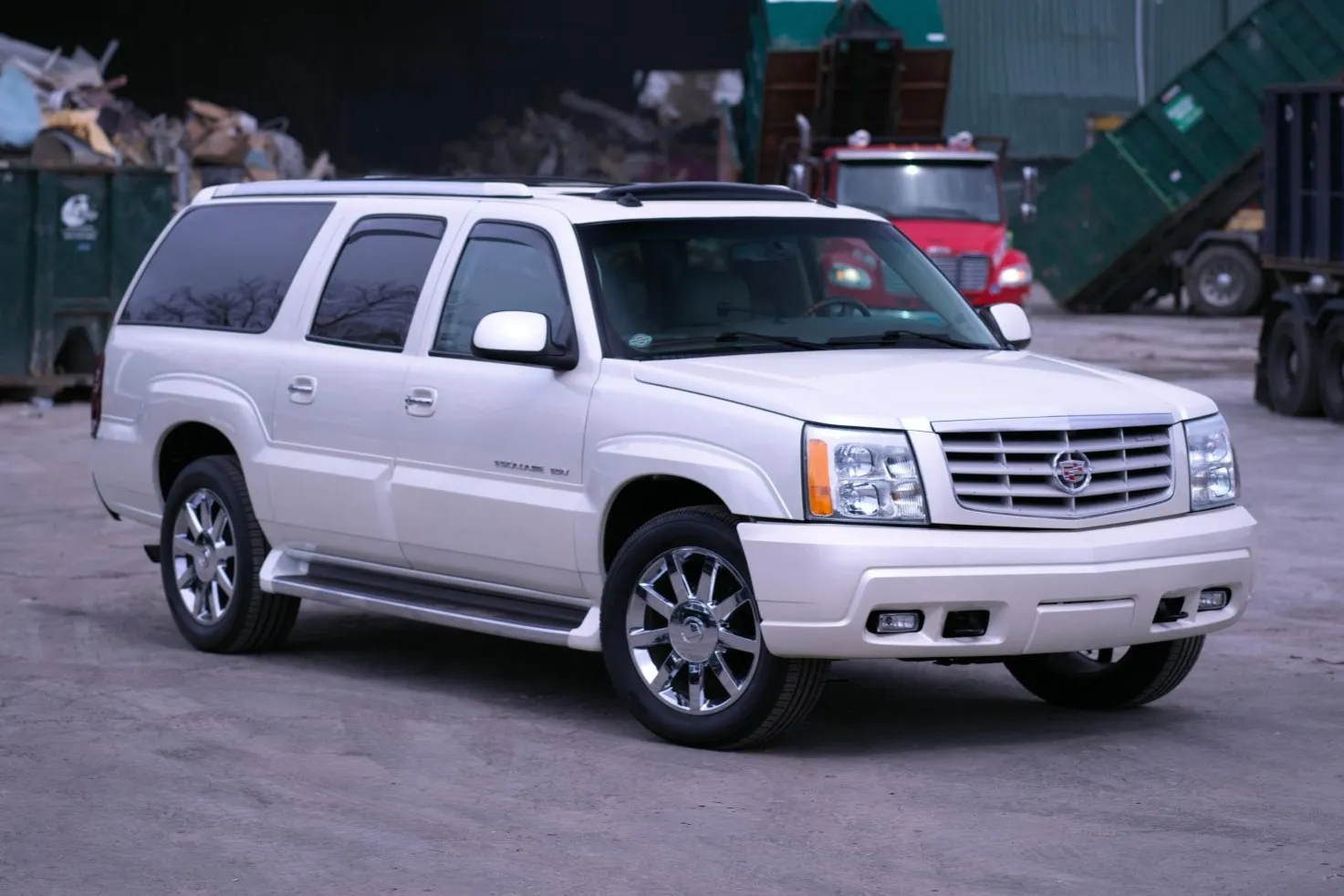
1. 2003 Cadillac Escalade: Early Luxury with Major Flaws
The 2003 Cadillac Escalade, an early entry in the luxury SUV market, was built on Cadillac’s push toward blending premium comfort with strong performance. While it stood out for its refined interior, powerful V8 engine, and upscale presence, it suffered from serious reliability concerns.
Electrical failures were among the most common complaints, with many owners reporting issues with power windows, door locks, and dashboard lights. Some even faced wiring malfunctions that were costly to repair.
Air suspension failures also plagued this model, often leading to deflated air springs and an uncomfortable ride. Transmission problems were equally concerning, with rough shifting and delayed gear changes frequently reported, often requiring expensive overhauls.
Engine troubles, such as misfiring and poor acceleration, further hurt its reputation, particularly in higher-mileage vehicles. These issues made the 2003 Escalade difficult to maintain in the long run.
While it represented Cadillac’s vision of a modern luxury SUV, its mechanical shortcomings placed a financial burden on many owners. Ultimately, despite its luxurious appeal, the 2003 Escalade remains one of the most problematic early models, setting a precedent for caution among buyers considering first-generation Escalades.
2. 2007 Cadillac Escalade: Style Over Reliability
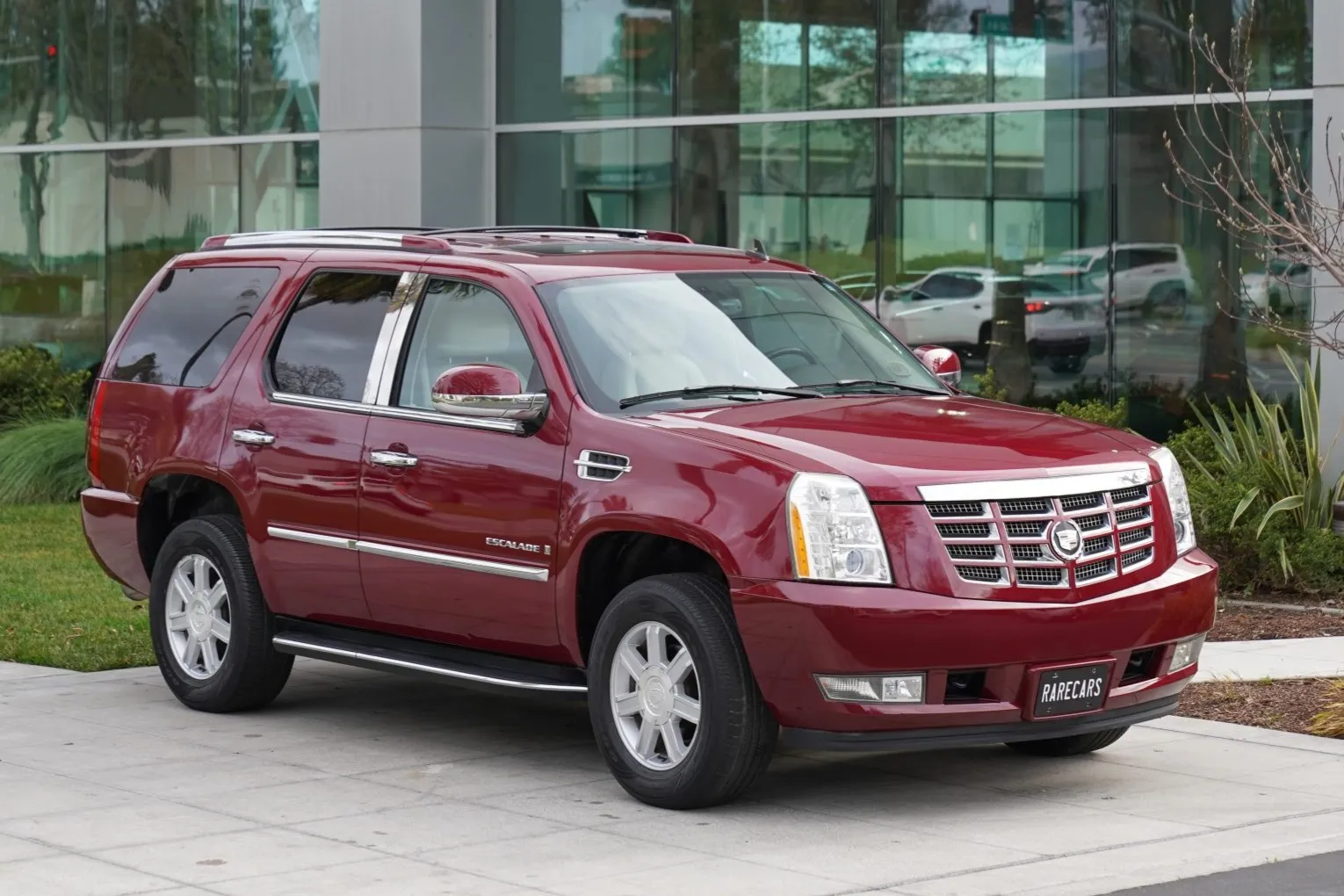
By 2007, Cadillac introduced the second-generation Escalade, offering bold styling, an upgraded interior, and modernized technology. The redesign gave the SUV a stronger road presence and improved comfort, but beneath the surface, reliability concerns persisted.
Electrical failures continued to frustrate owners, particularly with malfunctioning dashboard lights, faulty power windows, and intermittent wiring issues. The air suspension system also proved unreliable, often failing prematurely and forcing expensive repairs to restore ride quality.
Transmission problems, including rough shifting and hesitation during acceleration, negatively impacted driving performance, echoing issues from the 2003 model. Engine overheating was another recurring concern, especially in hot climates or during heavy use, raising the risk of long-term engine damage if left unresolved.
While the 2007 Escalade marked a step forward in terms of luxury, technology, and prestige, its mechanical reliability left much to be desired. Buyers who sought the balance of elegance and durability often found themselves burdened with repair costs.
These persistent issues placed the 2007 Escalade among the less dependable years in the lineup, showing that Cadillac’s focus on luxury and design often came at the expense of long-term dependability.
3. 2011 Cadillac Escalade: Luxury Undermined by Excessive Wear
The 2011 Cadillac Escalade, still part of the second generation, reflected Cadillac’s growing focus on technology and high-end luxury. Featuring advanced systems and a refined interior, it was intended to solidify Cadillac’s reputation as a premier SUV brand.
However, excessive oil consumption was one of the most serious issues reported by owners, often linked to piston ring problems. This led to frequent oil top-offs and, in severe cases, long-term engine damage. Transmission troubles carried over from earlier years, with rough shifting and jerky acceleration diminishing the driving experience.
The air suspension system, a signature feature of the Escalade, continued to suffer from premature wear, with many owners facing costly replacements of compressors and air springs. Electrical malfunctions also frustrated owners, with complaints about malfunctioning climate control and unreliable electronic features.
These issues tarnished the appeal of what should have been a reliable luxury SUV. Despite offering comfort, refinement, and technology, the 2011 Escalade failed to provide durability and peace of mind.
Its widespread mechanical and electrical failures made it a model year best avoided by buyers looking for both luxury and dependability in a premium vehicle.
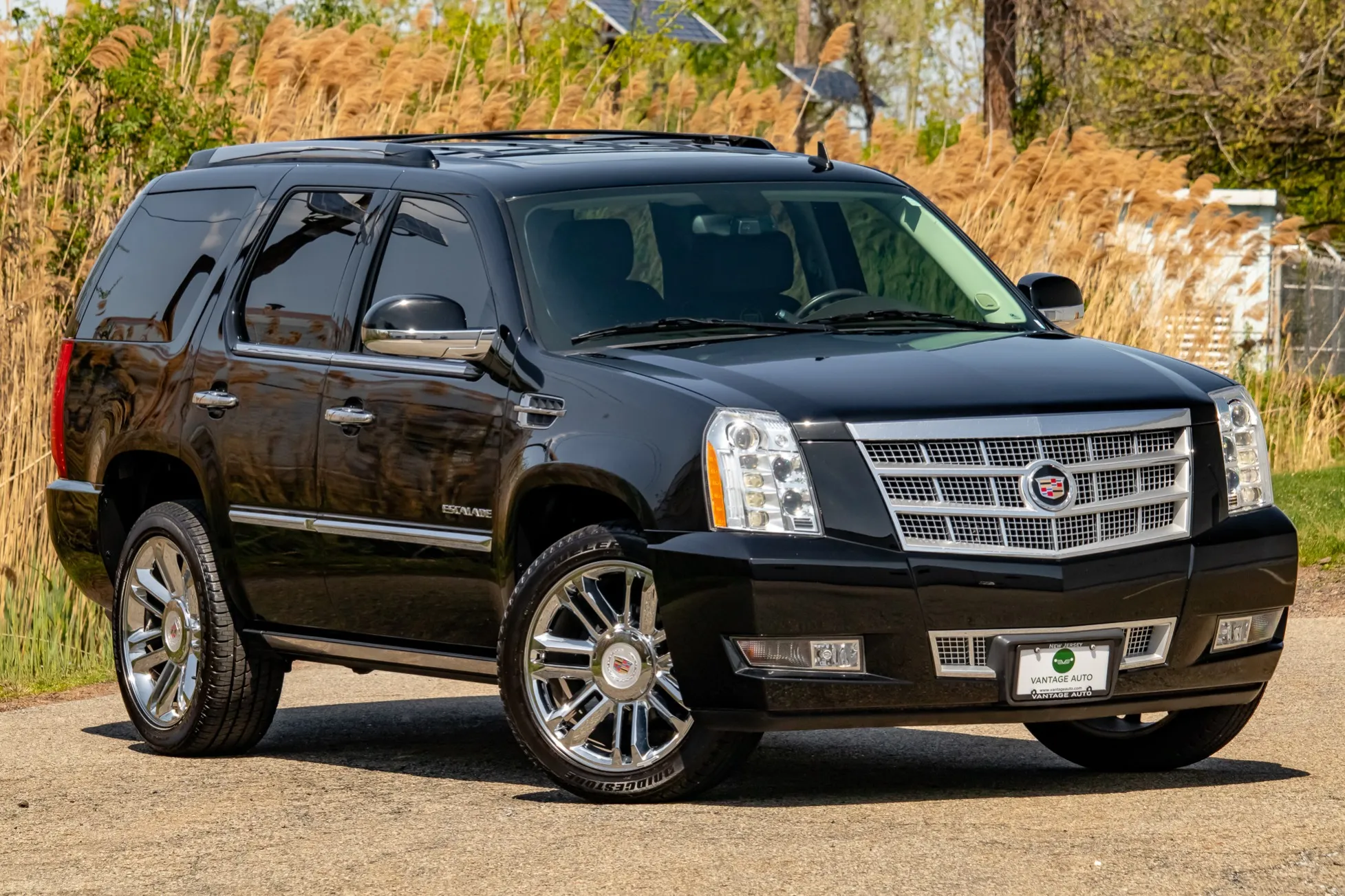
4. 2014 Cadillac Escalade: Final Year, Familiar Problems
As the last model of the second-generation Escalade, the 2014 version attempted to incorporate modern design elements and refinements before Cadillac’s major 2015 redesign. However, it inherited many of the same issues that plagued earlier models.
Transmission problems continued, with rough shifting, delayed engagement, and hesitation during acceleration being frequent complaints. Electrical system failures also became a significant source of frustration, with infotainment glitches, navigation freezes, unresponsive touchscreens, and faulty climate control systems.
The air suspension system, long considered one of the Escalade’s weakest points, again showed premature wear, resulting in uncomfortable rides and high repair costs.
Engine performance issues further added to the list of concerns, with some owners reporting poor acceleration, loss of power, and rough idling, often tied to faulty ignition coils or sensors. While the 2014 Escalade looked stylish and boasted an upscale interior, its mechanical shortcomings overshadowed its luxury appeal.
For many buyers, the promise of a premium driving experience was undermined by recurring problems that were both costly and inconvenient. As a result, the 2014 Escalade is regarded as one of the model years that potential buyers should avoid.
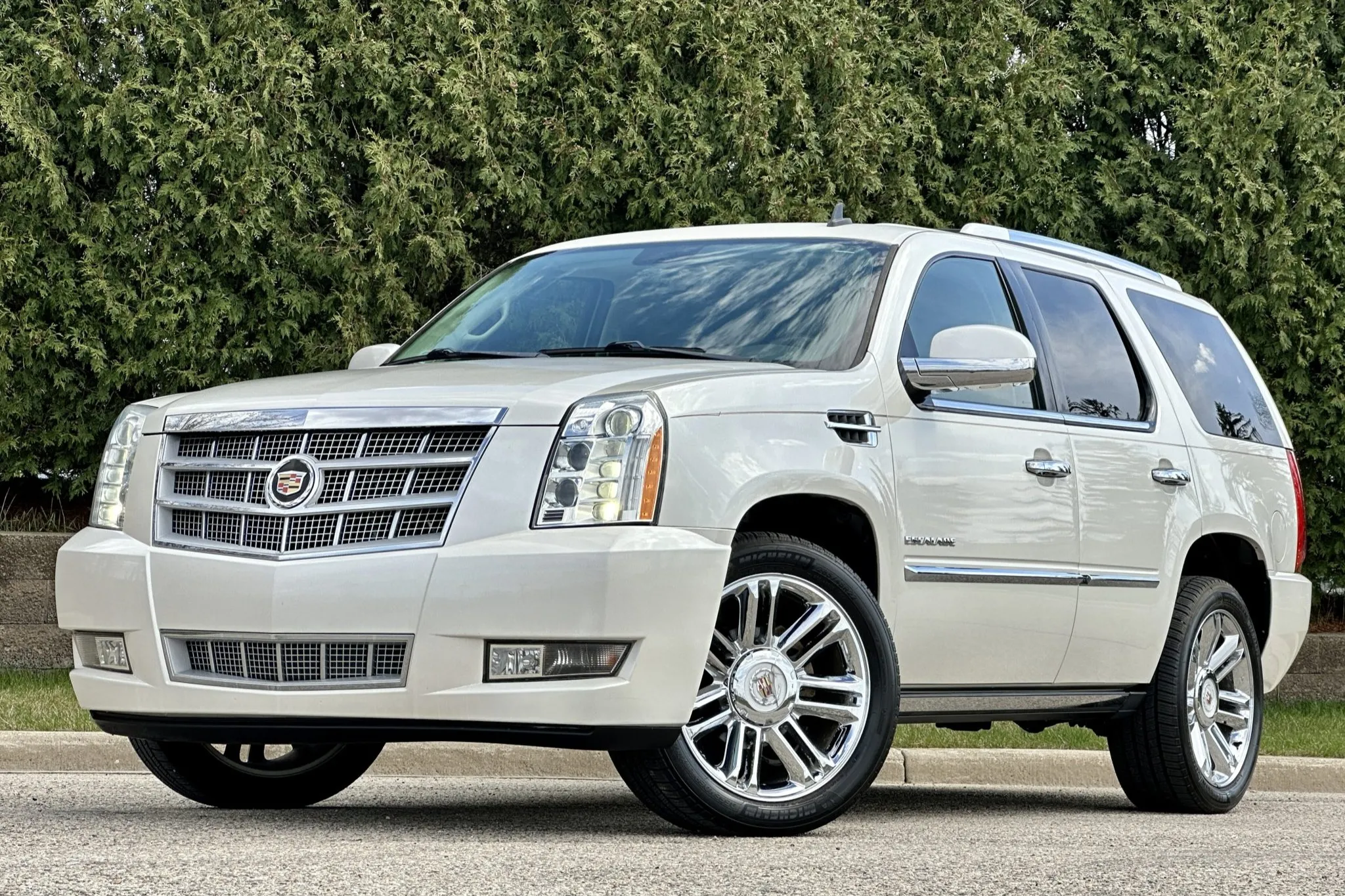
5. 2018 Cadillac Escalade: Modern but Problematic
The 2018 Cadillac Escalade, part of the fourth generation, showcased Cadillac’s latest luxury and technology updates, including a modern design and advanced infotainment system. However, reliability concerns remained a major drawback.
The CUE infotainment system, designed to enhance the driving experience, often malfunctioned with frequent glitches, freezing screens, and unreliable Bluetooth connectivity. Transmission issues again surfaced, with reports of rough shifting and hesitation under acceleration, echoing problems from earlier years.
The air suspension system, despite improvements, continued to show premature wear, leading to costly repairs and diminishing ride quality. Electrical malfunctions persisted as well, ranging from faulty sensors to malfunctioning lights and unresponsive electronic systems.
While the 2018 Escalade delivered high-end styling, advanced features, and strong performance, its ongoing reliability issues made ownership unpredictable and expensive. For a luxury SUV positioned at the top of Cadillac’s lineup, these repeated flaws were disappointing for many owners.
Ultimately, the 2018 Escalade demonstrated Cadillac’s difficulty in balancing innovation with dependability. Although attractive on paper, the persistent mechanical and electronic issues place the 2018 model on the list of Escalade years to avoid, especially for buyers seeking long-term reliability.
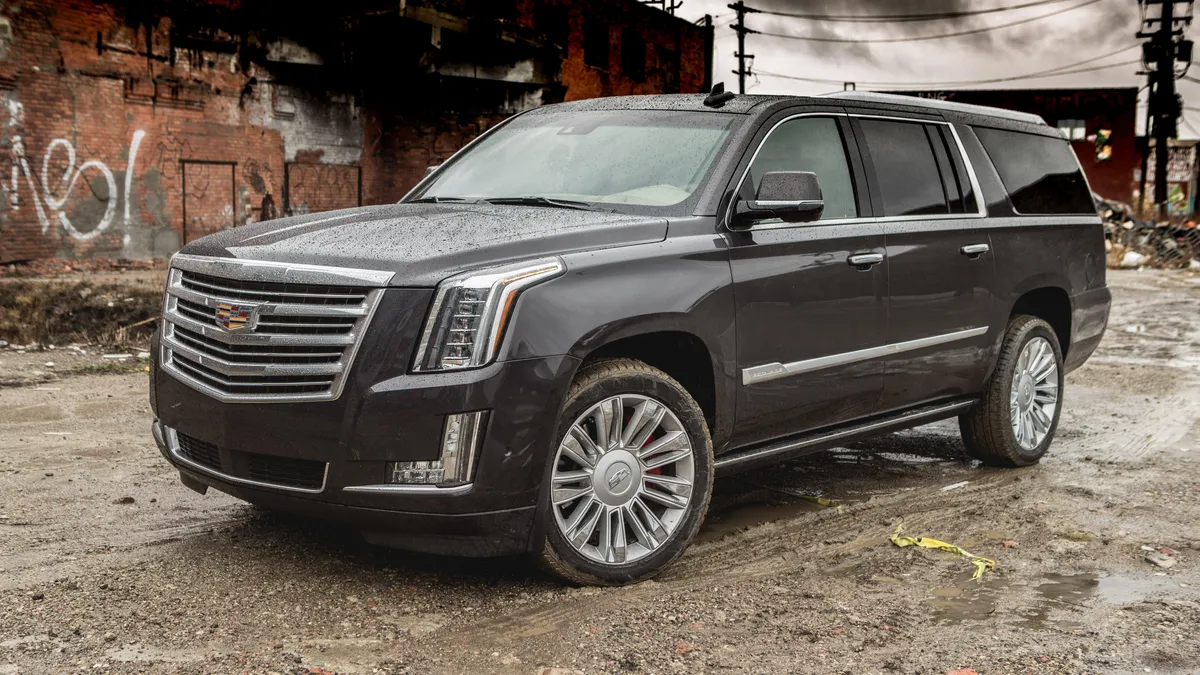
The Cadillac Escalade has earned its place as one of the most iconic luxury SUVs on the road. While certain model years are plagued with issues that make them risky investments, others have proven their worth with durability, advanced features, and refined performance.
From the breakthrough design of the 2002 Escalade to the modern sophistication of the 2020 model, these five standout years demonstrate the best of what Cadillac has to offer.
Each strikes a balance between prestige and practicality, making them smart choices for buyers who want both style and substance in their SUV. Ultimately, the right Escalade year can provide not only luxury and performance but also long-term reliability and value.
By focusing on proven models, buyers can enjoy the Escalade experience without the worry of excessive repairs or costly upkeep. Choosing wisely ensures that this iconic SUV lives up to its reputation as a true luxury powerhouse.
Also Read: 10 Cars With Tricky Seatbelt Buckles for Elderly Passengers