
Hybrid vehicles have gained steady attention as many car buyers look for affordable models that combine fuel efficiency with everyday comfort. Car shoppers today are not only looking for savings at the fuel pump but also a sense of quality when they sit behind the wheel.
Affordability is important, but no one wants a vehicle that feels cheap, rattles easily, or lacks durability. This balance between cost and quality has become one of the most pressing factors when people make decisions about hybrid cars.
While some affordable hybrids give drivers the impression that they are driving a vehicle that costs far more than the sticker price, others fall short by feeling rushed in design or poorly executed in the materials used.
The difference can often be felt in small details like seat comfort, cabin quietness, responsiveness of the hybrid system, or how well the interior materials hold up after a while. It is not just about looks; it is about how the vehicle behaves during daily commutes, weekend trips, and even in heavy traffic.
Car companies have not all approached hybrid technology with the same seriousness. Some brands have invested heavily in making hybrids a true part of their line-up, while others have introduced models that feel like experiments rather than fully refined products.
As a result, shoppers must be careful in choosing hybrids that balance cost and quality without giving up too much in performance or long-term dependability.
What follows is a list of ten affordable hybrid models. The first five are vehicles that deliver surprising quality for their price range, showing attention to design, engineering, and comfort.
The last five are hybrids that may save fuel but leave buyers disappointed due to poor build, cheap interior finishes, or issues with reliability. By examining these models closely, one can see how different manufacturers approach the same challenge of making hybrids affordable yet dependable.
5 Affordable Hybrids That Feel Well-Made
1. Toyota Corolla Hybrid
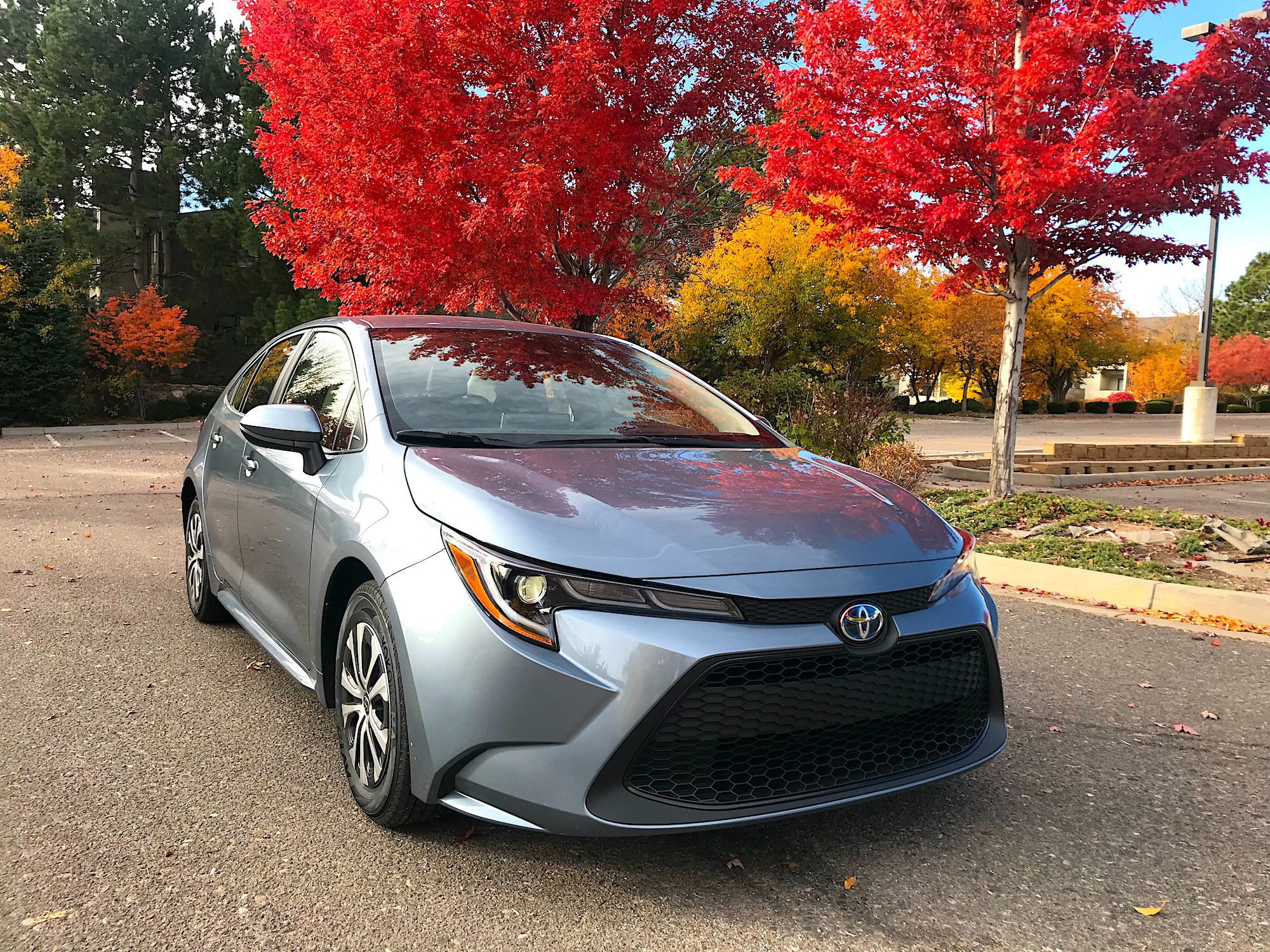
Among compact cars, the Toyota Corolla Hybrid stands out as a strong balance between price and build quality. Toyota has earned a solid reputation for making dependable vehicles, and the Corolla Hybrid continues that tradition. Although it is one of the most affordable hybrids in the market, it does not give off the impression of being cheaply made.
The exterior design feels modern, with sharp lines and a sleek profile that rivals more expensive sedans. Inside, the cabin materials are well chosen and show careful thought, from the soft-touch dashboard to the supportive seating that remains comfortable on long drives.
Toyota’s hybrid system in the Corolla is smooth and efficient, rarely feeling clunky when switching between electric power and gasoline. Drivers who are new to hybrids often worry about jerky transitions, but this car proves that even a budget-friendly option can deliver seamless performance. Fuel efficiency is impressive, which makes it a strong choice for anyone looking to save on gas without giving up daily comfort.
Noise insulation is another area where the Corolla Hybrid feels more expensive than its price tag suggests. At highway speeds, the cabin remains fairly quiet, and conversations inside are not drowned out by road or engine noise.
Small touches such as an intuitive infotainment system, responsive climate controls, and thoughtful storage space show that Toyota did not cut corners in making the car feel complete. Durability is one of the strongest reasons the Corolla Hybrid belongs among the well-made affordable options.
Toyota hybrids have shown long-term dependability, with many owners reporting years of use with minimal issues. This makes the Corolla Hybrid a safe choice for buyers who want both savings and peace of mind. For a car that sits in the lower price bracket of hybrid sedans, it delivers a feel of sturdiness that is rare in its category.
2. Honda Accord Hybrid
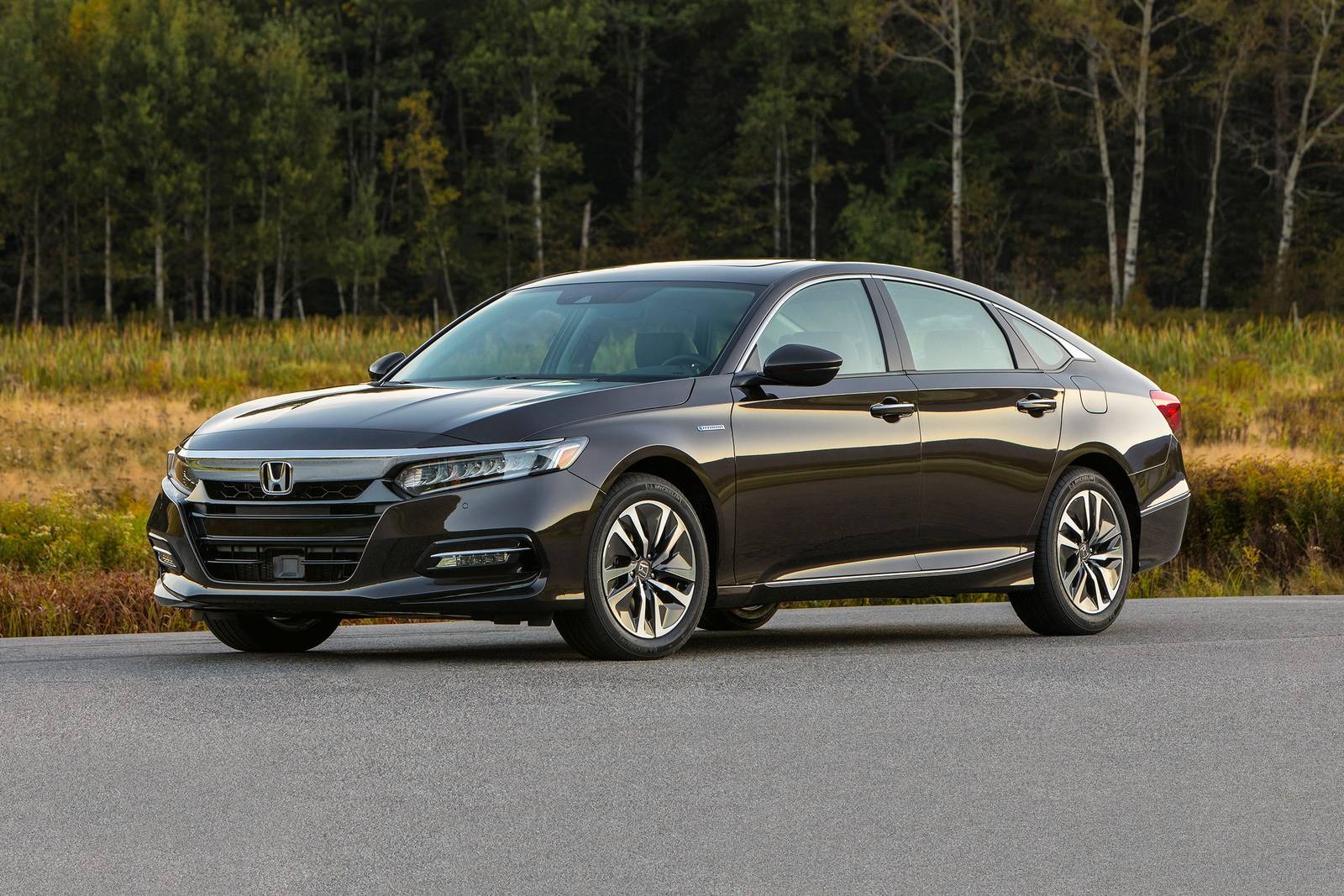
The Honda Accord Hybrid delivers an experience that feels above its price range, giving owners a midsize sedan that combines efficiency with comfort and refinement. Honda designed this car to feel spacious and welcoming, which is something not every affordable hybrid can claim.
The wide cabin, supportive seating, and soft finishes on commonly touched surfaces all contribute to a sense of quality. Families and commuters alike appreciate that the Accord Hybrid does not compromise roominess or ease of use in exchange for hybrid technology.
Performance is an area where the Accord Hybrid stands out. The combination of its electric motor and gasoline engine provides enough strength for confident highway merging and smooth city driving.
Unlike some hybrids that feel sluggish, the Accord Hybrid maintains a steady response and feels reliable in different driving conditions. The transition between electric power and gas is well-managed, creating a calm ride free from harsh jerks.
Honda also placed attention on technology features that make the Accord Hybrid user-friendly. The infotainment system responds quickly, with a clear display and menus that are not overly complicated. Driver assistance features are standard, providing safety without inflating the price. Many budget-friendly hybrids tend to strip down these extras, but Honda ensured that buyers do not feel shortchanged.
Long-term build quality also supports the Accord Hybrid’s position as a well-made option. Materials inside hold up well against everyday wear, and the hybrid system has proven to be reliable with regular maintenance.
Road noise is kept under control, allowing passengers to enjoy quiet rides even on longer trips. Owners often describe the car as giving them the feeling of driving a much pricier sedan. For buyers seeking a balance of affordability, comfort, and durable design, the Honda Accord Hybrid is among the top choices.
Also Read: 5 Hybrids With Great Parts Availability and 5 That Are Always Backordered
3. Hyundai Elantra Hybrid
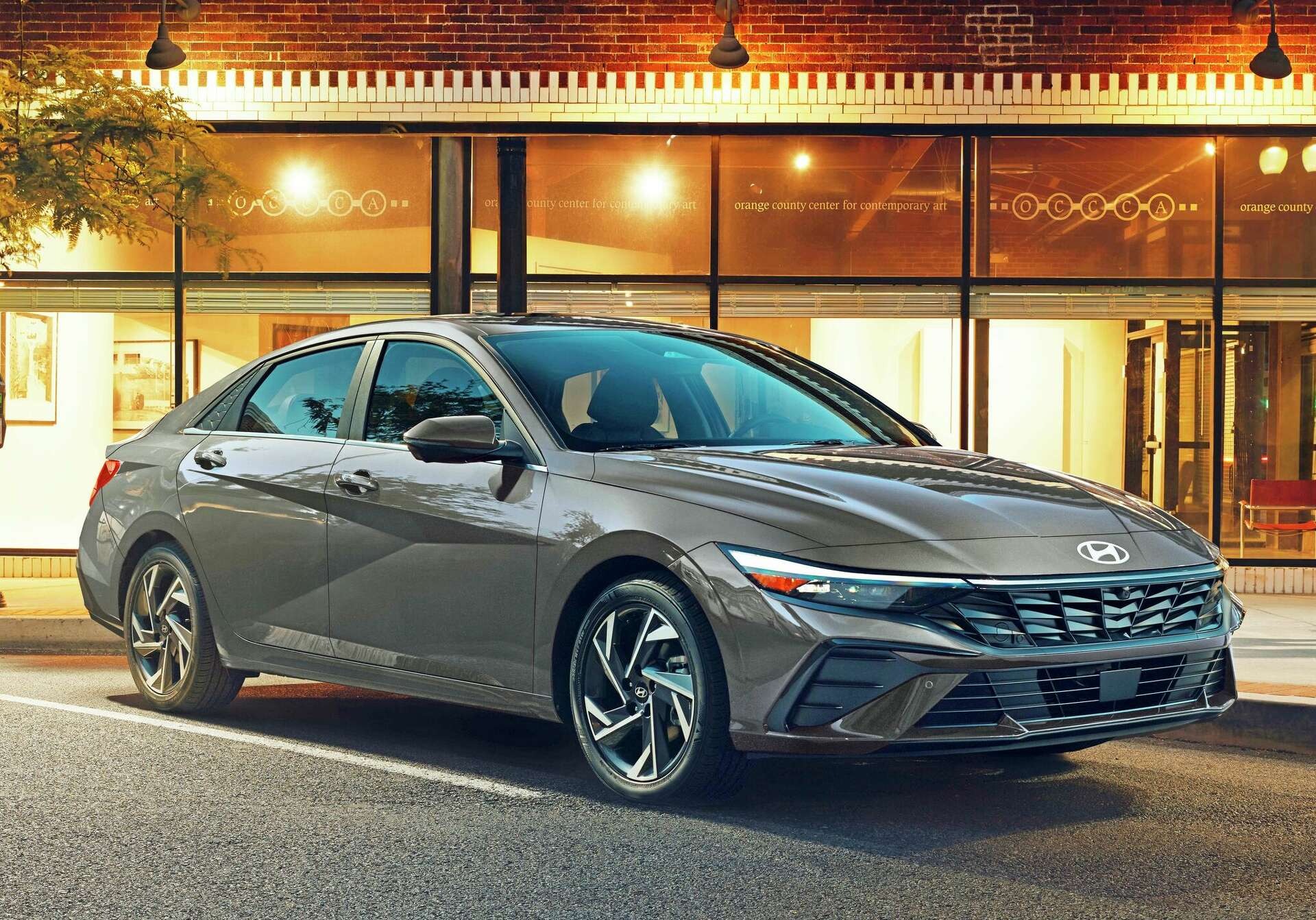
The Hyundai Elantra Hybrid brings together affordability, efficiency, and modern design in a way that feels surprisingly upscale. Hyundai has put effort into raising its reputation over the years, and the Elantra Hybrid reflects that growth.
The exterior styling is sharp and futuristic, drawing attention in a segment where many budget hybrids look plain. Inside, the cabin feels thoughtfully crafted, with digital displays, high-quality seat materials, and clever use of space that makes the car comfortable for daily use.
Performance-wise, the Elantra Hybrid is powered by a combination of a gasoline engine and electric motor that work together smoothly. Drivers appreciate that acceleration feels natural rather than underpowered, which is often a weakness in some low-priced hybrids.
The steering is responsive, making city driving manageable and highway cruising steady. The car manages to balance efficiency and drive comfort without giving the impression of being stripped down. One of the areas where the Elantra Hybrid gives a sense of quality is in its technology features.
Even on the lower trims, it offers strong connectivity options and safety technology that provide convenience without requiring buyers to move up to expensive models. The infotainment system is easy to use and integrates well with smartphones, which is a priority for many modern buyers.
Durability is another positive factor. Hyundai has backed its hybrids with warranties that reassure buyers about long-term reliability. The Elantra Hybrid’s build quality makes it feel like it can stand up to years of use without showing premature wear.
Interior surfaces resist scratches, and seat materials stay firm after extended periods of use. For an affordable hybrid, the Elantra Hybrid delivers a polished experience that makes it feel like a step above its price class.
4. Toyota Prius
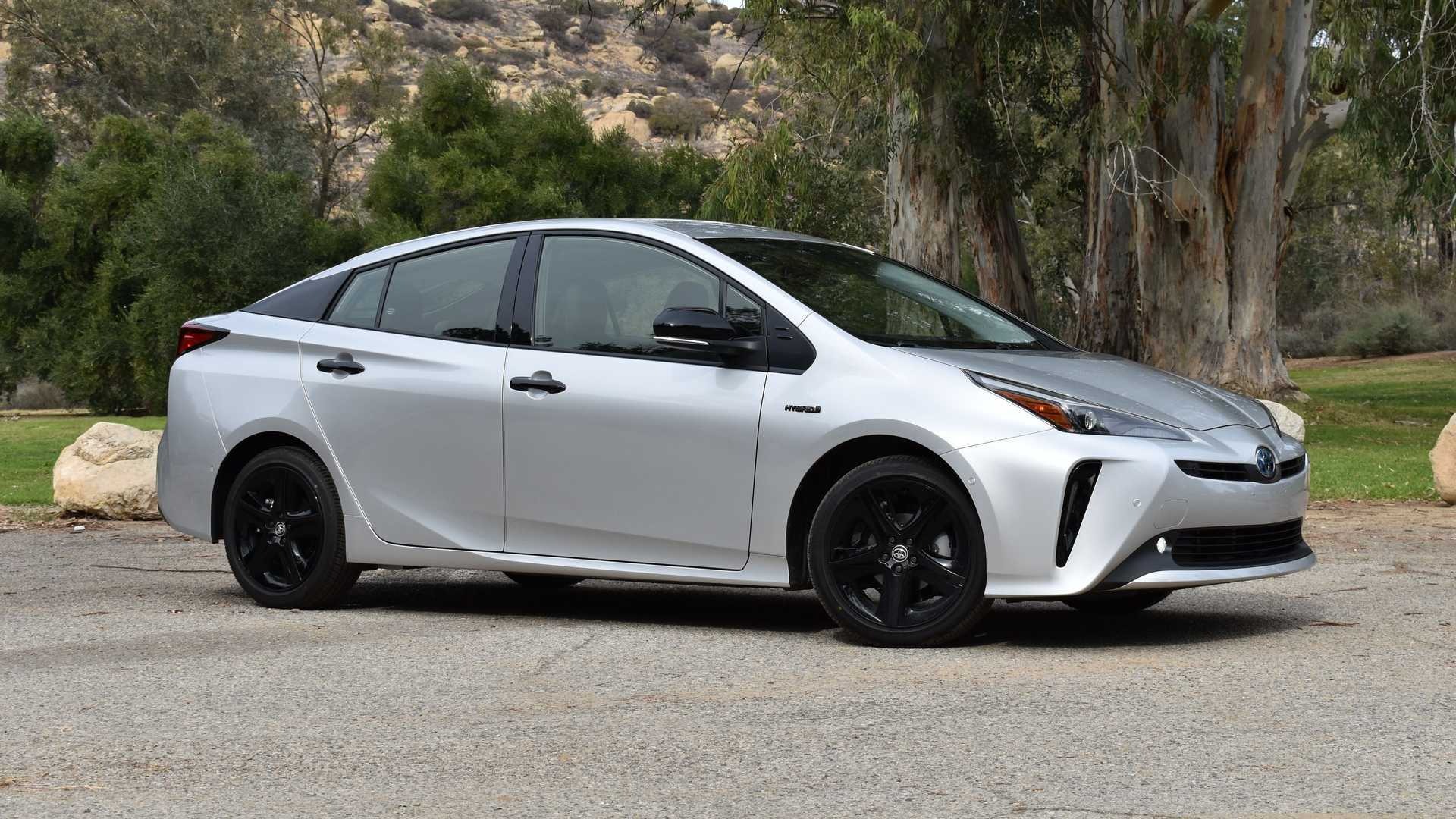
The Toyota Prius has been around long enough to become almost a symbol of hybrid technology. What makes the latest Prius models stand out is how far Toyota has gone in making them feel more refined while still keeping them within an affordable price range.
The design has shifted from plain to striking, giving the Prius a fresh look that appeals to buyers who want style as well as function. Inside, the Prius feels upgraded with better quality finishes, intuitive controls, and more attention to driver comfort than older models provided.
Driving the Prius delivers a sense of confidence. Toyota’s hybrid system in this car has been perfected through years of development, and the result is smooth transitions between gas and electric modes.
Acceleration is adequate for daily use, and though it is not a performance car, it never feels like it is struggling to keep up with traffic. The steering and suspension deliver a balanced ride that feels composed in city streets and on highways.
Another area that supports the Prius’s reputation as a well-made, affordable hybrid is its efficiency. Few hybrids match its fuel savings, which means owners see real benefits in long-term cost reduction.
But beyond savings, the Prius also avoids the cheap feel that some efficiency-focused cars suffer from. Its seats are supportive, its technology features are practical, and storage options make it useful for both commuters and small families.
Durability has always been a strength for Toyota hybrids, and the Prius is no exception. Owners often report thousands of miles with minimal mechanical issues, making it a dependable choice.
For a hybrid that sits within reach of many buyers, the Prius manages to provide a driving experience that feels solid and well-thought-out, showing that affordability does not need to come with sacrifices in build quality.
5. Kia Niro Hybrid
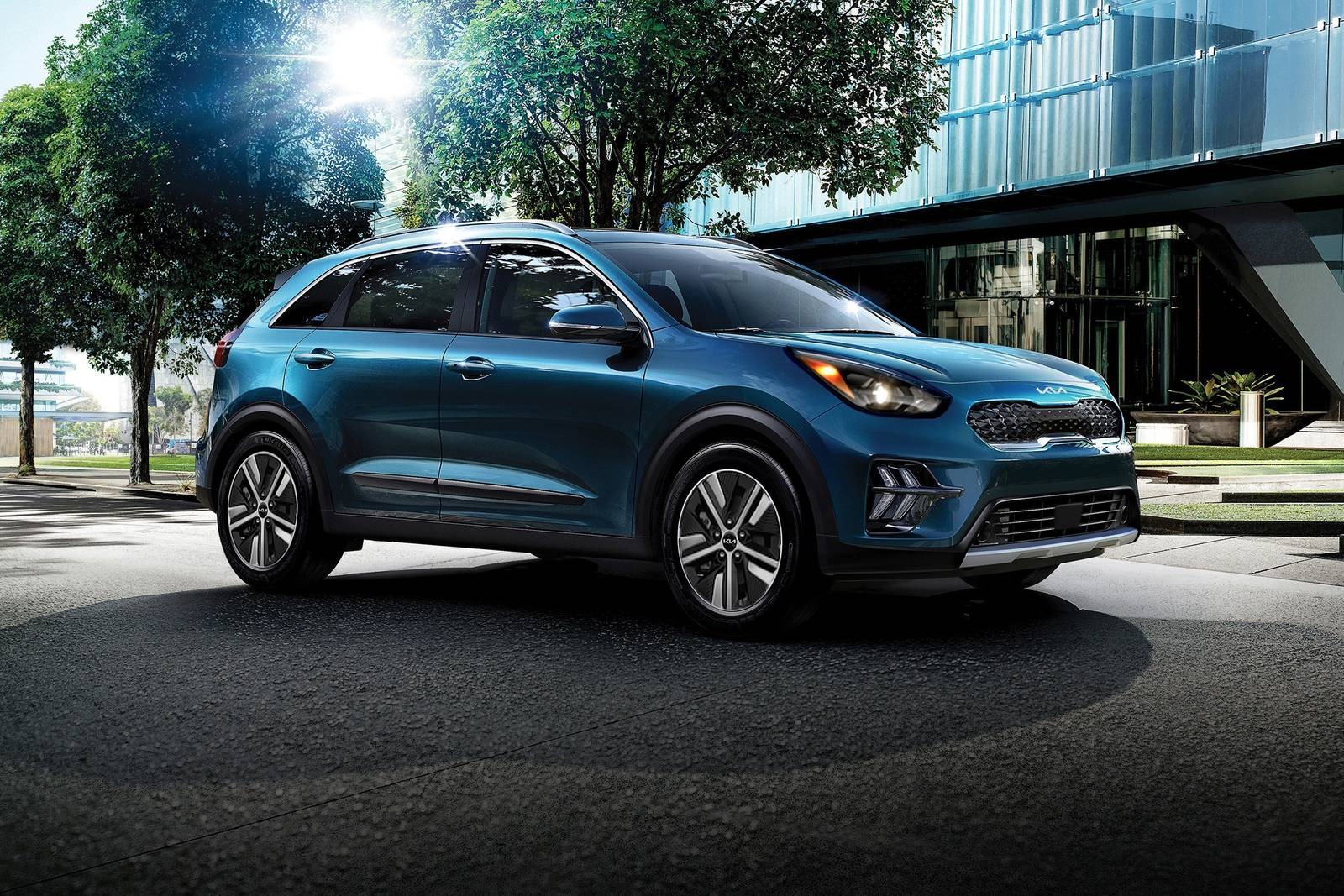
The Kia Niro Hybrid has gained attention as one of the most practical and affordable crossover hybrids available. It combines the advantages of a small SUV with the efficiency of hybrid technology, giving buyers both utility and savings.
The exterior design is modern and attractive, while the interior feels carefully arranged to provide comfort and convenience. Even though it is priced competitively, the Niro Hybrid manages to avoid the cheap feel often found in budget-friendly crossovers.
Performance in the Niro Hybrid is steady, offering smooth transitions between electric and gasoline power. The ride is composed, and while it is not designed for high performance, it handles daily driving tasks confidently.
Many buyers appreciate that it feels secure on highways and is easy to manage in city traffic. The seating is supportive and offers enough space for both front and rear passengers, making it suitable for families as well as individuals.
The Niro Hybrid also delivers a strong impression with its features. The infotainment system is easy to use, smartphone integration works seamlessly, and safety features are available even on lower trims.
Kia has managed to give buyers an experience that feels richer than the price suggests. The interior materials are not luxury-level, but they are durable and carefully put together, avoiding the rattles and wear issues that can show up in less refined hybrids.
Durability is supported by Kia’s long warranty, which reassures buyers about long-term use. Owners often find that the Niro Hybrid holds up well under regular driving conditions, with the interior maintaining its look and feel after years of use.
For a vehicle that falls within the affordable category, the Kia Niro Hybrid delivers a level of build quality that makes it stand out as a strong choice among budget hybrids.
5 Affordable Hybrids That Don’t Feel Well-Made
1. Mitsubishi Outlander PHEV
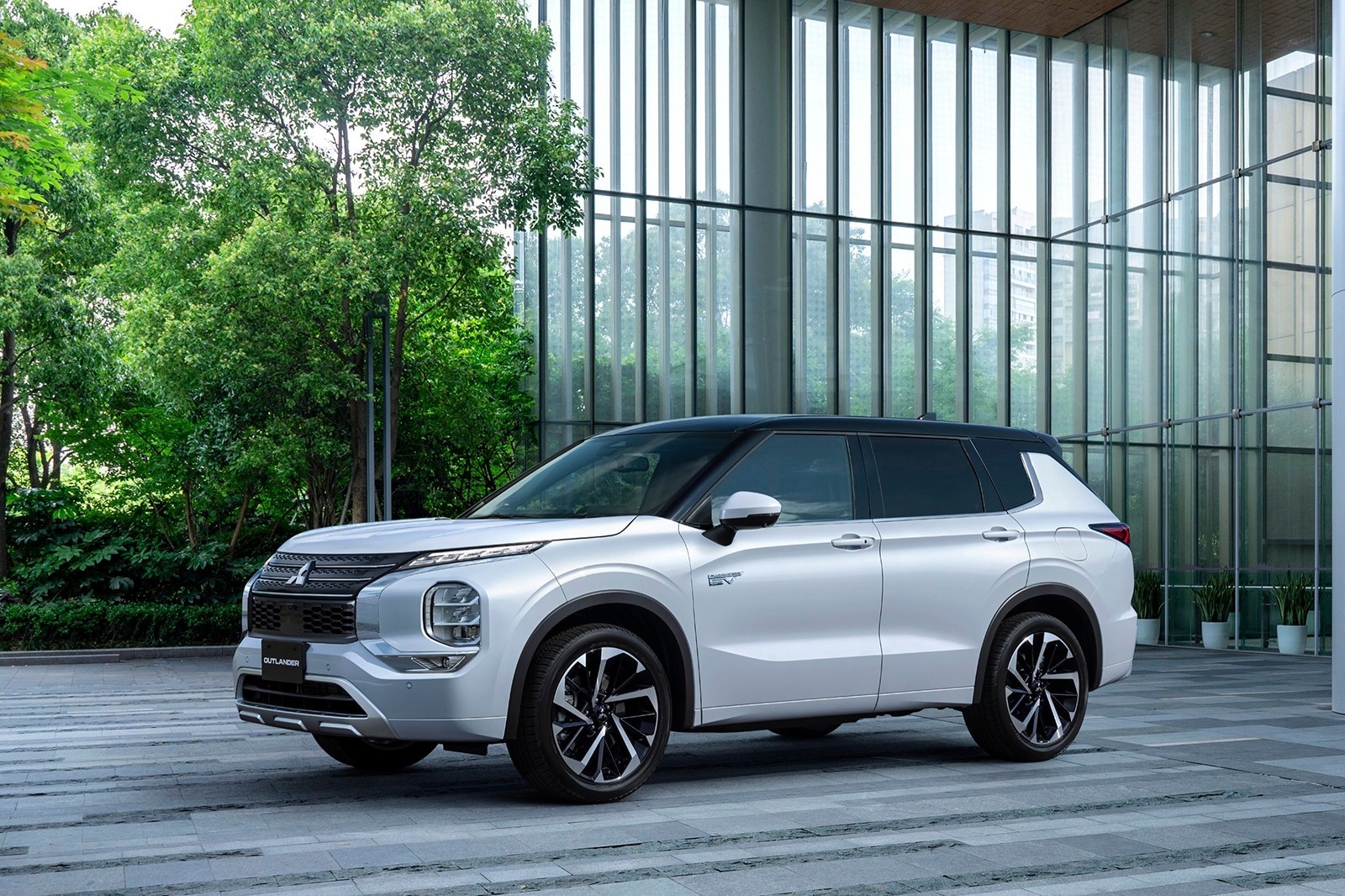
The Mitsubishi Outlander PHEV was among the first plug-in hybrid SUVs available to buyers in the United States, but age has started to show in its design and construction. While the idea of combining hybrid efficiency with SUV practicality sounds appealing, the execution has left many drivers feeling disappointed.
The interior is one of the most common points of complaint. Hard plastics dominate the cabin, the seats often feel unsupportive on longer drives, and some of the controls look dated compared with newer hybrids in the same price bracket. The sense of cheapness becomes apparent quickly, especially when compared with rivals that provide softer finishes and modern layouts at similar costs.
Performance also does not live up to expectations. The hybrid system is not as seamless as one would hope, and transitions between gas and electric modes often feel clunky. Acceleration is underwhelming, leaving drivers with little confidence when trying to merge onto highways or overtake other vehicles.
While some owners may appreciate the all-wheel drive option, it does not make up for the lack of refinement in how the hybrid system operates. The ride quality also suffers from being rougher than what many expect from an SUV at this price point.
Another area where the Outlander PHEV struggles is technology. The infotainment system can feel outdated, with sluggish responses and graphics that look behind the times. While newer competitors include user-friendly and crisp digital displays, Mitsubishi’s offering feels like it belongs in a much older vehicle. Safety features are limited compared with other affordable hybrids, which makes the car feel even more bare.
Durability has been another concern for some owners. Reports of premature wear in the cabin and issues with the hybrid battery reduce confidence in the Outlander PHEV’s long-term dependability.
For buyers who want their hybrid SUV to feel solidly built, the Outlander PHEV often gives the opposite impression. Although it presents itself as an affordable plug-in hybrid SUV, its lack of refinement, rough interior, and dated technology place it among the hybrids that do not deliver the quality buyers expect.
2. Ford Fusion Hybrid
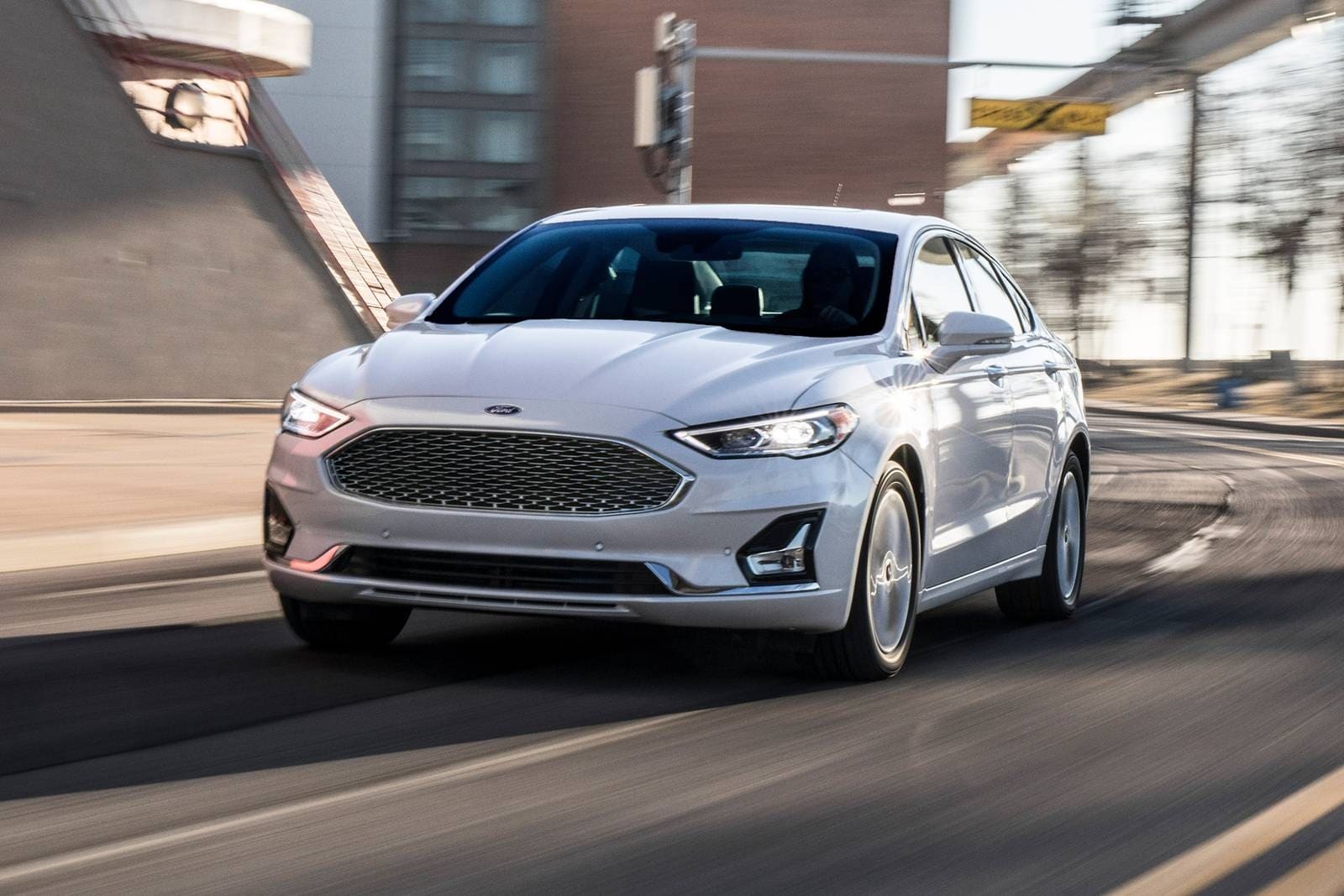
When the Ford Fusion Hybrid was first introduced, it looked like a strong contender in the hybrid sedan market. However, as years passed, the model began to feel outdated compared with rivals that pushed ahead in design and hybrid technology. While the Fusion Hybrid was priced affordably, it did not always feel like money well spent due to issues in build quality and cabin design.
The first area where disappointment shows is the interior. While the cabin is roomy, the materials used often feel cheap, with hard plastics on the dashboard and trim areas that wear out too quickly. Seats provide only average comfort, and after extended use, many drivers report that they lose support.
The entire look of the cabin does not match the refinement offered by Toyota or Honda hybrids in a similar price range. Small details such as poorly fitted panels and squeaks add to the feeling that the Fusion Hybrid lacks the solid construction buyers expect.
Performance is another weakness. The hybrid system works, but it is not as smooth as competitors. Drivers often complain about noise from the engine when the car is under load, making highway driving less pleasant.
The transition between electric and gasoline power is noticeable, rather than seamless. This gives the car a less refined feel, even though fuel economy is reasonable. Technology and features are also less polished. While Ford included a touchscreen system, the early versions were slow and frustrating to use.
Safety features were not as generous in lower trims, which made the car feel less competitive. After a while, other hybrids passed it in both performance and quality, leaving the Fusion Hybrid struggling to keep up.
Long-term dependability is mixed. Some owners report solid use over the years, but others mention issues with the battery system and electrical components. The inconsistent build quality is what places the Fusion Hybrid on the list of affordable hybrids that do not feel well-made. Even though it was once a promising option, it now comes across as a car that never kept up with improvements seen in the competition.
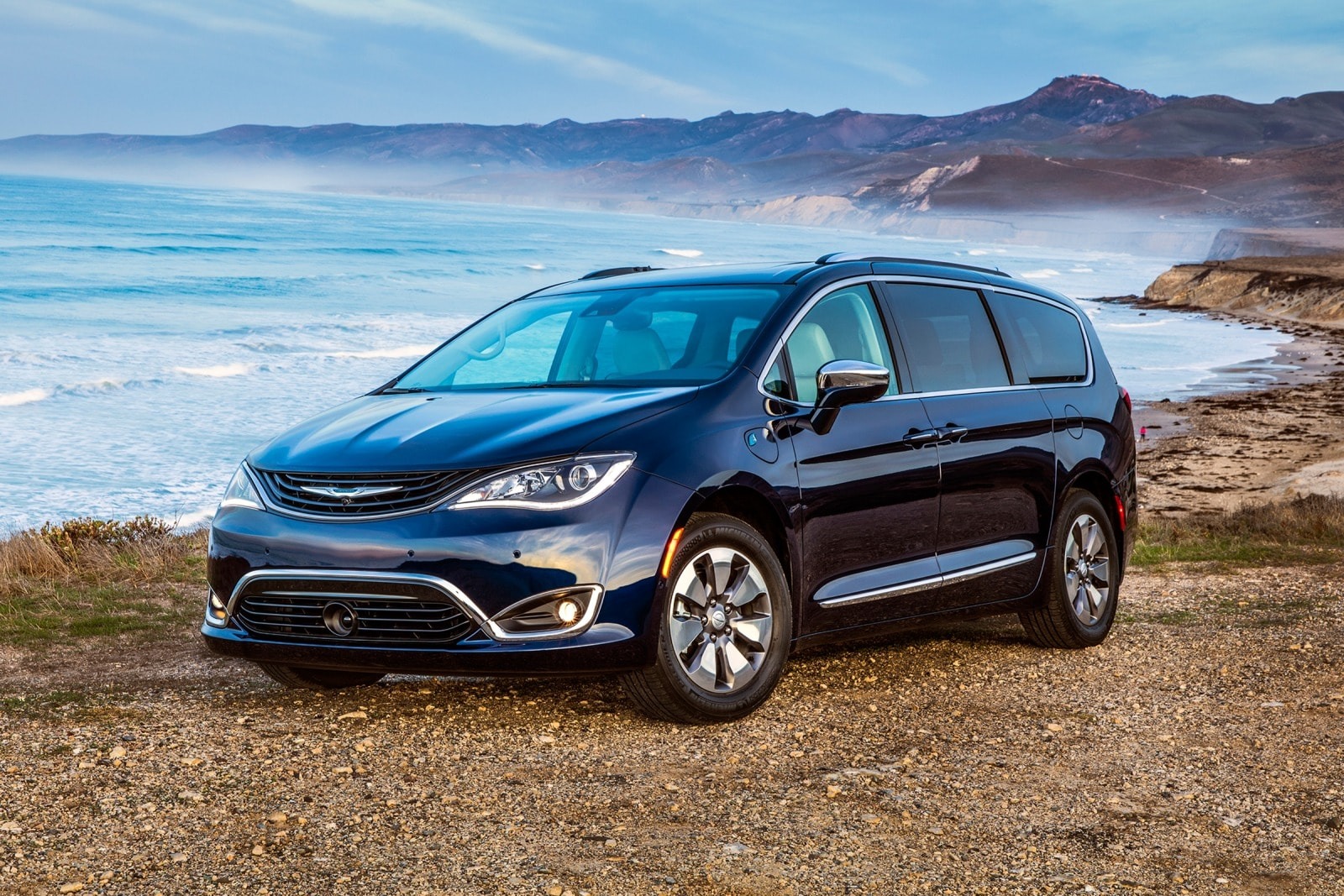
3. Chrysler Pacifica Hybrid
The Chrysler Pacifica Hybrid offers the unique selling point of being one of the few plug-in hybrid minivans. On paper, it sounds like the perfect mix of family practicality and fuel savings. In practice, however, it struggles to live up to expectations of durability and refinement. Families who choose this minivan often expect a product that feels sturdy, but the Pacifica Hybrid tends to disappoint in some major areas.
Interior quality is one of the first issues noticed. While the cabin is spacious and provides clever storage, the materials used in many parts of the vehicle do not feel as durable as they should. Hard plastics are common, and trim pieces sometimes loosen with regular family use.
Seats are comfortable at first, but some owners have reported premature wear, which is not what one would want in a vehicle designed to carry children and luggage on long trips.
Performance also raises concerns. While the hybrid system gives decent fuel savings, it does not always work smoothly. Transitions between electric and gasoline modes can feel rough, and acceleration is sometimes sluggish.
Drivers may also notice that the Pacifica Hybrid does not handle with the same stability as rivals, which reduces confidence in its entire ride. Noise levels inside the cabin are higher than expected, especially on highways.
Technology is another area that frustrates many buyers. Chrysler’s infotainment system has seen updates, but glitches and software issues are commonly reported. Safety features are present, but the reliability of some electronic components reduces trust.
Families looking for a stress-free driving experience may find the Pacifica Hybrid more troublesome than convenient. Durability has been one of the largest concerns. Reports of hybrid battery issues, electrical malfunctions, and inconsistent fit and finish make buyers question long-term value.
For a minivan that is supposed to provide years of dependable family service, these issues place it on the list of hybrids that do not feel well-made. While the Pacifica Hybrid has unique appeal, its shortcomings in construction and reliability prevent it from being a top recommendation.
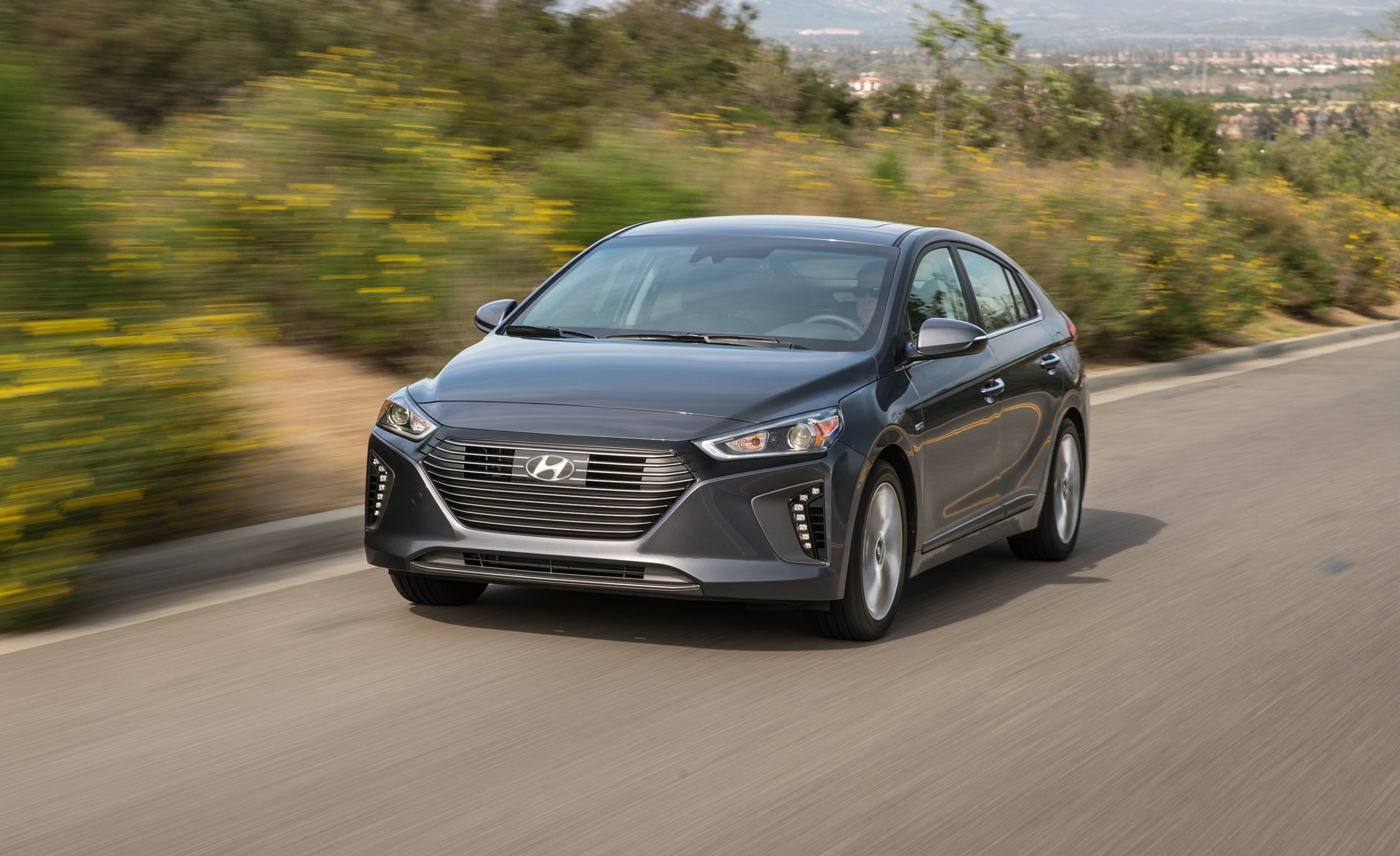
4. Hyundai Ioniq Hybrid (First Generation)
When Hyundai first released the Ioniq Hybrid, it was marketed as a direct competitor to the Toyota Prius. While it did bring affordability and efficiency to the table, its build quality often left drivers feeling like they were in a lower-tier product.
Compared with rivals, the Ioniq Hybrid’s cabin felt sparse, with thin seat padding, hard plastics, and limited insulation against road noise. While it succeeded at providing high fuel economy, the experience inside the car did not match the standards set by Toyota and Honda.
Performance was also less refined. The hybrid system worked, but drivers often noticed hesitation during acceleration, and the dual-clutch transmission did not always respond smoothly. Unlike the seamless feel of Toyota’s hybrid system, the Ioniq Hybrid sometimes left drivers frustrated with jerky transitions and inconsistent power delivery. For a vehicle marketed as a daily commuter, this reduced confidence in its comfort.
Technology was functional but basic. The infotainment system provided standard smartphone integration, but the graphics and responsiveness were underwhelming. Safety features were available, but many required moving up to higher trims, which pushed the price away from affordability. For a budget-friendly hybrid, this felt like a compromise that buyers did not always appreciate.
Durability also came into question. While Hyundai offered strong warranty coverage, some owners reported wear and tear inside the cabin much earlier than expected. Materials aged quickly, and rattles developed as time went on, reducing the sense of quality.
This lack of long-lasting construction made the Ioniq Hybrid feel like a car built primarily to compete on fuel economy numbers rather than for the entire refinement. Although Hyundai has since improved its hybrid models, the first-generation Ioniq Hybrid remains an example of an affordable hybrid that does not feel well-made.
While it succeeded in saving fuel, it often reminded buyers of its budget status through its cabin quality, performance, and long-term durability concerns.
Also Read: 5 Hybrids That Last Forever and 5 That Fail by Year Three
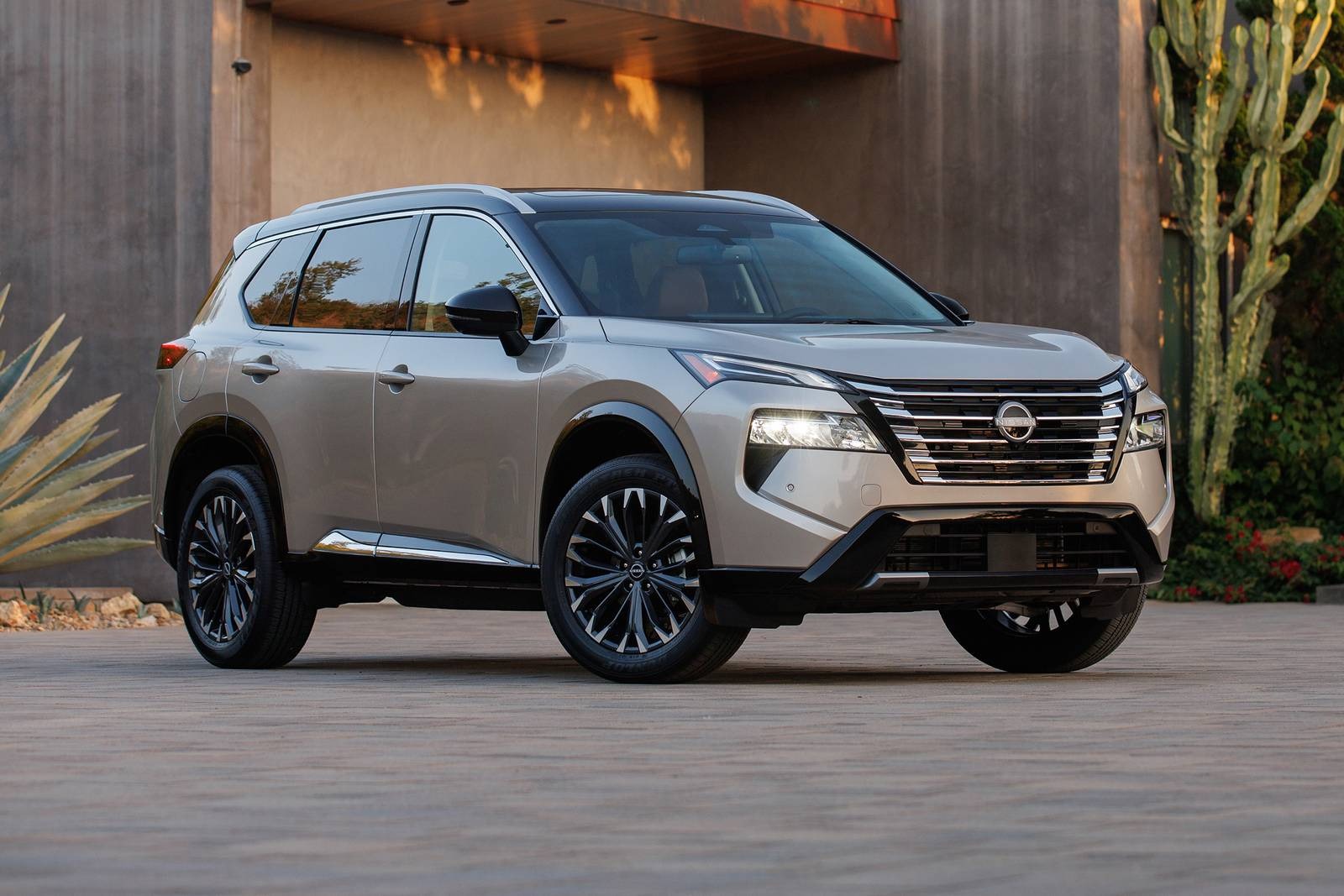
5. Nissan Rogue Hybrid
The Nissan Rogue Hybrid was an attempt to bring hybrid technology into one of the brand’s best-selling SUVs, but it never quite delivered on the promise. Buyers often found that it felt more like a rushed version of the regular Rogue rather than a carefully designed hybrid model. This gave it a cheap impression that was difficult to ignore, even with its affordable price tag.
Inside the cabin, materials fell below expectations for the segment. Hard plastics covered much of the interior, and the entire layout appeared dated. Seats were less supportive than those of competitors, especially on longer trips.
Cabin noise was another common complaint, with road and engine sounds easily entering the space. Compared with other hybrid SUVs, the Rogue Hybrid lacked the quiet refinement buyers wanted. Performance was another weakness. The hybrid system was not as well integrated as Toyota’s or Honda’s, leading to rough transitions between electric and gas power.
Acceleration felt sluggish, making highway driving more stressful than it should be. The steering was unresponsive, and the entire driving experience lacked the sense of stability expected from an SUV marketed as family-friendly.
Technology and features also disappointed. The infotainment system was behind competitors in design and usability, and important driver assistance features were not always standard. This gave the impression of a car that was cutting corners to reach its price point rather than offering a well-rounded experience.
Durability raised questions as well. Some owners reported issues with the hybrid battery and electrical components, while others noticed premature interior wear. These concerns reduced confidence in the Rogue Hybrid’s long-term value.
Instead of feeling like a dependable SUV with hybrid efficiency, it left many drivers with the sense that it was an experiment that did not receive enough refinement. For these reasons, the Nissan Rogue Hybrid earns a place among affordable hybrids that do not feel well-made.
