
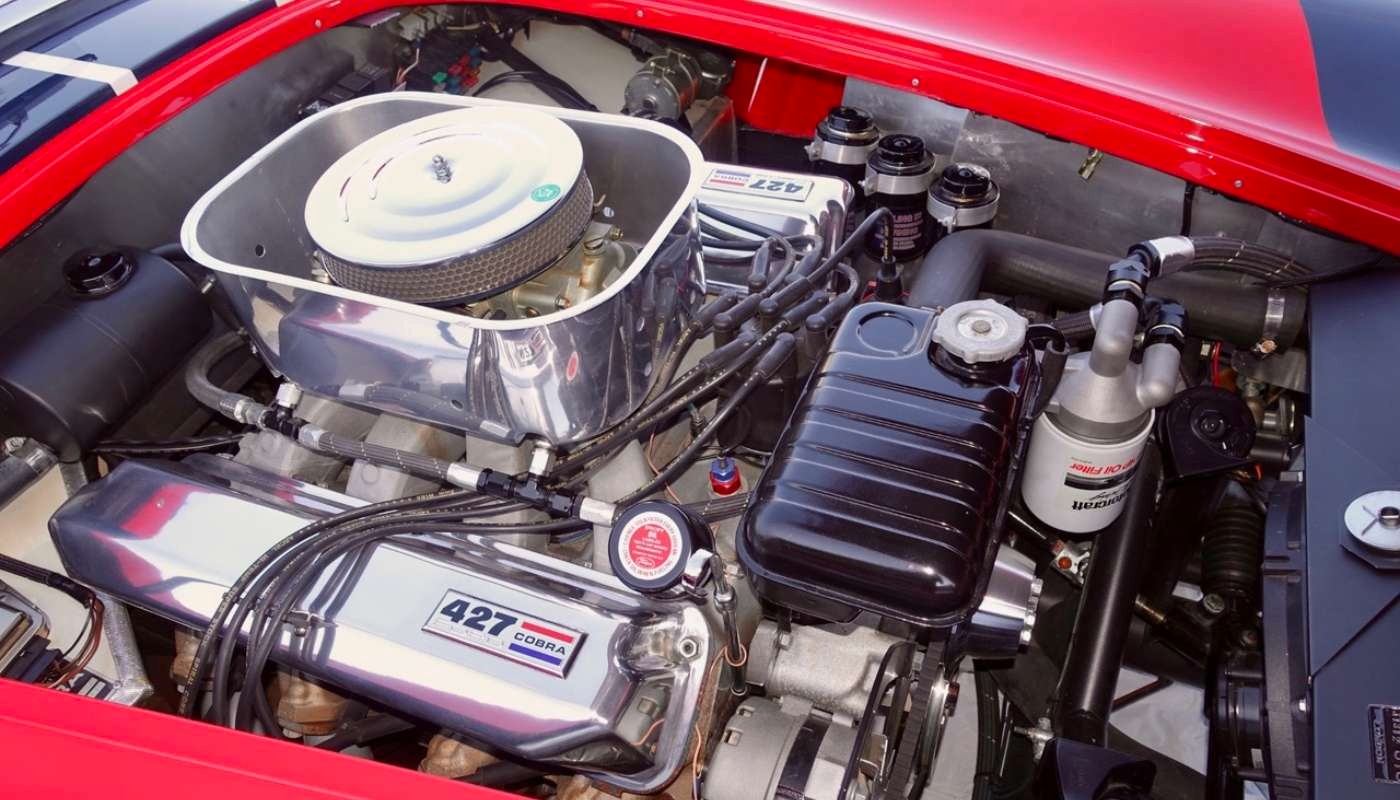
Car owners are often faced with the question of whether synthetic oil is better for their engines than conventional oil. Over the years, motor oil has moved from being just a simple lubricant to a carefully engineered liquid that can either extend or shorten engine life depending on how it is used.
Synthetic oil is produced with refined processes and chemical adjustments that make it cleaner and more stable compared to mineral-based oil. Many drivers praise it for lasting longer, keeping engines cleaner, reducing friction, and offering better performance in extreme temperatures.
Yet, some engines struggle when synthetic oil is poured in, and such engines may even develop leaks or other problems because the oil is too thin for their design. It is easy to think synthetic oil is the perfect solution for every car, but that is not true. Some engines, especially older ones with worn seals or engines designed decades ago, can react negatively.
For these vehicles, traditional mineral oil provides better sealing and proper lubrication because it is thicker and works better with their design. Meanwhile, modern turbocharged engines, high-performance sports cars, and vehicles designed with very small tolerances are better served with synthetic oil.
Knowing which engines thrive with synthetic oil and which ones do not can save drivers both money and stress. Using the wrong oil type may not damage the car immediately, but after a while, it could lead to more expensive repairs.
To make the right choice, it is important to look at the kind of engine you have, the manufacturer’s recommendation, and how you use your vehicle daily. Below are five engines that perform excellently with synthetic oil and five that are better off with regular oil.
5 Engines That Love Synthetic Oil
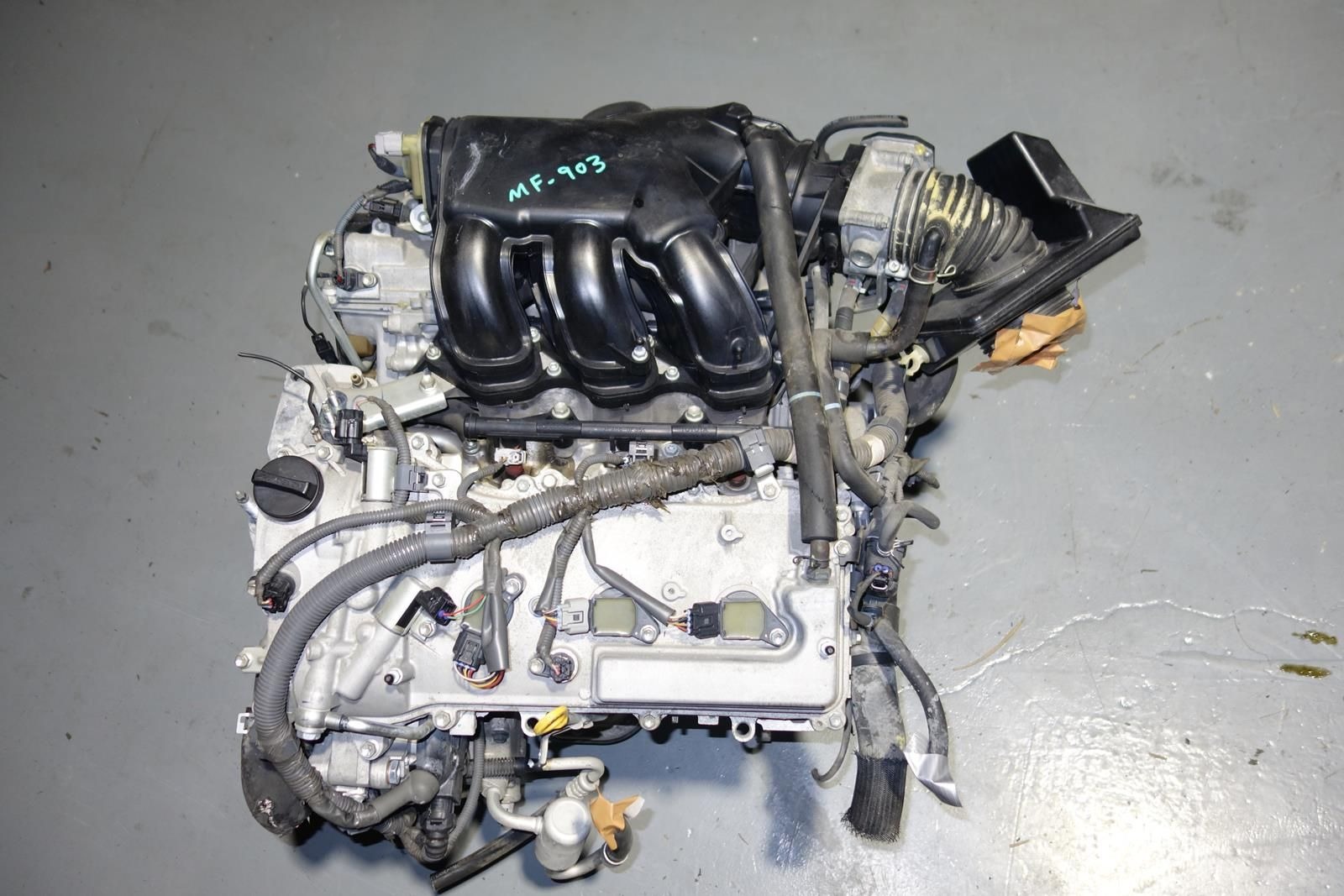
1. Toyota 2GR-FE V6
The Toyota 2GR-FE V6 engine is popular across several Toyota and Lexus models, including the Camry, Avalon, Highlander, and some Lexus RX models. It is known for its reliability, smooth performance, and ability to cover very high mileage when maintained properly. This engine benefits greatly from synthetic oil because it was designed with modern tolerances that respond well to thinner, stable lubricants.
Synthetic oil helps the 2GR-FE deal with high temperatures, especially in regions where summers can be very hot. This engine produces enough power to heat up quickly, and synthetic oil maintains its viscosity under pressure better than conventional oil.
That means the engine stays protected during long drives and in stop-and-go traffic conditions. Conventional oil tends to break down faster, leaving sludge and deposits, but synthetic oil keeps the inside cleaner. Another advantage is that synthetic oil improves fuel efficiency.
The Toyota V6 works efficiently when lubricated properly, and synthetic oil reduces drag on moving parts, which saves fuel. Many drivers with this engine notice smoother acceleration and less engine noise after switching to synthetic oil. Since Toyota built this engine to last, synthetic oil helps extend that durability even further.
Longevity is one of the strongest reasons owners of cars with the 2GR-FE should choose synthetic oil. The engine can easily surpass 250,000 miles with good maintenance, and synthetic oil ensures less wear during those miles. For drivers who push their cars harder, such as highway commuters or those carrying heavy loads, synthetic oil is a safer choice because it resists breakdown under heavy stress.
The Toyota 2GR-FE V6 pairs very well with synthetic oil. It allows the engine to perform at its best, remain clean inside, and last for many years. Anyone who owns a Toyota or Lexus with this engine should strongly consider sticking with synthetic oil for reliable service.
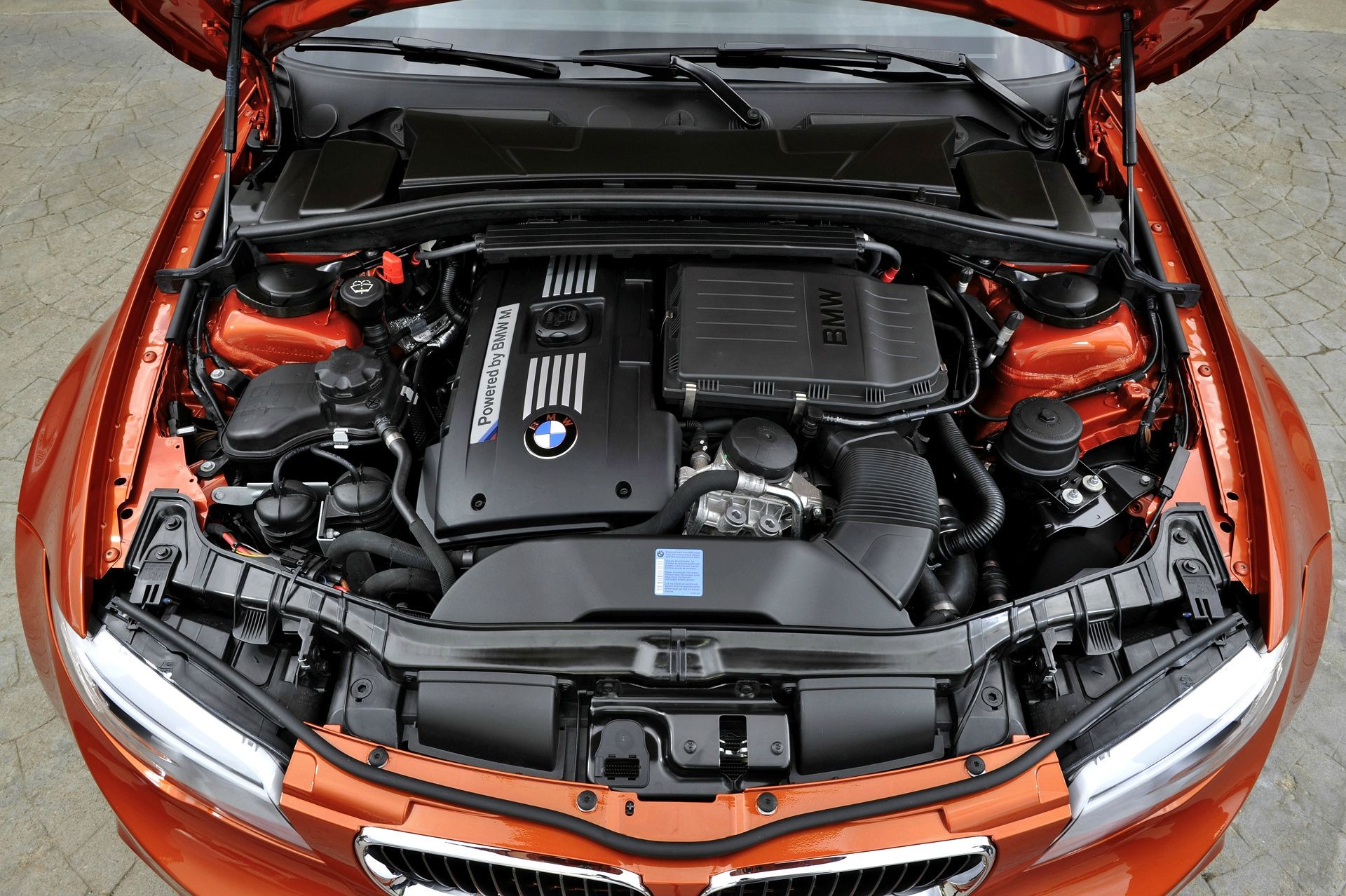
2. BMW N54 Twin-Turbo Inline-6
BMW’s N54 engine is a turbocharged inline-six that became famous for its performance in models like the 335i, 135i, and even the first-generation BMW 1M. Turbo engines generate extreme heat because of the way exhaust gases spin the turbine, and synthetic oil is much better at withstanding these conditions compared to regular oil.
The N54 is known for both its power and its demanding maintenance needs. Many owners push this engine hard, either through spirited driving or modifications that increase horsepower. Synthetic oil offers stronger protection against breakdown in such conditions. Conventional oil would quickly lose its ability to lubricate under the stress of turbocharging, which could cause premature wear on bearings and other moving parts.
One major benefit of synthetic oil for the N54 is its ability to prevent sludge. This engine is already sensitive to buildup because of its direct-injection design. Synthetic oil resists oxidation better, which means fewer deposits and a cleaner engine over long intervals. Owners who want to avoid costly repairs should not take chances with mineral oil.
Cold-start performance is another reason why synthetic oil suits the N54 perfectly. In colder climates, synthetic oil flows faster at startup, which means the engine parts receive lubrication more quickly. This reduces wear during those first few seconds when damage can happen most easily.
BMW itself recommends synthetic oil for this engine, and ignoring that advice could shorten its lifespan. Given the cost of maintaining a performance engine like the N54, it is wiser to spend a little more on synthetic oil than risk paying for expensive repairs later.
The BMW N54 remains a strong performer even today, and with synthetic oil, it can continue to deliver impressive speed and smooth driving. It is safe to say this engine loves synthetic oil and would not do well without it.
Also Read: 5 Affordable Engines With Factory Power and 5 That Feel Weak
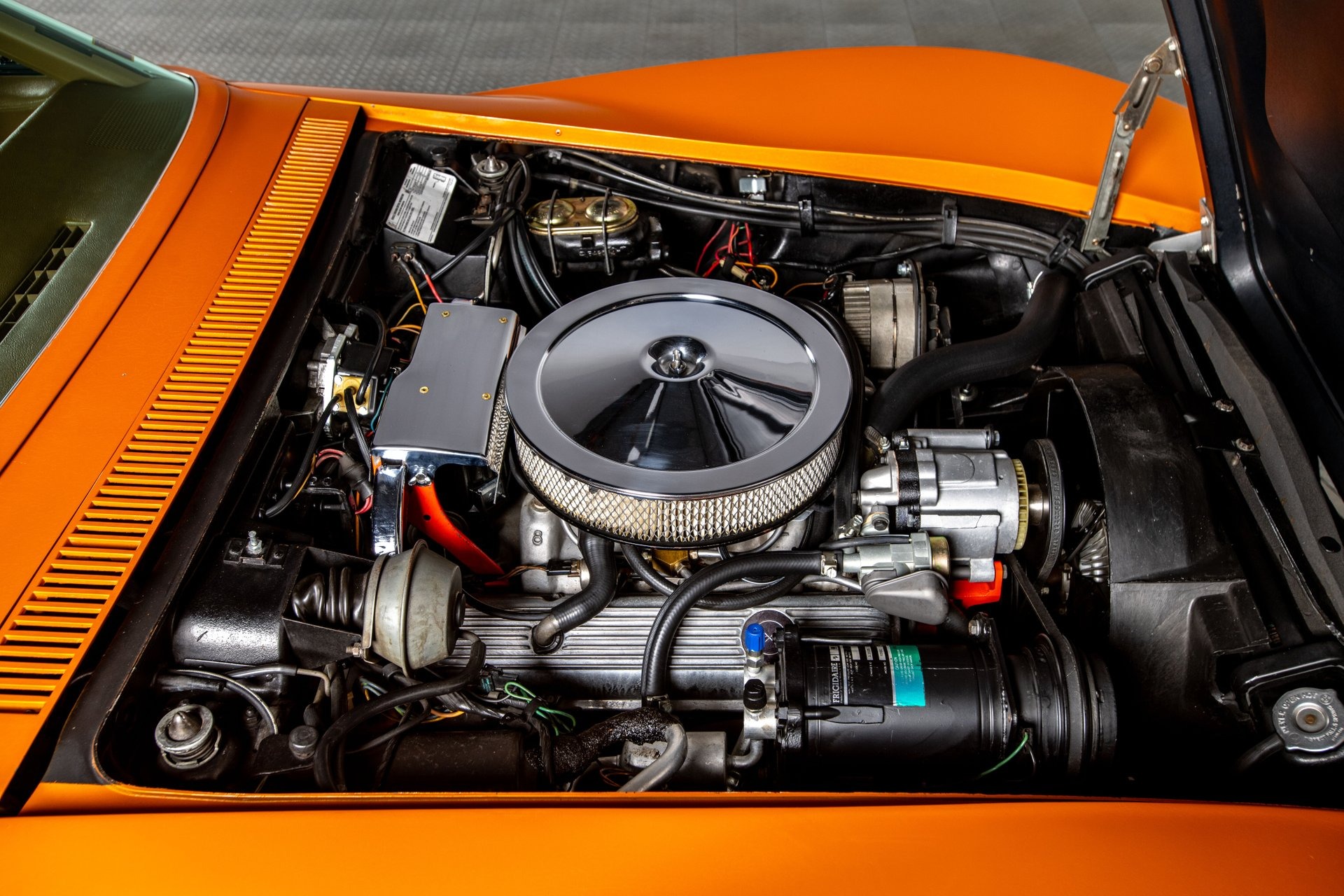
3. Chevrolet Corvette LT1 V8
The LT1 V8 engine, found in the Chevrolet Corvette Stingray and Camaro SS, is a modern small-block masterpiece. It delivers power, efficiency, and durability, but only when maintained with the right oil. Synthetic oil is not just a luxury here, it is a necessity.
This engine operates with high compression ratios and produces immense heat during spirited driving. Conventional oil breaks down too quickly under such extreme conditions. Synthetic oil, however, maintains stability, keeping the engine lubricated even when pushed to its limits on highways or tracks. For Corvette drivers who love acceleration and speed, synthetic oil ensures consistent performance without overheating issues.
The LT1 also uses direct injection, which can cause carbon buildup on intake valves. While oil alone cannot eliminate this issue, synthetic oil helps reduce sludge formation, keeping internal parts cleaner. Less buildup means the engine breathes better and runs more efficiently. Conventional oil leaves more residue, which worsens the problem.
Another factor is protection under cold starts. With a high-performance engine like the LT1, immediate lubrication is critical. Synthetic oil flows faster, reducing metal-to-metal contact during startup. This ensures reduced wear and longer engine life. For an engine designed to produce over 450 horsepower, small advantages like this make a huge difference.
Chevrolet recommends synthetic oil for the LT1, and drivers who ignore that risk may lose performance and longevity. Given the cost of maintaining or replacing such a high-powered V8, saving a few dollars by using regular oil is not worth it. Synthetic oil guarantees smoother operation, consistent horsepower delivery, and longer reliability.
The LT1 V8 was built for enthusiasts who demand top performance, and synthetic oil allows it to operate at its full potential. Without synthetic lubrication, this engine would wear down faster and lose the qualities that make it a Corvette powerhouse.
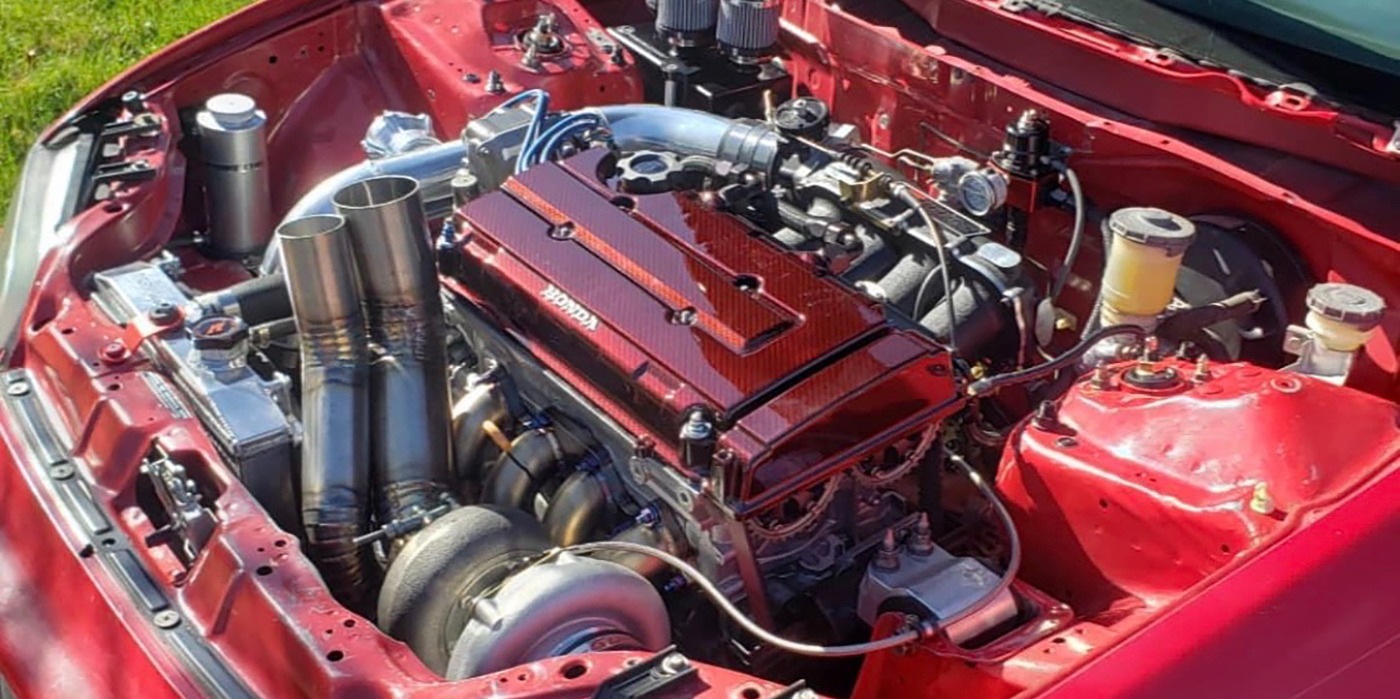
4. Honda K20 Engine
Honda’s K20 engine, found in Civic Si, Integra Type R, and Accord Euro R, has a reputation for being one of the best four-cylinder engines ever made. Known for its ability to rev past 8000 rpm and maintain durability, it is a favorite among enthusiasts and tuners. But this high-revving nature also makes it highly dependent on synthetic oil.
When engines rev high, oil circulation becomes even more critical. At such speeds, conventional oil cannot maintain viscosity consistently. It breaks down faster, leaving metal components vulnerable to wear. Synthetic oil, however, remains stable under extreme rpm levels, ensuring lubrication is maintained even at redline. This makes it perfect for drivers who love spirited acceleration or track racing.
The K20’s VTEC system, which changes valve timing for performance, also relies on proper oil pressure and cleanliness. Synthetic oil flows better and resists sludge, ensuring the VTEC mechanism engages smoothly. Conventional oil thickens after a while and can block small oil passages, reducing the responsiveness of this system.
Another reason synthetic oil suits the K20 is heat management. High revs create more friction and heat, which can break down weaker oils. Synthetic oil has stronger heat resistance, allowing the K20 to operate under stress without damage. For drivers who push their cars daily, synthetic oil is essential to avoid premature wear.
Even when used in normal commuting, synthetic oil extends the life of this engine. Honda engines are known for lasting hundreds of thousands of miles, and synthetic oil supports that reputation by reducing sludge, keeping seals healthy, and maintaining smooth performance.
The K20 is a legendary four-cylinder, and synthetic oil is a major part of keeping it at peak performance. Any owner who wants to preserve both reliability and power should never cut corners with oil quality.
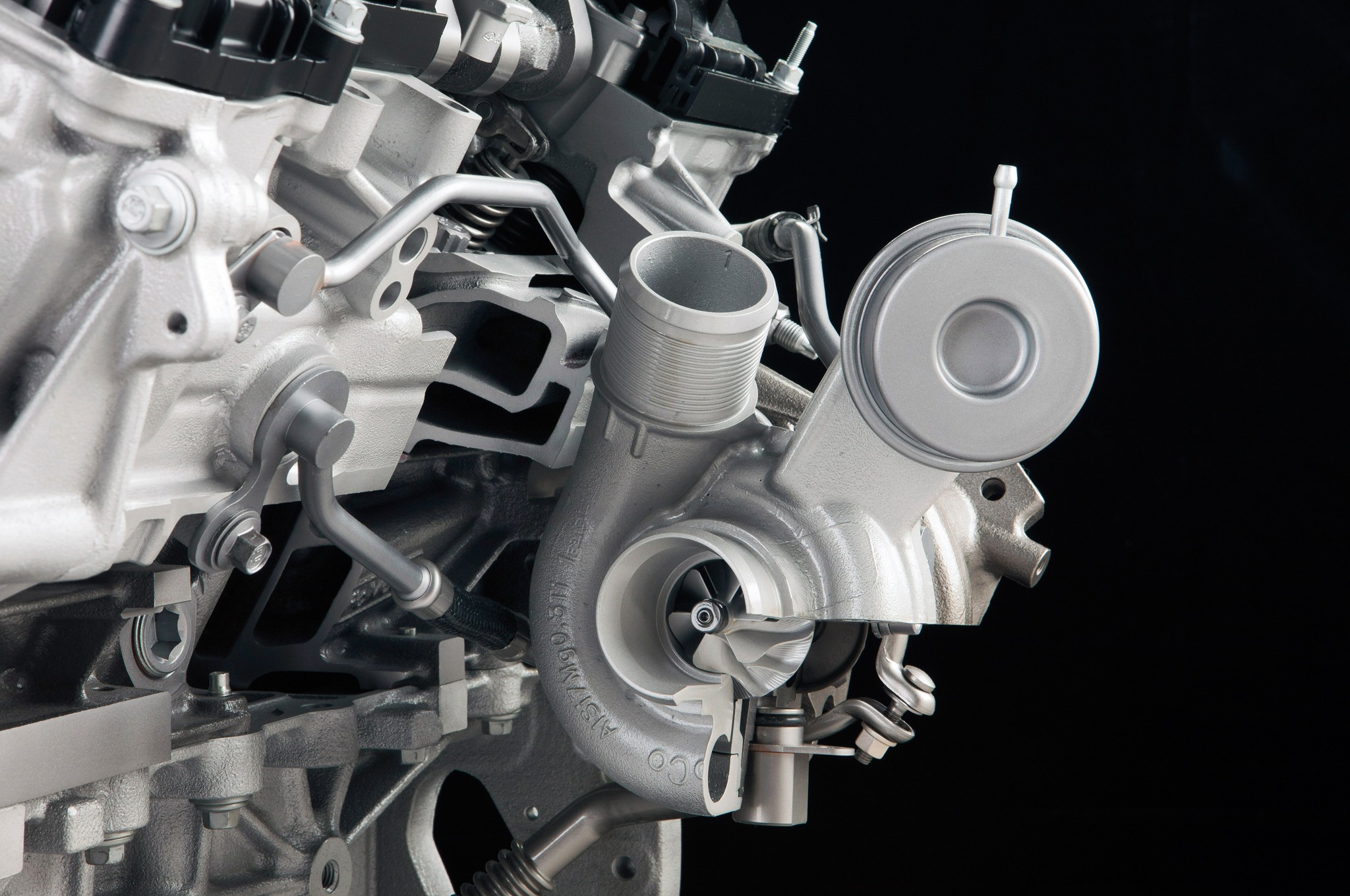
5. Ford EcoBoost 2.7L V6
Ford’s EcoBoost 2.7L V6 is widely used in the Ford F-150, Edge ST, and Lincoln models. This engine combines turbocharging with direct injection to deliver impressive power while maintaining fuel efficiency. But such technology also means it demands synthetic oil for proper operation.
Turbochargers spin at extremely high speeds and generate very high temperatures. If oil breaks down, the turbo bearings can suffer, leading to costly failures. Synthetic oil is designed to handle this heat and keep the turbo lubricated without breaking down. Conventional oil would cook under such conditions, leaving deposits that can clog oil passages and shorten turbo life.
Direct injection engines also deal with carbon buildup. Synthetic oil reduces oxidation and deposit formation, keeping the internal components cleaner for longer. This means better performance, improved fuel economy, and fewer mechanical problems down the line.
Another reason synthetic oil is essential for the 2.7L EcoBoost is the wide range of driving conditions it faces. Pickups and SUVs with this engine may be used for towing, hauling, or long highway drives.
Synthetic oil offers consistent protection whether the engine is idling in traffic, climbing steep hills, or pulling heavy loads. Conventional oil would wear out faster, requiring more frequent changes and risking engine stress.
Ford itself specifies synthetic oil for EcoBoost engines because of their demanding design. Owners who ignore this advice risk turbocharger wear, loss of efficiency, and reduced lifespan. For a modern engine that combines performance and utility, synthetic oil ensures both power and reliability.
The EcoBoost 2.7L is a perfect example of how modern engines depend on advanced lubrication. Without synthetic oil, its performance, efficiency, and durability would drop sharply. Owners who want their trucks or SUVs to last should always stick to synthetic oil.
5 Engines That Hate Synthetic Oil
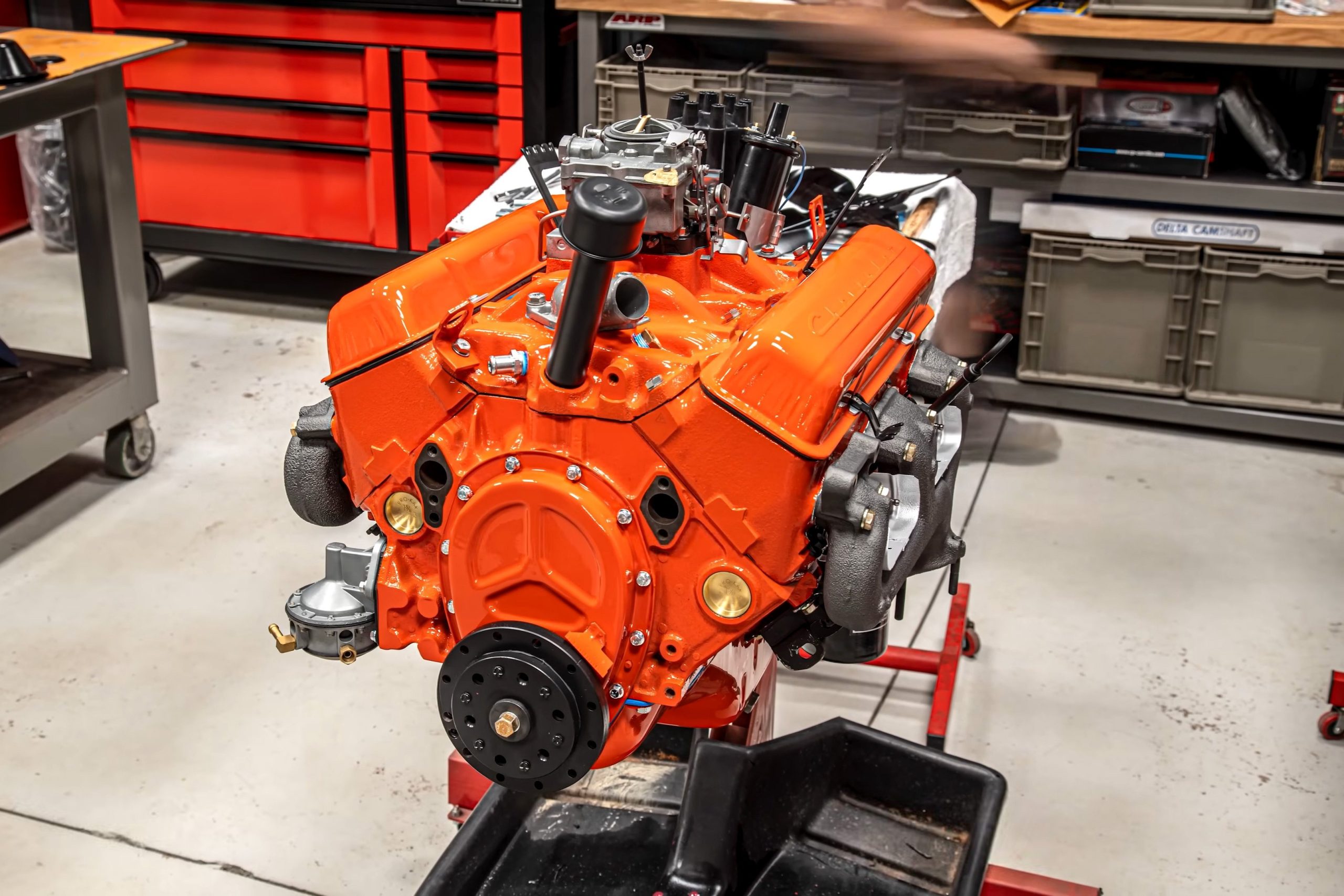
1. Chevrolet Small-Block 350 (Older Models)
The Chevrolet small-block 350 is one of the most legendary engines ever produced. It powered millions of cars and trucks from the 1960s through the 1990s. Known for its strength and durability, the 350 became a favorite of hot rodders and mechanics alike. But while this engine has a long history of reliability, synthetic oil is not always the best choice for older versions of the 350.
One major reason is oil leakage. Many of these engines were built decades ago, with seals and gaskets designed for thicker mineral oil. Synthetic oil is thinner and flows more easily, which can reveal weak seals or worn gaskets.
Owners of older small-blocks often report that switching to synthetic oil causes leaks where none existed before. This is because the tighter composition of synthetic oil moves through small gaps that conventional oil would not pass through.
Another issue is oil pressure. Older 350 engines depend on thicker oil to maintain proper pressure. When synthetic oil is used, especially in engines with high mileage, oil pressure can drop, leading to insufficient lubrication. This problem may not show up immediately, but as time goes on, it can cause increased wear.
There is also the matter of sludge. Many older small-block 350s spent years running on conventional oil, which left behind deposits. Switching to synthetic oil can clean these deposits too quickly, breaking them apart and sending them into oil passages. This can clog lines or filters, leading to oil starvation in critical areas.
For restored or well-maintained 350 engines, some mechanics recommend staying with high-quality conventional oil or blends rather than full synthetic. This keeps the seals healthy, prevents leaks, and maintains proper oil pressure. Synthetic oil is excellent for modern engines, but the classic 350 small-block was not built with it in mind.
Owners of these engines who wish to preserve them should stick with what has worked for decades. Conventional oil keeps the small-block happy, while synthetic oil may introduce problems that shorten its life.
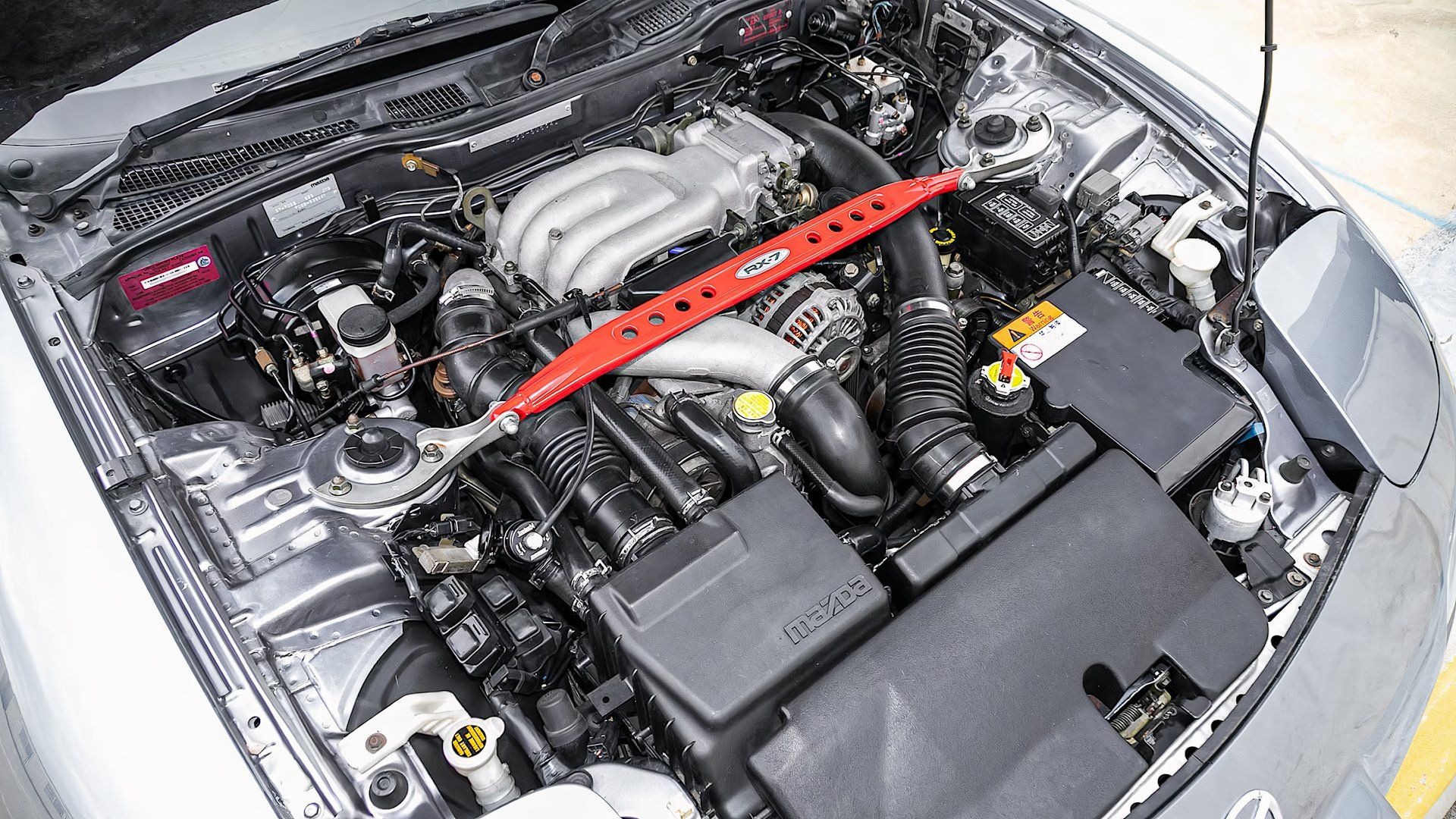
2. Mazda Rotary 13B
Mazda’s rotary engine, especially the 13B found in RX-7 models, is famous for its unique design and smooth power delivery. Unlike traditional piston engines, the rotary uses spinning rotors to generate power. This design requires very specific lubrication, and synthetic oil does not work well in this system.
One reason is that rotary engines intentionally burn a small amount of oil during operation. This is part of their design, as the oil helps lubricate the apex seals that keep the rotors sealed. Conventional oil burns more predictably, while synthetic oil does not burn cleanly. Instead, it leaves behind ash and deposits, which can damage seals and reduce compression. This can lead to poor performance and shorter engine life.
Another concern is sealing. Rotary engines already struggle with seal wear compared to piston engines. Synthetic oil does not provide the same protective film under these conditions, which may worsen wear on the apex seals. Without strong seals, the 13B loses power and efficiency.
Temperature is also a factor. Rotaries run hot, especially under spirited driving. While synthetic oil handles high heat well in piston engines, the rotary’s oil injection system and combustion process are not suited for it. The byproducts of synthetic oil burning at high heat can cause carbon buildup inside the engine, leading to maintenance issues.
Mazda itself warned against full synthetic oil for older rotaries like the 13B. Many owners who switched to synthetic oil reported faster engine wear and reduced reliability. For this reason, most rotary specialists advise using conventional oil or specially formulated blends designed for rotary use.
The 13B can last a long time when cared for properly, but synthetic oil is not the right match. For owners who want to keep their RX-7 running strong, sticking with conventional oil ensures better combustion, healthier seals, and less buildup. Synthetic oil, in this case, does more harm than good.
3. Ford 4.9L Inline-Six
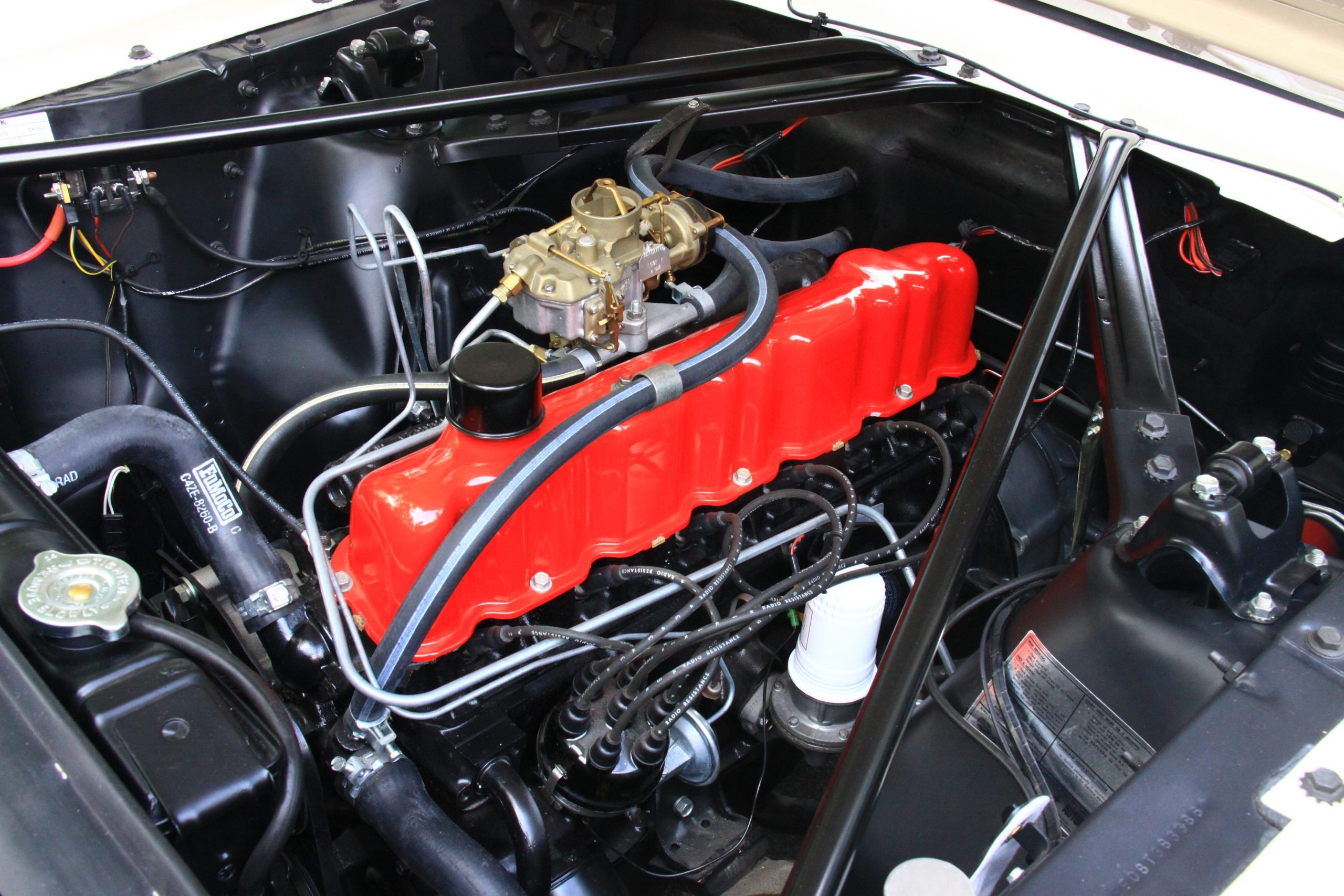
The Ford 4.9L inline-six, also known as the 300 I6, is one of Ford’s most durable engines. Found in trucks and vans from the 1960s to the 1990s, it earned a reputation for lasting hundreds of thousands of miles with minimal issues. While this engine is nearly indestructible, it does not always respond well to synthetic oil.
One reason is the engine’s age. Many of these inline-sixes are still on the road today, but most have very high mileage. Engines with worn seals and gaskets tend to develop leaks when switched to synthetic oil. The thinner nature of synthetic oil exposes weaknesses that conventional oil covers up. For drivers who depend on the ruggedness of this engine, oil leaks are an unnecessary problem.
Another issue is design. The 4.9L I6 was engineered during a time when synthetic oil was not common. It was built to run on thicker conventional oil that provides a strong cushion between moving parts. Switching to synthetic oil may lower oil pressure, which can affect lubrication in older engines with wide tolerances. This can increase wear, especially in high-mileage versions.
The Ford 300 I6 is also known for being used in heavy-duty work, such as towing, hauling, and farming. Under such conditions, conventional oil with regular changes provides steady protection. Synthetic oil may last longer between changes, but these engines often do better with fresh mineral oil at shorter intervals, especially when subjected to dusty or dirty environments.
While some modern blends may work for rebuilt versions of this engine, most experts recommend conventional oil for the classic Ford 4.9L. It helps maintain the engine’s legendary toughness without introducing leaks or pressure issues. For a power plant known for simplicity and strength, there is no need to complicate maintenance with synthetic oil.
Owners of this engine should continue with conventional oil if they want to keep their trucks running for decades more. The Ford inline-six thrives with what it was originally designed to use.
4. Volkswagen Air-Cooled Flat-Four
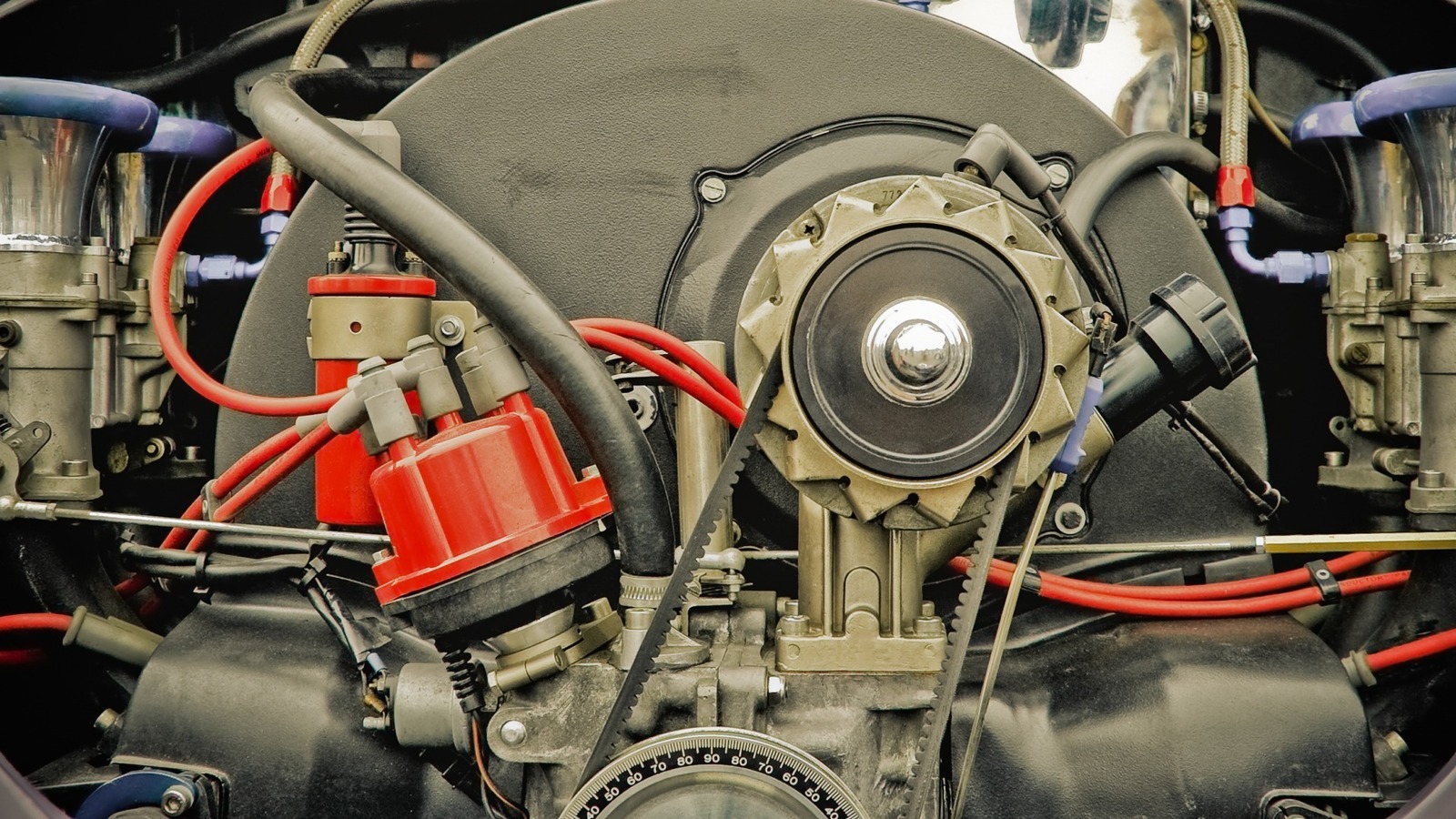
The air-cooled flat-four engine, famous for powering the Volkswagen Beetle, Bus, and Karmann Ghia, is one of the most iconic engines in automotive history. While beloved for its simplicity and charm, this engine does not work well with synthetic oil, especially in its original air-cooled form.
One of the biggest reasons is temperature control. Air-cooled engines run hotter than water-cooled engines because they lack a radiator. Conventional oil handles this better in these older designs because it is thicker and provides a stronger barrier under high heat. Synthetic oil is thinner and can flow too quickly, reducing the protective film needed when the engine gets very hot.
Another issue is leakage. Air-cooled Volkswagens are famous for leaking oil even with conventional oil. Switching to synthetic oil makes the leaks worse because synthetic oil is more slippery and passes through small gaps easily. This can lead to constant oil loss, which is dangerous for air-cooled engines that depend heavily on proper oil levels.
The design of the VW flat-four also means the oil has to do more than just lubricate. It plays a major role in cooling the engine. Conventional oil provides the thickness required to absorb and dissipate heat effectively. Synthetic oil, while great for modern water-cooled engines, does not provide the same benefit here.
Another consideration is age. Most surviving air-cooled Volkswagens are old, and their engines may not have been rebuilt. Synthetic oil can clean out old sludge too quickly, sending debris through the oil passages and causing clogs. This can starve the engine of lubrication.
For these reasons, most classic VW owners stick to conventional oil. It may require more frequent oil changes, but it works better with the engine’s design and keeps the flat-four running as intended. Synthetic oil, instead of improving performance, can create problems that shorten the life of these beloved classics.
Also Read: 5 Engines That Stay Quiet at High Miles and 5 That Sound Like Tractors
5. Dodge Slant-Six
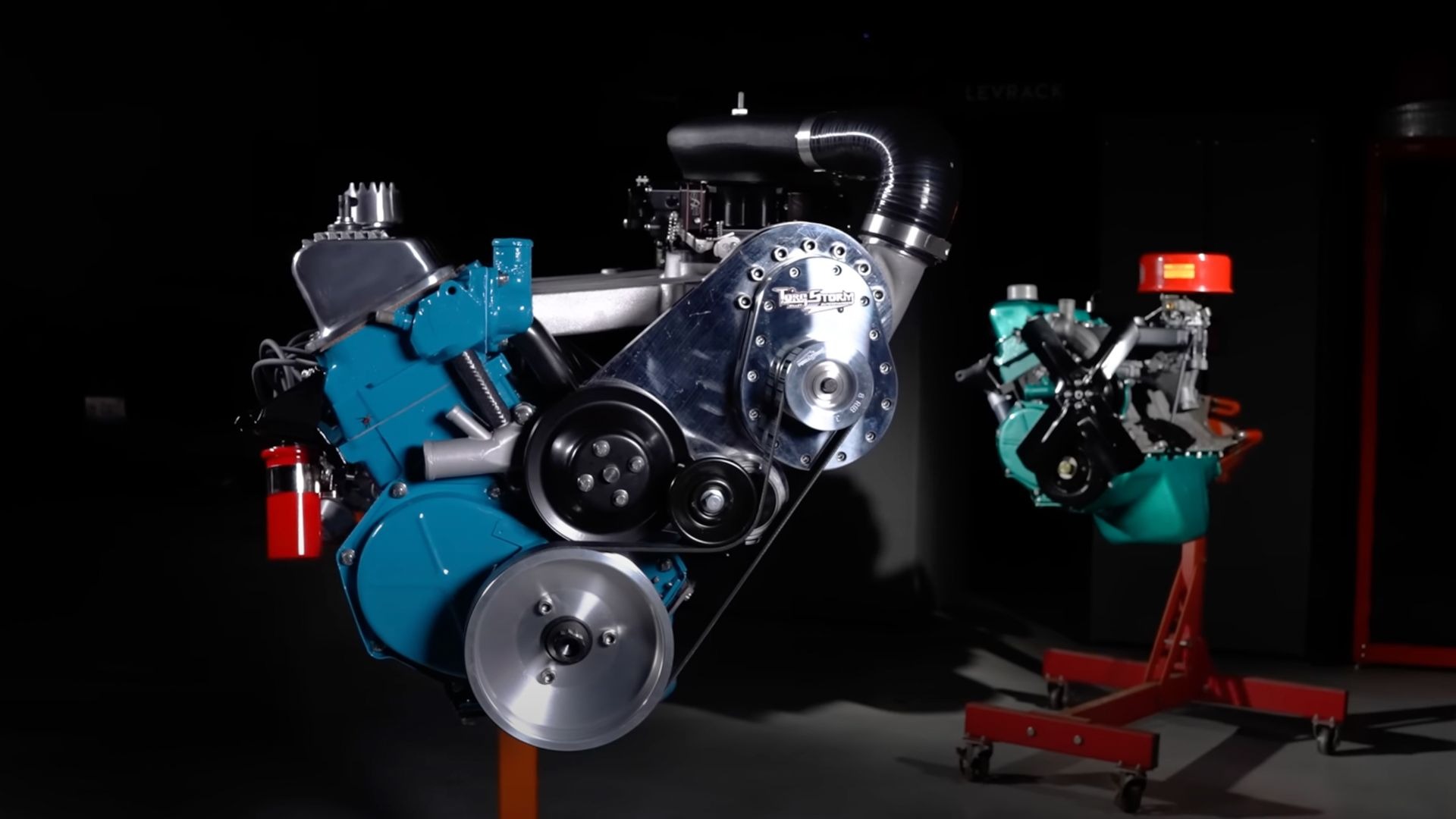
The Dodge Slant-Six, produced from the 1960s to the 1980s, was Chrysler’s workhorse engine. It earned a reputation for being nearly indestructible, with some examples running for decades without major repairs. Despite its toughness, this engine does not do well with synthetic oil.
The Slant-Six was designed in an era when only conventional oils were used. Its internal tolerances and seal designs expect thicker mineral oil for proper function. When synthetic oil is introduced, it often causes leaks around gaskets and seals that were not designed to handle such thin lubricants. For an engine that is often decades old, leaks are a serious concern.
Another issue is oil pressure. Synthetic oil tends to reduce oil pressure in high-mileage Slant-Sixes, especially when the engine already has worn bearings. This can result in insufficient lubrication during heavy work or highway driving. Conventional oil provides the needed thickness to keep the engine properly protected.
Many Slant-Six engines were used in tough conditions, from farm trucks to city taxis. Conventional oil with regular changes proved reliable in such applications. Synthetic oil might last longer between changes, but these engines benefit more from frequent fresh oil than from synthetic’s extended life.
The Slant-Six is also famous for simplicity. Owners and mechanics appreciate how easy it is to maintain. Sticking with conventional oil fits this philosophy and avoids unnecessary complications. Synthetic oil introduces problems like leaks and reduced pressure without offering real benefits for this design.
For those restoring or running vintage Mopars with a Slant-Six, the safer choice is conventional oil. It keeps the engine strong, avoids leaks, and respects the original design. Synthetic oil may sound attractive, but for this classic engine, it is more trouble than it is worth.
