
When people talk about the durability of cars, they often think first about the engine. The engine is the heart of a vehicle, and once it gives way, the car loses its strength and purpose. Yet many drivers forget that the transmission is just as important in keeping a car moving smoothly.
Without a good transmission, even the strongest engine will not be able to move the car properly. This creates an interesting balance because, in some vehicles, the engine can keep running strongly long after the transmission has failed. In others, the opposite happens, and the engine becomes the weak point that gives trouble long before the transmission shows any real problem.
Car owners who plan to keep their vehicles for many years usually pay close attention to both of these parts. A strong and reliable engine can save thousands of dollars, but if the transmission wears out too quickly, the cost of repair or replacement can make the vehicle feel like a burden.
At the same time, if a transmission is solid but the engine is prone to issues, the owner still faces huge repair costs. Because of this, knowing which cars have engines that last longer than their transmissions and which ones fail first is very useful knowledge.
The car industry has given us many examples of both situations. Some engines are built with outstanding strength and can keep working for hundreds of thousands of miles, but their transmissions are not as durable.
In other cases, the engine design is poor, and it gives trouble early while the transmission remains strong. These patterns can be seen across different brands, and drivers have experienced them for years.
5 Engines That Outlast the Transmission
1. Toyota 2UZ-FE V8
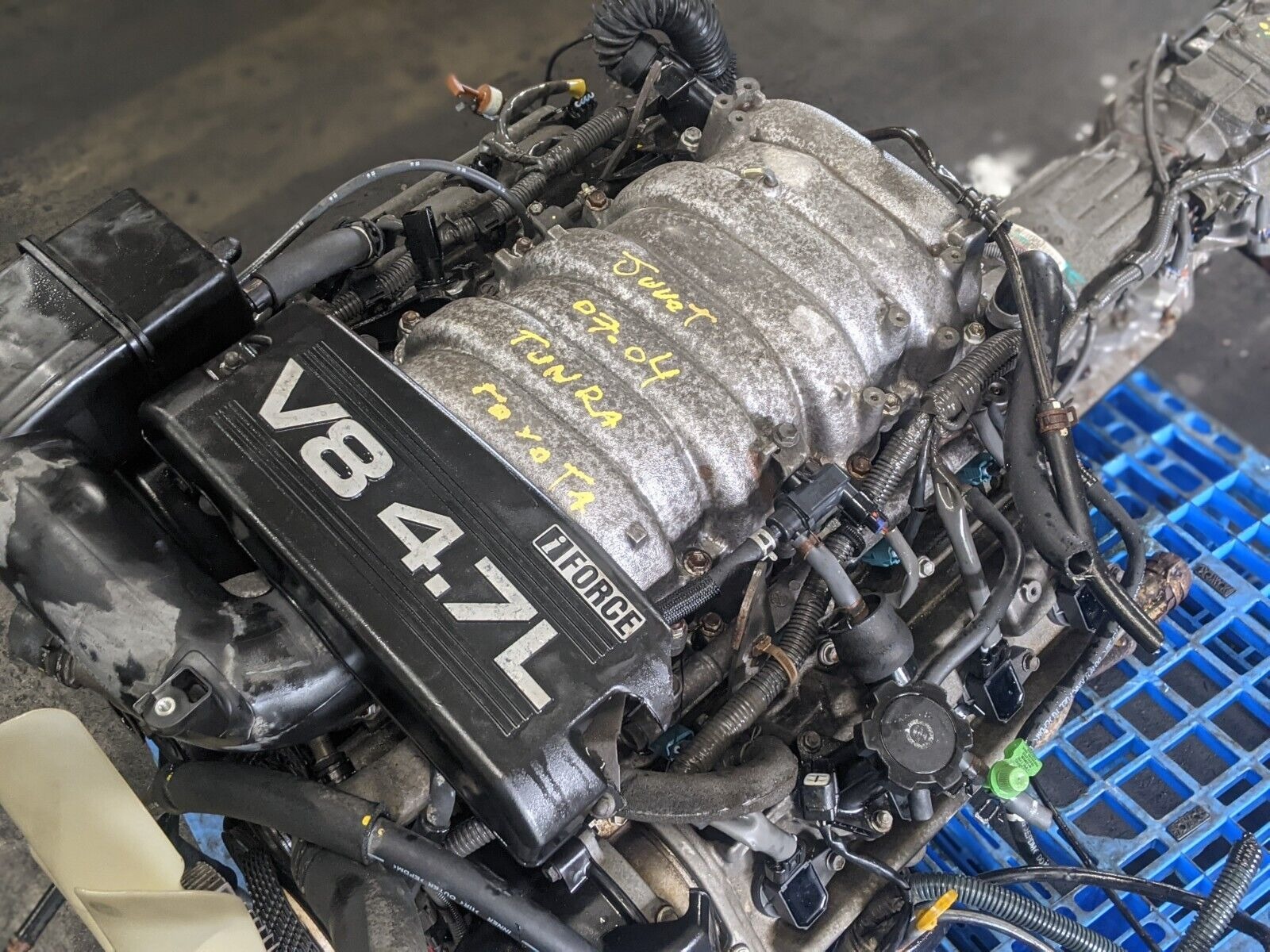
Toyota’s 2UZ-FE V8 engine has earned a reputation for staying strong long after other parts of the vehicle begin to show weakness. This engine was widely used in Toyota trucks and SUVs, such as the Land Cruiser, Sequoia, and Tundra.
Many owners have seen these engines run past 300,000 miles with little trouble, provided that regular maintenance is done. The power comes from a strong cast iron block and aluminum heads that handle heat well, making it one of the most reliable V8 engines Toyota has ever built.
Where this engine shows a gap is in the transmission. Many of the vehicles carrying the 2UZ-FE were paired with automatic transmissions that were not as durable as the engine itself. after some time, owners often face issues with slipping gears, delayed gears, or complete failures, sometimes as early as 150,000 to 200,000 miles. When these problems happen, the engine is still running fine, leaving many drivers frustrated that the transmission gave way first.
The reason behind this imbalance lies in Toyota’s effort to balance power and comfort. The transmissions were designed to provide smooth gear changes, but this meant they sacrificed some strength.
Heavy use, such as towing or off-road driving, puts more stress on the transmission than it can handle in the long run. Still, with proper maintenance, many drivers found ways to extend the lifespan of the gearbox, but it rarely matched the long-lasting strength of the 2UZ-FE engine.
For people who want a long-term vehicle, the Toyota V8 is often praised as a dependable choice, but the cost of rebuilding or replacing the transmission is something that must be expected down the road.
In most cases, owners are willing to invest in transmission repair because they know the engine still has a lot of life left. That makes the 2UZ-FE one of the clear examples of an engine that outlasts its transmission.
2. Honda J35 V6
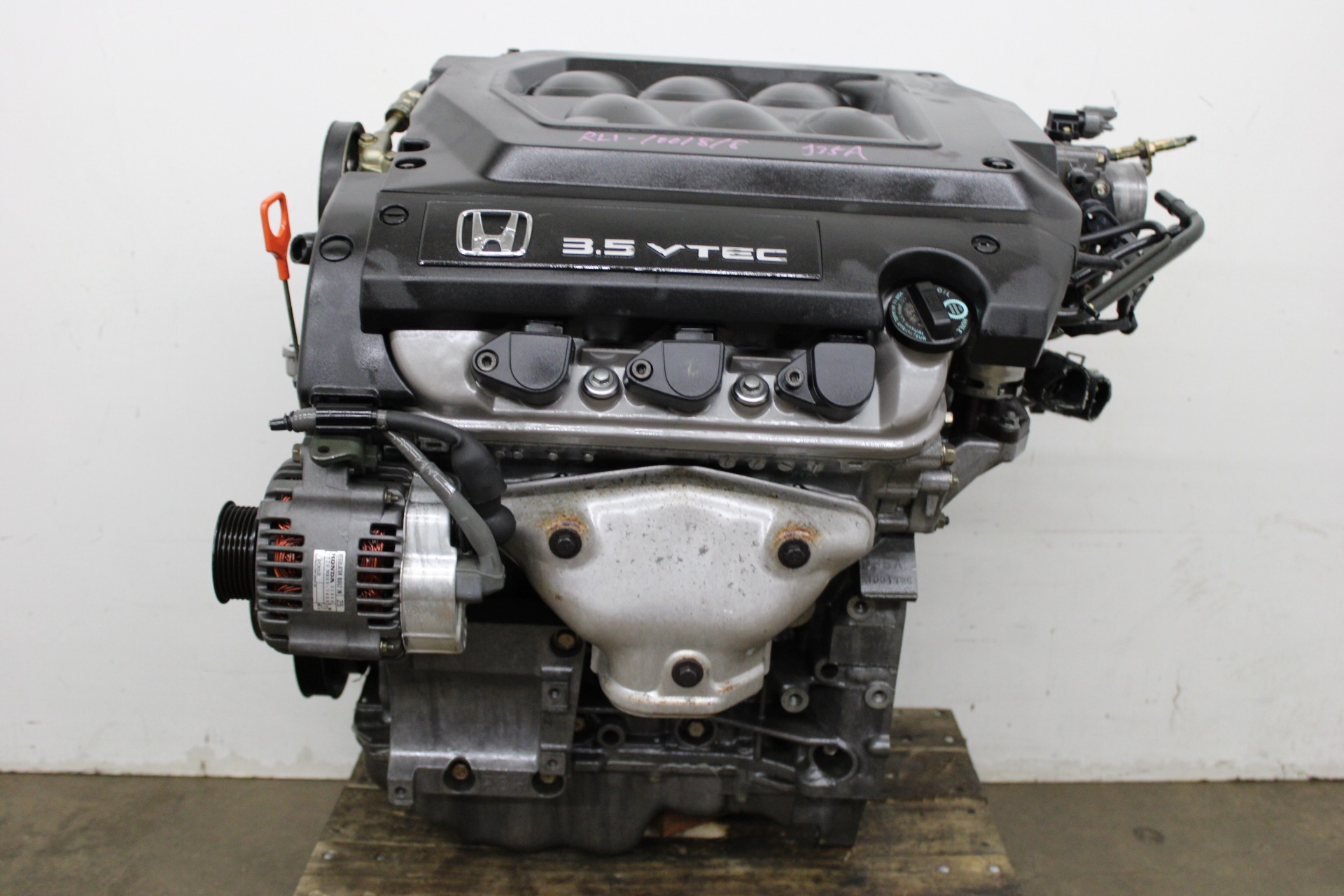
The Honda J35 V6 engine is another power unit that has shown remarkable strength over the years. It is found in vehicles such as the Honda Odyssey, Pilot, and Acura MDX. Many families rely on these cars for daily driving, long trips, and even light towing.
The J35 V6 is known to reach very high mileage with minimal problems, as long as oil changes and timing belt replacements are done on schedule. The smoothness and balance of this V6 engine make it a favorite for people who want reliable performance.
However, this engine’s strong track record is often let down by the transmissions paired with it. Honda faced a lot of trouble with automatic transmissions in the early 2000s, especially with the Odyssey and Acura models.
Many owners reported failures in the transmission at around 120,000 to 160,000 miles, sometimes even earlier. The main issues were overheating, worn clutches, and sudden loss of gear function. These problems forced Honda to deal with recalls and extended warranties for many years.
What makes this situation striking is that while the engine could easily continue running for another 100,000 miles or more, the transmission would give out much sooner. For families depending on these cars, it meant facing costly repairs or replacements long before the engine showed any major weakness. Still, once a transmission was rebuilt with stronger parts, the cars often went on to serve their owners faithfully for many years, powered by the dependable J35 engine.
Because of its balance between smooth performance and strong durability, the Honda J35 engine is often praised. But many drivers will always remember that their life was too often cut short by the failing transmission. This makes it one of the best examples of how an excellent engine can outlast the weaker component paired with it.
Also Read: 5 Engines That Handle High RPMs and 5 That Break When Revved
3. Ford Modular 4.6 V8
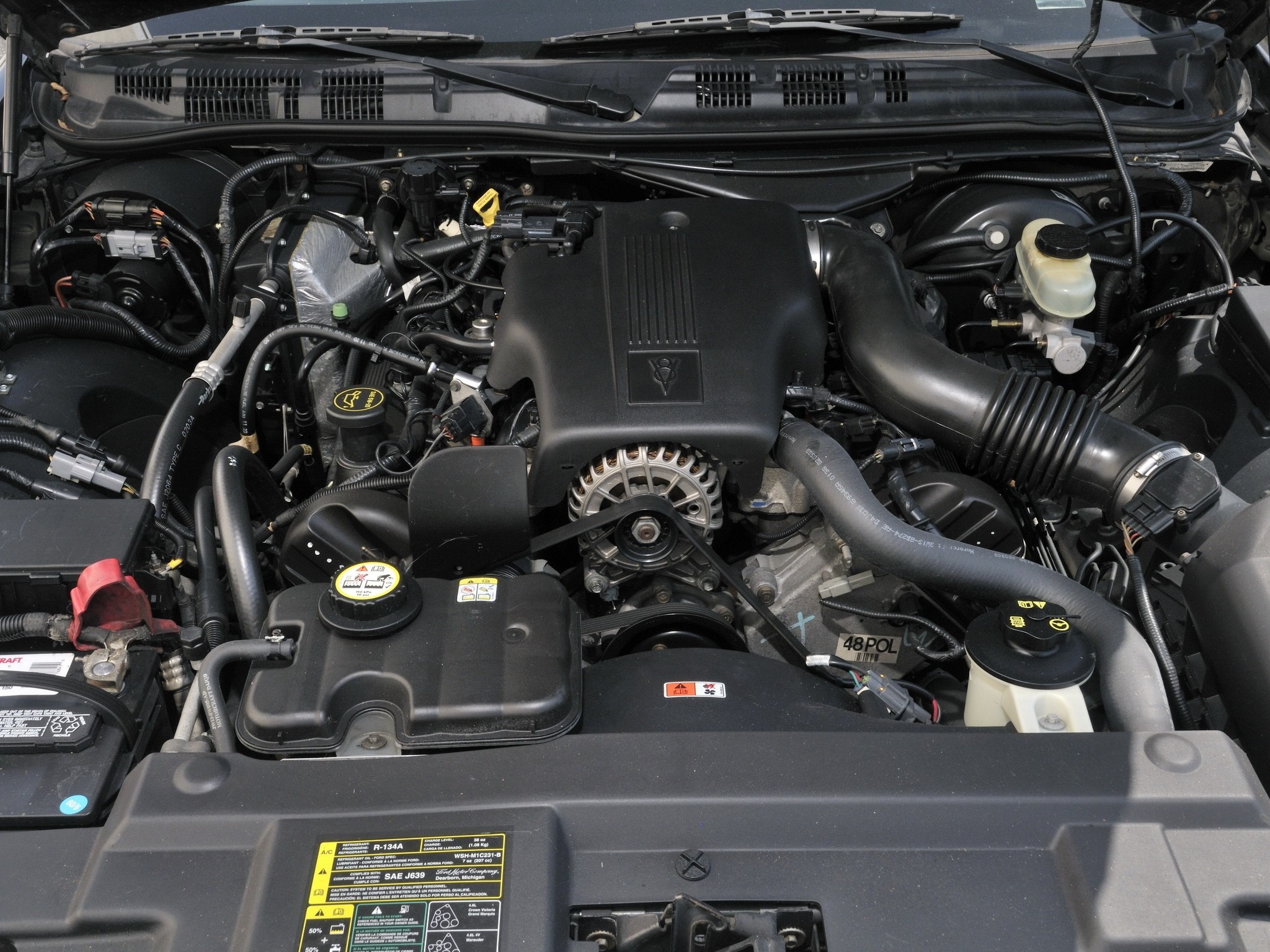
Ford’s Modular 4.6-liter V8 engine is widely known for its long life, especially when used in trucks, SUVs, and even some performance cars. Introduced in the 1990s, it became a major part of Ford’s lineup for many years.
The 4.6 engine is built with a strong design that resists wear, and with regular oil changes, many of them have reached 300,000 miles or more. Police cars, taxis, and work trucks using this engine have shown that it can take heavy use for many years.
The weak point for vehicles carrying this engine was often the transmission. Many Ford vehicles were paired with automatic transmissions like the 4R70W, which, while smooth in operation, were not as long-lasting as the engine.
These transmissions often developed problems with slipping, delayed gear, or even total breakdowns when subjected to towing or hard driving. In many cases, the engine would still be running perfectly, but the car would not move because the gearbox failed first.
This imbalance was especially frustrating for people who bought Ford Crown Victoria or Lincoln Town Car models, since these were often used as taxis or fleet vehicles. The engines would be running fine, but repeated transmission repairs became common. Owners who invested in rebuilding or replacing the gearbox often found that the engine still had plenty of years left, which shows just how much stronger the 4.6 V8 was compared to its transmission.
The Ford Modular 4.6 stands as proof that an engine can be designed with durability in mind, but if the transmission is not equally strong, the owner may still face high repair costs. Despite that, many drivers still have a strong respect for this engine because it rarely lets them down, even if the transmission does.
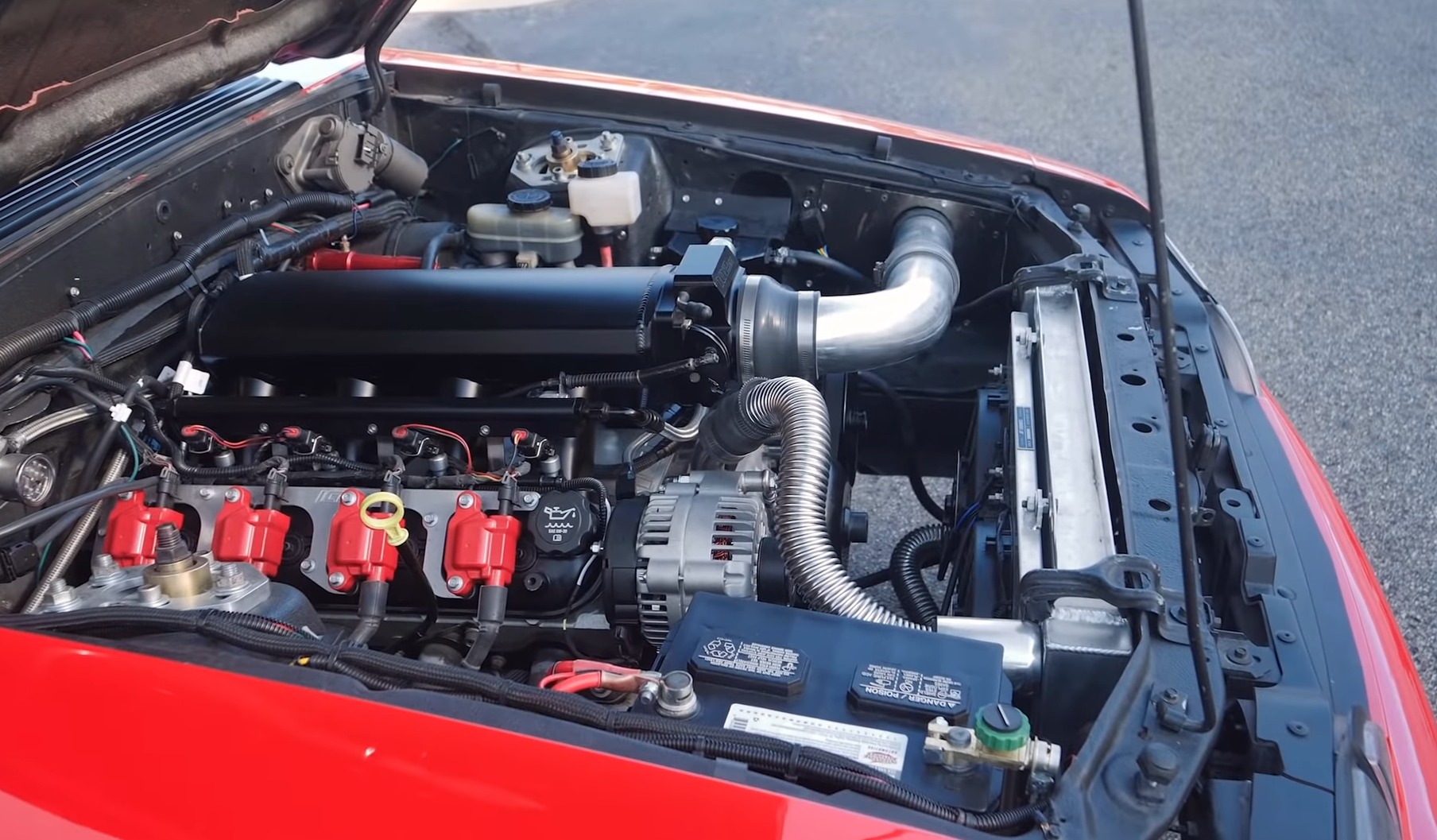
4. Chevrolet 5.3 Vortec V8
The 5.3-liter Vortec V8 from Chevrolet is a favorite in trucks and SUVs like the Silverado, Tahoe, and Suburban. This engine is known for running quietly, producing good power, and lasting hundreds of thousands of miles. Many truck owners have reported reaching 300,000 miles with nothing more than normal maintenance.
The engine is designed with durability in mind, using a solid iron block and aluminum heads that resist wear and overheating. The issue, however, often comes from the transmission. The 4L60E automatic transmission, which was commonly paired with this engine, has a history of failing much earlier than the engine.
Problems with slipping gears, hard gear, and broken internal parts showed up in many trucks at 150,000 to 200,000 miles. Owners who used their trucks for towing or heavy hauling often saw these failures even earlier.
Because the engine kept running well while the transmission failed, many people chose to rebuild or replace the transmission to keep their trucks on the road. The 5.3 Vortec made the investment worthwhile because owners knew they could still get many years of use from the vehicle after fixing the gearbox. This has given the engine a strong reputation as one that outlasts the transmission.
Truck lovers still see the 5.3 Vortec as a dependable choice. The main complaint has always been about the transmission, not the engine. Even today, many trucks with this engine are still running, often with replaced transmissions, while the engine keeps powering on.
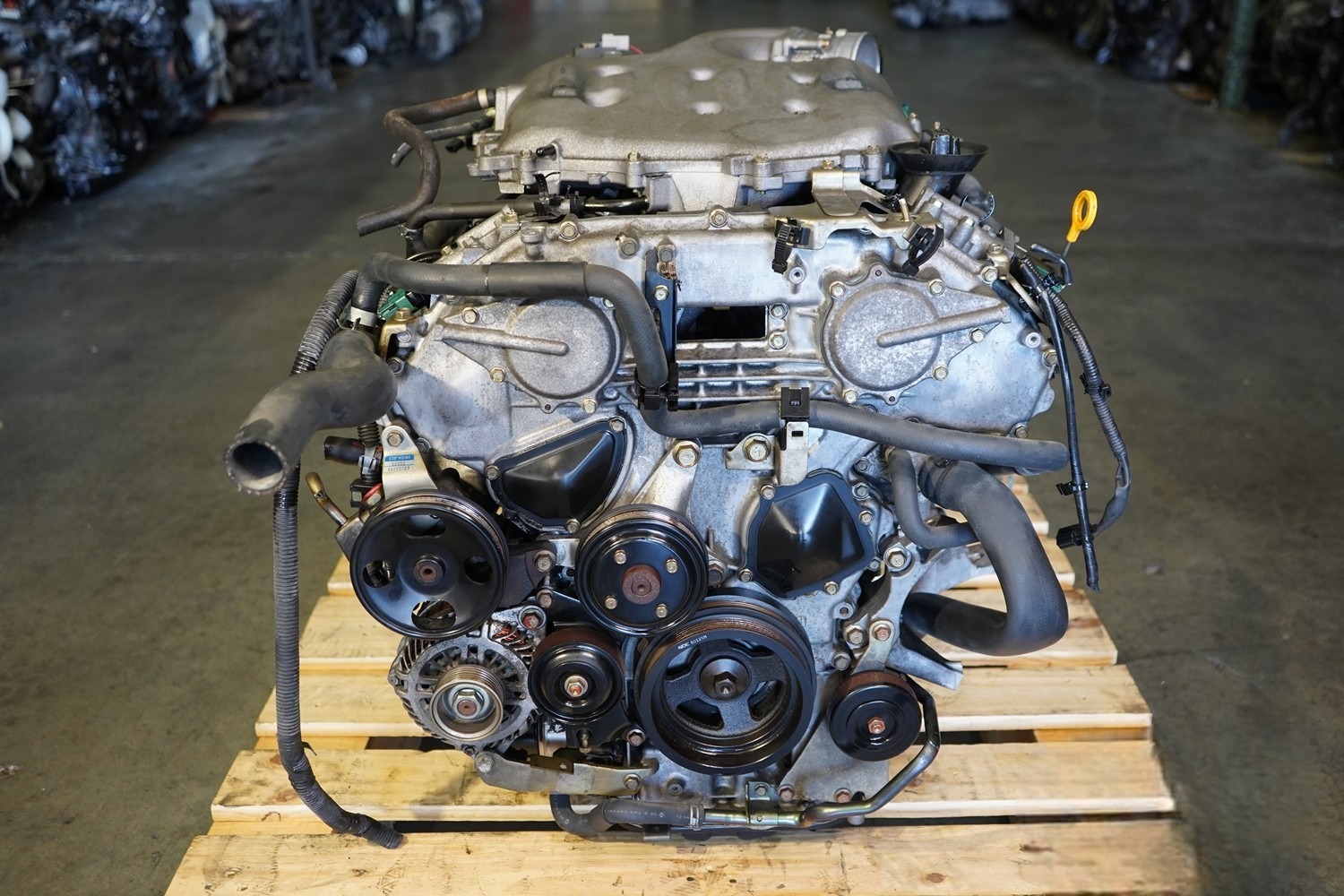
5. Nissan VQ35DE V6
The Nissan VQ35DE V6 engine is one of the most respected power units from Nissan. It has been used in cars like the Maxima, Altima, Pathfinder, and Infiniti models. Known for smooth performance and strong reliability, this engine often runs well past 250,000 miles without any major problems if cared for properly. Many car reviewers and mechanics see it as one of Nissan’s greatest achievements in engine design.
The weak point in vehicles using this engine has often been the transmission. Nissan began pairing the VQ35 with continuously variable transmissions (CVT) in many models, and those gearboxes did not hold up well.
CVTs are designed for smooth and efficient driving, but they are also known to fail earlier than traditional automatics, especially under heavy use. Owners of Nissan Altimas and Muranos often reported CVT failures before 150,000 miles, while the engine was still perfectly fine.
Even in models with traditional automatic transmissions, the gearbox usually gave way before the engine. This left many drivers facing expensive repair bills while still having an engine that could easily last another 100,000 miles or more. Some owners even swapped in manual transmissions from other Nissan models just to keep their cars going, which shows how much stronger the engine was compared to the gearbox.
The VQ35DE remains a favorite among enthusiasts and long-term drivers. Its ability to keep running while the transmission gives way makes it a clear example of an engine that outlasts its transmission.
5 Engines That Blow Before the Transmission
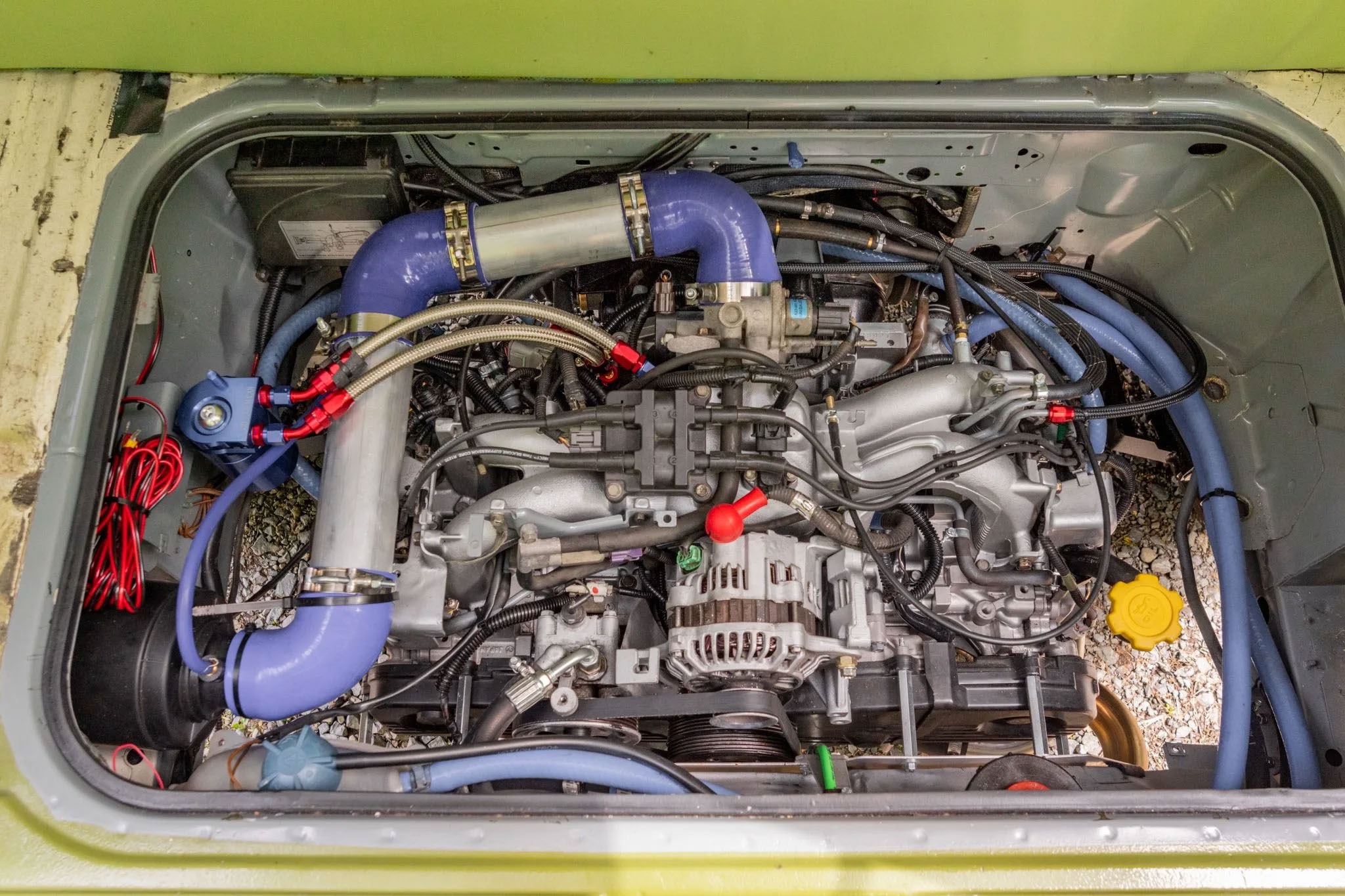
1. Subaru EJ25 Flat-Four
Subaru has built a strong reputation for its unique boxer engines and all-wheel-drive systems, but one engine that has caused many headaches is the EJ25 flat-four. This engine was used widely in Subaru models such as the Outback, Forester, Legacy, and Impreza during the late 1990s and 2000s.
On paper, the EJ25 should have been a dependable workhorse, delivering smooth power with a low center of gravity. In practice, however, the engine often gave trouble long before the transmission ever showed weakness. The biggest issue with the EJ25 was its head gasket failure. Many owners experienced coolant leaks and oil leaks around the 100,000-mile mark, sometimes even earlier.
Once the gasket failed, overheating followed, and this could lead to warped heads and a completely ruined engine if not fixed quickly. While Subaru tried to improve the gasket design after some time, the problem continued for years, making the EJ25 one of the most complained-about engines in the company’s history.
What makes the situation striking is that the transmissions paired with the EJ25 were usually dependable. Subaru’s manual gearboxes and even the traditional automatics often lasted much longer than the engine.
Many drivers reported that their transmission was still in good shape while their engine needed a complete rebuild or replacement. For families who depended on these cars, the high repair bills became a major disappointment, especially since Subaru marketed its vehicles as long-lasting and durable.
Even with these flaws, many Subaru enthusiasts stayed loyal to the brand because of the all-wheel-drive system and the handling benefits of the boxer engine layout. But when comparing the life of the engine to the transmission, the EJ25 falls into the category of engines that give out first. Unless the head gasket issue was fixed early with upgraded parts, owners often found themselves spending more on engine repairs than they ever expected.
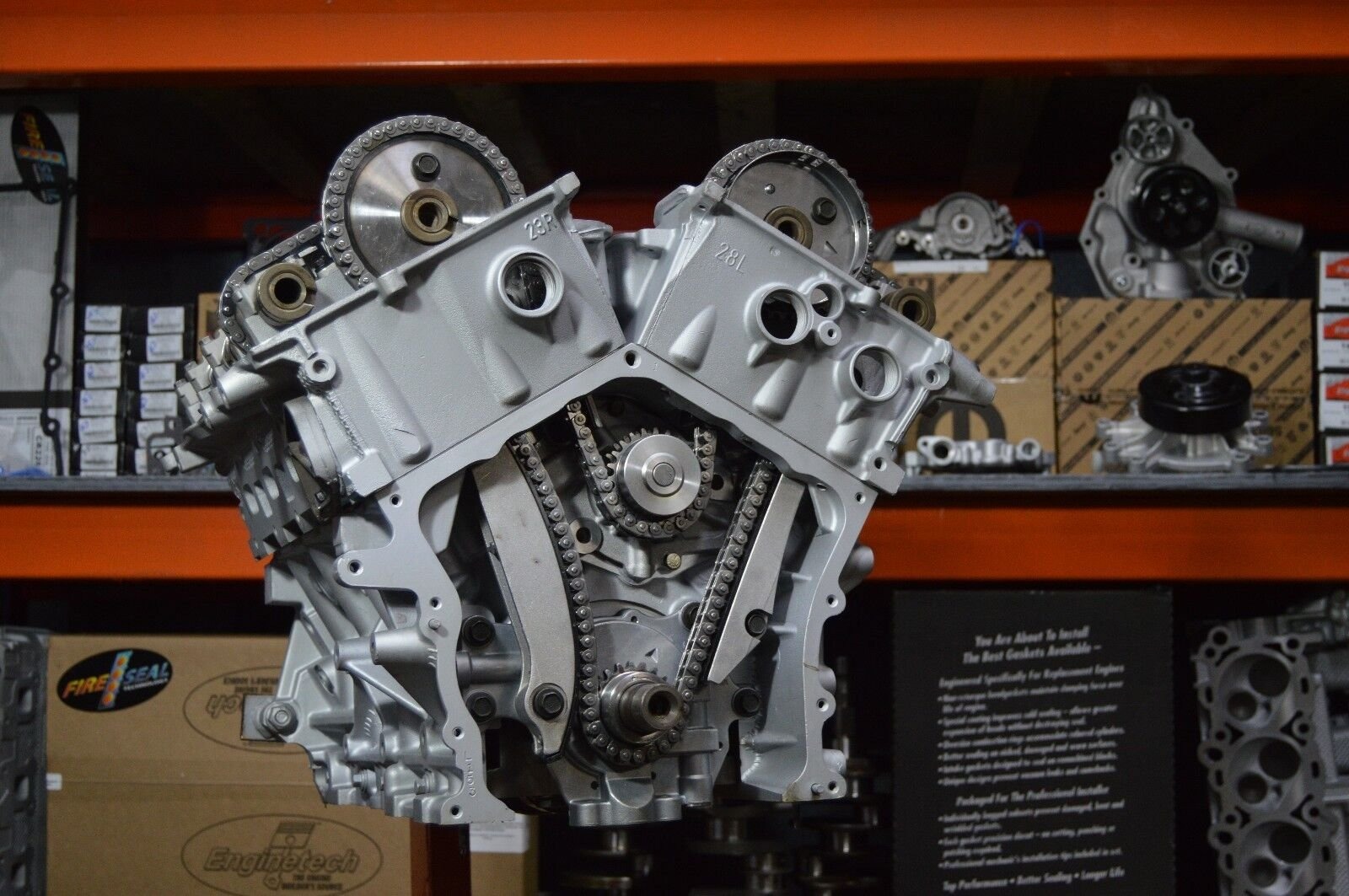
2. Chrysler 2.7 V6
The Chrysler 2.7-liter V6 is remembered by many drivers as one of the most troublesome engines of its time. Used in vehicles like the Dodge Intrepid, Chrysler Sebring, and Dodge Stratus, this engine gained a bad reputation for failure long before the transmission had any chance of giving trouble.
On the outside, the engine seemed like a good choice, offering decent power and fuel economy, but the internal design flaws made it prone to serious problems. One of the most common issues was engine sludge. Poor oil circulation and a design that trapped heat led to the buildup of thick sludge inside the motor.
Even drivers who followed maintenance schedules carefully sometimes faced sludge-related problems, which eventually caused oil starvation and catastrophic engine damage. Timing chain tensioners also wore out early, creating noisy operation and further reliability concerns.
While the engine was prone to early failure, the transmissions paired with the 2.7 V6 usually lasted longer. Chrysler’s four-speed automatic gearboxes were not the best in the industry, but in these models, they often held up better than the engine itself.
Many owners reported that their transmission was still working fine while their engine had already failed at 80,000 to 120,000 miles. This reputation turned away many buyers, and the engine became a reason why Chrysler lost trust among car shoppers during that era.
Even though Chrysler eventually moved away from the 2.7 V6, the memory of its failures continues to affect how people view the brand. For many, the 2.7 serves as a reminder that even if a transmission is decent, a weak engine can make the entire vehicle unreliable. That is why it is widely remembered as an engine that fails much earlier than the transmission.
3. BMW N63 V8
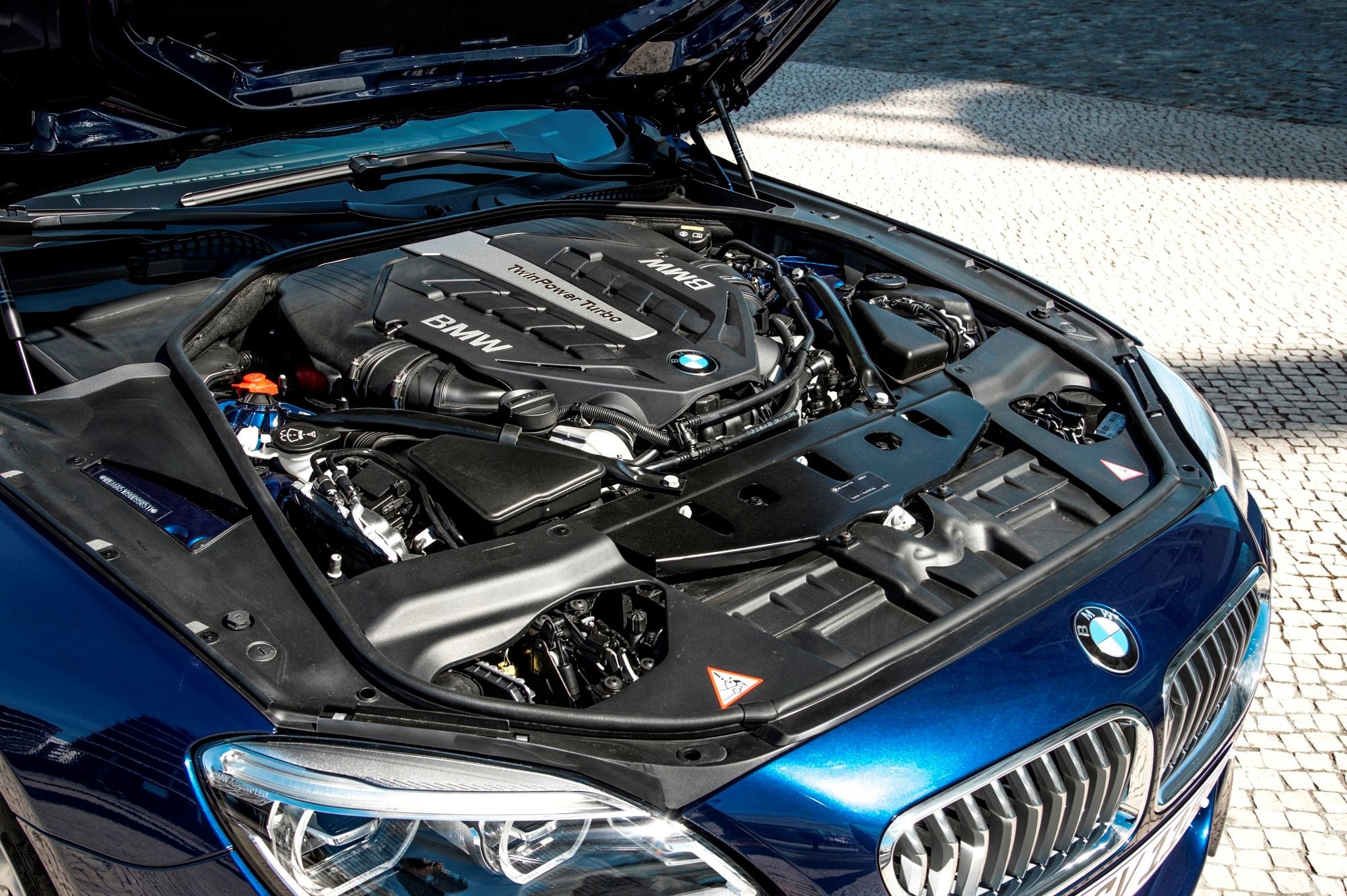
BMW is respected for producing cars that blend performance with luxury, but the N63 twin-turbo V8 engine is a clear example of an engine that fails before the transmission. Introduced in 2008, it was used in models such as the BMW 550i, 750i, X5, and X6.
On paper, the engine looked impressive with its advanced turbocharging technology and strong power output. However, owners quickly discovered that the engine design had serious reliability problems.
The biggest complaint came from high oil consumption. Drivers found themselves adding quarts of oil between changes, which was both inconvenient and expensive. On top of that, the engine suffered from premature failure of fuel injectors, valve stem seals, and timing chain guides.
These problems often appeared before 100,000 miles, and the repair costs were extremely high. Many owners faced bills running into thousands of dollars just to keep the engine alive. Meanwhile, the ZF automatic transmissions paired with the N63 performed well.
These gearboxes were known for their smoothness and ability to handle power, and they typically lasted much longer than the troubled engines. For many BMW drivers, the strange situation was having a perfectly fine transmission while the engine required constant repairs or even a complete replacement.
BMW eventually launched service campaigns to address some of these issues, including the famous “N63 Customer Care Package,” which offered extended repairs for common problems. Even with these efforts, the reputation of the N63 remained damaged.
Buyers quickly learned that while the transmission could handle the job, the engine was the weak link. This makes the N63 one of the clearest examples of a luxury performance engine that failed first, leaving many owners disappointed despite the premium price tag.
4. Volkswagen 1.8T Turbo Four-Cylinder
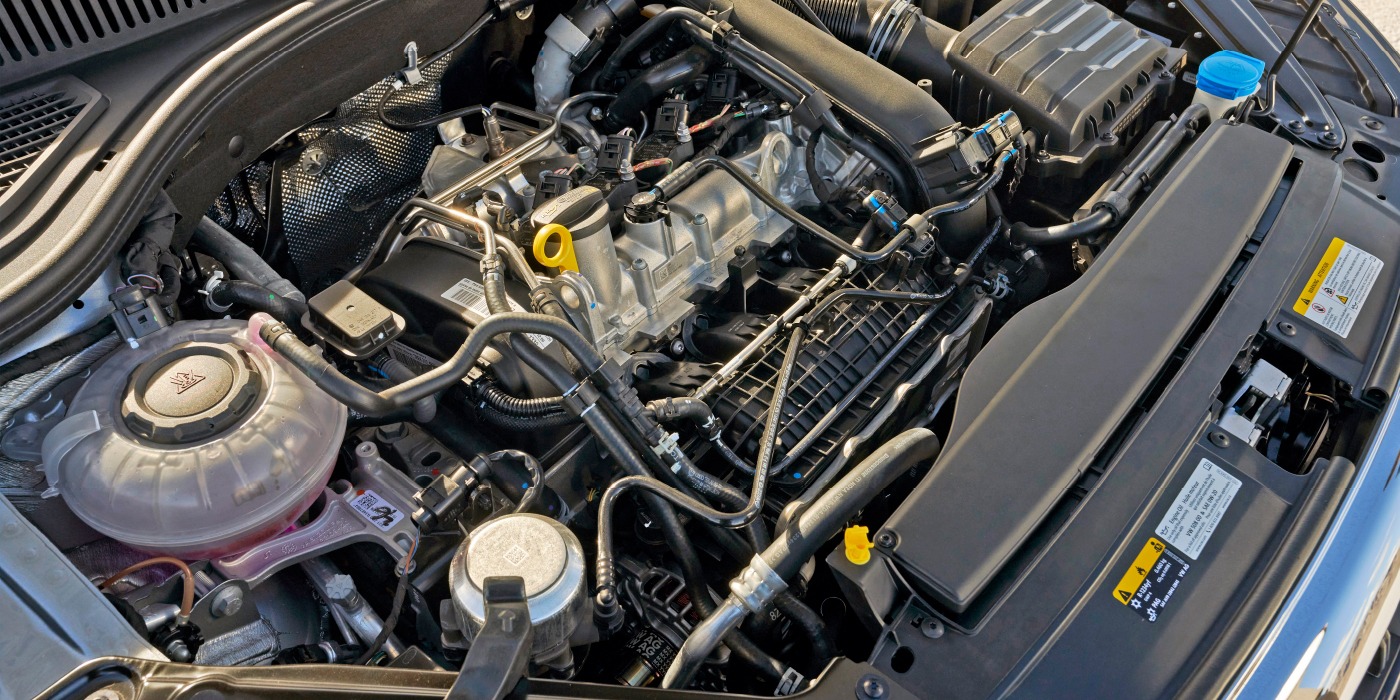
Volkswagen’s 1.8T turbocharged four-cylinder engine was widely used in cars like the Jetta, Passat, and Audi A4 during the late 1990s and early 2000s. At first, it was praised for combining good power with small displacement, offering both performance and efficiency. But with time, many drivers learned that this engine had weaknesses that made it fail before the transmission.
The main issue was related to oil sludge. Similar to Chrysler’s 2.7 V6, the 1.8T suffered from poor oil circulation in certain conditions, which led to sludge buildup inside the engine. Once this happened, oil starvation would occur, damaging critical components like the turbocharger and camshaft. Even with regular oil changes, some engines still developed sludge problems, leaving owners with expensive repair bills.
Timing belt failures were another issue. If the belt was not replaced on schedule, it could snap, causing severe engine damage since the 1.8T is an interference engine. For many owners, this meant unexpected breakdowns and ruined engines before 120,000 miles. Meanwhile, the automatic and manual transmissions paired with the 1.8T often lasted much longer, handling power without the same level of trouble.
Because of these engine problems, many drivers lost faith in Volkswagen during that era. While the 1.8T had the potential to be a great motor, its reliability record was weak, especially compared to the transmissions that kept going strong. This is why it is remembered as one of the engines that gave trouble far earlier than its gearbox.
Also Read: 5 Engines With Legendary Lifespans and 5 That Barely Make It
5. Mazda Rotary 13B
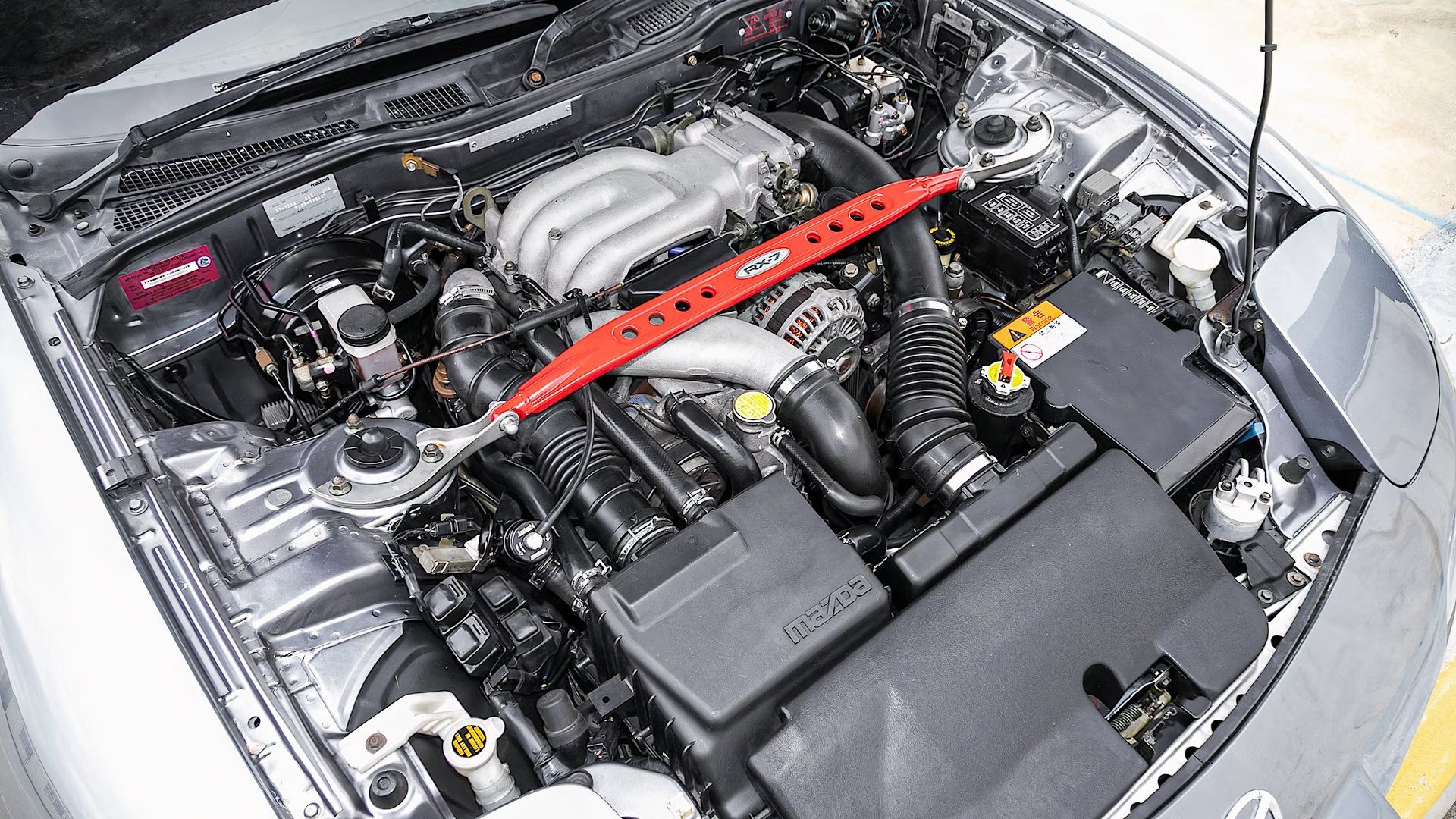
The Mazda rotary engine, especially the 13B found in the RX-7 and RX-8, is one of the most unique engines ever put into mass production. Its design is very different from traditional piston engines, using spinning rotors instead of pistons to generate power.
This gave it high-revving performance and a lightweight design that enthusiasts loved. However, when it comes to long-term durability, the rotary engine usually fails much earlier than the transmission. One of the main problems is apex seal wear. The apex seals act like piston rings in a rotary engine, and once they wear down, compression is lost, leading to poor performance and eventual engine failure.
Many rotary engines required rebuilds at 80,000 to 120,000 miles, which is far earlier than typical piston engines. Owners also faced issues with oil consumption, as the engine design required oil to be burned during normal operation. The transmissions paired with the rotary engines, both manual and automatic, were generally strong and lasted far longer than the engines themselves.
Many RX-7 and RX-8 owners discovered that while their gearboxes were still in perfect working condition, their engines needed complete overhauls. For car enthusiasts who loved the driving experience, this was part of the price of owning a rotary-powered car.
Mazda’s rotary engine remains admired for its unique character, but when comparing the engine to the transmission, it is clear that the engine is the weak link. For this reason, the 13B is remembered as an engine that blows first while its transmission keeps going strong.
Car durability is often judged by how long the engine and transmission last. Some engines, like Toyota’s 2UZ-FE or Nissan’s VQ35DE, continue running long after their transmissions fail. Others, such as Subaru’s EJ25 or BMW’s N63, show the opposite pattern, breaking down early while the transmission remains strong.
Understanding these differences helps buyers and owners make better decisions about maintenance and long-term costs. A strong engine or transmission alone is not enough. Both must be reliable for a vehicle to truly last.
