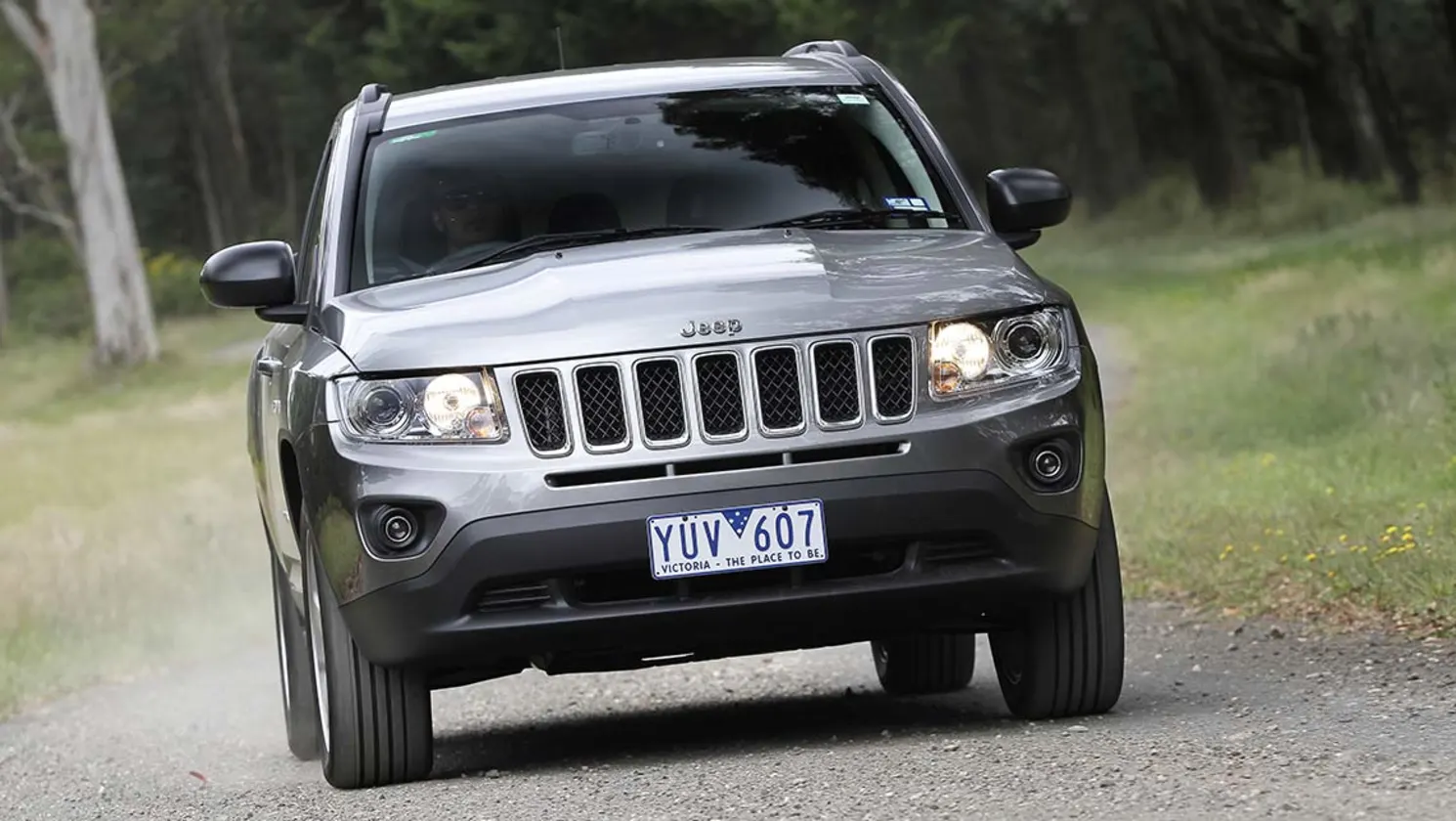
The Jeep Compass has had a bumpy journey since its debut in 2007, evolving from a rough-around-the-edges compact SUV into a more refined and competitive option. Over the years, Jeep has worked hard to improve design, comfort, performance, and technology while staying true to its rugged brand identity.
Like many vehicles, however, the Compass has seen both highs and lows some years produced reliable, well-rounded models worth owning, while others were plagued by frustrating issues and reliability concerns.
For buyers exploring the used SUV market, knowing which model years to pursue and which to avoid can make all the difference.
This guide highlights five of the best Jeep Compass years worth keeping, along with five that are best avoided, helping you make an informed decision if you’re considering adding one of these compact SUVs to your garage.
5 Jeep Compass Years Worth Keeping
1. 2009 Jeep Compass
The 2009 Jeep Compass marked a notable step forward compared to earlier models, particularly with its updated interior. Jeep addressed one of the Compass’ biggest flaws by redesigning the dashboard, center console, and door panels while upgrading materials to include softer surfaces, stain-resistant seats, and padded armrests.
Sound insulation was also improved to reduce excessive road noise, a major complaint in prior years.
These refinements elevated the driving experience from subpar to at least passable, although the Compass still lagged behind competitors in terms of overall material quality and comfort. Added entertainment options, such as hard-drive-based digital music storage, a touchscreen interface, and a USB port, further modernized the cabin.
Despite its upgrades, the Compass’ performance left much to be desired. Standard power came from a 2.4-liter four-cylinder engine producing 172 horsepower, paired with either a five-speed manual transmission or an optional CVT.
A smaller, more fuel-efficient 2.0-liter engine was available only on front-wheel-drive versions. Fuel economy ranged from 21–24 mpg combined, making the Compass relatively frugal for its class. However, acceleration was sluggish, especially with the CVT and all-wheel drive, taking over 10 seconds to reach 60 mph.
The noisy engine and droning CVT further detracted from driving enjoyment. While the Compass handled better than its Jeep predecessors, its structure lacked rigidity, resulting in a ride that felt unrefined compared to rivals like the Honda CR-V or Toyota RAV4.
On the safety front, the 2009 Compass came standard with stability control, full-length curtain airbags, and traction control. Optional front-seat side airbags boosted its Insurance Institute for Highway Safety (IIHS) rating from “Marginal” to “Good” in side crash tests.
Cargo space, however, remained one of the Compass’ weakest points, with just 22.7 cubic feet behind the rear seats and 53.6 cubic feet when folded less than most compact SUVs.
While fold-flat seating options increased versatility, rear visibility was hindered by large D-pillars, and seating comfort was compromised by flat cushions and poorly designed headrests.
The 2009 Jeep Compass represented an effort to refine a struggling model, with interior improvements, better sound insulation, and updated features making it more livable. Still, these changes were not enough to set it apart from the competition.
Weak acceleration, noisy powertrains, limited cargo capacity, and mediocre build quality kept it near the bottom of the small SUV segment.
While its fuel efficiency and low price made it appealing to budget-conscious buyers, rivals like the Subaru Forester, Nissan Rogue, and Hyundai Tucson offered far stronger all-around packages. The Compass was a decent idea in theory but fell short in execution.
2. 2013 Jeep Compass
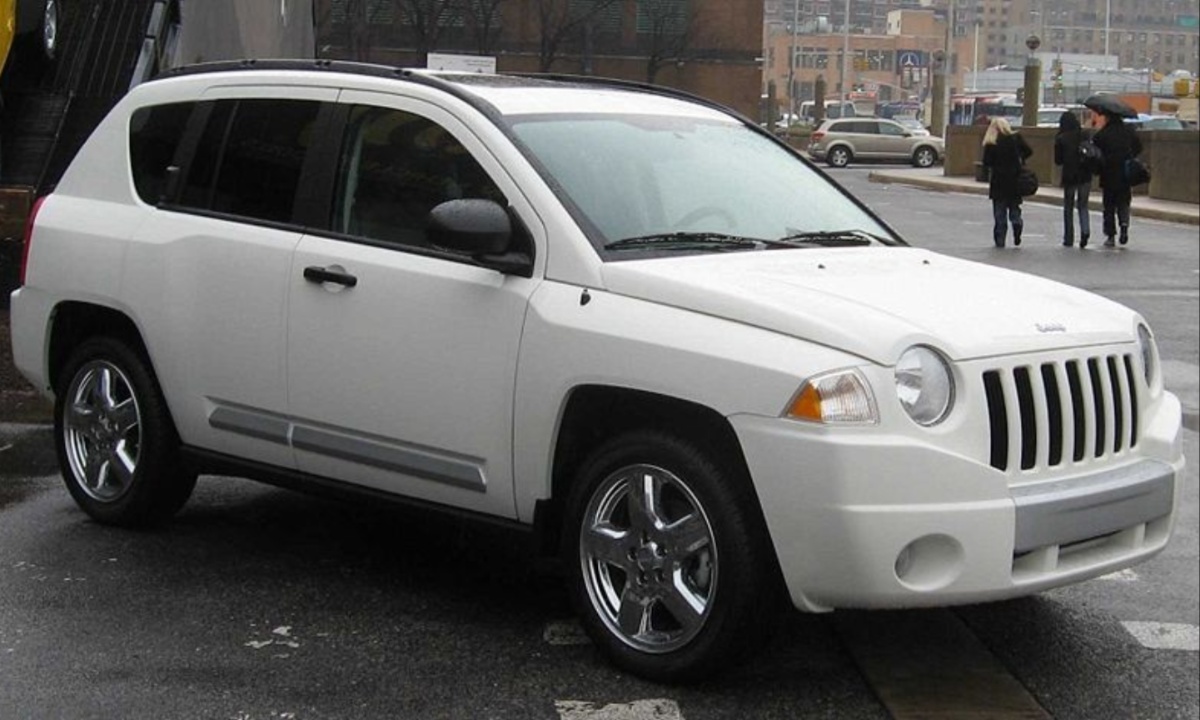
The 2013 Jeep Compass continued to build on its reputation as an affordable compact SUV with Jeep-inspired styling. Owners praised its reliability, ergonomics, and exterior looks, which were updated to resemble the larger Grand Cherokee.
Two engine options were available: a 2.0-liter four-cylinder paired with a manual transmission, delivering up to 30 mpg on the highway, and a 2.4-liter engine with a CVT that, when equipped with the Freedom Drive II Off-Road Package, earned Jeep’s Trail Rated badge.
While base models leaned toward fuel efficiency, higher trims aimed to enhance off-road capability, though neither option struck a perfect balance. With only one recall related to the Occupant Restraint Control module, the Compass proved a dependable choice for many buyers.
Performance was a mixed bag for the 2013 Compass. The 2.0-liter engine produced 158 horsepower, while the 2.4-liter offered 172 horsepower, yet both struggled with acceleration, especially when paired with the CVT. Edmunds testing recorded a sluggish 0–60 mph time of 10.3 seconds with the 2.4-liter CVT model.
Fuel efficiency varied greatly depending on configuration: front-wheel-drive models with the smaller engine achieved up to 30 mpg highway, but fully equipped four-wheel-drive models dropped to just 20 mpg city and 23 mpg highway.
This discrepancy highlighted the Compass’s compromise between economy and off-road readiness. Jeep’s Freedom Drive I provided light-duty all-wheel drive, while Freedom Drive II added low-range capability for moderate trails, but at the expense of fuel efficiency.
Safety features on the 2013 Compass included stability control, traction control, full-length curtain airbags, and available side-impact airbags. Braking performance was decent, with a Compass Limited stopping from 60 mph in 120 feet during testing.
However, driving dynamics left much to be desired. The ride was often harsh, steering felt heavy, and the suspension failed to deliver comfort on rough roads.
While capable of handling rain and snow with its AWD systems, the Compass struggled to balance Jeep ruggedness with everyday refinement. Ultimately, it served better as a foul-weather commuter than a true off-road vehicle, leaving enthusiasts wanting more capability.
Inside, the 2013 Compass offered improved materials compared to earlier years, though still average for the segment. Front seats provided solid legroom, but rear space was tighter. Features such as a cooled glovebox, rechargeable LED flashlight, and optional liftgate speakers added practicality and charm.
Technology was hit-or-miss: the available touchscreen media system looked modern but was finicky, and even Bluetooth was optional. Cargo space measured 62.7 cubic feet, competitive against rivals like the Subaru XV Crosstrek and Ford Escape.
While not the most refined compact crossover, the 2013 Compass offered a budget-friendly option with Jeep styling and light off-road capability for drivers prioritizing affordability and brand appeal.
4. 2019 Jeep Compass
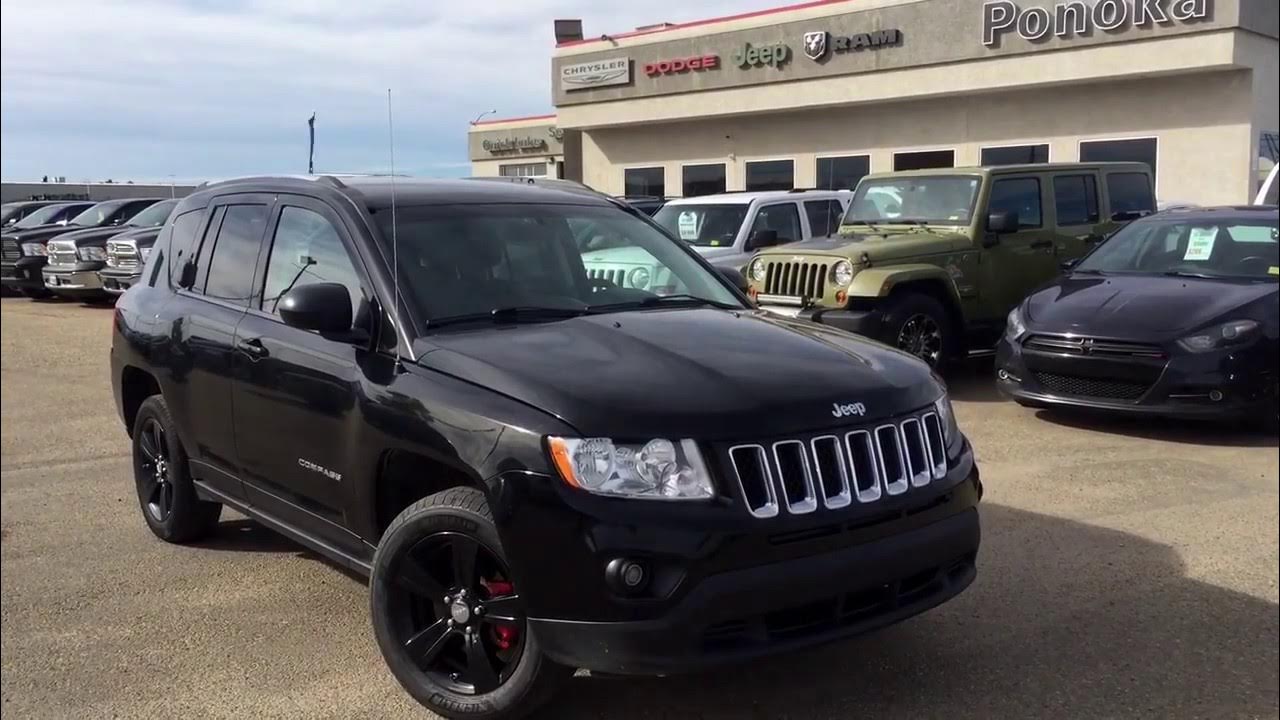
The 2019 Jeep Compass carried forward the improvements of its second-generation redesign introduced in 2017. This version corrected several flaws from earlier models, delivering better interior quality and refinement.
Reviewers noted that the cabin felt more upscale, with durable soft-touch materials, supportive seating, and an easy-to-use infotainment system. Apple CarPlay and Android Auto became standard, making connectivity more convenient.
The Compass offered solid space for passengers, with generous headroom and adequate rear legroom, though cargo capacity at 27 cubic feet (60 cubic feet with seats folded) trailed some competitors.
Small storage areas and practical touches like anti-tip cupholders and cubbies added everyday utility. While not a luxury interior, the Compass provided a straightforward, ergonomic design that was noticeably more polished than its first-generation predecessor.
Power came exclusively from a 2.4-liter inline-four paired with a nine-speed automatic transmission in AWD models, producing 180 horsepower. Unfortunately, acceleration remained a weak point, with a 0–60 mph time of about 10.1 seconds.
The transmission often upshifted too early, dulling responsiveness, and the engine sounded coarse under strain. Handling was competent but not engaging, with numb steering feel and a tendency toward brake dive.
Stopping distances were longer than average, with the Trailhawk version requiring 140 feet to halt from 60 mph, likely due to its off-road tires. Ride comfort was better than expected, however, with the suspension absorbing bumps effectively.
For daily commuting, the Compass felt solid and easy to maneuver, but it lacked the performance edge of rivals such as the Honda CR-V or Mazda CX-5.
Where the Compass distinguished itself was in its Trailhawk trim, introduced in 2018 and continued in 2019. Designed for off-road use, it featured all-wheel drive, front recovery hooks, a low-range setting, and a lockable center differential.
Reviewers praised the Trailhawk as one of the most capable off-roaders in the compact SUV segment, achieving a rare balance between trail performance and urban usability. Despite its knobby tires, the Trailhawk managed decent ride comfort and stability on highways, though its off-road hardware reduced efficiency and on-road sharpness.
Jeep’s brand heritage was evident in this model, giving buyers a rugged option few competitors could match. With towing capacity rated up to 2,000 pounds on AWD models, the Compass also outperformed many peers in utility.
Safety proved a highlight for the 2019 Compass, with owners praising its crash protection. One driver recounted a severe highway accident where airbags, crumple zones, and safety systems protected all passengers. These experiences were supported by strong crash-test ratings from the IIHS and NHTSA.
Technology offerings included Jeep’s Uconnect system, available with an 8.4-inch screen, smartphone integration, navigation, and driver aids such as lane departure warning and forward collision mitigation. While not class-leading, its tech suite was intuitive and effective.
Ultimately, the 2019 Jeep Compass offered a compelling blend of Jeep styling, everyday usability, and best-in-class off-road ability in Trailhawk form. Still, buyers prioritizing speed, fuel economy, or maximum cargo space found stronger alternatives in the crowded compact SUV market.
5. 2022 Jeep Compass
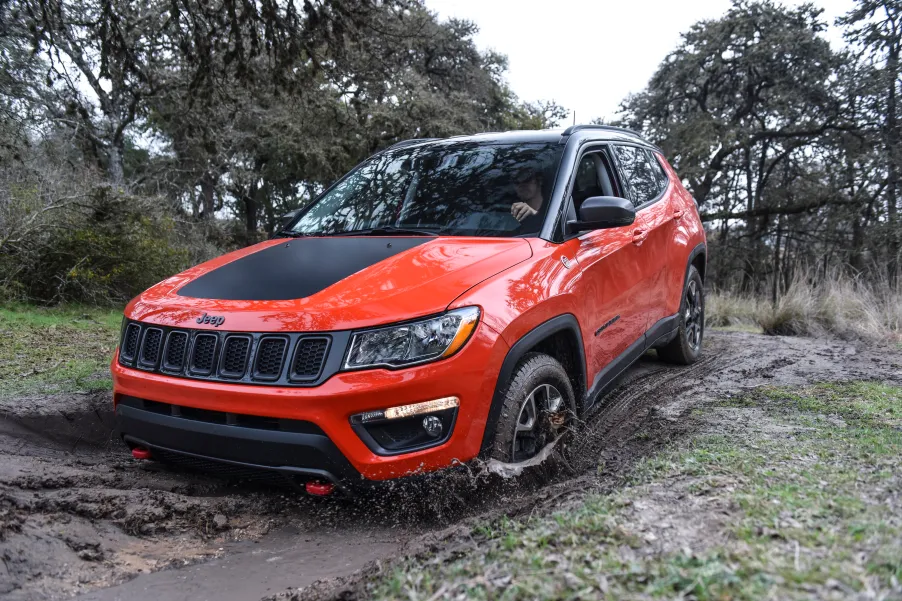
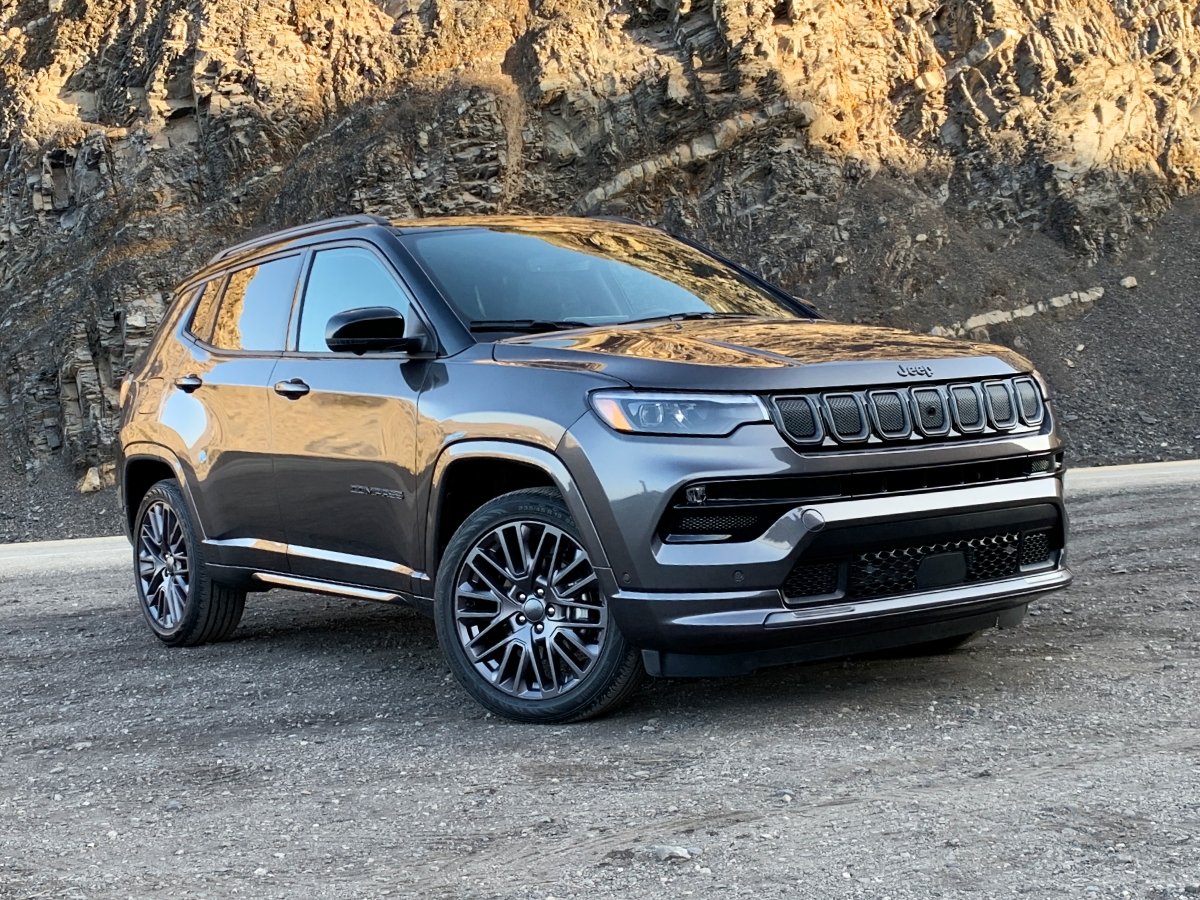
The 2022 Jeep Compass brought fresh updates that gave the compact SUV a more modern and upscale look. Positioned between the Jeep Renegade and Cherokee, the Compass competed with rivals like the Chevrolet Trailblazer and Hyundai Tucson while continuing to stand out for its off-road capability.
For this model year, Jeep refined both the exterior styling and interior design, aligning the Compass more closely with the premium feel of the larger Grand Cherokee.
Inside, materials felt more polished, and the cabin offered a layout that emphasized comfort and convenience. Jeep also introduced a larger central touchscreen with updated infotainment software, making everyday use smoother and more intuitive.
Technology improvements were another highlight of the 2022 refresh. The Compass gained wireless Apple CarPlay and Android Auto, giving drivers seamless connectivity without the need for cords.
Jeep also expanded its suite of standard advanced driver assistance features, including lane departure warning and forward collision mitigation, which boosted safety and appeal.
While the entry-level Sport trim offered solid value, reviewers suggested that buyers should consider the Latitude trim, which added quality-of-life upgrades for only a modest price increase.
For those planning to opt for all-wheel drive, the Latitude Lux trim was a strong alternative, offering AWD as standard along with additional premium features.
The 2022 Compass delivered a balance of rugged Jeep character and everyday practicality. While it remained one of the smaller options in the brand’s lineup, its updates in design, technology, and safety positioned it as a more compelling choice for compact SUV shoppers.
The Compass’s off-road ability, especially in higher trims, gave it an edge over many direct competitors, while its improved interior and tech made it more competitive in daily driving comfort.
For buyers seeking a compact SUV that blends modern features with Jeep’s traditional toughness, the 2022 Compass offered one of the most well-rounded packages in its segment.
Also Read: 5 Cars That Are Suited For Teen Drivers and 5 That Fail To Deliver
5 Jeep Compass Years To Avoid
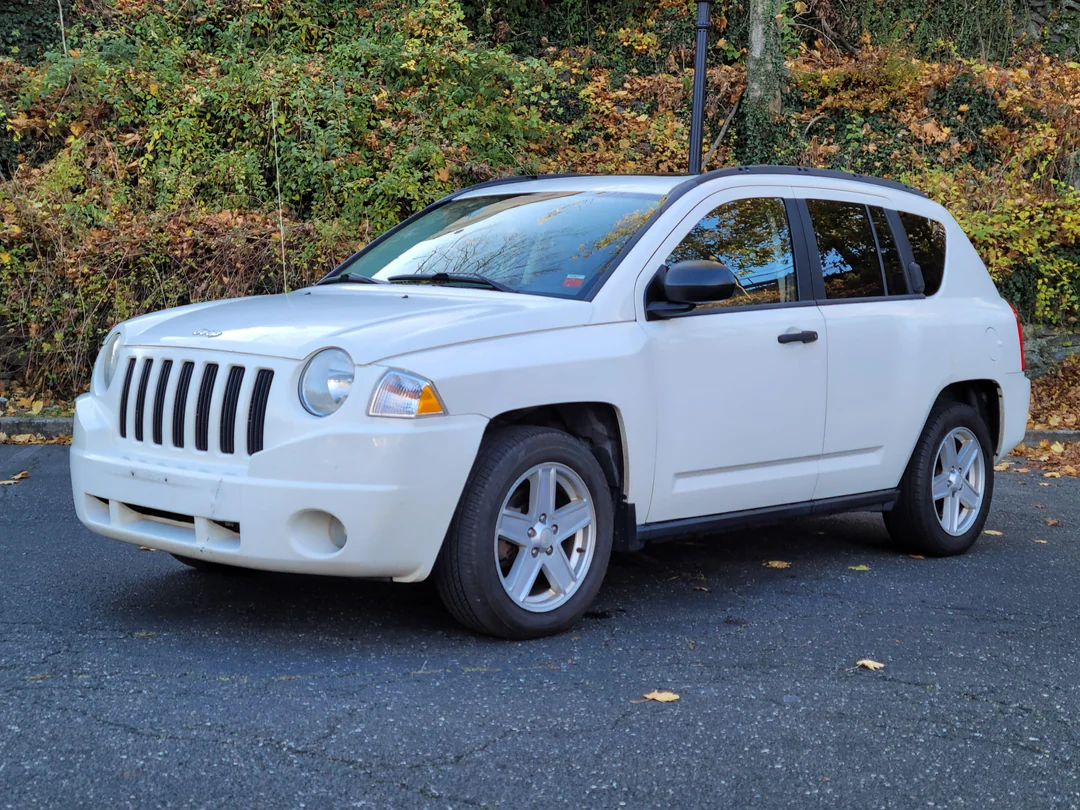
1. 2007 Jeep Compass – A Problematic Debut
The 2007 Jeep Compass marked the first year of the model, but instead of establishing itself as a reliable compact SUV, it quickly gained a reputation for major flaws. The most concerning issue was the suspension, with control arms and related parts failing prematurely and, in some cases, snapping while driving.
This caused steering problems and put drivers at serious risk of losing control. Even after repairs, many owners reported the same issues recurring. Electrical failures were another major frustration, leading to malfunctioning systems and costly fixes. On top of this, early corrosion on the subframe raised doubts about the vehicle’s durability.
These compounded problems earned the 2007 Compass widespread criticism, with many labeling it one of Jeep’s worst-performing vehicles. Despite being an affordable entry point into the SUV market, its dangerous flaws and repeated reliability complaints made it a year buyers were warned to avoid.
2. 2008 Jeep Compass – Slight Improvements with Lingering Issues
The 2008 Jeep Compass showed some progress compared to its troubled debut year, but problems still persisted. Owners frequently reported failures in tie rods and control arms, similar to the previous model. Many drivers faced the frustrating experience of replacing these parts multiple times, often as early as 50,000 miles.
Another critical concern was the engine stalling unexpectedly while driving, including reports of the SUV shutting down on highways. These issues raised significant safety concerns, as sudden stalls increased the risk of accidents in high-speed traffic. Although Jeep worked to refine the Compass, these recurring flaws undermined confidence in the vehicle’s reliability.
On the positive side, some improvements in design and comfort made the SUV slightly more appealing than the 2007 model, but mechanical weaknesses still kept it from being a strong choice. Ultimately, the 2008 Compass remained a year buyers approached cautiously due to unresolved durability problems.
3. 2012 Jeep Compass – A Step Forward with Persistent Flaws
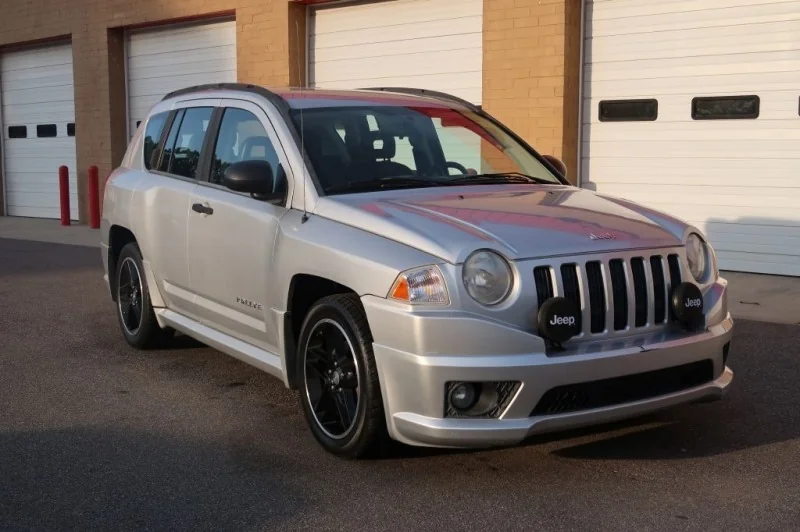
By 2012, Jeep had refined the Compass into a more polished compact SUV, but reliability concerns still surfaced. One of the most common problems was brake grinding, producing a loud, unsettling noise when stopping.
While this issue wasn’t always a critical safety risk, it affected daily driving comfort and required frequent attention. More concerning, however, was the recurrence of TIPM (Totally Integrated Power Module) failures, a problem that had plagued other Jeep vehicles.
When the TIPM failed, drivers experienced a range of erratic behaviors: stalled engines, horns blaring without cause, faulty power windows, and airbags not deploying. These issues made ownership unpredictable and undermined trust in the vehicle.
Compared to earlier years, the 2012 Compass was less problematic overall, but these mechanical and electronic flaws remained inconvenient and expensive for owners. For buyers seeking long-term reliability, the 2012 Compass was far from an ideal pick despite its refinements.
4. 2014 Jeep Compass – Fewer Issues but Still Flawed
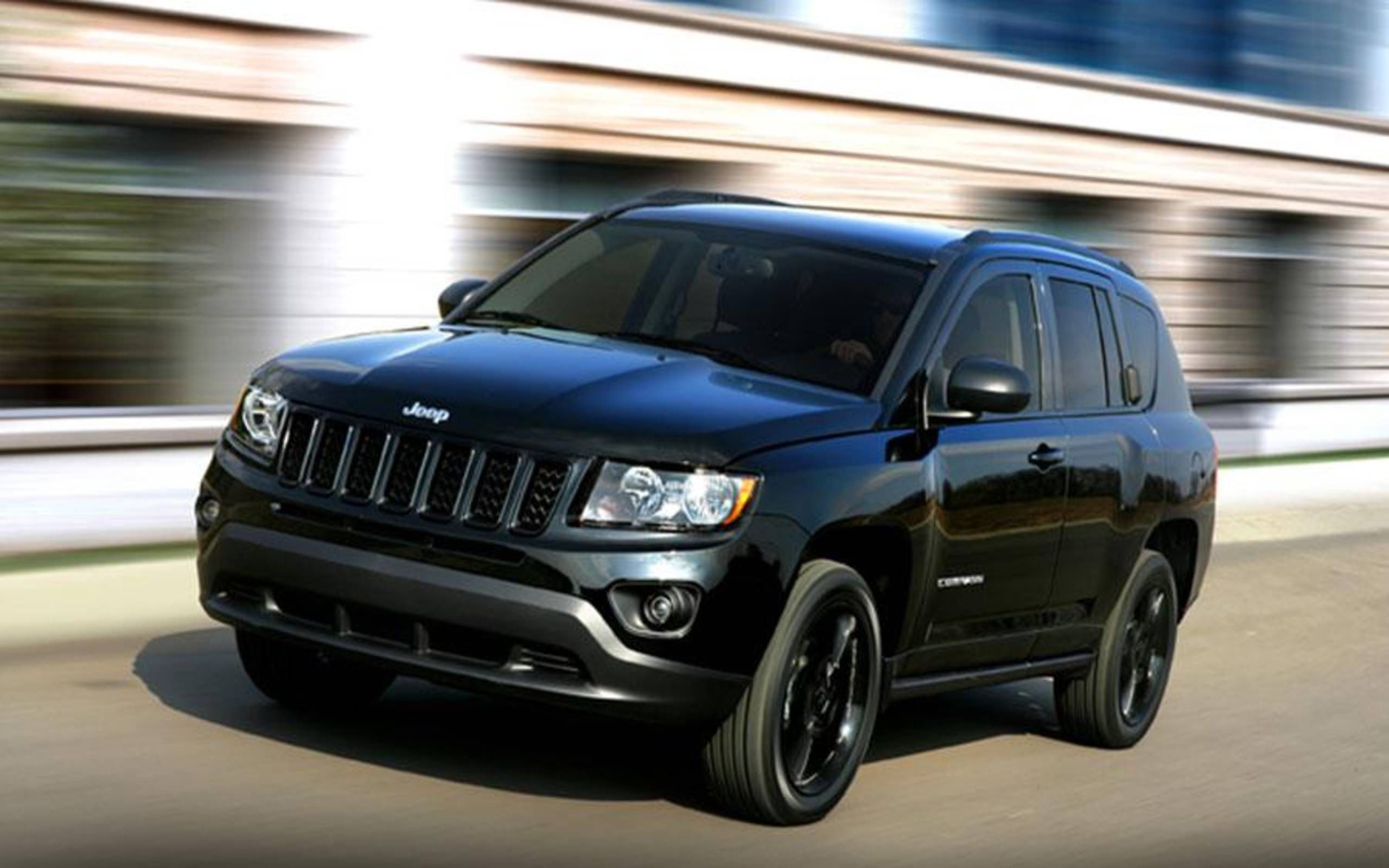
The 2014 Jeep Compass was a more stable option compared to earlier years, yet it still earned its place among models to avoid. One of the most reported issues was an irritating loud noise coming from the rear brakes.
While not life-threatening, the noise was distracting and had no permanent fix, with many owners reporting it as early as 10,000 miles. Another prevalent problem was the failure of the Wireless Control Module (WCM), which caused the SUV to not crank or start.
This also disrupted the remote keyless entry system, leaving drivers unable to unlock or operate their vehicles properly. While the 2014 Compass did not face catastrophic engine or suspension failures like its predecessors, these persistent quality-control issues eroded its appeal.
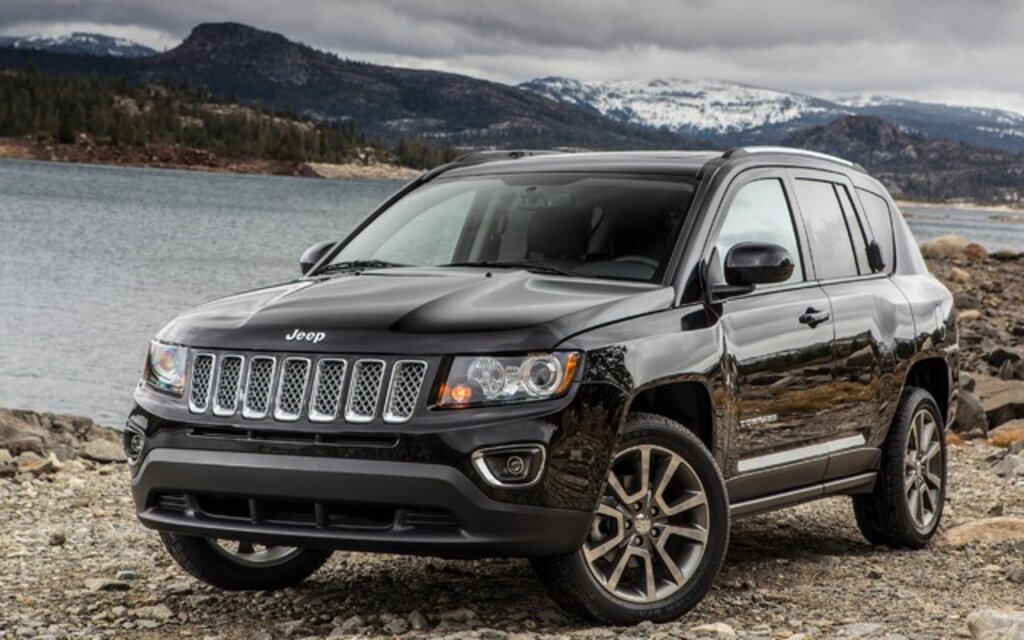
Buyers looking for a dependable compact SUV still found more consistent options elsewhere, leaving the 2014 Compass a year marked by frustration rather than confidence.
5. 2018 Jeep Compass – Second Generation, New Problems
The second generation of the Jeep Compass was expected to redeem the model, but the 2018 release disappointed many owners with serious flaws. The most dangerous issue was the engine shutting down without warning, often while the SUV was in motion.
Some reports described the emergency brake engaging during these shutdowns, nearly causing collisions. The National Highway Traffic Safety Administration (NHTSA) logged over 840 complaints for the 2018 Compass all-wheel-drive model, with more than half related to engine problems.
To make matters worse, there were six official recalls addressing various issues, from electrical malfunctions to fuel system defects. While the 2018 Compass offered updated styling, modern technology, and a more refined interior, its unpredictable reliability overshadowed these benefits.
For many, the safety risks outweighed the SUV’s improvements. As a result, the 2018 Compass joined earlier troubled years on the list of models that buyers were strongly advised to avoid.
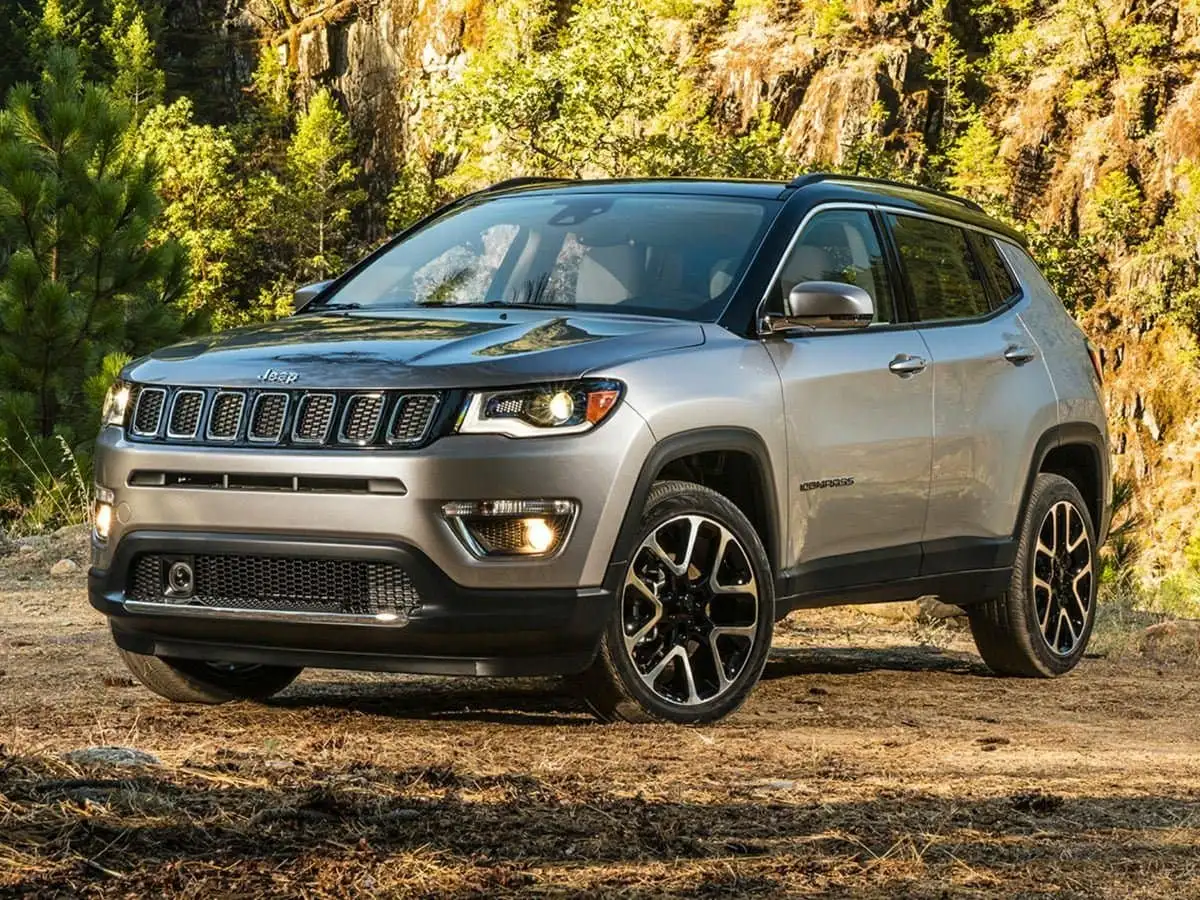
The Jeep Compass may not always have been a class leader, but its evolution over the years has produced some solid models that balance affordability, capability, and everyday practicality.
From the refined updates of the 2009 Compass to the modern technology and safety improvements of the 2022 version, these standout years prove the model’s potential when Jeep got things right. On the other hand, troubled years like 2007 and 2018 remind buyers of the importance of doing their research before committing.
Ultimately, the right Jeep Compass can deliver plenty of value especially for those who appreciate Jeep’s rugged character in a smaller, more budget-friendly package.
By focusing on the best years and avoiding the problematic ones, you’ll have a much better chance of enjoying a Compass that provides reliability, comfort, and the adventurous spirit that the brand is known for.
Also Read: 10 Cars With Tricky Seatbelt Buckles for Elderly Passengers