
The Ford Edge has built a reputation as one of the most reliable and versatile midsize SUVs in its class, striking a balance between performance, comfort, and practicality. Whether used as a daily commuter, a family hauler, or a road trip companion, the Edge delivers consistent capability. However, like any vehicle, its longevity and dependability are directly tied to how well it’s maintained.
Many Ford Edge owners make the mistake of believing that basic servicing is enough to keep problems at bay, but the truth is that proactive maintenance habits are what prevent small issues from snowballing into costly repairs.
From its turbocharged EcoBoost engines to its advanced electronics and all-wheel-drive system, the Ford Edge relies on a combination of traditional mechanical components and modern technology.
Neglecting routine care in either area can compromise the SUV’s performance, fuel efficiency, and safety. On the flip side, adopting the right habits not only ensures the Edge remains dependable but also preserves its resale value and minimizes ownership costs over time.
The difference between an Edge that easily surpasses 150,000 miles and one that struggles with repeated shop visits often comes down to consistency in maintenance.
Replacing fluids at the right intervals, inspecting wear-prone parts before they fail, and understanding the SUV’s unique needs are all crucial steps. Each maintenance habit not only saves you from unexpected breakdowns but also makes driving smoother and more enjoyable.
In this guide, we’ll explore eight essential maintenance habits that Edge owners should follow to avoid major repairs. Each practice focuses on key systems from the engine and transmission to brakes, cooling, and suspension providing clear insights into why these steps matter and how they extend the vehicle’s life. With the right care, your Ford Edge can remain a dependable, road-ready SUV for years to come.
8 Maintenance Habits That Save a Ford Edge From Major Repairs
Every Ford Edge owner knows that unexpected repairs can quickly turn a great SUV into a financial burden. But the reality is that many of these costly breakdowns are preventable with consistent maintenance.
By staying on top of routine care, you protect the most expensive components engine, transmission, cooling system, and electronics from premature wear. These habits also prevent cascading failures where a neglected issue leads to bigger and more expensive damage.
Proper care of your Ford Edge doesn’t just mean oil changes. It includes a well-rounded approach: protecting the transmission with regular fluid services, safeguarding the cooling system with timely flushes, keeping brakes responsive with inspections, and making sure tires are properly maintained for safety and fuel efficiency. It’s also about paying attention to filters, suspension components, and battery health items many owners overlook until problems arise.
When applied consistently, these eight maintenance habits transform the Edge from an SUV that’s “expensive to fix” into one that earns a reputation for reliability. Think of them as investments in peace of mind and long-term driving enjoyment.
ALSO READ: 5 Cars So Reliable They Appreciate vs 5 That Become Worthless Used
1. Regular Oil and Filter Changes
Oil is the lifeblood of your Ford Edge’s engine, and staying on top of oil and filter changes is arguably the most important habit you can practice. The Edge, particularly models equipped with EcoBoost turbocharged engines, places heavy demands on lubrication.
Turbochargers spin at extremely high speeds and generate significant heat, meaning that old, degraded oil can’t protect the system adequately. Neglecting oil changes leads to sludge buildup, premature wear on bearings, and potential engine failure a nightmare repair that costs thousands.

Ford recommends oil changes every 7,500 miles under normal driving conditions, but for drivers who face stop-and-go traffic, frequent towing, or extreme weather, shortening that interval to 5,000 miles is a safer bet.
Alongside oil, the filter plays a crucial role in trapping debris that could otherwise circulate through the system. Using a high-quality filter ensures maximum protection, while sticking with the correct grade of synthetic oil enhances fuel efficiency and engine longevity.
Beyond protecting the engine, timely oil changes help maintain smooth operation, prevent overheating, and sustain performance. Owners often notice improved throttle response and quieter engine noise after a fresh oil change. Considering the relatively low cost of oil service compared to the potential price of engine repairs, this is one habit that pays for itself many times over.
Simply put, regular oil and filter changes are the foundation of long-term reliability. Skipping them is like gambling with your Edge’s most expensive component. Stay consistent, and your Edge’s engine will easily outlast expectations.
2. Transmission Fluid Service
The transmission in a Ford Edge is a complex, finely tuned system that requires proper care to avoid costly failures. Whether your Edge is equipped with a traditional automatic or the more advanced eight-speed unit, the transmission fluid plays a critical role in keeping the gears lubricated, cool, and shifting smoothly.
Over time, this fluid breaks down from heat and friction, losing its protective qualities. If neglected, the result can be rough shifting, slipping, or complete transmission failure repairs that often exceed $4,000.

Ford’s guidelines often state transmission fluid can last up to 150,000 miles, but real-world conditions tell a different story. Many experienced mechanics recommend servicing the fluid every 60,000 miles, especially if you drive in stop-and-go traffic or use your Edge for towing. This proactive habit flushes out contaminants, replaces degraded fluid, and extends the life of key components like clutches and solenoids.
Owners who maintain their transmission fluid often report smoother performance and better fuel economy. In contrast, those who neglect it may face sudden, expensive breakdowns that could have been easily avoided. Unlike an oil change, transmission service isn’t always part of routine dealership maintenance, so Edge owners need to be deliberate about scheduling it.
Adding transmission fluid service to your regular maintenance plan not only protects one of the most expensive systems in your SUV but also ensures confident, seamless driving. Considering how vital smooth shifting is for everyday comfort and safety, this is a habit no Edge owner should overlook.
3. Cooling System Flushes
The cooling system in your Ford Edge plays a vital role in protecting the engine from overheating, a problem that can cause catastrophic damage if left unchecked. The system circulates coolant through the radiator and engine, absorbing heat and keeping temperatures within safe limits. However, over time, coolant becomes contaminated and loses its ability to prevent corrosion, scale buildup, and overheating.
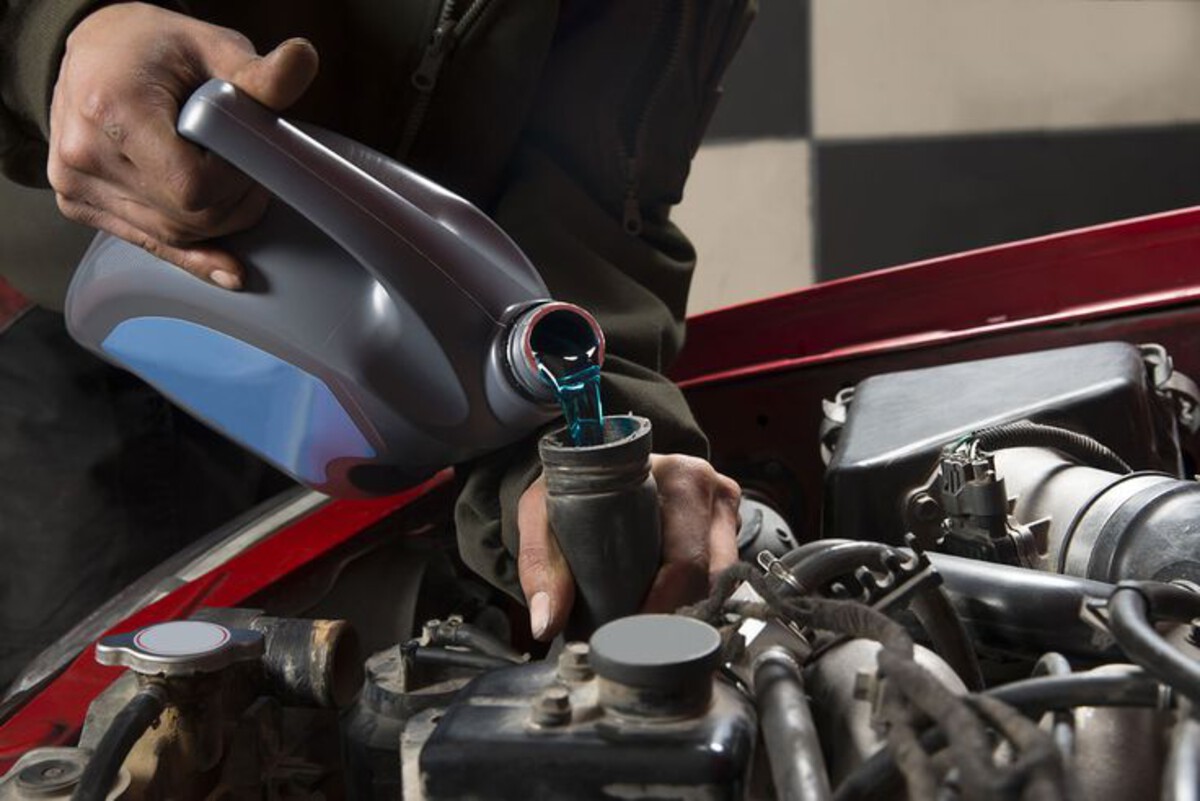
A neglected cooling system can result in warped cylinder heads, blown gaskets, or even complete engine failure. Repairs can run into several thousand dollars. Performing a cooling system flush every 60,000 to 100,000 miles, depending on your driving conditions, is an inexpensive yet highly effective way to prevent these issues. During the flush, old coolant is replaced with fresh fluid, and the system is cleared of debris and deposits.
Regular inspections of hoses, the water pump, and the radiator are equally important. Small leaks, if ignored, can escalate quickly and leave you stranded with a steaming engine. By making cooling system maintenance a habit, you’re not only extending the life of your Edge’s engine but also ensuring that your SUV runs smoothly and efficiently.
Drivers who stay ahead of cooling system care often experience consistent performance and avoid the sudden panic of an overheated engine on the highway. It’s one of those behind-the-scenes habits that doesn’t always show immediate benefits but pays off dramatically in the long run.
4. Brake Inspections and Maintenance
Your Ford Edge’s braking system is not only vital for safety but also for preventing expensive damage to other components. Brakes endure significant stress, particularly in SUVs, which are heavier than sedans and often used for family hauling or long trips. Over time, brake pads wear down, rotors become warped, and calipers may seize if neglected.
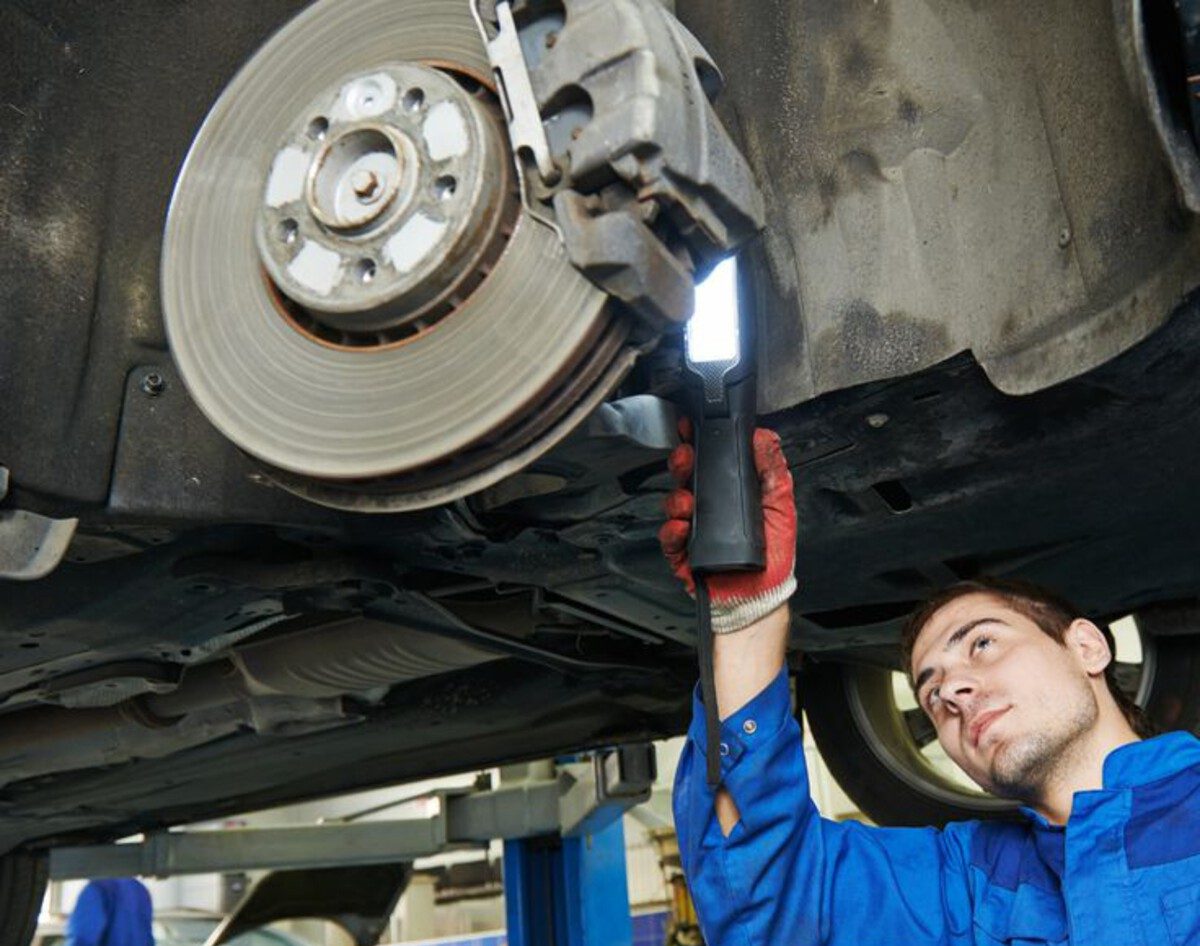
Regular brake inspections should be performed at least once a year, or every 12,000 miles, to catch issues early. Replacing worn pads before they wear down completely prevents damage to rotors, which cost considerably more to replace.
Similarly, keeping an eye on brake fluid levels and condition is crucial. Old fluid absorbs moisture, leading to corrosion in brake lines and reduced stopping performance. A brake fluid flush every 2 to 3 years keeps the system responsive and reliable.
For Edge owners, properly maintained brakes mean shorter stopping distances, greater confidence on the road, and fewer surprise expenses. Neglected brakes, on the other hand, can escalate into multi-thousand-dollar repairs if rotors, calipers, or master cylinders are damaged.
Making brake maintenance a habit isn’t just about saving money; it’s about ensuring the safety of everyone in your vehicle. A well-cared-for braking system gives your Edge the stopping power it needs to handle emergencies with ease, protecting both your SUV and your peace of mind.
5. Tire Care and Alignment
Your Ford Edge’s tires are the only contact point between the SUV and the road, which means their condition directly affects safety, performance, and even fuel economy. Unfortunately, many owners underestimate just how important tire maintenance is to long-term reliability. Neglected tires not only wear unevenly but also place unnecessary stress on suspension and steering components, which can lead to expensive repairs down the line.

The first key habit is regular tire rotation, ideally every 6,000 to 8,000 miles. Rotating ensures even tread wear, extending the life of all four tires and preventing premature replacement. Next comes wheel alignment, which should be checked at least once a year or anytime you notice uneven tread, the vehicle pulling to one side, or vibrations at highway speeds. Proper alignment doesn’t just protect tires; it also reduces wear on ball joints, tie rods, and other suspension parts.
Equally important is maintaining correct tire pressure. Underinflated tires hurt fuel efficiency and overheat more quickly, while overinflated tires wear unevenly and compromise grip. Checking pressures monthly, especially before long trips, keeps the Edge safer and more efficient.
By keeping tire care and alignment a priority, Edge owners save money by avoiding premature replacements, improve fuel economy, and ensure their SUV handles predictably in all conditions. Tires might seem like a simple component, but when properly maintained, they preserve the integrity of multiple systems across the vehicle.
ALSO READ: 5 Cars With Solid Center Consoles vs 5 With Flimsy Storage Bins
6. Battery and Electrical System Checks
The Ford Edge features a modern electrical system that powers everything from advanced infotainment to driver-assist technologies. At the heart of it all is the battery. A weak or neglected battery not only leaves you stranded but can also stress sensitive electronics and alternator components. With so much technology in the Edge, ensuring consistent electrical power is essential to avoid malfunctions and costly replacements.
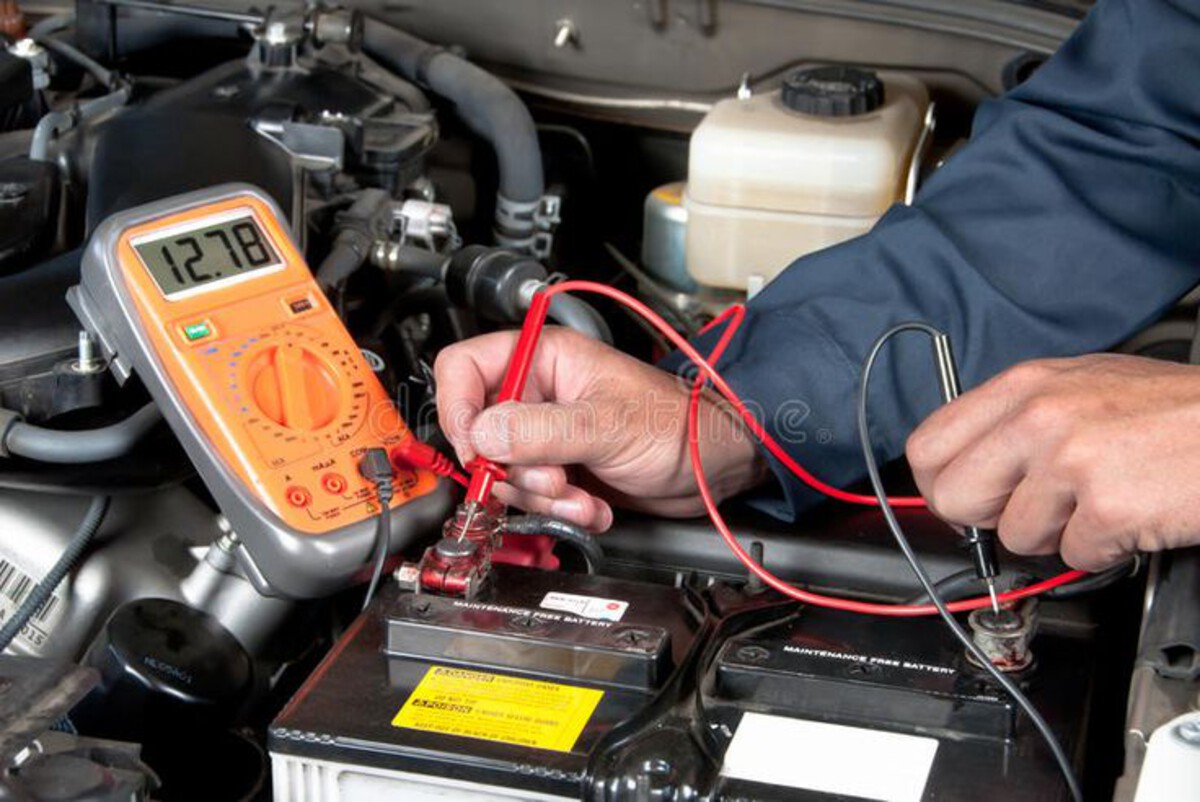
Batteries typically last three to five years, depending on climate and driving conditions. Regular inspections should include checking for corrosion on terminals, ensuring secure connections, and testing charge levels. Many Edge owners make the mistake of waiting until the battery completely fails, often at the worst possible time. Proactive replacement before failure prevents stress on the alternator and avoids the risk of electrical glitches.
Equally important is ensuring the alternator and starter system are in good health. These components work harder when the battery is weak, and neglecting them can lead to costly failures. Keeping the battery clean and terminals treated with anti-corrosion spray adds years of dependable service.
Modern SUVs like the Edge rely heavily on electronics. A failing battery can cause flickering lights, malfunctioning sensors, or even warning lights that mimic more serious problems. Consistent checks and timely replacements eliminate these headaches.
By treating the battery and electrical system as part of your routine maintenance, you ensure that everything from engine starting to navigation and safety systems runs without interruption. It’s a small habit with significant rewards in reliability.
7. Suspension and Steering Care
The suspension and steering systems of the Ford Edge are designed to deliver a smooth, controlled ride while handling the weight of a midsize SUV. Over time, parts like shocks, struts, ball joints, and tie rods wear down, especially if you frequently drive on rough roads.
Neglecting suspension maintenance doesn’t just affect comfort; it can lead to accelerated tire wear, alignment issues, and damage to other expensive components.
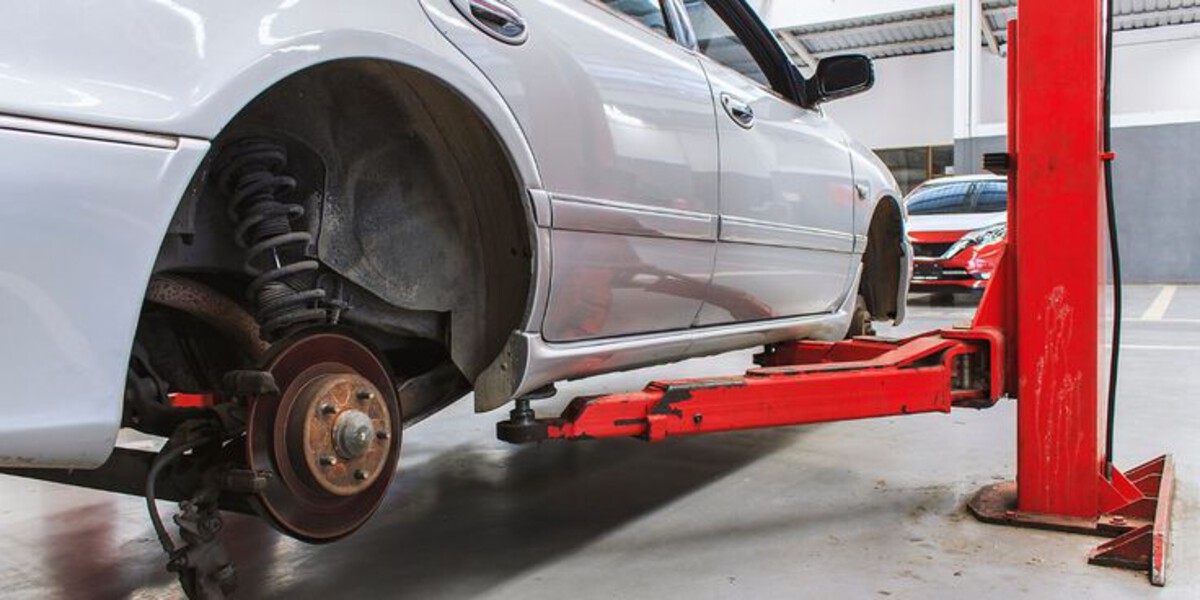
One important habit is having the suspension inspected during regular service intervals. Look out for signs like uneven tire wear, clunking noises over bumps, or excessive bouncing after hitting potholes. Replacing worn shocks or struts early prevents additional strain on the vehicle’s frame and other steering components.
Steering care is equally critical. A loose or unresponsive steering wheel may indicate worn tie rods or a failing rack-and-pinion unit, both of which can escalate into costly repairs if ignored. Keeping up with power steering fluid checks (in older models) or ensuring electronic power steering systems are inspected prevents breakdowns and maintains safety.
Owners who consistently monitor suspension and steering enjoy a smoother ride, longer tire life, and fewer repair surprises. By treating these systems with the same importance as engine or transmission care, you safeguard both comfort and control.
In short, suspension and steering maintenance doesn’t just save money, it ensures your Edge handles with the confidence and stability Ford engineered it to deliver.
8. Filter Replacements (Air, Cabin, Fuel)
Filters may seem like small, inexpensive parts, but neglecting them can cause a domino effect of costly issues in a Ford Edge. The engine air filter, for instance, prevents dirt and debris from entering the engine.
A clogged filter restricts airflow, reducing fuel efficiency, increasing emissions, and straining the engine unnecessarily. Replacing it every 15,000 to 30,000 miles ensures the engine breathes freely and performs as intended.
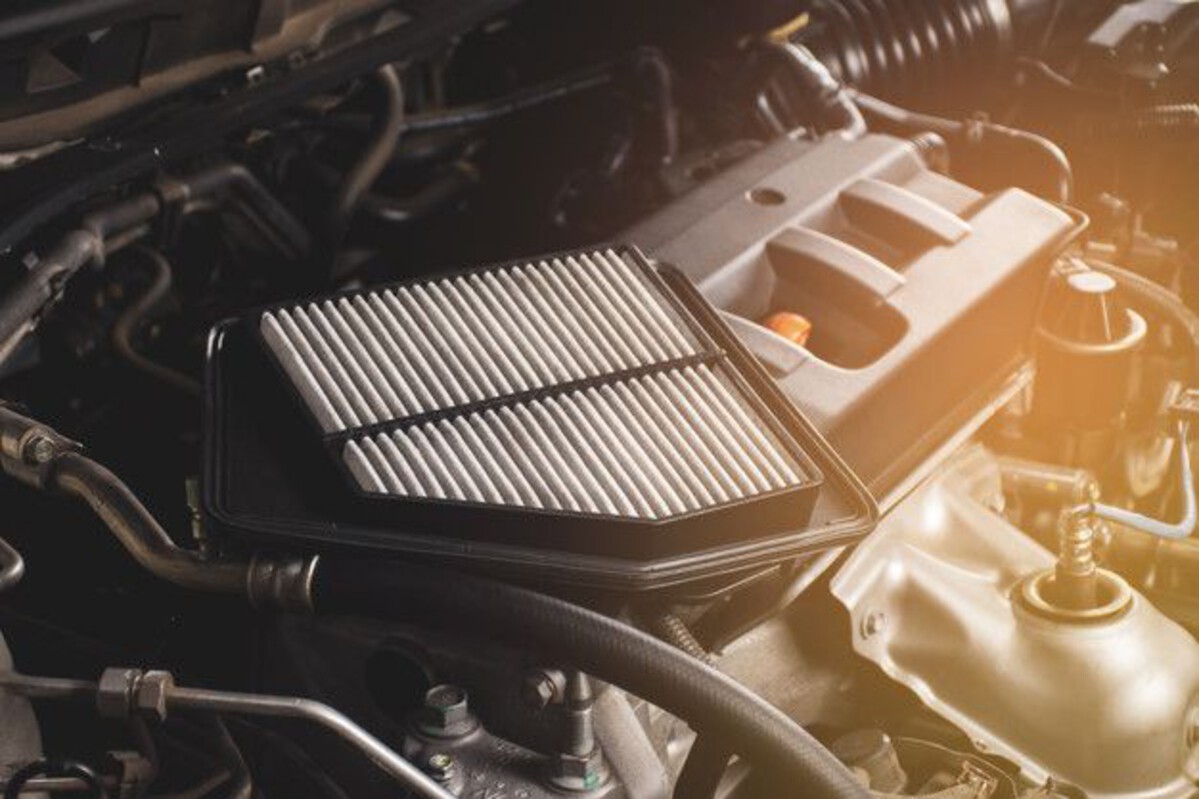
The cabin air filter, while not directly tied to mechanical performance, plays a big role in comfort and health. It traps dust, pollen, and pollutants before they enter the cabin. Ignoring it leads to poor air quality and can overwork the HVAC system, eventually stressing the blower motor.
Perhaps most critical is the fuel filter (in models that still use them). This component ensures clean fuel reaches the engine by blocking contaminants that could clog injectors or damage the fuel pump. If neglected, it can cause stalling, reduced performance, and expensive injector replacements.
Replacing filters is among the simplest maintenance habits, but delivers outsized benefits. Clean filters enhance efficiency, extend the life of expensive systems, and improve everyday driving comfort. Keeping them on a replacement schedule is a low-cost investment with high returns.
For Edge owners, filters are the unsung heroes of reliability. Overlooking them can shorten the lifespan of major systems, but replacing them regularly keeps everything running at peak performance.
The Ford Edge was engineered to offer a balance of performance, practicality, and comfort, but no vehicle can thrive without consistent care. Major repairs rarely happen overnight; they’re usually the result of months or even years of overlooked maintenance. The eight habits outlined here are not complicated, but they form a strong defense against costly breakdowns.
Regular oil changes keep the engine protected. Transmission fluid service preserves smooth shifting. Cooling system flushes prevent overheating. Brake inspections maintain safety and prevent cascading damage.
Tire care ensures stability and preserves suspension health. Battery and electrical checks keep technology reliable. Suspension and steering care protect both comfort and control. Finally, filter replacements safeguard efficiency and extend the life of multiple systems.
When practiced consistently, these habits turn the Edge into a dependable companion capable of lasting well past 150,000 miles with minimal headaches. They also save owners from the stress and financial strain of unexpected shop visits. Just as importantly, they maintain driving enjoyment, keeping the Edge smooth, responsive, and ready for whatever the road demands.
Owning an SUV like the Ford Edge is an investment. By adopting these eight habits, you’re not just avoiding major repair,s you’re securing long-term value, safety, and confidence behind the wheel.
The difference between an Edge that struggles with reliability and one that builds a reputation for endurance isn’t luck it’s maintenance discipline. With the right care, your Edge will continue delivering comfort, performance, and security for many years to come.