
The Toyota 4Runner has long been celebrated as one of the toughest and most reliable SUVs ever built. Known for its body-on-frame construction, off-road capability, and near-indestructible engineering, the 4Runner has earned a loyal following worldwide.
Whether it’s trekking through rugged mountain passes, handling desert heat, or enduring years of daily commutes, the 4Runner has proven itself time and time again. However, like any machine, its longevity depends on how well it is cared for. Even the most rugged vehicle can only deliver peak performance if the owner gives it the attention it deserves.
A well-maintained 4Runner can easily surpass 300,000 miles without major issues. In fact, many examples on the road today have crossed half a million miles, still going strong thanks to careful upkeep and proper driving habits.
The secret to achieving that kind of durability isn’t just about routine oil changes. It’s about understanding the specific needs of the 4Runner its drivetrain, suspension, frame, and electrical systems and addressing them with proactive care.
The good news? Keeping a Toyota 4Runner rock-solid forever isn’t complicated. It comes down to a combination of preventative maintenance, smart modifications, and practical habits that preserve its legendary toughness. Whether you’re a weekend adventurer, a daily commuter, or an off-road enthusiast, these pro tips will help you get the most out of your SUV.
In this article, we’ll break down ten professional-level tips that owners swear by to ensure their 4Runner stays solid for decades. From simple maintenance routines to strategic upgrades, these tips cover every aspect of ownership. Follow them consistently, and you’ll have a 4Runner that not only maintains its strength but also holds its value and reputation as one of the greatest SUVs ever built.
10 Pro Tips That Keep a Toyota 4Runner Rock-Solid Forever
The Toyota 4Runner isn’t just another SUV it’s a symbol of reliability, durability, and adventure. But even the most rugged vehicle needs a strategy for long-term survival. Owning a 4Runner means embracing its strengths while also respecting its weak points. Every model, whether an older third-generation or a brand-new fifth-gen, benefits from thoughtful maintenance that goes beyond the basics.
These ten pro tips are designed for owners who want to maximize the life of their 4Runner. They focus on real-world practices things experienced mechanics, off-roaders, and long-term owners already know. From monitoring critical fluids to preventing frame rust, each tip provides a foundation for keeping your vehicle as tough as the day it rolled out of the factory.
What makes these tips “pro” is that they combine routine care with preventative thinking. Instead of waiting for problems, you stop them before they happen. Instead of letting wear and tear creep up, you strengthen weak points early. That’s what separates a 4Runner that struggles after 150,000 miles from one that keeps going strong well past 300,000.
If you want your 4Runner to truly live up to its legendary status, these ten strategies are the roadmap. Let’s dive into them one by one.
ALSO READ: 5 Cars With Strong Seatbelts vs 5 With Low Quality Safety
1. Stay Ahead with Regular Oil and Fluid Changes
If there’s one rule to live by with your Toyota 4Runner, it’s this: never neglect your fluids. Oil, transmission fluid, coolant, brake fluid, and differential fluid are the lifeblood of your vehicle. Consistent changes not only keep components lubricated but also prevent harmful buildup and overheating.

Toyota designed the 4Runner’s engines, such as the 4.0L V6, to last hundreds of thousands of miles but only if they’re protected by clean oil. Stick to a schedule of oil changes every 5,000 miles (or 7,500 miles with synthetic oil). Skipping or stretching intervals puts unnecessary strain on the motor, accelerating wear.
The same principle applies to transmission and differential fluids. Off-road driving and towing put extra stress on these systems, making timely fluid changes even more important. Old fluid loses its protective properties, allowing gears and seals to deteriorate faster than they should. A neglected transmission can mean catastrophic repair bills, while a well-maintained one keeps shifting smoothly even after 250,000 miles.
Coolant and brake fluids are often overlooked, but both play critical roles. Coolant keeps your engine from overheating, while fresh brake fluid ensures consistent stopping power. Changing them at recommended intervals prevents internal corrosion and extends the lifespan of components.
Bottom line: fluids are cheap, engines and transmissions are not. Stay on top of them, and your 4Runner will thank you with decades of reliable service.
2. Prevent Frame Rust Before It Starts
One of the biggest threats to the Toyota 4Runner’s legendary longevity isn’t mechanical failure it’s rust. The body-on-frame design makes the SUV incredibly strong off-road, but that same steel frame is vulnerable to corrosion, especially in regions with harsh winters and salted roads. Left unchecked, rust can compromise structural integrity and even make the vehicle unsafe to drive.
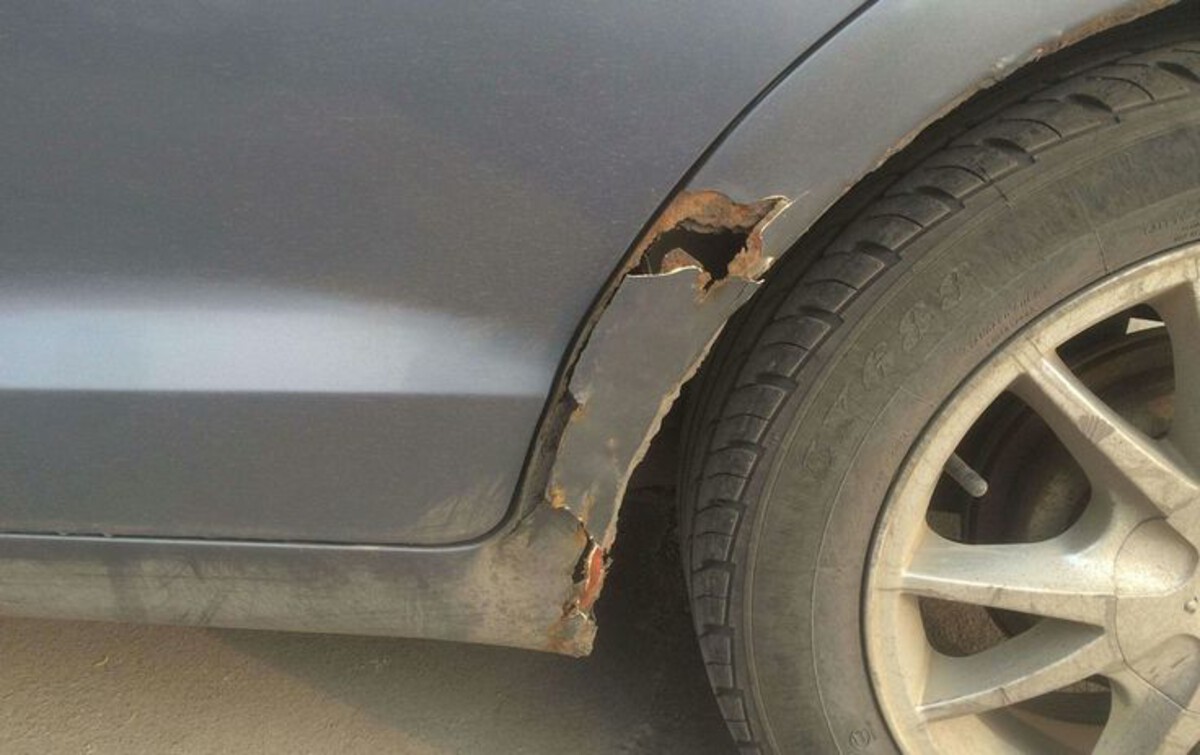
The key to beating rust is prevention. Start by washing your 4Runner regularly, paying special attention to the undercarriage. Road salt and mud tend to accumulate in hidden corners of the frame, rocker panels, and wheel wells. A thorough rinse after every winter drive goes a long way in stopping rust before it takes hold.
For extra protection, consider applying an undercoating or rust inhibitor. Products like Fluid Film, Krown, or oil sprays create a barrier that keeps moisture and salt away from the frame. Annual applications can add decades to the life of your SUV’s body.
If you already see surface rust forming, don’t ignore it. Sand it down, treat it with rust converter, and seal it with paint or protective coating. Small spots can be stopped in their tracks, but letting them spread could lead to expensive repairs.
A rock-solid 4Runner depends on a solid frame. Protect it early, and you’ll ensure your SUV stays strong for the long haul.
3. Service the Timing Belt and Water Pump on Schedule
For 4Runners equipped with timing belts, following the service interval is non-negotiable. A worn or broken timing belt can cause catastrophic engine failure, potentially bending valves and destroying the motor. Toyota typically recommends replacement every 90,000 to 100,000 miles. Ignoring it is gambling with the heart of your SUV.
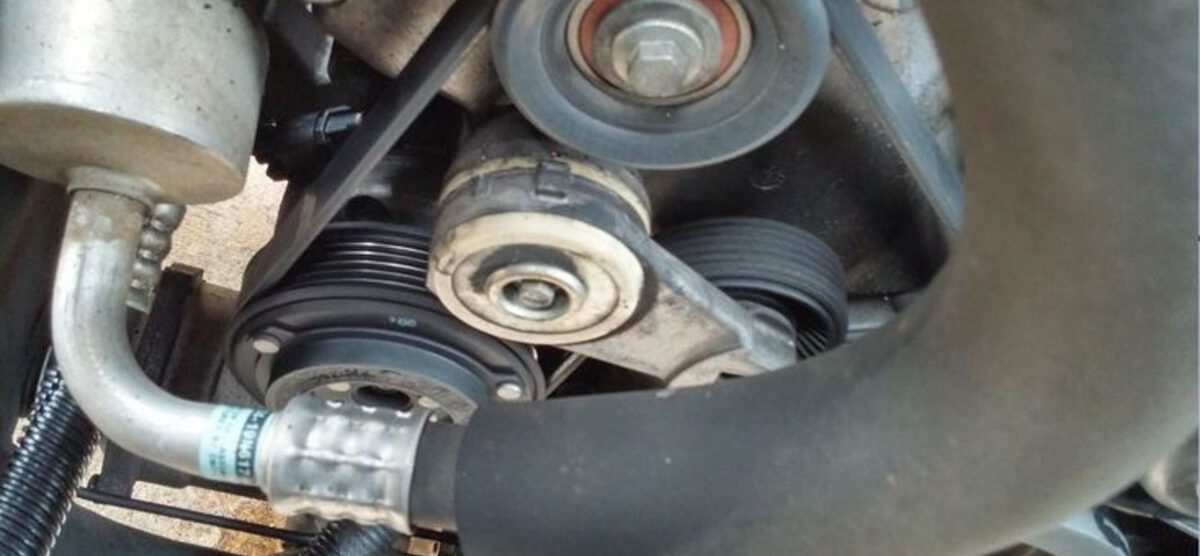
When you replace the timing belt, it’s wise to also replace the water pump, tensioners, and seals at the same time. Since all these components are located in the same area, it saves both time and labor costs. A failing water pump can lead to overheating, which is another fast way to shorten engine life. Doing this service as a package gives you peace of mind and ensures the system is fully refreshed for another 100,000 miles.
Newer 4Runners with timing chains require less frequent attention, but they’re not completely maintenance-free. Chains can stretch if oil changes are neglected, and tensioners can wear out. Keeping fresh oil in the engine is the best insurance for long-lasting timing chain performance.
Servicing your timing belt or chain on time is one of the smartest investments you can make. It may feel like a costly repair in the short term, but it’s far cheaper than rebuilding or replacing an engine.
4. Maintain the Suspension and Bushings
A solid suspension is what keeps the Toyota 4Runner both comfortable on-road and capable off-road. Over time, bushings, ball joints, shocks, and control arms wear out, leading to clunks, uneven tire wear, and sloppy handling. Ignoring these signs doesn’t just affect comfort; it compromises safety and long-term durability.
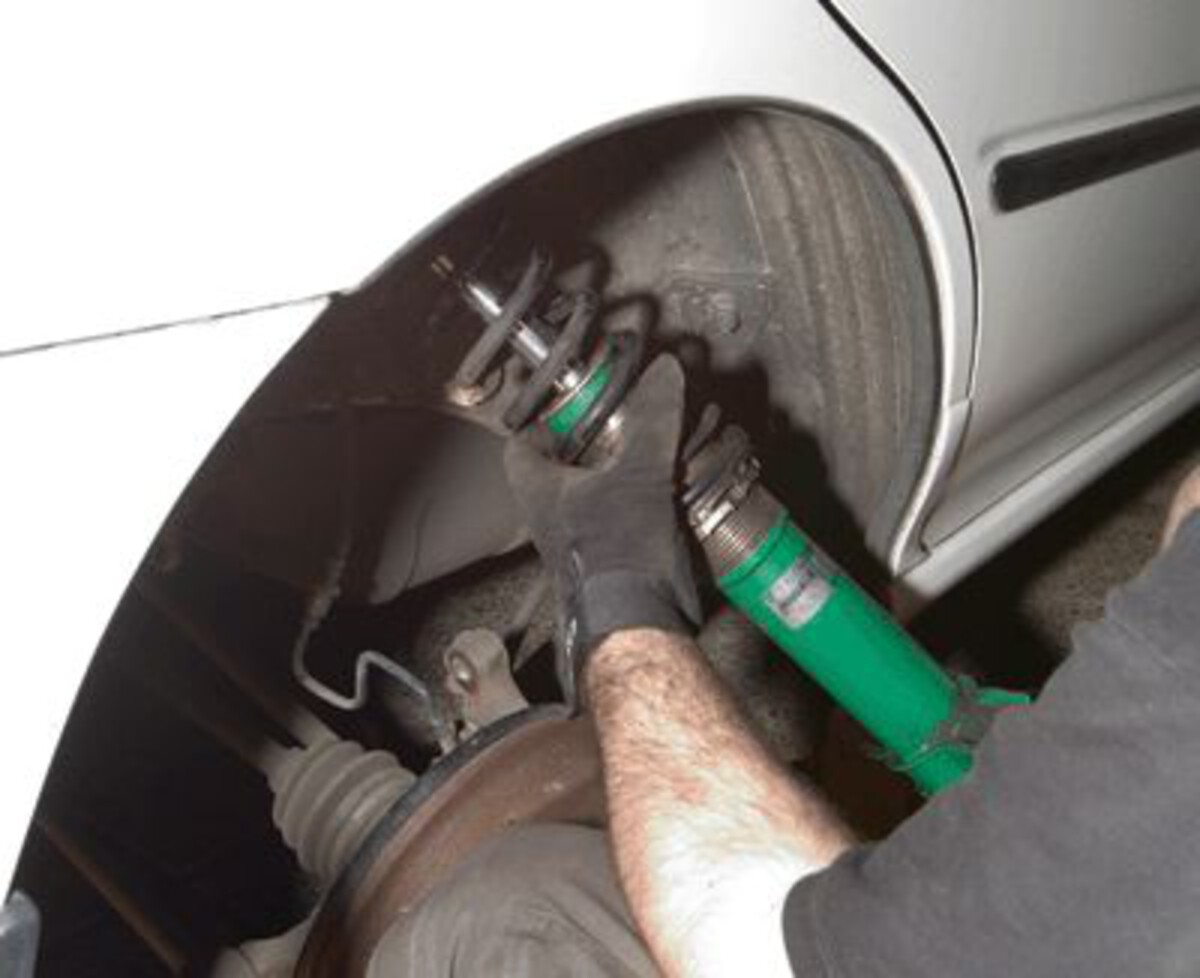
The 4Runner’s stock suspension is robust, but age and off-road abuse can take their toll. Pro owners know to inspect suspension components regularly. Bushings dry out and crack, especially in hot or cold climates. Replacing worn bushings with polyurethane or upgraded rubber versions keeps the suspension tight and responsive.
Shock absorbers are another critical piece. A failing shock reduces stability and puts extra stress on other components. Toyota’s OEM shocks are reliable, but many owners choose aftermarket upgrades like Bilstein or Old Man Emu for better off-road performance and longevity.
Keeping alignment in check is just as important. A misaligned suspension not only wears tires prematurely but also increases strain on steering and drivetrain components. Regular alignments, especially after lifting the 4Runner or replacing suspension parts, preserve handling and reduce stress on the frame.
Maintaining the suspension isn’t just about comfort, it’s about keeping the 4Runner rock-solid on every terrain. A strong suspension means less wear elsewhere and ensures your SUV remains as capable as ever.
5. Protect the Transmission with Proper Care
The automatic transmission in the Toyota 4Runner is built for durability, but only if treated with care. Too often, owners overlook transmission maintenance until problems arise and by then, it’s expensive. The secret to keeping it rock-solid lies in fluid changes and smart driving habits.
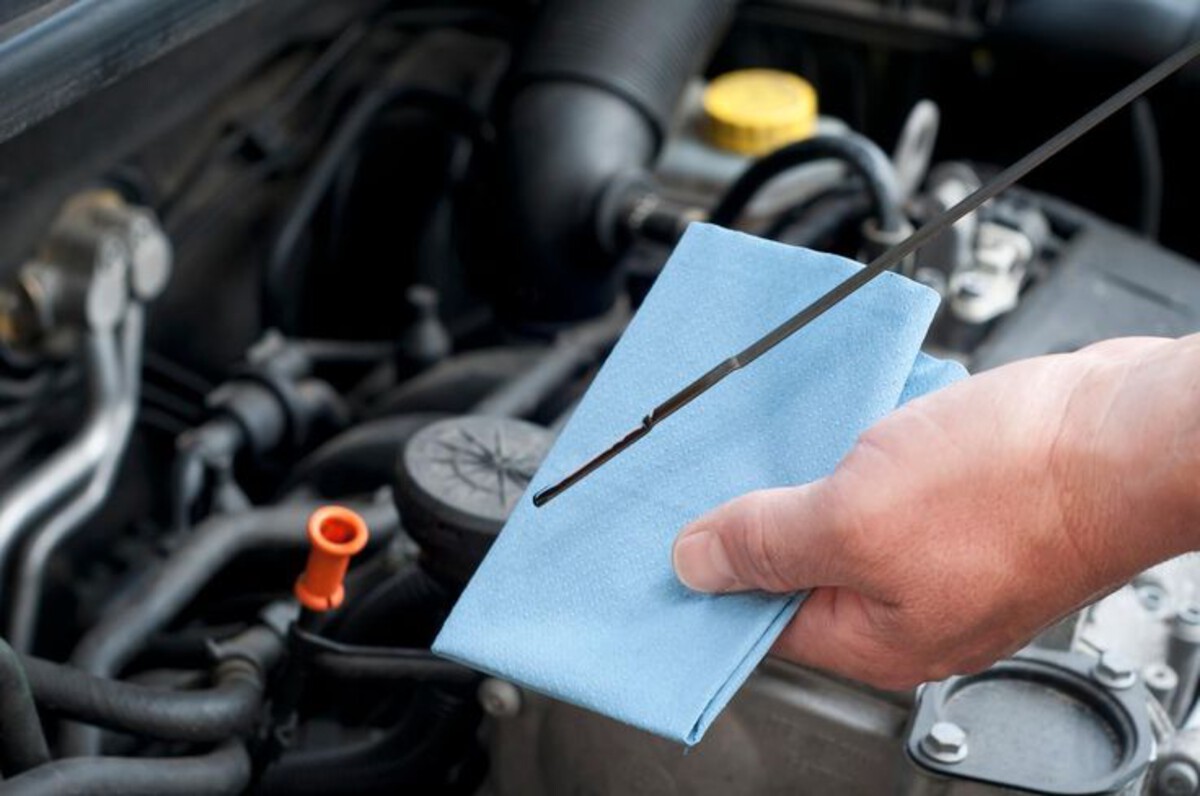
Transmission fluid should be replaced every 30,000 to 60,000 miles depending on driving conditions. Off-roading, towing, or frequent stop-and-go traffic accelerates fluid breakdown, meaning you’ll need shorter intervals. Fresh fluid keeps gears shifting smoothly and prevents overheating, one of the leading causes of transmission failure.
Another pro tip is to install an auxiliary transmission cooler if you frequently tow or off-road. Heat is the enemy of automatic transmissions, and a cooler helps dissipate it before damage occurs. It’s a simple upgrade that dramatically increases lifespan.
Driving habits matter too. Avoid aggressive shifting from reverse to drive without pausing. Give the transmission a moment to engage fully. When towing, use the proper gear selection to avoid unnecessary strain.
Finally, pay attention to signs of trouble slipping gears, delayed engagement, or unusual noises. Catching these early can mean the difference between a minor service and a full rebuild. Treat your transmission with respect, and it will reward you with hundreds of thousands of trouble-free miles.
ALSO READ: 5 Vehicles With Durable Window Switches vs 5 With Failing Controls
6. Keep the Cooling System in Top Shape
A healthy cooling system is vital to the 4Runner’s survival. Overheating is one of the fastest ways to shorten an engine’s life. The radiator, thermostat, water pump, and hoses all help keep temperatures steady under every condition, from city traffic to desert trails.
Coolant should be flushed every 50,000 miles or as recommended in the manual. Old coolant loses its corrosion inhibitors, allowing rust and scale to build up inside the radiator and engine passages. A simple flush prevents costly clogs and overheating issues.
Inspect hoses and belts regularly for cracks or leaks. A burst hose in the middle of nowhere can leave you stranded. Pro owners often carry spare hoses and clamps when off-roading, just in case.
The radiator itself should be inspected for leaks and cleaned periodically. Dirt, mud, and bugs can clog airflow through the fins, reducing efficiency. A quick rinse with low-pressure water keeps it working effectively.
If you drive in extreme conditions, consider upgrading to a heavy-duty radiator or adding an electric fan for extra cooling. These upgrades ensure your 4Runner stays cool even under maximum load.
Taking care of the cooling system isn’t glamorous, but it’s essential. Keep it healthy, and you’ll avoid one of the most common killers of high-mileage engines.
7. Use Quality Parts and Filters
One of the easiest mistakes 4Runner owners make is skimping on parts. Cheap aftermarket filters, brake pads, or sensors may save a few dollars up front but often cost far more down the road. A rock-solid 4Runner is built on quality components.
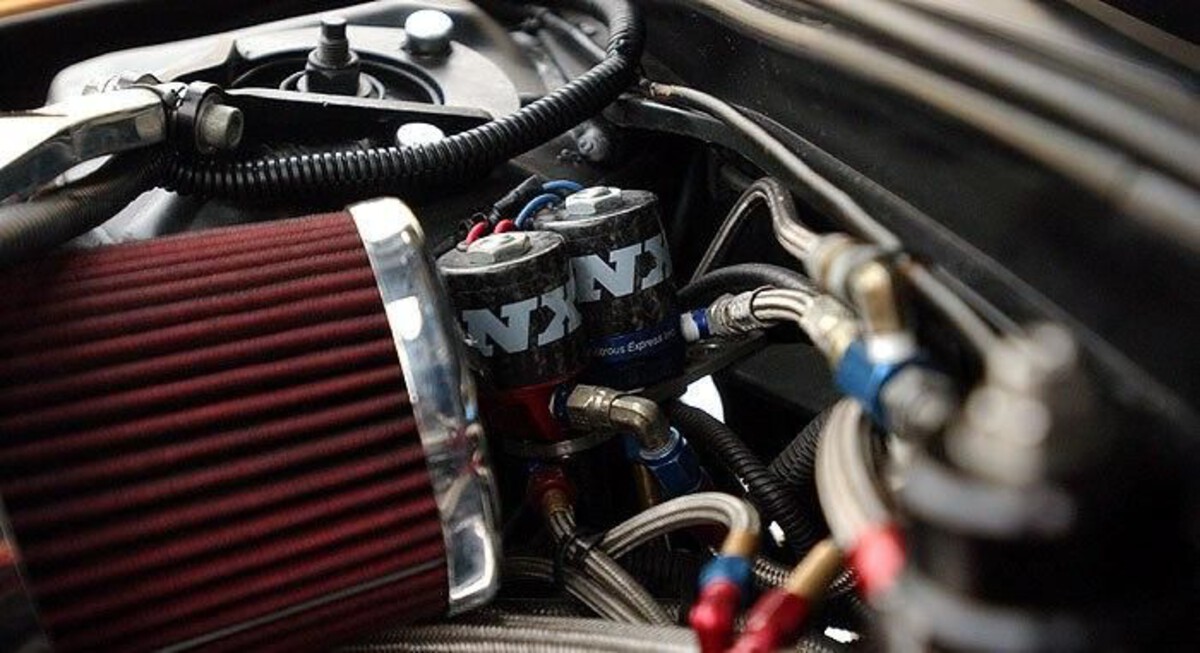
Toyota OEM parts are engineered for durability and fitment. While aftermarket options exist, not all meet the same standards. For critical systems like oil filters, air filters, and spark plugs, sticking to OEM or high-quality brands ensures reliability. Low-grade filters, for example, can allow contaminants into the engine, leading to premature wear.
Brake pads and rotors are another area where quality matters. Inferior pads wear quickly, create noise, and can even damage rotors. Upgrading to quality pads not only lasts longer but also improves stopping performance.
Even small components like cabin filters, wiper blades, and sensors make a difference. A clogged cabin filter strains the HVAC system, while faulty sensors can cause check-engine lights and poor fuel economy. Using trusted brands avoids these headaches.
In the end, the Toyota 4Runner deserves parts that match its reputation. Think of every replacement as an investment in the SUV’s future. High-quality parts keep everything working smoothly, reduce the risk of breakdowns, and preserve the 4Runner’s legendary reliability.
8. Grease the Drivetrain and Joints Regularly
The 4Runner’s body-on-frame design and 4WD system make it highly capable, but they also demand attention. Universal joints, drive shafts, and suspension components need regular greasing to stay healthy. Neglecting them leads to squeaks, vibrations, and premature wear.
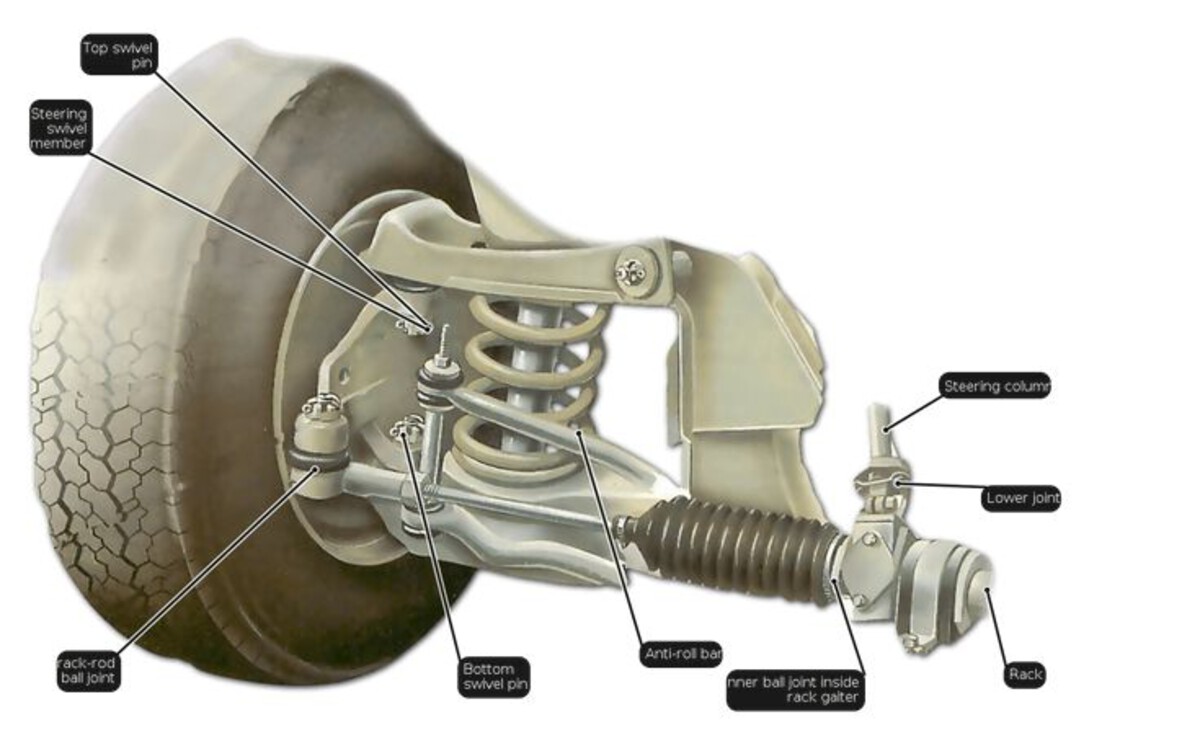
Toyota included grease fittings on many 4Runner models, particularly for the driveshaft and suspension. This is a blessing compared to many modern vehicles that use sealed joints. A simple grease gun and the right lubricant can extend the life of these parts indefinitely.
Greasing every 5,000 miles or sooner if you off-road frequently is a smart habit. Water crossings, mud, and dust wash away lubrication, leaving joints exposed. Without grease, metal grinds against metal, accelerating failure.
While greasing, take time to inspect for torn boots, leaks, or excessive play. Catching small issues early prevents big ones later. A bad U-joint, for example, can take out a driveshaft if ignored.
The drivetrain is the backbone of the 4Runner’s off-road strength. Keep it lubricated, and it will handle everything from mountain trails to highway cruising without complaint. Neglect it, and even this rock-solid SUV will start to feel shaky.
9. Stay on Top of Electrical and Battery Health
The Toyota 4Runner’s electrical system is simple compared to some modern SUVs, but that doesn’t mean it’s maintenance-free. A weak battery or corroded connection can cause starting problems, sensor errors, and even drivetrain issues. Pro owners make electrical health a priority.
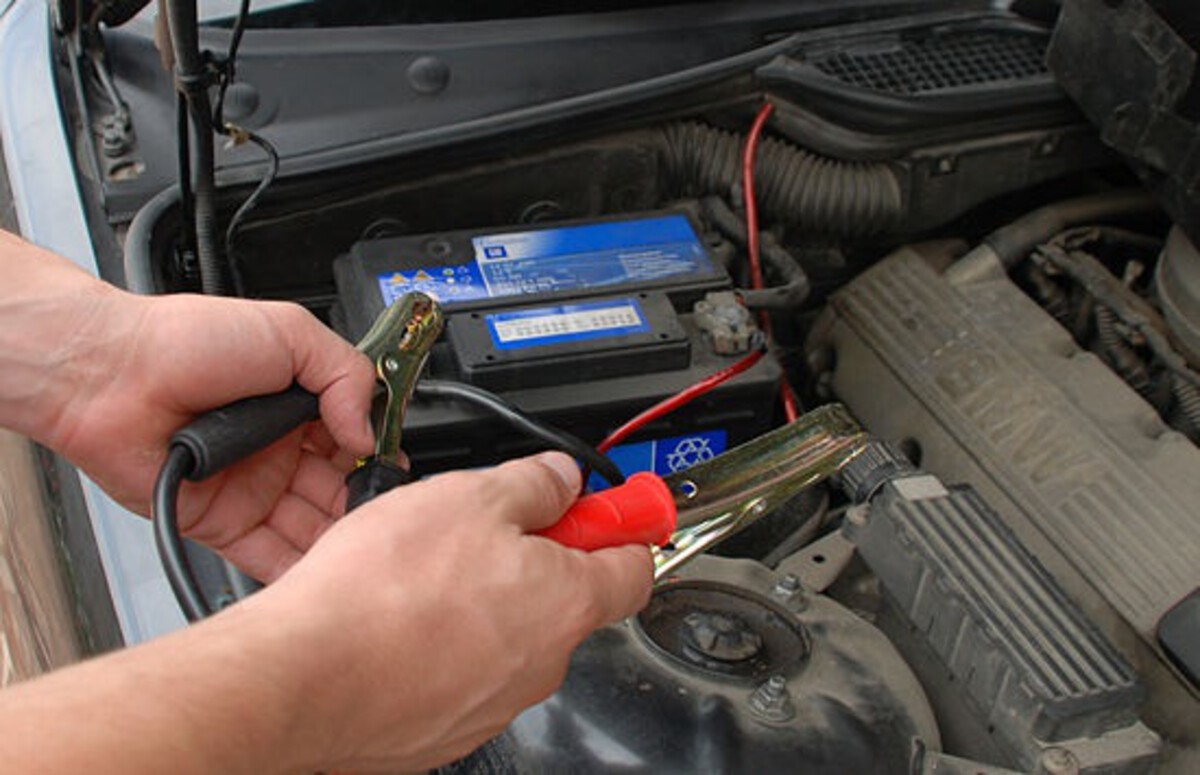
The battery should be checked regularly for voltage and terminal condition. Corrosion buildup on the terminals restricts current flow, leading to slow cranking and electronic malfunctions. Cleaning terminals and applying dielectric grease keeps connections strong.
The alternator and starter are also worth monitoring. A failing alternator may cause dimming lights or intermittent warning signals. Catching these signs early prevents a sudden breakdown.
Fuses and relays should be inspected if any accessory stops working. The 4Runner is known for solid electrical reliability, but age and vibration can loosen connections over time.
If you run aftermarket accessories such as light bars, winches, or upgraded audio use proper wiring and relays. Overloading factory circuits is a recipe for trouble. Installing an auxiliary fuse block is the professional way to manage added electronics.
A healthy electrical system ensures everything else works as intended. From the ignition system to off-road accessories, keeping power flowing smoothly is key to making your 4Runner rock-solid forever.
10. Drive Smart and Respect Its Limits
Perhaps the most underrated pro tip is simply driving smart. The Toyota 4Runner is built tough, but it isn’t invincible. How you drive plays a huge role in how long it lasts.
Avoid unnecessary abuse. Off-roading is what the 4Runner was designed for, but hitting obstacles recklessly or overloading the vehicle accelerates wear. Take the time to pick good lines, use proper 4WD techniques, and avoid pushing components past their limits.

On-road habits matter too. Hard acceleration, abrupt stops, and aggressive cornering put extra strain on the drivetrain, suspension, and brakes. Smooth driving not only conserves fuel but also preserves components.
Respecting maintenance intervals and addressing small problems immediately is another form of smart driving. Don’t ignore warning lights or unusual noises. Many catastrophic failures start as minor issues that were left unattended.
Lastly, know the 4Runner’s towing and payload limits. Exceeding them may seem manageable in the short term but leads to long-term stress on the transmission, suspension, and frame. Treat your SUV with respect, and it will give back in reliability.
The Toyota 4Runner rewards drivers who balance adventure with care. Drive smart, and it will stay rock-solid for generations.
The Toyota 4Runner has earned its reputation as one of the most durable SUVs on the planet, but its longevity is never an accident. It’s the result of consistent care, smart maintenance, and owners who understand what it takes to preserve a legend. Following these ten pro tips transforms the 4Runner from a dependable vehicle into a truly rock-solid machine that can last a lifetime.
Routine fluid changes, rust prevention, and timely servicing of critical components like the timing belt and water pump keep the engine and frame healthy. Suspension upkeep and drivetrain lubrication ensure it remains as capable off-road as it was on day one. Quality parts and attention to electrical health prevent small issues from becoming big ones. And above all, smart driving habits tie everything together, maximizing the benefits of every other step.
When these strategies are combined, the result is a 4Runner that doesn’t just reach high mileage it thrives there. It continues to haul, climb, and conquer long after many other vehicles have given up. Owners who commit to these habits often pass their SUVs down to the next generation, a testament to how long-lasting a 4Runner can be when treated right.
In a world where vehicles are becoming more disposable and complex, the Toyota 4Runner stands apart. It’s proof that simplicity, strength, and proper care create something timeless. If you want your 4Runner to remain rock-solid forever, these ten pro tips are your blueprint. Follow them, and your SUV won’t just survive it will build a legacy.