
Car owners often worry about how long their engines will last and how dependable they can be after many years of use. People want an engine that can take them far without breaking down too soon or losing strength quickly.
While some engines have built a reputation for long life and durability, others are known for giving trouble after just a few years. This difference has caused endless debates among drivers, mechanics, and auto enthusiasts, especially when it comes to affordable vehicles that most middle-income buyers go for.
Engines are the heart of every vehicle, and when they are weak or prone to damage, the whole car becomes unreliable. For many buyers, the search is always about finding an engine that combines good power delivery with long-lasting performance, yet still affordable to maintain.
Some car makers have managed to design engines that prove strong even with heavy daily use. These types continue to impress because they can handle stress and still give solid output after hundreds of thousands of miles.
Also, some engines begin to lose strength too early, sometimes because of poor engineering choices, excessive oil consumption, or parts that wear too fast. Knowing which engines last and which ones fail early is an important step for buyers who do not want to waste money.
An engine that lasts long saves the owner from frequent visits to the mechanic, reduces repair costs, and holds better resale value. Those who die young bring frustration, drain the wallet, and leave the driver stranded more often.
5 Affordable Engines That Stay Powerful
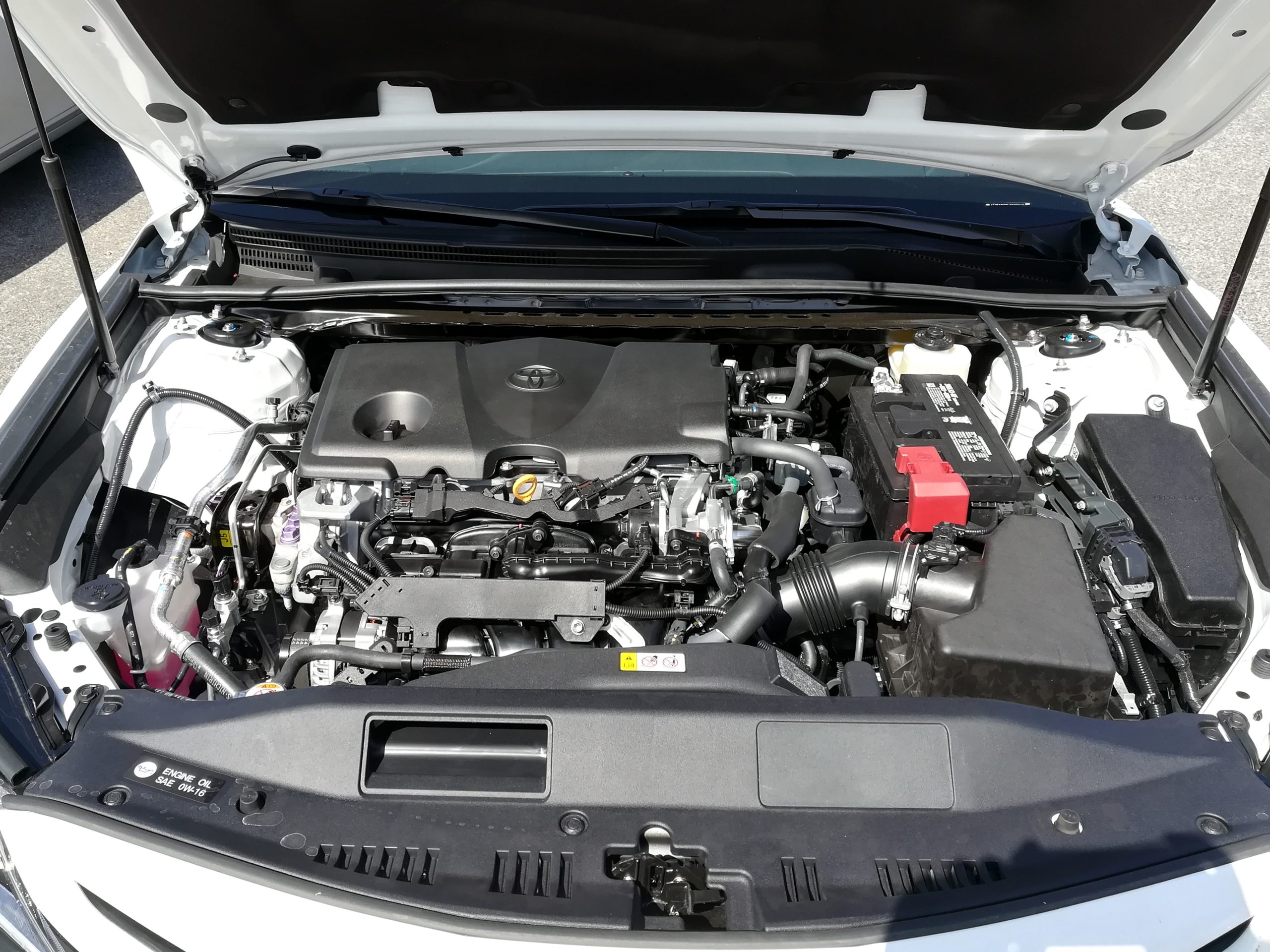
1. Toyota 2.5L 4-Cylinder
Toyota’s 2.5L 4-cylinder engine, often found in models like the Camry and RAV4, has built a strong reputation for dependability. Drivers who purchase cars with this engine often hold on to them for many years without facing heavy repair issues.
It is an engine that combines smooth running with fuel efficiency, and yet it maintains impressive power output for everyday driving. What makes this engine different from many others in its category is the ability to last well over 250,000 miles when serviced properly.
One of the main reasons this engine remains powerful is the solid engineering Toyota used in building it. The design avoids unnecessary complications that usually bring trouble to engines. Instead, it focuses on a balance of simplicity and performance.
Regular oil changes and timely maintenance are usually enough to keep it working well. Unlike some engines that burn oil excessively or develop major gasket problems, this 2.5L has shown that it can keep steady performance even after long highway drives and heavy city traffic.
Another reason people praise this engine is the cost of maintenance. Replacement parts are widely available and do not cost too much compared to some rival brands. Mechanics across the United States are also very familiar with this engine, which means repairs are straightforward and less expensive. Because of this, owners are not scared of unexpected breakdowns that will demand huge sums to fix.
When you look at power delivery, this 2.5L engine is strong enough to give good acceleration for family sedans and compact SUVs. It does not struggle with regular loads, and it can still push with confidence even when carrying extra passengers or luggage. Drivers often report that the engine keeps its smooth feel and quiet operation, which makes long journeys more enjoyable.
For buyers looking for an affordable engine that will not disappoint after years of use, the Toyota 2.5L 4-cylinder stands as a safe choice. It is not only powerful for its size but also reliable enough to reduce the stress of constant repairs. With proper care, it keeps its strength for many years, which is why it is listed among engines that stay powerful.
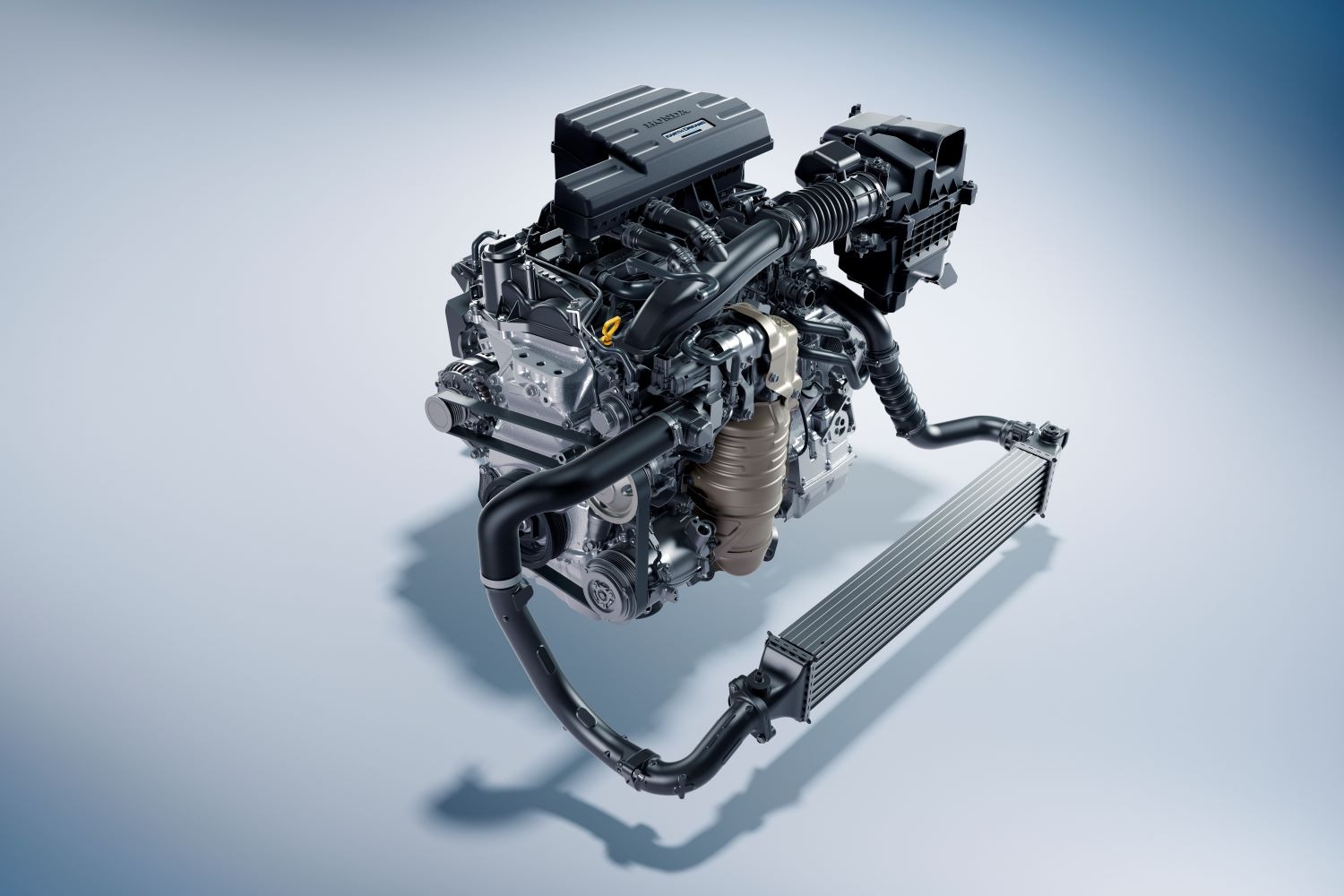
2. Honda 1.5L Turbocharged 4-Cylinder
Honda introduced its 1.5L turbocharged 4-cylinder engine in models like the Civic and CR-V, and as time goes on, it has proven that it can deliver both efficiency and strong performance. Even though some turbocharged engines are known to wear out quickly, Honda worked carefully on this design to make sure it remains dependable while still giving drivers the fun of extra boost.
What makes this engine stand out is the balance between power and fuel economy. For a small displacement engine, it produces impressive horsepower that makes driving more engaging. At the same time, fuel consumption stays low, which attracts drivers who want both performance and savings.
Despite being turbocharged, which often means more stress on components, the Honda 1.5L has shown that it can stay reliable with good maintenance. Drivers who own this engine often testify to its longevity. With regular oil changes and proper servicing, it continues to run smoothly past 200,000 miles.
Unlike some other turbo engines that lose strength or face expensive problems, this Honda unit keeps delivering steady power. Mechanics also point out that the design avoids common faults like weak timing chains or fragile pistons, which trouble engines from other brands.
Another strong point is how affordable it is to maintain. Since Honda cars are popular in the US, replacement parts are easy to find. Service costs do not overwhelm owners, and even when a repair is needed, it does not usually lead to heavy spending. Drivers also appreciate how this engine manages to stay quiet and responsive even after years of daily use.
For families who want a vehicle that saves fuel but still has energy for highway merging and overtaking, this engine meets those expectations. The turbocharger gives extra push when needed, while normal city driving remains smooth and comfortable. It is a practical engine for long commutes and family trips.
The Honda 1.5L turbocharged engine remains proof that a small, affordable engine can stay powerful when designed with care. It is a dependable choice for drivers who want an engine that will keep serving them well for many years without losing strength.
Also Read: 5 Engines That Stay Strong and 5 That Collapse Under Load
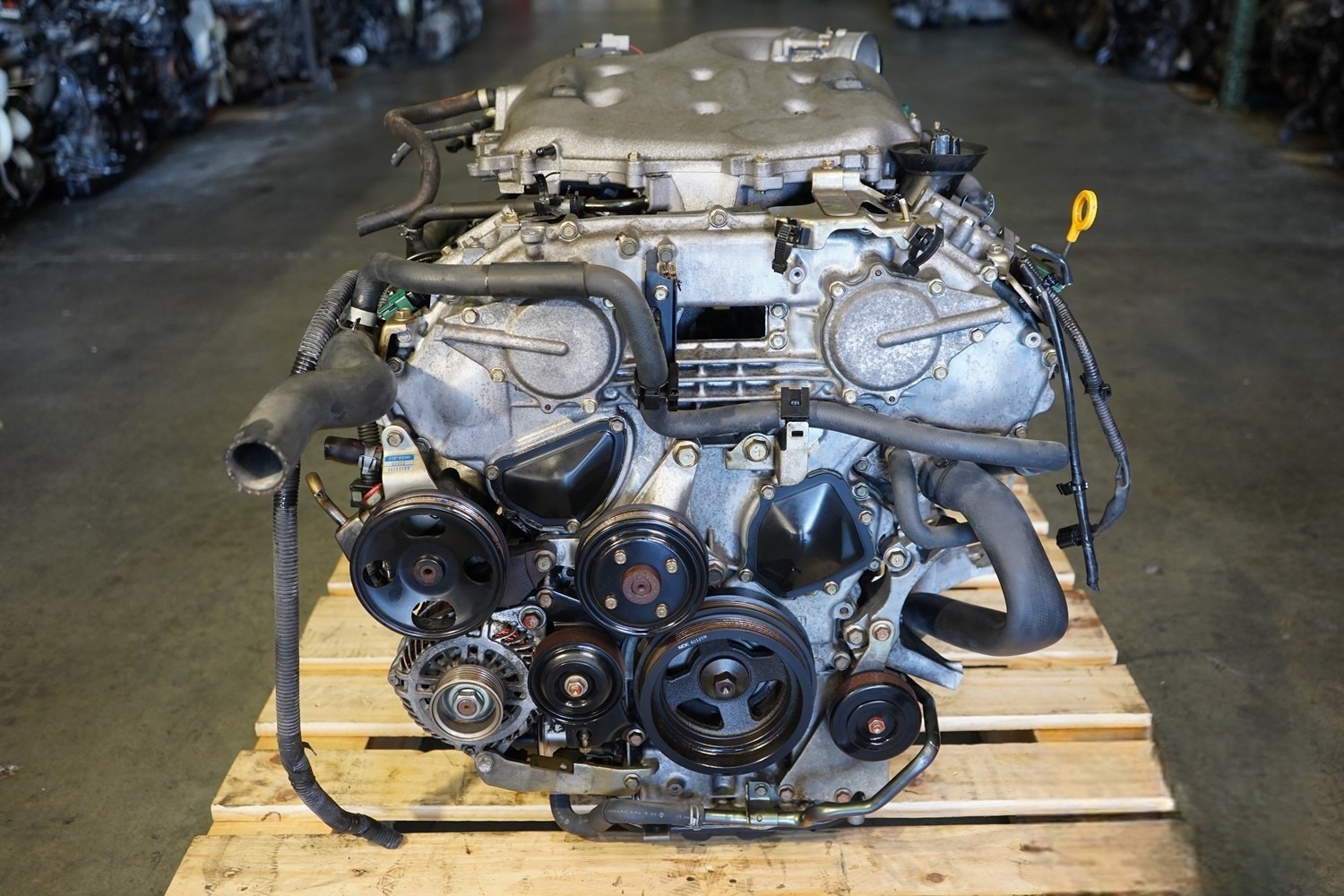
3. Nissan 3.5L V6
Nissan’s 3.5L V6 engine, commonly seen in models like the Altima, Maxima, and Murano, has built a reputation for lasting power. Car owners who drive vehicles fitted with this engine often talk about how strong it feels even after years of heavy use. It is one of those engines that keeps its energy long after the odometer has recorded high mileage, and that is why many people trust it when looking for an affordable yet durable choice.
The strength of this engine comes from its design. Nissan engineers built it to handle stress without losing balance. The engine produces solid horsepower and torque, enough to give midsize sedans and crossovers a lively performance.
Unlike smaller engines that can feel weak when loaded with passengers or cargo, the 3.5L V6 can keep pushing with confidence. Drivers who take long road trips often enjoy the smooth acceleration and steady response it delivers on highways.
Maintenance is another reason this engine stays powerful. With regular servicing, it has been known to cross 250,000 miles while still performing well. Replacement parts are available, and many mechanics across the US are familiar with how it works.
This makes it easier and cheaper to repair compared to some other V6 engines from rival brands. Owners often mention that the engine does not suffer from oil consumption problems or constant overheating, which are issues that shorten the life of many engines.
One more thing drivers like is the way this engine balances strength and comfort. Even though it delivers a lot of power, it does not produce too much vibration or noise inside the cabin. Long journeys remain enjoyable because the engine operates smoothly. Families who use vehicles with this engine usually appreciate that reliability and comfort go hand in hand.
For those who want an affordable engine that will not let them down after years of driving, the Nissan 3.5L V6 stands out as a safe bet. It is strong, reliable, and keeps its power alive longer than many rivals. That makes it one of the engines that stay powerful.
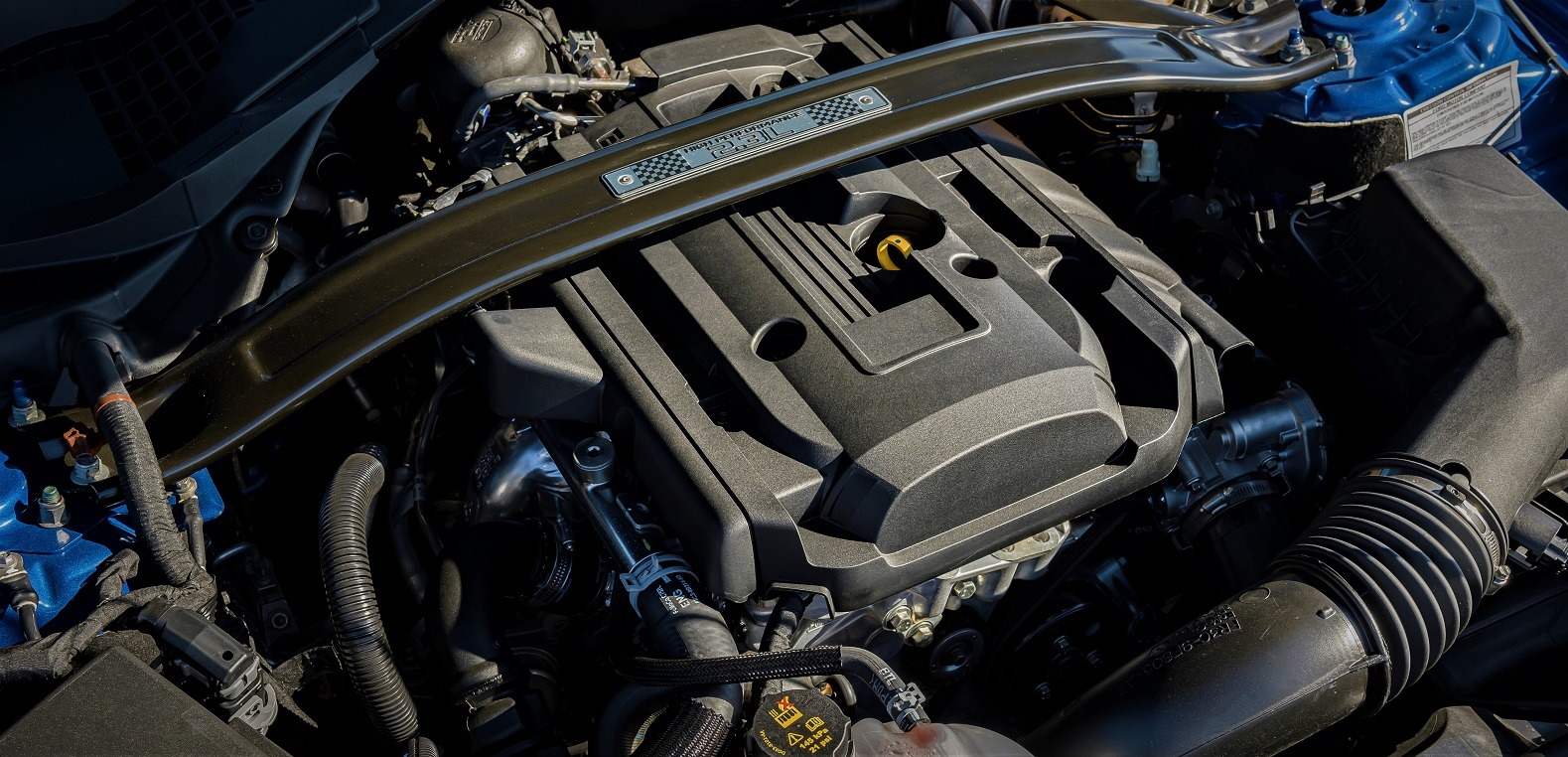
4. Ford 2.3L EcoBoost 4-Cylinder
Ford’s 2.3L EcoBoost 4-cylinder engine has become popular in models like the Ford Mustang, Ford Explorer, and even the Ford Bronco. Many people doubted its durability at first because turbocharged engines often get criticized for wearing out early. However, this engine has managed to prove that with proper maintenance, it can stay powerful for a long time while still offering fuel efficiency.
One of the main reasons this engine earns respect is the impressive power it delivers for its size. Producing strong horsepower and torque, it gives smaller vehicles the feel of larger engines. Drivers who use the Mustang with this 2.3L often talk about how quick and responsive it feels, even on highways. For SUVs like the Explorer, the engine still provides enough strength to handle family trips and heavy luggage without struggling.
Longevity is another important part of its story. With consistent servicing and quality oil, this EcoBoost can run well beyond 200,000 miles. Many owners have reported smooth performance even after years of driving in different conditions. Ford worked hard on improving turbocharger durability and cooling systems to make sure the engine avoids the common faults that usually affect turbocharged engines.
The cost of maintenance also works in its favour. Ford parts are widely available across the United States, and mechanics are familiar with this engine. That means even when repairs are needed, they do not become too expensive or complicated. Compared to some European turbocharged engines, the Ford 2.3L EcoBoost is much easier to manage.
Drivers also enjoy how versatile it is. Whether used in sporty cars, family SUVs, or off-road vehicles, the engine manages to keep its power steady. It also maintains decent fuel economy, which helps owners save on running costs. Many people see it as a perfect blend of strength and affordability.
This engine has shown that turbocharged power can last when built with care. For buyers searching for an affordable engine that remains strong for years, the Ford 2.3L EcoBoost is one of the reliable choices that stays powerful.
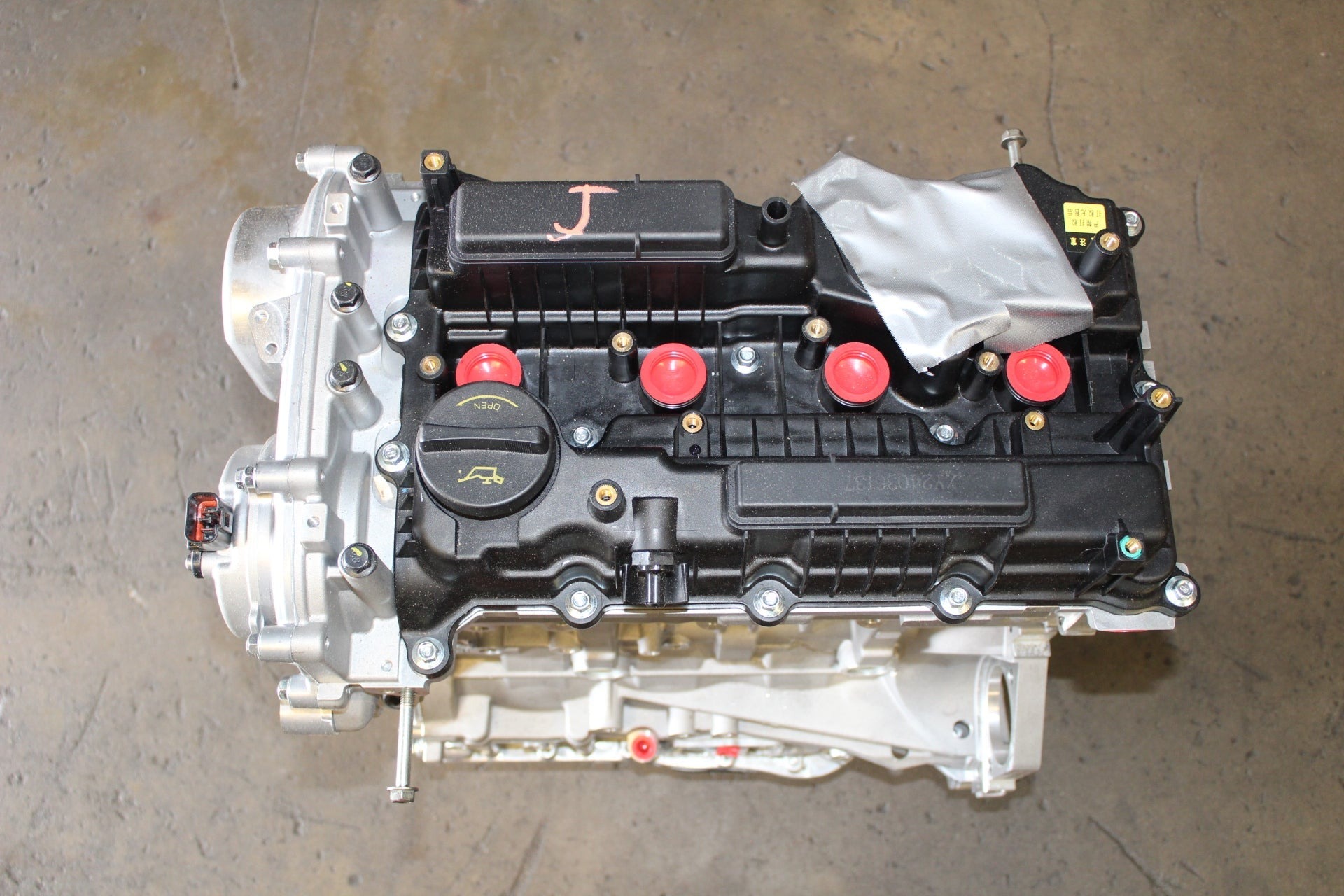
5. Hyundai 2.4L 4-Cylinder
Hyundai has improved its engines over the years, and one of the strong examples is the 2.4L 4-cylinder engine that has powered models like the Hyundai Sonata, Santa Fe, and Kia Sportage under Hyundai’s group. Many people who once doubted Hyundai engines later discovered that this 2.4L is reliable and affordable, with the ability to maintain good power even after long service.
The design of this engine focuses on durability and smooth operation. It is not overly complicated, and that makes it less prone to sudden breakdowns. Drivers who own cars with this engine often say it handles daily commutes and long-distance trips without stress. It delivers steady acceleration and holds power well for both city traffic and highway cruising.
One thing that stands out about this engine is its long lifespan. With timely oil changes and maintenance, it can last well beyond 200,000 miles. Owners report that the engine does not usually face heavy oil consumption problems or major failures, which helps it stay dependable. For many middle-class families, having an engine that can go the distance without constant trouble is a huge advantage.
Maintenance costs are also affordable. Replacement parts are available across the US, and most mechanics can work on this engine without difficulty. That means drivers do not need to spend too much whenever servicing or repairs are required. Compared to engines from more expensive brands, the Hyundai 2.4L remains easy to maintain.
The performance it delivers may not be the fastest in its category, but it is reliable. Drivers still enjoy the balance it offers between power and fuel economy. For daily use, it provides enough strength to carry passengers and luggage with no problem. Families who depend on it often find that it serves them well for years without major complaints.
For anyone looking for an affordable and durable option, the Hyundai 2.4L 4-cylinder is a trusted engine that keeps its power steady for a long time. It has been proven that Hyundai has stepped up in reliability, and that is why it is counted among engines that stay powerful.
5 Affordable Engines That Die Young
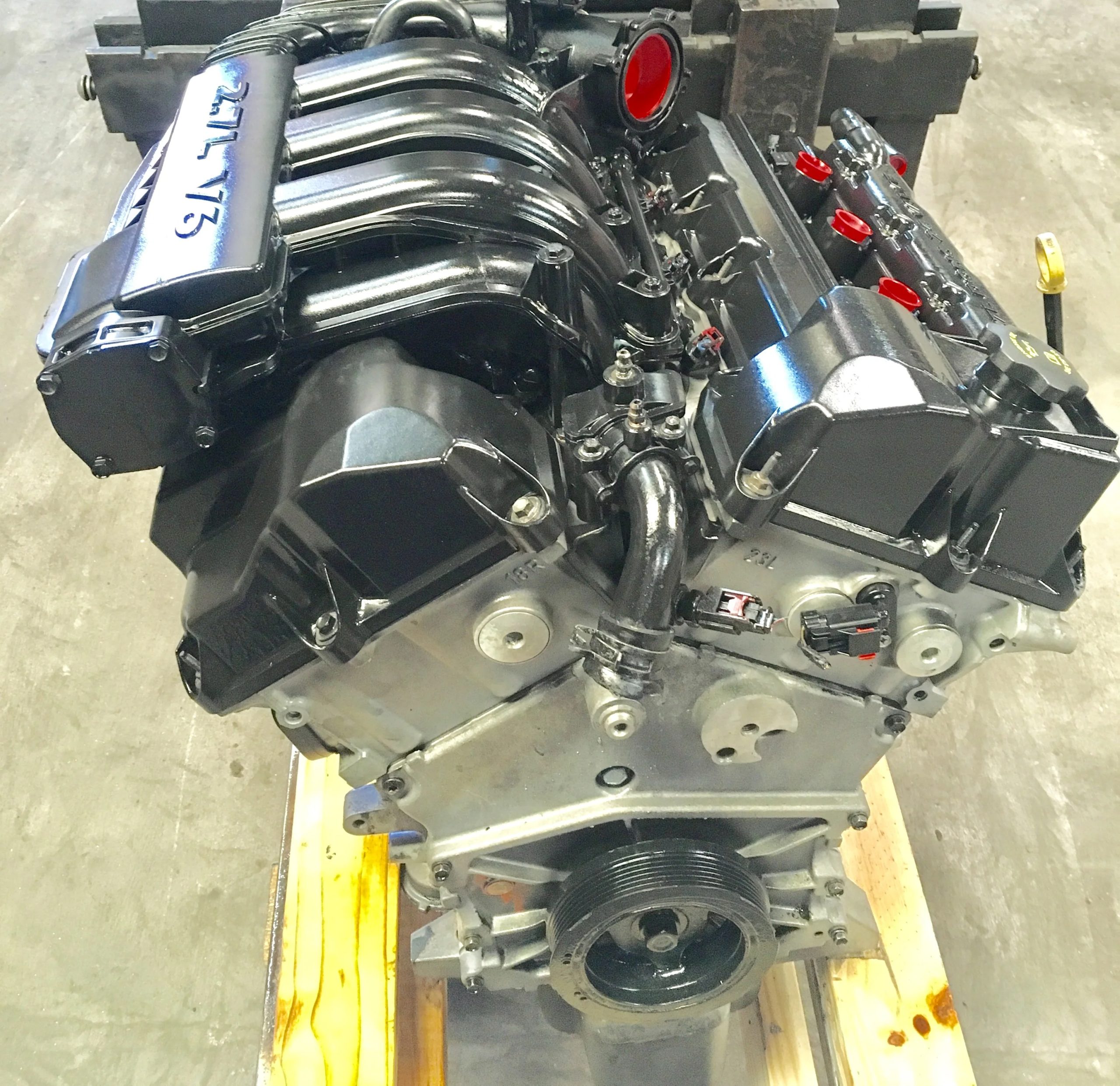
1. Chrysler 2.7L V6
Chrysler’s 2.7L V6 engine has gained a reputation that many drivers would rather avoid. Found in vehicles like the Chrysler Sebring, Dodge Intrepid, and some early Dodge Chargers, this engine has often been criticized for its short life and high maintenance problems.
While on paper it seemed like a good option for midsize cars, in reality, it ended up being one of the engines that tend to die young. The first major issue that troubled this engine was poor oil circulation. Many drivers discovered that sludge buildup inside the engine was common, and this quickly led to internal damage.
Once sludge starts forming, the engine loses efficiency, begins to overheat, and eventually fails. Even regular oil changes could not always prevent this problem, making it frustrating for owners who thought they were maintaining their vehicles correctly.
Another weakness was the durability of components. Parts like water pumps, timing chains, and head gaskets often failed earlier than expected. Because these parts are expensive to replace, owners found themselves spending more than they had planned. In some cases, the repair cost was so high that many people simply abandoned the car rather than fixing it.
When it comes to power delivery, the engine was not strong enough for the vehicles it powered. Drivers often complained that acceleration was weak, especially when carrying passengers or driving uphill. Combined with its frequent breakdowns, the lack of strong performance made it even less attractive.
Resale value of cars fitted with the Chrysler 2.7L V6 also dropped heavily. Buyers became aware of its reputation and avoided it, making it harder for owners to sell their cars later. Mechanics and auto experts often advise drivers to stay away from vehicles that carry this engine because of the high risk of early failure.
For these reasons, the Chrysler 2.7L V6 has gone down as one of the affordable engines that die young. It might look appealing at first because of its low purchase cost, but in reality, it often brings more stress and expenses than most drivers are ready for.
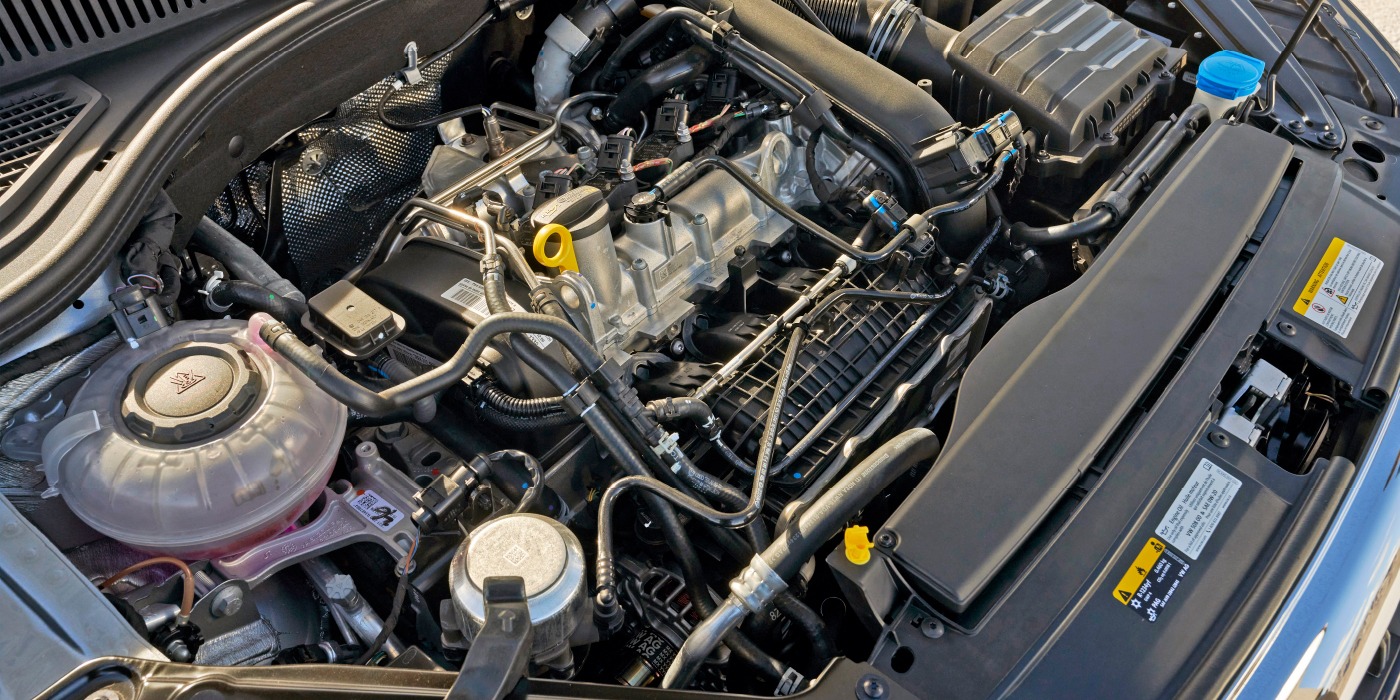
2. Volkswagen 1.8T Turbocharged 4-Cylinder
Volkswagen’s 1.8T turbocharged 4-cylinder engine became popular in the late 1990s and early 2000s, appearing in models like the Passat, Jetta, and Audi A4 under Volkswagen’s larger group. At first, it was praised for its strong performance and smooth driving experience.
Many drivers enjoyed how responsive it felt and how much power it delivered compared to other small engines of its time. Unfortunately, despite its attractive performance, this engine is known for not lasting as long as buyers expected, earning it a place among engines that die young.
The most common issue with the 1.8T was excessive oil sludge. Poor oil circulation inside the engine caused a buildup that damaged internal parts. Even drivers who kept up with oil changes sometimes faced this problem, which meant the engine could fail much earlier than it should. Once sludge formed, the engine often needed a complete rebuild or replacement, which was expensive and frustrating.
Another challenge was related to the timing belt system. If not changed on time, the timing belt could snap and cause catastrophic engine damage. Because many owners were not fully aware of how critical the timing belt service was, they ended up facing engine failure. Even those who replaced it regularly often worried about the cost and risk.
The turbocharger itself was another weak point. While it provided extra power, it added more stress to the engine. Many owners reported early turbo failures, which made repairs costly. The added heat and pressure from the turbo also made oil quality more important, yet even with high-quality oil, the engine often wore down too fast.
Maintenance for this engine was not cheap either. Parts and service costs were higher than expected, especially for an affordable car. Mechanics sometimes struggled with repairs, making labor costs even more expensive. This discouraged many owners and left the engine with a reputation for unreliability.
Because of these issues, the resale value of cars with this engine dropped, and many buyers began to avoid it. While it gave good performance for a short period, its long-term durability was weak. For this reason, the Volkswagen 1.8T turbocharged engine is counted among affordable engines that die young.
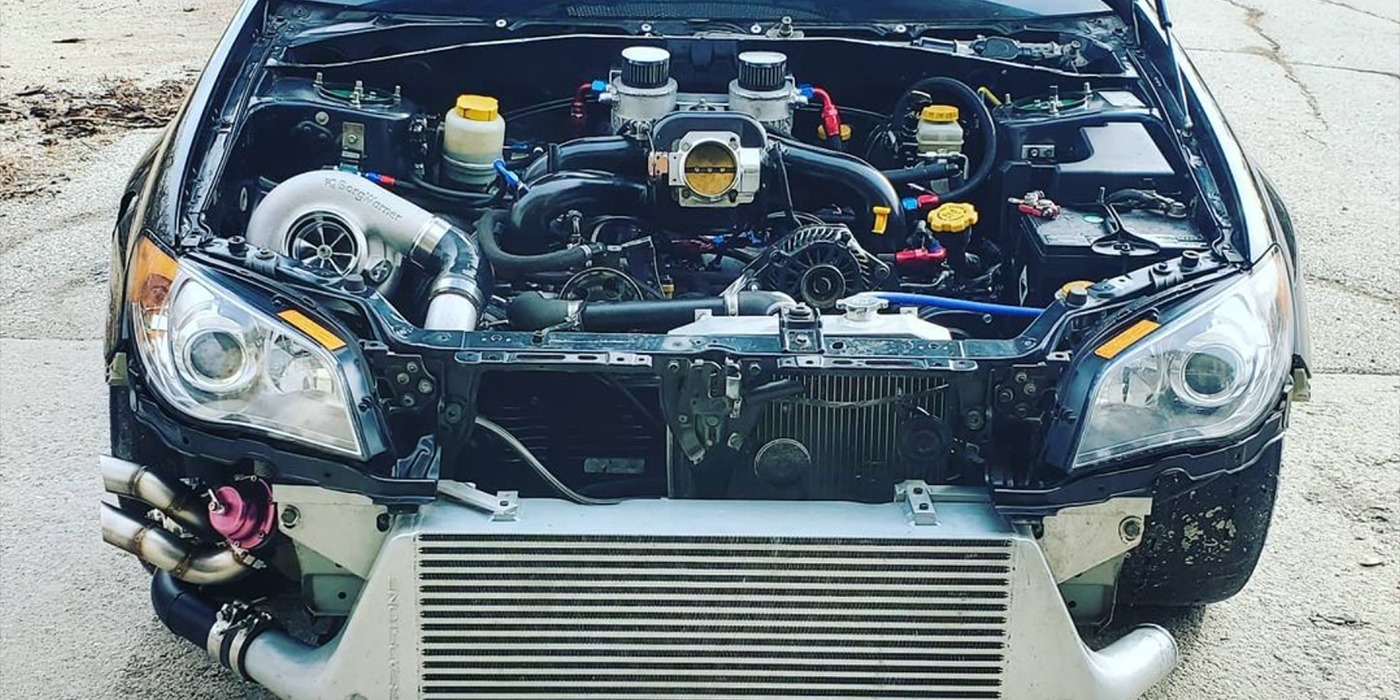
3. Subaru 2.5L Turbocharged 4-Cylinder
Subaru has earned respect for its all-wheel-drive system and boxer engine design, but one of its engines, the 2.5L turbocharged 4-cylinder, has been marked by reliability problems. Found in models like the WRX, Forester XT, and Legacy GT, this engine delivered strong performance when new, but too many owners discovered that it does not age well. Its early failures have placed it among engines that tend to die young.
One of the most common issues is head gasket failure. Subaru engines have long battled this weakness, and the turbocharged 2.5L made the problem worse because of the extra pressure and heat. Once the head gasket fails, coolant mixes with oil, leading to overheating and damage to critical parts. Repairing a head gasket on this engine is costly and often discourages owners.
Another major issue is oil consumption. Many owners complain that the engine burns oil at a high rate, even when it is relatively new. If the oil level drops too low, the turbocharger and other components suffer damage. Because of this, owners have to keep checking and topping up oil regularly, which becomes stressful and expensive in the long run.
The turbocharger itself also brings extra risk. It produces good power, but it increases stress on pistons, rings, and bearings. When combined with oil problems, many of these engines fail much earlier than expected, sometimes before 100,000 miles. For a car that buyers expect to last far longer, this is a serious disappointment.
Maintenance costs for this engine are not low either. Repairs are complicated because of the boxer layout, which places parts in positions that are harder to reach. Labor costs rise, and even simple jobs can take much longer. Owners often feel trapped because they love the performance but hate the constant repair bills.
While this engine is exciting when it runs well, its poor long-term record makes it unreliable. Drivers who choose it for performance usually end up spending heavily to keep it alive. That is why the Subaru 2.5L turbocharged 4-cylinder is listed as one of the affordable engines that die young.
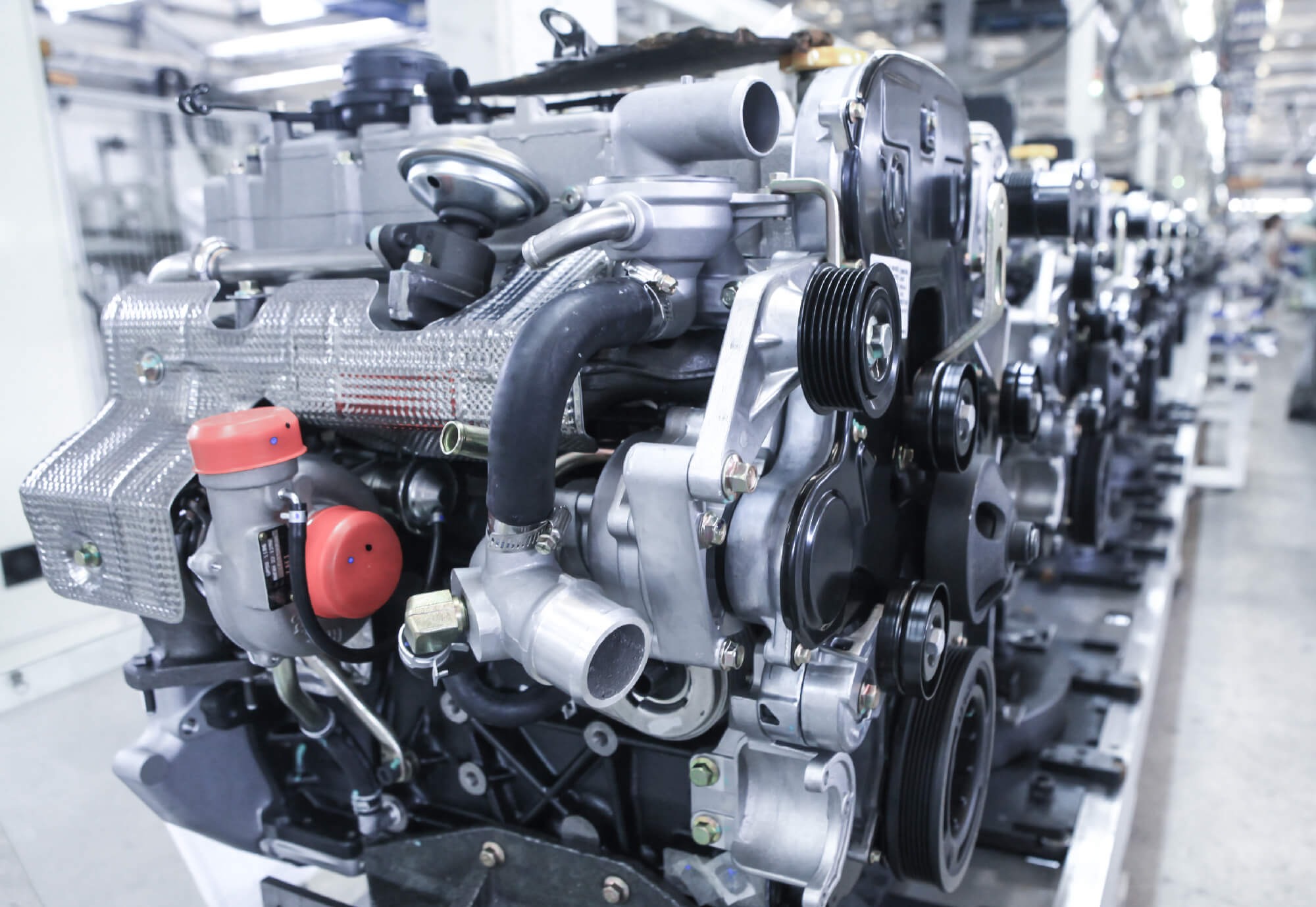
4. Chevrolet 2.4L Ecotec 4-Cylinder
Chevrolet’s 2.4L Ecotec 4-cylinder engine was widely used in cars like the Chevrolet Malibu, Equinox, and GMC Terrain. At first glance, it appeared to be a solid engine choice because of its balance between power and fuel economy.
However, as more drivers used it, a pattern of early problems emerged that damaged its reputation. This engine quickly became known for not lasting as long as expected, placing it among engines that die young.
One of the biggest problems was excessive oil consumption. Many owners reported that the engine used up oil faster than normal, even when it was fairly new. This caused many engines to run low on oil between service intervals, leading to severe damage like piston failure or complete engine seizure.
The oil consumption issue was so common that it became one of the main complaints against the engine. Timing chain problems also plagued this engine. The timing chain could stretch or fail, which led to poor performance and, in many cases, engine failure.
Replacing the timing chain was not a simple job, and the repair costs were high compared to the value of the cars using this engine. Owners often felt cheated because the cars were marketed as affordable but turned out to be expensive to maintain.
Another weakness was related to the build quality. Components like the intake system, sensors, and even gaskets failed more often than they should, creating a cycle of frequent repairs. Drivers complained that the engine did not feel dependable, especially after crossing 100,000 miles.
The resale value of cars with this engine also suffered. Many buyers avoided used vehicles that carried the 2.4L Ecotec because they did not want to deal with the known problems. Mechanics also warned potential buyers about its reputation, making it even harder to trust.
Because of these recurring issues, the Chevrolet 2.4L Ecotec engine is remembered as one of the affordable engines that die young. It might have delivered decent performance for a while, but it rarely lasted long without developing major faults.
Also Read: 5 Engines That Never Leak Oil and 5 That Can’t Stay Dry

5. BMW N20 Turbocharged 4-Cylinder
BMW’s N20 turbocharged 4-cylinder engine was introduced in the early 2010s and used in several popular models, including the BMW 3 Series, 5 Series, and X3. It was designed to replace larger engines by offering similar performance with better fuel economy.
While it delivered strong acceleration and smooth driving, many owners later discovered that it did not have the durability expected from a premium brand. For this reason, the N20 is often grouped among engines that die young.
One of the major issues was timing chain failure. The N20 engine had a weak timing chain system that often wore out too early. When the chain failed, it caused catastrophic damage to the engine. Many owners faced repair costs that were extremely high, sometimes more than the car’s resale value. BMW later redesigned the chain, but the damage to the engine’s reputation had already been done.
Another problem was related to the turbocharger system. While it gave the engine great performance, it also placed a lot of stress on internal parts. The turbo generated high heat, and when combined with oil issues, it often led to premature failure. Drivers who pushed their cars hard faced even faster wear.
Oil leaks and coolant system failures were also common. Owners frequently had to deal with gasket replacements and water pump issues, which increased the cost of ownership. Even routine maintenance was expensive, and when added to the engine’s poor reliability, it made the ownership experience difficult.
Many BMW enthusiasts loved the driving feel of cars powered by the N20, but they quickly realized that the engine did not last as long as they had hoped. Unlike other engines that could go past 200,000 miles with care, the N20 often faced serious issues well before that point.
Since it combines performance and poor durability, the BMW N20 turbocharged 4-cylinder is remembered as one of the engines that die young. It delivered excitement in the short term, but its long-term reliability record pushed many buyers away.
