When it comes to dependable family SUVs, the Honda Pilot stands tall as one of the most reliable and versatile vehicles on the road. Known for its smooth V6 power, comfortable interior, and family-friendly practicality, the Pilot has built a reputation for longevity when properly maintained.
Many owners proudly report crossing the 200,000-mile mark, with some even pushing well past 250,000 miles. However, just because the Pilot has the potential to be a long-lasting companion doesn’t mean it can withstand careless ownership. Like any machine, neglecting certain aspects of upkeep or repeating bad driving habits can shorten its life dramatically.
If you want your Honda Pilot to join the league of legendary high-mileage SUVs, there are crucial pitfalls you need to avoid. From ignoring essential maintenance schedules to using the wrong type of fluids, every oversight chips away at its reliability. While the Pilot is forgiving compared to some rivals, its engine, transmission, suspension, and electronics all require proper care to deliver quarter-million-mile durability.
This guide dives into the nine most common mistakes that can keep your Honda Pilot from reaching 250,000 miles. These aren’t minor inconveniences but rather significant risks that can compromise its performance, safety, and value. By steering clear of them, you ensure smoother drives, fewer repair bills, and a vehicle that keeps serving your family long after others have given up.
Whether you’re a long-time Honda owner or new to the Pilot, consider this a roadmap for maximizing its lifespan. Think of it less as a lecture and more as a toolkit of wisdom collected from mechanics, experienced owners, and real-world data. If you truly want your Honda Pilot to be one of those rare SUVs that proudly wear its high mileage as a badge of honor, you need to know exactly what to avoid.
9 Things to Avoid If You Want a Honda Pilot to Last 250,000 Miles
Honda designed the Pilot to withstand years of commuting, family road trips, and daily errands, but its longevity depends heavily on how it’s treated. The nine things we’ll cover are not random guesses; they are proven mistakes that wear down the Pilot faster than necessary. Many of them stem from neglect, while others are tied to driver behavior.
For example, skipping regular oil changes may seem harmless in the short term, but over time, it leads to sludge buildup that damages the V6 engine’s internal components.
Similarly, pushing the Pilot too hard by towing beyond its rated capacity or driving aggressively puts unnecessary stress on the transmission and suspension. Even small details, like ignoring tire rotations or failing to check transmission fluid, can snowball into bigger issues that cost thousands in repairs.
The Pilot isn’t just any SUV, it’s a vehicle built to serve families. That means reliability is more than a luxury; it’s a necessity. Avoiding these nine pitfalls ensures that your Pilot will remain safe, efficient, and trustworthy as the miles rack up. By understanding what not to do, you can save yourself from heartbreak, keep your maintenance budget manageable, and enjoy the full value of this Honda workhorse.
ALSO READ: 5 Cars With Anti-Glare Cockpits vs 5 With Reflective Surfaces
1. Skipping Regular Oil Changes
Oil is the lifeblood of your Honda Pilot’s 3.5-liter V6 engine. Skipping oil changes or stretching them far beyond the recommended interval is one of the fastest ways to shorten the life of the engine.
Old oil breaks down, loses viscosity, and accumulates harmful deposits. This results in metal-on-metal friction, overheating, and sludge buildup, which can clog vital oil passages. Once sludge begins to form, it doesn’t just reduce efficiency; it actively starves parts of the engine from lubrication, leading to catastrophic wear.
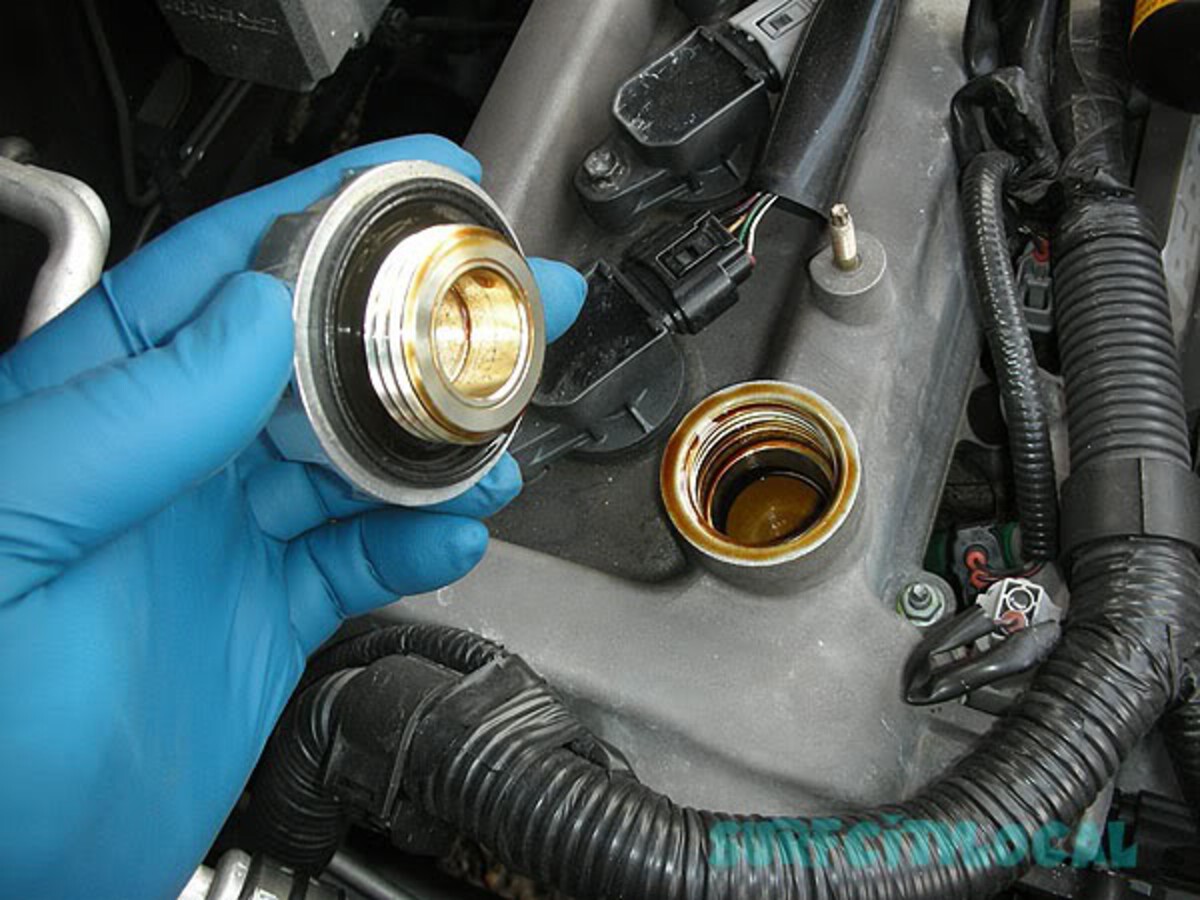
Honda recommends changing the oil every 7,500 miles under normal driving conditions, but many mechanics and long-term owners argue that 5,000 miles is the sweet spot, especially for older Pilots or those used in harsher conditions like stop-and-go city driving. Using high-quality synthetic oil also extends engine health and helps protect against the varnish and buildup that plague neglected engines.
Beyond just mileage, oil changes should be based on time as well. Even if you don’t rack up miles quickly, oil sitting in the crankcase absorbs moisture and contaminants that weaken its protective qualities.
Skipping oil changes may save you a few dollars in the short run, but it’s a gamble that usually ends in major repairs. Replacing an engine costs thousands, while a routine oil change costs less than a night out for dinner. If your goal is to see your Pilot comfortably reach 250,000 miles, treating oil changes as non-negotiable is the single most important step.
2. Neglecting Transmission Fluid Maintenance
The transmission in your Honda Pilot is just as critical as the engine, yet many owners overlook fluid maintenance until it’s too late. Transmission fluid doesn’t just lubricate gears, it also keeps the system cool and allows smooth shifting.
Over time, the fluid degrades, losing its protective qualities and picking up contaminants that wear down internal parts. A neglected transmission is one of the most expensive repairs you’ll ever face, with rebuilds costing upwards of $4,000.
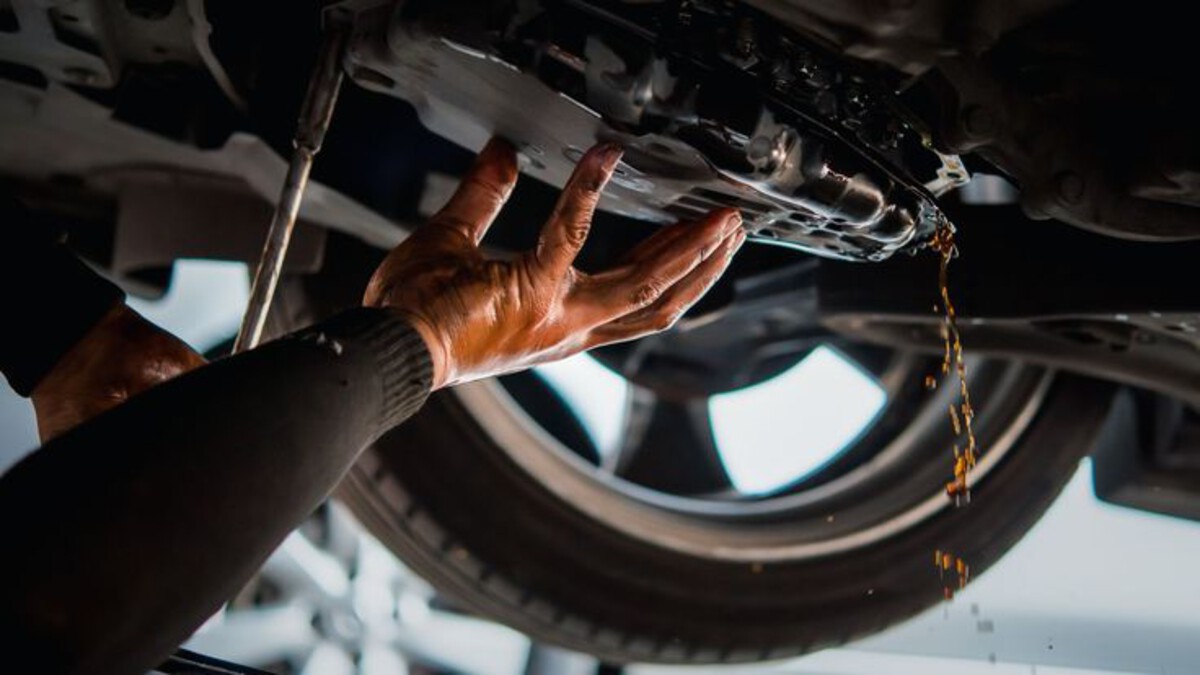
Honda Pilots, especially older models, have been known for transmission sensitivity. That makes fluid changes even more important. The recommended interval is typically every 30,000–60,000 miles, but if you tow, haul heavy loads, or live in a hot climate, more frequent servicing is wise. Fresh fluid maintains hydraulic pressure, reduces friction, and prevents overheating, which are all vital if you want the transmission to last beyond 200,000 miles.
Some owners make the mistake of only topping off the fluid when levels are low. That doesn’t solve the problem of contamination; it just masks it temporarily. Full fluid changes or drain-and-fill services are necessary to refresh the system. Using the correct Honda-approved ATF fluid is also essential, as aftermarket fluids may not provide the same protection.
Skipping or delaying transmission service is one of the main reasons otherwise reliable Pilots fail prematurely. If you want your SUV to reach a quarter of a million miles, you must make transmission fluid changes part of your maintenance routine. Preventive care here means thousands saved in the long run.
3. Overloading and Towing Beyond Capacity
Honda Pilots are capable family haulers, but they aren’t designed to be workhorses like heavy-duty trucks. One of the most common mistakes owners make is pushing the Pilot beyond its towing and payload limits. While it may seem strong enough to handle the extra load, the long-term stress on the engine, transmission, brakes, and suspension tells a different story.
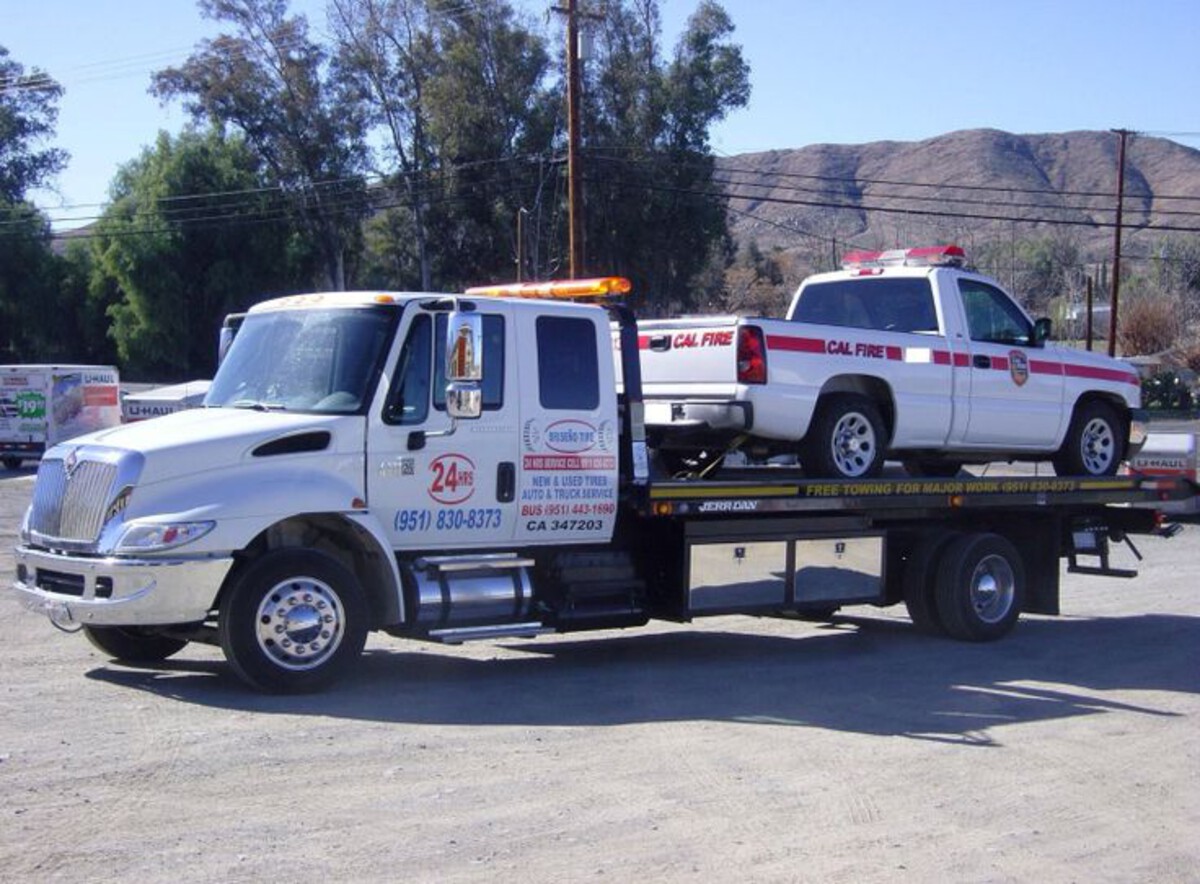
The Honda Pilot’s towing capacity ranges from 3,500 pounds to 5,000 pounds, depending on the drivetrain and trim. Going beyond that figure isn’t just unsafe, it accelerates mechanical wear. Overloaded transmissions run hotter, increasing the risk of fluid breakdown and gear damage. The suspension and shocks also suffer from carrying excess weight, leading to premature failure, uneven tire wear, and poor handling.
Even occasional overloading can shorten the SUV’s lifespan significantly. Imagine asking a marathon runner to sprint with a heavy backpack every day; eventually, their knees will give out. The same applies to your Pilot. Pushing it beyond what Honda engineered it for leads to costly repairs well before the 250,000-mile mark.
If towing is a regular part of your life, invest in proper equipment like trailer brakes, weight distribution hitches, and regular transmission inspections. Staying within the manufacturer’s rated limits will keep the Pilot running smoothly for the long haul. Treating it like a truck, however, will all but guarantee a shorter life.
4. Ignoring Timing Belt Replacement
One of the most critical maintenance items on the Honda Pilot is the timing belt. Unlike timing chains, which last much longer, timing belts have a limited service life and must be replaced at regular intervals, usually every 90,000 to 100,000 miles. Unfortunately, many owners ignore this maintenance because the vehicle seems to be running fine, only to suffer catastrophic engine failure when the belt snaps.
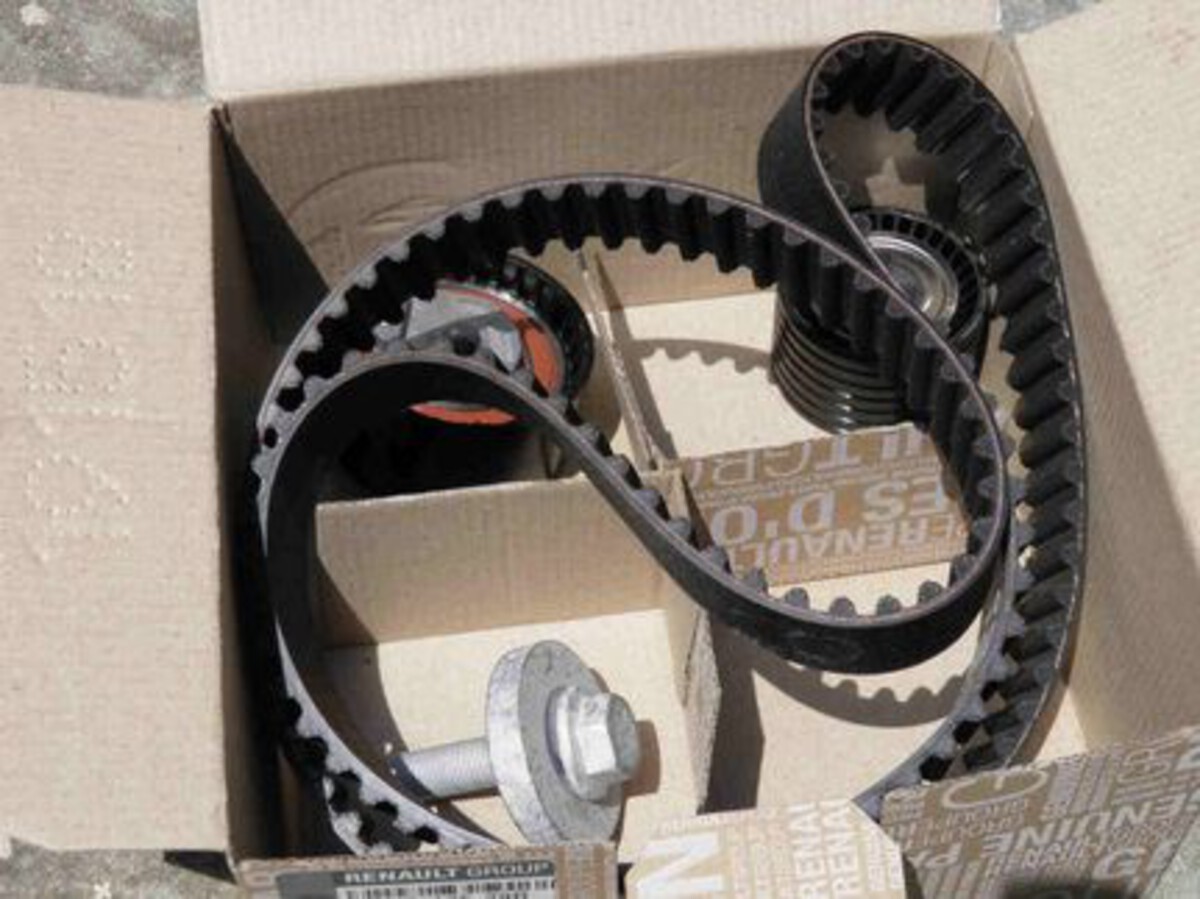
The Pilot’s 3.5-liter V6 is an interference engine, meaning that if the timing belt fails, the pistons and valves will collide. This often results in bent valves, damaged pistons, and, in many cases, a complete engine replacement. A repair that could have been avoided with a $1,000 timing belt service suddenly becomes a $5,000–$7,000 disaster.
Replacing the timing belt also includes changing the water pump, tensioners, and pulleys. These components wear out over time, and doing them all together saves labor costs and prevents future failures. Think of it as resetting the engine’s reliability clock for another 100,000 miles.
Some owners push their luck and drive well past the recommended interval, but that’s a dangerous gamble. If your goal is 250,000 miles, sticking to Honda’s timing belt schedule is non-negotiable. Neglecting it is like walking a tightrope without a safety net. You might make it for a while, but eventually, the consequences are severe.
ALSO READ: 5 Vehicles With Reliable Climate Controls vs 5 With Failing AC/Heater
5. Driving Aggressively and Hard Acceleration
The Honda Pilot is built for family comfort, not drag racing or aggressive driving. Unfortunately, some owners treat it like a sports car, flooring the accelerator, braking hard, and weaving through traffic. While it may feel satisfying in the moment, this driving style puts tremendous stress on the powertrain, brakes, and suspension.
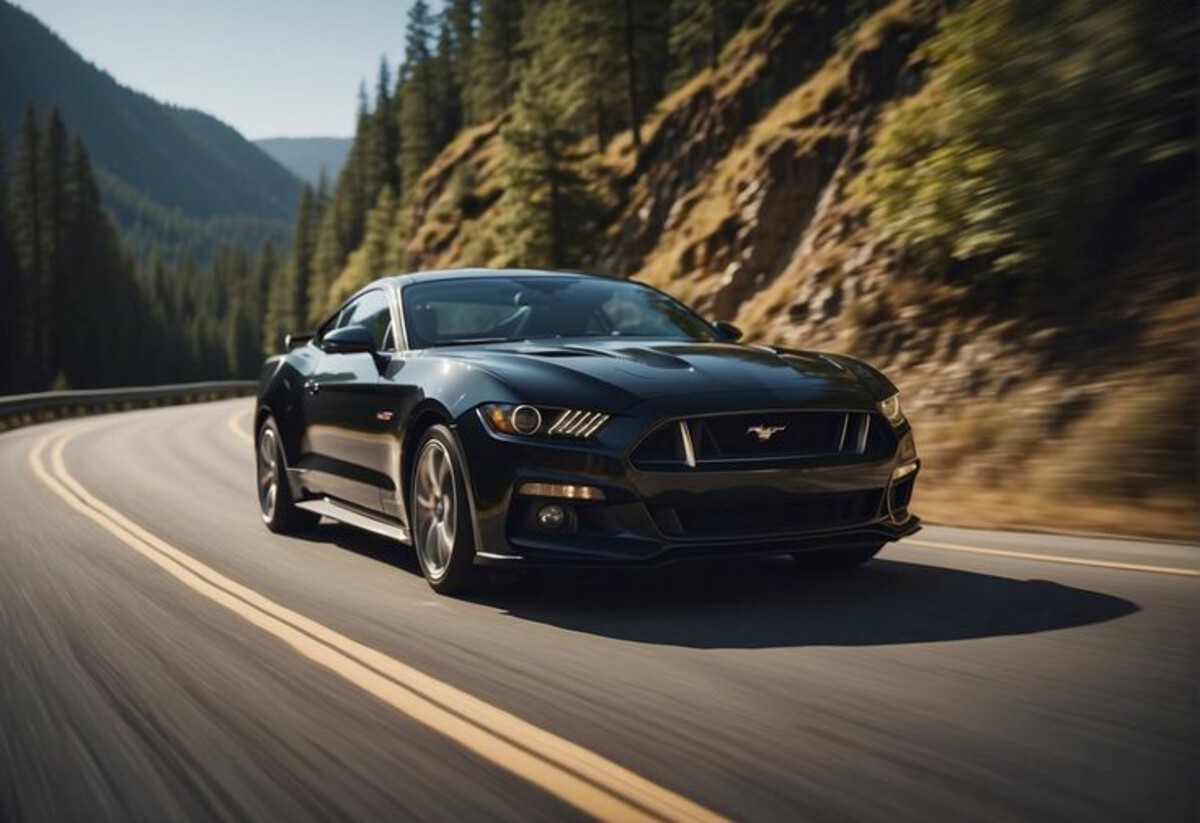
Aggressive acceleration burns more fuel and forces the transmission to work harder than necessary. Frequent hard braking wears down brake pads and rotors prematurely, while sharp cornering strains the suspension and tires. Over time, this abuse leads to uneven wear patterns and higher repair costs.
Beyond mechanical wear, aggressive driving also impacts the Pilot’s fuel economy and overall comfort. The Pilot is designed for smooth, steady performance it rewards drivers who treat it gently. If you push it constantly, you shorten its lifespan while gaining little in return.
Think about what 250,000 miles really means: years of commuting, road trips, and daily errands. A gentle driving style extends the life of every major component, from the engine to the transmission to the suspension bushings. Smooth acceleration, gradual braking, and respecting speed limits help keep the Pilot reliable for decades.
Driving with patience isn’t just safer, it’s the key to making your Honda Pilot one of the rare SUVs that survives long past its rivals.
6. Ignoring Suspension and Steering Maintenance
The Honda Pilot is built to be a comfortable, stable SUV, but like any vehicle, its suspension and steering systems take a beating over the years. Worn shocks, struts, control arm bushings, and ball joints don’t just affect ride quality; they compromise safety and long-term durability. Many owners ignore early warning signs such as clunking noises, uneven tire wear, or excessive bouncing because the Pilot still “drives fine.” That’s a mistake.
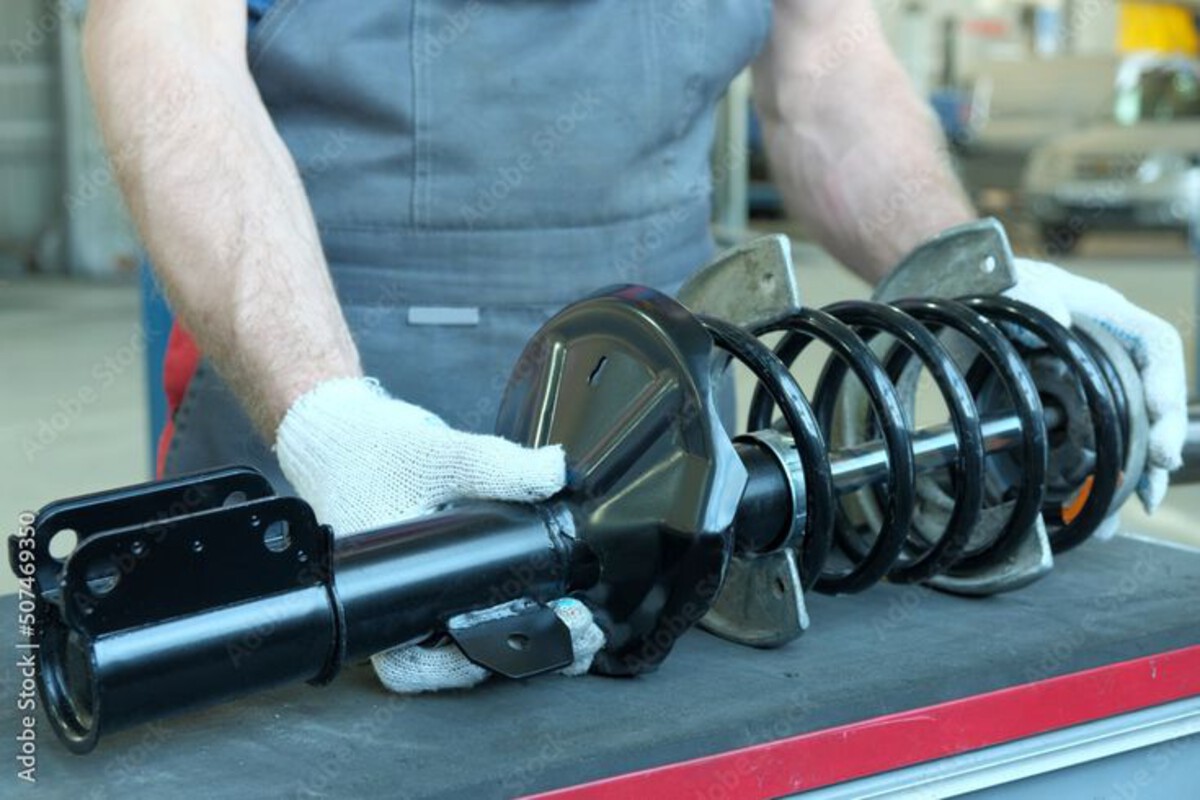
If left unaddressed, worn suspension parts create a domino effect. Loose components force other parts to work harder, leading to premature wear on tires, axles, and even the transmission mounts. Neglecting steering maintenance, such as ignoring power steering fluid flushes or failing to replace a worn rack, can result in poor handling and more expensive failures down the line.
A Honda Pilot that’s expected to reach 250,000 miles needs a suspension system that’s regularly inspected and serviced. Replacing shocks and struts around the 100,000-mile mark, rotating tires religiously, and aligning the wheels keeps stress evenly distributed. It also maintains the smooth ride Honda designed the Pilot to deliver.
While suspension work may seem costly upfront, it pays dividends in longevity. By taking care of the system that supports the entire vehicle, you’ll keep your Pilot stable, safe, and capable of handling hundreds of thousands of miles with ease.
7. Using Cheap or Incorrect Fluids and Parts
One of pilot owners’ most damaging shortcuts is using bargain fluids or aftermarket parts that don’t meet Honda’s standards. The Pilot’s V6 engine and automatic transmission are engineered with specific tolerances. Using the wrong type of oil, coolant, or transmission fluid can lead to premature wear, overheating, and system failure.

For example, Honda’s automatic transmission fluid (ATF) has unique properties that aftermarket fluids often lack. Substituting it may cause rough shifts, overheating, or accelerated wear. Similarly, using generic coolant instead of Honda’s recommended type can cause corrosion or clogging in the cooling system. Even something as simple as spark plugs can cause misfires if they aren’t the correct OEM-spec replacements.
The same rule applies to filters, timing belts, and brake pads. While aftermarket parts sometimes work fine, going too cheaply risks cutting years off your Pilot’s life. A failed oil filter or substandard timing belt can undo thousands of dollars’ worth of careful maintenance.
Owners who want their Pilots to last 250,000 miles should commit to using OEM (Original Equipment Manufacturer) parts and fluids whenever possible. They’re designed to work with your vehicle’s exact specifications, and while they cost a little more, they dramatically reduce the risk of major failures. In short, saving a few dollars upfront by cutting corners with parts or fluids often costs thousands in the long run.
8. Ignoring the Cooling System
The Honda Pilot’s cooling system is one of the most overlooked yet essential aspects of long-term reliability. The V6 engine generates a significant amount of heat, and without proper cooling, it risks overheating, a condition that can cause warped cylinder heads, blown head gaskets, and total engine failure.
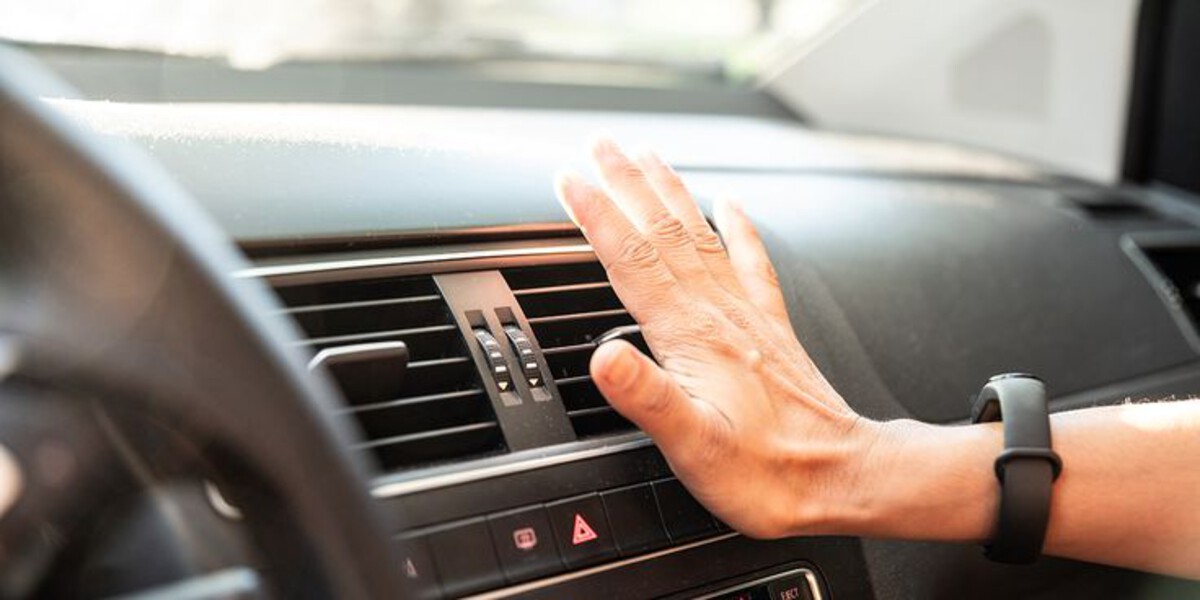
Many owners neglect cooling system maintenance because it’s not as obvious as oil or brakes. They may top off coolant occasionally, but never flush the system or replace hoses. Over time, coolant breaks down, becoming acidic and losing its ability to protect against corrosion. This can eat away at the radiator, water pump, and heater core, creating leaks and inefficiency.
Hoses and belts also degrade with age. A cracked radiator hose or failed water pump can strand you on the side of the road and potentially destroy the engine if overheating goes unnoticed. That’s why Honda recommends flushing the coolant every 60,000–100,000 miles and inspecting hoses and the water pump regularly.
If your goal is 250,000 miles, never ignore rising temperature gauges, small coolant leaks, or old hoses. Preventative replacement of these parts ensures the cooling system continues to regulate engine temperature properly. A healthy cooling system is not only about comfort, it’s the safeguard that keeps your Honda Pilot’s engine alive well past the quarter-million-mile milestone.
9. Letting Small Problems Snowball
One of the biggest reasons Pilots don’t reach 250,000 miles isn’t catastrophic failure, it’s neglecting small issues until they become big ones. That faint grinding noise, the occasional check-engine light, or the minor oil leak may seem harmless, but over time, these issues compound.
A small oil leak, for example, can lead to low oil levels, which in turn accelerate engine wear. A worn serpentine belt might squeak for months before finally snapping, taking the alternator and power steering with it. Even something as minor as a faulty sensor can affect fuel economy, emissions, and engine performance if ignored.
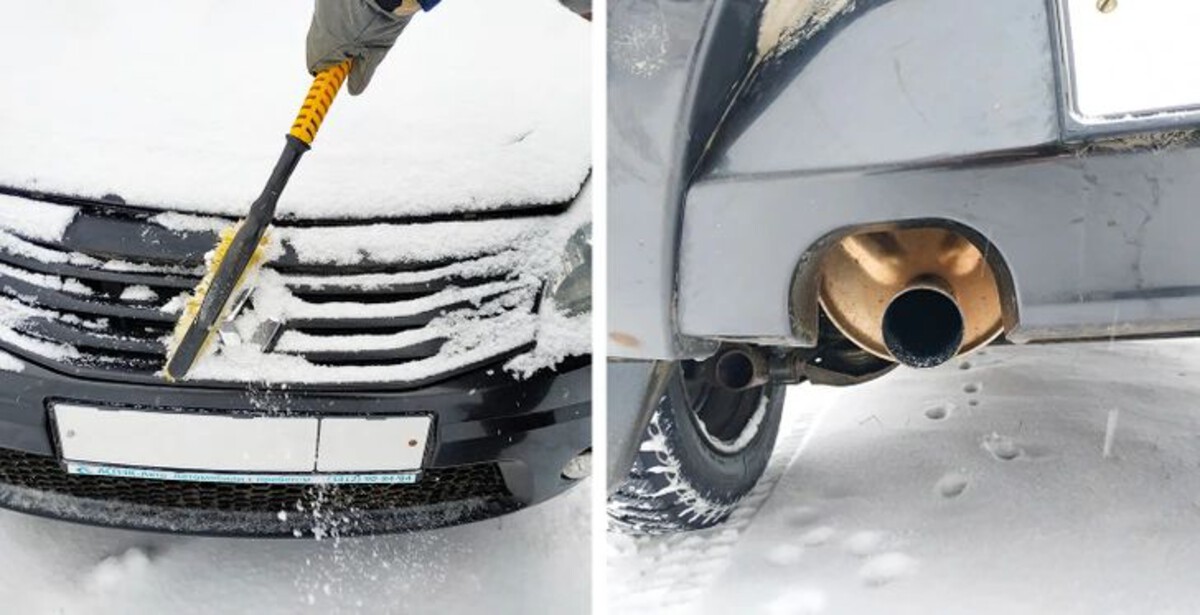
The Pilot rewards owners who stay on top of maintenance and repairs. Regularly scanning for codes, addressing leaks immediately, and not putting off repairs keeps problems from escalating. Many high-mileage Honda Pilot owners will tell you the secret isn’t avoiding every problem, it’s fixing them quickly before they multiply.
In essence, being proactive rather than reactive is the difference between a Pilot who struggles at 150,000 miles and one who proudly reaches 250,000. Treat every minor issue as an opportunity to protect the bigger picture. Your diligence will pay off in years of reliable service.
Longevity Reward: Why Avoiding These Mistakes Pays Off
Reaching 250,000 miles in a Honda Pilot isn’t luck the result of consistent, mindful ownership. Every vehicle has weaknesses, but the Pilot rewards those who take care of it with a level of durability that few SUVs in its class can match.
By avoiding the nine pitfalls we’ve discussed, skipping oil changes, neglecting the transmission, overloading, ignoring the timing belt, driving aggressively, overlooking suspension, using the wrong fluids, neglecting the cooling system, and letting small problems snowball, you’re stacking the odds heavily in your favor.
Each of these mistakes represents a fork in the road. Choose neglect, and you’ll likely face expensive repairs and premature retirement of the SUV. Choose prevention, and you’ll unlock the full potential of Honda engineering. The beauty of this approach is that none of it requires extraordinary effort, just discipline, awareness, and a willingness to invest in proper care.
The Pilot is more than just a family hauler. It’s a vehicle that can become part of your life story, carrying you through road trips, milestones, and countless everyday journeys. Owning one that reaches a quarter-million miles isn’t just about saving money; it’s about pride, dependability, and proving that good machines last when treated right.
If you’re serious about joining the club of high-mileage Honda owners, commit today to avoiding these nine pitfalls. The road to 250,000 miles is long, but with the right habits, your Pilot will be right there with you every step of the way.