
The Chevy Malibu has been a trusted midsize sedan for years, known for its smooth ride, modern features, and comfortable design. Many families, daily commuters, and even young drivers choose it because it blends style with reliability, making it a favorite choice.
Like any car, the Malibu is built to last, but how long it serves you depends a lot on how you take care of it. With regular maintenance and proper driving habits, the Malibu can stay strong and dependable for many years.
Sadly, many owners make mistakes that seem small at first but can slowly harm the car. These errors often come from skipping routine checks, ignoring warning signs, or developing habits that place extra strain on the Malibu’s key parts.
For example, forgetting timely oil changes, delaying brake service, or not paying attention to strange sounds may lead to bigger problems. A small issue today can easily turn into an expensive repair tomorrow if it’s not handled at the right time.
Even driving style plays a role. Harsh acceleration, sudden braking, or hitting potholes too fast can all wear down the Malibu’s engine, suspension, and tires. What feels like normal driving may actually be reducing the car’s lifespan.
The truth is, many of these mistakes are easy to avoid once you know about them. Most involve simple habits like checking fluids, rotating tires, and keeping the car clean. With a little effort, you can prevent major breakdowns and costs.
Caring for a Chevy Malibu doesn’t have to feel overwhelming. By understanding the most common mistakes owners make, you’ll know exactly what to avoid and what to focus on. This knowledge will help you get the best life out of your car.
Also read: 9 Common Mistakes That Ruin a Jeep Wagoneer’s Reliability
1) Skipping Oil Changes
Oil is often called the “lifeblood” of your Chevy Malibu, and for good reason. It flows through the engine, reducing friction, carrying away heat, and washing out dirt. Without fresh oil, engine parts rub together and wear down at an alarming rate.
Many owners think skipping an oil change or stretching it by a few thousand miles won’t matter.
Unfortunately, this is where damage begins. Old oil thickens and turns into sludge, clogging tiny passages inside the engine. Once sludge builds up, the oil cannot reach critical moving parts.
This lack of lubrication means components like pistons, crankshafts, and camshafts grind together. The extra friction generates heat, which causes even more damage. Engines that go too long without fresh oil often end up with seized parts that cannot move at all.

A seized engine usually means replacement, which can cost anywhere from $3,000 to $6,000 depending on the model year. By comparison, a routine oil change typically costs under $60. The price difference alone makes regular oil service one of the smartest investments.
Chevy recommends changing oil every 5,000–7,500 miles, depending on driving style. If you do a lot of stop-and-go driving, live in hot climates, or make frequent short trips, it’s safer to stay closer to 5,000 miles.
Using the correct oil type also matters. Synthetic oil provides better protection and lasts longer, especially in modern Malibus. Always replace the oil filter as well, since it collects dirt and sludge. Fresh oil with a dirty filter won’t protect your engine fully.
Skipping oil changes is one of the quickest ways to shorten your Malibu’s life. But the good news is that staying on schedule with oil and filter changes is cheap, easy, and the most effective way to keep your car healthy.
2) Ignoring Transmission Service
The transmission in your Malibu is just as important as the engine. It’s the system that allows your car to move by transferring power from the motor to the wheels. Without proper care, transmissions wear out quickly and are very expensive to repair.
Transmission fluid is essential because it lubricates the gears, keeps temperatures cool, and helps the system shift smoothly. Over time, this fluid breaks down and loses its protective qualities. Old fluid turns dark, smells burnt, and no longer prevents wear.
If you ignore transmission service, you may first notice the car hesitating to shift gears or making rough, jerky movements when accelerating. These are signs of slipping gears, which are early warnings that the system is struggling.
Left untreated, the problem becomes worse. The internal clutches and gears wear down, metal shavings mix with the fluid, and the entire system begins to fail. At this point, repairs can cost anywhere from $2,000 to $4,500 or even more in newer Malibus.

By contrast, a simple fluid flush or replacement service usually costs $150–$250. Most experts recommend changing the fluid every 30,000–60,000 miles, though driving style matters. Stop-and-go traffic, towing, or hot weather all require more frequent service.
It’s also important to check fluid levels regularly. Low fluid often means there’s a leak, which should be fixed immediately. Driving with low fluid is one of the fastest ways to ruin a transmission.
Transmission problems can leave you stranded, and unlike an oil change, there are few warning signs before the damage is severe. Staying ahead of fluid changes and inspections ensures smooth shifting and a longer-lasting Malibu.
3) Overlooking Brake Maintenance
Brakes are your Malibu’s number one safety feature. They not only stop the car but also protect everyone inside. Ignoring brake service is dangerous and costly, since failing brakes lead to accidents and expensive repairs that could have been prevented.
Brake pads wear down naturally with use. When ignored, the metal backing grinds directly against the rotors, creating grooves and damage. This reduces stopping power and increases stopping distance, especially during emergencies.
Squealing, grinding noises, vibration in the brake pedal, or a spongy feel are all warning signs of worn brakes. Addressing these signs early usually means replacing only pads. Ignoring them means replacing rotors, calipers, and sometimes the entire system.

A brake pad replacement usually costs $150–$300 per axle, while replacing rotors and calipers can climb to $800 or more. Catching problems early is not only safer but also far cheaper in the long run.
Regular brake inspections every 10,000–15,000 miles keep the system in top condition. This ensures peace of mind, knowing your Malibu can stop quickly and safely whenever needed. Neglecting brakes is a mistake no driver can afford.
Also read: 10 Cars That Made Millennials Fall in Love With Driving
4) Driving on Worn Tires
our Malibu’s tires are its only connection to the road. Worn, bald, or unevenly worn tires don’t just affect performance; they put your safety at risk and strain other parts like the suspension and steering system.
When tread is low, tires lose grip, especially on wet or slippery roads. This increases the risk of hydroplaning and accidents. Uneven wear can signal poor alignment or suspension issues, which, if ignored, lead to bigger mechanical problems.

Driving with underinflated tires reduces fuel economy and creates heat buildup, which can cause blowouts. Overinflated tires, on the other hand, wear out the center tread quickly and make the ride less comfortable.
Replacing tires once tread depth falls below 2/32 of an inch is critical. Rotating them every 6,000–8,000 miles ensures even wear, while checking alignment keeps the suspension healthy. These small steps improve safety and extend tire life.
A set of four new tires might cost $500–$800, but this expense is minor compared to the risk of an accident caused by bald tires. Driving with healthy tires protects both your Malibu and everyone inside it.
5) Not Replacing Spark Plugs on Time
Spark plugs might be small, but they play a huge role in your Malibu’s performance. They ignite the air-fuel mixture in the engine. Without properly working plugs, the engine misfires, fuel efficiency drops, and performance feels sluggish.
Old spark plugs make the engine struggle to start, especially in cold weather. They also cause rough idling and poor acceleration. This extra strain wears down the ignition coils and fuel system, creating a chain reaction of costly repairs.
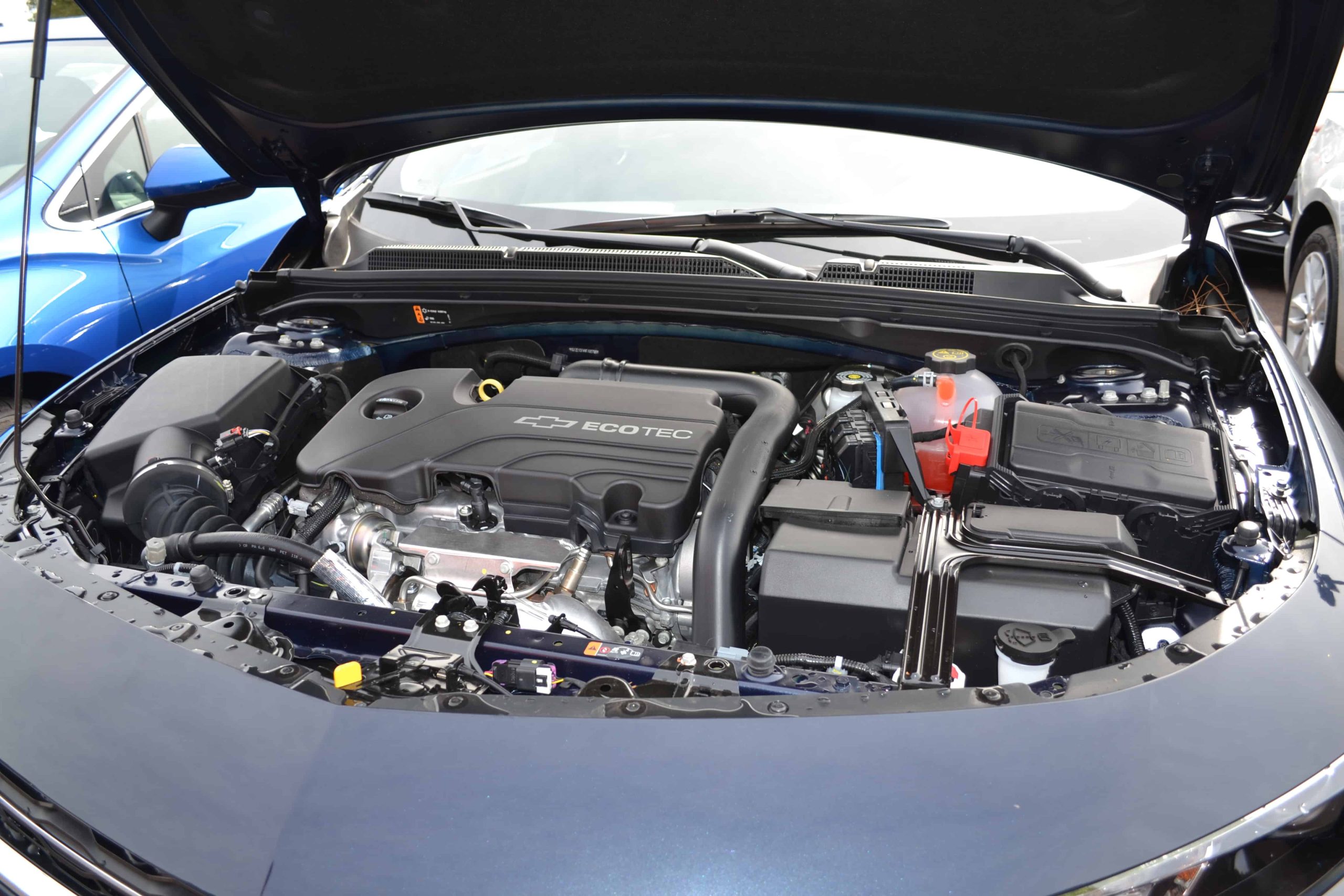
Chevy recommends spark plug replacement every 60,000–100,000 miles, depending on the type. Regular replacement ensures smooth combustion, better fuel economy, and long engine life. Neglecting this leads to bigger, preventable issues.
Changing spark plugs on schedule is one of the cheapest ways to keep your Malibu healthy. Ignoring them is like asking your car to run with weak lungs it may move, but it won’t last long.
6) Ignoring Warning Lights
Warning lights are your Malibu’s way of asking for help. Lights like “Check Engine,” “ABS,” or “Battery” are not suggestions; they signal real problems. Ignoring them is one of the quickest ways to turn small issues into major breakdowns.
For example, a “Check Engine” light could mean something as simple as a loose gas cap or as serious as a failing catalytic converter. Fixing the gas cap costs nothing, but ignoring a converter issue could cost $1,000 or more.
Similarly, an oil pressure warning means the engine isn’t being lubricated properly. Driving with this light on could destroy the engine completely. Acting quickly when warning lights appear can save thousands in repairs.
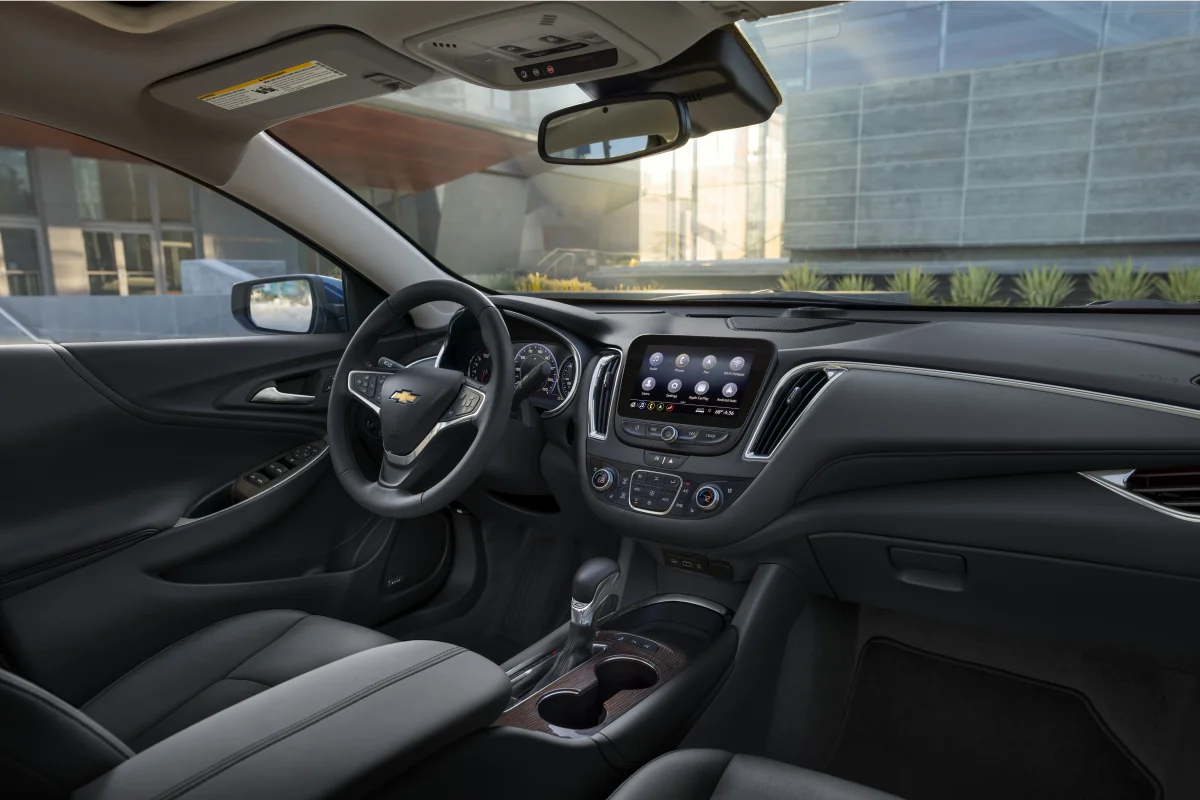
Even if the Malibu feels fine, diagnostic scans can reveal hidden problems. Many auto shops offer free scans, giving you peace of mind without a big expense.
Ignoring warning lights is like ignoring a doctor’s advice. The longer you wait, the worse the condition becomes. Treat dashboard lights as urgent messages and respond quickly to protect your Malibu’s life.
7) Using Cheap Fuel or Wrong Octane
Fuel quality plays a big role in how your Malibu’s engine performs. Cheap fuel often contains impurities that clog fuel injectors, create carbon buildup, and reduce efficiency. Over time, this damage leads to rough running and expensive repairs.
Fuel may seem like a simple choice, but the quality of gasoline you put into your Malibu directly impacts its health. Using cheap fuel or the wrong octane rating can quietly damage your engine and reduce performance.
Cheap fuel often lacks the cleaning additives that high-quality brands include. Over time, this leads to carbon deposits on valves, injectors, and pistons. These deposits restrict airflow and reduce efficiency, which means your Malibu will burn more fuel while delivering less power.
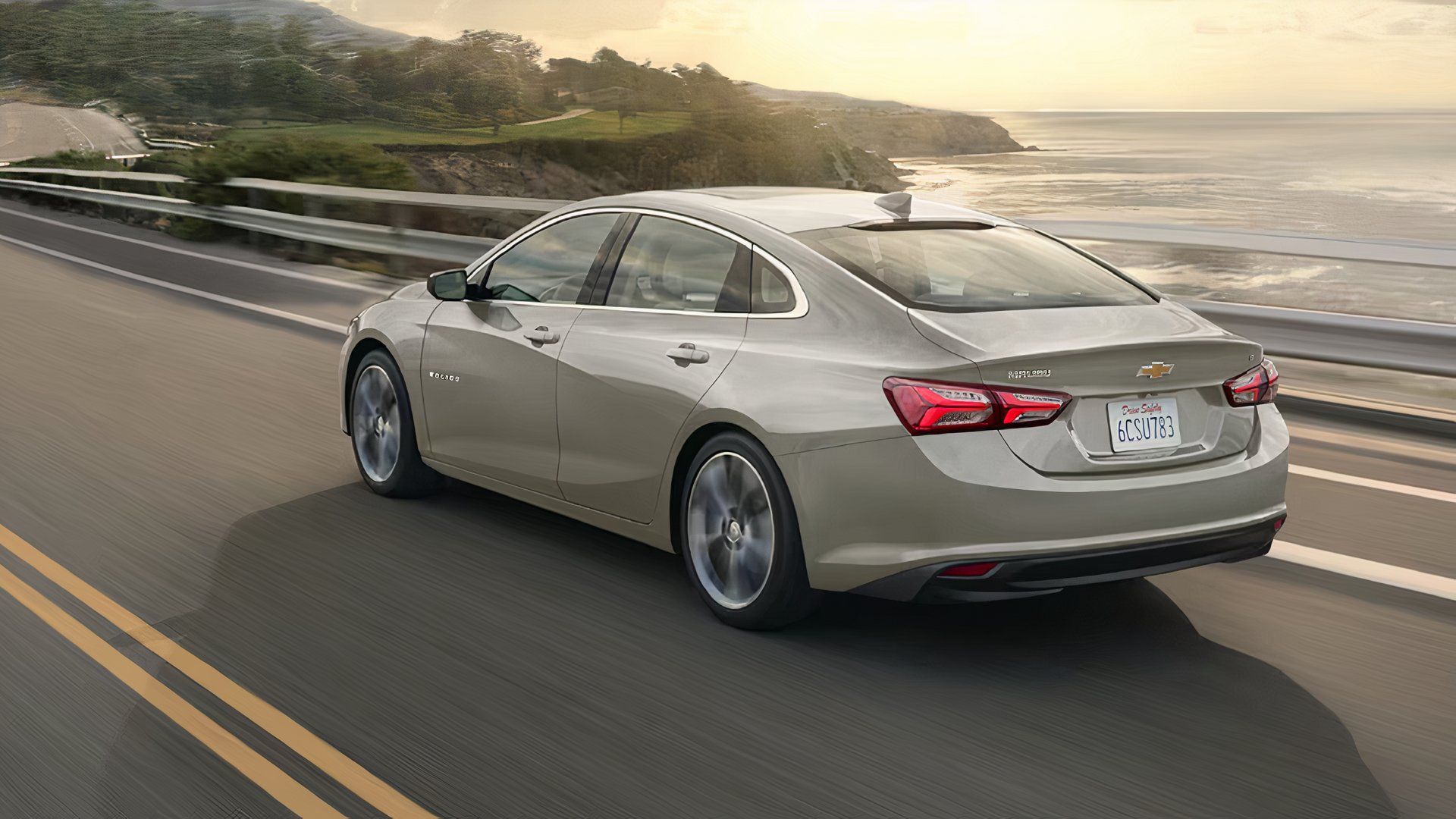
The wrong octane rating also creates problems. While most Malibus run fine on regular unleaded, using lower-than-recommended fuel can cause engine knocking. Knocking happens when fuel doesn’t burn properly, creating extra stress and heat inside the engine.
Continuous knocking is damaging. It wears out pistons and spark plugs, and in severe cases, it can lead to complete engine failure. Repairing such damage can cost thousands, while simply choosing the correct fuel avoids the risk entirely.
Using top-tier gasoline brands may cost slightly more per tank, but they help prevent carbon buildup and keep the combustion system cleaner. Over the years of driving, this saves money by reducing the need for costly injector cleanings or repairs.
Additionally, maintaining your Malibu’s fuel system in good health improves mileage. A cleaner system enables the engine to burn fuel more efficiently, resulting in improved performance and lower fuel costs in the long run.
Choosing the right fuel isn’t just about saving pennies per gallon. It’s about protecting your Malibu’s heart, the engine, and making sure it runs smoothly for many more miles.
Using the wrong octane also creates issues. While most Malibus run fine on regular unleaded, some engines require mid-grade fuel. Using the incorrect octane can cause knocking, reduced performance, and long-term engine wear.
Carbon buildup from poor-quality fuel affects sensors, valves, and even the catalytic converter. Repairs can cost hundreds, while replacing a converter may cost over $1,000. Choosing the right fuel prevents these issues entirely.
Always buy from trusted stations and follow Chevy’s recommendations for octane. The small difference in price per gallon is minor compared to the cost of major engine repairs.
Fueling your Malibu properly is one of the simplest ways to ensure it runs smoothly and lasts longer. Don’t let a few dollars in savings shorten your car’s life.
8) Neglecting the Cooling System
Your Malibu’s engine generates intense heat when running, and the cooling system is what prevents it from overheating. Neglecting this system is one of the most common ways drivers accidentally shorten their car’s life.
The cooling system uses coolant to absorb and transfer heat away from the engine. If coolant levels are low or old, the engine will run hotter than it should. This added heat strains internal parts and accelerates wear.
Over time, coolant also loses its ability to protect against rust and corrosion. If you never flush it, deposits form inside the radiator and hoses, blocking the flow of liquid. These blockages can cause sudden overheating on hot days or during long drives.
Overheating is extremely dangerous. It can warp the cylinder head, crack the engine block, and destroy gaskets. Repairs for heat-damaged engines easily reach $2,000–$5,000, compared to less than $150 for a coolant flush or refill.
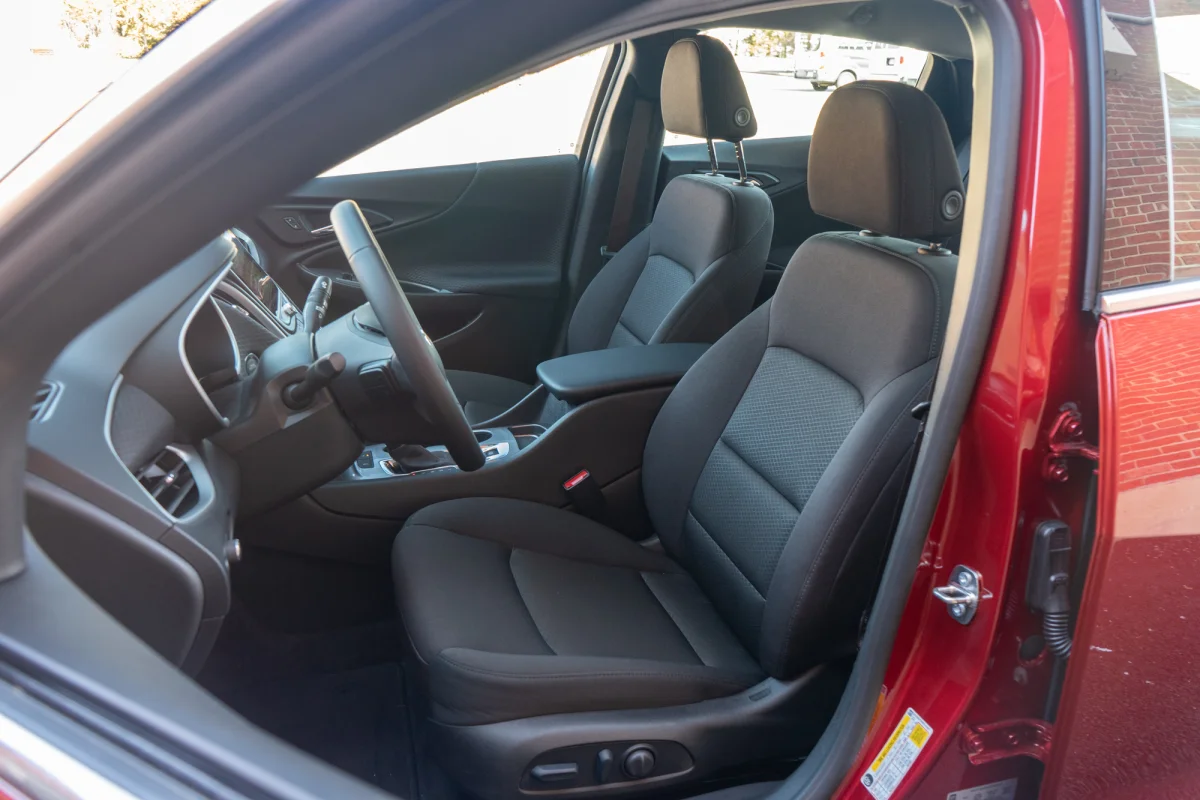
It’s also important to check the radiator, thermostat, water pump, and hoses regularly. Even a small leak can quickly drain coolant and leave the engine vulnerable. Drivers often ignore small drips until a breakdown occurs.
Flushing the cooling system every 30,000–50,000 miles helps prevent buildup. Checking fluid levels monthly and topping them off with the right mix of antifreeze and water gives extra protection in both summer and winter.
By caring for the cooling system, you not only avoid costly damage but also ensure your Malibu runs at the proper temperature for better fuel efficiency and smoother performance.
9) Rough Driving Habits
How you drive your Malibu is just as important as how you maintain it. Aggressive driving habits create stress on nearly every system in the vehicle, causing premature wear and reducing the life.
Hard acceleration may feel exciting, but it floods the engine with fuel and air, forcing components to work harder than necessary. Over time, this leads to worn pistons, clogged injectors, and higher fuel consumption.
Sudden, hard braking wears down brake pads and rotors at a rapid pace. Replacing pads is affordable, but replacing rotors or calipers due to abuse costs significantly more. Smooth, gradual braking not only saves money but also improves safety.
Hitting potholes or speed bumps at high speeds is another bad habit. This jars the suspension, bends wheels, and can even knock your alignment out. Poor alignment then causes uneven tire wear and makes the Malibu harder to control.
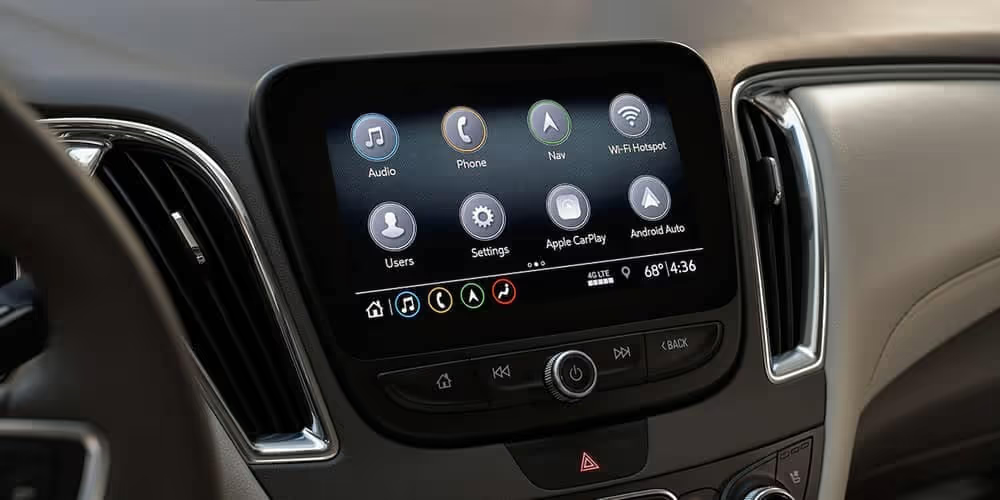
Even revving the engine unnecessarily, like before shutting it off, increases strain. Many drivers underestimate how these habits, repeated daily, add up to thousands in extra repairs over the car’s lifetime.
Gentle acceleration, gradual braking, and cautious driving over rough roads greatly extend the life of tires, brakes, and suspension. Not only will your Malibu last longer, but it will also feel smoother and safer to drive.
10) Forgetting Battery Care
Your Malibu’s battery is the heart of its electrical system. Without proper care, it can leave you stranded at the worst possible time. Unfortunately, many drivers forget about the battery until it fails.
Battery terminals often collect corrosion, which looks like white or blue powder around the connections. This buildup interferes with the flow of electricity, making it harder to start the car. Cleaning the terminals regularly prevents this issue.
Batteries naturally weaken over time, especially in very hot or cold climates. A weak battery forces the alternator to work harder, which stresses the electrical system. Replacing a worn-out battery early prevents larger, more expensive problems later.
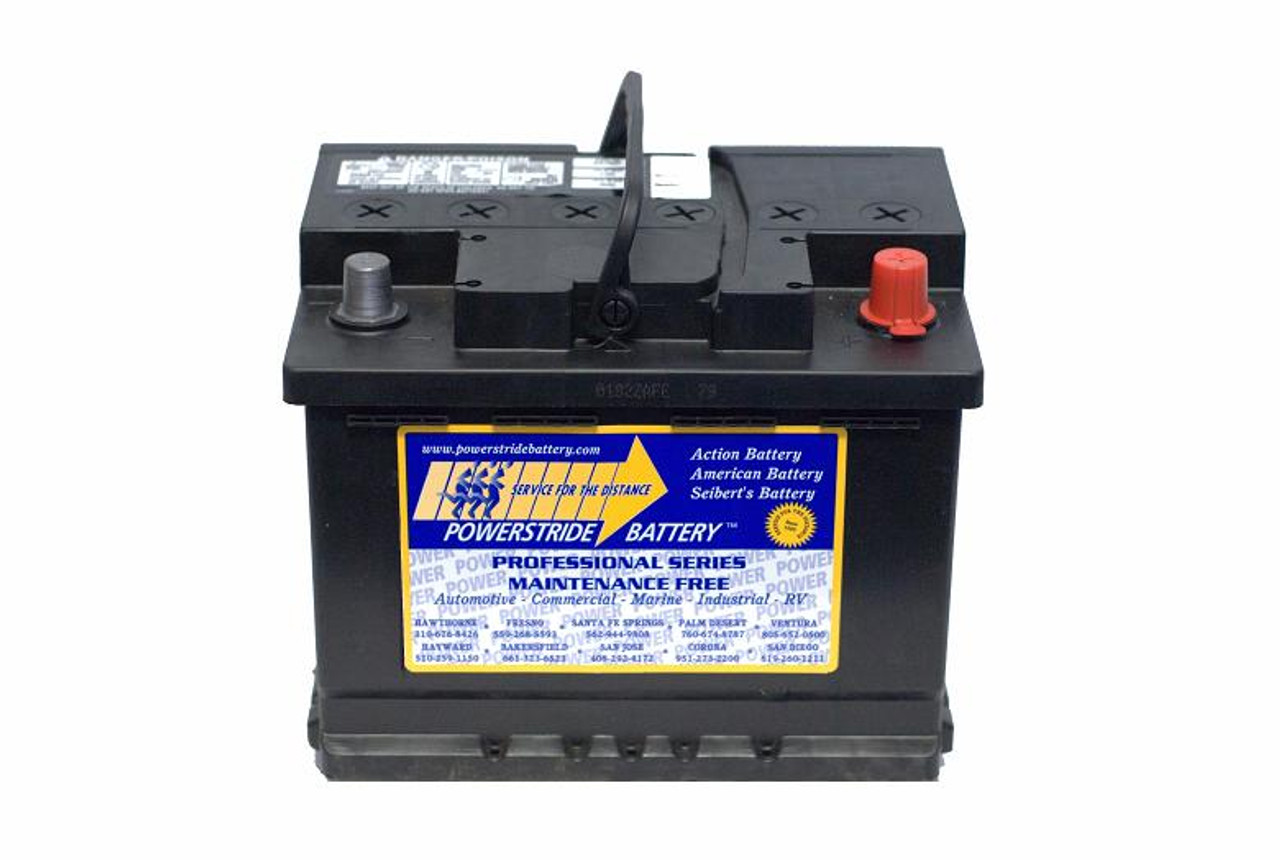
Signs of a weak battery include slow cranking when starting, dim headlights, or warning lights on the dashboard. Ignoring these signs often leads to a complete failure, usually at the most inconvenient moment.
Testing your battery once or twice a year is an inexpensive way to check its health. Most auto shops do this for free. Replacing the battery every 3–5 years is generally recommended, depending on usage and climate.
A good battery ensures reliable starts, strong electronics, and smooth operation of features like power windows, air conditioning, and infotainment systems. Maintaining it is simple but critical for your Malibu’s reliability.
11) Not Washing and Waxing
Many drivers don’t realize that car washing isn’t just about looks—it’s about protecting your Malibu from long-term damage. Skipping regular washing and waxing allows rust and corrosion to slowly eat away at the car’s body.
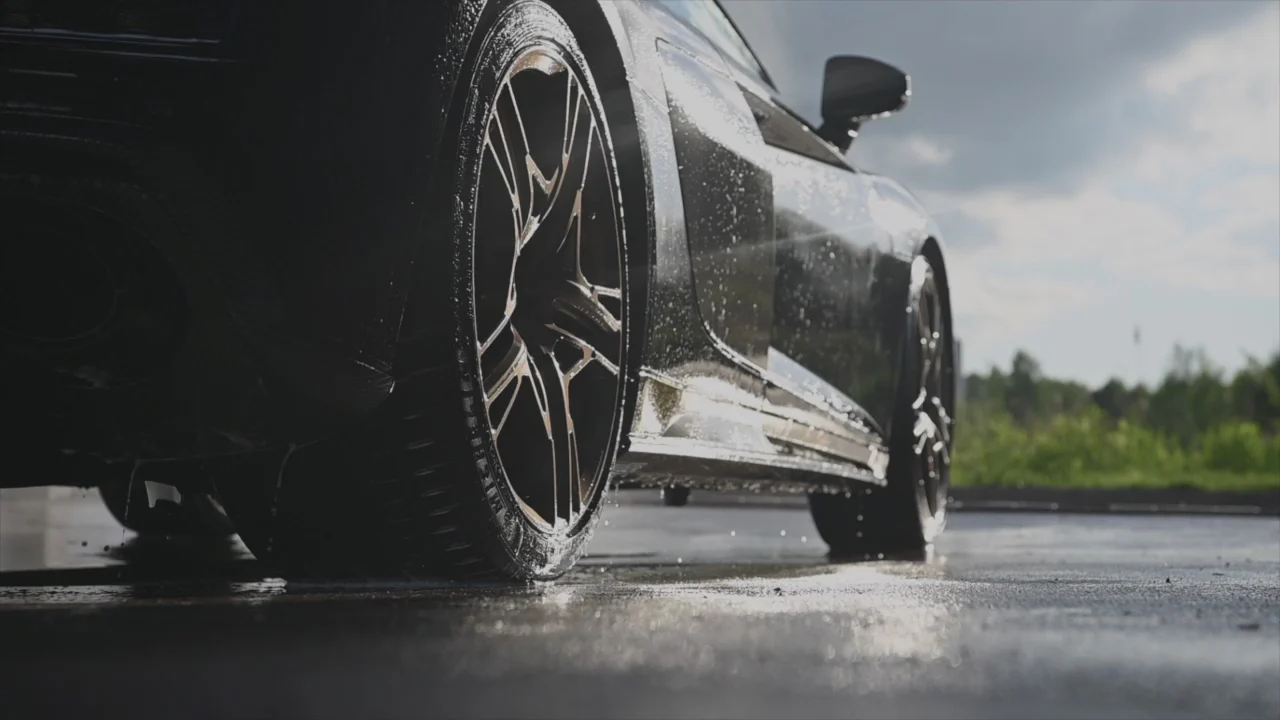
Road salt in winter is especially harmful. If it sits on the undercarriage for too long, it can rust critical parts like the frame, exhaust, and brake lines. Once rust starts spreading, repairs become extremely difficult and expensive.
Even in warmer climates, dirt, bird droppings, and tree sap damage paint if left too long. Over time, this weakens the paint’s protective layer, leaving the metal underneath exposed to moisture and corrosion.
Waxing provides a protective coating that repels water and shields the paint from sun damage. A few coats of wax each year make washing easier and preserve the Malibu’s shine while protecting against environmental damage.
Regular undercarriage washes are also important, since many owners forget that rust often starts where you can’t see it. Washing every two weeks, or more often in winter, is a small effort that adds years to your car’s life.
A clean, well-maintained Malibu not only lasts longer but also holds its resale value better. Buyers are far more willing to pay for a car that looks cared for inside and out.
12) Skipping Regular Inspections
Routine inspections are one of the simplest yet most powerful ways to extend your Malibu’s life. Unfortunately, many owners skip them, thinking the car is fine as long as it starts and drives.
Inspections allow mechanics to spot problems early, such as small leaks, worn belts, or cracked hoses. These issues may cost only a little to fix if caught early, but ignoring them can lead to major failures and big repair bills.
For example, a worn serpentine belt may cost less than $100 to replace. If it breaks while driving, however, it can damage other components and leave you stranded, with repairs easily reaching several hundred dollars.
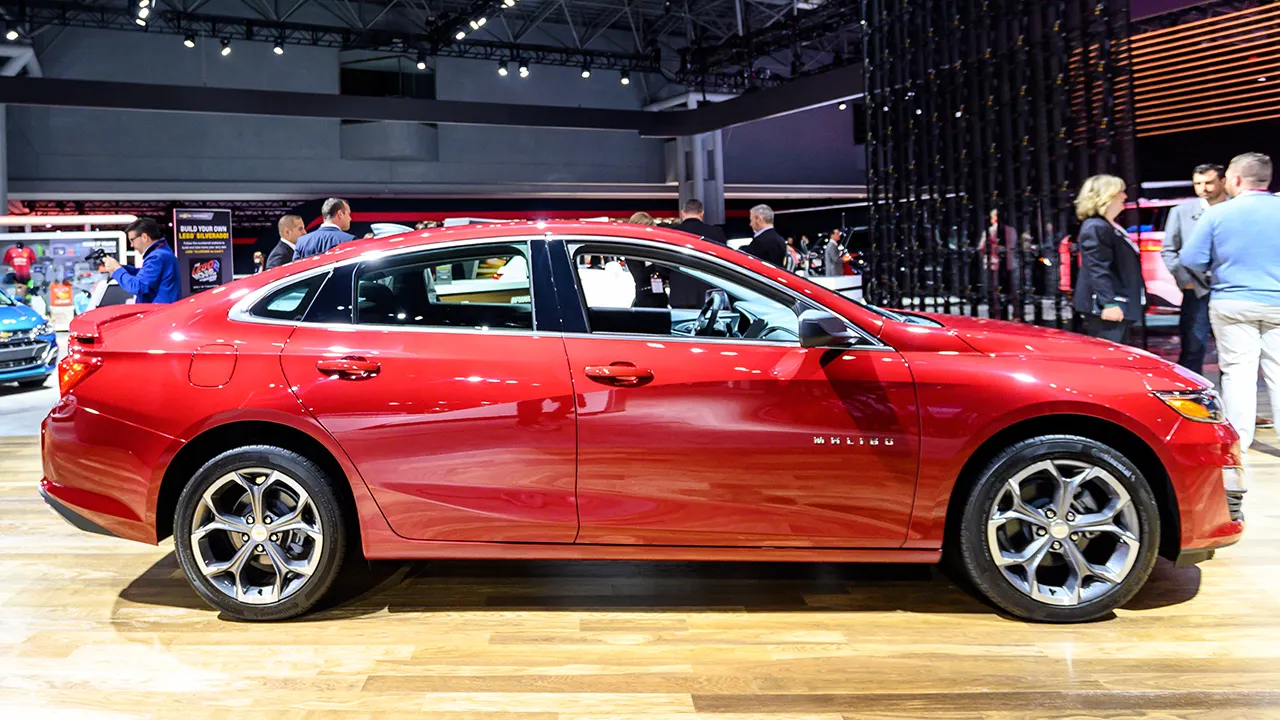
Inspections also ensure that safety systems, such as brakes and suspension, are in top condition. Even if everything feels normal to you, a trained eye can catch hidden problems before they cause danger.
Most experts recommend having a professional inspection at least once a year, often during routine oil changes. Some shops even provide free multi-point inspections that review critical systems without added cost.
By skipping inspections, you gamble with both your Malibu’s lifespan and your wallet. Staying on top of them is one of the easiest ways to keep your vehicle running reliably for many years.