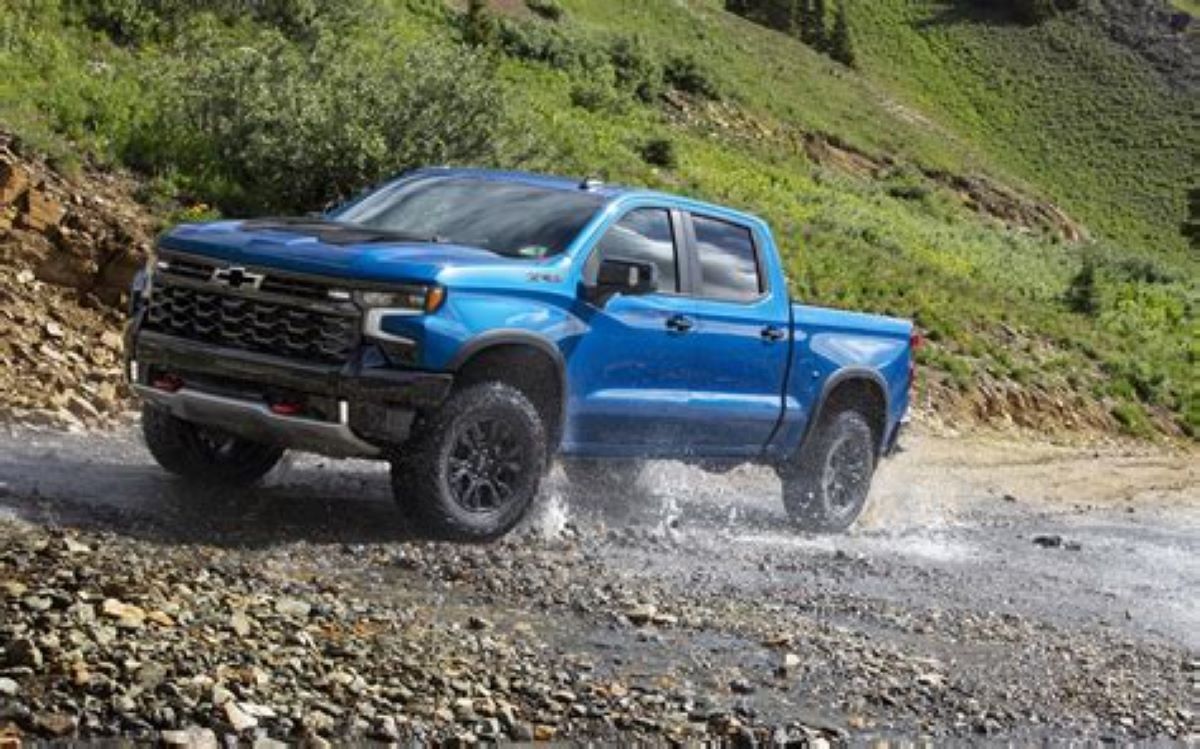
For decades, the Chevy Silverado has been one of America’s most trusted pickup trucks. Whether it’s hauling equipment for work, towing a boat for a weekend getaway, or simply serving as a reliable daily driver, the Silverado has earned its reputation as a tough and dependable vehicle.
But like any truck, longevity depends on how well it’s treated. While many Silverado owners proudly push their odometers past 200,000 miles, others watch their trucks start to fall apart well before the 150,000-mile mark. The difference usually isn’t luck it’s maintenance and habits.
If you own a Silverado and want it to last, avoiding certain mistakes is critical. Here are eight common missteps that can cut your truck’s life short and lead to costly repairs long before you should have to worry about them.
1. Ignoring Oil Changes
One of the fastest ways to destroy a Silverado’s engine is by neglecting regular oil changes. Chevy recommends changing the oil and filter at intervals based on driving conditions usually every 7,500 miles for normal use, but closer to 5,000 miles if you tow, haul heavy loads, or drive in dusty conditions.
Unfortunately, many owners stretch these intervals too far, thinking modern engines can handle it.
The Silverado’s popular V8 engines, like the 5.3L and 6.2L, are durable but prone to problems if the oil breaks down. Sludge buildup, lifter collapse, and premature bearing wear are all common consequences of skipping oil service.
High-quality synthetic oil and sticking to a proper maintenance schedule are key to ensuring the engine keeps humming past 150,000 miles.
2. Overloading and Towing Beyond Capacity
Silverados are built for hard work, but every truck has its limits. Owners who consistently exceed towing or payload capacities put tremendous strain on the drivetrain, suspension, and brakes.
Even short bursts of overloading can bend components or overheat transmissions, leading to failures that often show up before the 150,000-mile mark.
For example, towing a 10,000-pound trailer with a Silverado not rated for it can cause the transmission fluid to overheat, burning clutch packs and leading to costly rebuilds.
Likewise, hauling too much in the bed can stress leaf springs and shocks, wearing them out prematurely. Smart Silverado owners know their truck’s specs and resist the temptation to “push it just this once.”
A car’s gross vehicle weight rating (GVWR), sometimes referred to as towing capacity or truck towing capacity, is not something to take lightly.
This rating is determined by the maximum gross vehicle weight (GVW), which includes the fully loaded weight of the vehicle or trailer along with cargo and passengers. Pushing past that limit doesn’t just risk costly damage to your vehicle, it also endangers your life and the lives of others on the road.
Understanding, and respecting, your truck’s towing capacity, particularly its GVWR and GVW (also referred to as gross trailer weight rating (GTWR) and gross trailer weight (GTW)), is one of the most important steps before setting out for an outdoor adventure.
Towing isn’t a casual task. It requires vehicles specifically engineered to handle the stress. Tow-capable vehicles are built with stronger frames, reinforced suspension systems, more powerful engines, and heavier axles to manage the load.
Think of it this way: you wouldn’t risk crossing a bridge made of Legos because it would collapse under your weight. Likewise, you shouldn’t force a 1992 Ford Ranger to tow a boat that far exceeds its rated towing capacity.
Just because your pickup seems capable of managing a little extra weight, like hauling a boat for a short drive, doesn’t mean it’s safe. Your elderly grandmother might also be able to sling a heavy backpack across the room, but would you really ask her to?
The comparison holds: repeated trips with an overloaded backpack could leave your grandmother with lasting injuries, and similarly, repeated trips with an overloaded truck will cut short its working life. Vehicles are built to withstand only so much stress, and their designs reflect those limits.
That’s why long-haul commercial trucks, meant to pull heavy loads daily, feature oversized wheels, high-powered engines, and reinforced suspension and braking systems, unlike passenger vehicles.
When you ask a truck to pull beyond its intended capacity, several failures start to line up: brakes begin to fade, tires face higher risk of blowouts, and the engine struggles with overheating. This strain trickles down to the drivetrain, which in turn shortens the lifespan of the transmission.
The effects may not be immediate, but the accumulated wear will eventually show. At best, you’ll find yourself scheduling frequent (and expensive) repairs. At worst, you could end up in a catastrophic accident.
And if you insist on towing more than your vehicle can handle, you might not live long enough to notice the wear and tear. That’s because the extra weight drags down braking efficiency and reduces steering control.
A heavily loaded rear end lifts the front tires, causing them to lose traction on the road. With reduced grip, your truck’s stability and handling drop dramatically. Meanwhile, brakes designed for a limited load either take dangerously long to stop you in an emergency, or fail entirely.
3. Neglecting Transmission Service
Another major Silverado killer is poor transmission maintenance. Many drivers assume automatic transmissions are sealed units that never need attention, but this is a myth.
The 6-speed and 8-speed transmissions found in many Silverados need regular fluid changes to avoid issues like shuddering, slipping, or outright failure.
GM itself has issued service bulletins for shuddering in 8-speed automatics, often caused by degraded fluid. If ignored, these symptoms progress until the transmission needs major repairs.
Regular fluid and filter changes every 45,000–60,000 miles can extend transmission life well beyond 150,000 miles. Skip this step, and your Silverado may become undrivable far sooner than you expect.
4. Driving with Cooling System Problems
A Silverado’s cooling system is its first line of defense against overheating and overheating is a silent killer of truck engines.
Common issues include failing water pumps, cracked radiator hoses, or clogged radiators. Some owners keep topping off coolant without addressing leaks, thinking it’s a minor problem. But a small leak can quickly turn catastrophic.
Overheating can warp cylinder heads, blow head gaskets, and destroy an otherwise healthy engine in minutes. Chevy’s aluminum heads in particular are vulnerable to heat-related warping.
To keep a Silverado running strong, owners need to flush the coolant on schedule, inspect hoses and pumps, and address leaks immediately instead of waiting until it’s too late.

5. Letting Rust Take Over
Rust is more than cosmetic it can kill a Silverado’s frame, suspension, and bed long before the engine wears out.
Trucks driven in northern states, where road salt is common, are especially vulnerable. Frames can rot out around 100,000–120,000 miles if not protected, rendering the truck unsafe to drive.
The mistake many owners make is assuming a little surface rust is harmless. Without regular washing (especially underneath) and protective coatings, small spots can spread into structural corrosion.
Silverado frames from the early 2000s are notorious for rust issues, but even newer models aren’t immune. Preventive maintenance like undercoating, regular washes, and inspections are critical to making it past the 150,000-mile milestone.
Rust forms through the electrochemical breakdown of iron-based metals. This process, known as oxidation, occurs when iron molecules on the surface react with oxygen in the environment, producing a compound called Fe₂O₃, better known as iron oxide or rust.
Pure iron, however, does not corrode as aggressively. For example, an old iron engine block may show only a thin surface layer of rust with little penetration into the core metal. The problem is, pure iron is not very practical for car manufacturing.
Modern cars are built with steel alloys, which combine iron with carbon. Adding carbon transforms iron into steel, delivering major improvements in strength, flexibility, and durability. But this enhancement comes at a cost: those impurities speed up rust formation.
The rate at which exposed steel corrodes depends on several factors, including the alloy’s composition, thickness, the surrounding environment, and the heat treatment applied during production. Poorly made cars of the 1970s were infamous for showing rust as soon as they rolled off the docks. Left untreated, raw sheet steel can rust through entirely in just a few years.
Another major factor is salt. Road salts and other contaminants dissolved in water act as electrolytes, which accelerate chemical reactions by increasing the movement of molecular components.
For vehicles, this means that dirty or salty water trapped in body panels speeds up rust development. It’s also the reason cars in northern regions, where roads are salted during winter, and vehicles near ocean air are particularly prone to corrosion.
Automakers have invested heavily in preventing rust, pouring resources into testing and advanced materials to ensure vehicles don’t literally dissolve beneath drivers.
Lightweight metals like aluminum and magnesium are becoming more common, not only for their performance benefits but also because they corrode so slowly that the process is almost unnoticeable over a human lifetime. The drawback is cost, which is why these metals are still used selectively rather than across entire vehicles.
6. Ignoring Suspension and Steering Wear
The Silverado’s suspension and steering components take a beating, especially if the truck is used for heavy work or off-road driving. Ball joints, tie rods, shocks, and control arms are wear items that need attention over time.
Unfortunately, many owners ignore the early warning signs clunking, wandering steering, or uneven tire wear until major damage occurs.
Driving with worn-out suspension parts not only ruins ride quality but also places extra strain on the frame and tires. Bad shocks can lead to premature tire wear, while neglected ball joints can eventually fail completely, causing dangerous driving situations.
Addressing suspension issues early helps prevent a cascade of expensive repairs and extends the truck’s usable life.
7. Using Cheap or Wrong Fuel
While most Silverado engines are tuned for regular 87-octane fuel, some versions like the 6.2L V8 are designed to perform best with premium. Using the wrong octane consistently can cause knocking, reduced performance, and long-term engine wear.
Additionally, buying the cheapest gas available without considering fuel quality can introduce issues. Some discount stations sell fuel with higher ethanol content or less detergent, which can lead to clogged injectors and carbon buildup.
Silverado owners should stick with trusted stations and follow Chevy’s fuel recommendations to avoid unnecessary engine trouble.
Using cheap fuel in your car may feel like a budget-friendly choice, but in reality, it can cause long-term damage that ends up being far more expensive than the money saved at the pump.
Low-quality gasoline often lacks the proper octane rating required by modern engines, which can lead to engine knock, also known as pre-ignition or pinging. This happens when the air-fuel mixture detonates prematurely inside the cylinders, creating damaging pressure on pistons, rods, and other critical components.
To avoid this, it’s essential to always use the manufacturer’s recommended octane level and switch to higher-octane fuel immediately if you notice knocking, while also having the engine inspected by a professional.
Another problem with cheap gasoline is its tendency to contain impurities and weak additives, both of which can lead to carbon buildup inside your fuel injectors. Over time, this accumulation clogs the injectors and reduces their efficiency, resulting in poor fuel atomization, rough idling, higher consumption, and decreased overall performance.
While regular use of a fuel injector cleaner can help, severe clogging often requires professional cleaning or replacement. These same impurities can also overwhelm the fuel filter, blocking the passage of gasoline to the engine.
A blocked filter restricts fuel flow, which can cause sluggish performance, hard starts, or even stalling. To prevent this, it’s important to replace your fuel filter according to your vehicle’s maintenance schedule and avoid purchasing gasoline from unreliable or unregulated stations.
Cheap gasoline also affects your car’s efficiency in more subtle ways. Low-grade fuels often use poor-quality additives or high ethanol blends, which burn less efficiently and force you to refuel more frequently.
Over time, this cancels out any perceived savings from buying cheaper fuel in the first place. If you’ve already noticed a drop in fuel economy after using cheap gas, switching to a higher-grade fuel and using a system cleaner can help remove deposits and restore proper combustion.
Beyond efficiency, cheap gasoline can damage one of the most expensive parts of your emissions system: the catalytic converter. Contaminants in low-quality fuel can clog or corrode the converter, leading to higher emissions, decreased performance, and costly replacements.
Even spark plugs suffer under the effects of low-grade fuel. Impurities cause plugs to foul with a black, sooty residue that prevents proper ignition of the air-fuel mixture. The result is misfiring, reduced engine performance, and increased exhaust emissions.
To prevent this, spark plugs should always be replaced on schedule, and high-quality gasoline should be used to keep combustion chambers cleaner for longer. If fouling has already occurred, the plugs will need to be replaced and a fuel additive can help clean out remaining deposits.
In short, while cheap fuel may offer a temporary financial reprieve, the long-term consequences include engine knock, clogged injectors, blocked filters, reduced fuel efficiency, catalytic converter damage, and fouled spark plugs.
Each of these issues can escalate into expensive repairs and accelerated wear on your engine. Using high-quality gasoline that meets your vehicle’s specifications is not just about maintaining performance—it’s an investment in your car’s longevity, safety, and overall value.
8. Skipping Routine Inspections and Preventive Maintenance
Finally, the biggest mistake Silverado owners make is treating the truck as indestructible and skipping routine checks.
A Silverado might feel bulletproof when new, but it still requires attention to last. Skipping small items like tire rotations, brake fluid flushes, and battery inspections can snowball into bigger failures.
For instance, not rotating tires can ruin a set prematurely, leading to suspension misalignment issues.
Ignoring brake fluid replacement can corrode ABS components, while overlooking battery corrosion can cause electrical failures. Preventive maintenance isn’t just about saving money it’s about keeping the truck in roadworthy shape for the long haul.
Your car is reliable, until it isn’t. Skipping routine maintenance might feel harmless in the moment, but small oversights have a way of snowballing into costly, dangerous, and sometimes disastrous situations. Think missing an oil change or ignoring that strange noise under the hood won’t matter? Think again.
Oil changes, for example, are not optional. Engine oil keeps moving parts properly lubricated, prevents overheating, and flushes away harmful sludge buildup. When you delay or skip an oil change, the old oil thickens, creating friction and heat that wear your engine down from the inside.
Over time, this neglect can lead to total engine failure, and replacing an engine is one of the most expensive repairs a car owner can face.
Beyond oil, other simple tasks, like checking coolant levels or replacing air filters, are essential to preventing overheating and premature wear. Cutting corners today may save you an hour in the garage, but it could easily cost you thousands in repairs tomorrow.
Tires, too, often get overlooked until something goes wrong. Every mile you drive puts stress on them, and failing to check air pressure, rotate them, or replace worn treads invites trouble. Low tire pressure drastically increases the risk of a blowout, especially at highway speeds.
Uneven wear compromises handling and braking efficiency, while bald treads become hazardous in rain or snow, making hydroplaning almost inevitable. Tires are your car’s only point of contact with the road, which makes their condition not just a matter of performance, but of safety.
Ignoring maintenance also hurts your wallet in less obvious ways. A car that isn’t running efficiently burns more fuel than it should, and fuel costs add up quickly.
Dirty air filters, underinflated tires, and worn-out spark plugs all make your engine work harder, which means more gas consumed for less output. In other words, neglect doesn’t just wear down your car, it eats into your wallet every time you fill up the tank.
It could signal a failing sensor, or worse, a looming system-wide failure. Ignoring these warning signs often means setting yourself up for breakdowns that a simple tune-up could have prevented.
Delaying brake inspections can lead to total brake failure, skipping transmission fluid changes can end in transmission collapse, and ignoring your battery’s health can leave you stranded in the worst possible place.
The bottom line is simple: maintenance is not optional. Your car is an investment, and taking care of it ensures fewer breakdowns, better performance, and more savings in the long run.
Skipping routine care might feel inconsequential at first, but the consequences can be expensive, frustrating, and even dangerous. Treat your car well, and it will return the favor. Because the last place you want to be is stuck on the side of the road, wishing you hadn’t ignored the warning signs.
A Chevy Silverado has the potential to be a 200,000- or even 300,000-mile truck, but reaching those numbers requires smart ownership.
Neglecting oil changes, overloading, skipping transmission service, ignoring cooling system problems, letting rust spread, overlooking suspension wear, using poor-quality fuel, and avoiding preventive maintenance are the fastest ways to kill a Silverado before it even hits 150,000 miles.
For truck owners in the US whether you rely on your Silverado for work, recreation, or daily driving the message is clear: treat your truck with care, and it will reward you with years of dependable service.
Avoid these eight mistakes, and your Silverado won’t just survive it will thrive well past the 150,000-mile milestone.