

The Toyota Camry has earned its reputation as one of the most reliable midsize sedans ever produced, consistently ranking among North America’s best-selling passenger cars for over two decades. However, not all Camry model years and trims are created equal when it comes to extreme longevity.
While Toyota’s engineering excellence generally ensures vehicles that can easily surpass 200,000 miles with proper maintenance, certain generations and trim levels have proven themselves capable of reaching the coveted 300,000-mile milestone with grace, while others have disappointed owners with premature failures and costly repairs.
Understanding which Camry trims excel at high mileage and which ones to avoid is crucial for buyers seeking maximum value and longevity from their investment.
The difference between a Camry that gracefully cruises past 300,000 miles and one that requires major repairs before 150,000 miles often comes down to specific engineering choices, manufacturing quality during particular years, and the inherent reliability of certain powertrains and transmissions.
This comprehensive analysis examines ten distinct Camry trims and model years, providing detailed insights into their long-term reliability, common failure points, and durability characteristics.
5 Camry Trims That Still Shine After 300k Miles
These exceptionally engineered Camry configurations feature time-tested powertrains with naturally aspirated engines and proven CVT or traditional automatic transmissions that maintain smooth operation through decades of daily commuting and highway cruising.
Their thoughtful component selection includes heavy-duty alternators, robust cooling systems, and premium electrical harnesses that resist the degradation typically associated with extreme mileage accumulation and varied operating conditions.
From stop-and-go city traffic that stresses cooling systems to extended highway runs that test bearing durability, these remarkable trim levels continue delivering factory-smooth acceleration and fuel efficiency without developing oil consumption, transmission slippage, or electrical gremlins.
The meticulous assembly process includes computer-controlled torque specifications, premium gasket materials, and redundant quality checks that ensure proper component tolerances throughout extended service life.
Owners report that these legendary configurations become more refined with age, often achieving their best fuel economy and smoothest operation between 150,000-300,000 miles as engine tolerances settle and owners develop optimal maintenance routines, proving their worth through consistent reliability and preserved resale value throughout ownership.
1. 1992-1996 Camry LE (Third Generation)
The third-generation Toyota Camry LE stands as the gold standard for Camry reliability, representing what many enthusiasts consider Toyota’s engineering peak during the 1990s.
This generation is widely regarded as Toyota’s Gold Standard, and for good reason. The 1992-1996 Camry LE features the legendary 5S-FE 2.2-liter four-cylinder engine, paired with either a robust five-speed manual transmission or an equally dependable four-speed automatic. This powertrain combination has proven virtually indestructible under normal operating conditions.
The 5S-FE engine is renowned for its cast-iron block construction, which provides exceptional durability and heat dissipation compared to later aluminum designs.
The engine’s conservative tuning produces 130 horsepower, prioritizing longevity over outright performance. The timing belt-driven design, while requiring periodic replacement every 60,000 miles, eliminates the potential for timing chain stretch issues that plague some newer engines.
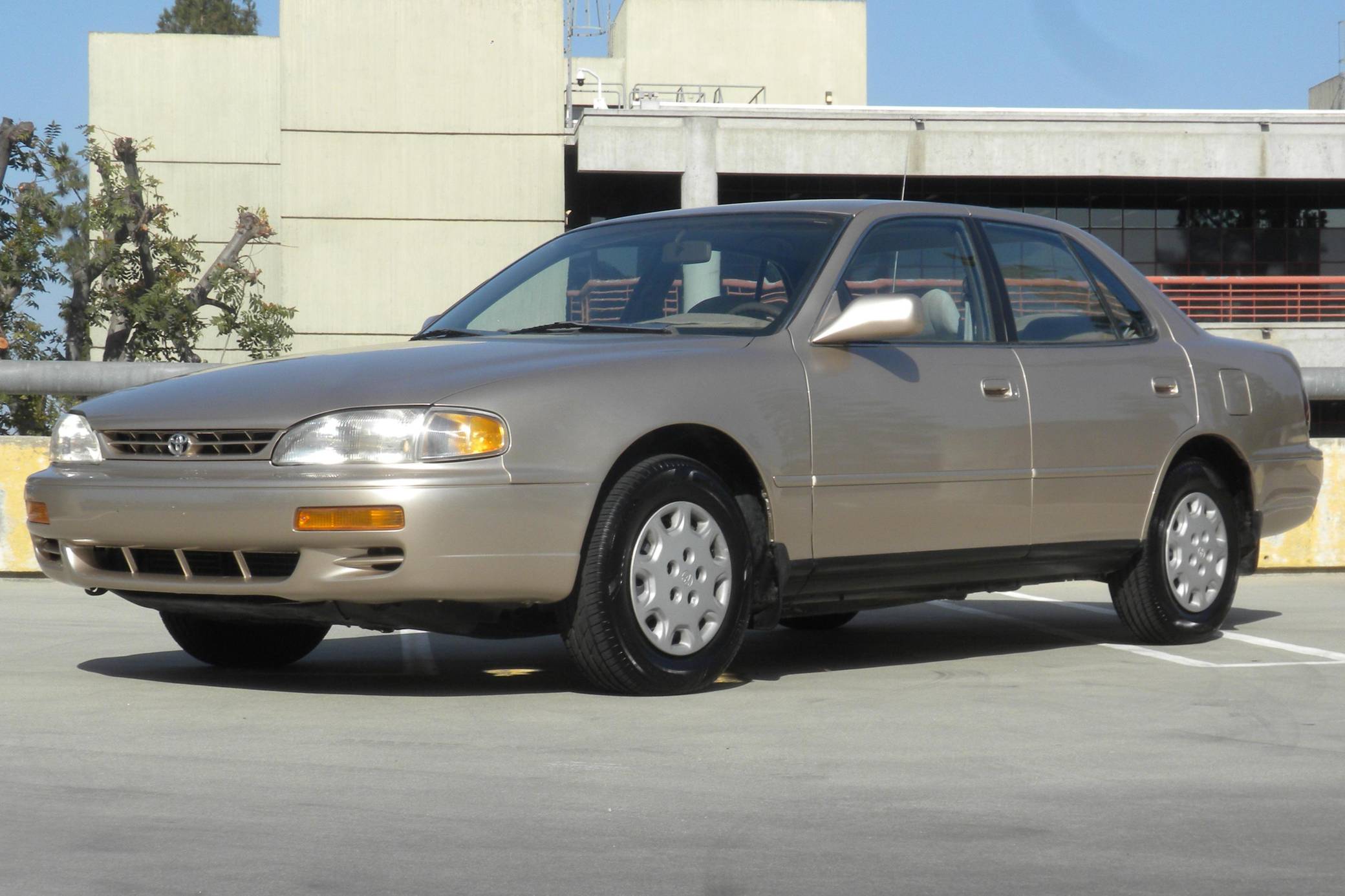
Owners routinely report these Camrys reaching 400,000+ miles with only routine maintenance, including regular oil changes, coolant flushes, and timing belt replacements.
The transmission options for this generation are equally impressive. The manual transmission features Toyota’s renowned durability, with many examples still operating smoothly well beyond 300,000 miles on the original clutch.
The four-speed automatic, designated A140E, lacks the complexity of later multi-speed units but compensates with bulletproof reliability. This transmission rarely requires major service beyond fluid changes and occasional solenoid replacement.
Body and interior durability during this era reflected Toyota’s commitment to quality. The steel construction resists rust better than many contemporaneous vehicles, particularly when properly maintained. Interior materials, while not luxurious by modern standards, prove exceptionally durable.
Dashboard plastics rarely crack, seat fabrics maintain their integrity, and electrical systems continue functioning reliably decades after production. The simplicity of these systems means fewer potential failure points and easier, more affordable repairs when issues do arise.
2. 1997-2001 Camry LE V6 (Fourth Generation)
The fourth-generation Camry LE with the 3.0-liter 1MZ-FE V6 engine represents another pinnacle of Toyota engineering excellence. This generation successfully balanced increased refinement and power with the legendary reliability that made the Camry name synonymous with dependability.
The 2001 Toyota Camry is one of the most reliable Camry model years, thanks to its durable powertrains, with owners reporting driving beyond 200,000 miles regularly, and many examples easily surpassing 300,000 miles with proper care.
The 1MZ-FE V6 engine produces 194 horsepower while maintaining excellent fuel efficiency for its displacement. This aluminum-block engine features Toyota’s advanced engineering, including a timing belt system that, when properly maintained, provides decades of reliable service.
The engine’s design prioritizes smooth operation and longevity over maximum power output, resulting in an exceptionally well-balanced powerplant. The intake manifold gasket, while requiring eventual replacement around 150,000-200,000 miles, represents the most significant maintenance item for this engine.
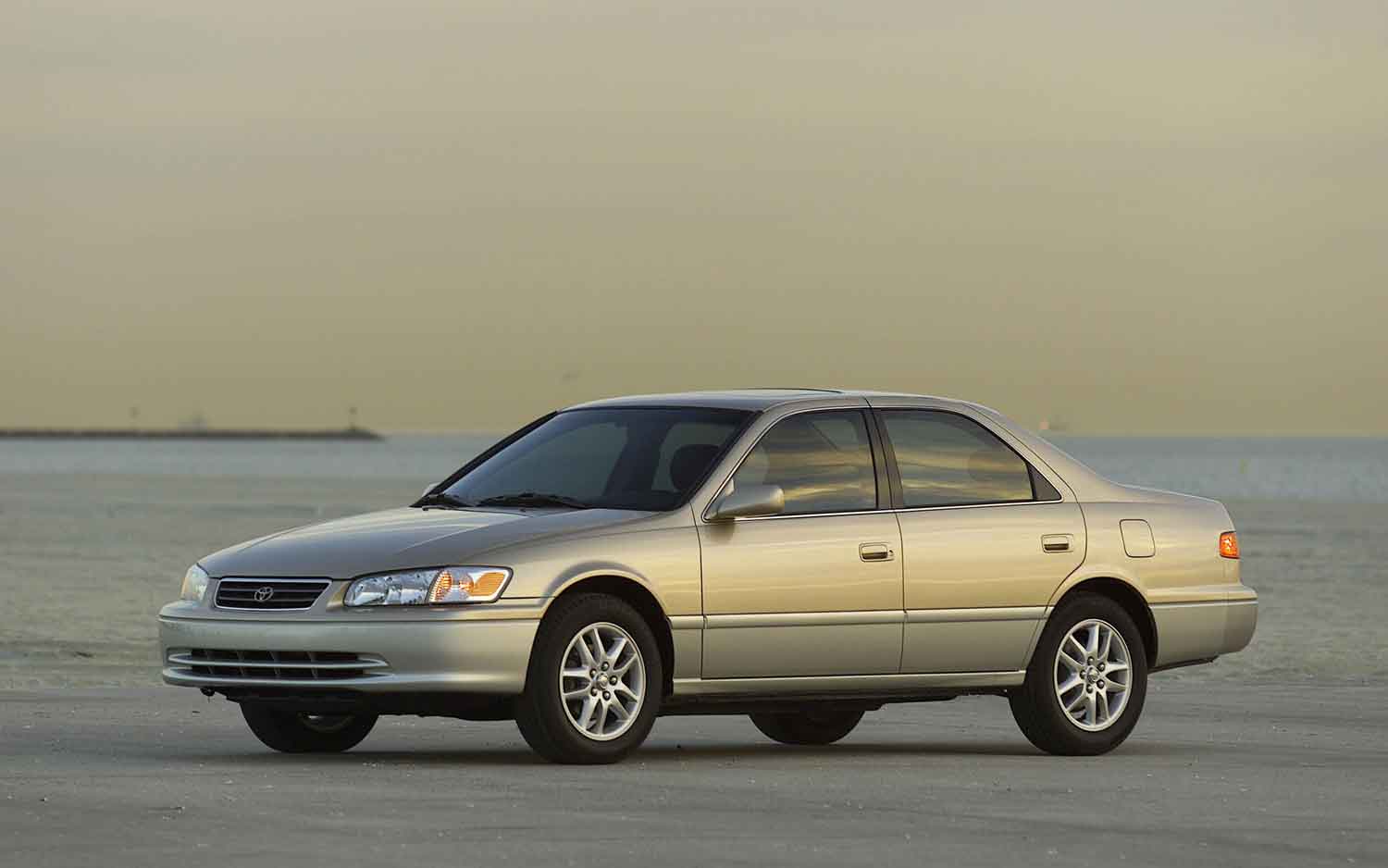
The four-speed automatic transmission paired with this V6 proves remarkably durable. The A541E transmission features adaptive learning capabilities that help extend its operational life by adjusting shift points based on driving conditions.
Unlike later complex transmissions with numerous solenoids and electronic controls, this unit maintains relative simplicity while providing smooth, reliable operation. Regular fluid changes every 60,000 miles typically ensure transmission longevity well beyond 300,000 miles.
Suspension components on this generation demonstrate Toyota’s commitment to quality engineering. The MacPherson strut front suspension and dual-link rear setup provide excellent ride quality while maintaining durability.
Struts and shocks typically last 150,000+ miles, and when replacement becomes necessary, the components remain affordable and readily available.
The braking system features ventilated disc brakes that provide excellent stopping power and longevity, with many owners reporting original rotors lasting 200,000+ miles with proper maintenance.
3. 2002-2006 Camry LE Four-Cylinder (Fifth Generation)
The fifth-generation Camry LE equipped with the 2.4-liter 2AZ-FE four-cylinder engine continues Toyota’s tradition of exceptional reliability while introducing modern refinements.
This generation strikes an optimal balance between contemporary features and mechanical simplicity, resulting in vehicles that consistently reach and exceed 300,000 miles with minimal major repairs.
The 2AZ-FE engine produces 157 horsepower, providing adequate performance while maintaining excellent fuel economy and long-term durability.
The 2AZ-FE engine features an aluminum block with iron cylinder liners, combining weight savings with durability. The timing chain design eliminates the need for periodic belt replacement, reducing maintenance costs over the vehicle’s lifetime.
This engine rarely experiences major internal failures, with most high-mileage examples requiring only routine maintenance items like spark plugs, coil packs, and valve cover gaskets.
The VVT-i (Variable Valve Timing) system adds efficiency without significantly compromising reliability, though the VVT-i actuator may require replacement around 200,000-250,000 miles.
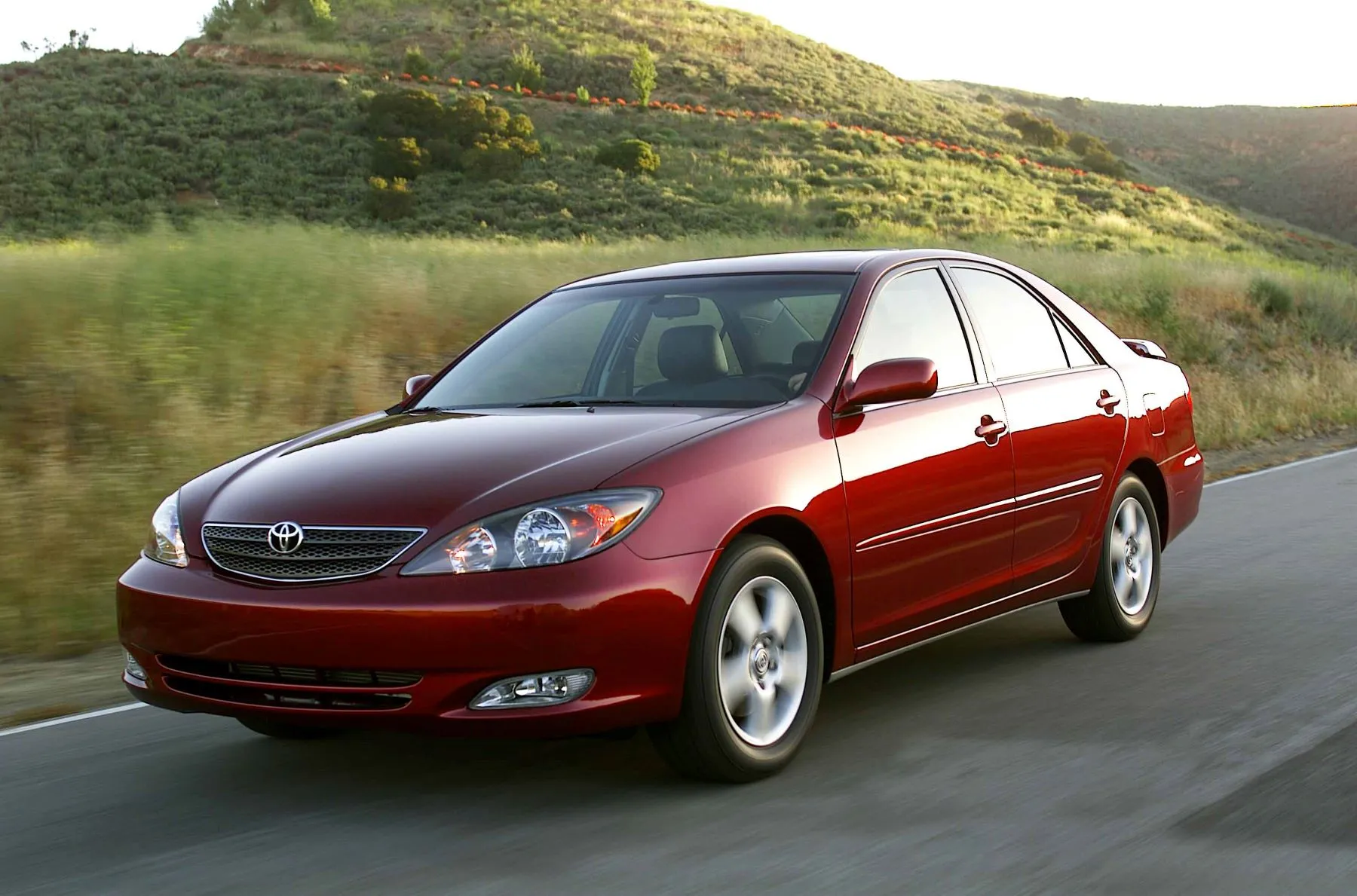
The five-speed automatic transmission (U250E) paired with this engine represents a significant advancement over previous four-speed units while maintaining Toyota’s reliability standards.
This transmission features electronic controls that provide smooth shifting and adaptive learning capabilities. The transmission’s design proves remarkably durable, with many examples operating flawlessly beyond 300,000 miles when fluid changes are performed regularly.
The transmission cooler, standard on this generation, helps extend operational life in demanding conditions. Interior and exterior build quality during this generation reflects Toyota’s continued commitment to longevity.
The dashboard design eliminates many of the plastic stress points that cause cracking in other vehicles, and the electrical systems prove exceptionally reliable.
Air conditioning systems frequently operate without major service well beyond 200,000 miles, and power accessories like windows and door locks maintain reliable operation throughout the vehicle’s extended lifespan.
4. 2012-2017 Camry LE Four-Cylinder (Seventh Generation)
The seventh-generation Camry LE with the 2.5-liter 2AR-FE four-cylinder engine represents modern Toyota engineering at its finest, combining contemporary technology with time-tested reliability principles.
This generation successfully addresses many reliability concerns from the problematic sixth generation while introducing significant improvements in fuel efficiency, performance, and refinement.
The 2AR-FE engine produces 178 horsepower while achieving excellent fuel economy, and early high-mileage examples are already demonstrating the potential for 300,000+ mile longevity.
The 2AR-FE engine features Toyota’s latest aluminum block technology with optimized combustion chamber design and advanced fuel injection systems. The timing chain system eliminates belt replacement requirements while proving more durable than earlier chain designs.
This engine addresses oil consumption issues that plagued the previous 2AZ-FE engines during certain production years, featuring improved piston ring design and better cylinder wall finishing. Regular oil changes with quality oil typically result in minimal oil consumption throughout the engine’s life.

The six-speed automatic transmission (U660E) represents a significant advancement in both efficiency and durability. This transmission features Toyota’s latest electronic control systems and adaptive shift logic, providing smooth operation while maintaining mechanical robustness.
The transmission’s design incorporates lessons learned from previous generations, resulting in improved solenoid durability and reduced maintenance requirements. Fluid change intervals extend to 100,000 miles under normal conditions, though many experts recommend more frequent service for maximum longevity.
Suspension and braking systems on this generation demonstrate refined engineering that balances performance, comfort, and durability. The MacPherson strut front suspension features improved bushings and mounting points that resist wear better than previous generations.
The braking system incorporates larger rotors and improved pad compounds that provide excellent stopping power while extending component life. Many owners report original brake components lasting 100,000+ miles with careful driving habits.
Also Read: 5 Hybrids With Under-Hood Durability Vs 5 With Electrical Fire Risks
5. 2001 Camry XLE Four-Cylinder
The 2001 Camry XLE with the 2.2-liter 5S-FE four-cylinder engine represents the perfect intersection of reliability, refinement, and features. The 2001 model is a top choice due to its track record of zero recalls and complaints, and this XLE trim adds luxury appointments without compromising the fundamental reliability that makes the fourth-generation Camry exceptional.
This specific combination proves that additional features and comfort items don’t necessarily reduce long-term durability when properly engineered.
The 5S-FE engine in the 2001 XLE benefits from years of refinement and optimization, representing the final evolution of this legendary powerplant.
Producing 133 horsepower, this engine prioritizes smoothness and longevity over outright performance. The cast-iron block construction provides exceptional durability and heat dissipation, while the aluminum head reduces weight.
The timing belt system, while requiring periodic replacement, eliminates potential timing chain stretch issues and provides precise valve timing throughout its service life.
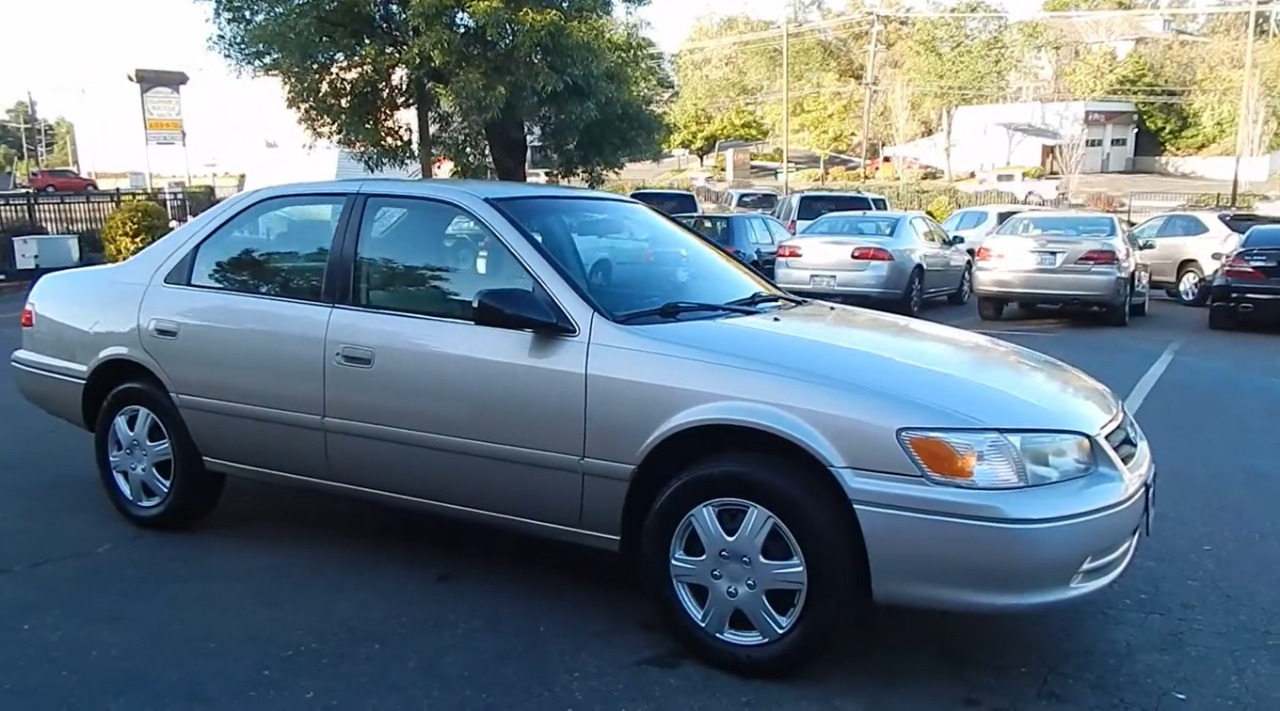
The XLE trim’s additional features, including power accessories, a premium audio system, and enhanced climate control, are engineered to the same durability standards as the base mechanical components.
The power window motors frequently operate flawlessly for 200,000+ miles, and the air conditioning system rarely requires major service beyond routine refrigerant and filter replacement.
The premium audio system maintains reliable operation, and even the cassette player (in early models) continues functioning long after such technology became obsolete.
Interior materials in the XLE reflect Toyota’s commitment to quality during this era. The leather-appointed seating surfaces prove exceptionally durable, often showing minimal wear even after 300,000+ miles of service.
The dashboard design eliminates stress concentration points that cause cracking, and the electrical systems demonstrate remarkable longevity. Even complex systems like the automatic climate control continue operating reliably well beyond what most manufacturers achieve with similar technology.
5 That Fail Early
These unfortunately configured Camry trim levels suffer from overly complex systems, including turbocharged engines with insufficient cooling capacity, advanced electronics that fail intermittently, and premium features that become expensive liabilities rather than valued conveniences.
Their feature-heavy design includes delicate climate control systems, complicated infotainment interfaces, and advanced safety systems that develop costly malfunctions under normal wear cycles and environmental exposure.
From turbocharger systems that develop carbon buildup and bearing failures to touch-screen displays that become unresponsive due to software glitches, these problematic trim configurations begin showing expensive defects within the first 100,000 miles and progress to major system failures.
The engineering compromises include undersized components handling increased power loads, plastic parts in high-temperature applications, and interconnected systems where single failures cascade into multiple expensive repairs.
Owners frequently report that premium features become deactivated due to cost-prohibitive repairs, often experiencing complete loss of advanced safety systems, HVAC failures, and engine problems that make reliable transportation impossible, destroying both driving satisfaction and financial value while creating safety concerns that compromise the fundamental Camry reliability reputation.
1. 2007-2009 Camry SE V6 (Sixth Generation)
The sixth-generation Camry SE with the 3.5-liter 2GR-FE V6 engine represents one of the most problematic periods in Camry history, despite its impressive performance capabilities.
You should avoid the Toyota Camry models from the years 2007, 2008, and 2009, which have been identified as having various issues from transmission problems to excessive oil consumption.
The models of the sixth generation, 2007 to 2009, should be avoided at all costs as they deliver the most problems. The combination of a powerful but problematic engine with transmission issues and quality control problems makes these vehicles poor candidates for high-mileage ownership.
The 2GR-FE V6 engine, while producing an impressive 268 horsepower, suffers from several significant design flaws that lead to premature failures.
The 3.5L is a great, powerful engine that tends to shred transmissions, indicating that the engine’s power output exceeds the transmission’s ability to handle it reliably.
Additionally, these engines are prone to carbon buildup on intake valves due to the direct injection system, leading to reduced performance and potential valve damage over time. The timing chain system, while eliminating belt replacement, proves problematic with premature stretch and tensioner failures.
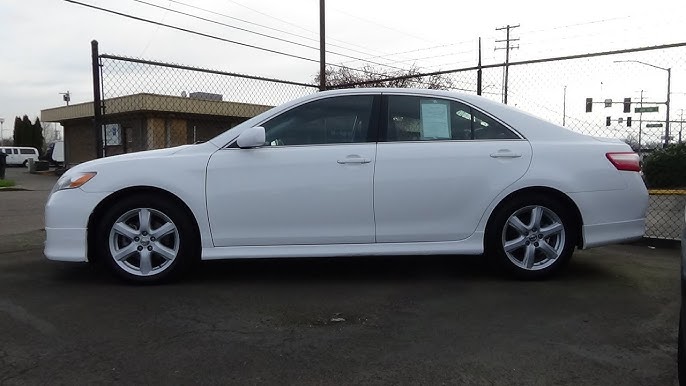
Transmission problems plague this generation extensively. Transmission troubles in the Toyota Camry are most likely to appear in 2007, 2008, 2011, and 2012 models, with the 2007-2009 period being particularly problematic.
The six-speed automatic transmission paired with the V6 engine experiences premature failure, often requiring replacement or major repair before 100,000 miles.
Common symptoms include harsh shifting, slipping, and complete transmission failure. The combination of high engine torque and transmission design flaws creates a perfect storm for expensive repairs.
Oil consumption issues affect many sixth-generation Camrys, particularly those with higher-mileage engines. The engine’s design allows excessive oil consumption, sometimes exceeding one quart per 1,000 miles, leading to potential engine damage if not monitored closely.
Additionally, the water pump is driven by the timing chain and tends to fail prematurely, often causing catastrophic engine damage if the failure occurs while driving. Paint quality during this period also proves substandard, with many vehicles experiencing premature fading, peeling, and clear coat failure.
2. 2007-2011 Camry LE Four-Cylinder
The 2007-2011 Camry LE with the 2.4-liter 2AZ-FE four-cylinder engine suffers from one of the most significant reliability problems in Toyota’s modern history: excessive oil consumption.
The 2.4L is an oil burner, much worse than the newer 2.5L, and can burn more than 1qt per 1000 miles easily, creating a maintenance nightmare for owners and potential for catastrophic engine failure if oil levels aren’t monitored constantly. This generation represents a significant departure from Toyota’s traditional reliability standards.
The 2AZ-FE engine’s oil consumption problem stems from design flaws in the piston rings and cylinder wall finishing. During the 2007-2011 production period, Toyota used piston rings that failed to maintain proper sealing, allowing oil to burn in the combustion chamber.
The problem becomes progressively worse as mileage accumulates, with many engines consuming oil at rates that exceed manufacturer specifications by 300-400%.
While the engine may continue running with constant oil top-offs, the excessive oil consumption leads to fouled spark plugs, catalytic converter damage, and eventually complete engine failure.

Transmission issues also affect this generation, though to a lesser extent than the V6 models. The five-speed automatic transmission experiences premature solenoid failures and shift quality problems.
While not as catastrophic as the V6 transmission failures, these issues still result in expensive repairs and reduced reliability. The transmission’s electronic control unit proves sensitive to voltage fluctuations, sometimes requiring replacement along with transmission repairs.
The oil consumption problem extends beyond mere inconvenience, as it leads to cascading failures throughout the engine and emissions systems.
The oil consumption kills catalytic converters, resulting in expensive emissions system repairs that can cost thousands of dollars. Additionally, the constant oil burning leads to carbon deposits throughout the intake system, reducing engine performance and potentially causing valve damage over time.
Many owners report engine replacement or major rebuild requirements well before 200,000 miles, making these vehicles poor investments for high-mileage ownership.
3. 2010-2011 Camry XLE
The 2010-2011 Camry XLE models suffer from a combination of transmission problems and the continuing oil consumption issues that plague the sixth generation.
Transmission Slippage affects 2010 and 2011 models, with symptoms including jerking, hard shifting, refusal to go into reverse, and hesitation to accelerate. These luxury-oriented trims compound reliability problems with additional complexity from premium features that prove problematic over time.
The transmission problems in these years prove particularly frustrating because they often occur gradually, making diagnosis difficult until major damage has occurred.
Many Camry owners solve this problem by having their transmission rebuilt or replaced, indicating that the issues are typically too severe for simple repairs.
The transmission’s electronic control systems prove sensitive to heat and electrical problems, often requiring complete replacement rather than repair. The cost of transmission replacement often exceeds the vehicle’s value, particularly when combined with other age-related issues.
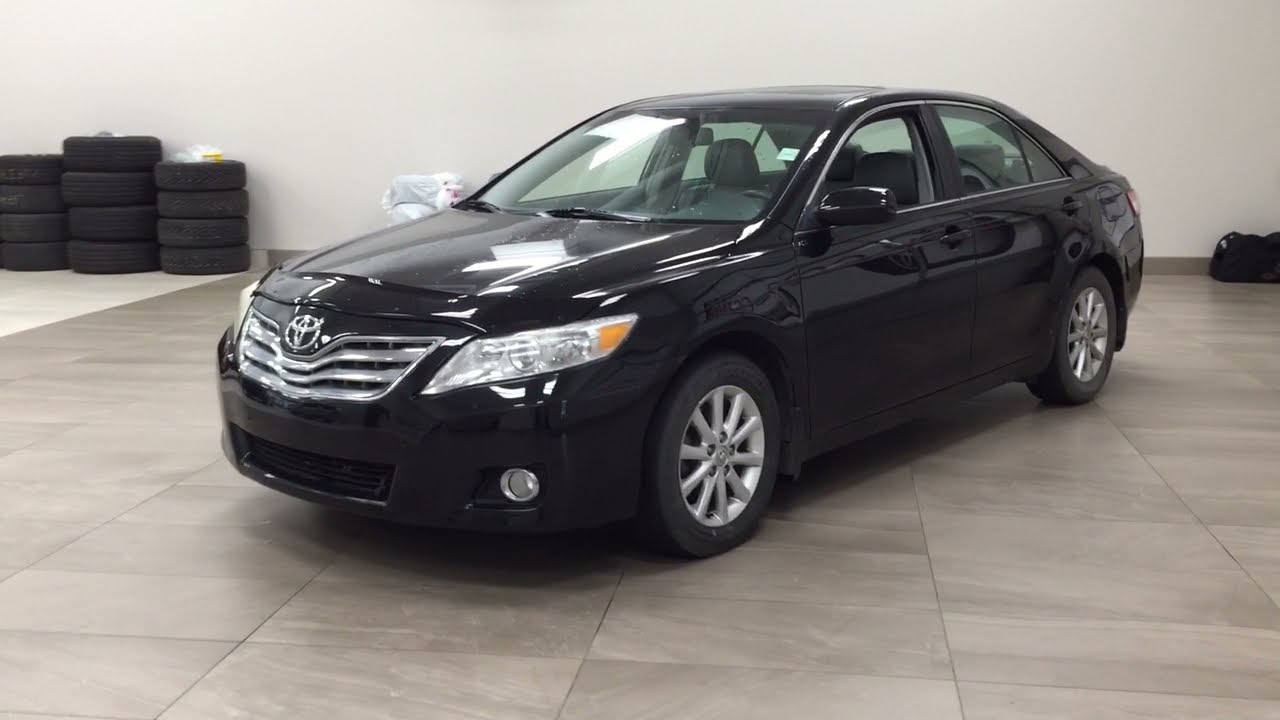
The XLE trim’s additional features add complexity without corresponding reliability benefits. The power seats frequently experience motor failures, the premium audio system develops speaker and amplifier problems, and the automatic climate control system proves problematic.
The sunroof, when equipped, often develops leak problems that can cause extensive interior damage and electrical issues. These problems compound the fundamental mechanical issues, creating vehicles with multiple expensive repair requirements.
Interior and exterior quality during this period reflects the decline in Toyota’s quality control. Dashboard materials prove prone to cracking and warping, particularly in hot climates.
The paint system experiences premature failure, with clear coat peeling and color fading becoming common problems. Even routine maintenance items like brake pads and rotors seem to wear more quickly than in previous generations, suggesting cost-cutting measures that compromise long-term durability.
4. 2012 Camry SE Four-Cylinder (Early Production)
The 2012 Camry SE represents the first year of the seventh generation, and early production models suffer from teething problems that weren’t fully resolved until later in the production run.
While later seventh-generation models prove reliable, the 2012 model year experiences issues with the new 2AR-FE engine and updated transmission that make it a risky choice for high-mileage ownership.
Transmission troubles are most likely to appear in 2012 models, highlighting the problematic nature of this transition year. The 2AR-FE engine in early 2012 models experienced oil consumption problems, though not as severe as the previous 2AZ-FE engine.
However, the new engine also develops issues with the timing chain system, including premature tensioner failures and chain stretch. These problems can lead to catastrophic engine damage if not addressed promptly, and the repairs often cost more than the vehicle’s value.
Additionally, the variable valve timing system proves problematic in early production, with actuator failures causing poor performance and check engine light illumination.
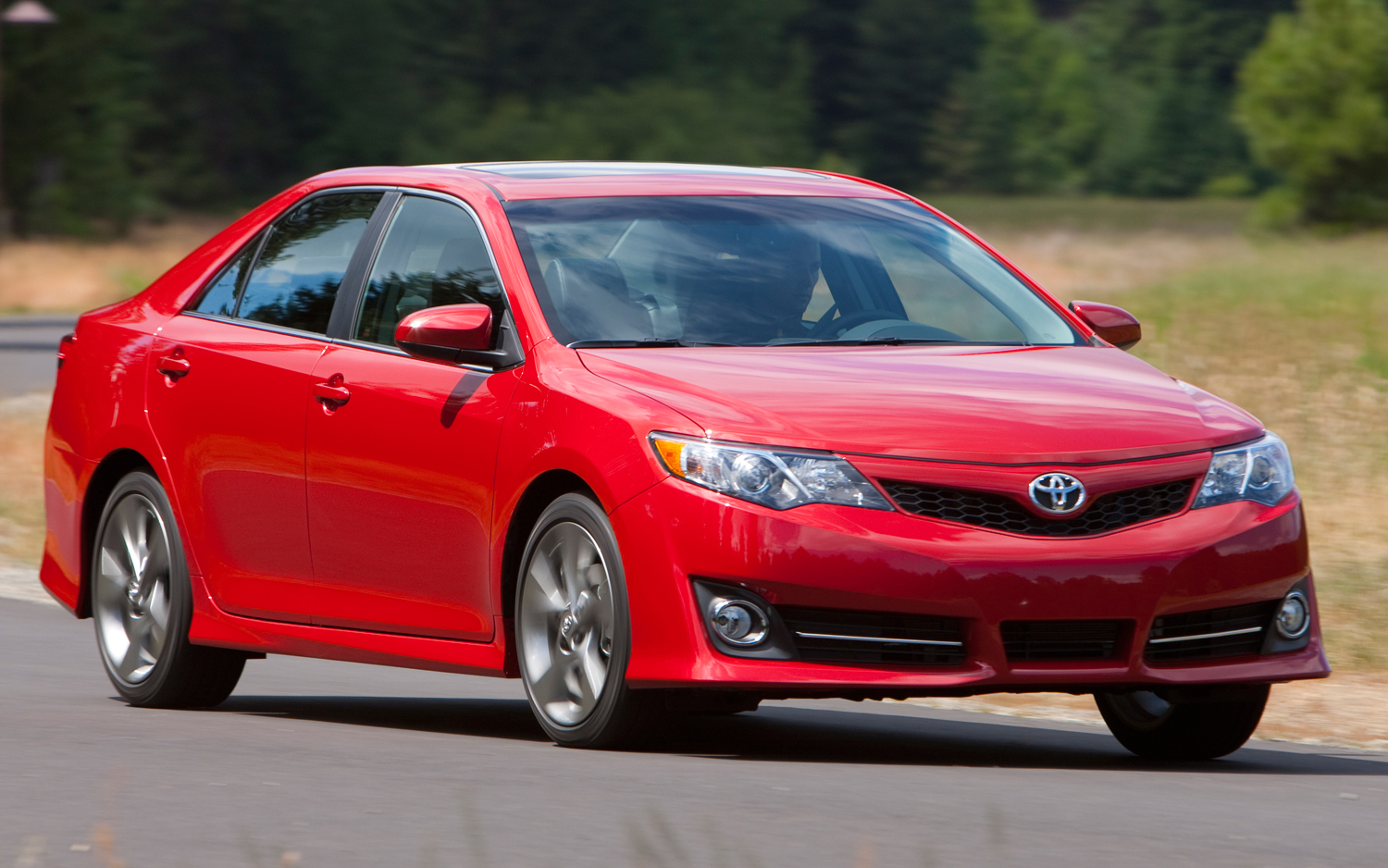
The six-speed automatic transmission in 2012 models suffers from software calibration issues that weren’t fully resolved until later production. The transmission exhibits harsh shifting, particularly during cold-weather operation, and the torque converter often develops shudder problems.
While Toyota issued software updates to address some issues, the fundamental hardware problems require transmission replacement or major repair. The transmission’s complexity makes diagnosis difficult, often leading to multiple repair attempts before the actual problem is identified.
Electrical system problems plague early 2012 models, with issues ranging from battery drain to complete electrical system failures. The body control module proves particularly problematic, sometimes requiring replacement to resolve multiple electrical gremlins.
The infotainment system in SE models often develops screen failures and software glitches that resist repair attempts. These electrical problems compound mechanical issues, creating vehicles with multiple expensive repair requirements that make high-mileage ownership financially impractical.
5. 2015-2016 Camry SE Hybrid
The 2015-2016 Camry SE Hybrid represents Toyota’s attempt to combine sporty styling with hybrid efficiency, but the result proves problematic for long-term reliability.
The years 2015 and 2016 are particularly noteworthy for various mechanical and technological troubles, and the hybrid system adds complexity that creates additional failure points.
The combination of a troubled model year with hybrid complexity makes these vehicles poor candidates for high-mileage ownership. The hybrid system in these years has suffered from premature battery failures, often requiring replacement before 100,000 miles. The high-voltage battery pack costs thousands of dollars to replace, and the complex cooling system for the battery proves problematic.
Additionally, the hybrid system’s integration with the conventional engine creates issues with the Atkinson-cycle 2AR-FXE engine, which experiences timing chain problems and oil consumption issues similar to those of the conventional 2AR-FE engine.
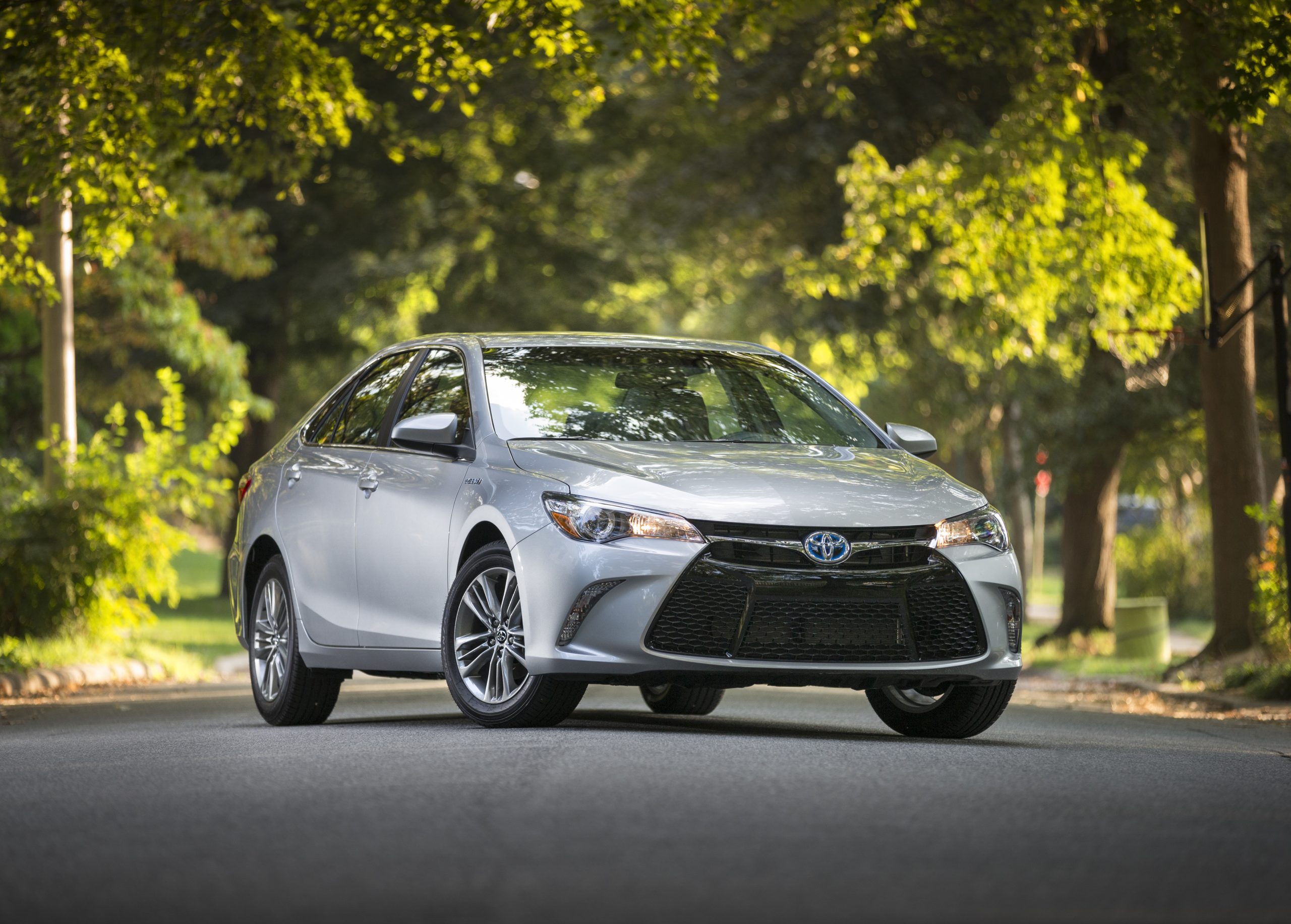
The continuously variable transmission (CVT) used in these hybrid models proves particularly troublesome. Unlike Toyota’s traditional planetary gear automatic transmissions, the CVT experiences premature failure and exhibits poor shift quality throughout its shortened lifespan.
The CVT’s operation proves harsh and noisy, and many owners report complete transmission failure before 150,000 miles. The specialized nature of hybrid CVT repair means that replacement costs are exceptionally high.
Electrical system complexity in these hybrid models creates numerous potential failure points. The hybrid system’s high-voltage components prove sensitive to moisture and temperature extremes, often failing in ways that prevent the vehicle from operating.
The regenerative braking system experiences problems that can affect braking performance, creating safety concerns. Additionally, the complex interaction between hybrid and conventional systems creates diagnostic challenges that result in expensive trial-and-error repair approaches, making these vehicles impractical for high-mileage ownership where repair costs must remain reasonable.
Also Read: 5 Trucks With Steel Frames Resisting Rust Vs 5 With Corrosion Issues
