
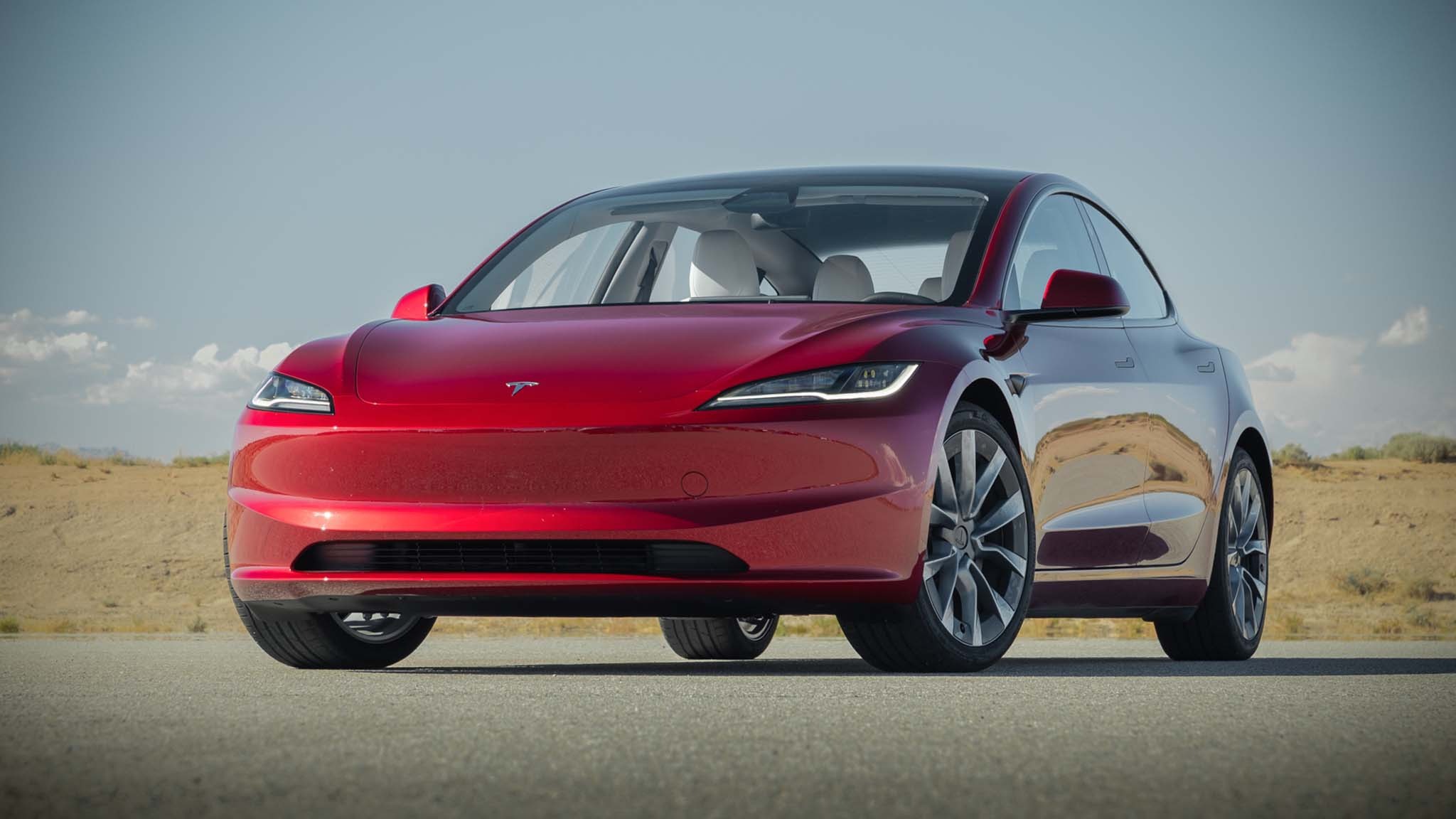
The electric vehicle revolution has reached a critical juncture where early promise meets real-world reality. As battery electric vehicles (BEVs) transition from novelty to necessity, a stark divide has emerged between manufacturers who have mastered the art of electrification and those still wrestling with the complexities of electrons over gasoline.
This divide isn’t merely academic it represents the difference between a seamless transition to sustainable mobility and a frustrating experience that could set back EV adoption by years.
Recent Consumer Reports data reveals that electric vehicles experience 79% more problems than gas-powered cars, with issues ranging from battery and charging malfunctions to poor build quality.
Yet this statistic tells only half the story. While some manufacturers struggle with basic electrification principles, others have achieved remarkable reliability standards that surpass their internal combustion counterparts.
The disparity highlights a fundamental truth: success in the EV space isn’t just about stuffing batteries into existing platforms it requires a complete reimagining of automotive engineering.
The consequences of this reliability gap extend far beyond individual consumer satisfaction. Tesla remains the top-selling BEV brand worldwide despite facing quality challenges, while other manufacturers with superior reliability struggle for market recognition.
This paradox underscores how brand perception, charging infrastructure, and early market entry can sometimes overcome quality deficiencies. However, as the market matures and consumers become more discerning, reliability will inevitably separate the leaders from the laggards in the electric revolution.
5 BEVs With Reliable Motors
These exceptionally engineered electric vehicles feature proven permanent magnet synchronous motors with robust bearing systems and sophisticated thermal management that maintain peak efficiency through hundreds of thousands of charging cycles and varied driving conditions.
Their thoughtful electrical architecture includes redundant power distribution systems, military-grade wiring harnesses, and advanced battery management systems that prevent the thermal runaway and degradation typically associated with rapid charging and extreme temperature exposure.
From daily commuting that subjects motors to constant start-stop cycles to highway cruising that tests sustained power delivery, these remarkable BEVs continue providing instant torque response and whisper-quiet operation without developing bearing noise, cooling system failures, or power delivery inconsistencies.
The precision manufacturing includes computer-controlled motor windings, premium insulation materials, and sealed housings that protect against moisture ingress and contamination.
Owners report that these legendary electric powertrains actually become more efficient with age often achieving better range and smoother operation after 150,000+ miles as software optimizations mature and battery chemistry stabilizes, proving their worth through consistent performance and minimal maintenance requirements throughout ownership.
1. Tesla Model 3
Tesla’s Model 3 represents the culmination of over a decade of electric vehicle evolution, transforming from a startup’s ambitious dream into one of the most reliable electric sedans on the market.
Consumer Reports identifies the Tesla Model 3 among the most reliable EVs, particularly praising its charging speeds and range capabilities. This recognition marks a significant achievement for Tesla, which has historically struggled with quality control issues while pioneering electric vehicle technology.
The Model 3’s reliability stems from Tesla’s vertical integration strategy and continuous over-the-air updates. Unlike traditional automakers who rely on extensive supplier networks, Tesla controls most critical components in-house, allowing for better quality control and rapid problem resolution.
The vehicle’s minimalist design philosophy also contributes to its dependability, with fewer physical buttons, switches, and mechanical components, there are simply fewer things that can break. The interior’s clean aesthetic isn’t just about style; it’s about engineering simplicity that translates to long-term reliability.
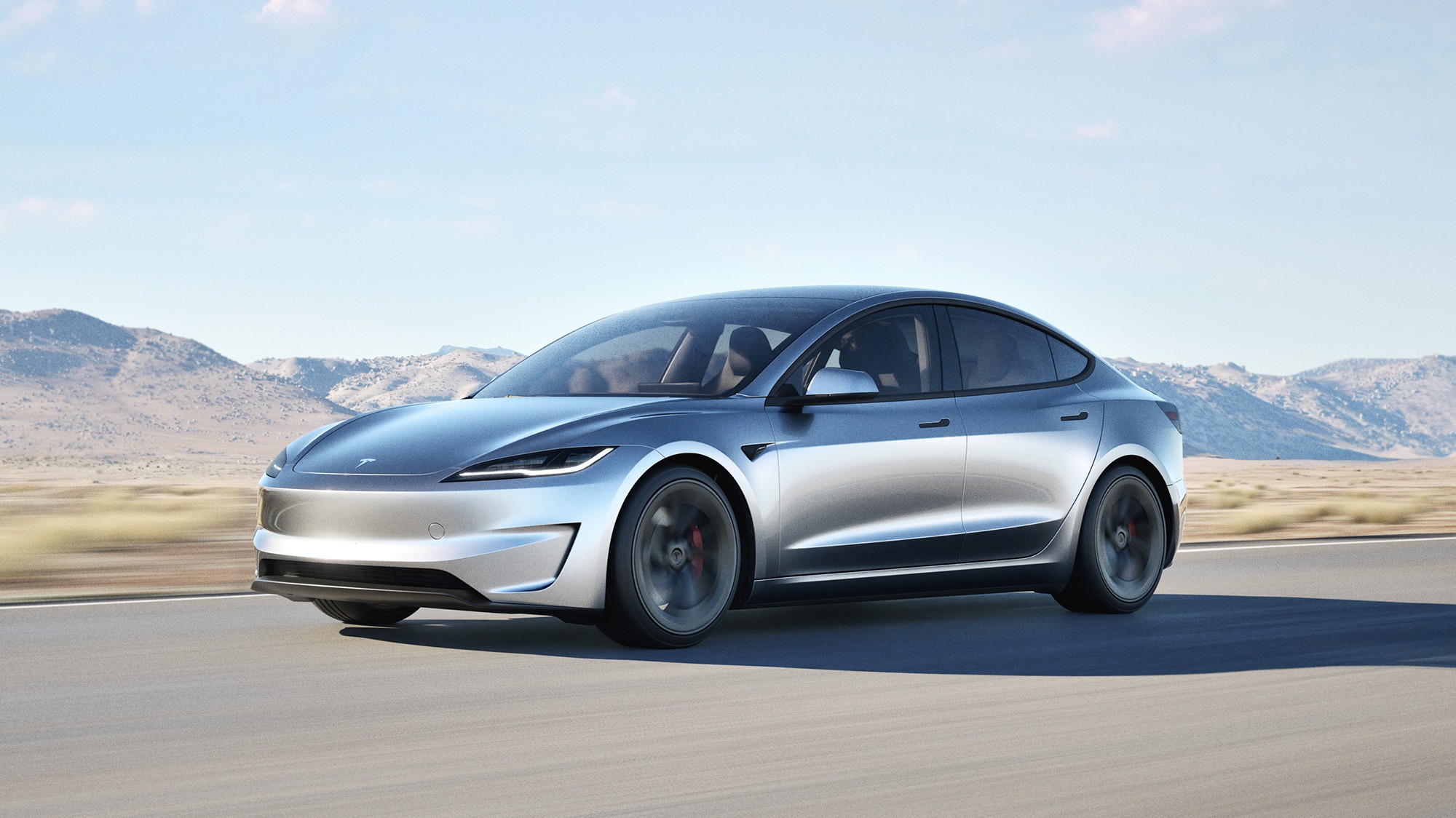
Battery management represents the Model 3’s strongest suit, with Tesla’s sophisticated thermal management system preventing the overheating issues that plague many competitors.
The vehicle’s battery degradation rates consistently outperform industry averages, with many high-mileage examples retaining over 90% of their original capacity after 100,000 miles.
Tesla’s Supercharger network integration ensures optimal charging parameters, reducing stress on battery cells and extending lifespan. This holistic approach to energy management sets the Model 3 apart from vehicles that treat electrification as an afterthought.
Manufacturing improvements over the Model 3’s production run have addressed many early quality concerns. The Fremont factory’s processes have matured significantly since 2017, with panel gaps, paint quality, and interior fit-and-finish reaching acceptable standards.
Tesla’s ability to implement running changes during production, rather than waiting for model year updates, allows for continuous quality improvements. The Model 3’s success demonstrates that reliability in electric vehicles requires not just good engineering, but also the flexibility to adapt and improve throughout the production lifecycle.
Also Read: 10 Tricks to Stop a Subaru Crosstrek from Losing MPG Over Time
2. Hyundai IONIQ 6
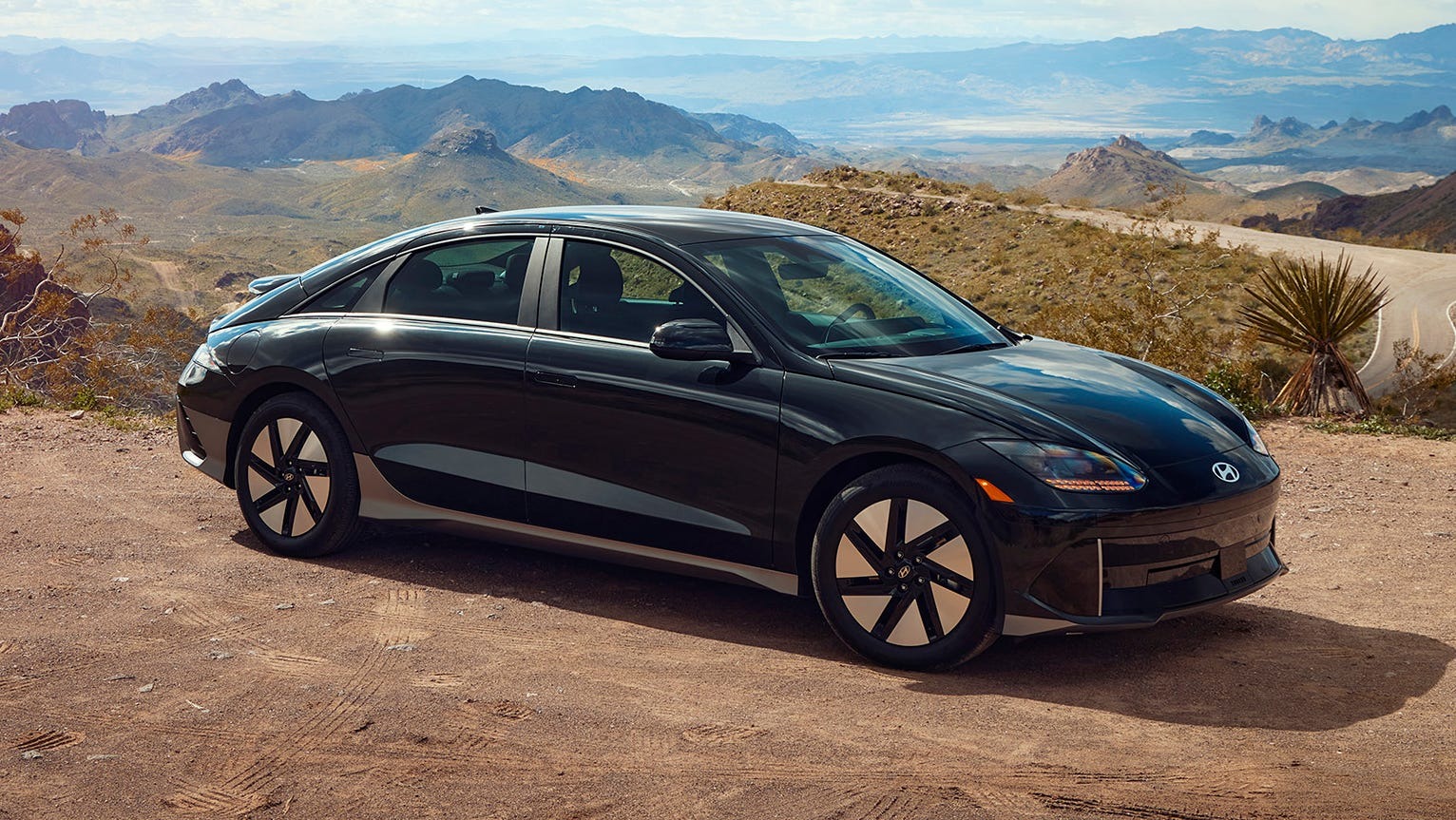
The Hyundai IONIQ 6 represents a masterclass in how traditional automakers can successfully transition to electric vehicles when they commit fully to the technology.
The IONIQ 6 ranks among the best-equipped EVs on Consumer Reports’ reliability list, offering impressive charging speeds and range. Built on Hyundai’s dedicated Electric-Global Modular Platform (E-GMP), the IONIQ 6 benefits from ground-up electric design rather than retrofitted combustion platforms.
Hyundai’s approach to electrification emphasizes proven automotive manufacturing principles applied to new technology. The IONIQ 6’s 800-volt architecture enables rapid charging capabilities while reducing thermal stress on electrical components.
This high-voltage system allows for smaller, lighter cables and more efficient power delivery, contributing to both performance and reliability. The vehicle’s sophisticated cooling system maintains optimal operating temperatures across a wide range of conditions, preventing the thermal-related failures that affect many first-generation electric vehicles.
The IONIQ 6’s reliability extends beyond its powertrain to encompass build quality that reflects Hyundai’s decades of manufacturing experience. Interior materials feel substantial and well-assembled, with consistent panel gaps and smooth operation of all moving parts.
The vehicle’s infotainment system integrates seamlessly with the electric drivetrain, providing accurate range estimates and charging optimization without the glitches that plague many competitors.
Hyundai’s conservative approach to software updates ensures stability over cutting-edge features that might introduce bugs. Quality control processes at Hyundai’s dedicated EV production facilities reflect lessons learned from decades of combustion vehicle manufacturing.
Pre-delivery inspections specifically target electric vehicle components, with extensive testing of charging systems, battery management, and thermal controls.
The company’s warranty support demonstrates confidence in the vehicle’s reliability, offering comprehensive coverage that exceeds many competitors. The IONIQ 6 proves that automotive experience, when properly applied to electric vehicles, creates a foundation for exceptional reliability and customer satisfaction.
3. BMW iX
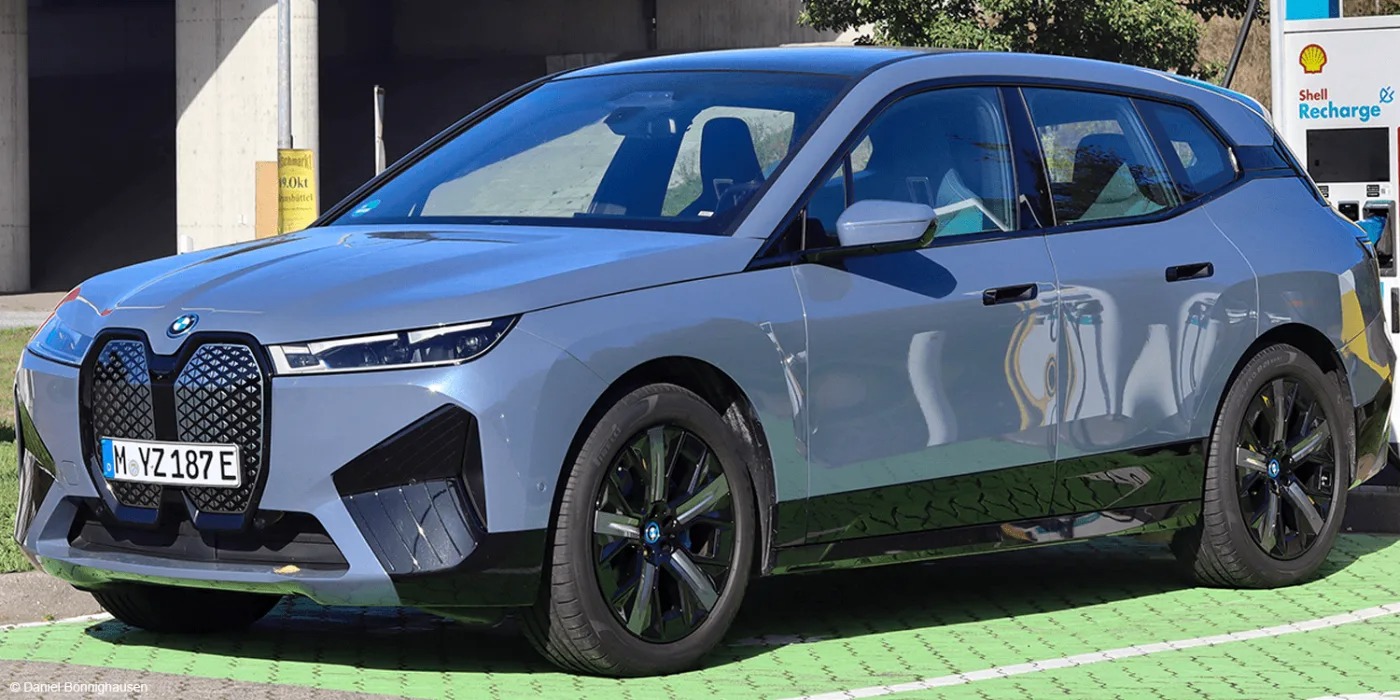
BMW’s iX represents the pinnacle of German engineering applied to electric mobility, delivering the reliability and refinement expected from the Ultimate Driving Machine in an all-electric package.
BMW’s electric offerings appear on Consumer Reports’ most reliable EV list, with the iX leading the charge through meticulous engineering and premium materials.
The vehicle’s carbon fiber passenger cell and aluminum space frame provide exceptional structural integrity while optimizing weight distribution for improved efficiency and handling.
The iX’s electrical architecture reflects BMW’s methodical approach to electrification, with redundant systems and conservative engineering margins that prioritize reliability over maximum performance specifications.
The vehicle’s dual-motor setup provides not only all-wheel drive capability but also redundancy if one motor experiences issues, the vehicle can continue operating on the remaining unit.
This fail-safe approach extends throughout the vehicle’s design, from the thermal management system to the charging electronics, ensuring that single-point failures don’t strand drivers.
BMW’s integration of traditional luxury car expectations with electric vehicle technology sets the iX apart from competitors that compromise comfort for efficiency.
The vehicle’s air suspension system maintains ride quality across varying load conditions while adjusting for optimal aerodynamic efficiency. Sound-deadening materials and active noise cancellation create a serene cabin environment that masks the typical whines and clicks associated with electric drivetrains.
These refinements contribute to an ownership experience that meets premium car expectations regardless of the powertrain. Manufacturing quality at BMW’s Dingolfing plant reflects the company’s commitment to craftsmanship in the electric age.
The iX benefits from BMW’s most advanced production techniques, including precision welding, multi-stage quality inspections, and extensive pre-delivery testing.
The vehicle’s complex body construction requires exceptional manufacturing precision, and BMW’s investment in advanced robotics and quality control ensures consistent results.
Service network training ensures that BMW technicians understand the iX’s unique requirements, providing reliable maintenance and repair services that match the vehicle’s premium positioning and engineering excellence.
4. Kia EV6
The Kia EV6 demonstrates that reliability doesn’t require a premium price tag, delivering dependable electric mobility with innovative features that punch well above its market segment.
The Kia EV6 joins the ranks of most reliable EVs according to Consumer Reports, sharing its excellent E-GMP platform with the Hyundai IONIQ 6 while adding Kia’s distinctive design flair and value proposition.
The vehicle’s 800-volt architecture enables charging speeds that rival much more expensive competitors while maintaining the thermal stability crucial for long-term reliability.
Kia’s approach to the EV6 reflects hard-won lessons from the company’s transformation from budget brand to quality-focused manufacturer. The vehicle’s interior materials and build quality rival premium competitors, with soft-touch surfaces, precise fit-and-finish, and controls that operate with satisfying precision.
The EV6’s infotainment system provides intuitive operation without the complexity that often introduces reliability issues in other vehicles. Physical climate controls and volume knobs ensure that essential functions remain accessible even if the touchscreen experiences problems.
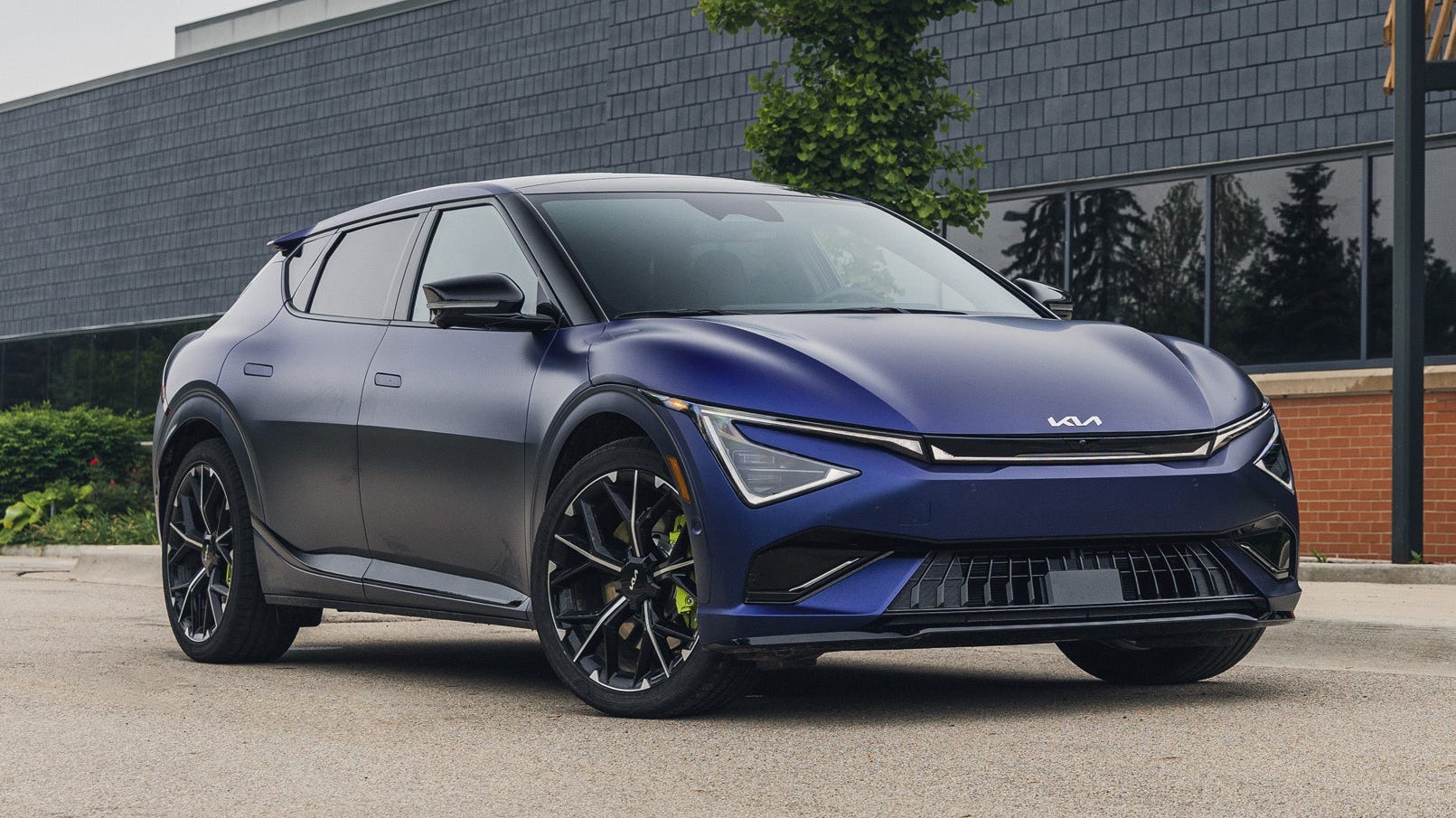
The EV6’s electrical systems benefit from Kia’s conservative engineering approach, with robust components rated well beyond their typical operating parameters.
The vehicle’s onboard charger and DC fast-charging systems include multiple safety layers and thermal protections that prevent the overheating issues common in early electric vehicles.
Kia’s battery management system actively balances cell voltages and temperatures, extending battery life while maintaining consistent performance across a wide range of operating conditions.
Manufacturing quality at Kia’s facilities reflects the company’s commitment to competing with established luxury brands through superior value and reliability.
The EV6 undergoes extensive quality testing that exceeds industry standards, with particular attention to electrical connections, seal integrity, and software stability.
Kia’s warranty coverage demonstrates confidence in the vehicle’s reliability, offering comprehensive protection that surpasses many premium competitors.
The EV6 proves that affordable electric vehicles can achieve exceptional reliability when manufacturers prioritize engineering fundamentals over flashy features or aggressive cost-cutting measures.
Also Read: 5 Automatics Known For Lasting Decades Vs. 5 That Need Rebuild Fast
5. Volvo XC40 Recharge
The Volvo XC40 Recharge exemplifies how safety-focused engineering translates seamlessly to electric vehicle reliability, combining Scandinavian design principles with robust electric drivetrain technology.
The XC40 Recharge offers perky acceleration, polished handling, and a fairly spacious cabin, with 2024 updates including a nearly 300-mile-range variant. Built on Volvo’s CMA platform with dedicated electric modifications, the XC40 Recharge benefits from the company’s obsessive attention to safety and long-term durability.
Volvo’s approach to electrification prioritizes system integration and fail-safe operation over maximum performance specifications. The XC40 Recharge’s dual-motor all-wheel drive system provides not only enhanced traction but also redundancy that allows continued operation if one motor experiences issues.
The vehicle’s thermal management system uses Volvo’s extensive cold-weather testing experience to ensure reliable operation in extreme conditions, from Arctic winters to desert summers. This comprehensive environmental testing ensures that the XC40 Recharge maintains its reliability regardless of climate or usage patterns.
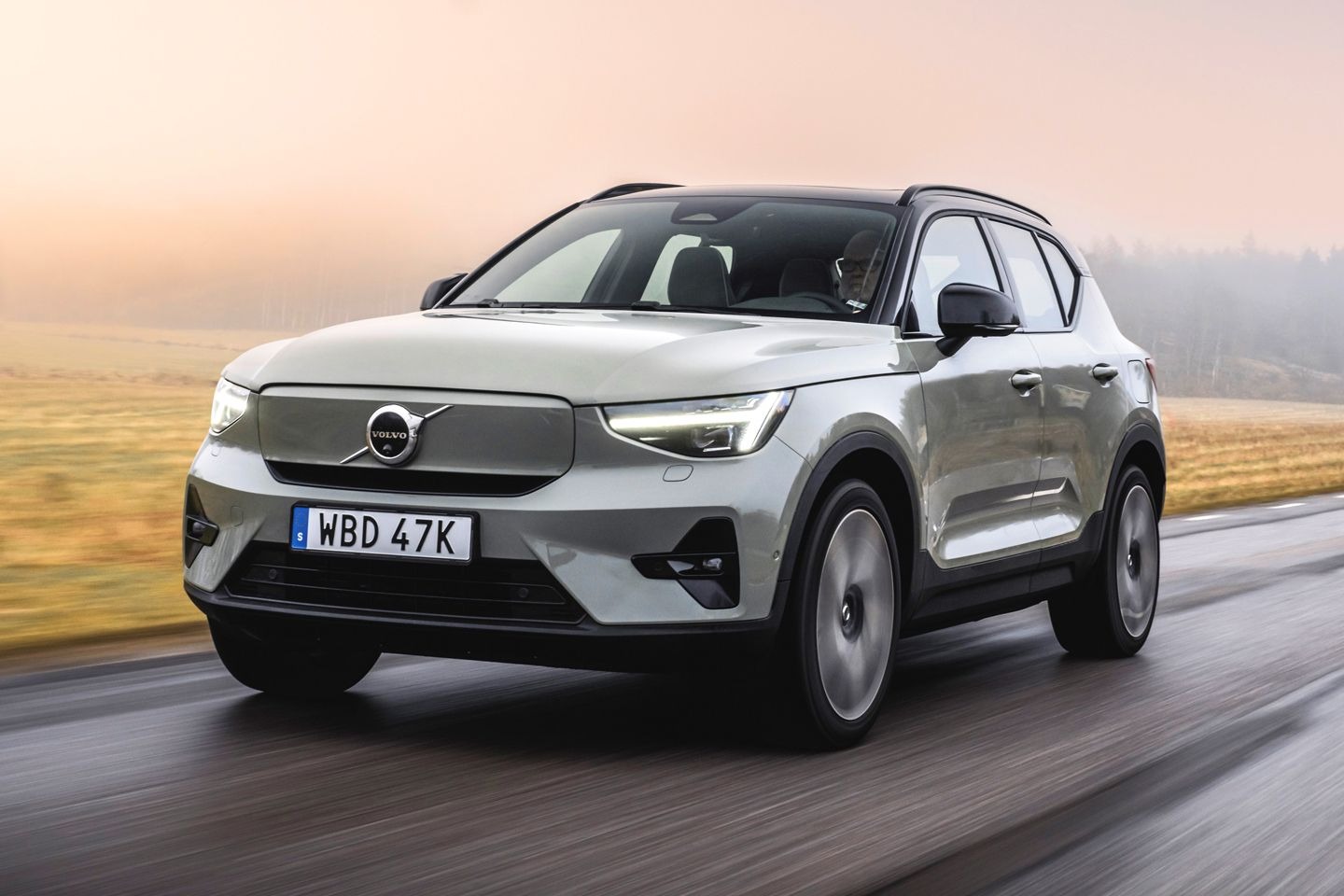
The vehicle’s interior reflects Volvo’s commitment to Scandinavian minimalism and functionality, with controls and interfaces designed for intuitive operation rather than technological showmanship.
Physical buttons for essential functions ensure that climate control, audio, and safety systems remain accessible even if the infotainment system experiences issues. The XC40 Recharge’s air filtration system and cabin materials prioritize occupant health while maintaining durability over extended ownership periods.
Manufacturing at Volvo’s Belgian facility incorporates the company’s renowned quality control processes with specific adaptations for electric vehicle production. Each XC40 Recharge undergoes comprehensive electrical system testing, battery verification, and software validation before delivery.
Volvo’s service network receives extensive training on electric vehicle maintenance and repair, ensuring that owners have access to knowledgeable technicians throughout the ownership experience. The company’s commitment to safety extends to its electric vehicles through comprehensive warranty coverage and proactive communication about any potential issues or required updates.
5 Plagued By Electronic Gremlins
These unfortunately designed electric vehicles suffer from overly complex control systems including poorly integrated software platforms, inadequate electromagnetic shielding, and rushed development cycles that create cascading electronic failures throughout normal operation.
Their compromised electrical architecture features undersized cooling systems, cheap connector assemblies, and inadequate grounding that allows electrical interference to disrupt critical vehicle functions and safety systems.
From simple software updates that brick entire vehicle systems to charging sessions that trigger fault codes requiring expensive dealer diagnostics, these problematic BEVs begin showing major electronic defects within the first year and progress to complete system shutdowns.
The manufacturing shortcuts include cost-cutting measures on critical electronic components, insufficient quality control on software integration, and the elimination of redundant safety systems that ensure reliable operation.
Owners frequently report being stranded by electronic failures, often experiencing complete loss of propulsion, charging system malfunctions, and infotainment crashes that make basic vehicle operation impossible, destroying confidence in electric vehicle technology while creating dangerous situations and repair bills that exceed traditional vehicle maintenance costs by orders of magnitude.
1. Tesla Model Y
The Tesla Model Y represents both the promise and peril of rapid electric vehicle scaling, delivering impressive technology and performance while struggling with the quality control issues that have plagued Tesla’s mass production efforts.
Despite being the best-selling BEV globally with over 1.1 million deliveries in 2024, the Model Y’s reliability record reveals significant challenges that underscore the complexities of automotive manufacturing at scale.
Tesla owners report build quality issues including irregular paint, broken trim, door handles that do not work, and trunks that do not close, problems that significantly impact reliability scores despite solid powertrain performance.
The Model Y’s issues stem largely from Tesla’s rapid production scaling and unconventional manufacturing approaches. The company’s focus on automation over proven assembly line techniques has resulted in inconsistent build quality, with significant variation between vehicles produced at different facilities or even different shifts at the same plant.
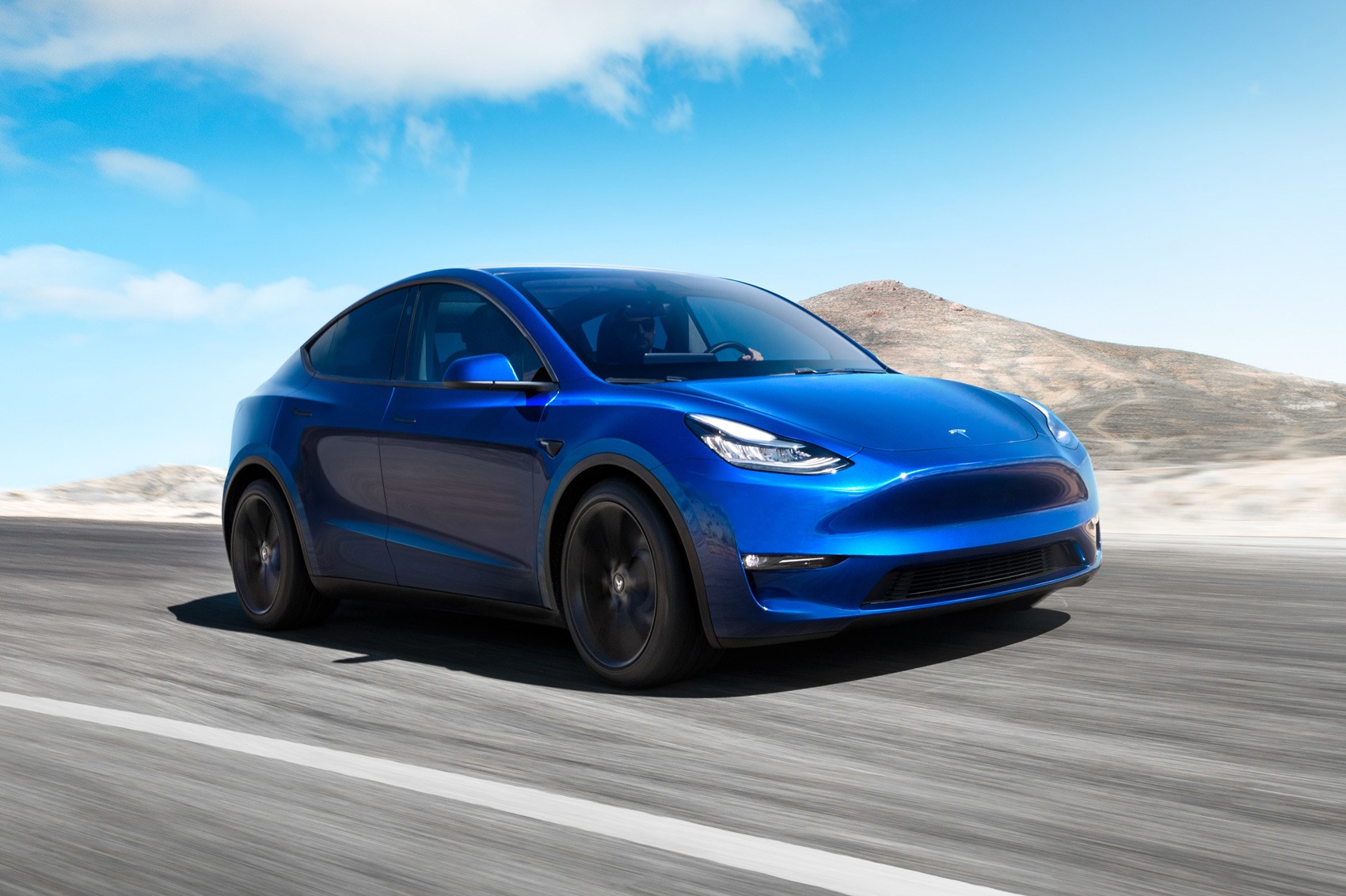
Paint quality represents one of the Model Y’s most persistent problems, with many owners reporting orange peel texture, uneven coverage, and premature wear that requires expensive refinishing.
Panel alignment issues create not only aesthetic concerns but also potential long-term problems with weatherproofing and wind noise. Door handle mechanisms, particularly on early production vehicles, suffer from premature failure due to inadequate environmental sealing and fragile electronic components.
These issues reflect Tesla’s learning curve in traditional automotive manufacturing disciplines. The Model Y’s interior quality control reveals similar inconsistencies, with seat adjustments that bind or break, trim pieces that separate from their mounting points, and infotainment systems that occasionally require full reboots to restore functionality.
While Tesla’s over-the-air update capability allows for software improvements, hardware problems require traditional warranty service that can involve extended wait times for parts.
The vehicle’s popularity paradoxically works against reliability, as high demand strains Tesla’s service network and parts supply chains, leading to extended repair times that frustrate owners despite the company’s innovative direct-sales approach.
2. Volkswagen ID.4
Volkswagen’s ID.4 represents the German automaker’s ambitious entry into mass-market electric vehicles, but its execution reveals the challenges traditional manufacturers face when transitioning to electric powertrains.
Built on VW’s dedicated MEB platform, the ID.4 promised to bring German engineering excellence to affordable electric mobility, yet real-world reliability has fallen short of expectations due to software integration issues and manufacturing inconsistencies.
The ID.4’s most significant reliability challenges center around its software architecture, which integrates vehicle controls, infotainment, and charging management into a complex system that frequently experiences glitches.
Owners report frozen touchscreens that require ignition cycling to restore functionality, charging sessions that terminate unexpectedly, and navigation systems that provide inaccurate range estimates.
These software problems reflect VW’s struggle to transition from mechanical engineering expertise to the software-centric approach required for modern electric vehicles.
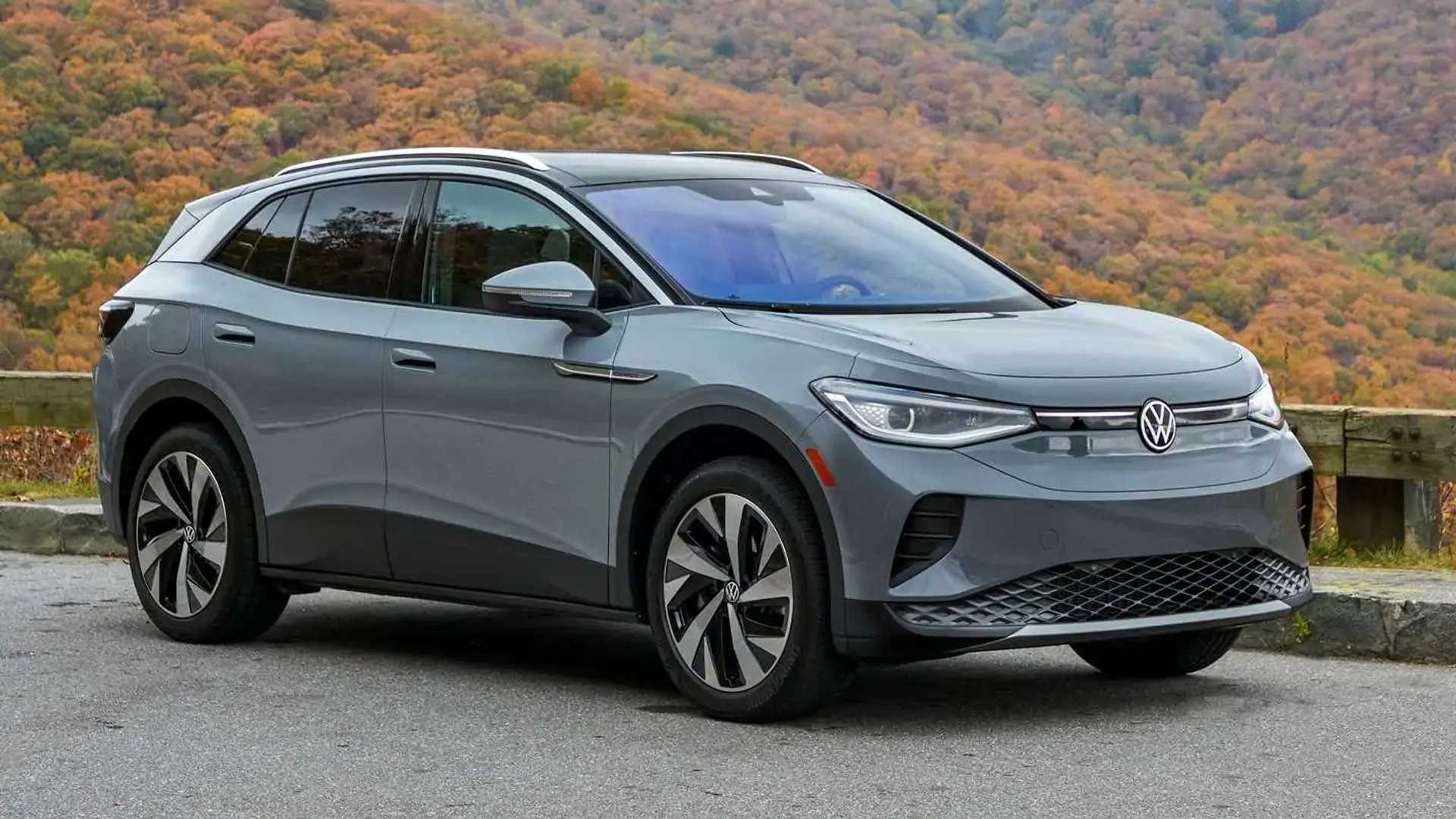
Charging system reliability presents particular challenges for ID.4 owners, with many reporting inconsistent fast-charging performance and occasional failures to initiate charging sessions.
The vehicle’s CCS charging port sometimes fails to establish proper communication with charging stations, leaving drivers stranded at charging locations.
VW’s Electrify America partnership was intended to provide seamless charging experiences, but software integration problems often prevent the ID.4 from taking full advantage of the network’s capabilities. These issues highlight the complexity of electric vehicle ecosystem integration.
Manufacturing quality at VW’s Chattanooga facility reveals inconsistencies that impact long-term reliability. Early production ID.4s suffered from water infiltration issues that caused electrical problems and interior damage.
Door seals and weatherstripping show premature wear, leading to wind noise and potential moisture intrusion. The vehicle’s heat pump system, designed to improve cold-weather efficiency, proves prone to failure in extreme conditions, forcing the vehicle to rely on less efficient resistive heating.
These problems reflect the challenges of adapting traditional automotive manufacturing to electric vehicle requirements without sufficient testing and validation.
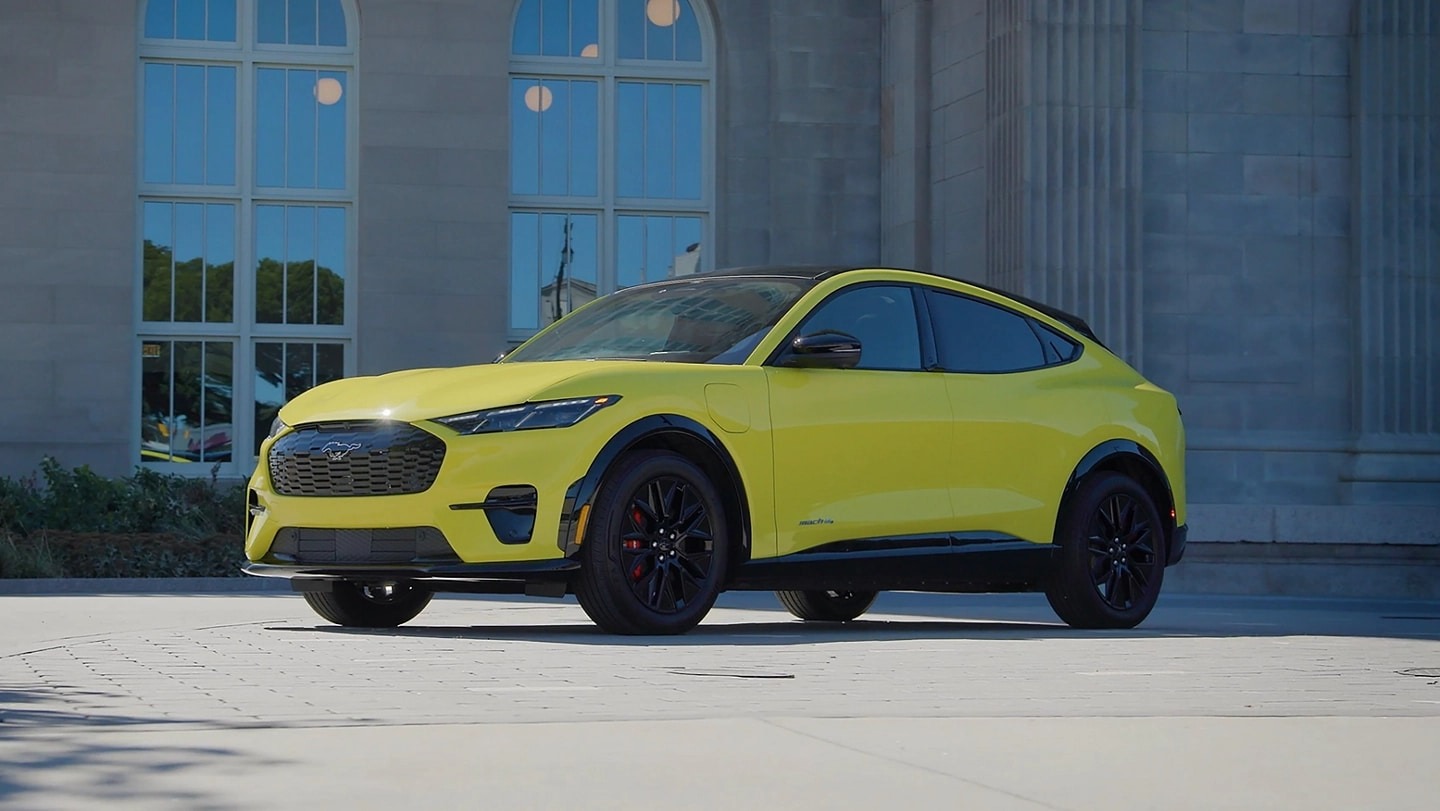
3. Ford Mustang Mach-E
Ford’s Mustang Mach-E represents one of the most ambitious attempts by a traditional American automaker to compete directly with Tesla, but its reliability record demonstrates the difficulties of rushing electric vehicles to market without adequate development time.
While the Mach-E delivers impressive performance and styling, numerous quality issues have tarnished its reputation and highlighted Ford’s inexperience with electric vehicle integration.
The Mach-E’s most problematic area involves its charging and battery management systems, with many owners experiencing charging faults that require service intervention to resolve.
The vehicle’s onboard charger occasionally fails, preventing both AC and DC charging until replacement. Battery conditioning systems sometimes malfunction in cold weather, leaving owners with significantly reduced range and performance.
These powertrain issues reflect Ford’s learning curve in electric vehicle engineering, where the company’s extensive combustion engine expertise provides limited advantages.
Software reliability presents ongoing challenges for Mach-E owners, with the SYNC 4A infotainment system frequently requiring updates to address functionality problems.
Over-the-air update installations sometimes fail, leaving vehicles in a partially updated state that requires dealer intervention to resolve. The vehicle’s app connectivity often loses synchronization, preventing remote climate control and charging monitoring.
Ford’s ambitious attempt to match Tesla’s software capabilities has resulted in a system that attempts too much while delivering inconsistent performance.
Build quality issues compound the Mach-E’s software problems, with many owners reporting loose interior trim pieces, premature wear of seat materials, and wind noise from improperly sealed doors and windows.
The vehicle’s panoramic glass roof occasionally develops stress cracks that require expensive replacement. Paint quality, while generally acceptable, shows inconsistencies between production batches and facilities.
These traditional automotive quality problems, combined with electric vehicle-specific issues, create a reliability profile that falls short of Ford’s historical standards and customer expectations for a premium-priced vehicle.
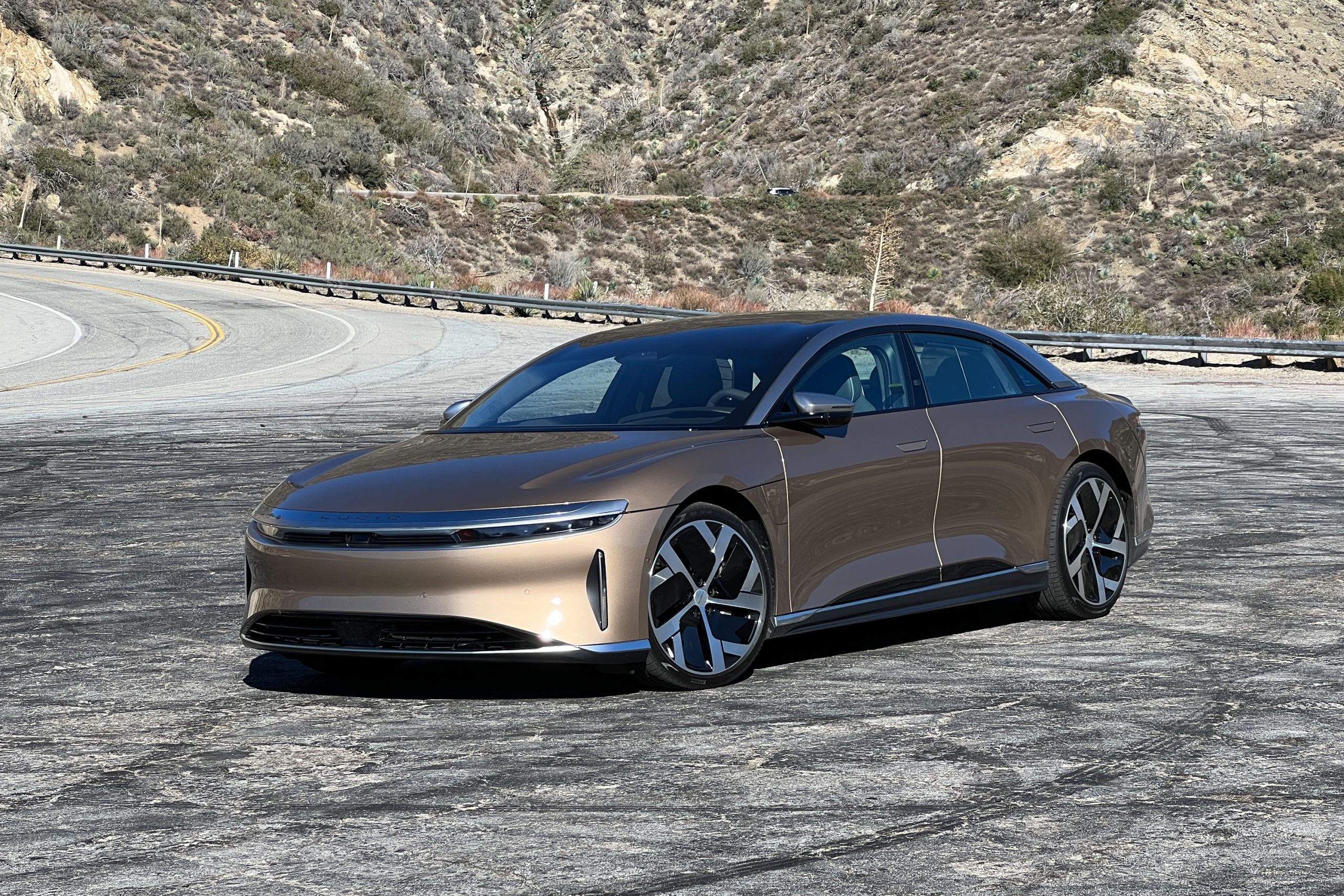
4. Lucid Air Dream
The Lucid Air Dream represents the pinnacle of electric vehicle technology and luxury, offering unprecedented range and performance in a stunning package, yet its reliability record reflects the challenges facing automotive start-ups attempting to scale production while maintaining quality standards.
Despite exceptional engineering and innovative technology, the Air Dream suffers from manufacturing inconsistencies and software integration issues that undermine its premium positioning.
Lucid’s advanced technology creates complexity that challenges even experienced technicians, with the Air Dream’s sophisticated air suspension system requiring specific diagnostic equipment and expertise that few service centers possess.
The vehicle’s 900-volt electrical architecture, while enabling exceptional charging speeds, proves sensitive to voltage fluctuations and requires precise calibration during service. When problems occur, parts availability and service scheduling become significant challenges due to Lucid’s limited production volume and service network.
Software integration represents a particular challenge for the Air Dream, with the vehicle’s advanced driver assistance systems occasionally experiencing calibration issues that require factory-level diagnostic tools to resolve.
The massive curved display that dominates the dashboard sometimes develops dead pixels or touch sensitivity problems that necessitate complete replacement.
Climate control integration with the vehicle’s sophisticated thermal management system occasionally results in inconsistent cabin temperatures or excessive energy consumption that reduces range.
Manufacturing quality at Lucid’s Arizona facility reveals the challenges of scaling production while maintaining luxury standards. Early production vehicles show inconsistencies in paint quality, with some exhibiting orange peel texture or color matching issues between panels.
Interior trim fitment sometimes lacks the precision expected in a vehicle with a six-figure price tag, with gaps between panels or slight misalignments that detract from the premium experience.
These issues reflect Lucid’s learning curve in automotive manufacturing, where aerospace engineering excellence doesn’t automatically translate to automotive production consistency and quality control.
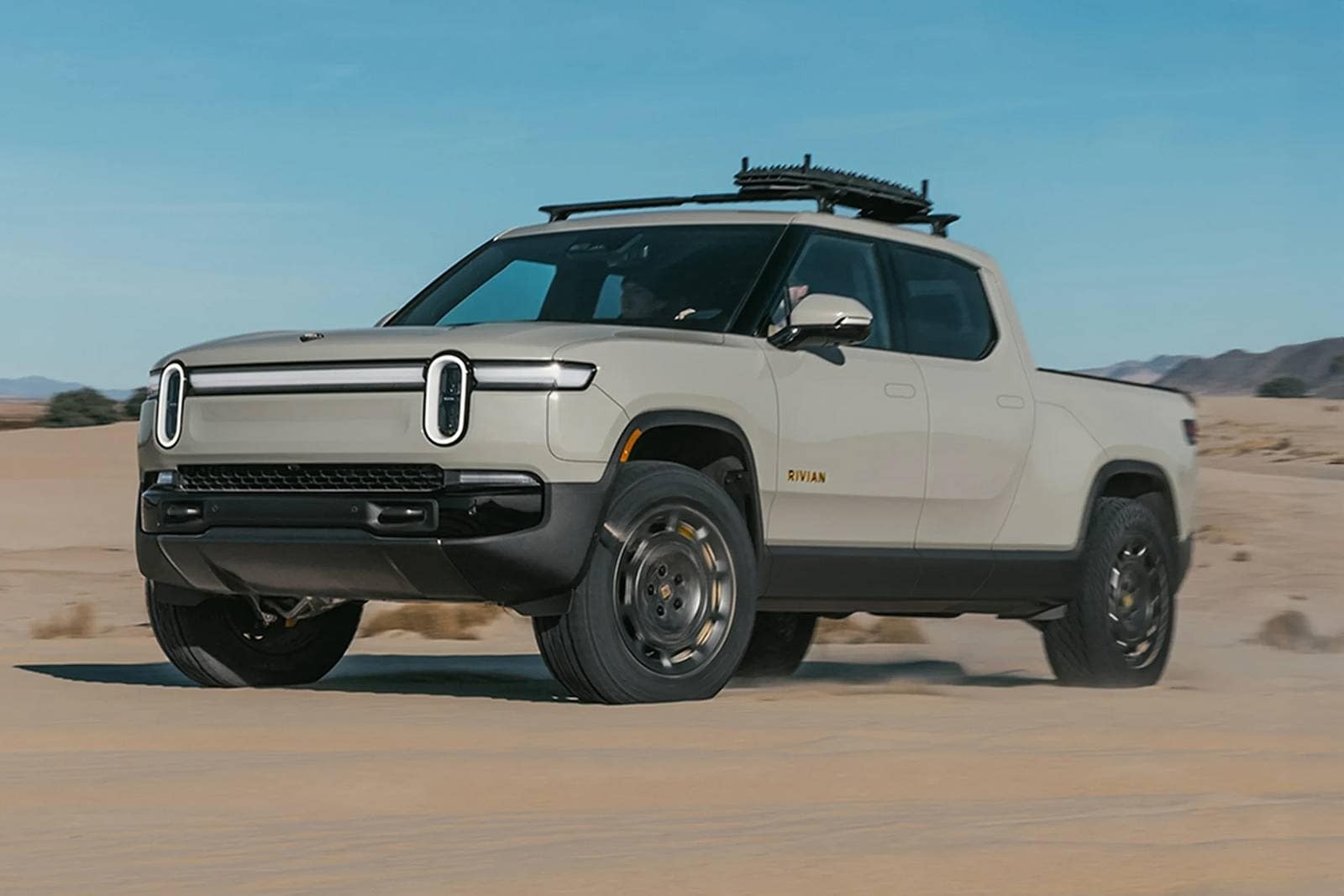
5. Rivian R1T
The Rivian R1T pioneered the electric pickup truck segment with innovative features and impressive capability, but its reliability record demonstrates the challenges of launching complex vehicles from a start-up manufacturer.
While the R1T delivers on its adventure-ready promises with remarkable off-road capability and unique features like the tank turn, numerous quality issues have affected owner satisfaction and raised questions about long-term dependability.
The R1T’s air suspension system, while providing exceptional capability across diverse terrain, proves prone to sensor failures and calibration issues that can leave the vehicle in a non-operational state.
The complex pneumatic system requires precise maintenance and can suffer cascade failures where one component’s malfunction affects the entire system.
Rivian’s service network limitations mean that air suspension repairs often require extended wait times for parts and specialized technicians, leaving owners without their vehicles for weeks.
Electrical system reliability presents ongoing challenges for R1T owners, with the vehicle’s sophisticated 12-volt architecture occasionally experiencing failures that disable critical systems.
The truck’s innovative tonneau cover sometimes loses synchronization with its control systems, requiring manual operation until service intervention.
LED lighting systems, while visually striking, prove sensitive to moisture infiltration and require careful sealing to prevent premature failure. These electrical issues reflect the complexity of modern electric vehicles and the challenges of waterproofing sophisticated electronics for outdoor use.
Manufacturing quality at Rivian’s Illinois facility shows the inconsistencies typical of start-up automotive production, with paint quality varying significantly between production runs and occasional assembly issues that affect fit and finish.
The R1T’s innovative quad-motor drivetrain occasionally suffers from torque vectoring calibration problems that affect vehicle stability and require software updates to resolve.
Body panel alignment sometimes fails to meet expectations for a premium-priced vehicle, with gaps and misalignments that suggest insufficient quality control processes.
These issues highlight the challenges facing new automotive manufacturers attempting to achieve consistent quality while scaling production and managing cash flow constraints.
Also Read: 5 Paint Finishes That Stay Vibrant For Years Vs. 5 Prone To Peeling
