

When it comes to off-road icons, the Jeep Wrangler stands in a league of its own. From tackling the Rockies to navigating muddy Southern trails or sandy beaches in California, Wranglers are beloved across the United States for their rugged versatility.
But with that capability comes responsibility keeping a Wrangler trail-ready all year long isn’t just about appearances, it’s about ensuring that the SUV is always prepared for whatever nature throws at it.
nlike a typical commuter car, a Wrangler is often exposed to harsher conditions rocks, mud, snow, salt, water crossings, and high heat all of which can accelerate wear and tear.
If you want your Wrangler to last and perform at its best whether it’s January in Colorado or July in Arizona, a proactive approach to maintenance and preparation is key.
Below are ten smart tricks every Wrangler owner can follow to keep their rig ready for adventure 365 days a year.
1. Stick to a Consistent Oil and Fluid Change Schedule
Wranglers, especially when driven off-road, put extra stress on their engines compared to highway-only vehicles. Fresh oil is the lifeblood of the Jeep’s powerplant, keeping internal components lubricated and preventing premature wear.
For trail enthusiasts, sticking to the shorter end of Jeep’s recommended oil change interval (around every 5,000 miles or even sooner after muddy or dusty trips) is wise.
Beyond oil, keeping an eye on transmission fluid, brake fluid, coolant, and differential oils is essential. Neglecting these can lead to costly breakdowns in the middle of nowhere.
In cold states, make sure your fluids are rated for freezing temps, while desert drivers should focus on high-temp resistant formulations.
2. Protect the Undercarriage with Regular Cleaning
Mud, rocks, and especially winter road salt can wreak havoc on the Wrangler’s undercarriage. Rust is a major enemy of trail vehicles, and once it starts, it can be tough to stop. After every off-road outing, especially one involving water or salt exposure, give the undercarriage a thorough rinse.
Investing in a pressure washer or visiting a car wash with an underbody spray is money well spent. For long-term defense, consider applying a rust inhibitor or bedliner-style protective coating to vulnerable frame and skid plate areas.
A Wrangler that’s free from corrosion will not only last longer but will also perform better off-road without weakened components.
When most people think about getting their car washed, they usually focus on the exterior and interior. Yet one of the most crucial areas that often gets ignored is the undercarriage. At Raging Waters Car Wash, we stress the importance of undercarriage cleaning as a key part of regular vehicle maintenance.
The undercarriage faces harsh conditions every day, from road salt to dirt and debris, and neglecting it can result in costly repairs down the road. Rust is one of the most significant threats to your car’s undercarriage.
Constant exposure to dirt, water, and road salt can corrode metal components over time. Salt, in particular, is highly corrosive and can accelerate deterioration. During winter, road salt is commonly applied to melt ice and snow, but it also sticks to your vehicle, increasing the likelihood of rust.
Your vehicle’s suspension system is another essential area that benefits from regular undercarriage cleaning.
The suspension is responsible for comfort and handling, absorbing shocks and keeping your car stable on uneven terrain. Over time, dirt, mud, and debris can accumulate on the suspension system, potentially causing damage.
Dirt and debris can obstruct moving parts, leading to wear and tear or even premature failure in extreme cases. By regularly cleaning the undercarriage, you remove buildup that could negatively affect the suspension system, ensuring it continues to function properly and extends its lifespan.
The cleanliness of your car’s undercarriage can also directly impact performance. Accumulated dirt and debris add weight, reducing fuel efficiency and potentially affecting handling.
Excess dirt and grime can create drag, making your car work harder to move and lowering fuel efficiency, while a clean undercarriage minimizes unnecessary weight and drag, helping your car run more efficiently.
Additionally, a clean undercarriage ensures that all components, including the exhaust system, drive shafts, and brake lines, operate without obstruction, improving the performance of your vehicle.
Safety is another critical reason to maintain your undercarriage. This area houses several vital components, such as brake lines, fuel lines, the exhaust system, and steering parts. Dirt and debris can damage or block these systems, creating potential hazards.
3. Maintain the Tires and Check Them for Trail Readiness
Tires are arguably the most important component of a Wrangler’s off-road arsenal. Aggressive tread patterns help with traction in mud, snow, or sand, but they also wear differently than standard all-season tires.
Keeping tires rotated every 5,000 to 7,000 miles ensures even wear, while regular air pressure checks prevent blowouts on rocky terrain.
For those living in snowy climates, winter-specific tires can make a huge difference in safety and traction.
Always inspect sidewalls for cuts or bulges, especially after rocky trail rides, and don’t forget to keep a full-sized spare in top condition Wranglers rely on them more than most vehicles.
4. Upgrade and Inspect the Suspension Regularly
A Wrangler’s suspension is designed to flex, absorb shocks, and handle uneven ground. But constant trail pounding takes a toll on shocks, bushings, and control arms. One trick to staying trail-ready is giving the suspension a full inspection every few months.
Look for leaks in shocks, cracks in bushings, and loose bolts that can cause clunking sounds. Many Wrangler owners also benefit from aftermarket upgrades like heavy-duty shocks or lift kits, but these need to be maintained as well.
If you feel excessive body roll, hear rattling, or notice uneven tire wear, it’s time for suspension attention before the next trail run.
5. Keep the Battery Charged and Terminals Clean
Cold winters in the Midwest and Northeast are notorious for killing weak batteries. At the same time, extreme heat in places like Texas or Nevada can shorten a battery’s lifespan.
Wranglers often carry additional accessories winches, auxiliary lights, and aftermarket electronics that place even more strain on the charging system.
A simple battery check before each season can save a lot of headaches. Clean off any corrosion on the terminals, tighten connections, and if your battery is older than three years, consider replacing it before heading deep into the backcountry.
Portable jump starters are also a smart investment for Wrangler owners who travel solo. Have you ever noticed how your car sometimes struggles to start on cold mornings? One common culprit behind this issue is dirty battery terminals.
Keeping these terminals clean is crucial for your car’s health, but you might be wondering, what’s the best way to clean car battery terminals? Surprisingly, it’s easier than it seems.
Picture opening your hood and seeing a mess of gunk where your battery connects. It can feel messy and intimidating, but with the right steps, you can ensure your car runs smoothly.
Cleaning your battery terminals properly not only helps your battery last longer but also keeps you safe. Buildup around the battery can cause weak connections, which can translate into more headaches for you.
Fortunately, learning how to clean battery terminals is straightforward, and whether you’re a seasoned car expert or a complete novice, this guide will walk you through the process. So, grab your gloves and let’s explore the best way to clean car battery terminals, your car will thank you.
Cleaning car battery terminals is essential for keeping your vehicle operating efficiently. Start by gathering a mixture of baking soda and water, which helps neutralize corrosion and protect your battery’s lifespan.
Use gloves and an old toothbrush to scrub away dirt and grime. Regular maintenance ensures reliable starts, especially in cold weather, helping your car run like new with minimal effort.
Battery terminals are the connectors that link your car’s battery to the rest of the vehicle, and there are two main types: top terminals and side terminals.
Top terminals sit on the crown of your battery and are ideal for tight spaces, while side terminals provide secure connections and are common in newer models. Clean terminals make a noticeable difference, dirty connections can slow down your car and make starting it a chore. Treat your battery well, and it will reward you with smooth performance.
Corrosion is a common issue for battery terminals, and it can sneak up unexpectedly. Keep an eye out for fluffy white or greenish buildup around the battery connections. This corrosion can eat away at your battery over time, causing weak power or even a dead battery.
Signs that it’s time to clean your terminals include white powder buildup, greenish residue, or loose connections. Spotting these warning signs early can save you from being stranded on a cold morning when your car refuses to start.
6. Stay on Top of Brake Maintenance
Brakes are one of the most overlooked systems when prepping for off-road adventures, but they are vital for control on steep descents or in wet conditions.
Mud and sand can accelerate pad and rotor wear, while road salt can corrode brake lines. Wranglers should have their brake pads inspected often, especially after trail use.
Flushing the brake fluid every two years ensures consistent stopping power. Some off-roaders also upgrade to slotted or drilled rotors for better performance in muddy environments.
Whether you’re crawling rocks in Moab or descending mountain passes in the Appalachians, healthy brakes are non-negotiable.
7. Grease the Joints and Moving Components
Wranglers have multiple grease points, including universal joints, ball joints, and suspension components. Without regular greasing, these parts wear quickly under the stress of trail driving.
A simple grease gun and the correct grease go a long way toward prolonging life and preventing costly replacements. For Jeep owners who frequently drive through water, greasing after every trip is recommended to keep water from breaking down lubrication.
Many mechanics report that neglected joints are one of the most common failure points for Wranglers that see heavy off-road use.
8. Keep Recovery Gear Stocked and Inspected
A Wrangler is built to handle tough trails, but even the most capable Jeep can get stuck. Smart owners keep recovery gear like tow straps, shackles, traction boards, and a working winch ready to go.
But gear that sits unused can degrade over time tow straps fray, winches corrode, and shackles rust. Inspecting recovery tools before each season is crucial to avoid failures when you need them most.
Having an air compressor and tire repair kit on hand is also smart since a flat in the backcountry can leave you stranded without cell service.
Vehicle recovery is a critical task that demands precision, skill, and strict adherence to safety standards. Whether you’re assisting a stranded motorist or participating in an off-road recovery mission, following proper vehicle recovery safe operating procedures is essential to prevent accidents and injuries.
Understanding and implementing these safety measures ensures not only the protection of the operator but also the safety of everyone involved in the recovery process.
At its core, vehicle recovery safety involves a set of protocols designed to prevent accidents, property damage, and personal injuries during recovery operations. The first step in any recovery is careful assessment and planning.
This includes evaluating the condition of the disabled or stuck vehicle, analyzing the terrain, and determining the equipment required for the job. Essential recovery tools may include tow straps, winches, and recovery boards, and having them ready before starting the operation is crucial.
Equally important is wearing the appropriate safety equipment. High-visibility vests, helmets, gloves, and safety goggles help protect operators from debris or flying objects during recovery operations.
Effective communication among team members is another cornerstone of vehicle recovery safety. Establishing clear communication, often via two-way radios or other devices, ensures coordination and minimizes the risk of errors during the operation.
When connecting recovery equipment to the stranded vehicle, all attachments must be secure and rated for the load they will carry. Following manufacturer guidelines for attachment points and load capacities is critical to avoid accidents or equipment failure.
Attention to towing angles is also essential, as improper angles can cause vehicle damage or accidents. Operators should avoid sudden jerks or excessive force that could snap recovery straps or cables.
Throughout the process, maintaining control over the vehicle being recovered is vital, and operators should be ready to stop or adjust the procedure if unexpected issues arise, always prioritizing safety over speed.
Bystander safety cannot be overlooked. Keeping bystanders at a safe distance, using caution signs, and marking off the work zone with cones ensures that unauthorized individuals remain clear of the recovery area.
Additionally, having a well-prepared emergency response plan is crucial in case of accidents or unforeseen incidents. This plan should outline procedures for contacting emergency services and providing medical assistance if necessary.
Once the vehicle has been successfully recovered, it’s important to inspect all equipment for damage and perform any needed maintenance. Properly stowing and securing recovery gear after use ensures readiness for future operations.
Finally, consistent adherence to vehicle recovery safety standards requires proper training and certification for operators. This training covers safe equipment use, emergency response procedures, and best practices, ensuring that every recovery operation is conducted safely and efficiently.
9. Pay Attention to Seals and Weatherproofing
The Wrangler’s removable doors, roof panels, and soft tops make it a unique vehicle, but they also introduce more opportunities for leaks and water intrusion.
Checking seals around doors, windows, and roof panels can prevent rain or snow from soaking your interior. Soft tops should be cleaned and conditioned to prevent cracking, while hard tops need periodic seal inspections.
For off-roaders who ford streams or drive in wet climates, ensuring that drivetrain seals are intact is equally important water in the transmission, differentials, or engine can destroy a Jeep in no time.
Knowing how to protect car rubber parts is an often-overlooked aspect of vehicle maintenance, yet it plays a critical role in keeping your car in top condition.
Rubber components are everywhere on your vehicle, from the obvious items like tires and wiper blades to less visible parts such as door seals, hoses, and engine belts. Over time, these components can crack, fade, and deteriorate due to exposure to sunlight, heat cycles, moisture, and general wear and tear.
Neglecting them can lead to problems ranging from annoying wind noise and water leaks to more serious issues affecting your car’s performance and safety. Fortunately, protecting rubber parts is straightforward and can prevent costly repairs and headaches down the line.
Simple, consistent care will keep your rubber looking new and extend its lifespan. If you’re also in the market for aftermarket car parts, don’t forget to check out the full inventory at Car Parts Guys, but first, let’s focus on how to protect your car’s rubber components.
Protecting car rubber is important for several reasons. Picture a hot summer day when you try to roll up your windows, and they move slowly with a screeching sound, or parking your car outside only to return to a damp, musty interior after a rainstorm.
These are just a few examples of what can happen when rubber parts are neglected. Regular maintenance preserves the appearance of your car by preventing faded, chalky surfaces that make a vehicle look older than it is.
Properly maintained weatherstripping ensures doors and windows remain sealed, maintaining functionality and preventing leaks. Keeping rubber in good condition also reduces annoying wind and water intrusion, which can damage the interior.
Preventive care is far more cost-effective than replacing cracked or deteriorated parts, saving you money in the long term. Additionally, maintaining engine belts and hoses is vital for safety, as neglecting these components can result in breakdowns or accidents.
The first step in protecting car rubber parts is cleaning, which sets the foundation for effective maintenance. Start with a bucket of warm, soapy water, a microfiber cloth or sponge, a soft-bristled brush (an old toothbrush works well for tight spots), and a drying towel.
Thoroughly clean all visible rubber surfaces, including door and window seals, hood and trunk seals, and hoses in the engine bay. Pay special attention to crevices and areas prone to dirt buildup.
For stubborn debris, use a soft-bristled brush to gently dislodge it. Finally, rinse the surfaces with clean water and dry them completely using a clean towel to prevent moisture from causing premature wear.
After cleaning, the next step is applying a protectant to shield the rubber from environmental damage. Rubber protectants help prevent cracking, fading, and deterioration caused by heat, sunlight, and moisture.
Before applying, consider using helpful tools like trim restorers, terry towels, or silicone lubricant sprays to make the process easier and more effective. Proper application ensures that your rubber parts remain flexible, functional, and visually appealing, providing long-term protection and prolonging the life of critical components on your vehicle.
10. Prepare for Seasonal Conditions Ahead of Time
The final trick to keeping a Wrangler trail-ready year-round is proactive seasonal prep. In winter, this means carrying essentials like tire chains, extra blankets, and antifreeze-rated fluids.
In summer, it means checking cooling systems, swapping to high-heat-rated fluids, and carrying extra water for both you and the Jeep.
For spring and fall, when mud and rain dominate, checking wiper blades, lights, and tire tread depth becomes essential. Wrangler owners who anticipate the unique challenges of each season will always be ahead of the curve when adventure calls.
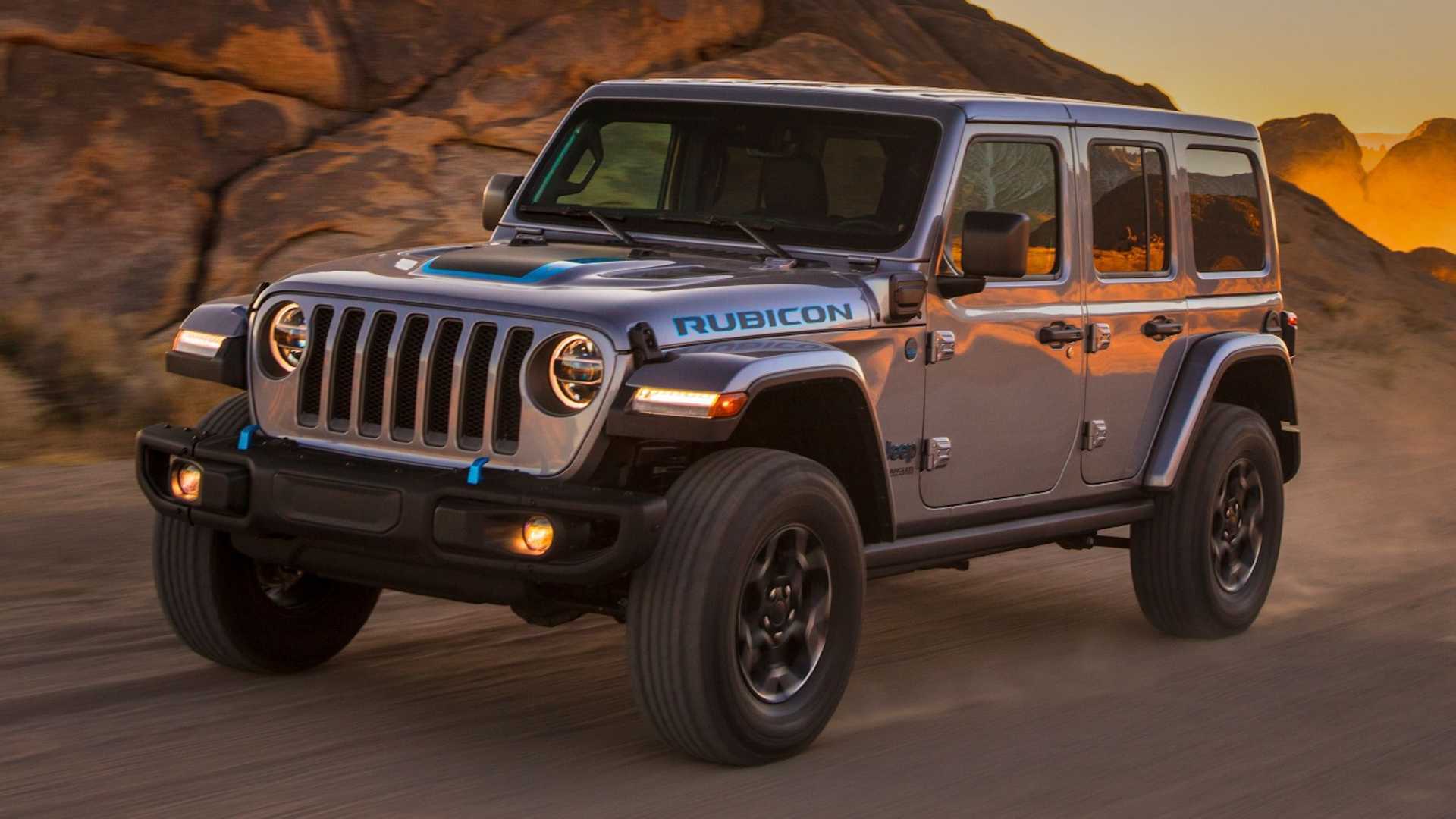
The Jeep Wrangler is more than just a vehicle it’s a lifestyle. Across the U.S., from coastal beaches to desert trails and snow-packed mountains, Jeep owners rely on their rigs to take them places most cars could never dream of going.
But capability only lasts as long as the owner is willing to maintain it. By following these ten tricks ranging from simple fluid changes and undercarriage washes to seasonal prep and gear checks you can ensure your Wrangler is always ready for the next challenge.
Keeping a Wrangler trail-ready all year long doesn’t require professional-level mechanical knowledge, just a consistent routine and attention to detail.
With care and preparation, your Jeep won’t just survive a decade of adventures it will thrive, carrying you through countless trails, campsites, and road trips across America.
