
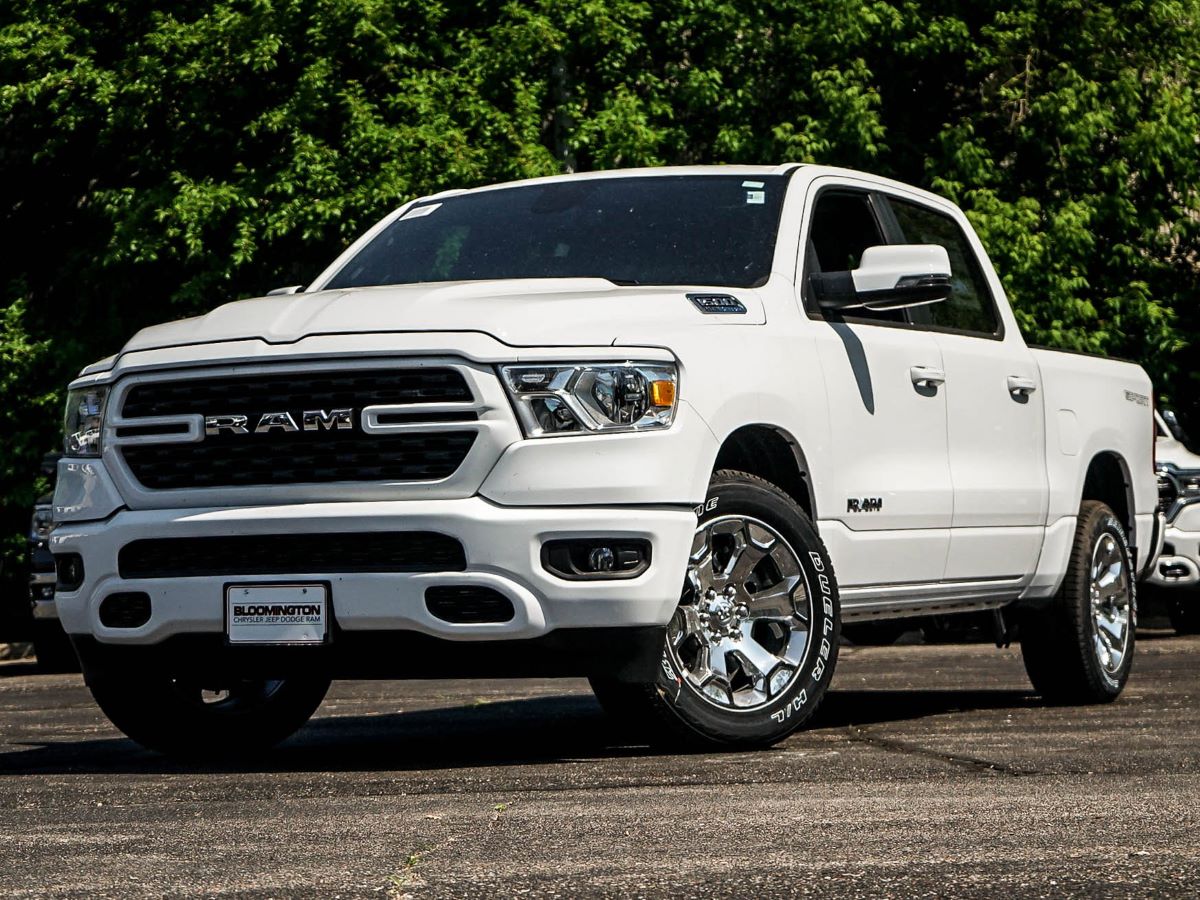
Owning a Dodge Ram is a point of pride for many Americans, whether it’s for hauling, towing, or simply enjoying the rugged reliability of one of America’s most popular full-size trucks.
But while these trucks are known for their toughness, they aren’t immune to wear and tear. Like any vehicle, the Dodge Ram requires proper maintenance to perform at its best and avoid costly repairs down the road.
Savvy owners know that investing a little time and effort into routine care can save thousands of dollars over the life of their truck. Here are ten maintenance hacks that can help Dodge Ram owners protect their investment while keeping their trucks running smoothly.
1. Stick to a Strict Oil Change Schedule
One of the simplest and most cost-effective ways to extend the life of your Dodge Ram is by maintaining a consistent oil change schedule. Engine oil lubricates crucial components and prevents excessive wear, but over time it becomes dirty and loses effectiveness.
Depending on your model and driving conditions, synthetic oil changes are generally recommended every 5,000 to 7,500 miles.
Skipping oil changes may seem minor, but over time it can lead to severe engine damage that costs thousands to repair. For diesel Ram owners, keeping an eye on the oil and changing it promptly is even more critical due to the higher engine stress in these models.
When it comes to car maintenance, few tasks are as essential as changing your engine oil regularly. While it might seem like a simple process, this routine step plays a major role in keeping your vehicle’s engine healthy, efficient, and long-lasting.
Regular oil changes are the lifeblood of your engine. Engine oil is responsible for lubricating critical components, reducing friction, and keeping heat under control during operation.
As time passes, oil naturally degrades and loses its effectiveness, making it less capable of protecting your engine. By replacing it regularly, you ensure smoother operation, extend your engine’s lifespan, and even maintain better fuel efficiency.
One common question drivers have is how often to change their oil. In the past, the rule of thumb was every 3,000 miles, but modern engines and advanced oil formulations have stretched this interval for many vehicles.
The best way to determine the right schedule for your car is to check your owner’s manual or refer to the oil change reminder sticker typically placed on your windshield after a service. Both will give you guidance tailored to your vehicle’s make, model, and engine type.
Still, your car often gives you its own warning signs when an oil change is overdue. If the oil on your dipstick looks dark, dirty, or sludgy rather than a clean amber color, it’s time to replace it.
You may also notice your engine becoming noisier, with ticking or knocking sounds signaling poor lubrication. A sudden drop in fuel economy can be another indicator, as old oil struggles to reduce friction effectively.
Modern vehicles often make things easier by illuminating an oil change warning light on the dashboard. And if you ever spot excessive exhaust smoke, especially blue or gray, it could mean the oil is burning inside the engine, another clear sign to take action.
Changing your oil on time provides a host of benefits beyond basic engine health. Fresh oil reduces wear and tear, helping your engine last longer and perform more efficiently.
It improves fuel economy, reduces harmful emissions, and keeps your vehicle eco-friendly. Most importantly, it helps you avoid catastrophic damage that could result in costly repairs or even complete engine replacement.
In short, prioritizing regular oil changes is one of the simplest and smartest ways to care for your car. Staying on top of this routine service not only ensures smoother performance and fuel efficiency but also saves you from avoidable repair bills down the road.
By paying attention to manufacturer recommendations and keeping an eye out for the warning signs, you can protect your engine and keep your car running at its best for years to come.
Also Read: 5 Cars With Easy Maintenance and 5 That Only Dealers Can Touch
2. Replace Air and Cabin Filters Regularly
Air filters and cabin filters are often overlooked, yet they play a huge role in your truck’s performance and your own comfort. A clogged engine air filter reduces fuel efficiency and can strain the engine, while a dirty cabin filter affects air quality inside the truck.
For Dodge Ram trucks, replacing these filters every 12,000 to 15,000 miles or more frequently in dusty environments can prevent performance issues and unnecessary strain on the HVAC system.
Clean filters keep your engine breathing properly and save you from more expensive repairs later.
3. Monitor Transmission Fluid Levels
Dodge Ram transmissions, particularly in heavy-duty models, can be expensive to repair or replace. Transmission fluid is vital for smooth gear shifts and preventing overheating.
Owners should check their transmission fluid regularly, ideally every 10,000 miles, and replace it according to the manufacturer’s recommendations.
Avoiding low or degraded fluid helps prevent transmission slipping or failure, which can cost several thousand dollars to fix. Many Ram owners also benefit from adding a transmission cooler when towing heavy loads, further extending the life of the transmission.
4. Keep Tires Properly Inflated and Rotated
Tires are often the first line of defense for truck performance and safety, yet many owners neglect proper care. Maintaining correct tire pressure not only improves fuel efficiency but also reduces uneven wear, extending tire life.
Rotating tires every 5,000 to 7,500 miles is another simple maintenance hack that prevents premature wear on specific tires.
Additionally, regular inspections for alignment and balancing can save thousands in unexpected tire replacements and improve handling, especially for trucks that regularly haul heavy loads.
Proper tire maintenance is one of the most important aspects of vehicle care, since your tires are the only part of your car that actually make contact with the road. Keeping them in top condition through regular checks and routine care not only improves safety but also maximizes performance and extends their lifespan.
We’ll cover everything from checking and adjusting tire pressure, inspecting tread depth and damage, rotating tires, and ensuring proper wheel alignment, to knowing when it’s time to replace them.
You’ll also find tips on how driving habits and seasonal conditions affect tire health, along with practical strategies to address these factors.
Maintaining your tires starts with understanding the basics, detecting potential issues early, and addressing problems before they become serious.
Staying on top of these maintenance steps guarantees you’ll get the most from your tires while avoiding the dangers that come with worn or damaged rubber. With consistent care and attention, your tires will deliver dependable performance for many miles to come.
Checking tire pressure is one of the most fundamental aspects of proper maintenance. The recommended pressure for your vehicle is usually listed on a sticker inside the driver’s side door jamb or in the owner’s manual, and it specifies the correct PSI for both front and rear tires.
Use a reliable tire gauge to measure pressure at least once a month, and don’t forget to check the spare. Always test when the tires are cold, as readings can be inaccurate if the car has been driven recently. If you need to wait, give it at least three hours.
Under-inflation can have serious consequences, from decreased fuel economy and uneven tread wear to reduced handling, braking, and even a greater risk of blowouts. Severe under-inflation may also cause the tire sidewalls to flex and overheat, potentially leading to sudden failure.
On the other hand, over-inflation reduces ride comfort and compromises handling and braking traction. To avoid these problems, check your tires regularly and keep them inflated to the manufacturer’s recommended PSI, ensuring maximum safety, performance, and tread life.
Inspecting tread depth is equally important. Tires require sufficient tread to provide proper traction and maintain safe driving. While the legal minimum tread depth is 1.6mm, many experts suggest replacing your tires when they reach 2–3mm to ensure safety before the situation becomes critical.
An easy way to check is the penny test: insert a penny into the tread with Lincoln’s head upside down, if you can see the top of his head, your tires are too worn and need replacing.
Most tires also come with built-in tread wear bars that become visible as smooth bands across the tread once the tire has worn down. Keep an eye out for other warning signs as well, such as uneven or rapid wear, vibrations, reduced grip in wet or snowy conditions, or visible sidewall damage like cracks or bulges.
Ignoring these red flags increases the risk of dangerous blowouts and poor braking performance. By replacing tires before they are excessively worn, you maintain safety and reliability on the road.
Rotating your tires regularly is another simple yet highly effective way to extend their lifespan. By moving them to different positions every 5,000 to 8,000 miles, you allow wear to be distributed evenly across all four tires.
This practice helps them wear at the same rate, improves overall handling, and ensures you get the maximum value out of your investment.
5. Invest in Rust Prevention
Many Dodge Ram owners live in regions with harsh winters or high humidity, where rust can quickly become a major issue. Regularly washing the undercarriage, especially after exposure to road salt, and applying rust-proofing treatments can save significant money in bodywork repairs over the years.
Addressing minor rust spots early prevents them from spreading to structural components, avoiding costly replacements or even frame damage.
Also Read: 5 Hidden Gem Convertibles vs 5 Popular Convertibles With Leaky Tops
6. Inspect and Maintain Brake Systems
Your brakes are one of the most critical safety components on any Dodge Ram. Regularly inspecting brake pads, rotors, and fluid levels ensures your truck can stop safely and avoids the skyrocketing costs of full brake system replacements.
Brake pads generally last between 30,000 to 70,000 miles, depending on driving habits and load, but neglecting them can lead to warped rotors or caliper damage. For Ram owners who tow trailers, extra attention to brakes is essential to prevent accidents and excessive wear.
7. Address Engine Warning Lights Promptly
Modern Dodge Rams are equipped with advanced diagnostic systems, and ignoring a check engine light can lead to severe problems. Even minor issues, such as a loose sensor or failing spark plug, can escalate if left unchecked.
Diagnostic tools, including affordable OBD-II scanners, allow owners to pinpoint the issue before it becomes costly. Timely repairs not only prevent major engine damage but also maintain fuel efficiency and overall truck performance.
8. Maintain Cooling Systems
The engine cooling system is vital for preventing overheating, especially during hot American summers or while towing heavy loads.
Regularly checking coolant levels, inspecting hoses for cracks, and flushing the system according to Dodge’s recommendations can prevent blown gaskets and engine damage.
For trucks frequently used in extreme conditions, upgrading to a high-performance radiator or coolant can be a worthwhile investment to ensure the engine remains protected.
Unless you’re driving an old German air-cooled classic like a Porsche or Volkswagen, chances are you’ll eventually have to pay attention to your vehicle’s cooling system.
Maintaining and repairing this system is a crucial part of car ownership, and understanding how it works is the first step in keeping your engine running smoothly.
Only then does it make sense to look at the specific steps required to care for it properly. Internal combustion engines naturally produce a great deal of friction, even with the help of modern motor oils that reduce resistance by lubricating moving parts.
That friction generates heat, and heat is every engine’s worst enemy. The cooling system’s primary responsibility is to remove that excess heat quickly and efficiently, preventing serious damage.
The system itself is made up of several key components: a radiator, fan, water pump, thermostat, sensors, overflow tank, coolant, water, and a network of belts, clamps, and hoses that connect everything together.
The process is fairly straightforward: coolant flows past the hottest sections of the engine, like the cylinder heads and valves, absorbing heat as it moves through. That heated fluid is then pushed into the radiator, where the heat dissipates into the atmosphere before the coolant is recirculated back into the engine to repeat the cycle.
Of course, the coolant itself deserves its own explanation. The liquid inside the system is a mix of water and antifreeze, with the coolant portion usually being a green ethylene glycol-based fluid.
This compound raises the boiling point of water and lowers its freezing point, making it ideal for automotive use. It also provides rust protection, which keeps the system healthier for longer.
In most climates, a 50/50 mix of coolant and water is ideal. For harsher climates, the ratio can be adjusted up to 70 percent coolant, though anything beyond that offers no additional benefit.
A word of caution here: never attempt to open the cooling system or add fluid when it’s warm. The contents are not only extremely hot but also under significant pressure, and doing so could be dangerous.
The radiator itself is usually made of aluminum and sits just behind your vehicle’s grille. Inside are tubes, known as the radiator core, which carry the coolant. These tubes are lined with thin metal fins that increase surface area, allowing heat to escape more effectively into the outside air.
To boost this process, a fan is mounted just behind the radiator. Older vehicles used fans driven by engine belts that spun constantly, but modern cars rely on electric fans that switch on only when needed.
For example, if you leave your car idling in the driveway on a hot day, you’ll notice the temperature gauge climb. Once it reaches about the halfway point, the fan kicks in, triggered by a heat sensor, and begins pulling air across the radiator fins.
Almost immediately, you’ll see the temperature gauge drop again. While driving at highway speeds, however, your car doesn’t need the fan, since the airflow created by movement is more than enough to cool the system.
9. Pay Attention to Suspension Components
Dodge Rams are designed to handle rough terrain and heavy loads, which can take a toll on the suspension over time. Inspecting shocks, struts, and bushings regularly ensures a smooth ride and prevents damage to other components, such as tires and steering parts.
Replacing worn suspension parts proactively can save owners thousands compared to the costs of compounded damage from neglect. Heavy-duty Ram models often benefit from aftermarket suspension upgrades for long-term durability.
When it comes to understanding your car, the suspension system probably isn’t the first thing that comes to mind. Most drivers tend to focus on the engine, brakes, or tires, since those parts seem more obvious.
But the suspension is a crucial piece of the puzzle. It’s not just about smoothing out the ride, it plays a vital role in keeping you safe and in control, especially on rough roads or when taking sharp turns.
In the simplest terms, the suspension absorbs bumps and jolts from the road while keeping your tires firmly planted. Think of it as a buffer between your car and the pavement. Without it, every drive would feel like a bumpy rollercoaster, making it harder to handle the vehicle and maintain stability.
This guide will walk through the basics of suspension systems, what they are, how they function, and why they matter.
Whether you’re new to car mechanics or brushing up on knowledge, you’ll come away with a clear understanding of why the suspension system is so essential to performance, comfort, and safety.
At its core, the suspension system is a network of springs, shock absorbers, struts, and other parts working together to keep your vehicle balanced and steady.
Without it, every bump or pothole would shake the car and throw off your control. The suspension’s job is to connect your car to its wheels and ensure that your tires stay pressed against the road.
Beyond that, it protects the vehicle itself by absorbing impacts that would otherwise wear down tires and damage the chassis. Most importantly, it boosts safety by providing more predictable handling during sudden maneuvers, reducing the risk of losing control.
To understand how it all works, it helps to look at the main components. Springs form the backbone of the system, absorbing shocks from the road while maintaining ride height. When you hit a bump, they compress and expand to keep the tires in contact with the ground.
But springs alone aren’t enough. Without shocks, the car would bounce uncontrollably. Shock absorbers are hydraulic devices that manage the energy from the springs, controlling motion and stabilizing the vehicle.
Struts take this one step further by combining shocks and springs into a single unit, providing both damping and structural support. Many cars use struts in the front suspension because they save space and reduce cost.
The anti-sway bar, also known as a stabilizer bar, ties the left and right sides of the suspension together. Its role is to reduce body roll during turns by redistributing weight across the car.
Control arms are another key component, linking the chassis to the wheels while allowing controlled up-and-down movement. Depending on the design, cars may use upper and lower control arms or just a lower arm.
Then there are the smaller but equally important connectors. Ball joints act like pivot points, allowing the wheels to move up and down while steering left and right, similar to shoulder joints in the human body.
10. Keep an Organized Maintenance Log
Finally, one of the most underrated maintenance hacks is simply keeping detailed records. Tracking oil changes, tire rotations, brake inspections, and fluid replacements allows owners to anticipate upcoming service needs and avoid missing critical maintenance.
This organized approach not only prevents costly oversights but can also boost resale value if the truck is ever sold. Buyers in the US truck market often pay a premium for vehicles with well-documented maintenance histories, which further validates the effort.

Owning a Dodge Ram is a commitment to power, performance, and reliability, but it also comes with the responsibility of proper care.
By following these ten maintenance hacks, owners can avoid expensive repairs, extend the life of their truck, and maximize performance in every situation from daily commutes to heavy-duty towing.
Simple actions like timely oil changes, fluid checks, rust prevention, and detailed record-keeping may seem minor, but over time, they add up to thousands of dollars in savings and a truck that continues to perform at its best for years to come.
For American Dodge Ram enthusiasts, investing in maintenance isn’t just a cost it’s a strategy for long-term reliability, peace of mind, and pride of ownership.