The Toyota Sequoia has built a reputation as one of the most rugged and reliable full-size SUVs on the market. Known for its strong V8 engines, massive towing capacity, and family-friendly design, the Sequoia has earned loyal fans who depend on it for everything from daily commutes to cross-country adventures.
Like any long-running model, however, some years shine brighter than others. Certain Sequoia models are virtually bulletproof, capable of handling years of heavy use without major issues, while others fall short with frustrating recalls, mechanical failures, or costly repairs.
For anyone considering a used Sequoia, knowing which years to seek out and which ones to avoid can save both money and headaches. In this guide, we’ll take a closer look at five Toyota Sequoia years that never quit and five years that really do quit, helping you make a smart and confident decision before buying.
5 Toyota Sequoia Years That Never Quit
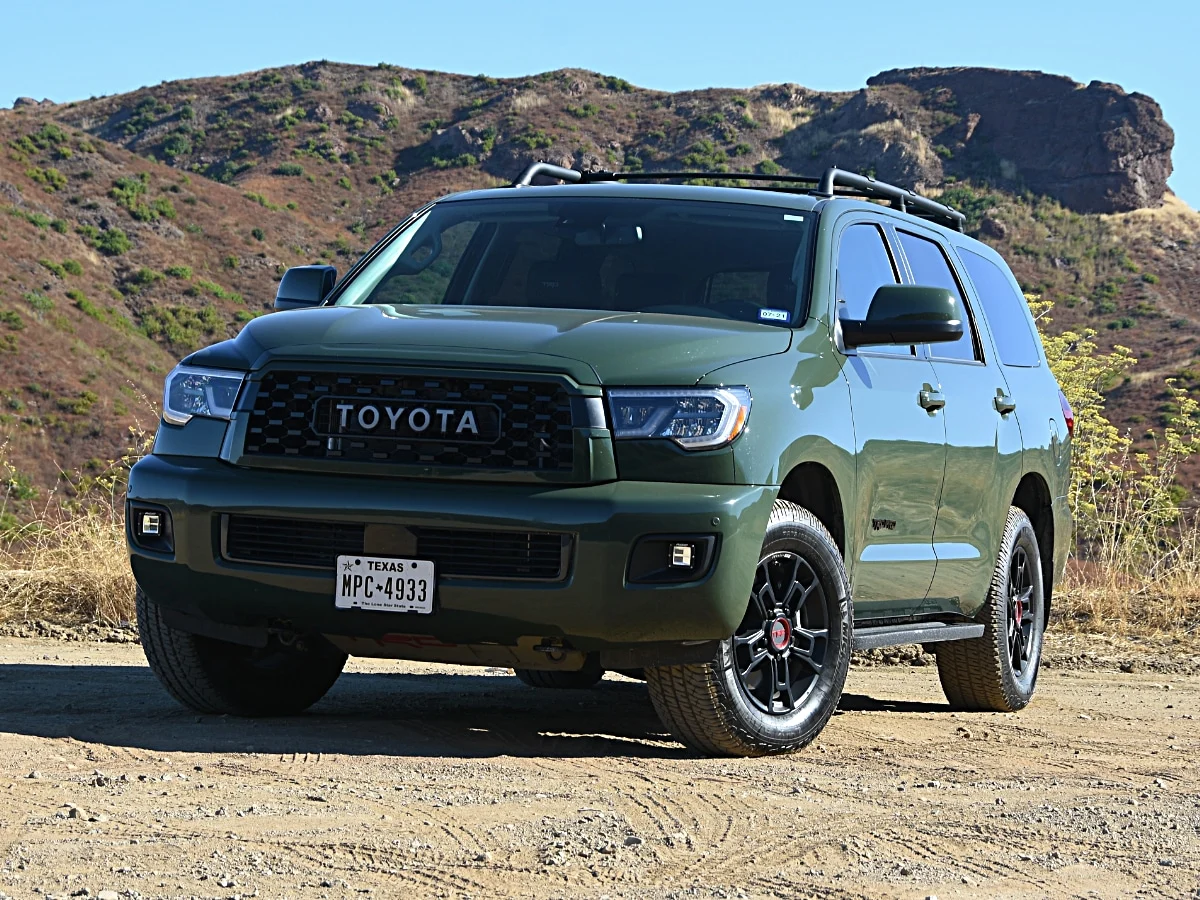
1. 2009 Toyota Sequoia
The 2009 Toyota Sequoia stands out as one of the more dependable choices in the full-size SUV market, with zero registered complaints on Car Complaints for this model year. Although nine recalls exist on record from the NHTSA, many of these issues were resolved years ago, making it possible to find a well-maintained example today.
While J.D. Power did not specifically rate the 2009 model, the scores for the 2008 and 2010 versions, 79 and 80 out of 100, suggest that this SUV continues the same standard of quality and reliability. Buyers looking for a family-friendly and durable option with heavy towing capabilities often find the Sequoia a practical investment.
One of the highlights of the 2009 Sequoia is its versatility. Built on the Tundra platform, it benefits from expanded dimensions introduced in its 2008 redesign, giving passengers more room and improving ride comfort.
The second-row seating can be configured as either a bench or captain’s chairs, each with excellent fore-aft adjustability to maximize passenger or cargo space.
An independent rear suspension enhances ride quality while also allowing the third row to fold flat, creating an impressive 121 cubic feet of cargo capacity when both rear rows are stowed. Families particularly appreciate this flexibility, making the Sequoia an ideal long-distance traveler.
Performance is another strong suit. The base SR5 trim is powered by a 4.7-liter V8 producing 276 horsepower, paired with a five-speed automatic transmission. However, the majority of buyers favored the 5.7-liter V8, which produces 381 horsepower and 401 lb-ft of torque, paired with a six-speed automatic.
With this engine, the Sequoia becomes one of the quickest in its segment, reaching 60 mph in just 6.7 seconds while offering a towing capacity of up to 9,100 pounds.
Despite its size, the SUV maintains an impressive balance between highway comfort and maneuverability, aided by a relatively tight 39-foot turning circle. Fuel economy, while not groundbreaking, is competitive within its class, with the 5.7-liter V8 achieving a combined 15 mpg.
Inside, the Sequoia blends practicality with family-friendly touches. Storage bins, sliding seats, and even a conversation mirror enhance convenience, while Limited and Platinum trims add luxury with power-reclining and folding third-row seats.
Safety is also a priority, with standard stability control, side curtain airbags for all three rows, and available backup camera and parking sensors. The ride quality ranges from smooth in the SR5 to plush in the Platinum with adaptive suspension, offering options to suit different driving preferences.
For those who need a full-size SUV with genuine towing muscle and versatile passenger accommodations, the 2009 Toyota Sequoia remains a top-tier choice against rivals like the Chevrolet Tahoe, Ford Expedition, and Nissan Armada.
2. 2013 Toyota Sequoia
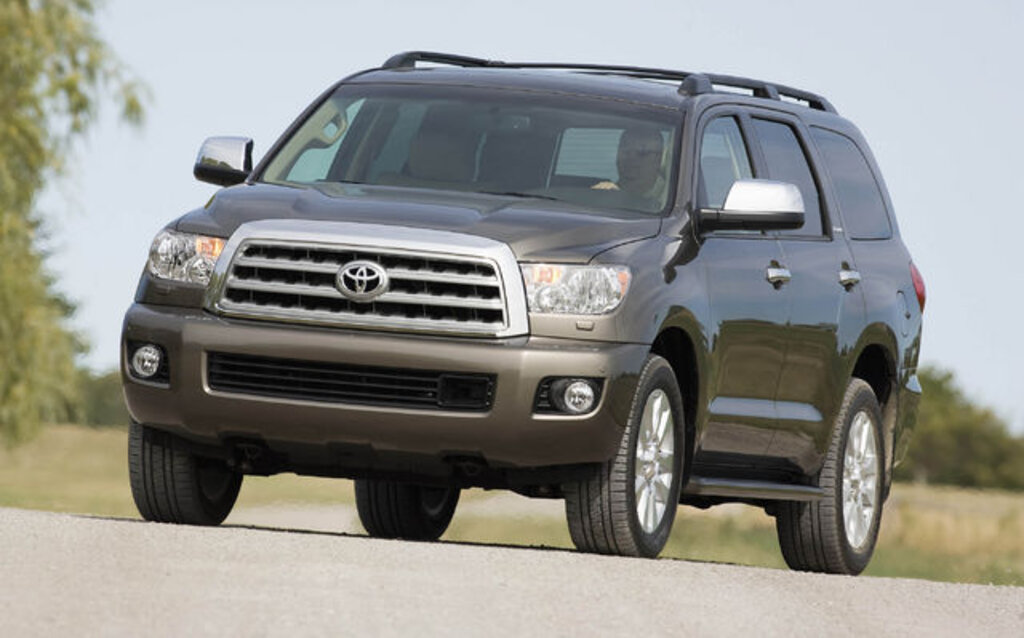
The 2013 Toyota Sequoia continues the strengths of the XK60 generation with improved reliability and greater refinement compared to earlier years. J.D. Power gave the model an overall rating of 84 out of 100, a reassuring figure even though the quality and reliability category was left unrated.
Notably, this year saw a marked improvement in dependability, with only three recalls and three logged complaints, an impressive record for a full-size SUV.
Toyota also simplified the lineup by eliminating the smaller base V8, making the robust 5.7-liter V8 the standard engine across all trims. Buyers also benefited from new features such as an available Blu-ray rear-seat entertainment system, which enhanced family appeal.
Under the hood, the Sequoia’s 5.7-liter V8 produced 381 horsepower and 401 lb-ft of torque, paired with a six-speed automatic transmission. This setup allowed the big SUV to accelerate from 0 to 60 mph in just 6.7 seconds, making it one of the strongest performers in its class.
Fuel economy, at 15 mpg combined, was typical for its segment, while towing capacity reached 7,400 pounds for two-wheel-drive models and slightly less for four-wheel-drive trims.
Though not the most efficient, the Sequoia provided a blend of raw power and smooth delivery that set it apart from rivals like the Chevrolet Tahoe and Ford Expedition.
Combined with an independent rear suspension, the SUV offered composed handling and a surprisingly comfortable ride, especially in the Platinum trim equipped with adaptive suspension.
Inside, the 2013 Sequoia delivered the spaciousness and versatility that full-size SUV buyers expect. Available in seven- or eight-passenger configurations, its second-row seats reclined and slid forward or backward to maximize comfort and flexibility.
Parents appreciated the sliding center section of the 40/20/40 bench, which allowed easier access to young children. Cargo space was another strong point, with 66.6 cubic feet available behind the second row and a best-in-class 121 cubic feet when both rear rows were folded flat.
Unlike competitors that required the physical removal of third-row seats, the Sequoia’s power-folding third row (in Limited and Platinum trims) added convenience and practicality.
On the road, the Sequoia’s sheer size was evident, but Toyota equipped it with features to ease maneuverability, such as available parking sensors and a rearview camera. While steering feedback felt numb, handling was relatively nimble for such a large vehicle, and the independent suspension absorbed rough roads with ease.
Safety was also a strong focus, with standard features like stability control, trailer sway control, multiple airbags, and a blind-spot warning system on the Platinum trim.
The 2013 Toyota Sequoia balanced muscle, refinement, and family-friendly functionality, making it one of the most comfortable and capable options among truck-based full-size SUVs.
3. 2020 Toyota Sequoia
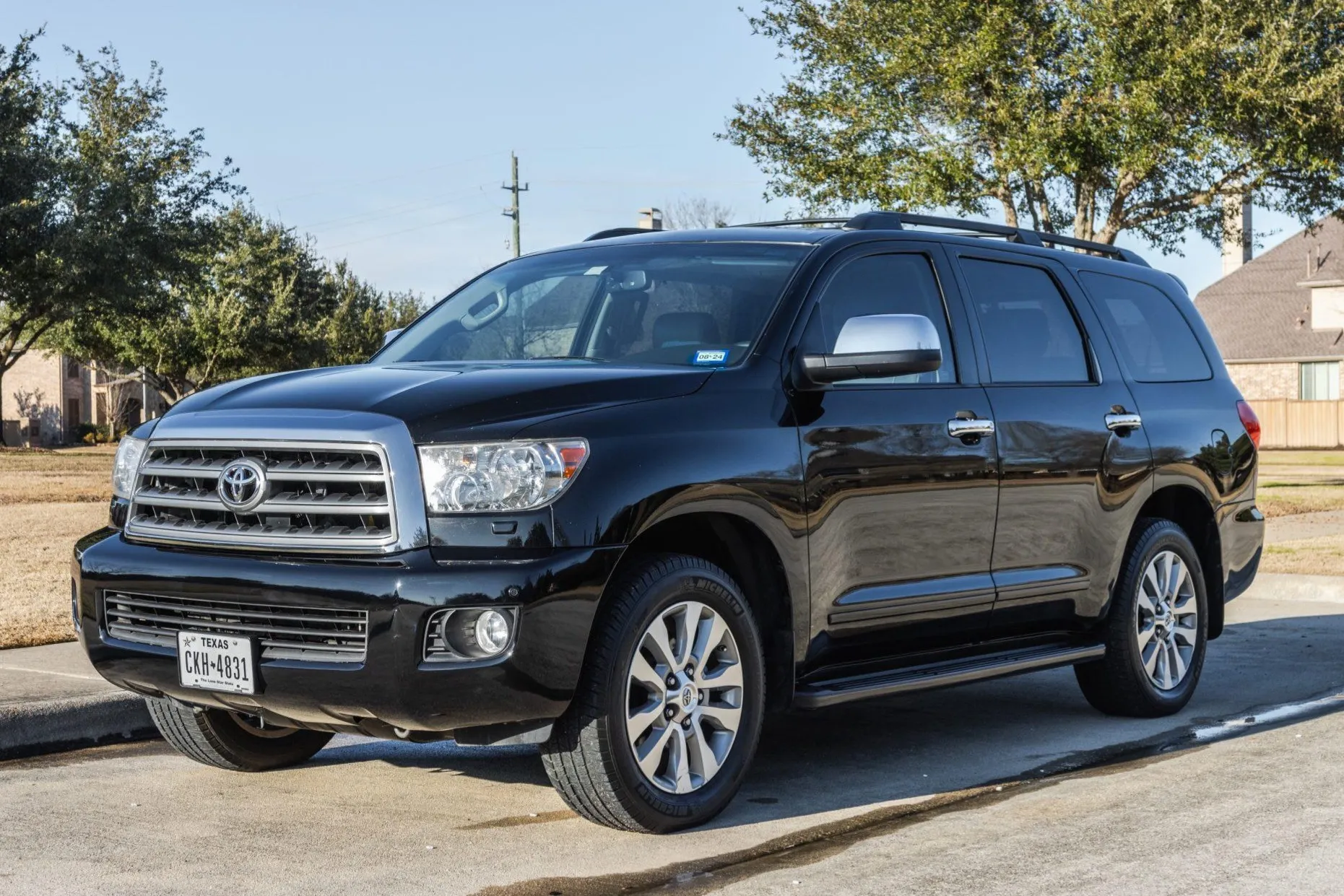
The 2020 Toyota Sequoia continues its long-standing reputation for dependability, with zero consumer complaints and only two recalls in nearly five years on the road. While the recalls related to a potential fuel pump failure and a minor power steering fluid issue should be taken seriously, both are limited in scope and relatively easy to address.
What makes the 2020 Sequoia especially appealing is the introduction of the TRD Pro trim, which added serious off-road capability to its already reliable full-size SUV platform. This made it an attractive choice for buyers seeking both a rugged adventure vehicle and a family-friendly daily driver.
Under the hood, the Sequoia retains its tried-and-true 5.7-liter V8 engine paired with a six-speed automatic transmission. Producing ample power, it launches the SUV from 0 to 60 mph in 7.4 seconds, making highway merging and towing feel effortless.
With a maximum cargo capacity of 120 cubic feet and a towing capacity exceeding 7,000 pounds, the Sequoia remains a workhorse among full-size SUVs. However, it shows its age in areas like fuel efficiency, returning just 14 mpg combined, a figure that lags behind newer rivals such as the Ford Expedition and Chevrolet Tahoe.
Despite this drawback, its ride quality remains plush and comfortable, with the TRD Pro suspension further enhancing stability in off-road conditions.
Inside, the Sequoia offers the spaciousness expected from a vehicle of its size, with roomy seating across three rows and flexible cargo options. The second-row seats tilt and slide for easy access to the third row, while the fold-flat design of both rear rows makes cargo-hauling simple and efficient.
That said, the cabin materials and design feel dated, resembling the Tundra pickup more than a modern SUV. Toyota did update the infotainment with a 7-inch touchscreen that includes Apple CarPlay and Android Auto, but the system struggled in testing with occasional freezes and connectivity issues.
Thankfully, safety technology saw a significant upgrade with the inclusion of Toyota Safety Sense-P as standard, bringing adaptive cruise control, forward collision mitigation, lane departure warning, blind-spot monitoring, and rear cross-traffic alert to all trims.
The 2020 Sequoia ultimately strikes a balance between rugged capability and family practicality, though it struggles to compete with more modernized rivals.
Its strong reliability record, cavernous cargo space, and off-road-ready TRD Pro trim ensure it appeals to a specific set of buyers who prioritize toughness and durability over cutting-edge tech or fuel savings.
While it doesn’t offer the polish or efficiency of newer competitors, the Sequoia remains a trustworthy, adventure-ready SUV for those who need serious utility without compromising long-term dependability.
4. 2016 Toyota Sequoia
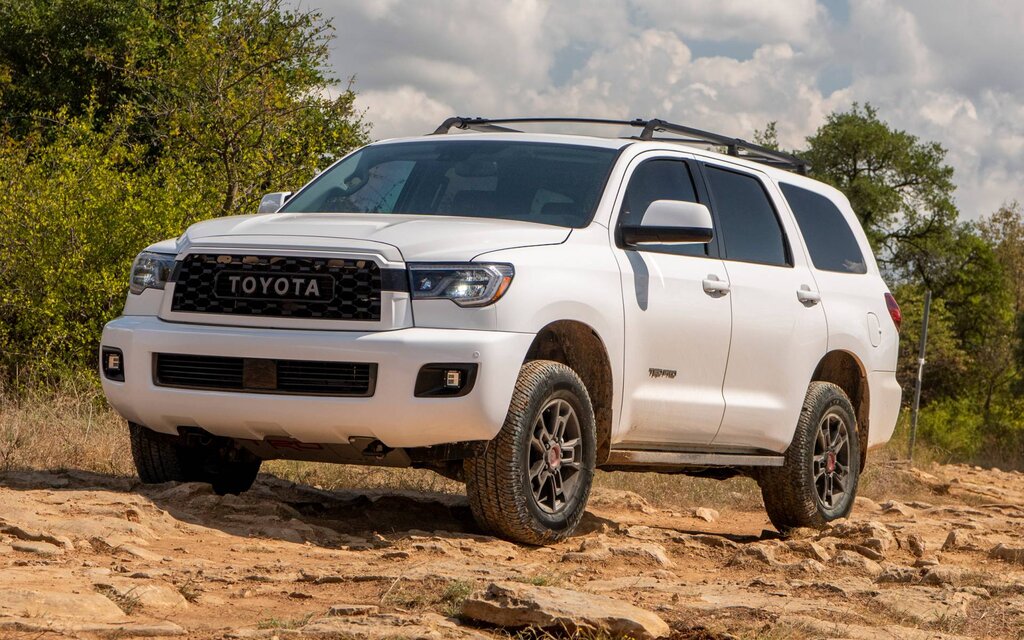
The 2016 Toyota Sequoia continues to offer families a capable, truck-based SUV with immense space, strong towing ability, and genuine off-road performance. Built on the rugged Toyota Tundra platform, the Sequoia stands out with seating for up to eight passengers and a towing capacity that reaches 7,400 pounds.
While it has not received a major redesign in years, the 2016 model gets a refreshed infotainment system and optional blind spot monitoring on the Limited trim. Its biggest strengths remain its robust V8 engine, smooth ride quality, and versatility for families who need both passenger comfort and heavy-duty performance.
Under the hood, the Sequoia is powered by a 5.7-liter V8 producing 381 horsepower and 401 lb-ft of torque, paired with a six-speed automatic transmission. Despite its size, it accelerates quickly, reaching 60 mph in 6.9 seconds during testing.
The available four-wheel-drive system, low-range gearing, and locking differential make it more capable off-road than many rivals.
However, fuel economy is a clear drawback, with an EPA-estimated 14–15 mpg combined, far behind more modern competitors like the Ford Expedition’s turbocharged V6. The Sequoia is also available as a flex-fuel vehicle in certain states, but efficiency drops even further when running on E85.
Inside, the Sequoia offers a spacious and flexible cabin, with an optional second-row captain’s chair setup for added comfort. The third row reclines and folds flat, creating up to 120 cubic feet of cargo space, one of the best in its class.
While interior quality and design lag behind newer SUVs, functionality is excellent, with intuitive controls and an easy-to-configure seating layout. The updated Entune infotainment system adds more connectivity options, though its touchscreen placement can be a stretch for some drivers.
Ride comfort is impressive, particularly with the optional adaptive air suspension, which makes long journeys more relaxing than in most rivals.
Safety features are comprehensive, including a rearview camera, stability control, trailer sway control, and multiple airbags. Higher trims add parking sensors, adaptive cruise control, and blind spot monitoring.
The Sequoia earned an average braking performance and a four-star rollover rating, though it lacks full crash-test scores. The 2016 Toyota Sequoia is best suited for buyers who need maximum space, towing strength, and off-road ability.
Families prioritizing fuel economy and modern styling may find better options in crossovers or newer full-size SUVs, but for those who demand power and utility, the Sequoia remains a dependable and versatile choice.
5. 2019 Toyota Sequoia
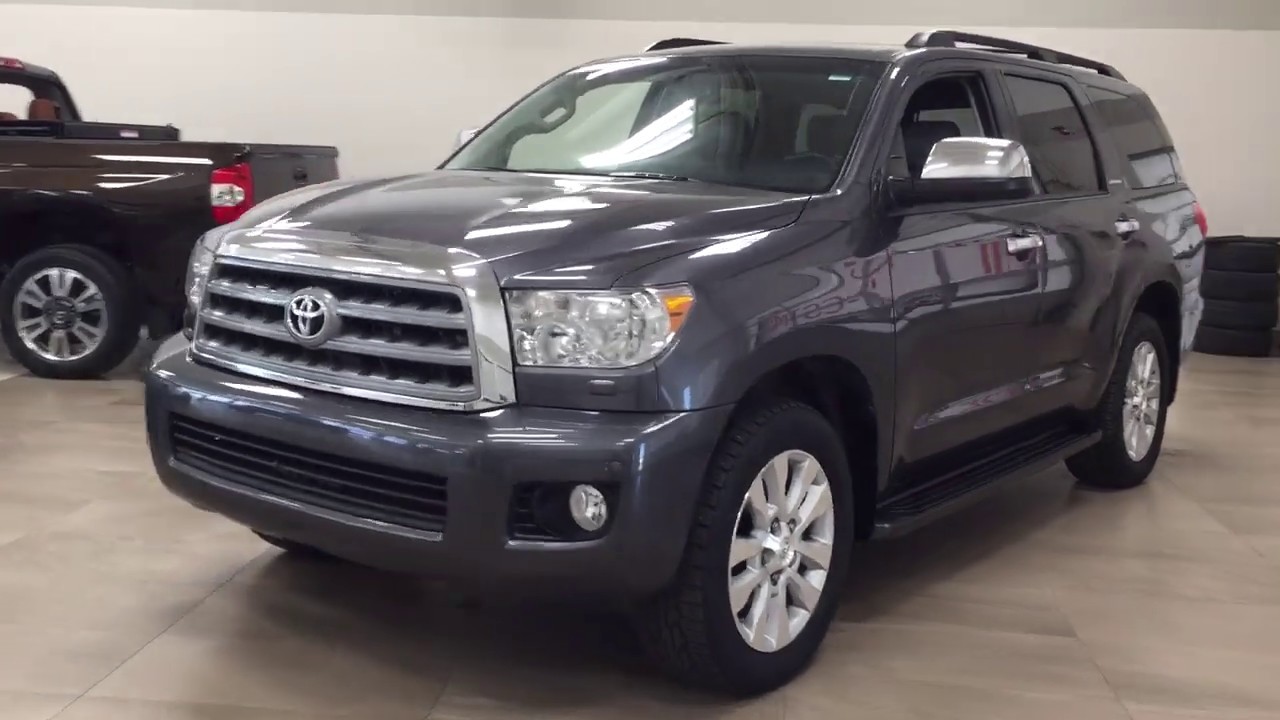
The 2019 Toyota Sequoia continues as one of the few traditional, truck-based SUVs available, carrying over unchanged from the previous year.
Its 5.7-liter V8 engine provides robust power, enabling towing of more than 7,000 pounds, while seating for up to eight passengers makes it a strong choice for families needing space and capability.
Fold-flat second- and third-row seats expand cargo capacity dramatically, and multiple storage compartments add to its road-trip practicality. Though aging in design, the Sequoia still delivers the toughness and versatility expected of a large SUV.
Equipped with available four-wheel drive, the Sequoia proves competent off-road, though its large size and long wheelbase can be limiting on narrow trails.
The TRD Sport trim enhances suspension performance, giving drivers more stability on rugged terrain and improved handling on pavement. Despite these strengths, the Sequoia’s weight and light steering make it less ideal for winding roads, but its acceleration remains competitive, reaching 60 mph in just over seven seconds.
Comfort is a highlight, with a plush ride quality that smooths out bumps and road imperfections. The spacious interior offers solid legroom, particularly in the third row, which is usable for adults on shorter trips.
However, the front seats are limited in adjustability, and the seating lacks lateral support. Noise levels are generally subdued, though the engine becomes noticeable under heavy load. Climate control works well in the rear rows but struggles slightly to maintain cooling power in the front.
Utility is where the Sequoia shines. With up to 120.1 cubic feet of maximum cargo space, it competes with the largest SUVs in its class, surpassed only by the Chevrolet Suburban and Ford Expedition Max.
Even with seats in use, the available space is generous, and a power liftgate adds convenience for loading gear. Numerous storage compartments and cubbies throughout the cabin enhance practicality, although some may be too deep for easy access.
Technology, however, is a weak spot. The 6-inch touchscreen is outdated, lacking Apple CarPlay and Android Auto integration. Connectivity options are limited to Bluetooth, one USB port, and an auxiliary input.
Still, the Sequoia redeems itself with standard advanced safety features across all trims, including adaptive cruise control, blind-spot monitoring, lane departure warning, and automatic emergency braking.
While newer rivals like the Ford Expedition surpass it in efficiency and technology, the 2019 Sequoia maintains timeless appeal for buyers prioritizing towing strength, space, and rugged reliability.
Also Read: 5 Cars That Stay Safe and 5 That Have Serious Crash Concerns
5 Toyota Sequoia Years That Really Do Quit
1. 2002 Toyota Sequoia: A Problematic First-Generation Model
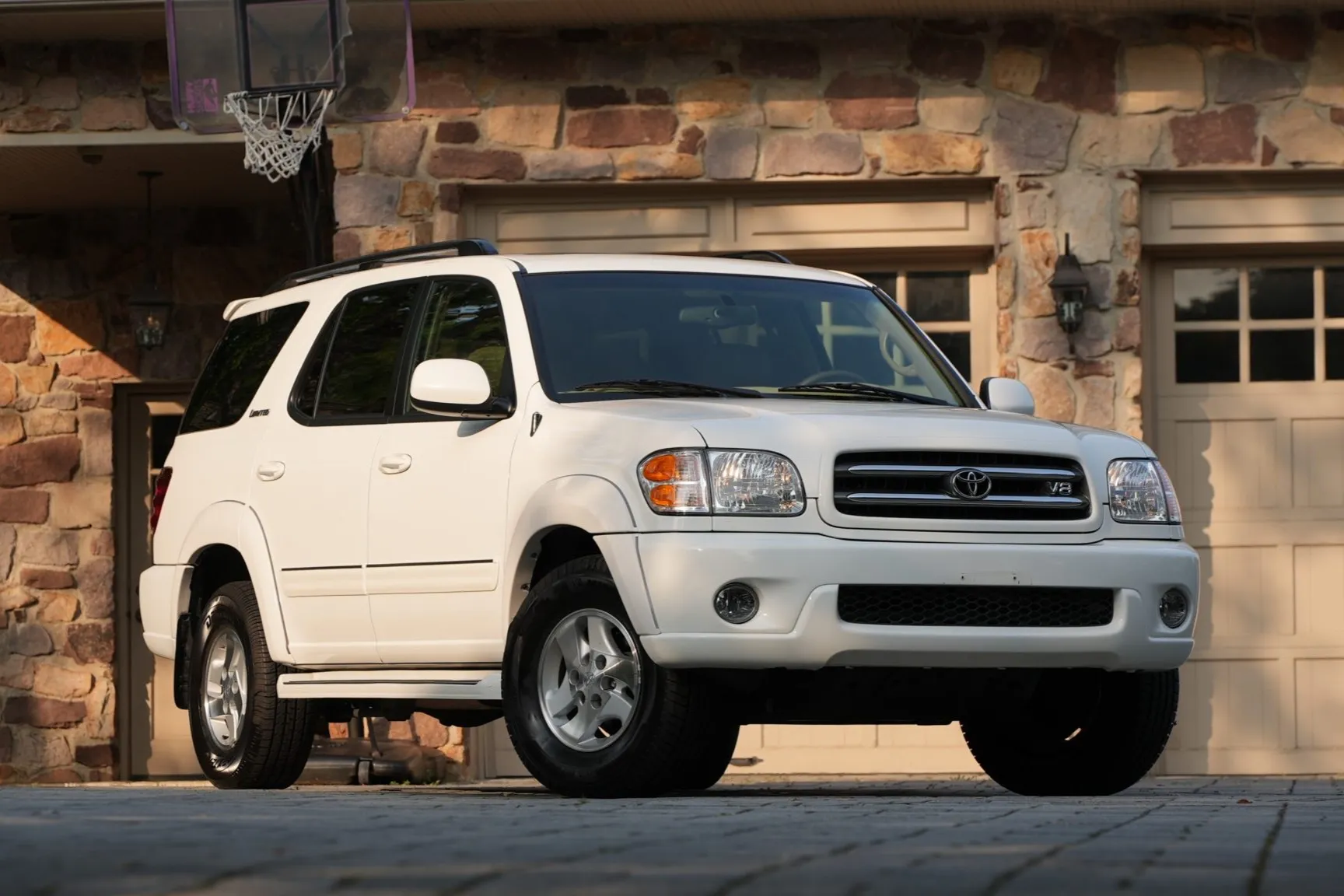
The 2002 Toyota Sequoia is widely regarded as one of the worst years in the SUV’s history, making it a model to avoid for used buyers. According to Car Complaints, it has the most reported issues among all Sequoia years, with 93 complaints logged and eight official recalls.
The most significant concern centers on transmission failure, an issue so severe that it often requires full replacement of the unit, averaging a costly $3,510 repair bill. Rated 9.3 out of 10 in severity, this transmission problem has earned the description of “really awful.”
Owners also faced a variety of other mechanical troubles, adding to its poor reputation. Combined with the high number of recalls, including safety-related defects, the 2002 Sequoia remains a black mark on Toyota’s record.
Despite Toyota’s reputation for reliability, this particular model year demonstrates that even dependable brands can have major missteps that leave owners frustrated.
2. 2010 Toyota Sequoia: Fewer Complaints but Concerning Recalls
The 2010 Toyota Sequoia fares much better than the 2002 model in terms of owner complaints, with only two reported issues, both of which were minor.
These included complaints about poor sound quality from the JBL speakers and Bluetooth compatibility issues with the hands-free system, neither of which affected the SUV’s core performance. However, the 2010 Sequoia is not free from concerns, as it has a notable 10 recalls on record.
Some of these recalls were relatively minor, such as incorrect information on load-carrying capacity labels, but others were far more serious. The sticking accelerator pedal recall stands out as a potentially dangerous defect that buyers should pay attention to.
While the low number of complaints suggests this Sequoia year performs better overall, prospective buyers should confirm that all recall work has been completed before purchase. Without proper documentation, unresolved recalls can turn a seemingly safe SUV into a risky investment.
3. 2008 Toyota Sequoia: A Rough Start for the Second Generation
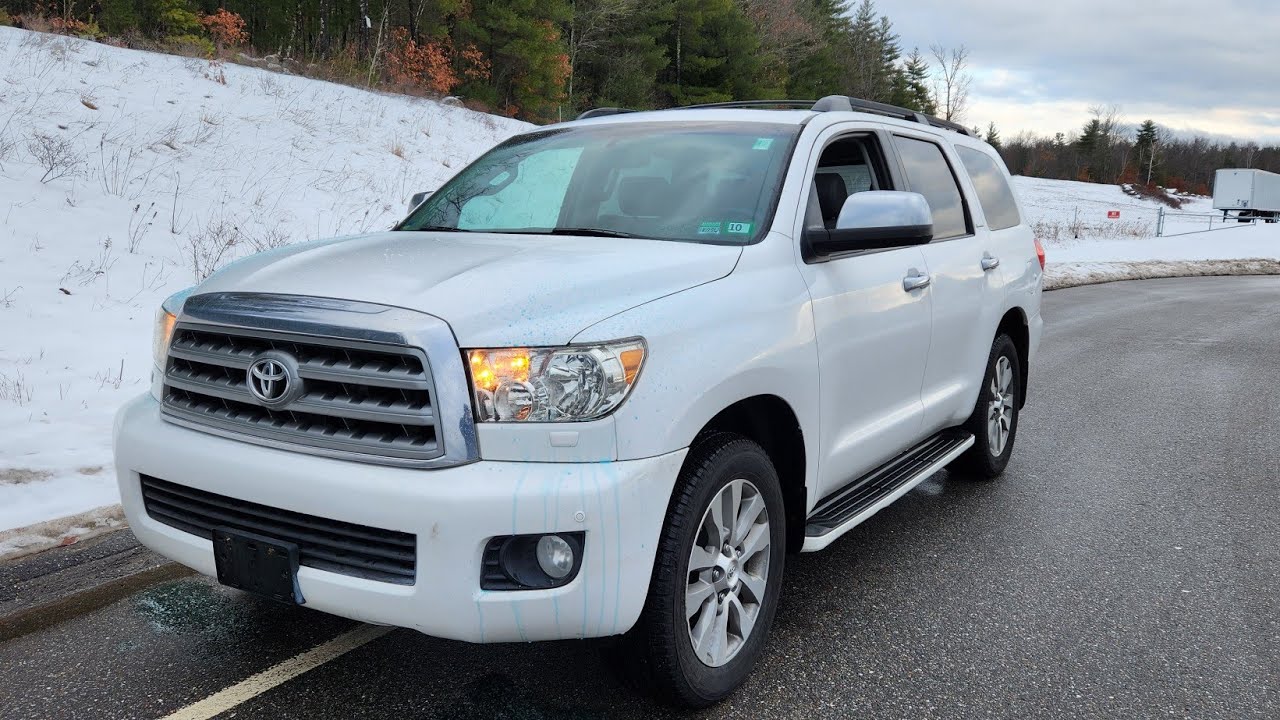
The launch of the second-generation Sequoia in 2008 was supposed to mark an upgrade in design, performance, and capability. While Toyota succeeded in refreshing the look and adding more modern features, reliability issues tarnished the release year.
One of the biggest complaints centered on transmission problems, with owners reporting rough shifting, delayed engagement, and, in some cases, complete transmission failure. These repairs were not only costly but also often required much earlier than expected, cutting into the SUV’s value.
Another widespread problem was frame rusting, particularly in regions where road salt is used during winter. In severe cases, rust weakened the vehicle’s structural integrity, forcing Toyota to offer frame replacements under extended coverage.
Despite its updated design, the 2008 Sequoia became known more for these headaches than its advancements, making it a year best avoided by those looking for long-term dependability in a large SUV.
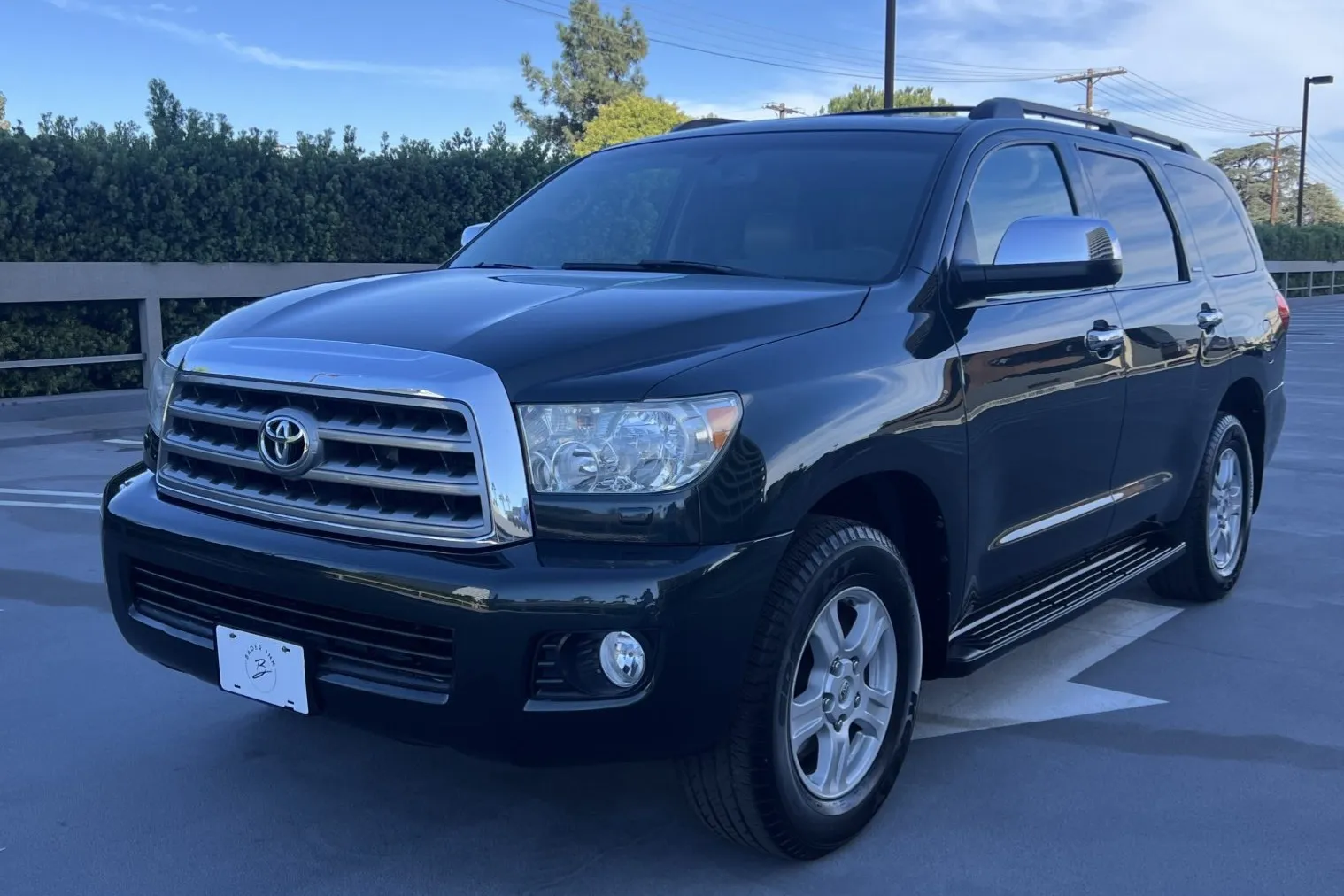
4. 2012 Toyota Sequoia: New Problems Replace Old Ones
By 2012, Toyota had addressed some of the reliability problems seen in earlier Sequoia models, but new issues emerged that created frustration for owners. Electrical malfunctions were among the most common complaints, particularly with sensors and the infotainment system.
Drivers reported malfunctioning parking sensors, unreliable navigation units, and frequent glitches, which undermined convenience and safety features. In addition, oil leaks became a persistent concern. These leaks, if ignored, had the potential to cause serious engine damage, often leading to expensive repairs.
For many, this meant unexpected maintenance costs that detracted from Toyota’s reputation for building long-lasting vehicles.
While the 2012 Sequoia did not suffer from the same level of catastrophic failures as the 2002 or 2008 models, the combination of electrical gremlins and mechanical problems still made it a questionable purchase.
Buyers considering this model year are advised to thoroughly inspect service records and verify that issues have been properly addressed.
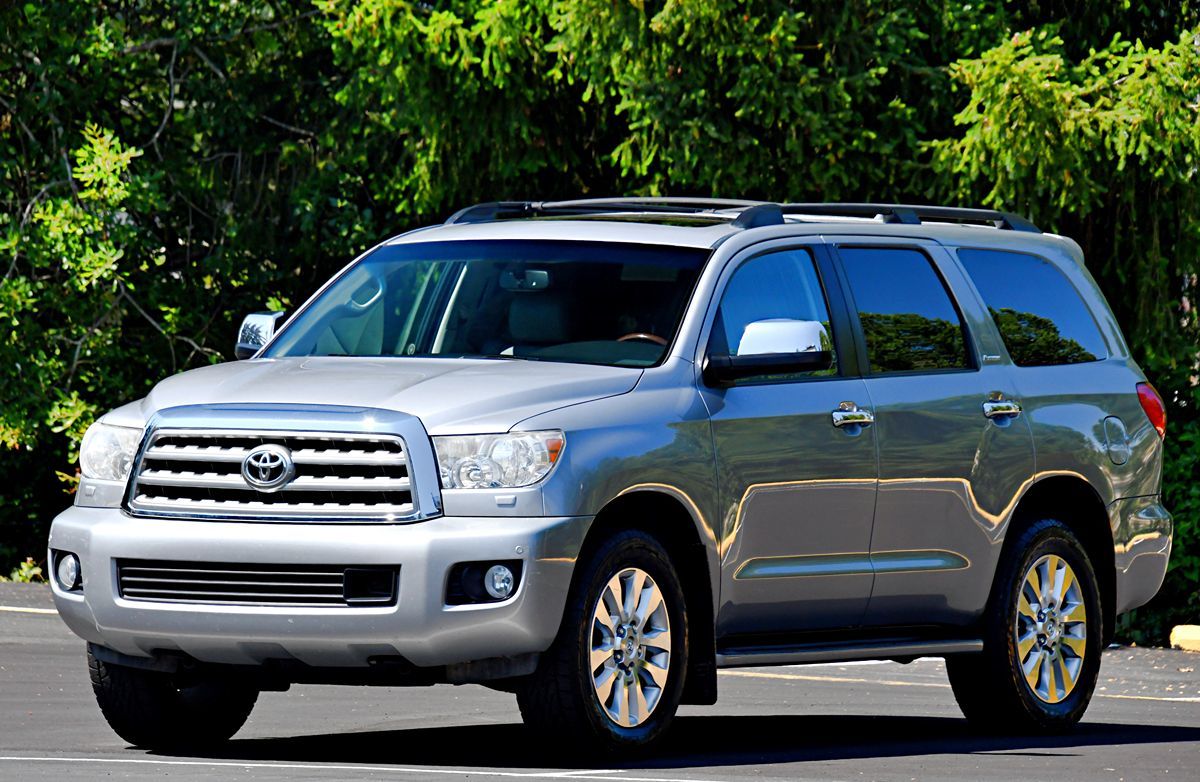
5. 2017 Toyota Sequoia: Aging Design and Lingering Flaws
The 2017 Toyota Sequoia, despite being a more modern entry, struggled with some of the same problems that had plagued earlier models. Electrical issues remained a common theme, particularly with faulty wiring in the trailer brake controller and glitches in the infotainment system.
These problems caused inconvenience and, in some cases, required expensive fixes to restore functionality. Suspension concerns also surfaced, with reports of premature wear in rear suspension components.
For an SUV often relied on for towing and carrying heavy loads, these issues impacted ride quality and stability, reducing overall confidence in the vehicle’s durability.
While the 2017 Sequoia did benefit from Toyota’s strong V8 engine and proven towing capacity, its outdated design and recurring reliability problems made it less competitive compared to rivals offering better technology and refinement. As a result, this model year stands as another example where Toyota’s full-size SUV falls short of expectations.
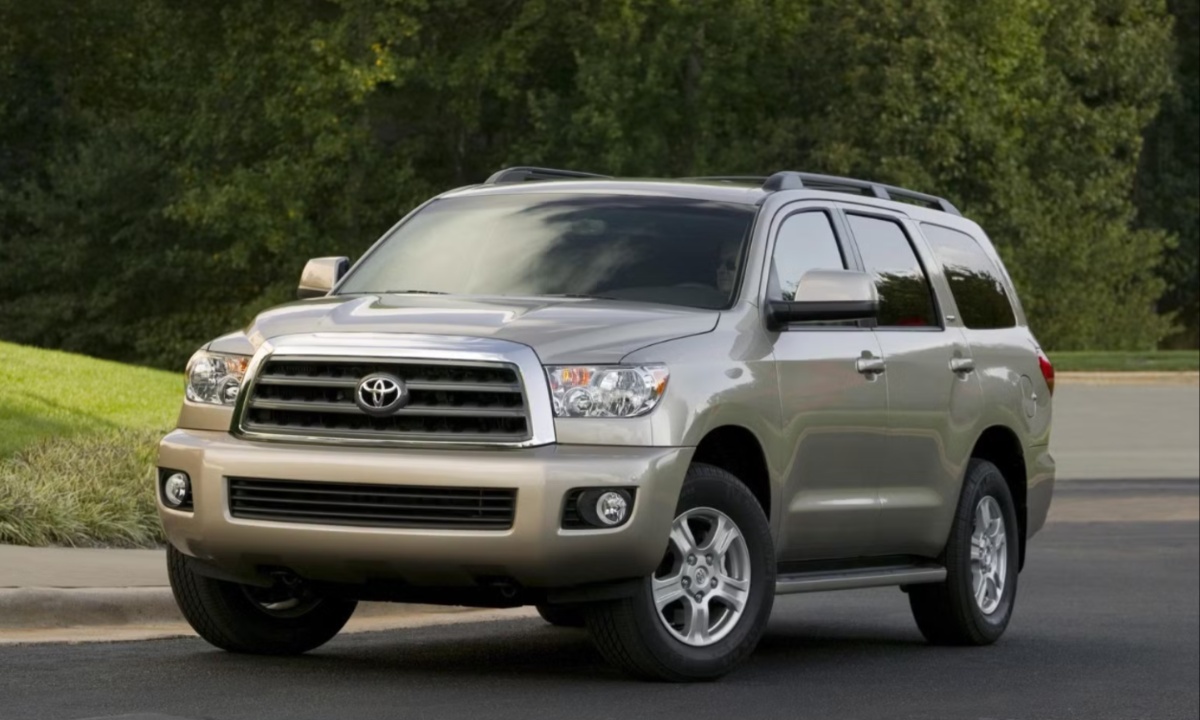
The Toyota Sequoia has long been recognized as one of the most capable full-size SUVs, offering strength, space, and versatility. However, like any vehicle that has been in production for decades, its track record isn’t flawless.
Some models deliver the reliability and durability that drivers expect from Toyota, while others fall short due to recurring issues such as transmission troubles, electrical glitches, or costly maintenance needs.
For buyers, the difference between a dependable Sequoia and a problematic one often comes down to choosing the right model year. Paying attention to reliability records, recalls, and owner reports can help avoid unexpected headaches and expenses.
By taking the time to research before purchasing, you can secure a Sequoia that lives up to its reputation, one that provides years of dependable service, strong towing ability, and the rugged performance that has made this SUV a trusted choice for families and adventurers alike.
Also Read: 10 Cars With Tricky Seatbelt Buckles for Elderly Passengers