

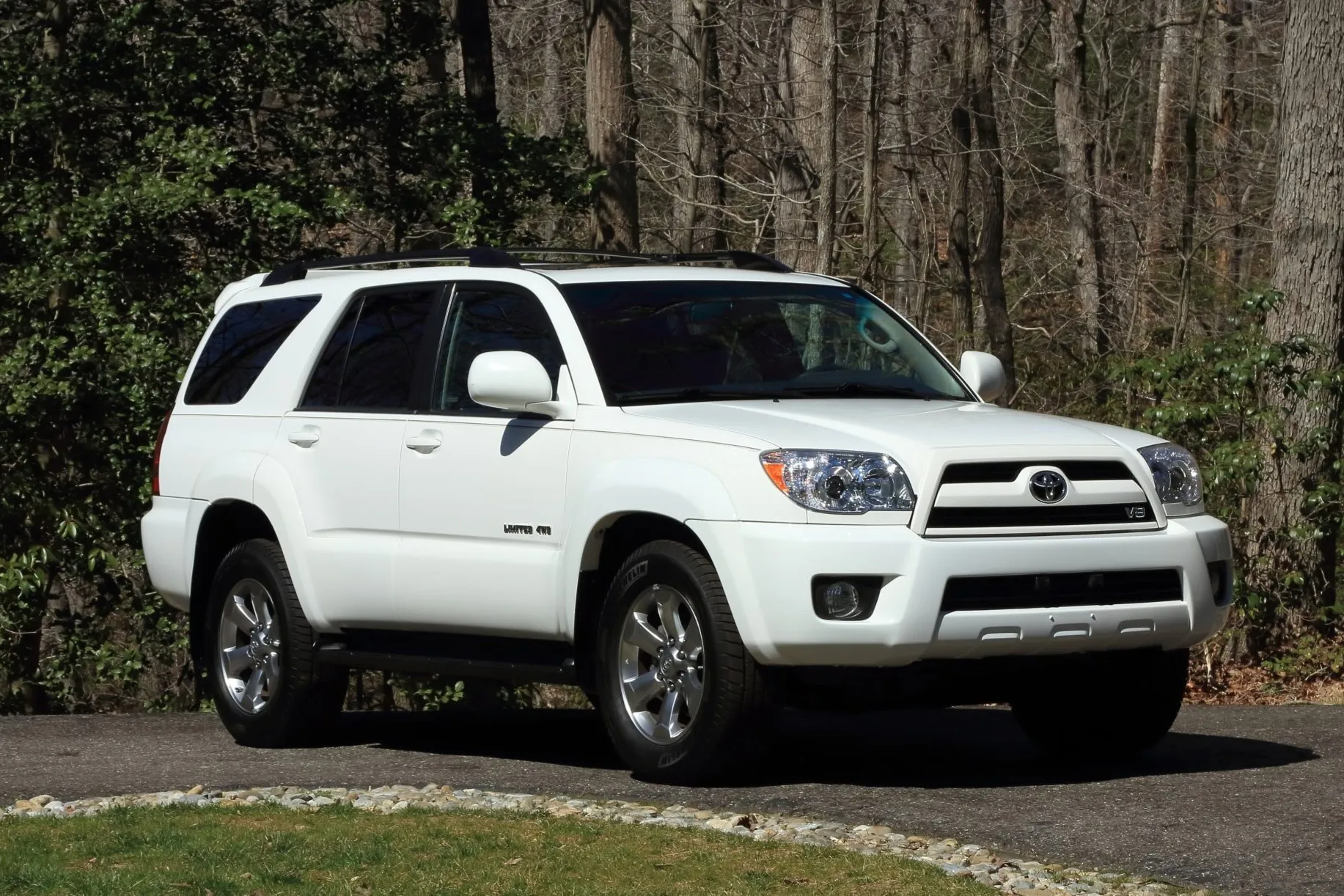
The Toyota 4Runner has built a reputation as one of the most rugged, trustworthy, and enduring SUVs on the road. People choose it because they want an automobile that can last for hundreds of thousands of miles, handle rough terrain without hesitation, and still remain dependable for daily driving.
What truly separates the 4Runner from other utility vehicles is not just the strength of its design but the consistency of care owners give it over time.
Machines thrive on diligence, and the 4Runner is no different. With proper attention, it can outlive many modern SUVs that sacrifice toughness for trends.
When we look at why this vehicle stands the test of time, it is partly due to Toyota’s engineering but equally because of the maintenance habits and driving practices applied by its owners. Durability is not magic; it is a direct result of consistent action.
From engine health and transmission care to rust protection and suspension upkeep, each element plays a part in ensuring that the 4Runner remains as steady at 200,000 miles as it was at 20,000.
What many people appreciate about the 4Runner is that it is more than just transportation. For families, it becomes a dependable travel partner on road trips. For adventurers, it is a reliable companion on mountains, trails, and deserts.
For city drivers, it provides a rare reassurance of toughness in traffic. Because this SUV bridges these uses so well, it pays to give it the kind of upkeep that rewards you with extended life.
This guide is focused on seven key practices that make the 4Runner last practically forever. These aspects, when followed carefully, ensure that the engine runs smoothly, the body remains strong, and your confidence in its reliability only grows over the years.
Also Read: 5 SUVs That Handle Flooded Roads Safely and 5 That Stall Instantly
Tip 1: Regular Engine Care and Scheduled Fluid Changes
The heart of the Toyota 4Runner lies in its engine, and keeping it in excellent condition is the single most important factor in ensuring it remains dependable for decades. While Toyota engines are known for their sturdiness, they can only last if owners consistently care for them.
Regular oil changes, timely fluid flushes, and sticking to the manufacturer’s suggested schedule are the keys to keeping the engine healthy.
Engine oil is not just a lubricant; it is what keeps parts from grinding together and prevents wear. Neglecting this simple maintenance step is one of the fastest ways to shorten an engine’s life. Sticking to high-quality oils suited to your climate is equally critical.
For example, colder regions call for oil designed for quick lubrication in low temperatures, while hotter areas benefit from thicker blends that withstand heat more effectively. Consistency in this area protects pistons, bearings, and even the catalytic converter down the line.
Fluids beyond engine oil also deserve attention. Transmission fluid, power steering fluid, and coolant work silently but play massive roles in maintaining performance.
Fresh coolant helps prevent overheating, while good transmission fluid ensures smooth shifting and protects expensive internal gears.
Many people make the mistake of treating these as “fill-it-and-forget-it” items, but draining and replacing them at proper intervals adds thousands of extra miles to your SUV’s life.
Cleaning the air filter and keeping the fuel system unclogged also boosts performance. A clogged filter can make the engine work harder, lowering both efficiency and lifespan.
Keeping the throttle body clean, replacing spark plugs when necessary, and occasionally using fuel additives designed to remove carbon deposits can further extend the engine’s prime years.
Ultimately, the 4Runner’s engine reflects how much care you invest in it. Regular checks under the hood, being proactive rather than reactive, and prioritizing genuine fluids are what keep it strong even past the 300,000-mile mark.
Tip 2: Protecting the Transmission and Drivetrain
If the engine is the heart of the Toyota 4Runner, the transmission and drivetrain are the muscle that deliver power where it’s needed. Regular attention to this system is key to keeping the SUV operating smoothly across countless miles.
While Toyota builds 4Runner drivetrains for serious tasks towing, off-road climbing, and highway hauls, they still require care to remain reliable.
The first step is ensuring that transmission fluid is replaced according to intervals, especially if the vehicle sees tough use. Heavy towing, off-road trails, or stop-and-go city driving can stress transmission components.
Fresh fluid has protective additives that break down when exposed to heat, so replacing it avoids overheating and gear slippage. Some drivers mistakenly treat automatic transmissions as sealed systems that never need work, but skipping this leads to costly rebuilds down the road.
The transfer case and differentials also demand scheduled service. These parts are essential when shifting from two-wheel drive to four-wheel drive or when distributing torque across axles.
The lubricating fluid in both areas needs to be replaced periodically to prevent metal shavings and dirt from damaging gears.
Ignoring these fluids is one of the quickest ways to shorten drivetrain life, especially on vehicles that spend time off-road or towing boats, trailers, or campers.

Another consideration is tire size. Many 4Runner owners enjoy modifying the vehicle with larger tires. While this improves off-road capability, it also affects drivetrain strain.
Re-gearing the differential to match the new tire size keeps gears and axles balanced, improving fuel efficiency and preventing premature wear.
Driving habits also play a major role. Abrupt acceleration, constant hard braking, or shifting between drive modes without proper pauses put strain on the system. Being deliberate and smooth makes mechanical parts last much longer.
By pairing fluid care with sensible driving and correct modification choices, the transmission and drivetrain of a 4Runner remain strong over decades.
This system, when respected, ensures the SUV remains capable of delivering dependable power to the ground through any condition.
Tip 3: Suspension and Undercarriage Attention
A 4Runner’s toughness goes beyond its powertrain. The suspension and undercarriage carry the SUV through uneven ground, heavy loads, and sharp impacts.
These areas are less glamorous, but their condition determines how stable and safe the vehicle feels. Neglect here leads to uneven tires, rattles, and poor handling, while proper care keeps the vehicle composed even after years of heavy use.
Suspension components such as shocks, struts, and bushings naturally wear over time. When shocks leak fluid or lose resistance, the ride becomes bouncy, while worn bushings create unsettling noises and vibrations.
Ignoring these problems causes misalignment and quicker tire wear. Scheduling yearly inspections catches these issues before they spread. Replacing worn pieces early maintains comfort, keeps all wheels firmly planted, and prevents strain on other parts.
Another important factor is the undercarriage’s exposure to weather and terrain. Mud, snow, salt, and gravel can stick to the frame, attracting moisture that leads to corrosion. Rust damages the structural body and creeps into the mounts and joints.
Washing the underside, especially during winter, becomes an essential step. Many owners also apply protective coatings to seal vulnerable metals, greatly extending their service life.
Proper wheel alignment is another hidden hero. After hitting potholes or tackling rugged trails, wheels can tilt slightly out of place.
This small shift forces the SUV to pull in one direction and adds resistance against suspension components. Realignment restores balance and prevents premature damage.
For off-road drivers adding lift kits or skid plates, professional fitting is crucial. Poor installations may add unnecessary stress to the frame or create strange angles for control arms. Frequent checks after modifications ensure no long-term harm develops.
The suspension and undercarriage serve as the unseen support systems of the Toyota 4Runner.
With attentive inspections, rust protection, and balanced alignment, these components continue supporting the SUV through both daily city drives and adventurous challenges.
Tip 4: Tire Health and Rotation Discipline
Tires may appear simple compared to engines and transmissions, but they have one of the most direct impacts on both safety and longevity. In a Toyota 4Runner, tires do more than keep the vehicle moving.
They distribute loads, provide traction on diverse terrain, and protect suspension components by absorbing shock. Constant care here maintains the 4Runner’s solid reputation while reducing long-term costs.
Regular tire rotation is the first step. Because the 4Runner is a heavier vehicle with a four-wheel drivetrain, tread wear rarely happens evenly. Front tires take more wear during turns, while rears endure the constant torque of launches and braking.
By rotating every 5,000 to 7,000 miles, wear spreads evenly, making the set last significantly longer. Equal tread also ensures consistent grip across all wheels, essential for safe cornering during heavy rain or snow.
Tire pressure checks are just as vital. Underinflated tires create unnecessary drag, reduce fuel economy, and cause sidewalls to flex excessively, which weakens their structure.
Overinflation, on the other hand, makes tires prone to blowouts and harshens the ride quality. Checking pressure weekly, especially before long trips, keeps performance steady.
Tread depth should always be monitored. Worn tires lose stopping power and grip, especially on wet or icy roads. Investing in a simple depth gauge saves money in the long run because it helps owners plan replacements before dangerous bald spots develop.
Some owners replace all four simultaneously to maintain balance, especially important with four-wheel-drive systems.

Choosing the right type of tire also extends life. All-season tires perform well for mixed conditions, but serious off-roaders may want all-terrain or mud-terrain varieties. Matching tire choice to actual driving conditions prevents premature wear.
In short, disciplined care of wheels ensures road grip, handling safety, and reduced load on other systems. For the Toyota 4Runner, something as routine as balancing, rotating, and checking pressure adds years of consistent strength to its performance.
Tip 5: Body and Frame Rust Prevention
No matter how powerful the engine or how well-maintained the drivetrain, if the body and frame of a Toyota 4Runner weaken, its life is cut short. Rust is a silent enemy that creeps in from underneath and spreads slowly until it causes real damage.
Preventing rust is not about appearance; it is about protecting the very bones of the vehicle and ensuring it stays structurally strong for decades.
The undercarriage is most vulnerable. Road salt, used heavily in snowy regions, leaves behind corrosive residue that eats into steel. Even in warmer climates, dirt and mud trap moisture in small pockets, creating rust spots over time.
Washing the vehicle regularly underneath, especially after winter or off-road trips, clears away harmful buildup. Many owners make it a habit to spray the underbody at least once a month during harsh seasons.
Protective coatings also serve as a frontline defense. Professional-grade undercoats and rust-proof sprays form a barrier between the metal and road contaminants. While some think of this as optional, those who plan to keep their SUV for decades often see it as essential.
Applying this once every couple of years can make the difference between a frame that stays solid and one that begins to crumble after 15 years.
Special attention should be paid to drain holes, wheel wells, and seams where panels meet. These areas gather moisture and dirt, accelerating rust. Keeping them clear helps airflow and allows water to escape instead of staying trapped.
Finally, any small signs of surface rust should be addressed immediately. Once corrosion takes hold, it spreads faster than most expect. Sanding spots, applying primer, and sealing with paint keep damage contained.
By giving the frame and body this ongoing treatment, the Toyota 4Runner retains its strength. Rust-free steel ensures safe towing, strong suspension mounts, and the same steady feel on the road even after hundreds of thousands of miles.
Tip 6: Electrical and Battery Reliability
Modern vehicles depend heavily on reliable electrical systems, and the 4Runner is no exception. From powering fuel injection and ignition timing to handling lights, sensors, and electronics, electrical reliability is a critical part of longevity.
A poorly maintained battery or neglected wiring can create issues that feel mechanical but actually stem from electrical faults.
The starting point is the battery itself. Replacing batteries at the right interval, usually every three to five years depending on conditions, prevents unexpected breakdowns.
Cleaning battery terminals avoids corrosive buildup that restricts power flow. Even simple tasks like checking for secure clamps ensure the current runs smoothly.
The alternator and wiring harness also deserve regular checks. The alternator charges the battery and powers the system during operation. Symptoms of failing alternators, such as dim headlights or difficulty starting, should never be ignored.
Wiring should be inspected for frays, loose connections, or exposed sections, especially on vehicles that see off-road action where vibrations are stronger.
Fuses play a quiet but vital role too. Many strange issues, from power window failures to nonresponsive lights, are nothing more than blown fuses. Knowing the fuse box layout and keeping spares on hand saves time in unexpected situations.
One often-overlooked habit is checking ground wires. A poor ground connection can confuse sensors and make engines act erratically.
Cleaning and tightening major ground points keeps electronics steady. For modern models with advanced driver aids, proper sensor care is essential. Dirty or misaligned sensors can cause warnings or even disable safety features.
Finally, aftermarket modifications should be installed carefully. Extra lights, winches, or stereo systems add electrical load. If not wired properly, they create drain problems or even short circuits. Using proper relays, fuses, and professional-grade connections keeps everything safe.
A Toyota 4Runner with a healthy electrical system avoids many small but frustrating issues. With proactive battery replacement, careful wiring checks, and smart upgrades, the SUV maintains reliability across every mile.
Tip 7: Consistent Driving Habits and Preventive Discipline
Even with the best parts and fluids, how an owner drives the Toyota 4Runner has a lasting effect on its durability. Driving habits directly influence wear on the engine, transmission, tires, and suspension. Owners who practice mindful use often see their vehicles last decades longer than those who treat them harshly.
Smooth acceleration and braking reduce strain across the drivetrain. Constant hard launches or abrupt stops push fluids, gears, and brakes beyond their intended use.
Driving with balance not only saves fuel but also keeps parts cooler and allows them to age at a natural pace.
Warm-up time is another overlooked factor. Letting the 4Runner idle for a minute or so before heavy driving ensures oil circulates throughout the engine. Especially in cold seasons, this practice prevents internal wear. Similarly, avoiding high RPMs on a cold engine keeps pistons and bearings protected.
Towing discipline matters as well. The 4Runner has towing capacity, but consistently running at the maximum limit can shorten the life of the transmission, suspension, and brakes. Spreading the weight evenly, using a proper hitch, and giving the vehicle breaks on long journeys allow it to perform its duties safely.
Preventive maintenance also falls within driving discipline. Many issues become expensive only because they’ve been ignored. Driving with known misfires, grinding brakes, or leaking fluids makes small problems multiply. Addressing them early keeps the vehicle trustworthy for the long haul.
Rest periods are useful too. Allowing the vehicle to cool after extended highway or off-road use prevents heat from damaging fluids and seals.
Ultimately, consistent and respectful habits bridge the gap between ordinary lifespan and legendary durability. A 4Runner that is treated as a long-term partner rather than a disposable tool will return years of loyal service.
When looking at everything required to keep a Toyota 4Runner solid for decades, one pattern emerges: longevity is rarely about one single act but about the sum of many small, consistent choices.
Each practice, whether it is simple fluid changes or careful rust protection, stacks onto the next to create an unshakable foundation.
The mythology of the 4Runner’s toughness can make some believe it requires little or no care. Yet experienced owners know that its true strength comes when the factory’s engineering is paired with steady ownership.
The vehicle is built to handle abuse, but even the strongest frame and most rugged engine benefit from proper driving and thoughtful upkeep.
One of the major insights into long-lasting 4Runners around the world is the role of maintenance culture.
Owners who set firm schedules for themselves, whether through reminders, logs, or trusted mechanic, are the ones who report 300,000 or even 500,000 miles on the odometer.
Neglect is the enemy here, as mechanical systems always reveal their condition eventually. Care taken early prevents damage later.
The engine, being the core of the SUV, thrives when owners never miss oil intervals, never cheap out on coolant, and never ignore warning lights. Drivers see smoother operation for years simply by respecting the manufacturer’s recommendations.
On the other hand, those who stretch service well past limits begin to witness failures that might have otherwise been avoided.
Similarly, transmission and drivetrain systems often determine how expensive ownership eventually becomes. A failed transmission on a neglected SUV transforms it from an admired vehicle into a financial burden very quickly.
But those who double-check fluids, re-gear after major tire changes, and avoid reckless shifts often have 4Runners that continue to tow, climb, and power through situations long after others break.
Suspension and undercarriage care highlight another angle of ownership: the parts you cannot always see matter just as much as those you can. The underlying frame, shocks, and alignment carry the vehicle physically.
If they are left unchecked, the SUV loses its controlled ride and safe handling. In contrast, applying simple protective sprays, rinsing after drives through salt or mud, and checking for wear keep these hidden components firm for decades.
Tires, which appear basic, are another example of how consistent discipline rewards owners directly. Balanced rotations, pressure checks, and proper choices in size and compound prevent premature wear.
For vehicles designed to travel across varied surfaces, this trust in consistent contact is vital. A Toyota 4Runner’s handling, braking, and off-road potential diminish rapidly with poor tire care, but remain superb with close attention.
The fight against rust is where many older SUVs have failed, and it is where long-lasting 4Runners show the choices of owners most clearly. A frame that has been washed, sealed, and repaired at the first sign of rust will carry on.
Here, the difference between neglect and care is often the difference between a vehicle that can be passed down to another generation and one that fails safety inspections altogether.
Electrical reliability may not feel as glamorous as off-road performance, but it decides whether the SUV starts each morning, whether its sensors guide it correctly, and whether modifications remain safe.
Attention to batteries, alternators, and grounds ensures that the 4Runner doesn’t leave anyone stranded unexpectedly.
Driving habits crown all the other practices. Even the most well-maintained machine suffers if subjected to reckless operation. Respectful use, steady acceleration, towing only when appropriate, and allowing a brief warm-up transfers engineering durability into lived durability.
This is where the owner’s philosophy matters. Owners who see their 4Runners as long-term investments naturally treat them differently from those who see them merely as machines to be replaced.

A Toyota 4Runner becomes rock-solid forever not by any secret trick but by a mindset. That mindset values preventive action, careful handling, and the belief that what one does today for the SUV determines whether it will carry on tomorrow.
When viewed in this way, all seven tips outlined earlier form habits more than tasks. They shift from being chores into routines that reward the driver with worry-free performance.
Stories exist everywhere of 4Runners lasting across generations. People proudly speak of driving the same SUV their parents once owned, or handing down a faithful machine to their children.
That endurance was made possible not simply by Toyota’s engineers but by owners who understood that responsibility and pride go hand in hand with ownership.
For those who aspire to have a 4Runner that serves a lifetime, the path is now clear. Stay consistent on fluids, protect the drivetrain, protect the suspension and frame, respect the tires, shield the body from rust, keep the electrical system clean, and drive with steadiness.
These seven combined actions transform an already tough vehicle into a machine that feels nearly timeless.
When future drivers see a Toyota 4Runner still strong after hundreds of thousands of miles, what they are truly witnessing is the result of daily care, patient attention, and the owner’s dedication. Strength, reliability, and legacy are built over time.
For drivers willing to practice these habits, their 4Runner will remain as solid twenty years from now as it feels today.
Also Read: 5 SUVs That Handle Flooded Roads Safely and 5 That Stall Instantly
