
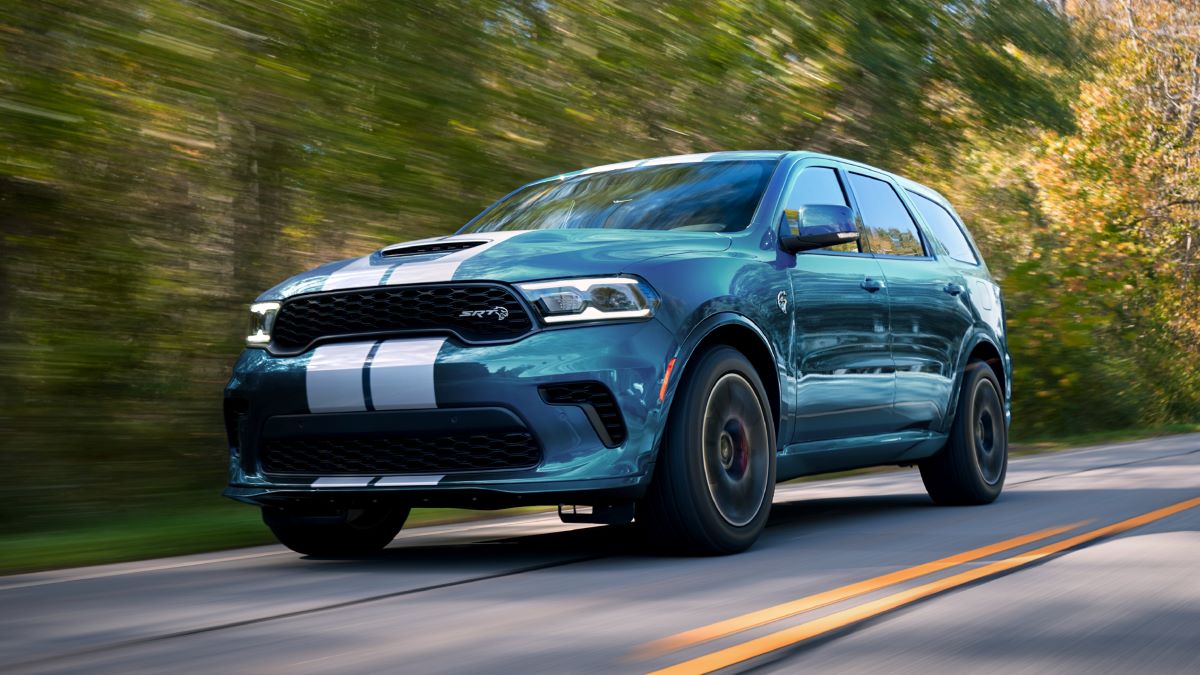
Owning a Dodge Durango can be an exciting experience, especially for those who appreciate power, comfort, and family-oriented features blended into a rugged SUV.
The Durango is popular among drivers who want a reliable vehicle capable of handling highways, city traffic, and even some challenging terrains. However, like any vehicle, its performance and durability depend greatly on how the owner treats it.
Many mistakes, often caused by misunderstanding or neglect, can dramatically shorten the Durango’s lifespan. What starts out as a minor oversight can quickly escalate into costly repairs or even irreversible damage to the engine, transmission, or other crucial systems.
Drivers sometimes underestimate how much routine care matters, particularly with a vehicle as heavy and powerful as the Durango. The extra weight and horsepower place added strain on crucial components, meaning maintenance habits need to be steady and intentional.
Unfortunately, certain driving habits, poor maintenance routines, and lack of attention to detail can push this SUV to its limits faster than expected. These errors do not only affect performance but also compromise safety, which makes them even more serious.
Understanding what actions harm your Dodge Durango is the first step in protecting your investment.
It is not only about preventing breakdowns on the road but also about maximizing fuel efficiency, keeping repair costs manageable, and ensuring that the vehicle remains responsive and strong after years of use.
By avoiding common mistakes, owners can lengthen the vehicle’s life and continue to enjoy the strength and reliability the Durango is known for.
In this guide, we will highlight eight damaging habits or oversights that can wear down a Dodge Durango quickly.
Each section offers straightforward explanations along with reasons why ignoring them can lead to bigger issues. Learning these mistakes early is key to ensuring your Durango stays dependable for many miles ahead.
Also Read: 5 Bikes That Start Every Time and 5 That Need a Kickstart
Mistake #1: Ignoring Regular Oil Changes
One of the fastest ways to wear down a Dodge Durango is by neglecting timely oil changes. Oil acts as the lifeblood of the engine, ensuring that moving parts are lubricated and able to function smoothly without excessive friction.
Dirty, old, or insufficient engine oil means more heat, more friction, and eventually faster deterioration. For a powerful SUV like the Durango, skipping this step puts a lot of stress on components that are already working hard due to the weight and performance demands of the vehicle.
Some owners believe that oil changes can be delayed without consequence, but that assumption comes with a high cost. Old oil thickens and loses its ability to keep the engine clean.
Contaminants like dust, dirt, and tiny metal shavings get trapped and start circulating inside. Over time, this can clog parts of the engine and decrease efficiency.
You might notice sluggish acceleration, reduced fuel efficiency, and eventually more serious problems like engine knocking or even complete breakdowns.
Another issue is that the Durango’s V6 and V8 engines generate more heat compared to smaller cars. Oil helps regulate that heat.
When it loses viscosity or becomes contaminated, heat builds up faster than the system can handle. This shortens the lifespan of gaskets, seals, and other engine components that are sensitive to high temperatures.
The solution is straightforward: follow the manufacturer’s recommended oil change intervals. On average, this means every 5,000 to 7,500 miles for newer models when using synthetic oil, but always check the owner’s manual since conditions like towing or frequent stop-and-go driving may require more frequent oil service.
Using quality oil and filters is equally important. Skimping on cheap products might save a few dollars now, but it can shave years off the engine’s life.
In short, regular oil maintenance keeps your Durango stronger for longer. Skipping it speeds up wear and can bring expensive repairs much sooner than expected.
Mistake #2: Overloading the Vehicle
The Dodge Durango is designed as a spacious SUV capable of handling passengers, cargo, and even towing. Yet, one mistake that many owners make is consistently overloading their vehicle beyond its recommended capacity.
While the Durango is indeed built tough, it has limits, and ignoring those limits can reduce its performance and longevity.
When a Durango is loaded with more weight than it can safely carry, the suspension system takes on added strain. Springs, shocks, and struts begin to wear at an accelerated rate, leading to a rougher ride and reduced handling control.
Tires also suffer under excessive weight, wearing unevenly and becoming prone to blowouts. Overloading does not only harm the parts that take direct stress but also affects the transmission and engine, as these components must work harder to move the added mass.
Towing is another area where overloading often occurs. The Durango may advertise strong towing capacity, but exceeding that rating can quickly create transmission problems.
Overheating is common in such cases, and repeated overheating shortens the life of the transmission fluid and clutches. Once the damage starts, repairs often cost thousands of dollars.

It is also important to consider safety. Overloading reduces braking efficiency, increases stopping distance, and makes the vehicle less stable during turns. This can increase the risk of accidents, especially during emergency maneuvers or in wet road conditions.
Owners can prevent these problems by staying within the recommended weight limits. The gross vehicle weight rating (GVWR) is available in the owner’s manual and on a sticker inside the driver-side door frame.
Respecting these limits ensures the vehicle handles as intended and avoids undue stress on vital systems. For towing, using proper hitches and trailer brakes helps lighten the load on the Durango itself.
Loading with balance also matters. Spreading weight evenly across the vehicle prevents uneven suspension wear and maintains better control on the road.
By being mindful of payload and towing restrictions, Durango owners can preserve the strength of their SUV instead of burning it out early.
Mistake #3: Neglecting Transmission Care
The transmission is one of the most crucial and sensitive parts of the Dodge Durango. It is also one of the most expensive components to repair or replace. Unfortunately, it is often neglected until problems reach a critical stage.
A poorly maintained transmission can quickly bring a reliable SUV to a standstill, and the wear happens faster in a heavy, high-powered vehicle like the Durango.
Transmission fluid is one of the biggest factors in keeping this system healthy. It lubricates gears, cools the transmission, and ensures smooth shifting. Allowing this fluid to degrade or run low accelerates wear on internal parts.
Ignoring scheduled changes means dirty fluid filled with metal shavings and debris circulates through delicate valves and channels. This not only causes jerky shifting but also shortens the unit’s lifespan significantly.
Another mistake is failing to monitor overheating. The Durango often gets used for towing, hauling, or long drives in hot weather. These situations generate high heat within the transmission, and without proper cooling, that heat breaks down fluid and damages seals.
Transmission coolers are a wise addition for owners who regularly tow or drive in demanding conditions.
Warning signs such as delayed shifting, gear slipping, or strange noises should never be ignored. Many drivers make the mistake of continuing to drive until the symptoms worsen, only to face a total breakdown. Transmission problems rarely fix themselves; they almost always get worse with time.
Routine care includes checking fluid levels, ensuring no leaks, using the correct type of transmission fluid, and following the manufacturer’s service schedule. When issues arise, having them inspected immediately can mean the difference between a quick repair and an expensive replacement.
Treating the transmission with consistent care will help the Durango deliver smooth performance for many more years. Neglecting it, however, is one of the fastest ways to shorten its lifespan and face costly setbacks.
Mistake #4: Driving Aggressively
Aggressive driving is another mistake that can cut short the life of a Dodge Durango. While it may feel rewarding to take advantage of the SUV’s powerful engines, constant hard acceleration, abrupt braking, and sharp cornering create long-term problems.
Despite the Durango’s size and strength, it is not immune to accelerated wear caused by harsh driving habits.
Hard acceleration and frequent high-speed runs put increased demand on the engine and transmission. This builds up extra heat, which reduces the life of fluids and stresses internal parts.
The continual strain can lead to worn pistons, faster breakdown of valves, and even damaged transmission bands. Similarly, sudden braking not only strains the braking system but also places unnecessary force on suspension components, leading to more frequent repairs.
Tires wear out far quicker under aggressive driving. Rapid starts, sudden stops, and sharp turns all take a toll on tread life. Replacing tires early leads to higher ownership costs and reduces the vehicle’s stability.
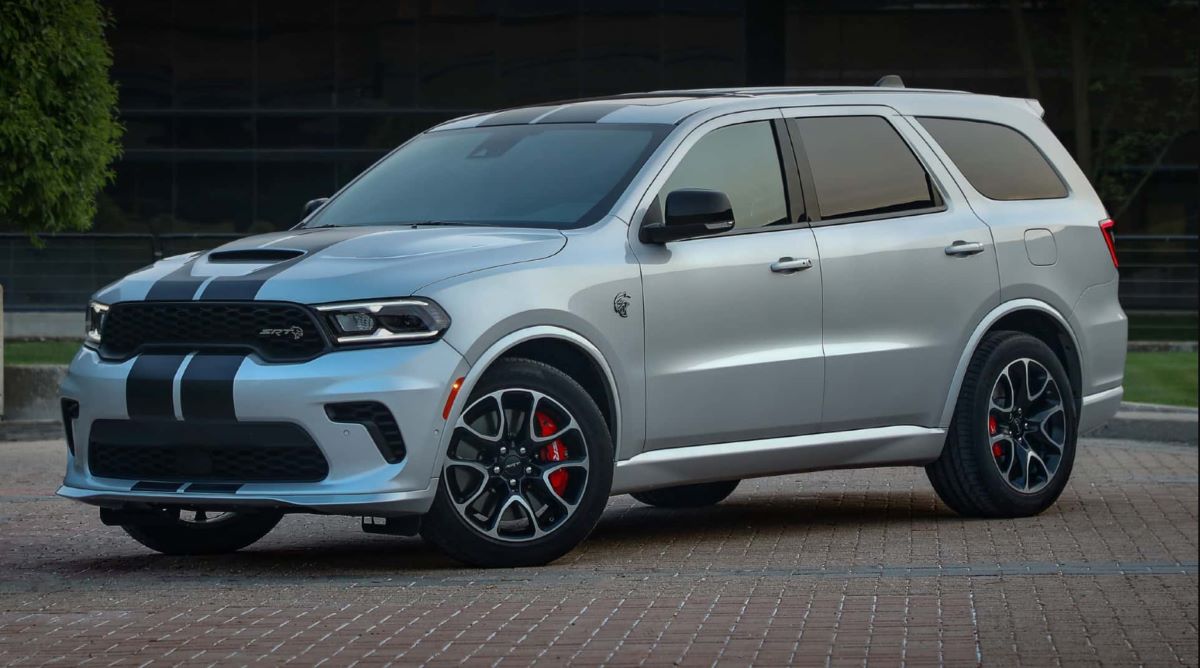
Suspension components, like bushings and ball joints, are also vulnerable to extra stress, often leading to steering issues and rough rides.
Besides the technical damages, aggressive driving reduces fuel economy considerably. The Durango is already a thirsty SUV compared to compact cars, and pushing its performance unnecessarily only worsens fuel consumption. Over time, this adds a significant financial burden.
Adopting smoother driving habits can extend the health of the Durango significantly. Gradual acceleration keeps the transmission shifts smoother, braking earlier reduces strain on rotors and pads, and taking turns at reasonable speeds preserves tires and suspension.
The vehicle was designed to perform steadily and provide comfort, so constant aggressive driving undermines those strengths.
Driving responsibly not only ensures the longevity of key systems but also increases safety for passengers and others on the road. For an SUV that is meant to be reliable and long-lasting, a controlled driving style makes all the difference.
Mistake #5: Ignoring Cooling System Maintenance
A healthy cooling system is critical for a Dodge Durango, especially for its larger engines that generate substantial heat during daily use.
Neglecting the cooling system is another major error that weakens the SUV over time. Many owners only think about the cooling system when the temperature gauge shows overheating, but by then, serious damage may already be underway.
Coolant is the first line of defense in keeping engine temperatures stable. Old or contaminated coolant loses its ability to absorb and dissipate heat, while low coolant levels can quickly trigger overheating.
If this happens repeatedly, the head gasket, radiator, and even the engine block may suffer. Repairing a blown head gasket or cracked engine block can be more expensive than routine care ever would be.
Other components of the cooling system, like the radiator, water pump, and hoses, also need attention. A failing water pump can stop coolant from circulating altogether, leading to rapid overheating.
Old hoses become brittle and may leak, while a clogged radiator loses efficiency. Neglecting these smaller parts often results in a chain reaction of failures that could disable the entire vehicle.
Environmental conditions also play a role. Driving in hot weather, towing trailers, or idling for long periods all put added stress on the cooling system.
Owners who frequently subject their Durango to these situations need to take fluid flushes and inspections more seriously. Skipping them raises the risk of engine overheating, which is one of the most damaging scenarios for any car.
Preventive care is simple: flush and replace coolant at regular intervals, check hoses and connections often, and keep the radiator clear of dirt and debris. Using the correct coolant type is equally important since the wrong mixture can corrode components.
By keeping the cooling system reliable, owners protect their Durango’s engine from avoidable strain. Neglect in this area, though, is one of the surest ways to shorten the SUV’s lifespan.
Mistake #6: Skipping Tire and Brake Inspections
Brakes and tires form the foundation of safe driving, yet many Dodge Durango owners underestimate their importance until a problem arises.
Ignoring tires and brakes puts stress not only on these systems but also on the SUV’s overall health. More importantly, this oversight directly affects driver safety.
Tires are the only contact point between the Durango and the road. Worn or unevenly inflated tires reduce handling, increase fuel consumption, and create extra strain on the suspension system.
Over time, poor tire maintenance leads to premature suspension wear and frequent alignments. Many owners overlook the importance of regular tire rotations and balancing, yet these small tasks dramatically extend tire life.
Braking systems face tremendous pressure in a large SUV. The weight of the Durango means the pads, rotors, and calipers work harder than in lighter vehicles. Skipping inspection or delaying pad replacement risks rotor damage, which is far more expensive to fix.
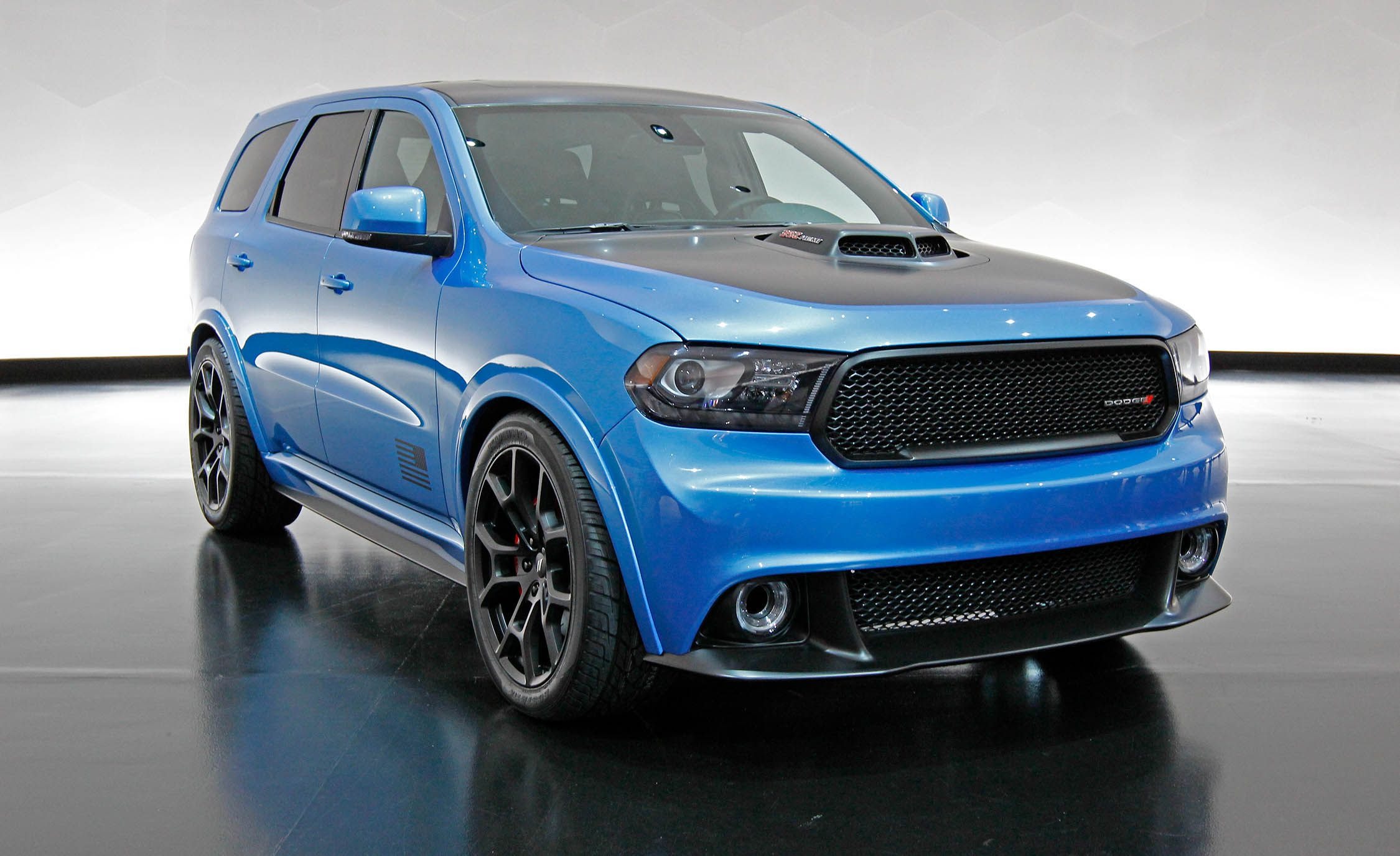
Glazed or overheated pads can significantly reduce stopping power, creating dangerous situations on the road.
Another often-missed factor is brake fluid. Old fluid absorbs moisture, leading to spongy braking and corrosion within the system. Ignoring fluid flushes can result in costly repairs and reduced brake reliability when it’s needed most.
Routine inspections help catch small issues before they become large expenses. Ensuring tires have proper tread depth, balanced air pressure, and alignment preserves both fuel economy and suspension life. Annual or semi-annual brake inspections allow drivers to replace inexpensive pads before they damage more valuable components.
Tires and brakes may not seem as glamorous as engines and transmissions, but they directly affect performance, safety, and the overall durability of the Durango. Skipping care here is one of the biggest mistakes that shortens the life of the SUV.
Mistake #7: Using Cheap or Wrong Parts
Another critical mistake that reduces the lifespan of a Dodge Durango is relying on cheap replacement parts or components not designed for the vehicle. Owners sometimes choose budget-friendly alternatives when repairs are needed, but this decision often backfires.
Poor-quality parts rarely meet the standards required for a heavy SUV, which leads to repeated breakdowns and shorter lifespans for surrounding systems.
Take filters, for example. A cheap oil or air filter may not effectively trap contaminants, allowing them to circulate through the engine. Over time, this lowers performance and increases wear.
Similarly, low-grade spark plugs may reduce fuel efficiency and cause rough idling. Suspension parts, like ball joints and bushings, are especially vulnerable. Substandard components wear out quickly and put added strain on the steering system.
The same risk applies when selecting fluids. Using the wrong type of oil, coolant, or transmission fluid can create immediate issues. Even if the vehicle runs for a while, internal damage begins quietly and will surface later as costly repairs.
The Durango is engineered with specific compatibility requirements, and ignoring them almost always shortens its working life.
Safety-critical parts should never be compromised. Brakes, tires, and steering components require high-quality replacements, not only to extend the vehicle’s life but to ensure safe driving for everyone inside.
Cheaper parts may appear to fit initially but often fail under stress, creating hazards during high-speed or heavy-load driving.
The solution is to invest in original equipment manufacturer (OEM) parts or high-quality aftermarket options that meet or exceed factory standards. While the upfront cost may seem higher, the long lifespan and reduced repair frequency make them cheaper in the long run.
Going for bargain parts may look like a quick saving, but for a powerful and heavy SUV like the Durango, this is one mistake that cuts years off its service life.
Mistake #8: Neglecting Regular Check-Ups and Preventive Maintenance
The final and perhaps most damaging mistake is treating preventive maintenance as unnecessary. Many Dodge Durango owners wait until their SUV displays clear problems before visiting a mechanic. This reactive approach allows small issues to grow into big, costly failures.
Every component of the Durango relies on careful upkeep to withstand the stress of being a high-capacity SUV. Skipping regular check-ups means leaks, worn parts, or weak battery performance go unnoticed until they cause breakdowns.
Small repairs like replacing belts or tightening fittings take little time and money compared to the expense of engine or transmission replacements caused by neglect.
Preventive maintenance also extends beyond mechanics. Regular inspections of lights, electronics, and sensors contribute to the safe and smooth operation of the SUV.
Modern Durangos rely heavily on technology, and when sensors or electrical systems fail, they can take down safety features like traction control or airbags.
Waiting until problems appear also creates more risk on the road. A vehicle that has not been serviced routinely is less predictable. For example, a worn serpentine belt can fail without warning, leaving the driver stranded and possibly damaging surrounding parts.
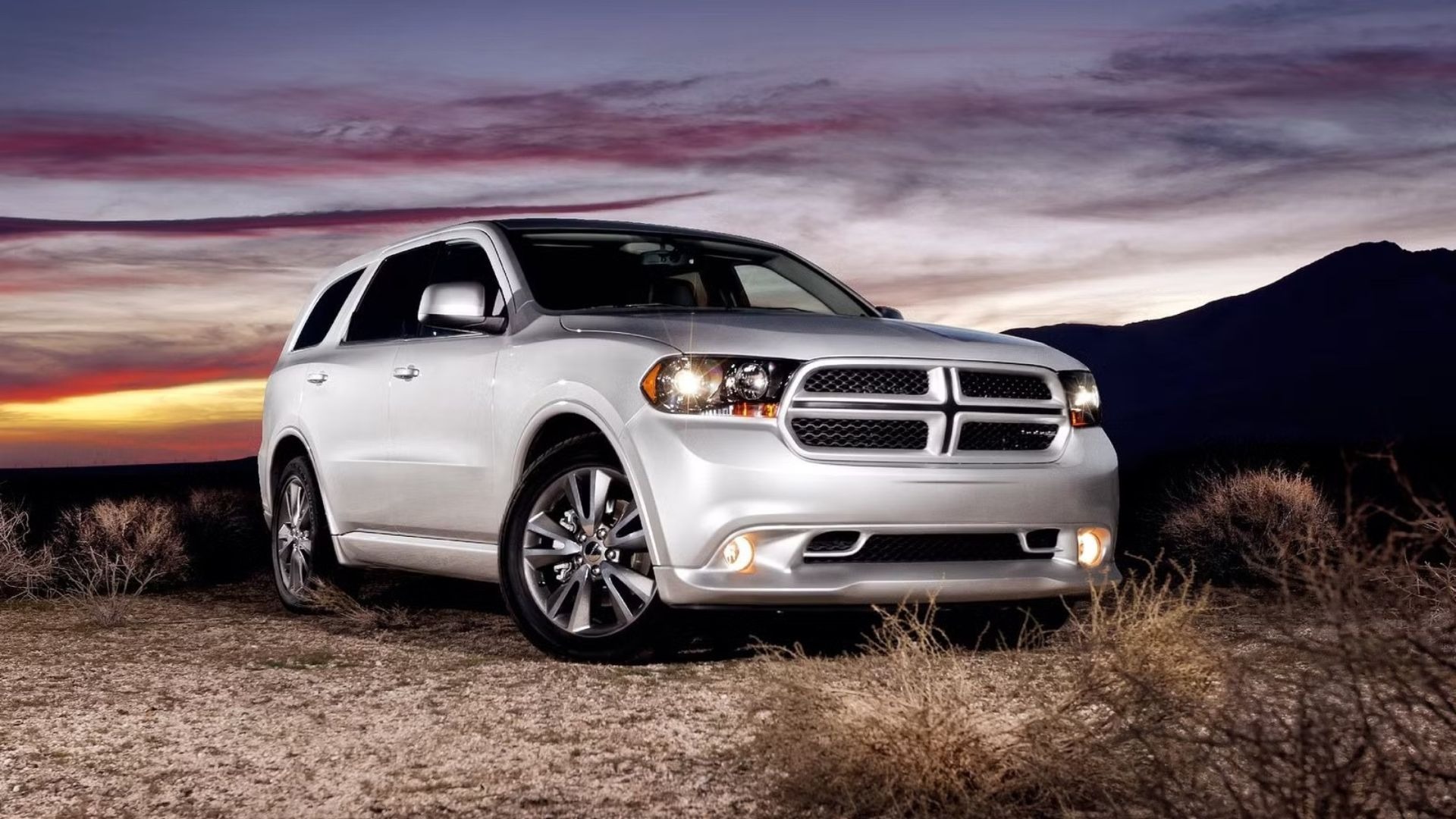
Such breakdowns often occur at the worst possible moments, far from home or while carrying family passengers.
Building a consistent maintenance routine ensures long-term reliability. Oil changes, filter replacements, brake inspections, fluid flushes, and free multipoint inspections at service centers are the backbone of preventive care. Recording maintenance history also helps identify patterns early, preventing repeated failures.
The Dodge Durango can remain dependable for well over 150,000 miles with proper care, but it requires owners to stay committed to preventive service. Ignoring this responsibility is the fastest way to shorten the life of the SUV and inflate long-term repair costs.
Also Read: 5 SUVs That Handle Flooded Roads Safely and 5 That Stall Instantly
