

Owning a Jeep Compass is more than just having a car that gets you from one place to another. It is about enjoying a vehicle built with strength, character, and dependability.
The Compass blends the ruggedness expected from the Jeep brand with features that make it suitable for everyday driving.
Whether you are using it for your daily commute in the city, weekend family road trips, or the occasional off-road escape, keeping your Compass in top shape requires consistent attention and care. A well-maintained Jeep Compass not only ensures comfort and safety but also preserves its long-term value.
Many owners focus only on periodic service schedules but overlook small but effective habits that can make a big difference in how the vehicle performs over time.
The right habits can reduce unexpected breakdowns, improve fuel economy, extend the life of engine components, and keep the vehicle looking new.
These small practices are not complicated, nor do they demand technical expertise. Instead, they involve awareness, consistency, and making smart choices each time you drive or park the car.
The aim of this guide is to highlight nine useful habits that will ensure your Jeep Compass remains reliable every single day. These habits cover aspects ranging from engine health, tire care, driving style, cleanliness, and seasonal adjustments.
By adopting them, you are not only maintaining the mechanical side of the car but also improving your overall driving experience.
Over time, these small actions combine to give you a Compass that feels smoother, runs longer, and stands ready for both routine drives and spontaneous adventures.
Also Read: 5 Cars with Practical Storage vs 5 That Fall Short
Habit 1: Check Tire Pressure Regularly
Tires are the only part of your Jeep Compass that touch the road, so their condition directly impacts safety, comfort, and efficiency. One of the simplest yet most effective habits you can adopt is checking and maintaining proper tire pressure.
Under-inflated tires can make the car consume more fuel, reduce stability, and increase the chances of uneven tread wear. Over-inflated tires, on the other hand, might compromise traction and cause a harsher ride.
Your Compass comes with a recommended tire pressure specification, usually printed on a sticker near the driver’s door. Make it a habit to check tire pressure at least once every two weeks or before long drives.
Use a digital tire gauge or head to a reliable fuel station with an air pump. Seasonal changes in temperature also affect air pressure, so pay close attention during summer heat or winter cold, when fluctuations are more common.
Properly inflated tires not only last longer but also make steering more responsive and braking more reliable. They also minimize the risk of a blowout at highway speeds.
In addition, when you maintain correct tire pressure, you are also lowering rolling resistance, which supports better fuel economy. Keeping a portable air compressor in the car can be helpful, especially for long trips.
By turning tire checks into a routine, you are improving both safety and comfort. It is one of the easiest steps but has an outsized effect on how reliable your Jeep Compass feels every day.
Habit 2: Stick to Timely Oil Changes
The engine is the heart of your Jeep Compass, and motor oil is what keeps it healthy. Oil lubricates moving parts, reduces heat, and prevents wear caused by friction.
Over time, oil breaks down and loses its protective qualities, leading to sludge buildup and strain on the engine. That’s why timely oil changes are non-negotiable.
Your vehicle’s user manual specifies oil change intervals depending on usage and conditions. Some drivers assume they can postpone oil changes without consequences, but this can have a damaging impact on performance and longevity.
Fresh oil ensures smoother acceleration, quieter operation, and cleaner emissions. Many Compass owners notice better fuel efficiency after replacing old oil.
Another important point is choosing the right grade of oil. The manufacturer recommends specific viscosity levels suitable for different climates, and sticking to them makes a real difference.
Using the wrong oil may cause premature wear or make the engine feel sluggish. Along with oil, the filter should be replaced to prevent contaminants from circulating back into the system.

As a practical habit, mark oil-change dates on your phone calendar or keep a small notebook in the glovebox. This makes it easier to track service intervals even if you are busy.
While professional service centers provide thorough oil changes, some owners prefer doing it themselves. Either approach works, as long as it is consistent.
By maintaining a strict discipline of oil changes, you are protecting the long-term health of your Jeep Compass and keeping it ready for anything your routine demands.
Habit 3: Keep the Battery in Good Shape
A healthy battery ensures that your Jeep Compass starts without hesitation and keeps all electrical systems functioning properly.
Modern vehicles rely on a powerful battery not just for ignition, but also for running infotainment systems, lighting, sensors, and other electronic components.
Once the battery weakens, you may experience slow crank, dim headlights, or unreliable performance of features such as climate control.
Checking the battery regularly is one smart habit to incorporate. Look for corrosion around the terminals and clean it with a brush if needed. Ensure the connections are tight and secure.
In climates with extremely hot or cold weather, the strain on the battery is higher, so extra attention is useful. If your car is parked for long periods without use, a battery maintainer can prevent it from discharging completely.
Don’t wait for early warning signs like difficulty in starting the engine. Have the battery tested every service visit, or at least once a year, to measure remaining capacity.
Most car batteries last between three to five years, but replacement may be required earlier depending on driving habits and environment.
Keeping jumper cables or a portable jump starter in the vehicle provides peace of mind, especially for long road trips. By staying ahead with this habit, you reduce the chances of being stranded unexpectedly.
A reliable battery is the unseen support system for every daily drive in your Jeep Compass, making it one of the most important aspects of consistent readiness.
Habit 4: Wash and Protect the Exterior
Regular cleaning of your Jeep Compass is not just about appearances. Washing removes dirt, salt, and debris that can gradually harm the paint and underbody.
Left unchecked, these small particles can lead to scratches, corrosion, and dullness. Consistently maintaining the exterior safeguards the vehicle’s paintwork while also making it look newer for longer.
Dust and mud build-up are common, especially if you drive on mixed terrain. Car shampoos designed for automotive use are far superior to household cleaners, which might strip protective coatings.
Using the right cleaning materials minimizes swirl marks on the paint. Once cleaned, applying a layer of wax or sealant adds an extra level of protection from UV rays, acid rain, and road grime. A ceramic coating, though more advanced, can also provide durable shine and resistance.
Don’t overlook the underbody of the vehicle, as it often traps salt or mud that can speed up rusting. A pressure washer can help in keeping this area clean. Wheels also collect brake dust, which should be cleaned regularly to prevent staining.
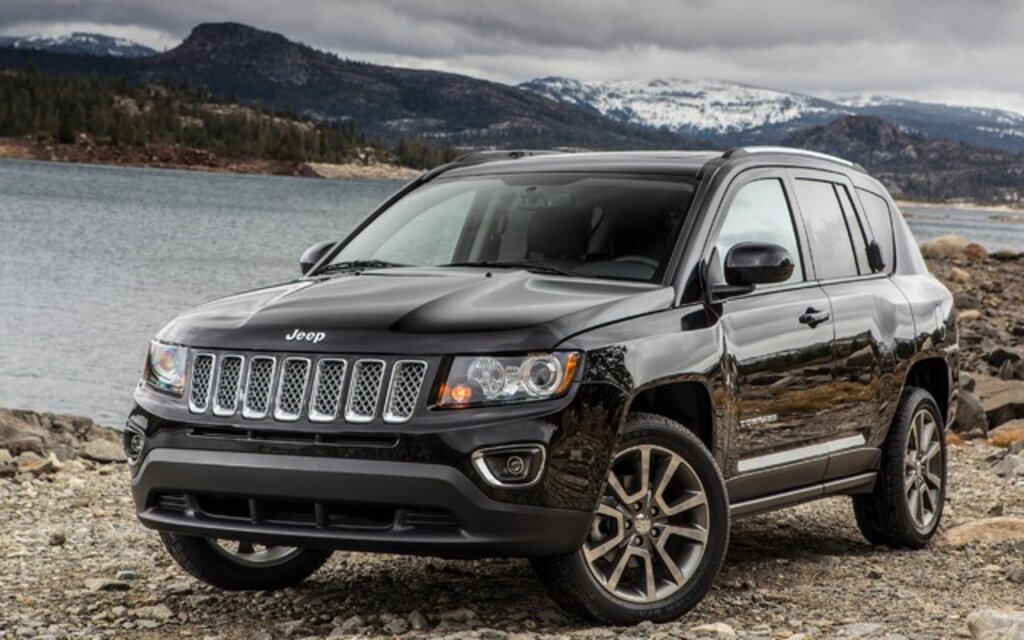
Besides aesthetic reasons, a well-kept exterior helps maintain the resale value of your Jeep Compass. People tend to trust a car that looks cared for, as it often reflects good mechanical upkeep as well.
Making washing part of your monthly routine, and protecting with wax every few months, is a small yet powerful habit that transforms the longevity and overall presence of your vehicle on the road.
Habit 5: Keep the Interior Clean and Organized
The interior of your Jeep Compass is where you spend most of your time, so keeping it clean and organized directly impacts your daily driving comfort.
Dust, crumbs, and clutter not only spoil the aesthetics but also shorten the life of upholstery and interior fittings. Regular cleaning makes your driving space healthier, prevents wear, and gives a sense of pride each time you step into the cabin.
Start with small routines like vacuuming the carpets weekly or wiping down surfaces with a microfiber cloth.
Pay attention to air vents, since they easily gather dust that could affect air quality. Seat covers and floor mats should be regularly washed or replaced. If your Jeep Compass has leather upholstery, conditioning products will prevent cracks and creases.
An organized cabin also improves safety. Loose items rolling around can become distractions or hazards during sharp stops.
Having a designated storage space for essentials like chargers, documents, and water bottles makes travel smoother. Keeping a small trash bin helps avoid clutter, especially during long commutes.
Another overlooked area is the HVAC system. Cabin air filters accumulate dust and pollen, reducing airflow and freshness. Replacing them periodically helps keep the air clean and the cooling effective.
By caring for the interior, you create a comfortable and welcoming environment for yourself and passengers. This habit complements mechanical maintenance, ensuring that your Jeep Compass feels not only reliable but also pleasant and inviting every time you drive it.
Habit 6: Warm Up the Engine Before Driving in Cold Weather
Cold weather can be tough on engines, and the Jeep Compass is no exception. Fluids such as oil and coolant become thicker in low temperatures, making initial lubrication less effective.
Starting the car and immediately revving the engine in cold conditions strains internal components. A simple yet effective habit is giving your engine a brief warm-up before driving.
Instead of idling for long periods, the right technique is to start the car, wait for 30 to 60 seconds, and then drive gently. This allows oil to circulate properly but avoids wasting fuel through extended idling.
Drive conservatively until the temperature gauge shows the engine has reached optimal operating level.
In freezing climates, using an engine block heater makes a noticeable difference. It keeps the engine at a warmer starting temperature, which not only reduces wear but also improves fuel efficiency. This accessory can be especially helpful if the car is parked outdoors overnight.
Additionally, cold weather can reduce battery capacity, so maintaining the battery properly complements this habit.

Keep washer fluid topped with winter-grade variants, as frozen fluid can damage spray systems. Tire pressure also drops in cold climates, so check it more frequently in winter.
By warming up the engine strategically and adjusting your early driving behavior, you are reducing stress on critical components. This habit ensures smoother operation, extends engine life, and makes your Jeep Compass more dependable during harsh winter mornings.
Habit 7: Drive Smoothly to Protect the Transmission
The transmission in your Jeep Compass plays a crucial role in delivering power from the engine to the wheels. Whether you own a manual or automatic version, the way you drive has a direct impact on the transmission’s lifespan.
Hard acceleration, constant stop-and-go pressure, and sudden braking may feel unavoidable in traffic, but over time they can harm transmission health.
One smart habit is adopting a smoother driving style. Gradual acceleration allows the system to shift between gears without unnecessary stress. In automatic versions, aggressive throttle input forces abrupt gear changes, which can increase wear on internal components.
In manual models, proper clutch use is equally important. Avoid riding the clutch or keeping your foot on the pedal during normal driving, as this accelerates wear of the clutch plate.
Transmission fluid is another critical aspect. Just like engine oil, transmission fluid lubricates and cools components. If neglected, it can lead to overheating and reduced efficiency.
Make sure to check levels and condition during servicing. Some Compass models might not have dipsticks for fluid, so asking a technician to inspect it is a good approach.
Driving smoothly not only protects the transmission but also improves fuel economy and makes your ride more pleasant.
By practicing controlled inputs and mindful gear usage, you extend the reliability of one of the most expensive systems in your Jeep Compass, ensuring daily readiness and fewer repair costs in the long run.
Habit 8: Pay Attention to Warning Lights and Indicators
Modern vehicles like the Jeep Compass are equipped with a wide range of sensors and warning systems designed to alert you about potential issues.
Too often, drivers ignore these lights until serious damage occurs. A smart habit is to pay attention to every indicator that appears on the dashboard and act promptly.
The check engine light is the most common, but it could represent anything from a loose fuel cap to a misfiring spark plug. Instead of guessing, a quick diagnostic check at a service center helps identify the cause.
Similarly, warning lights for tire pressure, ABS, battery, or coolant temperature should never be overlooked. Each of these directly affects safety and reliability.
Understanding the meaning of individual lights in your owner’s manual helps reduce confusion. Many are color coded: red usually signals an urgent issue that might need immediate attention, while amber often indicates something that requires inspection soon.

Ignoring small warnings often turns into bigger problems later. For instance, low oil pressure warnings should be taken seriously because driving without proper lubrication can cause irreversible engine damage. Even if the car feels fine to drive, modern electronics are far more accurate than relying on guesswork.
By making it a habit to acknowledge and respond to dashboard alerts, you keep your Compass running smoothly and prevent breakdowns. A few minutes spent addressing early notifications can save weeks of inconvenience and unnecessary repair costs later.
Habit 9: Keep Up With Seasonal Maintenance Checks
Each season brings unique driving conditions that can challenge your Jeep Compass in different ways. Making seasonal adjustments part of your regular maintenance routine ensures daily readiness and long-term performance.
During summer, high heat can overwork the cooling system. Regular checks of coolant levels, radiator condition, and air conditioning are important.
Replacing worn wiper blades and topping up washer fluid also prepare the car for sudden showers. Summer heat also raises tire pressure, so ensure it remains within recommended levels.
In winter, on the other hand, colder temperatures affect engine oil viscosity, reduce battery strength, and lower tire pressure.
Switching to suitable winter-grade oil and washer fluid, along with keeping ice scrapers handy, is useful for colder regions. For owners in snowy areas, considering winter tires provides added grip and safety.
Spring and autumn are good times for general inspections. Clearing out salt residues after winter prevents corrosion, while autumn is a great time to check lighting systems and heating performance before cooler months arrive.
Seasonal adjustments may seem minor but they go a long way in avoiding unexpected issues. Your Compass adapts better to daily drives when all systems are tailored to the environment.
By planning a service check before each season shift, you ensure optimal performance and reduce surprise repairs. Seasonal readiness helps your Compass remain reliable no matter the conditions outside.
Cars are designed to handle everyday wear, but what separates a vehicle that ages gracefully from one that constantly feels unreliable lies in the owner’s habits. The Jeep Compass is a versatile SUV created for city use, highways, and occasional off-road tracks.
To maintain this versatility, every habit mentioned earlier acts like a protective layer on performance. Skipping them occasionally may not feel critical, but when practiced consistently, they reduce hidden stress on vital systems.
For example, correct tire pressure adds thousands of miles to tread life, while ignoring it slowly erodes safety and handling. The cumulative impact becomes clear only after years of ownership.
Unlike smaller family sedans, the Jeep Compass carries the DNA of an SUV. This means it has heavier components, higher center of gravity, and often works in mixed driving conditions.
Because of this, body care, suspension health, and off-road precautions matter more than with lighter vehicles.
Dust sealing, underbody protection, and suspension inspections add reliability. Practicing habits like cleaning the underbody after off-roading or checking wheel alignment after hitting potholes maintains stability and prevents extra fuel consumption.
For city commuters, short trips dominate daily usage. These trips often don’t allow the engine to fully warm up, which can lead to moisture and carbon buildup inside the exhaust. Occasionally taking the Compass on longer drives helps the engine breathe properly.
Highway driving burns off moisture, keeps the battery charged fully, and allows fluids to circulate at consistent temperatures.
Contrastingly, if you mostly drive on highways, habits like interior cleaning and mindful tire rotations become more important because highway miles accelerate uniform wear.
Another advantage of sticking to smart habits is preserving comfort. For instance, cleaning the cabin filter not only improves freshness but also reduces strain on the air conditioning system.
A smoother transmission from mindful driving translates to less cabin noise and vibrations, reinforcing the premium experience Jeep aimed to deliver. These indirect benefits make every daily drive more enjoyable, even when sitting through traffic.

One overlooked benefit of practicing these habits is strong resale potential. Buyers often judge cars by appearance and service history. A Compass that looks well-kept, starts effortlessly, and feels smooth will attract better value.
Keeping receipts of oil changes, tire rotations, and battery replacements reflects responsible ownership. Even avoiding dashboard warning light neglect sends a message that the car has been cared for.
The nine habits shared earlier are not just maintenance checkboxes. They represent a lifestyle approach to car ownership, where each drive becomes smoother and less stressful because you know the vehicle has been cared for.
As habits repeat, peace of mind replaces worry. Knowing that tires are safe, fluids are fresh, battery is strong, and the cabin is welcoming creates confidence. Confidence results in better focus on driving and enjoyment, which is the essence of owning a Jeep.
Also Read: 5 Cars with Climate Control That Works vs 5 That’s Just for Show
