
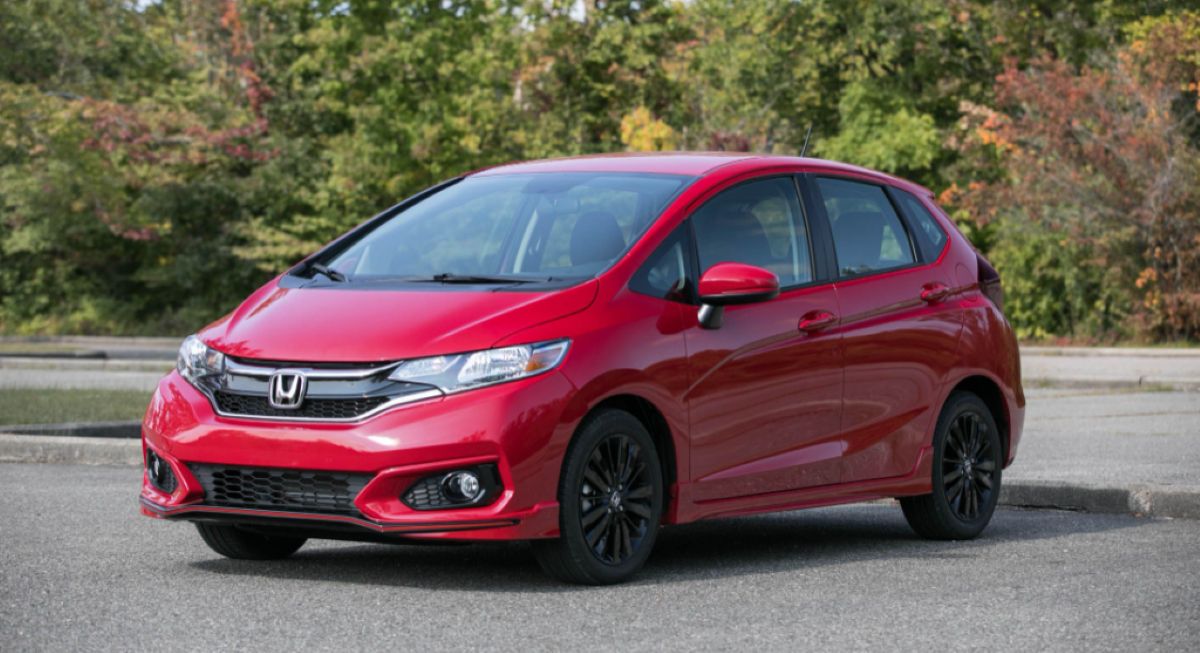
For many owners, the Honda Fit has earned a reputation as a dependable, fuel-efficient, and surprisingly spacious subcompact car.
Its clever engineering allows it to carry far more than its small size suggests, and its efficient engine makes it a favorite for commuters, families, and road-trippers alike.
While most vehicles on the road start to show serious wear after crossing the 150,000-mile mark, many Honda Fit owners report pushing past 200,000 miles with proper care.
The key lies in consistent, thoughtful maintenance combined with a few extra habits that protect the car’s critical systems.
Reaching high mileage is not just about luck. It requires a balance of following the manufacturer’s recommendations while also paying attention to little details that owners sometimes overlook.
That can mean being proactive about replacing fluids, keeping an eye on components that tend to age faster, or adopting driving habits that reduce stress on the engine, transmission, and suspension.
When integrated over the lifespan of the vehicle, small choices can prevent costly repairs and keep the Honda Fit running smoothly well beyond what many expect.
This guide focuses on ten highly effective methods that can increase the lifespan of a Honda Fit and help it confidently surpass 200,000 miles. Each suggestion is practical, based on both engineering principles and real experiences from long-term owners.
Whether it’s paying extra attention to the cooling system, choosing the right replacement parts, or practicing gentle driving habits, these strategies can make the difference between a car that struggles at high mileage and one that continues to be reliable for years.
The goal is to provide not just maintenance reminders, but deeper insight into why each action matters for long-term performance.
Also Read: 5 Cars with Climate Control That Works vs 5 That’s Just for Show
Tip 1: Prioritize Regular Oil and Filter Changes
One of the foundations of engine longevity is maintaining clean, fresh oil. In a Honda Fit, the engine is relatively small and works hard to deliver efficiency and power. This makes proper lubrication crucial.
Over time, oil breaks down due to heat and exposure to contaminants, losing its ability to reduce friction effectively. When left unchanged, dirty or degraded oil gradually causes wear on internal components such as pistons, bearings, and camshafts.
Consistent oil changes reduce this wear, helping the engine run smoothly well past the 200,000-mile point.
Honda generally recommends changing the oil every 7,500 miles under normal conditions, but owners aiming for exceptional longevity often benefit from slightly shorter intervals, around 5,000 miles.
Short trips, frequent stop-and-go driving, or extreme temperatures can put additional strain on the oil, making timely changes even more important.
Along with the oil itself, replacing the filter is just as essential. A clogging filter reduces flow, which can starve critical parts of lubrication when it is needed most.
Using the right grade of oil specified in the owner’s manual makes a noticeable difference as well. Many long-term Honda Fit owners prefer high-quality synthetic oil, since it resists breakdown better than conventional blends under high-heat conditions.
Though it may cost slightly more, this choice pays off by extending the performance and reducing stress on the engine.
By creating a consistent rhythm of oil and filter changes, Fit owners can prevent the silent buildup of engine wear and ensure their vehicle remains responsive well past the 200,000 mark.
2. Keep Transmission Fluid Fresh
The transmission is often the most expensive system to repair or replace, which makes protecting it a top priority for Honda Fit owners aiming for long service life.
Transmission fluid functions as both a lubricant and coolant, ensuring smooth gear shifts and preventing overheating.
However, just like engine oil, transmission fluid deteriorates over time, losing its ability to protect. Neglecting this essential fluid is one of the leading causes of early failure in automatic transmissions.
Honda recommends changing transmission fluid at intervals specified in the owner’s manual, which may range from 30,000 to 60,000 miles depending on driving patterns.
For those seeking maximum mileage, shorter intervals prove beneficial, especially for automatic versions of the Fit that are more sensitive to fluid condition. If fluid appears dark, smells burnt, or feels gritty, it should be changed immediately, regardless of mileage.
Using genuine Honda fluid or a high-quality equivalent is crucial. The Honda Fit’s transmission is engineered to work with specific formulations, and using generic products can cause long-term harm.
When fluid is replaced, performing a complete drain and fill (rather than just topping off) ensures contaminants are removed instead of diluted.
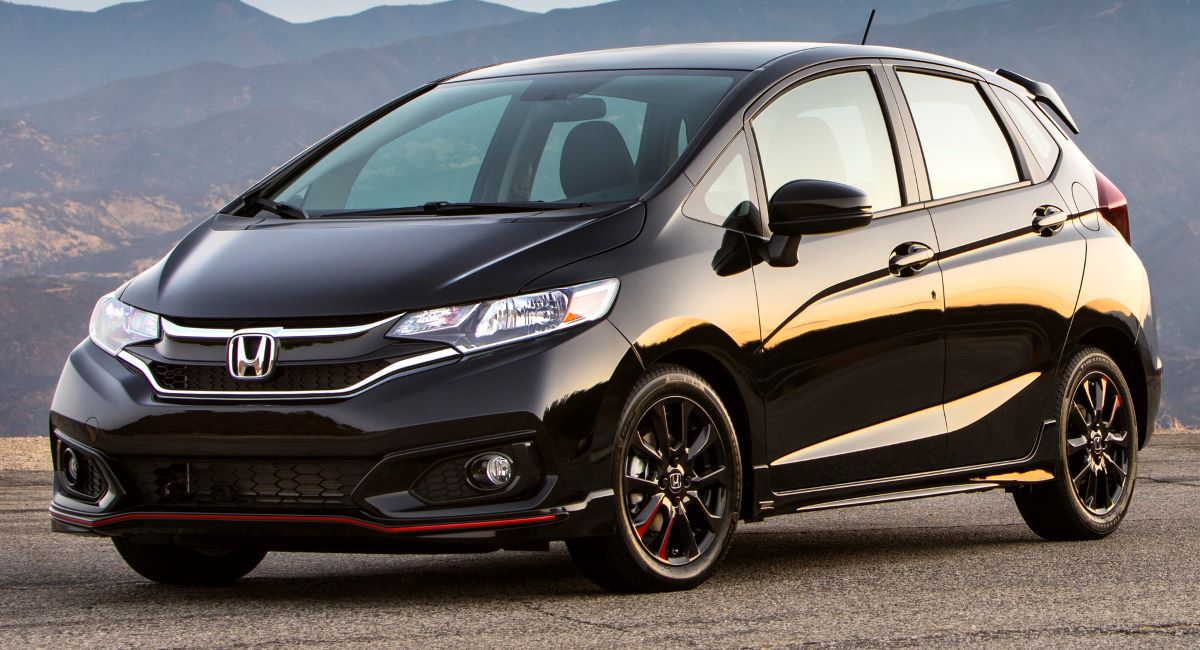
Manual transmission owners should also remain vigilant, as gear oil must be replaced periodically to avoid metal-to-metal wear.
By giving attention to this often-overlooked system, Honda Fit drivers prevent costly breakdowns and guarantee that the car’s smooth shifting and efficiency continue well past the 200,000-mile journey.
3. Pay Attention to the Cooling System
The engine depends heavily on a functioning cooling system to regulate temperature. Overheating is one of the quickest ways to shorten an engine’s life, and in a compact car like the Honda Fit, heat management is critical.
The system includes the radiator, water pump, thermostat, hoses, and coolant. If any of these components fail, significant damage can occur within minutes.
One of the simplest habits to adopt is checking coolant levels regularly. If the reservoir shows frequent drops, it may point to leaks in hoses, fittings, or even the head gasket.
Additionally, coolant itself loses efficiency over time, becoming acidic and less able to protect against rust or scale buildup.
Replacing it according to Honda’s schedule (often every 5 years or 100,000 miles initially, then more frequently afterward) prevents corrosion inside the engine block and radiator.
Inspecting hoses for softness, cracks, or bulges is equally significant. Rubber naturally deteriorates with age and heat exposure, and a burst radiator hose can instantly cause overheating.
Likewise, a worn thermostat may stick shut, immobilizing coolant circulation and pushing temperatures rapidly upward.
Improving airflow to the radiator can reduce long-term stress as well. Ensuring the fins are free from dirt, bugs, and debris maximizes cooling efficiency with minimal effort.
Investing in quality parts when replacing components, especially water pumps and thermostats, can mean the difference between years of smooth performance or unexpected breakdowns.
By respecting the cooling system, Honda Fit owners ensure their engines maintain an optimal environment for longevity.
4. Protect the Suspension with Timely Maintenance
Suspension systems are often viewed as secondary to engine or transmission care, but they play a large role in extending the usability of a vehicle.
In a Honda Fit, the suspension absorbs road impacts, safeguards tire alignment, and preserves overall drivability. Worn-out shocks, struts, or bushings can place extra stress on other components, even affecting fuel efficiency when alignment shifts.
Regular inspections of the suspension can identify wear early. Drivers should listen for knocking sounds over bumps, uneven tire wear, or poor steering stability, which may indicate components nearing failure.
While many suspension parts last well beyond 100,000 miles, considering replacement around that time prevents gradual deterioration from worsening. Installing fresh shocks and struts restores the Fit’s firm handling and prevents free play that damages other parts of the steering system.
Wheel alignments are another simple but underrated strategy. Misaligned wheels increase rolling resistance, reduce fuel economy, and wear tires prematurely. Making alignment checks part of regular tire servicing keeps the Fit’s handling sharp and reduces long-term repair costs.

Owners who often drive on rough roads benefit from upgrading to slightly higher-quality aftermarket suspension parts with reinforced bushings. By preventing excess body roll and stabilizing load distribution, these components reduce strain throughout the car.
A Fit with a well-cared-for suspension system not only feels new at high mileage but also protects core mechanical systems by reducing uneven stress. Preventative suspension maintenance ensures comfort, safety, and durability beyond 200,000 miles.
5. Replace Timing Components on Schedule
Honda engines are known for durability, but even the most dependable mechanical components wear with use. Timing belts or timing chains are particularly vital, as they control the synchronization between the crankshaft and camshaft.
If the timing mechanism fails, valves and pistons may collide, resulting in catastrophic engine damage. For Fit models equipped with a timing belt, replacing it at prescribed intervals (often every 100,000 miles) is critical to avoid failure.
Though later Honda Fits use timing chains, which typically last much longer, they are not maintenance-free. Timing chains rely heavily on sufficient lubrication and functional tensioners.
Skipping oil changes or using improper oil accelerates chain stretch and tensioner wear. Drivers should listen for rattling noises during startup, as these may indicate impending chain issues.
In addition to the belt or chain, it is smart to replace related components such as the water pump, tensioners, and pulleys when performing timing service.
Since these parts are located in the same section of the engine, addressing them together reduces labor costs and prevents having to repeat the procedure early.
Protecting the timing system ultimately safeguards the heartbeat of the Honda Fit’s engine. While some owners try to push intervals, those aiming for 200,000 miles and beyond rarely take the risk.
A properly serviced timing system is one of the clearest markers separating cars that survive high mileage from those that fail unexpectedly.
6. Adopt Gentle Driving Habits
Mechanical longevity is not determined by maintenance alone but also by how the vehicle is driven. Harsh acceleration, sudden braking, and aggressive cornering all impose unnecessary stress on vital parts.
In a Honda Fit, smooth inputs not only improve fuel efficiency but extend the life of the transmission, brakes, and suspension.
Cold starts are one of the most important times to treat the car gently. Oil takes a few minutes to fully circulate after ignition, so pushing the engine aggressively right away means critical components are inadequately lubricated.
Allowing the engine to idle briefly or driving lightly during the first few minutes extends bearing life considerably.
Consistent highway driving at moderate speeds is far easier on the Fit than frequent short trips or aggressive stop-and-go traffic. Long trips allow the oil to reach stable operating temperatures, aiding in moisture evaporation and preventing deposits from forming inside the engine.
Driving conservatively can also improve the longevity of brake components. Anticipating stops and coasting where appropriate reduces the number of times pads and rotors are put under strain. Similarly, avoiding potholes and rough terrain whenever possible preserves the suspension and tires.
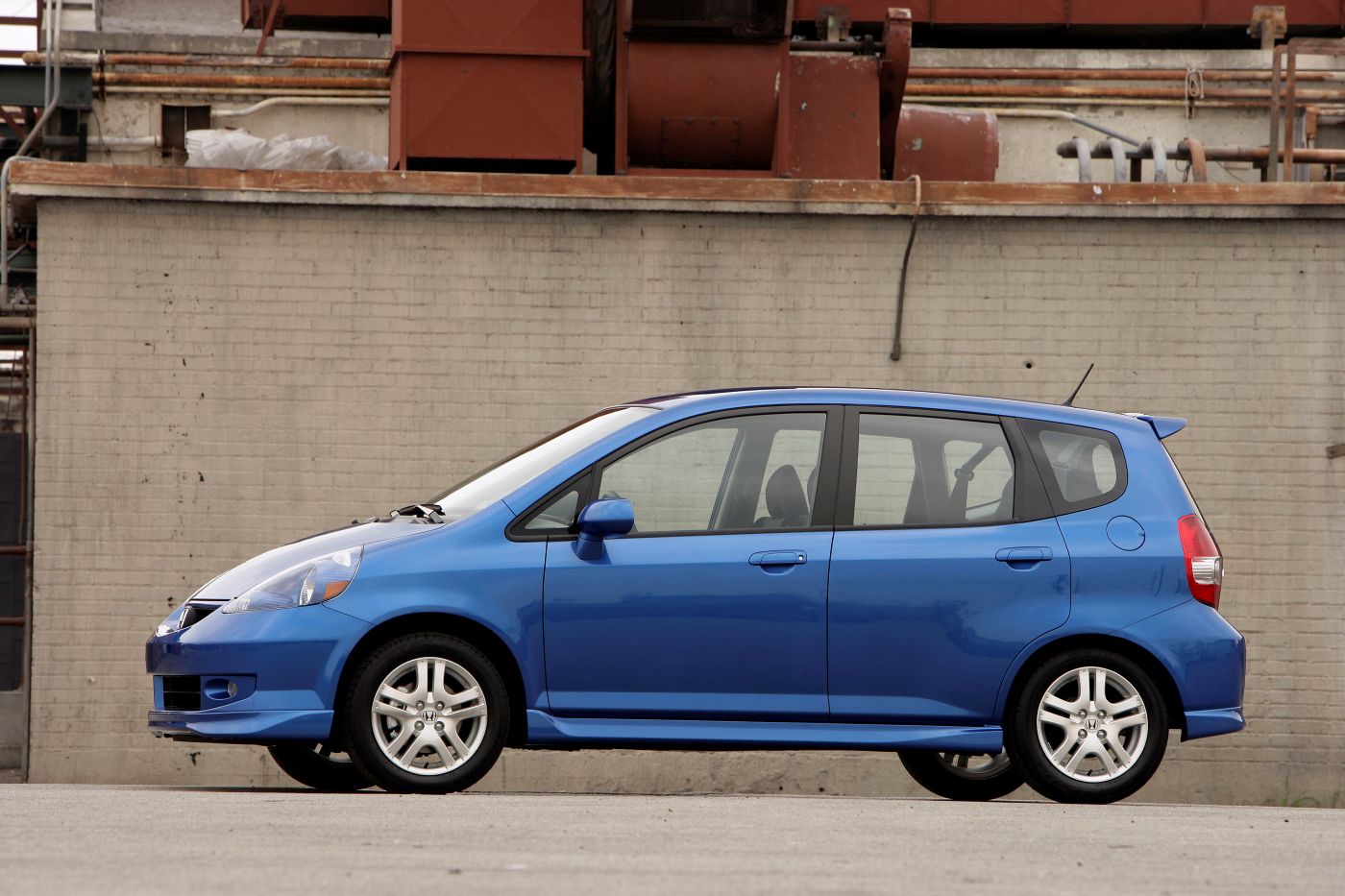
Ultimately, every mile driven places at least minimal load on the vehicle. By reducing that load through measured habits behind the wheel, Honda Fit owners build thousands of extra miles of dependable performance.
Driving style, when combined with proactive care, is one of the strongest determinants of reaching and exceeding 200,000 miles.
7. Keep Tires Balanced and Rotated
Tires may seem unrelated to engine health, but in fact, they are central to the overall durability of a vehicle.
On a Honda Fit, tires that are regularly rotated and kept at proper pressure prevent uneven stress on suspension parts, steering components, and wheel bearings. This directly influences how long those systems last.
Rotation should generally be performed every 5,000 to 7,000 miles, often coinciding with oil changes. This simple routine allows each tire to share front and rear axle duties, minimizing uneven tread patterns.
Balanced tires are equally important. Vibration from imbalance slowly affects wheel bearings and even engine mounts over the course of tens of thousands of miles.
Tire pressure should never be overlooked either. Underinflated tires increase drag, lowering fuel efficiency and forcing the engine to work harder.
Overinflated tires reduce grip and accelerate tread wear in the center of the tire. Checking pressure monthly and keeping it within factory specifications ensures the Fit’s handling remains precise while minimizing stress across its structure.
Replacing worn tires before they become unsafe contributes indirectly to extended vehicle life. Tires that have no tread left put increased strain on suspension alignment and can lead to accidents or road damage.
Investing in quality tires also pays dividends, as better compounds provide smoother rolling resistance that reduces wear throughout the car. With thoughtful tire care, the Honda Fit continues delivering stable, efficient drives well past 200,000 miles.
8. Protect Against Rust and Corrosion
While the Honda Fit is engineered with rust-resistant materials, exposure to moisture, road salt, and temperature swings poses a serious threat as mileage climbs.
Rust is not only cosmetic; once it spreads into underbody or frame structures, it can compromise safety, accelerate suspension wear, and reduce resale value drastically.
Regular washing, especially after winter driving in areas that use salt, is a basic yet effective defense.
The undercarriage should be rinsed thoroughly to prevent salty residue from lingering in hidden pockets. Similarly, keeping wheel wells free of buildup stops moisture from being trapped.
Applying protective coatings such as wax or ceramic sealant creates an additional barrier on body panels.
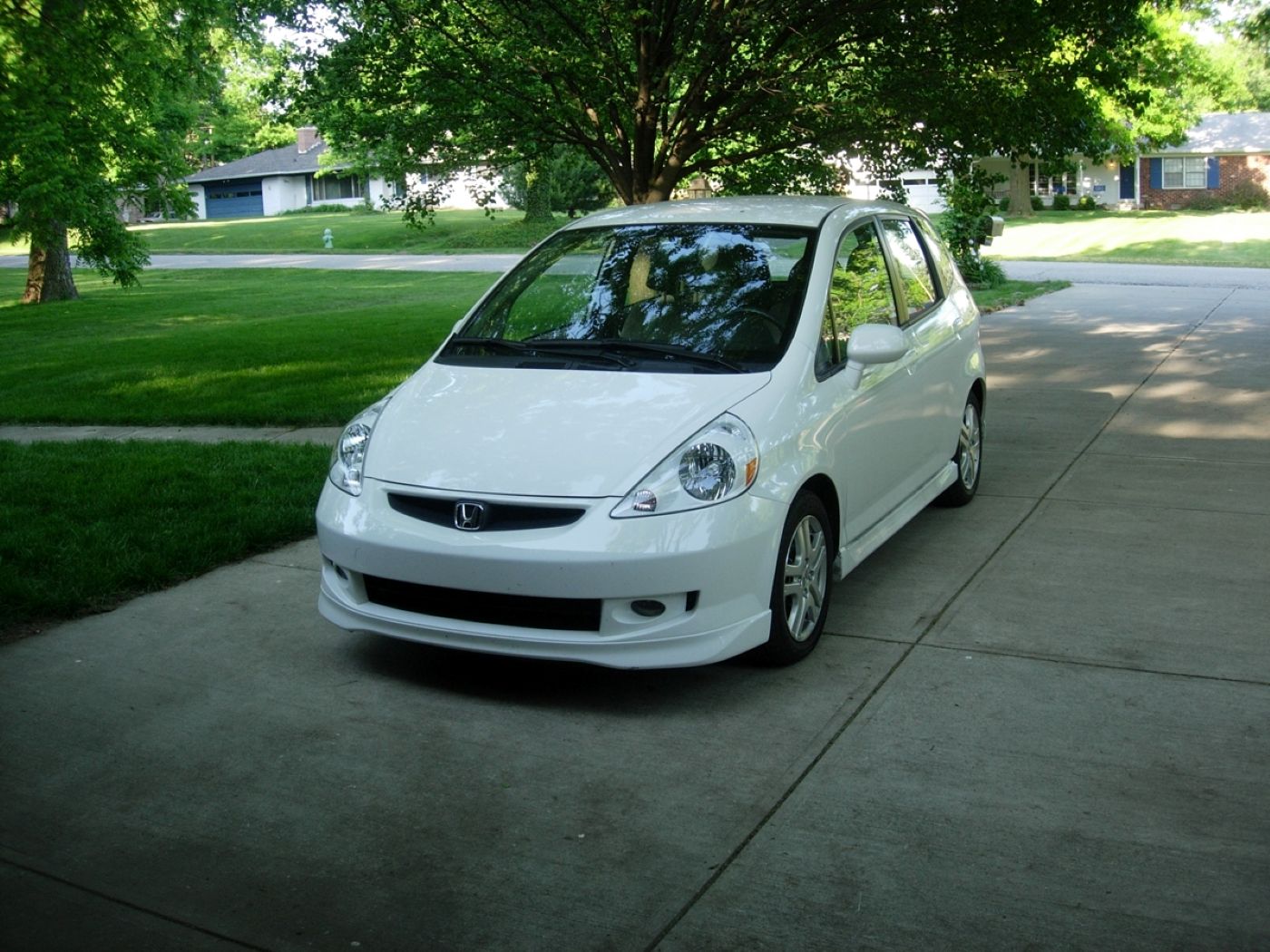
For the underbody, periodic application of specialized anti-rust sprays or undercoating seals small gaps where rust often begins. Owners keeping cars well past 200,000 miles often view this type of protection as essential, not optional.
Checking for chips in the paint and repairing them immediately is another valuable habit. Once bare metal is exposed, rust develops quickly.
Even small scratches can spread corrosion over time. For those in regions with heavy winter salt use, professional rustproofing may be worth considering, especially on newer Fits intended for very long-term use.
Combating corrosion ensures that the vehicle’s structure lasts as long as its mechanical systems. Owners who keep rust at bay find that at 200,000 miles, their Fit still looks clean and drives solidly, rather than feeling aged or weakened by structural decay.
9. Stay Ahead with Preventative Part Replacement
While reacting to failures is common in car ownership, proactive replacements often separate vehicles that survive past 200,000 miles from those that don’t.
For a Honda Fit, this principle is vital. Certain parts are inexpensive but critical if they fail under stress. Proactively changing them saves both money and inconvenience in the long run.
Items such as belts, hoses, and gaskets become brittle after years of heat cycling. Instead of waiting for a hose to burst or a belt to snap on the highway, attentive owners replace them once signs of aging appear.
Spark plugs are another prime example; if neglected, worn plugs misfire and strain ignition coils, leading to cascading repairs. Replacing them as scheduled maintains efficient combustion and prevents damage upstream.
Brake fluid is another area often missed. It absorbs moisture over time, which degrades braking performance and corrodes internal components. Flushing it every few years keeps the braking system trustworthy for the lifetime of the car.
Even small parts like battery terminals or engine mounts deserve attention during high-mileage servicing. While inexpensive, their condition affects the performance and feel of the car.
An owner who views replacement not as an emergency response but as preventative care experiences far fewer breakdowns.
With this mindset, a Honda Fit gradually ages with grace instead of constant interruptions, increasing the likelihood that 200,000 miles feels like just another milestone rather than the final chapter.
10. Keep Records and Monitor Small Changes
High-mileage cars do not reach their milestones without careful attention to detail. One of the simplest yet most effective habits is keeping thorough maintenance records.
Documenting oil changes, fluid services, part replacements, and inspections creates a clear roadmap of what has been addressed and what still requires attention. This prevents duplication, missed intervals, or overlooked failing parts.
Tracking also makes it easier to notice developing patterns. For example, if fuel economy begins to drop gradually, records help determine whether the issue follows a spark plug cycle, air filter condition, or even tire wear. Likewise, if coolant levels require topping off often, a detailed timeline helps identify when the irregularity began.
Monitoring small changes in performance is as critical as documenting them. Paying attention to subtle rough idling, unusual noises, or minor vibrations allows owners to address problems before they evolve into costly repairs. A driver who ignores these warning signs will likely face compounded issues.
A well-documented Fit also holds higher resale value, but most importantly, it provides confidence even at high mileage. When drivers know exactly what has been serviced and what is scheduled next, they can trust their car to perform consistently.
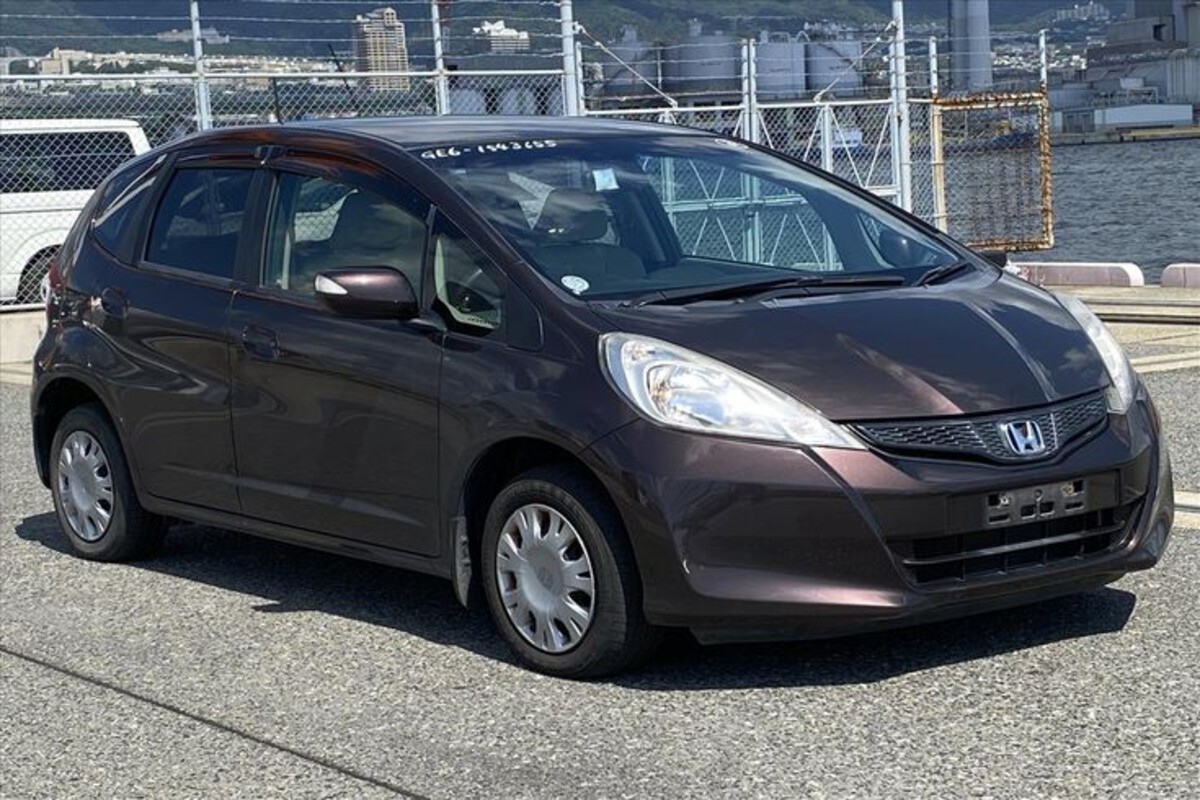
For those aiming far past 200,000 miles, this organized and attentive approach is not just beneficial but essential. The Fit, when treated with such proactive observation, continues to prove that a small economy car can provide outstanding reliability deep into its lifespan.
By combining consistent maintenance practices with mindful driving habits, any Honda Fit has the potential to exceed 200,000 miles of reliable service.
From fresh oil to rust prevention, every strategy contributes to reducing mechanical wear and extending structural integrity.
Ultimately, what defines a long-lasting Fit is commitment. Owners who respect the requirements of a small but resilient machine are rewarded with a car that remains dependable far beyond the expectations of most modern vehicles.
Also Read: 5 Affordable Hybrids That Feel Well-Made and 5 That Don’t
