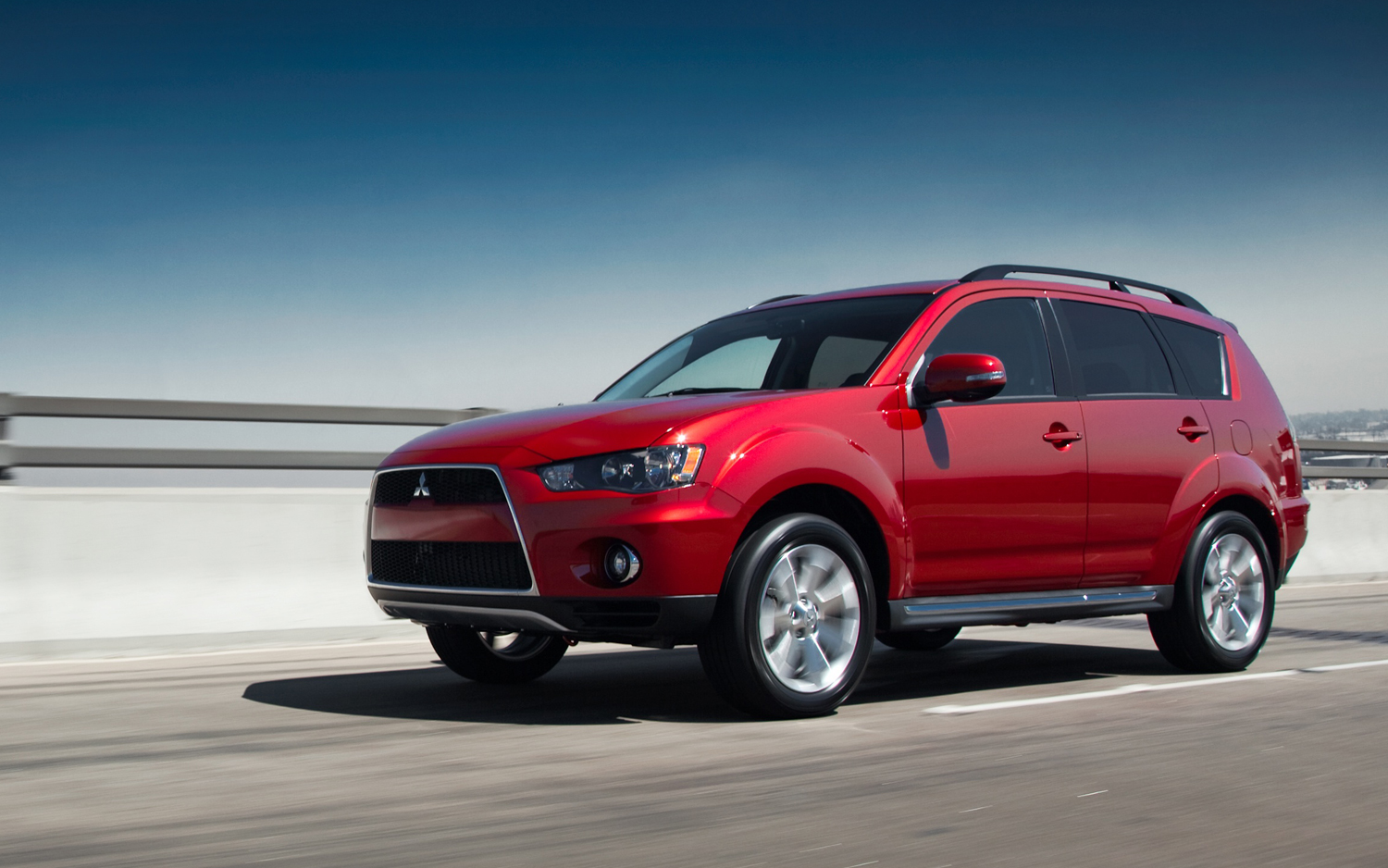
The Mitsubishi Outlander has long been a staple in the compact and midsize SUV market, known for its affordability, versatile design, and family-friendly features. Over the years, Mitsubishi has refined the Outlander to compete with segment leaders like the Honda CR-V, Toyota RAV4, and Nissan Rogue.
However, not all model years have been created equal. While some suffered from reliability and quality-control issues, others stood out as excellent choices, offering solid performance, modern features, and lasting dependability.
For buyers looking to invest in a used SUV, choosing the right model year can make a huge difference in ownership satisfaction and long-term costs. This article highlights five Mitsubishi Outlander years that stand above the rest, blending practicality with comfort, safety, and value.
Whether you’re drawn to early models for their affordability or later versions for updated technology, these five Outlander years prove to be worth buying for today’s SUV shoppers.
5 Mitsubishi Outlander Years Worth Buying
1. 2012 Mitsubishi Outlander
The 2012 Mitsubishi Outlander marked one of the final years of the second generation, benefiting from refinements that corrected earlier shortcomings. Drawing styling cues from the Lancer Evolution, its bold and aggressive exterior stood out among compact crossovers.
Buyers could opt for useful upgrades such as daytime running lights, auto-functioning headlights, an auto-dimming rearview mirror with reversing display, and a premium Rockford Fosgate nine-speaker audio system.
Mitsubishi trimmed the lineup from four to three models, simplifying choices while retaining a well-rounded feature set. With sharp looks, a roomy interior, and a smooth ride, the Outlander positioned itself as an edgier alternative to mainstream rivals like the Honda CR-V and Toyota RAV4.
Under the hood, the 2012 Outlander offered two engine options. The base 2.4-liter four-cylinder delivered 168 horsepower and 167 lb-ft of torque, paired with a continuously variable transmission (CVT).
For more power, the GT trim housed a 3.0-liter V6 producing 230 hp and 215 lb-ft, matched with a six-speed automatic transmission featuring manual-shift capability. Front-wheel drive came standard, while all-wheel drive was optional on SE and GT trims, with selectable drive modes for various terrains.
The V6 GT accelerated from 0–60 mph in 7.9 seconds, solid for its class. Fuel economy ranged from 25 mpg combined with the four-cylinder to 21 mpg combined for the V6 AWD. Though less powerful than some competitors, the Outlander offered engaging steering, sharp handling, and sporty driving dynamics rarely found in its segment.
Safety remained a strength for the 2012 Outlander. Standard equipment included antilock disc brakes, stability control, front-seat side airbags, and full-length curtain airbags, along with whiplash-reducing front head restraints.
The IIHS awarded the Outlander top “Good” scores in frontal-offset and side-impact crash tests, while its roof-strength test score was rated “Average.” On the road, the Outlander impressed with balanced suspension tuning that combined sportiness with comfort.
Its steering was well-weighted, and the available AWD system boosted confidence in snow, sand, or rain. The V6 may not have matched the top performers in its class, but its responsive acceleration and balanced driving dynamics helped the Outlander stand apart from more utilitarian rivals.
Inside, the Outlander carried a straightforward, masculine design, with boxy lines and minimal decorative accents. Some appreciated its simplicity, while others considered it stark compared to more stylish competitors. Material quality varied, with some hard plastics, though GT trims featured soft-touch panels and double-stitch accents.
Cabin space was generous, particularly in the first two rows, and the second row offered sliding and reclining functions. However, the optional third row was cramped, flimsy, and best suited for children during emergencies.
Cargo capacity was a highlight, offering nearly 73 cubic feet with seats folded, competitive for the segment. A unique flip-down tailgate capable of supporting 440 pounds further added practicality, making the 2012 Outlander both versatile and family-friendly.
2. 2020 Mitsubishi Outlander
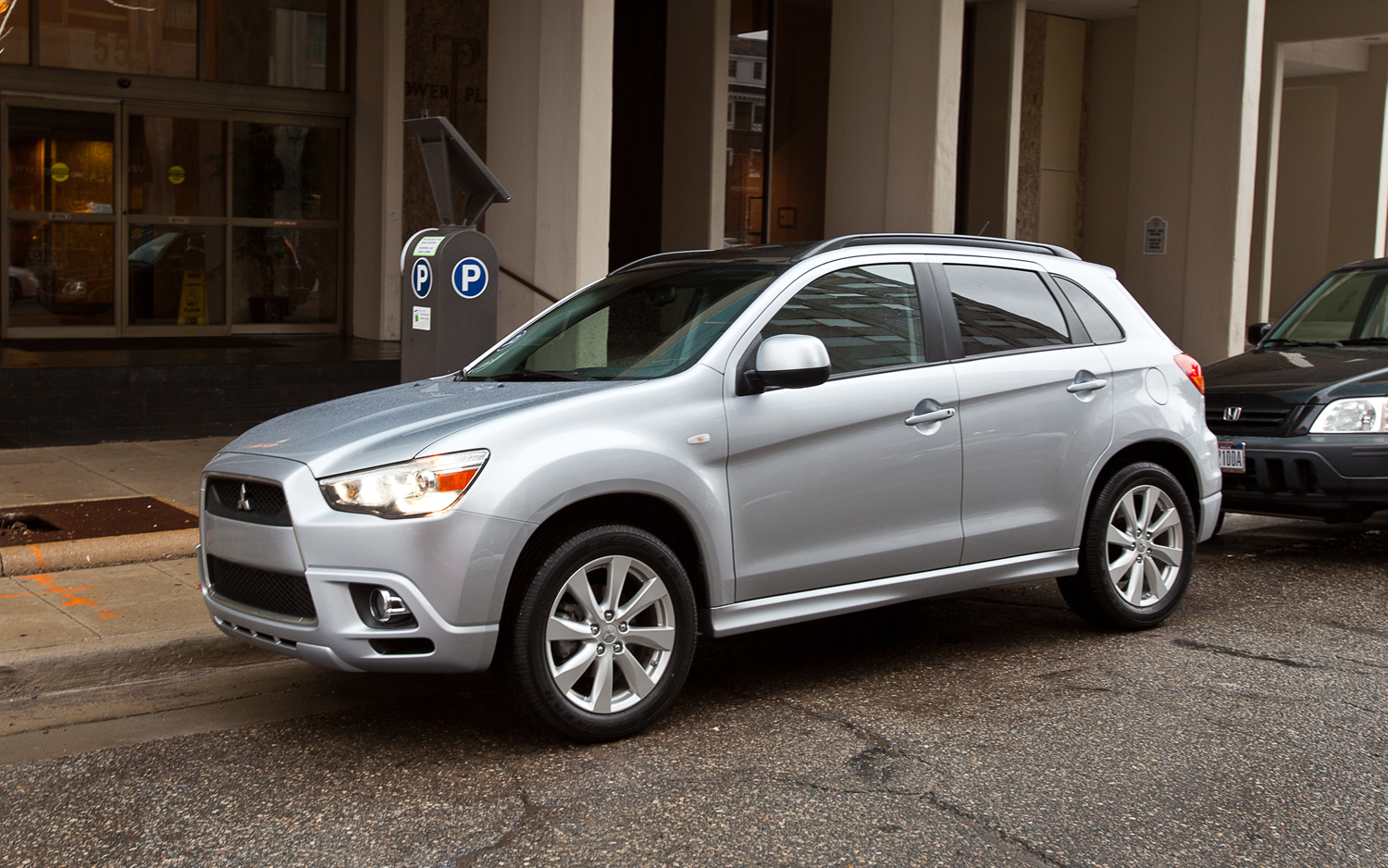
Among the third-generation Outlander models introduced in 2014, the 2020 Mitsubishi Outlander stands out as one of the most reliable years. Reports of complaints and recalls were relatively low compared to earlier versions, making it a stronger choice for buyers prioritizing dependability.
Mitsubishi offered both gasoline and PHEV (plug-in hybrid) variants, and in non-PHEV trims, it remained the only compact SUV in its price range to feature an optional third-row seat.
Updates for this year added practicality and modern touches, including a redesigned second-row seat for better comfort, a larger 8-inch touchscreen, additional rear-seat USB ports, and a new SP (Special Edition) trim. For all-wheel-drive models, Mitsubishi’s Super All-Wheel Control (S-AWC) system further enhanced traction and handling.
While the third-row seat gave the Outlander a unique selling point, its limitations were immediately noticeable. The space was extremely cramped, suitable only for small children, and its inclusion reduced the available cargo capacity.
Even when folded, the third row occupied valuable storage space, which made the Outlander less practical than many of its two-row rivals. This compromise often left buyers weighing whether to settle for a small SUV with limited utility or move up to a midsize three-row model.
Despite its family-friendly intentions, the Outlander’s tight packaging limited its everyday usefulness compared to competitors like the Honda CR-V or Toyota RAV4.
Beyond cargo and seating compromises, the 2020 Outlander struggled with comfort and driving enjoyment. The cabin, while upgraded with new tech features, retained a sense of cheapness due to hard plastics and uninspired design.
Seat comfort was a recurring issue, with both front and rear seats criticized for being stiff and uncomfortable on longer drives. On the road, the Outlander lacked the refinement of rivals, offering a ride that felt less composed and less engaging.
While its S-AWC all-wheel-drive system improved confidence in poor conditions, the driving dynamics still failed to match competitors that blended efficiency with a more enjoyable ride.
In a crowded SUV market, the 2020 Outlander’s strengths in reliability and available third-row seating were overshadowed by its shortcomings in comfort, space, and driving appeal.
Rivals like the Kia Sorento and Volkswagen Tiguan offered similar third-row availability but delivered more refined interiors and a stronger balance between performance and practicality. For shoppers not requiring seven seats, highly rated two-row crossovers like the Honda CR-V provided superior comfort and value.
While the 2020 Outlander represented one of the better third-generation years, its compromises prevented it from being a top contender in the compact SUV class.
3. 2003 Mitsubishi Outlander
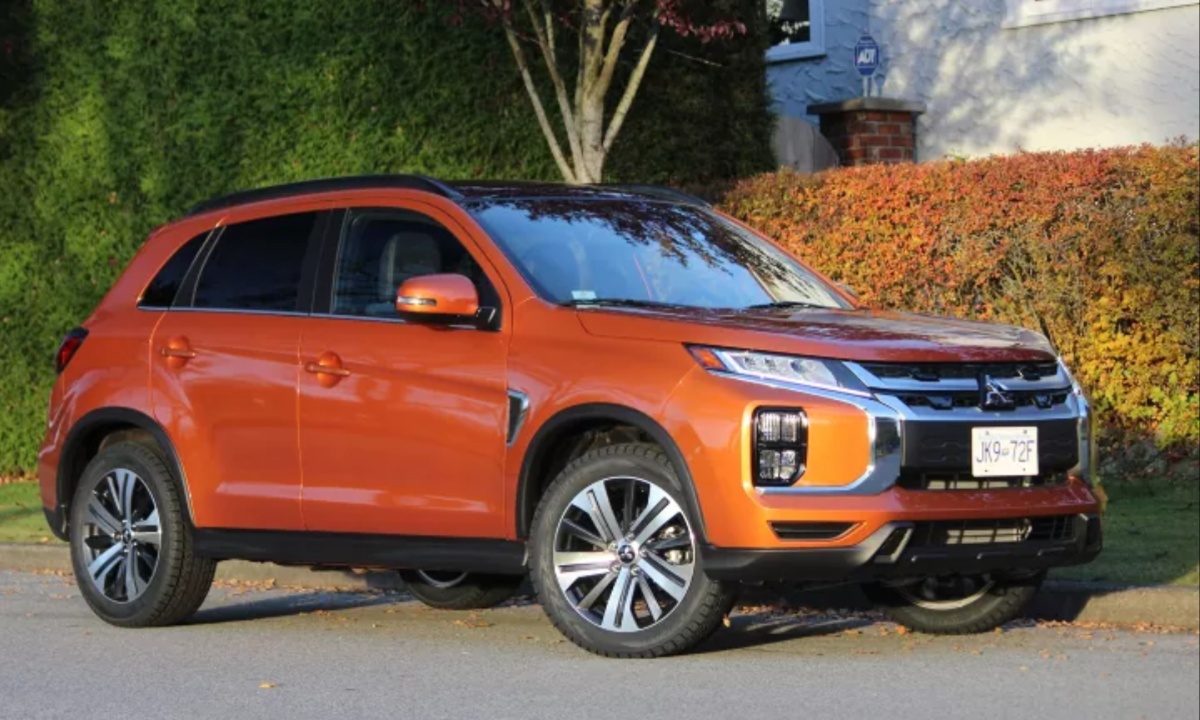
In 2003, Mitsubishi joined the growing compact SUV market with the introduction of the Outlander, a model designed to compete with established players like the Honda CR-V and Subaru Forester. While it shared similar dimensions and practical utility with its rivals, the Outlander distinguished itself with bold styling.
A pronounced hood bulge, large grille, smooth body lines, and clean rear design gave it a slightly more rugged appearance. Standard roof rails enhanced its practicality, allowing buyers to carry outdoor gear such as bikes and surfboards, reinforcing Mitsubishi’s aim to attract active lifestyle drivers.
Inside, the Outlander featured a straightforward and familiar cabin layout with large gauges and user-friendly controls. Its split-folding rear seats created up to 60.3 cubic feet of cargo space, comparable to its competitors.
Unlike many rivals that mounted the spare tire externally, Mitsubishi opted for an underfloor cargo storage design, resulting in a cleaner rear profile. While not revolutionary, the Outlander’s interior was functional and practical, offering enough flexibility to appeal to families and weekend adventurers alike.
Power came from a 2.4-liter inline-four engine producing 140 horsepower and 157 lb-ft of torque, borrowed from the Galant. Although adequate for city driving, the Outlander lagged behind stronger competitors in acceleration and highway performance.
Its four-speed Sportronic automatic transmission allowed manual-style shifting, paired with either front-wheel or all-wheel drive.
Fully independent suspension with MacPherson struts up front and a multilink rear setup provided respectable ride comfort and handling, though braking performance was limited by the front disc/rear drum configuration, with ABS available only as an option.
The Outlander launched in two trims: LS and XLS. The base LS came well-equipped with air conditioning, cruise control, power features, and a CD player, while the XLS added styling upgrades such as alloy wheels, fog lamps, and leather-wrapped accents. Buyers could also opt for luxury features like leather seating, a sunroof, and premium audio.
With a starting price under $19,000, Mitsubishi positioned the Outlander as a budget-friendly alternative to Toyota, Honda, and Ford SUVs, hoping its blend of style, practicality, and value would capture buyers in the competitive small SUV market.
4. 2012 Mitsubishi Outlander
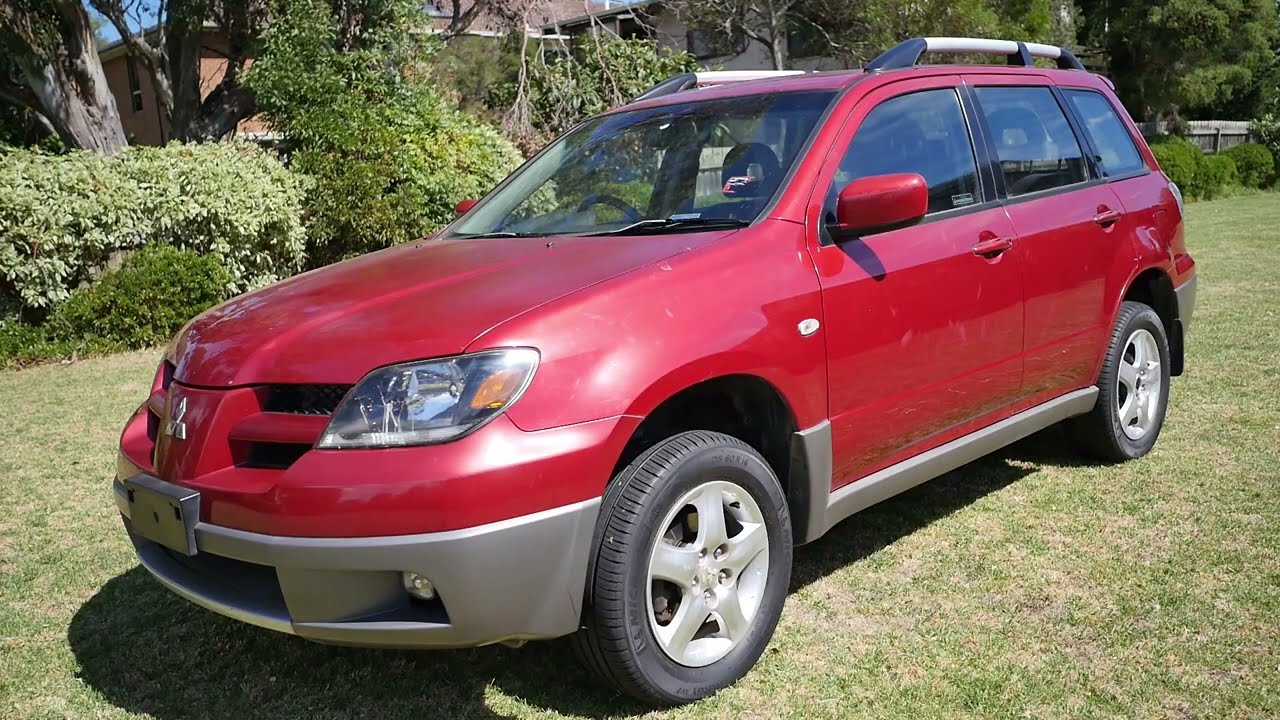
The 2012 Mitsubishi Outlander distinguished itself in the crowded compact crossover market with its bold styling and sporty character, drawing inspiration from the aggressive Lancer Evolution.
Unlike the more subdued designs of rivals like the Honda CR-V and Toyota RAV4, the Outlander projected a rugged, masculine presence while still offering family-friendly practicality.
For 2012, Mitsubishi introduced small but useful updates, such as an auto-dimming rearview mirror, a new “Eco” indicator drive lamp, and a revised rearview camera system that displayed in the mirror.
The trim lineup was streamlined from four to three: ES, SE, and GT. These changes, paired with competitive pricing, positioned the Outlander as a strong yet unconventional choice for buyers seeking both style and substance in their crossover.
Powertrain options included a 2.4-liter four-cylinder producing 168 horsepower and a 3.0-liter V6 delivering 230 horsepower. The four-cylinder is paired with a continuously variable transmission (CVT), while the V6 uses a six-speed automatic, both offering manual-shift capability.
The ES model came with front-wheel drive, while SE and GT trims offered optional all-wheel drive. The GT’s system included an advanced differential and multiple modes for varied conditions, enhancing traction on surfaces like snow or sand.
In testing, the V6-powered GT accelerated from 0–60 mph in 7.9 seconds, respectable for the class. Fuel efficiency was competitive, with the four-cylinder achieving up to 28 mpg highway.
Safety was another strength, with standard stability control, airbags, and top crash test ratings in most categories, though roof strength earned only an “Average” score.
Inside, the Outlander’s cabin favored simplicity over flair, with square lines and minimal accents creating a stark but functional environment. While some drivers appreciated this masculine aesthetic, others found it plain compared to more stylish rivals.
Material quality was mixed, with higher trims like the GT offering soft-touch surfaces and double-stitch accents, while lower trims showed cheaper plastics.
Notable technology included the Fuse system for voice-controlled phone and iPod functions, as well as available features like a rear-seat DVD player and a 40GB navigation system with music storage.
Cargo capacity was impressive, offering nearly 73 cubic feet with seats folded and a unique flip-down tailgate capable of holding 440 pounds. However, the optional third-row seat on SE and GT models was cramped, poorly padded, and generally unsuitable for regular use.
The 2012 Outlander faced stiff competition from redesigned heavyweights like the Honda CR-V and Toyota RAV4, as well as capable models like the Chevrolet Equinox, Kia Sorento, and Subaru Forester.
While it lacked the brand recognition and broad appeal of its rivals, the Outlander stood out with its athletic handling, sporty personality, and abundant cargo space.
It offered a solid mix of practicality and performance, catering to buyers who valued sharp driving dynamics and bold design over mainstream familiarity. For those seeking something different in a sea of family-oriented crossovers, the 2012 Mitsubishi Outlander was a compelling, underrated choice.
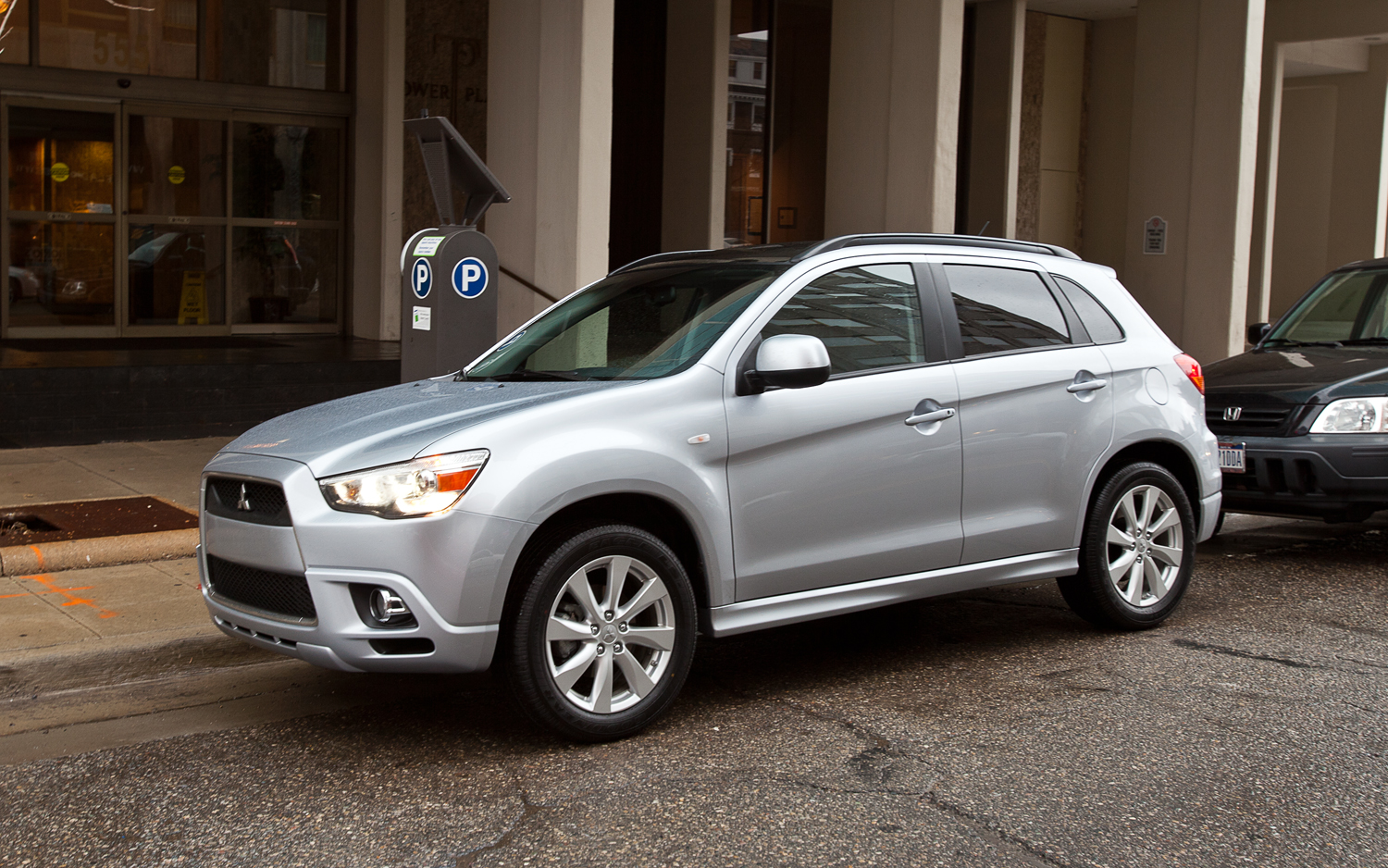
5. 2017 Mitsubishi Outlander
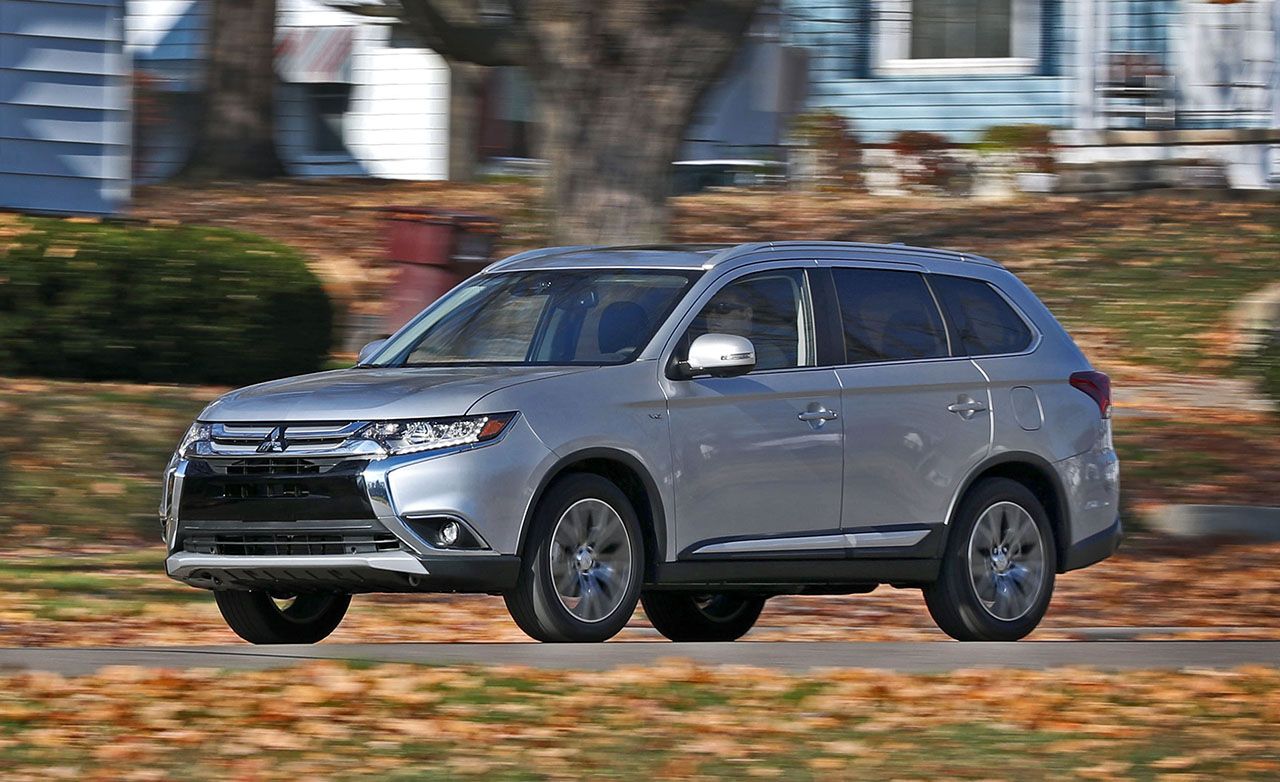
The 2017 Mitsubishi Outlander received a round of updates following its recent redesign. A 6.1-inch touchscreen and rearview camera, previously optional, are now standard.
Mitsubishi also added desirable features like Apple CarPlay, Android Auto, a 360-degree camera, and a heated steering wheel, while removing the optional navigation system. Notably, all-wheel drive is now available on the base ES trim, making the lineup more versatile.
Despite these upgrades, the Outlander competes in a crowded crossover market where models like the Honda CR-V, Nissan Rogue, and Kia Sorento dominate. Its three-row seating, affordable pricing, and strong safety record make it appealing, but shortcomings in performance and interior space prevent it from taking the lead in its class.
The Outlander offers two powertrain options: a 2.4-liter four-cylinder paired with a continuously variable transmission (CVT) and an optional 3.0-liter V6 matched with a six-speed automatic in GT models.
While both engines are adequate for city driving, the four-cylinder struggles with acceleration, and the CVT produces noticeable engine noise under heavy throttle. The V6 is smoother but limited to the GT trim.
Despite these flaws, the Outlander delivers a comfortable driving experience with improved sound insulation, stable handling, and excellent visibility. Its all-wheel-drive system includes selectable modes for enhanced traction in snow or light off-road conditions, offering added confidence to drivers in challenging environments.
Safety remains one of the Outlander’s stronger selling points. Standard features include antilock brakes, a rearview camera, stability control, hill start assist, and multiple airbags, including a driver knee airbag.
Optional advanced features such as blind-spot monitoring, lane departure warning, and forward collision mitigation with automatic braking make the crossover competitive in active safety technology.
In crash testing, the Outlander earned a five-star rating from government tests when equipped with all-wheel drive, and it scored well in Insurance Institute for Highway Safety evaluations, securing a ‘Good’ rating across key crash categories.
Braking performance is average, with Edmunds tests showing a 121-foot stop from 60 mph, which aligns with most competitors in the segment.
Inside, the Outlander presents a clean and functional design with soft-touch materials on the dashboard and doors. The 2017 update made the 6.1-inch touchscreen standard, with a 7-inch option offering smartphone integration via Apple CarPlay and Android Auto.
While the interface is somewhat clunky, these additions boost its appeal. Seating is comfortable in the first two rows, with reclining and sliding second-row seats, though lateral support is limited.
The third row is tight, suitable only for children, which restricts its practicality compared to rivals like the Sorento and Rogue. Cargo space is modest at 10.3 cubic feet behind the third row but expands to 63.3 cubic feet with seats folded, offering flexibility though not class-leading capacity.
Also Read: 5 Cars with Backup Cameras You Can Trust vs 5 That Are Blurry and Useless
5 Mitsubishi Outlander Years Are Not Worth Buying
1. 2014 Mitsubishi Outlander (Third Generation)
The 2014 Mitsubishi Outlander, part of the third-generation lineup, faced a wide range of owner-reported issues that significantly impacted its reliability. Many of the problems centered around the vehicle’s electrical and interior equipment.
Complaints frequently involved the speedometer providing inaccurate readings, Bluetooth connectivity failing, and intermittent operation of the power driver’s seat controls. These faults undermined convenience and confidence in the SUV’s systems.
Beyond electronics, the Outlander struggled with wheel and suspension hub problems, adding concerns over safety and long-term durability. Paint quality was another weakness, as owners reported premature chipping and damage to the bodywork.
Being among the first models of the new generation, these vehicles suffered from “first-batch” flaws, which Mitsubishi later worked to address in subsequent production years. While some buyers appreciated the updated styling and new features, the frequent mechanical and cosmetic problems overshadowed these advantages.
Repair costs also tended to rise quickly, given the combination of electrical glitches and mechanical faults occurring at relatively low mileage.
The 2014 Outlander serves as an example of the growing pains automakers sometimes face when transitioning to a new generation of vehicles, with Mitsubishi making improvements in later years but leaving early buyers with frustrating ownership experiences.
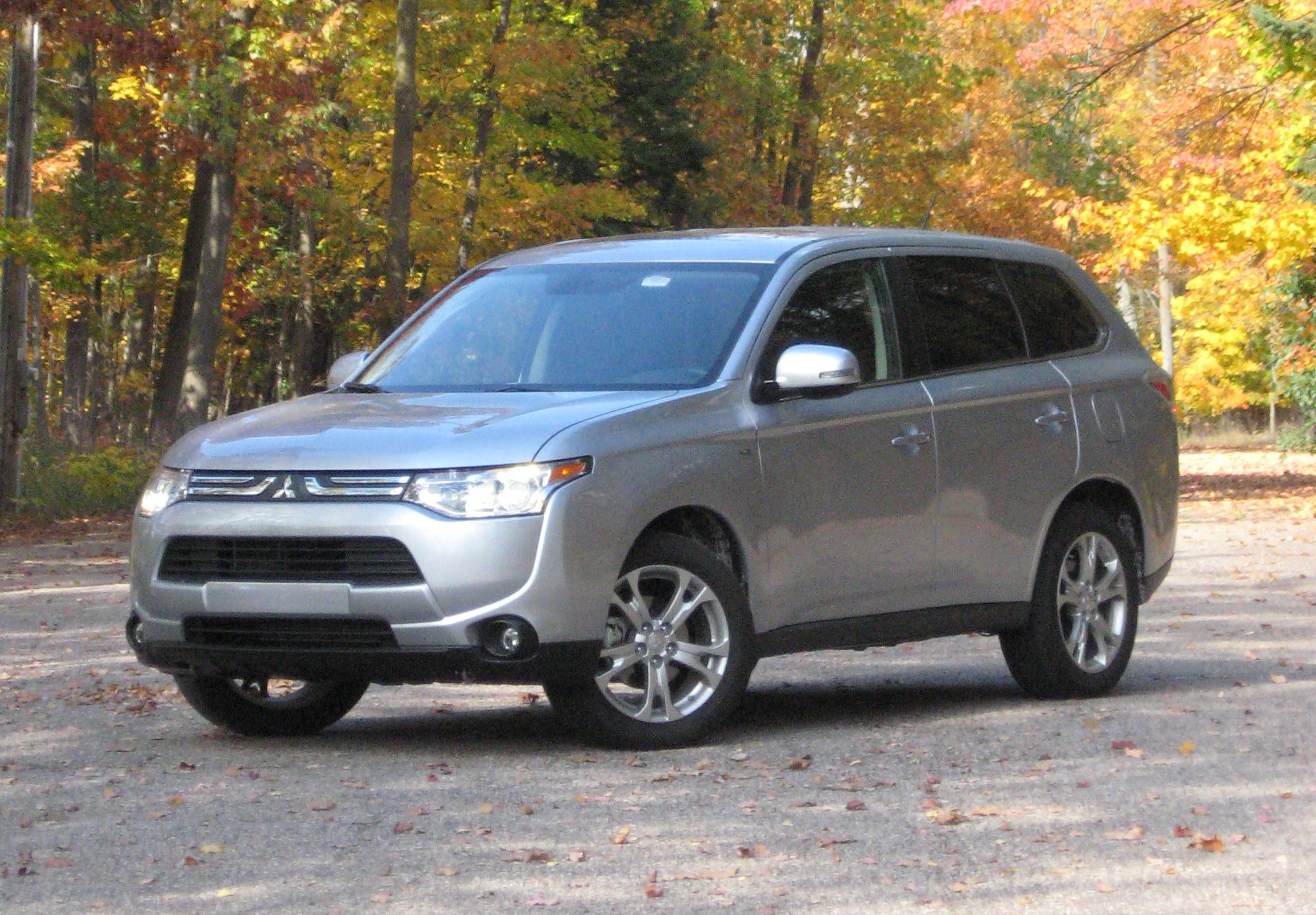
2. 2011 Mitsubishi Outlander (Second Generation)
The 2011 Mitsubishi Outlander, from the second generation, remains one of the most problematic years in the SUV’s history, recording the highest number of recalls among Outlander models. According to NHTSA data, this model year was burdened with 14 recalls, many addressing safety-critical issues.
One common problem was water intrusion into wiper motors, leading to premature failure and corrosion of related components, directly impacting visibility and safety. Additionally, engine component belts were prone to detachment, creating risks of breakdowns or further engine damage.
Corrosion also plagued the rear tailgate supports, compromising structural integrity and usability over time. Most concerning was the 2020 recall for potential corrosion of lower control arms, which, if ignored, could result in detachment from the undercarriage and catastrophic safety hazards while driving.
These widespread issues reflected a serious reliability gap in Mitsubishi’s engineering and quality assurance during that period. For owners, the constant stream of recalls translated into multiple dealership visits, inconvenience, and uncertainty about their vehicle’s safety.
Although some problems were eventually addressed, the sheer volume of recalls cemented the 2011 Outlander’s reputation as one of the least reliable SUVs of its era, making it a year to avoid for buyers seeking peace of mind.
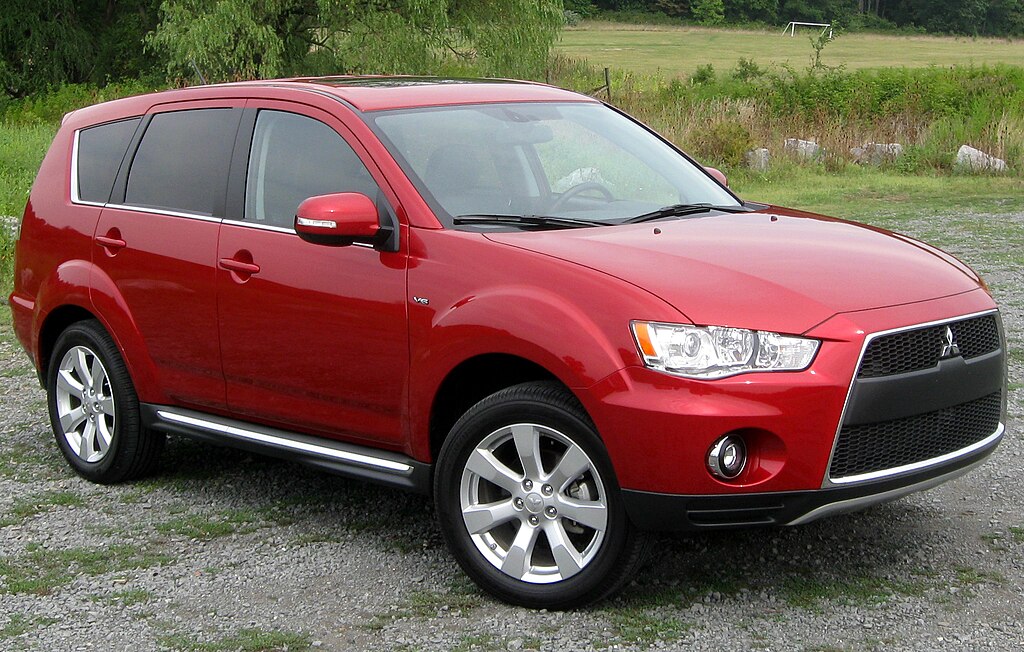
3. 2018 Mitsubishi Outlander (Third Generation)
The 2018 Mitsubishi Outlander, part of the refreshed third-generation models, also failed to meet reliability expectations, earning a reputation as one of the worst years in terms of owner satisfaction. Many complaints involved premature brake wear, which required costly replacements earlier than expected.
The push-button ignition system often malfunctioned, leaving owners frustrated when starting their vehicles. The SUV’s CVT transmission was another recurring problem, with reports of hesitation, poor acceleration, and reliability concerns that demanded expensive repairs or replacements.
On top of mechanical issues, the Outlander’s paintwork quality was notably poor, with owners consistently citing scratches and chipping as major flaws.
Safety-related recalls further complicated matters, including fixes for malfunctioning right rear seat buckles, electronic safety systems that failed to activate properly, and a critical software update for the forward-collision management system. A
ccording to Car Complaints, the 2018 Outlander ranks as the worst model year due to the combination of frequent mechanical issues, high repair costs, and problems surfacing at relatively low mileage.
For many owners, these failures outweighed the Outlander’s practicality and features. Instead of delivering on its promise as a dependable family SUV, the 2018 version highlighted Mitsubishi’s ongoing struggles with quality control in critical systems.
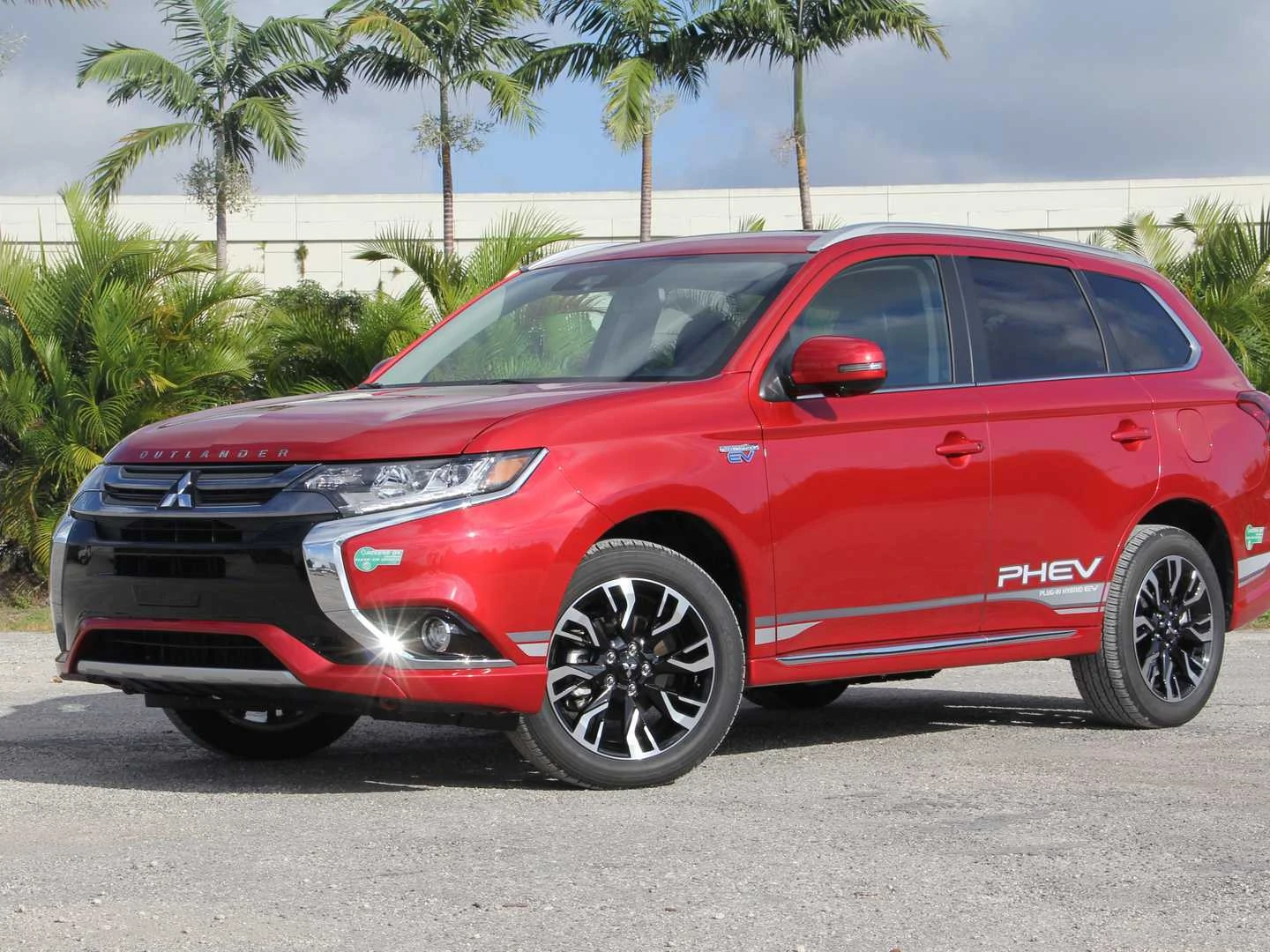
4. 2015 Mitsubishi Outlander (Third Generation)
The 2015 Mitsubishi Outlander, though not as problematic as some other model years, still presented several reliability concerns that frustrated owners. CarComplaints logged 78 NHTSA complaints and three recalls for this model, putting it in the category of years to avoid.
The most common issue involved body integrity, particularly poor paint durability. Owners reported chipping and rippling paint at an average mileage of only 11,400 miles, far earlier than expected. These cosmetic defects often led to rust if left untreated, diminishing resale value and long-term durability.
Unfortunately, paint-related problems were not covered under warranty, leaving owners to bear the cost of repairs. Mechanical reliability was also questionable, with reports of automatic transmission failures.
Some owners noticed whining noises that worsened with acceleration, while others described sudden deceleration, raising safety concerns. These transmission issues added to repair bills that were often expensive and inconvenient.
While the 2015 Outlander did not accumulate as many complaints as later third-generation models, the combination of paint flaws and drivetrain concerns meant it lacked the reliability and longevity expected in a family SUV.
Buyers looking for an affordable yet dependable midsize crossover found this model year fell short of expectations.
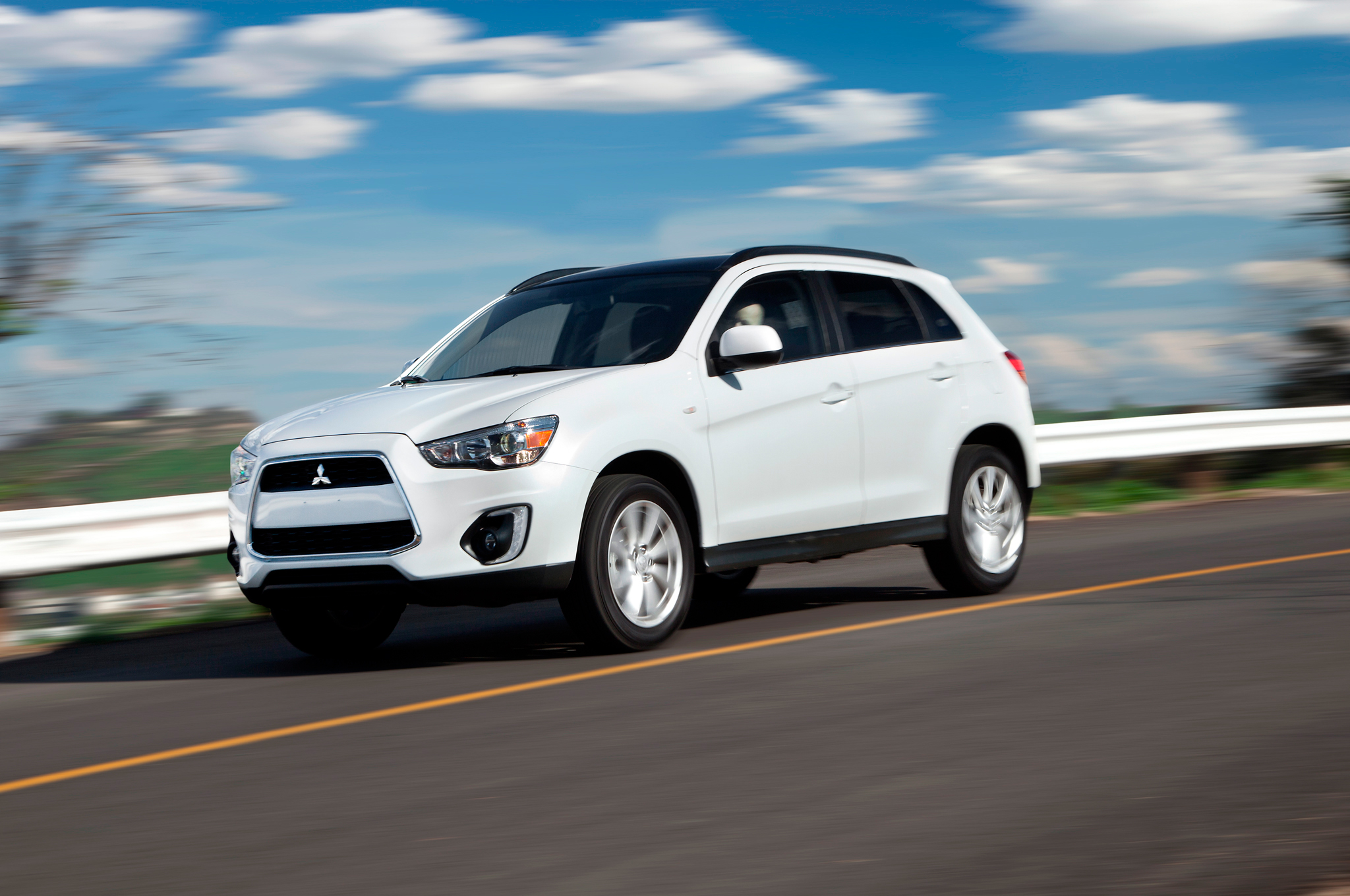
5. 2016 Mitsubishi Outlander (Third Generation)
The 2016 Mitsubishi Outlander recorded the highest number of complaints among Outlander models, making it one of the worst years for reliability. With 169 NHTSA complaints and six recalls, this version was plagued by widespread issues.
Transmission failures dominated owner grievances, with symptoms including whining or rattling noises from the engine bay, hesitation, and warning lights for overheating. Often occurring around 40,000 miles, the solution was typically a complete transmission replacement, a costly and time-consuming fix.
Beyond drivetrain problems, the 2016 Outlander suffered from poor paint quality, echoing issues seen in other model years. Owners noted excessive chipping and scratching, indicating a lack of durability in the factory paint job. These cosmetic flaws compounded the SUV’s reputation for low build quality.
Although the 2016 model offered updated styling and technology compared to its predecessors, these improvements were overshadowed by its mechanical weaknesses. The sheer number of complaints reflected a widespread dissatisfaction among owners who expected better from a family-oriented SUV.
Combined with Mitsubishi’s inconsistent handling of quality concerns, the 2016 Outlander has become one of the clearest examples of a model year buyers should avoid if they want long-term reliability and lower ownership costs.
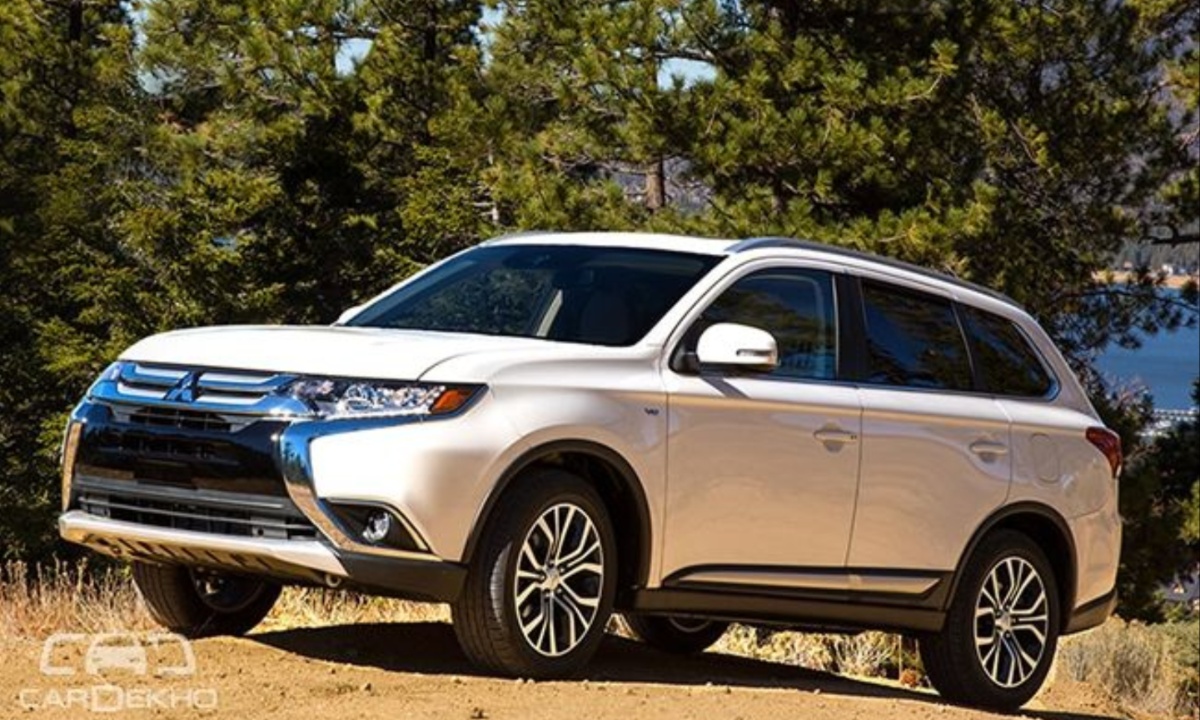
Choosing the right Mitsubishi Outlander comes down to identifying the model years that deliver consistent reliability, modern features, and strong value for money. The five years featured in this list represent some of the Outlander’s best iterations, balancing performance and practicality in a highly competitive SUV market.
From early versions that established Mitsubishi’s reputation in the compact SUV space to more recent models that introduced advanced safety and technology, these Outlanders provide dependable options for a wide range of drivers.
While avoiding problematic years is essential, focusing on these standout models ensures you get the most from your investment.
For families, commuters, or adventure seekers, the right Outlander year offers durability, comfort, and versatility without the headaches of frequent repairs or costly maintenance. By choosing one of these recommended model years, buyers can confidently enjoy a vehicle that meets their needs and holds its value in the long run.
Also Read: 10 Cars With Tricky Seatbelt Buckles for Elderly Passengers