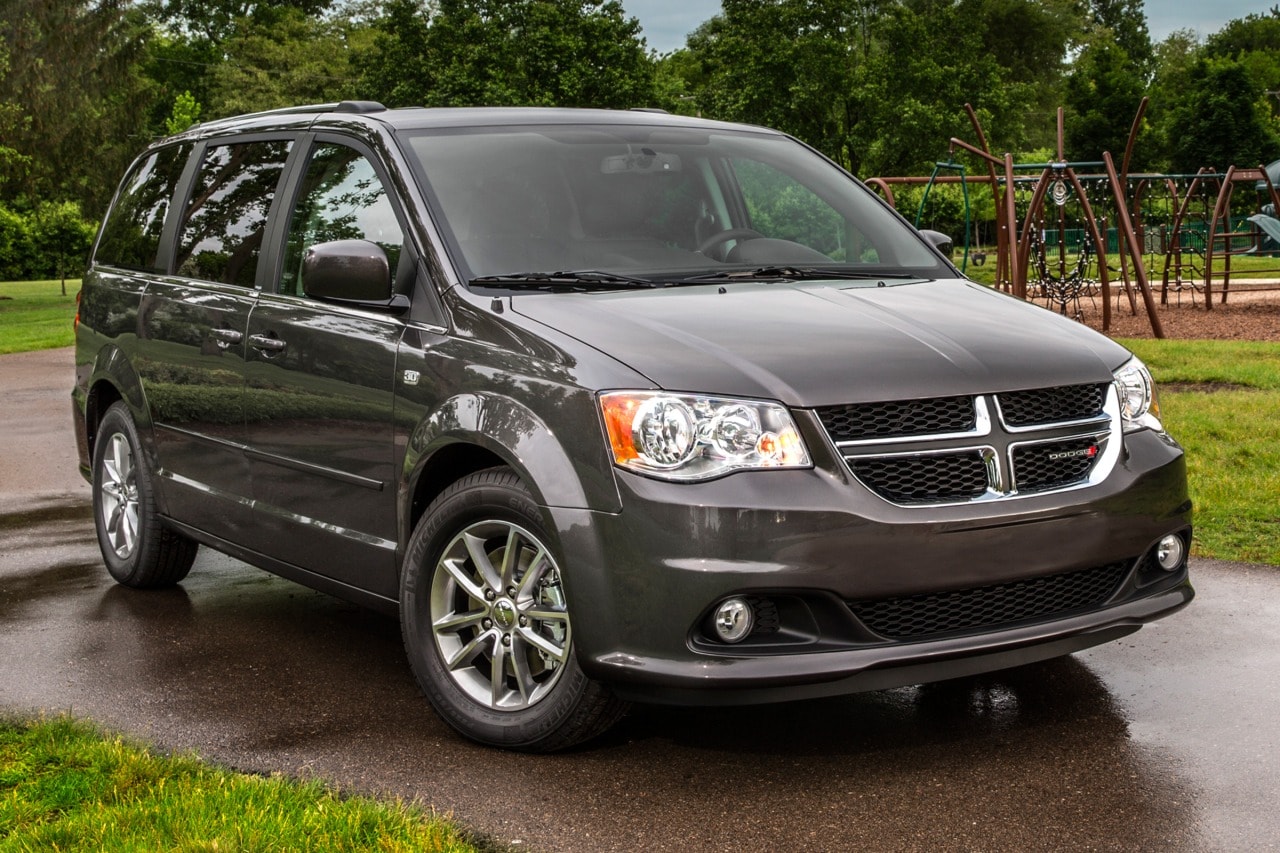
The Dodge Caravan has long been a staple for American families. With its spacious interior, versatile seating, and practical features, it has earned a reputation as one of the most family-friendly minivans on the road.
However, like any vehicle, keeping a Dodge Caravan reliable and safe for years requires more than just occasional maintenance.
Cultivating certain habits can extend the life of your Caravan while maintaining its comfort, efficiency, and safety for the entire family. Here are seven essential habits that help a Dodge Caravan remain family-friendly forever.
1. Prioritize Regular Maintenance
Routine maintenance is the cornerstone of vehicle longevity, and the Dodge Caravan is no exception. Following the manufacturer’s recommended service schedule for oil changes, tire rotations, brake inspections, and fluid replacements helps prevent minor issues from turning into expensive repairs.
In the U.S., many families drive long distances daily, whether commuting to work, school, or extracurricular activities. Ensuring the Caravan’s engine, transmission, and suspension are in peak condition can make a significant difference in reliability.
Using quality oil and genuine replacement parts also preserves performance. While some owners may be tempted to skip scheduled maintenance or opt for cheaper alternatives, investing in the proper care upfront can save thousands in repairs down the road.
For families, this habit isn’t just about money it’s about ensuring a safe ride for children and passengers.
2. Keep the Interior Clean and Organized
A minivan like the Dodge Caravan is built to carry kids, groceries, sports equipment, and more. Over time, clutter, spills, and accumulated dirt can affect not only aesthetics but also the vehicle’s functionality.
Establishing a habit of cleaning the interior regularly keeps the cabin inviting and safe. For instance, removing loose toys or items from the floor prevents potential hazards while driving, especially during sudden stops. Vacuuming carpets, wiping down surfaces, and treating leather or vinyl seats protects materials from wear and tear.
In addition, organizing the interior with storage bins or seat-back organizers ensures essentials are accessible without creating distractions for the driver. For U.S. families juggling multiple schedules, a clean and orderly minivan can make daily routines smoother and safer.
The proverb “an ounce of prevention is worth a pound of cure” holds particularly true when it comes to maintaining your car’s interior. For drivers who spend a lot of time on the road or have kids or pets, keeping the interior clean can feel overwhelming due to all the nooks and crannies in a vehicle. While you may not always have a vacuum, brushes, or cleaners handy, there are several effective strategies to maintain a spotless and organized car.
One of the simplest ways to keep your car tidy is to place a trash bin inside. Trash can easily accumulate in compartments, footwells, floors, or between the seats and console, and having a dedicated bin prevents litter from scattering. A waterproof bin with a lid is ideal, and it can be hung from the front seat headrest. Even a simple plastic bag can suffice if it fits in your car door compartment, just remember to empty it regularly.
Cup holders are notorious for collecting crumbs, sticky residue, and condensation. A practical cleaning trick is to use an old sock, possibly sprayed with an all-purpose cleaner, to scrub away grime.
To reduce future mess, use silicone cups or liners in the cup holders, which can easily be removed and cleaned. Additionally, promptly disposing of empty cups containing beverages like coffee or soda helps minimize spills and condensation.
Keeping your car smelling fresh is equally important, and using air fresheners can help maintain a clean and pleasant environment. A good fragrance can be soothing during drives, and regularly replacing air fresheners ensures a consistent fresh scent inside your vehicle.
Organizers are another excellent tool for maintaining a clutter-free car. Back and front seats can become messy from children’s shoes, snacks, or other items.
A car seat organizer, which typically has multiple compartments, can store toys, travel games, accessories, and treats while preventing dirt on the back of seats. DIY organizers made from shoe organizers can also be effective, and front-seat dividers with compartments help reduce clutter further.
Spills should be cleaned immediately to prevent permanent stains. Keeping a microfiber towel handy allows for quick cleanup on seats or carpets, saving time and protecting the interior from damage. Similarly, floor mats should be shaken out regularly, ideally after each trip or at least weekly, to remove accumulated dirt and reduce the effort needed for deeper cleaning later.
Using seat covers is another effective way to protect car upholstery from dirt and stains. Covers can be removed and cleaned in a washing machine or through dry cleaning, and waterproof covers are especially useful for pet owners, preventing muddy paws or fur from damaging the seats.
Regular vacuuming of the interior is also essential to remove dust, dirt, and food particles. Vacuum the floor, seats, and trunk at least once a week, using a nozzle that can reach tight corners, pedals, and side panels to ensure a thorough clean.
An organized emergency kit is crucial for trips, especially when traveling with children, the elderly, or individuals prone to motion sickness. Keep essential medicines, band-aids, and ORS solutions stored neatly in a box, along with wet tissues for cleanup if someone becomes unwell. This preparation not only ensures safety but also prevents clutter in your vehicle.
Finally, make it a habit to remove any extra items from your car after each trip. Allowing items to pile up will make the car feel cluttered and untidy. Regularly checking under the seats and clearing out unnecessary belongings ensures your vehicle remains organized and easy to maintain.
Also Read: 5 Affordable Cars That Handle Like New at 150K and 5 That Feel Tired at 50K
3. Monitor Tires and Brakes Religiously
Tires and brakes are critical to any family vehicle. Regularly checking tire pressure, tread depth, and signs of uneven wear can prevent blowouts and maintain optimal handling.
In a Dodge Caravan, which often carries heavy loads, this habit becomes even more important. Underinflated or worn tires not only reduce fuel efficiency but also compromise safety, particularly on highways or during inclement weather common across various U.S. regions.
Brake inspections are equally vital. Since the Caravan is frequently used for family trips, school runs, and errands, brake pads and rotors can wear faster than in lighter vehicles.
Scheduling brake checks every 10,000 to 15,000 miles or sooner if you notice squealing or reduced stopping power ensures the vehicle remains safe for passengers of all ages.
4. Drive Sensibly and Avoid Overloading
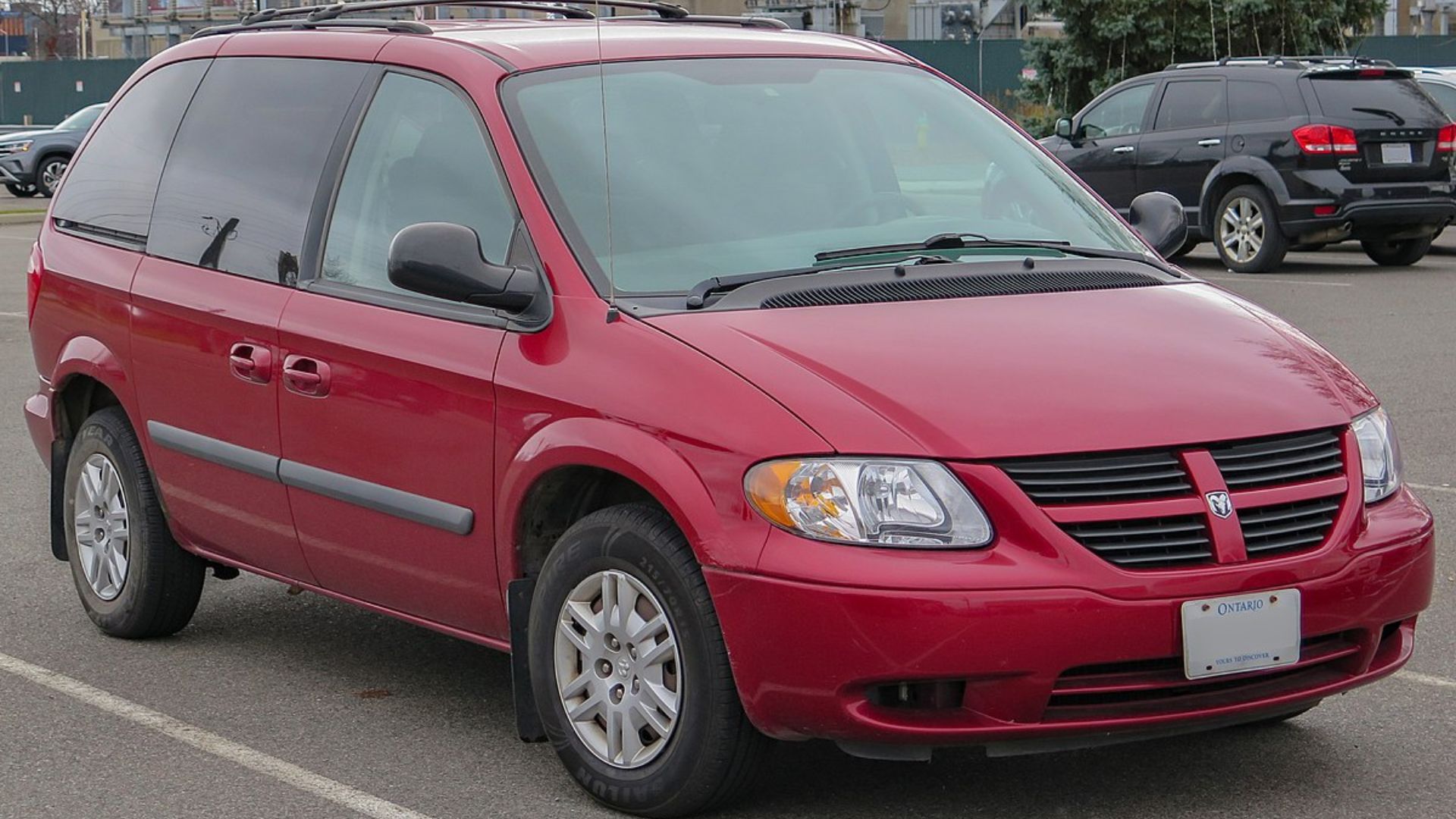
One of the easiest ways to maintain a Dodge Caravan’s longevity is by adopting responsible driving habits. Aggressive acceleration, hard braking, and high-speed cornering place unnecessary strain on the engine, transmission, and suspension. Families should focus on smooth, steady driving to minimize wear on critical components.
Equally important is avoiding overloading the minivan. While the Caravan is designed to carry passengers and cargo, exceeding the recommended weight limit can stress the suspension, brakes, and tires, leading to premature damage.
For U.S. families frequently transporting sports gear, luggage, or camping equipment, understanding and respecting weight limits ensures the vehicle remains comfortable and safe for everyone on board.
Driving safely with a full load begins with understanding your vehicle’s payload capacity, which is the maximum weight it can carry, including passengers and cargo. This information is usually available in the owner’s manual or on a manufacturer’s label located on the driver’s side door jamb.
Exceeding the payload limit can negatively affect handling, braking, and overall vehicle safety, putting additional strain on the engine and suspension and increasing the risk of accidents or breakdowns. To avoid overloading, weigh your cargo before loading and remove any unnecessary items. Remember that passengers contribute to the total weight, so account for everyone on board.
Once you know your vehicle’s limits, distributing weight evenly is essential for maintaining stability and safe handling. Heavier items should be placed low and near the center of the vehicle, while lighter items can be distributed toward the back and sides.
Avoid overloading one side, as this can cause uneven tire wear and compromised control. Proper organization helps reduce the risk of tipping or swaying, especially during sharp turns or sudden stops. Regularly reassess the load if you make multiple stops or rearrange cargo to ensure the vehicle remains balanced. Correct weight distribution not only enhances safety but also helps prolong the lifespan of your vehicle.
Securing all items is the next critical step to prevent shifting during transit. Unsecured cargo can destabilize the vehicle and increase the risk of accidents. Use strong tie-down straps for larger items and cargo nets to contain smaller objects.
Keep heavier items at the bottom to lower the center of gravity, which further improves stability. Properly securing cargo reduces movement inside the vehicle, helping you maintain control and avoid unexpected hazards while driving.
Adjusting tire pressure for the added load is equally important, as extra weight increases the stress on your tires. Low tire pressure under a full load can lead to poor handling, longer stopping distances, increased tire wear, and even blowouts.
To ensure safe performance, inflate your tires to the manufacturer’s recommended pressure for loaded conditions, which can typically be found on a sticker inside the driver’s door or in the owner’s manual. Regularly check tire pressure, especially after long trips or temperature changes, to maintain optimal stability, grip, and overall safety.
By following these guidelines, checking payload capacity, evenly distributing weight, securing cargo, and adjusting tire pressure, you can drive safely and confidently even with a fully loaded vehicle. Smooth acceleration, gentle braking, and maintaining a safe following distance are additional practices that further enhance safety and performance, helping you arrive at your destination with stability and control.
5. Protect the Exterior from Harsh Conditions
Weather and environmental factors can significantly affect a Dodge Caravan’s appearance and structural integrity. From the snowy Midwest winters to the hot, sunny summers of the Southwest, taking steps to protect the exterior prolongs the van’s life.
Regular washing removes road salt, grime, and debris that can cause rust or paint damage. Applying a quality wax every few months adds an extra layer of protection against UV rays and corrosion.
Parking in covered areas or using a car cover when possible shields the vehicle from harsh sunlight, hail, and falling debris.
For families in the U.S., where climates vary dramatically, adopting a habit of exterior care ensures the minivan remains visually appealing and retains its resale value over time.
Engine splash shields, also referred to as skid plates, lower engine covers, or engine splash guards, are protective panels located underneath a car’s engine. These often-overlooked components are part of the roughly 30,000 parts in an average vehicle, yet they play a crucial role in protecting the engine from road debris.
Splash shields prevent small rocks, nails, water, mud, dust, and other contaminants from directly contacting and damaging the engine. Despite the name, an engine splash shield also safeguards other vital components, including the oil pan and transmission. Without a splash shield, these parts are more susceptible to damage and may require frequent replacement, compromising the vehicle’s reliability.
Engine splash shields are typically made from either plastic or metal, with each material offering distinct benefits and drawbacks. Plastic shields are generally more affordable but are softer and more prone to breakage, often necessitating earlier replacement. Metal shields, while more expensive, offer greater durability and longevity.
For drivers who frequently encounter gravel roads or harsh driving conditions, a metal splash shield may be a better investment. Aluminum shields, in particular, are well-suited for managing the high heat generated by the engine, helping to prevent overheating during hot weather or long-distance drives.
When it comes to replacing an engine splash shield, it is essential to select one compatible with your vehicle’s specific make and model. Replacement can be done as a DIY project if you have the necessary tools and confidence. Start by parking the vehicle on a flat, safe surface and allow the engine to cool completely.
Then, raise the car using a jack to access the splash shield. After installing the new shield securely, lower the vehicle and perform a test drive to ensure it is properly fastened. For those who prefer professional assistance, a qualified mechanic or mobile technician can perform the replacement safely and efficiently, ensuring your engine and other critical components remain protected.
Also Read: 5 Hybrids That Rarely Need Tech Updates and 5 That Always Do
6. Stay on Top of Technology and Safety Features
The Dodge Caravan includes numerous features aimed at family convenience and safety, such as rearview cameras, parking sensors, and infotainment systems.
Staying up to date with these technologies helps maintain a family-friendly environment. Ensuring software updates are installed, sensors are clean, and electronic systems function correctly improves daily usability.
Buying a car can cost tens of thousands of dollars, and for luxury or full-size SUVs, prices can exceed six figures. While it may not always be financially practical to trade in a perfectly good car for one with the latest safety technology, investing in these features can be worthwhile for the protection of you, your family, and your passengers.
Some advanced safety technologies are more “sizzle than steak” and may not justify the expense, but others are genuine game-changers that deliver real-world benefits.
According to MoneyGeek.com, the average cost of a new car in July 2024 was $48,401, with luxury and large SUVs potentially surpassing $100,000. Given these figures, it’s critical to choose wisely when purchasing a vehicle, prioritizing safety features that offer measurable protection.
Among the most impactful safety technologies is blind spot detection, which, according to the ITS Deployment Evaluation, contributes to a 23% reduction in injury-causing crashes from lane changes. Since all vehicles have blind spots, sensors that monitor areas outside your side mirrors can significantly reduce the risk of collisions.
Automatic emergency braking is another indispensable safety feature. This system detects objects or pedestrians in the vehicle’s path and activates the brakes if the driver fails to respond in time.
Whether driving in a densely populated city or in rural areas with potential animal crossings, automatic emergency braking provides an essential layer of protection. Similarly, electronic stability control helps prevent loss of control by automatically applying brakes to maintain proper vehicle direction, improving overall stability.
Forward collision warning systems, which rely on radar, cameras, or lasers, scan the road for potential hazards and alert the driver visually or audibly of an imminent crash. These systems have been shown to reduce liability claims for property damage by 7 to 13 percent, highlighting their practical value.
Lane departure warning technology is equally important, alerting drivers when they unintentionally drift out of their lane. Alerts can be visual, audible, or subtle vibrations, helping prevent accidents caused by fatigue or momentary inattention.
Rear cross-traffic alert systems are particularly useful in busy parking lots, notifying drivers of approaching vehicles or pedestrians while reversing. Head-up displays (HUDs) can also enhance safety by projecting critical information, such as speed, onto the windshield, reducing the time drivers spend looking away from the road. Properly positioned HUDs help keep attention focused on driving while still providing important data.
Pedestrian detection systems further protect vulnerable road users by identifying pedestrians and cyclists near the vehicle and initiating emergency braking if necessary. This technology is especially important in urban environments where pedestrians may unexpectedly enter the vehicle’s path.
By prioritizing these advanced safety features, blind spot detection, automatic emergency braking, electronic stability control, forward collision warning, lane departure warning, rear cross-traffic alert, head-up displays, and pedestrian detection, drivers can make a meaningful investment in both vehicle safety and peace of mind.
Moreover, regular attention to safety features seat belts, airbags, and child seat anchors, guarantees peace of mind for parents.
Checking these systems periodically and addressing any recalls promptly is a habit that directly impacts passenger safety, which is especially critical for children and young passengers.
7. Practice Preventive Care for the Engine and Transmission
Finally, proactive engine and transmission care keep the Dodge Caravan running smoothly for decades. This includes monitoring fluid levels, such as engine oil, transmission fluid, and coolant, as well as watching for signs of leaks or abnormal noises.
Flushing the transmission fluid at recommended intervals and ensuring the cooling system is functioning properly prevents overheating and costly failures.
Many Caravan owners underestimate the importance of addressing minor issues immediately. A slight engine knock or transmission hesitation may seem negligible at first, but if ignored, these problems can lead to breakdowns.
Developing the habit of preventive care, taking the vehicle to a trusted mechanic at the first sign of trouble, keeps the van dependable for daily family use.
Vehicle maintenance isn’t just about keeping your car clean and shiny; it’s about ensuring efficiency, longevity, and safety. A mechanic approaches maintenance with a focus on early detection of potential issues to prevent bigger problems down the road. One of the first areas to check is the tires, which serve as the foundation of a safe ride.
Tires are the only contact point between your car and the road, so maintaining them properly is critical for safety, fuel efficiency, and a smooth driving experience. Regularly check tire pressure with a gauge, rather than relying on sight alone, and consult the recommended pressure listed on the sticker inside the driver’s door.
Don’t forget to inspect your spare tire as well, as discovering a flat spare when you need it most can be frustrating. Examine the tires for visible damage, uneven tread wear, or embedded objects, as low tread or compromised tires reduce traction and safety, especially in wet or icy conditions.
Moving under the hood, a visual inspection of the engine bay can reveal a lot about your vehicle’s health. Check for cleanliness, leaks, excessive dirt, or wear. Battery terminals should be free of corrosion to ensure proper electrical function, and the oil level should be checked when the engine is cool, ideally after sitting overnight, using the correct oil type specified on the oil cap.
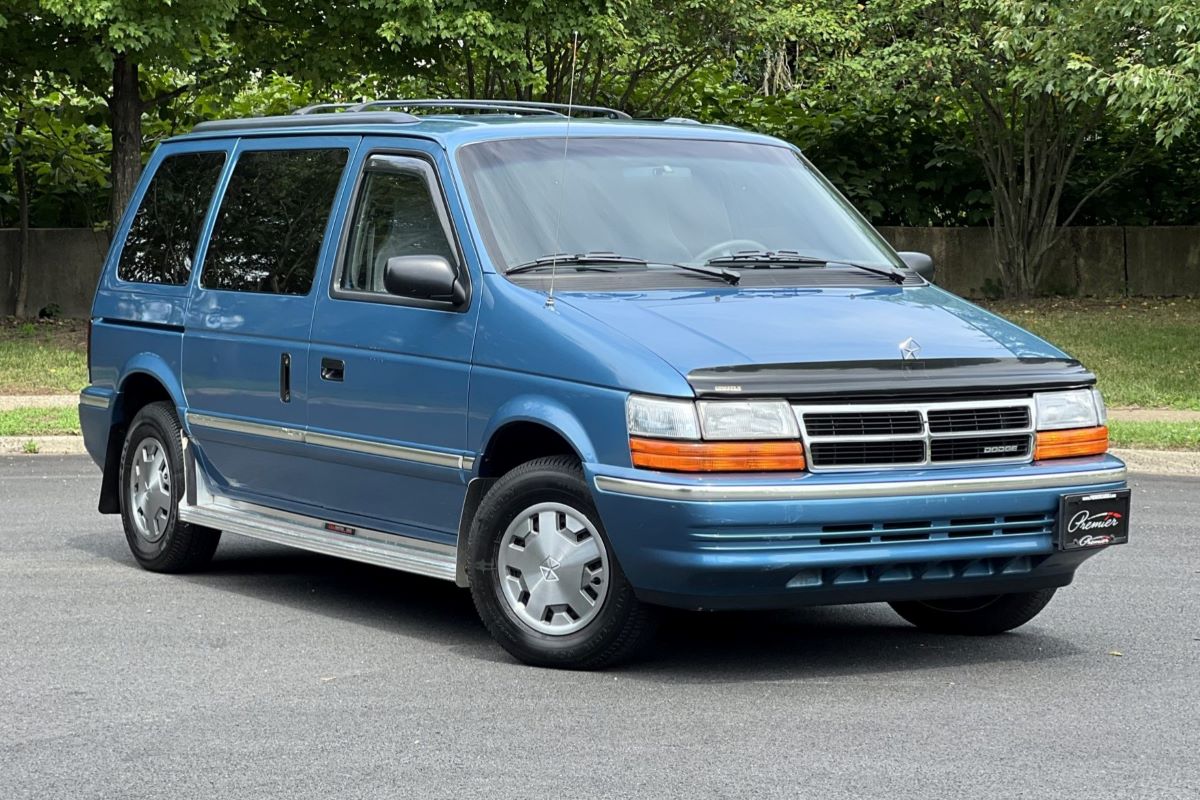
The Dodge Caravan’s reputation as a family-friendly minivan is well-earned, but sustaining that reliability requires commitment.
By prioritizing regular maintenance, keeping the interior clean, monitoring tires and brakes, driving sensibly, protecting the exterior, staying current with technology, and practicing preventive engine care, families can ensure their Caravan remains safe, comfortable, and dependable for years to come.
In the U.S., where minivans are often the backbone of busy family life, these habits not only extend the vehicle’s lifespan but also enhance day-to-day convenience and safety.
A well-maintained Dodge Caravan continues to provide the versatility and comfort families rely on, proving that with mindful care, this minivan can truly remain family-friendly forever.